


Why HRV Is More Important Than Your Resting Heart Rate
Explains why HRV is often more important than resting heart rate.
Explains why HRV is often more important than resting heart rate.
%402x.svg)
For decades, the rhythmic thump-thump of your resting heart rate (RHR) has reigned supreme as the gold standard of personal health metrics. It’s simple, intuitive, and neatly packaged on every fitness tracker and smartwatch screen. A low number? You’re fit. A high number? Time to worry. This single-digit snapshot has guided training programs, signaled recovery, and become a bragging right for athletes and wellness enthusiasts alike.
But what if this trusted metric is only telling half the story—and the less important half at that?
Beneath the steady average of your heartbeat lies a far more profound, dynamic, and telling rhythm: your Heart Rate Variability (HRV). Unlike resting heart rate, which measures the average beats per minute, HRV measures the subtle variations in the time intervals between each heartbeat. It is the ultimate conversation between your brain and your heart, a real-time readout of your nervous system’s flexibility and your body’s readiness to handle stress, recover, and thrive.
Imagine two musicians both playing 60 beats per minute. One is a rigid, mechanical metronome—tick, tick, tick. The other is a master jazz drummer, playing within the same tempo but with expressive, fluid, and adaptive micro-timing—swing. Your body is the drummer. Resting heart rate tells you the tempo; HRV tells you the artistry, resilience, and health of the entire performance.
This article is your deep dive into the silent signal that is HRV. We will dismantle the myth of resting heart rate’s supremacy and explore why this more nuanced metric is the true north star for understanding your holistic well-being, optimizing performance, and navigating modern life’s demands. With the advent of accessible technology, like the advanced sensors in modern smart rings from innovators such as Oxyzen, this once-elusive data is now at your fingertips. The age of truly intelligent, personalized health insight has begun, and it starts with understanding the critical difference between a simple average and a complex, living rhythm.
To understand why one metric is more insightful than the other, we must first build a clear, foundational understanding of what each one actually measures and represents physiologically.
Resting Heart Rate (RHR): The Measure of Average Effort
Your resting heart rate is precisely what it sounds like: the number of times your heart beats per minute (bpm) when you are completely at rest—typically measured first thing in the morning, before any physical or mental stimulation. For the average adult, a "normal" RHR ranges from 60 to 100 bpm. Well-conditioned athletes often have RHRs in the 40s or 50s, as a stronger, more efficient heart can pump more blood with each beat, requiring fewer beats overall.
The physiology is straightforward. Your heart’s primary pacemaker, the sinoatrial (SA) node, receives signals from the autonomic nervous system (ANS). A lower RHR generally indicates greater cardiovascular fitness and efficiency. It’s a useful, long-term trend metric. However, it’s a blunt instrument. It gives you a single data point that is the result of many complex processes, but it tells you nothing about the process itself. It’s like judging the health of a forest by the height of an average tree.
Heart Rate Variability (HRV): The Measure of Dynamic Balance
HRV, in contrast, zooms in on the millisecond-level variations between successive heartbeats. These intervals are not perfectly even; they are constantly fluctuating. If your heart beats at exactly 60 bpm, you might assume there is exactly 1.000 second between each beat. In reality, the intervals might be 1.050 seconds, then 0.950 seconds, then 1.025 seconds. This subtle unevenness is not a sign of weakness or disorder—it is a hallmark of robust health and a responsive nervous system.
HRV is governed by the continuous tug-of-war between the two branches of your autonomic nervous system:
High HRV indicates a strong, agile nervous system. It means your body can swiftly ramp up the sympathetic response when needed (e.g., during a workout or a work deadline) and then powerfully engage the parasympathetic response to recover and restore. It’s a sign of resilience and adaptability. Low HRV suggests a nervous system that is stuck in a dominant state—often sympathetic overdrive due to chronic stress, overtraining, illness, or poor sleep—and lacks the flexibility to switch gears effectively. This is associated with burnout, fatigue, and increased risk for numerous health issues.
The Crucial Distinction: Static Snapshot vs. Living Rhythm
Think of it this way:
While a low RHR can be a goal, a high HRV is the underlying condition that often makes that low RHR possible. It reflects the system’s health, not just its output. As we move forward, this distinction will become the core thesis for why HRV deserves your primary attention. For those eager to start tracking this vital metric, exploring the detailed guides on our blog is an excellent first step to applying this knowledge.
To fully appreciate HRV’s superiority, we must venture into the elegant science that transforms a simple heartbeat into a profound diagnostic tool. HRV is not a random fluctuation; it is the direct, non-invasive output of your brain-heart connection, offering a real-time window into the state of your autonomic nervous system (ANS).
The Brain-Heart Axis: A Constant, Two-Way Conversation
Your heart does not beat in isolation. Every millisecond variation is dictated by a sophisticated dialogue between your heart and your brain, primarily through the vagus nerve—the superhighway of the parasympathetic nervous system. This conversation is mediated by the baroreflex, a critical feedback loop.
Here’s how it works: With each heartbeat, pressure sensors (baroreceptors) in your arteries send signals to your brainstem. The brainstem then sends return signals via the ANS to adjust the heart rate and blood vessel tension for the next beat. When you inhale, you mildly inhibit the vagus nerve, allowing your heart rate to increase slightly (sympathetic influence). When you exhale, vagal activity rebounds, slowing the heart rate (parasympathetic influence). This is called respiratory sinus arrhythmia, and it’s a primary source of healthy HRV. A strong, high-amplitude variation with breathing is a sign of excellent vagal tone and nervous system resilience.
What Are We Actually Measuring? The Metrics of Variability
HRV is analyzed using several mathematical methods, each revealing slightly different aspects of nervous system function:
For the everyday user, metrics like RMSSD provide a practical, actionable number. A higher RMSSD generally indicates better vagal tone and adaptability. Modern wearable technology, such as the sophisticated PPG sensors in the Oxyzen smart ring, calculates these complex metrics seamlessly overnight, giving you a simple, powerful score each morning—your body’s readiness report.
The Clinical and Research Backbone: HRV as a Prognostic Powerhouse
The significance of HRV is not wellness-industry hype; it is grounded in decades of rigorous research. Seminal studies have established low HRV as a powerful, independent predictor of mortality after a heart attack. Beyond cardiology, research links low HRV to:
Conversely, high HRV is consistently associated with better emotional regulation, superior cognitive function, faster physical recovery, and greater resilience to psychological stress. It is the biometric correlate of your body’s biological age and capacity—often a better indicator than chronological age. This scientific weight transforms HRV from a curious stat into a central pillar of proactive health management. To understand how one company is harnessing this science for everyday wellness, you can read about our mission and scientific approach here.
Given the depth of insight HRV provides, the continued dominance of resting heart rate as a primary health metric requires scrutiny. While RHR has its place, relying on it alone is akin to navigating a complex landscape using only a compass, ignoring the detailed topographical map in your backpack. Let’s examine its critical shortcomings.
A Blunt and Lagging Indicator
Resting heart rate is notoriously slow to change. Significant improvements in cardiovascular fitness can take weeks or months to manifest as a lower RHR. More problematically, it is a lagging indicator of negative states. By the time your RHR spikes due to illness, severe overtraining, or chronic stress, your body has likely been struggling for days or weeks. HRV, however, is a leading indicator. It will often drop (signaling strain) 3-5 days before you feel symptoms of a coming cold, or before a sustained spike in RHR appears. It gives you an early warning system to rest and recover, potentially heading off illness or injury altogether.
The "Athlete’s Paradox" and Individual Variability
The rule "lower RHR is always better" breaks down at the extremes and varies wildly by individual. Consider the "athlete’s paradox":
The number is identical, but the health implications are opposite. RHR lacks context. Furthermore, individual baselines differ dramatically due to genetics, age, and medication. A drop from 70 to 65 bpm for one person may be monumental, while another person’s healthy baseline might naturally be 50. Tracking only the absolute number without a personalized context is of limited use.
Insensitive to Acute Stress and Daily Readiness
Your RHR measured at 7 AM is largely blind to the stressful meeting you had at 4 PM the previous day, the poor night of sleep you just experienced, or the emotional anxiety you’re carrying. It integrates your physiology over a long period. HRV, especially when measured nightly and reviewed in the morning, is exquisitely sensitive to these acute influences. It answers the most important daily question: "Is my body ready to perform, or does it need recovery today?" You cannot derive this crucial readiness assessment from RHR alone. A steady RHR of 58 bpm could be recorded on both a day you feel energetic and a day you feel drained and on the verge of sickness. Your HRV will tell these two days apart clearly.
The Masking Effect: When RHR Stays Deceptively Stable
One of the most dangerous limitations of RHR is its ability to remain stable while your autonomic nervous system is in distress. During periods of chronic, low-grade stress, the sympathetic and parasympathetic systems can essentially cancel each other out in their influence on the SA node, resulting in a normal-looking RHR while the system is actually rigid and strained (low HRV). This is like a car idling smoothly while vital components are wearing out internally. Relying solely on RHR can provide a false sense of security, masking the underlying nervous system dysregulation that HRV would readily reveal.
In essence, resting heart rate tells you what your engine’s idle speed is. Heart Rate Variability tells you how well the entire engine is tuned and its ability to handle load. For anyone serious about not just tracking health, but optimizing it, moving beyond the blunt tool of RHR to the precision instrument of HRV is non-negotiable. When questions arise about tracking these metrics accurately, our comprehensive FAQ page addresses common technical and practical concerns.

Tracking a metric is one thing; using it to tangibly improve your life is another. This is where HRV transitions from a fascinating scientific readout to a practical, daily tool for self-mastery. It creates a closed-loop system: measure, interpret, act, and observe the change. It turns your body into a biofeedback device.
The Morning Readiness Score: Your Daily Game Plan
For most people, the most powerful application of HRV is the morning readiness assessment. By wearing a reliable tracker like a smart ring overnight, you get an objective, numerical answer to "How did my body handle yesterday?" and "What does it need today?"
This practice, often called autonomic nervous system training, moves you from arbitrary scheduling ("I always lift on Mondays") to responsive, body-based scheduling. It’s the core of what elite athletes and high performers use to periodize their training and avoid overtraining syndrome.
Connecting Dots: HRV as a Lens for Lifestyle Experiments
HRV shines a light on the cause-and-effect relationships in your life. It turns lifestyle choices into clear experiments.
By observing these correlations, you move from guessing what’s good for you to knowing what works for your unique biology. You can learn more about conducting these personal experiments through practical articles and case studies on our blog.
The Long-Term Trend: Tracking Your Resilience Capital
While daily decisions are crucial, the long-term trend of your HRV is perhaps even more significant. It represents your resilience capital—your body’s underlying capacity to handle life’s demands. A gradually rising HRV trend over months indicates you are building a stronger, more adaptable system through effective training, recovery, and stress management. A gradually declining trend is a critical warning sign that your lifestyle is depleting your reserves, regardless of how you might "feel" day-to-day.
This makes HRV an unparalleled tool for preventing the slow creep of chronic stress and burnout. In our always-on culture, feelings can be numbed or ignored, but HRV doesn’t lie. It provides the objective data needed to make course corrections before you hit a physical or emotional wall. Many users of personalized tech like the Oxyzen ring have shared how this long-view tracking transformed their approach to health, as you can discover in their own words here.
At its core, HRV is the numerical expression of the balance between stress and recovery. To leverage it fully, we must understand the physiological drama it reports on: the perpetual dance between the sympathetic (SNS) and parasympathetic (PNS) nervous systems.
The Stress Response (SNS Dominance) and Its HRV Signature
When a stressor appears—be it a looming deadline, an intense workout, or an argument—your SNS activates. It’s the body’s rapid-response team: releasing adrenaline and cortisol, increasing heart rate and blood pressure, diverting blood to muscles, and sharpening focus. Physiologically, this creates a more regular, less variable heart rhythm to support sustained action. HRV drops.
This is normal and healthy—in the short term. The stress response is essential for performance and survival. The problem in modern life is not acute stress, but chronic sympathetic dominance. The constant drip of emails, financial worries, social pressures, and poor sleep keeps the SNS subtly engaged for weeks, months, or years. This leads to a chronically suppressed HRV, a state linked to inflammation, hypertension, anxiety, and impaired cognitive function.
The Recovery Response (PNS Dominance) and Its HRV Signature
Once the stressor passes, a healthy system should engage the PNS, led by the vagus nerve. This is the "rest and digest" state: heart rate slows, blood pressure lowers, digestion and repair functions activate, and the body stores energy. This state is characterized by a more irregular, variable heart rhythm—HRV rises.
High vagal tone (strong PNS activity) is associated with better emotional regulation, faster physical recovery, improved glucose metabolism, and reduced inflammation. It’s the state where growth, healing, and integration happen.
HRV as the Balance Indicator
Therefore, your HRV score is a direct proxy for your SNS/PNS balance.
This framework transforms abstract stress into a measurable phenomenon. You no longer have to wonder, "Am I just tired, or am I actually burned out?" A consistently low HRV trend provides an objective answer: your nervous system is under-siege and your recovery mechanisms are failing. This knowledge empowers you to prioritize parasympathetic-activating activities: deliberate slow breathing, meditation, yoga, leisurely walks in nature, quality social connection, and, most fundamentally, sleep. The story of why we built technology to illuminate this balance is part of our founding vision and journey.
To trust and act on your HRV data, you must measure it correctly. Not all methods are created equal, and understanding the nuances is key to avoiding frustration and misinterpretation.
The Gold Standard: Electrocardiogram (ECG)
In a clinical or research setting, HRV is derived from an electrocardiogram (ECG or EKG). This measures the heart’s electrical activity via electrodes placed on the skin, providing a precise timestamp for each R-wave (the peak of the heartbeat). The intervals between these R-waves (called RR or NN intervals) are the raw data for all HRV calculations. It’s highly accurate but impractical for daily, long-term tracking.
The Modern Solution: Photoplethysmography (PPG) in Wearables
This is the technology used by nearly all consumer wearables—smart rings, watches, and chest straps. PPG uses a light source (typically green LED) and a sensor on the skin to detect subtle changes in blood volume with each pulse. It derives pulse-to-pulse intervals, which are analogous to RR intervals.
Critical Best Practices for Reliable Data
Debunking the "More Data is Better" Myth
It’s tempting to check your HRV constantly throughout the day. This is not useful and leads to noise. The power of HRV for health optimization lies in the resting, recovery-phase measurement—the morning or sleep reading. This gives you a clean, standardized benchmark of how well your system recovered from the previous day’s demands. Using it as a real-time stress meter during the day is complex and often confusing, as normal activity will naturally cause fluctuations. For guidance on setting up and interpreting your measurements, our support and FAQ resource is designed to help.
Your HRV is a holistic signal, influenced by nearly every aspect of your life. Understanding these levers allows you to take purposeful action to move your number in the right direction. Think of these as dials you can adjust to tune your nervous system.
1. Sleep: The Non-Negotiable Foundation
Sleep is the primary time for parasympathetic (vagal) dominance and systemic repair. Both sleep quantity and quality are directly reflected in your morning HRV.
2. Exercise & Training: The Double-Edged Sword
Physical activity is a potent stimulus, and your HRV reveals how well you are absorbing it.
3. Nutrition & Hydration: Fuel for Your Nervous System
What you eat and drink directly impacts inflammation, blood flow, and autonomic function.
4. Psychological Stress & Emotional State
Your mind and body are inextricably linked. Mental and emotional stress trigger the same sympathetic nervous system response as physical threats.
5. Circadian Rhythms & Daily Habits
Your body thrives on predictable rhythms.
By systematically addressing these levers, you move from passively tracking a number to actively engineering a state of higher resilience. The journey of learning what specifically moves your own dials is a personal one, and sharing these discoveries is part of the community experience we foster.
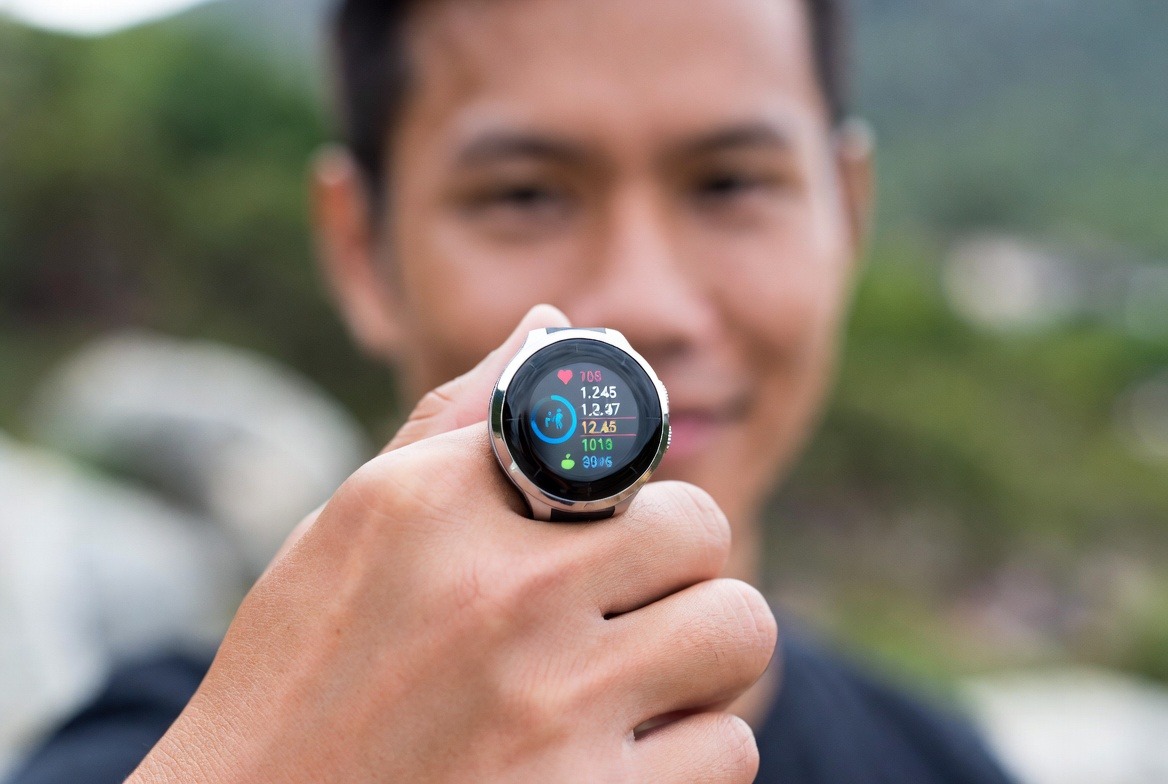
For athletes and serious fitness enthusiasts, HRV is not just a recovery metric; it’s a secret weapon for unlocking peak performance. It shifts training from pre-planned, generic schedules to a dynamic, personalized, and responsive science.
Periodization 2.0: The Body-Guided Training Plan
Traditional periodization involves planned cycles of intensity and volume. HRV-guided training takes this a step further by letting your body’s daily readiness dictate the plan.
This method, validated in studies with endurance and team-sport athletes, has been shown to improve performance outcomes more effectively than rigid plans, as it prevents the accumulation of excessive fatigue.
Identifying Individual Strengths and Weaknesses
HRV can reveal how your nervous system responds to different types of training stress.
This insight allows for incredibly precise program design, focusing on developing resilience across all energy systems and addressing individual recovery bottlenecks.
The Peak Performance Window: HRV and Tapering
The phenomenon of the performance super-compensation peak is beautifully visible through HRV. During a proper taper before a competition, as training load drops significantly, HRV should rise sharply to a peak above the athlete’s normal baseline. This high HRV is the biometric signature of being fully recovered, energized, and primed for peak performance. If HRV fails to rise during a taper, it’s a signal that the athlete is still fatigued, possibly unwell, or that the taper was insufficient—critical information that can change race-day strategy.
Psychological Readiness and "The Zone"
High HRV is correlated not just with physical readiness, but with psychological states conducive to elite performance: better focus, emotional control, and decision-making under pressure—the classic "flow state" or being "in the zone." By managing training and lifestyle to support a high HRV, athletes are effectively conditioning their nervous system for mental toughness as well. Countless athletes have integrated this data into their regimen, and you can explore some of their experiences and results to see the real-world impact.
The connection between the heart and the mind is not merely poetic; it is physiological. HRV serves as a critical bridge, providing objective evidence of how psychological states manifest in the body and offering a pathway to improve mental well-being through physical practices.
The Depression and Anxiety Link: A Rigid Nervous System
Clinical research consistently shows that individuals with depression, anxiety disorders, and PTSD have significantly lower HRV compared to healthy controls. This isn’t just a correlation; it’s thought to be part of the causal mechanism.
HRV Biofeedback: Training the Brain by Training the Heart
This is where HRV moves from indicator to intervention. HRV biofeedback is a clinically validated technique where individuals use real-time HRV displays (often through breathing pacer apps) to learn how to increase their HRV voluntarily.
Mindfulness, Meditation, and Vagal Tone
Mindfulness and meditation practices, which focus on present-moment awareness without judgment, have a proven track record of increasing HRV. They work by reducing the cognitive "chatter" that drives sympathetic arousal and by consciously activating the parasympathetic pathways. The measurable increase in HRV provides concrete biofeedback that the practice is having a tangible physiological effect, reinforcing the habit.
A Two-Way Street: An Integrated Approach to Well-Being
The HRV-mental health connection demolishes the artificial barrier between physical and mental health. It demonstrates that:
This creates a powerful, virtuous cycle. By focusing on raising your HRV, you are inadvertently treating the root system of both physical and mental fatigue. For a deeper understanding of how technology can support this holistic journey, learn more about our integrated approach at Oxyzen.
HRV is not a static feature; it evolves throughout our lives and varies between individuals. Understanding these patterns contextualizes your own data and highlights HRV’s role as a biomarker of aging and long-term vitality.
HRV and Biological Age: The Flexibility of Youth
One of the most consistent findings in HRV research is its inverse relationship with age. HRV naturally declines as we get older. High HRV in youth reflects a nervous system full of adaptive capacity—resilient, quick to react, and quick to recover. The age-related decline is thought to represent a gradual loss of this "flexibility," a stiffening of the autonomic response.
Crucially, this decline is not a fixed fate. While you cannot be 20 again, your HRV relative to your chronological age peers is a powerful indicator of your biological age or pace of aging. An individual with a higher HRV than average for their age group likely has healthier cardiovascular function, better stress resilience, and slower cellular aging. Therefore, interventions that slow the decline of HRV—consistent exercise, stress management, good sleep—are effectively interventions that slow the aging process itself.
Gender Differences in HRV
On average, pre-menopausal women tend to have higher HRV than men of the same age. This is influenced by hormonal factors, particularly estrogen, which appears to have a positive effect on vagal tone. However, women also experience more pronounced cyclical fluctuations in HRV across the menstrual cycle, often with a dip in the luteal phase (post-ovulation) as progesterone rises. For women, tracking HRV can provide fascinating insight into their cycle, helping to identify phases of higher resilience (often the follicular phase) and phases requiring more recovery (the luteal phase). Post-menopause, the average HRV difference between genders diminishes.
HRV as a Long-Term Cardiovascular Sentinel
Beyond daily readiness, long-term HRV trends are a crystal ball for cardiovascular health. As established earlier, low HRV is a strong, independent predictor of future heart problems. It indicates an autonomic nervous system that is no longer effectively regulating blood pressure, heart rate, and vascular tone—a precursor to hypertension, arrhythmias, and atherosclerosis. Monitoring your HRV trend over years is like having an early-warning radar for the most common health risks of aging. A sustained downward trend is a critical signal to consult a healthcare professional and aggressively address lifestyle factors.
Implications for Healthy Aging
The goal is not to maintain the HRV of a 25-year-old at age 65—that’s physiologically improbable. The goal is to maintain the highest possible HRV for your age, preserving autonomic flexibility and resilience for as long as possible. This translates directly into a higher quality of life: more energy, better stress coping mechanisms, sharper cognition, and reduced risk of chronic disease. It makes HRV tracking one of the most valuable long-term health investments you can make. For resources on maintaining vitality at every stage, our blog features ongoing research and practical advice.
You now have this profound metric at your disposal—a number that reflects your nervous system’s balance. But what do you do with it? Interpretation is where knowledge transforms into power. Moving beyond the simplistic "high is good, low is bad" requires understanding context, trends, and your unique physiological story.
Establishing Your Personal Baseline: The Most Important Number
Before you can understand deviation, you must know your norm. Your personal HRV baseline is not a universal ideal; it is the central point around which your daily scores fluctuate. To establish a reliable baseline:
Reading the Daily Signal: The Art of Context
Each morning’s score is a message. To decode it, ask three questions:
The Decision Matrix: Your Daily Playbook
Understanding the "Why" Behind the Dip
A low HRV score is a symptom, not a diagnosis. Your job is to play detective:
By consistently connecting the score to the cause, you build profound self-awareness. You stop blaming "just feeling off" and start identifying actionable levers: "My HRV is low because I slept 5 hours. The action is to protect my sleep tonight at all costs."
The Power of Trends: Seeing the Forest, Not Just the Trees
While daily decisions are guided by the morning score, your weekly and monthly trends reveal the bigger picture of your lifestyle’s sustainability.
For those navigating this interpretation for the first time, our FAQ section provides clear answers on common data questions, helping you move from confusion to clarity.
The HRV revolution is being fueled by a quiet evolution in wearable technology. From clunky lab equipment to sleek devices worn 24/7, accessing this data has never been easier. But not all wearables are created equal. Understanding the strengths and weaknesses of each form factor is key to choosing the right tool for your goals.
The Form Factor Revolution: Why the Ring is Winning for Recovery Metrics
For decades, wrist-based watches and chest straps dominated fitness tracking. The emergence of the smart ring represents a paradigm shift, particularly for HRV and recovery data.
Chest Straps: The Gold Standard for Exercise HRV
For measuring HRV during exercise (a different but valuable metric called Heart Rate Variability during exercise, which can indicate training intensity and fatigue), the chest strap remains king. Using ECG technology, it provides the most accurate, real-time beat-to-beat data during high-movement activities. However, for the cornerstone morning readiness measurement, its utility is limited, as it’s not designed for comfortable, all-night wear.
Smartwatches: The Jack-of-All-Trades
Wrist-based wearables are immensely popular and convenient. They use PPG sensors and have made HRV accessible to millions. Their limitations for HRV are mainly related to:
The Algorithm is Everything: Beyond the Hardware
The sensor captures raw data, but the algorithm transforms it into insight. Advanced devices use sophisticated processing to filter out noise, identify valid pulse waves, and calculate HRV metrics (like RMSSD) with high fidelity. They also contextualize the HRV score with other data—sleep stages, respiratory rate, body temperature—to provide a more holistic "Readiness" or "Recovery" score. This is where the real value lies: not in a standalone number, but in an intelligently synthesized recommendation. The dedication to developing such precise algorithms is central to the Oxyzen mission and technological vision.
The Future: Multimodal Sensing and Predictive Health
The next frontier is the integration of multiple physiological sensors to create a truly comprehensive health model. Imagine a device that concurrently analyzes HRV, skin temperature, blood oxygen saturation (SpO2), galvanic skin response (GSR), and even core body temperature trends. This multimodal approach could move from describing your recovery state to predicting specific health events—like the early onset of infection, metabolic issues, or chronic stress patterns—with remarkable accuracy. The smart ring, with its real estate for multiple sensors in continuous contact with the skin, is perfectly positioned to lead this charge.

Knowledge and data are futile without action. This section provides a toolkit of evidence-based, practical protocols to actively increase your HRV—to tune your nervous system for greater resilience, performance, and peace.
Protocol 1: Resonance Frequency Breathing (HRV Biofeedback)
This is the most direct method to train your vagus nerve and increase HRV amplitude.
Protocol 2: The Sleep Hygiene Overhaul
Since sleep is the foundation of recovery, optimizing it is non-negotiable for high HRV.
Protocol 3: Nutrient Timing and Anti-Inflammatory Nutrition
Food is information for your nervous system.
Protocol 4: Strategic Movement & Recovery
Exercise must be a dose-dependent stressor, not a chronic burden.
Protocol 5: Cold Exposure & Heat Therapy (Thermal Stress)
Controlled environmental stress can be a powerful hormetic tool to strengthen ANS response.
By systematically implementing even one or two of these protocols, you will begin to see a shift in your data—and more importantly, in how you feel. The journey of countless individuals who have used these methods to transform their well-being is documented in the stories shared by our community.
With great data comes great responsibility. The power of HRV tracking can be undermined by an unhealthy relationship with the numbers—a phenomenon sometimes called "quantified-self anxiety" or "wearable stress." Navigating this dark side is essential for sustainable, beneficial use.
When Tracking Becomes a Stressor
It’s a cruel irony: the very tool meant to manage stress can become a source of it. Signs you may be tipping into obsession include:
Remember: HRV is a tool for self-compassion, not self-judgment. A low score is not a grade; it’s a helpful signal from your body asking for support.
The Problem of "Good Day/Bad Day" Thinking
Avoid moralizing your data. A "bad" HRV day is not a character flaw; it’s physiology. It could be the result of a powerful immune system fighting a pathogen, or your muscles rebuilding stronger after a great workout. Frame it as information, not evaluation.
Navigating Plateaus and Inexplicable Dips
Your HRV will not climb linearly forever. You will hit plateaus. You will also have occasional dips that defy your best detective work. This is normal.
The "Feel vs. Data" Paradox: Trusting Your Body
Always use HRV as one input among many. Correlate it with subjective markers:
Knowing When to Take a Break
If you find the tracking itself is causing anxiety, give yourself permission to take a data holiday. Put the ring in a drawer for a week. Reconnect with your body’s innate signals. This can reset your relationship with the tool and remind you that the goal is not a perfect score, but a vibrant life. The technology should serve you, not the other way around. For a balanced perspective on integrating data into wellness, our founding story delves into why we built this technology with human-centric values.
HRV is a star player, but it exists within a team of health metrics. To make the most of it, we must understand its role in a holistic health framework, alongside other vital signs and lifestyle factors. This integrated view prevents reductionist thinking and fosters true well-being.
The Core Quartet: HRV, RHR, Sleep, and Activity
These four metrics form a powerful feedback loop.
A holistic app or dashboard that shows these four in relation to each other provides a near-complete picture of your daily strain-recovery balance.
The Support Cast: Other Vital Metrics
HRV and Blood Markers: Connecting the Dots to Internal Chemistry
While HRV reflects autonomic function, blood tests reveal internal chemistry. They are deeply connected:
Viewing HRV as the functional output of your internal biochemistry creates a powerful loop: use HRV to guide daily habits, and use periodic blood tests to confirm the systemic improvements.
Beyond the Physical: The Spiritual and Social Dimensions
Holistic health encompasses more than physiology. Practices that cultivate meaning, connection, and presence have a measurable impact on the nervous system.
In this framework, HRV becomes the integrator. It answers the question: "Is my way of living—physically, mentally, emotionally, socially—creating a resilient or a fragile system?" This expansive view is what turns a biohacking tool into a wisdom tool for a well-lived life. For continued exploration of this integrated approach, our platform offers resources that look at health from all angles.

We have journeyed far from the simple, reassuring beat of a resting heart rate into the complex, dynamic, and profoundly informative world of Heart Rate Variability. We’ve dismantled the myth that a single average can capture the symphony of your health. Instead, we’ve discovered that the subtle, millisecond variations between heartbeats—the silence between the notes—hold the true key to understanding your body’s readiness, resilience, and capacity to thrive.
The Core Truth Restated: Resting Heart Rate tells you what your engine’s idle speed is. Heart Rate Variability tells you how well-tuned, responsive, and resilient the entire engine is. One is a static output; the other is a dynamic process. One looks backward at long-term fitness; the other looks forward, predicting your readiness for today’s challenges and your risk for tomorrow’s health issues.
By now, you understand that a high HRV is not just a number for athletes to chase. It is the biometric signature of a flexible nervous system, capable of powerful exertion and deep recovery. It is linked to better mental health, sharper cognition, slower aging, and a stronger heart. It is the ultimate biofeedback loop, turning your body into a teacher that guides you toward better sleep, smarter training, effective stress management, and nourishing nutrition.
The advent of accessible, elegant technology—like the advanced sensors in modern smart rings from pioneers like Oxyzen—has democratized this once-clinical metric. What was confined to research labs and elite sports facilities is now available on your nightstand, offering a personalized readiness report each morning. This isn’t about more data for data’s sake; it’s about better information for living well.
As you move forward, remember the principles that prevent data from becoming dogma:
This knowledge empowers you to transition from a passive recipient of health information to an active architect of your well-being. You are no longer guessing about recovery or ignoring subtle signs of strain. You are engaging in a conscious dialogue with your own physiology.
The journey to higher HRV—to greater resilience—is a gradual one of consistent, small choices: prioritizing sleep, breathing with intention, moving wisely, eating to nourish, and connecting deeply. It is the antithesis of quick fixes and the embodiment of sustainable vitality.
This portion of our exploration has laid the comprehensive groundwork—the science, the interpretation, the protocols, and the philosophical framework. In the next segment, we will dive even deeper into advanced applications, case studies, and the future of autonomic health optimization. We will explore HRV’s role in specific populations, its connection to creativity and leadership, and how to build a lifestyle that doesn’t just track resilience, but generates it exponentially.
The silent signal has been revealed. Now begins the practice of listening, and the profound journey of responding. To continue this journey with practical next steps and community support, we invite you to explore what’s possible.
While the core principles of HRV apply to everyone, its interpretation and application can be fine-tuned for specific life stages, professions, and health conditions. Understanding these nuances allows for truly personalized optimization.
For Women: Navigating Hormonal Cycles and Life Stages
A woman’s autonomic nervous system dances to the rhythm of her hormones. Ignoring this can lead to misinterpretation of HRV data.
For Executives & Knowledge Workers: Managing Cognitive Load
For those whose primary stress is mental, not physical, HRV is a game-changer.
For Chronic Condition Management (e.g., Long COVID, CFS, Anxiety)
Here, HRV shifts from an optimization tool to a crucial management and pacing tool.
For Aging Populations: Preserving Autonomic Function
As discussed, HRV naturally declines with age. For older adults, the goal is to slow this decline and maintain the highest possible function.
One of the most practically valuable aspects of HRV is its intimate dialogue with your immune system. It often serves as a canary in the coal mine, signaling trouble long before you feel symptomatic. This makes it an unparalleled tool for proactive health.
The Physiology: Why Stress Makes You Sick
The link is the autonomic nervous system, which directly innervates immune organs like the spleen, thymus, and lymph nodes.
HRV as a Prodromal Signal: Seeing Illness Coming
Numerous studies, particularly in athletes, show that HRV consistently drops 3-5 days before the onset of cold, flu, or upper respiratory infection symptoms. This drop occurs during the incubation period, as your body begins to mount an immune response. The energy and resources diverted to this fight are perceived by the ANS as a major stressor.
This early warning can allow you to potentially mitigate the severity of the illness or avoid it altogether.
Tracking Recovery from Illness
HRV is also an excellent guide for returning to normal activity after being sick. A common mistake is to resume full activity as soon as symptoms abate, but the immune system may still be in a fragile state. Your HRV will tell you the truth:
Long COVID and Dysautonomia: HRV as a Map
For those suffering from Long COVID or similar post-viral syndromes, severe dysautonomia (dysfunction of the ANS) is common. HRV is often chronically and severely suppressed. In these cases, tracking HRV isn’t about optimization; it’s about mapping capacity and enforcing boundaries. It provides the external validation needed to honor extreme fatigue and serves as a sensitive marker of very gradual improvement, which can be otherwise imperceptible week-to-week. Learning to navigate these complex recoveries is part of advancing the science of applied physiology, a topic we explore in depth on our research-focused blog.
For most people, a single, well-calculated RMSSD or a proprietary "Readiness Score" is sufficient. But for data enthusiasts, researchers, and those seeking the deepest possible insight, the world of HRV analysis has more layers. Understanding these can help you interpret more advanced app features or research.
Time-Domain vs. Frequency-Domain: A Deeper Cut
We touched on these earlier, but let's explore their unique stories.
The LF/HF Ratio: A Misunderstood Metric
The ratio of Low Frequency to High Frequency power was historically touted as a "sympathovagal balance" index. This is now considered an oversimplification. Because LF contains parasympathetic elements, a high LF/HF ratio could mean high sympathetic drive OR simply low parasympathetic (HF) activity. It’s a metric best interpreted by experts in the context of other data. For the average user, focusing on HF power (or its proxy, RMSSD) as a measure of vagal tone is clearer and more actionable.
Nonlinear and Complexity Measures: The Cutting Edge
The latest frontier in HRV research involves methods that assess the complexity and unpredictability of the heart rhythm.
For the everyday individual, the takeaway is this: Trust the ecosystem, not just one number. A good wellness platform uses multiple metrics (RMSSD, resting HR, sleep, temperature) to synthesize a "Readiness" score, which is more robust than any single metric. The development of these sophisticated algorithms is central to providing true insight, a commitment detailed in our company's technological philosophy.
Theory is essential, but transformation happens through practice. This 30-day framework is designed to systematically integrate HRV awareness into your life, creating habits that elevate your baseline resilience. Treat it as an experiment in self-optimization.
Week 1: The Foundation Phase – Observation & Awareness
Week 2: The Intervention Phase – Mastering the Basics
Week 3: The Expansion Phase – Adding Active Recovery
Week 4: The Refinement Phase – Strategic Experimentation
Sustaining Beyond 30 Days: The Lifelong Practice
This structured approach prevents overwhelm and builds a lasting, data-informed wellness practice rooted not in dogma, but in your own unique biological feedback.
We are standing at the precipice of a revolution in personalized health. HRV is the cornerstone, but the future lies in multimodal integration, artificial intelligence, and predictive analytics. Here’s a glimpse of what the next generation of autonomic health tracking will entail.
Multimodal Sensor Fusion: The Complete Picture
Future devices won’t just measure HRV; they will synthesize it with a symphony of other signals to diagnose states with clinical-grade precision.
AI-Driven Personalization and Prediction
Raw data is meaningless without intelligent interpretation. The future is context-aware AI coaches.
Seamless Integration and Invisible Design
The ultimate goal is for the technology to fade into the background while providing profound insight.
This future is not science fiction; it is the logical endpoint of the journey we’ve been on—from counting steps to understanding the very language of our nervous system. The companies that will lead will be those that combine scientific rigor with elegant design and unwavering ethical commitment.
We began by challenging the supremacy of a simple, decades-old metric—the resting heart rate. We’ve journeyed through the complex, dynamic, and profoundly informative science of Heart Rate Variability. We’ve seen that while RHR tells us about the engine’s idle speed, HRV reveals the health of the entire transmission, the tuning of the electrical system, and the resilience of the chassis against the road of life.
This is not merely an academic distinction. It is a practical revolution in self-care and performance.
HRV empowers you to:
The most profound shift, however, is internal. Tracking HRV cultivates a new relationship with your body—one of curiosity, conversation, and compassion. A low score is not a failure; it’s your physiology asking for help. A high score is not just a trophy; it’s a confirmation that your choices are aligning with resilience.
This journey does not require perfection. It requires attention. It asks you to listen to the silent signal beneath the steady beat—to the swing in the rhythm, the adaptability in the system, the spaces between the notes where true health resides.
With the tools now available, from sophisticated yet simple devices like the Oxyzen smart ring to the wealth of knowledge at our fingertips, we all have the opportunity to become the experts of our own well-being. We can move from being passengers in our health to becoming skilled navigators, using HRV as our north star.
The path forward is clear. Start by observing. Then, experiment with one change. Listen to the data. Refine your approach. Build a lifestyle that doesn’t just avoid illness, but actively generates resilience, energy, and joy.
The silent signal is speaking. It’s time we all learned to listen.
Your Trusted Sleep Advocate (Sleep Foundation — https://www.sleepfoundation.org/)
Discover a digital archive of scholarly articles (NIH — https://www.ncbi.nlm.nih.gov/
39 million citations for biomedical literature (PubMed — https://pubmed.ncbi.nlm.nih.gov/)
experts at Harvard Health Publishing covering a variety of health topics — https://www.health.harvard.edu/blog/)
Every life deserves world class care (Cleveland Clinic -
https://my.clevelandclinic.org/health)
Wearable technology and the future of predictive health monitoring. (MIT Technology Review — https://www.technologyreview.com/)
Dedicated to the well-being of all people and guided by science (World Health Organization — https://www.who.int/news-room/)
Psychological science and knowledge to benefit society and improve lives. (APA — https://www.apa.org/monitor/)
Cutting-edge insights on human longevity and peak performance
(Lifespan Research — https://www.lifespan.io/)
Global authority on exercise physiology, sports performance, and human recovery
(American College of Sports Medicine — https://www.acsm.org/)
Neuroscience-driven guidance for better focus, sleep, and mental clarity
(Stanford Human Performance Lab — https://humanperformance.stanford.edu/)
Evidence-based psychology and mind–body wellness resources
(Mayo Clinic — https://www.mayoclinic.org/healthy-lifestyle/)
Data-backed research on emotional wellbeing, stress biology, and resilience
(American Institute of Stress — https://www.stress.org/)


