


Why Your Smart Ring Prioritizes HRV Over Other Metrics
Why smart rings give priority to HRV over other health metrics.
Why smart rings give priority to HRV over other health metrics.
%402x.svg)
You wake up feeling drained. Your fitness tracker gleefully reports a solid eight hours of sleep, your step count yesterday was impressive, and your resting heart rate is textbook perfect. Yet, the fog persists. The disconnect is frustrating. You’re tracking everything, so why do you feel so far from optimal? This is the modern wellness paradox: a deluge of data with a drought of true insight.
For years, the quantified self-movement has been dominated by simple, aggregate metrics. Steps, calories, hours asleep—they are the broad strokes of a much more intricate painting. They tell you what happened, but rarely how you weathered the storm. They measure the output, but ignore the resilience of the system generating it. Enter the smart ring, the quiet, continuous biomonitor you wear where your pulse is strongest. And at the forefront of its sophisticated analysis is a metric that is fundamentally changing the game: Heart Rate Variability, or HRV.
HRV isn't just another number to obsess over. It is the master metric, the foundational biomarker that reveals your body’s internal conversation between stress and recovery, between your sympathetic “gas pedal” and parasympathetic “brake.” While your smart ring diligently tracks sleep stages, activity levels, and temperature, it prioritizes HRV because this single, elegant measure is the closest thing we have to a real-time dashboard of your autonomic nervous system and overall physiological resilience. It explains why you slept poorly despite the duration. It predicts your readiness to perform before you feel fatigue. It offers a whisper of warning about impending illness or burnout that other metrics shout about only after the fact.
This article is a deep exploration into the silent symphony of your nervous system and why the most advanced wearable on your finger is designed to listen to it above all else. We will dismantle the supremacy of outdated metrics, journey through the neuroscience of HRV, and reveal how this profound biomarker is your key to unlocking not just better data, but a better, more resilient you. We are moving beyond counting what we do, to understanding how we are.
For decades, the pillars of personal health tracking have been reassuringly simple. Ten thousand steps. Eight hours of sleep. A resting heart rate under 60 beats per minute. These metrics became cultural mantras because they are easy to understand and measure. However, in our quest for optimal wellbeing, they have become crude proxies, often masking more than they reveal. To understand why HRV is the cornerstone of modern biometrics, we must first confront the limitations of the old guard.
Sleep Duration: The Illusion of Sufficiency. The pursuit of the "perfect" eight hours is a classic example. Two individuals can both log eight hours of sleep, yet their experiences are worlds apart. One might cycle smoothly through deep, restorative sleep and REM cycles, while the other experiences fragmented, light sleep riddled with micro-awakenings triggered by stress, alcohol, or an irregular schedule. The duration is identical; the restorative quality is not. Tracking only time in bed is like judging a book by its page count—it ignores the entire narrative of sleep architecture that truly determines recovery. Your smart ring captures this narrative, but the plot is often dictated by your HRV.
Resting Heart Rate (RHR): A Lagging Indicator. A low resting heart rate is traditionally associated with good cardiovascular fitness. And while this is generally true, RHR is a notoriously sluggish metric. It changes slowly over weeks or months of training. More critically, it is a one-dimensional number—a single point in the vast space between heartbeats. It tells you the average tempo of your heart but is deaf to the subtle, healthy variations within that rhythm. You could have an excellent, low RHR while being chronically stressed (a state that can initially lower RHR before pathological changes occur). RHR confirms long-term trends; HRV reacts in real-time to your current state.
Step Count and Active Minutes: Volume Over Strain. The step count is the ultimate vanity metric. It encourages movement, which is positive, but it is utterly blind to intensity, context, and impact on your nervous system. A frantic, stressful day of running errands and meeting deadlines that nets 12,000 steps is physiologically worlds apart from a peaceful 12,000-step hike in nature. One may drain your resilience; the other may build it. Similarly, "active minutes" often fail to distinguish between beneficial exercise that creates adaptive stress and movement fueled by anxiety or burnout that adds to your allostatic load. These metrics measure output, not the cost of that output to your system.
Calorie Estimates: A Flawed Fiction. Perhaps the most misleading of all are wearable-derived calorie burn estimates. These figures are based on generalized algorithms and can be off by 20-40% or more. Basing nutritional decisions on such imprecise data can be counterproductive, if not harmful. It reduces the complex, hormonally-driven process of energy metabolism to a simplistic "calories in, calories out" equation, ignoring the profound effects of sleep, stress (measured beautifully by HRV), and food quality on metabolic health.
The common thread here is aggregation and averaging. These traditional metrics smooth out the critically important biological noise—the very fluctuations that contain the richest information about your body's dynamic state. They provide a rearview mirror look at your health. HRV, in contrast, offered by continuous monitoring from a device like a smart ring, is a living, breathing dashboard of your physiological moment. It contextualizes all other data. It explains why your sleep was restless despite being long, why your workout felt crushing despite a normal RHR, and why you might need a gentle day even though you haven't "exercised." It moves us from managing symptoms of fatigue to managing the root cause: the balance of our nervous system. For a deeper dive into how modern devices integrate these insights, you can explore our blog for more on the evolution of biometric tracking.
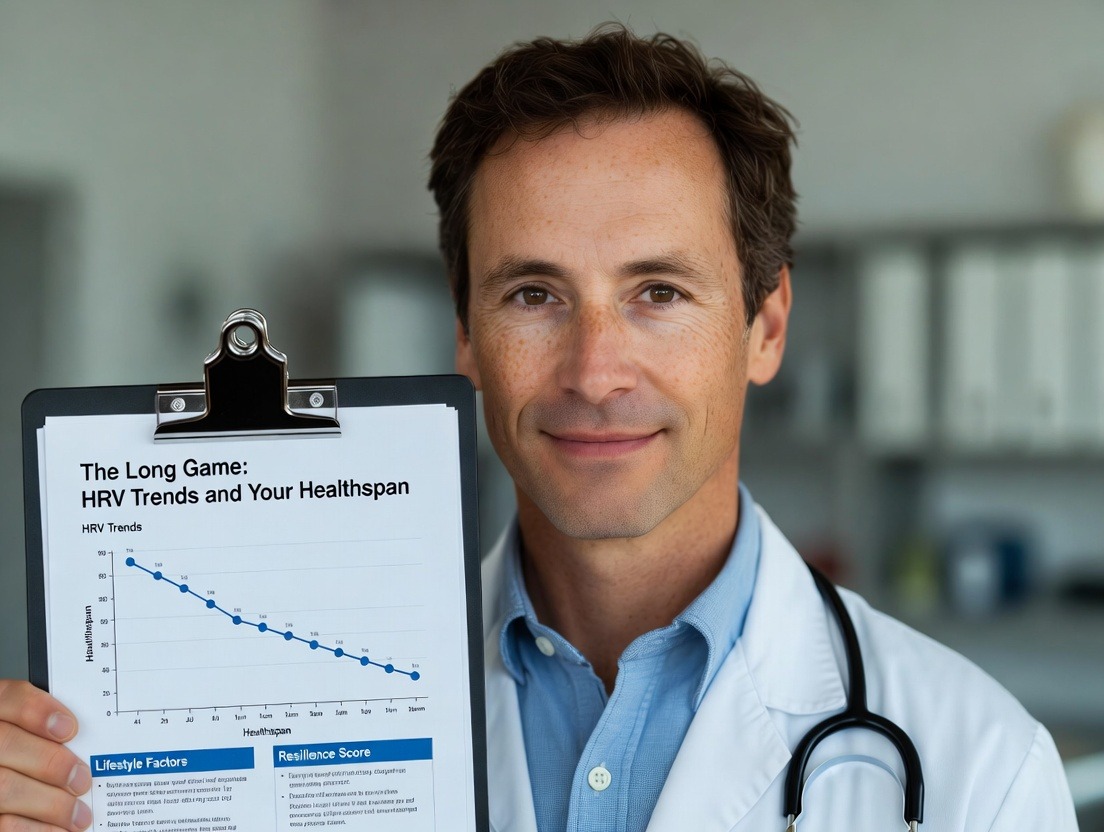
So, if HRV is this revolutionary biomarker, what exactly is it? Let's move beyond the jargon. Contrary to what the name might imply, Heart Rate Variability is not about having an irregular or unhealthy heartbeat. In fact, it’s the opposite. HRV is the measure of the subtle, millisecond variations in the time intervals between consecutive heartbeats, known as R-R intervals. A perfectly metronomic heart—beating with the robotic consistency of a metronome—is actually a sign of distress, fatigue, or illness. A healthy, resilient heart beats with a complex, symphony-like rhythm, constantly adapting to the endless stream of signals from your brain and body.
Think of it like a skilled drummer. An amateur keeps a simple, rigid beat. But a master drummer listens to the entire band, subtly speeding up and slowing down, adding flourishes and pauses, to create a richer, more responsive, and alive sound. Your heart is that master drummer, and your autonomic nervous system (ANS) is the conductor.
The Two Forces: Sympathetic and Parasympathetic. The ANS is the unconscious control center for your bodily functions. It has two primary branches engaged in a constant, delicate tug-of-war:
HRV is the direct, measurable expression of this tug-of-war. High HRV indicates a strong, adaptive system. It means your body can swiftly ramp up the SNS to meet a demand (like a sprint or a work deadline) and then efficiently engage the PNS to recover and restore afterwards. It reflects cardiovascular fitness, resilience, and a healthy stress-response capacity.
Low HRV, on the other hand, signals a system under strain. It suggests one branch is dominating. This could be chronic sympathetic overload (constant stress, overtraining, poor sleep) leading to an exhausted, rigid system. Or, it could indicate poor parasympathetic tone, meaning your body has lost its ability to effectively switch into recovery mode. Low HRV is a significant predictor of future health issues, from burnout and anxiety to cardiovascular risk.
How Your Smart Ring Captures This Symphony. This is where the technology shines. Clinical HRV measurement used to require an ECG. Modern smart rings, worn on the finger where pulsatile blood flow is strong, use a technology called photoplethysmography (PPG). By emitting light into the skin and measuring how it scatters with each pulse, the ring can detect each heartbeat with remarkable accuracy. Advanced algorithms then analyze the sequence of these beats, calculating the variance to produce your HRV score (often reported as RMSSD or presented as a proprietary "readiness" score). By wearing it continuously, especially at night, the ring captures your nocturnal HRV—the cleanest signal, free from the noise of movement, conversation, and digestion, giving you a pure read on your recovery status each morning.
This isn't just a number; it's a translation of your nervous system's language. It answers the question your body is always asking: "Am I safe enough to grow, repair, and thrive, or am I merely surviving?" Understanding this language is the first step toward speaking it fluently. To see how this technology is integrated into a user-centric product, you can discover how Oxyzen works to capture this vital data.
In the hierarchy of health data, HRV sits at the apex. It is not merely another data point; it is a meta-metric—a measure that governs and contextualizes nearly every other aspect of your physiological and psychological state. Its supremacy comes from three fundamental attributes: it is proactive, systemic, and integrative.
1. The Proactive Predictor (vs. Reactive Reporting). Most health metrics are historical. They tell you what has already occurred: you slept, you moved, you burned calories. HRV is uniquely predictive. A significant drop in your morning HRV score, as tracked by your smart ring, is a powerful, early-warning signal. It often precedes subjective feelings of fatigue, irritability, or "offness" by 24-48 hours. It can foreshadow a subpar workout, a compromised immune response (like catching a cold), or a day of poor mental clarity. This gives you the precious gift of agency. Instead of reacting to burnout or illness after it has already sidelined you, you can proactively adjust: prioritize sleep, opt for a gentle walk instead of a HIIT session, meditate, or hydrate. It turns wellness from a reactive game of catch-up into a strategic practice of prevention.
2. The Systemic Mirror. HRV does not measure an isolated system. It reflects the integrated output of your entire neuroendocrine axis—the complex interplay between your brain, nervous system, heart, and hormones. It is influenced by:
Because it sits at this convergence point, a change in HRV is a non-specific alert that something is affecting your system's equilibrium. It prompts you to investigate: "Was it the late-night work stress? The intense workout yesterday? That extra glass of wine? An incoming virus?" This systemic view is irreplaceable.
3. The Integrative Context for All Other Data. This is perhaps its most crucial role for smart ring users. HRV is the lens through which to interpret every other metric on your dashboard.
In essence, HRV answers the "so what?" behind the numbers. It moves the conversation from "You got 7.5 hours of sleep" to "Your body is still in a high-stress state despite adequate sleep, so let's focus on nervous system calming today." This integrative, whole-person insight is at the core of our philosophy, which you can learn more about in our company's mission and values.
While you can measure HRV throughout the day, the most valuable, clinically-significant reading comes from the night. Your sleep is a controlled physiological experiment. When you lie down, minimize movement, and enter a state of unconsciousness, you remove the vast majority of "noise" that influences your heart rate and nervous system. The result is a pure, uncontaminated signal of your recovery physiology. This nocturnal HRV is your body's unedited status report.
The Sanctuary of Sleep. During the day, your HRV is in constant flux—reacting to conversations, emails, meals, posture, and physical activity. These are valid data points about your stress reactivity, but they are chaotic and intertwined. At night, your conscious mind steps aside, and your autonomic nervous system takes center stage. The natural dip in cortisol and the rise in growth hormone and melatonin create the ideal environment for parasympathetic (PNS) dominance to facilitate repair. How fully and efficiently your PNS engages is precisely what nocturnal HRV measures. A high, stable HRV throughout the night indicates deep, unbroken recovery. A low or fluctuating HRV signals that even in this sanctuary, your stress systems are still partially activated.
The Predictive Power of the Morning Dip (or Rise). Advanced smart ring algorithms don't just give you a single average for the night. They track the trend of your HRV across the sleep period and, most importantly, generate a singular, actionable "Readiness" or "Recovery" score each morning based primarily on this nocturnal HRV data (often combined with resting heart rate, sleep balance, and temperature). This score isn't a judgment; it's a prescription.
How to Use Your Morning HRV Read:
This daily feedback loop is transformative. It teaches you to respect your body's biological rhythms rather than overriding them with sheer willpower. It personalizes recovery, making it clear that rest is not the absence of work, but a physiological necessity for sustainable high performance. For many users, seeing this objective data is the permission slip they need to truly rest, a revelation that is often shared in the real user experiences found in our testimonials.
With HRV established as the central pillar, we can now properly position the other vital metrics your smart ring tracks. They are not obsolete; they are contextualized. They become chapters in a story where HRV is the overarching plot. Let's explore these key relationships.
HRV and Resting Heart Rate (RHR): The Dance of Tempo and Texture. Imagine RHR as the average speed of a song (e.g., 60 beats per minute). HRV is the complexity of the rhythm within that tempo—the syncopation, the swing, the feeling. You can have a good, low RHR with poor HRV (a slow but mechanically rigid beat, indicating chronic stress adaptation). Conversely, during acute intense training phases, your RHR might creep up slightly as your body adapts, but if your HRV remains high or stable, it signals positive adaptation, not overtraining. The Smart Takeaway: Watch the trends together. A rising RHR coupled with a falling HRV is a classic, red-flag sign of accumulating fatigue or illness. Your ring's algorithm synthesizes this for you, but understanding the relationship empowers you.
HRV and Sleep: The Quality Controller. Sleep trackers provide a wealth of data: light, deep, REM, awakenings, and duration. HRV is the quality assurance metric for all of it.
HRV and Activity/Readiness: The Performance Governor. This is the most practical daily application. Your smart ring's "Readiness" score, derived largely from nocturnal HRV, should directly influence your activity choices.
HRV and Body Temperature: The Illness Detective. Basal body temperature, measured continuously by the ring, is a subtle metric. A sustained elevated temperature trend can indicate hormonal changes, inflammation, or the onset of illness. When paired with HRV, the diagnosis becomes clearer. A slight temperature rise with a stable HRV might be a normal ovulation shift. The same temperature rise with a sharp, sustained drop in HRV is a near-certain early indicator that your immune system is actively engaged—a powerful heads-up to prioritize rest and hydration days before symptoms appear.
By viewing all data through the HRV lens, your smart ring transforms from a passive tracker into an active coaching system. It teaches you the language of your own body. If you have questions about how these metrics interact in specific scenarios, our comprehensive FAQ provides detailed support.

The profound connection between the heart and the brain is not merely poetic; it is anatomical and biochemical, a constant two-way street called the heart-brain axis. Your heart contains a complex intrinsic nervous system, often called the "heart brain," with tens of thousands of neurons that communicate directly with the brain in your head. This is why HRV is not just a physical metric—it is a quantifiable measure of your psychological and emotional landscape.
The Stress Barometer. Psychological stress—whether from a work deadline, a difficult conversation, or chronic worry—activates the sympathetic nervous system (SNS). This directly suppresses the vagus nerve and parasympathetic activity, leading to an immediate decrease in HRV. Your smart ring can detect this in real-time. A day filled with back-to-back meetings and constant digital pings may show a depressed HRV pattern, even if you never left your desk. This objective feedback is crucial. It moves stress from a subjective feeling of "I'm overwhelmed" to an observable physiological state: "My nervous system is in fight-or-flight mode." This awareness is the first and most critical step in managing stress effectively.
HRV and Emotional Regulation. Research consistently links higher HRV with greater emotional resilience. Individuals with higher baseline HRV tend to recover from emotional setbacks more quickly, exhibit better cognitive flexibility, and have a more robust capacity for self-regulation. They are less reactive. Why? Because a high HRV reflects a strong vagal tone, which is associated with the body's ability to swiftly activate the "brake" (PNS) after a stress response, calming the heart, reducing inflammatory cytokine release, and allowing the prefrontal cortex—the brain's executive center for rational thought—to come back online. In essence, good HRV means you are less likely to be hijacked by your emotions.
Training the Nervous System: Biofeedback and Beyond. This is where HRV becomes an active tool, not just a passive readout. HRV biofeedback is a proven therapeutic technique where individuals use real-time HRV displays (often from a sensor) to learn how to consciously influence their own rhythm. Through paced breathing (typically at 4.5-6.5 breaths per minute), meditation, or mindfulness, one can see their HRV increase on the screen, creating a positive feedback loop. Wearing a smart ring provides a form of 24/7 biofeedback. By observing how specific activities affect your nightly HRV score, you learn what truly nourishes or depletes your system. You might discover that:
This feedback loop empowers you to make intentional choices that build psychological resilience. It bridges the gap between mental intention and physical reality, proving that calming the mind literally calms the heart, and vice versa. The journey to creating technology that fosters this connection is rooted in our brand's own story and vision.
Your morning HRV score is the final grade on the previous day's exam. Every choice you make is an answer on that test, influencing your nervous system's balance. Understanding these levers gives you direct, actionable power to improve your resilience, night by night, day by day.
The Primary Levers:
By methodically experimenting and observing the HRV feedback on your smart ring, you move from generic wellness advice to a personalized owner's manual for your body. You learn your unique sensitivities and superpowers, turning daily choices into deliberate investments in your resilience capital. For more actionable tips on leveraging these lifestyle factors, our blog is a dedicated resource for deeper learning.
Seeing your HRV number is one thing. Knowing what to do with it is where transformation occurs. The goal is to shift from obsessive daily scrutiny to intelligent trend analysis, developing a nuanced, personal relationship with your data. Here’s how to move from raw data to actionable wisdom.
1. Focus on Trends, Not Daily Fluctuations. A single day's low HRV score is not a cause for alarm. Life happens: a hard workout, a stressful day, a poor night's sleep. The human body is not a machine, and healthy variability includes down days. What matters is the multi-day, even multi-week trend. Is your baseline (your 7-day rolling average) gradually increasing? That's a sign of improving resilience. Is it on a steady downward slide over 5-7 days? That's a clear signal of accumulating strain that needs addressing. Your smart ring's app should help visualize this trend, pulling you out of the myopic view of any one morning.
2. Personalize Your Baselines, Ignore Others' Scores. HRV is highly individual. Comparing your score of 45 ms (RMSSD) to a friend's 80 ms is meaningless and counterproductive. Genetics, age, sex, and fitness background all influence absolute values. A 20% drop from your own baseline is significant, regardless of the starting number. Your mission is to discover your normal range and understand what causes deviations for you. The ring learns your personal physiology over time, making its insights more precise.
3. Conduct Lifestyle Experiments (N=1 Research). Use your ring as a biofeedback lab. For 1-2 weeks, systematically change one variable and observe the impact on your morning HRV and Readiness score.
* Experiment: Add a 10-minute breathing exercise before bed.
* Hypothesis: My nocturnal HRV stability and morning score will improve.
* Result: Check the trend after 5-7 days. Did it work? If yes, you've found a powerful tool. If not, try something else (e.g., cutting off caffeine after 12 PM, taking a 20-minute afternoon walk).
4. Integrate with Subjective Feelings (The "How Do You Feel?" Check). Always pair your objective data with subjective awareness. When your ring shows a low score, pause and ask: "How do I actually feel? Fatigued? Energized? Achy?" Sometimes the data confirms your feelings, providing validation. Other times, it may reveal a disconnect—you feel "fine" but your nervous system is shouting for rest. In these cases, trust the physiology. It's often ahead of your conscious perception. This integration creates true body literacy.
5. Build Your Personal Protocol. From your experiments and observations, build a personal toolkit for different HRV scenarios:
* "Green Day" Protocol: Attack key tasks, do a challenging workout, engage socially.
* "Yellow Day" Protocol: Focus on moderate, technical work; choose steady-state cardio or a mobility session; practice mindfulness; prioritize an early bedtime.
* "Red Day" Protocol: This is a mandatory recovery day. Gentle movement only (walking, stretching), hydrate aggressively, eat nourishing, anti-inflammatory foods, minimize digital and cognitive stress, and get to bed early.
By following this process, your smart ring ceases to be an external judge and becomes an integrated part of your conscious wellbeing practice. The data becomes wisdom, and wisdom leads to empowered action. This journey of personalized discovery is what we are passionate about supporting, a principle you can explore further through our brand's journey.

We stand at the frontier of a revolution in personal health—a shift from reactive, one-size-fits-all medicine to proactive, personalized, and predictive wellness. In this new paradigm, continuous, passive biometric monitoring from devices like smart rings will be foundational. And HRV, as the central integrator of systemic state, will be the key that unlocks true personalization.
From Fitness Tracking to Health Forecasting. The next generation of wearables won't just tell you what you did; they will forecast what you should do and what might happen. By analyzing long-term HRV trends alongside other metrics (temperature, sleep, activity), sophisticated AI algorithms will be able to:
Truly Personalized Recommendations. Generic health advice will become obsolete. Your data profile, anchored by your HRV patterns, will generate hyper-specific guidance.
The Integrated Health Ecosystem. Your smart ring's HRV data will not live in a silo. With your consent, it will become a vital data stream in your digital health record, providing your physician with objective, longitudinal insights into your autonomic health between appointments. It could inform more precise diagnoses of conditions like anxiety, depression, or PTSD, where autonomic dysfunction is a core component, and help track treatment efficacy.
This future is not distant; it is being built now. By choosing a device that prioritizes and accurately measures HRV, you are not just buying a tracker; you are investing in the early infrastructure of your own lifelong health intelligence. You are moving from being a patient in a sick-care system to being the CEO of your own health, equipped with the most sophisticated dashboard available. To see how one company is working to bring this future to life, you can learn more about the vision behind Oxyzen.
Understanding why HRV is paramount is the knowledge foundation. Learning how to actively improve it is the empowerment phase. This is where theory meets practice, and your smart ring transforms from a dashboard into a coach. Improving your HRV is not about a single hack; it's about a systematic cultivation of physiological resilience. By methodically addressing the key levers of lifestyle, you can train your nervous system to become more adaptive, recover more efficiently, and build a higher baseline of readiness.
The Foundational Pillar: Sleep Hygiene as HRV Optimization. We've established sleep as critical, but optimizing it for HRV requires specific tactics. Consistency is king. Going to bed and waking up within a 30-minute window every single day (even weekends) is perhaps the most powerful signal you can give your circadian rhythm, which in turn optimizes autonomic function. Create a "power-down hour" before bed: dim lights, eliminate screens (or use strict blue light filters), and engage in calming activities like reading or gentle stretching. Your smart ring will show you the direct correlation between a disciplined pre-sleep routine and a smoother, higher HRV curve throughout the night. Furthermore, ensure your sleep environment is cave-like: cool (around 65°F or 18°C), dark, and quiet. Even small amounts of light exposure can suppress melatonin and keep your SNS subtly activated, chipping away at your parasympathetic recovery time.
Strategic Nutrition: Feeding Your Vagus Nerve. Think of food as information for your nervous system. Your goal is to reduce inflammatory signals and promote metabolic stability.
The Exercise Trifecta: Strain, Sustain, and Supple. Exercise is eustress (good stress), but only if properly dosed and recovered from.
Direct Nervous System Training: HRV Biofeedback and Breath. This is the most direct lever you can pull to influence your HRV in real-time. Coherent or resonant breathing—breathing at a pace of 4.5 to 6.5 breaths per minute (typically a 5-second inhale, 5-second exhale)—has been shown to synchronize heart rate rhythms with breathing cycles, maximizing HRV. This pace stimulates the baroreflex and optimizes vagal tone. Practicing for just 10-20 minutes daily can elevate baseline HRV over time. Many modern breathing apps can guide this pace. Use your ring to track the effect: try a brief session before bed and observe the impact on your sleep HRV stability. Other powerful vagal stimulants include humming, singing, or gargling vigorously (all activate the vagus nerve via the vocal cords), and cold exposure (a brief cold shower at the end of your normal shower), which trains autonomic flexibility.
The Mind-Gut Connection and Social Geometry. Your gut is lined with a network of neurons directly connected to the brain via the vagus nerve—the gut-brain axis. A diet rich in fermented foods (kefir, kimchi, sauerkraut) and diverse fibers feeds a healthy gut microbiome, which produces neurotransmitters like serotonin that calm the brain. Chronic gut issues are often reflected in depressed HRV. Furthermore, social connection is a biological imperative. Positive, warm social interactions trigger the release of oxytocin, which has a calming, vagal-stimulating effect. Conversely, loneliness and social conflict are potent chronic stressors. Cultivate relationships that are energizing, not draining. Your nervous system, and your HRV, will reflect the geometry of your social world.
By systematically implementing these strategies while using your smart ring for feedback, you engage in a powerful feedback loop. You act, you measure, you learn, and you adapt. This turns wellness from a static goal into a dynamic, personalized practice of resilience-building. For a deeper library of practical strategies and user experiences, our blog is continually updated with evidence-based insights.
The implications of HRV extend far beyond personal optimization. As a measure of stress, resilience, and emotional regulation, it offers a fascinating lens through which to view interpersonal dynamics, workplace culture, and collective performance. While we are not advocating for the creepy prospect of mandatory workplace HRV monitoring, understanding these principles can transform how we relate to others and structure our collaborative environments.
The Synchrony of Hearts: Interpersonal Resonance. Research in social neuroscience has revealed a phenomenon called physiological synchrony or co-regulation. In positive, attuned interactions—between romantic partners, a parent and child, or close friends—heart rates and even HRV patterns can begin to align. When one person is calm and regulated (high HRV), they can help regulate the nervous system of someone who is stressed (low HRV), simply through empathetic, present connection. Conversely, a dysregulated individual can trigger stress in others. This is the biology of empathy. Being aware of your own HRV state (are you entering this conversation already in a stressed, low-HRV state?) can make you more mindful of your capacity to be a calming presence or a stress trigger for others.
HRV-Informed Leadership and Workplace Design. A leader’s physiological state is contagious. A manager running on chronic stress and caffeine, with a suppressed HRV, will emit subtle cues of threat and unpredictability, keeping their team’s collective nervous systems in a guarded, sympathetic-leaning state. This undermines creativity, psychological safety, and cognitive bandwidth. Conversely, a leader who practices self-regulation and resilience models calm and focus. Forward-thinking organizations are beginning to understand that company wellness programs need to move beyond step challenges and into nervous system support. This could mean:
Team Cohesion and Collective Performance. In high-stakes team environments—from surgical units to special forces teams to championship sports teams—the concept of team physiological synchrony is being studied. Teams that train together and develop high levels of trust and nonverbal communication can show aligned HRV patterns during performance. A team that is collectively "in sync" is more adaptable, communicates more efficiently, and makes better decisions under pressure. While not every team needs to monitor HRV, creating a culture that values mutual recovery, clear communication, and psychological safety fosters the conditions for this kind of optimal collective physiology.
Applying the Principles Personally. You don't need others to wear rings to apply this. You can:
By viewing HRV as a social and organizational metric, we elevate it from a selfish biohacking tool to a framework for creating healthier, more resilient human systems. This vision of technology fostering human connection and performance is central to our company's mission of holistic wellbeing.
With great data comes great responsibility—to ourselves. The very precision that makes HRV so valuable can also become a source of anxiety, orthorexia (an unhealthy fixation on "optimal" health), and misinterpretation. To wield this tool wisely, we must acknowledge its boundaries and cultivate a healthy, non-reactive relationship with our numbers. Your smart ring is a guide, not a gospel.
Data Anxiety and the Tyranny of the Score. It’s easy to fall into the trap of waking up and letting a single number dictate your emotional state. A "red" recovery score can induce feelings of failure or anxiety about the day ahead, which in itself activates the SNS and perpetuates the very state you're worried about. This creates a negative feedback loop: stress over low HRV → lowers HRV further. It’s crucial to remember that the score is information, not an identity. It is a snapshot of your physiological past, not an immutable prediction of your future. The appropriate response is curious neutrality: "Hmm, my body is signaling strain. I will adjust my plan to support recovery," not "I'm ruined today."
Context is Everything: When Low HRV Isn't "Bad." There are times when a suppressed HRV is a normal, even positive, part of adaptation.
The Individuality Quotient: Genetics and Unexplained Variation. Not all variation in HRV is under your conscious control. A significant portion is influenced by genetics, age, and sex. Furthermore, some days, your HRV will be low for no reason you can discern. The human body is a complex, nonlinear system. Chasing a perpetually high, flat-lined HRV is neither possible nor desirable. Fluctuation is a sign of a responsive, living system. The goal is a resilient range, not a static high score.
Avoiding Reductionism: HRV is Not the Whole Story. While a master integrator, HRV is not a holistic measure of all health. It says little about muscular strength, bone density, specific nutrient deficiencies, or the health of particular organs. It should be part of a broader health picture that includes regular blood work, subjective well-being, and medical check-ups. Relying solely on HRV is like a pilot only looking at the altimeter; you need the full dashboard.
Cultivating a Healthy Relationship with Your Data:
By respecting these limits, you ensure that your smart ring remains a servant to your wellbeing, not its master. It provides the insights, but you remain the conscious, compassionate interpreter of your own life. For common questions on managing data and device usage, our support FAQ offers practical guidance.
To move from abstract principle to lived reality, let’s explore hypothetical but research-informed narratives that illustrate the transformative power of HRV awareness. These stories show how prioritizing this metric can solve common, frustrating wellness puzzles.
Case Study 1: The "Fit but Fatigued" Executive. *Sarah, 42, is a high-performing VP. She exercises 5 days a week: intense spin classes and heavy weightlifting. She tracks her macros, sleeps 7 hours a night, but is constantly battling afternoon crashes, irritability, and a lingering feeling of being "wired but tired." Her traditional tracker shows great sleep scores and high activity, leaving her confused.*
Case Study 2: The Anxious Creative. *David, 30, is a freelance graphic designer. His work is sporadic and deadline-driven. He struggles with anxiety, poor sleep initiation, and creative blocks. He feels at the mercy of his stress.*
Case Study 3: The Overtraining Athlete. *Marcus, 28, is training for a marathon. He’s following a high-mileage plan but his performance has plateaued. He’s experiencing niggling joint pains, frequent colds, and feels heavy-legged all the time. His running watch only tells him he's not hitting his pace targets.*
These stories underscore that HRV provides the why behind the what. It turns baffling plateaus and unexplained fatigue into solvable equations. The journey of each individual is unique, a principle echoed in the diverse user experiences shared by our community.

The utility of HRV is entirely dependent on the accuracy and consistency of its measurement. Not all wearables are created equal. The sophisticated smart ring form factor represents a significant advancement in consumer-grade, continuous HRV monitoring. Let's explore the technological pillars that make this possible and why the ring is uniquely suited for this task.
The Advantage of the Finger: A Superior Vascular Window. Compared to the wrist, the finger offers a denser network of capillaries and stronger pulsatile blood flow with each heartbeat. The bones in the wrist can also cause movement artifacts. The ring, sitting snugly on the base of the finger, provides a cleaner, stronger photoplethysmography (PPG) signal—the foundational technology for optical heart rate monitoring. This superior signal-to-noise ratio is critical for detecting the millisecond-level interbeat intervals that define HRV.
Photoplethysmography (PPG) Demystified. The ring contains miniature LEDs that emit green light (and sometimes red and infrared) into the skin. Hemoglobin in the blood absorbs this light. With each heartbeat, blood volume in the capillaries pulses slightly. The ring's optical sensors measure the amount of light reflected back. More blood volume (systole) absorbs more light; less volume (diastole) reflects more light. This oscillating signal is the raw pulse waveform. Advanced signal processing algorithms then pinpoint the precise peak of each pulse wave to identify individual heartbeats, creating a series of R-R intervals.
From Raw Signal to HRV Score: The Algorithmic Magic. This is where engineering and data science converge. The raw PPG signal is messy, affected by motion (even tiny finger movements), ambient temperature, and skin contact. Sophisticated algorithms perform several steps:
The Critical Role of Continuous Wear. The power of the smart ring isn't just in a single spot-check. It's in the 24/7, and especially nocturnal, continuous collection. This allows for:
Limitations and Considerations. No technology is perfect. Very poor fit, extremely cold fingers, or certain skin tattoos can impair the PPG signal. The absolute HRV values from a PPG-based ring may not match a clinical ECG millisecond-for-millisecond, but the trends and relative changes are highly reliable and actionable for wellness purposes. The goal is not medical diagnosis, but rather a precise trend analysis of your autonomic nervous system.
This technological sophistication, worn seamlessly on your finger, delivers what was once confined to a lab: a continuous, accurate readout of your foundational resilience metric. To understand the dedication behind creating such precise technology, you can read about the journey and vision that drives our development.
The ultimate goal is not to become a slave to your HRV data, but to internalize its lessons so profoundly that conscious resilience becomes an unconscious competence. This final section of our exploration is about integration—weaving the principles of autonomic awareness into the fabric of your life for the long haul, moving from focused practice to embodied wisdom.
From Tracking to Trusting: Developing Interoceptive Awareness. The first phase of using a smart ring is external validation. You feel tired, you check the app, and you see a low score: "Ah, the data confirms what I feel." The next phase is predictive insight. The app shows a low score, and you realize you will feel tired later if you don't adjust: "The data is ahead of my conscious feeling." The final, integrative phase is embodied knowing. You wake up and, before even glancing at your phone, you have a subtle, internal sense of your readiness state. The ring's data then becomes a periodic check-in, a calibration tool for your now-honed internal compass. You have trained your interoception—your perception of internal bodily signals—using the ring as a feedback device.
Creating Your Personal HRV-Informed Lifestyle Architecture. Instead of reacting day-to-day, use your accumulated data to design a lifestyle that naturally supports high HRV.
The Role of Community and Shared Learning. While HRV is personal, the journey need not be solitary. Sharing experiences (without comparing scores) in trusted communities, whether with friends, a coach, or an online group focused on holistic health, can provide support, accountability, and new ideas. Discussing what you've learned from your experiments can be incredibly powerful. This sense of shared purpose in cultivating resilience is part of what builds a strong community around a brand.
Knowing When to Step Back. Paradoxically, a sign of true integration is the ability to put the ring away. Consider taking a month off from wearing it every 6-12 months. This "data detox" allows you to live purely from felt experience, consolidating the habits you've built without the external validation. When you put it back on, it will be to check the maintenance of a system you now understand and govern from the inside, not to seek direction from the outside.
The Lifelong Advantage: HRV as a Biomarker of Aging. Finally, view HRV not just as a daily performance metric, but as a lifelong health capital. Age-related decline in HRV is well-documented, but the rate of decline is not fixed. The lifestyle practices that boost HRV—exercise, good nutrition, stress management, quality sleep—are the very same practices that slow biological aging and reduce the risk of chronic disease. By investing in your HRV today, you are not just optimizing your tomorrow; you are investing in your vitality for decades to come. You are building a resilient system capable of weathering life's inevitable stresses with grace and strength.
This journey from curiosity to understanding, from data to action, and from practice to integration, is the promise of placing HRV at the center of your wellness worldview. It is a shift from managing sickness to cultivating health, from external metrics to internal wisdom. Your smart ring is the sophisticated tool that makes this profound personal exploration not just possible, but precise, personalized, and empowering.
The ascent of HRV from an obscure cardiology metric to the cornerstone of modern wellness technology is not a marketing trend; it is a story written in decades of rigorous, peer-reviewed science. To fully trust the priority your smart ring gives to HRV, it’s essential to understand the robust evidence underpinning it. This research validates HRV as a powerful, non-invasive window into everything from cardiovascular health and metabolic function to psychological resilience and mortality risk.
The Gold Standard: HRV and Cardiovascular Health. The connection between HRV and heart health is the most well-established. A landmark study from the Framingham Heart Study, one of the longest-running cardiovascular epidemiology projects in history, found that reduced HRV is a significant predictor of future cardiovascular events and all-cause mortality, independent of other traditional risk factors. The mechanism is clear: low HRV reflects an autonomic nervous system imbalance—specifically, reduced parasympathetic (vagal) tone and/or excessive sympathetic activity. This imbalance promotes inflammation, increases cardiac electrical instability, and contributes to hypertension and atherosclerosis. In essence, HRV is a direct readout of your heart's neural regulation, and poor regulation is a precursor to disease.
The Stress and Resilience Connection: Psychophysiology. The field of psychophysiology has cemented the link between the mind and the body via HRV. A high HRV is strongly associated with superior emotional regulation, cognitive flexibility, and stress resilience. Studies show that individuals with higher baseline HRV recover more quickly from psychological stressors, exhibit less emotional reactivity, and have better performance on tasks requiring executive function and attentional control. This is because the prefrontal cortex (PFC), the brain's executive center, is heavily influenced by vagal input. When vagal tone is high (reflected in high HRV), the PFC can more effectively inhibit the amygdala (the fear center), allowing for calm, reasoned responses instead of reactive ones. This is why HRV biofeedback is an evidence-based treatment for anxiety, PTSD, and depression.
The Performance Predictor: From Lab to Field. In sports science, HRV has moved from a research curiosity to a mainstream monitoring tool. A seminal body of work has demonstrated that HRV is a highly sensitive marker of training adaptation and overtraining. A consistent upward trend in morning HRV often correlates with positive adaptations to training (increased aerobic capacity, improved performance). Conversely, a sustained downward trend is one of the earliest and most reliable indicators of non-functional overreaching—the state of excessive fatigue that precedes full-blown overtraining syndrome. Elite athletes and their coaches now routinely use HRV to guide daily training intensity, ensuring they strain the system when it is ready and allow it to recover when it is not, maximizing gains while minimizing injury and burnout risk.
The Metabolic and Immune System Link. Emerging research is revealing HRV's role as a marker of systemic, not just cardiovascular or neural, health. Studies have found significant correlations between low HRV and insulin resistance, metabolic syndrome, and chronic inflammation. The autonomic nervous system directly influences glucose metabolism, fat storage, and immune cell activity. A stressed, sympathetically-dominant state (low HRV) promotes the release of inflammatory cytokines and impairs glucose regulation. Furthermore, HRV plummets during active infection as the body redirects resources to the immune response. Tracking HRV can therefore provide early warning signs of metabolic dysregulation and immune system activation long before clinical symptoms appear.
The Quantification of "Gut Feel": HRV and Decision-Making. Intriguing research even explores HRV in the context of high-stakes decision-making. Studies of traders, surgeons, and military personnel suggest that higher HRV is associated with better performance under pressure. It correlates with less "noise" in the nervous system, allowing for clearer perception, faster reaction to relevant cues, and more rational, less emotionally-biased choices. This validates the ancient concept of "poise" or "grace under pressure" with hard physiological data.
This vast and growing scientific corpus provides the irrefutable foundation for HRV's primacy. It tells us that this single metric is a convergence point for the systems that govern our long-term health, daily performance, and mental clarity. When your smart ring prioritizes HRV, it is channeling this entire library of evidence into a single, actionable daily insight. For those eager to delve into the studies and science behind these claims, our blog frequently breaks down complex research into actionable takeaways.
While HRV sits at the apex, its story is enriched and given granular context by a suite of complementary biometrics. A sophisticated smart ring doesn't just measure HRV in isolation; it integrates it with other continuous data streams to create a multidimensional picture of your physiology. Understanding these relationships turns a single metric into a detailed narrative.
Core Body Temperature: The Metabolic and Circadian Companion. Nocturnal distal body temperature, measured continuously from the finger, is a profoundly insightful partner to HRV. The two have an intimate dance:
Respiratory Rate: The Often-Overlooked Vital Sign. The number of breaths you take per minute, especially during sleep, is a stable and informative metric. While breathing directly influences HRV (via respiratory sinus arrhythmia), the resting respiratory rate itself is telling.
Blood Oxygen Saturation (SpO2): The Nocturnal Efficiency Gauge. While most relevant for detecting sleep apnea events, nocturnal SpO2 provides context for sleep-related HRV disturbances. A dip in HRV coupled with a concurrent drop in SpO2 is a clear signal of a respiratory event that caused a micro-arousal and sympathetic spike. Normal, stable SpO2 alongside low HRV points the finger at other culprits like psychological stress, digestion, or overtraining.
Activity and Strain: The Input to the Recovery Equation. Your daily activity data—steps, active calories, exercise minutes—represent the "stress" side of the stress-recovery balance. HRV represents your current "recovery" status. The integration is everything. Your smart ring’s algorithm uses your recent activity strain as a key input to interpret your HRV. A low HRV after a day of intense activity is expected. A low HRV after a day of rest is a more serious signal that your system is struggling with non-physical stressors (e.g., work, emotional strain, poor sleep hygiene).
The Synergy of Data: A Clinical-Grade Picture at Home. It is this synergistic integration that separates advanced smart rings from simple trackers. By analyzing HRV alongside temperature, respiratory rate, SpO2, and activity, the device can make far more nuanced inferences:
This ecosystem approach mimics how a skilled clinician would reason, considering multiple systems to form a holistic view. It moves you from "My HRV is low" to "My HRV is low, my temperature is up slightly, and my respiratory rate was high last night—my body is likely fighting something; I need to rest." This commitment to integrated, meaningful insights is a reflection of our core mission to provide holistic health intelligence.
One of the biggest challenges in leveraging HRV is learning to distinguish meaningful, actionable trends from normal, everyday biological noise. The goal is to avoid the panic of a single low reading and the complacency of ignoring a sustained decline. Becoming a savvy interpreter of your own data is a critical skill, turning information overload into clear, confident insight.
Understanding the Sources of "Noise." Even in perfect conditions, HRV fluctuates. Healthy variability comes from:
The Golden Rule: Trend Over Snapshot. This is the cardinal rule of HRV interpretation. Never make a significant behavioral change based on a single day's data. Your focus must be on the multi-day trend, typically visualized as a 7-day rolling average in your app. This smooths out the daily noise and reveals the true direction of your physiological trajectory.
Contextual Tags: Your Secret Weapon for Interpretation. The most powerful feature of any advanced biometric platform is the ability to add subjective tags or notes. Always tag days with known influencers.
The "Three Red Day" Rule of Thumb. While personal baselines vary, a practical heuristic for many is the "Three Red Day" rule. If your smart ring's readiness score (primarily driven by HRV) is in the "red" or "low recovery" zone for three consecutive mornings without an obvious, logged reason (like a planned hard training block or a known illness), it is a strong mandate for a proactive recovery intervention. This means consciously prioritizing sleep, nutrition, hydration, and stress management for the next 24-48 hours, and drastically reducing physical and cognitive strain.
When to Ignore the Data (Temporarily). There are times when the wisest choice is to disregard the score:
By mastering this filtering process, you transition from a passive data consumer to an active physiological detective. You learn the rhythm of your own body, understanding its normal range of variation and recognizing the clear signals that demand a change in course. This empowered self-knowledge is the ultimate goal. For support in troubleshooting data interpretation or device usage, our FAQ is a valuable resource for common questions.
The principles of HRV are universal, but their application can be finely tuned to specific life stages, conditions, and ambitions. Moving beyond general wellness, let's explore how targeted HRV awareness can serve distinct populations with unique needs.
For the Aging Population: HRV as a Biomarker of Vitality. Age-related decline in HRV is one of the most consistent findings in physiology. However, this decline is not a passive inevitability; it's a reflection of decreasing autonomic flexibility. For individuals over 50, monitoring HRV becomes a powerful tool for proactive healthspan extension.
For Women: Navigating the Hormonal Cycle. Female physiology is inherently cyclical, and HRV beautifully reflects these hormonal ebbs and flows. Tracking HRV across the cycle provides empowering, objective data about personal patterns.
For Parents and Caregivers: Managing Chronic, Fragmented Stress. The stress of parenting, especially with young children, is not acute; it's chronic and punctuated by sleep fragmentation. This is a perfect storm for suppressed HRV.
For Knowledge Workers in the Cognitive Arena. For those whose primary output is mental, HRV is a direct proxy for cognitive bandwidth and creative capacity.
For Individuals Managing Chronic Conditions. While not a diagnostic tool, HRV can be a valuable companion for those managing conditions like anxiety, depression, Long COVID, or chronic fatigue syndrome (CFS/ME).
By tailoring the core principles of HRV awareness to these specific contexts, the metric becomes even more relevant and transformative. It proves that listening to your nervous system is not a luxury for the elite athlete, but a fundamental practice for anyone seeking to navigate the unique demands of their life with resilience and grace. These personalized journeys are at the heart of the real-world stories shared by our users.
As we invite devices to measure our most intimate biological rhythms 24/7, we must confront critical questions that extend beyond physiology into the realms of ethics, privacy, and personal sovereignty. The data generated by your smart ring—especially your HRV, a direct reflection of your stress, sleep, and overall state of being—is profoundly personal. Navigating this new landscape requires conscious choice and demand for transparency.
The Sensitivity of Biometric Data. Your HRV trend is not like your step count. It can reveal:
This data, aggregated over time, creates a high-resolution map of your life. In the wrong hands, it could be used for manipulation, discrimination, or unauthorized profiling. The first ethical imperative for any company in this space is to treat this data with the highest level of security and respect, as a sacred trust.
The Pillars of Ethical Biometric Technology: As a user, you should look for and demand:
The Workplace Dilemma. The potential for employers or insurers to request or require biometric data is a looming ethical minefield. While HRV-guided wellness programs could theoretically improve employee health and reduce burnout, mandatory participation or linking data to performance reviews, insurance premiums, or hiring decisions is a dangerous path. It could penalize individuals for normal biological variations or life circumstances and create immense pressure to "game" one's physiology. The ethical line is clear: biometric wellness programs at work must be 100% voluntary, anonymized for group reporting, and completely decoupled from performance management.
Your Role as an Informed User. Sovereignty starts with you.
The future of health is personal, predictive, and powered by data. But for that future to be empowering rather than exploitative, biometric sovereignty must be the non-negotiable foundation. We must build a world where this incredible technology serves the individual's wellbeing without compromising their privacy or autonomy. This commitment to ethical innovation is a cornerstone of our company's story and the values we uphold.
Viewing HRV through the lens of days and weeks is powerful. But the ultimate perspective is one of decades. HRV is more than a daily readiness score; it is a longitudinal biomarker of your system's capacity to withstand, adapt, and thrive over a lifetime. Cultivating it is an investment in your future self, a practice of compounding resilience that pays dividends in healthspan, vitality, and quality of life.
HRV as the Canary in the Coal Mine of Aging. The gradual decline of HRV with age is a reflection of decreasing complexity in biological systems—a process known as decreasing "heart rate complexity." This loss of flexibility is a hallmark of biological aging across many systems (brain, immune, metabolic). Therefore, practices that preserve or improve HRV are, by definition, anti-aging practices. They are interventions that maintain system-wide adaptability. When you improve your HRV through fitness, you're not just getting better at running; you're enhancing your heart's neural regulation. When you improve it through stress management, you're not just calming your mind today; you're protecting your brain from the inflammatory effects of chronic stress.
The Compounding Interest of Daily Habits. The lifestyle levers that affect HRV—sleep, nutrition, exercise, stress management—are not novel. What HRV provides is immediate, personal feedback on their efficacy. This turns abstract health advice into a validated, personal experiment. Knowing that a full night of quality sleep reliably boosts your score by 15% makes prioritizing it easier. Seeing alcohol crush your recovery for two nights straight changes your relationship with it. This feedback loop reinforces positive habits with the most compelling evidence possible: your own body's data. Over years, these reinforced habits compound into a vastly different health trajectory.
Building a Reservoir of Resilience for Life's Storms. Life is punctuated by inevitable stressors: grief, financial strain, injury, global crises. A high baseline of HRV represents a deep reservoir of physiological resilience you can draw from during these times. It’s the difference between a stressful event causing a temporary dip from which you quickly rebound, and the same event triggering a prolonged collapse into burnout or illness. By building your HRV during periods of calm, you are, in effect, "saving for a rainy day" on a biological level. You are increasing your allostatic load capacity—your body's ability to manage challenge without breaking down.
The Wisdom of Trends Over a Lifetime. Imagine having a 10-year graph of your HRV, annotated with life events: career changes, the birth of children, major trips, training cycles, periods of loss. This would be a unique map of your physiological journey through life. It would show you how your body responded to different seasons, teaching you what truly nourishes and depletes you over the long term. This historical self-knowledge is perhaps the most profound gift of long-term tracking. It allows you to plan future chapters of your life with greater wisdom, anticipating your needs and designing your environment for sustained vitality.
Transcending the Device: The Internalization of Rhythm. The final stage of the long game is when the external monitor becomes optional. The decades of practice—of listening to the feedback, observing the patterns, and adjusting your life—lead to an internalized sense of rhythm. You know when you need to push and when you need to rest. You recognize the early whispers of strain. You have cultivated a deep, intuitive partnership with your own nervous system. The smart ring was the teacher, but you have graduated to self-mastery. You live in sync with your biology, not in conflict with it.
This long-view reframes the entire endeavor. It’s not about optimizing tomorrow's workout. It's about building a robust, flexible, vibrant system that can carry you with energy and clarity through all the chapters of your life. It is the ultimate application of the data: not for a better score, but for a better life. This philosophy of long-term, sustainable wellbeing guides everything we do, and you can learn more about it through our foundational principles.
We have journeyed from the fundamental "why" to the practical "how," from the cellular mechanics of the heartbeat to the ethical implications of data, from daily hacks to a lifetime philosophy. The message is resoundingly clear: Heart Rate Variability is not merely another metric in the crowded wellness dashboard. It is the central gauge of your biological operating system.
Your smart ring prioritizes HRV because it is the most profound, integrative, and actionable signal available from a non-invasive, wearable device. It translates the silent language of your autonomic nervous system into a daily conversation about your readiness, your resilience, and your health. It contextualizes every other piece of data—sleep, activity, temperature—giving it meaning and direction.
This journey begins with understanding, is solidified through consistent tracking and experimentation, and matures into embodied wisdom. It requires navigating the noise, respecting the data's limits, and always remembering that the numbers serve the human, not the other way around.
The path forward is one of empowered curiosity. You now hold the knowledge to:
You are no longer flying blind. You have a continuous, intelligent co-pilot in your smart ring, one tuned to the most vital rhythm of all: the dynamic, adaptive beat of a resilient heart. The question is no longer "Why does my smart ring prioritize HRV?" but rather "How will I use this profound insight to live a healthier, more resilient, and more vibrant life?"
The data is on your finger. The wisdom is in your hands. The journey continues.
To explore the full potential of this technology and join a community focused on this empowered approach to wellness, we invite you to discover the complete story behind Oxyzen and our vision for the future.
Your Trusted Sleep Advocate (Sleep Foundation — https://www.sleepfoundation.org/)
Discover a digital archive of scholarly articles (NIH — https://www.ncbi.nlm.nih.gov/
39 million citations for biomedical literature (PubMed — https://pubmed.ncbi.nlm.nih.gov/)
experts at Harvard Health Publishing covering a variety of health topics — https://www.health.harvard.edu/blog/)
Every life deserves world class care (Cleveland Clinic -
https://my.clevelandclinic.org/health)
Wearable technology and the future of predictive health monitoring. (MIT Technology Review — https://www.technologyreview.com/)
Dedicated to the well-being of all people and guided by science (World Health Organization — https://www.who.int/news-room/)
Psychological science and knowledge to benefit society and improve lives. (APA — https://www.apa.org/monitor/)
Cutting-edge insights on human longevity and peak performance
(Lifespan Research — https://www.lifespan.io/)
Global authority on exercise physiology, sports performance, and human recovery
(American College of Sports Medicine — https://www.acsm.org/)
Neuroscience-driven guidance for better focus, sleep, and mental clarity
(Stanford Human Performance Lab — https://humanperformance.stanford.edu/)
Evidence-based psychology and mind–body wellness resources
(Mayo Clinic — https://www.mayoclinic.org/healthy-lifestyle/)
Data-backed research on emotional wellbeing, stress biology, and resilience
(American Institute of Stress — https://www.stress.org/)


