


Workplace Stress and Technology: Managing Digital Overload
Assess your environment by evaluating factors like workload, control, reward, community, fairness, and values alignment.
Assess your environment by evaluating factors like workload, control, reward, community, fairness, and values alignment.
%402x.svg)
If your workday begins with the glow of a smartphone screen and ends with the same soft, blue light hours later, you are not alone. The very technology that promised liberation and efficiency has woven a complex web of constant connectivity, blurring the lines between ‘on’ and ‘off’ and creating a new, pervasive form of workplace stress: digital overload. This is the paradox of the modern professional era—we are more connected than ever, yet feel a deeper sense of cognitive fragmentation and emotional exhaustion.
Digital overload isn't just about having too many tabs open on your browser; it's the chronic state of information and communication saturation that depletes our mental resources. It’s the relentless pings from Slack, the bottomless email inbox, the pressure to perform across multiple platforms, and the subconscious anxiety of potentially missing something important. This constant low-grade alarm triggers our nervous system, leaving us in a sustained state of fight-or-flight, which corrodes focus, creativity, and ultimately, our well-being.
But this isn't a call to abandon technology. That’s neither practical nor desirable. The solution lies in understanding this new stressor's physiological and psychological mechanics and strategically deploying tools—both behavioral and technological—to regain control. It’s about moving from being passive consumers of tech to intentional architects of our digital environment. This journey begins with awareness, is guided by strategy, and is supported by the very innovations that can help us measure and manage our most vital resource: our personal health and cognitive capacity. As we explore the intricate relationship between workplace stress and technology, we’ll uncover actionable frameworks for sustainable performance in a digitally-saturated world. For a deeper look at how one company is approaching this balance, you can explore the mission behind Oxyzen.
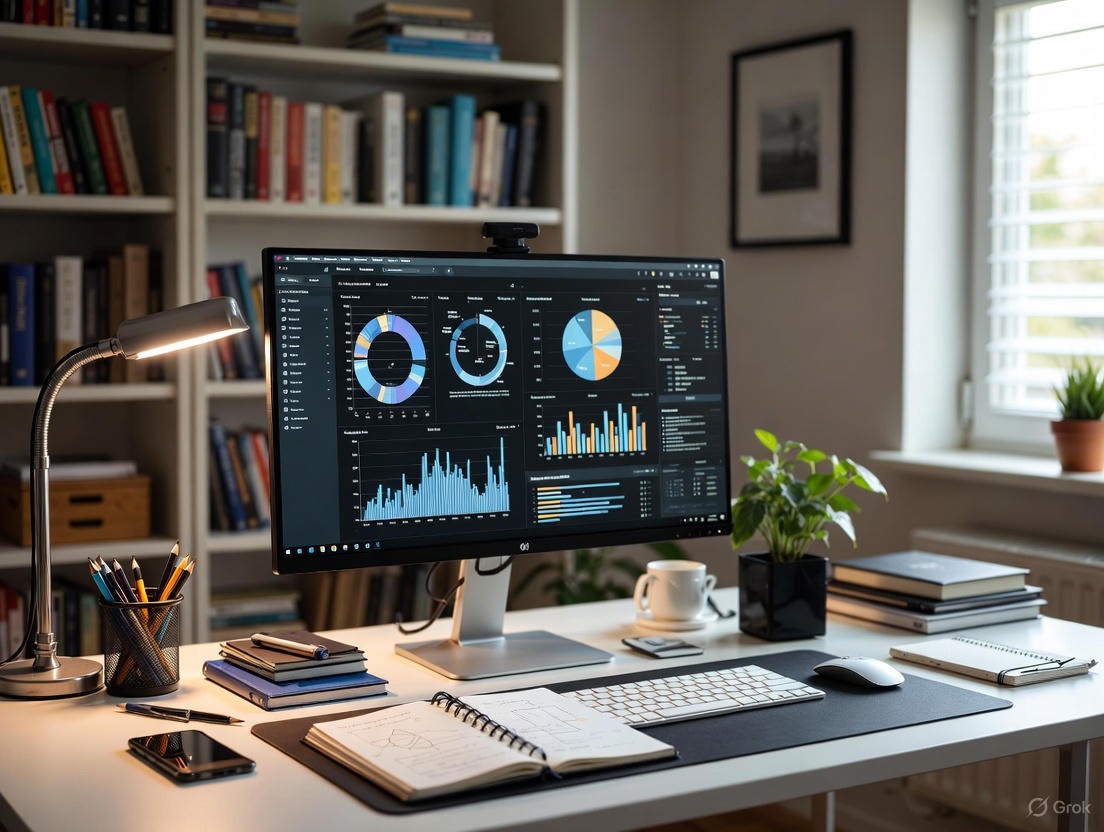
We’ve all felt it: that mental fog after a day of back-to-back video calls, the phantom buzz of a phone that isn’t vibrating, the compulsive reach to check email during a family dinner. This is digital overload in action—a syndrome characterized by the feeling of being overwhelmed by the volume, velocity, and variety of digital information and interactions we are required to process daily.
At its core, digital overload is a mismatch between the cognitive demands placed upon us by our digital tools and our brain’s inherent processing capacity. Neuroscientists refer to our working memory—the mental workspace where we hold and manipulate information—as having severe limitations. Each notification, each unread message icon, each alert consumes a sliver of this precious cognitive real estate, leaving less room for deep thought, problem-solving, and creative insight. The result is not just busyness, but a state of cognitive depletion.
This phenomenon is structurally embedded in our work culture. The rise of remote and hybrid models, while offering flexibility, has erased traditional spatial and temporal boundaries. The office is now in our pockets, accessible 24/7. Tools like instant messaging, originally designed for rapid collaboration, have created an expectation of immediate response, fracturing the workday into thousands of micro-interactions. A study from the University of California, Irvine, found that it takes an average of 23 minutes and 15 seconds to regain deep focus after a single interruption. In an environment where interruptions are constant, the opportunity for sustained, meaningful work evaporates.
The consequences extend beyond productivity metrics. Digital overload directly fuels workplace stress by triggering:
This "always-on" epidemic isn’t a personal failing of time management; it’s a systemic design flaw in how we’ve adopted technology. Recognizing it as such is the first critical step toward designing a healthier, more sustainable relationship with our digital tools. For further insights on managing these modern challenges, consider exploring our blog for more wellness tips.
The ping of a new email feels harmless, but to your body, it can register as a threat. Understanding digital overload requires a dive beneath the psychological surface into the tangible, biological reactions technology provokes. This is where stress transitions from a feeling to a physiological event with measurable impacts on our health.
The primary actor in this drama is the HPA axis (Hypothalamic-Pituitary-Adrenal axis), your body’s central stress response system. When your brain perceives a demand or threat—like an urgent notification from your boss or a flashing reminder for a meeting you forgot—the hypothalamus signals the pituitary gland, which in turn instructs the adrenal glands to release a cascade of hormones, most notably cortisol and adrenaline.
Our devices are engineered to capture attention through variable rewards—the same psychological principle behind slot machines. We never know if the next notification will be a trivial newsletter or a career-critical message. This uncertainty trains our brain to treat every ping as a potential high-stakes event, triggering mini cortisol spikes throughout the day. Over time, this leads to:
Furthermore, the blue light emitted by screens directly inhibits the production of melatonin, the hormone that regulates sleep-wake cycles. Poor sleep then creates a vicious cycle: it lowers our resilience to stress the next day, making us more susceptible to digital overload, which further disrupts sleep.
This biological lens reveals a critical truth: digital overload isn’t just an inconvenience; it’s a chronic stressor with real, physical consequences for our long-term health. Managing it, therefore, isn't merely about productivity hacks; it's an essential component of metabolic and cognitive health. To understand how technology can also be part of the solution, you can discover how Oxyzen works to track such physiological markers.

In a world of digital overload, multitasking has been worn as a badge of honor. The ability to juggle a spreadsheet, a Teams chat, and an email draft simultaneously is often mistaken for peak efficiency. Neuroscience, however, delivers a starkly different verdict: what we call multitasking is almost always task-switching, and it comes at a severe cognitive cost.
The human brain is not designed for parallel processing of complex tasks. When we attempt to “multitask,” what we’re actually doing is rapidly toggling our attention from one task to another. Each switch requires the brain to:
This cognitive gear-shifting consumes glucose and other neural resources, leading to mental fatigue. Research consistently shows that multitasking:
Our digital environment is a minefield for the multitasking impulse. The design of applications—with their constant alerts, badges, and pop-ups—actively encourages and rewards this fractured attention. Every time we succumb to the ping and switch tasks, we get a tiny hit of dopamine, reinforcing the habit. This creates a neurological addiction to interruption itself.
The professional consequence of this is a state of perpetual shallow work—administrative, logistical, or reactive tasks that do not create new value. The deep, concentrated work required for innovation, strategic thinking, and complex problem-solving gets perpetually postponed. Over time, this imbalance leads to a profound sense of burnout characterized by:
Breaking free from the multitasking trap is, therefore, foundational to combating digital overload and its stressful consequences. It requires a deliberate restructuring of both our work habits and our digital landscapes to protect and prioritize deep, focused work. For real-world examples of how individuals are reclaiming their focus, you can read authentic user experiences in our testimonials.
In the quest for efficiency, the modern workplace has embraced a culture of quantification. Digital tools allow us to track everything: keystrokes per hour, emails sent, time spent on applications, even minutes of "active" versus "idle" time. While data can offer valuable insights, this relentless measurement has a dark side, transforming from a tool of optimization into a potent source of stress and anxiety—a phenomenon we can call quantification overload.
This constant surveillance, whether by management software or our own self-imposed productivity trackers, creates a panopticon effect. Employees can feel they are perpetually being watched, leading to:
On an individual level, the rise of personal quantification through wellness technology can inadvertently extend this stress. While devices that track steps, sleep, and heart rate are designed to empower, they can also lead to obsessive self-tracking or "orthosomnia"—a preoccupation with achieving perfect sleep data, which in itself causes insomnia. When every heartbeat and sleep stage is graded, it's easy to develop an anxious relationship with one's own body, interpreting natural fluctuations as failures.
The key is to shift from surveillance to insight. Healthy quantification should be:
Navigating this balance is critical. Technology's power to measure must be harnessed to support human thriving, not to create a new, data-driven layer of workplace stress. The philosophy should be to use data as a mirror for self-understanding, not as a hammer for judgment. Learn more about this human-centric approach to technology in the story of our brand's journey.

The massive shift to remote and hybrid work promised liberation from commutes and rigid office hours. Yet, for many, it has inadvertently intensified digital overload and the stress that comes with it. The physical boundary between "work" and "life" dissolved, leaving only a digital one that is notoriously porous. This has given rise to the Remote Work Paradox: greater spatial flexibility has led to greater temporal sprawl and new forms of pressure.
A core driver of this is digital presenteeism—the felt need to be visibly online and available beyond traditional working hours to demonstrate commitment and productivity. Without the clear signal of leaving an office building, workers often compensate by extending their digital availability, answering emails late into the night or being the first to log on in the morning. This creates an unsustainable "always-on" cycle where the workday never truly ends.
The tools meant to connect distributed teams often exacerbate the problem. The constant flow of asynchronous communication (Slack, Teams, email) means there is always a backlog to catch up on, leading to time zone creep and communication overload. The informal "watercooler" conversations of an office are replaced by scheduled video calls, which are intensely cognitively demanding—a phenomenon dubbed "Zoom fatigue." Researchers attribute this fatigue to the excessive close-up eye contact, the cognitive load of interpreting non-verbal cues on a grid, and the unnatural silence delays, all of which trigger our social threat awareness systems.
Furthermore, the home environment itself can lack the "cue diversity" of a traditional office. The same room serves as office, dining room, and relaxation space. The absence of clear environmental shifts that signal the start and end of the workday makes it neurologically harder for the brain to switch modes, leaving individuals in a persistent state of low-grade work arousal even during off-hours.
To navigate this paradox, we must move from passive presence to intentional engagement. This requires:
The goal of remote work should not be to replicate the office digitally, but to reimagine work around outcomes and human sustainability, using technology as a flexible tool rather than a tether. For a comprehensive look at strategies to achieve this balance, our blog offers a wealth of related articles and further reading.

Notifications are the primary delivery system for digital overload. They are the digital world's way of tapping us on the shoulder, thousands of times a day. Each buzz, beep, or banner is a bid for our most precious resource: attention. This constant state of interruption has cultivated a specific anxiety we can term notification neurosis—a conditioned state of heightened alertness and distraction that fundamentally alters our brain's operating system.
The neurological impact of interruptions is profound. As previously touched on, the brain's context-switching cost is high. Dr. Gloria Mark, a leading researcher in this field, found that after an interruption, people don't simply pick up where they left off. They often engage in a series of "sub-tasks" before returning to the main work, making the recovery time even longer. This fragmentation keeps our cognition in a shallow state, preventing the sustained attention needed for complex thought.
Furthermore, notifications exploit our brain's orienting response—an innate reflex to pay attention to new stimuli in our environment. This was crucial for survival (Is that rustle in the bushes a predator?) but is hijacked by technology. The variable reward schedule of notifications—sometimes it's urgent, often it's trivial—makes them powerfully addictive, fueling compulsive checking behaviors. This creates a vicious cycle:
The cost is measured in more than time. This culture of interruption:
Reclaiming cognitive control starts with declaring sovereignty over our notification landscape. This isn't about turning them all off, but about moving from a default "allow" to a default "deny" mindset, critically auditing which apps and people truly deserve the privilege of interrupting your focus. It’s about designing a notification protocol that serves your priorities, rather than surrendering to the priorities of every app developer. For support in implementing these changes, our FAQ page offers practical guidance.
The common prescription for digital overload is the "digital detox"—a dramatic, temporary abstinence from screens and devices. While the intent is good, this approach often treats the symptom, not the disease, and can be as unsustainable as a crash diet. The detox implies that technology is inherently toxic, that the only solution is periodic purification through complete removal. In reality, for most knowledge workers, a full detox is impractical. The more profound—and sustainable—goal is not detoxification, but skillful integration.
The detox model fails for three key reasons:
Instead of a detox, we need a framework for Digital Minimalism, a philosophy popularized by professor Cal Newport. This isn't about using less technology; it's about using technology intentionally. It involves a conscious, ongoing process:
This shift from abstinence to intentional integration empowers us to be the architects of our digital experience. It transforms technology from a master that demands our attention into a suite of tools we deliberately deploy. The aim is to create a sustainable, low-friction digital environment that supports, rather than sabotages, our cognitive and emotional well-being every single day, not just on vacation. This philosophy of intentional design is at the heart of what we believe at Oxyzen, which you can learn more about on our homepage.
Knowing we need to integrate technology intentionally is one thing; building the fortress to protect our focus is another. A distraction-resistant digital environment is not about willpower—it’s about environmental design. By strategically engineering our devices, apps, and physical spaces, we can make focused work the default and distraction the exception.
This design process operates on multiple levels:
1. The Device Level (Your Computer & Phone):
2. The Application Level (Your Digital Tools):
3. The Physical & Temporal Level (Your Space and Time):
By layering these strategies, you create a system where distraction is structurally difficult. You conserve your finite willpower for the creative work itself, rather than exhausting it in a daily battle against digital temptations.
If the first step in managing digital overload is awareness, then biofeedback technology provides a powerful lens into our internal state. While our digital environments bombard us with external data, biofeedback devices—like advanced smart rings—give us objective, personalized data on how our bodies are responding to that environment. This shifts stress management from guesswork to a data-informed practice.
Biofeedback works by measuring physiological signals in real-time, such as:
When correlated with your daily log, this data becomes transformative. You can move from feeling "stressed" to understanding:
This turns abstract concepts like "digital overload" into concrete, personal cause-and-effect relationships. It allows for precision intervention. Instead of generic advice like "meditate more," you might learn that a 5-minute breathing exercise when your device alerts you to rising stress is highly effective for you, while that late-afternoon coffee is disrupting your sleep.
The goal is not to become obsessed with the data, but to use it as a compassionate bio-mirror. It provides an external check on our often-flawed internal perceptions (e.g., "I'm fine," when our nervous system says otherwise). By identifying our unique stress triggers and effective recovery activities, we can make informed choices to design workdays that support, rather than deplete, our physiological well-being. This data-driven approach to personal wellness is a cornerstone of what we enable, and you can read our complete guide to understanding these metrics here.
All the environmental design and data in the world are futile without the foundational skill of awareness. Digital mindfulness is the practice of bringing conscious, non-judgmental attention to our interactions with technology. It’s the antidote to the autopilot mode where we reflexively unlock our phones 100 times a day, losing hours to a vague sense of "checking."
Mindfulness in the digital context isn't about emptying your mind; it's about noticing your impulses and behaviors with curiosity. It creates a critical pause between stimulus (the urge to check) and response (the checking), where choice and agency reside.
Key practices for cultivating digital mindfulness include:
This practice reveals the emotional underpinnings of our digital habits. We often reach for devices to soothe anxiety, escape discomfort, or avoid challenging work. Mindfulness helps us sit with those underlying feelings without immediately numbing them with digital noise. Over time, this reduces the compulsive quality of our tech use and restores a sense of agency.
By combining this internal practice of awareness with the external practice of environmental design, we build a comprehensive defense against digital overload. We become less reactive to the digital world and more proactive in crafting a technological life that aligns with our deeper human needs for focus, connection, and peace. To see how others are applying these principles, explore the real customer reviews and social proof we've gathered.
While individual strategies are essential, digital overload is fundamentally a systemic issue. Lasting change requires an organizational imperative—a shift in culture, policies, and leadership behavior that makes digital wellness a collective responsibility, not just an individual struggle. Companies that ignore this do so at their peril, facing costs in burnout, attrition, and lost innovation.
Building a culture of digital wellness starts with leadership modeling the behaviors they wish to see. This means executives and managers:
Beyond modeling, organizations can implement structural changes:
The business case is clear. A culture that actively combats digital overload reduces healthcare costs associated with stress, increases employee engagement and retention, and fosters the deep work required for breakthrough ideas. It signals to employees that they are valued as whole humans, not just as productivity units. In the war for talent, a thoughtful approach to digital wellness is becoming a key differentiator. Our commitment to this holistic view of performance is part of our company's vision and values.
In a world engineered for distraction, focused work must be aggressively protected. Deep Work, a term coined by author Cal Newport, describes professional activities performed in a state of distraction-free concentration that push your cognitive capabilities to their limit. This is the work that creates new value, hones your skills, and is difficult to replicate. The opposite—shallow work—is the non-cognitively demanding, logistical-style tasks performed while distracted. The Deep Work Protocol is your strategic blueprint for systematically increasing your capacity for high-value work.
Implementing this protocol is a multi-stage process that involves calendar design, environmental engineering, and ritual creation.
Stage 1: Diagnosis & Scheduling
First, audit a typical week. How many hours are currently spent in true, uninterrupted concentration? For most, it’s shockingly low—often less than five. Next, choose a scheduling philosophy:
Stage 2: The Pre-Commitment Ritual
Your deep work block requires a strict launch sequence to signal to your brain that it’s time to enter a different mode.
Stage 3: Execution & The "Grand Gesture"
During the block, your goal is to maintain unbroken concentration. Use a timer. Start with a specific goal: "Write the first draft of the project proposal," not "Work on the project."
Stage 4: The Shutdown Ritual
At the end of the block, conduct a deliberate shutdown. Review what you accomplished, note the next step for tomorrow, and then mentally release the work. This ritual prevents work thoughts from invading your off-hours, a key component of recovery. This systematic protocol transforms deep work from a rare occurrence into the cornerstone of a productive and satisfying professional life.
If the Deep Work Protocol is the engine of high performance, the Recovery Ritual is the essential maintenance that prevents burnout. In a digitally saturated world, recovery is no longer passive—it doesn’t happen automatically when we stop working. The constant low-grade cognitive engagement with our devices means we must actively and skillfully disengage to allow our nervous systems to reset. Recovery is the deliberate process of transitioning from sympathetic (fight-or-flight) dominance to parasympathetic (rest-and-digest) dominance.
Effective recovery is multi-dimensional, addressing cognitive, physical, and emotional depletion. A robust ritual incorporates the following layers:
1. The Cognitive Shutdown (The "Brain Dump"):
As touched on in the Deep Work Protocol, a formal end to the workday is critical. This involves:
2. The Digital Sunset:
This is a staged withdrawal from screens and information intake in the 60-90 minutes before bed.
3. The Physical Signal:
The body needs clear cues that work is over.
4. Leveraging Biofeedback for Recovery Validation:
This is where wearable technology shifts from a productivity tool to a recovery ally. By tracking metrics like Heart Rate Variability (HRV) and Resting Heart Rate (RHR), you can objectively measure the effectiveness of your recovery rituals. For instance, you might discover that:
This data turns recovery from a vague "should do" into an evidence-based practice. It allows you to tailor your rituals to what your unique physiology needs to truly recharge, moving beyond generic advice. For a deeper dive into interpreting this data for personal optimization, our blog offers a wealth of related articles.
Mastering the recovery ritual ensures that you are not constantly drawing from a depleted reserve, allowing you to bring your full capacity to each deep work session and ultimately sustain high performance without the cost of burnout.
The irony is potent: we must often use technology to defend ourselves from technology. The key is to be ruthlessly selective, choosing tools designed to augment human intention, not exploit human vulnerability. This toolbox is not about more apps; it’s about a curated suite of defensive and empowering technology that puts you back in control.
These apps create structural barriers to distraction.
These tools help you triage and batch communication, reducing context-switching.
These tools help shape your digital workspace.
This is where advanced wellness wearables, like smart rings, become a cornerstone of your strategy. Unlike generic fitness trackers, the best of these devices focus on recovery and readiness.
The principle for this entire toolbox is intentionality. Each tool should be chosen for a specific defensive or empowering purpose, and its settings should be configured to support your Deep Work Protocol and Recovery Ritual, not the app developer's engagement goals.
Relying on willpower to resist digital distraction is a losing strategy. Willpower is a finite cognitive resource, depleting throughout the day with every decision and act of self-control. The most effective strategy is to design your environment—both physical and digital—so that the desirable behavior (focus) is easy and the undesirable behavior (distraction) is difficult or impossible. This is the concept of choice architecture applied to personal productivity.
By layering these environmental designs, you create a fortress for your attention. You conserve your willpower for the creative work itself and for making meaningful decisions, rather than wasting it in a daily, draining battle against a digitally distracting world. For inspiration on building these supportive systems, you can read authentic user experiences in our testimonials.
Digital overload is not a solitary struggle; it's a collective dynamic. Our digital behaviors—when we send messages, how quickly we expect replies—directly impact the stress and cognitive load of our colleagues, friends, and family. Therefore, managing overload must extend beyond personal tactics to encompass social protocols that reshape our collective digital culture.
The modern workplace often mistakenly equates rapid digital response with competence and dedication. Shifting this culture is essential.
Our devices don't just interrupt our work; they erode the quality of our closest relationships.
In both professional and personal settings, we can reduce the pressure of real-time communication.
By addressing the social component, we create a virtuous cycle. As individuals practice better digital hygiene, it sets new norms for the group. As groups establish healthier protocols, it supports and reinforces the efforts of each individual, creating a culture where technology facilitates connection and work rather than fragmenting attention and fueling stress. This community-focused approach is integral to our company's vision and values.
The long-term solution to digital overload requires a fundamental shift in how technology itself is designed. The current economic model, based on capturing attention and maximizing engagement at any cost, is unsustainable for human flourishing. A new movement is emerging—often called Humane Technology or Ethical Design—which asks a different question: "How can we design technology that protects our minds and strengthens our humanity?"
These are the principles that should guide the next generation of our digital tools:
1. Respect for Attention & Time:
Technology should help us focus on what matters, not compete for our focus. This means:
2. Supporting, Not Supplanting, Human Capability:
Technology should be an assistant, not a replacement for human cognition and connection.
3. Prioritizing Long-Term Wellbeing Over Short-Term Engagement:
Metrics for success must change from "daily active users" and "time on site" to "user wellbeing" and "task efficiency."
4. Transparency and User Sovereignty:
Users must have clear understanding and control over their digital experience.
Advocating for and supporting companies that adhere to these principles is a powerful way to vote for a healthier digital future. As consumers and professionals, we can demand better from the tools we use every day. The future of work and wellbeing depends not on discarding technology, but on insisting that it be designed in service of human dignity, focus, and connection. To learn more about a brand built on these principles from the ground up, explore the story of our brand's journey.
Knowledge without action is merely trivia. Transformation requires a structured, phased approach. This 30-day plan is designed to systematically rebuild your relationship with technology, minimizing overwhelm by focusing on one core theme each week. Think of it as a training regimen for your attention and nervous system.
Goal: To move from unconscious habit to conscious observation.
Goal: To design your digital and physical spaces to make focus easier and distraction harder.
Goal: To actively train your focus muscle and solidify recovery practices.
Goal: To integrate these practices seamlessly into your life and begin influencing your environment.
This plan is not about perfection. It’s about progressive, intentional change. Each week builds on the last, creating a compound effect that fundamentally reshapes your digital landscape.
You will have days where you fall back into old patterns. A crisis at work leads to a frantic, fragmented day. A bout of insomnia leads to mindless scrolling. This is not failure; it is data. The path to sustainable change is non-linear, and understanding the psychology of setbacks is key to resilience.
1. Identify Your Triggers:
Setbacks usually have a predictable catalyst. Common digital overload triggers include:
When you experience a setback, practice curiosity, not condemnation. Ask: "What was happening just before I started mindlessly scrolling? What did I feel?"
2. Reframe the "Failure":
Abandon the all-or-nothing mindset. One distracted day does not erase weeks of progress. In fact, it reinforces what conditions lead you astray. Use the "Fresh Start" effect—the psychological phenomenon where people are more motivated to pursue goals after temporal landmarks (like the next morning, a Monday, or the first of the month). After a slip-up, simply declare your next deep work block or your next evening as a fresh start.
3. Implement "Emergency Protocols":
Have pre-written scripts for high-trigger situations.
4. Leverage Your Tools for Compassion, Not Guilt:
If your wellness tracker shows poor recovery, don't use it to berate yourself. Use it as a diagnostic tool. It's offering an objective reason for your struggle: "My nervous system is depleted, so of course focus is hard today. I need to be kind to myself and prioritize rest." This shifts the narrative from "I lack discipline" to "My body needs support," which is a more empowering and accurate place to problem-solve from. For support in developing this compassionate approach, our FAQ page offers guidance.
Sustainable change is built on self-compassion and intelligent system design, not on brittle self-punishment. Each setback is an opportunity to learn and strengthen your protocols.
In a culture of digital overload, our old metrics for success are broken. "Busyness," rapid email response, and constant availability are poor proxies for value creation and health. We must consciously adopt new metrics that align with sustainable performance and personal well-being.
Cognitive & Output Metrics:
Physiological & Emotional Metrics (The Biofeedback Advantage):
This is where technology becomes a powerful ally for measurement. Instead of vague feelings, you get objective data.
Relational & Cultural Metrics:
By measuring these new metrics, you actively reinforce the behaviors and outcomes that lead to a healthier, more productive, and more sustainable professional life. You move from being judged by the visibility of your activity to being valued for the quality of your contribution and the health of your system. For real-world examples of people tracking these new success metrics, you can read authentic user experiences in our testimonials.
Managing digital overload is not a one-time project; it is the ongoing cultivation of a philosophy of sustainable performance. This philosophy rejects the toxic myth of the perpetually hustling, burnout-prone hero in favor of the model of the conscious artisan or endurance athlete of the mind.
Core Tenets of This Philosophy:
Embracing this philosophy means accepting that there is no final destination where digital overload is "solved." Instead, there is a continuous practice of awareness, adjustment, and refinement. It is a commitment to showing up each day not as a reactive node in a network, but as a sovereign individual capable of profound focus, meaningful connection, and resilient well-being.
The digital storm is not abating. The waves of information, the winds of communication, and the currents of expectation will only intensify. But we are not helpless vessels in this storm. Through the exploration in this article, we have built a sturdy ship, charted a wise course, and developed the skills to navigate.
We began by understanding the storm itself—the physiology of tech-stress, the myth of multitasking, the quantified workplace's tyranny. We then moved to fortification, designing distraction-resistant environments, implementing deep work protocols, and crafting sacred recovery rituals. We equipped ourselves with a defensive toolbox and learned to use biofeedback as a compass. We recognized the social dimension, understanding that our habits affect others and that healthier norms must be built collectively. We looked to the horizon at a future of humane technology.
Ultimately, this journey is about one fundamental objective: reclaiming your cognitive sovereignty.
Sovereignty means you decide what deserves your attention and when.
Sovereignty means your devices are tools on your desk, not masters of your time.
Sovereignty means you can be deeply engaged in work and fully present in life, without the pervasive buzz of digital anxiety in the background.
It is the state where technology amplifies your human potential instead of fragmenting it. It is the quiet confidence that comes from knowing you have systems to protect your focus, rituals to restore your energy, and the wisdom to listen to what your mind and body need to thrive.
The path forward is not less technology, but more intention. It is not about rejecting connection, but about prioritizing the connections that matter most. Start today. Implement one change. Protect one hour. Observe one habit. This is how you calm the storm, not out there in the digital chaos, but within the ordered, resilient space of your own focused mind.
Your Trusted Sleep Advocate: Sleep Foundation — https://www.sleepfoundation.org
Discover a digital archive of scholarly articles: NIH — https://www.ncbi.nlm.nih.gov/
39 million citations for biomedical literature :PubMed — https://pubmed.ncbi.nlm.nih.gov/
Experts at Harvard Health Publishing covering a variety of health topics — https://www.health.harvard.edu/blog/
Every life deserves world class care :Cleveland Clinic - https://my.clevelandclinic.org/health
Wearable technology and the future of predictive health monitoring :MIT Technology Review — https://www.technologyreview.com/
Dedicated to the well-being of all people and guided by science :World Health Organization — https://www.who.int/news-room/
Psychological science and knowledge to benefit society and improve lives. :APA — https://www.apa.org/monitor/
Cutting-edge insights on human longevity and peak performance:
Lifespan Research — https://www.lifespan.io/
Global authority on exercise physiology, sports performance, and human recovery:
American College of Sports Medicine — https://www.acsm.org/
Neuroscience-driven guidance for better focus, sleep, and mental clarity:
Stanford Human Performance Lab — https://humanperformance.stanford.edu/
Evidence-based psychology and mind–body wellness resources:
Mayo Clinic — https://www.mayoclinic.org/healthy-lifestyle/
Data-backed research on emotional wellbeing, stress biology, and resilience:
American Institute of Stress — https://www.stress.org/


