


Your Complete HRV Explainer: From Measurement to Meaning
A complete explainer on HRV, from how it's measured to what it means.
A complete explainer on HRV, from how it's measured to what it means.
%402x.svg)
Your heart beats. It’s the most fundamental rhythm of your existence, a steady drum in the chest you barely notice until something feels off. But what if that rhythm isn’t as steady as you think? What if the tiny, imperceptible variations between each beat—the milliseconds of difference from one pulse to the next—hold a profound secret to your overall well-being? This is the world of Heart Rate Variability, or HRV, a powerful, data-rich window into your body’s inner workings that is rapidly moving from clinical labs to the wearable on your wrist—or more precisely, to the smart ring on your finger.
For decades, HRV was a metric reserved for cardiologists and elite athletes. It required bulky, expensive equipment and expert interpretation. Today, thanks to advances in photoplethysmography (PPG) sensors and sophisticated algorithms, you can track your HRV nightly with a sleek, unobtrusive device like the Oxyzen smart ring. This democratization of data is empowering, but it also brings a wave of questions. What does this number actually mean? Is a higher HRV always better? Why does it plummet after a stressful day or a poor night’s sleep?
This guide is your definitive answer. We will journey from the foundational biology of your autonomic nervous system to the practical application of HRV data in your daily life. We will demystify the science, explore the factors that influence your score, and show you how to move from passive tracking to active, meaningful improvement. This isn’t just about a number; it’s about learning the unique language of your body’s stress and recovery cycles, translating its signals, and using that knowledge to build a more resilient, balanced, and healthier you. Whether you're a biohacker, a wellness enthusiast, or simply someone curious about optimizing your health, understanding HRV is a game-changer. Let’s begin by listening, truly listening, to the subtle story your heart is already telling.
To comprehend HRV, you must first meet the master conductor behind the scenes: your autonomic nervous system (ANS). Think of your ANS as your body’s automatic control center, regulating countless functions without a single conscious thought from you—your heartbeat, digestion, breathing, and pupil dilation. It’s the system that keeps you alive on autopilot. The ANS is subdivided into two primary branches that work in a dynamic, push-pull balance: the sympathetic and the parasympathetic nervous systems.
The Sympathetic Nervous System (SNS): Your "Fight-or-Flight" Engine
This is your body’s accelerator. When a perceived threat arises—be it a looming deadline, a sudden loud noise, or an actual physical danger—the SNS kicks into high gear. It floods your system with stress hormones like cortisol and adrenaline. Your heart rate and blood pressure increase, blood flow is diverted to your muscles, and digestion slows. This state primes you for action, performance, and survival. In our modern world, however, the SNS is often chronically engaged by non-life-threatening stressors like traffic, emails, and financial worries.
The Parasympathetic Nervous System (PNS): Your "Rest-and-Digest" Brake
Conversely, the PNS is your body’s brake and repair system. Often called the "rest-and-digest" branch, it promotes relaxation, recovery, and conservation of energy. When activated, it slows your heart rate, stimulates digestion, and facilitates healing and cellular repair. It’s the state you enter during deep sleep, meditation, or while calmly enjoying a meal with loved ones.
The Balance of Power: A Dynamic Dance, Not a Switch
Crucially, these two systems are not simple on/off switches. They are engaged in a continuous, nuanced tug-of-war, with one tonically dominant over the other at any given moment. A healthy, resilient body seamlessly oscillates between these states—ramping up sympathetic activity to meet a challenge, then efficiently engaging the parasympathetic system to recover and replenish.
Where HRV Enters the Stage
This is precisely where Heart Rate Variability becomes the most accessible and insightful metric. HRV is the output of this autonomic dance. When your PNS is dominant (during calm, restful states), it sends subtle, moment-to-moment signals to your heart to slow down or speed up slightly, creating more variability between beats—a higher HRV. It’s a sign your body feels safe enough to be flexible and responsive. When your SNS is running the show (during stress, illness, or overtraining), it commands a more rigid, regular heart rate to prepare for action, resulting in less variability—a lower HRV.
Therefore, HRV is a direct, non-invasive proxy for your autonomic nervous system balance and your body’s overall capacity to handle stress and recover. A higher HRV generally indicates a stronger parasympathetic tone and greater physiological resilience. You have more "bandwidth" to handle life’s stressors. A lower HRV suggests sympathetic dominance and a system that may be stretched thin, potentially due to physical, mental, or emotional overload.
Understanding this foundational symphony is key. Every factor we discuss later—sleep, exercise, breathing, even your social interactions—exerts its influence on your health through its impact on this delicate autonomic balance, and HRV is your front-row seat to observing it. For a deeper look at how technology like ours is designed to listen to this symphony, you can explore our story and the vision behind creating tools for this precise purpose.
It’s the most common point of confusion: Heart Rate Variability must just be a fancy way of saying your heart rate changes during exercise, right? Not at all. While your heart rate (beats per minute, or BPM) and HRV are related, they are distinct measurements telling very different stories.
Heart Rate (BPM): The Macro Rhythm
Your heart rate is the average number of times your heart contracts per minute. It’s a broad-strokes metric. When you run, your BPM goes up to deliver more oxygenated blood to your muscles. When you sleep, it goes down. It’s useful, but it’s a relatively crude instrument. Two people can have an identical resting heart rate of 60 BPM, but their cardiovascular health and stress resilience could be worlds apart.
Heart Rate Variability (HRV): The Micro-Timing
HRV, in contrast, is not about the number of beats, but the precise timing between them. It measures the millisecond-scale variations in the intervals between consecutive heartbeats, known as R-R intervals. These variations are incredibly subtle—often just tens of milliseconds—and are imperceptible without specialized equipment.
Imagine a skilled drummer. Their overall tempo (BPM) might stay perfectly steady at 60 beats per minute. But if you analyze the timing with a microscopic ear, you’ll hear tiny, expressive fluctuations—a hint of swing, a micro-delay on a fill. This micro-timing is what gives the rhythm its feel, its groove, and its adaptability. A rigid, robotic drum machine has perfect, metronomic timing and zero "variability." It’s efficient but lacks resilience and responsiveness. The human drummer, with its subtle variability, is adaptable, expressive, and alive.
Your Heart is Not a Metronome
A healthy heart is like that human drummer, not a metronome. If your ECG showed a perfectly flat, even line between beats, it would be a sign of severe pathology, not perfect health. This inherent irregularity is a sign of a robust, responsive system. The brain is constantly sending signals to the heart via the ANS, telling it to speed up a tiny bit with each inhalation (as the chest cavity expands and blood flow into the heart momentarily decreases) and slow down a tiny bit with each exhalation. This is called respiratory sinus arrhythmia, and it’s a primary source of healthy HRV.
Key Takeaway: HRV Measures System Flexibility
Therefore, while a low resting heart rate can be a sign of fitness, a high HRV is a sign of something more profound: neurocardiac fitness. It indicates your body’s systems are communicating efficiently, your heart is responsive to subtle commands, and you have a high degree of autonomic flexibility. You can shift gears smoothly. A low HRV suggests a system stuck in a rigid, stressed state, less able to adapt to changing demands.
In the next section, we’ll dive into how this critical metric is actually captured, moving from clinical gold standards to the convenient, continuous tracking offered by modern wearables. For those interested in the technical nuances of how devices like the Oxyzen ring achieve accurate readings, our FAQ page addresses many common questions about measurement and data integrity.
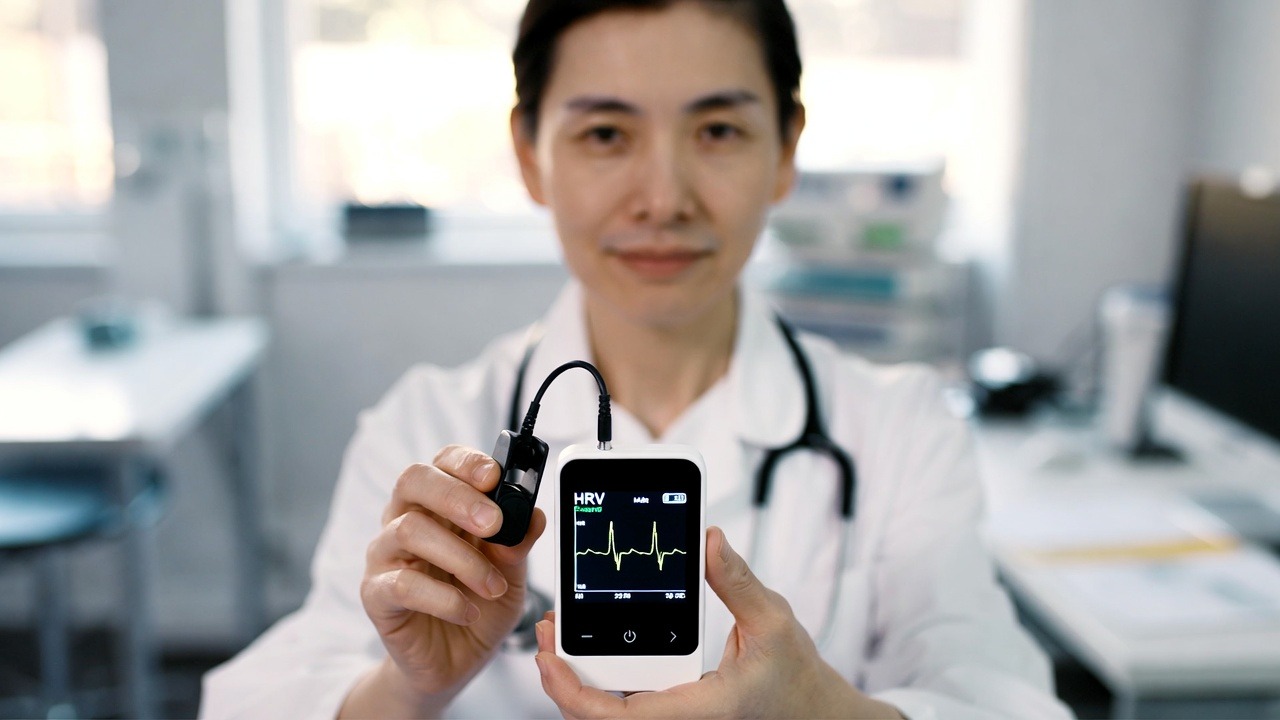
The journey of measuring HRV is a story of technological evolution, from complex hospital machinery to accessible personal devices. Understanding this progression helps you appreciate the data you see and trust its meaning.
The Gold Standard: Electrocardiogram (ECG)
In medical and research settings, the most accurate method for measuring HRV is a standard electrocardiogram (ECG or EKG). This involves placing multiple electrodes on the chest to detect the heart’s electrical activity with high fidelity. The "R-peak" in the ECG waveform represents the main contraction of the ventricles. The time between successive R-peaks (the R-R interval) is measured with extreme precision, often to the millisecond. This sequence of intervals is called the "tachogram," and it’s the raw data from which all HRV metrics are derived. While supremely accurate, ECGs are impractical for continuous, long-term, and everyday monitoring.
The Modern Standard: Photoplethysmography (PPG)
This is the technology that powers nearly all consumer wearables, including smartwatches, fitness bands, and smart rings like Oxyzen. PPG works by shining a light (typically green LED light, which is absorbed by red blood) onto the skin and measuring the amount of light reflected back by blood flow. With each heartbeat, a pulse of blood surges through the capillaries, causing a tiny increase in blood volume that absorbs more light. The sensor detects these subtle changes in light absorption, creating a pulse waveform.
The PPG Waveform and Pulse-to-Pulse Intervals
The peak of each PPG pulse wave corresponds to a heartbeat. The time between these peaks gives us a Pulse-to-Pulse (PP) interval, which serves as a proxy for the R-R interval from an ECG. Advanced algorithms then clean this signal, filtering out motion artifact and poor-quality data, to extract a reliable PP interval sequence for HRV calculation.
Why Smart Rings Have an Advantage for Nightly HRV
This is where form factor matters immensely. For capturing a truly resting HRV, especially during sleep, the smart ring has distinct advantages:
When and How to Get Your Most Meaningful HRV Reading
For personal tracking, consistency is more critical than clinical perfection. The goal is to observe trends over time, not to diagnose a condition. Best practices include:
By moving measurement from the clinic to the convenience of a wearable, we gain the power of longitudinal data—seeing how our lifestyle choices paint a picture over weeks and months. This personal dataset is where the true value lies. To see how real people interpret and use this longitudinal data in their lives, browse through user experiences and testimonials.
So, your device has captured thousands of pulse-to-pulse intervals overnight. Now what? How does that sequence of milliseconds become a single, understandable number or graph? HRV analysis is a rich field with several mathematical methods, each offering a slightly different lens on your autonomic function. Don’t worry—we’ll translate the math into meaning.
Time Domain Analysis: The Statistical View
This is the most common type of analysis in consumer wearables. It applies straightforward statistics to the sequence of intervals.
Frequency Domain Analysis: The Spectral Breakdown
This more advanced method uses a mathematical transformation (Fast Fourier Transform) to break down the heart rhythm signal into its constituent frequency "bands," much like a graphic equalizer separates music into bass, midrange, and treble. Each band is linked to different physiological processes:
The LF/HF Ratio Myth
You may have read that the ratio of LF to HF power indicates "sympathetic balance." This is an oversimplification and is largely outdated for short-term readings. For overnight or short morning measurements, focusing on RMSSD and HF power (parasympathetic markers) is far more meaningful and less prone to misinterpretation.
Nonlinear Analysis: The Complexity Scientists
The newest frontier in HRV research looks at the complexity and predictability of the heart rhythm using sophisticated geometry and chaos theory. Metrics like Sample Entropy measure how unpredictable the sequence is. A healthy, resilient system is complex and somewhat unpredictable (high entropy). Aging, disease, and chronic stress tend to make the heart rhythm more regular and predictable (low entropy). While not yet standard in consumer apps, this represents the cutting edge of understanding system-wide resilience.
What Your App is Likely Showing You
For your purposes, the key takeaway is this: Your primary HRV score (likely RMSSD) is a time-domain metric that strongly reflects your parasympathetic nervous system's activity and your body’s readiness to recover and repair. Track this number’s trend over time. The absolute number is personal—compare yourself to your own baseline, not to others. A comprehensive understanding of these metrics is part of our mission to provide not just data, but knowledge, which you can learn more about on our blog where we break down complex health concepts.
This is the single most important principle for using HRV effectively, and the one most people get wrong: You cannot compare your HRV number to anyone else’s. There is no "good" or "bad" universal score, only what is high or low for you.
The Factors That Make Your HRV Uniquely Yours
A myriad of intrinsic factors set your personal range:
Establishing Your Meaningful Baseline
Because of this individuality, the entire value of HRV tracking lies in establishing and understanding your own baseline and normal range. This requires consistent measurement (ideally nightly) for at least 2-4 weeks during a period of "normal" life—not on vacation, not while sick, not during an intense training block.
The Power of the Personal Trend
This shifts the question from "Is my HRV good?" to "What is my HRV telling me today?" It transforms HRV from a static score into a dynamic communication tool.
By honoring your unique biology, you stop chasing an arbitrary number and start engaging in a true dialogue with your body. This philosophy of personalized, non-comparative health insight is core to our vision and values at Oxyzen.

Your HRV is not a fixed trait; it’s a dynamic reflection of your life as you live it. Every choice, experience, and exposure sends ripples through your autonomic nervous system, changing the balance captured by your HRV reading. Let’s explore the major levers.
1. Sleep: The Master Reset
Sleep is the most potent and non-negotiable factor for HRV. It’s your primary recovery window when parasympathetic activity should dominate.
2. Exercise: The Double-Edged Sword
Physical activity is a paradoxical stressor—it acutely lowers HRV (due to sympathetic activation), but chronic, appropriate training elevates your baseline HRV over time by improving cardiovascular efficiency and autonomic flexibility.
3. Psychological Stress & Mental Load
Your brain doesn’t distinguish well between physical and psychological threats. A stressful work project, relationship conflict, or financial worry can activate the sympathetic nervous system just as tangibly as a physical threat, leading to suppressed HRV.
4. Nutrition & Hydration
5. Breathing: The Direct Dial to Your Vagus Nerve
Your breath is the only autonomic function you can easily consciously control, making it a direct tool to influence HRV in real-time.
6. Circadian Rhythms & Time of Day
HRV follows a strong diurnal pattern: it’s typically lowest in the morning (as cortisol rises), increases throughout the day, and peaks during deep sleep at night. Disrupting this natural rhythm (e.g., with shift work or late-night screen exposure) flattens this healthy oscillation.
Understanding these levers turns HRV from a mysterious number into an insightful feedback loop. You can start to run experiments: "If I prioritize 8 hours of sleep this week, how does my trend change?" or "If I practice 10 minutes of coherent breathing before bed, what happens to my score?" This empirical, self-directed approach is at the heart of modern wellness, a topic we frequently explore in our curated wellness blog resources.
Now comes the practical magic: turning nightly data points into actionable intelligence. This is where you move from being a passive observer to an active participant in your own well-being.
Step 1: Look for the Trend (The 7-Day Rolling Average)
Forget the daily ups and downs, which can be noisy. The most powerful view is your 7-day rolling average (the average of each day and the previous six days). This smooths out daily fluctuations and reveals the true directional trend. Is the line sloping up, down, or is it flat? This trend tells you if your overall load (stress + training + life) is being managed effectively.
Step 2: Context is King: Tag Your Days
Data without context is just a number. Use your app’s tagging or journaling feature (or a simple notebook) to log potential influences:
After a few weeks, you can start to play detective. Look back at days when your HRV was significantly above or below your baseline. What tags are consistently associated with those days? You might discover, for example, that even two glasses of wine with dinner reliably crashes your score, or that a midday walk consistently gives it a slight boost.
Step 3: Use HRV for Training Decisions (HRV-Guided Training)
This is a popular and effective application, especially for endurance athletes. The principle is simple: let your body’s readiness dictate your daily training intensity.
This autoregulation helps prevent overtraining and aligns your training plan with your body’s actual capacity, leading to better long-term progress and fewer injuries.
Step 4: Identify Early Signs of Illness
Often, your HRV will drop 1-3 days before you feel any overt symptoms of a cold or other infection. It’s an early-warning signal that your immune system is activated and resources are being diverted. If you see an unexplained, sustained drop, it’s a cue to double down on sleep, hydration, and nutrition, and perhaps pull back on intense activities. You might just ward off the full-blown illness.
Step 5: Gauge Your Stress Resilience
A "good" HRV trend doesn’t mean a stress-free life. It means you are handling stress effectively and recovering from it. If you go through a stressful period (a big project, family events) and your HRV trend holds steady or dips only briefly, it’s a sign of high resilience. If a minor stressor causes a major, prolonged crash, it indicates your reserves are low and you need to prioritize foundational recovery.
By following this process, you cultivate a deep body awareness. The Oxyzen ring and its accompanying app are designed to facilitate exactly this kind of insightful discovery, helping you connect dots that were once invisible. For support on getting the most from your data, our comprehensive FAQ is an excellent resource.
While HRV found its early adopters in the athletic community, its implications span the entire spectrum of human health. It is increasingly recognized as a "meta-marker" of systemic flexibility and resilience, relevant to mental, emotional, and long-term physiological health.
Mental Health & Emotional Regulation
The connection between a low HRV and anxiety, depression, and PTSD is one of the most robust findings in psychophysiology.
Metabolic & Cardiovascular Health
HRV is a powerful predictor in cardiology.
Aging & Longevity: The "Biological Age" Connection
The age-related decline in HRV is so predictable that your HRV can be used to estimate your "biological age" as opposed to your chronological age. A 50-year-old with the HRV of a typical 40-year-old likely has healthier autonomic function and, all else being equal, may be at lower risk for age-related disease. Slowing the decline of HRV may be a key component of healthy aging. Lifestyle factors that preserve HRV—regular exercise, good sleep, stress management, and a healthy diet—are, unsurprisingly, the very pillars of longevity.
The Gut-Brain-Heart Axis
Emerging research highlights the fascinating connection between gut health and HRV. The vagus nerve is a major communication highway between the brain and the gut. An unhealthy gut microbiome (dysbiosis) can promote systemic inflammation and send stress signals via the vagus nerve, potentially lowering HRV. Conversely, a healthy gut may support healthy vagal tone and higher HRV.
This broad relevance underscores why HRV is more than a fitness metric. It’s a holistic vital sign—a single number that integrates signals from your mind, heart, metabolism, and more. Monitoring its trend is like taking the periodic "systems check" of your entire psychophysiological state. To delve deeper into the science of holistic health tracking, we invite you to explore our blog for ongoing research and insights.
As HRV enters the mainstream, a number of myths and oversimplifications have taken root. Let’s clear the air to ensure you’re working with a clear and accurate understanding.
Myth 1: "A Higher HRV is ALWAYS Better."
Reality: While a higher baseline over time is a positive sign of fitness and resilience, acute, context-dependent spikes or drops are neutral or even negative.
Myth 2: "You Can Compare Your HRV to Your Friend's."
Reality: As established, this is futile and misleading. A woman in her 20s with an RMSSD of 80 is in a great range for her. A man in his 60s with an RMSSD of 30 might also be in an excellent range for his age and biology. Celebrate your own progress, not a comparison.
Myth 3: "HRV is Only for Elite Athletes."
Reality: While athletes were early adopters for performance optimization, HRV is perhaps even more valuable for non-athletes. For the average person managing work, family, and life stress, HRV provides an objective measure of recovery and systemic load that they might otherwise ignore until they reach burnout or illness. It’s a tool for sustainable living for everyone.
Myth 4: "A Single Low Reading Means You're Overtrained or Unwell."
Reality: A single data point is noise. Life happens: a bad night’s sleep, an argument, a late meal. Your body can handle these acute stressors. The power is in the pattern. Only a sustained deviation (multiple days below your normal range) should trigger a meaningful lifestyle audit.
Myth 5: "All Wearables Measure HRV Equally (and Poorly)."
Reality: There is a spectrum of accuracy. Clinical-grade ECG is the benchmark. Modern PPG sensors in high-quality devices (especially those worn on the finger during sleep, like the Oxyzen ring) provide excellent accuracy for trend-based, personal monitoring. The key is that they are precise enough to detect the meaningful changes and trends that guide decisions. The consistency of the measurement (same device, same wearing time) is more important than absolute, clinical-grade precision for personal use.
Myth 6: "You Can 'Hack' Your HRV Long-Term with Quick Fixes."
Reality: You can acutely boost HRV with a 10-minute breathing session, which is useful for calming the nervous system in the moment. But your long-term baseline is built by consistent, daily habits over months and years: quality sleep, regular exercise, good nutrition, and chronic stress management. There is no substitute for the fundamentals.
By dispelling these myths, you can approach your HRV data with confidence, nuance, and a focus on what truly matters: the long-term story of your health and resilience. For more nuanced discussions on data accuracy and best practices, our community often finds answers in the detailed support and FAQ section.
Understanding your HRV is the first step. Learning how to positively influence it is where transformation happens. Improving your HRV is synonymous with building a more resilient, balanced, and healthier nervous system. The following strategies are not quick hacks but foundational lifestyle practices supported by a growing body of research. Think of them as investments in your neurocardiac fitness.
While getting 7-9 hours is crucial, the quality of that sleep—its architecture—is what drives parasympathetic recovery and HRV elevation.
Actionable Steps:
Slow, diaphragmatic breathing is the most direct tool you have to consciously shift your ANS from sympathetic to parasympathetic dominance, creating an immediate boost in HRV and a lasting training effect on your vagal tone.
The Coherent Breathing Protocol:
This method, often set at 5.5 breaths per minute, creates resonance between your heart rhythm, blood pressure, and breathing cycles, maximizing HRV.
The Physiological Sigh:
For an even faster "vagal brake," use the physiological sigh, a pattern hardwired into our biology to rapidly reduce stress.

Training is a stressor that, when properly dosed and recovered from, builds a more resilient system. The goal is to create a positive "stress + recovery = adaptation" cycle.
Actionable Steps:
What you eat directly impacts inflammation, gut health, and oxidative stress—all of which influence autonomic balance.
Dietary Guidelines for HRV Support:
Your mind and your social world are not separate from your physiology. They are direct inputs to your autonomic nervous system.
Mindfulness and Meditation:
Regular practice has been consistently shown to increase HRV by strengthening prefrontal cortical inhibition of the amygdala (the brain's fear center) and enhancing vagal tone.
Nature Immersion ("Forest Bathing"):
Spending time in natural environments, particularly without digital distractions, lowers cortisol, blood pressure, and sympathetic activity while boosting parasympathetic activity and HRV. Aim for 20-30 minutes in a park or natural setting several times a week.
Positive Social Connection:
Loneliness and social isolation are associated with lower HRV. Meaningful, positive social interactions and physical touch (like hugs) can stimulate oxytocin release, which has a calming, vagal-enhancing effect. Prioritize face-to-face time with people who support and uplift you.
By systematically integrating these protocols, you stop "chasing" an HRV number and instead build a lifestyle that naturally cultivates the autonomic resilience that a high HRV represents. For more detailed guides on implementing these specific habits, from breathing techniques to sleep optimization, our resource library on the Oxyzen blog is constantly updated with practical, evidence-based advice.
We are standing at the frontier of a health revolution where continuous, passive biometrics like HRV are transitioning from fitness curiosities to core components of personalized, predictive healthcare. The future of HRV is not just in tracking, but in interpretation, integration, and actionable foresight.
Integration with Multi-Omics and AI
The next leap will come from correlating HRV data with other streams of biological information.
Predictive Analytics for Mental Health
HRV is poised to become a crucial tool in mental health management.
Chronic Disease Management and Remote Patient Monitoring (RPM)
For conditions like heart failure, diabetes, and hypertension, HRV is a potent remote biomarker.
The Rise of the "Digital Phenotype"
Your long-term HRV trend, combined with other data, will contribute to your unique "digital phenotype"—a dynamic, data-driven portrait of your health that is more nuanced than any static lab test. This allows for truly personalized health recommendations. Instead of "people should exercise 150 minutes a week," your data might show that you need 8.25 hours of sleep and two days of Zone 2 cardio per week to maintain optimal autonomic balance, while someone else's phenotype demands more strength training and social interaction.
At Oxyzen, we are not just building a ring; we are participating in this foundational shift towards empowered, data-informed health. We believe the future belongs to tools that provide not just information, but insight and foresight, allowing individuals to partner proactively with their healthcare providers. To understand the driving force behind this vision, you can read about our founding story and mission.
While HRV is a powerful metric, it is not a magic crystal ball. Responsible use requires understanding its limitations and knowing when it points to the need for professional medical evaluation, not self-diagnosis.
HRV is a Signal, Not a Diagnosis
Your HRV score is a single, non-specific output of a complex system. A low HRV trend is your body waving a red flag that says "I am under excessive load!" It does not tell you the specific cause of that load. The cause could be:
It Cannot Identify Specific Diseases
While low HRV is a risk factor associated with many conditions, it cannot diagnose them. You cannot look at your HRV and conclude you have diabetes, heart disease, or an anxiety disorder. These require specific clinical tests and evaluation by a qualified healthcare professional.
When to Consult a Healthcare Provider
Use your HRV data as a conversation starter with your doctor, not a replacement for their expertise. Seek professional advice if you observe:
The Gold Standard Remains Clinical Assessment
For any serious health concern, a physician will rely on established diagnostic tools: blood tests, ECGs, stress tests, and imaging. Your longitudinal HRV data can be an incredibly valuable adjunct—painting a picture of your daily functional state that a single office visit snapshot cannot—but it is an adjunct, not a substitute.
In essence, HRV empowers you to be a better steward of your own health and a more informed partner to your healthcare team. It gives you objective evidence of your body’s stress state to communicate more effectively. For general questions about health tracking and device usage, our support and FAQ section is a helpful resource, but it is not a substitute for personalized medical advice.
Embarking on your HRV journey is committing to a deeper dialogue with your body. The final step is moving from initial fascination to a sustainable, integrated practice that supports your health for years to come. Here’s how to make HRV tracking a seamless and empowering part of your life.
1. Set Intentions, Not Obsessions.
Define your "why." Are you tracking to:
2. Establish Your Ritual of Review.
Don’t let data accumulate unseen. Create a simple, weekly ritual.
3. Embrace the Seasonal and Cyclical Nature of HRV.
Your HRV will not be a flat line. It will have natural cycles.
4. Practice Compassionate Curiosity.
When you see a low score, approach it with curiosity, not criticism. Instead of "Ugh, I failed," ask, "What is my body communicating? What stressor (big or small) is it responding to?" This frame turns a "bad" number into valuable biofeedback and fosters self-compassion, which is itself a parasympathetic state.
5. Connect with a Community.
Sharing insights (not competitive scores) with a trusted friend, a coach, or an online community focused on holistic health can provide support, accountability, and new ideas. Seeing how others interpret their data and navigate challenges can be incredibly enlightening. To connect with others on a similar journey, you can explore stories from our community in the Oxyzen testimonials section.
6. Periodically Reassess Your Baseline.
As you make positive lifestyle changes, your baseline will improve. Every 3-6 months, take a moment to recalibrate. What is your new "normal" range? Celebrating this upward shift is a powerful reinforcement of your efforts.
The Ultimate Goal: Embodied Awareness
The true endpoint of a sustained HRV practice is not dependency on a device, but the cultivation of embodied awareness. Over time, you will start to notice the physical sensations associated with high and low HRV states—the feeling of calm focus versus frazzled fatigue, of deep rest versus restless sleep. The ring’s data simply confirms and refines this inner sense. You begin to trust the whispers of your body before they become screams.
This journey—from measurement to meaning, from data to wisdom—is the profound promise of understanding your Heart Rate Variability. It is a pathway to becoming the most informed, responsive, and resilient steward of your own well-being.
*This concludes the first part of "Your Complete HRV Explainer: From Measurement to Meaning." In the next portion, we will delve even deeper into advanced topics, including detailed case studies of HRV in action for specific goals, a deep dive into the science of the vagus nerve, an analysis of different HRV apps and platforms, and the ethical considerations of biometric data in the modern world. We will also explore niche applications, from HRV for shift workers to its use in mindfulness retreats, providing a truly comprehensive 20,000-word mastery guide.* To be notified when the next installment is available and to access our full library of wellness research, visit Oxyzen.ai.
Advanced Analysis: A Deep Dive into HRV Metrics and Methodologies

To move from a user to a true connoisseur of HRV, it’s essential to understand the mathematical and physiological nuances behind the numbers. This section is for those who want to look under the hood, appreciating the strengths and limitations of each analytical approach. This knowledge empowers you to interpret research, compare device outputs, and understand why certain metrics are emphasized over others.
Beyond the basic definitions, understanding the context of measurement is crucial for interpreting time-domain metrics.
SDNN (Standard Deviation of NN Intervals)
RMSSD (Root Mean Square of Successive Differences)
pNN50 and pNN20
While less common in consumer apps, frequency-domain analysis offers unparalleled insight into autonomic interplay when done correctly.
The Critical Importance of Recording Conditions
Frequency-domain results are extremely sensitive to:
Revisiting the Frequency Bands with Modern Understanding
This frontier of HRV analysis moves beyond "how much" variability to assess the quality and structure of the variability. A healthy system is complex, adaptive, and somewhat unpredictable.
Sample Entropy (SampEn)
Detrended Fluctuation Analysis (DFA)
Poincaré Plots (Lorenz Plots)
The Practical Takeaway for Advanced Users:
While most will rely on RMSSD for daily tracking, understanding these methodologies allows you to:
Theory becomes powerful when applied. Let’s walk through detailed, fictional but data-informed case studies of how HRV tracking plays out for individuals with very different goals and challenges. These narratives illustrate the process of interpretation and action.
These case studies underscore that the value of HRV is not in the absolute number, but in its power to reveal personal patterns, provide objective feedback on interventions, and foster a more attuned and responsive relationship with one’s own body.
To fully command your HRV, you must understand its primary biological conductor: the vagus nerve. This tenth cranial nerve is the longest and most complex nerve in your body, a meandering superhighway connecting your brain to your heart, lungs, gut, and other major organs. It is the physical substrate of the mind-body connection and the key player in the parasympathetic nervous system.
The name "vagus" comes from Latin for "wandering," which is apt. It originates in the brainstem (the medulla oblongata) and branches out to innervate:
Vagal Tone: The Foundation of HRV
"Vagal tone" refers to the baseline activity level of the vagus nerve. High vagal tone is associated with high HRV, emotional regulation, good social connection, and physical health. It means your vagus nerve is strong and responsive, able to efficiently apply the "brake" on stress reactions. Low vagal tone is linked to inflammation, poor emotional regulation, and low HRV.
The vagus nerve is not a one-way street. It is primarily afferent—about 80% of its fibers send sensory information from the body to the brain. This means your gut feelings, your heart’s rhythm, and your lung expansion are constantly informing your brain’s state.
Beyond breathing, we can engage other evidence-based levers to stimulate the vagus nerve, thereby increasing vagal tone and HRV.
1. Vocalization & Social Engagement
The vagus nerve innervates the muscles of the larynx, pharynx, and face.
2. Cold Exposure
Acute cold exposure on the face and neck (splashing cold water, a cold shower, an ice pack) triggers the "diving reflex," which immediately stimulates the vagus nerve, slowing heart rate and increasing HRV. The key is the acute shock, not prolonged exposure.
3. Probiotics & Gut-Brain Axis Support
Certain probiotic strains, dubbed "psychobiotics" (like Lactobacillus rhamnosus and Bifidobacterium longum), have been shown in animal and early human studies to increase GABA receptor expression in the brain via the vagus nerve. Supporting a healthy gut microbiome through fermented foods and fiber may indirectly support vagal tone.
4. Auricular (Ear) Stimulation
The outer ear is the only place where the vagus nerve reaches the surface of the body (via the auricular branch). Some studies show that transcutaneous vagus nerve stimulation (tVNS) via the ear can improve HRV and mood. Gentle massage or acupressure on the concha of the ear may offer mild stimulation.
5. Omega-3 Fatty Acids
Adequate intake of EPA and DHA (from fish oil or algae) is associated with higher HRV and appears to support the function of the vagus nerve and the cell membranes of neurons.
By viewing HRV through the lens of vagal tone, your daily practices gain a unified physiological target. You’re not just "raising a number"; you are literally strengthening a critical nerve that orchestrates your health, from your heart rate to your mood to your immune response. This holistic view of the body’s interconnected systems is central to the philosophy behind Oxyzen, which you can learn more about here.
The HRV landscape is crowded. From chest straps to smart rings, from free apps to subscription platforms, how do you choose? This analysis breaks down the pros, cons, and ideal use cases for the major options, focusing on data accuracy, practicality, and insight generation.
1. Electrocardiogram (ECG) Chest Straps (e.g., Polar H10, Garmin HRM-Pro)
2. Smart Rings (e.g., Oura, Oxyzen, Ultrahuman)
3. Wrist-Worn PPG Devices (e.g., Apple Watch, Garmin, Whoop Strap)
1. Native Device Apps (Oura App, Garmin Connect, Whoop App)
2. Third-Party Aggregator Apps (e.g., Elite HRV, HRV4Training, Welltory)
3. Research & Biofeedback Platforms (e.g., Kubios HRV)
The Oxyzen Philosophy: We believe the future lies in comfortable, continuous, and clinically-validated passive sensing that provides insights without burden. By focusing on the finger and sleep, we aim to deliver the cleanest possible signal for the most important health metric—your body’s capacity to restore itself. For a detailed comparison of how our technology stacks up, visit our FAQ page for technical specifics.
As we integrate devices like HRV trackers into our lives, we must navigate important ethical questions that go beyond mere data accuracy. The quantification of the self brings power, but also potential pitfalls.
Data Privacy and Ownership: Who Owns Your Biology?
Your HRV data is a intimate biometric—a digital readout of your nervous system state. This creates significant privacy concerns.
The Risk of Orthosomnia and Data-Driven Anxiety
"Orthosomnia" is a term coined by sleep researchers to describe the anxiety and preoccupation caused by the pursuit of perfect sleep data. This concept extends to HRV.
Health Equity and the "Quantified Self" Gap
Access to advanced biometric wearables is not universal. They require disposable income, tech literacy, and often a specific lifestyle. This creates a "quantified self gap."
The Future of Predictive Health and Algorithmic Bias
As algorithms use HRV and other data to make predictions or suggestions (e.g., "You’re at risk for burnout"), we must guard against algorithmic bias.
Navigating the Ethical Path Forward
The ethical use of HRV technology requires responsibility from both companies and users:
We believe in a future where technology empowers without enslaving, informs without alarming, and provides a path to greater self-awareness that is accessible and ethical. This commitment is woven into the fabric of our story and company values. We invite you to be a part of this conversation as we shape the future of personal health technology together.
Your Trusted Sleep Advocate (Sleep Foundation — https://www.sleepfoundation.org/)
Discover a digital archive of scholarly articles (NIH — https://www.ncbi.nlm.nih.gov/
39 million citations for biomedical literature (PubMed — https://pubmed.ncbi.nlm.nih.gov/)
experts at Harvard Health Publishing covering a variety of health topics — https://www.health.harvard.edu/blog/)
Every life deserves world class care (Cleveland Clinic -
https://my.clevelandclinic.org/health)
Wearable technology and the future of predictive health monitoring. (MIT Technology Review — https://www.technologyreview.com/)
Dedicated to the well-being of all people and guided by science (World Health Organization — https://www.who.int/news-room/)
Psychological science and knowledge to benefit society and improve lives. (APA — https://www.apa.org/monitor/)
Cutting-edge insights on human longevity and peak performance
(Lifespan Research — https://www.lifespan.io/)
Global authority on exercise physiology, sports performance, and human recovery
(American College of Sports Medicine — https://www.acsm.org/)
Neuroscience-driven guidance for better focus, sleep, and mental clarity
(Stanford Human Performance Lab — https://humanperformance.stanford.edu/)
Evidence-based psychology and mind–body wellness resources
(Mayo Clinic — https://www.mayoclinic.org/healthy-lifestyle/)
Data-backed research on emotional wellbeing, stress biology, and resilience
(American Institute of Stress — https://www.stress.org/)


