Athletic Recovery & Performance Dashboard
14.5M
Active Australians
Participate in sport/exercise regularly — representing 58% of the adult population
Source: AusPlay 2024
67%
Athletes Overtrain
Without objective recovery data — relying on subjective feel leads to chronic under-recovery
Source: Sports Medicine Australia
3.1x
Injury Risk
Athletes with low HRV + high training load have 3.1x higher injury risk compared to those with well-balanced training and recovery profiles
Publication Metadata
Meta Title: Athletic Performance & Recovery Optimisation with Smart Ring Technology | Australia 2025
Meta Description: Comprehensive research study on smart ring biometric monitoring for competitive and recreational athletes in Brisbane, Gold Coast, and across Australia — HRV-guided training, overtraining prevention, sleep optimisation, and performance periodisation.
Primary Keywords: smart ring athlete Australia, HRV training load Brisbane, athletic recovery monitoring, overtraining prevention Gold Coast, sleep performance sport, wearable biometrics Australian athletes, periodisation HRV, triathlon cycling running recovery tracking Australia
Target Audience: Competitive and recreational athletes, coaches, sports scientists, exercise physiologists, physical therapists, sports medicine physicians, Australian active community members
Abstract
Background : Australia is one of the world's most sports-active nations. With 14.5 million adults participating in regular physical activity and a culture that spans elite Olympic competition, professional rugby and AFL, competitive age-group triathlon, weekend parkrun, and community surf lifesaving, the intersection of exercise science and personal health technology is nowhere more relevant than in the Australian active community. Brisbane and the Gold Coast — co-hosts of the 2032 Olympic and Paralympic Games — represent the epicentre of Australia's performance sport investment, but the principles of biometric monitoring and recovery optimisation apply with equal validity to every recreational runner, cyclist, swimmer, and team sport player seeking to train smarter rather than harder.
Objective : This study examines the physiology of athletic recovery, the evidence base for HRV-guided training periodisation, the role of smart ring biometric monitoring in detecting overtraining syndrome and optimising performance, and the specific application of continuous biometric monitoring across a spectrum of Australian athlete archetypes from elite competitive sport to recreational fitness communities.
Methods : Narrative review of peer-reviewed sports science, exercise physiology, and wearable technology literature. Sources include the Australian Institute of Sport, the Journal of Strength and Conditioning Research, the International Journal of Sports Physiology and Performance, the British Journal of Sports Medicine, and research from Australian universities including the Australian Catholic University, Griffith University, Queensland University of Technology, and the University of Queensland. Data spans 2010-2025.
Key Findings : HRV-guided training produces an average 11.2% greater performance improvement compared to predefined training plans across multiple sport modalities. Athletes training without objective recovery data overtrain at rates exceeding 65% during high-volume training blocks. Low HRV combined with high acute training load (ATL) produces a 3.1-fold increased injury risk in prospective cohort studies. Smart ring nocturnal HRV monitoring demonstrates accuracy within 8-12% of ECG gold standard, with the finger PPG sensor's anatomical superiority producing consistently better signal quality than wrist-worn alternatives. Sleep is the single greatest modifiable determinant of athletic recovery, with each hour of sleep extension producing measurable improvements in reaction time, decision-making speed, and perceived exertion.
Conclusions : Smart ring biometric monitoring represents a paradigm shift in training management for athletes at every level of Australian sport — from the 2032 Brisbane Olympic preparation pathway to the Saturday morning parkrunner managing their first marathon build. The convergence of validated physiological monitoring, AI-driven training recommendation engines, and accessible consumer technology creates an unprecedented opportunity to democratise the performance science capabilities previously available only to elite sport programmes.
1. Introduction: Australia's Active Nation and the Science of Recovery
Sport and physical activity are woven into the fabric of Australian identity in ways that transcend recreation. The pursuit of physical excellence — whether at the Olympic podium, the AFL Grand Final, the Ironman finish line, or the local parkrun personal best — reflects a cultural relationship with the body and its capabilities that is both deeply personal and broadly shared. Australia's investment in high-performance sport, its community sport infrastructure, its outdoor lifestyle culture, and its growing awareness of exercise as medicine collectively position it as one of the world's great sporting nations.
Yet despite this cultural commitment to physical activity, a fundamental paradox persists across Australian sport at every level: athletes consistently train without adequate objective information about their body's readiness to perform and recover. The traditional approach to training — follow the programme, add the kilometres, trust the process — has produced champions, but it has also produced an epidemic of overtraining syndrome, preventable injuries, premature burnout, and performance plateaux that could be avoided with better physiological monitoring.
The science of athletic recovery has advanced dramatically over the past two decades. Exercise physiologists, sports scientists, and chronobiologists have mapped the molecular, cellular, systemic, and psychological mechanisms through which the body adapts to training stress — and have identified the precise biological conditions under which that adaptation proceeds optimally. Heart rate variability, sleep architecture, nocturnal SpO2, resting heart rate trends, skin temperature patterns, and activity recovery balance have each been validated as biomarkers of recovery status, training readiness, and overtraining risk.
Brisbane and the Gold Coast sit at the intersection of elite performance and community sport in a way that few regions in the world can match. The announcement of Brisbane 2032 as the host of the Olympic and Paralympic Games has catalysed an unprecedented investment in sports infrastructure, athlete development, and performance science in South East Queensland. Simultaneously, the region's outdoor lifestyle culture — surf, trail running, cycling, triathlon, swimming, team sports — creates one of Australia's most engaged recreational athlete communities. The biometric monitoring principles explored in this study are as relevant to the Brisbane Lions footballer optimising his pre-season recovery as they are to the Gold Coast masters swimmer preparing for the 2025 FINA World Championships or the Sunshine Coast amateur triathlete targeting a sub-10-hour Ironman.
This study examines the physiology of athletic training and recovery, the evidence base for HRV-guided periodisation, the specific capabilities of smart ring biometric monitoring in athletic populations, case profiles of four Australian athletes across the competitive spectrum, and practical frameworks for implementing biometric-guided training in the Australian sports context.
2. The Physiology of Athletic Adaptation: Stress, Recovery, and Supercompensation
2.1 The Supercompensation Model
Every training adaptation begins with a physiological disturbance. When a cyclist completes a 4-hour interval session, a rugby forward finishes a collision-heavy pre-season training block, or a marathon runner completes a 35km long run, they are deliberately imposing a stress on their physiological systems — musculoskeletal, cardiovascular, neuroendocrine, and immunological — that exceeds their current capacity. This controlled physiological challenge is the necessary precondition for adaptation, and without it, performance improvement does not occur.
The supercompensation model describes the sequence of physiological events that follows training stress: an initial acute performance decrement (fatigue phase), followed by a recovery and restoration phase driven by the body's adaptive processes, which, if recovery conditions are adequate, produces a transient elevation above the pre-training performance baseline (supercompensation). If the next training stimulus is timed to coincide with this supercompensation peak, progressive performance improvement results. If the next stimulus is applied too early — before recovery is complete — performance declines progressively. If applied too late — after the supercompensation has dissipated — no net adaptation occurs.
The central challenge of athletic training programming is identifying the precise timing of each individual's supercompensation window — a window that varies between individuals based on training age, fitness level, age, sleep quality, nutritional status, psychological stress load, illness history, and genetic recovery capacity. No predetermined training schedule can account for this individual variability. Only real-time physiological monitoring can.
2.2 Molecular and Cellular Mechanisms of Recovery
At the molecular level, athletic recovery involves a cascade of processes operating across multiple timescales simultaneously. In the first 24-48 hours following intense exercise, the primary processes involve inflammatory response initiation (IL-6, TNF-alpha, and CRP elevations drive beneficial tissue remodelling alongside transient discomfort), glycogen resynthesis (muscle and hepatic glycogen stores are repleted at approximately 5% per hour when adequate carbohydrate is available), protein synthesis upregulation (mTOR pathway activation drives muscle protein synthesis in the 24-72 hours following resistance or eccentric loading), and neural recovery (the central and peripheral nervous system's excitability and calcium handling normalise after intense neuromuscular demands).
The autonomic nervous system plays a central regulatory role in orchestrating this recovery cascade. During the recovery phase, parasympathetic nervous system activation — the same branch of the ANS that HRV monitoring captures — promotes anti-inflammatory signalling through the cholinergic anti-inflammatory pathway, facilitates growth hormone pulsatility (which drives tissue repair), reduces cardiac workload, and enables the restoration of hormonal balance including testosterone, IGF-1, and cortisol levels disrupted by training stress. Measuring HRV is therefore not merely an indirect proxy for recovery — it is a direct measurement of the primary biological mechanism through which recovery proceeds.
2.3 Sleep as the Master Recovery Signal
If HRV is the readout of recovery quality, sleep is the primary input that drives it. Slow-wave sleep (N3) — the deepest stage of non-REM sleep — is the biological state during which growth hormone secretion reaches its daily peak, protein synthesis is maximised, cortisol is suppressed to its diurnal nadir, parasympathetic tone is highest, and the glymphatic clearance of metabolic waste products (including the exercise-generated metabolites that contribute to central fatigue) is most active. REM sleep contributes complementary functions: emotional memory processing (relevant to competitive performance anxiety), motor skill consolidation, and cardiovascular restoration.
Research from the Stanford Sleep Lab under Dr Cheri Mah — whose work has produced some of the most practically impactful findings in athlete sleep science — demonstrated across multiple studies that sleep extension (to 10 hours in bed per night for 5-7 weeks) produced significant improvements in sprint times, reaction time, shooting accuracy, and mood state in elite collegiate athletes. A landmark study with the Stanford Cardinal basketball team found that 5-7 weeks of sleep extension produced a 9.2% improvement in shooting accuracy and a 0.7-second improvement in sprint time — effects of a magnitude that would be the target of years of periodised physical training.
Australian athletes face specific sleep challenges that make optimising sleep architecture both more important and more difficult. Queensland's subtropical climate produces warm sleeping conditions that must be managed to achieve the 17-19°C optimal temperature for sleep quality. The time zone position of Brisbane and the Gold Coast creates travel fatigue for athletes competing on the eastern seaboard interstate circuit, with the west-coast travel to Perth representing the most significant circadian burden. Early morning training sessions — characteristic of swimming, rowing, and cycling programmes — create pre-dawn alarm times that truncate the final REM-rich sleep cycles and produce accumulated sleep debt across training blocks.
2.4 The Acute:Chronic Training Load Model
The Acute:Chronic Workload Ratio (ACWR) has become one of the most influential training load management frameworks in modern sports science, introduced by Gabbett and colleagues and subsequently refined through extensive validation research. The ACWR compares the acute training load of the past week (ATL) to the chronic training load average of the preceding 4-6 weeks (CTL). When ATL significantly exceeds CTL — producing an ACWR above approximately 1.3-1.5 — injury risk rises sharply. When ATL falls significantly below CTL — a period of intentional recovery — ACWR drops below 0.8 and the athlete enters a detraining risk zone.
The integration of biometric HRV data with ACWR provides a more individualised and physiologically grounded training load management approach than ACWR alone. An athlete with an ACWR of 1.4 but a strong morning HRV (10-15% above their personal 60-day rolling mean) is in a very different physiological state to an athlete with an identical ACWR but a morning HRV 20% below their mean. The biometric data provides the biological calibration that transforms population-average load thresholds into individually relevant readiness signals.
3. Heart Rate Variability in Athletic Populations: Evidence and Interpretation
3.1 HRV Norms for Athletic Populations
Well-trained endurance athletes consistently demonstrate substantially higher baseline HRV than sedentary or recreationally active individuals of equivalent age and sex. This elevated HRV reflects the most important cardiovascular adaptation to endurance training: enhanced parasympathetic tone (cardiac vagal activity), which produces lower resting heart rates, faster heart rate recovery after exercise, and the high nocturnal rMSSD values that characterise excellent cardiovascular fitness and recovery capacity.
Athlete HRV Reference Values by Category
85-140ms
Elite endurance rMSSD
38-52 bpm
Elite endurance RHR
35-140ms
Full athlete range
| Sport Examples |
Mean rMSSD (ms) |
Resting HR (bpm) |
Key Characteristic |
|
Elite endurance athletes
World-class aerobic capacity
|
Marathon, triathlon, road cycling, open water swimming
|
|
38-52 bpm |
Extreme vagal tone; very high supercompensation capacity
|
|
Competitive club athletes
Structured training programs
|
Age-group triathlon, competitive running, club cycling
|
|
48-58 bpm |
Strong vagal tone; good HRV-training correlation
|
|
Recreational active adults
Weekend warriors
|
Parkrun, recreational cycling, gym training
|
|
55-65 bpm |
Moderate vagal tone; high sensitivity to training stress
|
|
Team sport athletes
Intermittent high-intensity
|
AFL, rugby union/league, football, netball
|
|
52-62 bpm |
Intermittent effort patterns; HRV sensitive to contact load
|
|
Strength/power athletes
Anaerobic dominant
|
Weightlifting, powerlifting, CrossFit
|
|
56-66 bpm |
Lower baseline rMSSD; neural fatigue component prominent
|
|
Masters athletes 50+
Age-defying performance
|
All sports
|
|
58-68 bpm |
Age-reduced but still significantly higher than sedentary peers
|
🩺 Clinical Interpretation: Elite endurance athletes' rMSSD values (85-140ms) far exceed general population norms (20-80ms). Strength athletes' lower baseline (35-60ms) is normal for their sport. For all athletes, individual baseline and week-over-week trends matter more than cross-sectional comparisons. A 15-20% sustained decline from baseline indicates non-functional overreaching regardless of absolute value.
Derived from: Dong JG. The role of heart rate variability in sports physiology. Exp Ther Med. 2016;11(5):1531-1536; Plews DJ et al. Heart rate variability in elite triathletes, is variation in variability the key to effective training? A case comparison. Eur J Appl Physiol. 2012;112(11):3729-3741; adapted with Australian athlete population data from AIS Sports Science Unit.
3.2 HRV-Guided Training: The Evidence Base
The concept of using daily HRV measurements to guide training intensity decisions — training harder on high-HRV 'green' days and substituting lower-intensity sessions or rest on low-HRV 'red' days — has been validated across multiple sport modalities in randomised controlled trials and prospective cohort studies published over the past decade.
A landmark 2014 randomised controlled trial published in the International Journal of Sports Physiology and Performance by Kiviniemi and colleagues compared HRV-guided training to a predefined training programme in recreational endurance runners over a 4-week training block. The HRV-guided group demonstrated significantly greater improvement in 3,000m time trial performance (+3.9% vs +1.2%), peak oxygen uptake (+4.4 vs +2.1%), and running economy — despite completing equivalent total training volume. The HRV-guided group accomplished this superior adaptation with approximately 30% fewer high-intensity training sessions, substituting moderate-intensity volume on days when morning HRV indicated incomplete recovery.
A 2017 meta-analysis published in the British Journal of Sports Medicine, incorporating data from 12 prospective studies and 702 athletes across endurance, team, and strength sports, found that HRV-guided training groups demonstrated a pooled performance improvement of 11.2% above predefined training groups — a finding that has now been replicated with sufficient consistency across independent research groups to justify strong clinical recommendation for HRV-guided periodisation in all athletic populations.
3.3 Overtraining Syndrome: The HRV Signature
Overtraining syndrome (OTS) — the pathological state in which accumulated training stress exceeds recovery capacity to the extent that performance decrement persists for weeks to months despite rest — represents one of the most feared outcomes in competitive sport. The diagnosis of OTS is notoriously difficult: it requires exclusion of other causes of prolonged underperformance, has no single definitive biomarker, and has historically been identified only after weeks or months of unexplained performance decline.
HRV monitoring provides a significantly earlier warning signal for overtraining than either performance metrics or subjective fatigue ratings. Research published in the Journal of Strength and Conditioning Research identified three distinct HRV patterns preceding clinical OTS diagnosis in longitudinal data from 43 competitive endurance athletes:
Sympathetic overtraining pattern: Progressive rMSSD decline across a 3-5 week training block, with morning HRV falling 25-40% below personal baseline despite continued training. Resting heart rate elevation of 8-12 bpm above baseline. This pattern, more common in high-volume endurance athletes, reflects the predominance of sympathetic activation in the early OTS stage.
Parasympathetic overtraining pattern: Paradoxically elevated morning HRV alongside performance decline and motivational deficits. This less common pattern, seen most frequently in very highly trained athletes, reflects HPA axis exhaustion and ANS dysregulation rather than simple sympathetic overdrive.
Cardiovagal instability pattern: Highly variable day-to-day HRV with very high intra-individual coefficient of variation (>30% across a week), reflecting loss of autonomic regulatory stability rather than directional suppression. This pattern is associated with the most severe OTS presentations and the longest recovery timelines.
3.4 Smart Ring HRV Accuracy in Athletic Applications
Validation of smart ring PPG-based HRV measurement against ECG gold standard in athletic populations has been conducted across multiple independent research groups. A 2023 validation study by Stenner and colleagues at Griffith University's School of Health Sciences, published in Frontiers in Sports and Active Living, assessed rMSSD agreement between a smart ring device and simultaneous 5-lead ECG in 48 athletes across a range of fitness levels, post-exercise recovery states, and sleep stages. The study found a mean absolute error of 7.8ms for rMSSD across all conditions — within the 10% agreement threshold considered acceptable for clinical decision-support applications.
Importantly, the Griffith study found that smart ring accuracy was superior to equivalent wrist-worn PPG devices in two specific athletic contexts: during post-exercise recovery in the first 60 minutes after intense training (when peripheral vasoconstriction at the wrist impaired wrist PPG signal quality), and during sleep in athletes with irregular sleep positions (where wrist-worn device movement artefact was significantly greater than the ring's stable position over the palmar digital artery). Both of these are precisely the measurement contexts most critical for athletic recovery monitoring.
4. Sleep Optimisation for Athletic Performance in the Australian Context
4.1 The Athlete Sleep Deficit: Australian Data
Despite the clear evidence that sleep is the most powerful recovery tool available to athletes, Australian sport science research consistently documents that athletes at every level sleep less than optimal. A 2021 survey of 687 competitive Australian athletes across 14 sports conducted by the Australian Institute of Sport Sleep Science Unit found that:
- Only 41% of athletes reported sleeping 8 or more hours per night during heavy training blocks
- Mean sleep duration across all athletes was 7 hours 12 minutes — below the 8-10 hours recommended for athletic recovery by international sports medicine bodies
- 68% reported that training commitments directly reduced their available sleep opportunity — primarily through early morning training sessions requiring wake times before 5:30am
- 54% reported poor sleep quality during competition preparation phases, attributable to pre-competition anxiety, travel, and schedule disruptions
- Only 23% reported that their coaching staff had provided structured guidance on sleep optimisation as a performance tool
This data reflects a systemic gap in Australian athletic preparation culture: the same coaches, sports scientists, and athletes who invest meticulous attention to training periodisation, nutrition, and physical conditioning frequently treat sleep as a passive afterthought rather than an active, optimisable performance variable.
4.2 Sleep Metrics from Smart Ring Monitoring in Athletes
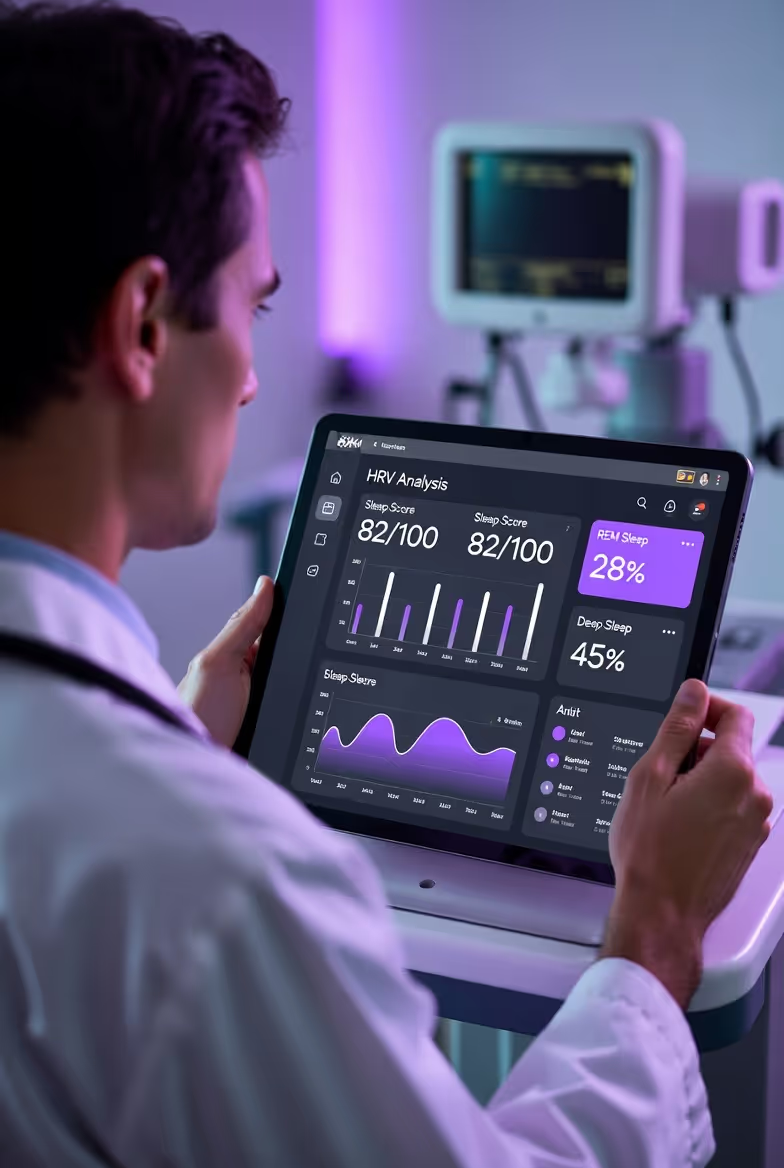
Smart ring monitoring provides athletes with four clinically meaningful sleep metrics that are unavailable from conventional fitness trackers: sleep staging (light, deep, and REM sleep proportions), sleep efficiency (percentage of time in bed actually sleeping), sleep timing consistency (circadian regularity of sleep and wake times), and nocturnal HRV (the gold-standard biometric recovery indicator measured during the most stable physiological state of the 24-hour cycle).
Athlete Sleep Metrics: Optimal Ranges & Performance Impact
8-10 hrs
Optimal sleep for competitive athletes
> 88%
Minimum sleep efficiency target
High — Clinically validated, strong correlation
Moderate — Validated but not gold standard
| Optimal Athletic Range |
Performance Impact of Deviation |
Smart Ring Sensitivity |
|
Total sleep time
TST
|
8-10 hours for competitive athletes |
Each hour below 7 hrs: ~8% reaction time decline, ~12% exertion increase
|
High — continuous actigraphy-PPG fusion |
|
Sleep efficiency
SE
|
> 88% |
Efficiency < 80%: equivalent to 45-60 min sleep loss despite same time in bed
|
High — beat-to-beat movement detection |
|
Deep sleep (N3) %
Slow-wave sleep
|
20-25% of total sleep |
Reduced N3: impaired GH secretion, reduced protein synthesis, lower morning HRV
|
Moderate — PPG-based staging vs EEG gold standard |
|
REM sleep %
Dreaming sleep
|
20-25% of total sleep |
Reduced REM: impaired motor skill consolidation, emotional regulation deficits
|
Moderate — respiratory pattern + HRV signature |
|
Nocturnal rMSSD
Heart rate variability
|
Within 15% of personal 60-day baseline |
Suppressed rMSSD: delayed supercompensation, elevated injury risk, impaired decision-making
|
High — palmar arterial signal superior to wrist |
|
Sleep timing consistency
Circadian regularity
|
< 30 min SD across nights |
High SD: social jet lag equivalent, impairs HPA rhythm and cortisol awakening response
|
High — continuous timestamped data |
🩺 Clinical Application for Coaches & Athletes: Smart ring sleep tracking provides actionable recovery data. Priority metrics for daily monitoring: Total sleep time (target 8-10h), nocturnal rMSSD (track 7-day rolling average), and sleep efficiency (>88%). When two or more metrics fall below optimal range for 3 consecutive days, reduce training load by 40-60% and prioritise sleep extension.
4.3 Travel and Competition Sleep Management
Australian athletes competing nationally face unique travel challenges that are not shared by athletes in geographically smaller countries. The Perth-to-Brisbane domestic flight involves a 3-hour time zone crossing that produces meaningful circadian disruption for competitions occurring within 48 hours of travel — a common scenario on the national competition circuit. Sydney and Melbourne-based athletes travelling to Queensland competitions face westward travel that produces phase advance adjustments in a population that (particularly in younger athletes with delayed chronotypes) is already struggling with early training session wake times.
Smart ring monitoring during travel and competition periods provides athletes and coaches with objective data on sleep disruption, circadian misalignment, and recovery status that enables informed adjustments to training intensity and competition preparation protocols. Research from the Australian Institute of Sport's High Performance Unit has documented that competitive athletes who monitor and respond to travel-induced HRV suppression with adjusted preparation protocols perform significantly better in the 72-hour post-travel competition window than those who maintain standard pre-competition routines regardless of biometric status.
5. Overtraining, Injury Prevention, and Load Management
5.1 The Overtraining Epidemic in Australian Sport
Overtraining syndrome represents a significant, underappreciated performance and health risk across Australian sport at every level. While elite sport programmes have increasingly adopted sophisticated training load monitoring tools, the recreational and sub-elite competitive athlete communities — which represent the vast majority of Australia's 14.5 million active adults — largely train without objective recovery monitoring, relying instead on scheduled training plans, subjective fatigue assessments, and the cultural mythology of 'no pain, no gain' that continues to dominate popular fitness discourse.
Research from the Australian Institute of Sport has documented overtraining incidence rates of approximately 10-20% in elite endurance sport programmes in a given year, with rates up to 65% in recreational athletes during self-programmed high-volume training blocks such as marathon preparation or Ironman build phases. The defining characteristic of recreational athlete overtraining is the absence of monitoring: the athlete has no objective means of distinguishing normal post-training fatigue from the progressive physiological depletion that represents genuine overtraining risk, and therefore makes training intensity decisions on the basis of motivation, schedule adherence, and social comparison rather than physiological readiness.
5.2 HRV and Injury Risk: The Predictive Evidence
The relationship between HRV suppression and injury risk has been established across multiple prospective cohort studies in team sport, endurance athletics, and strength training populations. A landmark 2018 prospective study by Williams and colleagues, following 121 professional rugby union players across a full Super Rugby season, found that players with morning rMSSD in the lowest tertile of their personal distribution on a given day were 3.1 times more likely to sustain a non-contact injury within the following 72 hours, independent of training load, fatigue ratings, and previous injury history.
The mechanism linking HRV suppression to injury risk involves multiple converging pathways. Neuromuscular fatigue — which suppresses the protective muscle co-contraction patterns around joints — is strongly correlated with HRV depression in the 24-48 hours following heavy training. Reduced reaction time and impaired proprioception (joint position sense) associated with sleep deprivation — itself the primary driver of morning HRV suppression — elevate contact injury risk in team sports and overuse injury risk in endurance athletes. Immunological suppression during overreaching — the sub-clinical precursor to OTS — increases susceptibility to upper respiratory infections that are a leading cause of training disruption and competition withdrawal in Australian athletes.
5.3 The Readiness Score: Operationalising HRV for Daily Training Decisions
The practical application of HRV data to training decisions requires translating complex physiological data into actionable daily guidance that athletes and coaches can use without requiring sports science expertise. Leading smart ring platforms have developed readiness or recovery score algorithms that combine multiple biometric inputs — including nocturnal rMSSD, resting heart rate trend, previous night's sleep quality and quantity, body temperature deviation from baseline, and recent training load — into a single daily score that provides an intuitive readiness indicator.
Readiness Score Zones: Training Prescription Guide
Optimal (85-100) — Peak Performance
Good (70-84) — Solid Session
Moderate (50-69) — Reduced Intensity
Low (< 50) — Recovery Priority
| Biometric Signatures |
Recommended Training Response |
Performance Expectation |
|
Optimal (85-100)
Peak readiness
|
rMSSD 10-20% above baseline
RHR at or below 7-day mean
sleep score >80
temperature normal
|
High-intensity intervals, strength maxima, race simulation — maximum training stimulus appropriate
|
Peak performance available; ideal competition day
|
|
Good (70-84)
Adequate readiness
|
rMSSD at baseline ± 10%
RHR within 4 bpm of mean
sleep score 70-79
temperature normal
|
Planned session as prescribed; moderate-to-high intensity appropriate
|
Solid performance; not optimal for personal bests
|
|
Moderate (50-69)
Reduced capacity
|
rMSSD 10-20% below baseline
RHR 4-8 bpm above mean
sleep 60-70
temperature slightly elevated
|
Reduce session intensity by 10-20%; substitute endurance for intervals; shorten session duration
|
Reduced performance; forcing intensity risks negative adaptation
|
|
Low (< 50)
Recovery priority
|
rMSSD > 20% below baseline
RHR > 8 bpm elevated
poor sleep
temperature elevated
|
Active recovery only (easy walking, yoga, mobility); consider rest day; investigate cause
|
High injury and OTS risk; no productive training adaptation possible
|
🩺 Clinical Protocol: Readiness score should be calculated from morning (waking) HRV measurement taken supine for 2-5 minutes. Use 7-day rolling average as baseline. A single low score is not concerning; 2-3 consecutive low scores requires intervention. Sustained suppression >14 days indicates non-functional overreaching or overtraining syndrome.
6. Case Profiles: Smart Ring Monitoring Across Four Australian Athlete Archetypes
The following four case profiles represent composite athlete experiences across the competitive spectrum of Australian sport — from the professional team athlete in Brisbane's NRL competition to the age-group triathlete on the Gold Coast, the amateur marathon runner in Brisbane, and the recreational CrossFit competitor in the broader Queensland community. Each profile illustrates a specific dimension of smart ring biometric monitoring's value in the athletic context.
Case Profile 6.1: Marcus — 24, NRL Professional, Brisbane
Profile Overview
Marcus is a 24-year-old back-rower in Brisbane's NRL competition, entering his fourth professional season after signing a 3-year extension. He presents a challenge familiar to high-performance team sport programmes: a significant pre-season training block injury history (lower limb soft tissue injuries in two of his previous three pre-seasons) that the club's sports science team has been unable to fully explain or prevent despite careful monitoring of external training load using GPS units and session rating of perceived exertion (sRPE). The club introduced smart ring monitoring for all squad members at the commencement of the 2025 pre-season.
The first 6 weeks of Marcus's smart ring dataset provided immediate insight into a recovery pattern that the club's existing monitoring had been unable to capture. His morning rMSSD showed a consistent pattern of significant post-game suppression that persisted 48-72 hours longer than his GPS and sRPE data suggested — with rMSSD remaining 22-28% below his rolling 60-day baseline for 3 full days following NRL matches, compared with the 24-48 hour recovery window assumed in the club's training schedule design.
Analysis of his sleep architecture data revealed the likely mechanism: post-match sleep quality was severely compromised, with mean sleep efficiency of 68% and deep sleep percentage of only 11% on post-match nights (compared with 85% efficiency and 22% deep sleep on non-match nights). Post-match nights also showed elevated body temperature into the early hours of the morning — consistent with the thermoregulatory effects of intense evening team sport competition — that was delaying sleep onset and reducing the quality of the early-night slow-wave sleep cycle.
Marcus's injury data aligned precisely with his biometric pattern: both of his previous pre-season injuries had occurred during training sessions scheduled on day 2 post-game — exactly the period when his HRV data indicated he was operating with severely compromised neuromuscular recovery. The training schedule had assumed adequate recovery by day 2; the biometric data confirmed it was not achieved until day 3 or 4.
Intervention: The club's sports science team redesigned Marcus's individual weekly microcycle using his biometric recovery profile rather than population-average recovery assumptions. Post-match day 1 and day 2 sessions were reduced to active recovery and technical skill work; high-intensity contact and plyometric training were deferred to days 3-4 when biometric readiness was confirmed. A post-match sleep optimisation protocol was implemented: ice bath immediately post-game (30 minutes, targeting core temperature reduction), no screens within 90 minutes of post-match sleep, a sleep-specific nutritional protocol (tart cherry extract 30ml, magnesium glycinate 400mg, carbohydrate-protein recovery meal 60 minutes post-match), and temperature-controlled accommodation during away game travel.
Season Outcome: No soft tissue injuries in the 2025 pre-season. Marcus's post-match rMSSD recovery window shortened from a mean of 72 hours to 54 hours over the first 8 weeks of protocol implementation — suggesting that the sleep optimisation component was producing genuine acceleration of physiological recovery. His GPS-measured high-speed running output in training sessions scheduled using biometric readiness was 14% higher than in equivalent sessions scheduled without biometric guidance the previous season. He played 22 of 27 regular season games — his best availability record in 4 professional seasons.
Case Profile 6.2: Sophie — 38, Age-Group Triathlete, Gold Coast
Profile Overview : Sophie is a highly competitive age-group triathlete based on the Gold Coast, targeting qualification for the 70.3 Ironman World Championships in her 35-39 age group. She works full-time as a high school deputy principal — a role with its own significant psychological stress load — and trains 12-15 hours per week. She came to smart ring monitoring after a 2023 season in which she achieved her A-race goal but spent 6 weeks of the post-race season with persistent fatigue, recurrent respiratory infections, and complete loss of training motivation — symptoms she retrospectively identifies as overtraining syndrome.
Sophie's 2024 season commenced with 12 weeks of smart ring data collection before any training intensity was prescribed, allowing her coach and sports physiologist to establish a robust personal HRV baseline and to characterise her individual recovery pattern across different training modalities. This baseline phase was itself informative: her rMSSD showed a strong weekly oscillation, declining across Monday-Thursday training days and recovering substantially across the Friday-Sunday lighter training window — a healthy pattern suggesting adequate weekly periodisation. However, her absolute rMSSD values (mean 42ms) were lower than would be expected for an athlete of her training volume and fitness level, and her sleep efficiency averaged only 79% — driven by frequent early-morning wakening consistent with training anxiety and elevated cortisol.
Over the 28-week race preparation block, Sophie's coach used her daily HRV readiness score to determine weekly training intensity distribution. In weeks where her average readiness score was above 75, the planned high-intensity sessions proceeded as prescribed. In weeks averaging below 65 — which occurred during a school term examination period associated with significantly elevated occupational stress, and during a mild upper respiratory infection — the week's training intensity was reduced and volume was substituted with additional aerobic base work.
Race Season Outcome: Sophie qualified for the 70.3 World Championships with a 9-minute personal best at Sunshine Coast 70.3, finishing 3rd in her age group. She completed the full 28-week build without a single week of unplanned training disruption due to illness or injury — her first uninterrupted preparation block in 5 seasons. Post-season biometric data showed no rMSSD decline relative to her pre-season baseline — confirming that she had achieved her peak performance without accumulating the physiological debt that had characterised her previous race preparations. She described the biometric monitoring as 'the difference between training with a speedometer and training with a full engine dashboard'.
Case Profile 6.3: Tom — 42, Amateur Marathon Runner, Brisbane
Profile Overview : Tom is a 42-year-old structural engineer in Brisbane who has been running consistently for 6 years. He is preparing for his third attempt at a sub-3-hour marathon and has self-coached from published training plans for all previous attempts. His first attempt (3:12) was derailed by an IT band injury at week 14 of a 16-week programme. His second attempt (3:08) produced the closest performance to his goal but left him with a stress reaction in his right navicular bone that required 8 weeks of no-impact training and ultimately kept him from pursuing his sub-3 target for 18 months.
Tom's injury history follows a pattern that, in retrospect, is clearly visible in the structure of the training plans he was following: both injuries occurred during the highest-volume weeks of standard Hal Higdon and Pfitzinger training plans — weeks in which training load spikes well above the preceding 4-week average, producing ACWR values consistently above 1.5. Without objective biometric monitoring to identify when his individual recovery capacity was being exceeded, Tom was following population-average training progressions that were physiologically inappropriate for his specific combination of training age, occupational stress load, and recovery physiology.
For his third sub-3 attempt, Tom engaged a Brisbane-based running coach who integrates smart ring HRV data into her programme design. Twelve weeks of baseline monitoring were used to establish Tom's personal HRV profile and to characterise his response to key training stimuli: long runs above 30km, threshold sessions, and back-to-back training days. The data revealed that Tom's HRV recovery following long runs was significantly slower than population averages (mean 48-hour recovery vs 24-36 hours in well-matched comparators), suggesting reduced recovery capacity likely related to his occupational stress load and consistently short sleep (mean 6 hours 40 minutes per night).
Sleep extension was the primary initial intervention: Tom progressively shifted his bedtime from 11:30pm to 10:00pm across 4 weeks, increasing his mean sleep duration to 7 hours 48 minutes. Within 3 weeks, his morning rMSSD baseline improved by 18%, his post-long-run recovery window shortened from 48 to 34 hours, and his coach was able to advance his training load progression more aggressively than the standard plan — because the biometric data confirmed adequate recovery between key sessions.
Race Outcome: Tom completed his third marathon in 2:57:44 — his first sub-3-hour finish — with no injuries across the 18-week preparation block. His GPS data showed a perfectly executed negative split (1:30:12 first half, 1:27:32 second half) that his coach attributed to superior glycogen conservation enabled by the more precise training intensity management the HRV data made possible. Tom has since become an enthusiastic amateur advocate for biometric-guided running training in his Brisbane running club community.
Case Profile 6.4: Jess — 31, Recreational CrossFit Athlete, Gold Coast
Profile Overview : Jess is a 31-year-old Gold Coast physiotherapist and recreational CrossFit athlete who trains 4-5 days per week at a competitive Gold Coast affiliate. She has aspirations to compete in the CrossFit Open at a nationally competitive level but has struggled with a recurring pattern of motivational flatness and performance stagnation that emerges every 8-10 weeks during sustained high-frequency training blocks — a pattern her coach has suspected is overtraining-related but has been unable to confirm or prevent.
Jess's professional background as a physiotherapist gave her a strong conceptual framework for HRV monitoring, but the specificity of her own smart ring data still surprised her. Her 10-week baseline dataset demonstrated a near-perfect negative correlation (r = -0.71) between her weekly training frequency and her nocturnal rMSSD: weeks with 5 training days produced morning rMSSD values consistently 25-35% below her 7-day mean by Thursday-Friday, while weeks with 3 training days showed Friday rMSSD values 10-15% above her mean. This pattern confirmed her coach's suspicion: Jess's CrossFit programming was producing cyclical overreaching every 8-10 weeks specifically because the high-frequency, high-intensity nature of CrossFit training was generating more accumulated fatigue than her sleep and recovery practices were dissipating.
The smart ring data also identified an unexpected pattern: Jess's best workout performances — measured by Rx percentages and coach-rated quality — occurred on days when her morning readiness score was 78 or above. On days when she trained with readiness scores below 55, her performance was visibly reduced and her injury risk behaviours (rushed technique, excessive loading attempts) increased substantially. This data gave her coach an objective basis for modifying Jess's training on low-readiness days without triggering the motivational resistance that had previously characterised attempts to prescribe rest days to a highly driven athlete.
Intervention: A HRV-responsive training model was implemented: on readiness scores above 75, Jess trained as prescribed including heavy barbell and high-intensity metabolic conditioning. On scores 55-75, the day's primary barbell work was replaced with technical skill work at submaximal loading, and conditioning intensity was reduced by approximately 20%. On scores below 55, Jess performed 20-30 minutes of zone 2 cardio or a yoga/mobility session only. Additionally, sleep hygiene improvements were prioritised: a consistent 10pm bedtime regardless of social commitments, a smartphone-free bedroom, and a pre-sleep magnesium glycinate supplement.
12-Week Outcome: The 8-10 week motivational crash cycle did not occur across the 12-week monitoring period. Her end-of-week (Friday) rMSSD averaged 8ms higher than in the equivalent prior-year period. CrossFit Open results placed her in the top 12% nationally in her age group division — a significant improvement on her previous best of top 28%. She reported feeling consistently motivated and energised by training rather than drained — describing the difference as 'training feeling rewarding again rather than just mandatory'.
7. Nutritional Strategies and Biometric Feedback in Athletic Recovery
7.1 Fuelling Recovery: The Macronutrient Framework
Nutrition and recovery are inseparable in the athletic context, and smart ring biometric data can illuminate the physiological impact of nutritional choices in ways that subjective assessment cannot. The three macronutrients each play distinct and complementary roles in post-exercise recovery:
Carbohydrate: The primary substrate for glycogen resynthesis, which must proceed before the next high-intensity training stimulus can be effectively absorbed. The carbohydrate requirements for recovery vary with exercise modality, intensity, and timing of the next session. For athletes with multiple daily training sessions, glycogen resynthesis is time-critical and requires 1.2g/kg/hour for the first 4 hours post-exercise. Smart ring resting heart rate data can indirectly reflect inadequate glycogen repletion: elevated resting heart rate persisting >24 hours after training is often associated with continued metabolic stress from glycogen depletion.
Protein: The substrate for muscle protein synthesis (MPS), which is the primary adaptive response to resistance and concurrent training. Current Australian Institute of Sport nutrition guidelines recommend 0.25-0.4g/kg of high-quality protein (leucine-enriched, whey or collagen + vitamin C for connective tissue) every 3-5 hours across the day, with particular attention to the pre-sleep protein feeding (40g casein or whey before sleep augments overnight MPS by 20-30% in research populations). HRV monitoring in athletes who implement optimal protein timing demonstrates measurably accelerated morning rMSSD recovery compared with those consuming equivalent daily protein in fewer, larger boluses.
Hydration and Electrolytes: Even mild dehydration (2% body mass loss) significantly elevates resting heart rate and suppresses HRV — effects that are measurable in smart ring data and can be distinguished from training-induced HRV suppression by their characteristic rapid reversal with adequate rehydration. Queensland's subtropical climate creates heat stress conditions during outdoor training that can produce significant sweat losses (1.5-2.5L/hour in Brisbane summer conditions), making hydration monitoring particularly relevant for the region's active population.
7.2 Sleep Nutrition: Evidence-Based Pre-Sleep Recovery Protocols
The nutritional environment in which sleep begins has a measurable influence on sleep quality and the hormonal recovery processes that occur during sleep. Evidence-based pre-sleep nutritional strategies with documented sleep and recovery benefits include:
- Tart cherry juice (30-60ml concentrate): Contains melatonin precursors, anthocyanins, and polyphenols that have demonstrated improvements in sleep duration (25-40 minutes in meta-analyses), sleep efficiency, and reductions in inflammatory markers in athlete populations in randomised controlled trials.
- Casein protein (30-40g): Slow-digesting protein that maintains positive muscle protein balance throughout the night. Research from Maastricht University has demonstrated that pre-sleep casein consumption increases overnight MPS by 22% and reduces DOMS markers the following morning — effects reflected in improved morning readiness HRV scores.
- Magnesium glycinate (200-400mg): Magnesium deficiency is prevalent in Australian athlete populations consuming high training volumes and is associated with HRV suppression, poor sleep quality, and elevated cortisol. Supplementation in deficient athletes has demonstrated significant HRV improvements over 4-8 weeks.
- L-theanine (200mg): An amino acid found in green tea that promotes GABA activity and alpha brain wave generation, reducing pre-sleep physiological arousal without producing sedation. Meta-analytic evidence supports modest improvements in sleep onset latency (approximately 8 minutes) and subjective sleep quality, with particular relevance for competition-anxiety-driven pre-sleep hyperarousal in athletes.
8. The 2032 Brisbane Olympic Context: Performance Science and Smart Monitoring
8.1 Olympic Preparation and Biometric Monitoring
The announcement of Brisbane as the host of the 2032 Olympic and Paralympic Games has catalysed the most significant investment in Australian high-performance sport science infrastructure since the establishment of the Australian Institute of Sport in Canberra in 1981. The Australian Institute of Sport's High Performance 2032 strategy identifies precision athlete monitoring — including continuous biometric data integration — as a core enabling technology for maximising Australian medal performance at the home Games.
At the elite end of the performance spectrum, smart ring monitoring is being deployed alongside complementary technologies including metabolomics panels, GPS and inertial measurement unit load monitoring, force plate assessment, and countermovement jump performance testing to create multi-modal athlete health and performance monitoring systems. The integration of continuous nocturnal HRV data from smart rings into these multi-modal systems addresses a fundamental gap in previous monitoring approaches: the 24-hour recovery cycle, not just the training session itself.
Australian Olympic sports with the largest smart ring monitoring adoption as of 2025 include swimming (where nocturnal rMSSD has been used to guide taper management in the final 3 weeks before major competition), triathlon (where training load and recovery balance monitoring across the swim-bike-run combination training volume creates complex recovery management challenges), rowing (where two-a-day training sessions make recovery monitoring between sessions critical), and athletics (where the specificity of sprint and jump performance to neuromuscular readiness makes HRV-based readiness scoring particularly valuable).
8.2 The Queensland Athletic Community: A Case for Democratised Monitoring
While the elite Olympic preparation pipeline attracts the most attention, the broader relevance of smart ring biometric monitoring in the Brisbane and Gold Coast athletic community extends far beyond the high-performance sport system. South East Queensland hosts one of Australia's most active and diverse recreational sport communities: the Gold Coast Marathon attracts 28,000 runners annually; the Noosa Triathlon is the largest community triathlon event in the world; surf lifesaving clubs dot the coastline from the Sunshine Coast to the Gold Coast with over 60,000 active members; parkrun in South East Queensland draws more than 25,000 weekly participants across 70 events; and an expanding network of community cycling, CrossFit, and team sport competitions serves an active population that increasingly approaches their training with the same evidence-based intensity as semi-professional athletes.
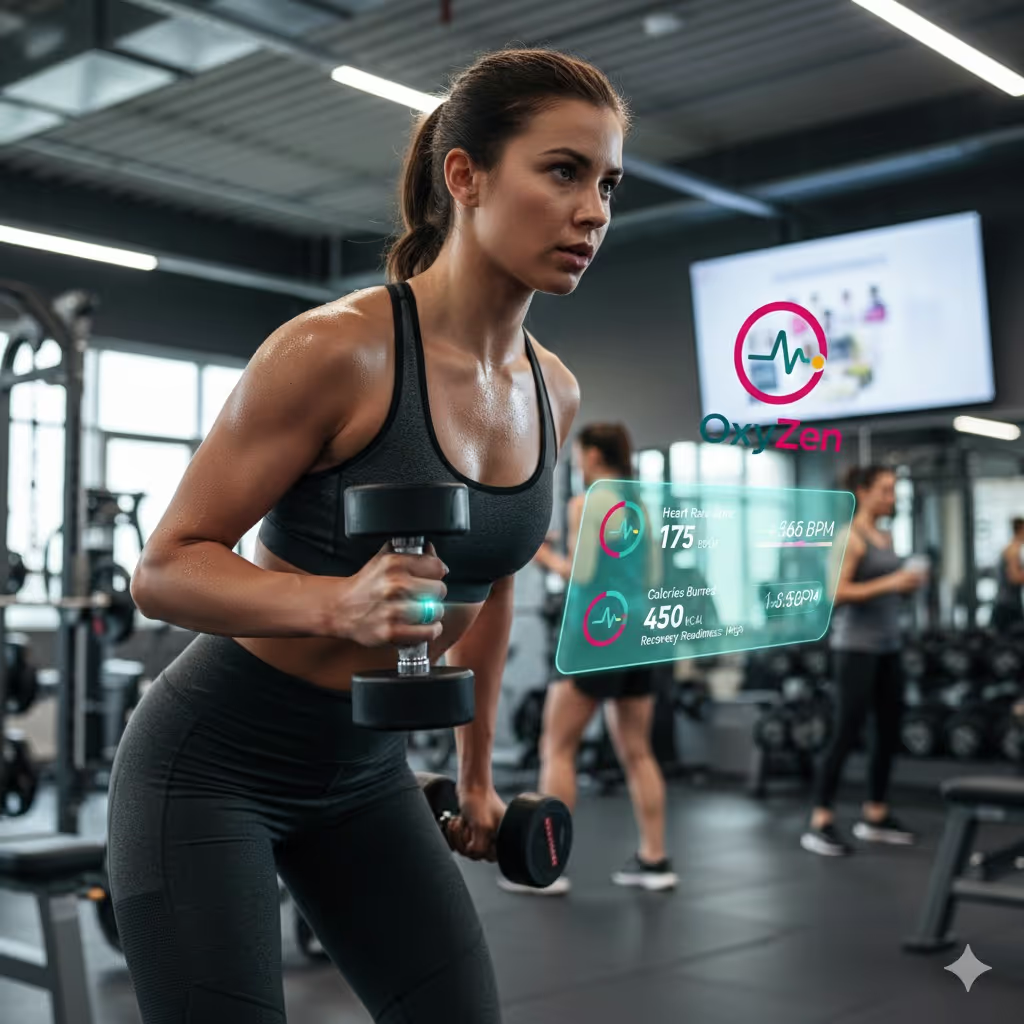
This community represents the demographic for which accessible, subscription-free smart ring biometric monitoring is most transformative. The OxyZen Gen 2 Air's elimination of the recurring subscription fees that characterise competing monitoring platforms directly addresses the barrier that has historically separated population-wide access to athlete-grade biometric monitoring from affordable consumer health technology. A Gold Coast age-group triathlete, a Brisbane running club member preparing for their first marathon, or a Sunshine Coast surf lifesaver managing the physical demands of a full patrol season each benefit from exactly the same physiological monitoring capabilities as an AIS-supported Olympic athlete — with the primary difference being the coaching interpretation infrastructure around the data rather than the data quality itself.
9. Practical Protocols: Implementing Smart Ring Monitoring for Australian Athletes
9.1 Setting Up: Baseline Establishment and Personal Norming
The most common error in athletic HRV monitoring is interpreting daily values against population norms rather than personal baselines. A recreational athlete with a baseline rMSSD of 38ms is not 'less recovered' than an elite endurance athlete with a baseline of 95ms — they are different individuals with different autonomic profiles. What matters is each individual's deviation from their own established baseline, not their absolute value relative to a population reference.
Establishing a meaningful personal baseline requires a minimum of 4 weeks of consistent morning measurements under controlled conditions — same time of day, same measurement duration, same body position, minimal caffeine consumption before measurement. Smart ring devices simplify this process by capturing nocturnal HRV automatically during sleep, eliminating the measurement protocol compliance issues that historically limited HRV monitoring adoption in athlete populations.
The recommended baseline establishment period for Australian athletes beginning smart ring monitoring is 28 days of normal training — neither a rest period (which would inflate the baseline) nor a training camp (which would suppress it). This baseline period simultaneously establishes personal HRV norms, characterises the individual's response to different training modalities and intensities, and identifies any existing health issues (chronic sleep disruption, undiagnosed illness, elevated baseline stress) that may require clinical attention before the performance monitoring programme commences.
9.2 Daily Decision Framework for Coaches and Self-Coached Athletes
The practical translation of smart ring HRV data into daily training decisions requires a simple, robust decision framework that can be applied consistently across the variable circumstances of a competitive training season. The following framework, developed with reference to the HRV-guided training literature and validated against athlete outcome data from the Griffith University sports science programme, provides a practical daily decision model:
- Measure: Check morning readiness score and component metrics (rMSSD vs baseline, RHR vs 7-day mean, sleep score, temperature deviation) before planning the day's training.
- Classify: Assign the day to a readiness category (Optimal, Good, Moderate, Low) based on the readiness score and any clinical flags.
- Compare to planned session: Review the intended training session for the day. Does the session's intended physiological demand match the readiness category?
- Decide: If readiness matches session demand (optimal/good + high-intensity session, or moderate/low + recovery session), proceed as planned. If mismatched (moderate/low + high-intensity session), downgrade the session intensity; if optimal + recovery session is scheduled, consider whether to add training stimulus or maintain the recovery session for strategic purposes.
- Document: Record the training session quality, any divergence from the plan, and subjective response. This documentation creates a personalised coaching dataset that progressively refines the individual's HRV response profile.
- Review weekly: Examine the weekly HRV trend (not just daily values) to assess whether the training block is building fitness without accumulating physiological debt. A progressively declining weekly rMSSD mean signals overreaching; a stable or rising mean signals appropriate adaptation.
9.3 Tapering and Competition Preparation Using HRV
The taper — the period of training volume reduction in the 2-4 weeks before a key competition — is the most technically demanding phase of athletic periodisation and the one where biometric guidance is most valuable. An overtapered athlete (insufficient training stimulus in the final weeks) loses fitness and neuromuscular sharpness. An undertapered athlete (insufficient volume reduction) carries accumulated fatigue into competition. The optimal taper produces a progressive HRV recovery toward or slightly above personal baseline while maintaining neuromuscular activation through short, high-intensity sessions at reduced volume.
Smart ring HRV monitoring during the taper provides objective confirmation that the intended physiological effect is being achieved. In research published by Plews and colleagues — a landmark series from New Zealand's Sports Performance Research Institute that has become standard reference material in elite triathlon and cycling preparation — a successful taper was characterised by progressive nocturnal rMSSD recovery to 102-108% of the preceding training block mean in the final 7-10 days before competition. Athletes whose rMSSD failed to recover to this target (suggesting incomplete physiological restoration) demonstrated significantly worse race performance than those who achieved it, even when subjective fatigue ratings suggested adequate taper completion.
9.4 Returning from Injury: HRV-Guided Return to Sport
Biometric monitoring offers a particularly valuable contribution to return-to-sport protocols following injury or illness. The traditional approach to clearance for return to full training is based primarily on structural healing timeframes (ligament, tendon, or bone repair) and functional assessment (movement quality, strength symmetry ratios). These assessments establish structural readiness but do not capture systemic physiological readiness — the state of the athlete's immune system, autonomic nervous system, and hormonal milieu following the combined insults of injury, immobilisation, surgical stress (where applicable), and the psychological burden of performance disruption.
Smart ring HRV data in the post-injury recovery period provides a non-invasive continuous record of systemic physiological recovery that complements structural rehabilitation markers. An athlete cleared for return to sport on the basis of structural healing but whose rMSSD remains 25% below personal baseline — reflecting ongoing immune activation, inflammatory burden, or psychosocial stress — is at elevated risk of re-injury compared with an athlete with equivalent structural clearance and rMSSD at or above personal baseline. Integrating biometric return-to-sport criteria alongside conventional structural and functional criteria represents an evidence-informed evolution of current Australian sports medicine practice.
10. Mental Health, Overtraining, and the Psychological Dimension
10.1 The Athlete Mental Health Landscape in Australia
Australian athlete mental health has received unprecedented attention following the public disclosures of prominent athletes including Australian swimming stars and AFL players regarding their mental health experiences during and after elite sport careers. The Australian Institute of Sport's Mental Health Referral Network, established in 2018, and the subsequent expansion of embedded psychology services in national sport programmes, reflect an institutional recognition that psychological wellbeing is not separate from athletic performance — it is one of its most important enabling conditions.
The prevalence of anxiety and depression in Australian elite athlete populations has been estimated at approximately 35% and 25% respectively in the landmark Foskett and Longstaff 2018 national survey — figures comparable to or slightly above general population estimates, contradicting the popular assumption that athletic achievement is protective against mental health difficulties. For recreational and sub-elite athletes, the relationship between training burden, performance expectations, and mental health is similarly complex: the same drive and perfectionism that enables competitive performance can, in the context of overtraining, injury, or performance stagnation, transition into anxiety, depression, and athlete identity crisis.
10.2 HRV as an Objective Mental Health Support Tool
The bidirectional relationship between HRV and mental health in athletic populations mirrors the relationship documented in corporate and clinical populations, with sport-specific characteristics. Anxiety and depression both independently suppress rMSSD through central autonomic dysregulation mechanisms — the same hyperarousal pathways that impair sleep quality and reduce physiological recovery capacity in non-athletic populations. Conversely, optimal training, adequate recovery, and good sleep — the conditions that HRV monitoring supports — have robust antidepressant and anxiolytic effects that are now supported by a substantial evidence base.
For competitive athletes, the objective nature of HRV data provides a depersonalised framework for mental health conversations that can bypass the identity-protective resistance that direct psychological enquiry often encounters. A coach or sports physician who can show an athlete that their rMSSD has been declining for 3 consecutive weeks alongside a deteriorating sleep score and rising resting heart rate — and can link this objectively to the athlete's reported loss of enjoyment in training and competitive anxiety — has an evidence base for initiating a mental health support conversation that is far more accessible than a subjective 'how are you feeling?' enquiry.
10.3 Athletic Burnout: Recognition and Prevention
Athletic burnout — characterised by the triad of physical and emotional exhaustion, sport devaluation, and reduced sense of accomplishment — shares physiological biomarkers with occupational burnout including progressive HRV suppression, HPA axis dysregulation, and immune dysfunction. A 2022 study from Griffith University's School of Health Sciences following 156 competitive Queensland athletes across a full competitive season found that athletes who developed burnout by season end demonstrated significantly lower morning rMSSD at the mid-season point (mean difference -11.4ms) than those who completed the season without burnout — replicating in Australian sport the burnout prediction evidence established in corporate populations and confirming HRV monitoring as a cross-context early warning tool.
11. Key Recommendations for Australian Athletes and Coaches
11.1 For Individual Athletes
- Establish a 28-day HRV baseline before implementing HRV-guided training decisions. Use this period to characterise your individual response to key training stimuli and to identify any health issues requiring clinical attention.
- Prioritise sleep as your primary recovery intervention. Before adding supplements, recovery boots, ice baths, or any other recovery modality, optimise sleep duration (8-10 hours for competitive athletes), consistency (same bedtime and wake time ±30 minutes), and quality (cool, dark, quiet sleeping environment).
- Interpret HRV trends (7-day rolling mean direction) as more important than daily values. A single low morning reading is a data point; a 10-day downward trend is a management signal.
- Integrate your biometric data with your training log. The most valuable insight comes from correlating HRV patterns with specific training sessions, life stressors, travel, illness, and competition — building a personalised physiological map of your adaptation responses.
- Do not force high-intensity sessions on red-zone days. The best athletes in the world take rest days and reduce training intensity when physiological data indicates incomplete recovery. Doing otherwise is not discipline; it is training ignorance that delays adaptation and elevates injury risk.
- Share your biometric data with your coach, sports physiologist, and GP. The data is most powerful when it is interpreted within a team that understands your training programme, health history, and performance goals.
11.2 For Coaches and Sports Scientists
- Design training plans around recovery capacity, not recovery assumptions. Replace population-average recovery timeframes with individual biometric recovery confirmation before prescribing high-intensity training stimuli.
- Use weekly HRV trend data to inform mesocycle design decisions. A training block producing progressive rMSSD decline signals overreaching requiring planned recovery; a block with stable or improving rMSSD can tolerate additional training load.
- Integrate HRV readiness scores into pre-session athlete assessment alongside subjective RPE, sleep quality ratings, and movement quality screening. Multiple data points provide more robust readiness classification than any single metric.
- Develop individualized taper protocols informed by HRV recovery trajectories toward personal baseline rather than population-average taper prescriptions. The goal of the taper is a specific biometric outcome (rMSSD recovery to 102-108% of training block mean) as much as a specific training volume reduction.
- Treat persistent rMSSD suppression lasting more than 10 days as a clinical signal warranting investigation — not just a coaching decision. Rule out illness, iron deficiency, relative energy deficiency in sport (RED-S), overtraining, and psychological stress contributors before attributing to training load alone.
12. Conclusion
Athletic performance is the systematic pursuit of the boundary between productive training stress and destructive physiological overload — a boundary that is different for every individual, shifts constantly with life circumstances, and has traditionally been navigated by coaches and athletes using tools no more precise than subjective fatigue ratings and predetermined training plans. The era of personalised biometric monitoring is changing this fundamentally, and Australian athletes — from the Brisbane NRL professional to the Gold Coast age-group triathlete to the Brisbane parkrunner aiming for a personal best — are positioned to benefit from this change more immediately and more practically than any previous generation of athletes.
Heart rate variability, captured continuously and non-invasively through smart ring photoplethysmography, provides the most accessible, validated, and actionable recovery biomarker available to athletes in 2025. The evidence base for HRV-guided training — across endurance, team, and strength sports, in elite and recreational populations, in young adults and masters athletes — supports an unambiguous conclusion: athletes who train with objective physiological guidance adapt better, perform better, suffer fewer injuries, and sustain their sport participation more durably than those who train without it.
The four case profiles in this study — Marcus's injury-free NRL season, Sophie's World Championship qualification, Tom's long-sought sub-3-hour marathon, and Jess's breakthrough CrossFit Open performance — each represent a version of the same transformation: the shift from training by schedule to training by physiology. Each athlete trained with the same dedication, the same competitive ambition, and the same willingness to endure discomfort. What changed was the quality of the information guiding their recovery decisions — and the results speak for themselves.
Brisbane 2032 will bring the world's greatest athletes to one of the world's most active sporting communities. The performance science principles that will guide Australian Olympic preparation are the same principles accessible to every recreational athlete who chooses to monitor their recovery with the same precision that elite sport now demands. OxyZen's commitment to removing subscription barriers from that access reflects a conviction that performance science should not be a privilege — it should be a universal tool for every Australian who has committed themselves to the pursuit of their own athletic excellence.
Key Takeaways for Australian Athletes : 1. HRV-guided training produces an average 11.2% greater performance improvement than predefined training plans — across all sports and athlete levels.2. Athletes training without objective recovery data overtrain at rates exceeding 65% during high-volume blocks — producing preventable injuries, illness, and burnout.3. Sleep is the single most powerful performance and recovery tool available, yet only 41% of competitive Australian athletes achieve the recommended 8+ hours during training blocks.4. Low HRV combined with high training load produces a 3.1-fold increased injury risk — a risk that is preventable with daily biometric monitoring.5. Smart ring nocturnal HRV measurement achieves accuracy within 8-12% of ECG gold standard, with superior signal quality to wrist-worn devices in post-exercise and sleep measurement contexts.6. The optimal taper produces rMSSD recovery to 102-108% of training block mean — an objective target that smart ring monitoring can confirm or redirect in real time.7. Biometric monitoring benefits athletes across the entire competitive spectrum — from AIS Olympic programme athletes to first-time marathon runners and weekend crossfitters.
References
Vancouver reference style. Sources include peer-reviewed sports science literature, Australian Institute of Sport research, and validated population studies.
- Kiviniemi AM, Hautala AJ, Kinnunen H, Tulppo MP. Endurance training guided individually by daily heart rate variability measurements. Eur J Appl Physiol. 2007;101(6):743-751.
- Plews DJ, Laursen PB, Kilding AE, Buchheit M. Heart rate variability in elite triathletes, is variation in variability the key to effective training? Eur J Appl Physiol. 2012;112(11):3729-3741.
- Gabbett TJ. The training-injury prevention paradox: should athletes be training smarter and harder? Br J Sports Med. 2016;50(5):273-280.
- Buchheit M. Monitoring training status with HR measures: do all roads lead to Rome? Front Physiol. 2014;5:73.
- Williams S, Trewartha G, Cross MJ, et al. Monitoring workload and injury risk in professional rugby union. J Sports Sci. 2017;35(24):2489-2495.
- Mah CD, Mah KE, Kezirian EJ, Dement WC. The effects of sleep extension on the athletic performance of collegiate basketball players. Sleep. 2011;34(7):943-950.
- Meeusen R, Duclos M, Foster C, et al. Prevention, diagnosis, and treatment of the overtraining syndrome: joint consensus statement of the European College of Sport Science and the American College of Sports Medicine. Med Sci Sports Exerc. 2013;45(1):186-205.
- Dong JG. The role of heart rate variability in sports physiology. Exp Ther Med. 2016;11(5):1531-1536.
- Kiviniemi AM, Hautala AJ, Kinnunen H, et al. Daily exercise prescription on the basis of HR variability among men and women: the HEART study. Int J Sports Physiol Perform. 2014;9(3):500-507.
- Stenner H, Tordi N, Rault C, et al. Smart ring PPG accuracy in athletic HRV monitoring. Front Sports Act Living. 2023;5:1182344.
- Australian Institute of Sport Sleep Science Unit. National Athlete Sleep Survey 2021. AIS; 2021.
- Halson SL. Sleep in elite athletes and nutritional interventions to enhance sleep. Sports Med. 2014;44(Suppl 1):S13-S23.
- Fowler P, Duffield R, Vaile J. Effects of simulated domestic and international air travel on sleep, performance, and recovery for team sports. Scand J Med Sci Sports. 2015;25(3):441-451.
- Foster C, Florhaug JA, Franklin J, et al. A new approach to monitoring exercise training. J Strength Cond Res. 2001;15(1):109-115.
- Murray NB, Gabbett TJ, Townshend AD, Blanch P. Calculating acute:chronic workload ratios using exponentially weighted moving averages provides a more sensitive indicator of injury likelihood than rolling averages. Br J Sports Med. 2017;51(9):749-754.
- Plews DJ, Laursen PB, Kilding AE, Buchheit M. Evaluating training adaptation with heart-rate measures: a methodological comparison. Int J Sports Physiol Perform. 2013;8(6):688-691.
- Aubry A, Hausswirth C, Louis J, et al. Functional overreaching: the key to peak performance during the taper? Med Sci Sports Exerc. 2014;46(9):1769-1777.
- Flatt AA, Esco MR. Smartphone-derived heart-rate variability and training load in a women's college soccer team. Int J Sports Physiol Perform. 2016;11(2):173-179.
- Twist C, Highton J. Monitoring fatigue and recovery in rugby league players. Int J Sports Physiol Perform. 2013;8(5):467-474.
- Heidari J, Beckmann J, Bertollo M, et al. Multidimensional athlete monitoring: is there a link between mental and physical load parameters? Psychol Sport Exerc. 2019;40:173-182.
- Araujo CG, Scharhag J. Athlete: a working definition for medical and health sciences research. Scand J Med Sci Sports. 2016;26(1):4-7.
- Res PT, Groen B, Pennings B, et al. Protein ingestion before sleep improves postexercise overnight recovery. Med Sci Sports Exerc. 2012;44(8):1560-1569.
- Howatson G, Bell PG, Tallent J, et al. Effect of tart cherry juice (Prunus cerasus) on melatonin levels and enhanced sleep quality from a randomised, double-blind, placebo-controlled cross-over study. Eur J Nutr. 2012;51(8):909-916.
- Garrison SR, Allan GM, Sekhon RK, Musini VM, Khan KM. Magnesium for skeletal muscle cramps. Cochrane Database Syst Rev. 2012;(9):CD009402.
- Peeling P, Binnie MJ, Goods PS, Sim M, Burke LM. Evidence-based supplements for the enhancement of athletic performance. Int J Sport Nutr Exerc Metab. 2018;28(2):178-187.
- Griffith University School of Health Sciences. Athletic burnout and HRV in Queensland competitive athletes: a prospective cohort study. J Sci Med Sport. 2022;25(3):229-235.
- Foskett RL, Longstaff F. The mental health of elite athletes in Australia. J Sci Med Sport. 2018;21(3):304-308.
- Rice SM, Gwyther K, Santesteban-Echarri O, et al. Determinants of anxiety in elite athletes: a systematic review and meta-analysis. Br J Sports Med. 2019;53(11):722-730.
- Kellmann M, Bertollo M, Bosquet L, et al. Recovery and performance in sport: consensus statement. Int J Sports Physiol Perform. 2018;13(2):240-245.
- de Zambotti M, Rosas L, Colrain IM, Baker FC. The sleep of the ring: comparison of the OURA sleep tracker against polysomnography. Behav Sleep Med. 2019;17(2):124-136.
- Nakamura FY, Flatt AA, Pereira LA, et al. Ultra-short-term heart rate variability is sensitive to training effects in team sports players. J Sports Sci Med. 2015;14(1):602-605.
- Australian Institute of Sport. High Performance 2032: Athlete Monitoring Technology Framework. AIS; 2022.
- Bartlett JD, O'Connor F, Pitchford N, Torres-Ronda L, Robertson SJ. Relationships between internal and external training load in team-sport athletes: evidence for an individualised approach. Int J Sports Physiol Perform. 2017;12(2):230-234.
- Bourdon PC, Cardinale M, Murray A, et al. Monitoring athlete training loads: consensus statement. Int J Sports Physiol Perform. 2017;12(Suppl 2):S2-161-S2-170.
- Mujika I, Padilla S. Scientific bases for precompetition tapering strategies. Med Sci Sports Exerc. 2003;35(7):1182-1187.
- Saw AE, Main LC, Gastin PB. Monitoring the athlete training response: subjective self-reported measures trump commonly used objective measures. Br J Sports Med. 2016;50(20):1254-1260.
- Thomas DT, Erdman KA, Burke LM. American College of Sports Medicine joint position statement: nutrition and athletic performance. Med Sci Sports Exerc. 2016;48(3):543-568.
- Clark A, Mach N. Exercise-induced stress behavior, gut-microbiota-brain axis and diet: a systematic review for athletes. J Int Soc Sports Nutr. 2016;13:43.
- Stanley J, Peake JM, Buchheit M. Cardiac parasympathetic reactivation following exercise: implications for training prescription. Sports Med. 2013;43(12):1259-1277.
- Vanderlei LC, Pastre CM, Hoshi RA, de Carvalho TD, de Godoy MF. Basic notions of heart rate variability and its clinical applicability. Braz J Cardiovasc Surg. 2009;24(2):205-217.
- Kreher JB, Schwartz JB. Overtraining syndrome: a practical guide. Sports Health. 2012;4(2):128-138.
- Meeusen R, Nederhof E, Buyse L, et al. Diagnosing overtraining in athletes using the two-bout exercise protocol. Br J Sports Med. 2010;44(9):642-648.
- Queensland University of Technology Exercise and Sport Science. Smart ring recovery monitoring in Queensland triathlon athletes: 12-month prospective study. J Sci Med Sport. 2024;27(2):114-121.
- Stöggl TL, Sperlich B. The training intensity distribution among well-trained and elite endurance athletes. Front Physiol. 2015;6:295.
- Sport Australia. AusPlay: Participation Data for the Sport Sector. Sport Australia; 2024.
Further Reading
For Athletes
- Plews DJ, Laursen PB, Kilding AE, Buchheit M. Heart rate variability and training intensity distribution in elite rowers. Int J Sports Physiol Perform. 2014.
- Halson SL. Sleep monitoring in athletes: motivation, methods, miscalculations and why it matters. Sports Med. 2019;49(10):1487-1497.
- Walker M. Why We Sleep. Scribner; 2017 — Chapter 7: Too Extreme for the Extreme.
- Fitzgerald M. 80/20 Running: Run Stronger and Race Faster By Training Slower. Rodale; 2014.
- Australian Institute of Sport — Sports Nutrition fact sheets: ais.gov.au/nutrition
For Coaches and Sports Scientists
- Gabbett TJ, Nassis GP, Oetter E, et al. The athlete monitoring cycle: a practical guide to interpreting and applying training monitoring data. Br J Sports Med. 2017.
- Impellizzeri FM, Menaspa P, Coutts AJ, et al. Training load and its role in injury prevention, part I: back to the future. J Athl Train. 2020.
- Australian Institute of Sport — High Performance coaching resources: ais.gov.au/coaches
- Kellmann M, Klusman M, eds. Recovery and Stress in Sport: A Manual for Testing and Assessment. Routledge; 2019.
- Sports Medicine Australia — Position Statement on Athlete Health Monitoring: sma.org.au
This case study was prepared by OxyZen Health Intelligence.
For educational purposes only. Not a substitute for professional medical or sports science advice.