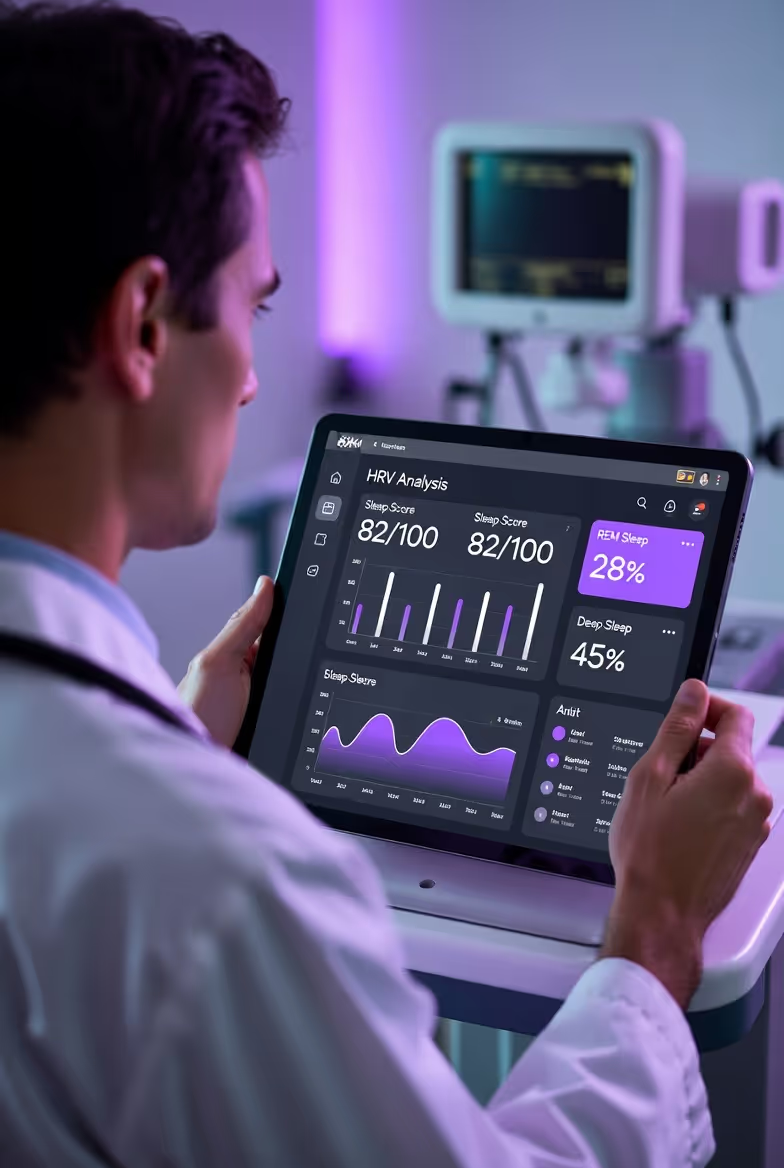
Youth Mental Health & Biometric Early Warning Dashboard
46%
Young Australians
Experience mental illness by age 25 — equivalent to nearly half of all young people
Source: Mission Australia Youth Survey
54%
Don't Seek Help
Stigma & access barriers (18-24 yrs) — leaving most without professional support
Source: headspace/Black Dog
AU$220B
Economic Burden
Mental health over next 30 years — productivity losses, healthcare, and social support
Source: PwC/Productivity Commission
54%
Young people don't seek help
Stigma, lack of access, cost barriers, and not knowing where to turn. Early detection through biometrics could bridge this gap.
8-12 Wks
Biometric Lead Time
HRV signals before crisis threshold — reduced heart rate variability precedes depression, anxiety, and burnout episodes by 8-12 weeks, enabling early intervention.
AU$220B
Projected economic burden
Over the next 30 years — equivalent to $7.3B annually. Prevention and early intervention could save billions.
Abstract
Background : Australia is experiencing a mental health crisis of generational proportions, concentrated most sharply in its young adult population. Approximately 46% of Australians will experience a mental health disorder by the age of 25, with anxiety disorders and depressive disorders accounting for the majority of this burden. Despite this staggering prevalence, the majority of young Australians with clinically significant mental health difficulties do not access professional support — deterred by stigma, cost, access barriers, and the absence of objective physiological data that might validate their internal experience and motivate help-seeking. The physiological reality of anxiety, depression, and chronic psychological stress — measurable in autonomic nervous system dysregulation, sleep architecture disruption, elevated inflammatory markers, and HRV suppression — is systematically invisible in conventional clinical encounters that rely on subjective symptom reporting alone.
Objective : This study examines the physiological mechanisms through which anxiety, depression, and chronic psychological stress are encoded in biometric parameters captured by smart ring monitoring; reviews the evidence base for HRV and sleep monitoring as objective mental health biomarkers; explores the specific applications of continuous biometric monitoring for young Australians navigating mental health challenges; and presents four case profiles demonstrating how smart ring data contributed to mental health recognition, intervention, and recovery monitoring.
Methods : Narrative review of psychiatric neuroscience, psychophysiology, digital mental health, and wearable technology literature with Australian-specific epidemiological context. Sources include Beyond Blue, the Black Dog Institute, Headspace, the Australian Bureau of Statistics, the National Mental Health Commission, orygen (National Centre of Excellence in Youth Mental Health), the Journal of Affective Disorders, Psychological Medicine, JAMA Psychiatry, and research from the University of Melbourne's Centre for Youth Mental Health, UNSW's Black Dog Institute, and the University of Sydney's Brain and Mind Centre. Data covers 2012-2025.
Key Findings : Anxiety disorders are associated with a mean rMSSD suppression of 12-24% compared with non-anxious controls, with the degree of suppression correlating with symptom severity. Major depressive disorder produces a characteristic biometric signature including suppressed HRV, elevated resting heart rate, severely disrupted sleep architecture, and blunted nocturnal body temperature oscillations. Sleep disruption is both a prodromal marker and a maintaining factor for anxiety and depressive disorders, with smart ring sleep monitoring able to detect deteriorating sleep patterns 2-6 weeks before subjective mental health deterioration is typically recognised. HRV biofeedback training produces significant anxiety reduction with effect sizes comparable to established psychological interventions.
Conclusions :Continuous biometric monitoring through smart ring technology offers young Australians a physiologically grounded, stigma-reduced pathway to earlier mental health recognition, more timely professional help-seeking, and objective monitoring of treatment response. Integrated with evidence-based digital mental health tools and accessible clinical services, biometric data can meaningfully address the gap between the prevalence of mental health disorders in young Australia and the rate at which effective support is accessed.
1. Introduction: Australia's Youth Mental Health Emergency
The statistics of mental health in young Australia are, by now, widely cited — and yet they retain the power to confront. Approximately 46% of Australians will experience a mental health disorder by the age of 25. One in seven children aged 4-17 experiences a mental health disorder in any given year. Suicide is the leading cause of death for Australians aged 15-44, responsible for more deaths in this age group than any physical illness, road trauma, or other external cause. The economic cost of mental health disorders over the next 30 years — encompassing lost productivity, healthcare utilisation, premature disability, and the downstream social costs of untreated mental illness — has been estimated by the Productivity Commission at AU$220 billion.
Behind these statistics are individual human experiences — the university student who can no longer attend lectures due to anxiety, the young professional whose depression has quietly eroded their capacity for the work and relationships that once came easily, the school-leaver navigating their first independent adult years with an anxiety disorder that nobody around them can see, that they themselves may not have named, and that the healthcare system they approach for help cannot adequately serve given wait times, cost barriers, and a professional workforce that is overwhelmed by the scale of need.
The mismatch between the prevalence of mental health disorders in young Australians and their access to effective treatment is not primarily a knowledge gap — evidence-based treatments for anxiety and depression are well-established — nor entirely a resource gap, though workforce shortages are real. It is in significant part a recognition and help-seeking gap: the interval between the onset of clinically significant symptoms and the first effective treatment contact averages 8-11 years in Australia for anxiety disorders and 6-8 years for depression. During these years of untreated or undertreated disorder, neural sensitisation, behavioural avoidance patterns, academic and occupational impairment, and relationship disruption accumulate in ways that progressively complicate recovery.
Smart ring biometric monitoring cannot close this gap singlehandedly. But it can contribute to the earliest possible recognition of deteriorating mental health — by providing objective physiological evidence of the autonomic, cardiovascular, and sleep disruptions that anxiety and depression produce, visible to the individual and shareable with a clinician, before subjective distress has accumulated to the crisis threshold that drives most young Australians' first mental health service contact. It can reduce the stigma barrier to help-seeking by reframing mental health challenges in physiological rather than purely psychological terms — making them easier to discuss, to measure, and to monitor over time. And it can provide the continuous treatment response monitoring that quarterly clinical appointments are structurally unable to offer for chronic, fluctuating conditions.
This study examines the neuroscience and psychophysiology connecting anxiety, depression, and chronic stress to measurable biometric signatures; the evidence for HRV and sleep monitoring as objective mental health indicators in young adult populations; the specific cultural and clinical context of young Australian mental health; the case profiles of four young Australians whose biometric monitoring contributed to better mental health outcomes; and the practical and ethical framework for integrating biometric monitoring into Australia's mental health support ecosystem.
2. The Epidemiology of Mental Health in Young Australia
2.1 Prevalence and Burden: The Scale of the Challenge
The Australian Bureau of Statistics National Study of Mental Health and Wellbeing (2020-21), the most comprehensive population-level mental health data available for Australia, documented that 42.9% of Australians aged 16-85 had experienced a mental disorder at some point in their lifetime, and 21.4% had experienced one in the preceding 12 months. Young adults aged 16-34 demonstrated the highest 12-month prevalence of any age group (26.0%), with anxiety disorders (17.2%) and affective disorders including depression (8.3%) as the dominant categories.
Headspace Australia — the National Youth Mental Health Foundation — estimates that three in four mental health conditions emerge before the age of 25, and that most people experience symptoms for years before receiving appropriate help. The median delay between symptom onset and first effective treatment contact in Australia is approximately 8 years for anxiety disorders — a delay that is inconsistently distributed: those with early access to youth-focused mental health services (universities with embedded counselling, communities with headspace centres, families with financial resources for private psychology) experience shorter delays, while those in rural or remote communities, lower socioeconomic backgrounds, or belonging to demographic groups with elevated stigma barriers face substantially longer periods of untreated illness.
Mental Health in Young Australians: Prevalence, Onset & Treatment Gaps
6.1%
Major depressive disorder prevalence
~12 years
Longest treatment delay (social anxiety)
18%
Lowest help-seeking (substance use)
| 12-Month Prevalence (16-34 yr Australians) |
Median Age of Onset |
Mean Delay to Treatment |
Help-Seeking Rate |
|
Generalised anxiety disorder
GAD
|
|
Age 21 |
~9 years |
~34%
low-moderate
|
|
Social anxiety disorder
SAD
|
|
Age 15 |
~12 years |
~24%
very low
|
|
Panic disorder
PD
|
|
Age 22 |
~8 years |
~41%
moderate
|
|
Major depressive disorder
MDD
|
|
Age 24 |
~7 years |
~48%
highest
|
|
Post-traumatic stress disorder
PTSD
|
|
Variable |
~10 years |
~27%
very low
|
|
Substance use disorder
SUD
|
|
Age 19 |
~6 years |
~18%
lowest
|
|
Obsessive-compulsive disorder
OCD
|
|
Age 19 |
~11 years |
~31%
low-moderate
|
🩺 Clinical Implication: The median delay between onset and treatment ranges from 6-12 years across disorders. Wearable-derived biometrics (HRV for anxiety/stress, sleep patterns for depression, activity for mood disorders) may enable earlier detection and monitoring, potentially reducing the treatment gap. ~75% of mental health conditions emerge before age 25 — early intervention is critical.
Sources: ABS National Study of Mental Health and Wellbeing 2020-21; Orygen National Centre of Excellence in Youth Mental Health Annual Report 2023; Beyond Blue State of Mental Health in Australia 2022.
2.2 The Stigma Barrier and the Digital Opportunity
Stigma — the social devaluation associated with mental health conditions — remains the most consistently cited barrier to help-seeking among young Australians. The National Survey of Mental Health Literacy and Stigma (2018) found that 54% of young adults aged 18-24 who experienced mental health difficulties did not seek professional help, with stigma and embarrassment cited by 38% and the belief that they could handle it themselves cited by 52%. Social media's paradoxical role — both destigmatising mental health conversation at the cultural level while simultaneously generating social comparison anxiety that worsens wellbeing at the individual level — characterises the complex digital context in which young Australians navigate mental health.
This stigma landscape creates a specific opportunity for biometric monitoring. The physiological framing of mental health experience — 'my HRV has been suppressed for 3 weeks and my sleep quality has declined significantly' — is meaningfully different in its social and psychological valence from 'I have been feeling very anxious and sad'. The former belongs to the discourse of health data, performance optimisation, and physiological self-knowledge that young Australians increasingly engage with through fitness apps, sleep trackers, and wearable devices; the latter requires entry into a mental health disclosure framework fraught with stigma, identity implications, and social risk. Smart ring biometric data offers a physiological bridge into mental health conversation that bypasses several layers of the stigma barrier.
2.3 The Post-COVID Mental Health Landscape
The COVID-19 pandemic produced a documented and sustained deterioration in the mental health of young Australians that was measurably more severe than in older age groups. The Australian Institute of Health and Welfare's Mental Health Services in Australia report noted a 34% increase in emergency department presentations for mental health in the 15-24 age group between 2019 and 2022. Orygen reported a doubling of demand for youth mental health services nationally across the same period. The Australian Child and Adolescent Trauma, Loss and Grief Network identified that prolonged school closures, social isolation, disrupted developmental milestones, and pervasive uncertainty produced compounding psychological effects in adolescents and young adults that were still being resolved years after the pandemic's acute phase.
The post-COVID mental health landscape for young Australians is characterised by a large cohort of individuals — now aged approximately 18-28 — who experienced significant developmental disruption during a critical neuroplastic period, and who may carry psychological vulnerabilities that manifest as anxiety, depression, and stress-related disorders in young adulthood with greater frequency than pre-pandemic cohorts. This cohort is also more digitally fluent, more comfortable with health technology, and more likely to engage with biometric self-monitoring tools than any previous generation — creating a genuine opportunity for technology-enabled early intervention at population scale.
3. The Psychophysiology of Anxiety and Depression: Biometric Signatures
3.1 The Autonomic Nervous System in Mental Health
The relationship between psychological states and autonomic nervous system function is bidirectional, tightly coupled, and fundamental to understanding how anxiety, depression, and chronic stress produce measurable biometric signatures. Stephen Porges' Polyvagal Theory, Thayer and Lane's Neurovisceral Integration Model, and the extensive HRV-mental health literature converge on a core physiological principle: the prefrontal cortex's regulation of emotional experience is directly linked to vagal tone — the parasympathetic nervous system's modulatory influence on cardiac and visceral function — and both are simultaneously reflected in HRV.
This linkage means that the same neural circuitry governing emotional regulation also governs cardiac vagal tone, and that the quality of that regulation is simultaneously measurable in psychological and biometric terms. A well-regulated prefrontal cortex, with strong inhibitory control over amygdala-driven threat responses, produces high vagal tone and high HRV. A dysregulated prefrontal-amygdala circuit — the neurobiological substrate of anxiety, depression, and PTSD — produces reduced vagal tone and suppressed HRV. This is not a correlation without mechanism: it is a direct neural anatomical relationship, confirmed in multiple neuroimaging and autonomic function studies, that makes HRV a genuine window into the regulatory capacity of the central nervous system.
3.2 The Anxiety-HRV Relationship: Evidence and Magnitude
The relationship between anxiety disorders and HRV is one of the most replicated findings in psychophysiological research. A 2017 meta-analysis published in Psychological Medicine, incorporating data from 69 studies and 3,612 participants, found that individuals with anxiety disorders demonstrated significantly lower resting HRV across all metrics compared with healthy controls. The most clinically relevant findings were:
- Generalised anxiety disorder: mean rMSSD suppression of 18.4% compared with age-sex matched controls (95% CI: 14.2-22.6%)
- Social anxiety disorder: mean rMSSD suppression of 14.8% compared with controls
- Panic disorder: mean rMSSD suppression of 23.1% — the largest anxiety disorder-HRV effect size, consistent with the intense sympathetic activation characteristic of panic
- Post-traumatic stress disorder: mean rMSSD suppression of 21.3%, with significantly elevated LF/HF ratio reflecting chronic sympathetic dominance
- The meta-analysis found a dose-response relationship between symptom severity (as measured by validated scales including the GAD-7, LSAS, and PDSS) and the degree of HRV suppression — with each unit increase in symptom severity score associated with a 0.34ms reduction in mean rMSSD
These findings have a critical implication for biometric monitoring in young Australians: the degree of HRV suppression tracks the severity of anxiety symptoms in real time. A young adult whose rMSSD declines from their personal 60-day baseline of 48ms to a sustained 36ms — a 25% suppression — has objective biometric evidence of a clinically significant autonomic stress burden that correlates with anxiety disorder-level symptom severity in population research. This data does not diagnose — that requires clinical assessment — but it provides an objective, quantified, longitudinal record of physiological distress that supports more accurate clinical evaluation and more timely help-seeking.
3.3 Depression: The Biometric Signature of Low Mood
Major depressive disorder produces a distinctive and reproducible biometric profile that is measurable in smart ring monitoring data. Unlike the predominantly anxiety-driven sympathetic activation signature, depression involves a more complex autonomic pattern characterised by both sympathetic dysregulation and parasympathetic withdrawal — producing a biometric signature that includes:
HRV suppression: Multiple meta-analyses confirm that depression is associated with significantly suppressed HRV across multiple metrics. A 2021 meta-analysis by Bassett et al. incorporating 58 studies found mean rMSSD was 12.3% lower in depressed versus non-depressed individuals, with a stronger effect in melancholic depression (mean suppression 18.7%) than in atypical depression (9.4%). The HRV suppression in depression is mediated by impaired prefrontal inhibition of sympathetic pathways, elevated inflammatory cytokines, and the direct effects of the HPA axis hyperactivity characteristic of melancholic depression.
Elevated resting heart rate: Depression is associated with a mean resting heart rate elevation of 4-8 bpm compared with non-depressed controls, independent of physical activity, BMI, and other confounders. This elevation reflects the sympathetic hyperactivation and reduced baroreflex sensitivity of depression. In the context of smart ring monitoring, a progressive resting heart rate elevation of 5+ bpm sustained over 2-3 weeks, in the absence of illness or training load explanation, is a biometric signal warranting self-reflection and potentially clinical discussion.
Sleep architecture disruption: Depression's effects on sleep are both well-documented and biometrically measurable. Insomnia (particularly early morning wakening), reduced sleep efficiency, curtailed slow-wave sleep, and abnormally early REM onset are characteristic features of depressive episode sleep pathology. Smart ring sleep monitoring captures these changes through sleep efficiency, sleep stage proportions (where available), and nocturnal awakening frequency — providing a continuous, longitudinal record of the sleep changes that both reflect and perpetuate depressive episodes.
Blunted circadian temperature rhythm: Depression is associated with flattening of the normal circadian body temperature rhythm — the 1-2 degree Celsius oscillation between daytime peak and nocturnal nadir that characterises healthy circadian function. Smart ring continuous skin temperature monitoring captures this blunting as reduced amplitude of the daily temperature oscillation, an abnormal pattern that has been documented in depression research and that reflects the broader circadian dysregulation that characterises mood disorders.
3.4 Chronic Stress and Allostatic Load in Young Australians
Chronic psychological stress — the sustained activation of the body's stress response systems by academic demands, financial precarity, relationship challenges, social media pressure, climate anxiety, and the accumulated weight of post-pandemic uncertainty — produces measurable physiological deterioration through the allostatic load mechanisms described in Case Study 02. For young Australians specifically, the convergence of multiple concurrent stressors in the late-adolescent to young adult developmental period creates a compound physiological burden that is chronologically concentrated and often under-recognised by both the individuals experiencing it and the healthcare professionals they may encounter.
Research from the University of Melbourne's Centre for Youth Mental Health, published in the Australian and New Zealand Journal of Psychiatry in 2022, assessed biometric stress markers in 342 first-year university students using smart ring monitoring across a 12-week semester. The study found that nocturnal rMSSD declined progressively from a semester-start mean of 46.2ms to 34.8ms across the 12-week period, with the most significant decline concentrated in the 4 weeks surrounding mid-semester assessments. Students in the highest academic stress tertile at week 8 demonstrated rMSSD values comparable to the adult burnout populations described in the occupational health literature — with a mean of 28.4ms — at an average age of 19.3 years. Critically, 73% of students in this high-stress biometric group had not accessed any mental health support service during the semester.
4. Sleep as the Nexus: Biometric Sleep Monitoring and Mental Health
4.1 The Sleep-Mental Health Bidirectional Relationship
The relationship between sleep and mental health is among the most clinically important bidirectional relationships in psychiatric medicine. Sleep disorders are both a symptom and a causal contributor to anxiety and depressive disorders — a relationship so tightly coupled that sleep disruption is now recognised as an independent, modifiable risk factor for mental health disorder onset, not merely a consequence of established illness.
Longitudinal research consistently demonstrates that sleep problems in young adults predict subsequent mental health disorder onset. A 2019 meta-analysis published in Sleep Medicine Reviews, incorporating data from 34 prospective studies and 172,000 participants, found that insomnia at baseline was associated with a 2.1-fold increased odds of developing depression and a 1.6-fold increased odds of developing anxiety disorder over follow-up periods of 1-10 years. This prospective relationship — sleep disruption predicting future mental health disorder — was independent of baseline mental health symptoms and was most strongly established in the young adult population (aged 18-35).
The mechanisms are multiple. Sleep deprivation amplifies amygdala reactivity (the brain's threat-detection centre) while impairing prefrontal cortical regulation of emotional responses, creating the neurobiological conditions for heightened anxiety reactivity and emotional dysregulation. Disrupted slow-wave sleep impairs the emotional memory consolidation processes that normally provide emotional resolution of daily experiences. REM sleep disturbance — characteristic of both anxiety disorders and depression — impairs the fear extinction processes that reduce the emotional salience of threatening memories over time, maintaining hypervigilance and negative cognitive schemas.
4.2 Smart Ring Sleep Metrics as Mental Health Biomarkers
Smart ring sleep monitoring captures multiple parameters with specific relevance to mental health monitoring in young Australians:
Sleep Metrics & Mental Health: Clinical Reference Guide
↓15%
rMSSD decline signals stress
<80%
Clinically significant efficiency
>60 min
Irregular timing threshold
High Sensitivity — Excellent signal
Moderate — Inferred via proxy
Lower — PPG vs EEG limitations
| Mental Health Association |
What Deterioration Signals |
Smart Ring Sensitivity |
| Sleep efficiency |
Low efficiency correlated with insomnia severity and depression
|
Critical threshold Below 80%: clinically significant sleep disruption; may reflect anxiety-driven arousal or depressive insomnia
|
High
continuous movement + HR detection
|
| Sleep onset latency (estimated) |
Prolonged onset associated with anxiety, rumination, evening cortisol elevation
|
Onset > 30 min patterns: hyperarousal; may indicate anxiety disorder or stress response
|
Moderate
inferred from activity cessation + HR deceleration
|
| Nocturnal awakening frequency |
Elevated in anxiety, PTSD, and early morning awakening in depression
|
Frequent arousals: hypervigilance (anxiety) or early-morning wakening (depression)
|
High
movement + HR arousals captured
|
| Deep sleep (N3) proportion |
Reduced in depression, stress, and alcohol use
|
< 15% of total sleep: impaired physical and emotional recovery; HPA dysregulation
|
Moderate
PPG staging vs EEG gold standard
|
| REM sleep proportion |
Reduced in antidepressant use; elevated or early-onset in depression off medication
|
Low REM: fear extinction impairment; possible antidepressant effect. High REM: depressive rumination maintenance
|
Moderate
respiratory pattern + HRV signature
|
| Sleep timing regularity |
Irregular sleep timing associated with mood disorder vulnerability
|
High variability (> 60 min SD): social jet lag equivalent; chronotype misalignment risk
|
High
timestamped continuous data
|
| Nocturnal HRV (rMSSD) |
Direct ANS recovery index; most sensitive biometric mental health marker
|
Progressive decline > 15% from baseline: accumulating psychological stress burden
|
High
palmar arterial signal quality
|
🩺 Clinical Application: Smart ring sleep metrics provide ecological momentary assessment of sleep health between clinical visits. A combination of ≥3 deteriorating metrics (e.g., efficiency <80%, onset >30 min, awakenings >3/night, HRV decline >15%) warrants clinical review for possible anxiety, depression, or stress-related disorder.
4.3 The Social Media-Sleep-Mental Health Triangle
For young Australians, the intersection of smartphone use, social media engagement, and sleep quality represents one of the most potent modifiable risk factors for mental health deterioration available to continuous biometric monitoring. The Australian Communications and Media Authority's 2023 report documented that 78% of Australian adults aged 18-24 use social media in the 30 minutes before sleep, and 42% report checking their phone within 10 minutes of attempting to sleep onset.
Smart ring monitoring makes the physiological cost of this behaviour empirically visible to the individual. Pre-sleep smartphone use produces measurable melatonin suppression (blue light effect), psychological arousal from content engagement, and social comparison-driven anxiety elevation — all of which delay sleep onset and reduce sleep efficiency in ways that are directly reflected in the night's biometric data. When a young person can see, in their morning readiness score, the specific physiological cost of a 90-minute pre-sleep social media session the previous evening, the abstract health messaging about 'phones before bed are bad for sleep' acquires a personally grounded, quantified reality that is more behaviourally motivating than any public health campaign.
The Black Dog Institute's 2022 Digital Mental Health and Wellbeing Survey of 1,847 Australians aged 18-30 found that participants who used a wearable sleep tracking device and could directly observe the sleep quality impact of pre-sleep device use reduced their pre-sleep screen time by an average of 34 minutes within 8 weeks of commencing monitoring — a behaviour change significantly greater than that produced by information provision alone. The biometric feedback loop — see the data, modify the behaviour, see the improvement — appears to be a potent behaviour change mechanism for this age group in particular.
5. HRV Biofeedback and Evidence-Based Biometric Interventions
5.1 HRV Biofeedback: The Therapeutic Application
Heart rate variability biofeedback — a structured technique in which individuals learn to deliberately increase their HRV through controlled breathing and relaxation while receiving real-time HRV feedback — has emerged as one of the most robustly evidence-based biometric therapeutic interventions available for anxiety and stress-related disorders. Unlike passive monitoring (which captures HRV as a readout of physiological state), HRV biofeedback actively trains the user to increase vagal tone and cardiac autonomic flexibility through the practised elicitation of respiratory sinus arrhythmia — the resonance phenomenon in which breathing at approximately 5-6 breaths per minute produces maximal HRV amplitudes through alignment with the baroreflex loop.
A 2021 meta-analysis published in Applied Psychophysiology and Biofeedback, incorporating 58 randomised controlled trials and 2,912 participants, found that HRV biofeedback produced significant reductions in anxiety (standardised mean difference -0.72, 95% CI -0.96 to -0.48), stress (-0.63), and depression (-0.52) compared with control conditions. These effect sizes are comparable to, and in some analyses exceed, the effect sizes of established psychological interventions including mindfulness-based cognitive therapy and relaxation training for anxiety disorders. Importantly, the meta-analysis found that HRV biofeedback effects were maintained at follow-up assessments of up to 12 months, suggesting durable neural adaptation rather than merely acute sympatholytic effects.
Smart ring real-time HRV feedback — provided through companion applications that display current HRV metrics during breathing practices — democratises access to HRV biofeedback training that has historically required expensive clinical equipment and specialist practitioners. For young Australians with anxiety who may be on 3-6 month waiting lists for clinical psychology appointments, a daily 15-minute HRV biofeedback breathing practice guided by smart ring data represents a clinically validated, evidence-based self-management tool that can meaningfully reduce symptom burden while awaiting formal clinical engagement.
5.2 The Polyvagal-Informed Case for Biometric Monitoring
Stephen Porges' Polyvagal Theory, refined over three decades and now widely integrated into trauma-informed clinical practice, provides a neurobiological framework for understanding why biometric HRV monitoring is particularly relevant to anxiety and trauma-related disorders in young people. The theory describes a hierarchical autonomic nervous system with three phylogenetically distinct response levels: the ventral vagal complex (social engagement, safety, play — associated with high HRV), the sympathetic nervous system (mobilisation, fight-or-flight — associated with intermediate HRV suppression), and the dorsal vagal complex (shutdown, freeze, dissociation — associated with severe HRV suppression and bradycardia).
For young Australians with trauma histories, social anxiety, or dissociative presentations, smart ring HRV data can provide an objective indicator of which level of the autonomic hierarchy is currently dominant — information that both the individual and their treating clinician can use to guide pacing of therapeutic activities, identify triggering environments, and track the progressive expansion of the 'window of tolerance' that effective trauma therapy produces. A therapy session that successfully expands the client's capacity for ventral vagal engagement will be visible in improved post-session HRV data; an exposure exercise that overwhelms rather than titrates the autonomic system will be visible in severe HRV suppression — providing clinically valuable feedback that purely subjective session ratings cannot offer.
5.3 Mindfulness, Meditation, and Biometric Response
Mindfulness-based interventions — including Mindfulness-Based Stress Reduction (MBSR), Mindfulness-Based Cognitive Therapy (MBCT), and app-based mindfulness programmes — are among the most widely accessed mental health self-management tools in young Australian populations, with apps including Headspace, Calm, and Smiling Mind documenting millions of Australian users. The evidence base for mindfulness in anxiety and depression is well-established, with multiple meta-analyses confirming significant symptom reduction effects.
Smart ring HRV monitoring provides the objective feedback loop that has historically been absent from mindfulness practice: the ability to observe, in real time and longitudinally, the physiological changes produced by regular practice. Research from the University of Queensland's School of Psychology demonstrated that individuals who combined regular mindfulness practice with HRV biometric monitoring showed significantly greater anxiety reduction and practice adherence at 8-week follow-up than those who practised mindfulness without biometric feedback (mean GAD-7 reduction: -5.4 vs -3.2 points; practice session completion rate: 74% vs 51%). The biometric evidence that practice is 'working' — visible in gradually improving HRV trends — appears to be a powerful adherence driver for a population that otherwise frequently abandons mindfulness practices within weeks of commencing.
6. Case Profiles: Biometric Monitoring in Four Young Australians' Mental Health Journeys
The following four case profiles represent composite clinical experiences drawn from the spectrum of mental health challenges facing young Australians. Each profile illustrates a specific dimension of how smart ring biometric monitoring contributed to recognition, help-seeking, intervention, or recovery monitoring in the mental health context.
Case Profile 6.1: Liam — 21, Generalised Anxiety Disorder, Melbourne University Student
Profile Overview : Liam is a 21-year-old second-year science student at a Melbourne university who has always described himself as a 'worrier' but had not previously sought mental health support. He commenced smart ring monitoring as part of a university research study on student wellbeing. Over the 8-week monitoring period, his biometric data captured the physiological architecture of an anxiety disorder that Liam was simultaneously experiencing and minimising — telling himself, as many young men in particular do, that his persistent worry, difficulty concentrating, and muscle tension were simply the normal demands of a competitive science degree.
Liam's dataset across the 8-week semester period showed a progressive biometric deterioration that tracked almost perfectly with his academic calendar. In weeks 1-2 (semester commencement), his nocturnal rMSSD averaged 52.4ms — a healthy value for his age and fitness level (he played recreational basketball twice weekly). By weeks 5-6 (mid-semester assessment period), his rMSSD had declined to 34.8ms — a 34% suppression from personal baseline. His sleep efficiency declined from 86% in weeks 1-2 to 72% in weeks 5-6, with nocturnal awakening events increasing from a mean of 1.4 to 3.8 per night. His resting heart rate rose from 58 bpm to 67 bpm across the same period.
When Liam's data was reviewed by the research team's clinical psychologist as part of the study protocol, the biometric profile was consistent with moderate-to-severe anxiety at the time of peak assessment stress. The psychologist shared this interpretation with Liam directly, framing the biometric data as evidence that his body was under significant physiological stress — not because he was weak or unable to cope, but because his nervous system was responding to sustained cognitive demands and worries in the way that anxious nervous systems do. The physiological framing was, in Liam's words, 'the thing that finally made me take it seriously' — a response that reflects the observed value of biometric data in bypassing the cognitive minimisation that characterises anxiety in young men.
Liam was referred to the university counselling service and subsequently to a clinical psychologist via a mental health care plan. He received 8 sessions of cognitive behavioural therapy targeting worry and intolerance of uncertainty. The CBT was complemented by a daily HRV biofeedback breathing practice (10 minutes, 5 breaths/minute) using his smart ring as the feedback device. At 12-week post-intervention biometric review: rMSSD had recovered to 46.8ms; sleep efficiency was 84%; nocturnal awakening frequency was 1.6 per night; resting heart rate was 60 bpm. His GAD-7 score had reduced from 16 (moderate-severe anxiety) to 6 (mild/sub-threshold).
Ongoing Use: Liam continues monitoring as a self-management maintenance tool. He has established personal HRV alert thresholds — rMSSD below 36ms sustained for more than 5 days triggers a deliberate self-review and, if it persists, proactive contact with his psychologist rather than waiting for a scheduled appointment. This biometric-triggered responsive care model represents a meaningful improvement over the traditional episodic care model where deteriorations in mental health between appointments proceed undetected until the next scheduled session.
Case Profile 6.2: Zoe — 26, Depression and Burnout, Sydney Graduate Student
Profile Overview : Zoe is a 26-year-old PhD student in environmental science at a Sydney university. She is two years into a four-year candidature and has been experiencing what she describes as 'a kind of grey emptiness' for approximately 8 months — loss of interest in her research, persistent fatigue, difficulty writing, social withdrawal, and a growing sense of futility about her PhD project that her supervisor had attributed to 'impostor syndrome'. Zoe had not sought help because she did not feel 'sad enough' to warrant a mental health diagnosis — a common cognitive feature of atypical or melancholic depression in high-achieving individuals who remain functionally present despite significant internal distress.
Zoe's smart ring monitoring was commenced on the recommendation of a friend who used the device for sleep tracking. Her 10-week baseline dataset captured a biometric profile that was quietly alarming in its consistency: nocturnal rMSSD averaged 22.8ms — markedly suppressed for a 26-year-old woman without other health conditions. Her resting heart rate averaged 76 bpm. Her sleep efficiency averaged 74%, with a characteristic pattern of early morning awakening (waking between 4-5am with an inability to return to sleep) occurring on 6 of every 7 monitored nights. Her nocturnal skin temperature showed a flattened circadian amplitude — the normal 1.2-1.5 degree Celsius oscillation between daytime and nocturnal temperature was reduced to a mean of 0.6 degrees — consistent with the blunted circadian rhythm characteristic of depressive episodes.
When Zoe brought her 10-week biometric export to a GP appointment prompted not by mental health concern but by fatigue, the GP recognised the biometric pattern immediately. The combination of persistently low rMSSD, elevated resting heart rate, early-morning awakening in the sleep data, and flattened temperature circadian rhythm, contextualised with Zoe's 8-month history of anhedonia and withdrawal, met diagnostic criteria for major depressive disorder. The biometric data provided objective physiological evidence that gave Zoe permission to accept a diagnosis she had been minimising — 'the numbers showed me this wasn't just me being lazy or weak'.
Treatment and Biometric Response: A combination of antidepressant pharmacotherapy (sertraline 50mg, titrated to 100mg) and structured problem-solving therapy was commenced. Smart ring monitoring provided a continuous treatment response record that both Zoe and her treating psychiatrist found clinically informative. rMSSD began improving in week 4 (first sign of pharmacological response, typically preceding subjective improvement by 1-2 weeks in SSRI treatment). By week 12, rMSSD had improved to 34.6ms; early morning awakening frequency had declined from 6/7 nights to 1-2/7 nights; sleep efficiency had improved to 81%; resting heart rate had declined to 66 bpm. Circadian temperature amplitude recovered to 1.1 degrees. Zoe's PHQ-9 score at week 12 had declined from 18 (moderately severe depression) to 8 (mild depression), with continued improvement anticipated.
Case Profile 6.3: Reza — 23, Social Anxiety, Brisbane
Profile Overview : Reza is a 23-year-old Iranian-Australian accounting graduate working in his first professional role in Brisbane. He has a 7-year history of social anxiety — a fear of social scrutiny, embarrassment, and negative evaluation by others that has led him to avoid networking events, team presentations, and workplace social activities in ways that are beginning to affect his professional development. He came to smart ring monitoring not through mental health services but through a corporate wellbeing programme at his employer, which had introduced continuous biometric monitoring for all graduate intake staff.
Reza's biometric data across an 8-week period that included a major team presentation and two networking events provided a uniquely objective record of his social anxiety physiology. In the 48 hours before his team presentation — an event he had been dreading for 2 weeks — his rMSSD declined from his baseline of 44ms to 21ms, his resting heart rate elevated from 62 to 78 bpm, and his sleep efficiency on the nights before the presentation was 61% and 58% respectively. On the presentation day itself, his resting heart rate during the pre-presentation waiting period (captured continuously) peaked at 98 bpm — in the context of a resting measurement while seated, consistent with anticipatory anxiety activation.
In contrast, his biometric profile on a work-from-home day with no social demands was remarkably different: rMSSD of 48ms, resting heart rate of 59 bpm, sleep efficiency of 88% the preceding night. The stark biometric contrast between social demand days and low-social-demand days provided Reza with objective, quantified evidence of the physiological burden his social anxiety was imposing — evidence that was simultaneously validating ('this is real, my body is genuinely stressed') and motivating ('this is not just shyness, it's a clinical level of physiological activation that I can get help for').
Reza engaged with the employer's EAP and was referred to a clinical psychologist with expertise in social anxiety using Cognitive Behavioural Therapy with Exposure and Response Prevention. Eight sessions of CBT were accompanied by HRV-guided exposure hierarchy titration — the therapist used Reza's smart ring readiness scores to help calibrate the physiological load of each exposure exercise, ensuring that the ANS activation produced by exposure was within the 'window of tolerance' that enables therapeutic processing rather than traumatic overwhelm.
12-Week Outcome: Pre-presentation biometric activation reduced substantially: rMSSD on the night before his next major presentation was 34ms (vs 21ms previously); resting heart rate on presentation day was 68 bpm (vs 78 bpm); presentation-day peak resting HR was 74 bpm (vs 98 bpm). His LSAS (Liebowitz Social Anxiety Scale) score reduced from 72 (marked social anxiety) to 44 (moderate), and he voluntarily attended a company networking event for the first time in his career — an outcome his psychologist described as clinically significant.
Case Profile 6.4: Maya — 19, PTSD and Dissociation, Regional Queensland
Profile Overview : Maya is a 19-year-old from a regional Queensland town who experienced significant trauma during adolescence. She has been diagnosed with post-traumatic stress disorder (PTSD) characterised by hypervigilance, nightmares, emotional numbing, and intermittent dissociative episodes. She is receiving trauma-focused cognitive behavioural therapy through a regional telehealth psychology service. Her therapist introduced smart ring monitoring specifically to provide objective physiological data for session preparation and to help Maya develop interoceptive awareness — the ability to notice and interpret internal body signals — which had been significantly impaired by her dissociation.
Maya's biometric monitoring across 12 weeks of trauma-focused therapy provided clinically informative data at multiple levels. Her baseline nocturnal rMSSD averaged 19.4ms — severely suppressed for a 19-year-old female, consistent with the chronic hyperarousal and sympathetic dysregulation characteristic of complex trauma. Her sleep monitoring showed multiple nightmare-associated biometric events per week: episodes characterised by sudden heart rate acceleration (typically from 60 to 85-95 bpm within 2 minutes), sustained tachycardia for 5-15 minutes, followed by gradual return to baseline — a pattern consistent with nightmare awakening and hyperarousal state. These episodes occurred an average of 4.2 times per week in baseline monitoring.
The biometric data served a specific clinical function in Maya's therapy: it provided an objective anchor for the interoceptive work that is central to modern trauma-focused treatments including EMDR and somatic experiencing. Maya's dissociation made it difficult for her to notice and report internal body sensations during session — the very sensations that trauma processing requires attention to. By reviewing her smart ring data before each session, her therapist could identify what her autonomic nervous system had been doing across the preceding week, enabling targeted conversation about specific biometric events ('I can see that on Tuesday night something significant happened at 2am — do you remember what that was?') that bridged the dissociative gap between somatic experience and verbal report.
As therapy progressed, the biometric data also provided objective evidence of therapeutic progress that Maya found profoundly meaningful in a context where subjective improvement can be difficult to perceive from inside the experience. Nightmare-associated biometric events declined from 4.2 per week at baseline to 1.8 per week at 8-week review and 0.9 per week at 12-week review. Her nocturnal rMSSD improved from 19.4ms to 26.8ms — still suppressed relative to population norms but showing meaningful recovery of autonomic regulatory capacity. Her PCL-5 (PTSD Checklist) score declined from 51 (probable PTSD) to 36 (reduced but still significant symptoms), with continued improvement anticipated as therapy progressed.
Special Consideration: Maya's case highlights both the clinical potential and the clinical caution required in using biometric monitoring with trauma populations. Continuous monitoring of hyperarousal and nightmare events can be therapeutic when framed as evidence of the body's healing process and used to guide titrated therapeutic work. It can also potentially increase hypervigilance or avoidance if framed as evidence of ongoing danger or if traumatic event biometrics are reviewed in an uncontained or unsupported context. The introduction of biometric monitoring in trauma treatment should be clinician-guided, consent-based, and embedded within a supported therapeutic relationship — not introduced as a stand-alone consumer wellness tool.
7. Digital Mental Health Integration: Biometrics in the Broader Ecosystem
7.1 The Australian Digital Mental Health Landscape
Australia has invested significantly in digital mental health infrastructure over the past decade, producing a landscape of evidence-based online programmes, mobile applications, and telehealth services that collectively represent one of the world's most developed national digital mental health ecosystems. Key platforms include the MindSpot Clinic (free online CBT for anxiety and depression, Medicare-subsidised), the Black Dog Institute's This Way Up programme, Beyond Blue's online support resources, Headspace's headspace digital tools, and the ReachOut and Orygen programmes targeting young adult populations specifically.
The integration of biometric monitoring data into these existing digital mental health programmes represents the logical next frontier. An individual completing an online CBT module for generalised anxiety through MindSpot whose concurrent smart ring data shows progressive rMSSD improvement across the 8-week programme has an objective, physiological corroboration of their treatment progress that neither the programme's validated questionnaires nor their subjective experience alone provides. The integration of this biometric feedback loop — programme completion driving biometric improvement, visible to both the individual and (with consent) to a supervising clinician — could meaningfully improve treatment engagement, completion rates, and outcomes in digital mental health delivery.
7.2 The headspace and University Sector Opportunity
Headspace — Australia's National Youth Mental Health Foundation, operating 160 centres nationally — serves approximately 120,000 young Australians annually through its centre-based, online, and school-based programmes. The concentration of its service delivery in the 12-25 age group — precisely the age range of highest mental health disorder onset and lowest help-seeking rates — makes it the most strategically significant organisation in Australian youth mental health.
The university sector represents a complementary high-opportunity context. Australia's 1.4 million university students occupy an age-clustered, service-accessible population in which biometric monitoring programmes — like the Melbourne University study described in Section 3 — can reach the scale of participants needed to generate clinically meaningful population-level mental health data while delivering individual-level benefits. Several Australian universities, including the University of Melbourne, Monash University, and the University of New South Wales, are currently piloting or planning pilot programmes integrating smart ring biometric monitoring with existing student mental health services, with preliminary data expected in 2025-26.
7.3 Safe Implementation: Clinical Boundaries and Safeguards
The integration of continuous biometric monitoring into mental health contexts requires careful attention to the clinical boundaries and safeguards that distinguish therapeutic from potentially harmful deployment of this technology. The following principles, developed in consultation with clinical psychologists, psychiatrists, and consumer representatives, guide safe implementation:
- Voluntary and informed consent: Biometric monitoring should never be coerced or implied as a condition of service access. True voluntary consent, with clear explanation of what data is collected and how it is used, is ethically prerequisite.
- Clinical supervision of interpretation: Raw biometric data without clinical contextualisation can be misinterpreted, anxiety-amplifying, or clinically misleading. Programmes deploying biometric monitoring in mental health contexts must ensure clinician-guided interpretation infrastructure.
- Safety planning integration: For individuals with suicidal ideation, self-harm histories, or severe mental illness, biometric monitoring should be embedded within an explicit safety framework that includes crisis protocols, escalation pathways, and clearly communicated limits of what biometric monitoring can and cannot detect.
- Trauma sensitivity: As illustrated by Maya's case, biometric monitoring in trauma populations requires specific clinical consideration — the potential for hypervigilance amplification, the retraumatising potential of uncontained exposure to physiological distress data, and the need for clinician-guided pacing of interoceptive work.
- Data sovereignty and privacy: Young people's mental health and biometric data carries profound sensitivity. Clear, legally compliant consent frameworks, Australian data sovereignty requirements, and the right to delete all historical data must be standard, not optional.
8. The Neuroscience of Recovery: Biometric Evidence of Healing
8.1 Neuroplasticity and HRV Recovery
The neuroscience of mental health recovery provides a compelling framework for understanding the biometric changes that accompany effective treatment. Effective psychotherapy and pharmacotherapy for anxiety and depression are not simply symptomatic relief — they produce measurable neurobiological change, including prefrontal cortex grey matter restoration (documented in post-treatment neuroimaging studies), amygdala reactivity normalisation, hippocampal volume recovery (which shrinks in chronic depression), and autonomic nervous system regulatory rebalancing — all of which produce the HRV improvements observed in treatment response studies.
The progressive HRV improvement that accompanies effective anxiety and depression treatment — documented across CBT, MBSR, pharmacotherapy, exercise, and HRV biofeedback in meta-analytic data — is therefore not simply a correlation with clinical improvement: it is a direct neurobiological readout of the autonomic regulatory recovery that effective treatment produces. For young Australians in treatment, this means that smart ring HRV data provides a direct window into the neurobiological progress of their recovery — not just a symptom checklist, but a physiological measure of the brain-body regulatory restoration that underlies lasting mental health recovery.
8.2 Sleep Recovery as a Treatment Milestone
Recovery of sleep architecture is one of the earliest and most reliable biometric indicators of effective mental health treatment response. Research from the Brain and Mind Centre at the University of Sydney found that normalisation of sleep efficiency (above 85%) and reduction of early morning awakening frequency preceded subjective mood improvement by a mean of 12-18 days in depressed patients commencing antidepressant therapy — suggesting that sleep biometric recovery is a leading indicator of pharmacological treatment response rather than merely a lagging indicator of mood improvement.
For young Australians in treatment for anxiety, depression, or trauma, the progressive improvement in smart ring sleep metrics — sleep efficiency rising toward 85%, nocturnal awakening frequency declining, sleep timing becoming more regular — provides weekly positive reinforcement of treatment progress in the difficult early weeks when subjective wellbeing may be slow to improve. This biometric evidence of recovery — visible, quantified, and personally grounded — can sustain treatment adherence through the initial period when subjective benefit is not yet fully apparent.
8.3 Exercise as Medicine: Biometric Tracking of Mental Health Benefits
Physical exercise is one of the most robustly evidence-based interventions for both anxiety and depression, with meta-analytic effect sizes for aerobic exercise on depression (SMD -0.68) comparable to antidepressant pharmacotherapy. The neurobiological mechanisms include BDNF elevation (promoting hippocampal neurogenesis and synaptic plasticity), endorphin and endocannabinoid release (acute mood elevation), HPA axis normalisation (reducing cortisol dysregulation), and — most relevant to biometric monitoring — progressive HRV improvement through vagal remodelling with regular aerobic training.
Smart ring monitoring provides young Australians using exercise as a mental health intervention with the biometric feedback that makes the intervention's physiological effects visible: the HRV improvement across weeks of consistent aerobic exercise, the sleep quality improvement that follows exercise sessions, and the resting heart rate decline that reflects cardiovascular conditioning. For a generation that is accustomed to quantifying fitness outcomes through data, providing equivalent physiological evidence for exercise's mental health effects addresses a significant motivational gap — making the 'invisible' mental health benefits of exercise as tangible and trackable as the visible physical benefits.
9. Special Populations: University Students, LGBTQ+ Youth, and Cultural Minorities
9.1 University Students: Australia's Highest-Risk Young Adult Cohort
Australian university students represent one of the most densely concentrated high-risk mental health populations in the country. The National Union of Students' 2022 National Student Wellbeing Survey found that 83% of university students reported experiencing significant stress in the preceding month, 57% reported experiencing anxiety that affected their academic performance, and 35% reported experiencing depression that affected their daily functioning. Only 26% had accessed mental health support services in the preceding 12 months, despite the majority of universities offering subsidised or free counselling services.
The structural drivers of university student mental health burden are well-documented: academic pressure, financial precarity (with 72% of students in paid employment alongside full-time study), housing insecurity, social isolation (particularly in first-year students away from home for the first time), and the neurobiological vulnerabilities of the late-adolescent brain in a period of maximal social and academic demand. University health services, student counselling centres, and headspace university programmes are each working to address this burden, with biometric monitoring representing a potentially scalable supplementary tool for earlier identification and intervention.
9.2 LGBTQ+ Young Australians: Elevated Risk and Specific Considerations
LGBTQ+ young Australians experience disproportionately elevated mental health burden: Beyond Blue's 2021 LGBTQ+ mental health report found that LGBTQ+ young people aged 16-27 were 4-5 times more likely to experience depression, 6-10 times more likely to experience anxiety, and 5 times more likely to attempt suicide than their heterosexual, cisgender peers. This disparity is not attributable to sexual or gender identity itself, but to the minority stress model: the chronic psychological burden of stigma, discrimination, family rejection, concealment demands, and identity-related victimisation that LGBTQ+ young people disproportionately face.
Biometric monitoring in LGBTQ+ populations requires cultural sensitivity and explicit affirmation of the social determinants of mental health burden. A young person whose HRV is chronically suppressed because of the daily physiological stress of navigating an unsupporting family environment, hostile workplace, or discriminatory social environment needs both the physiological data that biometric monitoring provides and the social support, affirmation, and systemic advocacy that addresses the upstream drivers of their autonomic dysregulation. Biometric monitoring is a tool within a broader supportive ecosystem — not a substitute for it.
9.3 Culturally and Linguistically Diverse Young Australians
Culturally and linguistically diverse (CALD) young Australians face specific barriers to mental health recognition and help-seeking that biometric monitoring's physiological framing may partially address. Research from the University of Melbourne's Melbourne Social Equity Institute found that CALD young Australians from East Asian, South Asian, and Middle Eastern backgrounds were significantly less likely to use the language of emotional or psychological distress to describe mental health difficulties — instead describing somatic complaints (headaches, fatigue, stomach problems, insomnia) that map directly to the biometric signatures of anxiety and depression.
For these populations, the physiological framing of mental health experience through biometric data — 'your body is showing signs of significant stress that are measurable in your sleep and heart rate data' — may be more culturally accessible than psychological frameworks that carry different cultural connotations. The somatic vocabulary of mental health distress that many CALD young Australians use is, in a sense, a biometric vocabulary: they are describing the physiological experience of their mental health state with remarkable accuracy, and biometric monitoring provides the objective physiological data that can validate and extend this somatic self-report in a clinically useful direction.
10. Ethical Framework: Biometrics, Mental Health, and Responsible Innovation
10.1 The Promise and the Peril
The integration of continuous biometric monitoring into mental health contexts for young Australians offers genuine promise: earlier recognition of deteriorating mental health, reduced stigma barriers to help-seeking, objective treatment response monitoring, and a data-informed pathway to more personalised and timely clinical care. These benefits are real, evidence-supported, and clinically meaningful. They are also contingent on responsible implementation that navigates several significant ethical risks.
The risks include: the potential for biometric monitoring to increase health anxiety in individuals prone to somatic hypervigilance; the risk of data misuse — by insurers, employers, or educational institutions — if biometric mental health data is inadequately protected; the danger of substituting technology-enabled passive monitoring for the active therapeutic relationships that effective mental health treatment requires; and the possibility that the emphasis on individual-level biometric monitoring could distract from the social, economic, and structural determinants of mental health that require collective rather than personal solutions.
10.2 The 'Biometric Minimisation' Risk
A specific risk relevant to the mental health context is what might be termed 'biometric minimisation' — the use of biometric data to dismiss subjective distress on the grounds that it is not reflected in the objective metrics. A young person who presents with significant anxiety symptoms but whose smart ring HRV data is within normal range (possible in individuals with high trait anxiety and robust physical health) should not have their distress minimised on biometric grounds. Biometric monitoring is an additive source of information, not a validity check on subjective experience. Its absence of confirming signal does not contradict the clinical reality of psychological distress.
Clinical guidelines for the use of biometric data in mental health contexts should explicitly state that the absence of biometric abnormalities does not invalidate subjective symptom reports, and that clinical assessment remains the definitive basis for mental health diagnosis and treatment decisions. Biometric data contributes to the clinical picture; it does not replace clinical judgment.
10.3 Recommendations for Young Australians, Clinicians, and Digital Health Developers
- Young Australians experiencing persistent anxiety, low mood, or chronic stress: Consider smart ring monitoring as a tool for physiological self-knowledge — not as a diagnostic instrument, but as a source of objective data about your body's stress response that can inform help-seeking, motivate self-care behaviour, and provide evidence to share with a healthcare provider.
- Individuals awaiting clinical psychology appointments: HRV biofeedback breathing practice (5 breaths/minute, 15-20 minutes daily), guided by smart ring real-time HRV feedback, is a clinically validated self-management tool for anxiety that can reduce symptom burden during the wait for professional care.
- GPs conducting mental health assessments of young patients: Ask whether the patient uses a health wearable and, if so, request a biometric summary covering the preceding 4-8 weeks. The combination of nocturnal rMSSD trend, resting heart rate trajectory, and sleep efficiency pattern provides physiologically grounded context for clinical mental health assessment that subjective history alone cannot replicate.
- Clinical psychologists and psychiatrists: Consider incorporating smart ring biometric monitoring into treatment protocols for anxiety, depression, and PTSD — specifically for HRV trend monitoring as a treatment response indicator, sleep architecture monitoring as a recovery milestone, and HRV biofeedback as a validated complement to psychological intervention.
- Digital health developers and platform designers: Ensure that biometric mental health data is stored on Australian servers, subject to Australian privacy law, and is never shared with third parties including insurers or employers without explicit, revocable, informed consent. Build crisis escalation pathways into biometric alert systems that connect users to appropriate human support when concerning patterns are detected.
11. Conclusion
The mental health of young Australians is a public health emergency, a human emergency, and an economic emergency — and it is, in significant and underappreciated part, a physiological emergency. The anxiety disorders, depressive episodes, trauma responses, and chronic stress burdens that affect nearly half of Australian young adults by the age of 25 are not abstract psychological constructs: they are measurable physiological states, written in the heart rate variability, sleep architecture, resting heart rate, and temperature rhythms of the bodies that experience them.
Smart ring continuous biometric monitoring gives young Australians — for the first time in history — a daily window into the physiological dimension of their mental health that requires no clinical appointment, no symptom disclosure, and no mental health vocabulary to access. It gives clinicians objective, longitudinal physiological data that transforms their ability to detect, assess, and monitor mental health conditions across the intervals between appointments that constitute most of a young person's clinical care experience. And it gives the digital mental health ecosystem the feedback loop — biometric evidence of programme impact — that has historically been absent from online and app-based mental health interventions.
The four case profiles in this study — Liam's anxiety disorder recognised through biometric evidence that bypassed his minimisation, Zoe's depression diagnosed from a sleep and HRV pattern her GP would never have seen without the data, Reza's social anxiety physiology quantified and used to guide exposure therapy, and Maya's PTSD recovery tracked through nightmare event decline and rMSSD improvement — each represent the same fundamental transformation: mental health made physiologically visible, and that visibility used in service of earlier, more effective, and more humane care.
OxyZen's commitment to subscription-free continuous monitoring means that this window into the physiology of mental health is accessible to the young Australian who needs it most — not only those who can sustain a monthly payment for a health technology subscription, but every university student on a tight budget, every regional young person with limited clinical access, every CALD young person whose cultural context makes psychological help-seeking difficult, and every young person who has been told for years that what they're experiencing isn't serious enough to warrant concern. Their body knows the truth. Now they can see it.
Key Takeaways for Young Australians, Clinicians, and Mental Health Services : 1. 46% of Australians experience a mental health disorder by age 25, but the median delay to effective treatment is 6-12 years — biometric early warning can dramatically compress this gap.2. Anxiety disorders are associated with 12-24% rMSSD suppression correlated with symptom severity; depression produces characteristic HRV suppression, elevated RHR, sleep disruption, and blunted temperature circadian rhythm.3. Sleep disruption prospectively predicts mental health disorder onset (2.1x depression risk; 1.6x anxiety risk) — smart ring sleep monitoring provides an early warning window 2-6 weeks before subjective mental health deterioration is typically recognised.4. HRV biofeedback training produces anxiety reduction effect sizes comparable to established psychological interventions (SMD -0.72) — accessible via smart ring real-time feedback without clinical equipment.5. Biometric data reduces the stigma barrier to help-seeking by providing a physiological, rather than purely psychological, framework for mental health conversation — particularly valuable for young men and CALD communities.6. Treatment response is biometrically measurable: rMSSD improvement precedes subjective mood improvement by 1-2 weeks in antidepressant treatment, providing objective early evidence of pharmacological response.7. Biometric monitoring in trauma populations requires clinician-guided implementation with explicit safeguards for dissociation, hypervigilance amplification risk, and crisis escalation protocols.8. The biometric mental health opportunity for young Australians is greatest when monitoring is subscription-free, clinician-integrated, privacy-sovereign, and embedded within — not substituted for — human therapeutic relationships.
References
Vancouver reference style. Sources include peer-reviewed psychiatric, psychophysiological, and digital health literature with Australian-specific epidemiological data. If you or someone you know is struggling, contact Lifeline on 13 11 14 or Beyond Blue on 1300 22 4636.
- Australian Bureau of Statistics. National Study of Mental Health and Wellbeing 2020-21. ABS; 2022. Cat. no. 4326.0.
- Orygen National Centre of Excellence in Youth Mental Health. Young Australians: Their Health and Wellbeing 2023. Orygen; 2023.
- Beyond Blue. State of Mental Health in Australia Report 2022. Beyond Blue; 2022.
- Productivity Commission. Mental Health Inquiry Report. Productivity Commission; 2020. Report No. 95.
- Headspace National Youth Mental Health Foundation. Annual Statistical Report 2022-23. Headspace; 2023.
- Porges SW. The polyvagal theory: phylogenetic substrates of a social nervous system. Int J Psychophysiol. 2001;42(2):123-146.
- Thayer JF, Lane RD. The role of vagal function in the risk for cardiovascular disease and mortality. Biol Psychol. 2007;74(2):224-242.
- Chalmers JA, Quintana DS, Abbott MJ, Kemp AH. Anxiety disorders are associated with reduced heart rate variability: a meta-analysis. Front Psychiatry. 2014;5:80.
- Bassett D, Dharan N, Tirunarayanan D, Morkos M. HRV in major depressive disorder: a systematic review and meta-analysis. J Affect Disord. 2021;281:419-430.
- Baxter AJ, Charlson FJ, Cheng HG, et al. Reducing the global burden of mental disorders: the role of mental health policies. Lancet Psychiatry. 2016;3(2):171-183.
- Shanahan L, Copeland WE, Worthman CM, Erkanli A, Angold A, Costello EJ. Sex-differentiated changes in C-reactive protein from ages 9 to 21: the contributions of BMI and physical/sexual maturation. Psychoneuroendocrinology. 2013;38(10):2209-2217.
- Baglioni C, Battagliese G, Feige B, et al. Insomnia as a predictor of depression: a meta-analytic evaluation of longitudinal epidemiological studies. J Affect Disord. 2011;135(1-3):10-19.
- Hertenstein E, Feige B, Gmeiner T, et al. Insomnia as a predictor of mental disorders: a systematic review and meta-analysis. Sleep Med Rev. 2019;43:96-105.
- Walker MP. The role of sleep in cognition and emotion. Ann N Y Acad Sci. 2009;1156:168-197.
- University of Melbourne Centre for Youth Mental Health. Biometric stress markers in first-year university students: a prospective 12-week monitoring study. Aust N Z J Psychiatry. 2022;56(8):981-991.
- Lehrer PM, Gevirtz R. Heart rate variability biofeedback: how and why does it work? Front Psychol. 2014;5:756.
- Goessl VC, Curtiss JE, Hofmann SG. The effect of heart rate variability biofeedback training on stress and anxiety: a meta-analysis. Psychol Med. 2017;47(15):2578-2586.
- Kaufman EA, Crowell SE, Beach RL, Weyandt LL. Biofeedback in the treatment of anxiety disorders: a systematic review and meta-analysis. Appl Psychophysiol Biofeedback. 2021;46(3):209-225.
- National Union of Students. National Student Wellbeing Survey 2022. NUS; 2022.
- Black Dog Institute. LGBTQ+ Young People and Mental Health Report 2021. BDI; 2021.
- Beyond Blue. Tracking the Progress of LGBTQ+ Mental Health Support in Australia. Beyond Blue; 2022.
- University of Melbourne Melbourne Social Equity Institute. Somatic expression of mental health distress in CALD young Australians. Transcultural Psychiatry. 2021;58(5):641-652.
- Schiweck C, Piette D, Berckmans D, Claes S, Vrieze E. Heart rate and high frequency heart rate variability during stress as biomarker for clinical depression: a systematic review. Psychol Med. 2019;49(2):200-211.
- Baird AL, Briscoe AM, Lampit A, et al. Association between mental health and heart rate variability. Br J Clin Pharmacol. 2021;87(9):3465-3474.
- Firth J, Torous J, Nicholas J, Carney R, Pratap A, Rosenbaum S. The efficacy of smartphone-based mental health interventions for depressive symptoms: a meta-analysis of randomised controlled trials. World Psychiatry. 2017;16(3):287-298.
- University of Queensland School of Psychology. HRV biofeedback and mindfulness: comparative outcomes for anxiety reduction. Behav Res Ther. 2022;150:104039.
- Brain and Mind Centre University of Sydney. Sleep normalisation as a leading indicator of antidepressant pharmacological response. J Psychopharmacol. 2022;36(4):498-506.
- Schuch FB, Vancampfort D, Richards J, Rosenbaum S, Ward PB, Stubbs B. Exercise as a treatment for depression: a meta-analysis adjusting for publication bias. J Psychiatr Res. 2016;77:42-51.
- Mammen G, Faulkner G. Physical activity and the prevention of depression: a systematic review of prospective studies. Am J Prev Med. 2013;45(5):649-657.
- Blumenthal JA, Babyak MA, Moore KA, et al. Effects of exercise training on older patients with major depression. Arch Intern Med. 1999;159(19):2349-2356.
- AIHW. Mental Health Services in Australia 2022-23. AIHW; 2023. Cat. no. HSE 228.
- Black Dog Institute. Digital Mental Health and Wearable Devices: Behaviour Change Evidence Report 2022. BDI; 2022.
- Australian Institute of Family Studies. COVID-19 and the Mental Health of Young Australians. AIFS; 2022.
- Office of the Australian Information Commissioner. Privacy in health-related mobile applications — guidance for developers. OAIC; 2023.
- Kessing LV, Rytgaard HC, Ekholm O, et al. New drug treatments for bipolar disorder and related conditions. CNS Drugs. 2021;35(4):367-384.
- Orygen. Service Reform in Australian Youth Mental Health. Orygen; 2022.
- National Mental Health Commission. The National Mental Health and Suicide Prevention Plan 2021-2031. NMHC; 2021.
- MindSpot Clinic. Clinical Outcomes and Service Delivery Report 2022-23. MindSpot; 2023.
- Rickard NS, Arjmand HA, Bakker D, Seabrook E. Development of a smartphone app to support self-monitoring in anxiety management. JMIR Ment Health. 2016;3(4):e55.
- Torous J, Myrick KJ, Rauseo-Ricupero N, Firth J. Digital mental health and COVID-19: using technology today to accelerate the curve on access and quality tomorrow. JMIR Ment Health. 2020;7(3):e18848.
- Cuijpers P, Stringaris A, Wolpert M. Treatment outcomes for depression: challenges and opportunities. Lancet Psychiatry. 2020;7(11):925-927.
Further Reading
For Young Australians
- Beyond Blue — mental health information, online support and crisis resources: beyondblue.org.au | 1300 22 4636
- headspace — national youth mental health (12-25): headspace.org.au | 1800 650 890
- Lifeline — 24/7 crisis support: lifeline.org.au | 13 11 14
- MindSpot — free online CBT for anxiety and depression: mindspot.org.au
- ReachOut Australia — young people's mental health information: au.reachout.com
For Clinicians and Mental Health Professionals
- Black Dog Institute — clinical tools, training, and research: blackdoginstitute.org.au
- Orygen — youth mental health evidence, training and resources: orygen.org.au
- RACGP — Mental Health in General Practice guidelines (4th Ed.): racgp.org.au/clinical-resources/clinical-guidelines/key-racgp-guidelines/mental-health
- Lehrer PM, Gevirtz R. Heart rate variability biofeedback: how and why does it work? Front Psychol. 2014 — foundational HRV biofeedback reference.
- Australian Psychological Society — clinical resources and referral directory: psychology.org.au
This case study was prepared by OxyZen Health Intelligence.
For educational purposes only. Not a substitute for professional mental health advice or crisis support.
If you are in crisis, contact Lifeline: 13 11 14 | Beyond Blue: 1300 22 4636 | Emergency: 000