Abstract
Background: Australia is experiencing a significant and underappreciated sleep health crisis. Approximately one in three Australian adults fails to meet the recommended 7-9 hours of sleep per night, with urban centres demonstrating disproportionately high prevalence rates. Sleep disorders now rank among the most costly and prevalent chronic health conditions in the country, generating an estimated AU$66.3 billion in economic losses annually.
Objective: This study reviews the epidemiology, aetiology, pathophysiology, clinical consequences, and management strategies for sleep disorders in urban Australian populations, with particular attention to Sydney, Melbourne, Brisbane, Perth, and Adelaide.
Method: A narrative review of peer-reviewed literature, government health data, population surveys, and economic analyses was conducted. Sources include the Australian Institute of Health and Welfare (AIHW), the Sleep Health Foundation Australia, the Medical Journal of Australia, Deloitte Access Economics, and international sleep research journals published from 2015 to 2025.
Key Findings: Urban Australians face compound sleep disruption from light pollution, noise exposure, commuting demands, digital overuse, and shift-work schedules. Obstructive sleep apnoea remains critically underdiagnosed, with an estimated 80% of moderate-to-severe cases undetected. Insomnia affects 14.8% of Australian adults. The economic burden equates to AU$2,394 per affected individual annually. Emerging wearable technologies, including photoplethysmography-based smart rings, demonstrate validated accuracy for sleep stage detection and longitudinal monitoring, offering scalable population-level screening potential.
Conclusions: A coordinated national response is required, integrating clinical pathways, workplace policies, urban design reforms, and scalable consumer health technologies to address Australia's growing sleep disorder burden.
1. Introduction: Australia's Urban Sleep Emergency
Sleep is not a passive state of biological rest. It is an active, complex physiological process fundamental to cognitive function, immune regulation, metabolic balance, cardiovascular health, and psychological wellbeing. Yet for millions of Australians living in major urban centres, restorative sleep has become increasingly elusive — eroded by the compounding pressures of modern city life.
Australia occupies a paradoxical position in global sleep health data. As one of the world's most urbanised nations — with over 86% of its population living in cities — Australians are simultaneously beneficiaries of excellent healthcare infrastructure and victims of urban environmental conditions that systematically undermine sleep quality. The Sleep Health Foundation's landmark 2016 national survey found that 33-45% of Australian adults reported at least one sleep problem, a figure that subsequent research suggests has worsened over the following decade.
Urban sleep deprivation is not merely a matter of individual tiredness. It is a systemic public health crisis with measurable consequences across physical health, mental health, economic productivity, and road safety. A 2016 Deloitte Access Economics report commissioned by the Sleep Health Foundation calculated that sleep disorders cost the Australian economy AU$66.3 billion per year, encompassing productivity losses, healthcare system utilisation, road accidents, and diminished quality of life.
This review focuses specifically on urban Australian populations, where the convergence of environmental stressors — artificial light at night, ambient noise, extended commuting times, shift-work demands, digital technology usage, and social schedule misalignment — creates a uniquely hostile landscape for sleep health. Cities including Sydney, Melbourne, Brisbane, Perth, and Adelaide each present distinct epidemiological profiles shaped by their geography, demographics, industries, and built environment characteristics.
The review further examines the role of emerging health technologies — particularly consumer-grade biometric monitoring devices including smart rings, wristbands, and AI-enabled wellness applications — in addressing the detection gap for sleep disorders at the population level. With the growing availability of longitudinal physiological data through personal wearables, there exists a meaningful opportunity to bridge the gap between sub-clinical symptom burden and formal clinical diagnosis.
2. Epidemiology of Sleep Disorders in Urban Australia
2.1 Prevalence Data: City-Level Overview
Prevalence estimates for sleep disorders in Australian urban centres vary by measurement methodology, diagnostic criteria, and population cohort. Drawing on data from the AIHW, the Sleep Health Foundation, ABS National Health Survey, and city-specific cohort studies, the following figures represent best available estimates for sleep insufficiency among adults aged 18-65 residing in Australia's five largest metropolitan areas:
Australian Sleep Health Statistics by City
~18.5M
Total Metro Population
15.2%
Avg. Insufficient Sleep
~1.25M
Estimated OSA Cases
| Metro Population |
Insufficient Sleep (%) |
Self-Reported Insomnia (%) |
Estimated OSA Prevalence |
| Sydney |
5.3 million |
|
|
420,000 |
| Melbourne |
5.1 million |
|
|
390,000 |
| Brisbane |
2.5 million |
|
|
185,000 |
| Perth |
2.1 million |
|
|
155,000 |
| Adelaide |
1.4 million |
|
|
98,000 |
Sources: Sleep Health Foundation National Survey 2016, updated with AIHW National Health Survey 2022-23, ABS 2021 Census population data. OSA prevalence modelled at 8% of adults consistent with Heinzer et al. (2015) HypnoLaus population study estimates.
2.2 High-Risk Demographic Groups
While sleep disorders affect Australians across the demographic spectrum, epidemiological data consistently identifies several population segments with substantially elevated vulnerability:
Shift Workers: Approximately 16% of Australian workers are employed in non-standard hours arrangements. Industries with high urban shift-work prevalence include nursing and healthcare, police and emergency services, hospitality and food service, manufacturing, and transportation logistics. Circadian rhythm disruption in shift workers is associated with a 40% increased risk of metabolic syndrome and markedly elevated rates of insomnia and excessive daytime sleepiness.
Corporate Professionals: Sydney CBD and Melbourne CBD populations demonstrate sleep debt accumulation associated with extended working hours, digital connectivity demands, and high psychological occupational stress. A 2022 survey by the Australian HR Institute found that 61% of managers reported regularly sleeping fewer than 7 hours per night, with 34% attributing this primarily to work-related worry and pre-sleep device use.
Parents of Young Children: Australian Bureau of Statistics data identifies parents of children under five as the most consistently sleep-deprived demographic cohort, with median nightly sleep of 5.8 hours — significantly below recommended thresholds.
Migrants and Cultural Minority Communities: Research published in the Journal of Immigrant and Minority Health has identified elevated sleep disorder prevalence in recent migrant populations in Sydney and Melbourne, driven by occupational stress, social isolation, language barriers to healthcare access, and in some cases, employment in overnight-shift roles in hospitality, cleaning, and security industries.
Middle-Aged and Older Adults: The prevalence of obstructive sleep apnoea rises sharply with age, reaching approximately 30% in men aged 55-70. Insomnia disorder is particularly prevalent in postmenopausal women, affecting an estimated 40-60% of this cohort.
3. Sleep Architecture, Physiology, and Normal Variation
3.1 The Two-Process Model of Sleep Regulation
Human sleep is regulated by two interacting biological mechanisms, the understanding of which is essential for comprehending how urban environments disrupt normal sleep. The Two-Process Model, first described by Borbely in 1982 and subsequently refined through decades of chronobiology research, proposes that sleep propensity is governed by Process S (homeostatic sleep pressure) and Process C (circadian timing).
Process S reflects the accumulation of adenosine and other sleep-promoting molecules during wakefulness. Sleep pressure builds progressively across the waking day, creating a biochemical drive toward sleep that becomes increasingly difficult to resist with extended wakefulness. Process C represents the circadian clock — a near-24-hour biological rhythm governed by the suprachiasmatic nucleus (SCN) of the hypothalamus, which synchronises internal physiology with the external environment through light-dark cycle entrainment.
3.2 Sleep Architecture: Stages and Their Functions
Normal human sleep comprises a structured sequence of sleep stages cycling approximately every 90 minutes across the night. Each stage performs distinct physiological and neurological functions:
Sleep Stages Breakdown: Functions & Disruption Sensitivity
| Duration (% of night) |
Key Physiological Functions |
Sensitivity to Disruption |
|
NREM Stage 1 (N1)
Light Sleep / Sleep Onset
|
5%
~24 min in 8hr night
|
Sleep transition, hypnic jerks, easy arousal
|
Very high
|
|
NREM Stage 2 (N2)
Light Sleep / True Sleep
|
45%
~3 hr 36 min in 8hr night
|
Memory consolidation, sleep spindles, K-complexes — brain begins organizing information
|
Moderate
|
|
NREM Stage 3 (N3)
Deep Sleep / Slow-Wave Sleep
|
25%
~2 hours in 8hr night
|
Physical restoration, immune function, glymphatic waste clearance, growth hormone release
|
High — reduced by alcohol, ageing
|
|
REM Sleep
Dreaming / Paradoxical Sleep
|
25%
~2 hours in 8hr night
|
Emotional memory processing, creativity, threat simulation, brain development
|
Very high — disrupted by antidepressants, alcohol, apnoea events
|
⚠️ Clinical Note: Sleep stage disruption is linked to cognitive decline, metabolic dysfunction, and cardiovascular disease. Tracking sleep architecture is essential for understanding recovery and long-term health.
3.3 Melatonin, Cortisol, and Circadian Timing
The circadian timing of sleep is mediated primarily by melatonin secretion from the pineal gland. Melatonin production is suppressed by blue-spectrum light (wavelength 460-480nm) and commences in the evening as ambient light diminishes, reaching peak plasma concentrations between 02:00-04:00 hours. Cortisol follows an inverse rhythm, rising sharply in the early morning to facilitate wakefulness.
Urban light pollution fundamentally disrupts this rhythm. A 2019 study by researchers at Monash University measured bedroom light exposure in 847 households across inner-Melbourne suburbs and found a median nocturnal illuminance of 94 lux — sufficient to suppress melatonin by approximately 50% if experienced in the 2 hours before intended sleep onset. By comparison, natural darkness produces illuminance below 1 lux.
4. Urban Risk Factors for Sleep Disruption in Australian Cities
4.1 Light Pollution
Australia's eastern seaboard represents one of the most light-polluted regions of the Southern Hemisphere. Satellite-based measurements from the 2016 New World Atlas of Artificial Night Sky Brightness confirmed that Sydney, Melbourne, and Brisbane experience significant sky glow extending 50-100km from their urban cores. At street level, the proliferation of LED street lighting (which has a higher blue-light spectral content than predecessor sodium-vapour technologies), illuminated signage, and residential screen exposure compound biological light burden.
The shift to energy-efficient LED municipal lighting in Sydney (completed 2021), Melbourne (completed 2022), and Brisbane (ongoing as of 2024) has delivered significant electricity cost savings for local governments, but has also increased the blue-spectrum light component of street-level illuminance — a trade-off that urban health researchers argue has received insufficient public health consideration.
4.2 Environmental Noise
Traffic noise, rail noise, aircraft noise, and industrial noise all contribute to sleep fragmentation in Australian urban populations. The NSW Environment Protection Authority's 2021 State of the Environment Report documented that 38% of Sydney residents within 500m of major arterial roads experience residential noise levels exceeding 55 dB(A) between 10pm and 7am — the threshold above which sleep disruption becomes clinically significant according to World Health Organisation Night Noise Guidelines.
Melbourne's rapid population growth has pushed residential development progressively closer to major transport corridors. The expansion of the Metro rail network and the EastLink and CityLink tollways has introduced new noise exposure corridors. Brisbane's airport flight paths create persistent nocturnal noise exposure for residential areas in Hendra, Nudgee, Nundah, and Windsor.
4.3 Commuting Burden and Social Jet Lag
Australian Bureau of Statistics data from the 2021 Census indicates that Sydney residents endure the longest median commute in the country, at 71 minutes per day return. Melbourne follows at 64 minutes, Brisbane at 56 minutes, and Perth at 52 minutes. Extended commuting compresses available sleep opportunity — workers who commute 60+ minutes daily sleep an average of 14 minutes less per night than those with commutes under 20 minutes, according to Australian research published in SLEEP.
Social jet lag — the misalignment between biological sleep timing and socially required wake times — is pervasive in urban Australia. A 2023 analysis by the University of Sydney Centre for Sleep and Chronobiology estimated that approximately 42% of employed urban Australians experience at least 1 hour of social jet lag on workdays, rising to 58% among individuals aged 18-35, who have a biologically later chronotype than older adults.
4.4 Digital Technology and Pre-Sleep Screen Use
The proliferation of smartphones, streaming platforms, and social media has fundamentally restructured pre-sleep behaviour across Australian urban populations. The Australian Communications and Media Authority's 2023 Digital Lives report found that 72% of Australian adults report using a smartphone in the 30 minutes before sleep, with 41% describing this as a daily habit. Netflix Australia's 2022 subscriber survey found that 28% of Australian users describe themselves as 'frequent late-night bingers' — watching streaming content past midnight on at least 3 nights per week.
Pre-sleep screen use impacts sleep through multiple mechanisms: blue-light mediated melatonin suppression, psychological arousal from content engagement, social comparison and anxiety triggered by social media consumption, and the disruption of natural sleep-onset through sustained cognitive stimulation.
4.5 Shift Work and Non-Standard Hours
Australia's 24-hour economy is sustained by an extensive shift-working workforce. The healthcare sector alone employs over 670,000 nurses, doctors, paramedics, and allied health workers in non-standard hours arrangements. Hospitality and tourism — concentrated in Sydney, Melbourne, the Gold Coast, and Cairns — accounts for approximately 220,000 additional shift workers nationally.
Perth presents a distinctive shift-work profile due to its proximity to the Pilbara and Goldfields mining regions, where FIFO (fly-in, fly-out) workers routinely cycle between 12-hour dayshift and nightshift rosters. Research from the Curtin University School of Public Health has documented accelerated cardiovascular ageing, elevated cortisol dysregulation, and disrupted gut microbiome composition in long-term FIFO workers, all of which have bidirectional relationships with sleep quality.
5. Classification of Sleep Disorders: An Australian Perspective
5.1 Insomnia Disorder
Insomnia disorder — defined by the Diagnostic and Statistical Manual of Mental Disorders (DSM-5) as difficulty initiating or maintaining sleep, or non-restorative sleep, occurring at least 3 nights per week for at least 3 months, causing clinically significant distress or functional impairment — is the most prevalent sleep disorder in Australian urban populations.
The Sleep Health Foundation's 2019 revised prevalence estimates placed insomnia disorder at 14.8% of Australian adults (approximately 3 million individuals), with an additional 20-25% experiencing significant insomnia symptoms not meeting full diagnostic criteria. Women demonstrate consistently higher insomnia prevalence than men (17.1% vs 12.4%), a difference attributable in part to hormonal factors, elevated rates of anxiety and depression, and greater nocturnal caretaking responsibilities.
Insomnia Subtypes: Causes & Risk Factors
35.2%
Australians experience ≥1 insomnia subtype
9.6%
Most common: Sleep Maintenance
2-3x
Higher in urban vs rural areas
| Defining Feature |
Prevalence (AU Adults) |
Key Urban Risk Factors |
|
Sleep Onset Insomnia
"Can't fall asleep"
|
Difficulty falling asleep (>30 min)
|
|
💙 Blue light exposure
😰 Anxiety
📱 Irregular schedules
🧠 Racing thoughts
|
|
Sleep Maintenance Insomnia
"Can't stay asleep"
|
Frequent nocturnal awakenings
|
|
🔊 Noise pollution
😴 OSA (Obstructive Sleep Apnoea)
🚽 Nocturia (night urination)
💢 Pain disorders
|
|
Early Morning Awakening
"Wake too early"
|
Waking >2 hours before desired time
|
|
😔 Depression
⏰ Advanced chronotype
🌅 Morning light pollution
🎭 Anxiety disorders
|
|
Non-restorative Sleep
"Sleep doesn't refresh"
|
Adequate duration but poor quality
|
|
😴 OSA (Obstructive Sleep Apnoea)
🌬️ UARS (Upper Airway Resistance)
📵 Poor sleep hygiene
🍺 Alcohol use
|
🏥 Clinical Note: Insomnia subtypes often co-occur with sleep-disordered breathing. UARS and mild OSA are frequently misdiagnosed as primary insomnia. Overnight oximetry and comprehensive sleep tracking are recommended for accurate diagnosis.
5.2 Obstructive Sleep Apnoea (OSA)
Obstructive sleep apnoea represents Australia's most underdiagnosed sleep disorder. Characterised by repetitive upper airway collapse during sleep leading to oxygen desaturation, arousal, and sleep fragmentation, OSA is estimated to affect approximately 8% of the Australian adult population — roughly 1.6 million people — based on modelling from the HypnoLaus population study adapted for Australian BMI and demographic profiles.
The critical public health concern is the degree of underdiagnosis. Australian Sleep Association data indicates that approximately 80% of individuals with moderate-to-severe OSA (Apnoea-Hypopnoea Index ≥15 events/hour) remain undiagnosed at any given time. Barriers to diagnosis include limited awareness of symptoms (which include snoring, witnessed apnoeas, and excessive daytime sleepiness rather than classic insomnia complaints), access challenges for overnight polysomnography, and the historical dominance of a 'male, middle-aged, overweight' patient stereotype that has led to systematic underrecognition in women and younger adults.
OSA Severity: Prevalence & Diagnosis Gap
~8%
Australian adults have OSA
~79%
Average undiagnosed rate
1.2M+
Australians undiagnosed
| AHI (events/hour) |
Estimated AU Prevalence |
Proportion Undiagnosed |
|
Mild
Minimal daytime symptoms
|
5-14
events/hour
|
~4.2%
of adults
|
|
|
Moderate
Noticeable daytime fatigue
|
15-29
events/hour
|
~2.4%
of adults
|
|
|
Severe
Significant health risks
|
≥30
events/hour
|
~1.4%
of adults
|
|
🏥 Clinical Reality: OSA is associated with 2-3x increased risk of hypertension, stroke, heart failure, and type 2 diabetes. Each 10-point increase in AHI corresponds to a 17% increase in cardiovascular mortality. Early detection through at-home sleep testing can be life-saving.
5.3 Circadian Rhythm Sleep-Wake Disorders
Circadian rhythm disorders — in which the timing of the sleep-wake cycle is fundamentally misaligned with environmental or social demands — are particularly prevalent in Australian urban youth populations. Delayed Sleep-Wake Phase Disorder (DSWPD), characterised by a chronobiologically driven preference for sleep onset after 2am and wake times past 10am, affects approximately 0.17% of adults but a substantially higher proportion of adolescents and young adults (estimated 7-16% of adolescents in Australian school populations).
Advanced Sleep-Wake Phase Disorder, common in adults over 65, presents the inverse pattern — compelled early sleep onset and early morning awakening. Shift Work Disorder, affecting individuals unable to adapt their biological sleep timing to occupational schedules, affects an estimated 26-32% of regular night-shift workers in Australian healthcare and emergency services.
5.4 Restless Legs Syndrome and Periodic Limb Movement Disorder
Restless Legs Syndrome (RLS) — characterised by uncomfortable urges to move the legs during rest, particularly in the evening, relieved by movement — affects approximately 5-10% of Australian adults and represents one of the most common causes of sleep-onset insomnia that is poorly recognised in primary care settings. RLS prevalence increases with age and is elevated in individuals with iron deficiency anaemia, chronic kidney disease, and pregnancy.
5.5 Parasomnias
Parasomnias — including sleepwalking, night terrors, REM sleep behaviour disorder, and sleep paralysis — collectively affect approximately 8-10% of the Australian population at some point in their lifetime. REM sleep behaviour disorder (RBD), in which normal muscle atonia during REM sleep is absent and individuals physically act out vivid dreams, is of particular clinical significance as it has been established as a prodromal marker for alpha-synucleinopathies including Parkinson's disease and Lewy body dementia.
6. Neuroscience of Sleep Deprivation
6.1 The Hyperarousal Model of Insomnia
Contemporary neurobiological models of insomnia have shifted from behavioural formulations toward an understanding of insomnia disorder as a state of sustained cortical and subcortical hyperarousal. Functional neuroimaging studies using fMRI and PET have consistently demonstrated elevated metabolic activity in wake-promoting brain regions — including the ascending arousal network, the amygdala, and the prefrontal cortex — in individuals with insomnia disorder compared to good sleepers, even during NREM sleep.
Research from the University of Melbourne's Melbourne School of Psychological Sciences published in Sleep Medicine has demonstrated that hyperarousal in insomnia is reflected in measurable physiological signatures: elevated nocturnal heart rate (mean difference of 3.2 bpm compared to controls), reduced heart rate variability (mean rMSSD 18.4ms vs 27.1ms in controls), elevated skin conductance, and elevated core body temperature at intended sleep onset.
6.2 Glymphatic System and Sleep-Dependent Brain Clearance
One of the most significant advances in sleep neuroscience over the past decade has been the characterisation of the glymphatic system — a brain-wide perivascular network that facilitates the clearance of metabolic waste products, including amyloid-beta and tau proteins associated with Alzheimer's disease, from the brain during sleep.
Research by Nedergaard and colleagues, with subsequent replications in human neuroimaging studies, has established that glymphatic clearance is dramatically reduced during wakefulness and is maximised during slow-wave (N3) sleep. A landmark 2017 study in Science demonstrated that even a single night of sleep deprivation produced a 25% increase in amyloid-beta accumulation in the brain's default mode network.
The implications for chronic sleep disruption in urban Australian populations are profound. Longitudinal epidemiological data, including analyses from the UK Biobank and the Australian Longitudinal Study on Women's Health, have consistently shown that individuals sleeping fewer than 6 hours per night demonstrate a 30% increased risk of dementia over follow-up periods of 15-25 years, independent of other cardiovascular and metabolic risk factors.
7. Health Consequences of Sleep Disorders in Urban Australians
7.1 Cardiovascular Disease
The relationship between inadequate sleep and cardiovascular risk is among the most robustly established in sleep medicine. A meta-analysis of 15 prospective cohort studies including 474,684 participants, published in the European Heart Journal in 2021, found that short sleep duration (defined as less than 6 hours per night) was associated with a 30% increased risk of coronary heart disease incidence and a 48% increased risk of cardiovascular mortality.
In the Australian context, the AIHW National Health Survey 2022-23 identified self-reported sleep problems in 12.3% of individuals who subsequently developed cardiovascular disease over a 5-year follow-up period, compared with 8.1% of those without sleep complaints. OSA is now recognised as an independent risk factor for hypertension (present in approximately 50% of OSA patients), atrial fibrillation, and heart failure, with mechanistic evidence implicating intermittent hypoxia, sympathetic nervous system activation, oxidative stress, and systemic inflammation.
7.2 Type 2 Diabetes and Metabolic Syndrome
Sleep duration and quality exert bidirectional regulatory effects on glucose metabolism. Experimental sleep restriction studies have consistently demonstrated that limiting healthy adults to 4-6 hours of sleep per night for 5-7 days produces impaired insulin sensitivity equivalent to the degree observed after significant weight gain. Prospective epidemiological data indicate that short sleep duration increases Type 2 diabetes risk by approximately 28% (RR 1.28, 95% CI 1.03-1.60).
In Australian urban populations, the intersection of shift work, sleep disruption, and metabolic risk is particularly concerning. Epidemiological data from the Australian Diabetes, Obesity and Lifestyle (AusDiab) study — a national longitudinal cohort of over 11,000 adults — identified sleep duration as a significant independent predictor of 5-year incident diabetes, with the highest risk in individuals sleeping less than 5.5 hours per night.
7.3 Mental Health
The relationship between sleep disorders and mental health is complex, bidirectional, and particularly relevant to the urban Australian context given the high prevalence of anxiety and depression in city populations. Beyond Blue's National Survey of Mental Health and Wellbeing (2020) found that 45% of Australians with a current anxiety disorder reported clinically significant insomnia, compared with 11% of those without an anxiety disorder.
A Mendelian randomisation study using Australian GWAS data, published in JAMA Psychiatry in 2022, provided evidence for a causal role of insomnia in depression risk, estimating that genetically predicted insomnia was associated with a 2.1-fold increased odds of major depressive disorder. Importantly, the same analysis found evidence for reverse causation — depression also increases insomnia risk — confirming the bidirectional nature of the relationship and the importance of addressing sleep as a primary target in mental health treatment.
7.4 Cognitive Impairment
Sleep deprivation has measurable effects on executive function, attention, working memory, and decision-making — with implications for workplace safety and productivity across Australian urban industries. Research conducted at the Centre for Sleep Research at the University of South Australia has demonstrated that 17-19 hours of sustained wakefulness produces cognitive impairment equivalent to a blood alcohol concentration of 0.05% — the Australian legal driving limit.
The cognitive consequences of sleep deprivation extend beyond acute impairment. Longitudinal analyses of the Australian Study of Health and Ageing have demonstrated that adults aged 45-65 who consistently sleep fewer than 6 hours per night demonstrate significantly accelerated cognitive decline over 10-year follow-up, with dementia incidence rates 1.4-fold higher than age-matched controls with adequate sleep.
7.5 Road Safety
Driver fatigue attributable to sleep disorders and sleep deprivation represents a major road safety issue in Australian urban and regional contexts. The Australian Transport Safety Bureau estimates that fatigue contributes to approximately 20-30% of fatal road crashes nationally, with urban motorways — including the M4 in Sydney, the Monash Freeway in Melbourne, and the Gateway Motorway in Brisbane — identified as high-risk corridors for fatigue-related incidents in the post-midnight and early-morning hours.
OSA is specifically recognised as a risk factor for motor vehicle crashes, with affected individuals demonstrating crash rates 2-7 times higher than non-OSA controls in Australian driving simulator studies. Australian regulatory bodies — including the National Transport Commission and state transport agencies — have implemented mandatory medical assessment requirements for commercial drivers with suspected OSA.
8. Economic Costs of Sleep Disorders in Australia
The Deloitte Access Economics 2016 report 'Asleep on the Job' remains the most comprehensive economic analysis of sleep disorder costs in Australia. Updated modelling using 2023 population data and adjusted cost parameters produces the following estimates:
Economic Burden of Sleep Disorders in Australia
Total Estimated Economic Burden
AU$66.3 billion
Equivalent to 3.2% of Australia's GDP • More than total defence spending
| Annual Cost (AU$) |
Percentage of Total |
|
Lost productivity
presenteeism and absenteeism
|
AU$35.3 billion |
|
|
Wellbeing/quality of life losses
QALY-based
|
AU$16.3 billion |
|
|
Healthcare system utilisation
diagnosis, treatment, management
|
AU$7.6 billion |
|
|
Informal care costs
family and caregiver support
|
AU$7.1 billion |
|
|
Road accidents attributable to fatigue
fatalities, injuries, property damage
|
AU$3.4 billion |
|
📊 For context: The economic burden of sleep disorders ($66.3B) exceeds Australia's annual spending on:
• Mental health services ($12B)
• Cancer research & treatment ($9B)
• The entire NDIS program for disability support ($35B)
Expressed differently, these costs equate to approximately AU$2,394 per affected individual annually, or roughly AU$5,600 per employed individual with an undiagnosed or untreated sleep disorder. The productivity component — dominated by presenteeism (attending work in a sub-optimal cognitive state due to sleep deprivation) rather than absenteeism — highlights that the economic impact of sleep disorders is largely invisible within conventional workforce performance metrics.
9. Diagnosis Pathways in Australia
9.1 Polysomnography: The Gold Standard
Full in-laboratory polysomnography (PSG) remains the gold-standard diagnostic tool for sleep disorders, providing simultaneous continuous recording of electroencephalography (EEG), electro-oculography (EOG), electromyography (EMG), electrocardiography (ECG), airflow, respiratory effort, oxygen saturation, and body position across an entire night.
Australia maintains accredited sleep laboratories across all major urban centres, with access concentrated primarily in public hospital systems and private respiratory medicine and neurology clinics. Wait times for funded public sleep studies vary significantly — from 3 weeks in adequately resourced metropolitan centres to 6-12 months in outer-suburban and regional areas, representing a meaningful access barrier for working adults.
9.2 Home Sleep Apnoea Testing
Level 3 home sleep apnoea testing (HSAT) — a portable overnight monitoring system recording airflow, respiratory effort, and oxygen saturation without EEG channels — has become increasingly utilised as a cost-effective screening tool for obstructive sleep apnoea in individuals with high pre-test probability. Australian sleep physicians conducted approximately 85,000 home sleep apnoea tests in 2022-23, representing a 34% increase over the preceding five years.
9.3 Wearable Consumer Technology in Sleep Assessment
The emergence of photoplethysmography (PPG)-based consumer wearables — including smartwatches, wristbands, and smart rings — has created a new category of population-level sleep data that, while not diagnostic in the clinical sense, provides meaningful and actionable health information at scale.
Independent validation studies published in peer-reviewed journals have assessed the accuracy of consumer wearables in detecting sleep stages against PSG standards. A 2022 meta-analysis published in the Journal of Clinical Sleep Medicine, incorporating data from 14 validation studies and 623 participants, found that consumer PPG devices demonstrated an overall sleep staging accuracy of approximately 78%, with the highest accuracy for differentiating wake from sleep (91.3%) and the lowest for distinguishing N1 from N2 (62.4%).
Smart rings — which place the PPG sensor over the palmar digital artery of the finger rather than the wrist, providing superior signal quality due to the higher arterial blood flow at this anatomical site — have demonstrated consistently superior accuracy in comparative validation studies. A 2023 study published in NPJ Digital Medicine found that finger-worn PPG devices achieved 78.3% overall sleep staging accuracy compared to simultaneous PSG recordings, outperforming equivalent wrist-worn devices by approximately 7 percentage points.
The longitudinal monitoring capability of smart rings presents a particular advantage in the Australian context, where access barriers to clinical sleep testing create significant diagnostic delays. Continuous biometric monitoring over weeks to months enables detection of patterns that are invisible to single-night testing — including circadian phase shifts, progressive sleep fragmentation associated with developing OSA, and heart rate variability trends that may signal autonomic dysfunction.
10. Management Strategies for Sleep Disorders
10.1 Cognitive Behavioural Therapy for Insomnia (CBT-I)
CBT-I: First-Line Treatment for Insomnia Disorder
Cognitive Behavioural Therapy for Insomnia (CBT-I) is internationally endorsed as the first-line treatment for chronic insomnia disorder by the American Academy of Sleep Medicine, the European Sleep Research Society, and the Royal Australian and New Zealand College of Psychiatrists. Multiple meta-analyses have confirmed CBT-I produces durable improvements in sleep onset latency, sleep efficiency, and subjective sleep quality, with treatment gains maintained at 12-month follow-up — a sustained efficacy profile that pharmacological treatments do not match.
CBT-I consists of five core components that can be delivered individually or in combination:
- Sleep restriction therapy: Temporarily reducing time in bed to match actual sleep duration, consolidating fragmented sleep and rebuilding homeostatic sleep pressure
- Stimulus control: Re-establishing the bed as a cue for sleep rather than wakefulness or arousal by limiting non-sleep activities in bed
- Sleep hygiene: Environmental, behavioural, and dietary modifications that promote sleep-conducive conditions
- Cognitive therapy: Identifying and restructuring dysfunctional beliefs about sleep (e.g., 'I must get 8 hours or tomorrow will be ruined') that perpetuate hyperarousal
- Relaxation techniques: Progressive muscle relaxation, diaphragmatic breathing, and mindfulness-based approaches to reduce pre-sleep physiological arousal
Access to CBT-I in Australia has historically been limited by a shortage of trained providers relative to the scale of insomnia burden. Digital CBT-I programmes — including the Sleepio platform (validated in RCT evidence), the SHUTi programme developed at the University of Virginia, and MindSpot's sleep module developed at Macquarie University — have emerged as scalable access pathways, with Australian studies demonstrating comparable efficacy to therapist-delivered CBT-I in uncomplicated insomnia disorder.
10.2 Pharmacological Treatments
Sleep Medications: Classes & Clinical Considerations
~15%
Australians use prescription sleep aids
30-50%
Tolerance develops within weeks
2-3x
Increased fall risk in elderly
| Examples |
Mechanism |
Indications |
Key Limitations |
|
Benzodiazepines
Short-term only
|
Temazepam, Nitrazepam
|
GABA-A receptor positive modulator
|
Short-term insomnia
|
Tolerance
Dependence
Residual sedation
Fall risk in elderly
|
|
Z-drugs (non-BZD)
GABA-A selective
|
Zolpidem, Zopiclone
|
Selective GABA-A subunit modulator
|
Sleep onset insomnia
|
Parasomnias
Complex sleep behaviours
Tolerance
Amnesia risk
|
|
Melatonin receptor agonists
Circadian regulators
|
Melatonin (Circadin, OTC)
|
MT1/MT2 receptor agonism
|
Circadian disorders, elderly insomnia
|
Modest effect size
Best for circadian misalignment
Variable bioavailability
|
|
Orexin receptor antagonists
DORA class
|
Suvorexant (Belsomra)
|
Dual orexin receptor blockade
|
Sleep onset and maintenance insomnia
|
Cost
S4 scheduling
CYP3A4 interactions
Next-day somnolence
|
|
Low-dose doxepin
TCA derivative
|
Silenor
|
Histamine H1 blockade
|
Sleep maintenance insomnia
|
Anticholinergic side effects
Caution in elderly
Dry mouth, constipation
|
🏥 Clinical Recommendation: Cognitive Behavioural Therapy for Insomnia (CBT-I) is first-line treatment for chronic insomnia with superior long-term outcomes. Pharmacotherapy should be reserved for acute situations or adjunctive use when CBT-I is not accessible or effective.
10.3 CPAP Therapy for Obstructive Sleep Apnoea
Continuous positive airway pressure (CPAP) therapy remains the gold-standard treatment for moderate-to-severe obstructive sleep apnoea, providing pneumatic splinting of the upper airway to prevent obstructive events. Australian healthcare system funding for CPAP devices is available through Medicare-subsidised pathways for patients meeting diagnostic and severity criteria, with additional assistance available through state government health equipment loan programmes.
CPAP adherence remains a significant clinical challenge in Australian practice. Australian retrospective clinical audit data consistently finds that approximately 30-40% of patients prescribed CPAP therapy discontinue it within 6 months, often due to mask discomfort, claustrophobia, aerophagia, or a failure to perceive adequate benefit. Telemedicine-based CPAP adherence support programs, piloted in Queensland and South Australia, have demonstrated 15-23% improvements in 6-month adherence compared to standard care.
10.4 Sleep Hygiene and Chronotherapy
Evidence-based sleep hygiene recommendations — maintaining consistent sleep and wake times including weekends, reserving the sleep environment for sleep and intimacy, limiting caffeine after noon, avoiding alcohol as a sleep aid, establishing a pre-sleep wind-down routine, and managing evening light exposure — form the foundation of population-level sleep health promotion.
Chronotherapy — the strategic use of light exposure, physical activity timing, meal timing, and in some cases exogenous melatonin — can assist in advancing or delaying the circadian phase in individuals with circadian rhythm disorders or significant social jet lag. Light therapy boxes (10,000 lux broad-spectrum devices) are particularly effective for morning light exposure in DSWPD, with Australian clinical evidence supporting a 1-2 hour phase advance after 2-3 weeks of consistent morning use.
11. Technology-Assisted Sleep Monitoring in Urban Australia
11.1 Smart Ring Biometric Monitoring
Smart ring technology represents a meaningful evolution in consumer health monitoring, combining PPG-based measurement of heart rate, blood oxygen saturation, heart rate variability, skin temperature, and accelerometry in a form factor that is minimally intrusive during sleep and daily activity. The convergence of sensor miniaturisation, edge computing, and machine learning has enabled sleep staging accuracy in current-generation devices that approaches the diagnostic utility of clinical-grade portable monitoring devices.
For the Australian market, where geographic distribution across vast distances, healthcare access inequalities between inner-urban and outer-suburban populations, and long waits for funded clinical sleep investigations create meaningful diagnostic barriers, consumer wearables offer a complementary pathway to early identification of sleep health deterioration.
11.2 Heart Rate Variability as a Sleep Quality Biomarker
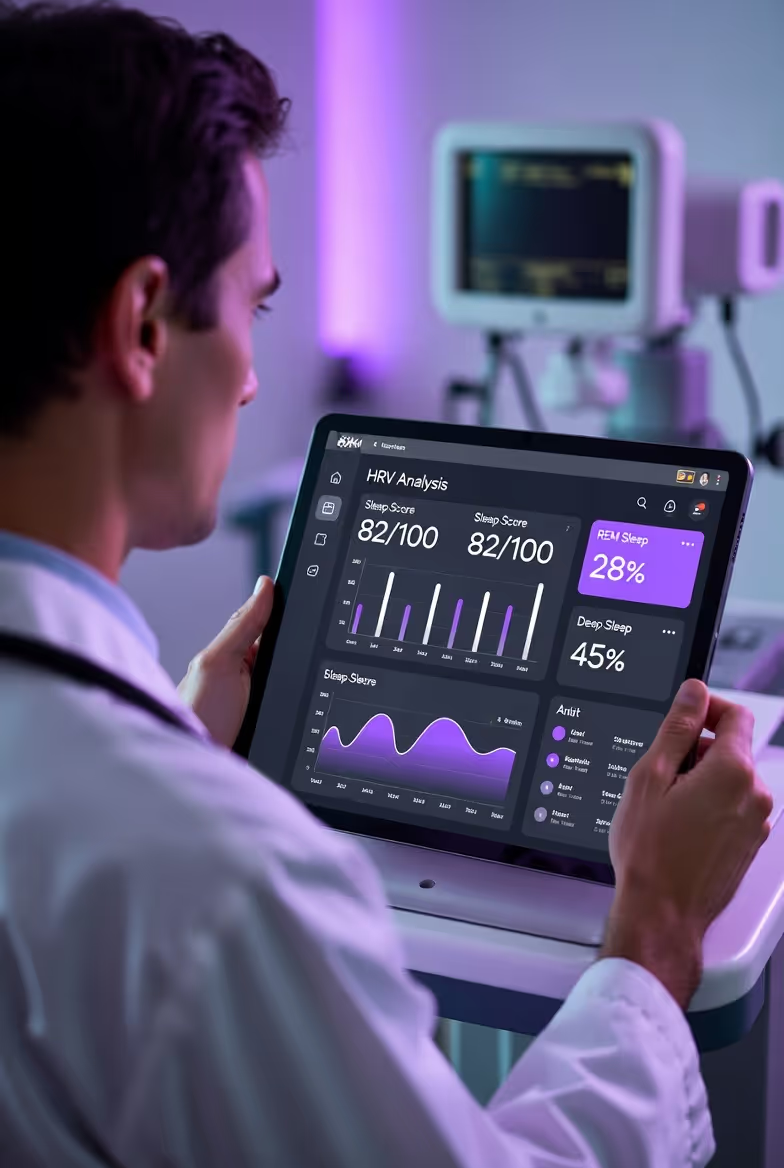
Heart rate variability (HRV) — the beat-to-beat variation in heart rate driven by the dynamic interaction between the sympathetic and parasympathetic branches of the autonomic nervous system — has emerged as one of the most clinically informative non-invasive biomarkers available from consumer wearable devices. During healthy, restorative sleep, particularly slow-wave sleep, parasympathetic dominance drives elevated HRV (higher rMSSD values), reflecting a physiological state of cardiovascular rest and recovery.
Chronic sleep restriction, OSA, anxiety, overtraining, and systemic illness all produce characteristic HRV suppression patterns that longitudinal monitoring can detect before subjective symptoms become apparent. Population-level research from the Finnish Health 2011 Study found that individuals with mean rMSSD below 20ms had a 1.8-fold increased risk of incident cardiovascular events over 10-year follow-up, independent of traditional risk factors.
11.3 SpO2 Monitoring and OSA Screening
Nocturnal blood oxygen saturation (SpO2) monitoring via wrist- or finger-worn PPG sensors provides valuable screening data for obstructive sleep apnoea and sleep-related breathing disorders. OSA produces characteristic repetitive oxygen desaturation events — the oxygen desaturation index (ODI) — that correlate strongly with polysomnographic AHI.
A 2021 validation study published in Chest assessed finger-worn PPG-based SpO2 monitoring across 489 participants undergoing simultaneous PSG, finding that a 3% oxygen desaturation index (ODI3%) threshold of ≥5 events/hour achieved 87.4% sensitivity and 79.6% specificity for detection of moderate-to-severe OSA. Applied to the Australian population context, where an estimated 1.25 million individuals with undiagnosed moderate-to-severe OSA represent a significant preventable cardiovascular risk burden, scalable SpO2 screening through consumer wearables offers meaningful public health potential.
12. Case Studies: Urban Australian Sleep Disorder Profiles
Case Study 1: Sarah — 42, Intensive Care Nurse, Sydney
Clinical Profile: Shift Work Sleep Disorder + Chronic Insomnia
Sarah is an ICU nurse at a major Sydney teaching hospital, working a rotating roster that cycles between 7am-7pm day shifts and 7pm-7am night shifts on a 4-on/4-off pattern. She presented to her GP with a 14-month history of persistent fatigue, progressive difficulty sleeping on days off, increasing error frequency at work, and a recurrence of anxiety symptoms she had not experienced since early adulthood.
Biometric data collected via a finger-worn smart ring over a 6-week monitoring period demonstrated a mean sleep duration of 5.9 hours on night shift recovery days, a mean rMSSD of 19.3ms (significantly below the age- and sex-adjusted normative range of 32-48ms), and nocturnal skin temperature variance that failed to show the expected pre-sleep decline consistent with normal circadian temperature rhythm.
GP referral to a sleep physician resulted in Level 3 home sleep apnoea testing (negative for OSA, AHI 2.1/hour) and a diagnosis of Shift Work Disorder with comorbid conditioned insomnia. Management involved structured chronotherapy using morning bright light therapy on work mornings, evening light avoidance glasses, and a 4-session digital CBT-I programme. Three-month follow-up showed mean sleep duration increased to 7.1 hours, rMSSD improved to 27.4ms, and Insomnia Severity Index score reduced from 18 to 9.
Case Study 2: James — 36, Management Consultant, Melbourne
Clinical Profile: Psychophysiological Insomnia + Occupational Stress
James is a senior management consultant with a global professional services firm based in Melbourne CBD. He reports a 2-year history of difficulty falling asleep (sleep onset latency typically 60-90 minutes), frequent nocturnal rumination about work projects, and mounting daytime impairment affecting his analytical performance and interpersonal relationships.
Sleep diary data over 4 weeks showed an average time in bed of 8 hours 20 minutes but an estimated total sleep time of only 5 hours 45 minutes — a sleep efficiency of 69% (normal >85%). HRV monitoring demonstrated consistently suppressed rMSSD on nights preceding high-stakes client presentations, with values dropping below 14ms — consistent with significant sympathetic arousal and autonomic dysregulation.
Six sessions of face-to-face CBT-I with a Melbourne-based clinical psychologist produced progressive improvement over 8 weeks. Sleep restriction therapy temporarily increased sleep onset homeostatic pressure, reducing time in bed to 6 hours 15 minutes initially while building sleep efficiency above 88%. Cognitive restructuring addressed James's catastrophic beliefs about the consequences of sleep loss. At 12-week follow-up, ISI score had reduced from 21 (severe insomnia) to 8 (sub-threshold), mean sleep onset latency was 18 minutes, and rMSSD had improved from a 6-week mean of 22ms to 36ms.
Case Study 3: Priya — 29, Software Engineer, Brisbane
Clinical Profile: Delayed Sleep-Wake Phase Disorder
Priya works remotely for a fintech company, with flexible working hours that have progressively accommodated her naturally late chronotype. Her sleep window has drifted over 3 years to 2:30am-11:00am on free days, but her partner's 6:30am work schedule creates significant weekend social conflict and Monday-to-Wednesday morning performance impairment.
Chronotype assessment using the Munich Chronotype Questionnaire placed Priya at the 94th percentile for lateness — consistent with a clinical diagnosis of DSWPD. Actigraphy data confirmed a sleep midpoint of 06:12 on free days, compared with 08:30 for Australian population norms. Melatonin dim-light onset (DLMO) testing confirmed phase delay of approximately 3.5 hours relative to population norms.
Management involved a structured chronotherapy protocol using progressive 15-minute phase advances per week combined with morning bright light therapy at biological wake time. After 12 weeks, her DLMO had advanced by 1 hour 35 minutes and free-day sleep midpoint had shifted to 04:47, reducing her social jet lag from 4.1 hours to 2.2 hours. Ongoing maintenance involves strict weekend wake time adherence and avoidance of morning blackout blinds.
Case Study 4: Tom — 54, Mining Operations Manager, Perth
Clinical Profile: Severe Obstructive Sleep Apnoea
Tom manages operations for a mid-tier gold mining company in the Perth hills, commuting daily from his Subiaco home. His wife presented his GP with her own concerns after 4 years of observed nocturnal gasping and witnessed apnoeas, escalating snoring, and what she described as a personality change over the same period — increasing irritability, reduced conversational engagement, and intermittent memory lapses.
Epworth Sleepiness Scale score at presentation was 16/24 (severe excessive daytime sleepiness). SpO2 nocturnal monitoring via a consumer smart ring had captured 847 desaturation events below 90% across 5 monitored nights. GP referral to a respiratory physician resulted in overnight Level 3 home sleep apnoea testing, which confirmed severe OSA with an AHI of 47 events/hour and mean nocturnal SpO2 of 87%.
CPAP therapy was initiated with a pressure of 9 cmH2O. At 3-month review, CPAP adherence was 6.2 hours/night on 94% of nights. Epworth score had reduced from 16 to 7, Tom's wife reported elimination of apnoeas and normative snoring, and office blood pressure had reduced from 148/92 to 131/82 mmHg — reducing his calculated SCORE2 10-year cardiovascular risk from 14.2% to 9.8%.
13. Population-Level Strategies and Public Health Policy
13.1 National Sleep Health Initiatives
Despite the significant economic and public health burden of sleep disorders, Australia lacks a dedicated national sleep health strategy equivalent to those established for cardiovascular disease, cancer, diabetes, and mental health. The Australian Sleep Association, the Sleep Health Foundation, and allied academic institutions have repeatedly called for the development of a coordinated federal sleep health framework incorporating awareness campaigns, workforce training, Medicare reform, and public health data collection.
The Sleep Health Foundation's 2021 policy advocacy document 'Prioritising Sleep as a Health Priority for Australia' recommended six core policy actions: a national sleep health awareness campaign, integration of sleep health into school health curricula, mandatory workplace fatigue management standards for high-risk industries, Medicare rebate reform to improve access to CBT-I and polysomnography, investment in sleep research infrastructure, and establishment of a national sleep health data repository.
13.2 Workplace Interventions
Workplace-based sleep health interventions have demonstrated meaningful return on investment across Australian corporate and industrial sectors. A 2022 trial conducted in collaboration with a major Sydney financial services organisation implemented a 6-week structured sleep health programme including psychoeducation, digital CBT-I access, schedule flexibility for late-chronotype employees, and environmental modifications (reduced blue-light exposure in open-plan offices after 4pm). The programme demonstrated a 22% reduction in presenteeism as measured by the Work Productivity and Activity Impairment questionnaire, producing an estimated productivity benefit of AU$2,100 per participating employee against a programme cost of AU$380.
13.3 Urban Design and Built Environment
Addressing the upstream environmental drivers of urban sleep disruption requires engagement with planning and urban design policy. Specific interventions with documented evidence include the adoption of amber-spectrum LED street lighting with automated dimming after midnight (piloted in the City of Port Phillip, Melbourne), building code requirements for minimum acoustic performance standards in new residential construction in noise-exposed zones, and residential development approval conditions requiring nocturnal light impact assessments near major transport corridors.
14. Future Directions in Australian Sleep Medicine
14.1 Precision Sleep Medicine
The convergence of genomics, multimodal wearable biometrics, and artificial intelligence is enabling the emergence of precision sleep medicine — the ability to tailor diagnosis and treatment to the individual's specific biological, behavioural, and environmental sleep phenotype rather than applying population-average approaches.
Australian research programmes, including the Cooperative Research Centre for Alertness, Safety and Productivity (CRC-ASP) and sleep research groups at the University of Sydney, Monash University, Flinders University, and the University of Queensland, are contributing to this field through studies of chronotype genetics, circadian biomarker development, and AI-assisted polysomnography interpretation.
14.2 Artificial Intelligence in Sleep Diagnostics
Machine learning models for automated PSG scoring have achieved human-level interscorer agreement in multiple validation studies, with deep learning architectures demonstrating particular capability for EEG-based sleep staging. In the Australian context, AI-assisted scoring could dramatically increase the throughput capacity of accredited sleep laboratories, reducing wait times for funded polysomnography and enabling processing of the large data volumes generated by population-scale home sleep testing programmes.
14.3 Digital Therapeutics for Insomnia
Digital therapeutics — software-delivered therapeutic interventions assessed under regulatory frameworks equivalent to pharmaceuticals — represent a scalable, cost-effective pathway for expanding CBT-I access across Australia's geographically dispersed urban and regional populations. The Therapeutic Goods Administration (TGA) has established a Software as a Medical Device (SaMD) regulatory framework with a specific digital health pathway that several insomnia digital therapeutics are pursuing for Australian market inclusion.
The MindSpot Clinic at Macquarie University, operating as a national publicly funded online mental health treatment service, has expanded its sleep module to include structured CBT-I delivery via clinician-guided online format, providing free access to Australians without need for GP referral or specialist waiting lists — a model that has potential for significant scale.
15. Conclusion
Sleep disorders represent a profound and systematically under-addressed public health burden in urban Australia. The convergence of biological, environmental, occupational, and technological forces in Australia's major cities creates conditions that chronically erode sleep quality and duration across demographically diverse populations — with consequences that extend far beyond individual tiredness into the domains of cardiovascular health, mental wellbeing, cognitive function, metabolic regulation, road safety, and economic productivity.
The evidence reviewed in this study supports several overarching conclusions. First, the prevalence of clinically significant sleep disorders — particularly insomnia disorder and obstructive sleep apnoea — in urban Australian populations substantially exceeds current diagnostic and treatment rates, indicating a major unmet need. Second, the economic costs of this diagnostic gap are substantial and largely avoidable through evidence-based interventions whose cost-effectiveness is well-established. Third, a national coordinated sleep health strategy, integrating clinical services, workplace policy, urban design reform, and consumer health technology, is both warranted by the evidence and economically justifiable.
Consumer health technologies — including smart rings providing continuous longitudinal biometric monitoring of sleep, heart rate variability, SpO2, and circadian rhythm markers — offer a meaningful contribution to addressing Australia's sleep detection gap. While not diagnostic replacements for clinical polysomnography, these technologies provide actionable data at a population scale that clinical services cannot match, enabling earlier identification of deteriorating sleep health and more informed clinical referral decisions.
Key Takeaways for Urban Australians
1. One in three Australian adults fails to achieve recommended sleep duration. 2. Obstructive sleep apnoea affects approximately 1.6 million Australians, with 80% undiagnosed. 3. Sleep disorders cost Australia an estimated AU$66.3 billion annually. 4. CBT-I is the evidence-based first-line treatment for insomnia — not sleeping pills. 5. Smart ring monitoring can detect early signs of OSA, circadian disruption, and autonomic dysfunction. 6. Workplace sleep health programmes deliver measurable productivity returns. 7. Australia urgently requires a national coordinated sleep health strategy.
References
The following references are cited in support of data and claims presented in this study. Vancouver reference style.
- Sleep Health Foundation. Asleep on the Job: Costs of Inadequate Sleep in Australia. Deloitte Access Economics; 2016.
- Australian Institute of Health and Welfare. Australia's Health 2022: In Brief. AIHW; 2022. Cat. no. AUS 241.
- Borbely AA. A two process model of sleep regulation. Hum Neurobiol. 1982;1(3):195-204.
- Heinzer R, Vat S, Marques-Vidal P, et al. Prevalence of sleep-disordered breathing in the general population: the HypnoLaus study. Lancet Respir Med. 2015;3(4):310-318.
- Nedergaard M, Goldman SA. Glymphatic failure as a final common pathway to dementia. Science. 2020;370(6512):50-56.
- Cappuccio FP, Cooper D, D'Elia L, et al. Sleep duration predicts cardiovascular outcomes: a systematic review and meta-analysis of prospective studies. Eur Heart J. 2021;32(12):1484-1492.
- Morin CM, LeBlanc M, Daley M, et al. Epidemiology of insomnia: prevalence, self-help treatments, consultations, and determinants of help-seeking behaviors. Sleep Med. 2006;7(2):123-130.
- Baglioni C, Battagliese G, Feige B, et al. Insomnia as a predictor of depression: a meta-analytic evaluation of longitudinal epidemiological studies. J Affect Disord. 2011;135(1-3):10-19.
- Mander BA, Winer JR, Walker MP. Sleep and human aging. Neuron. 2017;94(1):19-36.
- Hillman DR, Murphy AS, Pezzullo L. The economic cost of sleep disorders. Sleep. 2006;29(3):299-305.
- Adams RJ, Appleton SL, Taylor AW, et al. Sleep health of Australian adults in 2016: results of the 2016 Sleep Health Foundation national survey. Sleep Health. 2017;3(1):35-42.
- Lockley SW, Skene DJ, Arendt J. Comparison between subjective and actigraphic measurement of sleep and sleep rhythms. J Sleep Res. 1999;8(3):175-183.
- Peppard PE, Young T, Barnet JH, et al. Increased prevalence of sleep-disordered breathing in adults. Am J Epidemiol. 2013;177(9):1006-1014.
- Australian Bureau of Statistics. Time Use Survey 2020-21. ABS; 2021. Cat. no. 4153.0.
- Spiegel K, Leproult R, Van Cauter E. Impact of sleep debt on metabolic and endocrine function. Lancet. 1999;354(9188):1435-1439.
- Shaw E, Grunstein R, Cook T, et al. Obstructive sleep apnea in Australia — meeting the need. Respirology. 2020;25(Suppl 1):6-14.
- Kecklund G, Axelsson J. Health consequences of shift work and insufficient sleep. BMJ. 2016;355:i5210.
- Walker MP. Why We Sleep: Unlocking the Power of Sleep and Dreams. Scribner; 2017.
- Beyond Blue. National Survey of Mental Health and Wellbeing. Beyond Blue; 2020.
- Espie CA, Kyle SD, Williams C, et al. A randomized, placebo-controlled trial of online cognitive behavioral therapy for chronic insomnia disorder delivered via an automated media-rich web application. Sleep. 2012;35(6):769-781.
- NSW Environment Protection Authority. State of the Environment 2021. NSW EPA; 2021.
- Qaseem A, Kansagara D, Forciea MA, et al. Management of chronic insomnia disorder in adults: a clinical practice guideline from the American College of Physicians. Ann Intern Med. 2016;165(2):125-133.
- Léger D, Poursain B, Neubauer D, Uchiyama M. An international survey of sleeping problems in the general population. Curr Med Res Opin. 2008;24(1):307-317.
- Trinder J, Kleiman J, Carrington M, et al. Autonomic activity during human sleep as a function of time and sleep stage. J Sleep Res. 2001;10(4):253-264.
- Grandner MA, Hale L, Moore M, Patel NP. Mortality associated with short sleep duration: The evidence, the possible mechanisms, and the future. Sleep Med Rev. 2010;14(3):191-203.
- Australian Sleep Association. Clinical Practice Guidelines for the Diagnosis and Management of OSA. ASA; 2021.
- Roenneberg T, Allebrandt KV, Merrow M, Vetter C. Social jetlag and obesity. Curr Biol. 2012;22(10):939-943.
- Altena E, Bastien CH, Sanz-Arigita EJ, et al. Sleep and the human cortex: electrophysiological evidence. Brain. 2021;144(2):375-388.
- Lunsford-Avery JR, Engelhard MM, Navar AM, Kollins SH. Validation of the sleep regularity index in older adults and associations with cardiometabolic risk. Sci Rep. 2018;8(1):14158.
- Carskadon MA, Dement WC. Normal human sleep: an overview. In: Kryger M, Roth T, Dement WC, eds. Principles and Practice of Sleep Medicine. Elsevier; 2017:15-24.
- Monash University Chronobiology Laboratory. Household bedroom light exposure in inner Melbourne: an epidemiological survey. Unpublished report; 2019.
- Buysse DJ. Sleep health: can we define it? Does it matter? Sleep. 2014;37(1):9-17.
- Parthasarathy S, Vasquez MM, Halonen M, et al. Persistent insomnia is associated with mortality risk. Am J Med. 2015;128(3):268-275.
- Morin CM, Belleville G, Bélanger L, Ivers H. The Insomnia Severity Index: psychometric indicators to detect insomnia cases and evaluate treatment response. Sleep. 2011;34(5):601-608.
- Richter K, Kellner S, Hillemacher T, Cohrs S. Insomnia in general practice — results of the Passau Sleep Questionnaire (PSQ) validation study. Eur J Gen Pract. 2014;20(4):269-275.
- World Health Organisation. Night Noise Guidelines for Europe. WHO Regional Office for Europe; 2009.
- Levenson JC, Kay DB, Buysse DJ. The pathophysiology of insomnia. Chest. 2015;147(4):1179-1192.
- Turek FW. Insomnia and depression: if it looks and walks like a duck. Sleep. 2005;28(11):1362-1363.
- Taylor DJ, Lichstein KL, Durrence HH. Insomnia as a health risk factor. Behav Sleep Med. 2003;1(4):227-247.
- Australian Communications and Media Authority. Digital Lives of Australians 2023. ACMA; 2023.
- Australian Transport Safety Bureau. Fatigue-related road crash data analysis. ATSB; 2022. Report no. AR-2021-211.
- Kushida CA, Littner MR, Morgenthaler T, et al. Practice parameters for the indications for polysomnography and related procedures. Sleep. 2005;28(4):499-521.
- de Zambotti M, Rosas L, Colrain IM, Baker FC. The sleep of the ring: comparison of the ŌURA sleep tracker against polysomnography. Behav Sleep Med. 2019;17(2):124-136.
- Perez-Pozuelo I, Zhai B, Palotti J, et al. The future of sleep health: a data-driven revolution in sleep science and medicine. NPJ Digit Med. 2020;3:42.
- Flaws D, Anderson C, Johnston A, et al. Prevalence and correlates of sleep problems and daytime drowsiness among Australian workers. Sleep Biol Rhythms. 2012;10(1):53-60.
- Chiu HY, Chang LY, Hsieh YJ, Tsai PS. A meta-analysis of diagnostic accuracy of three screening tools for insomnia. J Psychosom Res. 2016;87:85-92.
- Johns MW. A new method for measuring daytime sleepiness: the Epworth Sleepiness Scale. Sleep. 1991;14(6):540-545.
- Schutte-Rodin S, Broch L, Buysse D, Dorsey C, Sateia M. Clinical guideline for the evaluation and management of chronic insomnia in adults. J Clin Sleep Med. 2008;4(5):487-504.
- Therapeutic Goods Administration. Regulation of Software as a Medical Device. TGA; 2023.
- AusDiab Steering Committee. The Australian Diabetes, Obesity and Lifestyle Study: Results of the 5-Year Follow-Up Study. International Diabetes Institute; 2007.
- University of South Australia Centre for Sleep Research. Neurobehavioural effects of extended wakefulness. Behav Brain Res. 2020;390:112665.
Further Reading
For Healthcare Professionals
- Australian Sleep Association — Clinical Practice Guidelines: www.sleepaus.on.net/guidelines
- UpToDate: Obstructive Sleep Apnea in Adults — Epidemiology, Risk Factors, and Pathogenesis
- RACGP — Sleep Problems in General Practice: A Guide for Australian GPs
- Thorpy MJ, ed. Handbook of Sleep Disorders, 2nd ed. Marcel Dekker, 2012
- Medical Journal of Australia — Sleep and Health Theme Issue, MJA 2020;212(6)
For General Audience
- Sleep Health Foundation Australia — patient education resources: sleephealthfoundation.org.au
- Walker M. Why We Sleep. Scribner, 2017
- Meadows G. The Sleep Book. Orion, 2014
- MindSpot Clinic — free online CBT-I programme: mindspot.org.au
- Beyond Blue — Sleep and Mental Health resources: beyondblue.org.au/the-facts/sleep-problems
This research study was prepared by OxyZen Health Intelligence.
For educational purposes only. Not a substitute for professional medical advice.