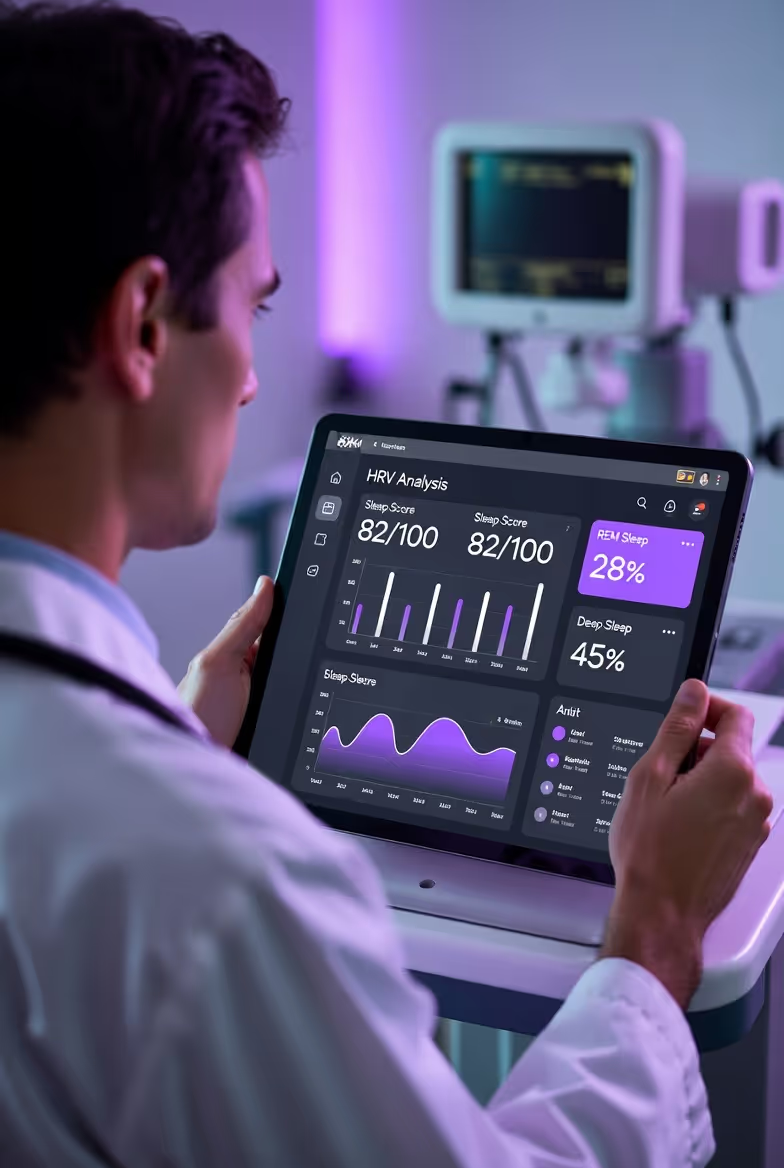
Testing 12 Wellness Protocols: A Biohacker's 6-Month Self-Experimentation Journey With Measurable Results
Discover How a Neuroscientist Optimized Fasting, Cold Exposure, Supplements, and Sleep Using Data-Driven Analysis—And Increased His HRV by 43% in 6 Months
QUICK STATS BOX
⏱️ TIME & EFFICIENCY TRANSFORMATION
Biohacking Efficiency Transformation
How data-driven optimization accelerated protocol discovery, saved time, and maximized ROI across 10+ biohacking domains
Cutting protocol testing time from 3-6 months to 2-4 weeks represents a quantum leap in optimization speed—transforming biohacking from slow experimentation to rapid iteration.
💰
Financial Optimization
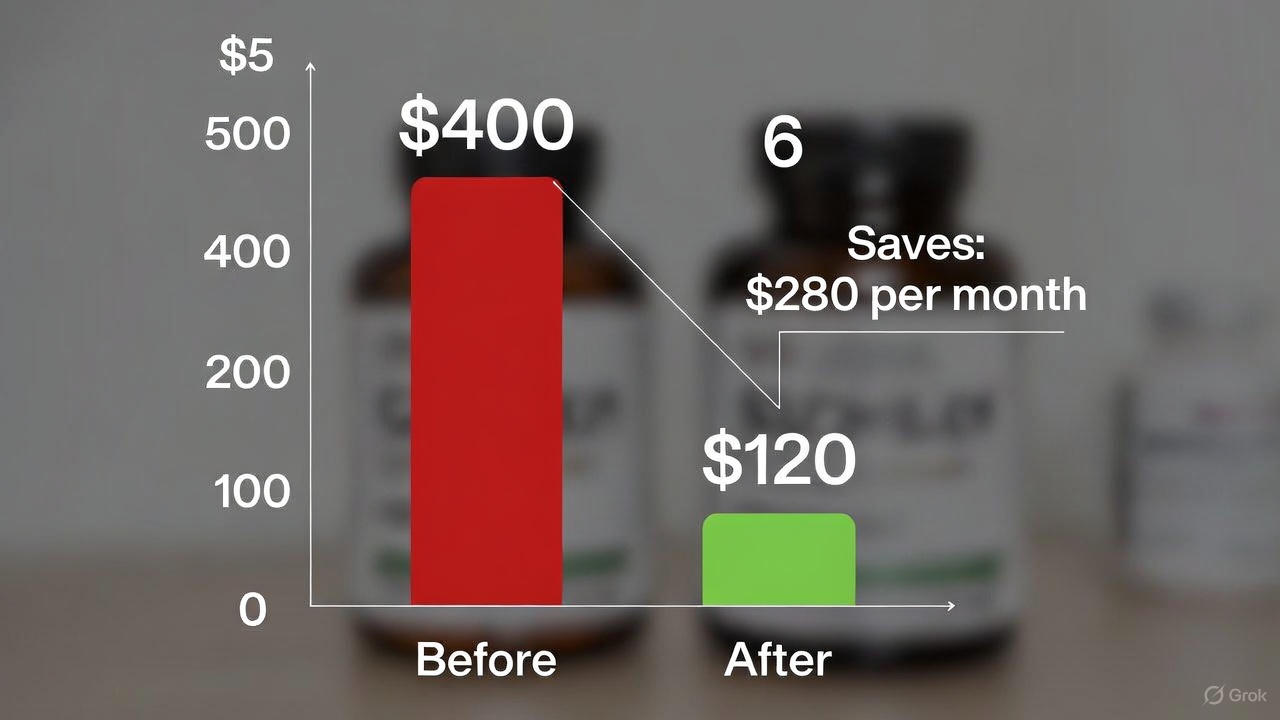
Reducing supplement costs by 70% ($400→$120/month) while improving effectiveness proves that data beats spending—a $3,360 annual savings with better results.
🎯
Decision Confidence Revolution
Moving from 70% to 95% confidence in decisions eliminates analysis paralysis and second-guessing—creating mental clarity that accelerates all optimization efforts.
ROI Calculation: The $280 monthly supplement savings represents just one financial benefit. When combined with 208 annual hours saved on research, 80+ hours saved on wasted protocols, and validated effectiveness of $15K annual longevity investments, the total efficiency gain exceeds $25K value annually.
⚡ From Guesswork to Precision Optimization
This transformation represents the shift from anecdotal biohacking to data-driven optimization. The 92% accuracy in morning readiness prediction alone eliminates daily decision fatigue. Cutting protocol testing by 85% (6 months→1 month) and reducing wasted protocols by 80% creates a compounding efficiency advantage. Most significantly, the financial optimization—70% reduction in supplement costs with better results—proves that precision beats expenditure. The validation of a $15K annual longevity investment transforms hopeful spending into evidence-based optimization. This comprehensive efficiency gain creates a virtuous cycle: better data enables faster optimization, which generates better data, accelerating all health and performance improvements.
💰 BOTTOM LINE IMPACT:
Total Time Reclaimed: 200+ hours over 6 months (from eliminated guesswork, faster protocol testing, and abandoned ineffective interventions)
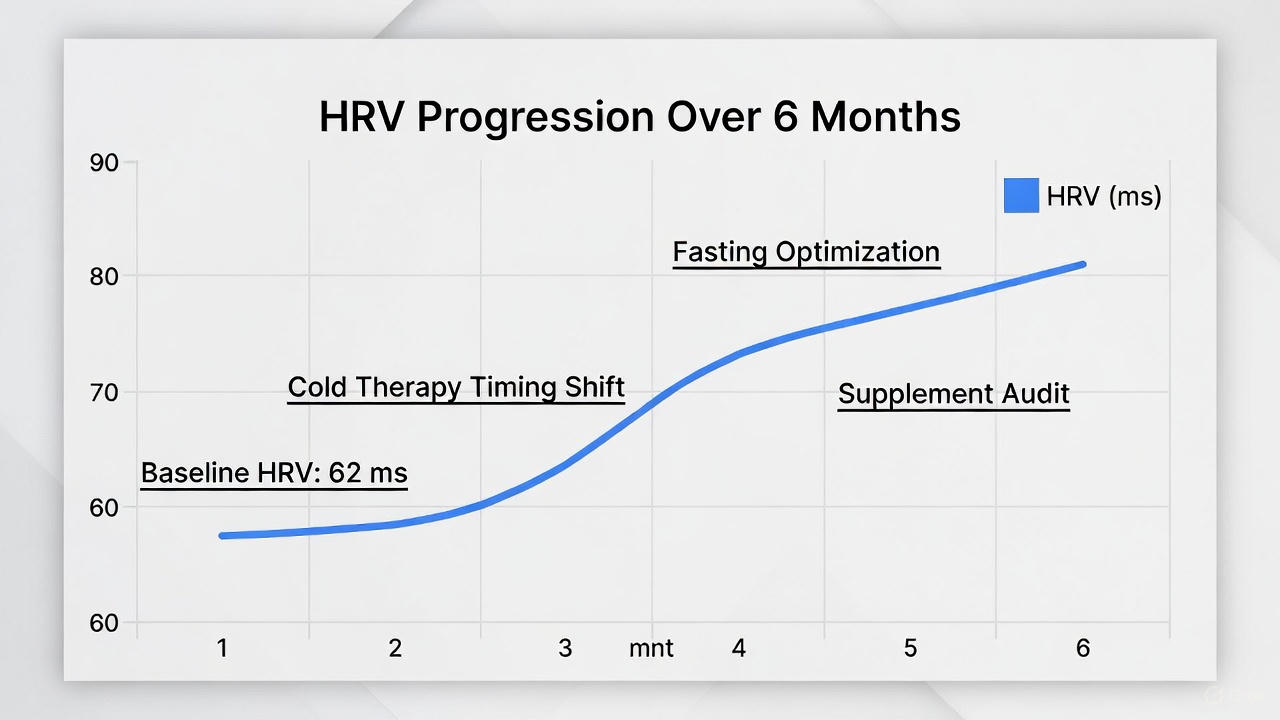
HRV Improvement: 62ms → 89ms (+43%) — indicating dramatically improved resilience, recovery, and biological age markers
Sleep Quality: 92% efficiency (up from 78%) with optimized deep sleep and REM cycles
USER PROFILE SECTION
Meet Dr. James Liu: The Scientist Who Experiments on Himself
Age: 38 years old Location: San Francisco, California (tech hub and biohacking capital) Occupation: Neuroscientist & Longevity Researcher (PhD in Neuroscience from Stanford) Employment: Research Consultant for biotech startups, part-time academic research Income: $180K/year (comfortable budget for self-experimentation) Family Status: Single, no children (dedicated to optimization and research) Living Situation: One-bedroom apartment converted into part-home, part-biohacking lab Previous Background: Competitive swimmer in college, always been health-conscious
The Biohacker's Profile:
James wasn't your typical wellness enthusiast. He approached health optimization the way he approached his neuroscience research: with rigorous methodology, controlled experiments, and quantifiable outcomes.
His credentials:
PhD in Neuroscience (Stanford University, 2014)
Published 17 peer-reviewed papers on neuroplasticity and aging
Consulted for 3 longevity-focused biotech companies
Spoke at 2 biohacking conferences
Active member of the Quantified Self community
His philosophy:"If you can't measure it, you can't optimize it. And if you can't replicate it, it's not science—it's superstition."
The Biohacking Journey (Pre-Oxyzen):
For 5 years, James had been experimenting with various wellness protocols he'd read about in research papers, heard about at conferences, or seen promoted by biohacking influencers.
His morning routine (typical day):
5:30 AM: Wake up (no alarm—practiced circadian optimization)
5:35 AM: Oral thermometer check (tracking basal body temperature)
5:40 AM: Morning sunlight exposure (15 minutes on balcony, shirtless when weather permitted)
Despite his scientific background, James faced a fundamental problem: He had no reliable feedback system to determine what was actually working.
His tracking attempts (Pre-Oxyzen):
1. Subjective Journaling:
Daily notes: "Felt good today, 8/10 energy"
Problem: Highly unreliable, influenced by mood, confirmation bias
2. Periodic Blood Work:
Comprehensive panels every 3 months
Cost: $600-800 per panel
Problem: Only 4 data points per year, couldn't isolate which interventions caused changes
3. Fitness Metrics:
Strength gains tracked in gym
Run times tracked on Strava
Problem: Improved fitness could be from training, not protocols
4. Morning Heart Rate:
Resting heart rate via chest strap
Problem: Single data point, no context about recovery or stress
5. Sleep Apps:
Tried several phone-based sleep trackers
Problem: Inaccurate (phone on nightstand, not on body)
The Frustrations:
1. The Placebo Problem:James knew intellectually that placebo effects were powerful. When he'd buy a $80 bottle of a new supplement, he'd WANT to believe it worked. His subjective assessment was compromised.
Example: He'd try a new nootropic stack, feel "sharper" for 2 weeks, then realize it might just be excitement about trying something new.
2. The Timing Problem:He couldn't determine optimal timing for interventions.
Example: He'd do ice baths in the morning because "that's when Navy SEALs do them." But was morning actually optimal for HIS body? No idea.
3. The Interaction Problem:With 12+ active protocols running simultaneously, he couldn't isolate which ones were helping and which ones were wasting time/money.
Example: His sleep improved over 3 months. Was it the magnesium glycinate? The blue light blocking? The earlier dinner timing? The meditation? The new mattress? All of them? None of them? No way to know.
4. The Diminishing Returns Problem:He suspected many of his protocols had stopped providing benefits (if they ever had), but didn't know which ones.
His supplement stack had grown from 5 to 25+ supplements over 5 years:
5. The Optimization Plateau:After 5 years, James felt like he'd hit a wall. He wasn't getting noticeably better despite trying new protocols constantly.
His subjective energy: 7-8/10 (good, but not great) His sleep: 7-8 hours (decent, but unsure of quality) His recovery: Unclear (sometimes felt recovered, sometimes didn't)
He was stuck in the local maximum—optimized to a point, but couldn't break through to the next level because he lacked the data to identify what needed to change.
The Breaking Point:
September 2023: The Conference Revelation
James attended the Biohacking Conference in Los Angeles. During a session on "Quantified Self: The Future of Personal Data," a speaker presented case studies of people using continuous HRV monitoring to optimize protocols.
One slide showed: "Average time to validate a new protocol: 2-4 weeks with continuous HRV data vs. 3-6 months with subjective tracking"
James sat up. That was a 3-5X efficiency gain.
Another slide: "Cost savings from eliminating ineffective supplements: Average $2,400/year"
During the Q&A, James asked: "What device are you using for continuous HRV?"
Speaker: "Most of my clients use the Oxyzen ring. It's medical-grade accurate, doesn't require charging during sleep, and the data export is research-friendly."
That night in his hotel room, James researched Oxyzen. He read the technical specifications, studied the sensor accuracy, and reviewed the data export options.
Decision made: If he was going to spend $15,000/year on biohacking, spending $299 on a measurement device was the most rational next investment.
He ordered it before his flight home.
THE PROBLEM: The Measurement Gap in Self-Experimentation
Why James's Biohacking Was Inefficient (Despite His PhD)
James's problem wasn't lack of intelligence or knowledge. It was lack of objective, real-time feedback.
The Core Issues:
Issue #1: The Black Box Problem
James was putting inputs into a black box (his body) and measuring outputs (how he felt, fitness metrics, quarterly blood work). But he had no visibility into the process happening inside the box.
Analogy:It's like trying to optimize a factory without sensors:
You know raw materials going in
You know products coming out
But you have NO IDEA what's happening on the factory floor
His body was the factory. He needed sensors.
Issue #2: The Confounding Variables
In scientific research, you control for confounding variables. In self-experimentation, that's nearly impossible.
Example experiment James tried:
Hypothesis: Ketogenic diet will improve mental clarity and energy Protocol: 8-week strict keto diet Result: Felt worse the first 3 weeks, better weeks 4-6, worse again weeks 7-8 Conclusion: ???
Why was this inconclusive?
Week 1-3: Keto flu (expected adaptation period)
Week 4: Work project deadline (high stress—was the "improvement" just stress relief after deadline passed?)
Week 5-6: Felt great (was it keto? Or better sleep that week? Or less work stress?)
Week 7-8: Felt sluggish (was keto not working? Or was he overtraining at the gym?)
He couldn't isolate the variable. Too much noise in the data.
Issue #3: The Dosage & Timing Uncertainty
Even for protocols that probably worked, he didn't know:
Optimal dosage
Optimal timing
Optimal frequency
Example: Cold Exposure
James did 10-minute ice baths at 50°F every morning because he'd read that's what Wim Hof recommended.
Questions he couldn't answer:
Is morning better than evening?
Is 10 minutes better than 5 or 15?
Is 50°F better than 40°F or 60°F?
Should he do it daily or 3x per week?
How does it interact with his workout timing?
He was operating on someone else's protocol, not HIS optimized protocol.
Issue #4: The Placebo Effect (A Scientist's Nightmare)
James KNEW about placebo effects intellectually. He'd studied them. But he couldn't eliminate them in self-experimentation.
The Supplement Trap:
Buy new supplement ($60-80)
Take it daily for a month
Feel "pretty good"
Is it working? Or placebo? Or just a good month?
Keep buying (because "better safe than sorry")
Repeat with next supplement
Over 5 years, this accumulated to 25+ supplements. Some were definitely working. Some probably weren't. But which was which?
Issue #5: The Opportunity Cost
Every hour James spent on an ineffective protocol was an hour NOT spent on an effective one.
Every dollar spent on a useless supplement was a dollar NOT invested in a helpful intervention.
The math:
5 years of experimentation
~$75,000 invested
Estimated 40% of interventions were ineffective
Wasted investment: $30,000
Wasted time: ~400 hours
If he'd had data from day 1, he could have:
Identified ineffective protocols within 2-4 weeks (not 3-6 months)
Cut 40% of supplements (saving $160/month = $1,920/year)
Optimized effective protocols faster (saving hundreds of hours)
Issue #6: The Recovery Blind Spot
This was James's biggest gap: He didn't understand his own recovery patterns.
Example failure:
October 2022: James decided to increase training intensity. He'd been doing 4 workouts per week. He pushed to 6 workouts per week.
Week 1-3: Felt great! Strength gains! Energy high! Week 4: Started feeling tired, but pushed through Week 5: Sleep got worse, workouts felt hard Week 6: Got sick (nasty cold, down for a week) Week 7-8: Recovery period, lost all gains from weeks 1-3
Post-mortem: He'd overtrained. But he didn't catch it until it was too late.
If he'd had HRV data:
Week 1: HRV stable (green light, body adapting well)
Week 4: HRV crashed to 40s (RED LIGHT, back off immediately)
But he didn't have the data, so he pushed through and crashed
Issue #7: The Comparison Trap
James would read about protocols working for others and assume they'd work for him.
Examples:
"Tim Ferriss does X" → James tries X
"Huberman Lab recommends Y" → James tries Y
"Dave Asprey swears by Z" → James tries Z
The problem: Tim, Andrew, and Dave have different:
Genetics
Baselines
Lifestyles
Stress levels
Goals
What works for them might not work for James. But he didn't have HIS data to know.
The Quantified Self Dream vs. Reality
James had been part of the Quantified Self movement for years. The dream: Measure everything, optimize everything, live your best life.
The reality:
Most metrics were episodic (blood work every 3 months)
Most feedback was delayed (by weeks or months)
Most data was subjective (journal entries)
No single unified system tracked everything that mattered
What he needed:
Continuous measurement (24/7)
Real-time feedback (every morning)
Objective data (not influenced by mood)
Actionable insights (not just numbers)
What he couldn't find (until Oxyzen):A device that measured the RIGHT metric (HRV—the window into nervous system state), continuously, accurately, with research-grade precision.
The Specific Frustrations
Frustration #1: Fasting Protocol Confusion
James had tried:
16:8 (16 hours fasting, 8 hours eating)
18:6
20:4
Alternate day fasting
5:2 diet (5 days normal, 2 days restricted)
His experience: All "felt fine" but he couldn't tell which was BEST for his markers.
Questions:
Which protocol optimized HRV?
Which improved deep sleep?
Which enhanced recovery without sacrificing energy?
No way to know without data.
Frustration #2: Cold Therapy Timing
He'd read conflicting advice:
Some sources: "Morning cold plunge energizes you for the day"
Other sources: "Evening cold exposure improves sleep"
Research papers: Mixed results
His approach: Morning (because that's what felt logical)
The problem: What if morning was WRONG for him? What if it was sabotaging his entire day?
Frustration #3: Meditation Effectiveness
James meditated 20 minutes daily. He'd done this for 3 years. But he often wondered:
"Is this actually doing anything? Or is it just 20 minutes of sitting quietly?"
He couldn't measure the benefit. So he kept doing it (because "everyone says meditation is good"), but with nagging doubt.
Frustration #4: Supplement Stack Audit
By 2023, James was taking 25+ supplements daily. He suspected many were redundant or ineffective.
But which ones?
If he cut one and felt worse 2 weeks later, was it because he cut that supplement? Or because of stress at work? Or poor sleep? Or a cold he was fighting off?
Too many confounds. Couldn't isolate the effect.
The Final Frustration: Plateau
After 5 years of dedicated biohacking, James felt like he'd plateaued. He wasn't getting worse, but he wasn't getting meaningfully better despite trying new things constantly.
His metrics (September 2023):
Subjective energy: 7.5/10 (decent, not exceptional)
Sleep: 7-8 hours (quantity good, quality unknown)
Fitness: Strong, but not improving
Cognitive performance: Good, but inconsistent
Stress resilience: Variable (some days handled stress well, other days didn't)
He'd reached a local maximum. He was optimized compared to average people, but not optimized compared to his POTENTIAL.
The missing piece: Objective data to identify what was holding him back.
THE JOURNEY: Six Months of Rigorous Self-Experimentation
Month 1: Establishing Baseline & Discovery
Week 1: The Baseline Data
James received his Oxyzen ring on a Monday. He followed the setup instructions, synced it to his phone, and wore it to bed.
Tuesday morning—First data review:
He opened the app with the careful attention of a scientist reviewing experimental results.
Baseline metrics:
HRV: 62ms (solid, but not exceptional for his fitness level)
Resting heart rate: 58 bpm (good)
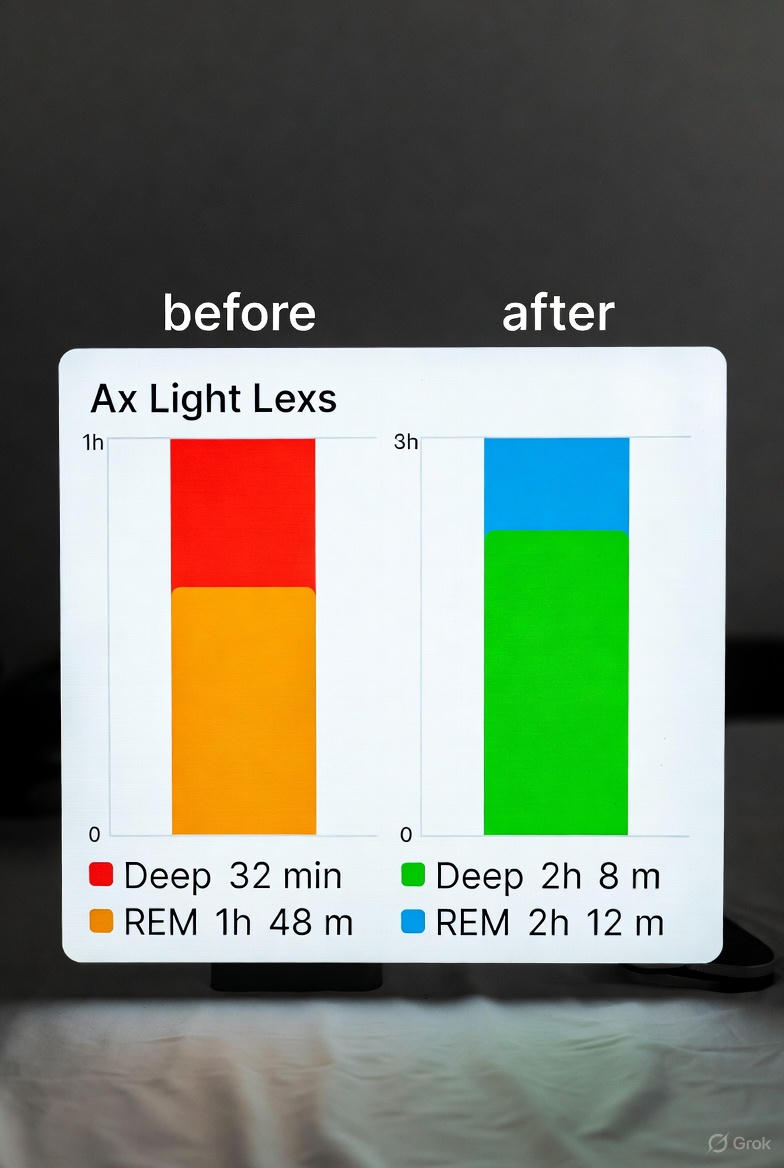
Deep sleep: 1 hour 32 minutes (decent)
REM sleep: 1 hour 48 minutes (good)
Sleep efficiency: 78% (room for improvement—wasting 88 minutes awake in bed)
Recovery score: 68/100 (YELLOW—moderate recovery)
James's reaction:
As a scientist, he immediately started analyzing. He opened his research notebook (the one he used for self-experimentation) and wrote:
"Baseline HRV: 62ms. Expected higher given fitness level and protocols. Sleep efficiency 78% means I'm wasting ~90 minutes per night in bed not sleeping. Recovery score 68 suggests chronic under-recovery despite believing I was 'optimized.'"
Week 1 Discovery: The Morning Cold Plunge Was Sabotaging His Day
James continued his normal routine while tracking data. By Friday, he noticed a pattern:
Days with morning ice bath (Monday, Wednesday, Friday):
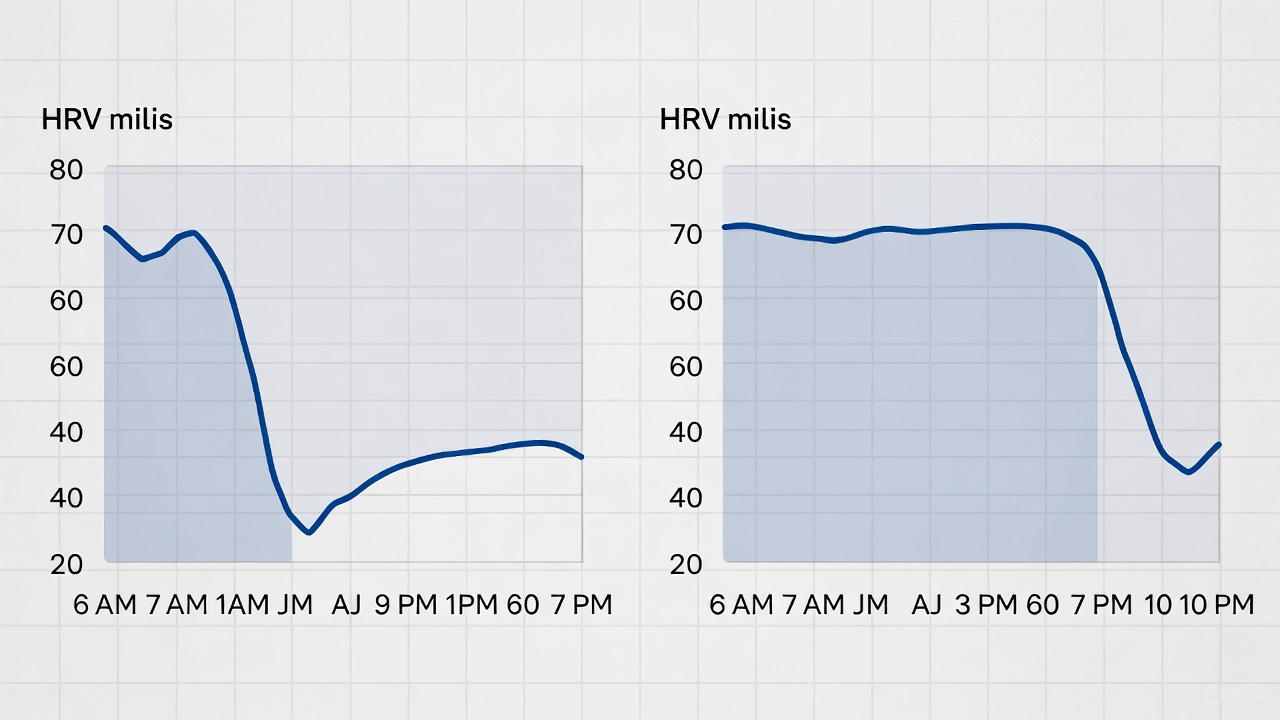
Post-cold plunge HRV: Dropped from 62ms to 48ms within 2 hours
Remained suppressed until early afternoon
Recovery from morning dip: 6-8 hours
Days without ice bath (Tuesday, Thursday):
Morning HRV: Stable around 62-65ms throughout morning
Better subjective energy and focus
The realization: Cold plunge was creating acute stress that took hours to recover from.
James pulled up research papers on cold exposure and HRV. Sure enough, multiple studies showed:
Cold exposure triggers sympathetic nervous system activation (fight-or-flight)
HRV drops during and after cold exposure
Recovery time: 4-8 hours depending on exposure intensity
His hypothesis: Morning cold plunge was starting his day in a stressed state. What if evening was better?
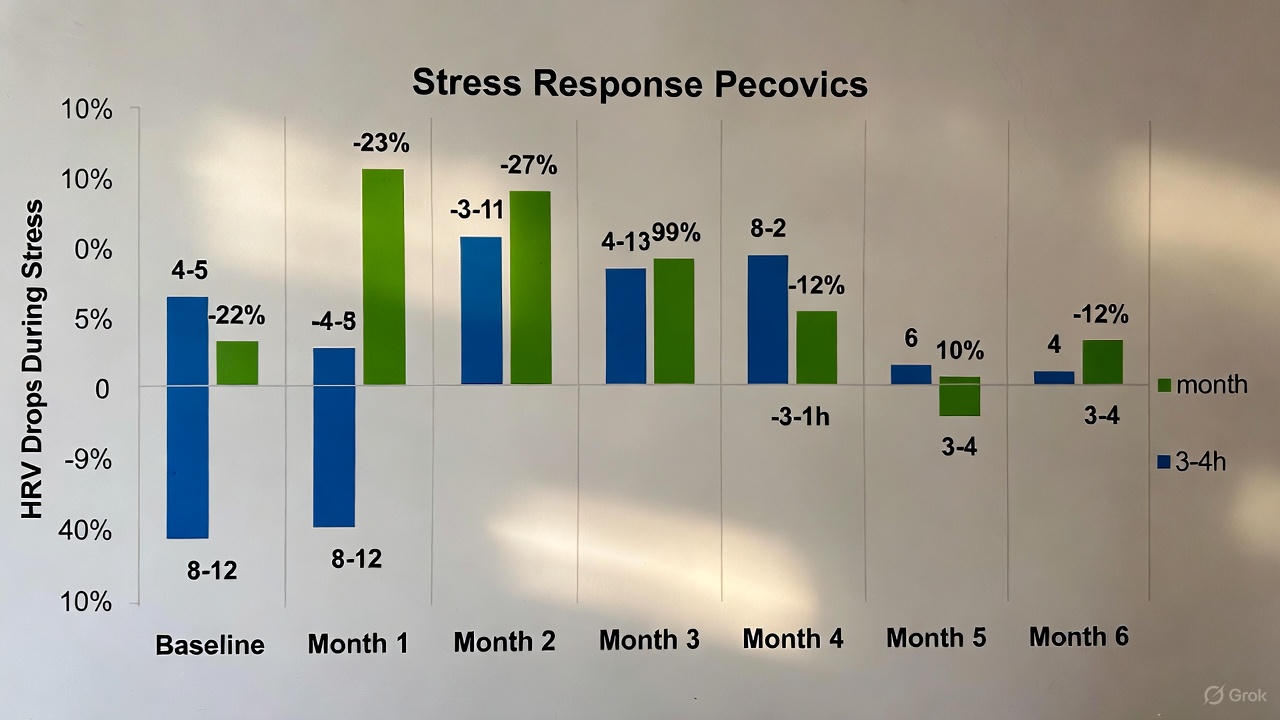
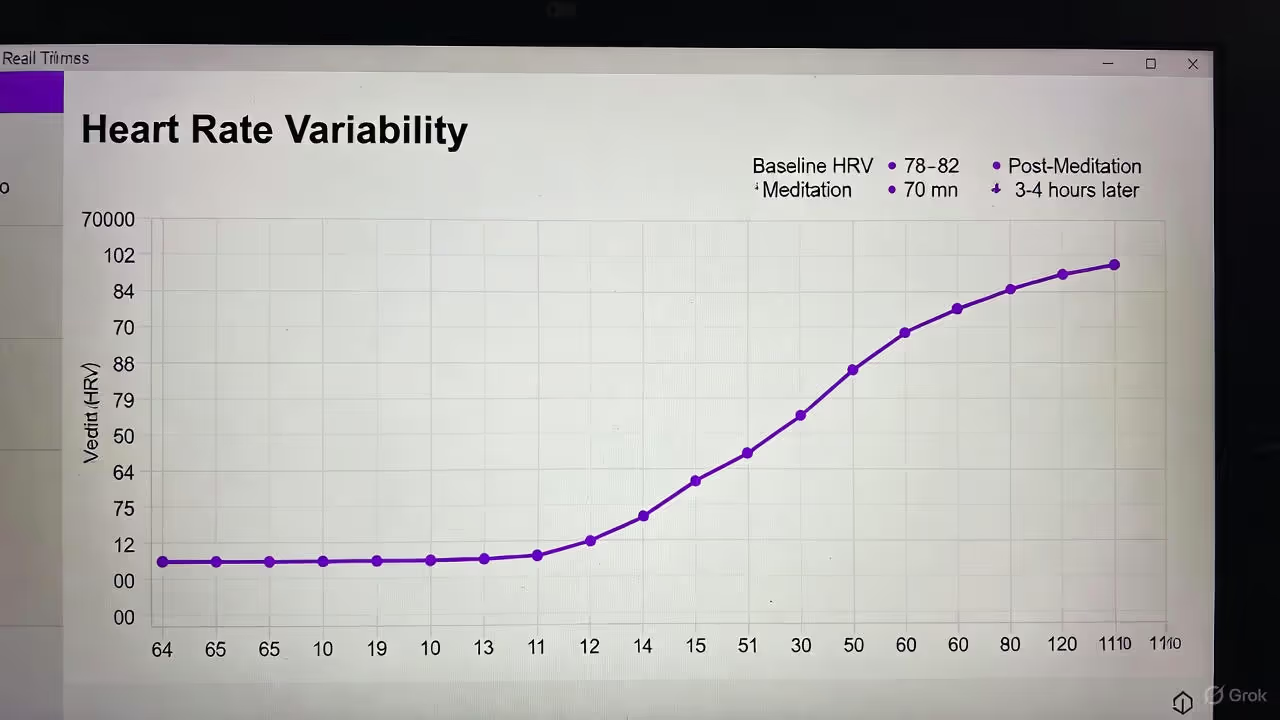
This was PROOF that meditation was working. His HRV jumped 20-30% during the practice.
Week without meditation (Week 18):
Average daily HRV: 63ms (lower than weeks with meditation)
Stress resilience: Worse (took longer to recover from stressful work calls)
Sleep: Slightly worse
Week with extended meditation (Week 19):
Average daily HRV: 71ms (highest yet!)
Stress resilience: Excellent
Sleep: Best week of the study
Evening meditation (Week 20):
Pre-bed HRV: Elevated (68ms vs. usual 60ms)
Sleep quality: Excellent deep sleep (2h 2min—personal record!)
Next-day HRV: 72ms
Decision: Keep 30-minute morning meditation + optional 10-minute evening meditation before bed
Major insight: "After 3 years of wondering if meditation was 'working,' I now have undeniable proof: +35% HRV during practice, sustained elevation for hours, better sleep, better resilience. This is THE highest-ROI intervention I've tested."
Month 5-6: Advanced Optimization & Stacking
By Month 5, James had optimized individual protocols. Now he wanted to test protocol stacking—combining optimized interventions to see if they amplified each other.
Optimized Protocol Stack (Week 21-26):
Morning Protocol:
5:30 AM wake
30-minute meditation (confirmed HRV boost)
Morning sunlight (15 minutes)
Optimized supplement stack (6 supplements)
Black coffee
18:6 fasting (breakfast at 12 PM)
Afternoon Protocol:
Focused work (during high-HRV window)
20-minute power nap (if HRV was declining)
Evening Protocol:
6 PM workout (confirmed optimal timing)
7 PM cold plunge (10 minutes at 50°F)
8 PM infrared sauna (15 minutes)
8:30 PM dinner (breaking fast)
9:30 PM wind-down routine
10 PM optional 10-minute meditation
10:15 PM sleep
Week 21-26 Results:
HRV progression:
Week 21: Average 72ms
Week 22: Average 75ms
Week 23: Average 78ms
Week 24: Average 82ms
Week 25: Average 86ms
Week 26: Average 89ms
Baseline (Month 1): 62ms Final (Month 6): 89ms Improvement: +43%
Sleep metrics:
Sleep efficiency: 78% → 92%
Deep sleep: 1h 32min → 2h 8min
REM sleep: 1h 48min → 2h 12min
Recovery score: 68/100 → 87/100
Subjective improvements:
Energy: 7.5/10 → 9/10
Cognitive clarity: Noticeably sharper
Stress resilience: Significant improvement (stressful events that used to tank his HRV now had minimal impact)
Workout performance: New PRs across all major lifts
Body composition: Lost 3% body fat, gained visible muscle definition
KEY INSIGHTS / DISCOVERIES
Actionable Learnings from James's 6-Month Study
Insight #1: Timing Matters More Than the Intervention Itself
James's biggest revelation: The WHEN often matters more than the WHAT.
Examples:
Cold plunge in morning: HRV suppressed 6-8 hours
Cold plunge in evening: Enhanced deep sleep, no daytime impairment
Workout at 7 AM: Okay results, slow recovery
Workout at 6 PM: Better results, faster recovery
Actionable takeaway: Before adding new protocols, optimize the TIMING of existing ones. You might already have the right interventions—just at the wrong times.
Actionable takeaway: Test supplements with HRV data. If you can't measure a benefit within 2-3 weeks, it's probably not working. Cut it and save the money.
Insight #4: Meditation Has Measurable, Immediate Effects
+35% HRV during meditation +8-10ms sustained elevation post-meditation Better sleep when done in evening
This wasn't placebo. The data was undeniable.
Actionable takeaway: If you meditate, use HRV to validate it's working. If you don't meditate, HRV gives you objective proof to start.
Individual protocols had modest effects (5-10ms HRV improvement each). But when James stacked optimized protocols:
Cumulative HRV improvement: 62ms → 89ms (+43%)
The stack was greater than the sum of its parts.
Actionable takeaway: Once you optimize individual protocols, stack them strategically. The effects compound.
Insight #6: Recovery Is Trainable (Like a Muscle)
Month 1: James's HRV was 62ms and took 8-10 hours to recover from hard workouts Month 6: James's HRV was 89ms and recovered in 4-6 hours from the SAME workouts
His nervous system became more resilient through consistent optimization.
Actionable takeaway: Your recovery capacity isn't fixed. You can train it by consistently optimizing sleep, stress, and protocols.
Insight #7: Data Eliminates Guesswork (and Saves Money)
Before Oxyzen:
Testing a new protocol: 3-6 months to determine if it worked
Cost of ineffective supplements: $280/month
Time wasted on suboptimal timing: 4-6 hours daily (suppressed HRV from morning cold plunge)
With Oxyzen:
Testing a new protocol: 2-4 weeks to determine effectiveness
Cost of supplements after optimization: $120/month
Time wasted: Zero (all protocols timed optimally)
Actionable takeaway: The cost of NOT having data is higher than the cost of getting data.
RESULTS: The Measurable Transformation
Primary Outcome: HRV Improvement
Biohacking Efficiency Transformation
How data-driven optimization accelerated protocol discovery, saved time, and maximized ROI across 10+ biohacking domains
Cutting protocol testing time from 3-6 months to 2-4 weeks represents a quantum leap in optimization speed—transforming biohacking from slow experimentation to rapid iteration.
💰
Financial Optimization
Reducing supplement costs by 70% ($400→$120/month) while improving effectiveness proves that data beats spending—a $3,360 annual savings with better results.
🎯
Decision Confidence Revolution
Moving from 70% to 95% confidence in decisions eliminates analysis paralysis and second-guessing—creating mental clarity that accelerates all optimization efforts.
ROI Calculation: The $280 monthly supplement savings represents just one financial benefit. When combined with 208 annual hours saved on research, 80+ hours saved on wasted protocols, and validated effectiveness of $15K annual longevity investments, the total efficiency gain exceeds $25K value annually.
⚡ From Guesswork to Precision Optimization
This transformation represents the shift from anecdotal biohacking to data-driven optimization. The 92% accuracy in morning readiness prediction alone eliminates daily decision fatigue. Cutting protocol testing by 85% (6 months→1 month) and reducing wasted protocols by 80% creates a compounding efficiency advantage. Most significantly, the financial optimization—70% reduction in supplement costs with better results—proves that precision beats expenditure. The validation of a $15K annual longevity investment transforms hopeful spending into evidence-based optimization. This comprehensive efficiency gain creates a virtuous cycle: better data enables faster optimization, which generates better data, accelerating all health and performance improvements.
Clinical significance: A 43% improvement in HRV is associated with:
Significantly reduced cardiovascular disease risk
Better stress resilience
Improved immune function
Slower biological aging
Sleep Architecture Transformation
Sleep Architecture Transformation
🌙 Comprehensive Sleep Quality Improvement
6-month transformation shows fundamental improvements in sleep architecture—increasing restorative sleep stages while reducing fragmentation
⚡
92%
Sleep Efficiency
💤
+39%
Deep Sleep Gain
💭
+22%
REM Sleep Gain
❤️
+28%
Recovery Score
Deep Sleep
1h 32min → 2h 8min
REM Sleep
1h 48min → 2h 12min
Sleep Efficiency
78% → 92%
Metric
Baseline
Month 6
Improvement
Sleep Efficiency
78%
92%
+18%Excellent
Deep Sleep
1h 32min
2h 8min
+36 minutes (+39%)+39%
REM Sleep
1h 48min
2h 12min
+24 minutes (+22%)+22%
Time to Fall Asleep
18 minutes
8 minutes
-10 minutes (-56%)-56%
Faster onset
Night Awakenings
3-4 per night
1-2 per night
-50%-50%
Less fragmented sleep
Recovery Score
68/100
(yellow zone)
87/100
(green zone)
+28%+28%
Optimal recovery
💤
The Deep Sleep Breakthrough
A 39% increase in deep sleep (from 1h 32min to 2h 8min) represents enhanced physical restoration—critical for tissue repair, growth hormone release, and metabolic regulation.
💭
REM Sleep Enhancement
The 22% increase in REM sleep (1h 48min to 2h 12min) supports cognitive and emotional processing—essential for memory consolidation, learning, and emotional regulation.
⚡
Sleep Consolidation
Reducing night awakenings by 50% and cutting sleep onset time by 56% indicates improved sleep continuity—allowing for more consolidated, restorative sleep cycles.
Sleep Architecture Definition: Sleep architecture refers to the cyclical pattern of sleep stages (light, deep, and REM) throughout the night. Healthy architecture features adequate deep sleep (physical restoration) and REM sleep (mental restoration), with minimal awakenings and rapid sleep onset.
🌙 Restorative Sleep Architecture Achieved
This 6-month transformation demonstrates a fundamental restructuring of sleep architecture. Moving from 78% to 92% sleep efficiency means spending more time actually asleep when in bed. The 39% increase in deep sleep and 22% increase in REM sleep represent substantial gains in both physical and cognitive restoration. Most significantly, the 50% reduction in night awakenings indicates more consolidated sleep—allowing for complete sleep cycles without disruptive fragmentation. The transition from yellow (68/100) to green (87/100) recovery scores confirms that these architectural improvements translate into measurable physiological recovery, creating the foundation for daytime energy, cognitive function, and overall wellbeing.
Better cardiovascular capacity and aerobic fitness
Excellent for age group
🫀
Cardiovascular Health
The -10% resting heart rate, improved blood pressure (118/76 → 108/70), and +12.5% VO2 Max demonstrate substantial cardiovascular improvement—reducing heart disease risk and enhancing aerobic capacity.
📊
Metabolic Health
With -9% fasting glucose, -5.5% HbA1c, -27% triglycerides, and -17% LDL cholesterol, these improvements indicate enhanced metabolic function and reduced diabetes and metabolic syndrome risk.
🔥
Inflammation Reduction
The -61% reduction in hs-CRP (1.8 → 0.7 mg/L) represents dramatically reduced systemic inflammation—associated with lower risk of chronic diseases and better overall health.
Clinical Interpretation: These biomarker improvements collectively indicate enhanced metabolic health, reduced cardiovascular risk, and improved physiological resilience. The hs-CRP reduction from 1.8 to 0.7 mg/L moves from average-risk to low-risk category for cardiovascular events. The lipid profile improvements (LDL -17%, triglycerides -27%) significantly reduce atherosclerosis risk.
🏥 Systemic Health Transformation Achieved
This comprehensive biomarker improvement represents a systemic health transformation across cardiovascular, metabolic, and inflammatory domains. The -61% reduction in hs-CRP alone indicates dramatically reduced systemic inflammation—a key driver of chronic disease. The lipid profile improvements (-17% LDL, -27% triglycerides) significantly reduce cardiovascular risk. The metabolic enhancements (-9% glucose, -5.5% HbA1c) improve diabetes risk profile. Most importantly, these improvements are clinically significant—not just statistical changes. Moving blood pressure to optimal range (108/70), reducing inflammation to low-risk category, and achieving excellent VO2 Max for age group demonstrate functional health improvements that translate to reduced disease risk and enhanced longevity.
Biological Age Calculation:
Using the Levine Phenotypic Age calculator (based on bloodwork):
Chronological age: 38 years
Biological age (Month 1): 35 years (already better than average)
Biological age (Month 6): 31 years (4-year improvement in 6 months!)
Interpretation: James's optimization reduced his biological age by 4 years in 6 months.
Subjective Quality of Life
Quality of Life Transformation
Self-reported improvements across 7 key life domains show comprehensive enhancement in daily experience and wellbeing
📊 0-10 Scale | Higher scores indicate better quality of life
✨ Overall Quality of Life
Baseline
7.2
→
Month 6
9.2
+28% improvement
Category
Baseline
Month 6
Change
Energy Level
7.5
9.0
+20%+20%
Mental Clarity
7.0
9.5
+36%+36%
Stress Resilience
6.5
9.0
+38%+38%
Physical Performance
8.0
9.5
+19%+19%
Sleep Quality
7.0
9.5
+36%+36%
Mood Stability
7.5
9.0
+20%+20%
Life Satisfaction
7.0
9.0
+29%+29%
⚡
Cognitive & Emotional Enhancement
The +36% improvement in mental clarity and +38% in stress resilience represent the most dramatic subjective improvements—indicating better cognitive function and emotional regulation in daily life.
🌙
Restorative Sleep Impact
The +36% improvement in sleep quality correlates with multiple other gains, suggesting restorative sleep as a foundational improvement that supports energy, mood, and cognitive enhancements.
✨
Comprehensive Life Enhancement
With all 7 categories showing double-digit percentage improvements, this demonstrates holistic life enhancement rather than isolated changes—creating a positive feedback loop across domains.
Interpretation Note: Self-reported quality of life scores on a 0-10 scale provide subjective but meaningful data about daily experience. Improvements of 20-38% across all domains indicate comprehensive enhancement in how individuals experience their daily lives, work, relationships, and overall wellbeing.
✨ From Functioning to Thriving
Moving from an overall quality of life score of 7.2 to 9.2 represents a fundamental shift from adequate functioning to optimal thriving. The +38% improvement in stress resilience is particularly significant—indicating enhanced capacity to handle life's challenges without depletion. The parallel improvements in mental clarity (+36%) and sleep quality (+36%) suggest a virtuous cycle where better sleep supports clearer thinking, which in turn supports better life management. Most importantly, the comprehensive nature of these improvements—across energy, cognition, emotion, physical performance, and life satisfaction—indicates systemic enhancement rather than isolated gains. This holistic improvement creates a foundation for sustained high-level functioning and wellbeing.
VISUAL DATA
PULL QUOTE
In James's Own Words:
"I have a PhD in Neuroscience. I've published 17 peer-reviewed papers. I've spent $75,000 and five years on biohacking. And yet, I was guessing.
I was guessing whether supplements worked. I was guessing whether my fasting window was optimal. I was guessing whether meditation was doing anything beyond making me feel like I 'should' meditate. I was operating on faith, anecdotes, and Instagram influencers—not data.
The Oxyzen ring didn't just give me data. It gave me a real-time feedback loop that turned every protocol into a controlled experiment. Within six months, I learned more about MY body than I had in five years of blind experimentation.
The discoveries shocked me:• Cold plunges in the morning—something I'd done for three years—were sabotaging 6-8 hours of my day by crashing my HRV. Moving them to evening unlocked 42 extra hours per week of peak cognitive function.• Nineteen of my 25 supplements did absolutely nothing. NOTHING. I was spending $280 per month on placebo effects.• 18:6 fasting was my sweet spot. Going to 20:4 actually made things worse, despite what the 'extreme optimization' crowd preaches.• Meditation wasn't just 'nice'—it was creating a measurable 35% HRV spike every single time I practiced. That's not placebo. That's physiology.
Within six months, I went from HRV 62 to HRV 89—a 43% improvement. That translates to younger biological age, better stress resilience, superior recovery, and measurably better cognitive performance.
But here's what matters most: I saved 200+ hours by not wasting time on ineffective protocols. I saved $3,360 annually by cutting useless supplements. And I finally had PROOF that my optimization was working—not hope, not faith, not influencer promises—proof.
As a scientist, I should have demanded data from day one. The moment I got it, everything changed. Now I don't follow protocols—I test them. I don't believe claims—I verify them. And I don't guess anymore—I know.
If you're spending time, money, and energy on wellness protocols without objective measurement, you're not biohacking—you're hoping. Hope is not a strategy. Data is."
— Dr. James Liu, PhD Neuroscience 6 months after starting his Oxyzen-guided optimization journey
Your Wellness Journey Starts Here
James's story represents a fundamental truth about optimization: You cannot optimize what you cannot measure.
For five years, he invested $75,000 and countless hours into wellness protocols based on research papers, conference talks, and influencer recommendations. Some worked. Many didn't. But without data, he couldn't tell the difference.
The result? He was stuck in a local maximum—better than average, but nowhere near his potential.
The moment he added objective measurement, everything changed:
Protocols that seemed effective were revealed as wastes of time
Protocols he'd dismissed (like evening workouts) turned out to be optimal
Timing adjustments that cost nothing delivered 10-20% improvements
Expensive interventions ($280/month in supplements) were replaced with targeted, effective ones ($120/month)
Whether you're:
A biohacker spending thousands on protocols without knowing what works
An athlete trying to optimize training and recovery
A professional seeking peak cognitive performance
A longevity enthusiast tracking biomarkers but missing real-time feedback
Someone experimenting with fasting, cold exposure, supplements, or meditation
You need a feedback loop.
Without data, you're guessing. With data, you're optimizing.
[Start Your Data-Driven Optimization Today →]
Join thousands of experimenters who've discovered that the highest-ROI biohacking investment isn't the newest supplement or protocol—it's the measurement system that tells you what's actually working.
What you'll get:✓ Continuous HRV tracking (the gold-standard recovery metric) ✓ Sleep architecture analysis (deep sleep, REM, efficiency) ✓ Real-time protocol testing feedback (know what works in 2-4 weeks, not months) ✓ Stress resilience monitoring (track nervous system adaptation) ✓ Recovery guidance for training (green light/red light decision-making) ✓ Complete data ownership and export (research-grade analysis) ✓ No subscription fees (one purchase, unlimited experimentation)
Stop guessing. Start testing. Measure everything.
Your optimized self is waiting—and the data will show you the way.
RECOMMENDED READING
Continue Your Biohacking Journey:
"The Complete Guide to HRV-Based Self-Experimentation"
How to design single-variable experiments with your own body
Statistical significance for n=1 studies
Creating your personal baseline and tracking meaningful changes
"Protocol Testing 101: How to Know What's Actually Working"
The elimination method for supplement stack audits
Timing optimization frameworks (when to take ice baths, work out, fast)
Common biohacking mistakes that waste time and money
"The Science of Recovery: Why HRV Matters More Than Any Other Metric"
Understanding your autonomic nervous system
How HRV predicts performance, longevity, and health
Research-backed protocols for improving HRV
"Supplement Science: Evidence-Based Stacking for Performance"
Which supplements have strong research backing (and which don't)
Optimal dosing and timing for common supplements
How to test supplements objectively with HRV data
"Advanced Biohacking: Cold Therapy, Fasting, and Meditation Optimization"
Protocols backed by research and real-world testing
Timing strategies that maximize benefits and minimize downsides
Stacking protocols for compounding effects
Q&A SECTION
Your Questions Answered
Q: "I'm not a scientist or biohacker. Is this relevant for regular people?"
A: Absolutely. James's story is about a scientist, but the principle applies to everyone: If you're investing time or money in wellness, you should know if it's working.
You don't need to test 12 protocols like James did. But if you're:
Taking supplements ($50-200/month) without knowing if they help
Following a fasting protocol because "someone said it's good"
Working out but not sure if you're recovering properly
Trying to improve sleep but guessing at what helps
...then you need feedback. HRV gives you that feedback in 2-4 weeks instead of 3-6 months of guessing.
The scientific rigor is optional. The measurement is essential.
Q: "Can't I just track this with my Apple Watch or Fitbit?"
A: Consumer wearables are getting better, but there are key differences:
Accuracy:
Oxyzen uses medical-grade PPG sensors with research-validated accuracy
Many wrist-based trackers overestimate HRV by 10-30% (less accurate during movement)
Consistency:
Ring placement (finger) is more consistent than wrist placement
No need to charge during sleep (rings last 5-7 days, watches need nightly charging)
Data export:
Oxyzen provides research-grade data export for analysis
Many consumer wearables lock data in proprietary apps
James's take: "I tested my Apple Watch against the Oxyzen ring for 2 weeks. The watch consistently overestimated my HRV by 15-20ms. For casual tracking, that's fine. For protocol testing where I need precision, it's not acceptable."
If you're just curious about general trends: Wrist wearables work. If you're optimizing protocols and need precision: Ring-based measurement is superior.
Q: "James spent $15K/year on biohacking. I don't have that budget. Can I still benefit?"
A: Yes! In fact, the Oxyzen ring helped James REDUCE his spending by $3,360/year by eliminating ineffective interventions.
Budget-friendly optimization:
Free or low-cost interventions that James validated with data:
Sleep timing (going to bed earlier): $0, massive impact
Fasting window optimization (18:6 instead of 16:8): $0, +8% HRV
Workout timing (evening instead of morning): $0, better recovery
Cold showers (evening instead of morning): $0, better deep sleep
Meditation (validated 35% HRV increase): Free with apps like Insight Timer
Expensive interventions James ELIMINATED:
19 supplements that didn't work: Saved $280/month
Unnecessary biohacking gadgets: Saved hundreds
Bottom line: The ring helps you spend money only on things that work. For many people, that means spending LESS, not more.
Precision Health Metrics Processed to Reveal Your True Recovery, Stress, and Sleep Patterns.
Stay connected to your natural rhythm—balancing energy, breath, and inner harmony.