


10 Foods That Increase Deep Sleep Naturally
Discover ten specific foods that naturally increase deep sleep through nutrients affecting sleep biochemistry. Learn which options enhance restorative rest when consumed appropriately before bed.
Discover ten specific foods that naturally increase deep sleep through nutrients affecting sleep biochemistry. Learn which options enhance restorative rest when consumed appropriately before bed.
%402x.svg)
In a world that never sleeps, the quest for true, restorative slumber has become a modern holy grail. We track our steps, optimize our workouts, and count our macros, yet often, the most critical pillar of health—deep, nourishing sleep—eludes us. You know the feeling: waking after eight hours in bed but feeling as if you never truly switched off. The grogginess, the mental fog, the craving for caffeine before the day even begins. This isn't about the quantity of sleep; it's about the quality. It's about deep sleep—the physiological repair shop, the memory consolidator, the hormonal balancer. It's the phase where your body does its most profound healing.
While technology like the advanced wellness tracking rings from Oxyzen provide unparalleled insights into our sleep architecture—showing us precisely how much deep sleep we’re getting—data alone isn't a cure. It’s a map. The journey to better sleep requires actionable steps, and one of the most powerful, most natural paths begins not in your bedroom, but in your kitchen.
For centuries, traditional medicine has whispered about the connection between food and sleep. Now, modern science is shouting the proof. Specific nutrients act as direct precursors to sleep-regulating neurotransmitters, modulate our stress hormones, and calm our nervous system. This isn't about a magical pill or a restrictive diet; it's about strategic, delicious, and nourishing choices that signal to your brain and body: it’s time to restore.
In this comprehensive guide, we’ll explore ten powerful foods that are clinically shown to promote an increase in deep, slow-wave sleep. We’ll go far beyond the surface, diving into the exact mechanisms—the amino acids, the antioxidants, the minerals—that make each food a sleep superpower. You’ll learn not just what to eat, but why and how it works, empowering you to make informed choices for your most restful nights yet.
Consider this your foundation. As you read, remember that knowledge is power, but consistent, tracked action leads to transformation. For those who love to measure progress, using a detailed wellness tracker like the one from Oxyzen can help you correlate these dietary changes with tangible improvements in your sleep metrics, creating a powerful feedback loop for your health. Now, let’s turn to the first, and perhaps most famous, sleep-promoting food of all.

Before we delve into the specific foods, it's crucial to understand the biological stage they perform on. Deep sleep, or slow-wave sleep (SWS), isn't just "being unconscious." It's a highly active, neurologically distinct state characterized by synchronized, slow brain waves (delta waves). During this phase, your body releases a pulse of human growth hormone (HGH), which is essential for tissue repair, muscle growth, and cellular regeneration. Your brain engages in a self-cleaning process, flushing out metabolic waste products that accumulate during waking hours—a crucial function for long-term cognitive health. Memories are transferred from short-term storage to long-term cortical circuits, solidifying learning.
So, how does a handful of almonds or a cup of tea influence this complex neurological ballet? It primarily comes down to biochemistry: the availability of raw materials your body needs to manufacture sleep signals.
Key Players in the Sleep-Food Connection:
The journey from plate to deep sleep is a cascade of conversions, receptor activations, and hormonal cues. Each food we'll discuss contributes one or more of these key players. It's a symphony, not a solo act. By incorporating these foods strategically, particularly in the evening, you are providing your internal orchestra with the instruments it needs to play the perfect, restorative lullaby.
For a deeper dive into how tracking these changes can optimize your approach, explore our blog for more wellness insights and research-backed strategies. Now, let's meet our first culinary ally in the quest for deep sleep.
Imagine a food that doesn't just gently nudge your sleep cycle, but directly delivers the very hormone that governs it. Enter the tart cherry, specifically the Montmorency variety, which stands as one of the most researched sleep aids in the natural food world. These aren't your typical sweet Bing cherries; they're tangy, often found in concentrated juice, supplements, or dried form.
The Science of the Sour Sleep Aid:
Multiple peer-reviewed studies have demonstrated tart cherry juice's remarkable effects. In one study published in the Journal of Medicinal Food, participants drinking tart cherry juice concentrate experienced significant increases in total sleep time and sleep efficiency (the percentage of time in bed actually spent sleeping). Crucially, they also showed elevated urinary levels of melatonin, providing a direct biochemical link between consumption and effect.
How They Work:
Tart cherries are unique because they are one of the few natural dietary sources of phytomelatonin—the plant form of the sleep hormone. Consuming them effectively gives your body an extra supply of the raw material it uses to signal sleepiness. But their power doesn't stop there. They are also incredibly rich in anti-inflammatory antioxidants like anthocyanins (which give the cherries their deep red color). Inflammation can disrupt sleep-regulating pathways, so by reducing this systemic noise, tart cherries help create a clearer signal for sleep initiation and maintenance.
Incorporating Tart Cherries Into Your Evening Routine:
The key is timing and consistency. To harness their melatonin-boosting power, consume them 60-90 minutes before your target bedtime.
A Real-World Example: Consider Sarah, a project manager who struggled with post-work anxiety that delayed her sleep onset. She started a ritual of drinking a small glass of tart cherry juice while reading a book an hour before bed. Within a week, she reported not only falling asleep faster but feeling more refreshed. By tracking her sleep with her Oxyzen ring, she could see a quantifiable increase in her deep sleep duration, moving from an average of 1.2 hours to nearly 1.8 hours per night—a 50% improvement that she could feel in her energy levels and focus.
Pro Tip: When choosing a juice, ensure it's pure tart cherry juice with no added sugars or fillers. The tartness is a sign of its potency! This natural approach aligns perfectly with a holistic wellness philosophy, much like the one that drives the team at Oxyzen, whose mission is to provide tools that empower natural health optimization. You can learn more about this user-centric mission on our About Us page.
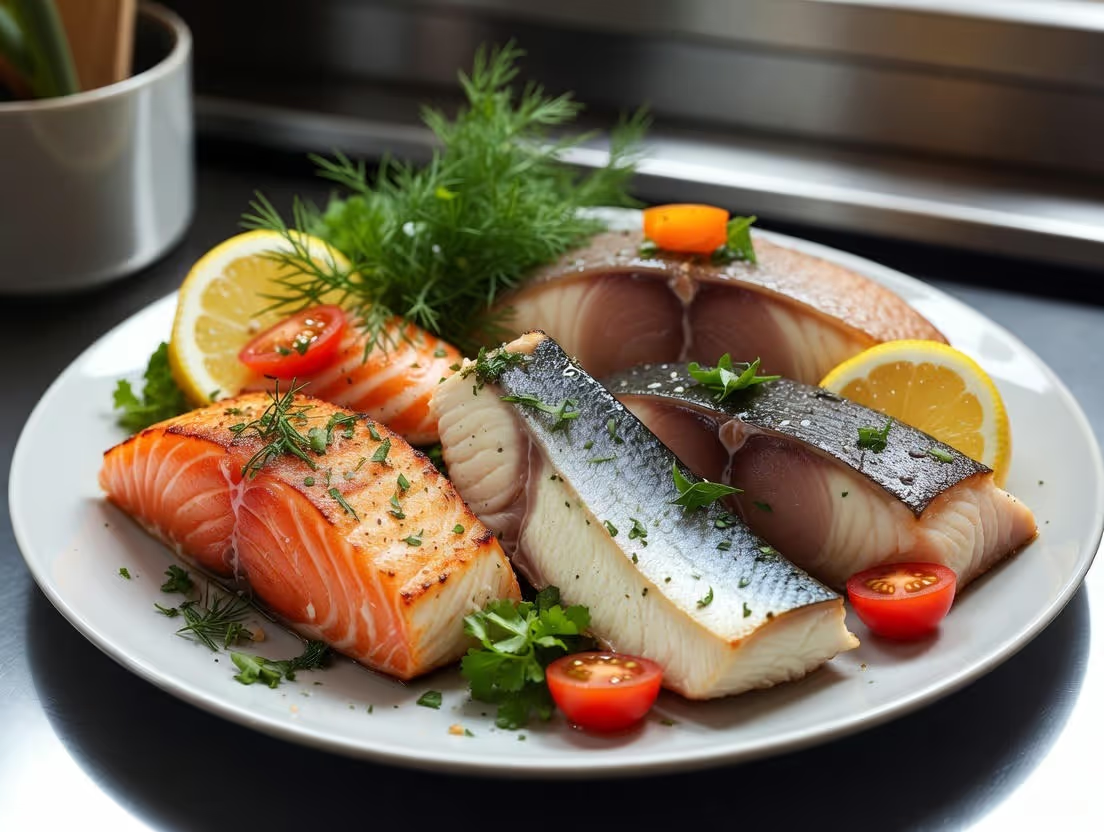
While a heavy, greasy meal before bed is a recipe for disrupted sleep, a light serving of the right kind of fish can be a game-changer. Salmon, mackerel, trout, and sardines are more than just lean protein; they are treasure troves of two critical nutrients for sleep regulation: omega-3 fatty acids and vitamin D. The combination of these two creates a powerful synergy that supports stable mood, reduces inflammation, and directly influences sleep-controlling areas of the brain.
The Deep-Sea Connection to Deep Sleep:
A landmark study in the Journal of Sleep Research found that higher blood levels of DHA (a specific type of omega-3) were associated with better sleep quality, including less disrupted sleep. Furthermore, individuals with higher fish consumption reported easier time falling asleep and better daytime functioning.
How They Work:
The Best Ways to Consume Fatty Fish for Sleep:
Aim to include a 3-4 ounce serving of fatty fish in your dinner 2-3 times per week. The goal is a light, early dinner—finishing at least 3 hours before bedtime to allow for digestion.
The Data-Driven Approach: Imagine Mark, an engineer who is meticulous about his health data. He noticed a dip in his deep sleep scores on his wellness tracker during winter months. Research led him to suspect a seasonal vitamin D deficiency. He increased his intake of fatty fish and began tracking his dietary inputs alongside his Oxyzen sleep data. Over several weeks, he observed a gradual rebound in his deep sleep metrics, visually correlating his dietary change with improved sleep quality—a powerful personal validation of the food-sleep link. For others curious about how such tracking works, our FAQ page answers common questions about sleep stage accuracy and data interpretation.
Sometimes, the best solutions are found in simple, wholesome packages. The humble almond is a perfect example—a true nutritional powerhouse for sleep. More than just a satisfying crunch, almonds deliver a one-two punch of two of the most important sleep-supporting nutrients: magnesium and tryptophan.
Why a Handful Before Bed is More Than a Snack:
Research, including a study published in the Journal of Orthomolecular Medicine, suggests that magnesium deficiency can lead to restless sleep and frequent awakenings. Supplementing with magnesium has been shown to improve sleep quality, especially in those with low levels. Almonds provide a delicious, food-first source.
How They Work:
Incorporating Almonds for Optimal Effect:
A small serving is key—about 1 ounce (roughly 23 almonds) consumed 60-90 minutes before bed.
A Story of Restless Legs Relief: Consider the experience of Lisa, who often suffered from restless legs and mind-racing anxiety at bedtime. Upon learning about magnesium's role, she began having a small portion of almonds with a cup of chamomile tea as her evening ritual. The physical act of slowing down to eat mindfully, combined with the magnesium from the nuts, helped ease the restless sensations and quiet her mind. She documented this change in her wellness journey, sharing that real customer stories like hers often highlight how simple interventions can have profound effects.
It may seem improbable that a fuzzy, bright green fruit could be a secret weapon for sleep, but kiwifruit’s reputation in the sleep research community is well-earned. A study from Taiwan’s Taipei Medical University found that adults who ate two kiwifruits one hour before bedtime for four weeks fell asleep 42% faster, slept more soundly, and increased their total sleep time by 13%. These are staggering results from a simple piece of fruit.
Unpacking the Green Machine's Sleep Magic:
Kiwifruit’s potency comes from a unique combination of sleep-promoting compounds that work on multiple fronts.
How They Work:
Making Kiwifruit a Nightly Habit:
The research points to two kiwifruits, consumed about one hour before bed, as the effective dose.
The International Sleep Aid: This humble fruit’s effectiveness underscores a universal truth in wellness: powerful solutions are often found in nature’s pantry, not just a pharmacy. It aligns with a global perspective on health, much like the vision behind Oxyzen, whose story is one of integrating global wellness insights with cutting-edge technology. For those traveling or dealing with jet lag, kiwifruit can be a readily available, natural tool to help reset sleep cycles.
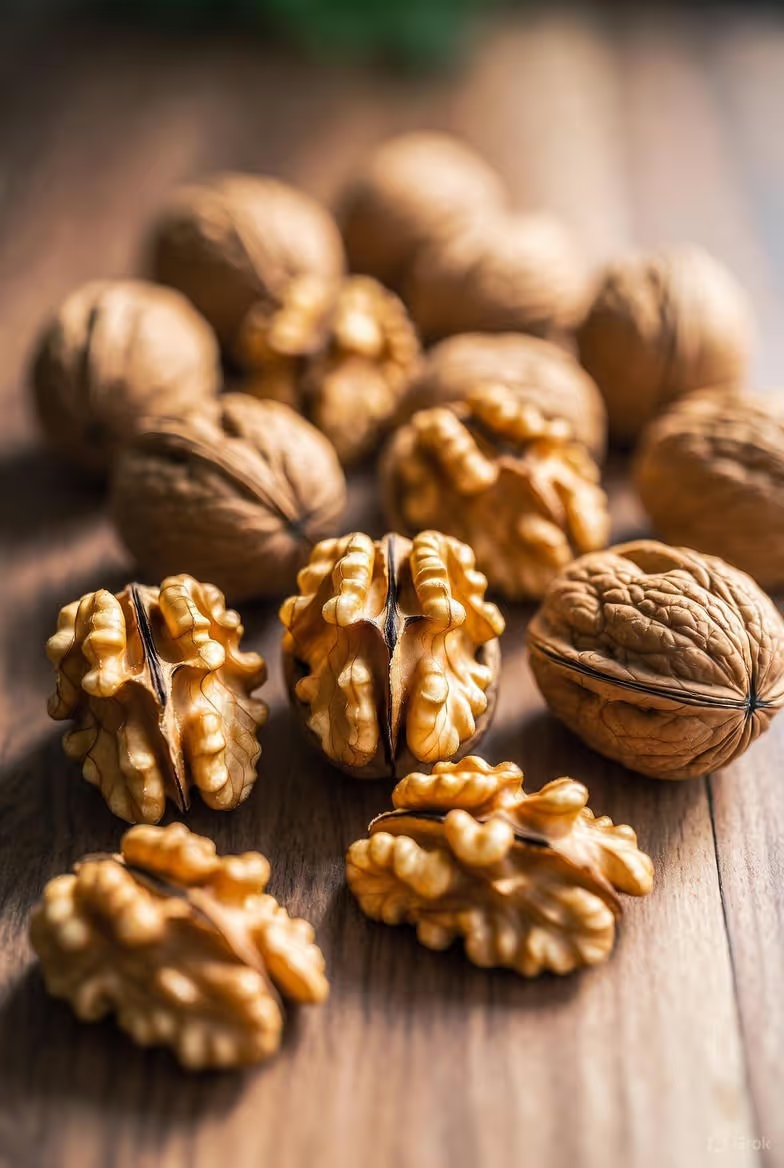
If you're looking for a brain-shaped food to help your brain rest, look no further than the walnut. Beyond the folk wisdom, solid science confirms that walnuts are a unique plant source of melatonin that your body can readily use. Research from the University of Texas Health Science Center found that consuming walnuts increased blood levels of melatonin, and subsequently improved sleep quality in animal studies.
How the Walnut Works Its Nighttime Magic:
Walnuts contribute to sleep through a multi-faceted nutritional profile.
The Right Way to Nibble on Walnuts for Sleep:
A small portion is key due to their calorie density. A serving of about 1 ounce (roughly 7 whole walnuts or 14 halves) in the evening is sufficient.
Beyond Sleep: The Cognitive Bonus: The beauty of walnuts is their dual benefit. The same DHA and antioxidants that support sleep are also neuroprotective, potentially supporting long-term cognitive health. It’s a perfect example of a food that benefits you both during the night's restoration and the day's performance. For individuals tracking holistic wellness metrics, noticing improvements in both sleep scores and daytime focus scores on a platform like Oxyzen’s dashboard can be incredibly motivating, showcasing the interconnected nature of these systems.
Moving from solid foods to liquids, herbal teas represent one of the most ancient and gentle approaches to calming the mind and preparing for sleep. Among them, passionflower (Passiflora incarnata) stands out for its specific, science-backed action on the brain's GABA system. Unlike a food you eat, this is a ritual you drink—a warm, mindful practice that signals the transition from day to night.
The Calming Vine's Clinical Credentials:
Multiple human studies have validated passionflower's anxiolytic (anxiety-reducing) and sedative properties. A double-blind study published in Phytotherapy Research found that passionflower tea was as effective as a common anti-anxiety medication (oxazepam) in treating generalized anxiety disorder, with fewer side effects like daytime drowsiness.
How It Works:
Passionflower contains bioactive compounds, including chrysin and other flavonoids, that appear to increase levels of GABA (gamma-aminobutyric acid) in the brain. As your brain's primary inhibitory neurotransmitter, GABA reduces neuronal excitability. When GABA binds to its receptors, it has a calming, quieting effect. Think of it as turning down the volume on a hyperactive mind. By boosting GABA activity, passionflower tea directly addresses the anxiety and mental chatter that are among the most common barriers to falling asleep and entering deep sleep.
Brewing the Perfect Cup for Sleep:
Timing and preparation are everything for maximizing benefit.
Creating a Ritual, Not Just a Remedy: The power of passionflower tea is amplified by the ritual itself. The act of boiling water, steeping the tea, and sitting quietly to sip it is a form of mindfulness—a deliberate slowing down. This behavioral cue is as important as the phytochemicals. It’s a practice in digital detox and presence, creating the mental space for sleep to arrive. This philosophy of intentional living and using technology as a supportive tool, not a distraction, is core to the vision and values behind our development at Oxyzen.
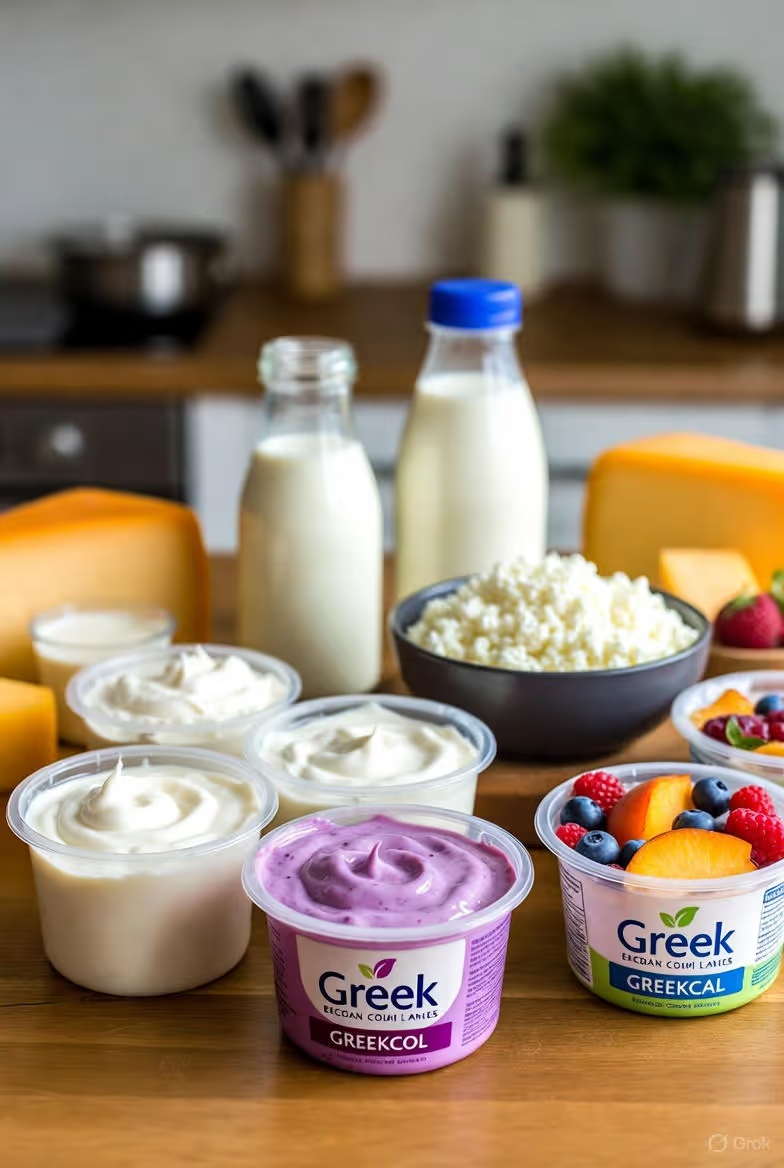
The idea of dairy before bed is steeped in tradition (think warm milk), but modern nutritional science points us toward more optimal choices within the dairy aisle. Enter Greek yogurt and cottage cheese. They are exceptional not just for their calcium content (which helps the brain use tryptophan), but for their specific protein profile, which provides a unique, sustained nocturnal nourishment.
The Overnight Repair Shake from Within:
The magic lies in casein protein. Casein, which makes up about 80% of the protein in dairy, is a slow-digesting protein. It forms a gel-like substance in the stomach, leading to a slow, steady release of amino acids into the bloodstream over several hours—a process that can last throughout the night.
How They Work:
Choosing and Consuming Your Nighttime Dairy:
Opt for plain, unsweetened versions to avoid blood sugar spikes from added sugars. A ½ to ¾ cup serving about 60 minutes before bed is ideal.
The Athlete's Edge: For the fitness enthusiast, this is a strategic tool. Consuming a casein-rich snack before bed isn't just about sleep; it's about maximizing the body's anabolic (building) window during deep sleep. Tracking the correlation between this dietary habit, improved deep sleep metrics, and better next-day recovery scores or performance metrics can be a powerful motivator. It turns sleep nutrition into a key part of a training regimen. For more on how detailed biometrics can inform such regimens, our blog features articles on recovery and performance optimization.
We touched on fatty fish earlier, but sardines and mackerel deserve their own spotlight. These smaller, oily fish are nutritional powerhouses that often fly under the radar, yet they pack a concentration of sleep-supporting nutrients that is hard to beat. They are also among the most sustainable seafood choices available.
Why These Small Fish Deliver a Big Sleep Punch:
Beyond being rich in EPA/DHA omega-3s and vitamin D, sardines and mackerel offer two additional, often-overlooked minerals crucial for sleep: calcium and vitamin B12.
How They Work – The Expanded Profile:
Incorporating These Potent Fish Into Your Diet:
Their canned form makes them incredibly convenient, affordable, and shelf-stable.
The Affordable, Sustainable Superfood: Embracing these smaller fish is a choice that benefits personal health and planetary health. It's a decision rooted in wisdom and efficiency, much like choosing a wellness device that offers maximum insight without unnecessary complexity. It represents a practical, evidence-based approach to wellbeing, a principle you can discover more about in our company's founding story and vision.
This one may come as a surprise. In an era of low-carb diets, white rice is often vilified. However, from a pure sleep biochemistry perspective, its high glycemic index (GI) can be strategically used as a tool. Research, including a study in the American Journal of Clinical Nutrition, found that consuming high-GI meals (like jasmine rice) 4 hours before bedtime significantly shortened the time it took to fall asleep compared to a lower-GI meal.
Understanding the Carbohydrate Paradox:
The mechanism here is all about insulin and tryptophan transport.
How to Use White Rice Strategically (Not Liberally):
The key is timing, portion, and context. This is not a license for a huge, heavy plate of rice right before bed.
A Tool, Not a Staple: This approach is best viewed as a tactical intervention for those specifically struggling with sleep onset insomnia, not a daily dietary cornerstone. It exemplifies the nuance in nutritional science: a food isn't inherently "good" or "bad"; its effect depends on context, timing, and the individual's goals. Tracking your body's response to such meals with a detailed wellness tracker can help you determine if this strategy works for your unique physiology.
We conclude our foundational list with perhaps the most universally recommended food group in all of nutrition: dark leafy greens. Kale, spinach, Swiss chard, collard greens, and turnip greens are the unsung background heroes of a healthy sleep diet. While they may not have an immediate, acute sedative effect like tart cherry juice or passionflower tea, they provide the essential mineral substrate that makes all the other sleep biochemistry possible. Think of them as the foundational infrastructure for quality sleep.
Building a Mineral-Rich Foundation for Sleep:
Chronic, subclinical magnesium deficiency is surprisingly common and is a stealthy thief of good sleep. Dark leafy greens are among the best dietary sources of both magnesium and calcium, providing them in a perfectly balanced, bioavailable package.
How They Work:
Making Greens a Daily Habit, Not a Chore:
The goal is consistent, daily inclusion, not just a large serving at night.
The Cumulative Effect: The benefit of dark leafy greens is not in a single serving but in the compound interest of daily consumption. They build a resilient, mineral-replete system that is less reactive to stress and more capable of sliding effortlessly into deep, restorative sleep cycles. This philosophy of foundational, daily habits supported by insightful data is at the core of a modern wellness journey. To see how others have built such habits, browse real user experiences and testimonials that often highlight the power of combining nutrition with informed tracking.
One of the most common questions after learning what to eat is, “When should I eat it?” The answer is nuanced, breaking the simplistic “never eat before bed” rule into a more sophisticated strategy. Your approach should differ based on whether you’re having a full meal or a targeted, sleep-supportive snack.
The “Last Big Meal” Rule: Finish 3 Hours Before Bed
For your primary dinner, the classic advice holds strong scientific merit. Your core evening meal should conclude at least 2.5 to 3 hours before you intend to fall asleep.
The Strategic Pre-Bed Snack: The 60-Minute Window
Contrary to the blanket “no eating before bed” rule, a small, strategically chosen snack 45-90 minutes before bed can be profoundly beneficial for many people, especially those who struggle with sleep maintenance (waking up in the middle of the night).
Listening to Your Body & Data: This is not one-size-fits-all. Some individuals, particularly those with slow digestion or GERD, may truly need a strict 4-hour fasting window. Others may find a light snack essential. This is where personal tracking becomes invaluable. Using a device like the Oxyzen ring can help you correlate your evening eating patterns with objective sleep metrics—specifically, sleep onset latency (how long it takes to fall asleep) and sleep continuity. You might discover, for instance, that a 3-hour meal gap plus a small almond snack 60 minutes before bed yields your highest deep sleep percentage. This data-driven personalization is the future of effective sleep hygiene.
While each food we’ve discussed is powerful on its own, their effects can be amplified through strategic combination. This concept, “sleep synergy,” uses the interplay of nutrients to enhance absorption, improve neurological pathways, and create a more robust sleep signal than any single food could provide.
Here are three research-backed, delicious “Sleep Synergy” formulas:
1. The Melatonin Booster Bowl
2. The GABA & Magnesium Calming Elixir
3. The Omega-3 & Tryptophan Deep Sleep Dinner
Experimenting with these synergistic combinations and noting how you feel—and how you sleep—is key. For more recipe ideas and combinations, our blog is a growing resource for practical, science-backed wellness routines.
To build a strong house for sleep, we must not only gather the right materials but also remove the termites. Certain common dietary elements are notorious for fragmenting sleep, reducing deep sleep duration, and disrupting circadian rhythms. Awareness is your first line of defense.
1. Caffeine: The Long-Lasting Antagonist
2. Alcohol: The Deceptive Sedative
3. High-Sugar and Refined Carbohydrate Foods
4. Heavy, High-Fat, and Spicy Foods
Tracking the Culprits: Just as you can track the positive impact of sleep-promoting foods, you can track the negative impact of these saboteurs. Note your consumption of alcohol or late caffeine in a journal or app, and see if your sleep score and deep sleep graph on your wellness tracker show a correlation the following morning. This objective feedback is often the most powerful motivator for change.
Perhaps the most exciting frontier in sleep science is the understanding of the gut-brain axis and its direct influence on sleep. Your gut microbiome—the trillions of bacteria residing in your intestines—is in constant, bidirectional communication with your brain via the vagus nerve, immune system, and microbial metabolites. This communication heavily influences sleep regulation.
How Your Gut Bacteria Influence Sleep:
Feeding Your Sleep-Positive Microbiome:
The foods we eat directly feed and shape our microbial communities. To cultivate a sleep-supportive gut, focus on:
The Vicious Cycle: Poor sleep can also damage your gut microbiome, reducing its diversity. This creates a vicious cycle: poor sleep → worse gut health → worse sleep. Breaking this cycle requires a two-pronged approach: improving sleep habits and improving gut nutrition. This holistic view of interconnected systems is central to modern wellness approaches. Companies focused on comprehensive health, like Oxyzen, whose mission integrates multiple biometrics, understand that sleep cannot be fully optimized without considering these foundational physiological connections.
There is no universal “deep sleep diet.” Your individual physiology, lifestyle, and health status will determine which foods and strategies are most effective for you. Consider these key factors:
1. Age: As we age, natural melatonin production declines, and sleep architecture changes, with less time spent in deep sleep. Therefore, foods rich in phytomelatonin (tart cherries, walnuts) and those supporting melatonin precursor availability (kiwi, tryptophan-rich foods) may become increasingly important.
2. Activity Level: Athletes and highly active individuals have greater needs for muscle repair and glycogen replenishment during sleep. For them, the slow-release casein protein in Greek yogurt/cottage cheese and carbohydrate timing are especially crucial to support recovery and prevent nocturnal awakenings from hunger or low blood sugar.
3. Stress Levels: Individuals under chronic high stress have elevated cortisol, which directly opposes melatonin and disrupts sleep cycles. For them, prioritizing magnesium-rich foods (leafy greens, almonds, dark chocolate) and GABA-supportive foods/herbs (passionflower tea) is essential to dampen the stress response and promote nervous system calm.
4. Digestive Sensitivity: Those with IBS, GERD, or slow digestion must be extra mindful of timing and food choices. They may benefit more from easily digestible, low-FODMAP sleep snacks like a small kiwi or a cup of bone broth (rich in glycine, another sleep-promoting amino acid) and need a longer fasting window before bed.
5. Gender and Hormonal Fluctuations: Women, particularly during the luteal phase of the menstrual cycle, pregnancy, or perimenopause, may experience altered sleep due to hormonal shifts. Magnesium can be particularly helpful for PMS-related sleep issues and night sweats. The stable blood sugar support from balanced meals is also critical during these times.
Starting Your Personal Experiment: Begin with one or two of the most appealing strategies from this guide. Introduce tart cherry juice or a handful of almonds before bed for one week. Observe your subjective feeling upon waking. If you use a sleep tracker, note any changes in your deep sleep or sleep consistency. Then, add or adjust another variable. This methodical, data-informed approach allows you to build a personalized sleep nutrition protocol that delivers real, measurable results. For support in understanding your unique data patterns, our FAQ section provides detailed guidance on metric interpretation.
Nutrition is a powerhouse lever for improving deep sleep, but it works best as part of a coordinated routine. Think of it as the fuel in a high-performance vehicle; the vehicle itself (your body and mind) also needs proper maintenance and a good driver. Here’s how to integrate your new dietary habits with other essential sleep hygiene practices:
1. The Wind-Down Ritual: Your pre-bed snack should be part of a larger, consistent 60-minute wind-down routine. This signals to your nervous system that it’s time to shift into rest mode.
* Sequence Example: Finish dinner 3 hours before bed. At T-60 minutes: Drink passionflower tea with a few dark chocolate squares while reading a physical book (no screens). At T-30 minutes: practice 5 minutes of deep breathing or gentle stretching. Then, go to bed.
2. Light Exposure Management: Light is the primary regulator of your circadian rhythm. The melatonin production you’re nurturing with food can be easily sabotaged by blue light.
* Strategy: Get bright, natural light exposure first thing in the morning. Dim indoor lights in the evening. Use blue-light blocking glasses or enable night mode on devices 2 hours before bed. Ensure your bedroom is pitch black.
3. Temperature Regulation: Remember, a drop in core temperature is necessary for sleep onset. Your bedtime snack should not be a hot, heavy meal that raises your temperature.
* Strategy: Take a warm bath or shower 60-90 minutes before bed. As you leave the bath, your body temperature drops, mimicking the natural pre-sleep dip. Keep your bedroom cool (around 65°F or 18°C).
4. Consistency is King: Your gut microbiome and circadian rhythm thrive on regularity. Try to eat meals, consume your sleep snack, and go to bed/wake up at roughly the same time every day, even on weekends. This regularity strengthens all the biological signals for sleep.
By combining strategic nutrition with these behavioral pillars, you create a synergistic effect far greater than the sum of its parts. This integrated approach is what leads to transformative, sustainable improvements in sleep quality. It’s the embodiment of a proactive wellness lifestyle, leveraging both ancient wisdom and modern technology. To see how this holistic philosophy is put into practice through product design, you can learn more about the integrated approach behind our smart ring technology.
As you embark on this journey, practical questions will arise. Let’s address some of the most common hurdles.
Q: “What if I’m not hungry before bed? Do I still need a snack?”
A: No. The pre-bed snack is a tool for those who benefit from it. If you’re not hungry and you sleep well, your body is likely signaling that it doesn’t need it. Focus instead on the composition and timing of your last main meal.
Q: “I have a small stomach. What’s the absolute smallest, most effective snack?”
A: Two top contenders: 1) A single kiwi fruit. It’s small, hydrating, and packed with serotonin and antioxidants. 2) A tablespoon of tart cherry concentrate. Just sip it straight or diluted in an ounce of water for a potent melatonin boost without volume.
Q: “Can I just take supplements instead (melatonin, magnesium, GABA)?”
A: Supplements can be useful in specific, short-term situations (like jet lag) or under medical guidance for deficiencies. However, whole foods offer a superior, balanced approach. They provide the nutrients in their natural matrix, alongside co-factors and fibers that optimize absorption and utilization. They also avoid the risk of dependence or disrupting your body’s own production rhythms. Food-first is always the best foundation.
Q: “How long will it take to see results from changing my diet?”
A: Some effects, like the GABA boost from passionflower tea, can be felt the same night. For broader changes in sleep architecture through improved nutrient status and gut health, give it at least 2-3 weeks of consistent practice. The body needs time to adjust biochemical pathways and for your microbiome to begin shifting.
Q: “I tried these foods and still have poor sleep. What’s wrong?”
A: Nutrition is a critical piece, but not the only piece. Underlying conditions like sleep apnea, chronic stress disorders, or certain medications can override dietary interventions. If you’ve diligently improved your diet and sleep hygiene for a month without progress, it’s essential to consult a healthcare professional or a sleep specialist. Your data from a wellness tracker can be an invaluable tool to bring to such a consultation, providing an objective record of your sleep patterns.
Your Trusted Sleep Advocate: Sleep Foundation — https://www.sleepfoundation.org
Discover a digital archive of scholarly articles: NIH — https://www.ncbi.nlm.nih.gov/
39 million citations for biomedical literature :PubMed — https://pubmed.ncbi.nlm.nih.gov/
Experts at Harvard Health Publishing covering a variety of health topics — https://www.health.harvard.edu/blog/
Every life deserves world class care :Cleveland Clinic - https://my.clevelandclinic.org/health
Wearable technology and the future of predictive health monitoring :MIT Technology Review — https://www.technologyreview.com/
Dedicated to the well-being of all people and guided by science :World Health Organization — https://www.who.int/news-room/
Psychological science and knowledge to benefit society and improve lives. :APA — https://www.apa.org/monitor/
Cutting-edge insights on human longevity and peak performance:
Lifespan Research — https://www.lifespan.io/
Global authority on exercise physiology, sports performance, and human recovery:
American College of Sports Medicine — https://www.acsm.org/
Neuroscience-driven guidance for better focus, sleep, and mental clarity:
Stanford Human Performance Lab — https://humanperformance.stanford.edu/
Evidence-based psychology and mind–body wellness resources:
Mayo Clinic — https://www.mayoclinic.org/healthy-lifestyle/
Data-backed research on emotional wellbeing, stress biology, and resilience:
American Institute of Stress — https://www.stress.org/


