


10 Wellness for Professionals Strategies That Improve Your Ring Readiness Score
Ten professional wellness strategies that improve your ring's readiness score.
Ten professional wellness strategies that improve your ring's readiness score.
%402x.svg)
In the high-stakes arena of modern professional life, success is no longer measured solely by output and revenue. A new, more holistic metric is emerging from the intersection of biotechnology, data science, and peak performance psychology: your Ring Readiness Score. For the driven professional equipped with a smart ring, this single, comprehensive number—generated from a symphony of physiological data—isn't just feedback; it’s a strategic asset. It’s your body’s daily briefing on its operational capacity for stress, creativity, decision-making, and resilience. A high score signals a system primed for excellence. A low score is a critical alert that you’re running on borrowed energy, eroding your most valuable professional tool—yourself.
Yet, for many, this data remains an untapped resource or a source of frustration. You see the score fluctuate, but the connection between your daily choices and its algorithm feels opaque. The gap between knowing your readiness and optimizing for it is where true competitive advantage is forged. This guide bridges that gap. We will deconstruct the ten core wellness strategies that directly and powerfully influence the biometric pillars of your Ring Readiness Score. This isn’t about generic health advice; it’s a tactical playbook for professionals who want to translate deliberate wellness investments into unparalleled cognitive function, emotional stability, and sustained performance. Consider this your masterclass in biohacking your professional potential, with your smart ring as your chief intelligence officer.
Before we engineer improvement, we must understand the machinery. Your Ring Readiness Score is a sophisticated composite index, not a random number. It synthesizes key physiological signals your smart ring monitors continuously, each a chapter in the story of your nervous system’s state. Think of it as your body’s internal credit score for energy expenditure.
At its core, the score heavily weights Heart Rate Variability (HRV). HRV is the nuanced time variation between successive heartbeats, governed by your autonomic nervous system. A higher, more variable HRV indicates strong parasympathetic (“rest-and-digest”) tone—your body is resilient, adaptable, and recovered. A suppressed HRV signals dominant sympathetic (“fight-or-flight”) activity, meaning you’re in a state of stress or recovery debt. Your ring tracks this overnight to assess your true recovery status. Resting Heart Rate (RHR) is another cornerstone. A lower RHR typically suggests better cardiovascular fitness and efficient autonomic regulation. A creeping elevation can signal impending illness, overtraining, or chronic stress accumulation.
Next is sleep architecture. The score doesn’t just count hours; it analyzes quality. It looks at the proportion of deep (slow-wave) sleep, which is critical for physical repair and immune function, and REM sleep, essential for memory consolidation, emotional processing, and creativity. Frequent awakenings, insufficient deep sleep, or disrupted sleep cycles directly tank your readiness. Finally, body temperature trends and respiratory rate provide additional context. A elevated nocturnal temperature can indicate immune system activation or poor sleep hygiene, while an erratic respiratory rate can be a proxy for stress or sleep disturbance.
The profound implication for professionals is this: Your readiness score is a direct reflection of your biological capacity for leadership. A high score means your prefrontal cortex—the seat of executive function, strategic thinking, and emotional regulation—has the metabolic support and neural calm to operate at its peak. A low score means you’re likely operating from your reactive amygdala, prone to impulsive decisions, diminished creativity, and interpersonal friction. Therefore, optimizing for your Ring Readiness isn’t self-care in a frivolous sense; it’s performance care. It’s the deliberate management of your human operating system. The strategies that follow are the code updates.
For the high-achieving professional, sleep is the ultimate non-negotiable performance enhancer. It’s when your brain flushes metabolic waste via the glymphatic system, consolidates the day’s learning into long-term memory, and resets your emotional baseline. Your smart ring’s readiness algorithm knows this, which is why sleep quality is perhaps the single largest input into your morning score. Strategic sleep hygiene moves beyond “get 8 hours” to a precision protocol.
Begin with light discipline. Your circadian rhythm is orchestrated by light exposure. The blue wavelength from screens in the evening suppresses melatonin, delaying sleep onset and degrading quality. Implement a digital sunset 90 minutes before bed. Use blue-light blocking glasses if evening work is unavoidable, and ensure your first hour of the day includes exposure to bright, natural morning light to firmly set your circadian clock. This simple practice directly improves sleep depth, which you’ll see reflected in your ring’s sleep stage analysis.
The thermal environment is equally critical. Core body temperature must drop to initiate and maintain sleep. A cool bedroom (around 65°F or 18°C) is ideal. Consider a warm bath 1-2 hours before bed; the subsequent rapid cooldown mimics the natural circadian temperature drop and can signal powerful sleepiness. Your smart ring’s skin temperature data can help you pinpoint your ideal sleeping climate. For those who naturally sleep hot, specialized strategies are needed. If you find yourself constantly overheating, you can explore dedicated sleep improvement for hot sleepers cooling strategies to stabilize your core temperature throughout the night.
Finally, cultivate a pre-sleep buffer ritual. This is a 20-30 minute period of deliberate wind-down, transitioning your nervous system from sympathetic to parasympathetic dominance. This is not scrolling through news or answering “one last email.” It could be gentle stretching, reading fiction (physical book), meditation, or journaling to download the day’s mental chatter. The consistency of the ritual is as important as the activities themselves; it becomes a conditioned cue for your body to begin the recovery process. This behavioral approach to sleep is far more sustainable than relying on willpower alone, a concept explored in depth in our resource on sleep improvement through behavior change not willpower.
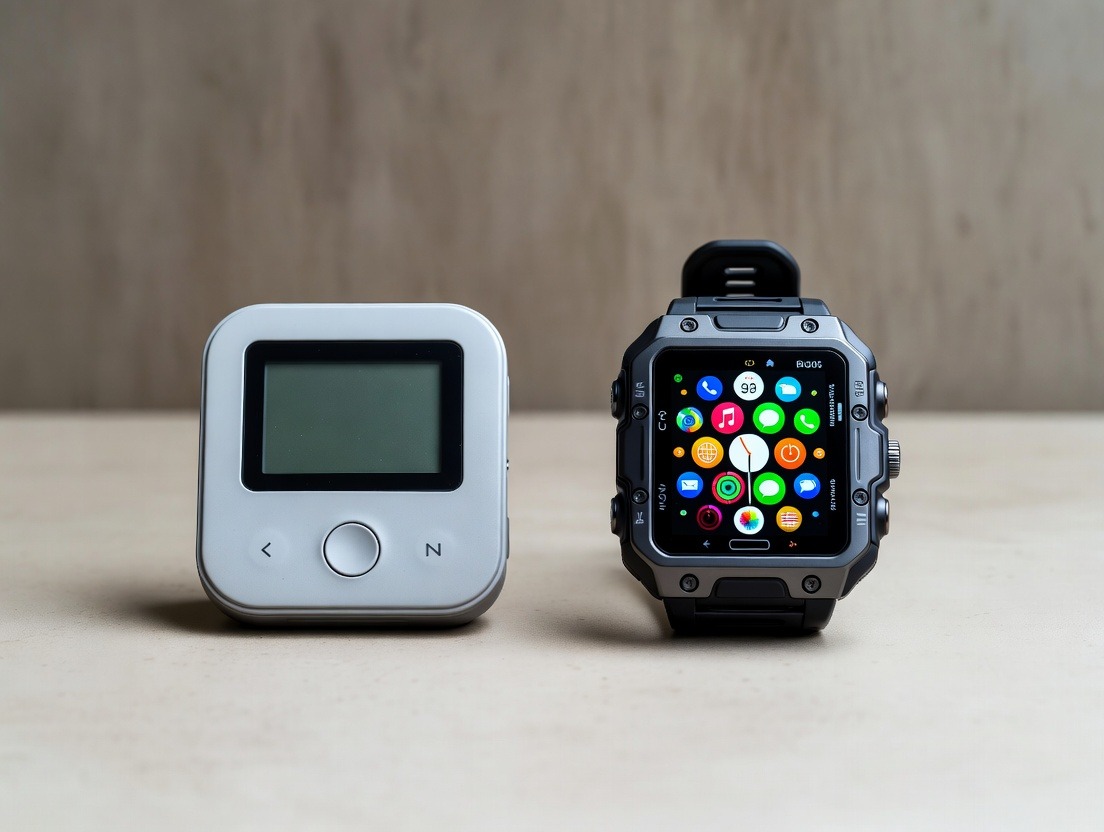
Professional stress is inevitable; physiological distress is not. The key differentiator for Ring Readiness is not the absence of stressors, but your system’s ability to process and discharge stress efficiently, preventing it from accumulating and becoming chronic. Chronic stress flattens your HRV, elevates your RHR, and fragments your sleep—a trifecta that devastates your readiness score. Mastery involves managing stress in real-time throughout the day’s natural rhythm.
Understand your cortisol curve. This crucial hormone should peak shortly after waking (providing energy and alertness), decline gradually throughout the day, and reach its nadir at night to permit sleep. Chronically stressed professionals often have a blunted morning peak (leading to fatigue) and elevated evening levels (preventing sleep). You can support a healthy curve by aligning activities with your biology: vigorous work and challenging tasks in the morning, collaborative meetings in the afternoon, and low-stimulus, relaxing activities in the evening. For a complete framework on how your nervous system processes daily demands, consider reading our guide on the neuroscience of daily stress complete framework.
Incorporate stress reset micro-practices. Instead of waiting for overwhelm, build brief, intentional pauses into your calendar to discharge tension before it accumulates. This could be a 90-second box-breathing exercise (inhale 4, hold 4, exhale 6, hold 2) between meetings, a 5-minute walk outside without your phone, or simply pausing to notice three physical sensations in your body. These “pressure release valves” prevent sympathetic nervous system overload and help maintain a higher, more resilient HRV throughout the workday, which your ring will detect as improved stress recovery overnight.
Crucially, you must decouple from work stress in the evening. The “always-on” mentality creates a state of chronic low-grade threat. Implement a concrete shutdown ritual at the end of your workday: review completed tasks, set intentions for tomorrow, and physically close your laptop or leave your workspace. This cognitive closure signals to your brain that the “threat” period is over, allowing the parasympathetic system to engage for recovery. Failing to do this directly creates the vicious cycle where daily stress and sleep breaking vicious cycle erodes both your rest and your next day’s resilience.
Food is information that directly programs your metabolism, inflammation levels, and, by extension, your physiological readiness. The modern professional’s diet is often one of convenience—high in processed carbs, inflammatory oils, and erratic timing—that creates energy spikes and crashes, digestive strain, and systemic inflammation. All of this registers as stress on your smart ring. Strategic nutrition focuses on stabilizing blood glucose and reducing inflammatory load to support a calm, resilient nervous system.
Prioritize protein and healthy fats at breakfast. Skipping breakfast or consuming a sugary, carb-heavy meal (toast, cereal, pastries) causes a rapid blood sugar spike and subsequent crash mid-morning, triggering cortisol release and initiating a cycle of cravings and fatigue. A breakfast rich in protein (eggs, Greek yogurt, protein shake) and fats (avocado, nuts, olive oil) provides steady, sustained energy and satiety, preventing disruptive glucose volatility that can negatively impact your daytime HRV metrics.
Practice strategic carbohydrate timing. Carbohydrates are not the enemy, but their timing matters. Consuming the majority of your complex carbs (sweet potatoes, rice, oats, quinoa) around your exercise sessions or in the evening can be beneficial. Evening carbs can facilitate the uptake of tryptophan into the brain, promoting serotonin and melatonin production, which supports sleep. This aligns with the concept that sleep improvement through nutrition food sleep connection is a powerful lever for readiness. Conversely, a large, high-carb, high-fat lunch can lead to a significant post-prandial energy dip, hampering afternoon productivity.
Hydrate strategically, not reactively. Chronic, low-grade dehydration increases cortisol, reduces blood volume (making your heart work harder, elevating RHR), and impairs cognitive function. Aim for consistent water intake throughout the day, not just when thirsty. A useful guideline is to consume approximately half your body weight (in pounds) in ounces of water. Limit diuretics like excessive caffeine and alcohol, especially in the hours before bed, as they can degrade sleep quality and disrupt your ring’s hydration and temperature insights.
Exercise is a potent dial for your Ring Readiness Score, but it’s a double-edged sword. The right dose enhances cardiovascular fitness, lowers RHR, improves stress resilience, and deepens sleep. The wrong dose—excessive volume, intensity, or poor timing—becomes a massive physiological stressor, crushing your HRV and leaving you in a state of recovery debt. For the professional, exercise must be programmed intelligently, not compulsively.
Honor the data from your ring. This is your most personalized feedback. If your readiness score is low despite adequate sleep, and your HRV is suppressed, this is a clear signal from your body to prioritize recovery. On such days, replace a planned intense workout with gentle movement like walking, yoga, or mobility work. “Listening to your body” is no longer vague; it’s quantified. Ignoring these signals and pushing through will only dig a deeper recovery hole, impacting your cognitive sharpness for days.
Embrace low-intensity steady state (LISS) cardio. For professionals whose primary stress is mental/emotional, adding more high-intensity stress (HIIT) can be counterproductive. LISS—like brisk walking, easy cycling, or hiking—provides cardiovascular benefits, enhances mitochondrial function, and promotes parasympathetic activity without the significant systemic stress of HIIT. A daily 30-45 minute walk, especially in nature, is one of the most underrated tools for improving HRV and managing daily stress management without meditation alternatives.
Time your intensity wisely. Intense training elevates cortisol and core body temperature. Scheduling HIIT or heavy strength sessions too close to bedtime can interfere with sleep onset and quality by keeping your sympathetic nervous system activated and temperature elevated. Aim to complete vigorous exercise at least 3-4 hours before bed. Morning or afternoon sessions are generally more compatible with a stable circadian rhythm and a high readiness score. The compound effect of aligning movement with other wellness habits is profound, as discussed in our article on how sleep improvement compounds with wellness habits.
The professional mind is under constant assault: endless notifications, multitasking demands, information overload, and the dopamine-driven pull of social media. This “cognitive clutter” creates a state of continuous partial attention, which is profoundly stressful to the brain. It fractures focus, depletes willpower, and keeps the nervous system in a vigilant, shallow state that erodes HRV and mental readiness. A digital detox isn’t about abandoning technology; it’s about wielding it with intention to protect your cognitive capital.
Implement monotasking blocks. The myth of productive multitasking is scientifically bankrupt. Context-switching incurs a “cognitive tax” that increases errors and mental fatigue. Use time-blocking to dedicate specific, uninterrupted periods to deep work. During these blocks, turn off all non-essential notifications, use website blockers if needed, and put your phone in another room. The resulting state of deep focus, or “flow,” is not only highly productive but also less stressful than fragmented work, promoting a calmer physiological state.
Curate your consumption. Be ruthless about your information diet. Constant exposure to news cycles and social media comparison triggers the brain’s threat detection system, generating low-grade anxiety and cortisol spikes. Designate specific, limited times to check news or social feeds, rather than grazing throughout the day. Follow accounts that educate and inspire rather than provoke outrage. This reduces unnecessary cognitive and emotional load, freeing up bandwidth for what truly matters to your work and wellbeing.
Create tech-free zones and rituals. Your brain needs unambiguous signals that it’s safe to rest. Designate your bedroom as a sacred space for sleep and intimacy only—no work emails, no doomscrolling in bed. Charge your phone outside the bedroom. Establish the first 60-90 minutes of your day as a tech-free period to set your own intention before being hijacked by external demands. This practice of “morning anchoring” is a powerful form of morning stress management setting up day for calm, directly influencing your stress trajectory and, consequently, your evening readiness metrics.
In a culture that glorifies busyness, deliberate rest is a radical act of strategic intelligence. Recovery is not the absence of work; it is a positive, generative process where the benefits of your training (both physical and cognitive) are consolidated. Without scheduled downtime, you operate in a perpetual state of deficit, which your Ring Readiness Score will mercilessly expose. Purposeful recovery involves both daily micro-rest and longer cyclical breaks.
Integrate ultradian rhythm breaks. The human brain naturally cycles in 90-120 minute intervals of high alertness followed by a period of lower focus. Fighting this rhythm leads to fatigue. Instead, work with it. After roughly 90 minutes of focused work, take a true break for 10-20 minutes. Step away from your screen, move your body, gaze into the distance, or have a non-work conversation. These breaks prevent cognitive fatigue buildup and help maintain a more stable autonomic state throughout the day.
Master the art of the “play block.” For type-A professionals, unstructured time can feel uncomfortable. Yet, play—activities done for pure enjoyment with no goal or outcome—is a powerful parasympathetic activator. Schedule time for hobbies that fully absorb you: playing music, gardening, cooking a complex meal, building models, or any activity that induces a state of playful flow. This form of active recovery is neurologically distinct from passive consumption (like TV) and can be profoundly restorative for a fatigued executive brain.
Plan cyclical deep recovery. Just as athletes have deload weeks, knowledge workers need intellectual and emotional deload periods. This could be a true weekend disconnected from work communication, a quarterly long weekend without an agenda, or strategically using vacation time not just for travel, but for genuine mental reset. The goal is to create periods long enough for chronic stress markers to fully reset. You’ll know it’s working when you return to work with a higher baseline readiness score and renewed creative clarity, breaking through any previous performance plateau, much like the principles behind sleep improvement plateau breaking through stagnation.
Your surroundings are not a passive backdrop; they are an active interface with your nervous system. Light, sound, air quality, and ergonomics send constant signals to your brain, influencing stress levels, focus, and ultimately, your physiological readiness. The professional who optimizes their primary environments—office and home—creates a foundation for sustained high performance.
Harness light for alertness and rhythm. Beyond sleep hygiene, daytime light exposure is critical. Ensure your workspace is flooded with bright, ideally natural, light. If natural light is limited, invest in a high-quality light therapy lamp (10,000 lux) for use during morning hours. This suppresses melatonin appropriately for daytime alertness and strengthens your circadian drive, leading to better sleep pressure at night. Conversely, in the evening, use warm, dimmable lights to encourage melatonin production.
Control your acoustic environment. Unpredictable, uncontrollable noise is a significant subconscious stressor, triggering micro-starts and keeping the nervous system on edge. In open offices or noisy homes, high-quality noise-canceling headphones are a worthy investment for focused work. For ambient sound, consider white noise or brown noise machines to mask disruptive sounds. Calm, predictable soundscapes reduce cortisol and help maintain a state of focused calm, which supports a healthier HRV pattern during work hours.
Prioritize air and ergonomics. Poor indoor air quality (high CO2, volatile organic compounds) can cause headaches, fatigue, and impaired cognition—all stressors. Introduce air-purifying plants, use a HEPA air purifier, and ventilate regularly. Ergonomically, a poorly set-up workstation creates physical stress that manifests as muscle tension, pain, and distraction. Invest in a proper chair, set your monitor at eye level, and use a standing desk converter to allow for movement variation. Reducing these constant, low-grade physical stressors frees up your body’s resources for recovery and resilience, a key part of preventing the daily stress and chronic disease prevention guide.
Human beings are neurobiologically wired for connection. For the ambitious professional who may prioritize solitary achievement, the quality of social relationships is a staggering yet often overlooked determinant of physiological stress and recovery. Positive, supportive social interactions release oxytocin and endorphins, buffer cortisol response, and are linked to longer, healthier lives. Conversely, loneliness and toxic relationships are profound metabolic stressors. Your smart ring, while not measuring oxytocin, will reflect the autonomic calm of connectedness through improved HRV and sleep.
Cultivate micro-moments of connection. It’s not about the quantity of social time, but the quality and safety of the interactions. A brief, genuine check-in with a colleague, a shared laugh, a moment of expressed gratitude—these “micro-connections” provide quick hits of positive neurochemistry. Actively listen during conversations without multitasking. These moments counterbalance the isolating nature of focused work and meetings, serving as daily stress buffers. The role of community is so powerful it forms the basis of strategies like sleep improvement community support accountability.
Set boundaries to protect relational energy. Not all social interaction is restorative. Energy-draining relationships, constant conflict, or a lack of boundaries (e.g., being always available) are chronic stressors. Learn to say no gracefully. Have candid conversations to resolve lingering tensions. Protect time for the relationships that truly fuel you. Managing the stress within close quarters, especially, requires specific tactics, which you can find in our guide on how to manage relationship stress while living together. The reduction in relational friction directly lowers your background stress load.
Seek shared positive experiences. Prioritize activities that create “synchrony”—shared rhythms like walking side-by-side, exercising together, or even synchronized breathing. These activities, often non-verbal, powerfully downregulate individual stress responses and foster a sense of safety. For the remote professional, this might mean a virtual co-working session or a shared online fitness class. The feeling of being “in sync” with others is a primal signal of safety to the nervous system, allowing it to shift into a recovery state more readily at day’s end.

The final, and perhaps most critical, strategy is adopting the mindset of a personal performance scientist. Your smart ring provides the data; you design the experiments. Blindly following generic wellness advice is less effective than using your unique biometric feedback to discover what your system needs. This transforms wellness from a dogma into an agile, responsive practice that evolves with your life and career demands.
Establish a baseline and track interventions. Don’t just glance at your readiness score. Use the companion app to note trends. What’s your average HRV and RHR over a calm, “good” week? Now, introduce one single change at a time—for example, a consistent 10 p.m. bedtime, a new magnesium supplement, or a daily lunchtime walk. Observe over 1-2 weeks. Does your readiness trend upward? Does your deep sleep increase? This methodical approach is the essence of running a sleep improvement experiment testing what works on yourself.
Correlate subjective feeling with objective data. Keep a simple daily journal note alongside your ring data: energy (1-10), mood, focus, and any notable events (big meeting, intense workout, argument, poor meal). Over time, you’ll uncover powerful personal patterns. You may find that “8 hours of sleep” after a high-stress day feels different than 8 hours after a relaxed day, and your HRV will show why. You might discover that a particular type of meeting consistently spikes your stress response, visible in your daytime heart rate data. This awareness allows for proactive management.
Embrace the cycle of refinement. There is no permanent, perfect routine. Life phases, project cycles, and seasons change. Your optimal routine at 30 may differ at 45. The goal is not rigidity, but responsive intelligence. When your readiness score dips for an unexplained period, instead of frustration, get curious. Review your data, hypothesize a cause (overtraining? hidden work stress? dietary change?), and test a solution. This ongoing dialogue with your own physiology is the ultimate expression of professional self-mastery, ensuring your most valuable asset—you—is perpetually tuned for the challenges and opportunities ahead.
One of the most significant yet overlooked factors influencing your Ring Readiness Score is your innate chronotype—your genetically predisposed biological rhythm that dictates your ideal times for sleep, energy, focus, and recovery. Fighting your chronotype is like swimming against a physiological tide; it creates constant, low-grade stress that suppresses HRV and undermines sleep quality. For the professional, aligning your schedule with your chronotype isn't self-indulgence—it's a strategic leverage of your natural energy architecture.
The science broadly categorizes chronotypes into three profiles, though it exists on a spectrum. Lions (morning-types) wake early with peak focus before noon, experience an afternoon dip, and wind down early. Bears (mid-types) follow the solar cycle, with peak productivity mid-morning to early afternoon. Wolves (evening-types) have a delayed rhythm, struggling in the morning but hitting their cognitive stride in the late afternoon and evening. Your smart ring data, particularly your sleep onset time, wake time consistency, and energy patterns, can help you identify your type.
Schedule your cognitive peaks. Once you identify your chronotype, you can strategically allocate tasks. A Lion should schedule deep, strategic work, important meetings, and critical decisions in the morning. A Wolf should protect the late afternoon for their most demanding analytical tasks and avoid scheduling crucial creative work at 9 a.m. Attempting high-stakes negotiation or complex problem-solving during your biological trough is inefficient and stressful, leading to poorer outcomes and a higher physiological cost, which your ring will record as elevated stress and poorer recovery.
Respect your chronotype for meetings and collaboration. Team dynamics can clash with chronotype diversity. A morning-type manager scheduling all hands-on-deck meetings at 8 a.m. is inadvertently handicapping their evening-type contributors. Where possible, advocate for flexibility. Record important briefings for asynchronous viewing. Schedule collaborative sessions during "overlap hours" that are tolerable for all types (e.g., 10 a.m. - 3 p.m.). Managing your workday to accommodate your natural rhythm is a core component of effective daily stress management for high performers, as it reduces the friction between your biology and your obligations.
Adjust your wellness practices accordingly. A Wolf forcing a 5 a.m. gym session will experience it as a massive stressor, potentially harming readiness. That same workout at 6 p.m. might be energizing and sleep-promoting. Similarly, meal timing and caffeine intake should be synchronized. A Wolf can likely tolerate caffeine later in the day than a Lion, whose system needs an earlier cutoff. This principle of timing is everything, mirroring the insights found in our exploration of how sleep improvement through timing when matters most. By flowing with your innate rhythm, you reduce systemic stress and create conditions for your readiness score to flourish.
Water is the medium for every metabolic and electrical process in your body. For the professional brain, which is approximately 75% water, even mild dehydration (a loss of 1-2% of body water) impairs concentration, short-term memory, and critical thinking, while increasing perception of task difficulty and fatigue. This cognitive strain translates into a stress response. Furthermore, dehydration thickens the blood, forcing the heart to work harder, which can elevate your resting heart rate—a direct negative input into your Ring Readiness algorithm. Strategic hydration is therefore a direct biohack for cognitive performance and physiological calm.
Move from reactive to proactive hydration. Thirst is a late-stage signal of dehydration. By the time you feel thirsty, cognitive performance has already begun to decline. Implement a system that ensures consistent intake. Start your day with 16-20 ounces of water upon waking to replenish the overnight fluid loss. Keep a marked water bottle on your desk and aim to finish it by a certain time (e.g., one liter by noon). Use technology: set hourly reminders if needed. The goal is to maintain a steady state of hydration, preventing the energy and focus dips that accompany the dehydration-rehydration cycle.
Understand electrolytes are the gatekeepers. Hydration isn't just about H2O; it's about fluid balance inside and outside your cells, governed by electrolytes—sodium, potassium, magnesium. Drinking large amounts of plain water without electrolytes, especially if you sweat from exercise or are under stress (which uses up magnesium), can dilute electrolyte concentration, a condition called hyponatremia, which is dangerous. For optimal cellular function and nerve transmission, add a pinch of high-quality salt to your water, or use a sugar-free electrolyte supplement, particularly on high-stress days, after intense workouts, or when consuming caffeine.
Monitor hydration cues via your ring. While smart rings don't directly measure hydration, they provide proxies. A sudden, unexplained spike in your resting heart rate, especially accompanied by a feeling of "brain fog," can often be traced to dehydration. Poor sleep quality or increased nighttime wakefulness can also be linked to being under-hydrated (or paradoxically, over-hydrated right before bed leading to disruptive bathroom trips). By cross-referencing your hydration habits with your readiness and sleep data, you can pinpoint your personal optimal intake. This kind of daily tracking is what transforms guesswork into a precise strategy, much like the approach detailed in daily stress tracking what to monitor why matters.
In a productivity-obsessed culture, the most counterintuitive yet potent strategy for elevating your Ring Readiness may be the deliberate practice of doing nothing. This isn't passive laziness or screen-time scrolling; it is the active, intentional cultivation of wakeful rest—states like non-sleep deep rest (NSDR), mindfulness, or simply quiet sitting. These practices are not an escape from performance; they are the mechanism that restores the very cognitive and physiological resources performance depends upon. They directly stimulate the parasympathetic nervous system, boosting HRV and priming your system for deep recovery.
Incorporate Non-Sleep Deep Rest (NSDR) protocols. NSDR, such as Yoga Nidra or guided body scan meditations, has been shown in studies to produce brainwave states and hormonal benefits similar to those of light sleep. A 10-20 minute NSDR session in the early afternoon (post-lunch dip) or after a period of intense cognitive work can act as a "system reset." It lowers cortisol, reduces sympathetic drive, and can enhance subsequent focus and creativity. You can track the effect by noting your heart rate variability before and after a session; often, you'll see an immediate calming effect. This is a powerful tool in the stress management toolkit 20 daily techniques for the modern professional.
Practice "Awake Rest" without agenda. Schedule short blocks (5-10 minutes) throughout your day to simply sit or lie down quietly, eyes open or closed, with no goal of sleeping, meditating, or achieving anything. Let your mind wander. This state of wakeful rest is when the brain's default mode network activates, facilitating creative insight, memory consolidation, and emotional processing. It’s the opposite of the focused attention demanded by most work. By permitting this natural mental process, you reduce the cognitive friction that builds up stress. The practice of an evening stress download releasing daily tension is an extended, more deliberate version of this principle.
Reframe "wasted time" as "investment time." The professional guilt associated with not producing is a significant stressor in itself. You must cognitively reframe these periods of strategic cessation. That 20-minute walk without headphones, that midday stare out the window, that quiet cup of tea—these are not wasted minutes. They are essential maintenance intervals for your human hardware. They prevent overheating and system crashes. By scheduling and protecting this time as you would a critical meeting, you invest directly in your sustained output and resilience. This mindset shift is crucial for long-term success, aligning with the philosophy of sleep improvement mindset patience persistence, where the long-game view of wellness yields the greatest returns.
The human body adapts positively to acute, manageable stressors—a concept known as hormesis. When applied intentionally, hormetic stressors like controlled cold and heat exposure can "train" your autonomic nervous system to be more resilient to the psychological and emotional stressors of professional life. These practices can trigger powerful adaptive responses: reduced systemic inflammation, improved circulation, enhanced mood via neurotransmitter release, and a more robust stress response system. For your Ring Readiness, this translates to a faster recovery from daily stressors and a more stable HRV baseline.
Implement strategic cold exposure. A cold shower at the end of your morning routine, or even just 30-60 seconds of cold water at the end of a warm shower, can have profound effects. The acute shock triggers a massive sympathetic response followed by a powerful, compensatory parasympathetic rebound. This "rollercoaster" trains your system to handle stress and return to baseline more efficiently. It can also increase norepinephrine and dopamine, enhancing morning alertness and mood. Start gradually (e.g., 15 seconds) and build consistency. Your smart ring may show a temporary spike in heart rate during the exposure, followed by a lower, calmer RHR in the subsequent hours.
Utilize deliberate heat exposure. Sauna use, especially following a consistent protocol (e.g., 15-20 minutes at 160-190°F, several times per week), is a potent hormetic stressor. It induces a "false fever," boosting heat shock proteins that aid cellular repair, and promotes cardiovascular conditioning similar to moderate exercise. The deep relaxation and vasodilation experienced post-sauna can significantly lower muscular tension and mental stress, promoting better sleep. The key is the contrast and the recovery: the stress of the heat is followed by a period of cool-down and rest, which is where the adaptation occurs. This practice is a powerful adjunct to a comprehensive wellness strategy.
The critical principle: dose and recovery. The benefit of hormetic stressors lies entirely in the appropriate dose and the quality of the recovery period that follows. An excessive dose (e.g., an ice bath when you're already exhausted and sleep-deprived) can become a destructive, additive stress that harms your readiness. Always "listen to the data." If your readiness score is already low, prioritize gentle recovery over adding a new stressor. Use these tools when your baseline is stable to build upward resilience. This nuanced understanding of layering stressors is essential for anyone looking to manage multiple stressors simultaneously priority matrix, ensuring you don't overwhelm your system's capacity to adapt.
A revolution in neuroscience has confirmed what many cultures have long intuited: the gut is a second brain. Your gastrointestinal system houses millions of neurons and produces over 90% of your body's serotonin, a key neurotransmitter regulating mood, sleep, and cognition. The community of microbes in your gut (the microbiome) communicates directly with your brain via the vagus nerve, influencing stress response, inflammation, and even decision-making. An imbalanced, inflamed gut sends distress signals that keep your nervous system on alert, degrading sleep and readiness. Optimizing gut health is thus a direct strategy for cognitive performance and emotional stability.
Prioritize fiber diversity for a resilient microbiome. Your gut microbes thrive on a variety of plant fibers. Aim for 30 different plant-based foods per week—not just fruits and vegetables, but also nuts, seeds, legumes, whole grains, herbs, and spices. Each type of fiber feeds different beneficial bacteria, promoting a diverse and stable ecosystem. A diverse microbiome is associated with lower systemic inflammation and better mental health outcomes. This dietary approach directly supports the daily stress management through nutrition calming foods strategy, as a calm gut is foundational to a calm mind.
Incorporate fermented foods strategically. Fermented foods like yogurt, kefir, sauerkraut, kimchi, and kombucha are natural sources of probiotics—live bacteria that can bolster your gut community. Regular, small servings (a few tablespoons daily) can help maintain a healthy balance. However, if you have a sensitive gut or certain conditions like SIBO (Small Intestinal Bacterial Overgrowth), introducing ferments can sometimes cause discomfort. Start slowly and observe how your body—and your ring’s stress and sleep data—responds. The gut-brain connection is so direct that issues here can manifest as poor sleep or anxiety, topics covered in sleep improvement for anxious sleepers calming strategies.
Manage gut-disrupting stressors. Chronic stress itself is one of the most damaging factors for gut health. It can increase intestinal permeability ("leaky gut") and alter the microbiome composition. Furthermore, common professional crutches—excessive caffeine, alcohol, sugary snacks, and over-the-counter painkillers—can all irritate the gut lining and disrupt microbial balance. By managing your daily stress through the techniques outlined earlier, you are also protecting your gut. This creates a virtuous cycle: a healthier gut improves stress resilience, which further protects the gut. For a deep dive into this critical bidirectional relationship, explore our resource on the daily stress and digestion gut brain axis explained.
Breathing is the only autonomic function you can easily consciously control, making it a powerful, always-available tool for directly modulating your Ring Readiness inputs in real-time. Your breathing pattern directly influences your heart rate, blood pressure, and the balance of your nervous system through a process called cardiac coherence. By changing the rhythm, depth, and cadence of your breath, you can swiftly shift from a stressed, sympathetic state to a calm, parasympathetic state, improving your HRV instantly. For the professional, this is the ultimate on-the-go biohack.
Master the physiological sigh for acute stress relief. Discovered by Stanford neuroscientists, the physiological sigh is the fastest, most effective breathing pattern to reduce acute stress and induce calm. It mimics the body's natural sigh reflex. Here’s how: take a double inhale through the nose (first a full lung inhale, then a second, shorter "sip" of air to maximally inflate the lungs), followed by a long, slow exhale through the mouth. Just 1-3 repetitions can significantly lower your heart rate and reduce feelings of anxiety. Use this before a tense meeting, after a difficult conversation, or any time you feel your stress escalating. It’s a perfect example of a tool to manage emotional stress in real time crisis tools.
Practice coherent breathing for baseline resilience. For longer-term nervous system training and daily stress buffering, practice coherent breathing: inhale for 5 seconds, exhale for 5 seconds (a 5:5 ratio), for 5-10 minutes daily. This specific rhythm has been shown to maximize HRV and create synchronization between your heart rate, blood pressure, and breath cycles—a state of high coherence. This practice "trains" your autonomic nervous system to be more resilient and responsive. You can do this first thing in the morning, during a break, or as part of your pre-sleep ritual. The calming effect directly supports better sleep, helping to break the cycle where daily stress and sleep breaking vicious cycle perpetuates poor performance.
Utilize box breathing for focus and composure. Popular among military and athletic elites, box breathing is excellent for enhancing focus and emotional control under pressure. The pattern is: inhale for 4 seconds, hold the breath for 4 seconds, exhale for 4 seconds, hold for 4 seconds. Repeat for several minutes. The breath-hold phases create mild, manageable stress that improves CO2 tolerance and forces mental discipline. This is an ideal practice to employ for 60 seconds before walking into a high-stakes presentation or when you need to regain composure during a crisis. It functions as a direct, immediate intervention to stabilize your physiological state, which your smart ring would register as a rapid calming of heart rate.

Just as the food you eat becomes your body's physical building blocks, the information you consume becomes the building blocks of your mental and emotional state. In the digital age, professionals are bombarded with a relentless stream of emails, news, social media, and internal communications—much of it negative, urgent, or anxiety-provoking. This "junk food" information diet creates cognitive inflammation, hijacks attention, and triggers chronic low-grade stress responses that degrade HRV and sleep. Curating your information intake is as critical as curating your nutrition.
Implement structured consumption, not constant grazing. Designate specific times to process different information streams. For example: check and process email only at 10 a.m., 1 p.m., and 4 p.m. Designate a single 15-minute block in the late afternoon to scan headlines—never in the morning or before bed. Turn off all non-essential notifications on your devices. This transforms you from a reactive information processor to a proactive curator. It reduces context-switching, protects deep work periods, and prevents the constant dopamine hits and cortisol spikes associated with "checking." This is a cornerstone habit for how successful leaders manage daily stress, as it protects their most valuable resource: focused attention.
Prune your subscriptions and follows with intention. Conduct a quarterly audit of every newsletter, podcast, social media account, and news source you subscribe to. For each, ask: Does this inform me or inflame me? Does it educate and uplift, or does it provoke outrage and anxiety? Does it align with my professional and personal growth goals? Unsubscribe or unfollow liberally. Fill the freed-up space with sources that provide deep analysis, skill development, or genuine inspiration. This selective feeding of your mind reduces background anxiety and creates more mental space for creative thought and strategic planning.
Create information "fasting" periods. Just as you benefit from breaks from food, your brain benefits from breaks from novel information. This is the concept behind a digital Sabbath or a weekly period of disconnection. A more accessible practice is to enforce a strict no-news, no-social-media, and minimal-email policy after 7 p.m. and before you've completed your morning routine. This gives your brain the quiet it needs to integrate the day's learning, process emotions, and generate insights. The reduction in cognitive stimulation before bed is a powerful sleep hygiene practice, preventing the mental activation that can sabotage sleep quality and, by extension, your next day's readiness score.
The culmination of all these strategies is not a chaotic collection of tips, but a personalized, codified daily operating protocol—a set of non-negotiable rituals that automate your wellness investment. This protocol acts as a buffer against the unpredictability of professional life, ensuring that even on chaotic days, your foundational practices protect your physiological baseline. Your Ring Readiness Score becomes the quality assurance metric for this protocol, providing objective feedback on its effectiveness.
Design your ideal morning anchor. The first 60-90 minutes of your day set the tone for your nervous system. Your protocol should be designed to gently elevate cortisol (if you're a morning type) or ease you into the day (if you're an evening type), without the shock of digital overload. A sample anchor might include: hydration, natural light exposure, 5 minutes of gentle movement or stretching, a mindfulness or breathing practice, and a nutrient-dense breakfast—all before opening your email or news feeds. The power of this consistent start is immense, as detailed in our guide to morning stress management setting up day for calm.
Create transition rituals between work modes and work-life. The brain needs clear signals to shift states. A work-start ritual (e.g., reviewing daily priorities, tidying your desk, a focused breath) can help you enter deep work. A work-end ritual (e.g., reviewing accomplishments, writing tomorrow's to-do list, shutting down your computer) is critical for cognitive closure, signaling to your brain that the "work stress" period is over. Finally, a personal-time transition (e.g., changing clothes, taking a walk, a short meditation) can help you psychologically leave work behind and be present at home. These rituals prevent stress from one domain bleeding into another, protecting your recovery time.
Establish a non-negotiable evening wind-down. Your pre-sleep ritual is the most important investment in your next day's performance. It should be a gradual, step-by-step powering down of cognitive and sensory stimulation. This could involve dimming lights, disconnecting from screens, light reading, a gratitude journal, a calming tea, and perhaps a brief body-scan meditation. The consistency trains your brain to associate these activities with sleep onset. This behavioral programming is far more effective than willpower, a core principle behind sleep improvement through behavior change not willpower. Your smart ring's sleep latency (time to fall asleep) and sleep consistency scores will show you the direct results of this practice.
Your smart ring is not a judge; it is a coach. The final strategy is about shifting from a passive, occasionally guilty glance at your readiness score to an active, collaborative partnership with the data. This means moving beyond the score to understand the underlying metrics, using the insights to ask better questions, and integrating the feedback into your weekly planning and reflection.
Conduct weekly data reviews. Set aside 20 minutes each week, perhaps on a Sunday evening, to review your ring's weekly report. Don't just look at the averages. Look for patterns: On which days was my HRV highest/lowest? What did I do differently? How did my sleep stages correlate with my evening routine or alcohol consumption? Did a stressful Tuesday meeting show up as a suppressed recovery that night? This review turns data into wisdom. It helps you identify not just what hurts, but what helps. This practice of reflective tracking is foundational to building long-term building stress resilience 12 month strategic blueprint.
Set process-based goals, not outcome-based goals. Instead of "I want a readiness score of 90," set goals like "I will complete my evening wind-down ritual 6 nights this week" or "I will take two strategic breathing breaks during my workday." These are actions within your control. Your readiness score is the lagging indicator that will respond to these leading indicators. By focusing on the process, you reduce anxiety about the number and build sustainable habits. This aligns with setting sleep improvement reality check realistic expectations to maintain motivation and avoid discouragement.
Use the ring for real-time biofeedback. Many smart rings have a "moment" or "session" feature where you can tag a period (like a meditation, workout, or stressful event) and see the physiological response. Use this! Before a big presentation, take a minute to breathe and watch your heart rate lower on the app in real-time. This proves to you that you have agency over your state. After a difficult conversation, use a breathing exercise and observe the calming effect. This biofeedback loop is powerfully motivating and turns abstract concepts of "stress management" into tangible, controllable experiences.
For countless professionals, caffeine is the non-negotiable fuel of productivity. Yet, its relationship with your Ring Readiness Score is complex and paradoxical. Used strategically, caffeine can enhance focus, alertness, and even some aspects of physical performance. Used indiscriminately, it becomes a primary driver of anxiety, sleep disruption, elevated resting heart rate, and adrenal stress—crushing your recovery metrics. Mastering caffeine is not about abstinence; it's about precision dosing and timing to harness its benefits while neutralizing its costs.
Respect your personal caffeine half-life. The average half-life of caffeine is 5-6 hours, but genetic variations mean it can range from 1.5 to 9 hours. This means if you consume 200mg of caffeine at 3 p.m., you could still have 100mg or more in your system at 9 p.m., directly antagonizing the adenosine buildup that signals sleep pressure. The golden rule for protecting sleep is to establish a caffeine curfew. For most, this should be at least 8-10 hours before bedtime. Use your smart ring’s sleep latency and deep sleep data as a bioassay: if you’re struggling to fall asleep or getting poor deep sleep, push your last coffee earlier.
Optimize caffeine timing for biological synergy. The most effective time for caffeine is not first thing upon waking. Cortisol naturally peaks in the early morning (the Cortisol Awakening Response). Consuming caffeine during this peak can blunt your natural energy rhythm and lead to greater afternoon crashes. Instead, delay your first dose by 60-90 minutes after waking. This allows the natural cortisol wave to do its job, then uses caffeine to extend the productive window as cortisol begins its natural decline. This approach helps maintain a smoother energy curve, preventing the spikes and troughs that trigger stress eating and poor decision-making.
Dose for efficacy, not habit. The optimal cognitive dose of caffeine for most people is between 50-100mg (roughly one strong cup of coffee or two shots of espresso). Doses above 200mg often increase anxiety and jitteriness without providing additional focus. Measure your intake. Be mindful of hidden sources: tea, dark chocolate, soda, and even some medications. The goal is to use the minimum effective dose to achieve alertness. On low-stress days or weekends, consider a "caffeine fast" or a reduced intake to lower tolerance and increase sensitivity. This prevents the need for escalating doses that progressively harm your sleep and recovery metrics, a key part of managing your overall daily stress hormone connection understanding body response.
Professional routines, while efficient, can lead to a state of predictable monotony that dulls the senses and shrinks cognitive perspective. Chronic stress narrows focus to immediate threats. The antidote to this constriction is the conscious cultivation of awe and novelty. Awe—the feeling of encountering something vast that transcends your current understanding—has been shown in research to lower inflammatory cytokines, promote prosocial behavior, and create a sense of "time expansion" that counteracts the frantic pace of modern work. Introducing novelty stimulates neuroplasticity, creating new neural pathways. Both are powerful, often overlooked levers for resetting a stressed nervous system and improving your readiness for complex challenges.
Schedule micro-doses of awe. You don’t need a trip to the Grand Canyon. Awe can be found in a five-minute pause to watch a dramatic sunset, gazing at the intricate pattern of a leaf, listening to a profoundly moving piece of music, or watching a documentary about deep space or ocean life. The key is to be fully present and allow yourself to feel small in the face of something beautiful or vast. This practice literally shifts your perspective, making daily stressors feel less all-consuming. It triggers a parasympathetic response, which can have a downstream positive effect on your evening HRV reading.
Inject deliberate novelty into your weekly routine. The brain thrives on new stimuli. Break your patterns in small but meaningful ways. Take a different route on your walk. Try a completely new cuisine for lunch. Visit a museum or gallery you’ve never been to. Learn three phrases in a new language. Play a new genre of music while you work. These novel experiences force your brain out of autopilot, engaging different neural circuits. This cognitive flexibility translates directly to professional problem-solving, making you more adept at finding creative solutions. It interrupts the rumination cycle that often accompanies work stress.
Practice "beginner's mind" in a familiar activity. Choose one routine activity—making your morning coffee, your commute, a weekly meeting—and approach it as if for the first time. Notice sensations, details, and nuances you normally overlook. This form of mindful engagement transforms mundane tasks into opportunities for presence and mild novelty, breaking the trance of automaticity. This practice is a powerful companion to more formal stress management, especially for those seeking daily stress management without meditation alternatives. It cultivates a mental state that is both relaxed and alert, the ideal precursor to high-quality recovery sleep.
Beyond the smart ring, a category of supportive technology is emerging focused on targeted recovery. Compression garments, PEMF (Pulsed Electromagnetic Field) devices, and localized heat/cooling wearables can provide adjunctive support to your core readiness strategies. When used intentionally—not as magic bullets but as tools within a holistic system—they can enhance circulation, reduce localized inflammation, and signal safety to the nervous system, all of which can contribute to a better readiness score.
Leverage compression for circulatory support. Graduated compression sleeves or socks can be particularly beneficial for professionals who travel frequently or sit for long periods. By aiding venous return, they reduce peripheral swelling and leg fatigue. Improved circulation supports overall metabolic efficiency and can reduce the sensation of heavy, tired legs that can subtly increase feelings of stress and lethargy. Wearing them during a long flight or a marathon workday at your desk is a proactive measure. The key is to use them as a situational tool, not a crutch for poor movement habits.
Explore targeted recovery tools with discernment. Devices that use vibration, infrared, or gentle electrical stimulation for muscle recovery (like percussion massagers or TENS units) can be excellent for releasing physical tension that accumulates from stress and poor posture. This physical release has a direct psychological effect: when your body feels less physically tense, your brain receives signals of safety. Using these tools as part of your evening wind-down can help transition your body into a rest state. However, their impact is secondary. No recovery wearable can compensate for chronic sleep deprivation or a terrible diet. They are the "fine-tuning" in your protocol.
Understand the placebo and ritual effect. Part of the benefit of any recovery tool is the intentional act of using it. The 10 minutes you spend with a recovery device is 10 minutes you are consciously investing in your well-being, away from work. This ritualistic commitment reinforces your identity as someone who prioritizes recovery, which in itself reduces stress. Your smart ring helps you validate their utility: if you use a new tool, observe if there’s a correlated improvement in sleep depth (less tossing and turning from physical discomfort) or a slightly lowered morning resting heart rate over time. This data-driven approach prevents you from chasing expensive fads and keeps you focused on what truly moves the needle for your physiology.
Money worries are one of the most potent and pervasive sources of chronic stress for professionals, regardless of income level. The anxiety of debt, living paycheck-to-paycheck, or uncertainty about the future activates the amygdala’s threat detection system just as reliably as a physical danger. This chronic financial stress manifests physiologically: disrupted sleep, elevated cortisol, and suppressed HRV. Therefore, building financial resilience is not separate from building physiological resilience; it is a direct upstream intervention for your Ring Readiness Score. You cannot breathe your way out of systemic financial insecurity.
Automate financial safety nets. The single most impactful financial wellness practice is to automate savings and debt repayment. Set up automatic transfers to a separate emergency fund (aim for 3-6 months of expenses) and retirement account the day your paycheck hits. Automate bill payments and debt extractions. This removes the monthly cognitive and emotional burden of decision-making and prevents the guilt and stress of "Did I remember to transfer money?" or "Can I afford this?" The resulting peace of mind is a tangible reduction in background stress that allows your nervous system to relax. This operationalizes the principle of managing daily stress triggers identifying neutralizing hidden sources, with money being a primary, often unaddressed, trigger.
Implement a conscious spending plan. Budgeting often feels restrictive. Reframe it as a conscious spending plan—a tool that gives you permission to spend on what you truly value without guilt or anxiety. Use apps or a simple spreadsheet to track where your money goes for one month. Then, align your spending with your values. Does spending on high-quality food, a fitness class, or a relaxing vacation contribute to your wellness and readiness? If yes, those are high-value expenses. This process reduces the stress of mindless spending and creates a sense of agency and control, which is antithetical to the helplessness of financial stress.
Schedule a monthly "financial check-in" ritual. Instead of avoiding your finances, which increases anxiety, create a calm, non-judgmental monthly ritual to review accounts, net worth, and goals. Do this at a time of low stress, perhaps on a weekend morning with a cup of tea. This regular, brief exposure demystifies your financial reality and turns it from a looming threat into a manageable project. The reduction in financial anxiety is profound and directly impacts your ability to unwind at night. For a dedicated approach to this specific stressor, our guide on manage financial stress daily without constant anxiety offers practical, step-by-step strategies.
Your physical posture is not just about back pain; it is a continuous dialogue with your nervous system. A slumped, closed-off posture (head forward, shoulders rounded, chest collapsed) is neurologically associated with defensiveness, low mood, and low power. It also physically restricts breathing, promoting shallow chest breaths that keep you in a sympathetic state. Conversely, an open, upright posture (spine elongated, shoulders back and down, chest open) signals confidence to your brain and allows for full, diaphragmatic breathing. For the professional glued to a screen, correcting posture is a direct, in-the-moment biohack for reducing physiological stress.
Practice the "power posture" reset. Set an hourly chime on your device. When it goes off, take 60 seconds to reset: sit or stand tall, draw your shoulder blades together and down, lift the crown of your head toward the ceiling, and take three deep, diaphragmatic breaths. This isn't just about spine health; it’s a neurological interrupt. Research suggests expansive postures can temporarily lower cortisol and increase feelings of power and control. This micro-reset can diffuse accumulating stress during a tough day and is a perfect workplace stress management techniques at your desk strategy.
Optimize your workstation for alignment, not just comfort. Most people set up their desk for what feels comfortable in the moment, which often perpetuates poor posture. Instead, set up for ideal biomechanical alignment: monitor at eye level, elbows at 90 degrees, feet flat on the floor, lower back supported. Use a standing desk converter to alternate between sitting and standing. The goal is to minimize static load on any one muscle group and prevent the forward head position that strains the neck and upper back. Less physical discomfort means less distracting, low-grade pain signaling to the brain, which translates to lower overall stress and better focus.
Integrate movement snacks into sedentary periods. Posture isn't static; the best posture is your next one. For every hour of seated work, incorporate 2-3 minutes of dynamic movement: torso twists, neck rolls, cat-cow stretches, or simply walking to get water. These "movement snacks" prevent muscular stiffness, improve circulation, and break the pattern of physical contraction that mirrors mental contraction. This constant micro-movement supports metabolic health and prevents the postural stress that can contribute to evening aches, which in turn can degrade sleep quality—a critical factor in your readiness equation.
Having covered foundational sleep hygiene, we now delve into advanced levers that can dramatically refine sleep quality, particularly the manipulation of core body temperature and light exposure timing based on chronobiology. Your body’s core temperature must drop by about 1-2 degrees Fahrenheit to initiate and maintain sleep. This drop is governed by your circadian rhythm, which is set by light. Mastering these two factors can help you break through persistent sleep plateaus and achieve the deep, restorative sleep that supercharges readiness.
Utilize the warm bath paradox. One of the most effective ways to trigger the necessary temperature drop is to raise it first. A warm bath or shower 1-2 hours before bed causes vasodilation at your body’s surface. When you step out, the rapid heat loss through this expanded surface area mimics and amplifies the natural circadian cooldown, sending a powerful signal to your brain that it’s time for sleep. This can significantly reduce sleep onset latency. You can track this by noting if your "time to fall asleep" metric improves on nights you employ this tactic.
Master the four light exposure periods. Light isn't just an on/off switch; different types at different times have specific effects.
Experiment with strategic food timing for sleep. As mentioned earlier, a large, heavy meal too close to bed diverts energy to digestion and can disrupt sleep. However, a small, carbohydrate-rich snack 45-60 minutes before bed (e.g., a banana, a small bowl of oatmeal) can be beneficial for some. The insulin response helps shuttle tryptophan (a sleep-promoting amino acid) into the brain. This strategy doesn't work for everyone, especially those with blood sugar regulation issues, but it’s a lever to test. Use your ring’s sleep stability and deep sleep metrics to see if a pre-bed snack helps or hinders your sleep architecture.
While chronic, unmanaged stress is destructive, acute, voluntary, and mastered challenges are the cornerstone of growth and resilience. This concept, known as stress inoculation, involves deliberately placing yourself in manageable but difficult situations—physical, mental, or emotional—to train your system to handle adversity more effectively. For the professional, this means seeking out challenges where you have a high degree of agency and the stress has a clear endpoint. Successfully navigating these builds a psychological and physiological "bank account" of resilience you can draw upon during involuntary stressors.
Embrace physical challenges with a finish line. Committing to and completing a physically demanding event—a hiking trip, a cycling century, a martial arts grading, or a challenging fitness program—provides a potent form of inoculation. The stress is acute, intense, and finite. The recovery period after such an event often leads to a supercompensation effect, where your body and mind rebuild stronger. Your smart ring data will show the acute stress during the challenge (elevated HR, low HRV), followed by a dip in readiness, and then often a rebound to a higher baseline of HRV and recovery as your body adapts. This mirrors the training effect athletes seek.
Pursue intellectual mastery outside your comfort zone. Choose to learn a complex new skill unrelated to your work—a musical instrument, a new language, a technical craft like woodworking or coding. The frustration of being a beginner, the cognitive load, and the incremental progress are all forms of manageable stress. Overcoming these hurdles builds neural plasticity and a growth mindset that directly transfers to professional problem-solving. It teaches you that the discomfort of not knowing is temporary and leads to growth, reframing work challenges from threats to opportunities for mastery.
Practice deliberate discomfort in daily life. This is about small, voluntary acts that stretch your comfort zone without overwhelming you. It could be taking a cold shower, fasting for 14 hours, having a difficult but necessary conversation, or speaking up in a meeting. The key is the voluntary nature and the brief duration. Each small act reinforces the neural pathway that says, "I can handle discomfort. I am in control. This will pass." This practiced resilience makes the unexpected stressors of professional life feel less threatening, keeping your physiological stress response more measured and your recovery faster. This is a proactive form of building stress resilience 12 month strategic blueprint.
Time management is a misnomer; you cannot manage time, only your energy within it. Professionals often schedule their days based on clock time, leading to the common experience of having "time" but no "energy" for important tasks. Your Ring Readiness Score is essentially a measure of your renewable energy capital. Therefore, the most strategic approach to productivity is to manage your day based on energy states, aligning tasks with your biological and psychological capacity. This prevents the burnout cycle and keeps your daily energy expenditure within a range that allows for nightly recovery.
Categorize tasks by energy demand, not urgency. Create a simple quadrant:
Protect and replenish your energy phases. Your energy is not infinite. After a 90-120 minute block of Q1 work, you must enter a recovery phase (a break, a walk, an NSDR session). This is not time wasted; it’s what allows you to sustain another block of high-quality work later. Similarly, honor the transition between work and personal time as an essential energy-replenishment zone. This systemic view of energy as a currency to be invested, spent, and replenished is the essence of sustainable high performance and is critical for manage work stress during commute morning evening transitions.
Use your readiness score as an energy planning tool. Check your score in the morning. A high score (e.g., 85+) signals high energy capital—it’s a day to tackle Q1 tasks and drive important projects forward. A moderate score (70-84) suggests careful energy management—focus on Q2 and Q3 tasks, and be diligent about breaks. A low score (<70) is a directive to prioritize recovery—minimize meetings, focus on Q4 maintenance tasks, and double down on sleep, nutrition, and stress management that evening. Let the data guide your tactical plan for the day.
Human beings have an innate biological connection to nature—a concept called biophilia. Disconnection from natural environments is a subtle but significant modern stressor. Studies consistently show that exposure to nature, even in small doses, lowers cortisol, blood pressure, and heart rate, while improving mood and cognitive function. For the urban professional, intentionally reintegrating nature into daily life is a powerful, accessible strategy for calming the nervous system and improving readiness metrics that depend on a calm baseline.
Incorporate "forest bathing" micro-doses. The Japanese practice of Shinrin-yoku (forest bathing) doesn't require a wilderness trek. It means mindfully immersing yourself in a natural environment. On a workday, this could be a 15-minute walk in a park, eating lunch outside under a tree, or simply sitting by a window with a view of greenery. The key is to engage your senses: notice the shapes of leaves, listen to birds, feel the breeze. This sensory engagement pulls you out of the abstract, conceptual world of work and into the present moment, triggering a parasympathetic shift. This can be a perfect daily stress reset micro practices prevent burnout tool.
Bring nature into your workspace. Biophilic design principles can be applied to any desk. Introduce plants (snake plants, pothos, or peace lilies are low-maintenance). Use a nature-sound machine or playlist (flowing water, gentle rain, forest sounds) to mask office noise. Set your computer desktop and screensaver to high-resolution images of natural landscapes. Use natural materials on your desk like a wood monitor stand, a stone paperweight, or a wool desk pad. These elements provide subtle, continuous visual and tactile connections to nature that can lower background stress levels throughout the day.
Plan nature immersion for deeper recovery. On weekends or days off, prioritize activities that involve larger doses of nature: hiking, gardening, kayaking, or even a day at the beach or a large botanical garden. These longer immersions have a more profound and lasting reset effect on the stress system. They provide the novelty and awe discussed earlier, combined with physical activity and sensory richness. Returning from such a day, you will often see a significant positive spike in your next morning’s readiness score, as your body and mind have had a true opportunity to discharge accumulated stress and recharge in a congruent environment.
Your Trusted Sleep Advocate: Sleep Foundation — https://www.sleepfoundation.org
Discover a digital archive of scholarly articles: NIH — https://www.ncbi.nlm.nih.gov/
39 million citations for biomedical literature :PubMed — https://pubmed.ncbi.nlm.nih.gov/
Experts at Harvard Health Publishing covering a variety of health topics — https://www.health.harvard.edu/blog/
Every life deserves world class care :Cleveland Clinic - https://my.clevelandclinic.org/health
Wearable technology and the future of predictive health monitoring :MIT Technology Review — https://www.technologyreview.com/
Dedicated to the well-being of all people and guided by science :World Health Organization — https://www.who.int/news-room/
Psychological science and knowledge to benefit society and improve lives. :APA — https://www.apa.org/monitor/
Cutting-edge insights on human longevity and peak performance:
Lifespan Research — https://www.lifespan.io/
Global authority on exercise physiology, sports performance, and human recovery:
American College of Sports Medicine — https://www.acsm.org/
Neuroscience-driven guidance for better focus, sleep, and mental clarity:
Stanford Human Performance Lab — https://humanperformance.stanford.edu/
Evidence-based psychology and mind–body wellness resources:
Mayo Clinic — https://www.mayoclinic.org/healthy-lifestyle/
Data-backed research on emotional wellbeing, stress biology, and resilience:
American Institute of Stress — https://www.stress.org/


