Sleep Improvement for Hot Sleepers: Cooling Strategies
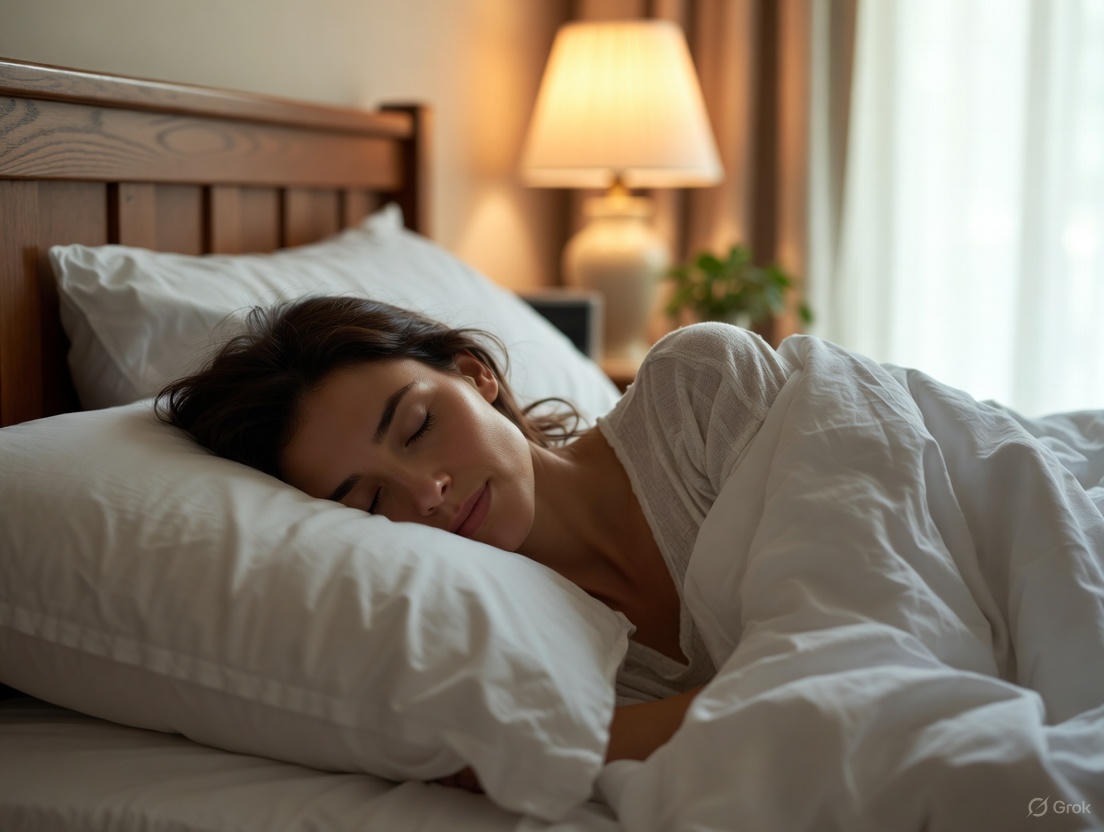
For hot sleepers, cooling strategies include moisture-wicking bedding, cooling mattress pads, and lowering the bedroom thermostat.
Sleep Improvement for Hot Sleepers: Cooling Strategies for Deep, Restorative Rest
You know the feeling. That moment in the middle of the night when you’re jolted awake, not by a sound or a dream, but by a wave of oppressive heat. Your sheets feel damp, your pajamas cling, and a desperate kick sends the comforter flying to the floor in search of a cool spot that doesn’t exist. You’re a hot sleeper, and you’re not just uncomfortable—you’re robbed. Robbed of the deep, uninterrupted, restorative sleep your body and mind desperately need to function. This nightly battle isn't a minor inconvenience; it’s a fundamental disruption to your health, mood, and cognitive performance. The good news? The science of sleep thermoregulation is clear, and the arsenal of cooling strategies has never been more sophisticated. This definitive guide is your escape plan from the sweaty, restless nights. We’ll dive deep into the physiology of body temperature during sleep, expose the hidden culprits that turn your bed into a furnace, and provide a layered, actionable blueprint for creating your personal oasis of cool. From immediate bedding swaps to long-term bio-hacks, and the role of cutting-edge technology like smart rings in monitoring your progress, we’re turning down the heat for good.
Your journey to cool, deep sleep is about to begin.
The Science of Sleep Thermoregulation: Why Your Body Temperature Drops (And Why It Matters)
To solve the problem of overheating at night, we must first understand a fundamental, non-negotiable biological rule: to initiate and maintain sleep, your core body temperature must drop. This isn't a passive side effect of being still; it's an active, orchestrated process central to the sleep-wake cycle.
Your body’s internal clock, or circadian rhythm, dictates a daily temperature fluctuation of about 1-2 degrees Fahrenheit. In the late afternoon, your core temperature peaks. As evening approaches and bedtime nears, a crucial shift begins. Your brain signals the blood vessels in your skin (particularly in your hands, feet, and face) to dilate. This process, called vasodilation, moves warm blood from your core to the body's surface, where the heat can radiate away into the environment. This is why you might notice your hands and feet feel warmer right before bed—they are literally acting as radiators, dumping excess heat.
This cooling is a prerequisite for sleep onset. The drop in core temperature is a direct signal to the brain's sleep centers, particularly the suprachiasmatic nucleus (SCN), that it’s time to transition from wakefulness to slumber. It facilitates the release of melatonin, the "darkness hormone," which further promotes sleepiness and supports the cooling process. Think of it as your body’s internal air conditioner switching on to create the perfect environment for sleep.
The problem for hot sleepers is a disruption in this elegant system. Any factor that impedes heat loss—whether an overly warm bedroom, unsuitable bedding, internal physiological issues, or poor timing of activities—means your core temperature can’t drop sufficiently. Your brain receives conflicting signals: your circadian rhythm says "sleep," but your thermal state says "alert." The result is difficulty falling asleep, frequent awakenings (often to reposition or kick off covers), and a severe reduction in the most restorative stages of sleep.
Research unequivocally shows that elevated skin or ambient temperature fragments sleep and suppresses slow-wave sleep (deep sleep) and REM sleep. These stages are critical for physical repair, memory consolidation, immune function, and emotional processing. When you’re hot, you’re not just tossing and turning; you’re missing out on the very essence of what makes sleep healing. For a deeper understanding of this critical sleep stage, explore the science behind what happens to your body during deep sleep.
Therefore, the ultimate goal for a hot sleeper isn't just momentary comfort. It's to actively facilitate and support your body's natural thermoregulatory drop. Every strategy that follows is designed to remove obstacles to this process and enhance your body's ability to shed heat efficiently throughout the night.
The Hot Sleeper Profile: Are You One? Identifying Your Personal Heat Triggers
Not all heat discomfort is created equal. "Hot sleeper" is a broad term that can stem from various, often overlapping, causes. To effectively cool down, you must first become a detective of your own discomfort. Which of these profiles sounds most like you?
The Environmentally Overheated Sleeper
This sleeper's primary issue is external. Their sleep space is simply too warm. Key indicators include:
A bedroom that's consistently above the recommended 60-67°F (15.5-19.5°C).
Lack of airflow or a stale, stagnant room atmosphere.
Sun-facing windows that bake the room during the day and radiate heat at night.
Sleeping with a partner or pet who acts as a personal space heater.
The Material-Mismatched Sleeper
This individual's bedding and sleepwear are unintentionally trapping heat. They might be using:
Synthetic sheets (polyester, microfiber) that don't breathe.
A high-tog, memory foam, or down-filled mattress topper that retains body heat.
Flannel or fleece sheets year-round.
Non-breathable, constrictive pajamas.
The Physiology-Driven Sleeper
For some, the heat comes from within due to biological factors:
Hormonal Fluctuations: Women experiencing perimenopause, menopause, or pregnancy often suffer from night sweats due to changing estrogen and progesterone levels, which disrupt the hypothalamus (the body's thermostat).
Metabolic Rate: Individuals with a naturally higher basal metabolic rate (BMR) generate more intrinsic heat.
Medications: Certain antidepressants, steroids, and pain relievers can list night sweats as a side effect.
Thyroid Issues: An overactive thyroid (hyperthyroidism) can speed up metabolism and cause heat intolerance.
Underlying Medical Conditions: Conditions like sleep apnea can cause the body to work harder during sleep, increasing internal heat and sweating.
The Habit-Triggered Sleeper
Daily routines and timing can sabotage thermoregulation:
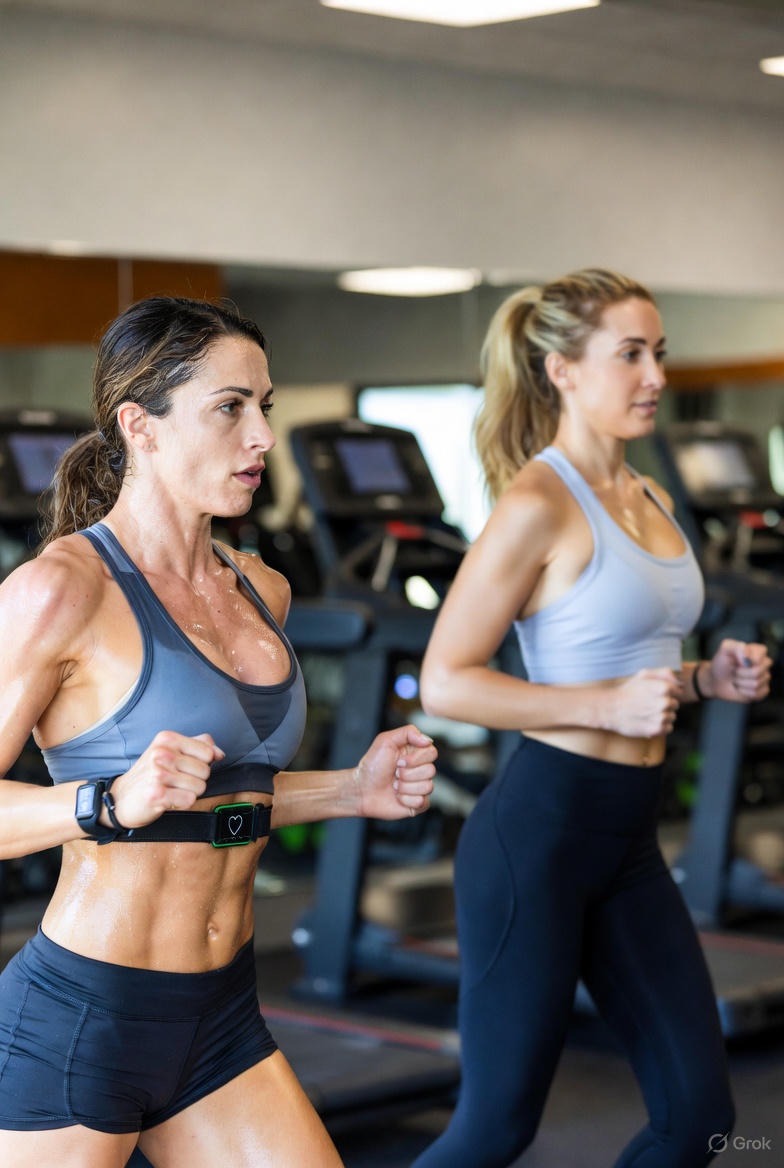
Late Exercise: A vigorous workout within 2-3 hours of bedtime raises core temperature right when it should be falling.
Evening Meals & Alcohol: Digesting a large, heavy meal requires metabolic work, generating heat. Alcohol may induce drowsiness initially but causes a rebound effect, often leading to nighttime awakenings and sweating as it metabolizes.
Hot Showers/Baths Too Close to Bedtime: While a warm bath 90 minutes before bed can aid cooling (by bringing blood to the surface and then promoting radiation as you cool), one right before bed can leave you too warm initially.
Often, you may be a combination of these profiles. The first step is mindful observation. When do you wake up hot? What did you do, eat, or drink that evening? What is your bedding made of? Tracking this, perhaps with a journal or a device that measures ambient and skin temperature, is invaluable. For those whose sleep complaints feel dismissed, using data to validate your experience can be powerful, as discussed in how sleep tracking validates your sleep complaints.
Your Bedding Overhaul: The First Layer of Defense (Sheets, Mattresses & Pajamas)
Your bed should be a cooling sanctuary, not a heat-trapping cocoon. This is the most immediate and impactful change you can make. Let's break down each layer, from skin out.
The Sheet Standard: Weave, Weight, and Fiber
Forget thread count as the sole indicator of quality. For cooling, fiber, weave, and weight are king.
Tencel Lyocell & Bamboo Lyocell: Derived from sustainably sourced wood pulp or bamboo, these fibers are champions of moisture-wicking. They absorb and evaporate perspiration far more efficiently than cotton, leaving you feeling dry and cool. They are also incredibly soft and resistant to bacteria.
Linen: Made from flax, linen is nature's perfect temperature regulator. Its loose, coarse weave allows for maximum airflow and breathability. It feels cool to the touch, absorbs moisture without feeling damp, and gets softer with every wash. It’s the gold standard for hot sleepers seeking a truly cool feel.
Long-Staple Cotton (Percale Weave): If you prefer cotton, seek out long-staple varieties (like Egyptian or Supima) in a percale weave. Percale is a simple, tight, one-over-one-under weave that results in a crisp, matte finish with excellent breathability. Avoid sateen weaves, which have a higher thread count and a silky feel but trap more heat due to their denser structure.
The Mattress and Topper: Your Thermal Foundation
Your mattress is the largest object in your sleep environment and a major heat sink.
Look for Cooling Materials: Modern mattresses often incorporate gel-infused memory foam, copper-infused foam, or phase-change material (PCM) covers. Copper and gel help dissipate heat, while PCM absorbs and releases heat to maintain a steady surface temperature.
Prioritize Breathable Constructions: Innerspring/hybrid mattresses with open coil systems and latex mattresses (which have a naturally open-cell structure) typically promote far better airflow than solid, dense memory foam slabs.
The Topper Trap: Be cautious with mattress toppers. While a topper can add comfort, a memory foam topper, in particular, can create a heat-insulating layer. If you use one, opt for a cooling gel or breathable wool topper (wool is a superb natural temperature regulator, wicking moisture in summer and insulating in winter).
Sleepwear: The Final Frontier
What you wear (or don't wear) to bed is the last barrier between you and cool comfort.
Material is Everything: Adopt the same rules as for sheets. Choose lightweight, breathable, and moisture-wicking fabrics: bamboo, Tencel, linen, or lightweight, loose-weave cotton.
Fit for Freedom: Opt for loose-fitting styles. Tight clothing restricts airflow against the skin and can impede the vasodilation process necessary for cooling.
The Bare Minimum: For many hot sleepers, the ideal sleepwear is none at all. This maximizes skin exposure for optimal heat radiation. If you prefer some coverage, start with minimal, breathable options.
This foundational overhaul creates a microenvironment around your body that works with your physiology, not against it.
Optimizing Your Sleep Environment: Mastering the Ambient Climate
Once your bedding is optimized, the next battlefield is the room itself. Creating the ideal ambient climate involves a multi-sensory approach to temperature, airflow, and even light.
The Temperature Sweet Spot
The consensus among sleep scientists is clear: 60-67°F (15.5-19.5°C) is the optimal range for most adults to facilitate the core temperature drop. This might feel chilly when you're awake, but it's perfect for sleep. A cool room provides the necessary thermal gradient for your body to offload heat efficiently. Invest in a reliable digital thermostat or a standalone room thermometer to monitor and maintain this range. Smart thermostats can be programmed to lower the temperature at your bedtime and raise it before you wake.
The Power of Airflow
Moving air doesn't just cool the skin through convection; it rapidly evaporates perspiration, which is a powerful cooling mechanism.
Strategic Fan Use: A ceiling fan or oscillating bedside fan is a hot sleeper's best friend. Position it so air flows over your body. For a next-level hack, place a bowl of ice or a frozen water bottle in front of the fan to create a makeshift, humidifying cool-mist breeze.
Cross-Ventilation: If possible, create a cross-breeze by opening windows on opposite sides of the room. This pulls cooler air in and pushes warm air out, refreshing the entire space.
Air Conditioning: Central AC or a window unit is the most powerful tool for controlling ambient temperature and humidity. Keeping humidity levels between 30-50% also helps sweat evaporate more efficiently.
Light, Darkness, and Heat
Light management serves a dual purpose: regulating your circadian rhythm and reducing radiant heat.
Blackout Curtains: These are essential, especially for east or west-facing rooms. Quality blackout curtains block the sun's heating rays during the day, keeping the room cooler by several degrees. They also create the pitch-dark environment necessary for melatonin production. Choose light-colored curtains on the window-facing side to reflect, not absorb, solar heat.
Low-Heat Lighting: In the hours before bed, avoid bright, overhead lights and switch to dim, warm-toned lamps. Avoid using heat-generating devices like laptops in bed.
The Cooling Power of Minimalism
Clutter doesn't just stress the mind; it can insulate a room. Piles of clothes, stacks of books, and dense furniture can impede airflow. A minimalist, tidy bedroom allows air to circulate freely and simply feels cooler and more serene. This environmental optimization sets the stage for your body's internal cooling processes to function without obstruction.
The Pre-Sleep Cooling Ritual: Hacking Your Body's Temperature Plunge
Your evening routine is a series of levers you can pull to directly influence your core temperature. A strategic pre-sleep ritual can act as a catalyst, jump-starting the vasodilation and cooling process to make sleep onset faster and deeper.
The 90-Minute Warm Bath Paradox
It sounds counterintuitive, but one of the most effective cooling techniques involves getting warm. Taking a warm bath or shower about 90 minutes before bed raises your core body temperature slightly. As you step out, the rapid cooling effect from the ambient air triggers massive vasodilation—your body works overtime to send blood to the surface to cool down. This significant heat loss signals a powerful "time for sleep" cue to your brain. Studies have shown this method can improve both sleep onset latency and deep sleep quality.
Strategic Hydration and Meal Timing
Hydrate Early: Drink the majority of your water earlier in the day. Sipping a small, cool glass before bed is fine, but guzzling water can lead to disruptive nighttime trips to the bathroom. Proper hydration overall improves blood volume and circulation, aiding thermoregulation.
The Last Meal: Finish your last large meal at least 3 hours before bedtime. The thermic effect of food (TEF)—the energy required to digest—generates internal heat. A light, easy-to-digest snack if needed is okay, but avoid heavy, spicy, or high-protein feasts late at night.
Alcohol and Caffeine: Both are thermal saboteurs. Caffeine is a stimulant that can raise metabolic rate and disrupt sleep architecture for hours. Alcohol, while sedating initially, disrupts the second half of sleep and causes a metabolically-induced sweat as your body processes it. Avoid both in the late afternoon and evening.
Cooling Direct Contact Points
Your body has specific "thermal windows" where skin is thin and blood vessels are close to the surface. Applying coolness here can have a rapid, systemic effect.
Cool Your Extremities: Place a cold pack or a damp, cool cloth on your wrists, ankles, neck, or behind your knees for 10-15 minutes before bed. This cools the blood flowing near the surface, providing quick relief.
The Frozen Sock Trick: For a longer-lasting effect, dampen a pair of socks, wring them out, place them in a plastic bag, and freeze them for 30 minutes. Put them on right before bed. The gradual melting provides prolonged cooling to your feet, a key radiator site.
Mindful Movement and Relaxation
Gentle, restorative stretching or yoga (like legs-up-the-wall pose) can relieve muscle tension and promote relaxation without raising core temperature. Pair this with deep, diaphragmatic breathing or a guided meditation to calm the nervous system. A stressed "fight-or-flight" state increases core temperature; a relaxed "rest-and-digest" state promotes cooling.
This ritual isn't about drastic measures; it's about intentional, science-backed choices that nudge your internal thermostat in the right direction. For more on the critical importance of the first hours of sleep, including temperature dynamics, read about the deep sleep window and why the first 3 hours matter most.
Harnessing Technology: Smart Rings and Advanced Sleep Trackers for Thermal Insight
In the quest for cool sleep, guesswork is your enemy. This is where modern wearable technology, particularly advanced smart rings and sleep trackers, transitions from a gadget to an essential diagnostic tool. They provide the objective data needed to connect the dots between your environment, habits, and actual sleep quality.
The Thermal Data Advantage: More Than Just "Hot or Cold"
While your subjective feeling of being hot is valid, a device like the Oura Ring, Ultrahuman Ring AIR, or similar provides granular, objective data on your nighttime skin temperature trends. This is a game-changer because:
It Tracks Your Baseline: These devices learn your personal temperature baseline over time. Even a slight elevation of 0.5-1.0°C above your norm can be detected and correlated with poorer sleep, illness onset, or hormonal changes (like ovulation).
It Identifies Patterns: You can see on a graph exactly when your temperature spiked during the night. Did it correlate with a late workout? A heavy meal? A too-warm room? This precise feedback allows for targeted experimentation with the strategies in this guide.
It Measures Sleep Architecture: Crucially, these devices don't just track temperature; they track the sleep stages it impacts. You can see, in hard numbers, how a "hotter" night corresponds to reduced deep sleep and REM sleep, more awakenings, and a lower overall sleep score. This quantifies the real cost of overheating.
Validating Your Interventions
This is the most powerful application. When you make a change—switching to linen sheets, lowering the thermostat, or adjusting your evening shower timing—your sleep tracker provides undeniable proof of its effectiveness.
Did your skin temperature variability decrease?
Did your deep sleep duration increase?
Did your sleep latency (time to fall asleep) shorten?
This creates a positive feedback loop. Data-driven success motivates sustained habit change far more effectively than vague feelings of improvement. To understand how this motivation works on a psychological level, delve into the psychology of sleep tracking and why numbers motivate change.
Choosing the Right Device for Thermal Insights
When selecting a wearable for hot sleeper analytics, prioritize devices that offer:
Continuous Skin Temperature Sensing: Look for 24/7 monitoring, not just spot checks.
Detailed Sleep Stage Analysis: It should distinguish between light, deep, and REM sleep.
A Readiness or Recovery Score: Many devices synthesize data (including temperature deviation, sleep quality, and heart rate variability) into a daily score that tells you how well-rested and resilient you are—a key indicator of thermal recovery.
Comfort for Sleep: A ring form factor is often preferred by hot sleepers as it’s unobtrusive, doesn't trap heat on the wrist, and is comfortable to wear all night. For a comprehensive guide on selecting the ideal device, see our breakdown on how to choose the right sleep tracking device for your needs.
By integrating this technological feedback loop, you move from generalized advice to personalized, precision sleep optimization.
Dietary Adjustments for Cooler Nights: Eating and Drinking for Thermal Balance
What you consume is essentially fuel for your body's internal furnace. The timing, composition, and temperature of your food and drinks can either stoke the flames of nighttime heat or help douse them. This isn't about dieting; it's about strategic thermogenesis.
The Thermic Effect of Food (TEF) and Timing
Every time you eat, your metabolism increases to digest, absorb, and process nutrients. This generates heat—a process called diet-induced thermogenesis.
Protein has the highest thermic effect, requiring the most energy to metabolize (20-30% of its calories are used in digestion). A large steak dinner close to bedtime is a surefire way to keep your internal furnace roaring into the night.
Fats and carbohydrates have a lower thermic effect. However, heavy, greasy meals can still cause discomfort and indigestion, which can disrupt sleep independently.
The Golden Rule: Aim to finish your last large, protein-heavy meal at least 3 hours before bed. This gives your body time to complete the bulk of the digestive thermogenesis before you try to sleep.
Cooling Foods to Incorporate
While no food is an "ice pack," some can promote a feeling of coolness or support hydration:
High-Water-Content Fruits and Vegetables: Cucumber, celery, watermelon, strawberries, and leafy greens are hydrating and can have a mild cooling effect. A light salad or a small fruit bowl is a great evening snack.
Herbs with Cooling Properties: Mint and cilantro are traditionally associated with cooling sensations. Add fresh mint to your evening water or as a garnish.
Electrolyte Balance: Minerals like magnesium and potassium are crucial for nerve function and muscle relaxation. Deficiency can contribute to restlessness. Foods like bananas, avocados, spinach, and nuts (eaten earlier in the day) support this balance. In fact, magnesium is a key player in sleep regulation, and you can learn about deep sleep supplements that work according to science.
Drinks: The Hydration and Deception Dilemma
Water Temperature: Drinking cool (not ice-cold) water can provide a momentary internal cooling sensation and aid hydration.
The Deceptive Culprits:
Alcohol: It's a vasodilator, which initially makes you feel warm as blood rushes to your skin. However, as it metabolizes, it disrupts sleep regulation and can cause a rebound increase in heart rate and sweating in the latter half of the night.
Caffeine: A powerful stimulant, caffeine can increase metabolic rate and core temperature for many hours. Its half-life is about 5-6 hours, meaning a 3 PM coffee still has significant amounts in your system at 9 PM.
Spicy Foods: Capsaicin, the compound in chili peppers, tricks your nervous system into thinking you're hot, triggering sweating. This can be highly disruptive if consumed close to bedtime.
The Ideal Evening Nutrition Protocol
Last Big Meal: 3-4 hours before bed. Balanced, not overly rich or protein-dense.
Potential Snack: 60-90 minutes before bed, if needed. Opt for a small combination of complex carbs and a tiny bit of protein or healthy fat to stabilize blood sugar (e.g., a few almonds and a couple of whole-grain crackers, a small banana). Avoid sugary snacks that cause blood sugar spikes and crashes.
Beverages: Herbal, non-caffeinated tea like chamomile or peppermint can be soothing. Focus hydration efforts on the daytime.
By viewing food as a tool for thermal management, you gain another powerful lever to control your internal sleep environment.
Hormonal Heat: Navigating Night Sweats in Menopause, Andropause, and Beyond
For millions, nighttime overheating isn't about a warm room—it's a profound internal storm driven by hormonal shifts. This is especially true for women in perimenopause and menopause, but men experiencing andropause (a gradual decline in testosterone) can also suffer from increased night sweats and sleep disruption. Addressing this requires a dual approach: managing the underlying hormonal milieu and aggressively deploying external cooling strategies.
The Hormonal Thermostat: Estrogen, Progesterone, and Testosterone
The hypothalamus in your brain acts as the body's master thermostat. Sex hormones, particularly estrogen and progesterone in women and testosterone in men, have a direct influence on its function.
In Women: Fluctuating and declining levels of estrogen and progesterone during perimenopause and menopause directly dysregulate the hypothalamus. It becomes hypersensitive to slight increases in core temperature, triggering an exaggerated "cool down" response: a hot flash or night sweat. This involves massive vasodilation (the feeling of heat rushing to the skin) and profuse sweating.
In Men: While less abrupt, declining testosterone levels can also affect thermoregulation, sleep architecture, and increase the prevalence of night sweats.
Strategy Layer 1: Medical and Supplemental Consultation
This is non-negotiable. If you suspect hormonal imbalances are driving your sleep disruption:
Consult a Healthcare Provider: Discuss your symptoms. Options may include Hormone Replacement Therapy (HRT) for women, which can be highly effective in stabilizing the hypothalamus and eliminating night sweats for many. For men, testosterone replacement therapy may be considered if levels are clinically low and symptoms are severe.
Explore Research-Backed Supplements:
Black Cohosh: Some studies show it can be as effective as low-dose estrogen for reducing menopausal hot flashes for some women.
S-equol (a soy isoflavone metabolite): Shown to reduce frequency and severity of hot flashes.
Magnesium Glycinate: Can support nervous system calm and improve sleep quality, potentially reducing the stress-amplification of hot flashes.
Always consult with a doctor before starting any new supplement regimen, especially if you have pre-existing conditions or are on other medications.
While addressing the root cause, you must also manage the symptoms with extreme diligence.
The Bedding Strategy Intensifies: Use all principles from Section 3, but prioritize moisture-wicking materials (Tencel, Bamboo) above all else. Have an extra set of pajamas and even a spare top sheet folded nearby for quick, easy changes in the middle of the night without turning on bright lights.
The "Chill Pad" Solution: Invest in a bed cooling system. These are pads that go on top of your mattress (under the sheet) that circulate cool water or air. They offer precise temperature control, often via a remote or smartphone app. For someone with intense night sweats, this can be a life-changing intervention, providing active cooling exactly where it's needed.
Stress as an Amplifier: Stress and anxiety raise cortisol, which can worsen hot flashes. The relaxation techniques mentioned in Section 5 (meditation, breathing) are not optional here; they are critical for managing the frequency and intensity of episodes.
Weight Management: Excess body fat acts as an insulator and can also influence estrogen metabolism. Maintaining a healthy weight through diet and exercise can help moderate temperature fluctuations.
Navigating hormonal heat is challenging, but it is manageable. It requires a compassionate, multi-pronged attack that combines medical insight with relentless environmental optimization. Using a smart ring to track skin temperature and sleep can be invaluable here, providing objective data to share with your doctor and to see what interventions are truly moving the needle on your sleep quality.
Long-Term Bio-Hacks: Building a Heat-Resilient Physiology
Beyond nightly fixes, you can cultivate a physiology that is inherently more resilient to heat and better at thermoregulation. These are long-term adaptations that improve your body's baseline ability to manage temperature, leading to more consistent, cool sleep.
Acclimatization: Training Your Body to Handle Heat
Just as athletes acclimatize to altitude, you can gently acclimatize your body to heat, improving its cooling efficiency.
Safe Sauna Use: Regular, post-workout sauna sessions (15-20 minutes, 2-3 times per week, followed by a cool shower) have been shown to induce heat acclimation. Your body adapts by increasing plasma volume, improving sweat rate and onset (you sweat sooner and more efficiently), and enhancing skin blood flow. This trained response can translate to better nighttime temperature regulation. Crucial: Stay hydrated, listen to your body, and consult a doctor if you have cardiovascular concerns.
Contrast Hydrotherapy: Alternating between warm and cool water in the shower (e.g., 3 minutes warm, 30-60 seconds cool, repeated 2-3 times) trains your vascular system to be more responsive. This "vascular gymnastics" can improve the vasodilation/vasoconstriction responses critical for sleep-onset cooling.
Building Sleep-Promoting Biomarkers
Certain lifestyle factors directly influence your hormonal and metabolic profile in ways that support sleep and cooling.
Consistent Exercise: Regular aerobic exercise improves cardiovascular health, increases slow-wave sleep, and helps regulate stress hormones. However, timing is everything. Finish vigorous exercise at least 3 hours before bed. Morning or afternoon workouts are ideal for hot sleepers. For insights on timing, read about how exercise timing affects your deep sleep tonight.
Body Composition: Muscle is metabolically active, but fat is an insulator. Reducing excess body fat decreases the insulating layer between your core and your skin, allowing heat to dissipate more easily. It also improves overall metabolic health and sleep apnea risk.
Mindfulness and Stress Resilience: Chronic stress keeps your sympathetic nervous system ("fight-or-flight") activated, raising baseline cortisol and core temperature. Practices like daily meditation, yoga, or deep breathing exercises strengthen your parasympathetic ("rest-and-digest") tone. A calmer nervous system has a lower thermal setpoint and is less prone to heat-generating stress reactions. This is foundational for everyone, but especially for those with stress-exacerbated hot flashes or general sleep anxiety.
Circadian Rhythm Fortification
Your internal clock governs your temperature rhythm. Strengthen it, and the drop comes more reliably.
Morning Light Viewing: Get bright, natural light exposure within 30-60 minutes of waking. This anchors your circadian rhythm, setting a clear countdown for the evening temperature drop and melatonin release.
Consistent Schedule: Waking up and going to bed at roughly the same time every day (yes, even weekends) reinforces these robust circadian signals, making your temperature curve more stable and predictable.
These bio-hacks are investments in your physiological infrastructure. They may not provide immediate relief like cool sheets, but over weeks and months, they build a body that is inherently better at achieving and maintaining the cool state necessary for deep, restorative sleep.
Troubleshooting Common Pitfalls and Partner Dynamics
Even with the best plans, real-life obstacles arise. From a partner who sleeps cold to seasonal changes, the path to cool sleep requires adaptability and smart problem-solving.
The Two-Player Game: When You're Hot and Your Partner is Cold
This is one of the most common and challenging sleep dilemmas. The goal is not for one person to suffer, but to create a differentiated sleep environment.
The Bedding Split: Use separate top sheets and blankets/comforters. This is the single most effective solution. You can have a lightweight linen sheet or a cooling blanket, while your partner has a heavier down comforter. No more tug-of-war.
Dual-Zone Mattress Toppers/Cooling Pads: Advanced bed cooling systems often have dual-zone controls, allowing each side of the bed to be set to a different temperature.
Strategic Bedside Fans: Position a fan so it blows directly over your side of the bed. Your partner, tucked under their heavier covers, will likely not feel the breeze.
Partner Pajama Strategy: The colder sleeper can wear warmer, breathable pajamas (like light merino wool or cotton flannel) while you opt for minimal, cooling fabrics.
The "Chill Before Bed" Compromise: Negotiate a bedroom temperature that is in the lower end of the optimal range (e.g., 65°F/18°C). You get the cool room you need, and your partner can add layers (pajamas, a blanket) to achieve their comfort. It's easier to add warmth than to subtract heat.
Seasonal Shifts: Adapting Your Strategy
Your cooling approach must evolve with the seasons.
Summer's Scorching Challenge: This is "hard mode" for hot sleepers. Rely heavily on air conditioning, fans, and moisture-wicking linens. Consider a dehumidifier if humidity is high. Close blinds during the day. Your pre-sleep cool shower becomes non-negotiable.
The Shoulder Season (Spring/Fall): These can be tricky due to fluctuating temperatures. Use layered bedding you can easily adjust. A light blanket over a top sheet gives you options. Keep windows open for cool night air when possible.
Winter's Dry Heat: Central heating creates a dry, stuffy environment. Use a humidifier to keep humidity at 30-50%, which makes the ambient temperature feel more comfortable and prevents dry skin and sinuses. You may still need a fan for air movement, even in a cool room. Avoid electric blankets or heating pads that can overheat you.
When Progress Stalls: The Re-Evaluation Checklist
If you've made changes but still wake up hot, systematically audit:
Mattress: Could it be the primary heat trap? Is it over 7-10 years old and retaining more heat?
Hidden Synthetics: Check your mattress protector, pillow covers, and even pillow fill. Many are polyester and trap heat.
Nighttime Nutrition: Re-examine your dinner and evening snack. Have you inadvertently increased protein or spice?
Medication Timing: Could a medication you take in the evening be a contributor? Consult your pharmacist.
Stress & Anxiety: Are you bringing unresolved stress to bed? This can manifest as physical heat. Intensify your wind-down routine.
Data Check: What does your smart ring data say? Is your skin temperature truly elevated, or is another factor (like restless legs or mild apnea) causing awakenings that you perceive as heat-related? For those concerned about the accuracy of their data, it's helpful to understand sleep tracking standards and what makes a good sleep score.
Troubleshooting is an iterative process. The key is to isolate variables, change one thing at a time, and use data (subjective or objective) to gauge the effect. The journey to cool sleep is personal, and your perfect solution will be a unique combination of the strategies laid out in this guide.
The Mental Game: Psychological Strategies to Overcome Heat-Related Sleep Anxiety
For chronic hot sleepers, the dread of another sweaty, restless night can become a self-fulfilling prophecy. The anxiety itself—the racing mind, the increased heart rate, the stress hormones like cortisol—generates physiological heat and hyperarousal, making sleep even more elusive. Breaking this cycle requires addressing the mind with the same rigor as the mattress.
Reframing the Narrative: From Victim to Scientist
The first psychological shift is moving from a mindset of suffering ("I'm doomed to be hot") to one of curious experimentation ("Let's see what changes my temperature tonight"). This is where your sleep tracking data becomes a powerful cognitive tool. Instead of lying in bed feeling frustrated, you can think, "My data showed that lowering the room temp by 2 degrees increased my deep sleep by 12%. That’s progress." This objective focus externalizes the problem and makes it solvable, reducing the emotional charge. It transforms a night of discomfort into a data point in an ongoing optimization project.
Pre-Sleep Cognitive De-escalation
When you feel the first wave of heat or anxiety about heat at bedtime, employ these techniques:
The 4-7-8 Breathing Method: Inhale quietly through your nose for 4 seconds, hold your breath for 7 seconds, and exhale forcefully through your mouth, making a "whoosh" sound, for 8 seconds. Repeat 3-4 times. This exercise directly counters the fight-or-flight response, slows your heart rate, and can induce a mild cooling sensation by promoting relaxation. It’s a portable, immediate tool you can use in any bed.
Progressive Muscle Relaxation (PMR) with a Cooling Visualization: Starting at your toes, tense each muscle group for 5 seconds, then release for 30 seconds, moving up your body. As you release each muscle, visualize a wave of cool, blue light washing over that area, carrying away tension and heat. This combines physiological relaxation with a potent mental image of cooling.
The "Worst-Case" Acceptance: Sometimes, resistance creates more anxiety. Mentally articulate the worst outcome: "Okay, if I get too hot tonight, I will get up, splash cool water on my wrists, change my shirt, and lie back down on the cool side of the pillow. I can handle that." By accepting and planning for the disruption, you often reduce its power to cause panic.
Building Sleep Confidence Through Consistency
Sleep anxiety thrives on unpredictability. The more you can make your sleep outcomes predictable through consistent routines, the less power anxiety holds.
Anchor Your Ritual: A non-negotiable, 45-minute pre-sleep ritual (e.g., cool shower, 10 minutes of reading in dim light, 5 minutes of breathing exercises) signals safety and consistency to your brain. Over time, this ritual itself becomes a cue for drowsiness, overriding anxious thoughts about heat.
The 20-Minute Rule: If you’re in bed, truly hot and anxious, and not drifting off after 20 minutes, get up. Go to a pre-designated comfortable chair and do a quiet, boring, non-screen activity (like reading a physical book) under low light until you feel sleepy. This breaks the association between bed, heat, and frustration. The goal is to preserve the bed as a place for sleep, not for anxious wakefulness.
Mastering this mental layer is often the final piece of the puzzle. It ensures that when external factors aren’t perfect (e.g., staying in a hotel, a heatwave), your mind doesn’t amplify the problem into a total sleep disaster. For those finding that their focus on data becomes a source of stress, it's worth exploring the balance discussed in the dark side of sleep tracking: when data creates stress.
Advanced Gear & Gadgets: From Cooling Pads to Climate-Controlled Beds
For hot sleepers who have optimized the basics and are ready for a technological upgrade, the market offers sophisticated solutions that provide active, precise cooling. This is the frontier of personal sleep climate control.
Bed Cooling Systems: The Gold Standard
These systems actively remove heat from your sleeping surface. They typically consist of a pad that sits on your mattress (under your fitted sheet), connected to a quiet control unit that cools water or air.
Water-Circulating Systems (e.g., ChiliPad, OOLER, Eight Sleep Pod): These use a network of micro-tubes in the pad through which temperature-controlled water is circulated. They offer the most precise and powerful cooling (and heating), often with a range from 55°F to 115°F (13°C to 46°C). Many feature dual-zone controls for partners and can be programmed on a schedule (e.g., start cool to aid sleep onset, warm slightly in the early morning to prevent waking).
Air-Circulating Systems: These use a fan to push ambient or slightly cooled air through a breathable pad. They are generally less powerful than water systems but are more affordable, lighter, and easier to set up. They excel at promoting airflow and preventing heat buildup rather than providing intense, active cooling.
Benefits: The primary advantage is direct, conductive cooling of the body's largest surface area. You are not just cooling the air around you; you are cooling the surface you lie on. This is exceptionally effective for back and side sleepers. Many users report falling asleep faster and experiencing significantly fewer awakenings.
Smart Climate Control Integration
Your bedroom’s climate can now be fully automated and responsive.
Smart Thermostats & AC Units: Devices like Nest, Ecobee, or smart window AC units can be scheduled to lower the bedroom temperature 30 minutes before your bedtime and raise it before you wake. Some can even be triggered by your smartwatch or ring detecting that you've started your wind-down routine.
Smart Fans: Fans with smart features (like those from Dyson or standard fans with smart plugs) can be set on schedules or voice-activated to turn on at bedtime and adjust speeds throughout the night.
Creating an Ecosystem: The ultimate setup links these devices. Imagine: Your smart ring detects a rise in skin temperature at 2 AM. An IFTTT (If This Then That) applet triggers your smart fan to increase speed by one setting for 30 minutes to cool you down, all without you waking up.
Personalized Cooling Wearables
Beyond the bed, new tech targets specific body zones.
Cooling Headbands and Pillows: These often contain phase-change materials or gel inserts that draw heat away from the head and neck—a critical area for thermoregulation. Some are designed to be chilled in a fridge or freezer before use.
Wrist Cooling Devices: Emerging wearable tech focuses on cooling the blood at the wrist (a major pulse point), providing systemic cooling in a compact form factor. While still in early stages, they point to a future of highly personalized, portable cooling.
Choosing Your Tech: The decision depends on severity and budget. For severe night sweats or those in very hot climates, a water-circulating bed system is a transformative investment. For the environmentally hot sleeper, starting with a smart thermostat and a quality air-circulating pad may be sufficient. The key is to see technology not as a magic bullet, but as the most powerful tool in your layered strategy, working in concert with your bedding, routine, and diet. For insights on how these high-tech tools evolved, consider the sleep tracking revolution from lab to your bedroom.
Creating Your Personalized Cool-Sleep Action Plan
With a deep understanding of the science, triggers, and strategies, the final step is synthesis. Information without implementation is useless. This section guides you in building a step-by-step, personalized plan that evolves from urgent fixes to long-term refinement. Think of it in three phases: Rescue, Rebuild, and Refine.
Phase 1: The 48-Hour Rescue (Immediate Relief)
If you're desperate for relief tonight, focus on these quick wins:
Temperature: Lower your bedroom thermostat to 65°F (18.5°C) or as low as comfortable.
Airflow: Set up a fan to blow directly over your bed.
Bedding: Strip your bed of any synthetic top sheets, heavy comforters, or mattress toppers. Sleep with just a cotton or linen fitted sheet if possible.
Pajamas: Switch to loose, breathable cotton or moisture-wicking fabric, or sleep in your underwear.
Pre-Sleep: Take a warm shower or bath 90 minutes before bed. Place a cold, damp cloth or an ice pack (wrapped in a thin towel) on your wrists or neck for 10 minutes before lying down.
Hydration: Drink a full glass of cool water and avoid alcohol, caffeine, and heavy/spicy foods for the rest of the day.
Phase 2: The Rebuild (First 2-4 Weeks)
This phase is about systematic, foundational changes. Implement one category per week to avoid overwhelm and observe effects.
Week 1: The Sleep Environment Audit. Invest in a room thermometer. Assess your curtains (install blackout/light-colored ones if needed). Declutter the space. Commit to the 60-67°F range.
Week 2: The Bedding Overhaul. Purchase one set of cooling sheets (Tencel, Bamboo, Linen, or Percale cotton). Assess your mattress topper and remove it if it's memory foam. Consider a cooling, breathable wool or gel topper if needed for comfort.
Week 3: Ritual Refinement. Establish your 45-60 minute pre-sleep ritual, incorporating a warm bath (timed 90 mins pre-bed), gentle stretching, and a breathing exercise. Enforce a digital sunset.
Week 4: Dietary Alignment. Shift your last large meal to 3+ hours before bed. Eliminate evening alcohol and caffeine. Experiment with a light, cooling evening snack if needed. Increase daytime hydration.
Phase 3: The Refine (Ongoing Optimization)
Now you personalize based on data and nuance.
Introduce Technology: Consider a smart ring to track your skin temperature and sleep stages. Use the data to see which interventions correlate with better scores. Experiment with a bed fan or cooling pad if needed.
Troubleshoot with a Partner: Implement separate blankets or explore dual-zone solutions.
Explore Bio-hacks: Safely introduce practices like contrast showers or sauna use (with doctor's approval) to build heat resilience.
Seasonal Adjustments: Create a "summer protocol" and a "winter protocol" for your sleep environment.
Professional Consultation: If night sweats are severe and linked to hormones, or if you suspect sleep apnea (loud snoring, gasping), consult a healthcare professional. Data from your tracker can be invaluable here.
The Most Important Tool: The Sleep Journal. Whether digital (in a notes app) or analog, track four things daily: 1) Key actions (e.g., "linen sheets on," "sauna at 6 PM"), 2) Subjective feeling at bedtime (scale 1-10 for heat/anxiety), 3) Subjective sleep quality (scale 1-10), and 4) Key metrics from your tracker (skin temp deviation, deep sleep minutes, sleep score). Look for patterns every two weeks.
This plan is not rigid. It’s a framework for intentional experimentation. Your body is unique; your perfect cooling formula will be too. The goal is to move from reactive suffering to proactive management, where you have a tool and a strategy for every thermal challenge. For those who travel, maintaining this consistency is key, and you can find specific strategies in our guide on sleep tracking for travelers monitoring across time zones.
Conclusion of This Portion: The Path to Restorative, Cool Sleep
The journey from hot, fragmented sleep to cool, restorative slumber is both a science and an art. It requires understanding the non-negotiable biology of thermoregulation—the fact that your core temperature must drop for sleep to initiate and sustain. It demands honesty in identifying your personal heat triggers, whether they lie in your environment, your habits, your hormones, or your mindset. And it calls for a layered, strategic approach that builds a cool sleep sanctuary from the inside out and the outside in.
We've moved from the immediate rescue of kicking off blankets to the foundational overhaul of your bedding—the sheets, mattress, and pajamas that form your first layer of defense. We've optimized the ambient climate of your bedroom, mastering temperature, airflow, and light. We've crafted a pre-sleep ritual designed to hack your body's natural cooling plunge and examined how the food and drink you consume can either stoke or soothe your internal furnace.
For those whose heat is driven by hormonal tides, we've outlined a compassionate, dual-pronged strategy of medical consultation and aggressive environmental management. We've explored long-term bio-hacks to build a more heat-resilient physiology and delved into the psychological strategies to disarm the anxiety that so often accompanies and exacerbates nighttime overheating.
Finally, we've surveyed the advanced technological frontier—from smart rings that provide the crucial data link between cause and effect, to active bed cooling systems that offer precise, personalized climate control at the sleep surface. All of this culminates in a actionable, phased plan to transform knowledge into results.
This is more than a quest for comfort. It is a reclamation of the deepest, most restorative stages of sleep—the slow-wave and REM sleep that are systematically stolen by heat. It's about waking up not just dry, but truly refreshed, with a mind sharpened by the brain-boosting connection between deep sleep and memory, and a body repaired by the youth-restoring power of growth hormone released in those cool, deep sleep cycles.
The path forward is one of empowered experimentation. Start with one change, observe its effect, and build from there. Your nights of sweating and struggling are not a life sentence. They are a solvable puzzle, and you now hold all the pieces.
Beyond Basic Overheating: When Heat Signals a Sleep Disorder
For some individuals, nighttime overheating isn't just a comfort issue or a result of poor sleep hygiene—it's a core symptom of an underlying sleep disorder. Recognizing this distinction is critical, as no amount of cooling bedding can correct a physiological malfunction. Two disorders, in particular, have a profound and direct connection to nocturnal heat and sweating: Sleep Apnea and Restless Legs Syndrome (RLS).
Sleep Apnea: The Silent Struggle That Makes You Sweat
Obstructive Sleep Apnea (OSA) is characterized by repeated pauses in breathing during sleep, caused by the collapse of the airway. Each apnea event creates a micro-arousal—a brief awakening to restart breathing—that fragments sleep and stresses the body.
The Heat Connection: Every time breathing stops, oxygen levels drop and carbon dioxide rises. This triggers a fight-or-flight response, flooding your system with stress hormones like adrenaline and cortisol. This surge increases heart rate, blood pressure, and, crucially, metabolic rate and core body temperature. The body is essentially in a state of repeated, silent panic, generating immense internal heat. The effort of struggling to breathe against a closed airway also increases muscular work, contributing to heat production. Consequently, drenching night sweats are a common, and often overlooked, symptom of moderate to severe sleep apnea.
Red Flags: Loud, chronic snoring, witnessed breathing pauses, gasping or choking at night, unrefreshing sleep despite adequate time in bed, morning headaches, and daytime fatigue are primary signs. If you are a hot sleeper with these symptoms, especially if you are overweight or have a thick neck circumference, consulting a sleep physician for a sleep study is non-negotiable. Treating the apnea (often with a CPAP machine) not only restores breathing and improves sleep quality but frequently eliminates the debilitating night sweats.
Restless Legs Syndrome (RLS) and Periodic Limb Movement Disorder (PLMD)
RLS involves an irresistible urge to move the legs, accompanied by uncomfortable sensations, that worsens at rest and in the evening. PLMD involves involuntary, repetitive leg jerks or kicks during sleep.
The Heat Connection: The discomfort and constant movement associated with RLS/PLMD can prevent the body from settling into its natural, cooling state of sleep onset. The neurological arousal and physical activity of moving or kicking increase metabolic activity and local muscle heat. Furthermore, some research suggests that dysfunction in the brain's dopamine and iron systems, implicated in RLS, may also intersect with thermoregulatory pathways. Many individuals with RLS report that their symptoms are worse when they are warm, creating a vicious cycle: heat exacerbates RLS, and RLS activity generates more heat.
Management Synergy: Cooling strategies can be a direct adjunct to RLS treatment. Keeping the bedroom cool and even applying cool compresses to the legs before bed can reduce sensory discomfort for some. Addressing potential iron deficiency (with a doctor's guidance) and following good sleep hygiene are foundational. The calm, cool pre-sleep environment you’ve created is doubly beneficial for managing RLS symptoms.
The Importance of Differential Diagnosis
Self-diagnosing as a "simple" hot sleeper when a sleep disorder is present wastes time and endangers health. Untreated sleep apnea is linked to hypertension, heart disease, stroke, and type 2 diabetes. The chronic sleep fragmentation from any disorder prevents you from reaching the deep sleep sweet spot: ideal duration by age, undermining every aspect of health.
Action Step: If your cooling efforts have plateaued and you have any red-flag symptoms, a sleep study (in-lab or at-home) is the most important investment you can make. It provides definitive data, separating environmental overheating from pathological internal heat generation. A device like a smart ring can provide supportive data, showing frequent awakenings and elevated heart rate that correlate with potential apnea events, but it is not a diagnostic tool. This objective data, however, can be compelling when presented to a healthcare professional to validate your sleep complaints.
Circadian Rhythm Mastery: Aligning Your Body Clock with Natural Cooling
Your body's innate 24-hour cycle is the conductor of your temperature symphony. When your circadian rhythm is strong and stable, your core temperature follows a predictable, smooth curve, dropping in the evening and reaching its nadir in the early morning hours. When it's weak or misaligned—due to shift work, jet lag, or inconsistent sleep schedules—your temperature rhythm becomes chaotic, undermining your ability to sleep coolly and deeply. Mastering your circadian rhythm is about reinforcing these natural, cooling signals.
The Light-Dark Cycle: Your Primary Zeitgeber
Light is the most powerful cue for your central circadian clock, the suprachiasmatic nucleus (SCN). To harness it for cooling:
Morning Solar Dose: Get at least 15-30 minutes of bright, outdoor light within 30-60 minutes of waking. This does not mean staring at the sun; it means being outside without sunglasses. This morning light exposure halts melatonin production, boosts alertness, and firmly sets your circadian phase, ensuring the temperature drop is scheduled for roughly 14-16 hours later. On cloudy days, a light therapy lamp (10,000 lux) can substitute.
Daytime Bright Light: Continue to seek bright light during the day. A well-lit environment supports a robust circadian amplitude, meaning a stronger, more defined peak and trough in your temperature rhythm.
Evening Darkness Protocol: As bedtime approaches, dim overhead lights and minimize exposure to blue-wavelength light from screens. Use blue-light blocking glasses if you must use devices. This allows melatonin to rise naturally, initiating the preparatory cooling process. The darkness should be absolute in your bedroom.
Timing of Meals and Exercise: Secondary Cues
Your body also uses behavioral cues to tell the time.
Meal Timing: Eating at consistent times each day signals to peripheral clocks in your organs. A large meal too close to bedtime sends a conflicting "it's day" signal due to the thermic effect of food, generating heat when you need cooling. Align your last meal with your circadian wind-down.
Exercise as a Timing Tool: Vigorous exercise is a strong cue that raises core temperature and cortisol. Performing it in the morning or afternoon reinforces a healthy circadian phase. As discussed in the context of how exercise timing affects your deep sleep, evening exercise can delay your temperature drop, making it harder to fall asleep cool.
Social Jet Lag and Weekend Recovery
"Social jet lag" is the mismatch between your biological clock and your social schedule, commonly seen when people stay up late and sleep in on weekends. This inconsistency, akin to flying across a time zone every weekend, flattens your temperature rhythm. The drop becomes less pronounced, making you more susceptible to overheating at night throughout the week.
The Consistency Imperative: The single most effective circadian habit is a consistent wake-up time, seven days a week. You can vary bedtime slightly, but holding wake time steady anchors your entire rhythm. This consistency makes your nightly cooling process more reliable and efficient. For more on why this regularity is paramount, see sleep tracking and consistency: why regular monitoring matters.
Leveraging Technology for Circadian Support
Use your smart ring or tracker to observe your own rhythm. Many devices now estimate your "circadian rhythm" or "body clock" based on temperature, heart rate, and movement data. You can see if your temperature minimum is occurring at an optimal time (typically in the last third of your sleep) and whether your daily temperature curve is well-defined or flat and variable. This biofeedback allows you to fine-tune your light exposure and meal timing with precision.
By becoming the guardian of your light exposure and daily rhythm, you stop fighting your biology and start working with it. You are programming your internal thermostat for a predictable, powerful cool-down every single night.
The Hydration Equation: Water, Electrolytes, and Nocturnal Thermoregulation
Hydration status is a critical yet often oversimplified component of temperature regulation. Being properly hydrated is essential for your body's cooling systems to function, but the timing and composition of your fluids are key to avoiding disruptive nighttime trips to the bathroom (nocturia) that shatter sleep continuity.
Water as a Cooling Medium
Water comprises about 60% of your body weight and is the primary medium for heat transfer. Blood plasma, which carries heat from the core to the skin, is mostly water. Sweat, the body's primary active cooling mechanism, is water and electrolytes.
Dehydration's Impact: Even mild dehydration thickens the blood, reduces blood volume, and makes it harder for the cardiovascular system to shunt heat to the skin via vasodilation. This means your body retains more heat. A dehydrated state can also increase core temperature and heart rate.
Overhydration's Pitfall: Conversely, consuming large volumes of water right before bed guarantees nocturia. Your kidneys process the excess, filling your bladder and waking you up, disrupting your sleep architecture and the all-important deep sleep window in the first 3 hours.
The Electrolyte Balance: Magnesium, Sodium, and Potassium
Electrolytes are minerals that carry an electrical charge and are vital for nerve signaling, muscle contraction, and fluid balance—all involved in thermoregulation.
Magnesium: Often called the "relaxation mineral," magnesium supports the function of the GABA receptors in the brain, which calm nervous system activity. It also aids in muscle relaxation and is involved in the body's temperature control. Deficiency can contribute to restlessness and poor temperature regulation. Dietary sources include leafy greens, nuts, seeds, and avocados.
Sodium & Potassium: This duo regulates fluid balance across cell membranes. Proper balance ensures efficient sweating and blood volume regulation. An imbalance, often from a diet high in processed foods (high sodium, low potassium), can impair these processes.
The Strategic Hydration Protocol for Hot Sleepers
Front-Load Your Day: Aim to consume 75-80% of your daily water intake by late afternoon. A general guideline is to drink half your body weight (in pounds) in ounces of water, spread throughout the day. For a 160-pound person, that's 80 ounces, with about 60 ounces consumed before 6 PM.
Evening Sipping: In the 2-3 hours before bed, limit fluids to 4-8 ounces if you're thirsty. This is enough to prevent dry mouth but not enough to overwhelm the bladder.
Electrolyte Enhancement: Consider an electrolyte supplement or adding a pinch of high-quality salt and a squeeze of lemon to your water, especially if you exercise heavily or sweat profusely during the day. This helps retain fluid in your bloodstream effectively.
Monitor with Data: Observe if nights with better hydration (e.g., as indicated by less concentrated morning urine) correlate with lower nighttime skin temperature readings on your tracker and better sleep scores. You may find that optimal hydration reduces the perceived intensity of night sweats.
Hydration is not about chugging water at bedtime. It’s about maintaining a state of optimal fluid and electrolyte balance throughout the entire 24-hour cycle so that when night falls, your body's cooling systems are primed and ready, and your sleep remains uninterrupted.
Case Studies & Real-World Transformations
Theory is powerful, but lived experience is compelling. Here are anonymized composites of real-world hot sleepers who applied the principles in this guide, showcasing how different starting points require different, personalized paths to success.
Case Study 1: The Environmentally Overheated Executive
Profile: Mark, 42, lives in a sunny, modern apartment with floor-to-ceiling windows. His bedroom faced west, and by bedtime, it was a "heat trap." He used high-thread-count synthetic sheets for a "luxury hotel feel" and kept the thermostat at a steady 72°F (22°C) for his partner.
Presenting Problem: Difficulty falling asleep, waking up at 2 AM drenched in sweat, feeling exhausted despite 7.5 hours in bed.
Interventions Applied (Rescue & Rebuild):
Installed reflective, heat-blocking blinds on the west-facing windows, keeping them closed during peak sun.
Lowered the nightly thermostat setting to 66°F (19°C) and gifted his partner a warm, breathable wool blanket for her side of the bed.
Swapped his polyester sheets for a percale cotton set and removed his memory foam mattress topper.
Added a powerful, silent oscillating fan on his nightstand.
Result with Data: Mark started using a smart ring. Within a week, his data showed a 23% increase in deep sleep and a significant reduction in skin temperature variability. His subjective feeling: "I fall asleep within 15 minutes now. The 2 AM wake-up is gone. I didn't realize my bedroom was literally cooking me."
Case Study 2: The Hormonally-Challenged Professional
Profile: Anya, 51, in perimenopause. Her bedroom was cool, and her bedding was natural fiber. Yet, she experienced severe, drenching night sweats 3-4 times per week that left her shivering and exhausted.
Presenting Problem: Unpredictable, intense hot flashes/night sweats causing multiple awakenings, leading to severe daytime fatigue, brain fog, and irritability.
Interventions Applied (Layered Medical & Environmental):
Medical: Consulted her gynecologist, who prescribed a low-dose transdermal estrogen patch after a full health review.
Technological: Invested in a dual-zone water-cooling mattress pad (ChiliPad). Set her side to a constant 60°F (15.5°C).
Bedding: Switched to Tencel sheets and moisture-wicking bamboo pajamas. Placed a towel and a fresh set of pajamas by the bed.
Ritual: Incorporated a 90-minute pre-bed warm bath and 10 minutes of mindfulness meditation to manage stress, a known hot flash trigger.
Result with Data: The combination was transformative. The hormone therapy reduced the frequency and intensity of hot flashes by about 70%. The cooling pad managed the remaining episodes so effectively that she often slept through them. Her smart ring data showed a normalization of her nighttime skin temperature graph and a return of her deep sleep duration to pre-perimenopause levels. "I have my life back," she reported.
Case Study 3: The Habit-Driven Student Athlete
Profile: Leo, 24, a college swimmer. He trained intensely from 6-8 PM, ate a large protein-heavy "muscle-building" meal at 9 PM, and played video games until midnight in his poorly-ventilated dorm room.
Presenting Problem: Lying awake for over an hour feeling "wired and hot," followed by light, unrefreshing sleep.
Interventions Applied (Behavioral Bio-hacks):
Timing Shift: With his coach, moved his weight training to the morning and kept evening practices lighter. Finished all exercise by 7 PM.
Meal Restructuring: Moved his large meal to post-afternoon practice (~5 PM). His 9 PM snack became light: Greek yogurt with berries or a small turkey sandwich.
Environment & Ritual: Procured a window fan for cross-ventilation. Instituted a "screen curfew" at 10:30 PM, followed by light reading and a cool shower.
Tracking: Used his existing fitness tracker to monitor sleep.
Result with Data: Leo's sleep onset latency dropped from 75 minutes to under 20. His tracker showed a marked improvement in HRV (Heart Rate Variability) overnight, indicating better recovery. He reported feeling more recovered for morning practices and his academic performance improved. He learned that how sleep tracking integrates with other health metrics like HRV was key to understanding his total recovery picture.
These cases illustrate that the "one size fits all" approach fails. Success comes from accurate diagnosis of the primary heat source and implementing a targeted, layered solution. Data from trackers provided objective proof of success, fueling motivation and allowing for fine-tuning.
The Deep Sleep & Temperature Nexus: Optimizing Your Most Restorative Phase
While all sleep is important, deep sleep (slow-wave sleep) is the pinnacle of physical restoration. It's when tissue growth and repair occur, energy is restored, and critical hormones like growth hormone are released. This stage has an intimate, bi-directional relationship with core body temperature.
The Thermal Requirement for Deep Sleep
Deep sleep is most abundant in the first half of the night, which coincides with the steepest decline in core body temperature and the lowest point of your circadian temperature rhythm. The brain actively suppresses thermoregulatory responses during deep sleep; your body becomes somewhat poikilothermic, meaning it becomes more passive to ambient temperature. This is why a cool environment is non-negotiable—if the room is too warm, your body cannot disengage from active cooling efforts (like sweating), and deep sleep is disrupted or shortened.
The Consequence of Heat: Studies show that even a mild elevation in ambient or skin temperature leads to a decrease in slow-wave sleep power and duration. You may still sleep, but you miss out on the most restorative quality. This directly impacts physical recovery, immune function, and metabolic health.
How Deep Sleep Itself Cools You
Interestingly, entering deep sleep may further facilitate cooling. The significant drop in metabolic rate and overall energy expenditure during this stage reduces internal heat production. It's a positive feedback loop: a cool environment promotes deep sleep, and deep sleep reduces heat production, making it easier to stay cool. This is why the initial cooling of your sleep environment is so crucial for setting the stage for a deep sleep-rich night.
Strategies to Protect and Promote Deep Sleep for Hot Sleepers
Maximize the First-Cycle Potential: The first sleep cycle of the night typically contains the longest period of deep sleep. Ensure your cooling strategies are most aggressive at sleep onset. A pre-sleep cool shower, a cold bedroom, and a cooling mattress pad set to its lowest setting for the first few hours can help "lock in" this critical period.
Avoid Deep Sleep Disruptors: Anything that raises core temperature or causes arousals in the first half of the night is a deep sleep killer. This includes late alcohol consumption (which suppresses deep sleep in the second half of the night), heavy late meals, and late-evening strenuous exercise.
Leverage Data for Deep Sleep Tracking: Use your smart ring or advanced tracker not just for overall sleep score, but to monitor your deep sleep duration and timing. See how interventions like lowering room temperature or changing dinner time affect this specific metric. Aim for your age-appropriate deep sleep sweet spot. This provides a much more meaningful measure of success than simply "I felt less hot."
Consider Nutritional Support: Certain foods and supplements have evidence for supporting deep sleep. For example, tart cherry juice (natural source of melatonin) or magnesium glycinate may help. Explore our detailed guide on foods that increase deep sleep naturally for science-backed options.
By focusing on deep sleep as your target outcome, you elevate your cooling strategy from mere comfort to a high-impact health intervention. You are not just preventing awakenings; you are actively engineering the conditions for your body's most profound nightly renewal. For athletes, this is the bedrock of performance, as detailed in deep sleep optimization for athletes: recovery while you rest.
Q&A: Answering the Most Pressing Hot Sleeper Questions
In this section, we address common, specific dilemmas that arise on the journey to cooler sleep, providing concise, actionable answers based on the principles already established.
Q: I’ve tried cooling sheets and a fan, but I still wake up hot. What’s the next logical, mid-priced upgrade? A: Your next investment should likely be a mattress assessment. Your mattress itself could be the primary heat sink. If it’s old, all-foam, or has a degraded internal structure, it’s trapping body heat. A high-quality, breathable mattress topper (like natural latex or a wool-filled one) can be a less expensive intermediary fix. If your mattress is due for replacement, prioritize hybrid (coil + foam) or latex mattresses known for cooling. Alternatively, an air-circulating bed fan (like a BedJet or similar) that fits under your sheet is a powerful, targeted step up from a room fan.
Q: Is it better to sleep naked or with light pajamas? A: This is highly personal, but for optimal heat radiation, sleeping naked is often most effective as it maximizes skin exposure to the cooler air. However, if your sheets aren't moisture-wicking, sweat can create a clammy feeling. Light, loose-fitting pajamas made of moisture-wicking material (bamboo, Tencel) can actually improve comfort by pulling sweat away from the skin and facilitating evaporation. Experiment with both, using your subjective feeling and overnight skin temperature data from a tracker as your guide.
Q: How do I manage being a hot sleeper while traveling or staying in hotels? A: Travel requires a "hot sleeper survival kit." Pack a portable, USB-powered fan. Call the hotel ahead to request a room with the best air conditioning or a ceiling fan. Ask if they have lighter blankets available (many keep them). Use the "ice bucket trick": fill the ice bucket, place a cold, damp washcloth on your neck or wrists. Always pack your own moisture-wicking pajamas and a silk or satin pillowcase (which stays cooler than cotton). For more extensive strategies on maintaining sleep hygiene across time zones, see our guide on sleep tracking for travelers monitoring across time zones.
Q: My partner and I have different temperature needs. Separate blankets haven’t solved it. What now? A: Separate blankets are step one. Step two is dual-zone climate control. This is where technology shines. Investigate a dual-zone bed cooling system (like the Eight Sleep Pod or OOLER) where each side of the bed has independent temperature control. If that’s out of budget, ensure your fan is positioned to blow only on you, and your partner uses a warmer, enclosed-style blanket. A mattress with independent coil systems can also reduce motion and heat transfer across the bed.
Q: Are weighted blankets a complete no-go for hot sleepers? A: Not necessarily, but choose with extreme caution. Traditional weighted blankets filled with glass or plastic beads can be very insulating. If you desire the deep pressure touch, seek out weighted blankets designed for cooling. These use breathable covers (like bamboo or cotton) and may incorporate phase-change technology or use lighter, more breathable fill materials. Start with the lightest weight (e.g., 5% of body weight) and test it on a cool night first. Monitor your sleep data closely.
Q: I wake up cold and sweaty. What does this mean? A: Waking up cold and clammy is a classic sign of a night sweat episode. You overheated, your body drenched you in sweat to cool down, and then the evaporation of that sweat left you chilled. This points to an internal heat generation issue (hormones, sleep apnea, medication) rather than just a warm room. It’s a strong signal to review the sections on sleep disorders and hormonal heat, and to consider a consultation with a doctor. Moisture-wicking sleepwear and bedding are essential to manage the dampness.
Q: Can supplements help lower body temperature for sleep? A: No supplement directly lowers core temperature like a thermostat. However, some can support the processes that lead to the natural evening drop. Magnesium glycinate promotes relaxation and GABA activity, aiding the transition to sleep. Melatonin (at low doses, 0.5-1 mg) is the hormone of darkness that facilitates the temperature drop; supplementing can help if your own production is low or mis-timed. Always consult a healthcare provider before starting any supplement regimen. For a scientific review, refer to deep sleep supplements: what works according to science.
This Q&A tackles the nuanced, practical hurdles. The overarching answer to almost every hot-sleeper question is: Identify the specific source of heat, intervene in that layer (environmental, behavioral, physiological), and use data to verify the result.



%402x.svg)