


10 Productivity Habits Your Smart Ring Shows Actually Hurt Your Health
Ten common productivity habits that your ring's data may reveal are actually harming your health.
Ten common productivity habits that your ring's data may reveal are actually harming your health.
%402x.svg)
You strap on your smart ring each morning with the best intentions. It’s your high-tech companion on the quest for optimized living—tracking sleep, monitoring heart rate variability (HRV), and quantifying your every step toward peak performance. You celebrate when your data confirms your disciplined habits: the early mornings, the relentless focus, the maximized waking hours. You feel efficient, in control, productive.
But what if the very metrics you’re chasing are telling a darker, hidden story? What if your smart ring isn’t just tracking your path to success, but is silently gathering evidence of its cost?
Modern wellness technology has granted us an unprecedented window into our physiology. Devices like smart rings go beyond step counts, measuring autonomic nervous system balance, sleep architecture, and recovery readiness. This data doesn’t lie. And increasingly, for millions of driven individuals, it’s revealing a disturbing pattern: our most cherished productivity habits are creating a physiological signature of chronic stress, metabolic disruption, and systemic wear and tear that directly undermines our long-term health, cognitive function, and yes—our true productivity.
This is the productivity paradox. The habits we believe are driving us forward are often the ones holding us back, and our biometric data is the unflinching witness. In this investigation, we’ll delve into ten common productivity pillars that your smart ring’s data can expose as secretly harmful. We’ll move beyond generic advice and into the specific biomarkers—elevated resting heart rate, depressed HRV, poor sleep efficiency, abnormal cortisol patterns—that serve as your body’s distress signals. This isn’t about working less; it’s about working smarter, in harmony with your biology, to build sustainable performance that doesn’t sacrifice your health on the altar of output.
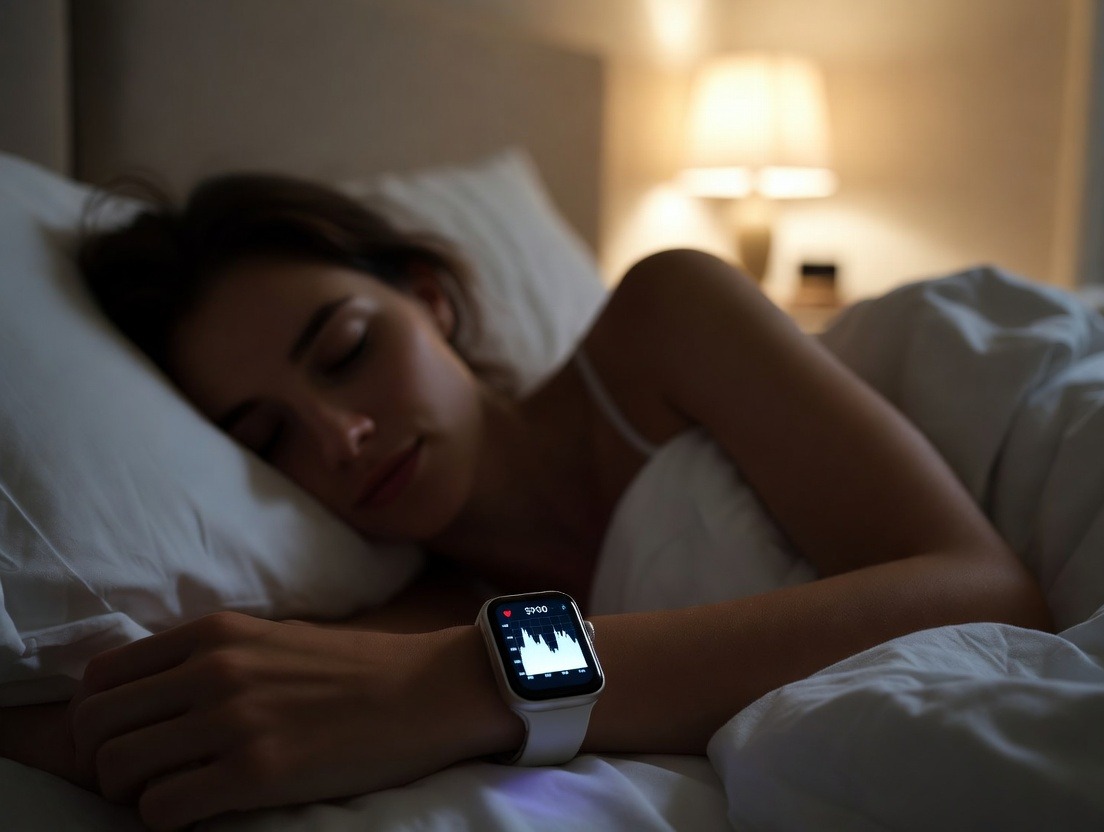
The archetype of the successful person who conquers the day while the world sleeps is powerful. The 5 AM club promises quiet hours for deep work, exercise, and planning before the day’s chaos begins. Your smart ring might show you hitting that target wake time consistently, earning you a perfect “consistency” score. But the deeper layers of data often tell a different, more troubling tale.
The first red flag is Sleep Duration. That 5 AM alarm might mean you’re truncating your sleep window, especially if you didn’t adjust your bedtime accordingly. The ring tracks total sleep time, and consistently logging under 7 hours (for most adults) is a major health risk factor, linked to impaired immunity, hormonal imbalance, and increased inflammation. Your celebratory morning photo with your coffee might be preceded by a data point showing 6 hours and 15 minutes of restless sleep.
Next, examine your Sleep Stages data, particularly Deep Sleep (N3) and REM sleep. These are not luxuries; they are biological necessities. Deep sleep is crucial for physical recovery, cellular repair, and clearing metabolic waste from the brain. REM sleep is essential for memory consolidation, emotional processing, and creativity. An early alarm that consistently cuts off your final sleep cycles—where REM sleep is most prevalent—is like a nightly robbery of your brain’s processing power. Your ring might show adequate deep sleep early in the night but a stark truncation or complete absence of REM in the later cycles.
The most damning evidence often lies in your Resting Heart Rate (RHR) and Heart Rate Variability (HRV) trends. Chronic sleep deprivation, even by just an hour, forces your sympathetic nervous system (the “fight or flight” system) into a state of higher baseline arousal. This manifests as a creeping elevation in your morning RHR. A rise of 5-10 beats per minute over weeks can be a direct signal of cumulative stress from insufficient sleep. Similarly, HRV, which measures the healthy variation between heartbeats and indicates parasympathetic (“rest and digest”) tone, will often trend downward. A low or dropping HRV is one of the clearest biometric signs your smart ring can provide that your body is under strain and struggling to recover.
The irony is profound. You wake early to get ahead, but the resulting sleep debt impairs your prefrontal cortex—the very brain region responsible for focus, decision-making, and complex thought. You’re trading high-quality cognitive function for more low-quality time. The data doesn’t advocate for sleeping in until noon; it advocates for protecting your sleep cycle as the non-negotiable foundation of productivity. If you must wake at 5 AM, your smart ring data demands you build a lifestyle that supports a lights-out time of 9:30 PM. It turns the question from “Can I function on less sleep?” to “What is my biometric data saying about the cost of my current schedule?” For a deeper dive into aligning your daily rhythm with your biology, explore our guide on the circadian rhythm of stress and how to time management for maximum effect.
In a culture that glorifies “grinding” and “no days off,” pushing through fatigue, low energy, or brain fog is often worn as a badge of honor. You have a to-do list, and you will execute, regardless of how you feel. This mindset represents a fundamental disconnect from your body’s intelligence. Your smart ring, however, is designed to translate those bodily signals into objective data, creating a crucial feedback loop you’re choosing to ignore.
Your Recovery Score or Readiness Score is the most direct metric here. This composite score, derived from HRV, RHR, sleep quality, and sometimes body temperature, is your device’s algorithm giving you a daily performance forecast. A low score isn’t a judgment; it’s a prediction. It’s saying, “Based on your physiological state, your systems are taxed, and your capacity for stress (physical or mental) is low.” To consistently ignore a low recovery score and engage in high-intensity work, difficult conversations, or long hours is analogous to ignoring a “check engine” light and proceeding to redline your car’s engine. The outcome is predictable: breakdown.
Heart Rate Variability (HRV) is the star biomarker in this story. HRV is not about your average heart rate; it’s the millisecond variation between beats. High HRV indicates a resilient, adaptable nervous system that can shift smoothly between stress and relaxation. Low HRV indicates a nervous system stuck in a stressed, inflexible state. When you “power through,” you are actively suppressing your parasympathetic nervous system’s attempts to bring calm and repair. Your smart ring shows this as a sustained low HRV. Over time, this isn’t just feeling tired; it’s a state of allostatic load—the cumulative wear and tear on the body from chronic stress adaptation. This load is linked to burnout, anxiety, cardiovascular risk, and a weakened immune response.
Furthermore, the “power through” habit often involves masking signals with stimulants like caffeine. Your ring’s stress monitoring feature, which uses heart rate data to infer periods of sympathetic activation, can reveal the hidden cost. You might see elevated stress signals for hours after that third cup of coffee, even while you sit at your desk, because your body is in a chemically-induced state of alert. This disrupts natural energy rhythms and can create a vicious cycle of artificial energy followed by deeper crashes, further disconnecting you from your true capacity.
The productivity reframe here is radical: Recovery is not the opposite of productivity; it is an integral part of the productive cycle. True high performers use tools like smart rings to practice strategic recovery. They see a low readiness score and adjust their day accordingly—opting for administrative tasks instead of creative deep work, scheduling a walking meeting instead of a high-stakes negotiation, or prioritizing the power of micro-breaks for stress management in just 60 seconds. They understand that respecting the low signal prevents a major crash and leads to more consistently high performance over the long term.
The modern workday calendar is often a solid block of colored rectangles, each representing a meeting. Moving seamlessly from one video call or conference room to the next feels efficient—no time is wasted. But your smart ring’s stress and activity data paints a picture of a nervous system under constant, low-grade siege, with no opportunity to reset.
Watch your continuous stress graph throughout a day of back-to-back meetings. You’ll likely see elevated stress levels that begin a climb 5-10 minutes before a meeting starts (anticipatory stress) and remain elevated throughout, with only minor dips during the brief transitions. Over 4, 6, or 8 hours, this creates a sustained plateau of sympathetic nervous system activation. Unlike a single, acute stressful event followed by recovery, this chronic, moderate stress is particularly corrosive. It keeps cortisol subtly elevated, blood pressure slightly raised, and your cognitive resources in a perpetual state of social and mental vigilance.
This pattern devastates your Heart Rate Variability (HRV). A healthy nervous system shows variability—heart rate increases with a challenge and decreases during a pause. Back-to-back meetings remove the pauses. The result is a suppressed, low-variability heart rate pattern that your ring interprets as prolonged stress. This state directly inhibits the prefrontal cortex, impairing the very skills you need in those meetings: strategic thinking, nuanced communication, and creative problem-solving. You become progressively more reactive and less insightful as the day wears on.
The absence of physical movement between these intellectual sprints compounds the problem. Your ring’s activity tracker will show long periods of sedentary behavior. Sitting for 60-90 minutes straight impairs circulation, glucose metabolism, and spinal health. Combined with cognitive stress, it’s a recipe for the late-afternoon crash—a phenomenon your sleep data might later reflect as poor sleep onset due to an overactive, unrecovered mind.
The solution is to build biologically intelligent buffers. Your smart ring data makes the case for a non-negotiable practice: scheduling 10-15 minutes of nothing between focused work blocks and meetings. This isn’t wasted time; it’s a strategic reset for your nervous system. Use this buffer not for checking email, but for a true physiological shift: stand up, walk around, look out a window, or practice a brief breathing technique that can lower daily stress. This allows your HRV to rebound, your stress graph to dip, and your cognitive clarity to restore. It transforms a chaotic day into a series of sustainable sprints with built-in recovery, turning your calendar from a source of strain into a tool for rhythmic productivity.
In the flow of a demanding day, eating can feel like an inconvenient interruption. The “heroic” workday fueled by nothing but coffee until a late dinner is a common trope. You might think you’re saving time and demonstrating focus. Your smart ring, however, tracks the downstream consequences of this habit on your energy, stress, and ultimately, your sleep.
The first signal is often in your activity and calorie burn data. While you sit focused, your body is still consuming energy. As blood sugar drops several hours after your last meal, your body secretes cortisol and adrenaline to stimulate glucose release. This is a stress response. Your ring’s stress monitor may show an unexpected period of elevated stress in the mid-afternoon, even if you’re mentally calm. This is your body declaring a metabolic emergency.
This cortisol spike to regulate blood sugar has cascading effects. It can create feelings of anxiety, irritability, and brain fog—hardly conducive to quality work. It also disrupts your natural cortisol rhythm, which should peak in the morning and gradually decline. An artificial afternoon cortisol peak can make it harder to wind down in the evening, as seen in elevated nighttime resting heart rate or poor sleep latency (time to fall asleep) data.
Furthermore, when you finally do eat a large meal late at night after a long fast, your body must divert significant energy to digestion. This can raise your body temperature—a key signal for sleep onset—at the wrong time and lead to restless, poor-quality sleep, which your ring will record as low sleep efficiency or reduced deep sleep. You may also wake with a higher morning RHR, indicating your body spent the night in repair-and-digest overdrive rather than in more restorative sleep stages.
The productivity-centric approach is to view fueling as a system maintenance task. Just as you wouldn’t run a complex machine without proper fuel and expect peak performance, you cannot run your brain and body on empty. Regular, balanced meals stabilize blood glucose, providing a steady stream of energy to your prefrontal cortex and preventing stress-inducing metabolic crashes. This isn’t about elaborate meals; it’s about consistent nourishment. Your smart ring data provides the evidence: stable energy and lower stress scores are correlated with stable metabolic inputs. For those struggling to find time, strategies from our guide on how to manage daily stress when you have no time can be adapted to include mindful, quick fueling breaks.
The day’s work is done, and it’s time to “unwind.” For many, this means hours in front of a television, scrolling through social media, or catching up on personal projects on a laptop. This habit feels like deserved relaxation, but to your circadian biology, it’s a destructive lie. Your smart ring’s sleep data is the definitive record of this betrayal.
The mechanism is well-established but worth reiterating in the context of biometric proof. Blue light from screens suppresses the production of melatonin, the hormone that signals sleepiness and regulates your sleep-wake cycle. Your smart ring measures the consequences, not the cause. Look at your sleep latency metric. If you’re consistently taking 30, 45, or 60 minutes to fall asleep, evening screen exposure is a prime suspect. Your body is physically in bed, but your brain’s circadian clock is still being told it’s daytime.
The damage goes deeper than just falling asleep. Melatonin suppression and the cognitive stimulation from content disrupt the architecture of your sleep. Your ring’s sleep stage breakdown may show:
All of this manifests in your Recovery Score. Poor sleep efficiency and disrupted architecture lead to a low score, indicating you did not get the restorative rest needed to face the next day. You wake up feeling unrefreshed, reach for more caffeine, and begin a cycle that further entrenches the poor sleep habit.
The data doesn’t demand you live in darkness after sunset. It calls for conscious circadian hygiene. This means creating a buffer zone—at least 60-90 minutes before your target bedtime—where screens are eliminated or heavily filtered with blue-light blocking settings. This time should be filled with truly calming activities that allow your nervous system to descend into rest. This could include reading a physical book, gentle stretching, conversation, or practices like the body scan technique for complete physical and mental calm. Your smart ring will reward you with improved sleep latency, more balanced sleep stages, and a higher recovery score, proving that true relaxation happens off the screen.

Caffeine is the productivity fuel of the modern world. And used judiciously, it can be a safe and effective cognitive enhancer. The problem arises when it shifts from a tool to a crutch—used not for a slight edge, but to paper over a fundamental deficit of energy caused by poor sleep, high stress, or inadequate recovery. Your smart ring provides the physiological audit of this habit.
The most direct interaction is with sleep. Caffeine has a half-life of 5-6 hours, meaning if you have a coffee at 3 PM, half of it is still in your system at 8 or 9 PM. This adenosine blockade directly competes with sleep pressure. Your ring’s data will show this as:
Next, examine your stress metrics. Caffeine stimulates the release of cortisol and adrenaline. That “alert” feeling is, in part, a mild stress response. If you are already stressed, caffeine adds a pharmacological stressor on top of a psychological one. Your ring may show elevated stress scores for hours after consumption, especially if you are sedentary. This creates a perverse cycle: you’re stressed, so you’re tired; you use caffeine to feel alert, which increases physiological stress; the stress then disrupts your sleep, making you more tired the next day, requiring more caffeine.
Finally, look at your Heart Rate Variability (HRV) trends on days with high caffeine intake versus days with less or none. For many, high caffeine consumption correlates with a lower HRV, indicating reduced parasympathetic (rest-and-digest) tone and less nervous system resilience.
The productive approach is to strategically manage your stimulant intake based on your biometrics. Use your smart ring data to inform your habits:
The concept of “deep work”—uninterrupted, focused cognitive labor—is a cornerstone of modern productivity. To achieve it, we often become statues: hunched over a keyboard, motionless for hours, “in the zone.” While the mental output may be high, the physiological cost documented by your smart ring is steep, and it ultimately undermines the very cognitive function you’re trying to protect.
Prolonged sitting is a metabolic and cardiovascular stressor. When muscles are inactive for long periods, they burn less fat and circulation slows. Your smart ring’s activity tracker will show long, unbroken sedentary periods. This isn’t just about missing step goals; it’s about what isn’t happening: the gentle movement that pumps lymph fluid, regulates blood sugar, and sends oxygenated blood to the brain.
The impact on circulation and brain function is direct. Reduced blood flow means less fuel and oxygen for the very organ you’re demanding peak performance from. This can contribute to the afternoon mental fog. More subtly, the lack of movement reduces sensory input to the brain (proprioception), which can lead to stiffness, discomfort, and eventually pain—all of which become distractions that break focus.
Perhaps most importantly, movement is a potent regulator of the nervous system. Brief bouts of physical activity are among the fastest ways to improve mood, reduce feelings of stress, and reboot concentration. By remaining sedentary, you deny yourself this natural reset button. Your stress graph may show a slow, steady climb throughout a sedentary work block, as mental fatigue compounds physical stagnation.
The key is not to abandon deep work, but to rhythmically interrupt sedentariness. This is where the concept of “movement snacks” becomes critical. Use your smart ring’s inactivity alerts or simply set a timer for every 45-50 minutes. When it goes off, your task is not to check your phone, but to create a physiological shift:
In an attempt to do more in less time, we pride ourselves on our ability to multitask: writing an email while on a conference call, scrolling news while eating lunch, jumping between browser tabs every few seconds. This feels hyper-efficient, like a mental version of parallel processing. However, decades of neuroscience confirm that what we call multitasking is actually “task-switching,” and it comes with a severe biological tax. Your smart ring’s stress and HRV data can make this invisible cost visible.
Every time you switch your attention from one task to another, your brain must disengage cognitive rules for Task A and load new rules for Task B. This switching requires metabolic energy and generates cognitive friction. On a physiological level, this constant, rapid reorienting is a low-grade stressor. It keeps your brain in a state of anticipatory vigilance, never allowing it to settle into a relaxed, focused flow state.
Monitor your stress graph during a period of intended “multitasking.” You will likely see it elevated and variable, reflecting the mini-stress events of each context switch. Compare this to a period of true, deep single-tasking. The stress line may be lower and more stable, even if the work is cognitively demanding. The stress of multitasking isn’t about the difficulty of the tasks, but about the chaos of the switching.
This pattern is corrosive to Heart Rate Variability (HRV). A calm, focused mind supports higher HRV. A frantic, switching mind promotes lower HRV. Chronic multitasking trains your nervous system to be jumpy and reactive, reducing your capacity for the sustained calm needed for complex problem-solving. Furthermore, the cognitive residue of unfinished tasks (the “Zeigarnik effect”) can linger, contributing to background anxiety that may show up as elevated resting heart rate even after you’ve “stopped” working.
The productivity hack revealed by the data is brutal simplicity: mono-tasking. Design your environment and time to do one thing at a time. This could mean:
Our devices are lifelines to our work, social circles, and information. But the default setting—instant notifications for everything—has created a state of perpetual, low-grade alertness. Every ping, buzz, or badge is a potential demand on your attention, triggering a micro-dose of anticipation and anxiety. This “always on” tether isn’t just annoying; it’s a continuous drip of stress hormones that your smart ring meticulously logs.
The evidence is in your stress monitoring throughout the day. You might see small, sharp peaks corresponding to receiving an email from a difficult client, a Slack message from your boss, or even a stressful news alert. More insidiously, you’ll likely see a generally elevated baseline during work hours. This is the ambient anxiety of expecting an interruption. Your nervous system is in a state of readiness, never fully able to relax into a task or a break. This is the digital-age version of the “vigilance” seen in high-stress occupations, and it’s biologically taxing.
This state directly suppresses your parasympathetic nervous system (PNS), responsible for rest, digestion, and repair. The PNS needs periods of safety and quiet to activate. Constant digital interruptions signal “unsafety” and “unpredictability,” keeping the sympathetic system subtly engaged. The biometric marker for this is, once again, a depressed Heart Rate Variability. A body tethered to its notifications is a body in a constant state of mild defense, which is incompatible with deep recovery, creative thought, or calm focus.
Furthermore, this habit bleeds into your personal time, eroding the boundaries necessary for true recovery. Checking work email after hours or scrolling through communication apps prevents the psychological detachment from work that is essential for preventing burnout. Your ring may show that your stress levels fail to drop in the evening, or that your sleep onset is delayed because your mind is still engaged with the digital stream.
The remedy is to build digital boundaries based on your biometric feedback. This isn’t about going off-grid, but about creating intentional modes of engagement.
By doing this, you train your nervous system that it is safe to disengage, allowing for deeper focus when you are working and more genuine recovery when you are not. This practice is a cornerstone of managing digital stress in daily life, and the proof of its benefit will be in your ring’s improved recovery and sleep metrics.
You finish a grueling, 10-hour workday filled with deadlines and difficult interactions. You know you need to relax, so you plop on the couch and try to “chill out.” But your mind is racing, replaying conversations, and worrying about tomorrow. Despite being physically still, you don’t feel relaxed. Your smart ring confirms this: your stress levels remain elevated, and your heart rate is stubbornly high. This is because stress physiology doesn’t have an “off” switch; it has a “cool-down” curve. Ignoring this natural recovery window is a major productivity and health mistake.
After a significant stressor—whether an intense workout or a high-stakes presentation—your body remains in a state of heightened arousal. Cortisol and adrenaline levels need time to metabolize. The sympathetic nervous system needs a clear signal that the threat has passed to begin the handoff to the parasympathetic system. If you go straight from a stressful event to passive inactivity (like staring at a screen), you’re not giving your body the active signal to transition. The stress hormones simply linger.
Your smart ring data shows this as a slow decline in your stress graph after work, or a resting heart rate that takes hours to return to its true baseline. This stolen recovery time has consequences: it eats into the time available for genuine restoration, delays sleep onset, and compromises sleep quality. You wake up the next morning with a higher RHR and lower HRV, starting the new day already at a deficit because you never fully recovered from the last one.
The solution is to actively manage your post-stress transition. This means implementing a deliberate “decompression ritual” that actively tells your nervous system the work is done. This ritual should be a 20-30 minute buffer between “work mode” and “home mode.” Crucially, it should involve activities that are engaging but not demanding, and that use the body in gentle ways to burn off residual stress hormones:
These activities provide the cognitive shift and gentle physical outlet that facilitate the biological transition out of stress. To understand the optimal timing and structure for this, our article on the stress recovery window and optimal times for daily decompression offers a science-backed framework. Your smart ring will validate an effective ritual with a visible, faster drop in your evening stress graph and improved sleep data.
In some high-performance cultures, taking your full vacation allowance, or worse, taking a true digital detox, is seen as a lack of commitment. The narrative of the executive who hasn’t taken a day off in years is still, perversely, admired. This habit represents the macro-scale version of ignoring daily recovery. Your smart ring’s longitudinal data—trends over weeks and months—can reveal the insidious accumulation of strain that this lifestyle creates, which no weekend can repair.
Look at the trend lines in your key biomarkers over a 3-6 month period without a significant break:
The body operates on cycles within cycles. The 24-hour circadian cycle needs daily recovery. The 7-day week often incorporates a longer recovery period (the weekend). But there are longer biological rhythms that require more extended periods of psychological detachment and novelty. Without a true vacation—a period of at least 5-7 days completely disconnected from work demands—the low-grade stress of the work environment becomes the permanent background of your life. This leads to a state of burnout, characterized by emotional exhaustion, cynicism, and reduced professional efficacy.
The data makes a compelling case for strategic, planned disconnection. A true vacation isn’t a luxury; it’s a necessary system reset. During a genuine break, remarkable things happen in your biometrics: your RHR often drops to its lowest point of the year, your HRV can surge, and your sleep becomes profoundly deep and restorative. This isn’t just “feeling rested”; it’s a physiological recalibration that lowers systemic inflammation, resets hormonal axes, and restores cognitive capacity.
The productivity-centric view is that vacations prevent the diminishing returns of chronic overwork. They are an investment in sustained performance, preventing the costly drop-off in creativity, decision-making, and engagement that plagues burned-out individuals. Your smart ring provides the hard data to advocate for this time off not as a reward, but as a critical component of a high-performance, sustainable life strategy. For those navigating major life changes or intense periods, the principles in our guide on daily stress management during life transitions can be scaled to plan an effective recovery period.
To rebuild our approach to work and life, we must first understand the fundamental biological principle that governs all growth, learning, and adaptation: hormesis. Hormesis is the beneficial effect of a low-dose stressor that triggers an adaptive, overcompensating response, making the system stronger and more resilient. Exercise is the classic example: you stress your muscles with weight, they experience microscopic tears, and during recovery, they repair to become stronger. The same principle applies to your cognitive and nervous systems.
The critical, often overlooked, part of this equation is the recovery phase. The adaptation—the strengthening—does not occur during the stress. It occurs after, during the period of rest and repair. When you lift weights, you don't get stronger in the gym; you get stronger while you sleep. When you learn a complex new skill, the neural connections are consolidated not during practice, but during downtime and sleep. Your smart ring’s most crucial job is to quantify and safeguard this recovery phase.
This is where the concept of allostatic load becomes paramount. Coined by neuroendocrinologist Bruce McEwen, allostatic load is the cumulative wear and tear on the body that results from chronic overactivity or underactivity of physiological systems that are normally involved in adaptation to environmental challenge. In simpler terms, it’s the physiological "debt" you accrue when stress is frequent, prolonged, or without adequate recovery. The habits we've discussed—constant multitasking, no lunch, back-to-back meetings—don't allow for the hormetic cycle to complete. They apply stress without the compensatory recovery, leading to a net increase in allostatic load.
Your smart ring provides a dashboard for your allostatic load and your recovery capacity. Key markers include:
Understanding this science reframes every productivity decision. The question shifts from "How can I do more?" to "How can I apply the right dose of stress and then ensure the quality of recovery so my system adapts and grows stronger?" Your smart ring is the tool that answers the second question with data, not guesswork. It helps you identify your personal stress recovery window for optimal daily decompression, turning abstract science into a daily practice.
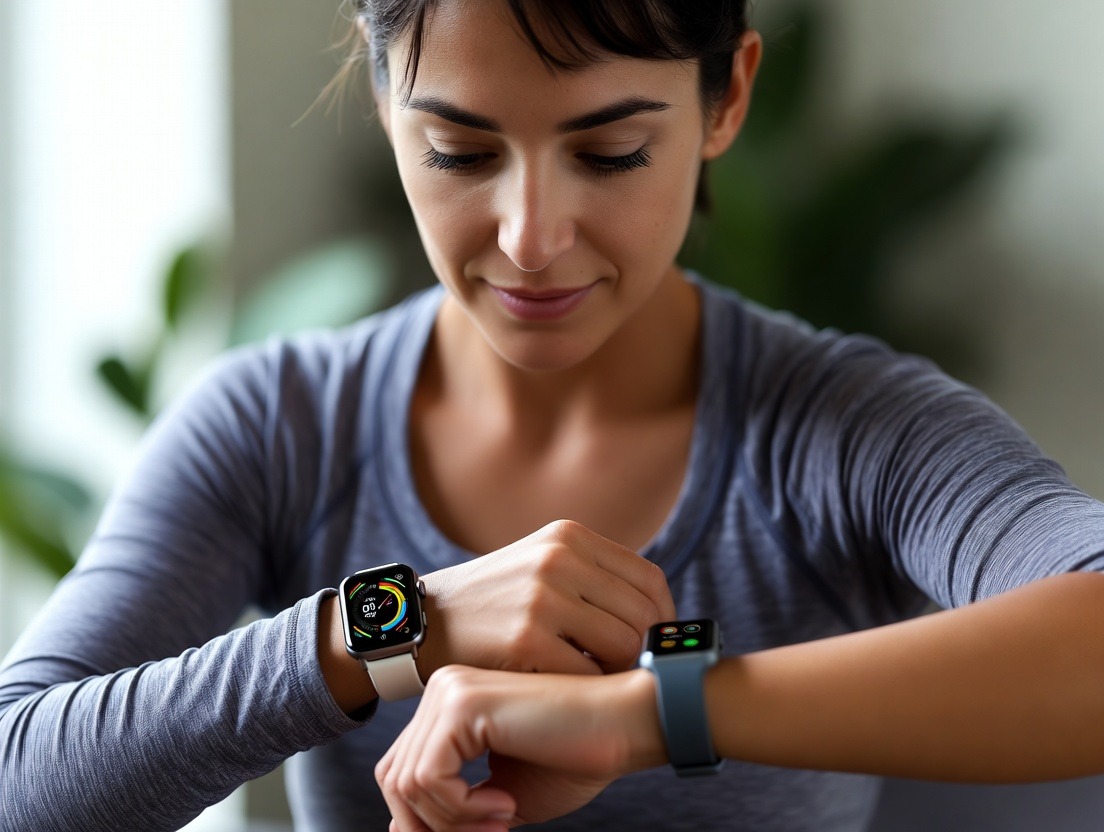
Armed with an understanding of hormesis and allostatic load, we can now construct a daily template that respects your biology. This isn't a rigid schedule, but a rhythm—a flow between focused stress and intentional recovery that your smart ring data can help you personalize. Think of it as designing your day in "sprints and recoveries" rather than a relentless marathon.
Phase 1: The Strategic Morning (Leverage Your Natural Cortisol Peak)
Your cortisol naturally peaks about 30 minutes after waking. This is your body's built-in alertness booster. Instead of letting it be hijacked by email anxiety, design your morning to harness it.
Phase 2: The Rhythmic Workday (Managing Energy, Not Just Time)
The post-lunch dip is a circadian reality, not a personal failing. Structure your day around it.
Phase 3: The Intentional Evening (Initiating the Recovery Cascade)
This is the most critical phase for reversing allostatic load. Your evening routine should be a gradual, intentional deceleration.
By structuring your day in these phases, you create predictable cycles of stress and recovery that your nervous system can trust. This reduces the chaotic, chronic stress that drives up allostatic load and allows your body to engage in the beneficial, hormetic adaptation that leads to genuine resilience. For a comprehensive, step-by-step guide that integrates all these phases, our complete daily stress management protocol from morning to night offers a detailed blueprint.
A smart ring generates a torrent of data. The key is to move from passive observation to active interpretation and action. Don't just look at numbers; ask what they are telling you about your capacity and your needs.
1. Prioritize Trends Over Daily Scores.
A single day of low HRV or poor sleep could be a random fluctuation. A one-week downward trend is a signal. Look at your data in weekly and monthly views. Is your 7-day average RHR rising? Is your weekly HRV trending down? Trends are your body's narrative; daily scores are the individual words.
2. Use Your Readiness/Recovery Score as a Daily Prescription.
This composite score is your ring's most sophisticated piece of advice. Treat it as such.
3. Conduct Personal Experiments (N=1 Research).
Your body is unique. Use your ring to test what works for you.
4. Correlate Subjective Feeling with Objective Data.
When you feel particularly drained or particularly great, check your data from the previous 24-48 hours. What does it show? You might find that a feeling of "brain fog" correlates with a night of poor deep sleep, or that a day of exceptional focus followed a night with high HRV during sleep. This builds your intuitive connection to your body's signals, with the data as your teacher.
By engaging with your data in this proactive, curious way, your smart ring stops being a fancy pedometer and becomes a true biofeedback device. It closes the loop between your actions and their physiological consequences, enabling you to make informed choices that build health and performance simultaneously. To dive deeper into tracking your progress effectively, explore our resource on daily stress management metrics for tracking your progress.
Knowing you need to recover is one thing. Knowing how is another. This toolkit provides specific, high-efficacy practices you can deploy based on your smart ring data and time available. These are your levers for lowering allostatic load and boosting recovery.
For Immediate Calm (60-90 Seconds): The Physiological Sigh
Discovered by Stanford neuroscientist Dr. Andrew Huberman, this is one of the fastest ways to de-escalate acute stress.
For Cognitive Reset (5-10 Minutes): Non-Sleep Deep Rest (NSDR) or Yoga Nidra
This guided practice induces a state of profound relaxation that mimics the brainwave patterns of deep sleep, without falling asleep.
For Emotional & Mental Processing (10-15 Minutes): Morning Pages or Intentional Journaling
Popularized by Julia Cameron, this practice involves writing three pages of longhand, stream-of-consciousness writing first thing in the morning.
For Physical De-Stressing (10-20 Minutes): Walking in Nature ("Green Exercise")
This combines rhythmic movement, exposure to natural light, and the inherently calming effect of natural environments (biophilia).
Integrating even one or two of these tools into your daily rhythm creates a powerful counter-force to the stressors of productive work. They are the active ingredients in your recovery protocol, prescribed by your own biometric feedback.
What you eat is not separate from your productivity; it is the foundational substrate for it. The wrong fuel creates metabolic stress, energy crashes, and inflammation. The right fuel provides stable energy, supports neurotransmitter production, and reduces allostatic load. Your smart ring can help you connect dietary choices to your physiological state.
The Core Principles:
Smart Ring Data Connections:
Think of food as information you give your cells. The goal is to send signals of abundance and stability, not emergency. For a detailed exploration of how specific nutrients support your nervous system, our article on the calm mind diet and nutritional support for mental peace provides a science-backed framework.
This entire journey, guided by the unblinking eye of your smart ring data, leads to a fundamental redefinition of what it means to be productive. The old model measured productivity in outputs per hour: emails sent, code written, tasks checked off. This model is inherently linear and extractive, treating your body and mind as machines to be depleted.
The new model, informed by biometrics, measures productivity as the expansion of your sustainable capacity. It asks: Are my key biomarkers—my HRV, my RHR trend, my sleep quality—stable or improving over the long term? Am I recovering fully from the stresses I undertake? Is my energy renewable, or is it a finite resource I'm drawing down?
This shift changes everything:
This is the essence of the Productive Resilience mindset. It understands that the ultimate competitive advantage in the modern world is not the ability to grind harder, but the ability to recover faster, adapt more smoothly, and maintain cognitive clarity and emotional stability under pressure. Your smart ring is the perfect tool for this mindset because it provides objective feedback on the very systems that underpin resilience: your nervous system, your sleep, and your metabolic health.
To cultivate this mindset is to engage in the active neuroplasticity of calm—training that rewires your stress response. Every time you choose a movement snack over another hour hunched over, a breathing break over another scroll through news, or a digital sunset over late-night emails, you are not just taking a break. You are strengthening the neural pathways of self-regulation and resilience. You are, quite literally, building a brain and a body that can perform at a high level for decades, not just for a few burnout-prone years.
The journey through these ten harmful habits and the principles for rebuilding a sustainable life is not about achieving perfect biomarker scores. It's about starting a conversation with yourself, using data as a translator for your body's innate wisdom.
Your smart ring reveals the hidden costs of the "always-on," gloriously busy lifestyle. It shows you that the 5 AM hustle might be stealing your REM sleep, that the back-to-back meetings are flattening your HRV, and that the "power through" mentality is raising your resting heart rate week over week. This data is a gift—a chance to course-correct before the costs manifest as illness, burnout, or chronic disease.
The path forward is one of alignment, not deprivation. It is about designing a work life that respects the fundamental biological need for rhythm: stress and recovery, focus and renewal, engagement and detachment. It’s about using technology not as a chain that binds you to productivity, but as a mirror that shows you how to be productive in a way that makes you healthier, clearer, and more resilient.
Begin by picking one habit from the first half of this exploration—perhaps the evening screen time or the skipped lunch. Use your smart ring to conduct a one-week experiment in changing it. Observe the data. Notice how you feel. Let the objective feedback guide you. Then move to the next habit.
This is not a quick fix; it is a lifelong practice of tuning in. It is the practice of building not just a successful career, but a vital life—a life where your energy, health, and focus are not the casualties of your ambition, but its very foundation. Your smart ring is no longer just a tracker; it has become your guide on this journey back to your biological self, empowering you to work, live, and thrive in a state of enduring, productive calm.
Transforming deeply ingrained habits requires more than intention; it requires a structured protocol. This 90-day plan is designed to systematically lower your allostatic load and rebuild your physiological resilience, using your smart ring as your primary feedback mechanism. It is progressive, starting with the fundamentals of recovery and building toward optimized performance.
Phase 1: Days 1-30 – The Recovery Foundation
Goal: Prioritize and protect sleep above all else to lower baseline stress.
Phase 2: Days 31-60 – Introducing Strategic Stress
Goal: Layer in beneficial stressors (exercise, focused work) while maintaining recovery.
Phase 3: Days 61-90 – Refinement and Personalization
Goal: Optimize nutrition and fine-tune your daily rhythm based on personal data.
By the end of 90 days, these practices will no longer feel like an add-on; they will feel like your new operating system. Your biomarkers should show a positive trend: a lower or stable RHR, a higher or stable HRV, and consistently good sleep scores. This is the measurable foundation of productive resilience.

The principles of biologically-aligned productivity are universal, but the challenges differ by context. Here’s how to apply this framework to specific, high-demand roles.
For the Remote/Hybrid Worker: Creating Boundaries in a Boundless World
The remote work environment uniquely blends life and work, making recovery windows fragile and digital overwork rampant.
For Leaders and Managers: The Contagion of Calm
A leader’s physiological state doesn't exist in a vacuum; it ripples through their team—a phenomenon known as stress contagion. Your recovery is a leadership responsibility.
For Parents and Caregivers: Managing the Unmanageable Schedule
This group faces the ultimate test of unpredictable demands and fragmented time, where classic time-blocking often fails.
For those ready to dive deeper, modern smart rings offer a suite of advanced metrics that provide a more nuanced picture of your health. Understanding these can fine-tune your protocol.
1. Nighttime Heart Rate Dip
A healthy circadian rhythm is marked by a distinct drop in heart rate during sleep, typically 10-20% below your daytime resting rate. This dip is driven by deep sleep and parasympathetic dominance.
2. Respiratory Rate During Sleep
This is a vital, often overlooked metric. A normal adult respiratory rate during sleep is 12-20 breaths per minute. Significant deviations can be early indicators of issues.
3. Skin Temperature Trends
Your core body temperature follows a circadian rhythm, cooling down to initiate sleep and warming up toward morning. Smart rings track distal skin temperature, which follows a similar pattern.
4. HRV Response to Training (The "HRV Training" Concept)
Beyond tracking baseline HRV, advanced users can track how their HRV responds to a specific stressor (like a new workout) overnight.
Interpreting these metrics moves you from a general understanding of "stress" to a precise understanding of which system is under strain (cardiovascular, respiratory, thermoregulatory) and allows for targeted interventions.
We stand at an inflection point. We can continue to use technology to extract more output from our increasingly depleted selves, or we can use it—as we have outlined here—to listen, to respect, and to optimize for the complex human system behind the output. This is the vision of productive flourishing: a state where professional achievement and personal vitality are not a zero-sum game, but mutually reinforcing realities.
This ethos is built on three pillars:
1. Technology as a Bridge to Biology, Not a Barrier.
The smartphone and the smart ring represent two poles of modern tech. One often scatters our attention and heightens our stress; the other, when used wisely, can integrate our attention and deepen our self-awareness. The goal is to create an ecosystem where technology serves our biological needs. Your smart ring tells you you’re stressed; you use a meditation app for a 5-minute session. Your ring shows poor sleep; you use smart home tech to darken your room and lower the thermostat. The tech stack becomes a supportive loop, not a demanding one.
2. Productivity as a Side Effect of Health.
In the old model, health was something you tried to fit in around productivity. In the new model, vibrant health—marked by high HRV, solid sleep, and stable energy—is the precursor to your highest possible productivity. You don’t get healthy to be productive; you become profoundly productive because you are healthy. The focus shifts from managing time to managing energy states. This aligns with the science showing that calm mind practices are the secret to high performance, which is why elite athletes use them.
3. Resilience as the Ultimate Career Skill.
In a volatile, uncertain world, the ability to withstand setbacks, adapt to change, and maintain emotional and cognitive equilibrium is no longer soft; it is the core competitive skill. This resilience is not gritted-teeth endurance. It is the physiological resilience seen in a robust HRV rebound, the emotional resilience built by consistent mindfulness, and the cognitive resilience fueled by nutrient-dense food and deep sleep. Investing in your biometric resilience is the most strategic career investment you can make.
This holistic view invites us to redesign our lives from the cellular level up. It asks us to consider our work environments, our social interactions, and our daily routines through the lens of our nervous system. Do they promote safety, connection, and rhythm? Or do they promote threat, isolation, and chaos?
The data from your smart ring is an invitation—not to another optimization obsession, but to a more compassionate and intelligent conversation with yourself. You are being offered a language to understand the whispers of your body before they become screams.
Start small, but start today.
This is a journey of lifelong learning, not a 90-day fix. There will be days of perfect biomarkers and days of terrible ones. The goal is not perfection; it is trendline awareness and compassionate course-correction.
Your smart ring is more than a piece of tech on your finger. It is a lens, a coach, and a companion on the path to becoming the most resilient, healthy, and truly productive version of yourself. It holds up a mirror to the hidden costs of the hustle and lights the way toward a more sustainable, vibrant, and flourishing way to work and live.
The power to shift from a life of productive depletion to one of productive flourishing is not in the ring itself. It is in you. The ring simply gives you the feedback to see the way.
Your Trusted Sleep Advocate: Sleep Foundation — https://www.sleepfoundation.org
Discover a digital archive of scholarly articles: NIH — https://www.ncbi.nlm.nih.gov/
39 million citations for biomedical literature :PubMed — https://pubmed.ncbi.nlm.nih.gov/
Experts at Harvard Health Publishing covering a variety of health topics — https://www.health.harvard.edu/blog/
Every life deserves world class care :Cleveland Clinic - https://my.clevelandclinic.org/health
Wearable technology and the future of predictive health monitoring :MIT Technology Review — https://www.technologyreview.com/
Dedicated to the well-being of all people and guided by science :World Health Organization — https://www.who.int/news-room/
Psychological science and knowledge to benefit society and improve lives. :APA — https://www.apa.org/monitor/
Cutting-edge insights on human longevity and peak performance:
Lifespan Research — https://www.lifespan.io/
Global authority on exercise physiology, sports performance, and human recovery:
American College of Sports Medicine — https://www.acsm.org/
Neuroscience-driven guidance for better focus, sleep, and mental clarity:
Stanford Human Performance Lab — https://humanperformance.stanford.edu/
Evidence-based psychology and mind–body wellness resources:
Mayo Clinic — https://www.mayoclinic.org/healthy-lifestyle/
Data-backed research on emotional wellbeing, stress biology, and resilience:
American Institute of Stress — https://www.stress.org/


