
The Calm Mind Diet: Nutritional Support for Mental Peace

We live in an age of unprecedented connection, yet a profound epidemic of inner disconnection. Anxiety, stress, and mental fog have become the background noise of modern life. We seek peace in meditation apps, yoga studios, and productivity hacks, often overlooking the most fundamental building block of our mental state: the food on our plates. The emerging truth, supported by a growing mountain of scientific research, is that our diet is not just fuel for the body—it is the very software that runs our mind, emotions, and resilience.

Welcome to a new paradigm in holistic wellness: The Calm Mind Diet. This is not another restrictive fad or a list of “good” and “bad” foods. It is a foundational framework for using nutrition to directly support neurological function, modulate stress physiology, and cultivate a sustainable state of mental peace and clarity. It’s about understanding how every bite influences your neurotransmitters, gut microbiome, and inflammatory pathways—all key conductors of your inner symphony.

At its core, The Calm Mind Diet recognizes the intimate, bidirectional conversation between your gut and your brain, known as the gut-brain axis. The foods you eat determine which microbial communities thrive in your gut. These microbes, in turn, produce a vast array of neuroactive compounds that send signals up the vagus nerve directly to your brain, influencing everything from your stress response to your risk of depression. To ignore this connection is to attempt to build a fortress on shifting sand.

This approach to eating is synergistic with the most advanced tools in personalized wellness. Just as you wouldn’t navigate a complex journey without a map, understanding your unique physiological responses to food, sleep, and stress is crucial. This is where technology like the Oxyzen smart ring comes in, providing actionable biometric data—from heart rate variability (HRV), a key marker of nervous system balance, to sleep quality and recovery—that helps you see the direct impact of your dietary choices. You can discover how Oxyzen works to personalize your Calm Mind journey on their homepage.

This article is your comprehensive guide to nourishing not just your body, but your mind. We will move beyond theory into practical, evidence-based strategies. We’ll explore the specific nutrients that act as natural anxiolytics, the foods that fuel focus versus those that feed fear, and the dietary patterns most associated with serenity. We’ll delve into the science of the second brain in your gut, the inflammatory fire that can cloud cognition, and the timing of meals for optimal mental energy.

Our journey is to equip you with the knowledge to transform your plate into a powerful tool for peace. This is the first, crucial step in building a life of resilience, clarity, and calm from the inside out. Let’s begin.

The Gut-Brain Axis: Your Second Brain's Role in Mental Peace

The concept of a "second brain" residing in your gut is not a metaphor; it is a biological reality. Your gastrointestinal tract is lined with over 100 million nerve cells—the enteric nervous system (ENS)—a complex network that operates with significant autonomy from the brain in your skull. This "gut brain" doesn't ponder philosophy, but it profoundly governs digestion, local blood flow, and, critically, communicates constantly with your central nervous system via the gut-brain axis.

This axis is a superhighway of communication involving neural, hormonal, and immunological pathways. The vagus nerve, the longest cranial nerve, acts as a direct telephone line, carrying messages in both directions. Up to 90% of the fibers in the vagus nerve are afferent, meaning they send signals from the gut to the brain. What is your gut telling your mind? The answer depends largely on your diet.

The Microbial Messengers

Your gut is home to trillions of bacteria, viruses, and fungi—collectively known as the gut microbiome. These microbes are active chemical factories. The foods you eat determine which species thrive. Beneficial bacteria, like Lactobacillus and Bifidobacterium, feast on dietary fibers and produce short-chain fatty acids (SCFAs) such as butyrate. Butyrate is a potent anti-inflammatory compound for the gut and brain, and it strengthens the blood-brain barrier, protecting your mind from harmful substances.

More remarkably, your gut microbes produce a vast array of neuroactive substances. They are involved in the synthesis of an estimated 90% of your body's serotonin, the "feel-good" neurotransmitter crucial for mood regulation, sleep, and appetite. They also produce gamma-aminobutyric acid (GABA), your brain's primary calming neurotransmitter, and influence dopamine and norepinephrine pathways. When your microbiome is balanced and diverse—a state known as eubiosis—this chemical production supports mental equilibrium.

Dysbiosis: When the Conversation Turns Toxic

Conversely, a diet high in ultra-processed foods, refined sugars, and unhealthy fats promotes the growth of harmful bacteria—a state called dysbiosis. This imbalance can lead to a "leaky gut," where the intestinal lining becomes permeable, allowing bacterial fragments and inflammatory molecules (like lipopolysaccharides, or LPS) to enter the bloodstream. This triggers systemic, low-grade inflammation.

The brain is exquisitely sensitive to this inflammation. Inflammatory cytokines can cross the blood-brain barrier, disrupting neurotransmitter function, impairing neuroplasticity (the brain's ability to adapt), and activating the brain's microglial cells (its immune defenders). Chronic microglial activation is increasingly linked to anxiety, depression, brain fog, and fatigue. It's a physiological state of alarm that directly undermines mental peace.

Practical Implications for Your Plate

The foundational principle of The Calm Mind Diet is to nourish your microbial allies. This means prioritizing:

  • Prebiotic Fibers: These are non-digestible food ingredients that selectively feed your good bacteria. Think onions, garlic, leeks, asparagus, bananas, oats, and apples.
  • Probiotic Foods: These introduce live beneficial bacteria directly. Incorporate fermented foods like yogurt, kefir, sauerkraut, kimchi, miso, and kombucha.
  • Polyphenol-Rich Foods: These plant compounds, found in berries, dark chocolate, green tea, and olives, are like fertilizer for a healthy microbiome.

By strategically feeding your gut, you are, in effect, programming your second brain to send signals of calm, resilience, and balance to your mind. It is the most fundamental step in dietary support for mental peace, creating a stable internal environment from which all other strategies can flourish. For more on how your body's signals can guide your wellness choices, the Oxyzen blog offers a wealth of resources on interpreting biometric data.

Inflammation: The Silent Fire That Clouds Your Mind

If the gut-brain axis is the communication network, systemic inflammation is the static on the line—and often, a roaring fire that drowns out all signals of peace. While acute inflammation is a vital, short-term healing response, chronic, low-grade inflammation is a stealthy antagonist to mental clarity and emotional stability. It creates a physiological environment where anxiety thrives, focus fractures, and mood can plummet.

This inflammation often originates in the gut, as discussed, but it is fueled and perpetuated by specific dietary choices. The modern Western diet, high in refined carbohydrates, sugars, industrial seed oils (high in omega-6 fatty acids), and processed meats, is inherently pro-inflammatory. It’s like pouring gasoline on the smoldering embers of everyday stress.

The Neuroinflammatory Cascade

When inflammatory cytokines travel to the brain, they initiate a cascade of detrimental effects:

  • Neurotransmitter Dysregulation: Inflammation can disrupt the synthesis, release, and reuptake of key neurotransmitters like serotonin and dopamine. It depletes tryptophan (a serotonin precursor) by shunting it towards the production of inflammatory compounds instead.
  • Oxidative Stress: Inflammation is coupled with oxidative stress—an imbalance between free radicals and antioxidants. This oxidative damage can harm neurons and impair mitochondrial function, the energy powerhouses of your brain cells. A tired, oxidatively stressed brain is an anxious, foggy one.
  • HPA Axis Disruption: The hypothalamic-pituitary-adrenal (HPA) axis is your central stress response system. Chronic inflammation can dysregulate this axis, leading to either a blunted or an exaggerated cortisol (stress hormone) response. This results in feeling wired but tired, struggling to adapt to stressors, and experiencing crashes in energy and mood.

The Calm Mind Anti-Inflammatory Protocol

The Calm Mind Diet is inherently anti-inflammatory. Its goal is to quench the silent fire and create a cool, oxygenated environment for your brain to function optimally.

  1. Emphasize Omega-3 Fatty Acids: Eicosapentaenoic acid (EPA) and docosahexaenoic acid (DHA), found in fatty fish (salmon, mackerel, sardines), algae, and to a lesser extent in walnuts and flaxseeds, are potent anti-inflammatories. They are incorporated into neuronal cell membranes, improving fluidity and communication, and they directly reduce the production of inflammatory cytokines. High EPA intake is particularly linked to reduced symptoms of depression and anxiety.
  2. Prioritize Phytonutrients: The vibrant colors in plants signal the presence of antioxidants and anti-inflammatory compounds. Deeply pigmented berries (anthocyanins), turmeric (curcumin), green tea (EGCG), and dark leafy greens are nature's fire extinguishers for the brain.
  3. Choose Low-Glycemic Carbohydrates: Blood sugar spikes and crashes are inflammatory events. Opt for complex, fiber-rich carbs like sweet potatoes, quinoa, legumes, and whole grains, which provide steady energy without the inflammatory rollercoaster.
  4. Identify Personal Triggers: For some, common foods like gluten or conventional dairy can provoke immune-mediated inflammatory responses. This is highly individual. Paying attention to how you feel after meals—supported by tools that track physiological stress markers—is key. Many users find that correlating their diet with objective data from a device like the Oxyzen ring provides invaluable personal insight, a topic explored in user testimonials.

By making your plate an anti-inflammatory toolkit, you are not just preventing disease; you are actively creating the biochemical conditions necessary for a calm, focused, and resilient mind. You are clearing the static so the signals of peace can come through loud and clear.
Macronutrients for Mental Stability: Balancing Carbs, Fats, and Protein

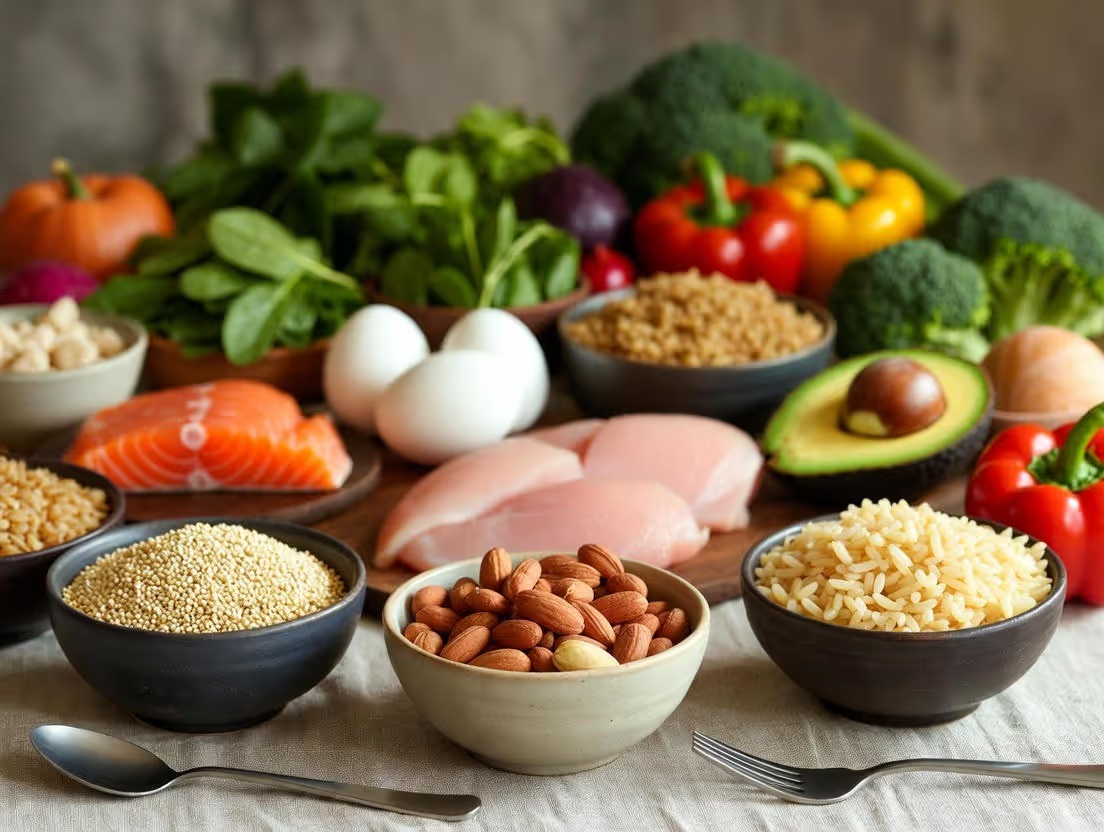
Macronutrients—carbohydrates, fats, and proteins—are more than just sources of calories. They are the architectural and functional components of your brain chemistry. Each plays a distinct, non-negotiable role in sustaining mental peace, and imbalance in any one can destabilize your mood, energy, and cognitive function. The Calm Mind Diet is not about extreme ratios but about intelligent, mindful balance from high-quality sources.

Carbohydrates: The Serotonin Regulators (Not the Enemy)

Carbs have been unjustly vilified. For mental health, they are crucial but must be chosen wisely. Carbohydrates facilitate the transport of tryptophan (an amino acid) across the blood-brain barrier, where it is converted into serotonin. This is why people often crave carbs when stressed or sad—it’s a biological attempt to boost mood.

  • The Problem: Refined carbohydrates and sugars cause a rapid spike and crash in blood sugar and insulin. This rollercoaster triggers the release of stress hormones like cortisol and adrenaline, exacerbating anxiety, irritability, and brain fog. It's a short-term mood lift followed by a deeper crash.
  • The Calm Mind Solution: Focus on complex, fiber-rich carbohydrates. The fiber slows absorption, providing a steady release of glucose—the brain's primary fuel. This steadiness is foundational for emotional regulation. Think whole oats, quinoa, legumes, sweet potatoes, and a rainbow of vegetables. Timing matters, too; a complex carb with a little protein at dinner can support serotonin production for restful sleep.

Fats: Building the Brain Itself

Your brain is nearly 60% fat by dry weight. The quality of fat you consume directly determines the integrity and fluidity of your neuronal cell membranes, which govern communication between brain cells.

  • The Problem: Trans fats and excessive industrial seed oils (high in omega-6) promote inflammation and create rigid, dysfunctional cell membranes, impairing cognitive function and mood.
  • The Calm Mind Solution:
    • Saturated Fats (in moderation): From sources like coconut oil and grass-fed animal products, are stable and important for brain structure.
    • Monounsaturated Fats: Abundant in olive oil, avocados, and nuts, support heart and brain health.
    • Omega-3 Fatty Acids (DHA & EPA): As detailed earlier, are the rockstars of brain fat. They are essential for reducing neuroinflammation, supporting neuroplasticity, and maintaining membrane health. A deficiency is strongly linked to mood disorders.

Protein: The Neurotransmitter Precursors

Proteins are broken down into amino acids, which are the literal building blocks of neurotransmitters.

  • Tryptophan -> Serotonin: Found in turkey, chicken, eggs, seeds, and tofu.
  • Tyrosine -> Dopamine & Norepinephrine: Found in beef, poultry, fish, eggs, dairy, and legumes. These are crucial for motivation, focus, and alertness.
  • The Calm Mind Solution: Include a source of high-quality, complete protein at every meal. This provides a steady stream of amino acids throughout the day, preventing neurotransmitter dips that lead to mood swings, anxiety, and cravings. Grass-fed meats, wild-caught fish, pasture-raised eggs, and for plant-based diets, a combination of legumes, grains, and seeds, are excellent choices.

Putting It Together: The Balanced Plate for Calm

A Calm Mind plate at any meal should consciously include all three:

  • A palm-sized portion of quality protein for neurotransmitter support.
  • A generous serving of colorful, fibrous vegetables and/or low-glycemic carbs for steady fuel, gut health, and antioxidants.
  • A thumb-to-thumb-sized portion of healthy fats for satiety, anti-inflammation, and brain structure.

This trifecta works synergistically to stabilize blood sugar, dampen inflammation, and provide the raw materials for a balanced, peaceful neurochemistry. It is the steady, reliable foundation upon which all other nuances of the diet are built. To understand how a company is building technology to help you find your unique balance, you can read about their vision in the Oxyzen story.

Micronutrients That Modulate Mood: Vitamins and Minerals for Neurotransmitter Function

While macronutrients provide the structure and raw materials, micronutrients—vitamins and minerals—act as the essential co-factors, the spark plugs and catalysts in the intricate engine of brain chemistry. A deficiency in even one of these critical nutrients can cause the entire system to sputter, manifesting as anxiety, low mood, fatigue, and poor stress resilience. The Calm Mind Diet emphasizes nutrient density, ensuring your brain has all the tiny tools it needs to manufacture calm.

B Vitamins: The Stress-Busting Powerhouse

The B-vitamin complex is indispensable for converting the food you eat into brain energy (ATP) and synthesizing every major neurotransmitter.

  • B6 (Pyridoxine): Directly involved in the production of serotonin, GABA, and dopamine. Deficiency is linked to heightened anxiety and depression.
  • B9 (Folate): Critical for methylation, a process required for neurotransmitter synthesis and DNA repair. Low folate levels are common in depressive disorders. Opt for the bioactive form, methylfolate, found in leafy greens, legumes, and avocado.
  • B12 (Cobalamin): Vital for nerve function and the formation of myelin, the protective sheath around nerves. Deficiency, common in vegetarians/vegans and those with gut issues, can cause debilitating neurological and psychiatric symptoms, including anxiety, paranoia, and fatigue. Found abundantly in animal products.

Magnesium: Nature's Valium

Magnesium is involved in over 300 biochemical reactions in the body, and it is arguably the most important mineral for a calm nervous system. It:

  • Regulates the HPA axis and buffers the effects of cortisol.
  • Acts as a gatekeeper for NMDA receptors in the brain, preventing over-excitation and neuronal damage (a calming effect similar to some pharmaceutical agents).
  • Is necessary for the production of GABA.
    Modern soil depletion and high stress deplete magnesium stores. Dark leafy greens, nuts, seeds, and dark chocolate are excellent dietary sources.

Zinc and Copper: The Delicate Balance

These minerals exist in a critical balance. Zinc is anti-inflammatory, supports neurotransmitter function, and is crucial for the brain's response to stress. Copper is necessary but in excess can be pro-oxidant and neurotoxic.

  • The modern diet is often high in copper (from pipes, supplements, conventionally raised meat) and low in zinc (found in oysters, beef, pumpkin seeds).
  • An imbalance with low zinc and high copper is strongly associated with anxiety, panic disorders, and depression. Prioritizing zinc-rich foods helps restore this equilibrium.

Vitamin D: The Sunshine Neurosteroid

Vitamin D acts more like a hormone than a vitamin in the brain. Receptors for vitamin D are located in areas involved in mood regulation.

  • It regulates the conversion of tryptophan to serotonin.
  • Low levels are consistently correlated with Seasonal Affective Disorder (SAD) and major depression.
  • While sun exposure is best, dietary sources like fatty fish, egg yolks, and fortified foods can help. Many require supplementation, especially in winter months.

Antioxidant Vitamins: C and E

These vitamins combat the oxidative stress that accompanies inflammation and brain activity.

  • Vitamin C is not just for immunity; it is a co-factor in the synthesis of norepinephrine and serotonin, and it protects the brain from oxidative damage. Bell peppers, citrus, and broccoli are top sources.
  • Vitamin E (particularly in the form of tocopherols and tocotrienols) protects the fatty membranes of brain cells from lipid peroxidation. Find it in almonds, sunflower seeds, and avocados.

The Food-First Principle

The goal is to obtain these nutrients from a diverse, whole-foods diet—a "rainbow on your plate." A daily intake might include: a large spinach salad (folate, magnesium), salmon for dinner (B12, D, Omega-3), a handful of pumpkin seeds as a snack (zinc, magnesium), and a piece of dark chocolate (magnesium, polyphenols). When your brain is fully stocked with these micronutrients, it has the biochemical toolkit to navigate stress, maintain balanced neurotransmitter levels, and sustain a baseline of mental peace. For questions on how diet interacts with other wellness metrics, a great resource is the Oxyzen FAQ section.
The Anxiety Spike: How Sugar, Caffeine, and Processed Foods Hijack Your Nervous System

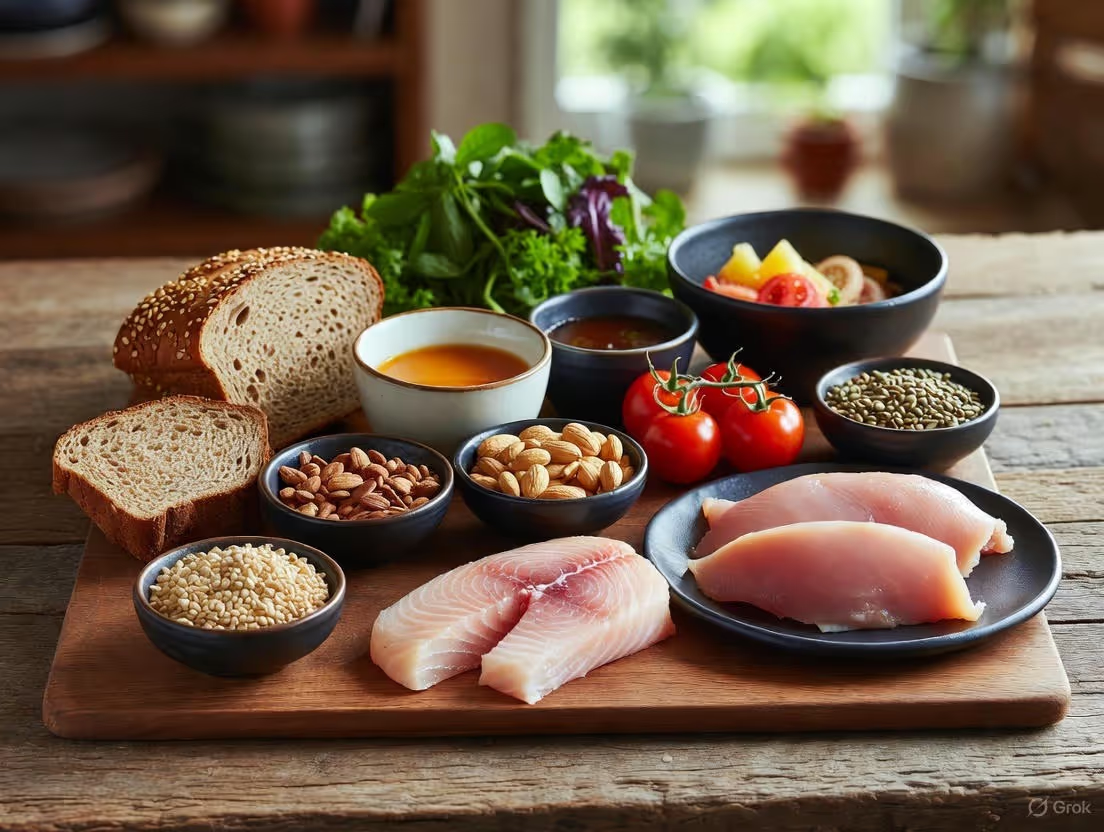
In our quest for calm, it is just as important to know what to include as it is to understand what to limit. Certain ubiquitous dietary elements act like psychological saboteurs, directly provoking the physiological state of anxiety and stress we are trying to alleviate. The three primary culprits—refined sugar, excessive caffeine, and ultra-processed foods—work through distinct but often synergistic mechanisms to hijack your nervous system.

Refined Sugar: The Inflammatory Rollercoaster

Sugar’s impact on mood is biphasic and destructive. Upon consumption, it triggers a rapid spike in blood glucose, leading to a corresponding surge of insulin to clear the sugar from your bloodstream. This can cause a reactive hypoglycemia (low blood sugar), which your brain perceives as a life-threatening emergency.

  • The Stress Response: Your adrenal glands release cortisol and adrenaline to mobilize stored glucose. This is the classic "fight or flight" response—increased heart rate, sweating, shaking, and intense anxiety or irritability. You are literally putting your body through a biochemical stress test multiple times a day.
  • Inflammation & Addiction: As covered, sugar is profoundly inflammatory, disrupting the gut-brain axis. Furthermore, sugar activates the brain's reward center (dopamine pathways) in a manner similar to addictive substances, creating a cycle of craving, consumption, crash, and anxiety that is self-perpetuating.

Caffeine: The Double-Edged Sword

Caffeine, an adenosine receptor antagonist, is a powerful stimulant. In moderate doses, it can enhance alertness and focus. However, for those prone to anxiety or with a dysregulated HPA axis, it is a potent trigger.

  • Mimicking Anxiety: Caffeine stimulates the release of adrenaline and cortisol. The physical sensations—increased heart rate, jitteriness, restlessness—are indistinguishable from the symptoms of an anxiety attack, which can then trigger or exacerbate psychological anxiety.
  • Depleting Calming Nutrients: It increases the excretion of magnesium and B vitamins, nutrients critical for nervous system calm discussed in the previous section.
  • Disrupting Sleep: Its long half-life means afternoon coffee can significantly impair sleep architecture. Poor sleep is one of the most direct precursors to heightened anxiety the following day. The Calm Mind Diet advocates for mindful caffeine consumption: ideally before noon, never on an empty stomach, and always paired with hydration and food.

Ultra-Processed Foods: The Frankenstein Culprit

These are not simply "junk food." They are industrially formulated substances designed to be hyper-palatable, combining refined sugars, unhealthy fats, salt, and artificial additives.

  • Nutrient Displacement: They provide "empty calories," displacing the nutrient-dense foods your brain needs to function and self-regulate.
  • Additive Agitation: Emerging research suggests that certain emulsifiers (like polysorbate 80 and carboxymethylcellulose) may disrupt the gut microbiome and increase intestinal permeability, fueling inflammation. Artificial colors and preservatives have also been linked to increased hyperactive and anxious behaviors in sensitive individuals.
  • The Fat Quality Crisis: They are typically laden with processed vegetable oils high in inflammatory omega-6 fats and trans fats, which integrate into neuronal membranes and impair communication.

The Withdrawal and Rebalancing Period

Reducing or eliminating these substances is a cornerstone of The Calm Mind Diet. It's important to note that initial withdrawal—headaches from caffeine, irritability from sugar—can feel like increased anxiety. This is temporary. As your blood sugar stabilizes, your adrenal glands recover, your gut begins to heal, and your neurotransmitter production rebalances, a new, lower baseline of anxiety emerges. The mental clarity and emotional stability that follow are profound. Tracking this transition with objective data on sleep and stress resilience can be incredibly motivating, a benefit many users report when integrating tools like the Oxyzen ring into their wellness journey, as shared in their testimonials.

Eating for GABA and Serotonin: Foods That Naturally Support Your Calming Neurotransmitters

Imagine your brain has two primary chemical systems for peace: serotonin, the regulator of mood, sleep, and contentment; and GABA (gamma-aminobutyric acid), the chief inhibitory neurotransmitter that acts as a brake pedal, slowing down neuronal firing to induce relaxation and calm anxiety. Pharmaceutical interventions often target these systems, but The Calm Mind Diet focuses on nourishing their natural production through specific, food-derived precursors and co-factors.

Building Serotonin: More Than Just Turkey

While tryptophan is the direct amino acid precursor to serotonin, simply eating tryptophan-rich foods isn't a magic bullet. Tryptophan must compete with other large neutral amino acids to cross the blood-brain barrier.

  • The Carbohydrate Strategy: This is where smart carbohydrates come in. Eating complex carbs triggers insulin release, which clears competing amino acids from the bloodstream, allowing more tryptophan to reach the brain. This is why a balanced dinner with carbs can promote calm and prepare you for sleep.
  • Key Serotonin-Supporting Foods:
    • Tryptophan Sources: Turkey, chicken, eggs, cheese, tofu, pumpkin seeds, and oats.
    • Co-Factor Rich Foods: Serotonin synthesis requires iron, B6, and folate. Spinach (iron, folate), salmon (B6), and lentils (folate, iron) are perfect supporting actors.
    • Gut-Dependent Production: Remember, up to 90% of serotonin is produced in the gut. Feeding your microbiome with prebiotic fibers (asparagus, garlic, onions) directly supports your gut's ability to manufacture this crucial neurotransmitter.

Boosting GABA: Activating Your Neural Brakes

GABA's role is to counterbalance excitatory neurotransmitters like glutamate. Low GABA activity is linked to anxiety, insomnia, and a feeling of being "on edge."

  1. GABA in Foods: Some foods, like fermented items (kimchi, miso), certain teas (green tea, oolong), and sprouted grains, contain small amounts of GABA. However, it's unclear how much dietary GABA crosses the blood-brain barrier.
  2. The Strategic Approach: The more reliable method is to provide the nutrients your brain needs to make its own GABA.
    • Glutamate Conversion: GABA is made from glutamate via an enzyme called glutamic acid decarboxylase (GAD). This enzyme requires Vitamin B6 as a co-factor. A deficiency in B6 can cripple GABA production.
    • Magnesium's Role: Magnesium binds to GABA receptors, mimicking the effects of GABA and enhancing its calming action.
    • Foods for Endogenous GABA Production:
      • Vitamin B6: Chickpeas, tuna, salmon, chicken breast, potatoes, and bananas.
      • Magnesium: Dark leafy greens, almonds, avocados, and dark chocolate.
      • Glutamine (a glutamate precursor): Found in bone broth, grass-fed beef, spirulina, and cabbage.

The Synergistic Meal Formula

A powerful Calm Mind meal designed to support both systems might look like this:

  • A dinner of baked salmon (tryptophan, B6, Omega-3) with a side of quinoa and roasted sweet potatoes (complex carbs to aid tryptophan transport, magnesium) and a large spinach salad (folate, magnesium).
  • A calming evening snack of a banana (B6, natural carbs) with a small square of dark chocolate (magnesium, polyphenols).

This strategic combination provides the raw materials and the logistical support (via carbs) to optimize your brain's innate ability to manufacture its own peace-promoting chemistry. It's a sustainable, nourishing alternative to seeking calm through external substances. For further exploration of how lifestyle factors interconnect, the Oxyzen blog offers deep dives into topics like sleep hygiene and stress management.

The Rhythm of Eating: How Meal Timing and Fasting Influence Stress and Clarity

Beyond what you eat, when and how often you eat exert a profound influence on your circadian biology, stress hormones, and cognitive function. The rhythm of your eating patterns can either harmonize with your body's natural cycles—promoting mental clarity and resilience—or fight against them, creating metabolic and hormonal stress that frays your nerves.

Circadian Rhythms and The "When" of Eating

Your body operates on a 24-hour internal clock that regulates sleep, hormone release, digestion, and even gene expression. Your gut, liver, and brain all have their own peripheral clocks that synchronize with the central clock in the brain's suprachiasmatic nucleus.

  • The Cortisol-Awakening Response: Cortisol naturally peaks in the early morning to help you wake up and provides energy. It should then gradually decline throughout the day.
  • Insulin Sensitivity: Your cells are most sensitive to insulin in the morning, becoming more resistant as the day progresses.
  • The Calm Mind Protocol: Aligning your eating with this rhythm means consuming your largest, most carbohydrate-inclusive meal during midday, when metabolism and digestion are strongest, and eating a lighter, earlier dinner. A heavy, late-night meal can disrupt the natural overnight dip in cortisol, impair sleep quality (a major anxiety driver), and misalign circadian rhythms. Studies show that time-restricted eating (TRE), where all calories are consumed within an 8-12 hour window during the active phase of the day, can improve sleep, reduce inflammation, and enhance mental clarity.

Grazing vs. Scheduled Meals: Impact on Blood Sugar and Anxiety

The common advice to "eat small, frequent meals to keep blood sugar stable" can be a double-edged sword for mental peace.

  • The Grazing Trap: For some, especially those with blood sugar dysregulation, eating every 2-3 hours can keep insulin constantly elevated and never allow the body to dip into fat-burning or complete digestive cycles. This can create a state of metabolic inflexibility and a sense of being "addicted" to food, where any missed meal triggers anxiety—a fear of low energy or a "crash."
  • The Case for Satiating Meals: The Calm Mind Diet emphasizes balanced, satiating meals with adequate protein, fat, and fiber. This approach promotes longer periods of stable blood sugar and insulin levels between meals. It allows for the natural ebb and flow of metabolic states, teaching the body to be fuel-flexible. This reduces anxiety around food timing and can lead to more stable energy and mood throughout the day.

Intermittent Fasting and Autophagy for Brain Clarity

Intermittent fasting (IF), a form of TRE with a longer fasting window (often 16 hours), has shown promise for brain health, though it is not for everyone and should be approached cautiously, especially by those with anxiety or a history of disordered eating.

  • Ketones as a Clean Fuel: During a fast, when glucose stores are depleted, the liver produces ketones from fat. Ketones are an exceptionally efficient and clean-burning fuel for the brain, associated with enhanced mental clarity, focus, and neuroprotection.
  • Autophagy: Fasting triggers autophagy, the body's cellular "clean-up" process where old, dysfunctional cellular components are recycled. In the brain, this may help clear out damaged proteins and reduce neuroinflammation.
  • Important Caveat: For those with high anxiety or adrenal dysfunction, prolonged fasting can be perceived as a major stressor, spiking cortisol and exacerbating symptoms. It must be introduced gently, perhaps starting with a 12-hour overnight fast, and always in the context of nutrient-dense meals. Listening to your body's signals is paramount.

Personalizing Your Rhythm

There is no one-size-fits-all meal timing pattern. A young, highly active person may need more frequent meals, while someone else may thrive on two larger ones. The key is to move away from reactive eating (eating due to stress or cravings) and towards rhythmic, intentional eating that aligns with your body's natural cycles and personal energy needs. Observing how different eating windows affect your sleep quality, morning energy, and afternoon focus is crucial. Many find that using a device to track HRV and sleep provides the objective feedback needed to personalize this rhythm effectively, a concept central to the personalized approach at Oxyzen.

Hydration for Cognition: How Dehydration Masquerades as Anxiety and Brain Fog

Water is the most fundamental nutrient, constituting about 75% of brain tissue. Yet, its role in mental peace is often overlooked. Chronic, low-level dehydration is shockingly common and its symptoms—irritability, difficulty concentrating, fatigue, and headaches—are virtually identical to those of anxiety and stress. Before reaching for another coping strategy, the first question to ask is: have I drunk enough water today?

The Brain's Thirst for Water

Every thought, emotion, and memory you generate is the result of electrical and chemical signaling between neurons. This process is exquisitely dependent on proper hydration.

  • Cellular Communication: Water is essential for maintaining the electrolyte balance (sodium, potassium, magnesium) necessary for generating nerve impulses. Even minor dehydration alters this balance, slowing down and disrupting neuronal communication.
  • Energy Production: The brain's ATP (energy) production requires water. Dehydration reduces the efficiency of this process, leading to mental fatigue and brain fog.
  • Waste Clearance: The brain's glymphatic system, which flushes out metabolic waste products (like beta-amyloid) during sleep, relies on adequate fluid flow. Dehydration impairs this cleansing process, potentially contributing to inflammation and cognitive decline.

Dehydration and the Stress Response

The body perceives dehydration as a physiological threat. It triggers a cascade of stress responses:

  1. Cortisol Release: To conserve water and maintain blood pressure, the body releases cortisol and vasopressin. Elevated cortisol directly contributes to feelings of anxiety and agitation.
  2. Reduced Blood Flow: Dehydration reduces blood volume, leading to a compensatory increase in heart rate and a decrease in blood flow to the brain. This can cause lightheadedness, poor focus, and a heightened sense of unease.
  3. The Vicious Cycle: Stress itself can cause you to lose more fluids (through sweating, increased respiration) and can distract you from thirst signals, creating a self-perpetuating cycle of stress and dehydration.

Beyond Plain Water: Electrolytes and Herbal Infusions

For optimal cognitive hydration, pure water is essential, but it's not the whole story.

  • Electrolyte Balance: When you're stressed, sweat, or consume caffeine, you lose electrolytes. Drinking large amounts of plain water without electrolytes can dilute their concentration in the blood, a condition called hyponatremia, which is dangerous. For daily maintenance, a pinch of high-quality sea salt in your water or consuming water-rich fruits and vegetables (cucumber, celery, watermelon) can help.
  • Calming Herbal Infusions: Herbal teas serve a dual purpose. They contribute to fluid intake while providing the direct calming benefits of botanicals.
    • Chamomile: Contains apigenin, which binds to GABA receptors, promoting relaxation.
    • Lemon Balm: Shown to reduce symptoms of anxiety and improve cognitive function.
    • Peppermint: Can soothe digestive discomfort (common with anxiety) and improve alertness.
    • Green Tea: Contains L-theanine, an amino acid that promotes alpha brain waves (associated with relaxed alertness) and works synergistically with a small amount of caffeine.

Practical Hydration Guidelines for a Calm Mind

  • Start Your Day: Drink 16-20 oz of water (perhaps with lemon) upon waking to rehydrate after 7-8 hours of fasting.
  • Sip Consistently: Aim for at least half your body weight in ounces of fluid daily, more if active or in heat. Carry a water bottle.
  • Listen to Thirst & Observe Urine: Pale yellow urine is a good indicator. Dark yellow urine signals a need for more fluids.
  • Hydrate Before Stressors: Drink water before a big meeting, a workout, or any known anxiety-provoking situation.

By prioritizing hydration, you are ensuring the most basic, non-negotiable requirement for clear, calm neurological function is met. It is a simple, profoundly effective, and often neglected pillar of The Calm Mind Diet. For a deeper understanding of how foundational habits like hydration impact your measurable wellness metrics, explore the educational content on the Oxyzen blog.

Personalizing Your Calm Mind Diet: Listening to Your Body's Unique Biofeedback

The principles outlined so far form a powerful, evidence-based framework. However, the final, most critical layer of The Calm Mind Diet is personalization. We are not identical biochemical machines. Genetic differences, microbiome composition, food sensitivities, lifestyle, and stress history mean that the "perfect" diet for mental peace will have a unique signature for each individual. The ultimate tool is learning to become an astute observer of your own body's biofeedback.

Beyond Generic Plans: The Concept of Bio-Individuality

One person's superfood may be another's trigger. For example:

  • Histamine Intolerance: Foods like sauerkraut, aged cheese, and spinach (high in histamine) can cause anxiety, racing heart, and insomnia in those who cannot break it down efficiently.
  • Oxalate Sensitivity: For some, high-oxalate foods like spinach, almonds, and beets can contribute to inflammation, pain, and mood issues.
  • FODMAP Sensitivities: Fermentable carbohydrates in garlic, onions, and beans can cause significant bloating and discomfort in those with IBS, creating physical stress that translates to mental anxiety.

A diet that is theoretically "anti-inflammatory" or "gut-healthy" can backfire if it includes foods you are personally reactive to.

The Mindful Eating Journal: The First Tool

Begin with mindful observation, free of technology.

  • Keep a Food-Mood-Gut Journal: For one week, record what you eat, the time, and then note your energy, mood, focus, and digestion 1-3 hours later. Look for patterns. Do you feel calm or agitated after eggs? Does a lunch with bread lead to a 3 p.m. crash and anxiety?
  • Practice an Elimination/Reintroduction Protocol: Under guidance, consider temporarily removing common triggers (gluten, dairy, soy, eggs, sugar, processed foods) for 3-4 weeks, then systematically reintroducing them one at a time, observing your physical and mental responses. This can reveal hidden sensitivities.

Leveraging Technology: From Subjective Feeling to Objective Data

This is where modern wellness technology bridges the gap between subjective feeling and objective physiology. Subjective anxiety can be hard to quantify, but its physiological correlates are not.

  • Heart Rate Variability (HRV): HRV is the gold-standard, non-invasive measure of autonomic nervous system balance. A higher HRV generally indicates greater parasympathetic ("rest and digest") tone and resilience to stress. By tracking your HRV, you can see in real time how different foods and meals impact your nervous system. Does that business lunch spike your stress response? Does a dinner high in vegetables and salmon improve your overnight recovery? This is powerful, personalized feedback.
  • Sleep Architecture: The quality of your sleep is a direct reflection of your day, including your diet. Tracking sleep stages, restlessness, and overall score can show you if late-night sugar disrupts your deep sleep or if a magnesium-rich dinner improves sleep efficiency.
  • Resting Heart Rate & Body Temperature: These can also provide clues about inflammation and metabolic health.

A device like the Oxyzen smart ring, worn continuously, gathers this data passively, creating a longitudinal picture of your unique physiology. You can move from guessing to knowing. For instance, you might see that on days you consume your personalized "calm plate," your nightly HRV is 15% higher and your deep sleep increases—objective proof of what works for you. To understand how this technology fits into a holistic wellness philosophy, you can learn more about the company's mission and approach.

The Iterative Process of Refinement

Personalization is not a one-time test. It's an ongoing conversation with your body. You use the framework (anti-inflammatory, gut-supportive, nutrient-dense) as your guide, you use mindful observation as your compass, and you use biometric data as your map. You experiment, observe, adjust, and refine. Over time, you construct a dietary pattern that doesn't just follow generic rules, but that is uniquely calibrated to support your calm, your focus, and your mental resilience. This is the true essence—and the ultimate goal—of The Calm Mind Diet.

Adaptogens and Herbs: Nature's Pharmacy for Stress Resilience

In the quest for mental peace, sometimes our bodies need targeted, gentle support to help them adapt to the cumulative burdens of modern life. This is where adaptogenic herbs and calming botanicals enter the stage of The Calm Mind Diet. These are not pharmaceutical crutches, but rather time-honored, science-backed allies that work by modulating the body’s stress response, supporting adrenal function, and promoting homeostasis—the state of balanced equilibrium where calm becomes the default.

Adaptogens are a unique class of herbs that, by definition, must be non-toxic, help the body resist a wide variety of stressors (physical, chemical, biological), and have a normalizing influence on physiology. They don’t push the body in one direction; rather, they help it adapt. If your cortisol is too high, they can help lower it. If it’s too low and you’re fatigued, they can help gently elevate it. This bidirectional action makes them ideal for the nuanced landscape of stress and anxiety.

Key Adaptogens for the Modern Mind:

  1. Ashwagandha (Withania somnifera): Often called the "king of adaptogens," this Ayurvedic herb is renowned for its ability to reduce perceived stress and lower cortisol levels. Clinical studies show it can significantly reduce anxiety and improve stress resilience. It works in part by modulating GABA receptor activity. It’s particularly useful for those who feel "wired but tired"—burned out yet unable to relax. It pairs well with warm, nourishing foods like golden milk.
  2. Rhodiola Rosea: This herb is a champion for combating fatigue and enhancing mental performance under stress. It works by supporting the production and efficiency of ATP (cellular energy) in the brain and increasing the sensitivity of neurons to dopamine and serotonin. For those whose anxiety is tied to overwhelm and exhaustion, Rhodiola can provide a clean sense of energy and focus without jitteriness. It’s best taken in the morning or early afternoon.
  3. Holy Basil (Tulsi): Revered in India as a sacred plant, Holy Basil is a gentle, yet potent adaptogen for promoting a sense of calm and balance. It helps normalize blood sugar, which stabilizes mood, and has demonstrated anti-anxiety and antidepressant effects comparable to some pharmaceutical drugs in animal models. Its gentle nature makes it excellent for daily use as a tea, integrating the ritual of calm into your routine.
  4. Licorice Root (Glycyrrhiza glabra): Important for those with HPA axis dysfunction and depleted cortisol. Licorice root contains glycyrrhizin, which slows the breakdown of cortisol in the body, providing gentle support for exhausted adrenal glands. Crucial Note: Due to its effect on blood pressure and electrolytes, it should be used cautiously, for short periods, and under guidance, especially by those with hypertension.

Calming Herbs (Non-Adaptogens):

These herbs directly promote relaxation without necessarily having the broad, system-modulating effects of adaptogens.

  • Lemon Balm (Melissa officinalis): This lemon-scented member of the mint family is a classic calming herb. Research shows it can reduce symptoms of anxiety, improve cognitive function, and promote relaxation, likely by increasing GABA activity. It’s excellent as a tea before a stressful event or bedtime.
  • Passionflower (Passiflora incarnata): Used traditionally for nervous restlessness and sleep, Passionflower has been shown in studies to be as effective as some anti-anxiety medications for generalized anxiety disorder. It appears to boost levels of GABA in the brain.
  • Magnolia Bark (Magnolia officinalis): The compounds honokiol and magnolol in magnolia bark have strong anxiolytic and antidepressant properties, acting on the GABA system and also reducing inflammation in the brain.

Integrating Herbs into Your Calm Mind Diet:

  • Food as Medicine: Incorporate fresh herbs like basil, rosemary, and oregano liberally into your cooking—they contain anti-inflammatory compounds.
  • Ritualistic Teas: Replace afternoon coffee or evening wine with a ritual of brewing a calming tea. A blend of chamomile, lemon balm, and a touch of passionflower can signal to your nervous system that it’s time to unwind.
  • Strategic Supplementation: For standardized extracts of adaptogens like Ashwagandha or Rhodiola, quality matters immensely. Look for reputable brands that use third-party testing. Start with a low dose to assess tolerance, and consider cycling them (e.g., 5 days on, 2 days off).
  • Synergy with Data: This is where personalization shines. You might start taking Ashwagandha and use a device like the Oxyzen ring to track its effect on your overnight HRV and sleep quality. Does your deep sleep improve? Does your morning HRV trend upward after a few weeks? This objective feedback, as many share in their testimonials, turns guesswork into a refined personal protocol.

Remember, herbs are potent. They interact with your biochemistry and, sometimes, with medications. Consulting with a qualified healthcare practitioner, especially if you have health conditions or are on medication, is essential. Used wisely, however, they can be profound allies in building a foundation of resilience, helping your mind and body navigate stress with far greater grace and ease.

The Omega-3 to Omega-6 Ratio: Rebalancing Fats for a Less Reactive Brain

We’ve established that fat quality is paramount for brain health. But beyond simply eating "good fats," a critical factor in calming neuroinflammation lies in the balance between two families of essential polyunsaturated fatty acids (PUFAs): Omega-3 and Omega-6. This ratio is a master regulator of inflammation in your body and brain, and in the modern diet, it is dangerously out of whack, contributing directly to an agitated, reactive nervous system.

Understanding the Players:

  • Omega-6 Fatty Acids (Linoleic Acid): Found abundantly in industrial seed oils (soybean, corn, sunflower, safflower, cottonseed), processed foods, and conventionally raised meats. In the body, they are metabolized into pro-inflammatory eicosanoids—signaling molecules that promote inflammation, blood clotting, and constriction.
  • Omega-3 Fatty Acids (ALA, EPA, DHA): Found in fatty fish, algae, flaxseeds, chia seeds, and walnuts. They are metabolized into anti-inflammatory and inflammation-resolving eicosanoids.

Both are "essential," meaning we must get them from our diet. The problem is not Omega-6 itself, but the disproportionate amount we now consume.

The Historical Shift: From 1:1 to 20:1
Anthropological research suggests that our ancestors consumed Omega-6 and Omega-3 fats in a ratio close to 1:1. The modern industrialized diet has skewed this ratio to between 10:1 and an astounding 25:1 in favor of Omega-6. This imbalance creates a chronic, low-grade pro-inflammatory state because both fatty acids compete for the same enzymes for conversion and incorporation into cell membranes.

The Brain on Imbalance:
Your neuronal cell membranes are composed of the fats you eat. When your diet is high in Omega-6, your brain cell membranes become disproportionately populated with arachidonic acid (an Omega-6 derivative). When these cells are stimulated or stressed, they release more pro-inflammatory signaling molecules. This makes your brain more prone to inflammatory responses, oxidative stress, and impaired communication. It's like building your brain's wiring from a cheap, unstable, and highly flammable material.

Rebalancing for Calm: A Three-Pronged Strategy
The goal of The Calm Mind Diet is not to eliminate Omega-6 but to drastically reduce excessive, poor-quality sources and simultaneously boost Omega-3 intake, aiming for a ratio closer to 4:1 or even 2:1.

  1. Drastically Reduce Industrial Seed Oils: This is the most impactful step. Avoid:
    • Processed and packaged foods (check labels for soybean, corn, canola, "vegetable" oil).
    • Fried foods from restaurants (which almost universally use these oils).
    • Conventional mayonnaise, salad dressings, and margarine.
    • Replace with stable cooking fats like olive oil (low heat), avocado oil, coconut oil, grass-fed butter, or ghee.
  2. Prioritize High-EPA/DHA Sources: Remember, the plant-based Omega-3 (ALA) is poorly converted to EPA and DHA. Direct sources are key.
    • Aim for 2-3 servings per week of wild-caught salmon, mackerel, sardines, herring, or anchovies.
    • For vegetarians/vegans, a high-quality algae-based DHA/EPA supplement is non-negotiable for brain health.
    • Consider supplementation: A high-quality fish oil supplement with a concentration of 1-2 grams of combined EPA/DHA daily is a powerful therapeutic tool for reducing neuroinflammation and anxiety. Look for products that are third-party tested for purity.
  3. Choose Better Animal Products: The fat profile of an animal reflects its diet. Grass-fed beef and pasture-raised eggs have a significantly better Omega-6 to Omega-3 ratio than their grain-fed, conventionally raised counterparts.

The Calming Effect of Resolution
Emerging research highlights that certain Omega-3s (especially EPA and DHA) are not just anti-inflammatory; they are pro-resolving. They are precursors to specialized pro-resolving mediators (SPMs) like resolvins and protectins, which actively signal the body to turn off the inflammatory response and begin healing. This is crucial for mental health, as it helps the brain recover from the inflammatory hits of daily stress.

By consciously rebalancing your fat intake, you are fundamentally changing the building blocks of your brain and the inflammatory tone of your entire system. You are switching from a state of high reactivity to one of greater resilience and ease. The mental clarity and emotional stability that arise from this rebalancing are often profound and noticeable within a few weeks to months. It is a slow, deep, structural change that supports every other aspect of The Calm Mind Diet. For more detailed guides on implementing such foundational health shifts, resources like the Oxyzen blog can be an excellent companion.

Prebiotics & Probiotics: Cultivating Your Inner Garden for Optimal Mood

The gut-brain axis is a two-way street. While we've discussed how gut health influences the brain, this section focuses on the active gardening required to cultivate a microbiome that produces calm. Think of your gut as a diverse internal ecosystem. Prebiotics are the fertilizer, and probiotics are the seeds of beneficial plants. A neglected garden grows weeds (pathogenic bacteria); a tended one yields a bounty of health-promoting flora that directly supports mental peace.

Prebiotics: The Fertilizer Your Good Bacteria Crave

Prebiotics are specific types of dietary fiber that are resistant to human digestion but are fermented by beneficial bacteria in the colon. This fermentation produces short-chain fatty acids (SCFAs), most notably butyrate, which is the primary fuel for the cells lining your colon and a potent anti-inflammatory for your entire body and brain.

  • Key Prebiotic Foods: Aim to include a variety daily.
    • Inulin & Fructooligosaccharides (FOS): Garlic, onions, leeks, asparagus, Jerusalem artichokes, chicory root, bananas (slightly green are best).
    • Resistant Starch: This is starch that resists digestion in the small intestine and ferments in the large intestine. It's found in cooked and cooled potatoes, rice, and legumes, green bananas, and oats.
    • Pectin: Apples, citrus fruits, carrots.
    • Beta-Glucans: Oats, barley, mushrooms.

Probiotics: Introducing Beneficial Strains

Probiotics are live microorganisms that, when administered in adequate amounts, confer a health benefit. While supplements have their place, dietary sources offer a complex array of strains alongside other nutrients.

  • Fermented Foods are King:
    • Dairy-Based: Yogurt and kefir (look for "live and active cultures," unsweetened).
    • Vegetable-Based: Sauerkraut, kimchi, traditional dill pickles (fermented in brine, not vinegar), and beet kvass.
    • Soy-Based: Tempeh, miso, natto (also a great source of Vitamin K2).
    • Beverages: Kombucha and water kefir (be mindful of sugar content).
  • The Strain-Specific Frontier: Emerging research is starting to identify specific bacterial strains with mental health benefits, often called "psychobiotics." For example:
    • Lactobacillus helveticus and Bifidobacterium longum have been shown in studies to reduce perceived stress and anxiety.
    • Lactobacillus rhamnosus (JB-1) has been shown in animal studies to influence GABA receptors in the brain and reduce stress-induced behaviors.

Practical Gardening for Your Gut-Brain Axis:

  1. Start Slow: If you’re new to fermented foods or high-fiber prebiotics, introduce them gradually. A sudden influx can cause gas and bloating as your microbiome adjusts.
  2. Diversity is Key: Don’t just eat yogurt every day. Rotate through different fermented foods to expose your gut to a wide variety of bacterial strains.
  3. Pair Them: Combine prebiotics and probiotics for a synbiotic effect. Have a bowl of yogurt (probiotic) with sliced banana and a sprinkle of oats (prebiotic). Add sauerkraut (probiotic) to a meal that includes onions and asparagus (prebiotic).
  4. Quality Matters: For fermented vegetables, look for products in the refrigerated section that say "naturally fermented" and contain live cultures. Pasteurized versions on shelf-stable shelves have had the beneficial bacteria killed.
  5. The Fiber-Anxiety Connection: A landmark study published in Brain, Behavior, and Immunity found that increasing prebiotic fiber intake reduced cortisol levels and had an anti-anxiety effect in study participants. The mechanism is believed to be through the production of SCFAs and their subsequent impact on the brain.

Observing the Shift: From Gut to Mind

As you tend to your inner garden, pay attention to subtle and not-so-subtle shifts. Improvements often start with digestion—less bloating, more regularity. Then, you may notice that your mood feels more stable, your stress response is less hair-trigger, and "background" anxiety diminishes. This is the gut-brain conversation improving. Some find that tracking physiological markers like HRV provides compelling evidence of this shift, as a healthier gut often leads to better sleep and improved nervous system recovery, trends easily visible with consistent wear of a biometric tracker. For those curious about the science behind such connections, the Oxyzen blog frequently explores these topics.

By making prebiotics and probiotics a daily priority, you are not just eating for digestive comfort; you are actively farming the microbial allies that manufacture your neurotransmitters, regulate inflammation, and stand as your first line of defense against stress. It is one of the most direct dietary actions you can take to cultivate mental peace.

The Role of Polyphenols: Antioxidant Powerhouses from Plants That Protect the Brain

Beyond vitamins and minerals, plants contain a vast array of protective compounds called polyphenols. These are the chemicals that give berries their deep hue, coffee its bitterness, and dark chocolate its richness. For the brain, polyphenols are not mere accessories; they are essential defenders and modulators. They combat oxidative stress, reduce inflammation, enhance blood flow, and even promote the growth of new neurons—a process called neurogenesis. In the context of The Calm Mind Diet, they are the high-octane fuel for cognitive resilience and emotional stability.

How Polyphenols Shield and Nourish the Anxious Brain:

  1. Master Antioxidants: The brain is exceptionally vulnerable to oxidative damage due to its high oxygen consumption and lipid-rich content. Polyphenols neutralize free radicals and upregulate the body's own antioxidant defense systems (like glutathione). This protects neuronal membranes, mitochondria, and DNA from damage that can impair function and contribute to anxiety and depression.
  2. Anti-Inflammatory Agents: Many polyphenols, such as curcumin (from turmeric) and resveratrol (from grapes and berries), directly inhibit the production of pro-inflammatory cytokines and the NF-kB pathway, a master switch for inflammation. By calming neuroinflammation, they help restore proper neurotransmitter function and synaptic plasticity.
  3. Enhancing Brain-Derived Neurotrophic Factor (BDNF): BDNF is a protein that acts like fertilizer for the brain. It supports the survival of existing neurons, encourages the growth of new neurons and synapses, and is crucial for learning and memory. Low BDNF is associated with depression and anxiety. Polyphenols from sources like blueberries, green tea, and cocoa have been shown to increase BDNF levels.
  4. Improving Cerebral Blood Flow: Compounds like flavanols in cocoa and catechins in green tea improve nitric oxide production, which dilates blood vessels, enhancing blood flow and oxygen delivery to the brain. This can result in improved cognitive function, attention, and mood.

A Guide to the Top Calm Mind Polyphenol Families:

  • Flavonoids (The Largest Group):
    • Flavanols: Found in cocoa, green tea, apples, and berries. Linked to improved memory and mood.
    • Anthocyanins: The blue-red pigments in berries (blueberries, blackberries, raspberries), cherries, and red cabbage. Potent antioxidants that cross the blood-brain barrier.
    • Flavanones: Found in citrus fruits. Have demonstrated anti-anxiety effects in research.
  • Phenolic Acids:
    • Curcumin: The active compound in turmeric. Its potent anti-inflammatory and neuroprotective effects are so pronounced it’s the subject of numerous clinical trials for depression and Alzheimer's. Tip: Consume with black pepper (piperine) to dramatically enhance absorption.
  • Stilbenes:
    • Resveratrol: Famous for its presence in red wine, but also found in grapes, peanuts, and berries. It activates sirtuins, proteins involved in cellular repair and longevity, and has strong anti-inflammatory effects.
  • Lignans: Found in flaxseeds, sesame seeds, and whole grains. They have phytoestrogenic and antioxidant properties.

Incorporating a Polyphenol Rainbow into Your Diet:

The key is variety and regular intake, as many polyphenols have a relatively short lifespan in the body.

  • Start Your Day with Berries: Add a handful of frozen or fresh berries to your oatmeal, yogurt, or smoothie.
  • Embrace Herbs and Spices: Liberally use turmeric, ginger, cinnamon, oregano, and rosemary in your cooking.
  • Choose Dark Chocolate: Opt for chocolate with 70% cocoa or higher. A small square (1-2 oz) is a perfect, mindful dessert.
  • Drink Green Tea: Swap an afternoon coffee for a cup of green tea. The combination of L-theanine and catechins promotes relaxed alertness.
  • "Eat the Rainbow": Make it a goal to have 3-4 different colored vegetables on your plate at dinner. Each color represents a different family of protective polyphenols.

The Synergy of Whole Foods:

It’s important to emphasize obtaining polyphenols from whole foods rather than isolated supplements (with a few exceptions like high-quality curcumin). Whole foods provide a complex matrix of fibers, vitamins, and other compounds that work synergistically, enhancing absorption and providing a broader spectrum of benefits. A diet rich in polyphenol-dense plants is inherently anti-inflammatory, gut-supportive, and neuroprotective—hitting all the core targets of The Calm Mind Diet.

By consciously filling your plate with these colorful plant compounds, you are providing your brain with an elite defense team and repair crew. You are not just preventing damage; you are actively enhancing the brain’s own resilience mechanisms, creating a biochemical environment where calm, clarity, and positive mood can flourish naturally. For inspiration on incorporating these principles into a busy lifestyle, the community stories and resources shared in the Oxyzen story can be a valuable source of ideas.

Sleep-Optimized Nutrition: Evening Meals and Snacks for Restorative Rest

Sleep is the non-negotiable pillar of mental peace. It is during deep sleep that the brain performs essential housekeeping: clearing metabolic waste via the glymphatic system, consolidating memories, and rebalancing neurotransmitters. Poor sleep is a direct and potent trigger for anxiety, irritability, and poor stress resilience the following day. Therefore, The Calm Mind Diet extends its principles into the evening, using specific nutritional strategies to support—not sabotage—the architecture of restorative sleep.

The Goal: Support the Natural Sleep-Wave
The sleep cycle is governed by circadian rhythms and the flux of key hormones: melatonin (the sleep hormone), cortisol (which should be low at night), and neurotransmitters like GABA and serotonin (a precursor to melatonin). Evening nutrition aims to:

  1. Stabilize blood sugar overnight to prevent cortisol spikes.
  2. Provide precursors for melatonin and GABA synthesis.
  3. Avoid foods that cause inflammation, indigestion, or energy spikes.

The Calm Mind Evening Meal Framework (Within 3 Hours of Bed):

  • Include a Moderate Serving of Complex Carbohydrates: This is the time to leverage the tryptophan-serotonin-melatonin pathway. A serving of complex carbs like sweet potato, quinoa, brown rice, or oats with dinner helps shuttle tryptophan into the brain. This is especially helpful if you have an active mind that struggles to shut off.
  • Prioritize Easy-to-Digest Protein: Opt for lean, easily digested proteins like poultry, fish, tofu, or eggs. Avoid large, heavy portions of red meat or very fatty meats that require more digestive effort.
  • Incorporate Magnesium-Rich Foods: Magnesium is nature’s muscle relaxant and GABA co-factor. Include dark leafy greens (spinach, kale), pumpkin seeds, or avocado in your evening meal.
  • Focus on Anti-Inflammatory Fats: A small amount of healthy fat from olive oil or avocado helps with satiety and nutrient absorption without overburdening digestion.

The Ideal Calm Mind Bedtime Snack (If Needed, 60-90 Minutes Before Bed):

A small snack can be beneficial if you’re hungry, as low blood sugar can wake you up. The perfect sleep snack combines a little complex carbohydrate with a source of tryptophan or magnesium.

  • A small bowl of oatmeal with a sprinkle of pumpkin seeds.
  • A banana with a tablespoon of almond butter.
  • A few whole-grain crackers with a slice of turkey or a small piece of cheese.
  • Tart cherry juice (a natural source of melatonin and antioxidants).
  • Chamomile or passionflower tea is an excellent liquid snack that provides hydration and direct calming herbs.

Foods and Habits to Avoid in the Evening:

  • Caffeine: Its half-life is about 5-6 hours. Avoid all caffeine (coffee, tea, soda, chocolate) after 2 p.m. if you’re sensitive.
  • Alcohol: While it may induce sleep initially, alcohol fragments sleep architecture, suppresses REM sleep (crucial for emotional processing), and can cause night wakings as its sedative effects wear off and blood sugar fluctuates.
  • Large, High-Fat Meals: Require significant digestive effort, which can disrupt sleep and may cause discomfort or acid reflux when lying down.
  • Excessive Fluids: Minimize large drinks close to bedtime to prevent disruptive trips to the bathroom.
  • Hidden Sugars and Refined Carbs: A sugary dessert will cause a blood sugar spike and crash, potentially triggering a cortisol release that wakes you up in the middle of the night.

The Power of Ritual and Consistency:

The act of having a light, calming evening meal and perhaps a soothing tea is a ritual that signals to your brain and nervous system that the day is ending. This behavioral cue, paired with the correct biochemistry, is powerful. Consistency in your evening eating schedule helps regulate your circadian clock.

Tracking the Impact:

This is an area where personalization and data are invaluable. You might hypothesize that a banana with almond butter improves your sleep. By tracking your sleep with a device that measures restlessness, sleep stages, and overall score, you can test this. Do you fall asleep faster? Do you get more deep sleep? Do you wake up less frequently? Many users of tools like the Oxyzen ring find this feedback loop transformative, allowing them to pinpoint exactly which evening nutritional habits work best for their unique physiology, a point often highlighted in user testimonials.

By aligning your evening nutrition with the goal of sleep, you are using your final meals of the day as a therapeutic tool. You are not just eating for satiety; you are proactively programming your night for restoration, ensuring you wake up with a replenished, resilient mind ready to face the day with calm.

Citations:

Your Trusted Sleep Advocate: Sleep Foundation — https://www.sleepfoundation.org

Discover a digital archive of scholarly articles: NIH — https://www.ncbi.nlm.nih.gov/

39 million citations for biomedical literature :PubMed — https://pubmed.ncbi.nlm.nih.gov/

Experts at Harvard Health Publishing covering a variety of health topics — https://www.health.harvard.edu/blog/  

Every life deserves world class care :Cleveland Clinic - https://my.clevelandclinic.org/health

Wearable technology and the future of predictive health monitoring :MIT Technology Review — https://www.technologyreview.com/

Dedicated to the well-being of all people and guided by science :World Health Organization — https://www.who.int/news-room/

Psychological science and knowledge to benefit society and improve lives. :APA — https://www.apa.org/monitor/

Cutting-edge insights on human longevity and peak performance:

 Lifespan Research — https://www.lifespan.io/

Global authority on exercise physiology, sports performance, and human recovery:

 American College of Sports Medicine — https://www.acsm.org/

Neuroscience-driven guidance for better focus, sleep, and mental clarity:

 Stanford Human Performance Lab — https://humanperformance.stanford.edu/

Evidence-based psychology and mind–body wellness resources:

 Mayo Clinic — https://www.mayoclinic.org/healthy-lifestyle/

Data-backed research on emotional wellbeing, stress biology, and resilience:

 American Institute of Stress — https://www.stress.org/
