


The Neuroscience of Daily Stress: A Complete Framework for Long-Term Regulation
Daily stress management is the practice of using regular, small techniques to regulate your nervous system and prevent stress accumulation.
Daily stress management is the practice of using regular, small techniques to regulate your nervous system and prevent stress accumulation.
%402x.svg)
You know that feeling. The morning email that makes your stomach drop. The background hum of worry about a deadline. The sudden, skittering heart rate when your phone rings with an unknown number. This isn't just a bad day; it's your nervous system at work, interpreting the modern world as a minefield of low-grade threats. We often treat stress as a purely psychological event—a matter of mindset or willpower. But to truly master it, we must look deeper, into the very architecture of our brains and bodies.
Stress is not your enemy. In fact, it’s a brilliant, ancient biological system designed for your survival. The problem is not stress itself, but its chronic, dysregulated activation in a world our brains never evolved for. The ping of a notification, the traffic jam, the overwhelming to-do list—to your primal brain, these can trigger the same cascading neurochemical alarms as a lurking predator. The result? We live in a state of perpetual "low-grade threat," which over months and years, rewires our neural circuits, dysregulates our hormones, and silently erodes our health, focus, and joy.
This article is your map through that inner landscape. We will embark on a journey into the neuroscience of daily stress, moving beyond generic "stress relief" tips to build a complete, science-backed framework for long-term regulation. We will decode the language of your amygdala, your HPA axis, and your vagus nerve. You will learn not just to cope, but to fundamentally retune your nervous system’s baseline, building resilience from the neurons up. This journey integrates cutting-edge research with actionable protocols, and explores how modern technology, like advanced wellness wearables from pioneers such as Oxyzen, can provide the crucial biofeedback needed to make invisible patterns visible and manageable.
The goal is not a life without stress, but a nervous system with agility—one that can mount a powerful response when truly needed, and then, just as importantly, can deeply and completely rest. Let's begin.
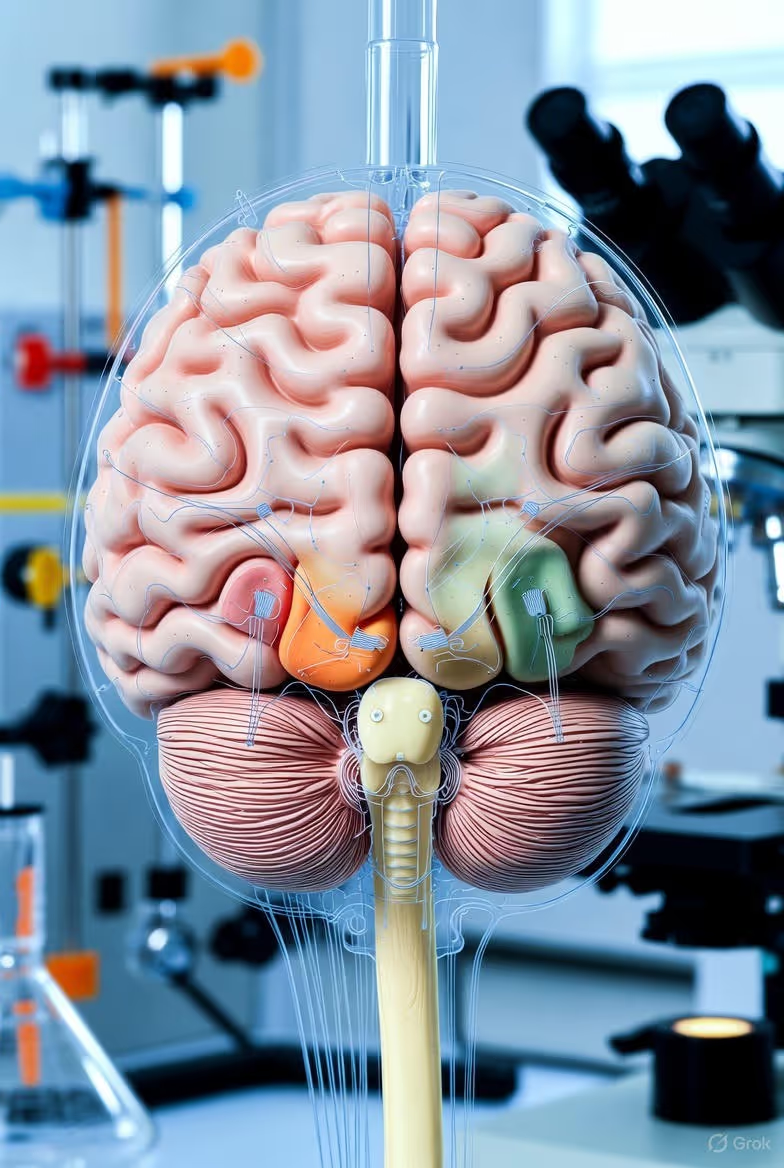
To regulate stress, we must first understand its origin story. The process begins not with a conscious thought, but in a small, almond-shaped cluster of neurons buried deep within your temporal lobe: the amygdala. This is your brain’s alarm center, its constant surveillance system for danger. It scans all incoming sensory data—the tone of a voice, a facial expression, a looming deadline on a calendar—at lightning speed.
When the amygdala perceives a threat (real or imagined), it doesn't wait for your slower, logical prefrontal cortex to deliberate. It sounds the alarm immediately, activating the body's two primary stress pathways.
The Fast Track: The Sympathetic Nervous System (SNS)
This is the famous "fight-or-flight" system. In a millisecond, the amygdala signals the brainstem, which flips the SNS switch. A cascade follows: your hypothalamus signals your adrenal glands, which flood your bloodstream with adrenaline (epinephrine). Your heart pounds, blood pressure rises, breath quickens, and blood is shunted from your digestive system to your muscles. This is the explosive, immediate energy for survival.
The Sustained Response: The HPA Axis
For threats that don’t resolve quickly, a second, slower pathway engages: the Hypothalamic-Pituitary-Adrenal (HPA) axis. The hypothalamus releases corticotropin-releasing hormone (CRH), which tells the pituitary gland to secrete adrenocorticotropic hormone (ACTH). This hormone travels through the bloodstream to command your adrenal glands to release cortisol, the primary long-term stress hormone.
Cortisol is a master regulator. In the short term, it mobilizes glucose for energy, suppresses non-essential functions like digestion and reproduction, and modulates inflammation. It’s designed to help you endure a crisis. The system is meant to be self-limiting: once the threat passes, high cortisol levels signal the hypothalamus and pituitary to shut down production, a graceful feedback loop called negative feedback.
But herein lies the core of modern stress dysregulation. Our ancient stress system was built for acute, physical threats—a predator, a rival tribe—that would end in minutes or hours. Today’s threats are psychological, social, and chronic: financial anxiety, social media pressure, work overload. The amygdala often cannot distinguish these from physical survival threats. Consequently, the HPA axis can remain activated for weeks, months, or even years.
This leads to HPA axis dysregulation, where the negative feedback loop becomes blunted. Cortisol levels stay elevated, or their natural, healthy diurnal rhythm—high in the morning to help you wake, gradually declining through the day—becomes flattened or inverted. This chronic cortisol exposure is biologically corrosive. It’s linked to anxiety, depression, weight gain (particularly abdominal fat), insulin resistance, hypertension, impaired immune function, and hippocampal shrinkage, which damages memory.
Understanding this cascade is the first step toward empowerment. Stress is not a character flaw; it's a measurable, physiological sequence. By learning its language, we can begin to intercept the signal, not just suffer the noise.
If acute stress is a storm, chronic stress is the slow, relentless erosion of the coastline. It doesn't just create unpleasant feelings; it physically and functionally reshapes the very structure of your brain. This concept, known as neuroplasticity, means your brain is constantly adapting to its experiences. Unfortunately, a brain repeatedly bathed in stress hormones adapts by strengthening circuits for fear, vigilance, and reactivity while weakening those for calm, reasoning, and memory.
Let's examine the key brain regions under siege:
The Prefrontal Cortex (PFC): The Executive Under Fire
The PFC, located just behind your forehead, is your brain’s CEO. It handles executive functions: focused attention, rational decision-making, emotional regulation, impulse control, and long-term planning. It’s what allows you to choose a measured response over a reactive one.
The Hippocampus: The Memory Maker in Distress
The hippocampus, a seahorse-shaped region, is essential for forming new memories (declarative memory) and contextualizing them. It’s also packed with cortisol receptors and is a key player in shutting off the HPA axis stress response via negative feedback.
The Amygdala: The Alarm That Grows Louder
While the PFC and hippocampus wither under chronic stress, the amygdala undergoes the opposite change: it can strengthen and grow. Repeated activation of fear and threat circuits makes them more sensitive and easier to trigger—a process called long-term potentiation.
This neural remodeling explains why chronic stress feels like a trap. It creates a brain that is biologically biased toward fear, reaction, and forgetfulness, while being poor at calm, rational thought, and memory. The good news? This plasticity is a two-way street. The brain that can be wired for stress can also be rewired for resilience. The subsequent sections of this framework will provide the tools to begin that repair, strengthening the PFC and hippocampus while calming the amygdala, rebuilding a brain that serves you, not your stress.
The impact of a perpetually activated stress system extends far beyond neural remodeling. When your body is stuck in a chronic "fight-or-flight" state, it operates under a sustained biological emergency protocol. Non-essential long-term projects—like intricate repair, robust immune defense, and efficient metabolism—are deprioritized for immediate survival. The consequences cascade through every major system.
The Cardiovascular System: Under Constant Pressure
Adrenaline and cortisol increase heart rate and constrict blood vessels to raise blood pressure and shunt blood to muscles. Chronically, this leads to hypertension, inflammation of the arterial walls, and elevated LDL ("bad") cholesterol. It's a perfect storm for atherosclerosis, dramatically increasing the long-term risk of heart attack and stroke. Your heart, meant for occasional sprints, is forced to run a relentless marathon.
The Metabolic System: Storing Fat for a Famine That Never Comes
Cortisol’s primary job is to mobilize energy. It increases blood sugar (glucose) by making cells less sensitive to insulin (insulin resistance) and breaking down stored energy. Initially, this provides fuel. Over time, however, chronic insulin resistance is a direct path to Type 2 Diabetes. Furthermore, cortisol specifically promotes the storage of visceral fat—the deep, dangerous abdominal fat that surrounds organs and acts as an endocrine organ itself, releasing inflammatory cytokines. This is why chronic stress is so tightly linked to weight gain, particularly around the midsection, despite no change in diet.
The Immune System: Confused and Depleted
The relationship between stress and immunity is paradoxical. In the short term, stress hormones prepare the immune system for potential injury (wound fighting). But chronic exposure suppresses key immune functions. Cortisol reduces the production of lymphocytes (white blood cells) and blunts the inflammatory response. This leaves you more susceptible to infections, from the common cold to more serious illnesses. Simultaneously, chronic stress can dysregulate the immune system in the other direction, exacerbating inflammatory and autoimmune disorders like rheumatoid arthritis, psoriasis, and inflammatory bowel disease. The immune system, confused by constant alarm signals, may begin to attack the body's own tissues.
The Digestive System: The Gut-Brain Axis in Distress
The gut is often called the "second brain," connected via the vagus nerve in a constant dialogue (the gut-brain axis). Under acute stress, digestion is halted—blood flow is diverted, and gut motility changes. Chronic stress disrupts this axis profoundly. It can alter gut microbiota composition, increase intestinal permeability ("leaky gut"), and contribute to a host of disorders: acid reflux (GERD), irritable bowel syndrome (IBS), ulcers, and bloating. The gut's distress signals then feed back to the brain, amplifying anxiety and creating a debilitating feedback loop.
The Reproductive System: Libido and Fertility on Hold
From a survival standpoint, reproduction is a non-essential function during a crisis. Chronic stress suppresses the hypothalamic-pituitary-gonadal (HPG) axis. In men, this can lower testosterone, reducing libido, sperm count, and muscle mass. In women, it can disrupt the menstrual cycle, cause painful periods, exacerbate PMS, and diminish libido. It can also complicate fertility and contribute to menopausal symptoms.
This systemic view makes it clear: long-term stress regulation is not a luxury for mental well-being; it is a non-negotiable pillar of preventative physical health. The body is an integrated unit, and a dysregulated nervous system is the root of a vast tree of potential dysfunction. By learning to regulate our stress response, we are not just seeking peace of mind; we are actively engaging in the most foundational form of healthcare, protecting our heart, our metabolism, our immunity, and our vitality.

You cannot manage what you cannot measure. This axiom, central to fields from engineering to business, is profoundly true for stress regulation. Our perception of our own internal state is notoriously flawed. We might believe we're "fine" while our heart rate variability is in the gutter, or feel anxious without recognizing the specific trigger that preceded it. The first, and most critical, step in the long-term regulation framework is moving from subjective guesswork to objective awareness. This is where biofeedback becomes revolutionary.
Biofeedback is the process of using technology to gain awareness and voluntary control over physiological functions typically considered involuntary—like heart rate, skin temperature, and muscle tension. For stress, the most insightful metrics are:
Until recently, accessing this data required clinical equipment. Now, advanced wearable technology, like the smart rings developed by Oxyzen, brings lab-grade biometric monitoring to your finger 24/7. The wrist is prone to motion artifact, but the finger provides a more consistent, medical-grade signal for metrics like HRV.
Creating Your Stress Signature:
Your goal is to establish your personal baseline. For 2-4 weeks, wear a tracking device consistently (especially during sleep, which provides the cleanest data) and simply observe without judgment.
This process transforms abstract "stress" into a tangible, data-driven profile—your Unique Stress Signature. You begin to see the hidden costs of certain habits and the profound benefits of positive interventions. You move from thinking "I feel stressed" to knowing "My nervous system is dysregulated, as shown by a 20% drop in my HRV and a 45-minute deficit in deep sleep, likely triggered by that late-night work email and two cups of coffee after 2 PM."
This objective awareness is the bedrock of all that follows. It provides the feedback loop necessary for real change. As you implement the protocols in upcoming sections, this data becomes your compass, showing you definitively what works for your unique biology. For a deeper dive into how this technology works and its benefits, you can explore the research and resources on our blog.

With your stress signature mapped, you now possess the ultimate tool for change: awareness. The most immediate, accessible, and powerful way to begin shifting your physiology from "fight-or-flight" (sympathetic) to "rest-and-digest" (parasympathetic) is through your breath. Breathing is unique—it’s an automatic function that we can also consciously control. This gives us a direct line to the autonomic nervous system.
The Physiology of Calm Breathing:
When you breathe rapidly and shallowly from your chest (typical during stress), you stimulate sympathetic nervous system pathways and chemoreceptors that signal threat. Conversely, slow, deep, diaphragmatic breathing stimulates the vagus nerve—the longest cranial nerve and the commander of your parasympathetic nervous system. Vagal activation slows the heart rate, lowers blood pressure, and promotes a state of calm. It also triggers the release of acetylcholine, a neurotransmitter that signals safety.
Protocol 1: The Foundational Diaphragmatic Breath (4-6-8 Method)
This is your daily nervous system tune-up, to be practiced for 5-10 minutes twice daily.
Why it works: The extended exhale is key. It creates a natural, gentle pressure in the airways that directly stimulates vagal activity. This is your biochemical "off-switch" for stress.
Protocol 2: The Physiological Sigh (For Acute Stress Moments)
Discovered by researchers at Stanford, this is a one-two breath pattern that is the fastest known way to reduce physiological arousal.
Why it works: The double inhale fully reinflates the tiny alveoli (air sacs) in the lungs that can collapse during stress-induced shallow breathing. This rapidly reoxygenates the blood and optimizes gas exchange, sending a powerful signal of safety to the brain. Use this anytime you feel a surge of anxiety—before a meeting, after a stressful call, or when you can't sleep.
Integrating with Biofeedback:
This is where your data becomes magical. Practice your diaphragmatic breathing for 5 minutes and then check your real-time heart rate on your device. You will see it drop. Track your HRV over weeks of consistent breathwork; you will likely observe a rising trend. This tangible proof builds self-efficacy. It transforms breathwork from a vague wellness tip into a concrete, measurable skill. For many users of devices like the Oxyzen ring, seeing this direct correlation is the moment the science of regulation becomes personally real. If you have questions about using biofeedback effectively, our comprehensive FAQ page offers detailed guidance.
The food you consume is more than fuel; it is information and the raw material for every neurotransmitter and hormone governing your stress response. A diet of processed foods, sugar, and unhealthy fats is like pouring water on a chemical fire of inflammation and dysregulation. Conversely, a strategic diet can fortify your neural defenses, stabilize your mood, and support HPA axis balance.
The Blood Sugar Rollercoaster: A Primary Stressor
Every spike and crash of blood glucose is a physiological stress event, triggering the release of cortisol and adrenaline to stabilize energy levels. A diet high in refined carbohydrates and sugar creates chronic hyperglycemia and insulin resistance, placing constant strain on the HPA axis. The foundational rule for nutritional stress regulation is to maintain stable blood sugar.
Key Nutrients for Neurotransmitter Synthesis & HPA Support:
The Caffeine & Alcohol Paradox:
Nutrition is not about perfection; it's about strategic prioritization. By focusing on nutrient density and blood sugar stability, you provide your brain and HPA axis with the building blocks they need not just to survive stress, but to build resilience against it.
Exercise is often prescribed for stress, but its mechanism is frequently misunderstood. It's not merely a distraction or an "energy release." It is a potent form of biochemical and structural neurotherapy that directly counteracts the damaging effects of chronic stress on the brain and body. The key is understanding the dose, type, and timing.
The Neurochemical Reset:
Strategic Exercise Protocols for Stress Regulation:
A. Low-Intensity Steady State (LISS) & Nature Immersion (~30-60 min, 3-5x/week)
B. High-Intensity Interval Training (HIIT) & Resistance Training (~20-30 min, 2-3x/week)
C. Mindful Movement: Yoga, Tai Chi, Qigong
These practices are the ultimate integration tools. They combine moderate physicality, conscious breathwork, and present-moment awareness. They have been shown to increase GABA levels, reduce amygdala volume, and enhance prefrontal cortex connectivity.
The principle of exercise as medicine for stress is non-linear. More is not always better. The goal is to apply the right dose at the right time. Overtraining is a potent physiological stressor that mimics chronic psychological stress. By aligning your movement with your nervous system's current capacity—using your biofeedback data as your guide—you turn exercise from a potential stressor into a precision tool for neural repair and regulation.
Sleep and stress are locked in a bidirectional, often vicious, relationship. Chronic stress disrupts sleep, and poor sleep dysregulates the stress response, creating a downward spiral that is at the core of many health issues. To regulate long-term stress, we must prioritize sleep not as a passive state, but as an active, non-negotiable recovery process for the brain and HPA axis.
How Stress Steals Sleep:
How Poor Sleep Fuels Stress:
The Sleep Restoration Protocol:
1. The Evening Wind-Down (The 90-Minute Pre-Sleep Ritual):
Treat the transition to sleep as a sacred descent, not a crash landing.
2. Stabilizing the Circadian Rhythm:
3. Leveraging Biofeedback for Sleep Insight:
This is where a device like the Oxyzen smart ring becomes an invaluable sleep coach. Don't just track hours; analyze the architecture.
Sleep is the foundation upon which all other stress regulation pillars stand. You cannot breathe, eat, or exercise your way out of chronic stress if you are chronically sleep-deprived. By making sleep a data-informed priority, you break the core cycle of dysregulation and give your brain the daily repair session it desperately needs.
We have addressed the physiological levers: breath, food, movement, and sleep. Now we turn to the software: the thoughts and perceptions that trigger the amygdala's alarm in the first place. Chronic stress is often fueled not by events themselves, but by our appraisal of those events. Cognitive reframing is the practice of using the prefrontal cortex (PFC)—your brain's rational center—to reinterpret threats, thereby calming the amygdala's reactive fire. It’s not positive thinking; it's accurate thinking.
The Threat vs. Challenge Appraisal:
This is a fundamental neural fork in the road. When you perceive a stressor as a threat (something that will harm you and you lack the resources to handle), you trigger a strong amygdala-driven fear response, with high anxiety and poor performance. When you appraise the same stressor as a challenge (something difficult but within your capacity to manage), you engage the PFC, eliciting a more focused, determined, and biologically less damaging response.
Protocol: The 3-Step Cognitive Audit
When you feel a spike of stress, pause and interrogate the thought driving it.
Building PFC Muscle with Mindfulness & Meditation:
Formal mindfulness meditation is essentially a workout for the PFC and a calming balm for the amygdala.
The Power of Narrative Reframing:
View your life not as a series of stressors, but as a "hero's journey" where challenges are necessary for growth. Research shows that simply writing for 15-20 minutes over several days about a stressful event from a third-person perspective, exploring what you learned or how you grew, can significantly reduce physiological stress markers and improve long-term well-being. This practice integrates the experience into your life story, reducing its lingering emotional charge.
Cognitive reframing doesn't make problems disappear, but it changes your brain's relationship to them. It moves you from being a victim of your thoughts to being an architect of them. Over time, this practice can literally rewire neural pathways, strengthening the top-down control from your PFC to your amygdala, making you less reactive and more resilient in the face of life's inevitable pressures.
Human beings are neurologically wired for connection. Our stress response systems evolved in a social context, and they are profoundly regulated—or dysregulated—by the quality of our relationships. Loneliness and social threat are potent activators of the amygdala and HPA axis, while feelings of safety and connection are the most powerful natural promoters of the parasympathetic nervous system. This pillar moves stress regulation from a solo endeavor to a relational one.
The Neurochemistry of Connection:
How Chronic Stress Breeds Isolation (and Vice Versa):
Under stress, we often withdraw—canceling plans, becoming irritable, retreating into work. This is the HPA axis prioritizing survival over sociality. But this isolation deprives us of the very oxytocin and co-regulation that would help calm the system. Loneliness, in turn, is perceived by the brain as a survival threat, increasing inflammation, cortisol, and vigilance. It’s a devastating feedback loop.
Protocols for Pro-Social Regulation:
The Dark Side: Managing Toxic Social Stress
Not all social interaction is healing. Chronic conflict, feeling criticized, or navigating toxic relationships are major HPA axis activators. Part of social neurobiology is learning to set boundaries. This is a PFC-driven act of self-protection that, while difficult in the moment, reduces long-term physiological wear and tear.
Your social world is not separate from your stress biology; it is a core component of its infrastructure. Investing in safe, supportive relationships is not an indulgence—it is a direct intervention on your amygdala and HPA axis, providing a buffer against life's storms that no supplement or technique can fully replicate alone. At Oxyzen, we believe technology should enhance human connection, not replace it, which is why our story and mission are centered on empowering users to build healthier lives, together.
Your nervous system does not operate in a vacuum. It is in a constant, silent dialogue with your environment. The light that hits your eyes, the sounds that enter your ears, the air you breathe, and the space you inhabit all send direct signals to your brain, influencing everything from circadian rhythms to amygdala reactivity. To move from merely managing stress to proactively preventing it, we must become architects of our surroundings. This is environmental engineering for neurological regulation.
The Sensory Load of the Modern World:
Our ancestors evolved in environments of soft, natural sounds, rhythmic light-dark cycles, and open spaces. Contrast this with today’s default: the cacophony of traffic and notifications, the glare of omnipresent LED screens, and the clutter of crowded homes and offices. This constant, low-grade sensory assault is a chronic, often unrecognized, stressor on the nervous system, contributing to cognitive overload and sympathetic arousal.
Protocol 1: The Auditory Environment—From Noise Pollution to Sound Sanctuaries
Sound is vibration that directly impacts your physiology. Harsh, unpredictable noises trigger the acoustic startle reflex, an amygdala-mediated jump that spikes cortisol.
Protocol 2: The Visual & Light Environment—Resetting Your Circadian Biology
Light is the primary Zeitgeber (time-giver) for your master circadian clock. Disrupted light exposure is a foundational cause of HPA axis dysregulation.
Protocol 3: The Spatial Environment—Order, Space, and Nature
The Digital Environment: Your Most Proximate Habitat
Your phone and computer are not just tools; they are immersive environments. Their design exploits dopamine-driven feedback loops that keep you in a state of anxious, distracted engagement.
By intentionally engineering your sensory inputs, you move from being a passive recipient of environmental stress to an active creator of a neurological sanctuary. This layer of the framework reduces the baseline load on your nervous system, making all other regulation practices more effective. It’s about building an external world that supports, rather than sabotages, your internal state of calm.
Once you have established the foundational daily practices (breath, nutrition, etc.) and optimized your environment, you can introduce targeted, potent interventions designed for deep nervous system reset. These are not daily necessities for everyone, but they are essential tools for periods of high stress, burnout recovery, or when your biofeedback data indicates a need for enhanced parasympathetic recovery.
Protocol 1: The Vagus Nerve Stimulation Toolkit
The vagus nerve is your body's superhighway for calm. Beyond diaphragmatic breathing, these methods directly stimulate its branches.
Protocol 2: Extended Rest States: Non-Sleep Deep Rest (NSDR) & Yoga Nidra
Sometimes called "yogic sleep," this is a state of conscious deep relaxation that is as restorative for the nervous system as deep sleep, but accessible on demand.
Protocol 3: Resonance Frequency Breathing
This is a more advanced, biofeedback-informed breathwork protocol. Every individual has a specific breathing rate (typically between 4.5 and 6.5 breaths per minute) that creates perfect synchronization between heart rate, blood pressure, and respiration cycles. This state, called cardiorespiratory synchronization or coherence, maximizes vagal influence and HRV.
Protocol 4: Extended Nature Immersion ("Forest Bathing" / Shinrin-Yoku)
This goes beyond a walk in the park. It is the mindful, immersive practice of being in a forest or natural area for a prolonged period (2+ hours).
Integrating these advanced resets 1-3 times per week, or as needed based on your biometric feedback, provides a powerful counterforce to accumulated stress. They are like a "hard reset" for your nervous system, clearing cached tension and restoring optimal baseline function. For more detailed guides on implementing these protocols, our blog offers a wealth of practical resources.
A critical mistake in modern wellness is the pursuit of a flatline of perfect, low-stress living. This is not only impossible but biologically counterproductive. Resilience is not built in a state of constant calm; it is forged through cycles of stress and recovery, challenge and rest. This pillar introduces the concept of stress periodization—intentionally structuring your life in rhythms that mimic natural cycles, optimizing performance while safeguarding long-term health.
Understanding Allostatic Load vs. Allostatic Capacity:
Applying Periodization Principles from Athletics to Daily Life:
Elite athletes don't train at maximum intensity every day. They follow carefully planned cycles: intense training (stress), followed by tapering and recovery, leading to "supercompensation"—where they emerge stronger. Your nervous system requires the same approach.
The Danger of the "Linear Grind":
The modern "hustle" culture promotes a linear, always-on grind. This is a recipe for allostatic overload. Without planned recovery dips, performance plateaus, then declines, and burnout ensues. Periodization is the antidote: planned stress followed by planned, guilt-free rest.
Using Biofeedback to Guide Your Rhythms:
Your wearable data is the perfect tool for this. It tells you when you are recovered and ready for a challenge phase (high, stable HRV; good sleep scores) and when you are dipping into overload and need a recovery phase (trending low HRV; restless sleep; elevated resting heart rate). Instead of pushing through fatigue because your calendar says you must, let your physiology guide you. This is the essence of personalized, sustainable performance.
By embracing cyclical living, you work with your biology, not against it. You recognize that stress is a phase, not a permanent state, and that recovery is an active, productive phase essential for growth. This mindset alone can dissolve the secondary stress of feeling "stressed about being stressed," and replaces it with a masterful, rhythmic dance between exertion and ease.
The most profound layer of long-term stress regulation transcends biology and enters the domain of psychology and spirit. It addresses the central question: What is this stress for? When stress is viewed solely as a pathological enemy to be eliminated, we miss its potential as a catalyst for growth. This pillar explores how cultivating a sense of meaning and purpose can transform the very perception of stressors, and how, under the right conditions, stress can lead not to breakdown, but to post-traumatic growth.
The Physiology of Meaning:
Engaging in activities or upholding values that feel meaningful activates brain regions associated with reward (ventral striatum) and self-referential processing (medial prefrontal cortex). This can counterbalance amygdala activity. Furthermore, a strong sense of purpose is linked to lower levels of pro-inflammatory cytokines and healthier cortisol patterns. Meaning provides a psychological buffer, a narrative framework that helps you endure hardship because it's in service of something larger than yourself.
From Distress to Eustress:
Not all stress is bad. Eustress is the positive stress of a challenge we feel equipped to handle—starting a new project, training for a race, preparing for a welcomed event. It is characterized by excitement and hope. The same physiological arousal (increased heart rate, cortisol) is interpreted by the brain as energizing rather than depleting. The key differentiator is perceived control and meaning. Reframing a demanding situation as a meaningful challenge (eustress) rather than a threatening burden (distress) is the ultimate cognitive reframe.
Protocol: Constructing Your Purpose Narrative
Post-Traumatic Growth: The Framework for Transformative Stress
Research shows that a significant percentage of people who endure major trauma or crisis report positive psychological changes in its aftermath, known as post-traumatic growth (PTG). This is not about denying suffering, but about finding growth within it. PTG often manifests in:
Fostering Conditions for Growth, Not Just Survival:
You cannot choose trauma, but you can influence whether stress leads to growth or purely to damage. The precursors to PTG align perfectly with our framework:
When you view your stress response not as a malfunction, but as an ancient, powerful energy that can be harnessed—to protect, to motivate, to deepen your connections, and to forge a stronger sense of self—you achieve the highest form of regulation. You become an alchemist of your own experience, capable of transforming leaden pressures into golden insights and resilience. This is the philosophical core of a truly regulated life, a perspective shared in the vision and values behind the Oxyzen journey.
We have journeyed through the neuroscience and assembled a comprehensive toolkit: from biofeedback and breathwork to nutrition, movement, sleep engineering, cognitive reframing, social connection, environmental design, advanced resets, cyclical living, and purpose framing. Now, we face the most critical challenge: integration. A tool unused is worthless. The goal is not to execute every protocol perfectly every day, but to weave a personalized, sustainable tapestry of practices that becomes the fabric of your life.
The "Stress Regulation Stack": A Personal Blueprint
Think of your practice as a pyramid or a "stack" of layered protocols.
The Art of Personalization: Let Your Data Guide You
Your biofeedback is your GPS. It tells you if you're on course or veering into dysregulation.
Overcoming the Inevitable Obstacles: The Regulation Mindset
You will fall off track. A crisis will hit, travel will disrupt routines, life will happen. The key is to abandon the "perfection or bust" mentality.
Building Your Support Ecosystem:
Your stack does not exist in isolation. It is supported by:
Integration is the process of moving from knowing to doing to being. It’s where the framework ceases to be something you do and becomes who you are—a person with a resilient, agile nervous system, capable of meeting life’s challenges with grace, strength, and a deep, embodied sense of calm. The journey of regulation is lifelong, but with this personalized, integrated approach, you are equipped not just to manage stress, but to thrive because of and in spite of it.
Even with the most comprehensive framework, some individuals find themselves in a state of deep, entrenched dysregulation—a place commonly known as burnout or adrenal fatigue (though the latter is a contested clinical term). This state is characterized by a feeling of exhaustion that sleep doesn't fix, emotional numbness or cynicism, reduced performance, and a sense that your nervous system's circuits are fundamentally fried. This pillar is your guide for navigating this challenging terrain, moving from survival back to regulation.
Recognizing the Bio-Signature of Burnout:
Burnout isn't just feeling tired; it's a distinct physiological syndrome often marked by HPA axis dysfunction. Unlike the high cortisol of acute stress, chronic burnout can manifest in paradoxical patterns:
If your biofeedback data shows these patterns consistently over months, alongside the psychological symptoms, you are likely in a state that requires a specialized, recovery-first approach.
The Burnout Recovery Protocol: A Phased Approach
Phase 1: The Radical Rest & Reset (Weeks 1-4)
The primary goal here is not to "fix" anything, but to stop the bleeding. Aggressive interventions (intense exercise, fasting, complex protocols) are contraindicated.
Phase 2: Rebuilding the Foundation (Months 2-4)
As energy begins to return in tiny flickers, the goal is to gently stimulate system function without triggering a crash.
Phase 3: Reintegration & Sustainable Stack Building (Months 5+)
Only when you have several months of stable, improved biofeedback data (rising HRV trend, restored sleep architecture, stable energy) should you begin to slowly rebuild your personalized "stack" from the framework.
Burnout is not a personal failing; it is a systems failure—a sign that the demands placed on you chronically exceeded your capacity and recovery resources. The path out is slow, non-linear, and requires immense patience. By using your biometric data as a objective guide and adhering to this phased, gentle approach, you can rebuild a nervous system that is not just functional, but ultimately more intelligent and resilient than before. For support and community stories from others who have walked this path, our testimonials page shares real journeys of recovery and resilience.
The field of stress neuroscience and regulation is on the cusp of a revolution, moving from generalized advice to hyper-personalized, predictive, and precisely targeted interventions. Understanding these emerging trends allows us to glimpse the future of resilience-building, where technology and biology merge seamlessly.
1. Beyond HRV: Multi-Modal Biomarker Integration
While HRV is powerful, it is one signal. The future lies in correlating HRV with other continuous, non-invasive biomarkers:
The integration of these data streams via AI will create a "Stress Fingerprint" infinitely more detailed than what we have today, identifying unique personal triggers (e.g., a specific person's voice, a certain type of meeting, a hidden food sensitivity) that contribute to dysregulation.
2. Closed-Loop Neuromodulation
This is the move from measurement to direct intervention. Emerging technologies can detect a stress state (via HRV drop, EDA spike) and automatically deliver a counter-stimulus.
3. AI-Powered Behavioral Coaching & Prediction
The next generation of wellness platforms, like those envisioned by forward-thinking companies such as Oxyzen, will use machine learning to do more than show data.
Ethical Considerations & The Human Core
This future is exhilarating but demands caution. Data sovereignty, privacy, and the prevention of "biometric determinism"—where we outsource our intuition to algorithms—are paramount. The technology's ultimate role must be to enhance human agency and connection, not replace it. It should give us the clarity to put our devices down and be present, the energy to connect with loved ones, and the resilience to pursue meaningful work. The core of regulation will always be the timeless practices of breath, mindful presence, and human compassion; technology will simply light the path with greater precision. To learn more about the responsible development of these technologies, you can read about our approach and mission.
Knowledge is only potential energy. This roadmap converts it into kinetic action. The following 90-day plan is designed to systematically install the pillars of the framework without overwhelm, creating compound benefits and sustainable habits. It is structured in monthly themes, with weekly focuses.
Pre-Launch Week: The Assessment
Month 1 Theme: The Foundation—Awareness & Baseline Regulation
Month 2 Theme: Expansion—Nutrition, Cognition, and Environment
Month 3 Theme: Integration & Personalization—Connection, Rhythm, and Purpose
Post-90 Days: The Mastery Phase
This roadmap is a guide, not a prison. Illness, travel, and life events will disrupt it. The measure of success is not perfect adherence, but your ability to return to the framework with self-compassion, using your ever-growing self-knowledge and your biometric data as your trusted guides back to center.
We have traversed the intricate landscape of the neuroscience of daily stress, from the amygdala's primal alarm to the prefrontal cortex's wise governance, from the corrosive drip of cortisol to the restorative flow of vagal tone. We have assembled a complete framework, not of quick fixes, but of foundational principles and layered practices designed for long-term regulation. This journey reveals a fundamental truth: stress mastery is not the elimination of challenge, but the cultivation of internal capacity.
You now possess more than a list of tips. You hold a map of your own interior—an understanding that the feeling of anxiety is often a hijacked breath, that brain fog may be a starved prefrontal cortex, that chronic irritability could be a plea from a dysregulated HPA axis for deeper sleep and truer connection. You have the tools to answer those pleas not with judgment, but with targeted, compassionate action.
The regulated life is characterized by agility. It is a nervous system that can engage fully with a demanding project, then disengage completely to laugh with a friend. It can feel the surge of adrenaline before a speech and interpret it as excitement, not terror. It can encounter a setback and, rather than collapsing into a spiral of catastrophic thought, access a breath, a reframe, and the supportive memory of past resilience. This agility is born from the compound interest of daily practice—the stacked layers of conscious breath, intentional nutrition, rhythmic movement, and deep rest.
Remember, the data from devices like the Oxyzen smart ring serves one ultimate purpose: to help you inhabit your body with more intelligence and kindness. It externalizes the internal, making the invisible waves of your autonomic nervous system visible, so you can learn to surf them with skill. It turns the abstract concept of "wellness" into a tangible, personal science. For any questions on harnessing this technology to its fullest, our comprehensive FAQ is always available.
This is not an end, but a beginning. The path of regulation is lifelong and iterative. There will be seasons of immense progress and periods of plateau or backslide. Your "stack" will change as your life does. What remains constant is your newfound role: you are no longer a passive passenger in your body's reaction to the world. You are the scientist, the architect, and the compassionate guardian of your own nervous system.
Your Trusted Sleep Advocate: Sleep Foundation — https://www.sleepfoundation.org
Discover a digital archive of scholarly articles: NIH — https://www.ncbi.nlm.nih.gov/
39 million citations for biomedical literature :PubMed — https://pubmed.ncbi.nlm.nih.gov/
Experts at Harvard Health Publishing covering a variety of health topics — https://www.health.harvard.edu/blog/
Every life deserves world class care :Cleveland Clinic - https://my.clevelandclinic.org/health
Wearable technology and the future of predictive health monitoring :MIT Technology Review — https://www.technologyreview.com/
Dedicated to the well-being of all people and guided by science :World Health Organization — https://www.who.int/news-room/
Psychological science and knowledge to benefit society and improve lives. :APA — https://www.apa.org/monitor/
Cutting-edge insights on human longevity and peak performance:
Lifespan Research — https://www.lifespan.io/
Global authority on exercise physiology, sports performance, and human recovery:
American College of Sports Medicine — https://www.acsm.org/
Neuroscience-driven guidance for better focus, sleep, and mental clarity:
Stanford Human Performance Lab — https://humanperformance.stanford.edu/
Evidence-based psychology and mind–body wellness resources:
Mayo Clinic — https://www.mayoclinic.org/healthy-lifestyle/
Data-backed research on emotional wellbeing, stress biology, and resilience:
American Institute of Stress — https://www.stress.org/


