


The Sleep Improvement Plateau: Breaking Through Stagnation
A plateau is common; break through by re-examining fundamentals, managing new stressors, or consulting a professional to address hidden issues.
A plateau is common; break through by re-examining fundamentals, managing new stressors, or consulting a professional to address hidden issues.
%402x.svg)
You started with the best intentions. You bought the latest sleep tracker, set a rigid bedtime, swapped your evening scroll for a book, and began diligently logging your habits. For the first few weeks, the results were thrilling. Your sleep score climbed, your deep sleep percentage inched up, and you woke feeling noticeably more refreshed. You were a sleep optimization success story.
Then, it happened. The line on your weekly sleep report flattened. Your score hovered in the same "good but not great" zone. That energized morning feeling became less consistent. You were stuck. You had hit the dreaded Sleep Improvement Plateau—a frustrating state where initial gains level off, and progress seems to vanish despite your continued efforts.
This plateau isn't a sign of failure; it's a sign of evolution. Your body has adapted to your initial interventions. The low-hanging fruit has been picked. To reach the next tier of restorative rest—a state of truly consistent, high-quality sleep that powers your days—you must move beyond generic sleep hygiene and into the realm of personalized, dynamic sleep optimization. This requires a deeper understanding of your unique physiology, the hidden variables affecting your rest, and the sophisticated tools, like advanced smart rings, that can guide you through the complexity.
This article is your blueprint for breaking through. We will dissect why plateaus happen, expose the silent saboteurs you’ve likely overlooked, and provide a comprehensive, science-backed strategy to restart your progress. We'll move from the fundamentals of sleep architecture into the nuanced interplay of environment, timing, and personal biology, empowering you to transform your sleep from a static metric into a dynamic pillar of lifelong health and performance.
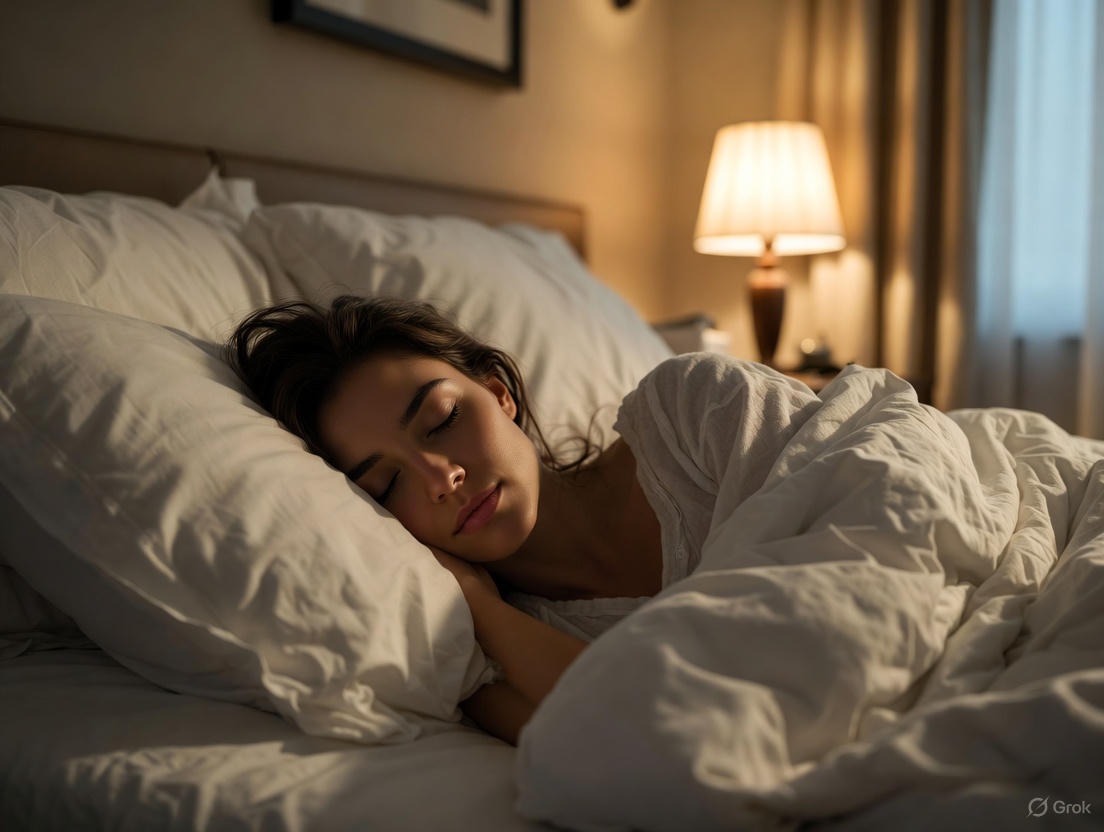
The initial surge in sleep quality most people experience is often driven by the "placebo effect" of paying attention, coupled with correcting glaring deficits. Going from two coffees after dinner to none, or from a midnight bedtime to 11 PM, creates dramatic, measurable change. Your body responds with gratitude. But biology seeks equilibrium—homeostasis. Once it adapts to your new baseline, further improvement demands a more sophisticated approach.
A plateau signifies that the systems governing your sleep have recalibrated around your new habits. The key to breaking through lies in understanding these systems. Sleep is not a monolithic state but a complex, cyclical architecture of different stages: light sleep, deep sleep (also known as slow-wave sleep), and REM (Rapid Eye Movement) sleep. Each plays a distinct, critical role in physical restoration, memory consolidation, and emotional regulation. When people talk about "better sleep," they are often unknowingly seeking more of the profoundly restorative deep sleep, where the body repairs tissues, builds bone and muscle, and strengthens the immune system. You can learn more about this critical stage in our detailed guide on what is deep sleep and why you're not getting enough.
The plateau often occurs because we stop targeting these specific stages. We think "sleep longer" or "sleep without interruption," but we ignore the quality and structure of that sleep. For instance, you might be getting a solid 7.5 hours, but if your deep sleep is consistently below the optimal 20-25% for your age, you will wake unrefreshed. Your initial habits may have bumped you from 10% to 15% deep sleep, but to go from 15% to 20% requires finer adjustments—things like precise temperature management, nutrient timing, and stress modulation before bed.
Furthermore, the very tool that ignited your progress—your sleep tracker—can become a source of stagnation if used incorrectly. An over-fixation on a single number, like a sleep score, can create performance anxiety that ironically worsens sleep, a phenomenon known as orthosomnia. It’s crucial to use data as a guide, not a verdict. For a deeper look at this psychological trap, consider reading about the dark side of sleep tracking when data creates stress.
The path forward requires a diagnostic mindset. You must move from asking "How did I sleep?" to "How did I sleep, and why?" This involves correlating your sleep data with other life metrics: your daily stress, your evening meal composition, your workout intensity and timing, and even your bedroom’s minute-by-minute environment. Only with this holistic view can you identify the new lever to pull.
You’ve mastered the classics: a dark, cool, quiet room. No screens before bed. Limited caffeine. These are the non-negotiable foundations, and they will always be important. But on the plateau, they are merely the price of admission. The real game is played in the margins, with variables that are subtler, more personal, and often invisible to basic tracking.
Consider core body temperature. Your circadian rhythm is fundamentally a temperature rhythm. To initiate sleep, your core temperature must drop by about 1-3 degrees Fahrenheit. A cool room (around 65°F or 18°C) helps, but it’s only part of the equation. Your body’s ability to dissipate heat is the real driver. This is why a hot bath 1-2 hours before bed can paradoxically promote sleep: it raises your core temperature, causing your body to initiate a robust cooling process that coincides with your target bedtime. A device that only measures ambient room temperature misses this critical internal cascade.
Then there’s the variable of daylight exposure. Morning light is the most powerful signal to set your central circadian clock (located in the brain's suprachiasmatic nucleus). But the quality and timing of this light matter immensely. Ten minutes of overcast morning sky is different from thirty minutes of direct sunrise light. Furthermore, light exposure in the late afternoon—often overlooked—can help reinforce your rhythm and build "sleep pressure" for the evening. A basic activity tracker might log "time outdoors," but without specific photometric data, it can't gauge the potency of your light intake.
Another hidden factor is autonomic nervous system (ANS) balance. Sleep is a parasympathetic ("rest and digest") state. If you go to bed with a sympathetically dominant ("fight or flight") nervous system—even if you feel mentally calm—falling and staying asleep becomes a challenge. Subtle signs of this include a higher resting heart rate and a lower heart rate variability (HRV) in the hours before bed. Advanced wearables that measure HRV can provide a window into this state, offering a chance to intervene with breathing exercises or meditation.
Finally, consider sleep consistency across weeks, not just nights. Your sleep need isn't static; it fluctuates with training load, immune system activity, and mental workload. The concept of "sleep debt" is real, but paying it back isn't as simple as one long night. It requires sustained, high-quality recovery. A plateau might actually be your body desperately treading water under a chronic, unrecognized load. This underscores why sleep tracking and consistency is about long-term trends, not nightly victories.
To influence hidden variables, you must first measure them. This is where the evolution from basic fitness trackers to advanced biometric devices, like sophisticated smart rings, becomes the critical differentiator for plateau-busting. These devices move beyond simple movement (actigraphy) to a multi-sensor approach that paints a far richer picture of your readiness for sleep and its quality.
The cornerstone of this approach is continuous, clinical-grade sensor fusion. An optical heart rate sensor tracks your pulse and heart rate variability (HRV) throughout the night. A 3D accelerometer detects movement and body position. A skin temperature sensor monitors your peripheral temperature trends. When these data streams are intelligently fused by powerful algorithms, they can accurately delineate sleep stages, pinpoint disturbances, and even provide insights into your recovery status. For a technical deep dive into how these sensors work together, explore our article on sleep tracking sensors: optical, accelerometer, and temperature.
The true power lies in the derived metrics. HRV overnight is a profound indicator of autonomic nervous system recovery. A gradual rise in HRV during the night suggests effective parasympathetic dominance and restorative sleep. A flat or erratic HRV trace can indicate poor sleep quality or unresolved stress, even if you didn't fully wake up.
Nightly skin temperature deviation is another goldmine. It reflects your body's thermoregulatory efficiency. A smooth, significant drop in skin temperature after bedtime, followed by a steady rise toward morning, is the ideal pattern. A blunted drop or erratic spikes can signal disturbances, environmental issues, or hormonal imbalances affecting sleep.
An advanced device doesn't just give you a sleep score; it gives you the biomarker story behind the score. It can tell you: "Your sleep latency was long because your resting heart rate was elevated 20 BPM above your baseline for two hours pre-bed," or "You had multiple micro-awakenings during deep sleep, correlated with a spike in skin temperature at 2:17 AM." This level of specificity transforms guesswork into targeted action. You're no longer just "stressed"; you have a measurable, time-stamped physiological event to investigate and address.
This precision is what validates your subjective experience. That feeling of "I slept eight hours but feel terrible" is often confirmed by poor HRV or fragmented deep sleep data. Understanding this connection can be empowering, as discussed in how sleep tracking validates your sleep complaints.

If the sleep improvement plateau has a ground zero, it is often the deep sleep stage. This is the most physically restorative phase, crucial for cellular repair, memory consolidation, and hormonal regulation—including the release of human growth hormone. Early sleep gains frequently come from increases in deep sleep duration. But this stage is also the most fragile; it's preferentially located in the first half of the night and is exquisitely sensitive to disruption from alcohol, stress, noise, and even sleeping in an environment that's too warm.
A plateau often means your deep sleep has hit a local ceiling. To raise it, you need a targeted, multi-pronged strategy. First, you must protect the deep sleep window. The majority of deep sleep occurs in the first two sleep cycles, roughly the first 3-4 hours after you fall asleep. This period is non-negotiable. Any interruption here—a phone notification, a partner's movement, a pet jumping on the bed—carries a disproportionate cost. This is why the concept of the deep sleep window: why the first 3 hours matter most is so critical for optimization.
Next, you must optimize the drivers of deep sleep. These include:
Finally, you must systematically eliminate deep sleep saboteurs. The usual suspects—caffeine and alcohol—are well-known. Alcohol may help you fall asleep, but it devastates deep sleep architecture in the second half of the night. But subtler saboteurs include chronic low-grade stress (which elevates cortisol), sleeping in a room above 68°F (20°C), and even certain medications. A thorough audit is necessary, as outlined in our guide to the deep sleep killers: 12 things sabotaging your restorative rest.
Your sleep plateau may not be about sleep quality at all, but about sleep timing. Humans are not designed to sleep the same way at any hour. We have a genetically programmed, roughly 24-hour internal clock that dictates the optimal times for sleep, eating, activity, and cognitive work. Fighting this rhythm—a condition known as social jetlag—is a surefire way to cap your sleep potential, even if you're in bed for a sufficient duration.
To break the plateau, you may need to perform a circadian audit. This involves asking: Is my sleep window aligned with my natural chronotype (your innate tendency to be a morning lark, night owl, or somewhere in between)? Am I going to bed and waking up at consistent times, even on weekends? Does my light exposure pattern support or contradict my desired sleep schedule?
The most powerful tool for circadian alignment is light. Morning light exposure, ideally within 30-60 minutes of waking, is the primary "zeitgeber" (time-giver) that synchronizes your master clock. It suppresses melatonin, boosts cortisol (in a healthy, alerting way), and sets a countdown for melatonin release roughly 14-16 hours later. To deepen your sleep, you must strengthen this signal. Conversely, you must be militant about minimizing blue and green light wavelengths in the evening, as they directly inhibit melatonin production. This isn't just about night mode on your phone; it's about dimming overhead lights and avoiding bright screens for at least 90 minutes before bed.
Meal timing is a secondary circadian cue. Eating late at night sends a signal of "activity" to your organs and can delay your peripheral clocks (in your liver, gut, etc.), creating misalignment with your central brain clock. Consistent meal times, with the last meal finishing 2-3 hours before bedtime, help reinforce a stable rhythm.
For those struggling with severe misalignment or shift work, more advanced tactics like timed melatonin supplementation (in very low, physiological doses of 0.3-0.5mg) or light therapy boxes may be necessary. The goal is to create a rock-solid, predictable daily rhythm so that your body knows when to be alert and when to descend into deep, restorative sleep. This foundational work often unlocks the next level of sleep quality that simple habit changes cannot.
Stress and poor sleep are locked in a vicious, self-reinforcing cycle. Daytime stress (work deadlines, personal conflicts, financial worry) elevates cortisol and sympathetic nervous system activity. This makes it harder to fall asleep and can fragment sleep, especially deep sleep. Poor sleep, in turn, lowers your resilience threshold, making you more reactive to stress the next day. On a plateau, this loop often operates at a subclinical level—you may not feel "stressed out," but your physiology is in a state of chronic, low-grade hyperarousal.
To break this loop, you must intervene on both ends: build daytime resilience and cultivate evening decompression.
Daytime resilience is about preventing stress from accumulating to a critical mass. This involves:
Evening decompression is about creating a non-negotiable buffer zone between the demands of the day and the vulnerability of sleep. This is more than a "wind-down routine"; it's a deliberate shift in state. Effective practices include:
The data from your tracker can help you quantify this. Observe how your pre-bed HRV and resting heart rate respond to different evening activities. Does watching an intense show keep your heart rate elevated? Does 10 minutes of meditation nudge your HRV upward? This biofeedback turns abstract "relaxation" into a measurable, optimizable process. For more on the psychological aspects of using data constructively, see the psychology of sleep tracking: why numbers motivate change.
You've got blackout curtains and a white noise machine. Check. But on the plateau, environmental optimization moves from the obvious to the precise. Your bedroom should function as a sleep sanctuary microclimate, where every parameter is tuned to promote stability and prevent micro-awakenings.
Temperature Precision: As discussed, a cool room (65-68°F or 18-20°C) is ideal. But precision matters. A smart thermostat that begins cooling the room 30 minutes before your bedtime can enhance sleep onset. Furthermore, consider your bedding's thermal properties. Materials like wool, Tencel, and certain high-tech synthetics are better at moisture-wicking and temperature regulation than traditional cotton.
Soundscaping, Not Just Masking: White noise is effective, but its spectrum matters. Pink noise or brown noise, which have more energy in lower frequencies, may be more soothing for some and has even been linked in preliminary studies to increased deep sleep. The goal is to create a consistent, predictable auditory blanket that masks irregular, sleep-disrupting noises like traffic or a partner snoring.
Light Pollution Elimination: Blackout curtains are a start, but what about the dozen tiny LEDs from electronics? These should be covered or removed. Consider a sleep mask if complete darkness is impossible. Furthermore, the color of any necessary night lights is crucial. Red or amber wavelengths have the least impact on melatonin, unlike blue or green.
Air Quality & Circulation: Stale, high-CO2 air can impair sleep quality and promote morning headaches. Ensuring adequate ventilation or using an air purifier with a HEPA filter, especially for those with allergies, can make a subtle but meaningful difference. Humidity levels between 40-60% are generally comfortable and prevent dry airways.
The key is to think in terms of stability. A room that starts cool but gets stuffy by 3 AM, or has a white noise machine that turns off after 4 hours, introduces variables that can cause micro-arousals you don't fully remember but that degrade sleep quality. Your tracking data, particularly movement and heart rate spikes, can help you identify these invisible disturbances.

Nutrition's role in sleep extends far beyond "don't eat a heavy meal before bed." The foods you consume throughout the day provide the raw materials for sleep-regulating neurotransmitters like serotonin, GABA, and melatonin. A plateau can sometimes be addressed by fine-tuning your nutritional intake for sleep support.
Macronutrient Timing: A large, high-fat, or high-protein meal right before bed demands digestive work that can raise core temperature and disrupt sleep. However, going to bed hungry can also be disruptive due to drops in blood sugar. The ideal is a moderate, balanced dinner finished 2-3 hours before bed. Some individuals may benefit from a very small, carbohydrate-rich snack (like a handful of cherries or a few crackers) 30-60 minutes before bed if hunger is an issue, as this can facilitate tryptophan uptake into the brain.
Key Micronutrients for Sleep Biochemistry:
Hydration Strategy: Dehydration can lead to nighttime waking (often for trips to the bathroom due to the body's concentrated urine production earlier in the night, or due to cramps). However, drinking large volumes right before bed guarantees sleep interruption. The solution is front-loading hydration: consuming the majority of your daily water earlier in the day and tapering off in the evening.
It's also critical to audit hidden sources of sleep-disrupting substances. Beyond the obvious caffeine (which has a half-life of 5-6 hours, meaning 50% is still in your system then), watch for hidden caffeine in medications, dark chocolate, or pre-workout supplements. Tyramine, found in aged cheeses and cured meats, can be stimulating for some. The effects of alcohol, while sedative initially, are profoundly negative on sleep architecture, as noted earlier.
For those considering targeted support, the world of supplements is vast and often confusing. A science-backed approach is essential, which you can find in our review of deep sleep supplements: what works according to science.
Physical activity is one of the most potent, evidence-based promoters of deep sleep. It increases sleep pressure, helps regulate circadian rhythms, and reduces anxiety. However, on a plateau, the relationship between movement and sleep becomes more nuanced. It's not just "exercise more," but "exercise smarter for recovery."
The Dual-Phase Response: Intense exercise, especially strength training or high-intensity interval training (HIIT), creates a two-phase physiological response. First, it creates acute stress (elevating cortisol and core temperature). Then, if followed by adequate recovery, it prompts a supercompensation effect, where the body rebuilds stronger and, relevantly, often increases deep sleep to facilitate that repair. Missing the recovery part—by not sleeping well—breaks this cycle and can contribute to a plateau or even overtraining.
Personalizing Exercise Timing: The old adage "never exercise before bed" is too simplistic. The effect is highly individual, a concept known as exercise chronotype. For some, a vigorous evening workout is overstimulating, delaying sleep onset and reducing deep sleep. For others (often true night owls), it helps burn off residual energy and actually improves sleep. The only way to know is to track it. Use your sleep device to compare nights following afternoon workouts vs. evening workouts. Look at metrics like sleep latency, deep sleep duration, and morning HRV. Our analysis on how exercise timing affects your deep sleep tonight provides a framework for this self-experimentation.
The Role of Low-Intensity Movement: Non-exercise activity thermogenesis (NEAT) and deliberate low-intensity movement like walking, gentle cycling, or yoga are profoundly underrated for sleep. They promote circulation, aid digestion, and manage stress without the significant systemic stress of intense training. A daily walk, especially in morning or late afternoon light, can be a cornerstone habit for circadian and sleep health.
Listening to Readiness Metrics: This is where advanced wearables shine. Your device's "readiness" or "recovery" score—typically derived from HRV, resting heart rate, and sleep data—is a direct feedback loop. A low readiness score suggests your body is under-recovered. On such days, prioritizing gentle movement or complete rest over intense training is the smarter play for long-term sleep and fitness progress. This holistic integration is the future of health optimization, as explored in how sleep tracking integrates with other health metrics.
In the quest to break the plateau, a paradoxical threat emerges: data obsession. The very tool meant to liberate you can become a source of anxiety. Checking your sleep score the moment you wake up, fretting over a 5-minute decrease in deep sleep, or letting a "poor" score dictate your mood for the day—this is orthosomnia, and it activates the stress-sleep loop we're trying to break.
The goal is to transition from nightly judge to long-term scientist. This requires a shift in mindset and behavior:
Embrace the Trend, Not the Datum: A single night's data is meaningless noise. Biology is variable. A poor night of sleep can be caused by a hundred transient factors. What matters is the two-week or monthly trend. Is your average deep sleep percentage slowly climbing? Is your sleep latency decreasing over time? Focus on these macro-trends to assess your strategy, not on nightly fluctuations.
Schedule Your Data Review: Don't make checking your sleep data the first thing you do. Give yourself at least 60-90 minutes after waking to connect with your own subjective feeling before consulting the numbers. Then, review the data with curiosity, not judgment. Ask: "What might have caused that dip?" or "My readiness is high today, what did I do differently yesterday?"
Reconnect With Subjective Feeling: Your body's feedback is the most important data point. Use a simple morning journal. Rate your sleep quality (1-10), your energy, and your mood before you look at your tracker. Over time, correlate your subjective scores with the objective data. This builds body awareness and prevents you from outsourcing your sense of well-being to a device.
Conduct Focused Experiments: When you're on a plateau, change one variable at a time for a minimum of one week (e.g., introduce a 10-minute meditation before bed, or shift your dinner time 30 minutes earlier). Observe the effect on your trend data and subjective feeling. This methodical approach turns optimization into a calm, curious process rather than a frantic nightly performance review.
For more on cultivating a healthy relationship with your sleep data, the insights in the dark side of sleep tracking when data creates stress are invaluable for navigating this modern challenge.
Sleep does not exist in a vacuum. It is the central pillar in a complex web of health metrics. Your plateau may not be solvable by looking at sleep data alone; it may require insights from your daily activity, stress, nutrition, and heart health. Breaking through requires an integration mindset, where sleep is viewed as the output of a daily system.
Modern advanced wearables, particularly sleek smart rings worn 24/7, are enabling this by providing a continuous, multi-dimensional health dashboard. They track:
The magic happens in the correlations. For example:
This is systems thinking. It allows you to see that your sleep plateau might be solved by a midday walk (increasing activity and managing stress), not by anything you do at bedtime. Or that your focus should be on managing afternoon stress to protect evening recovery, rather than trying a new supplement.
This holistic approach is the culmination of the sleep tracking revolution, moving us from isolated data points to a true, personalized health feedback loop. To understand how far this technology has come, from the sleep lab to your wrist (or finger), the history is fascinating: the sleep tracking revolution: from lab to your bedroom.
By adopting this integrated view, you stop chasing sleep in isolation. You begin to engineer your entire day for the restorative night you deserve. The plateau, then, is not a wall, but a doorway—an invitation to deepen your understanding, refine your tools, and finally achieve the consistent, high-quality sleep that unlocks sustained energy, resilience, and vitality. The following sections will delve into practical, actionable protocols to put this integrated knowledge into practice.
Armed with an understanding of the hidden variables and the power of integrated data, the path off the plateau becomes a structured, personal science project. The era of blindly following generic advice is over. Now, you become the principal investigator of your own sleep, designing targeted experiments to systematically test which levers yield the greatest return for your unique physiology.
The cornerstone of this approach is the single-variable experiment. When progress stalls, the instinct is often to change everything at once—a new supplement, a colder room, an earlier bedtime, and a meditation app all starting on Monday. This creates chaos. If your sleep improves (or worsens), you have no idea which change was responsible. The disciplined, methodical path is to isolate and test.
Step 1: Baseline & Hypothesis. Start by establishing a clear one-week baseline. Live your normal life, but diligently record all potential variables: sleep and wake times, meals (timing and rough composition), exercise (type, intensity, duration), stress levels, and any substances (caffeine, alcohol). Use your smart ring or tracker to record your key sleep metrics: Sleep Score, Total Sleep Time, Deep Sleep %, REM %, Sleep Latency, and Resting Heart Rate. At the end of the week, review the data. Look for patterns or obvious pain points. Is your deep sleep consistently low? Is your sleep latency long and variable? Your hypothesis should be specific: *"I suspect that my high evening resting heart rate is due to late caffeine consumption. If I move my last coffee to before 12 PM, my pre-sleep resting heart rate will drop by 5 BPM, and my deep sleep percentage will increase."*
Step 2: The Intervention. Choose one intervention to test for a minimum of 7-10 days. The intervention should be actionable, measurable, and tied directly to your hypothesis. Examples include:
Step 3: Data Collection & Analysis. Continue tracking all your metrics as during the baseline. At the end of the intervention period, compare the averages. Don't just look at sleep scores; look at the underlying biomarkers. Did your overnight HRV improve? Did your skin temperature drop more smoothly? Did your deep sleep duration become less variable? Use your subjective journal as the final judge: Did you feel better? The goal is not necessarily a massive overnight change, but a statistically meaningful trend in the right direction.
This process transforms frustration into empowerment. A failed experiment is not a failure; it's valuable data. It tells you that variable is not your primary bottleneck, allowing you to efficiently move on to test the next one. Over months, you build a personalized Sleep Optimization Protocol—a set of non-negotiable habits proven to work for you. This is the antithesis of a plateau; it is a continuous, evidence-based cycle of refinement. For those unsure where to start their experimentation, our guide on how to choose the right sleep tracking device for your needs can help you select the tool that provides the necessary data depth.
One of the most pervasive, plateau-sustaining habits is what sleep scientists call social jetlag. This is the discrepancy between your sleep schedule on workdays and free days (e.g., weekdays vs. weekends). You may be meticulously consistent from Monday to Thursday, going to bed at 10:30 PM and waking at 6:30 AM. Then, on Friday and Saturday, you stay up until 1 AM and sleep in until 9:30 AM. This isn't just "catching up on sleep"; it's the physiological equivalent of flying from New York to Los Angeles and back every single week.
The impact is profound. Your circadian rhythm, which thrives on predictability, is constantly being reset. The late-night light exposure on weekends delays your internal clock (pushing your melatonin release later), while the morning sleep-in deprives you of crucial sunrise light that would advance it. By Sunday night, when you try to revert to a 10:30 PM bedtime, your body is on Pacific Time. The result: poor sleep onset, fragmented sleep, and a groggy, unproductive Monday. This weekly reset prevents you from ever building the strong, stable circadian foundation required to reach the next level of sleep quality.
Breaking this cycle is arguably the single most effective step for someone stuck on a plateau who is already practicing good sleep hygiene. The solution is not to become a hermit, but to implement strategic consistency:
The data from your tracker will starkly reveal the cost of inconsistency. You'll likely see lower sleep scores, higher resting heart rates, and poorer HRV on Sunday and Monday nights following a variable weekend. Observing this objective feedback can provide the motivation needed to prioritize rhythm over short-term gratification. The long-term payoff is a more resilient, reliable sleep system that no longer crashes every week. For a deeper exploration of why regularity is so fundamental, the principles in sleep tracking and consistency: why regular monitoring matters are essential reading.

When foundational habits are dialed in and consistency is locked, the conversation turns to advanced recovery support. The supplement aisle is a minefield of hype and anecdote. For the plateau-breaker, the goal is to use evidence-based compounds that target specific, measurable gaps in your sleep physiology, as indicated by your biometric data.
It's critical to frame this not as "taking pills for sleep," but as "providing nutritional cofactors to optimize a biological process." Always consult with a healthcare professional before starting any new supplement regimen.
Phase-Based Support: Think of your sleep in phases, and support each one:
The "Test, Don't Guess" Protocol: Just as with lifestyle changes, introduce one new supplement at a time for at least 10-14 nights while tracking your data closely. Look for changes in:
Be wary of anything that causes next-day grogginess or a "hangover" effect; this is a sign it may be too sedating or disrupting your sleep architecture. The goal is to wake up feeling restored, not drugged. For a comprehensive, science-backed analysis of what truly works, our resource on deep sleep supplements: what works according to science is an indispensable reference.
Remember, supplements are the final layer of the pyramid, built upon a solid foundation of habits, rhythm, and environment. They are tweaks and optimizations, not replacements for the core work.
For many, the most dramatic and frustrating sleep plateau occurs after travel. Whether it's a three-time-zone business trip or a transcontinental vacation, travel is a perfect storm of circadian disruption: jet lag, unfamiliar environments, altered routines, and heightened stress. You return home, and your previously reliable sleep is shattered. It can take weeks to recover, feeling like you've lost all your hard-earned progress.
Breaking through this post-travel plateau requires a proactive, tactical approach. The goal is not just to survive the trip, but to engineer a rapid re-synchronization upon return.
The Pre-Travel Prep (3-4 Days Out): Begin gently shifting your sleep schedule toward your destination's time zone by 30-60 minutes per day. If traveling east, go to bed and wake up earlier. If traveling west, go to bed and wake up later. Hydrate aggressively in the days before travel. This pre-adaptation lessens the shock to your system.
The In-Flight Protocol:
The Destination & Return Strategy: Upon arrival, immediately adopt the local meal and light schedules. Get outside in the morning sunlight. Even if you're exhausted, try to stay awake until a reasonable local bedtime. Consider a short (20-minute) power nap if absolutely necessary, but avoid long daytime sleeps that will anchor you in the wrong time zone.
Your smart ring is a powerful ally here. It can objectively show you your circadian dislocation through metrics like elevated resting heart rate and abysmal HRV. More importantly, it can track your re-synchronization progress back home. You can run a deliberate "recovery experiment": for one week post-travel, be hyper-consistent with morning light, meal times, and bedtime. Observe how quickly your biometrics normalize compared to a trip where you didn't use these tactics. For a dedicated guide to maintaining sleep across time zones, our article on sleep tracking for travelers: monitoring across time zones offers a complete system.
A plateau can also be a signal that your needs have changed. Sleep architecture evolves across the lifespan. The deep, abundant sleep of a teenager is not the sleep of a 50-year-old, and that's biologically normal. The plateau may stem from fighting this natural progression instead of optimizing within it.
The most significant change is the age-related decline in slow-wave deep sleep. Starting in mid-adulthood, the amount and amplitude of deep sleep waves gradually decrease. This is associated with changes in growth hormone secretion and may be linked to age-related changes in memory and physical recovery. The goal is not to reclaim your 25-year-old deep sleep levels, but to maximize the quality of what you can produce and protect it fiercely.
Adaptive Strategies for Age-Related Changes:
The key is to reframe the goal. It's not about the raw numbers of your youth, but about sleep quality, regularity, and its functional outcomes: Do you wake feeling restored? Is your energy stable throughout the day? Is your cognition sharp? Your biometric data should be interpreted through an age-aware lens. For instance, a deep sleep percentage of 15% might be excellent for a 60-year-old, whereas it would be a concern for a 30-year-old. Understanding these shifts is crucial, as detailed in how age affects deep sleep and how to compensate.
By embracing an adaptive mindset, you move from fighting an unwinnable battle against biology to skillfully navigating its natural course, ensuring your sleep supports your health and vitality at every stage of life.
The final frontier in breaking the sleep plateau often lies not in your environment or schedule, but in your direct, conscious control over your nervous system. The stress-sleep loop is a physiological reality, but it is not a life sentence. Biofeedback—the process of using real-time data from your body to gain conscious control over involuntary functions—provides a direct escape route. Modern wearable technology has democratized what was once a clinical therapy, putting the power to modulate your heart rate, breath, and stress response in your hands, anytime.
At the heart of this is Heart Rate Variability (HRV). While often discussed as a passive recovery metric, HRV is also a powerful active lever. HRV represents the subtle variations in time between each heartbeat. High HRV indicates a flexible, resilient autonomic nervous system that can smoothly transition between stress (sympathetic) and recovery (parasympathetic) states. Low HRV suggests a system stuck in a stressed or fatigued mode. The breakthrough realization is that you can influence this metric in real-time through controlled breathing.
The Mechanics of Coherent Breathing: The most accessible and effective biofeedback technique is resonant or coherent breathing. This involves breathing at a specific, slow pace—typically 5 to 6 breaths per minute (inhaling for 5 seconds, exhaling for 5 seconds). This frequency naturally synchronizes your heart rate, blood pressure, and breath waves, a state known as cardiorespiratory coherence. In this state, the parasympathetic nervous system is amplified, stress hormones drop, and brainwave patterns shift toward calm, focused awareness.
Your Device as a Biofeedback Monitor: Advanced smart rings and wearables can now guide you through this process and show you the immediate impact. A biofeedback session might look like this: You open the companion app and initiate a 5-minute "Breathwork" session. The app guides you with a visual pacer to breathe in for 5 seconds and out for 5 seconds. On the screen, you see a real-time graph of your HRV. As you settle into the rhythm, you literally watch your HRV line climb and stabilize, and your heart rate line smooth out. This is transformative feedback. You are no longer guessing if meditation "works"; you are seeing your physiology shift before your eyes.
Integrating just 5-10 minutes of this practice into your pre-bed wind-down routine is a direct assault on nighttime hyperarousal. It’s a signal to your body, backed by hard data, that the day is over and it is safe to enter restorative mode. For individuals whose plateau is maintained by a racing mind or physical tension that doesn't respond to typical relaxation, this biofeedback bridge can be the master key. It connects intention with physiological outcome, creating a profound sense of agency over your own state of calm. Understanding the motivation behind tracking such changes can be further explored in the psychology of sleep tracking: why numbers motivate change.
Your waking hours are a continuous "sensory diet"—a stream of stimuli that either nourishes or depletes your nervous system's capacity for calm. The sleep plateau can often be traced to a diet overly rich in arousing inputs and deficient in calming ones. Optimizing for sleep means becoming the curator of your sensory experience, especially in the latter half of the day, to build robust, natural sleep pressure.
Auditory Nutrition: Sound isn't just about avoiding noise; it's about intentional consumption. The constant ping of notifications, the aggressive tones of news media, and the stimulating complexity of fast-paced music or podcasts are auditory caffeine. Your evening sensory diet should deliberately shift toward parasympathetic soundscapes. This could be the predictable, low-frequency rumble of brown noise, the gentle rhythms of ambient or classical music (with a slow tempo of 60-80 BPM, matching a resting heart rate), or even complete silence if that is calming for you. The goal is to reduce novel, alerting, or emotionally charged auditory input.
Visual Nutrition: Light is the most potent sensory input for your circadian system, but visual content is its psychological counterpart. The hyper-arousing, emotionally charged, and rapidly edited content of action movies, thrilling TV series, or intense social media debates floods your brain with stimulating imagery and narrative tension. This creates cognitive arousal that can take hours to dissipate. The evening visual diet should favor slow, predictable, and positive or neutral stimuli. Reading physical books (especially fiction, which engages the imagination in a less reactive way than non-fiction problem-solving), gentle stretches by dim light, or even watching nature documentaries can be far more conducive to sleep onset.
Tactile & Proprioceptive Nutrition: Your sense of touch and body position also feeds your nervous system. A rushed, tense evening leaves your body holding physical stress. Incorporating calming tactile input is crucial. This could be the warmth of a shower or bath (followed by the cool-down that promotes sleep), the weight and texture of comfortable bedding, self-massage with a foam roller, or the gentle pressure of a weighted blanket (typically 10% of body weight). These inputs signal "safety" and "boundaries" to the primal brain, lowering defensive arousal.
By auditing your sensory intake from dinner onward, you can identify the hidden sources of stimulation that are quietly sabotaging your sleep pressure. Replacing just one arousing habit—like scrolling through conflict-driven news before bed—with a calming one, like listening to a boring audiobook, can be the subtle shift that restarts progress. This holistic approach to preparation is a core component of any effective deep sleep formula: temperature, timing, and habits.
Sleep is a hormonal symphony. Cortisol, melatonin, growth hormone, leptin, ghrelin, and even reproductive hormones are conducted by the dual maestros of your circadian rhythm and sleep stages themselves. A plateau can indicate a desynchronization within this orchestra, where the timing or amplitude of key hormonal signals is off.
The Cortisol-Melatonin Seesaw: This is the primary circadian hormonal rhythm. Cortisol should peak in the morning, providing alertness, and decline steadily throughout the day to a low point at bedtime. Melatonin should begin rising as darkness falls, peaking in the middle of the night. Chronic stress, irregular light exposure, and poor sleep itself can flatten cortisol's healthy rhythm (causing afternoon slumps and evening wired-ness) and blunt melatonin's rise.
Action: To resynchronize, focus on the bookends of your day. Morning: Get bright light exposure immediately upon waking to sharply suppress melatonin and trigger a clean cortisol awakening response. Evening: Protect darkness religiously to allow melatonin to rise unimpeded. Avoid eating close to bedtime, as metabolizing food can signal a cortisol response.
The Growth Hormone (GH) Pulse: Approximately 50-75% of daily human growth hormone secretion occurs during slow-wave deep sleep. GH is essential for tissue repair, muscle growth, fat metabolism, and overall cellular rejuvenation. Poor deep sleep means missing this critical nightly repair cycle. This is the direct link between sleep quality and physical aging, recovery, and body composition.
Action: To optimize GH release, you must prioritize and protect deep sleep. This means all the strategies for increasing deep sleep—cool temperature, consistent timing, avoiding alcohol and late-night eating—are, by proxy, strategies for boosting your nocturnal hormonal renewal. The connection is so vital it's explored in depth in our article on deep sleep and growth hormone: the youth-restoring connection.
The Hunger Hormones: Leptin & Ghrelin: Sleep deprivation disrupts leptin (the "I'm full" hormone) and ghrelin (the "I'm hungry" hormone). Short sleep lowers leptin and raises ghrelin, driving increased appetite and cravings for high-calorie, carbohydrate-rich foods. This creates a vicious cycle where poor sleep drives poor dietary choices, which can further degrade sleep (e.g., via sugar crashes or acid reflux).
Action: Breaking this cycle starts with sleep. Improving sleep duration and quality helps normalize these hormones. Concurrently, making conscious food choices in the evening—opting for balanced meals with protein, fiber, and healthy fats to stabilize blood sugar—prevents the hormonal rollercoaster that can disrupt sleep later.
By viewing your sleep not just as rest but as the prime time for endocrine regulation, you add a powerful "why" to your optimization efforts. The data from advanced wearables, like nocturnal heart rate and HRV, can serve as proxies for this hormonal health, giving you feedback on whether your lifestyle is supporting or hindering this vital symphony.
The brain does not distinguish well between vividly imagined experience and real experience. This principle, long used by athletes in the form of visualization to enhance performance, can be powerfully harnessed for sleep. For those whose plateau is maintained by a hyperactive, anxious mind that refuses to "switch off," cognitive rehearsal provides an alternative to frustrating attempts at thought suppression.
The "Mental File Cabinet" Technique: Instead of trying to stop thinking about tomorrow's worries, schedule a time to process them. About 60-90 minutes before bed, take 10-15 minutes with a notebook. Write down every task, worry, or idea swirling in your head. Then, consciously tell yourself, "These are now stored in the file cabinet. The work for today is done." This act of externalization and symbolic closure can prevent these thoughts from hijacking your bedtime.
Sleep-Specific Visualization: After getting into bed, instead of reviewing your day or planning tomorrow, engage in a detailed, soothing mental rehearsal of the sleep process itself. Close your eyes and imagine:
The key is to engage all senses in the visualization—feel the weight of the blankets, hear the silence, sense the depth of the rest. This practice serves a dual purpose: it distracts from anxious thoughts, and it acts as a conditioned stimulus, training your brain to associate this specific mental routine with the rapid onset of sleep.
Gratitude Re-framing: Anxiety and gratitude cannot physiologically coexist in the same moment. A final cognitive rehearsal can be a gratitude scan. Mentally review three specific things from your day you are genuinely grateful for. They can be small—the taste of your coffee, a moment of sunshine, a smile from a stranger. This practice shifts your neurochemical state from one of lack (worry) to one of sufficiency (gratitude), a state far more compatible with the safety required for sleep.
These cognitive tools put you back in the driver's seat of your pre-sleep mental landscape. They transform the bedtime battle into a directed process, weakening the associative link between "bed" and "worry" that sustains so many plateaus.
The next wave of sleep optimization moves beyond the wearable on your body to the intelligent environment that surrounds you. The concept of a "sleep-aware" smart home represents a giant leap forward, where your biometric data acts as a seamless input to automatically optimize your surroundings for sleep and recovery.
The Responsive Sleep Environment: Imagine a system where:
This is not science fiction; it is the integration of existing technologies through platforms like IFTTT or Apple Home. The key is the biometric trigger. Your body's signals become the commands for your environment.
The Data-Aggregation Dashboard: Furthermore, a truly intelligent system aggregates data from all sources. It correlates your sleep score with your home's temperature log, your sound machine's usage, and even your smart kettle's data (did you have caffeine after 2 PM?). This holistic dashboard can propose correlations you'd never spot manually: "On nights when the living room temperature was above 72°F after 8 PM, your deep sleep decreased by 12%."
This level of automation and insight removes willpower from the equation. It creates an environment that is proactively supportive, making the optimal choice the effortless choice. It represents the ultimate synthesis of the biological and technological in the quest for perfect rest. For those interested in how sleep tracking integrates with broader systems, the concepts in how sleep tracking integrates with other health metrics lay the groundwork for this interconnected future.
Humans are social creatures, and behavior change is notoriously difficult to sustain in isolation. Your sleep journey may have started as a personal project, but the plateau is often where solo efforts falter. Introducing a layer of social accountability or guided expertise can provide the necessary impetus to break through.
The Power of Shared Data (With Consent): Sharing your sleep journey with a trusted partner, friend, or coach creates accountability. This isn't about competition, but about shared commitment. You might agree with a partner to both implement a 10PM digital curfew for a month and share your weekly sleep consistency charts. Knowing someone else is invested in the experiment increases your adherence. Some advanced wearable apps allow for the optional, private sharing of key metrics like sleep duration or consistency with family members or a health coach, creating a support system that can offer encouragement or notice concerning trends.
Professional Guidance: Sleep Coaching & CBT-I: When self-experimentation hits a wall, the structured guidance of a professional can be invaluable. A sleep coach or a clinician trained in Cognitive Behavioral Therapy for Insomnia (CBT-I) can help you:
These professionals act as a lighthouse, providing direction when you feel lost in a sea of data and conflicting advice. They can help you navigate the fine line between diligent tracking and obsessive orthosomnia, ensuring your relationship with sleep data remains healthy and productive.
The Collective Wisdom of Communities: Engaging with online or in-person communities focused on sleep optimization, biohacking, or specific device users (like a smart ring user group) can be a rich source of ideas. You can learn about interventions that worked for others with similar data patterns, troubleshoot tracking issues, and gain moral support. The key is to curate these communities carefully, favoring those that are science-informed and positive, rather than anxiety-inducing or focused on unverified claims.
Breaking the plateau sometimes requires a new perspective. By opening your process to the gentle influence of accountability or expert insight, you can discover blind spots and solutions that were invisible when you were looking alone.
The ultimate strategy for transcending the sleep improvement plateau is to fundamentally redefine what success means. If your primary metric is a nightly sleep score that fluctuates between 78 and 82, you will inevitably feel stuck. To build sustainable, lifelong sleep health, you must zoom out. Success is not a number; it's a trend, a feeling, and a functional outcome.
Success as a Quarterly Trend: Shift your primary review period from daily to quarterly. Every three months, analyze your aggregate data. Look at the 90-day averages for your key metrics: Sleep Duration, Deep Sleep %, Sleep Consistency, and Resting Heart Rate. Is the line of best fit for each slowly improving? Are the lows less low? This macro view smooths out the noise of bad nights (which will always happen due to illness, stress, or travel) and reveals true progress. A plateau on a 90-day chart is a real signal; a two-week "flatline" is often just biological variation.
Success as Subjective Vitality: Your subjective morning energy rating is as important as any algorithm's score. Create a simple 1-5 scale for "Morning Refreshment" and log it before you check your device. Over time, the correlation between this feeling and your objective data will become clear. The goal is to maximize the days you wake up feeling like a "4" or "5," regardless of the exact number attached to your sleep. This re-empowers your own bodily awareness.
Success as Functional Capacity: This is the most profound measure. Is your sleep supporting your life? Are you more resilient to stress? Is your gym performance improving? Is your focus sharper at work? Are you less reliant on caffeine? These are the real-world outcomes that matter. Track these functional markers. When you can draw a line from your consistent sleep habits to a tangible improvement in your daily life, the pursuit of better sleep transforms from a chore into a cornerstone of your identity.
By adopting this long-game mindset, you liberate yourself from the tyranny of the nightly score. A "bad" night becomes a data point, not a failure. A period of stagnation becomes an invitation for curiosity, not frustration. This is the mindset of the lifelong sleep optimizer—someone who understands that sleep is not a destination to be reached, but a dynamic, vital process to be nurtured every day, in every season of life. For guidance on what objective metrics to even pay attention to in this long-term view, our analysis of sleep tracking standards: what makes a good sleep score is an excellent foundation.
Your Trusted Sleep Advocate: Sleep Foundation — https://www.sleepfoundation.org
Discover a digital archive of scholarly articles: NIH — https://www.ncbi.nlm.nih.gov/
39 million citations for biomedical literature :PubMed — https://pubmed.ncbi.nlm.nih.gov/
Experts at Harvard Health Publishing covering a variety of health topics — https://www.health.harvard.edu/blog/
Every life deserves world class care :Cleveland Clinic - https://my.clevelandclinic.org/health
Wearable technology and the future of predictive health monitoring :MIT Technology Review — https://www.technologyreview.com/
Dedicated to the well-being of all people and guided by science :World Health Organization — https://www.who.int/news-room/
Psychological science and knowledge to benefit society and improve lives. :APA — https://www.apa.org/monitor/
Cutting-edge insights on human longevity and peak performance:
Lifespan Research — https://www.lifespan.io/
Global authority on exercise physiology, sports performance, and human recovery:
American College of Sports Medicine — https://www.acsm.org/
Neuroscience-driven guidance for better focus, sleep, and mental clarity:
Stanford Human Performance Lab — https://humanperformance.stanford.edu/
Evidence-based psychology and mind–body wellness resources:
Mayo Clinic — https://www.mayoclinic.org/healthy-lifestyle/
Data-backed research on emotional wellbeing, stress biology, and resilience:
American Institute of Stress — https://www.stress.org/


