


Deep Sleep and Growth Hormone: The Youth-Restoring Connection
Explore the powerful connection between deep sleep and growth hormone for youth restoration. Learn how slow-wave sleep triggers hormone release supporting tissue repair and metabolism.
Explore the powerful connection between deep sleep and growth hormone for youth restoration. Learn how slow-wave sleep triggers hormone release supporting tissue repair and metabolism.
%402x.svg)
You’ve felt it before. That morning after a night of profoundly deep, uninterrupted sleep. You don’t just wake up—you revive. Your skin seems plumper, your mind sharper, your energy boundless. It’s more than just feeling rested; it feels like you’ve been biologically renewed. This isn’t a trick of the mind. It’s a powerful, physiological truth. During those precious hours of deep sleep, your body orchestrates a vital, youth-restoring process centered around a master hormone: human growth hormone (HGH).
For decades, growth hormone was synonymous with athletes and anti-aging clinics, often shrouded in controversy. But the real story is happening inside you, every single night, for free. The most potent, natural, and legal growth hormone booster isn’t found in a syringe or a supplement bottle; it’s encoded in your sleep architecture. The deep sleep stage, known as slow-wave sleep, is the primary time when your pituitary gland releases a pulsating tide of growth hormone into your bloodstream. This hormone is a cornerstone of repair, regeneration, and metabolic health. It tells your cells to rebuild, your fat stores to mobilize, your muscles to strengthen, and your skin to produce revitalizing collagen.
Yet, in our modern world of chronic stress, blue light bombardment, and erratic schedules, deep sleep is the first casualty. We’re in a silent epidemic of sleep deprivation, and with it, we’re missing out on our nightly dose of internal renewal. This isn’t just about fatigue. It’s about accelerated aging, stubborn weight gain, brain fog, and a loss of resilience.
This article is your deep dive into the invisible, restorative alliance between deep sleep and growth hormone. We will move beyond the surface-level sleep tips and explore the cellular conversation that turns sleep into your most powerful anti-aging therapy. We’ll decode the science, identify the modern thieves of your deep sleep, and provide you with a data-driven blueprint to reclaim it. In an age of wearable technology, tools like the advanced sensors in a smart ring from Oxyzen can move this from guesswork to precision, allowing you to measure and optimize this critical connection directly from your finger. The journey to restoring your vitality doesn’t start at the gym or the pharmacy—it starts in the deepest phase of your sleep.

Human growth hormone is often misunderstood. Its name suggests a role limited to childhood development, but its influence extends far beyond, acting as a master regulator of metabolism and repair throughout your entire life. Produced by the pea-sized pituitary gland at the base of your brain, HGH is not a constant background hum but a symphony of powerful, pulsatile releases. The most significant of these concertos occurs predictably about an hour after you fall asleep, synchronized perfectly with your first period of deep, slow-wave sleep.
Think of HGH as the body’s chief renovation foreman. While you are consciously offline, this foreman dispatches crews (in the form of biochemical signals) to various job sites:
The natural, age-related decline of growth hormone secretion, sometimes called “somatopause,” begins as early as our 30s, declining roughly 15% per decade. This decline is closely mirrored by a parallel decline in deep sleep quality and quantity. The symptoms are familiar: increased abdominal fat, decreased muscle mass and strength, reduced exercise capacity, thinner skin, lower energy, and a diminished sense of well-being.
Crucially, this decline is not a one-way street dictated solely by age. Lifestyle factors—chief among them, sleep—heavily modulate how much HGH your body produces. You cannot stop time, but you can profoundly influence your hormonal environment. By targeting and protecting your deep sleep, you are effectively giving your body’s natural renovation foreman the tools, time, and schedule it needs to work effectively. It’s the ultimate leverage point for health. For a deeper exploration of how technology can help you understand these bodily rhythms, our blog features ongoing discussions on decoding your personal health data.

If sleep were a journey, deep sleep would be the destination. Scientifically known as slow-wave sleep (SWS) or N3 sleep, it’s the third stage in the non-rapid eye movement (NREM) sleep cycle. It’s called “slow-wave” because of the distinct, high-amplitude, low-frequency delta waves visible on an electroencephalogram (EEG)—a stark contrast to the fast, chaotic waves of wakefulness.
This stage is characterized by profound physical rest. It is incredibly difficult to wake someone from deep sleep; if you are roused, you’ll likely experience “sleep inertia”—that groggy, disoriented feeling that can last for 30 minutes or more. Your body uses this time for physiological housekeeping that is too energy-intensive or disruptive to perform while you’re awake.
Key Characteristics of Deep Sleep:
Deep sleep is not evenly distributed throughout the night. It’s concentrated in the first half of your sleep period, particularly during the first two 90-minute sleep cycles. This is why the first 3-4 hours of sleep are often considered the most restorative from a physical repair standpoint. As the night progresses, periods of REM sleep lengthen, and deep sleep periods shorten or may disappear entirely.
The amount of deep sleep you get is a primary metric of sleep quality, not just quantity. An adult typically spends about 13-23% of their total sleep time in deep sleep. For someone getting 8 hours, that’s roughly 60 to 110 minutes. However, this amount is highly sensitive to disruption. Age, stress, alcohol consumption, sleep disorders, and even sleeping in an unfamiliar environment (the “first-night effect”) can drastically reduce your deep sleep percentage.
This is where passive tracking becomes powerful. Unlike subjective feelings of “good sleep,” objective data is key. A device like the Oxyzen smart ring works continuously through the night to analyze your heart rate variability, body temperature, and movement, providing a detailed breakdown of your sleep stages. This allows you to move from wondering if you slept well to knowing precisely how much deep, restorative sleep you achieved—the true foundation of the growth hormone connection. You can learn more about how this technology works to provide these insights.

The link between deep sleep and growth hormone isn’t a vague correlation; it’s a tightly choreographed, causal biological mechanism. Understanding this ritual reveals why prioritizing sleep is non-negotiable for health.
The process begins in the hypothalamus, the brain’s command center for homeostasis. It releases growth hormone-releasing hormone (GHRH). GHRH travels the short distance to the anterior pituitary gland, acting as a direct “on” switch, stimulating it to synthesize and store HGH. However, the actual release of this stored HGH is held in check until specific conditions are met.
The onset of sleep, particularly the entry into deep, slow-wave sleep (N3), creates the perfect physiological environment for release:
This cycle repeats in smaller pulses throughout the night, but the first deep sleep episode is by far the most significant. Studies have shown that if you miss deep sleep, you miss the majority of your nightly GH release. For example, in experiments where subjects are selectively deprived of deep sleep (allowed to sleep but awakened whenever they enter N3), their growth hormone secretion is profoundly blunted, even if their total sleep time remains the same.
Furthermore, the relationship is bidirectional. Not only does deep sleep trigger HGH release, but HGH and its mediator IGF-1 can, in turn, influence sleep structure, potentially promoting deeper, more stable sleep. It’s a virtuous cycle: protect your deep sleep to boost HGH, and healthy HGH levels may help you achieve deeper sleep.
This precise timing is why a consistent, early sleep schedule is so critical. Going to bed late or having fragmented sleep in the first half of the night cuts directly into your prime hormonal renewal window. It’s not just about “getting” 8 hours; it’s about when you get them. Tracking this with precision allows you to see the impact of your choices. By reviewing your sleep stage data from a tool like the Oxyzen ring, you can correlate nights of high deep sleep percentage with days you feel and perform at your best, creating powerful personal evidence for the routine that works for you.
The benefits of the deep sleep-growth hormone axis extend far beyond the gym. This nightly renewal cycle is a cornerstone of systemic anti-aging, influencing nearly every organ system to promote resilience and longevity.
Metabolic Health and Body Composition:
The impact on metabolism is profound. HGH’s role in lipolysis means that robust nightly secretion helps regulate fat storage, particularly visceral fat—the dangerous fat around organs linked to metabolic syndrome. It also promotes lean muscle mass, which is itself a metabolically active tissue that burns more calories at rest. A healthy sleep-GH axis creates a metabolic environment resistant to weight gain and insulin resistance. Disrupt it, and you create a perfect storm for weight gain, especially around the midsection, and increased diabetes risk.
Skin Health and Collagen Synthesis:
Your skin is your largest organ, and it is highly receptive to HGH. The hormone stimulates fibroblasts, the cells responsible for producing collagen and elastin. Collagen provides structural support, while elastin allows skin to snap back. During deep sleep, increased blood flow to the skin delivers these rebuilding signals. Chronic sleep deprivation leads to a breakdown in this process, resulting in thinner skin, loss of elasticity, fine lines, and a dull, lackluster complexion. The term “beauty sleep” is rooted in this very real biochemical process.
Bone Density and Joint Health:
Growth hormone is essential for maintaining bone mineral density by stimulating bone-forming cells (osteoblasts). It works in tandem with other hormones to keep your skeleton strong, reducing the risk of osteoporosis and fractures as you age. Furthermore, it supports the health of cartilage, the cushioning in your joints, potentially staving off age-related joint pain and degeneration.
Immune System Fortification:
Deep sleep is a time of immune system modulation and strengthening. HGH supports the production and function of various immune cells. The repair processes it oversees extend to the immune system itself, helping to regulate inflammation—a key driver of nearly all chronic diseases and aging itself (often called “inflammaging”). A strong sleep-GH axis means a more responsive, balanced immune system.
Cognitive Protection and Brain Health:
The brain benefits doubly. First, the surge of HGH may support neuronal health and plasticity. Second, the deep sleep stage itself is when the glymphatic system is most active, performing its essential “power wash” to clear neurotoxic waste. This dual action—hormonal support and physical clearance—is a powerful protective mechanism for long-term brain health and cognitive function.
Cardiovascular Resilience:
By promoting healthy body composition, reducing inflammation, and supporting vascular repair, the sleep-GH axis contributes to cardiovascular health. The deep sleep state also allows for a crucial dip in heart rate and blood pressure, giving the cardiovascular system a period of essential rest.
In essence, optimizing this nightly axis isn’t about chasing a single benefit. It’s about upgrading the fundamental operating system of your body for comprehensive resilience. It’s the closest thing we have to a true, systemic anti-aging protocol that is entirely natural and accessible. For real-world examples of how focusing on these metrics changes lives, our testimonials page shares stories from users who have transformed their wellness by first understanding their sleep.
In our evolutionary past, the setting sun was the primary cue for sleep. Today, we face an arsenal of deep sleep disruptors that our biology is utterly unprepared for. These “thieves” don’t just steal hours; they steal the quality of those hours, directly robbing you of your nightly dose of restorative growth hormone.
1. Artificial Light and Blue Light Exposure:
This is the arch-nemesis of deep sleep. Light, especially the blue wavelength emitted by LEDs, smartphones, computers, and TVs, suppresses the production of melatonin—the hormone that signals sleep onset and helps regulate the timing of your sleep cycles. Evening light exposure delays melatonin release, pushing your entire sleep schedule later and compressing the precious window for deep sleep. It can also make your sleep lighter and more fragmented.
2. Chronic Stress and Elevated Cortisol:
Cortisol, your primary stress hormone, follows a diurnal rhythm opposite to melatonin and HGH. It should be high in the morning to wake you up and low at night to allow for rest. Chronic stress flattens this rhythm, leaving cortisol levels elevated in the evening. Cortisol and growth hormone are antagonistic; high cortisol directly inhibits both deep sleep and the release of HGH. It’s the physiological embodiment of being “tired but wired.”
3. Irregular Sleep Schedules:
Your body thrives on circadian rhythm predictability. Going to bed and waking up at wildly different times each day (a particular problem with shift work or “social jetlag” on weekends) confuses your internal clock. This destabilizes the precise timing of sleep stages, making robust, predictable deep sleep periods much harder to achieve.
4. Alcohol Consumption:
While alcohol is a sedative that can help you fall asleep faster, it is a potent destroyer of sleep architecture. It severely suppresses REM sleep in the first half of the night and, as it is metabolized, causes a rebound of lighter, fragmented sleep and awakenings in the second half. Crucially, it has been shown to significantly blunt the growth hormone surge associated with deep sleep, even if total sleep time is maintained.
5. High Evening Core Body Temperature:
Your body needs to drop its core temperature by about 1-2 degrees Fahrenheit to initiate and maintain deep sleep. A hot bedroom, intense late-evening exercise (which raises core temp for hours), or even a hot shower right before bed can interfere with this critical cooling process. This is one reason why cooler bedrooms are consistently linked to better sleep.
6. Sleep Disorders (Undiagnosed):
Conditions like sleep apnea are catastrophic for deep sleep. Each apnea event (a cessation of breathing) causes a micro-arousal, pulling the brain out of deep sleep to restart breathing. Sufferers may have hundreds of these events per night, never achieving sustained, restorative deep sleep despite spending 8+ hours in bed. Other disorders like restless leg syndrome also cause frequent disruptions.
7. Certain Medications and Diets:
Some prescription medications (e.g., some beta-blockers, SSRIs) can interfere with sleep architecture. A diet high in sugar and refined carbohydrates, especially close to bedtime, can cause blood sugar spikes and crashes that disrupt sleep. Caffeine, with a half-life of 5-6 hours, can linger in your system well into the night, increasing sleep latency and reducing sleep depth.
The first step to reclaiming your deep sleep is to audit your life for these thieves. Often, we are unaware of the cumulative impact of our habits. This is where data is invaluable. By using a device that tracks your sleep stages and correlates them with lifestyle factors (like late meals or alcohol), you can move from generic advice to personalized insight. You can identify your primary disruptor and take targeted action, a process we often detail in resources on our blog.
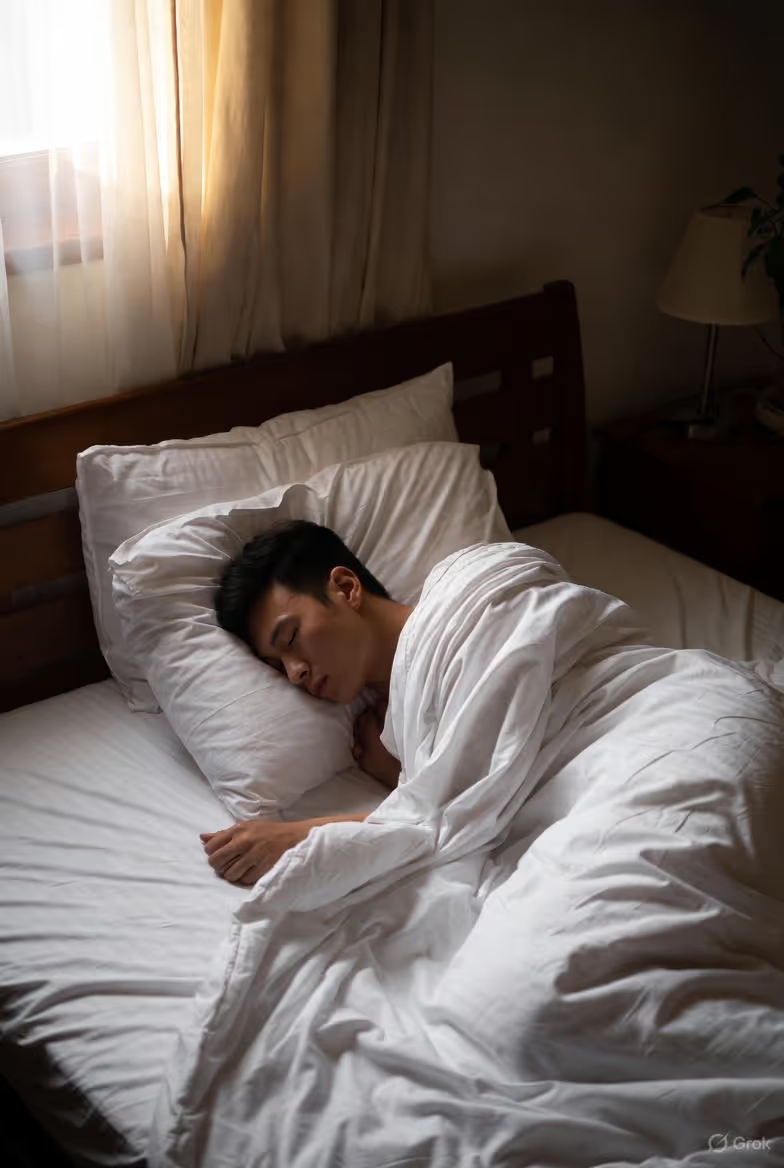
For generations, sleep was a black box. We closed our eyes and hoped for the best. The advent of consumer-grade biosensing technology has revolutionized our ability to understand this critical third of our lives. Now, you can move from guessing to knowing precisely how much deep sleep you get and how well your body is recovering from it.
Modern sleep tracking, particularly with devices worn on the finger like the Oxyzen smart ring, uses a combination of sophisticated sensors to paint a detailed picture of your sleep architecture:
By synthesizing this data through advanced algorithms, these devices generate a sleep stage breakdown: light sleep, deep sleep, REM sleep, and awake time. More than just percentages, they provide a timeline, showing you when in the night your deep sleep occurred. Was it consolidated in the first half, or was it fragmented? This detail is crucial.
Furthermore, the best tools don’t just report data; they provide contextualized recovery scores. They combine your sleep data (deep sleep duration, disturbances) with HRV trends and body temperature to give you a single, easy-to-understand metric of how recovered you are each morning. A high recovery score suggests your deep sleep was effective, your nervous system is balanced, and your body is ready for stress. A low score is a red flag, suggesting you may need a lighter day, more focus on stress management, or an earlier bedtime.
This feedback loop is transformative. Instead of dragging yourself through a day wondering why you’re tired, you can see a quantified reason: “My deep sleep was 40% lower than my baseline last night.” This empowers you to connect cause and effect. That late-night work email, the extra glass of wine, the stressful argument—you can see their tangible impact on your biology. It turns sleep from a passive activity into an active, optimizable pillar of health. To see how this technology fits into a broader mission of personalized wellness, you can explore our story and the vision behind its development.
Armed with the knowledge of why deep sleep matters and what disrupts it, you can now implement a proactive lifestyle prescription. This is not about perfection, but about stacking the odds in your favor to consistently secure your restorative deep sleep phase.
1. Champion Circadian Rhythm Hygiene:
2. Optimize Your Sleep Environment:
3. Master the Evening Wind-Down:
4. Strategize Nutrition and Exercise:
5. Manage Stress Proactively:
Implementing even a few of these strategies can yield dramatic improvements. The key is to track and iterate. Use your sleep data not as a report card, but as a laboratory. Try one change (e.g., cooler room temperature) for a week and observe its impact on your deep sleep percentage and morning recovery score. This personalized, data-informed approach is the future of sustainable wellness. For common questions on implementing these strategies with technology, our FAQ page provides helpful guidance.
The quality of your night is largely determined by the quality of your day. A series of intentional daytime habits create a cascade of biological events that prime your body for a deep, restorative plunge into slow-wave sleep.
Morning Light Exposure: The Master Zeitgeber
Within 30-60 minutes of waking, aim for at least 10-15 minutes of exposure to bright, outdoor light. This is non-negotiable. Light is the most powerful “zeitgeber” (time-giver) for your suprachiasmatic nucleus (SCN), the master clock in your brain. Morning light exposure:
Daytime Movement and Exercise
Physical activity is a dual-action deep sleep promoter. First, it creates a healthy “sleep pressure” through the buildup of adenosine, a byproduct of energy metabolism that makes you sleepy. Second, it helps regulate your circadian rhythm and reduces stress and anxiety.
Nutritional Support for Sleep-Wake Cycles
What you eat fuels the hormones that govern sleep.
Strategic Stress Decompression
Allowing stress to accumulate all day guarantees it will follow you into bed. Build “stress resets” into your schedule:
By viewing your 24-hour cycle as an interconnected system, you stop fighting your biology at night and start working with it throughout the day. You are effectively “charging” your sleep battery and setting the correct alarm clock for your hormonal symphony. This holistic philosophy is central to our approach at Oxyzen, where we believe data should empower a full-circle view of wellness.
Ignoring deep sleep doesn’t just mean missing a single night of repair. It can initiate a self-reinforcing, vicious cycle that degrades multiple hormonal systems, accelerating aging and making recovery progressively harder.
The Cascade Begins: Sleep Loss -> Cortisol & Ghrelin Up, Leptin & HGH Down
Breaking the Cycle:
Escaping this spiral requires a deliberate, multi-pronged reset. You cannot out-willpower a broken biology. The most effective intervention points are:
Understanding this cycle is crucial. It moves sleep from a luxury to the foundational lever for metabolic health, weight management, and hormonal balance. It explains why “eating less and moving more” fails when sleep is broken. You must fix the foundation first. Reading about others who have broken this cycle can be incredibly motivating, as seen in the user experiences shared on our testimonials page.
Knowledge is power, but action is transformation. This guide is your personal audit to identify your unique deep sleep blockers and implement a targeted plan. Follow these steps over the next two weeks.
Week 1: The Observation Phase (Gather Data)
Week 2: The Intervention Phase (Test One Change)
Based on your observations, choose ONE primary suspect. Focus on changing only this for the next week.
Continue tracking. At the end of Week 2, compare your key metrics: Deep Sleep %, Sleep Restoration Score, and subjective morning feeling. Did they improve? Even a small, consistent uptick is a major victory.
Building Your Protocol:
This iterative, data-driven process removes the guesswork. It turns sleep optimization into a personal science experiment where you are both researcher and subject. The goal is not a perfect 100% score every night, but a strong, resilient baseline. Life will disrupt it sometimes, but with your protocol in place, you’ll have the knowledge and tools to return to it quickly. For ongoing support and answers as you conduct your audit, our comprehensive FAQ is a valuable resource.
The world of sleep and hormones is rife with oversimplification and commercial hype. To build a protocol that stands the test of time, we must clear away common misconceptions that can lead to wasted effort, unnecessary expense, or even harm.
Myth 1: "More Total Sleep Always Equals More Growth Hormone."
Reality: It’s about quality and timing, not just quantity. The major HGH pulse is tied to the first episode of deep sleep. Sleeping for 10 hours with fragmented, light sleep due to poor habits or an untreated disorder will yield less HGH benefit than 7 hours of consolidated, high-quality sleep with robust deep sleep cycles. The concentration of deep sleep in the first half of the night is why a consistent, early-ish bedtime is more impactful than sleeping in late.
Myth 2: "Taking Melatonin Supplements Will Boost My HGH."
Reality: Melatonin is your body’s signal for sleep timing, not a direct trigger for HGH release. While proper sleep timing (facilitated by your own natural melatonin) sets the stage for deep sleep, exogenous melatonin supplementation does not directly stimulate HGH. In fact, long-term, indiscriminate use of high-dose melatonin can potentially disrupt your natural circadian rhythm and other hormonal axes. It is a chronobiotic (timing agent), not an anabolic hormone.
Myth 3: "I Can ‘Catch Up’ on Deep Sleep Over the Weekend."
Reality: Sleep debt, particularly deep sleep debt, has a metabolic cost that accumulates. While a weekend of longer sleep can help reduce subjective sleepiness and pay back some of the "homeostatic" sleep debt, it does not fully reverse the metabolic and hormonal disruptions—like elevated cortisol and blunted HGH—that occurred during the week of deprivation. The inflammatory markers, insulin resistance, and hunger hormone dysregulation from chronic sleep loss are not so easily reset. Consistency is infinitely more powerful than compensation.
Myth 4: "Over-the-Counter ‘HGH Boosters’ are a Safe Shortcut."
Reality: The supplement market is flooded with products containing amino acids like arginine, ornithine, and glutamine, claiming to boost HGH. The evidence for their efficacy in healthy individuals is weak, dose-dependent, and often based on intravenous studies, not oral supplementation. Any acute, minor effect pales in comparison to the powerful, nightly pulse driven by deep sleep. Investing in a perfect sleep environment, stress management, and proper nutrition offers a far greater, safer, and more holistic return.
Myth 5: "If I Don't Remember Dreams, I Didn't Get Good Sleep."
Reality: Dream recall is highest during awakenings from REM sleep. In fact, frequently remembering vivid dreams can sometimes be a sign of fragmented sleep with more micro-awakenings. The most restorative, physically rebuilding deep sleep (N3) is typically dreamless. The absence of dream memory is not an indicator of poor sleep; in many cases, it indicates you slept soundly through your REM cycles without waking.
Myth 6: "A Nightcap Helps You Sleep Deeper."
Reality: Alcohol is a sedative that suppresses initial REM sleep and, as it is metabolized, causes a rebound of lighter, fragmented sleep and awakenings in the second half of the night. Most critically, it severely blunts the growth hormone surge associated with deep sleep. It may help you lose consciousness faster, but it actively steals the quality and hormonal benefit of the sleep that follows.
Myth 7: "Tracking My Sleep Will Make Me Anxious About It."
Reality: This is a common concern, sometimes called "orthosomnia." The key is in the mindset. Data should be used as a curious guide, not a punitive judge. The goal is to observe trends and correlations over weeks, not to obsess over a single night's score. A well-designed tool provides context, like a weekly average or a "readiness" score that considers multiple factors. Used wisely, it reduces anxiety by replacing vague worry with understanding and actionable insight. You learn what your body truly needs, which is often less than the rigid "8 hours" dogma, and you gain confidence in your ability to influence your recovery. For a balanced perspective on using data for wellness, our blog often discusses mindful engagement with technology.
By anchoring our approach in these evidence-based realities, we build a practice that is robust, sustainable, and free from the cycles of hype and disappointment. We focus on the levers that matter most: protecting the sanctity of the first half of our sleep and creating a lifestyle that supports our natural rhythms.
The ultimate promise of optimizing the deep sleep-growth hormone connection is not merely better mornings, but fundamentally longer, healthier years—an expansion of healthspan, the period of life spent in good health. This axis sits at the crossroads of several core aging hallmarks.
1. Cellular Repair and Genomic Stability:
Every day, our DNA accumulates damage from environmental and metabolic sources. Deep sleep, facilitated in part by HGH's signaling, upregulates DNA repair pathways. The anabolic, protein-synthesis environment promoted by HGH is essential for maintaining cellular integrity and function. This nightly maintenance shift prevents the accumulation of cellular damage that drives aging.
2. Mitochondrial Health:
Mitochondria are our cellular power plants. Their dysfunction is a key driver of aging. HGH and IGF-1 support mitochondrial biogenesis—the creation of new, healthy mitochondria. Deep sleep may also provide a period of reduced metabolic demand, allowing for mitochondrial "cleanup" via mitophagy. A robust sleep-GH axis helps maintain energetic youth at the cellular level.
3. Stem Cell Regeneration:
Sleep, and likely the hormonal milieu it creates, influences the regenerative capacity of stem cells in various tissues, including muscle and the brain. HGH is known to stimulate the activation and proliferation of satellite cells in muscle, which are essential for repair and adaptation. This ensures tissues retain their regenerative potential.
4. Immune System Senescence:
Aging is accompanied by immunosenescence—the decline and dysregulation of the immune system. Deep sleep supports the production of fresh, naive T-cells and the healthy function of natural killer cells. By managing inflammation (inflammaging) and supporting immune renewal, quality sleep helps maintain immune vigilance and resilience into later life.
5. Neuroprotection and Brain Clearance:
The glymphatic system's nightly cleansing of neurotoxic waste, like beta-amyloid and tau, is perhaps one of the most critical longevity functions of deep sleep. The concurrent supportive environment from HGH may aid neuronal health. This dual action is a powerful protective mechanism against age-related cognitive decline and neurodegenerative diseases.
Epidemiological Evidence:
Large-scale population studies consistently show that both short sleep duration (<7 hours) and long sleep duration (>9 hours) are associated with increased all-cause mortality and a higher incidence of chronic diseases. The "U-shaped" curve suggests that it is the quality of sleep within that 7-9 hour sweet spot—specifically, the preservation of deep, restorative stages—that is the active ingredient for longevity. Individuals who maintain healthy sleep patterns exhibit slower biological aging as measured by epigenetic clocks.
The Practical Longevity Prescription:
Therefore, the quest for longevity is not about adding exotic supplements but about fiercely protecting this innate, nightly renewal cycle. It means:
In this light, the time and effort invested in deep sleep is an investment in your biological capital, compounding over decades to determine the quality of your later life. This long-term vision of empowering sustained vitality is woven into the fabric of our story and mission.
Science provides the framework, but personal stories provide the inspiration. While individual results vary, the following anonymized composites, inspired by common experiences shared by users of biometric tracking, illustrate the profound ripple effects of reclaiming the deep sleep-HGH connection.
Story 1: The "Tired Athlete" – Mark, 42
Mark was a dedicated amateur cyclist. Despite rigorous training, his performance plateaued, and he felt chronically "heavy." His recovery after hard rides took days. He assumed it was age. Using a smart ring, he discovered his deep sleep was consistently below 10%, and his HRV was on a downward trend. The data revealed a culprit: his post-ride "recovery beers" and late-night gaming. He implemented a strict digital sunset and replaced evening alcohol with a tart cherry juice and magnesium protocol. Within three weeks, his deep sleep increased to 18%, his morning HRV rose by 25%, and his perceived exertion on the bike dropped. He wasn't just training harder; he was recovering smarter, thanks to restoring his nightly repair cycle.
Story 2: The "Stressed Executive" – Lena, 38
Lena managed a high-pressure team. She was successful but perpetually wired and exhausted. Her skin looked dull, and she'd gained stubborn abdominal weight. Her sleep tracker showed a flatlining HRV and frequent nighttime awakenings. Her cortisol rhythm was likely flipped. She started with one change: a 45-minute, screen-free wind-down ritual involving reading and light stretching. She used her device's relaxation reminder feature. This single habit began to lower her resting heart rate overnight. Over months, as she added morning walks and better meal timing, her deep sleep became more consistent. The results? The brain fog lifted, her ability to handle stress improved, and, as she puts it, "My face just looked… brighter again." The reduction in systemic stress and improvement in restorative sleep had visible, metabolic, and cognitive effects.
Story 3: The "Menopausal Transition" – Susan, 52
Susan entered perimenopause with disrupted sleep, night sweats, and a feeling that her body was "falling apart." Hot flashes would wake her multiple times. She felt powerless against the hormonal tide. Using her wearable, she could see the direct impact of temperature spikes on her sleep fragmentation. This data motivated her to take aggressive action on her sleep environment: a cooling mattress pad, a bedside fan, and moisture-wicking bedding. She also worked with her doctor on lifestyle and potential therapies. By tracking her sleep, she could see tangible progress—fewer awakenings, longer deep sleep blocks—which kept her motivated. She regained a sense of agency. While the transition continued, she was no longer its passive victim; she had tools and data to navigate it.
The Common Thread:
Each story highlights a shift from passive suffering to active understanding. Data provided the "why" behind the "what." It transformed sleep from a mysterious, unproductive time into a measurable, optimizable pillar of health. It helped them identify their unique bottleneck (alcohol, stress, temperature) and prove to themselves that change was possible. These narratives echo the experiences shared by many in our community, which you can find in more detail on our testimonials page.
Embarking on this journey requires the right tools and resources. This toolkit is designed to take you from knowledge to lasting implementation.
Assessment Tools:
Environmental Upgrades:
Educational & Support Resources:
Building Your Support System:
The Iterative Mindset:
Your protocol is a living document, not a stone tablet. It should change with your life stages, stress levels, and goals. Every quarter, do a formal review:
This proactive, self-aware approach ensures that your commitment to deep sleep and hormonal health evolves with you, providing a foundation of resilience for whatever life brings. To begin exploring the technology that can serve as the cornerstone of this toolkit, you can learn more about Oxyzen.
Our understanding of the sleep-hormone connection is not static. We are on the cusp of breakthroughs that will make personal optimization even more precise, predictive, and integrated.
1. Advanced Biomarker Tracking:
Future wearables may move beyond proxies to measure direct biomarkers in interstitial fluid via non-invasive biosensors. Imagine a ring that could track nocturnal cortisol patterns or IGF-1 fluctuations alongside sleep stages, providing a complete, real-time picture of the HGH axis. Early detection of hormonal imbalances through longitudinal tracking could become a cornerstone of preventive medicine.
2. Closed-Loop Sleep Environments:
The concept of the "smart bedroom" will evolve. Your wearable will communicate with your environment: lights that gradually dim based on your melatonin-ready body temperature, thermostats that adjust in real-time to your sleep stage (cooler for deep sleep, slightly warmer for REM), and sound environments that adapt to mask disruptive noises specifically during your light sleep phases. The environment will become an active partner in sleep architecture stabilization.
3. Neuromodulation and Deep Sleep Enhancement:
Non-invasive brain stimulation techniques, like transcranial alternating current stimulation (tACS) tuned to delta wave frequencies, are being researched to safely enhance slow-wave sleep. For individuals with age-related or condition-related deep sleep deficits, this could offer a way to amplify the natural signal, potentially boosting associated memory consolidation and metabolic benefits, including HGH release.
4. AI-Powered Hyper-Personalized Nutrition & Timing:
Artificial intelligence will analyze your unique dataset—sleep, activity, HRV, continuous glucose monitor data (if available), and genetic predispositions—to generate ultra-personalized recommendations. It might suggest: *"Based on your high-stress day and low HRV, your optimal dinner tonight is 550 calories with 40g of protein and a specific magnesium-rich food, to be consumed at 7:15 PM for maximal deep sleep support."*
5. Integration with Epigenetic Clocks:
The most profound frontier is linking daily habits to the rate of biological aging. Future platforms may integrate your behavioral and biometric data (sleep, HRV, exercise) with periodic epigenetic age tests (like the Horvath clock). You could literally observe how a six-month period of optimized deep sleep and recovery slows your biological aging rate, providing the ultimate motivational feedback loop.
The Human Element Endures:
Despite these astonishing technological advances, the core principles will remain human-centric. Technology will not replace the need for consistent bedtime, mindful stress management, or a dark, cool room. Instead, it will illuminate the impact of those choices with stunning clarity and provide new, gentle tools to support them. The goal is not to outsource sleep to a machine, but to use intelligence—both artificial and our own—to create the conditions for our innate biology to thrive.
This forward-looking perspective is central to our vision at Oxyzen. We believe in a future where everyone has the personalized insights to live in greater harmony with their body's natural rhythms. You can explore this vision further by visiting our about page.
The journey through the science of deep sleep and growth hormone reveals a truth both simple and profound: within the quiet architecture of your night lies the most powerful, accessible, and underutilized renewal system you possess.
This is not a story about a single hormone, but about a biological imperative. Deep sleep is the non-negotiable prerequisite for your body's nightly renovation project, with human growth hormone acting as the foreman. When this axis is functioning optimally, you are not just preventing disease or fatigue; you are actively engaging in a process of continuous restoration. You are supporting the repair of today's wear and tear, fortifying your metabolism, cleansing your brain, and strengthening your immune system. You are, in a very real sense, participating in your own rejuvenation.
We have seen how this process is sabotaged by the very fabric of modern life—by light after dark, by constant connectivity, by erratic schedules, and by chronic stress. But we have also seen that it is not fragile. It is responsive. With knowledge and intention, you can reclaim it.
The path is clear:
The quest for youth and vitality has driven humanity for centuries, leading to complex potions and extreme regimens. Yet, the most potent elixir has always been within us, timed to the setting of the sun and the deep, rhythmic waves of a sleeping brain. By honoring this innate connection, you do more than improve your sleep. You align yourself with the fundamental rhythm of life itself—a rhythm of activity and rest, breakdown and repair, expenditure and renewal.
This is the ultimate promise: by reclaiming your night, you renew your capacity for life. You build a body and mind that are resilient, adaptive, and vibrant at any age. The science is clear, the tools are at hand, and the time to start is tonight.
We invite you to continue this journey of discovery and optimization. For ongoing support, science, and stories from a community focused on harnessing their biological potential, explore the wealth of resources available on the Oxyzen blog. Your most restorative days begin with your most restorative nights.
While a general whole-foods diet sets the stage, certain nutrients act as direct co-factors and precursors in the sleep and growth hormone pathways. Strategic inclusion of these can provide supportive benefits, especially when dietary gaps exist.
Key Dietary Nutrients:
Strategic Timing: The Evening Snack Paradox
Contrary to “never eat before bed,” a small, strategically chosen snack about 60-90 minutes before sleep can be beneficial for some, especially if hunger pangs disrupt sleep onset. The ideal snack combines a tryptophan source with a complex carbohydrate. The carb-induced insulin spike helps clear competing amino acids from the bloodstream, allowing more tryptophan to reach the brain.
Supplementation: A Cautious Consideration
Supplements should not replace foundational habits but can be considered as adjuncts under professional guidance.
The goal of nutritional support is to provide the raw materials your body needs to perform its innate functions optimally. By ensuring adequate intake of these key nutrients through food first, you remove potential deficiencies that could be a silent bottleneck in your sleep-hormone cascade. For more detailed explorations on nutrition and recovery science, our blog offers continuously updated resources.
Exercise and deep sleep exist in a powerful, reciprocal relationship. One begets the other in a virtuous cycle that is central to both physical renewal and hormonal health. Understanding this synergy allows you to time and tailor your movement for maximum restorative benefit.
How Exercise Promotes Deep Sleep:
How Deep Sleep Amplifies Exercise Results:
Optimizing the Timing:
The takeaway is profound: you don’t choose between fitness and sleep. They are two sides of the same coin. Investing in one yields dividends in the other. A well-designed exercise regimen is a prescription for deeper sleep, and deep sleep is the non-negotiable requirement for realizing the full benefits of your training.
Cortisol is not the enemy; it’s essential for life. It’s your get-out-of-bed hormone, your energy-mobilizing hormone. The problem is dysregulation—its loss of the natural, robust rhythm and its chronic elevation. This dysregulation is arguably the most common modern disruptor of the sleep-GH axis.
The Ideal Rhythm:
In a healthy circadian pattern, cortisol peaks sharply 30-60 minutes after waking (the Cortisol Awakening Response or CAR), providing alertness and energy. It then gradually declines throughout the day, reaching its lowest point around midnight, coinciding with deep sleep and the HGH surge. This low point allows the restorative, anabolic hormones to dominate.
How Chronic Stress Flattens the Curve:
Persistent psychological stress, poor diet, inflammation, and even overtraining lead to a flatter cortisol curve:
Strategies to Restore Cortisol Rhythm:
Using HRV as Your Guide:
Your Heart Rate Variability (HRV) is the single best non-invasive metric for tracking your autonomic nervous system balance and stress resilience. A higher HRV (especially your nighttime average and morning reading) indicates strong parasympathetic tone and good recovery. A trend of declining HRV is a clear early warning sign of accumulated stress and a likely flattening of your cortisol curve.
By actively managing your daily rhythm to support a healthy cortisol pattern, you remove a primary obstacle to deep sleep. You create the quiet, low-stress hormonal environment where growth hormone can perform its nightly rejuvenation. Monitoring your HRV trend through a device like the Oxyzen ring gives you objective feedback on whether your stress management strategies are truly working, moving them from guesswork to a calibrated practice. For user experiences on how tracking HRV changed their approach to stress, visit our testimonials page.
Your Trusted Sleep Advocate: Sleep Foundation — https://www.sleepfoundation.org
Discover a digital archive of scholarly articles: NIH — https://www.ncbi.nlm.nih.gov/
39 million citations for biomedical literature :PubMed — https://pubmed.ncbi.nlm.nih.gov/
Experts at Harvard Health Publishing covering a variety of health topics — https://www.health.harvard.edu/blog/
Every life deserves world class care :Cleveland Clinic - https://my.clevelandclinic.org/health
Wearable technology and the future of predictive health monitoring :MIT Technology Review — https://www.technologyreview.com/
Dedicated to the well-being of all people and guided by science :World Health Organization — https://www.who.int/news-room/
Psychological science and knowledge to benefit society and improve lives. :APA — https://www.apa.org/monitor/
Cutting-edge insights on human longevity and peak performance:
Lifespan Research — https://www.lifespan.io/
Global authority on exercise physiology, sports performance, and human recovery:
American College of Sports Medicine — https://www.acsm.org/
Neuroscience-driven guidance for better focus, sleep, and mental clarity:
Stanford Human Performance Lab — https://humanperformance.stanford.edu/
Evidence-based psychology and mind–body wellness resources:
Mayo Clinic — https://www.mayoclinic.org/healthy-lifestyle/
Data-backed research on emotional wellbeing, stress biology, and resilience:
American Institute of Stress — https://www.stress.org/


