


How Your Smart Ring Shows the Health Cost of Professional Advancement
How your ring can show the health costs of professional advancement.
How your ring can show the health costs of professional advancement.
%402x.svg)
You close your laptop at 11:37 PM, the blue glow finally extinguished. Another “high-productivity” day complete. You’ve crushed the quarterly presentation, navigated a minefield of emails, and led two back-to-back strategy sessions. By all external metrics—the praise from your manager, the completed tasks, the salary deposited—you are advancing. Winning. And yet, as you finally slip into bed, a subtle vibration hums on your finger. You glance at your smart ring. Its tiny screen glows in the dark, not with congratulations, but with a sobering verdict: “Recovery Score: 42% – Poor. Significant stress load detected. Deep sleep forecast: Low.”
This silent, continuous feedback is the new reality for the modern professional. While our resumes gleam and our LinkedIn networks expand, a more intimate and honest ledger is being kept. Not by our employers, but by the sensors we wear. Your smart ring—a sleek piece of technology marketed for wellness—has inadvertently become the most accurate auditor of career success, measuring not output, but the profound physiological cost required to produce it.
We live in an era where professional advancement is often a pyrrhic victory. The corner office is traded for coronary calcification. The promotion is paired with panic attacks. The stellar performance review correlates with starved sleep. For decades, these costs were hidden, subjective, easy to ignore until a crisis—burnout, illness, collapse—made them undeniable. No longer. Biometric data doesn’t lie, negotiate, or care about stock options. It reveals the stark truth: our bodies are keeping score, and the currency is heart rate variability, resting heart rate, skin temperature, and sleep architecture.
This article is an exploration of that silent ledger. We will decode what your smart ring is really telling you about the price of your ambition. We’ll move beyond the simple step counts and sleep scores, diving into the nuanced biomarkers that map directly to workplace stressors—from the cortisol-driven spike of a morning commute to the nervous system dysregulation of chronic overwork. This isn’t about rejecting professional growth; it’s about redefining it. It’s about using this unprecedented window into our own biology to build a sustainable, healthier, and ultimately more successful path forward. The data is in. The question is: Are you ready to read it?
Before we can understand the cost, we must understand the tool. A modern smart ring is not merely a pedometer for your finger. It is a sophisticated biomedical monitoring station, capturing a continuous stream of physiological data that paints a dynamic portrait of your internal state. Unlike a smartwatch that glances at your wrist intermittently, a ring’s form factor allows for constant, unobtrusive contact, providing a superior signal for certain key metrics. It is an unblinking auditor, logging the biological fine print of your every working day.
At the core of its insight are several pivotal biomarkers. Heart Rate Variability (HRV) is the crown jewel of nervous system insight. It measures the subtle variations in time between each heartbeat. A high, robust HRV indicates a resilient, adaptable autonomic nervous system—one that can smoothly transition from the sympathetic “fight-or-flight” stress response to the parasympathetic “rest-and-digest” recovery state. A low or declining HRV trend is one of the clearest early warnings of accumulated stress, overtraining (in this case, over-working), and impaired recovery. When your boss drops a last-minute “urgent” request into your evening, the subsequent dip in your HRV is not a feeling; it’s a measurable physiological event.
Your Resting Heart Rate (RHR) is another vital sign of systemic load. While a well-rested, fit individual typically has a low RHR, a creeping elevation over days or weeks is a classic sign of your body working harder to maintain baseline function due to inflammation, psychological stress, or poor sleep. The 4 AM anxiety spike about a missed deadline doesn’t just keep your mind racing; it literally makes your heart race for hours.
Then comes Sleep Architecture—the breakdown of your night into light, deep, and REM sleep. Deep sleep is physical restoration; REM is cognitive and emotional processing. Professional stress is a notorious thief of both. You might be in bed for 8 hours, but if your ring shows fragmented sleep with minimal deep cycles, your body hasn’t completed its essential repair work. Furthermore, skin temperature and nocturnal movement data reveal the hidden restlessness of a mind that cannot power down, often showing you’re thermally dysregulated or tossing and turning during periods of high work anxiety.
Finally, advanced rings now estimate stress load and recovery scores by synthesizing these data points. They don’t measure stress as an emotion, but as a physiological strain—the total tax levied on your system. A high “daytime stress” score after a series of grueling negotiations isn’t a judgment; it’s a quantification. A low “readiness” or “recovery” score the morning after a late-night crisis fix is your body’s objective report card, stating it is not prepared for another high-stakes day.
This is the foundation of our investigation. With this understanding, we can now trace how specific, universal pillars of professional advancement directly write their costs into this biometric ledger. The promotion, the network, the productivity—each has its own unique signature in your data. Let’s begin with the most celebrated and costly of them all: the climb up the corporate ladder.
The email arrives: “Congratulations on your promotion!” A surge of validation, excitement, and perhaps relief floods through you. You’ve worked tirelessly for this moment—the title, the raise, the increased responsibility. It is the definitive marker of professional advancement. Yet, within weeks or months, a different narrative often begins to unfold on your smart ring’s app. The HRV trend line, once stable, begins a slow but steady descent. Your resting heart rate ticks up by 3-5 beats per minute. Your sleep score becomes erratic, plagued by early morning awakenings at 3 AM. This is the Promotion Paradox: the achievement your mind celebrates, your body often interprets as a sustained threat.
The paradox exists because a promotion is rarely just a change in title; it is a fundamental shift in your allostatic load—the cumulative burden of chronic stress and life events on your body. Three key stressors amplify this load:
1. The Competence Canyon: Suddenly, you are in a new role where you are expected to perform at a high level, but the tacit knowledge, internal networks, and automatic competence of your old position are gone. This creates a state of chronic mild anxiety—a constant, low-grade cognitive strain as you navigate new terrain. Your nervous system remains in a heightened state of alert, subtly elevating cortisol and adrenaline throughout the day, which directly suppresses HRV and elevates RHR. It’s not one big panic attack; it’s a thousand tiny uncertainties that keep your stress biology activated.
2. The Accountability Amplifier: With greater responsibility comes greater consequence. Decisions carry more weight. More people depend on your output. This amplified accountability can trigger a hyper-vigilance that refuses to disengage. Your mind rehearses conversations, replays decisions, and pre-plays potential scenarios long after you’ve left the office. This mental “time travel” is poison for sleep architecture. As you lie in bed, your brain’s default mode network is in overdrive, directly inhibiting the transition into the deep, restorative slow-wave sleep your body desperately needs to repair the day’s neurological wear and tear. You can learn more about this brain-sleep connection in our exploration of the neuroscience of daily stress.
3. The Boundary Erosion: Leadership roles often come with the implicit (or explicit) expectation of perpetual availability. The smartphone becomes a leash. The “quick check” of email at night becomes a ritual. This erodes the critical psychological detachment from work, a proven factor in preventing burnout. Your smart ring captures this erosion physiologically. You might see your nighttime heart rate remain elevated, or your sleep onset time lengthen, because your nervous system never receives the clear signal that the “work day” has ended. The separation between stress and sanctuary blurs.
The data from your ring makes this paradox undeniable. You can’t argue with a graph showing your recovery scores plummeting in perfect inverse correlation with your new responsibilities. But this isn’t a mandate to reject advancement. It’s a diagnostic tool. By seeing the specific cost—is it poor sleep, elevated daytime stress, or a crashed HRV?—you can deploy targeted countermeasures. It creates an opportunity for a conscious promotion, where you pursue the title while strategically protecting your physiology, perhaps by instituting a strict digital sunset, blocking time for skill-building to cross the competence canyon faster, or using the data to have a frank conversation with your leader about sustainable expectations. The goal is to align your career trajectory with your health trajectory, so one doesn’t have to crash for the other to soar.
“It’s not what you know, it’s who you know.” This age-old adage fuels countless hours of professional networking: conference coffee chats, LinkedIn messaging, after-work drinks, and team-building retreats. Building social capital is non-negotiable for advancement. But what does this relentless socializing—often performed on top of a demanding core job—do to your biology? Your smart ring reveals that for many, especially introverts or those with high social anxiety, networking is less a career investment and more a physiologically taxing expenditure.
Every social interaction, particularly those with perceived professional stakes, requires cognitive and emotional labor. You are managing your impression, parsing subtext, actively listening, and formulating strategic responses. This is executive brain function at high RPM. For the brain, this labor is metabolically expensive. Studies using fMRI show that social stress activates neural pathways overlapping with those for physical threat. Your ring translates this brain activity into somatic data: a gradual elevation in heart rate during a prolonged networking event, a suppressed HRV for hours afterwards, and a spike in your “stress load” metric that treats a cocktail hour like a moderate workout.
The phenomenon is exacerbated by what sociologists call “surface acting”—the effort of displaying emotions you don’t genuinely feel (like enthusiasm during a boring pitch) or suppressing those you do (like irritation with a dominant conversation partner). This emotional dissonance is a potent stressor. Research consistently links surface acting to increased sympathetic nervous system activation (the fight-or-flight response) and later emotional exhaustion. Your smart ring might show this as a delayed stress response: you hold it together during the event, but your body remains in a heightened state of arousal long after you get home, disrupting wind-down routines and sabotaging sleep onset. This creates a vicious cycle where the networking meant to advance your career impairs the recovery you need to perform in it.
Furthermore, the digital extension of networking—the constant pings of LinkedIn, Slack, and professional WhatsApp groups—creates a state of chronic, low-level social vigilance. Each notification is a micro-social demand, a potential request or evaluation. This fragments attention and prevents deep psychological detachment. Your ring’s data on sleep fragmentation and reduced REM sleep can often be traced to this always-on, socially tethered state. REM sleep is crucial for emotional regulation and memory consolidation; robbing yourself of it through networked anxiety leaves you less emotionally resilient for the next day’s interactions, creating a downward spiral.
However, the data also holds the key to a smarter approach. By reviewing your ring’s stress and recovery scores after different types of social engagement, you can move from a quantity-based to a quality-and-strategy-based networking model. You might learn that one-on-one coffee meetings are far less taxing on your system than large mixers. You can see the tangible recovery benefit of building in a 20-minute quiet buffer after an event before engaging with family. You can use the objective data to give yourself permission to leave an event earlier without guilt, because your physiology shows the cost of staying longer is real.
Ultimately, your smart ring reframes networking from a vague professional "should" into a series of measurable biological transactions. It allows you to invest your social energy where it yields the highest professional return for the lowest physiological cost, ensuring your network powers your advancement without bankrupting your health. For those struggling with the anxiety that often accompanies these forced social situations, developing calming strategies is key, as explored in our guide on sleep improvement for anxious sleepers.
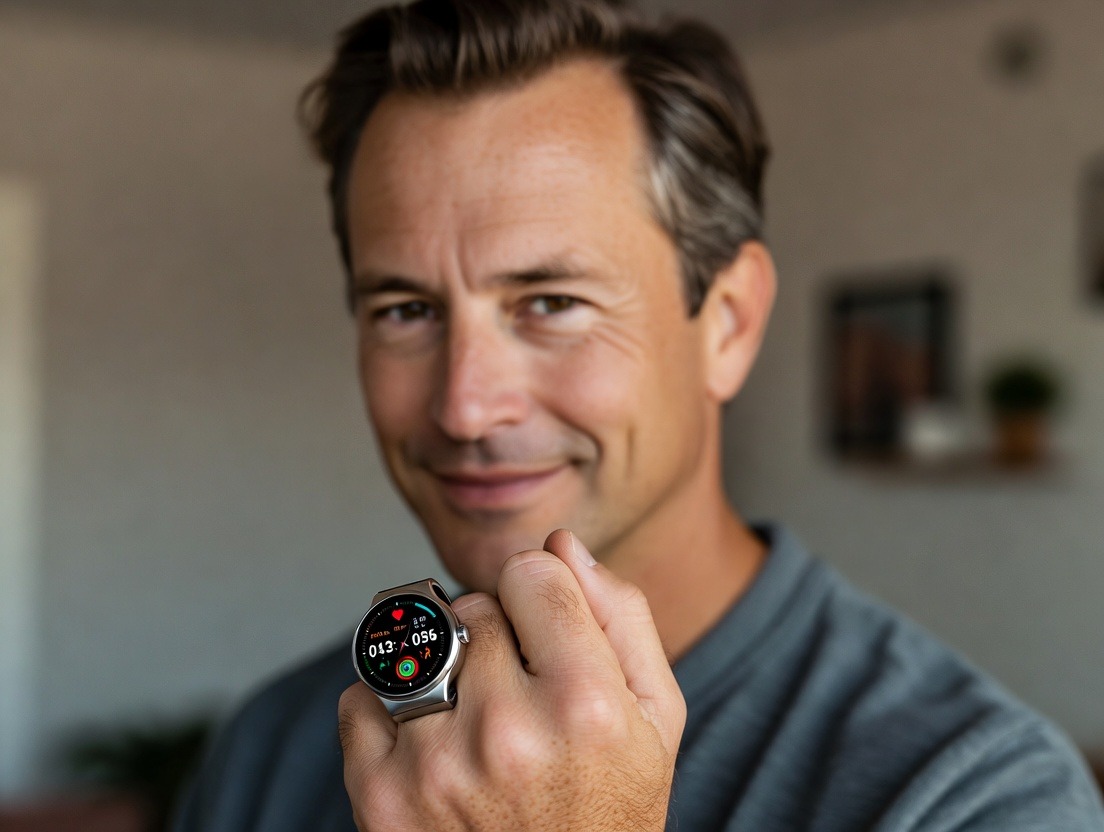
In today’s professional landscape, productivity is king. We idolize the 5 AM routines, the back-to-back deep work sprints, and the ability to grind late into the night. Hustle culture equates hours logged with value created and moral virtue. But your smart ring’s data offers a stark rebuttal to this narrative, revealing that the relentless pursuit of productivity often systematically dismantles the very biological foundations that make sustained high performance possible: your circadian rhythm and ultradian cycles.
Your body operates on a master 24-hour clock that regulates hormone release, body temperature, digestion, and cognitive function. This circadian rhythm is anchored by light exposure and, critically, by consistent sleep-wake times. The productivity trap often begins with its first victim: sleep procrastination. You work late to clear your inbox, sacrificing an hour of sleep for a sense of control. Your ring logs the reduced deep sleep. The next morning, foggy and fatigued, you reach for extra caffeine, disrupting your cortisol curve further. You power through the afternoon slump with another coffee, ignoring your body’s natural dip in alertness. That night, the caffeine and accumulated stress make it hard to fall asleep, so you repeat the cycle.
Your ring quantifies this chaos. It shows a delayed drop in your nighttime skin temperature (a sign of a shifted rhythm). It reports inconsistent sleep onset times. It may show elevated heart rate during what should be your biological night. You are, in essence, giving yourself jet lag without changing time zones—a state scientists call "social jetlag." The cognitive cost is immense: impaired decision-making, reduced creativity, and emotional volatility. You are working longer to accomplish less with worse quality, all while your biometric data screams a warning.
Beyond the daily cycle, your body also runs on ultradian rhythms—90-120 minute cycles throughout the day where your brain oscillates between high focus and a need for rest. Peak productivity science advocates working in aligned “sprints” followed by short breaks. Hustle culture ignores this, promoting marathon sessions that lead to a phenomenon your ring can detect: sympathetic nervous system dominance. After hours of uninterrupted focus, your stress metrics remain high, your HRV stays low, and your body cannot transition into the recovery state needed to replenish neurochemicals. You are essentially redlining your engine and wondering why it overheats.
The path out of the trap is to use your smart ring not as a badge of how little you slept, but as a performance optimization dashboard. Let it guide you toward circadian alignment:
By aligning your work habits with your biology, you move from brute-force productivity to intelligent, sustainable performance. Your ring becomes the tool that helps you break the illusion that more hours equal more value, and instead shows you that higher-quality, well-timed hours—supported by robust recovery—create true, lasting advancement. For a deeper dive into structuring your day around your body’s natural stress hormone cycle, our article on managing your cortisol curve offers a practical framework.
The smartphone in your pocket is the ultimate symbol of modern professional connectivity. It is also, as your smart ring’s data likely confirms, a primary vector for “always-on” anxiety—a state of perpetual, low-grade threat vigilance that has become the background noise of career life. This isn’t about the time spent working on the device, but the psychological and physiological state of being constantly available to work. Your ring measures the cost of this digital leash in elevated resting heart rates, disrupted sleep, and suppressed recovery.
The mechanism is rooted in anticipatory stress. Every notification buzz—whether it’s a Slack message, an email, or a calendar alert—carries the potential for a demand, a problem, or a criticism. Your brain’s threat-detection system (the amygdala) subtly activates with each ping, triggering a micro-release of cortisol and adrenaline. While each individual event may be minor, the cumulative effect of dozens or hundreds of these interruptions per day is a sustained stress response. Your smart ring’s “daytime stress” graph often looks less like a mountain range with clear peaks and valleys, and more like a high, choppy plateau—a direct map of this interrupt-driven existence.
This state ravages your ability to enter deep focus (flow state), which is neurologically incompatible with a vigilant, scanning attention. More insidiously, it destroys psychological detachment—the mental separation from work that is the single most important predictor of recovery from job stress. When you check email right before bed, you aren’t just reading words; you are thrusting your nervous system back into the contextual stress of the workplace. Your ring captures this as a prolonged time to fall asleep, a higher heart rate during the first sleep cycles, and reduced deep sleep. You may physically be in bed, but your physiology is still at your desk.
Furthermore, the blue light emission from devices in the evening directly suppresses melatonin production, confusing your circadian clock. Your ring’s sleep data and skin temperature metrics can show the effects of this: a later-than-optimal temperature drop signaling a delayed sleep phase, and more frequent awakenings in the first half of the night.
Breaking the digital leash requires using your smart ring data as objective proof of its harm. The strategy is creating physiological buffers:
Your smart ring reveals that “being connected” is not a free professional good. It is a continuous biological withdrawal from your recovery account. By managing your connectivity with the same intention you manage your calendar, you reclaim your nervous system’s right to be off-duty, turning the always-on anxiety into a chosen, strategic engagement that serves your advancement without costing your health. For high performers looking to master this balance, specific techniques are outlined in our resource on daily stress management for high performers.
For the advancing professional, business travel is often a rite of passage—a sign of importance, global reach, and trust. Yet, beneath the veneer of status points and airport lounge access lies a profound disruptor of human biology. Your smart ring transforms from a wellness tracker into a forensic document, meticulously recording the multisystem assault of life on the road: the circadian chaos of jet lag, the inflammation of poor travel nutrition, the sleep deprivation from unfamiliar environments, and the stress of constant adaptation.
Circadian Disruption is the most obvious offender. Crossing time zones decouples your internal clock from the external light-dark cycle. Your ring’s sleep data will show severely fragmented sleep, excessive time awake during the night, and virtually non-existent deep sleep cycles. Your daytime heart rate will be elevated, and your HRV will plummet as your sympathetic nervous system struggles to maintain homeostasis in a dysregulated state. This isn’t just feeling tired; it’s a state of systemic confusion that impairs glucose metabolism, immune function, and cognitive performance right when you need to be sharp for a client meeting.
Beyond jet lag, travel destroys the protective architecture of daily routines. Your carefully crafted morning ritual, your regular lunch break, your evening workout, your optimized sleep environment—all are abandoned. This loss of routine is a significant stressor. Routines are cognitive autopilots that reduce decision fatigue and provide psychological security. Without them, your prefrontal cortex is in overdrive making micro-decisions all day long, which your ring registers as sustained stress load. The food you eat on the road is often higher in sodium, processed carbohydrates, and inflammatory fats, which can lead to water retention, poorer sleep quality, and a higher resting heart rate—all captured in your biometrics.
Furthermore, travel often involves social isolation (long evenings in hotel rooms) or intense, performative socializing (client dinners), both of which are taxing in different ways. The loneliness can be a stressor, while the forced socialization drains energy.
The smart ring empowers a new, data-informed approach to business travel: the mitigated burn. It allows you to:
By treating your travel biometrics as critical business intelligence, you can negotiate a travel schedule that supports, rather than undermines, your long-term performance and health. The goal is not to avoid travel, but to travel so wisely that your ring’s data shows you can recover from it quickly, turning a potential health burn into a managed, strategic professional tool.
Not all professional work is visible on a to-do list or project plan. A significant portion of the cost of advancement is borne through invisible labor—the cognitive and emotional work of managing people, navigating office politics, providing mentorship, and embodying leadership presence. This labor, often expected but rarely quantified, leaves a clear and measurable signature in your biometric data. Your smart ring reveals that coaching a struggling team member or mediating a conflict can be as physiologically taxing as giving a major presentation.
Emotional labor, defined as the effort required to manage and regulate one’s own emotions to fulfill a professional role, is a prime example. For leaders, this might mean projecting calm during a crisis, displaying optimism in the face of setbacks, or suppressing frustration with a underperforming report. This regulation requires constant self-monitoring and impulse control, which is neurologically exhausting. Studies show it depletes the same cognitive resources needed for complex decision-making. Your smart ring translates this depletion into a gradual decline in HRV over the course of a meeting-heavy day and a higher-than-normal stress score during periods that don’t involve “hard” tasks but are emotionally charged.
Mentorship and “people development” represent another massive invisible load. The act of active listening, providing thoughtful feedback, and holding space for others’ anxieties is cognitively demanding and emotionally absorptive. It requires theory of mind—constantly modeling what another person is thinking and feeling. This high-level cognitive processing is a metabolic drain. After a day of back-to-back one-on-one meetings, you may feel “peopled out.” Your ring data will likely show a suppressed recovery score, indicating your nervous system is fatigued from the sustained social-cognitive engagement, even if you’ve been sitting at your desk all day.
Furthermore, the burden of being “the decider” carries a unique physiological tax. The responsibility for consequential decisions creates a lingering cognitive loop—the “what if” analysis—that inhibits psychological detachment. Your sleep data may show more frequent awakenings, particularly in the early morning hours (between 2-4 AM), when cortisol naturally begins to rise and an anxious mind can hijack the process. This fragmented sleep prevents the emotional processing and memory consolidation of REM sleep, leaving you less emotionally resilient for the next day’s invisible labor.
Recognizing this load in your biometrics is the first step toward managing it. It legitimizes the need for:
Your smart ring validates that the “soft skills” of advancement have a very hard cost. By making the invisible visible, it allows you to honor that labor, resource it properly, and recover from it intentionally, ensuring your capacity for empathy and leadership doesn’t become the very thing that burns you out. Leaders seeking to master this balance can find science-backed strategies in our piece on how successful leaders manage daily stress.
Professional advancement is inextricably linked to financial progression. Yet, the relationship is rarely linear or stress-free. The higher salary that comes with a promotion can be accompanied by lifestyle inflation, increased financial complexity, and the weight of greater financial obligations (a bigger mortgage, private school tuition, investments). Paradoxically, the pursuit of wealth as a marker of success can become a primary source of chronic stress, one that your smart ring detects in elevated nighttime heart rates, poor sleep efficiency, and a consistently activated stress response.
This form of stress is unique because it is both pervasive and future-oriented. Financial anxiety is not always about present lack; it is often about future security—fear of losing what you’ve gained, anxiety about not saving enough for retirement, or pressure to maintain a certain standard of living. This anticipatory worry is a potent activator of the hypothalamic-pituitary-adrenal (HPA) axis, leading to dysregulated cortisol patterns. Your ring can show this as an elevated resting heart rate that doesn’t fully drop at night, or a stress score that remains noticeable even during weekends, as financial thoughts intrude during periods of intended rest.
The “golden handcuffs” phenomenon is a classic biometric disruptor. A high-paying but high-stress job creates a conflict: the income provides security and status, but the daily toll threatens health and well-being. This internal conflict—the feeling of being trapped by your own success—generates a persistent sense of helplessness or resentment, which is a known pathway to burnout and inflammation. Your HRV trend line may show a slow, chronic decline in this scenario, reflecting a nervous system losing its resilience under the weight of unresolved conflict.
Moreover, the social comparison fueled by professional circles (who bought the second home, who is taking the more exotic vacation) can trigger a “status anxiety” that keeps the sympathetic nervous system engaged. This isn’t just psychological; it’s a biological state of perceived social threat, which your ring logs as recurrent stress spikes when you engage with social media or certain peer groups.
Your smart ring data provides an objective, non-judgmental basis to address financial stress. It moves the conversation from “I should be grateful” to “my body is showing a stress response we need to manage.” This can empower you to:
By linking financial decisions to physiological outcomes, your smart ring helps you build a career that funds your life without taxing your biology, ensuring your financial growth contributes to—rather than deducts from—your overall health capital. For daily strategies to manage this specific stressor, our guide on managing financial stress daily offers practical steps.
The pinnacle of many professional journeys is an office—often a seated one. Advancement frequently means transitioning from doing to thinking, from moving to managing, resulting in 8-12 hours of daily sedentarism. We have long known this is bad for cardiovascular and metabolic health, but your smart ring illuminates the acute, real-time physiological penalties of sitting still. It shows that the professional chair is not just a piece of furniture; it is a sentence of metabolic slowdown, poor circulation, and compounded stress that your body serves daily.
The most immediate effect is on circulation and metabolism. Prolonged sitting leads to muscular inactivity, particularly in the large leg muscles that act as secondary pumps for venous return. This can contribute to blood pooling, reduced circulation, and a slower metabolic rate. Your ring may capture this subtly as a slightly elevated resting heart rate (as your heart works a bit harder to circulate blood) and a lower heart rate variability during long seated periods. The lack of movement also means your body isn’t effectively clearing the stress hormones like cortisol and adrenaline that accumulate during meetings or focused work, allowing them to linger and prolong the stress response.
Furthermore, sedentary behavior directly impairs the body’s stress recovery mechanisms. Physical movement, even light walking, stimulates the lymphatic system (which clears inflammatory byproducts) and helps regulate the nervous system. Sitting statically denies your body these natural recovery pulses. Your “stress load” metric may remain stubbornly high after a stressful morning, simply because you haven’t moved enough to initiate the physiological processes that help your body process and clear the stress.
The impact on sleep quality is also profound. Daily movement, especially exposure to natural light through activity, is a primary regulator of circadian rhythm. A day spent entirely indoors under artificial light, moving only from chair to car to couch, confuses your internal clock. Your ring’s sleep data may show a less robust circadian temperature rhythm and poorer sleep efficiency as a result. Additionally, physical fatigue from movement is a healthy, natural driver of deep sleep. Without it, your body may be mentally exhausted but physically under-tired, leading to the common experience of being “wired but tired” at bedtime.
Your smart ring is the perfect tool to break this sedentary sentence through micro-movement activism. It allows you to:
The data makes it clear: advancement cannot come at the cost of physical stagnation. By using your ring to reintegrate movement into the fabric of your workday, you combat the metabolic, circulatory, and stress-processing costs of desk-bound success, building a body that can sustain the career you’re building. The profound link between physical activity and stress management is detailed in our resource on how physical exercise transforms daily stress management.
You’ve pushed hard for a major project deadline. Finally, it’s over, and you have a weekend or even a vacation planned. This is your chance to recover, to reset, to pay back the sleep debt and shed the stress load. But as you head into your time off, your smart ring tells a frustrating story: your sleep score remains mediocre, your HRV is sluggish to recover, and your stress readings still show spikes. This is the Recovery Deficit—the paradox where your body fails to capitalize on the opportunity to restore itself. It reveals that physiological recovery is not a passive event triggered by the absence of work; it is an active process that can be blocked by the very patterns of overwork.
The primary blocker is a dysregulated autonomic nervous system (ANS). Chronic stress from professional advancement can leave your ANS stuck in a sympathetic-dominant state, like a revved engine that won’t return to idle. When you finally stop, your body doesn’t know how to downshift. You may be on a beach, but your biology is still at its desk. Your ring shows this as a persistently high resting heart rate and low HRV even in a relaxing environment. The “fight-or-flight” system is so habituated to being on that it interprets the sudden quiet not as safety, but as a strange void, sometimes leading to feelings of anxiety or restlessness during downtime—a phenomenon sometimes called “leisure sickness.”
Another major factor is the cognitive residue of work. While you are physically disengaged, your subconscious mind may still be processing work problems, replaying interactions, or worrying about the inbox pile-up awaiting your return. This prevents true psychological detachment. Your sleep data is the clearest indicator: you may sleep longer hours on vacation, but if your deep and REM sleep percentages don’t improve, your brain isn’t fully disengaging and completing its restorative cycles. The data proves that you are not recovering at the cellular and neural level.
Furthermore, we often mismanage recovery time by filling it with intense, stimulating, or obligation-heavy activities (hectic travel, packed social schedules, home projects), which simply trade professional stress for personal stress. Your ring’s stress load score doesn’t discriminate between stress sources; it just measures the strain.
To combat the recovery deficit, you must use your smart ring to engineer effective recovery:
Your smart ring shifts recovery from a vague hope to a measurable outcome. It shows you that the goal isn’t just to take time off, but to strategically switch your body back on to its own restorative rhythms, ensuring your hard-earned breaks actually repair the costs of your hard-earned advancement. For a toolkit of techniques to facilitate this crucial switch, explore our stress management toolkit with 20 daily techniques.
In the relentless pursuit of professional advancement, a subtle, profound shift can occur: your career ceases to be just what you do and begins to define who you are. This identity fusion—where your self-worth, social status, and core identity become inextricably linked to your job title and performance—creates a precarious psychological state with dramatic physiological consequences. Your smart ring becomes a mirror reflecting this fusion, showing how your body’s baseline state becomes enslaved to the fortunes of your career. When your job is your identity, every professional setback becomes an existential threat, and every success becomes a fleeting fix, all leaving clear marks in your biometric data.
The physiology of identity fusion is rooted in a constant state of evaluation apprehension. If your sense of self is tied to being “the VP,” “the top performer,” or “the expert,” then any challenge to that status—a critical email, a lost client, a younger colleague’s success—is perceived not as a work problem, but as a personal attack. This triggers a more potent and prolonged threat response than a standard work stressor. Your smart ring will capture this as sharper, deeper dips in HRV following negative feedback, and a slower return to baseline. Your body is reacting as if to a threat against the self, not just against a project.
This fusion also destroys psychological boundaries. There is no “you” outside of work to retreat to, recharge, and gain perspective. Your work thoughts and emotions follow you everywhere. Consequently, your physiological stress signals never fully turn off. Your ring’s 24/7 data may show a flattened circadian rhythm—less differentiation between your daytime heart rate/stress and your nighttime readings. The beautiful, healthy dip in heart rate and cortisol at night becomes shallow. Your sleep, instead of being a sanctuary, becomes an extension of the workday, with your ring logging increased nighttime awakenings and reduced REM sleep, the phase crucial for emotional processing and separating today’s experiences from your core identity.
Furthermore, this state creates a biometric rollercoaster tied to wins and losses. A big win might give you a temporary high, reflected in a slightly better sleep score or a positive mood, but it’s unsustainable because the underlying identity dependency remains. The next minor problem will trigger a crash. Your long-term HRV trend becomes erratic, like the vital signs of someone living in chronic uncertainty, because your core self-concept is perpetually on the line.
Breaking this fusion requires using your smart ring data as evidence of the entanglement. The strategy involves cultivating a multi-dimensional self:
Your smart ring reveals that the ultimate cost of advancement can be the loss of a stable, separate self. By showing how your physiology is hijacked by identity fusion, it provides the urgent motivation to rebuild a life where your career is a part of who you are, not the entirety. This creates a more resilient foundation from which to perform, where professional storms cause temporary biometric ripples, not tidal waves in your sense of self.
We have navigated the myriad ways professional advancement extracts a physiological tax: through promotions, networking, productivity culture, digital leashes, travel, invisible labor, financial stress, sedentarism, ineffective recovery, and identity fusion. Each leaves its signature in the data on your finger. But this investigation does not end with a diagnosis of doom. It culminates in a powerful, proactive opportunity. Your smart ring is not merely a canary in the coal mine; it is the foundational tool for a new paradigm: building a Sustainable Career Architecture. This is the long game—using continuous biometric feedback to design a professional life that excels without constantly exhausting, that advances without constantly eroding.
This begins with a shift from reactive monitoring to proactive design. Instead of just glancing at your sleep score each morning, you begin to use historical data to identify your personal performance-recovery equation. How much deep sleep do you need to navigate high-stakes negotiations with clarity? What is your HRV “baseline zone,” and what work patterns pull you out of it? You start to see your body not as a machine to be pushed, but as the most critical stakeholder in your career, with non-negotiable requirements for optimal function.
The core principle is biometric-informed boundary setting. Data provides an objective, unemotional basis for establishing limits—the most powerful antidote to advancement’s costs. For example:
Your ring also enables precision recovery. You move beyond generic “self-care” to targeted interventions based on what your physiology needs most. Is your stress metric high but your sleep good? Your body needs active relaxation or social connection. Is your sleep poor but your daytime stress manageable? Your focus should be on sleep hygiene and circadian rhythm. This approach is explored in depth in our guide on breaking through a sleep improvement plateau, as the principles of targeted intervention are similar. You might discover, through experimentation, that a 20-minute afternoon walk in nature is more effective at lowering your evening resting heart rate than an extra hour of distracted work.
Perhaps most importantly, this data empowers strategic career navigation. You can make informed choices:
Your smart ring, therefore, transforms from a personal wellness device into the central dashboard for your most important project: designing a thriving human life that includes a successful career. It provides the real-time feedback loop needed to align your daily actions with your long-term well-being. It turns the silent ledger of health costs into a blueprint for a richer, more resilient, and truly advanced professional existence. The final step is integrating this knowledge into the very fabric of your daily existence, which we will explore as we conclude this portion of our investigation.

The cost of professional advancement is rarely contained within the confines of a 40-hour workweek or the walls of an office. Like a toxic spill, it seeps into every corner of your personal life—your relationships, your parenting, your capacity for joy, and your sense of self outside of work. This spillover effect is perhaps the most insidious cost of all, as it undermines the very foundation that a career is supposed to support: a fulfilling life. Your smart ring acts as an objective witness to this contamination, capturing the physiological bridges that carry stress from the boardroom to the bedroom, from the presentation to the playground.
The mechanism is one of physiological carryover. After a day of high-stakes meetings, sympathetic nervous system activation, and sustained cognitive control, your body does not simply flip a switch to "off" when you walk through your front door. Elevated cortisol, a heart rate that's still 10 beats per minute above true resting, and a depressed HRV are your biological luggage. Your ring shows this as a prolonged "cool-down" period in the evening. If your stress load score remains elevated at 7 PM, you are physiologically absent from your family dinner, even if you are physically present. You are biologically primed for irritation, impatience, and emotional withdrawal—states incompatible with connection.
This spillover directly attacks relationship quality. The emotional labor and cognitive bandwidth required for attuned listening, empathy, and playful interaction have been depleted at the office. Partners and children receive the depleted, stressed version of you. Your ring’s sleep data often reveals the collateral damage: couples’ sleep synchrony can be disrupted, with the partner experiencing career stress showing more restless sleep, which in turn can degrade the other partner's sleep through movement or anxiety transmission. The pursuit of professional success can erode the intimacy it was meant to provide for, creating a heartbreaking paradox captured in cold, hard data.
Furthermore, the spillover effect creates a hijacked leisure phenomenon. Time allocated for hobbies, relaxation, or social connection is often spent in a state of physiological dysregulation. You might be on a weekend hike, but your mind is rehearsing Monday’s pitch, and your ring shows a stress score that should be low but isn’t. You are not actually recovering or connecting; you are just changing your scenery while your body remains in a work-state. This robs you of the restorative benefits of true leisure, trapping you in a cycle where neither work nor rest is fully effective.
Your smart ring provides the crucial evidence needed to contain the spill. It allows you to:
By quantifying the spillover, your smart ring empowers you to protect your personal world from becoming an annex of your professional stress. It helps you defend the sanctity of your relationships and your own capacity for joy, ensuring that your career advances your life, instead of colonizing it. The impact of quality sleep on these relationships is profound, a topic we explore in how sleep improvement enhances relationship quality.
The physiological ledger of professional advancement is not gender-neutral. Deeply ingrained societal expectations, biological differences, and workplace dynamics mean that the health costs of climbing the ladder are often quantified differently in the bodies of women, men, and non-binary professionals. Your smart ring data, when viewed through this lens, reveals distinct patterns of strain—a gendered biometric that reflects the unique pressures each group faces. Recognizing these patterns is essential for personalizing strategies and for understanding systemic inequities written directly onto our physiology.
For many women and femme-presenting professionals, the data often reveals the toll of the "double shift" and emotional labor amplification. The expectation to be both highly competent at work and the primary manager of home/family life creates a relentless cognitive load. This isn't just about tasks; it's about the invisible "mental load" of planning, anticipating, and coordinating. This constant context-switching and worry is a chronic stressor that can manifest in consistently elevated resting heart rates throughout the evening and poor sleep efficiency, as the brain struggles to disengage from its managerial role. Furthermore, the pressure to perform emotional labor—to be nurturing, agreeable, and accommodating—can suppress the expression of healthy stress (like frustration), internalizing it and potentially showing up as somatic symptoms or longer-term dips in HRV resilience.
For men and masc-presenting professionals, the biometric cost is often tied to "restrictive emotionality" and identity fusion pressure. The societal mandate to be the stoic provider can make stress biologically internalized in a different way. Expressing vulnerability or seeking help may be subconsciously viewed as a threat to the professional identity. This can lead to a pattern where stress is "braved out," leading to sustained, unacknowledged sympathetic activation. The ring's data might show a pattern of consistent high stress load scores with few obvious acute spikes (because the stress is constant, not episodic), coupled with a potentially higher allostatic load over time. The link between professional identity and self-worth can also be intensely strong, making failures or setbacks particularly potent physiological stressors.
Non-binary and gender-nonconforming professionals face the unique stress of "gender policing" and code-switching in many workplace environments. The cognitive and emotional labor of navigating bathrooms, pronouns, dress codes, and colleagues' perceptions is a significant, additional daily tax. This can translate into biometric data showing acute stress spikes around specific interactions or environments, and a higher baseline stress load on days spent in non-affirming spaces. The need for constant vigilance and self-regulation is exhausting and leaves a clear, measurable signature.
Your smart ring becomes a tool for personalized resilience building when you understand these gendered contexts:
By acknowledging the gendered dimensions of biometric data, we move beyond a one-size-fits-all approach to managing career costs. It allows for more nuanced, effective personal strategies and provides stark, personal evidence of the systemic changes needed to create workplaces where advancement doesn't demand a disproportionate physiological sacrifice based on gender.
We meticulously optimize our home environments for sleep and relaxation, yet we often accept our professional workspaces as inevitable sources of discomfort and drain. The truth your smart ring reveals is that the modern office—whether corporate, home, or hybrid—is frequently an environmental saboteur, architecturally designed in ways that directly degrade your physiological state. From the air you breathe to the light you see, the workplace is a biometric war zone where advancement is pursued in conditions that actively undermine the health required to achieve it.
Lighting is a primary offender. Most offices are flooded with cool, blue-rich LED lighting that mimics midday sun. While this can boost alertness temporarily, chronic exposure suppresses melatonin production, disrupts circadian rhythms, and can contribute to eye strain and headaches. Your ring’s sleep data is the canary in this coal mine: persistent exposure to poor lighting can lead to a delayed drop in nighttime skin temperature (indicating a shifted rhythm) and difficulty falling asleep, as your body’s internal clock is confused by the constant "daytime" signal.
Air Quality and Ventilation have a direct, measurable impact on cognitive function and stress. Stale, CO2-rich air in meeting rooms or poorly ventilated spaces leads to drowsiness, reduced concentration, and increased perceived effort for mental tasks. Your ring may capture this as a gradual, creeping elevation in heart rate and a dip in HRV during long meetings in windowless rooms—your body struggling with low-grade hypoxia and toxin buildup. The stress isn’t psychological; it’s metabolic.
The Open-Plan Noise Trap is a potent, chronic stressor. The constant, unpredictable low-level noise of conversations, phones, and keyboards triggers a subconscious vigilance response. Your auditory cortex remains partially activated, scanning for signals (like your name) amid the noise. This prevents deep cognitive focus and keeps the nervous system subtly on edge. Your smart ring’s stress load score during a day in a noisy open office versus a quiet focus room will often tell a dramatic story of the cumulative toll of acoustic chaos.
Ergonomics and Thermal Comfort also play a role. A poorly set-up workstation creates subtle muscular tension and pain, which the body interprets as a stress signal, elevating cortisol. An office that’s too cold forces your body to expend energy to stay warm, while one that’s too warm can induce lethargy. Your ring can detect the subtle stress of thermal discomfort through changes in skin temperature and heart rate trends.
Armed with this data, you can transition from passive occupant to active environmental negotiator. Your biometrics become your evidence for change:
Your smart ring proves that the path to sustainable advancement requires not just managing your internal state, but also actively managing your external one. By treating your workplace environment as a critical factor in your physiological ledger, you can turn a war zone into a sanctuary that supports, rather than sabotages, your success. The interplay between environmental stress and daily management is complex; for a complete framework, consider reading the neuroscience of daily stress.

For leaders and executives, the smart ring transitions from a personal wellness tool to a critical organizational diagnostic device. If one person’s biometric data reveals the cost of their individual advancement, the aggregate, anonymized data of a team or department reveals the health of the company culture itself. This is the organizational mirror: patterns in collective HRV, sleep, and stress load expose systemic cultural toxins—like perpetual crisis mode, dysfunctional communication, or reward systems that punish health—long before they show up in engagement surveys or turnover rates. The silent ledger becomes a chorus, singing a truth about the price of collective "success."
Imagine analyzing trends across a high-performing team. You might discover a synchronized crash. Every team member shows a significant dip in recovery scores and a spike in stress load on the same day each week—the day after the weekly all-hands meeting that always runs over and ends with a barrage of new, urgent directives. The data doesn’t just show individual stress; it shows a cultural stressor embedded in a routine event. Or, you might see that the most talented individuals in a certain department have the worst sleep consistency, indicating a "hero culture" that glorifies all-nighters and punishes boundaries.
Key patterns to watch for in aggregate data include:
For a leader, this data is a profound responsibility and opportunity. It enables biometric-informed leadership:
This perspective transforms the smart ring from a personal accessory into a tool for ethical organizational stewardship. It provides an unprecedented, real-time view into the human cost of business operations, allowing leaders to build companies where professional advancement and collective well-being are not at odds, but are mutually reinforcing goals. Leading such a culture requires specific skills, which we delve into in how successful leaders manage daily stress.
Understanding the cost is the first step. Building a career that doesn't bankrupt your health is the ultimate goal. This requires moving from insight to action through a Biometric-First Career Strategy. This is a living framework where your smart ring data is the primary feedback mechanism, informing every professional decision—from your daily schedule to your five-year plan. It’s about making your physiology a strategic partner, not a casualty, in your advancement. Here is a practical, step-by-step implementation guide.
Phase 1: The Baseline Audit (Weeks 1-4)
For one month, live your "normal" professional life without intervention. The goal is to collect honest baseline data. Key metrics to track:
This data is your neutral starting point. It holds no judgment, only truth.
Phase 2: Targeted Experimentation (Months 2-3)
Based on your audit, choose ONE cost area to address. For example, if sleep is your biggest deficit, run a 2-week experiment. Hypothesis: "Implementing a strict 60-minute device-free bedtime routine will increase my average sleep score by 10 points."
You can experiment with networking limits, meeting structures, or work-break ratios. The principle is: one change, measured rigorously. This approach mirrors the methodology we advocate for in sleep improvement through experimentation.
Phase 3: Systemic Integration (Months 4-6)
With successful experiments in hand, begin to redesign your professional infrastructure.
Phase 4: Long-Term Navigation (Ongoing)
Your biometric data becomes your career compass.
This framework turns the passive experience of being measured into an active process of self-design. Your smart ring is the tool, but you are the architect. By placing your biometric reality at the center of your career strategy, you build a professional life that doesn't just look successful on paper, but that feels sustainable, vibrant, and resilient in the only body you have.
Your Trusted Sleep Advocate: Sleep Foundation — https://www.sleepfoundation.org
Discover a digital archive of scholarly articles: NIH — https://www.ncbi.nlm.nih.gov/
39 million citations for biomedical literature :PubMed — https://pubmed.ncbi.nlm.nih.gov/
Experts at Harvard Health Publishing covering a variety of health topics — https://www.health.harvard.edu/blog/
Every life deserves world class care :Cleveland Clinic - https://my.clevelandclinic.org/health
Wearable technology and the future of predictive health monitoring :MIT Technology Review — https://www.technologyreview.com/
Dedicated to the well-being of all people and guided by science :World Health Organization — https://www.who.int/news-room/
Psychological science and knowledge to benefit society and improve lives. :APA — https://www.apa.org/monitor/
Cutting-edge insights on human longevity and peak performance:
Lifespan Research — https://www.lifespan.io/
Global authority on exercise physiology, sports performance, and human recovery:
American College of Sports Medicine — https://www.acsm.org/
Neuroscience-driven guidance for better focus, sleep, and mental clarity:
Stanford Human Performance Lab — https://humanperformance.stanford.edu/
Evidence-based psychology and mind–body wellness resources:
Mayo Clinic — https://www.mayoclinic.org/healthy-lifestyle/
Data-backed research on emotional wellbeing, stress biology, and resilience:
American Institute of Stress — https://www.stress.org/


