


15 Smart Ring Benefits That Justify the Investment in 2025
Fifteen reasons why a smart ring is a worthwhile purchase in 2025.
Fifteen reasons why a smart ring is a worthwhile purchase in 2025.
%402x.svg)
Imagine a piece of technology so seamless and intuitive that it becomes an extension of your body—not through complex interfaces or distracting screens, but through quiet, continuous understanding. This is the promise of the modern smart ring, a device that represents a fundamental shift in how we approach personal wellness. As we move through 2025, the question is no longer whether to use technology to monitor our health, but how to do so in a way that feels natural, unobtrusive, and genuinely supportive of a balanced life.
The wearable technology landscape has been dominated for years by the smartwatch, a device that excels as a mini-computer on your wrist. Yet, a quiet revolution has been brewing on our fingers. The global smart ring market, projected to soar from $2.67 billion in 2023 to over $34 billion by 2032, signals a massive consumer shift. People are increasingly seeking tools that prioritize depth over breadth, insight over interruption, and wellness over mere fitness metrics.
At its core, a smart ring solves a subtle but profound dilemma: the gap between our intention to understand our health and the practical reality of living with a monitoring device. Many fitness trackers and smartwatches, with their constant notifications and bulky designs, eventually contribute to "wearable fatigue," ending up forgotten in a drawer. The smart ring is designed as the antidote to this digital noise. Its value proposition isn't about packing in more features but about excelling in foundational health tracking—sleep, recovery, stress, and long-term trends—with a level of comfort and discretion that makes 24/7 wear not just possible, but pleasant.
This article delves into the first eleven of fifteen compelling benefits that make the smart ring an indispensable investment for the modern, health-conscious individual in 2025. We will explore how this unassuming piece of jewelry is transforming into a powerful health ally, moving beyond basic tracking to offer proactive, personalized, and deeply integrated insights into your well-being. From unlocking the secrets of your sleep to providing a constant, invisible check on your vital signs, the smart ring is redefining what it means to be in tune with your body.
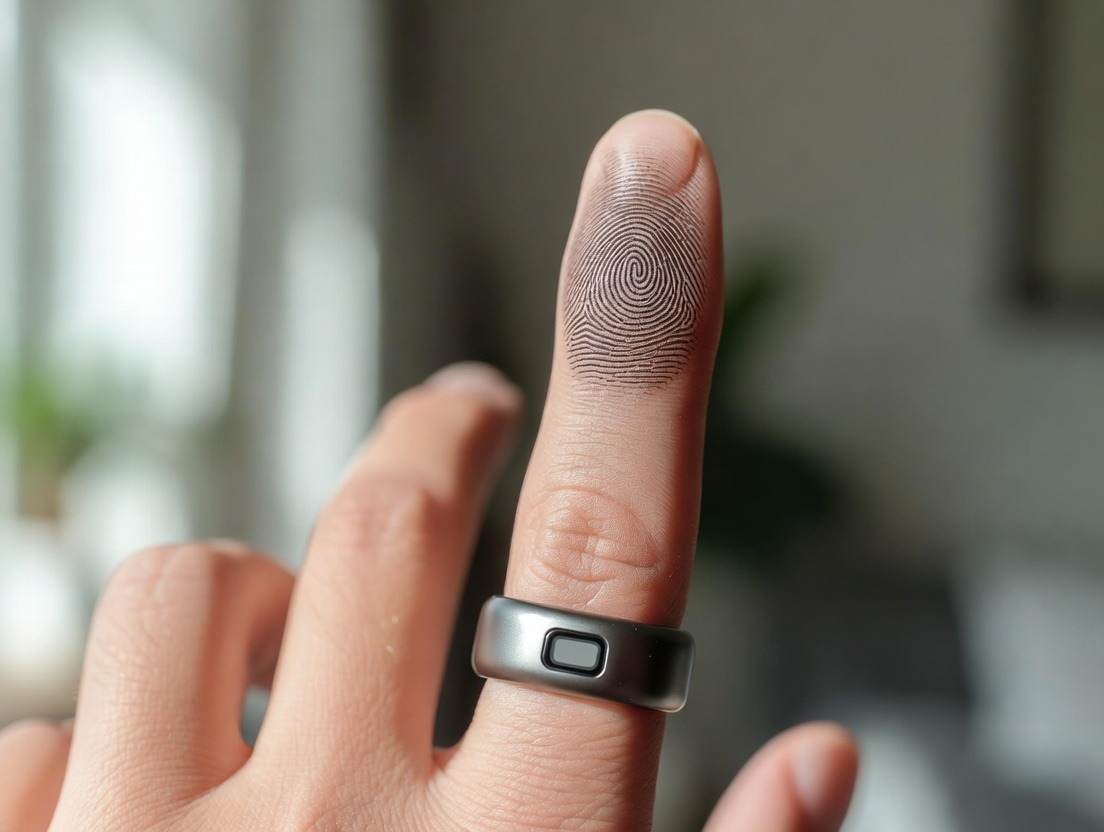
The most immediate and tangible benefit of a smart ring is one you feel the moment you put it on: its unparalleled wearability. This isn't a minor convenience; it's the foundational feature that unlocks all other benefits. A health tracker is only as good as the data it collects, and consistent, around-the-clock wear is the sole path to accurate, meaningful insights. This is where smart rings fundamentally outpace their wrist-worn counterparts.
For many, the idea of sleeping with a smartwatch is a non-starter. The bulk, the hard edges, and the screen that might illuminate in the dark make it an intrusive bedfellow. A smart ring, by contrast, is engineered for invisibility. Models like the Oura Ring and Ultrahuman Ring Air weigh between 2.4 to 4 grams and are often less than 3mm thick, making them virtually imperceptible. This extreme comfort translates directly into data quality. When you can wear a device comfortably all night, every night, you gain a faithful record of your body's true resting state—your sleep stages, nighttime heart rate, and temperature variations—without the device itself disrupting those very patterns. As noted in industry reviews, the comfort factor is a primary reason smart rings have "gained popularity because they are more comfortable to sleep with than smartwatches".
Beyond the bedroom, the discreet design shines in professional and social settings. In a meeting, a boardroom, or at a formal event, a smartwatch lighting up with notifications can be distracting and appear unprofessional. A smart ring, however, is "practically invisible". It allows you to maintain a polished appearance while passively gathering data on your activity levels or stress responses throughout a demanding workday. This subtlety extends to personal life as well; it doesn't clash with other jewelry or your personal style. You can wear your favorite analog watch or bracelets without sporting a redundant, tech-heavy look on your other wrist. The ring integrates seamlessly, becoming a subtle wellness tool rather than a conspicuous gadget.
There's a significant psychological advantage to this discreet design. Unlike a smartwatch, which constantly demands your attention with taps, lights, and screens, a smart ring operates in the background. It collects data without collecting your focus. This aligns with a growing desire for technology that serves us without enslaving us to notifications. As one analysis puts it, smart rings track your health "without the digital chaos. It’s a dedicated wellness tool, not another distraction". By removing the screen, the smart ring redefines the relationship with your wearable from an interactive device to a passive guardian, allowing you to engage with your health insights intentionally, on your own terms.

If consistent wearability is the smart ring's superpower, then sleep analysis is its masterpiece. While most wearables track sleep, smart rings are uniquely positioned to do it with superior comfort and, consequently, greater accuracy and depth. For anyone prioritizing cognitive function, mood stability, metabolic health, or athletic performance, understanding and optimizing sleep is non-negotiable. The smart ring transforms this complex biological process into clear, actionable data.
Modern smart rings move far beyond simply counting hours. They use a combination of photoplethysmography (PPG) to measure heart rate and heart rate variability (HRV), accelerometers for movement, and skin temperature sensors to dissect your night into its component stages: light, deep, and REM sleep. Each stage serves a critical purpose, from physical restoration in deep sleep to memory consolidation in REM. The ring's app provides a detailed breakdown, showing you not just how long you slept, but the quality of that sleep. For instance, you might discover you're getting a healthy eight hours but lacking sufficient deep sleep, explaining persistent fatigue.
The accuracy of this tracking is noteworthy. Independent analyses and studies have found that leading smart rings can achieve approximately 85% accuracy for overall sleep/wake detection, with a particular strength in identifying deep sleep phases. This level of granularity is what turns data into insight. You can see precisely how lifestyle factors—a late meal, an evening workout, alcohol consumption, or weekday stress—directly impact your sleep architecture.
Two of the most revealing metrics come from what your body does while you're unconscious: Heart Rate Variability (HRV) and nocturnal body temperature. HRV, the subtle variation in time between heartbeats, is a premier indicator of your autonomic nervous system balance and recovery status. A higher HRV generally suggests better resilience and readiness. Skin temperature fluctuations are intimately tied to your circadian rhythm and can signal the onset of illness, stress, or, for women, different phases of the menstrual cycle.
A smart ring’s all-night wear provides a perfect, motionless window to measure these biomarkers reliably. Spotting a gradual elevation in your resting heart rate or a dip in your HRV can serve as an early warning system, prompting you to rest more, manage stress, or hydrate better before you feel rundown or get sick.
The ultimate value lies in turning these insights into better sleep. Smart ring apps don't just show graphs; they offer personalized feedback. They might highlight that your sleep consistency is low, suggest a more regular bedtime, or point out that your deep sleep is often lower on nights you have screen time before bed. By making the invisible visible, the ring empowers you to conduct personalized experiments. Try winding down an hour earlier, notice your deep sleep score improve, and you’ve just received a powerful, data-driven incentive to maintain that healthier habit. This feedback loop is where the device transitions from a tracker to a true recovery coach. For more on how technology is shaping these personalized wellness journeys, you can explore related insights on our blog.
A smart ring does more than document your present state; it acts as a vigilant sentinel for your future health. By establishing a deep, personalized baseline of your normal vital signs over weeks and months, it becomes exquisitely sensitive to deviations that may signal something amiss. This transforms the device from a retrospective diary into a proactive health guardian.
The first and most critical task of any advanced health wearable is to learn you. What is your normal resting heart rate? What is your typical temperature range? What does your healthy sleep pattern look like? A smart ring, worn consistently, builds this rich, multi-dimensional baseline over time. This personal frame of reference is far more valuable than generic population averages. It means the ring isn't just measuring numbers; it's measuring numbers against your own body's standard.
Once your baseline is established, the ring can flag subtle, early warnings. For example:
These aren't alarms for acute emergencies but rather thoughtful nudges toward self-care. The ring might show a "readiness" or "recovery" score that suggests today is a day for gentle movement rather than intense training, or that you should prioritize an early night.
The real power emerges over the "long game". By tracking data over seasons and years, you can observe macro-trends in your health. You might notice your sleep quality consistently dips in winter, your recovery takes longer in your 40s than it did in your 30s, or how your body uniquely responds to travel. This long-term view is invaluable for preventative health, allowing you and your healthcare provider to see the forest, not just the trees. Noticing a slow, progressive change in a key biomarker could be the prompt for a timely medical consultation, positioning you ahead of potential health issues. This aligns with a broader shift in healthcare toward prevention, a topic central to our company's mission of empowering individuals with knowledge about their own health.

In our always-on, high-demand world, stress is a constant. Yet, our subjective perception of stress is often flawed; we might feel "fine" while our bodies are operating in a sustained state of high alert. Smart rings cut through this self-perception gap by providing objective, physiological measurements of your stress load and your body's capacity to handle it. This moves stress management from guesswork to a data-informed practice.
Smart rings primarily use Heart Rate Variability (HRV) as a core metric for assessing autonomic nervous system activity. Your HRV is controlled by the interplay between the sympathetic ("fight or flight") and parasympathetic ("rest and digest") nervous systems. During periods of acute or chronic stress, sympathetic dominance typically lowers HRV. By tracking your HRV throughout the day and night—especially during sleep when measurements are most stable—the ring can identify periods of physiological stress, even if you're mentally distracted and unaware of it.
Some advanced models also track metrics like breathing rate and use algorithms to synthesize data into a "stress" or "tension" score. This gives you a simple, digestible number that reflects your body's nervous system state.
Perhaps the most user-friendly application of this data is the Readiness or Recovery Score. This is a composite score calculated each morning based on your previous night's sleep, HRV, RHR, temperature, and recent activity. It answers a fundamental question: "How prepared is my body to take on the demands of today?"
This score provides a powerful, objective counterweight to our often overly ambitious minds. It helps you align your daily activities with your body's actual capacity, preventing burnout and promoting sustainable performance.
The goal isn't to eliminate stress but to manage it intelligently. By seeing when your stress scores are high, you can deploy targeted interventions: a 10-minute breathing exercise, a walk in nature, or postponing a difficult conversation. Over time, you'll learn your personal stress triggers and what truly helps you recover. You might discover that a demanding work project spikes your stress for days, that your body needs two full days to recover from a hard workout, or that meditation before bed measurably improves your overnight recovery metrics.
This data-driven approach to stress empowers you to make lifestyle choices that build resilience rather than deplete it. It fosters a deeper connection to your body's signals, moving you from being a passive victim of stress to an active manager of your energy and well-being. For users seeking to understand these patterns in greater depth, our FAQ section addresses common questions about how these metrics work and how to interpret them.
While smart rings are not designed to replace dedicated GPS sports watches for elite athletes, they excel at providing a sophisticated, holistic view of daily activity and movement that perfectly complements their recovery-focused ethos. They track fitness not as a series of isolated workouts, but as an integral part of your 24-hour activity cycle, connecting movement directly to its impact on recovery and readiness.
At a foundational level, smart rings accurately track steps, calories burned, and active minutes throughout your day. Their accelerometers distinguish between different types of movement, helping to paint a picture of your general non-exercise activity thermogenesis (NEAT)—the calories you burn from fidgeting, walking to your car, or doing household chores. This daily activity floor is crucial for overall metabolic health and is often overlooked by devices that focus solely on structured exercise.
Many smart rings now feature automatic workout detection. They can recognize when you’re walking, running, cycling, or engaging in other activities, and log the session accordingly. While they may not provide the real-time, map-based data of a sports watch, they capture the essential physiological cost of the activity: its impact on your heart rate, heart rate zones, and estimated calorie expenditure.
This is where the ring's value becomes truly unique. Instead of just telling you you ran 5 miles, it shows you how that run affected your body. You can see the workout's impact reflected in your overnight data: Did it improve your deep sleep? Or did it spike your resting heart rate and lower your HRV, indicating you might need more recovery? This creates a virtuous cycle where your activity informs your recovery, and your recovery guides your next activity.
Advanced smart rings use your heart rate data, both at rest and during activity, to estimate your cardio fitness level, often expressed as VO2 Max or a "Fitness Age". VO2 Max is a powerful predictor of long-term health and longevity. By providing a simple, tracked score over time, the ring motivates you to improve your cardiovascular health through consistent, mindful activity. Seeing your "Fitness Age" drop below your chronological age is a incredibly satisfying and motivating metric.
The smart ring promotes a balanced, sustainable approach to fitness. It celebrates daily movement as much as it does a hard workout. It reminds you that a day of rest is as important as a day of exertion. By integrating activity data with sleep and recovery data, it prevents the common pitfall of overtraining—where more exercise leads to diminishing returns and increased injury risk. The ring encourages you to listen to your body, using data to confirm what your intuition might already be telling you: sometimes the best workout is a walk, and the most productive fitness decision is a full day off. This holistic philosophy is at the heart of modern wellness technology, a principle you can read more about in our story and vision for integrated health.

For women, the cyclical nature of the female body adds a critical layer of complexity to health tracking. Hormonal fluctuations across the menstrual cycle influence everything from energy, sleep, and metabolism to body temperature, exercise capacity, and emotional resilience. Generic, one-size-fits-all health advice often falls short. Smart rings, with their 24/7 temperature and biometric monitoring, are uniquely equipped to provide personalized, cycle-aware health insights, making them a powerful tool for women's health.
The cornerstone of this feature is the continuous measurement of nocturnal skin temperature. A woman's basal body temperature shows a biphasic pattern: it’s lower during the follicular phase (post-menstruation) and rises after ovulation during the luteal phase, sustained by progesterone. This temperature shift is a key biological marker for confirming ovulation.
Smart rings automate this process with unprecedented ease and accuracy. Instead of taking a manual oral temperature first thing in the morning, the ring passively records your temperature throughout the night, identifying the most stable, reliable reading. The associated app uses this data, along with other biomarkers like resting heart rate and HRV, to predict menstrual cycles, fertile windows, and ovulation. This provides women with valuable insights into their reproductive health, whether they are trying to conceive, avoid pregnancy naturally, or simply understand their cycle better.
Beyond prediction, these apps allow users to log physical and emotional symptoms—energy levels, mood, cramps, sleep changes, cravings, etc. Over time, the app correlates this logged data with the biometric data from the ring. You might discover, for example, that your HRV predictably dips and your resting heart rate rises in the days before your period, explaining why you feel more fatigued. Or you may see that your sleep is consistently lighter during your luteal phase.
This is where the true empowerment lies. With a clear, data-backed view of your cycle, you can practice cycle syncing—aligning your diet, exercise, work, and social activities with your hormonal phases.
By honoring these biological rhythms instead of fighting against them, women can optimize their energy, improve performance, reduce PMS symptoms, and cultivate a more compassionate and intuitive relationship with their bodies. The smart ring serves as the objective guide in this deeply personal journey.
In the world of wearable tech, a dead battery renders the most advanced sensor suite useless. The constant need to charge devices—often daily—is a significant point of friction that breaks the consistent wear necessary for meaningful health tracking. Smart rings decisively win in this category, offering extended battery life that supports, rather than interrupts, a wellness-focused lifestyle.
While smartwatches typically require a charge every 24-48 hours, leading smart rings boast battery lives that stretch for a week or more on a single charge. For instance, the RingConn Gen 2 is noted for up to 12 days of battery life, and even compact models like the Oura Ring 4 can last up to 8 days. This isn't just a minor convenience; it's a paradigm shift.
It means you can wear your ring through multiple sleep cycles, workweeks, and workouts without once thinking about a charger. You can travel for a long weekend and leave the charging cable at home. This reliability builds trust and habit. You’re not managing a finicky gadget; you’re relying on a dependable tool that works continuously in the background of your life.
When charging is finally required, the process is typically swift and simple. Most rings use a compact, magnetic docking station that snaps effortlessly into place. A full charge often takes less than 90 minutes, meaning you can top up while you shower and get ready in the morning, or during a short desk session in the afternoon. Some premium models even come with charging cases that can extend the total battery life to weeks or months, similar to wireless earbuds.
Maintenance extends beyond the battery. A device worn on the finger is subject to bumps, scrapes, and constant exposure to water. Reputable smart rings are built to withstand daily life. They are commonly crafted from scratch-resistant materials like titanium or stainless steel and carry strong waterproof ratings (often 5ATM or IP68), meaning they are safe for handwashing, showering, and swimming.
This durability ensures the ring remains a low-maintenance companion. You don't need to anxiously remove it to wash your hands or do the dishes. You can wear it in the rain, the pool, or the gym without a second thought. This ruggedness, combined with the long battery life, completes the promise of a truly "set and forget" wellness device that integrates so seamlessly into your life that you often forget it's there—until you need its insights.
The modern smart ring is more than a health monitor; it's evolving into a key for your digital ecosystem. By leveraging technologies like NFC (Near Field Communication), it can interact with the world around you, turning subtle gestures into powerful commands. This transforms the ring from a passive observer into an active tool for daily convenience and control, blending wellness with seamless living.
One of the most practical integrations is for contactless payments. Just like tapping a credit card or smartphone, a simple wave of your ring-equipped hand can complete a transaction at payment terminals. This is the pinnacle of convenience when your hands are full with groceries, a gym bag, or a child. It also provides a secure, always-available payment method that doesn't require pulling out a wallet or phone.
Beyond payments, the same NFC technology can be programmed to act as a digital key. Imagine tapping your ring to unlock your front door, start your car, or badge into your office. It consolidates essential access tools onto your person in the most natural way possible, eliminating the hunt for keys or cards.
Smart rings are beginning to integrate with major smart home platforms. With a pre-programmed gesture or a tap on the ring itself, you could:
This turns the ring into a discreet, always-available remote control for your living space, enhancing both convenience and accessibility.
While smart rings wisely avoid bombarding you with every smartphone alert, they can be configured to deliver tactile, discreet notifications for what matters most. A gentle vibration could signal an important call from a designated contact, a reminder to stand up after an hour of sitting, or an alert that your home security system has been triggered. This keeps you minimally informed without the visual distraction and social interruption of a watch screen lighting up.
This suite of integrations moves the smart ring closer to being a central hub for your digital identity. It marries the deeply personal, inward-focused data of health tracking with outward-facing utility. The ring that understands your sleep needs can also help you navigate your day more smoothly, pay for your post-workout smoothie, and let you into a stress-free home environment. It becomes not just a tool for understanding your body, but for effortlessly interacting with your world.
In an era where personal data is a valuable commodity, entrusting your most intimate health information—your sleep patterns, heart rate, location, and daily routines—to a device requires significant trust. Consumers are increasingly cautious, with concerns about data privacy, security, and the ethical use of AI-generated health insights being major barriers to adoption. A responsible smart ring company must therefore treat data stewardship not as an afterthought, but as a core product feature and a fundamental brand promise.
Leading smart ring brands distinguish themselves through clear, transparent data policies. This includes:
As smart rings employ more sophisticated AI to provide insights and predictions, the "black box" problem can arise—where users don't understand how a recommendation was generated. Trusted brands combat this by explaining the logic behind scores in plain language. For example, instead of just a low "Readiness" score, the app might explain: "Your score is lower today due to a higher resting heart rate and lower HRV compared to your baseline, which often follows intense exercise or insufficient sleep."
Furthermore, with the wellness economy booming and consumers relying on technology for health decisions, the line between helpful guidance and medical advice must be carefully managed. Reputable brands clearly position their devices as "general wellness" tools intended to provide insights and promote healthy habits, not to diagnose, treat, or cure medical conditions. This honesty is essential for building long-term credibility.
On the technical front, robust security is non-negotiable. This includes end-to-end encryption for data in transit and at rest, secure authentication methods for app access, and regular software updates to patch vulnerabilities. For users, the peace of mind that comes from knowing their personal health journey is private and secure is a critical benefit that justifies investment in a premium, trustworthy product. This commitment to user-centric control and ethical data practices is a value we hold deeply, as detailed in our company's core principles.
A wearable succeeds not only on its technical merits but on its ability to become a loved and wanted part of your daily life. Unlike the utilitarian, sporty, or tech-centric aesthetics of many wrist-based devices, the smart ring embraces its identity as jewelry first. It recognizes that for a device to be worn always, it must be something you genuinely want to wear, reflecting your personal style and fitting seamlessly into your wardrobe for every occasion.
The smart ring market has matured to offer a wide spectrum of designs to suit diverse tastes. Options range from:
This variety ensures there is a ring that looks at home in a gym, a boardroom, or at a formal event. You're no longer forced to choose between tracking your health and your aesthetic; the two are unified.
Customization extends beyond mere color choice. The process begins with a sizing kit—a critical step that most reputable brands provide. This allows you to wear a dummy ring for a day or two to find the perfect, comfortable fit for your chosen finger (typically the index finger). A proper fit is essential not only for comfort but for sensor accuracy, as a ring that twists or is too loose won't maintain consistent contact with your skin.
Furthermore, the accompanying app often allows for personalization of your data dashboard. You can choose which metrics are most prominent, set your own goals, and tailor notifications to match your priorities. This level of personalization, both in hardware and software, ensures the ring feels uniquely yours.
Wearing a piece of technology that you find beautiful has a subtle but powerful psychological effect. It fosters pride and a positive association with the device. Instead of a plastic fitness band you tolerate, it's a piece of jewelry you enjoy. This emotional connection increases the likelihood of long-term adoption. The ring ceases to be a "health gadget" and becomes a personal signature—a statement that you value both your well-being and your style. It demonstrates that advanced technology can be elegantly integrated into our lives, enhancing them without compromising on beauty or self-expression. You can see examples of how design and technology converge in the real-world experiences shared by our community.
At first glance, a premium smart ring with a price tag of $300 or more may seem like a significant investment, especially when compared to basic fitness bands. However, when evaluated through the lens of long-term value, holistic utility, and avoided costs, the smart ring presents a compelling and cost-effective case for anyone serious about proactive health management.
It's crucial to analyze the total cost of ownership. Many smart rings, like those from RingConn, Ultrahuman, and Samsung, operate on a one-time purchase model with no mandatory subscription to access core health insights. This contrasts sharply with the leader, Oura, which requires a ~$6/month subscription, adding over $70 per year to the cost. When comparing, a $349 ring with a subscription can cost over $700 across five years, while a $299 subscription-free ring remains at its upfront cost.
Furthermore, consider what you're buying: a sophisticated health monitoring device, a sleek piece of jewelry, and a smart home controller all in one. This consolidation can replace or reduce the need for other separate purchases or subscriptions.
The most significant return on investment is potential health savings. The smart ring is a tool for preventative wellness. The insights it provides can lead to:
While the ring is not a medical device, the empowered awareness it fosters can lead to healthier choices that have tangible long-term financial benefits by potentially avoiding more serious health issues down the line.
Built from premium materials like titanium, smart rings are designed for longevity. Their simple, screen-less design means there's less to become obsolete; the value is in the sensors and the algorithms, which can often be improved via software updates. A well-made ring should last for many years of daily wear, unlike smartphones or even some smartwatches that feel outdated after 2-3 years. This extended lifespan dramatically reduces the annualized cost.
Ultimately, the smart ring is an investment in the most important project you'll ever undertake: yourself. The value isn't in a single sleep score or step count. It's in the cumulative, years-long journey of self-discovery—understanding your body's unique rhythms, learning what truly fuels and depletes you, and gaining the knowledge to make informed decisions that enhance your quality of life for decades to come. This deep, personal insight and the positive behavioral changes it can inspire are priceless, making the upfront cost of a smart ring not an expense, but one of the most valuable investments in your long-term well-being.
The frontier of smart ring technology is shifting from descriptive analytics to predictive and prescriptive insights. While tracking your sleep and activity provides a rear-view mirror perspective, the next generation of smart rings leverages advanced biometrics and machine learning to forecast your health trajectory and offer personalized recommendations. This transforms the device from a historian into a proactive health advisor, capable of anticipating your body’s needs before you consciously perceive them.
Modern smart rings are integrating an increasingly sophisticated array of sensors to paint a more complete physiological picture. While heart rate (HR) and heart rate variability (HRV) remain staples, leading devices now monitor:
The true power emerges not from viewing these metrics in isolation, but from synthesizing them into a holistic health model. An algorithm might weigh a slight elevation in skin temperature, a dip in HRV, and a rise in resting heart rate to generate a heightened "illness susceptibility" alert.
Using the vast longitudinal dataset it collects—your unique "biometric fingerprint"—advanced smart ring software can begin to forecast. This isn't about diagnosing disease; it's about predicting states of readiness, recovery, and risk.
This shift is monumental. It moves the user from a reactive stance ("I slept poorly last night") to a proactive one ("My data suggests I need to prioritize sleep tonight to avoid accumulated fatigue"). The smart ring becomes an always-available, data-driven coach dedicated to helping you optimize your well-being. For those interested in the cutting-edge research behind such personalization, our blog often explores the latest developments in biometric technology.
In a world saturated with screens and notifications, the smart ring offers a paradoxical benefit: it is a connected device that actively promotes digital minimalism. By design, it strips away the noisy, attention-hungry interface of the smartwatch, offering a purer, more focused form of connectivity that serves your health without hijacking your focus. This makes it a powerful tool for anyone seeking a more intentional relationship with technology.
A smart ring operates on a principle of asynchronous engagement. It collects data continuously and silently. You are not meant to interact with the ring itself in the moment. Instead, you engage with the insights on your smartphone or computer at a time you consciously choose—during your morning review, in an evening reflection, or in a weekly planning session. This breaks the addictive "glance-and-check" cycle fostered by wrist-worn screens.
This quiet operation has profound benefits for presence and mindfulness. In a meeting, on a date, or playing with your children, your health tracker isn't flashing updates, buzzing with app alerts, or tempting you to check a text. It allows you to be fully immersed in the real world while it quietly tends to its background task of guardianship.
Some rings offer configurable haptic notifications, but this feature is typically designed with extreme restraint. The paradigm shifts from "notify me about everything" to "notify me only about what is vital." This might include:
These curated alerts are contextual and actionable, delivered through a subtle vibration. They provide utility without pulling you into the vortex of your digital inbox.
By replacing a screen-based wearable, the smart ring physically removes a source of constant micro-interruptions from your environment. This can have a cascading positive effect on your digital well-being. You may find yourself less distracted, more focused on deep work, and more present in social interactions. The ring proves that the most helpful technology often works by giving you information on your terms, not by demanding your attention at every moment.
In this way, the smart ring becomes an ally in the digital detox movement. It allows you to harness the power of biometric tracking—a fundamentally self-reflective and positive use of technology—while rejecting the hyper-connectivity and distraction that often accompanies it. It’s a choice for depth over breadth, for insight over interruption, aligning perfectly with a modern, mindful approach to life. Our story details how this principle of intentional design guides our product philosophy.
Health and wellness are deeply personal journeys, but they need not be solitary ones. Human motivation is profoundly influenced by social connection, shared goals, and friendly accountability. Recognizing this, smart ring platforms are evolving beyond individual dashboards to incorporate community features and social wellness challenges that transform personal data into a source of positive connection and collective motivation.
The core of this benefit is the ability to share select metrics or goals with trusted friends, family, or groups. This isn't about public leaderboards; it's about creating private, supportive networks. You might form a "circle" with your partner to see each other's sleep scores, encouraging mutual wind-down routines. You could create a group with close friends to collectively train for a 10K, tracking weekly activity trends and recovery.
This shared visibility fosters empathy and support. Seeing that a friend or partner has had several nights of poor recovery can prompt a caring check-in. Celebrating each other's high "readiness" scores or consistent sleep streaks turns personal achievement into shared joy, reinforcing positive habits.
Platforms are introducing challenges that use smart ring data as the objective metric. These can range from individual commitments to team-based competitions:
The key to these challenges is that they are based on holistic health indicators (sleep, recovery, activity balance) rather than just punishing exercise volume. They promote sustainable behaviors, and because they rely on the ring's passive tracking, there's no need for manual logging, making participation seamless and honest.
Research consistently shows that social accountability significantly increases goal adherence. Knowing your friends in your wellness circle can see your progress (or lack thereof) creates a gentle, positive form of accountability that is more powerful for many than self-imposed rules. It transforms wellness from a private chore into a shared value within your social sphere.
Furthermore, these communities become sources of learning. Users can share what practices worked for them to improve a specific metric, exchanging tips on sleep aids, stress-management techniques, or workout routines. This turns the platform into a crowdsourced repository of practical wellness wisdom, grounded in the shared language of biometric data.
By integrating these social layers, the smart ring ecosystem addresses the motivational hurdle that derails many wellness initiatives. It provides the "why" behind the "what," connecting your personal data to the human need for belonging and shared purpose, making the journey toward better health more engaging, supportive, and ultimately, more successful.
Investing in a smart ring in 2025 is not just a purchase for today; it's an entry point into a rapidly evolving wellness ecosystem with a long and promising roadmap. Unlike a simple pedometer with static functionality, a modern smart ring is a platform—its capabilities are designed to expand over time through software updates, new algorithm developments, and integrations with a broader world of digital health services. This future-proof nature protects your investment and continuously delivers new value.
The most significant updates to your smart ring will likely arrive wirelessly, for free. A software update can unlock entirely new functionalities without any hardware change. For example:
This means the ring you buy today could be significantly more intelligent and feature-rich two years from now. This stands in stark contrast to the planned obsolescence of many consumer electronics. The ring's value appreciates through software, making it a durable, long-term companion.
The true potential of the smart ring lies in its role as a central, trusted data hub for your overall wellness. Future developments will focus on seamless, secure integration with other platforms you use:
These integrations move the smart ring from a standalone island of data into a connected node in your personal health network, making the data more actionable and powerful.
Looking further ahead, the convergence of advanced sensors, artificial intelligence, and personalized medicine points toward an even more transformative role. The smart ring could evolve to maintain a dynamic, AI-powered "health avatar"—a comprehensive digital model of your physiology. This model could help simulate the potential impact of lifestyle choices, flag long-term risk trends based on population health data (with full anonymity), and provide highly personalized guidance that evolves with you throughout your life.
By investing in a smart ring from a company with a clear, ambitious vision and a track record of software innovation, you're not just buying a product for 2025. You're securing a front-row seat to the future of personalized, preventive, and participatory health—a future where technology understands you better, so you can understand yourself better. For a glimpse into how one company is building toward this future, you can learn more about our vision and the journey that informs our product development.
As we have explored across these fifteen compelling benefits, the smart ring in 2025 is far more than a novel piece of technology. It represents a mature, sophisticated, and philosophically distinct approach to personal wellness. It successfully addresses the critical shortcomings of earlier wearable categories by prioritizing comfort, depth of insight, and user-centric design over mere feature volume and screen-based interaction.
The investment in a smart ring is ultimately an investment in a deeper, more data-informed relationship with your own body. It provides the objective feedback necessary to move beyond guesswork and generic advice, enabling a truly personalized health practice. From the unparalleled comfort that enables 24/7 clinical-grade sleep tracking to the predictive analytics that offer a glimpse into your body's future readiness, the smart ring delivers a unique combination of discretion, intelligence, and utility.
It champions a balanced philosophy where recovery is valued as highly as activity, where stress is measured and managed, and where long-term trends are more important than daily scores. It integrates into your life as jewelry, a smart home controller, and a social wellness tool, proving that the most powerful technology often works quietly in the background.
For the modern individual seeking to navigate the complexities of health in an increasingly demanding world, the smart ring stands out as the definitive tool. It doesn't add to the digital noise; it helps you find your signal. It empowers you with self-knowledge, supports sustainable habits, and grows in value over time. In 2025, justifying the investment isn't difficult when the return is a more mindful, resilient, and healthier you.


