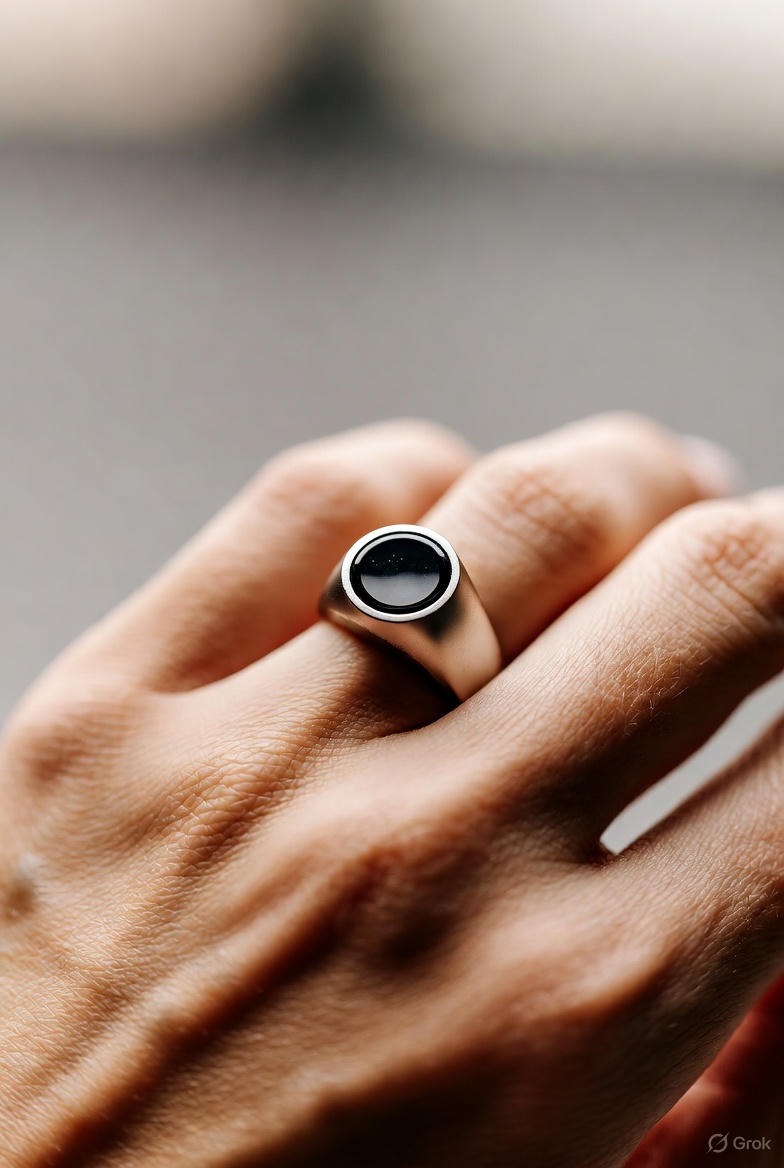
The Complete Beginner's Guide to HRV and Smart Ring Tracking
A complete beginner's guide to understanding and tracking HRV with a smart ring.
The Complete Beginner's Guide to HRV and Smart Ring Tracking
Imagine having a personal, 24/7 health coach strapped to your finger—a silent sentinel that deciphers the whispers of your nervous system, predicts your energy levels, and warns you of impending burnout before you even feel it. This isn’t science fiction; it’s the reality of modern wellness technology, centered on one of the most powerful biomarkers you’ve likely never heard of: Heart Rate Variability (HRV).
For decades, HRV was a metric confined to cardiology labs and elite athletic training facilities. Today, thanks to the rise of sleek, intelligent smart rings, this profound insight into your body’s inner state is accessible to anyone. But what does this jumble of data actually mean for you? How can tracking the tiny variations between your heartbeats transform your sleep, stress management, recovery, and overall well-being?
This guide is your definitive roadmap. We will demystify the complex science of HRV, translate it into actionable wisdom for your daily life, and explore how the discreet power of a smart ring—like those pioneered by innovators in the space—is revolutionizing personal health monitoring. Whether you’re a biohacker looking to optimize performance, someone navigating chronic stress, or simply a curious beginner, you’re about to discover how listening to your heart’s subtle rhythms can unlock a new dimension of self-knowledge.
What Is HRV? The Silent Language of Your Nervous System
To understand HRV, you must first abandon a common misconception: a healthy heart is not a perfect metronome. Contrary to intuition, a heart that beats with robotic, unchanging regularity is a sign of distress, not fitness. A healthy, resilient heart, governed by a dynamic nervous system, exhibits subtle, millisecond variations between each successive beat. This is Heart Rate Variability.
Think of your body as a sophisticated vehicle. Your heart rate is the speedometer—telling you how fast you’re going (beats per minute). HRV, however, is the finely tuned diagnostic system monitoring the engine’s performance, balance, and readiness. It measures the balance between your two primary autonomic nervous system branches:
The Sympathetic Nervous System (SNS): Your "gas pedal" or "fight-or-flight" system. It accelerates your heart rate, prepares you for action, and responds to stress, excitement, or danger.
The Parasympathetic Nervous System (PNS): Your "brake pedal" or "rest-and-digest" system. It slows your heart rate, promotes recovery, digestion, and calm.
HRV is the dance between these two systems. A high HRV generally indicates a strong, responsive parasympathetic tone and good autonomic balance. Your body can easily apply the brakes, recover from stress, and adapt to demands. It’s a marker of fitness, resilience, and good health. A low HRV suggests sympathetic dominance—your foot is consistently on the gas. This is associated with chronic stress, fatigue, overtraining, inflammation, and increased risk for numerous health conditions.
The Science Behind the Beat: How HRV is Measured
HRV is not a single number but a complex signal analyzed through several mathematical methods. Smart rings and other wearables typically use optical PPG (photoplethysmography) sensors to detect blood volume changes in your capillaries, from which heartbeats are derived. The raw data is a sequence of time intervals between beats, called RR intervals. From this sequence, key metrics are calculated:
RMSSD (Root Mean Square of Successive Differences): The gold standard for assessing short-term, parasympathetic (recovery) influence. It’s highly responsive to acute stress and relaxation. This is the metric most often used by consumer wearables for daily readiness scores.
SDNN (Standard Deviation of NN Intervals): Reflects overall autonomic nervous system activity over a longer period (like 24 hours). It’s a broader indicator of overall health and resilience.
LF/HF Ratio (Low Frequency/High Frequency): Often interpreted as the balance between sympathetic and parasympathetic activity, though its interpretation is more nuanced and debated in academic circles.
For the everyday user, the most important concept is trend over time. A single day’s HRV number is less meaningful than its direction over weeks and months. Is your baseline gradually rising, indicating improved resilience? Did it suddenly plummet, suggesting you’re fighting an illness or are excessively stressed? This longitudinal tracking is where the true power of a smart ring shines, as it gathers data continuously, especially during sleep when measurements are most consistent and reliable.
Understanding this silent language is the first step. The next is learning how to capture this data accurately and effortlessly, which is where the evolution from clunky chest straps to elegant smart rings comes into play. As you discover how Oxyzen works and other advanced platforms, you’ll see how design and technology merge to make this deep health insight a seamless part of your life.
Why HRV Matters: Your Ultimate Biomarker for Resilience and Health
You now know what HRV is, but the compelling question is: why should you care? Beyond being a fascinating physiological metric, HRV is a practical, predictive, and profoundly personal dashboard for your overall well-being. It transcends basic fitness tracking by offering a window into your body’s hidden state—how it’s responding to everything you do and experience.
The Multifaceted Power of HRV Tracking
1. A Crystal Ball for Illness: One of HRV's most remarkable attributes is its predictive nature. Numerous studies have shown that a significant, sustained drop in HRV often precedes the onset of clinical symptoms like fever, fatigue, or a sore throat. Your nervous system senses the internal battle with a pathogen (like a virus) long before you feel sick. By monitoring your HRV trend, you can get an early warning to prioritize rest, hydration, and sleep, potentially mitigating the severity or duration of an illness.
2. The Truth-Teller of Recovery (Beyond Muscle Soreness): After a hard workout, muscle soreness (DOMS) is a poor indicator of systemic recovery. Your muscles might feel fine, but your central nervous system could be deeply fatigued. HRV provides an objective measure of this central fatigue. If your HRV is suppressed the morning after intense training, it’s a clear signal that your body hasn't fully recovered. Pushing through with another intense session risks overtraining, injury, and burnout. Conversely, a stable or rising HRV suggests you’re ready to perform.
3. An Objective Stress Barometer: Stress isn't just a feeling; it's a physiological cascade. HRV offers an objective, quantifiable measure of your stress load. It can help you identify not just acute stressful events, but also chronic, low-grade stress you may have normalized. Seeing a tangible graph of your nervous system's response can be the motivation needed to implement stress-reduction techniques like meditation, breathwork, or setting better boundaries.
4. A Gauge for Sleep Quality (Not Just Quantity): You might sleep 8 hours, but was it restorative? HRV during sleep, particularly during deep sleep stages, is a powerful indicator of sleep quality. High nocturnal HRV correlates with effective recovery and parasympathetic restoration. Tracking this can help you connect the dots between evening habits (like caffeine, alcohol, or screen time) and the true restorative value of your sleep.
5. A Holistic Health Compass: Research links low HRV to a heightened risk of cardiovascular disease, diabetes, anxiety, depression, and overall mortality. Conversely, improving your HRV is associated with better emotional regulation, cognitive function, and longevity. It is, in many ways, a foundational metric for holistic health.
From Elite Athletes to Everyday Wellness
While elite athletes were early adopters, using HRV to fine-tune peak performance, its application is now universal. The busy parent, the corporate executive, the student, and the retiree all face unique strains on their autonomic balance. HRV tracking democratizes a tool for managing energy, preventing burnout, and making informed daily choices about activity, rest, and lifestyle.
The challenge has always been measurement: it needs to be comfortable, continuous, and accurate to be useful. This is the critical problem that smart rings were born to solve. For a deeper look at the philosophy behind making advanced health metrics accessible, you can explore the brand journey and vision of companies leading this charge.
The Evolution of HRV Tracking: From Clinic to Your Finger
The journey of HRV from a specialized medical tool to a mainstream wellness metric is a story of technological miniaturization and user-centric design. Understanding this evolution highlights why the smart ring is not just a trendy gadget, but the optimal form factor for this specific type of health monitoring.
The Early Days: ECG and Chest Straps
The clinical gold standard for measuring heartbeats is the electrocardiogram (ECG or EKG), which uses electrodes placed on the skin to detect the heart's electrical activity. This provides the most accurate RR interval data for HRV analysis. Derived from this, chest strap heart rate monitors (using similar electrode technology) became the go-to for serious athletes and researchers. They offered high accuracy but came with significant drawbacks: they were obtrusive, uncomfortable for all-day wear, required moisture for conductivity, and their batteries needed frequent charging. They were tools for sessions, not for life.
The Wrist Revolution: Smartwatches & Fitness Bands
The advent of optical PPG sensors in wrist-worn devices marked a major shift. Companies like Apple, Garmin, Fitbit, and Whoop made continuous heart rate tracking—and by extension, some form of HRV estimation—accessible to millions. These devices collect vast amounts of data and added convenience. However, for HRV specifically, the wrist presents inherent challenges:
Motion Artifact: The wrist is in constant motion during daily activities, leading to noisy data that can corrupt sensitive HRV measurements.
Skin Contact Issues: Watches can shift, and tattoos or hair can interfere with the optical sensor.
Circadian Placement: The wrist is farther from the heart's central arteries, which can slightly delay and weaken the pulse signal (the photoplethysmogram waveform) that HRV algorithms rely on.
While modern algorithms have improved, these limitations mean wrist-based HRV is often best as a trend indicator rather than a clinical-grade tool.
The Rise of the Smart Ring: A Better Biological Window
The smart ring enters the scene as a purpose-built solution for physiological monitoring, particularly recovery and sleep metrics like HRV. By moving to the finger, it capitalizes on several unique advantages:
Superior Vascular Access: The palmar digital arteries in your finger provide a strong, central pulse signal with a rich waveform. This gives the ring's PPG sensor a cleaner, more robust data stream to analyze.
Reduced Motion Noise: During key measurement periods—especially overnight—your fingers move far less than your wrists. This results in cleaner, more reliable data during sleep, the ideal time for establishing a consistent HRV baseline.
Unobtrusive and Forgettable: A ring is lightweight, doesn't interfere with clothing or activity, and can be worn 24/7 with minimal social or physical notice. This enables truly continuous monitoring without user compliance becoming an issue.
Dedicated Focus: Unlike smartwatches, which are often generalist devices (notifications, calls, apps), leading smart rings are singularly focused on health and recovery metrics. This allows for deeper, more nuanced algorithms and interpretations tailored to autonomic nervous system analysis.
This evolution represents a paradigm shift: health monitoring is moving from something you do (put on a chest strap for a workout) to something you are (effortlessly gathering data through a piece of jewelry). The ring form factor respects the need for accurate, continuous data while integrating seamlessly into your identity. To see how real users have integrated this technology into their lives for better health outcomes, you can read through real customer reviews and experiences.
How Smart Rings Work: The Technology Inside Your Jewelry
A smart ring may look like a simple band of titanium or ceramic, but inside lies a sophisticated micro-lab dedicated to understanding you. The magic is in the seamless integration of advanced hardware, intelligent software, and biomechanically intelligent design. Let's deconstruct how these devices capture the delicate signal of your HRV and transform it into actionable insight.
The Hardware Suite: More Than Just a Heart Rate Sensor
While the PPG sensor is the star for HRV, it’s part of an ensemble cast that provides context:
Optical PPG Sensor: This is the primary health sensor. It emits green and/or red LED light into the skin of your finger. Blood absorbs this light, and the sensor measures the amount of light reflected back. With each heartbeat, blood volume pulses, causing tiny variations in the reflected light. This "pulse wave" is decoded to identify each heartbeat and the precise timing between them (the RR intervals).
Accelerometer & Gyroscope: These motion sensors are critical for context. They distinguish between sleep and wakefulness, identify specific sleep stages (by detecting micro-movements), and track general activity levels. Crucially, they help the algorithm identify and filter out periods of high motion that would corrupt HRV data, ensuring measurements are taken during still, reliable moments.
Skin Temperature Sensor: A tiny thermistor measures the temperature at your finger. Nocturnal skin temperature trends are a powerful correlate of circadian rhythm and can also signal the onset of illness or hormonal changes, adding a layer of context to HRV readings.
Battery & Efficient Chipset: Packing all this into a ring requires extreme miniaturization and power efficiency. Advanced chipsets process data locally to save power, and compact batteries are designed to last 5-7 days on a single charge, enabling the continuous monitoring essential for baseline trends.
The Software Intelligence: From Raw Data to Human Insight
Hardware collects bits; software creates meaning. This is where the true value is created:
Signal Processing & Cleaning: The raw PPG signal is noisy. Sophisticated algorithms first clean this signal, removing artifacts caused by motion, poor fit, or ambient light.
Beat Detection & HRV Calculation: The clean signal is analyzed to pinpoint each heartbeat and calculate the inter-beat intervals. Time-domain metrics like RMSSD are then computed over a specific window (e.g., a 5-minute period during deep sleep).
Baseline Establishment & Personalization: Your HRV is unique. Good software doesn't compare you to population averages but establishes your personal baseline over several weeks. All future readings are interpreted in the context of this personal norm. Did your HRV drop 15% from your baseline? That’s meaningful, even if your number is still "higher" than someone else's.
Contextual Integration: The algorithm doesn't look at HRV in isolation. It synthesizes data from all sensors: "HRV is low tonight, but skin temperature is elevated, and sleep was restless." This multi-modal analysis leads to more nuanced insights than any single metric could provide.
Actionable Output: Finally, this complex analysis is distilled into simple, intuitive scores and recommendations you can actually use: a "Readiness" or "Recovery" score, sleep quality analysis, and perhaps suggested actions like "prioritize rest today" or "you're ready to perform."
This end-to-end system—from the biomechanical advantage of the finger to the AI interpreting your data—makes the smart ring the most practical and powerful HRV tracker for daily life. For those with technical questions about how this all comes together, a great resource is the support and questions FAQ from leading providers.
Choosing Your Smart Ring: Key Features and Considerations
The market for smart rings is growing rapidly, with options ranging from sleek minimalists to data-rich powerhouses. Choosing the right one is about aligning the device's capabilities with your personal goals, lifestyle, and budget. Here’s a detailed breakdown of the critical factors to evaluate beyond just aesthetics.
Core Health & Performance Metrics
First, identify what you want to measure. All rings track the fundamentals, but depth varies.
Non-Negotiables for HRV:
Nightly HRV Measurement: It must provide a dedicated, sleep-based HRV metric (like RMSSD) and track its trend over time.
Resting Heart Rate (RHR): The other half of the recovery puzzle, often inversely related to HRV.
Sleep Stages & Quality: Detailed breakdown of light, deep, and REM sleep, with a focus on consistency and restoration.
Important Contextual Data:
Skin Temperature: Continuous nocturnal tracking is invaluable for spotting trends and illness.
Blood Oxygen (SpO2): Monitors respiratory health and can indicate sleep disturbances like apnea.
Activity & Calories: While less precise than a dedicated fitness tracker, it should capture active minutes and general expenditure.
Respiratory Rate: An emerging vital sign linked to stress and recovery.
Design, Comfort & Battery Life
You'll wear this device every night and day. Practicality is paramount.
Fit & Sizing: A proper fit is non-negotiable for sensor accuracy. Most companies provide detailed sizing kits. Consider if your finger size fluctuates (due to heat, salt, etc.).
Material & Durability: Titanium is the current standard for its strength, lightness, and hypoallergenic properties. Ceramic is also popular for scratch resistance. Consider water and sweat resistance (IP ratings); most modern rings are swim-proof.
Battery Life & Charging: Aim for a minimum of 5-7 days to ensure consistent data and reduce charging hassle. Look for convenient charging solutions (like a compact dock) rather than finicky cables.
Profile & Comfort: Is it low-profile enough to sleep comfortably? Does it have a smooth interior to prevent irritation?
The Ecosystem: App, Insights, and Integration
The ring is just the hardware; the app is your interface with the data. This is where user experience makes or breaks the utility.
App Clarity & Insight Quality: The app should present complex data in an intuitive, visually clean dashboard. Does it give you a clear "so what?"—like a single Readiness Score or actionable recommendations? Or does it just dump raw graphs on you?
Personalization & Education: Does the app help you establish a baseline and learn what influences your metrics? Look for features like tagging (log workouts, stress, alcohol) to see correlations over time.
Data Ownership & Export: Can you access your raw data? Can you export it for your own analysis or to share with a healthcare professional? This is a key differentiator for serious users.
Third-Party Integrations: Does it sync with Apple Health, Google Fit, Strava, or other fitness apps? This creates a more holistic health picture.
Price & Philosophy
Finally, consider the investment and the company behind it.
Pricing Model: Is it a one-time purchase or a subscription? Many advanced rings require a subscription to unlock full analytics and insights, as the software is continuously updated. Understand the total cost of ownership.
Company Vision & Support: You're buying into a platform. Research the company's mission, its focus on scientific validation, and its customer support reputation. A company with a clear long-term vision for health, like those where you can learn about their mission and values, is more likely to invest in ongoing algorithm improvements and user support.
Choosing a smart ring is a personal decision. By weighing these factors—accuracy of core metrics, daily wearability, intelligence of the app, and the company's ethos—you can select a partner that will provide meaningful insights for years to come. To compare the approaches of different innovators in this space, a visit to the homepage of leading brands can be a useful starting point.
Setting Up for Success: Wearing, Charging, and Establishing Your Baseline
You've chosen your smart ring. Now, the crucial work begins: integrating it into your life in a way that generates accurate, meaningful data. The first weeks are not about dramatic insights, but about building a foundation of trust—between you and the device, and you and your own data.
The Perfect Fit: It's Not Just About Comfort
A poorly fitting ring is the number one source of bad data. The sensor needs consistent, snug contact with your skin.
Use the Sizing Kit Meticiously: Don't rush. Wear the plastic sizer for a full 24-hour cycle, including during sleep and any workouts. Your finger size changes throughout the day and night.
The Goldilocks Principle: It should be snug enough that it won’t spin easily or fall off when your hands are cold or wet, but loose enough that you can twist it over your knuckle with a bit of effort (and without cutting off circulation). You should feel a slight resistance when removing it.
Finger Selection: The most common and recommended finger is the index finger. It typically has good blood flow and less bending than the middle finger during sleep. Avoid the thumb and pinky. Consistency is key—once you choose a finger, stick with it for all nighttime readings.
Mastering the Charging Routine
Consistency in data requires consistency in wearing. Develop a charging habit that minimizes data gaps.
Identify a Routine: Charge your ring during a predictable, low-activity period. A great time is during your morning shower or while you're sitting at your desk for an hour. Many users adopt a "charge while you shower" habit.
Avoid Overnight Gaps: The single most important data collection period is your sleep. Never go to bed with a dead ring. A quick charge during your evening wind-down routine can ensure it's ready for the night.
Use the Right Charger: Always use the manufacturer-provided charger. Other docks or wireless chargers may not align properly or provide the correct current.
The Critical Baseline Period: Practice Data Neutrality
For the first 14-30 days, your primary job is to simply wear the ring and live your normal life. The algorithm is learning you.
Do NOT Chase Numbers: Your initial scores may be all over the place. This is normal. Resist the urge to make drastic lifestyle changes to "improve" your scores immediately. You need an honest baseline of your current state.
Observe, Don't Judge: Look at the data with curiosity, not criticism. "Interesting, my HRV was low after that late work dinner," not "I ruined my HRV."
Start Simple Logging: Use the app's tagging feature sparingly at first. Log obvious, major influences: a hard workout, a stressful work deadline, alcohol consumption, or travel. This will later help you see clear cause-and-effect patterns.
Optimizing Data Accuracy
A few simple habits can ensure the cleanest signal:
Wear it Higher on the Finger: Position the ring just below the knuckle, not in the middle of the finger segment, for the best sensor contact.
Keep it Clean: Gently clean the sensor window and the inside of the ring with a soft, dry cloth periodically to remove oils and lotions.
Be Patient with Sleep Staging: It can take several nights for the algorithm to personalize your sleep stage detection. Trust the trend over weeks, not the details of a single night.
This setup phase is about building a solid foundation. By ensuring a good fit, establishing a seamless charging routine, and approaching your initial data with calm curiosity, you set the stage for the ring to become a truly insightful partner in your health journey. For more tips and community advice on getting started, the blog for more wellness tips is an excellent ongoing resource.
Interpreting Your Data: Understanding Scores, Trends, and Daily Decisions
Now comes the moment of truth: your app is filled with graphs, numbers, and scores. What do you actually do with it all? Effective interpretation moves you from being a passive data collector to an active participant in your well-being. The goal is not to become a slave to a score, but to use it as an informed guide for better daily choices.
Decoding the Key Metrics in Tandem
Never look at any metric in isolation. They form a story when read together.
The HRV & RHR Dance: These two are best friends who often move in opposite directions.
High HRV + Low RHR: The ideal recovery state. Your parasympathetic system is dominant, indicating good adaptation and readiness.
Low HRV + Elevated RHR: A classic stress/fatigue/illness signature. Your sympathetic system is activated, and your body is under strain.
Context is everything: A temporarily elevated RHR and lowered HRV after a legitimately hard workout is expected. The same pattern for no apparent reason is a recovery red flag.
The Readiness/Recovery Score: Most apps distill the multi-metric analysis into a single score (e.g., 1-100, or "Low/Medium/High"). This is your executive summary.
Treat it as a Guide, Not a Gospel: A low score isn't a failure; it's valuable information. It means your body is asking for resources to repair and recharge.
The "Why" Behind the Score: Drill into the score to see the contributing factors. Did low HRV drive it down? Poor sleep efficiency? Elevated nighttime heart rate? This tells you what to focus on.
Sleep Data as a Cause, Not Just an Effect: Don't just view sleep as a metric to score. View it as the input that creates your next day's readiness.
Deep & REM Sleep: These are physiologically and mentally restorative. Trends in these stages are more important than a single night.
Sleep Consistency: Going to bed and waking up at wildly different times is a major stressor on your circadian system, often reflected in depressed HRV.
Restlessness & Awakenings: Correlate these with your tags. Did alcohol, a late meal, or screen time precede a restless night?
The Paramount Importance of Trends
Forget the absolute number from yesterday. The trend line is your truth.
Your Personal Baseline: This is your running average. Is today's HRV 10% below your baseline? That's a significant deviation worth paying attention to, even if the number looks "good" compared to others.
Direction Over Time: Are you seeing a gentle upward slope in your HRV baseline over 3 months? That's a fantastic indicator of improved overall fitness and resilience. A steady downward trend is a clear signal to audit your lifestyle, stress, and training load.
Acute Drops vs. Chronic Low: A sharp, single-day drop can indicate acute stress, poor sleep, or the onset of illness. A chronically low baseline suggests a persistent lifestyle imbalance that needs addressing.
Making Daily Decisions: The Art of Listening
This is where theory meets practice. How do you act on this information?
On a "High Readiness" Day: This is your green light. Plan your hardest workout, tackle your most demanding cognitive work, or be socially engaged. Your body is signaling it has capacity.
On a "Low Readiness" Day: This is not a day for punishment, but for intelligent adaptation. This is the core of the system's value.
Consider swapping a high-intensity interval training (HIIT) session for gentle movement: yoga, walking, or mobility work.
Prioritize stress-management: a meditation session, a nature break, or saying no to extra commitments.
Double down on sleep hygiene: an earlier bedtime, no alcohol, and a digital curfew.
The Neutral Day: Most days will be in the middle. Use this as a cue to stick to your planned routine, but to be mindful and not push excessively beyond it.
The power lies in this feedback loop. You make choices, you see their physiological impact, and you learn. This process cultivates a deeper body awareness, or interoception. You begin to feel what "sympathetic dominance" or "recovery" actually feels like in your body, making you less reliant on the device over time. To see how others have applied these principles, the real customer reviews and social proof can provide relatable examples and motivation.
Lifestyle Factors That Directly Impact Your HRV
Your smart ring shows you the "what"—the state of your nervous system. The profound work is in understanding the "why." HRV is the ultimate biofeedback tool, responding directly to the totality of your lifestyle inputs. By systematically experimenting and observing, you can identify your unique levers for improving resilience. Let’s explore the major categories of influence.
The Foundational Pillar: Sleep
Sleep is non-negotiable for autonomic recovery. It’s the primary time your parasympathetic system repairs your body and brain.
Quantity & Consistency: Consistently getting 7-9 hours is the baseline. Going to bed and waking up at similar times (even on weekends) stabilizes your circadian rhythm, which is foundational for healthy HRV.
Quality Matters More: Focus on sleep continuity—minimizing awakenings—and maximizing deep sleep. Factors that fragment sleep (alcohol, caffeine, late eating, a warm room) will reliably suppress your nocturnal HRV and next-day readiness.
Wind-Down Routine: A consistent 60-minute pre-bed routine (dim lights, no screens, relaxing activities) signals to your SNS that it’s time to power down, paving the way for higher HRV during sleep.
Nutrition & Hydration: Fuel for Your Nervous System
What and when you eat directly stresses or supports your autonomic function.
The Alcohol Effect: Alcohol is a potent HRV suppressant. It fragments sleep, increases heart rate, and disrupts nervous system balance. Observing the dramatic dip in your HRV after even one or two drinks can be a powerful motivator for moderation.
Meal Timing & Size: A large, heavy meal close to bedtime forces your body to focus on digestion (a parasympathetic process) but can also cause discomfort and fragmented sleep, creating a mixed signal. Finishing meals 2-3 hours before bed is generally beneficial.
Hydration Status: Dehydration increases heart rate and reduces blood volume, forcing your cardiovascular system to work harder, often lowering HRV. Consistent hydration throughout the day supports all physiological processes.
Diet Quality: While individual responses vary, diets high in processed foods, sugars, and inflammatory fats can promote systemic inflammation, which is antagonistic to healthy autonomic function. Anti-inflammatory, whole-food diets tend to support higher HRV.
Exercise: The Double-Edged Sword
Physical activity is a supreme stressor that, when managed correctly, builds resilience.
Appropriate Dose Builds Resilience: Consistent, moderate exercise is one of the most reliable ways to increase your HRV baseline over time. It strengthens your cardiovascular system and improves autonomic flexibility.
The Overtraining Danger: Chronic, excessive training volume or intensity without adequate recovery leads to sympathetic overdrive, chronically suppressed HRV, and elevated resting heart rate. This is the state of non-functional overreach or overtraining syndrome. Your ring is the perfect early-warning system to prevent this.
Training Polarization: Using HRV data can help you implement polarized training—truly easy recovery days (promoting high HRV) interspersed with strategically placed, high-intensity days. This balance optimizes adaptation.
Stress & Mental Load: The Silent Tax
Psychological stress activates the sympathetic nervous system just as directly as physical stress.
Chronic Mental Stress: Work pressure, relationship strain, or financial worry can keep your SNS subtly activated for weeks or months, grinding down your HRV baseline.
The Power of Down-Regulation Practices: This is where you can actively intervene. Practices like mindfulness meditation, coherent breathing (e.g., 5-6 breaths per minute), and spending time in nature have been scientifically shown to increase HRV by stimulating the vagus nerve and enhancing parasympathetic tone. Tagging these activities in your app can show you their direct, positive impact on your physiology.
Environment & Circadian Rhythms
Your body thrives on natural rhythms.
Morning Light: Getting bright, natural light exposure within an hour of waking is a powerful cue to set your circadian clock, improving sleep quality and, by extension, HRV.
Nighttime Darkness & Blue Light: Excessive artificial light, especially blue light from screens in the evening, suppresses melatonin and delays your circadian rhythm, impairing sleep quality and recovery metrics.
By methodically observing how these factors move your personal metrics, you move from generic health advice to a personalized, data-informed blueprint for thriving. The journey of each individual in discovering these levers is unique, something reflected in the diverse user experiences and stories shared by communities around these devices.
Creating Your Personalized HRV Action Plan
Data is passive; insight is active. The true transformation happens when you move from observing your metrics to systematically experimenting with changes that move your needle. This is about building your own N-of-1 wellness protocol, using your smart ring as your biofeedback lab. Here’s how to design and execute a personalized HRV action plan.
Step 1: Conduct a Data Audit – Identify Your Patterns
Before you change anything, you need a clear picture of your current state. Dedicate a week to this audit phase.
Review Your Baseline: Note your average 7-day HRV, RHR, and Sleep Score. This is your starting line.
Spot Correlations: Look back over the last 30 days. Can you spot clear patterns?
Do your scores consistently dip on Mondays (the “Sunday Scaries” effect)?
Is there a weekly slump mid-week from cumulative stress?
Do weekends with alcohol and late nights create a “recovery debt” that carries into Tuesday?
Hypothesize: Based on your audit, form a simple hypothesis. For example: “I suspect my low Wednesday readiness scores are caused by two high-intensity workouts on Monday and Tuesday without adequate sleep.” Or, “I think my inconsistent bedtime is preventing my HRV baseline from rising.”
Step 2: Prioritize One Lever at a Time
The most common mistake is trying to optimize everything at once—sleep, diet, exercise, meditation—leading to overwhelm and unclear results. The rule of science applies: change one variable at a time.
Start with the Lowest-Hanging Fruit: What is the one factor you have the most control over that is likely having the biggest negative impact? For most people, this falls into one of two categories:
Sleep Consistency: Implementing a non-negotiable bedtime and wake-up time, within a 30-minute window, every single day for two weeks.
Pre-Bed Routine: Instituting a 45-minute screen-free wind-down ritual, perhaps involving reading, light stretching, or meditation.
Choose a Single, Measurable Intervention: Make your experiment specific and time-bound.
Vague: “I’ll sleep better.”
Specific & Measurable: “For the next 14 days, I will be in bed with lights out by 10:30 PM and will not look at my phone after 9:45 PM. I will track my Sleep Score and morning HRV.”
Step 3: Implement, Track, and Observe
Run your experiment with discipline for a minimum of two weeks. The body’s systems need time to adapt.
Be Consistent: Adhere strictly to your chosen intervention. The cleaner the experiment, the clearer the result.
Tag Religiously: Use your app’s tagging feature to mark the days you successfully complete your new habit. Many apps also let you add notes (e.g., “Late work call pushed bedtime to 11:15”).
Observe Without Judgment: At the end of the two weeks, look at the trends. Did your sleep score become more consistent? Did your average nightly HRV show a slight upward trend? Did your “Readiness” scores on weekends improve? Look for the trend, not for perfection every single day.
Step 4: Analyze, Iterate, and Layer
Analyze the Results: Did your hypothesis hold? If your scores improved, you’ve found a powerful lever. If not, it’s not a failure—it’s valuable information. Maybe sleep timing isn’t your primary driver, or perhaps you need to address stress first to be able to fall asleep consistently.
Iterate: Based on your analysis, decide your next step. You can either:
Double down on the successful habit, making it permanent.
Pivot to test a new variable (e.g., “Now that my sleep is consistent, I will test the impact of a 10-minute breathing exercise each morning on my stress-related HRV dips.”).
Layer Habits Slowly: Once a habit is solidified (usually after 30+ days), it becomes your new baseline. You can then carefully introduce a second experiment. This gradual, layered approach leads to sustainable, compound improvements in your resilience.
Sample Action Plan Framework
Weeks 1-2: The Audit. Just wear the ring, tag major events, and observe.
Weeks 3-5: Sleep Gate Experiment. Fix bedtime/wake time. Observe changes in Sleep Score and HRV trend.
Weeks 6-8: Fuel Experiment. If sleep is stable, test cutting off caffeine after 2 PM or finishing dinner 3 hours before bed. Observe changes.
Weeks 9-11: Stress Experiment. Introduce a daily 5-minute guided breathing session. Observe impact on daytime HRV dips or recovery from stress events.
This systematic approach transforms your smart ring from a reporting tool into a coaching partner, guiding you toward the specific lifestyle changes your unique biology needs most. For a wealth of ideas on specific experiments and wellness protocols, you can always explore our blog for more wellness tips.
Beyond Recovery: Using HRV for Performance and Stress Management
While "readiness" and "recovery" are the primary frameworks for HRV, its utility extends far beyond deciding whether to work out hard or take a rest day. For the modern individual, HRV is a dynamic tool for managing cognitive performance, emotional regulation, and navigating daily stress in real-time.
Cognitive Performance and Decision-Making
Your autonomic state directly influences your brain's functioning. A balanced nervous system supports optimal cognitive performance.
High HRV & Executive Function: Studies link higher HRV to better attention, working memory, cognitive flexibility, and emotional regulation. When your HRV is high, you are likely more focused, creative, and able to manage complex tasks.
Strategic Scheduling: Use your morning readiness score to plan your day’s cognitive load. On a high-readiness day, schedule your most important, brain-intensive work—the strategic planning, the deep creative session, the difficult conversation. On a low-readiness day, protect your cognitive resources; batch administrative tasks, avoid major decisions, and give yourself more time for focused work.
Real-Time Biofeedback for Focus: Some advanced apps offer brief, guided breathing sessions that display your real-time HRV. Using these sessions before an important meeting or a deep work block can help you deliberately shift into a calmer, more focused physiological state, priming your brain for performance.
Emotional Regulation and Reactivity
HRV is often called a "bridge between the heart and the brain." It reflects your capacity to respond to emotional stimuli with flexibility rather than rigid, reactive patterns.
The HRV-Emotion Link: Low HRV is associated with higher emotional reactivity, anxiety, and a reduced ability to cope with stress. You’re more likely to have a short fuse or feel overwhelmed. High HRV correlates with emotional resilience—the ability to experience stress or negative emotions without being hijacked by them.
Using Data for Self-Awareness: Seeing a tangible drop in your HRV after a stressful interaction can be a powerful moment of self-awareness. It objectifies the experience: "That meeting didn’t just feel stressful; it created a measurable stress response in my body." This creates a pause between stimulus and reaction, allowing you to choose a more intentional response.
Proactive Regulation: If you know you have a potentially stressful event on your calendar, you can proactively deploy HRV-boosting techniques beforehand. A 5-minute breathing exercise in your car before walking in can raise your HRV, armoring your nervous system and helping you stay composed.
Navigating Acute vs. Chronic Stress
Your ring helps you distinguish between types of stress, which require different responses.
Acute Stress Spikes: A sudden drop in HRV accompanying a specific event (a work deadline, an argument) is normal. The key is the recovery curve. How quickly does your HRV rebound after the event passes? A resilient system bounces back in hours or a day. You can use this to gauge the effectiveness of your recovery techniques.
Chronic Stress Load: A gradually declining HRV baseline over weeks, with no single obvious cause, is the signature of chronic, cumulative stress. This is the most important signal your ring can provide. It’s a non-negotiable alert that your lifestyle is unsustainable and you need to make systemic changes—delegating tasks, setting boundaries, or seeking support—before it leads to burnout or illness.
By applying HRV awareness to these domains, you graduate from using it purely for physical recovery to leveraging it for total life performance. It becomes a tool for managing your most valuable asset: your energy and cognitive capital. This holistic approach to human performance is at the core of the mission and vision of companies advancing this field.
Common HRV Tracking Pitfalls and How to Avoid Them
As with any powerful tool, there are ways to misuse HRV data. Misinterpretation can lead to anxiety, obsessive behavior, or counterproductive decisions. By recognizing these common pitfalls, you can cultivate a healthy, productive relationship with your biometrics.
Pitfall 1: Obsessing Over Daily Numbers ("Neurotic Tracking")
This is the cardinal sin of biohacking. You check your app first thing in the morning, see a low score, and it sets a negative tone for your entire day.
The Reality: Daily fluctuations are normal and expected. HRV is influenced by countless factors, many outside your control (hormonal cycles, subtle immune activity, yesterday’s unknown stressors). A single data point is noise.
The Solution: Focus exclusively on the trend. Look at your 7-day rolling average. Zoom out to the 30-day or 90-day view. Is the line sloping upward? That’s success. Train yourself to glance at the daily number with detached curiosity (“Hmm, interesting.”) and make your decisions based on the multi-day context.
Pitfall 2: Misinterpreting the "High Readiness = Go Hard" Mandate
The algorithm says you’re 90% recovered, so you feel compelled to crush a personal record in the gym, even if you mentally feel drained or are in a heavy work week.
The Reality: A readiness score is a measure of physiological capacity, not a prescription. It tells you your body can handle stress, not that it must. You retain agency. Sometimes, the wisest choice on a high-readiness day is to bank that capacity for an important family event or a creative project, not to expend it all in a workout.
The Solution: Use the score as information, not instruction. Integrate it with your subjective feeling (“How do I actually feel?”) and your life context (“I have a big presentation tomorrow.”). The score empowers you to make an informed choice, not the only choice.
Pitfall 3: Ignoring Subjective Feelings ("The Data vs. Gut" Conflict)
You feel fantastic—energized, strong, optimistic—but your ring shows low HRV and gives you a red recovery score. Or the opposite: you feel terrible, but the data says you’re ready to perform.
The Reality: Both data streams are valid. Subjective feeling is your conscious perception, while HRV is your unconscious autonomic state. Sometimes they align; sometimes they don’t. A disconnect is a signal to investigate deeper.
The Solution: Don’t dismiss either. If you feel great but the data is poor, ask: Is this euphoria masking underlying fatigue? Am I running on caffeine and adrenaline? Perhaps proceed with your plan but with extra caution. If you feel poor but the data is good, ask: Is this a mental/emotional state not yet reflected physiologically? Maybe a light, mood-boosting activity is better than total rest. Treat the discrepancy as a diagnostic clue.
Pitfall 4: Comparing Your HRV to Others
You’re in an online forum and see someone posting their “awesome” HRV of 120 ms, while your baseline is 45 ms. This can feel demoralizing.
The Reality: HRV is highly individual. It is influenced by age, genetics, fitness type, and countless other factors. Comparing absolute numbers is meaningless. A 20 ms increase from your baseline of 40 ms (a 50% improvement) is a far greater achievement than someone maintaining a static 100 ms.
The Solution: Your only relevant comparisons are:
You vs. You Yesterday/Last Week: Look at deviations from your personal norm.
You vs. You Three Months Ago: Look at the long-term trend direction. This is your only true metric of progress.
You start meditating, eating clean, and sleeping well, and expect your HRV to climb steadily every day. When it fluctuates or plateaus, you get discouraged.
The Reality: Physiological adaptation is non-linear. Progress looks like a stock market chart—an overall upward trend with plenty of dips and plateaus. Stressors, life events, and natural cycles will create valleys. The body also adapts to new routines, so what boosted your HRV initially may become your new normal, requiring new interventions for further gains.
The Solution: Embrace the non-linearity. Celebrate the upward trend over quarters, not days. Understand that plateaus are normal and part of the process. When you hit one, it may be time to consult additional resources and related articles for fresh ideas or to revisit your lifestyle audit.
By sidestepping these pitfalls, you ensure that your HRV tracking journey remains a source of empowerment and self-knowledge, rather than anxiety. It becomes a tool for compassionately tuning into your body, not for judging its performance. This balanced perspective is often echoed in the real customer reviews and social proof from long-term users.
The Future of HRV and Smart Ring Technology
We are standing at the very beginning of a revolution in personal health intelligence. The current capabilities of smart rings—tracking HRV, sleep, and activity—are impressive, but they represent merely the first chapter. The convergence of advanced sensor technology, artificial intelligence, and personalized medicine is poised to make these devices exponentially more powerful, predictive, and integrated into our healthcare systems.
Next-Generation Sensors and Metrics
The hardware inside your ring will continue to evolve, moving from tracking to true diagnosis.
Continuous, Medical-Grade ECG: Future rings may incorporate electrode technology to take on-demand or continuous single-lead ECGs. This would enable detection of arrhythmias like atrial fibrillation with clinical-grade accuracy, moving from wellness into preventive cardiology.
Non-Invasive Blood Glucose Trends: While a true glucose monitor is a immense technical hurdle, advanced spectroscopy using multiple laser wavelengths could potentially track glucose trends through interstitial fluid, providing invaluable insights for metabolic health and pre-diabetes management without a needle.
Advanced Biomarkers in Sweat/Skin: Research into sensing electrolytes (sodium, potassium), lactate, cortisol (stress hormone), and inflammatory markers (C-reactive protein) through the skin is advancing. A ring that could non-invasively track cortisol rhythm or inflammation would unlock deep insights into stress physiology and chronic disease risk.
AI-Powered Personalized Insights and Early Warning Systems
The software will become a true AI health companion.
Predictive Health Forecasting: Instead of just telling you your recovery today, AI will analyze long-term trends across all your metrics to predict future states. “Based on your current stress load and sleep debt, if you continue this pattern, you have a 70% probability of catching a cold in the next 5 days.” Or, “Your metabolic flexibility score is trending down, suggesting a review of your nutrition may be beneficial.”
Hyper-Personalized Recommendations: Generic advice (“get more sleep”) will be replaced by specific, dynamic guidance. “Your data shows your HRV dips specifically when you have meetings with your project manager. Would you like a breathing exercise reminder 5 minutes before your 2 PM check-in?” Or, “Your recovery is optimal for strength training today. Here’s a suggested workout from your connected app, auto-adjusted to your current readiness.”
Longitudinal Health Baselines: The most powerful dataset will be your own life-long health trajectory. A ring worn for a decade will know your personal norms better than any doctor. Detecting a subtle, sustained deviation from your baseline—in skin temperature, nocturnal HRV, or respiratory rate—could provide the earliest possible warning of a developing health condition, long before standard symptoms appear.
Integration with Healthcare and Telemedicine
The wall between consumer wellness and clinical care will blur.
Remote Patient Monitoring (RPM): Doctors will prescribe smart rings to monitor patients with chronic conditions like hypertension, heart failure, or sleep apnea, receiving alerts if concerning trends emerge. Post-surgical or post-hospitalization recovery could be monitored from home.
Data-Sharing Frameworks: Secure, user-controlled portals will allow you to seamlessly share your longitudinal health data with your physician, nutritionist, or therapist, giving them an objective, continuous view of your health outside the 15-minute clinic visit.
Participatory Research: With user consent, anonymized, aggregated data from millions of ring wearers could fuel population-level health research, uncovering new correlations between lifestyle, physiology, and disease at a scale and granularity never before possible.
The smart ring is evolving from a recovery tracker into a central node in your personal digital health ecosystem—a guardian of your long-term well-being. This future is being built today by teams passionate about this vision, and you can learn more about the innovators driving this change by exploring the story of founding and vision behind leading companies.
Having established a robust framework for understanding, interpreting, and acting on your HRV data, we now venture into more specialized and advanced territory. This section addresses the unique needs of specific populations, delves into precise techniques for influencing your nervous system, and explores how to integrate your smart ring data into a holistic health ecosystem.
HRV for Specific Populations: Athletes, Women, and Beyond
While the core principles of HRV apply to everyone, individual contexts require nuanced interpretation. Your age, sex, training status, and life phase all influence your autonomic nervous system's behavior. Understanding these nuances prevents misdiagnosis of your data and allows for truly personalized optimization.
For the Athlete and Serious Fitness Enthusiast
For those pushing their physical limits, HRV is the ultimate tool to walk the fine line between peak adaptation and overtraining.
The Fitness Paradox: As you get fitter, your resting heart rate typically drops. HRV, however, can show a more complex response. While well-managed training generally increases HRV baseline, athletes often operate with a lower resting HRV than sedentary individuals because their parasympathetic (resting) tone is so dominant. The key is tracking the trend relative to your training load.
Quantifying Training Load: Smart rings estimate general activity, but for athletes, it's critical to integrate with a dedicated training platform (like TrainingPeaks, Strava, or Garmin Connect). This allows you to see the direct relationship between your quantified training load (using metrics like TRIMP, TSS, or simply duration x intensity) and your subsequent HRV and readiness scores.
Periodization & Tapering: HRV data is invaluable for planning deload weeks and tapers. As you accumulate fatigue over a training block, you may see a gradual suppression of your HRV. A planned deload week should see it rebound. If it doesn’t, you need more recovery. During a taper before a competition, a rising HRV trend is a strong indicator that you are peaking effectively.
Sport-Specific Signatures: Endurance athletes (runners, cyclists) and strength/power athletes (weightlifters, CrossFit) may show different HRV responses. Strength training can cause a significant acute sympathetic response and longer HRV suppression than steady-state cardio. Knowing your sport's typical impact helps you interpret daily fluctuations.
For Women: Navigating the Menstrual Cycle and Hormonal Phases
The female hormonal cycle is a powerful, often overlooked, modulator of the autonomic nervous system. Ignoring it can lead to misinterpreting daily HRV data as "poor recovery" when it's simply a normal physiological phase.
The Two-Phase Model:
Follicular Phase (Post-period to Ovulation): Estrogen rises. This phase is often associated with higher stress resilience, better recovery, and a tendency for higher or more stable HRV. Energy and capacity for intense training are often higher.
Luteal Phase (Post-Ovulation to Period): Progesterone dominates. This hormone has a sedating, thermogenic effect. Core body temperature rises, resting heart rate often increases by 3-8 BPM, and HRV typically decreases. This is a normal autonomic shift towards a more sympathetically-leaning state. It’s not a sign of poor health, but a signal to adapt.
Cycle-Aware Training & Life Planning: By tagging your cycle phases in your smart ring app, you can observe these patterns in your own data. Use this insight to plan strategically:
Schedule intense workouts, competitions, or high-stakes cognitive work during the late follicular phase when resilience is high.
Embrace lower-intensity strength, mobility, yoga, or skill-based work during the luteal phase. View the lower HRV not as a failure, but as a cue for more gentle, restorative practices.
Prioritize sleep and stress management extra diligently in the luteal phase, as your autonomic balance is already under hormonal influence.
Life Transitions: Pregnancy, postpartum, and perimenopause create profound hormonal and autonomic shifts. Tracking HRV through these transitions can provide objective feedback on recovery, stress load, and the impact of interventions, though interpretation should always be done in consultation with a healthcare provider.
For Those Managing Chronic Stress or Burnout Recovery
For individuals navigating prolonged stress or recovering from burnout, HRV tracking serves a different, therapeutic purpose: to validate experience and guide a gentle return to balance.
The Goal is Not "High HRV": Initially, the goal is stability. A chaotic, wildly fluctuating HRV signal is a hallmark of a dysregulated nervous system. The first sign of progress is often a reduction in extreme day-to-day variability.
"Less is More" with Activity: On this journey, a "green" readiness score does not mean go for a hard run. It might mean you have the capacity for a gentle walk in nature or a relaxed social connection without crashing afterward. The focus is on parasympathetic-nurturing activities (like calm breathing, gentle yoga, rest) that slowly raise the baseline, not on performance.
Celebrating Subtle Shifts: An increase in average HRV from 20 ms to 25 ms over two months is a monumental 25% improvement for a stressed system. Celebrate these subtle gains. The data provides objective proof that your recovery practices are working, even when your subjective feelings lag.
Identifying Triggers with Precision: The tagging feature becomes a crucial journal. You can definitively see which activities, people, or situations cause the largest dips in your HRV, empowering you to set boundaries and manage your energy with concrete evidence.
Understanding these population-specific contexts transforms your ring from a generic tracker into a bespoke health companion, attuned to the unique rhythms of your life. For more tailored insights on navigating health tracking through different life stages, the blog for more wellness tips often covers these evolving topics.
Mastering Breathwork: The Direct Path to Influencing Your HRV
Of all the lifestyle factors you can control, breath is the most direct and immediate lever on your autonomic nervous system and, consequently, your HRV. You can’t consciously lower your blood pressure or force your body into deep sleep, but you can use your breath to directly stimulate your vagus nerve and shift from a stressed (sympathetic) state to a calm (parasympathetic) state. This is the practice of coherent breathing or resonance frequency breathing.
The Science of Breath and HRV
Breathing is unique—it’s an automatic function you can also control. This gives you a “remote control” for your nervous system.
The Vagus Nerve: This major nerve is the superhighway of your parasympathetic system. Slow, diaphragmatic breathing stimulates vagal activity, signaling safety and calm to your brain and body, which is reflected in an increase in HRV.
Respiratory Sinus Arrhythmia (RSA): This is a natural phenomenon where your heart rate increases slightly on the inhale (sympathetic slight activation) and decreases on the exhale (parasympathetic activation). Coherent breathing maximizes this natural wave, creating a smooth, high-amplitude rhythm in both your heart rate and HRV.
Finding Your Coherent Breathing Rhythm
The goal is to breathe at a rate that creates the greatest harmony between your heart rate rhythm and your breath rhythm, maximizing HRV. For most adults, this is between 4.5 and 6.5 breaths per minute.
A Simple Protocol to Find Your Pace:
Sit comfortably, with good posture, in a quiet place. Wear your ring.
Use a breath pacing app or video (many are free) that provides a visual guide.
Start with a common pattern: 5-second inhale, 5-second exhale (6 breaths per minute). Practice this for 5-10 minutes.
Observe the effect. Many smart ring apps with a “breathwork” mode will show your real-time heart rate and sometimes HRV. You should see your heart rate line become a smooth wave, and HRV increase during the session.
Experiment: Try 4.5 breaths (6.66-second inhale/exhale) or 5.5 breaths (5.45-second cycle). See which pace feels most calming and creates the smoothest physiological response for you.
Practical Breathwork Protocols to Implement
Incorporate these simple exercises into your day to directly manage stress and boost recovery.
The Morning Anchor (5 minutes): Upon waking, before checking your phone, do 5 minutes of coherent breathing. This sets a calm, parasympathetic tone for the day and can positively influence your morning readiness metrics over time.
The Stress Reset (1-3 minutes): Before a stressful meeting, after a difficult conversation, or when feeling anxious, take just 90 seconds to breathe coherently. This can halt the sympathetic cascade and improve your cognitive and emotional response.
The Evening Wind-Down (10 minutes): As part of your pre-sleep routine, a 10-minute breathing session is one of the most effective ways to quiet the mind, lower heart rate, and promote the high nocturnal HRV essential for recovery. It’s more effective than scrolling through social media.
Tag and Track: Tag your breathing sessions in your app. Over weeks, you’ll be able to see their tangible impact: do days with breathwork show better sleep scores? Faster recovery from stress events? This data reinforces the habit.
By mastering your breath, you take active, immediate ownership of your nervous system state. It’s the most powerful, free, and portable biohack available, and your smart ring provides the perfect feedback loop to prove its efficacy to yourself. For guided sessions and deeper exploration of these techniques, companies like Oxyzen often provide additional resources and related articles on their platforms.
Integrating Your Smart Ring Data: Building a Holistic Health Ecosystem
Your smart ring is a powerful sensor, but its insights are magnified when combined with other data streams. Creating a connected health ecosystem gives you a multi-dimensional view of your well-being, allowing for correlations and insights no single device can provide.
Key Integration Partners
Fitness & Training Apps (Strava, TrainingPeaks, Garmin, Apple Fitness+): This is the most critical integration for active individuals. It connects the input (your workout type, duration, intensity) with the output (your body’s HRV and readiness response). You can answer questions like: “How does a 60-minute threshold run affect my recovery compared to a 90-minute Z2 bike ride?” or “Am I fully recovering from my heavy squat sessions?”
Comprehensive Health Platforms (Apple Health, Google Fit): Use these as the central “hub” for all your health data. Your ring can write sleep, HRV, RHR, and activity data to Apple Health/Google Fit. Then, other apps—like nutrition trackers (MyFitnessPal), meditation apps (Calm, Headspace), and even your doctor’s patient portal—can read from this hub. This creates a unified health record on your phone.
Nutrition & Hydration Trackers (MyFitnessPal, Cronometer, Water Llama): Manually or automatically log your food and water intake. While tedious long-term, doing this for 2-4 week periods can reveal powerful correlations. Does a high-sodium day bloat you and lower your sleep HRV? Does hitting your protein goal correlate with better recovery after strength training?
Mindfulness & Sleep Apps (Calm, Headspace, Sleep Cycle): Syncing data can show the direct impact of meditation on your daytime stress levels (via HRV dips) or how using a soundscape in Sleep Cycle affects your deep sleep percentage in your ring data.
The Power of Correlation: Conducting Your Own Experiments
With multiple data streams connected, you can run sophisticated N-of-1 experiments.
Experiment Idea: Caffeine Cut-off Time.
Data Streams: Ring (Sleep Score, Nighttime HRV), Nutrition App (logs coffee time).
Method: For two weeks, have caffeine before 2 PM. Log time precisely. For the next two weeks, cut off caffeine at 10 AM.
Analysis: Compare the average Sleep Score and Deep Sleep % between the two periods. Did the earlier cut-off improve your restorative sleep metrics?
Experiment Idea: Type of Exercise for Stress.
Data Streams: Ring (Daily HRV/RHR), Fitness App (workout type), Calendar (stressful days).
Method: On days you have high-stress meetings, intentionally schedule different workout types: a) 30-minute intense HIIT, b) 45-minute gentle yoga, c) 60-minute nature walk.
Analysis: Look at your HRV in the hours after the workout and your readiness score the next morning. Which activity helped your nervous system recover from the stress best?
Advanced Analytics and Visualization
For data enthusiasts, exporting your data can unlock deeper analysis.
Data Export: Use your ring platform’s export function (usually CSV or JSON files) to download your raw or aggregated data.
Spreadsheet Analysis: Import into Google Sheets or Excel. You can create custom charts, calculate rolling averages, and look for correlations that the app’s default views might not show.
Third-Party Dashboards: Platforms like Exist.io or Gyroscope (if they support your ring) can pull in data from dozens of services—your ring, Spotify, the weather, your calendar—and attempt to find surprising correlations between your mood, productivity, and physiology.
By intentionally building this ecosystem, you move from passive tracking to active health research. You stop guessing what works for you and start knowing. This integrated approach is at the heart of modern, proactive wellness, a philosophy you can explore further by learning about the company information and mission of those building these connected systems.
Troubleshooting and FAQ: Your Data Questions Answered
Even with a perfect setup, questions and confusing data points will arise. This section addresses the most common practical hurdles and clarifies frequent points of confusion to keep your tracking journey smooth and insightful.
Common Data Issues and Solutions
"My ring says I was 'awake' for an hour when I know I was asleep."
Likely Cause: This is usually a sensitivity to movement during light sleep or brief, unremembered awakenings. Everyone has micro-awakenings throughout the night.
Solution: Don't fixate on the "awake" number. Look at your Sleep Score and time in each sleep stage as more reliable indicators of quality. If the awake time is consistently very high (e.g., >90 minutes), consider factors like sleep apnea, alcohol, or an uncomfortable sleep environment.
"My HRV reading seems randomly very high or very low one night."
Likely Cause: A single anomalous reading is almost always a data artifact. This could be from poor fit (ring too loose), sleeping on your hand, cold fingers reducing blood flow, or a temporary sensor misalignment.
Solution: Look at the trend. Ignore clear outliers. If the problem persists for multiple nights, ensure your ring is snug, clean, and worn on the recommended finger. The algorithm's rolling averages will smooth out these glitches.
"I feel exhausted, but my readiness score is high (or vice versa)."
Likely Cause: A disconnect between subjective feeling and physiological state (as discussed in Pitfalls). High readiness with exhaustion could mean your body is physically capable but you are mentally/emotionally drained. Low readiness with high energy could be euphoria driven by sympathetic stress hormones.
Solution: Trust but verify. Use the score as a guide to adjust your plan, but always defer to strong subjective feelings. If a mismatch persists for more than a few days, it may be worth a check-in with a healthcare professional.
"My battery life is much shorter than advertised."
Likely Cause: Extremely cold weather, frequent use of features like continuous SpO2 monitoring, or a firmware issue.
Solution: Ensure your ring's firmware is up to date. Turn off non-essential continuous metrics if you don't need them. Contact customer support if the problem is severe—they can often run diagnostics.
Frequently Asked Conceptual Questions
Q: Is the HRV from a smart ring as accurate as a chest strap or ECG?
A: For establishing nightly baseline trends and personal trends, modern smart rings are excellent and perfectly sufficient. For beat-to-beat accuracy in a lab setting, a medical-grade ECG is superior, and a chest strap is slightly more accurate during high-motion activities. For the purpose of daily recovery and stress management guidance, the ring's convenience and continuous sleep data make it the most practical and effective tool.
Q: What's a 'good' HRV number?
A: There is no universally "good" number. A "good" HRV is one that is stable or rising relative to your own personal baseline. A lifelong athlete might have a baseline of 80ms, while a healthy, older individual might have a healthy baseline of 25ms. Comparing to others is meaningless. Focus on your own trajectory.
Q: Can I wear my ring while lifting weights or doing CrossFit?
A: You can, but the data during intense, grip-heavy activity will be noisy and likely inaccurate due to motion and flexed tendons. It's generally safe (check your ring's IP rating), but for tracking the workout itself, a chest strap or armband optical HRM is better. The ring's value is in measuring the recovery from that workout, which is best done via your overnight data.
Q: How long does it take to see meaningful trends?
A: Give it at least 30 days to establish a solid baseline and start seeing clear patterns related to your lifestyle. Meaningful improvement in your baseline from lifestyle changes can take 2-3 months of consistent intervention.
Q: My doctor has never heard of HRV. How do I explain this data to them?
A: Frame it as "longitudinal autonomic nervous system tracking." Explain that you're using a consumer wearable to monitor trends in your recovery and stress resilience as a complement to standard health metrics. Bring printed graphs showing your trends (e.g., a 90-day HRV/RHR chart) rather than raw daily numbers. A forward-thinking provider will be interested in this objective data.
For a continuously updated and comprehensive list of technical and practical questions, the official support and questions FAQ of your device is always the best first resource.



%402x.svg)