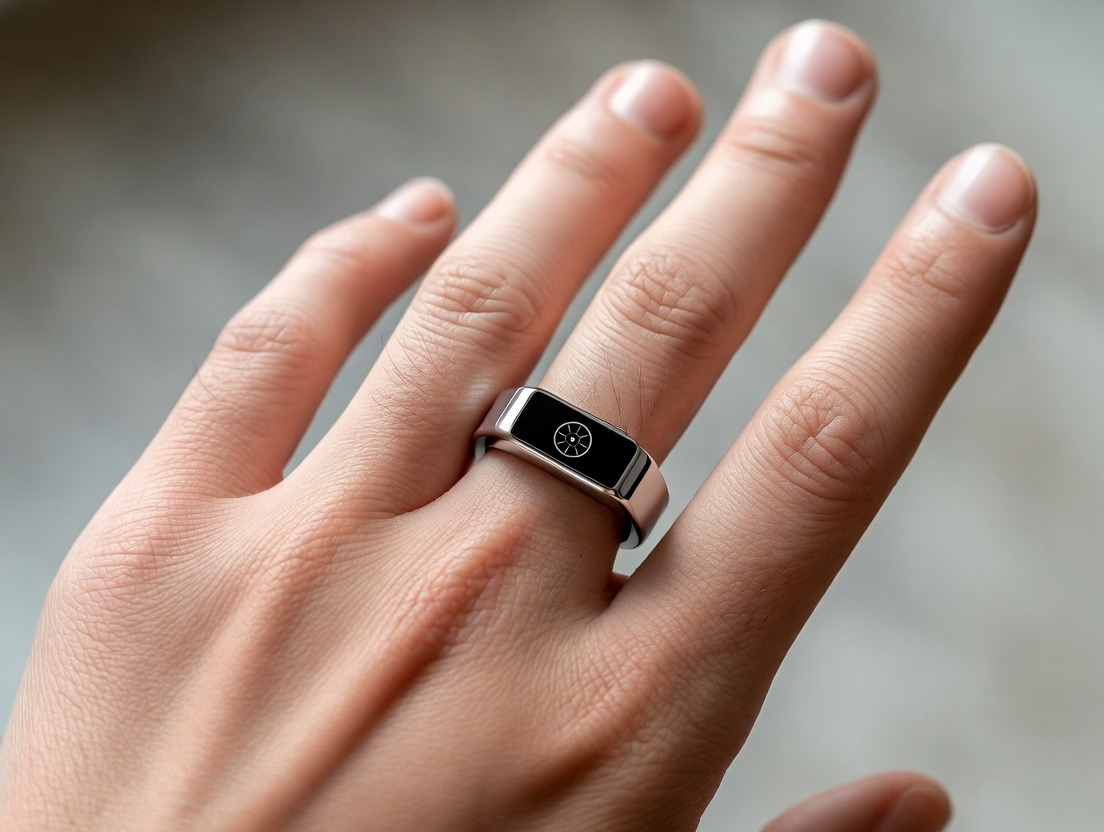
12 Health for Athletes Strategies Your Wellness Ring Validates
Twelve health strategies for athletes that your ring validates.
12 Health for Athletes Strategies Your Wellness Ring Validates: The Ultimate Data-Driven Guide
Elite performance isn't just about what happens on the track, in the pool, or on the court. It’s a 24/7 science, governed by invisible biological rhythms, silent recovery processes, and intricate physiological signals that dictate your capacity to push limits. For decades, athletes operated on intuition, generic plans, and post-facto soreness—guessing at their body’s true state. No more.
Enter the modern wellness ring: a continuous, non-invasive biometric lab worn on your finger. It moves beyond step-counting into the core of athletic readiness, measuring heart rate variability (HRV), resting heart rate (RHR), sleep architecture, blood oxygen saturation (SpO₂), skin temperature, and stress biomarkers. This isn't just data; it's a real-time conversation with your nervous system.
This article deconstructs 12 foundational health strategies that elite coaches and sports scientists have preached for years. Now, with a wellness ring, you don't have to believe they work—you can validate them with objective, personal biometric proof. We'll explore how this silent coach on your finger confirms your smartest moves and warns you of impending missteps, transforming generic advice into a hyper-personalized blueprint for sustainable excellence.
The Unseen Foundation: Why Readiness Beats Rigid Plans
The old paradigm of athletic training was simple: follow a predetermined schedule. Monday: heavy legs. Tuesday: intervals. Wednesday: active recovery. This approach ignores a fundamental variable: you. Your sleep, stress, immune activity, and overall recovery state fluctuate daily. Pushing through a high-intensity session when your body is fighting an infection or is deeply fatigued doesn't build resilience—it invites injury, illness, and overtraining syndrome.
Your wellness ring shifts the paradigm from plan-based to readiness-based training. The cornerstone metric here is your Morning Readiness Score (or a similar composite metric). This score synthesizes data from your night—HRV (a golden indicator of autonomic nervous system balance and recovery), RHR, sleep quality, and temperature—to give you a green, yellow, or red light for the day’s intended load.
The Validation: You plan a brutal hill repeat session. Your schedule says it's time. But your ring reports a low HRV, elevated resting heart rate, and poor sleep efficiency. Your Readiness Score is a definitive "45/100." Ignoring this is an act of self-sabotage. The ring validates the critical strategy of autoregulation—adjusting intensity based on daily biomarkers. Instead of hills, you execute a light Zone 2 session or dedicate time to mobility. The ring’s data proves this isn’t "skipping"; it’s intelligent, evidence-based periodization that prevents holes in your foundation. This foundational principle of listening to biomarkers is explored in depth in our guide on how a smart ring reveals the true relationship between health and output, a must-read for athletes stuck in a rigid plan.
Think of your body as a bank account. High-intensity training is a major withdrawal. Sleep, nutrition, and low stress are your deposits. Your wellness ring provides the daily balance statement. Training hard on an empty account leads to bankruptcy—overtraining, injury, and burnout. The data validates the wisdom of building a substantial recovery surplus before making big withdrawals.
Strategy 1: Prioritizing Sleep Quality Over Mere Sleep Duration
Every athlete knows sleep is crucial. The old adage was "aim for 8 hours." But your wellness ring reveals a more nuanced truth: Sleep Quality trumps Sleep Duration. You can be in bed for 9 hours but get only 6 hours of actual, restorative sleep.
Your ring tracks the architecture of your sleep:
Light Sleep: Important for memory and mental recovery.
Deep Sleep (Slow-Wave Sleep): Critical for physical repair, hormone release (like growth hormone), and cellular restoration.
REM Sleep: Essential for cognitive function, emotional regulation, and motor skill consolidation—vital for learning new techniques or plays.
The Validation: You have two nights of identical 7.5-hour duration. Night One: Your ring shows balanced cycles, high deep sleep percentage, and minimal disturbances. You wake with a high HRV. Night Two: Duration is the same, but the graph is chaotic—frequent awakenings, low deep sleep, and restless periods. Your HRV is suppressed, and your resting heart rate is elevated by 5 BPM.
The ring validates that Night One was a true recovery session. Night Two was merely time served in bed. This data moves you beyond just counting hours. It forces you to investigate: Was Night Two poor because of late eating? Excessive blue light? An unmanaged stressful thought? Alcohol? (A major disruptor of deep and REM sleep, as your ring will starkly show).
The strategy becomes about sleep hygiene optimization, proven by your metrics. You experiment:
Dimming lights 90 minutes before bed → Ring shows faster sleep onset.
Cooling your bedroom to 67°F (19.4°C) → Ring shows increased deep sleep.
Establishing a consistent wake time, even on weekends → Ring shows more stable circadian rhythm patterns and better readiness scores.
This isn't guesswork; it's a feedback loop. The payoff is immense. As detailed in our analysis on how your wellness ring's sleep score impacts next-day productivity (and performance), the correlation between sleep quality and cognitive/physical output is undeniable. For an athlete, a poor sleep score isn't just about feeling groggy—it's about reduced reaction time, impaired decision-making, and compromised muscular recovery. Your ring makes this cost visible.
Strategy 2: Harnessing Heart Rate Variability (HRV) as Your North Star
If you only pay attention to one metric from your wellness ring, it should be HRV. Heart Rate Variability measures the subtle variations in time between each heartbeat. It's not about how fast your heart beats, but about the flexibility of the intervals between beats.
A higher HRV generally indicates a robust, resilient autonomic nervous system—your body is well-recovered, adaptable, and ready for stress (like a hard workout). A lower HRV suggests your system is under strain—from physical training, psychological stress, illness, or poor recovery—and is in a sympathetic ("fight or flight") dominant state.
The Validation: This is where the ring transforms an esoteric bio-marker into a daily coaching decision. The strategy is to use HRV trend as a guide for training load.
Scenario A (Green Light): Your HRV is at or above your personal baseline for 3-5 days, trending upward. Your readiness score is high. This is your body's biometric way of saying, "I'm primed. Challenge me." The ring validates that your recent recovery efforts are working. This is the day to go for that personal record, complete that key high-intensity session, or add extra volume. You’re not guessing; you’re capitalizing on a confirmed state of supercompensation.
Scenario B (Red Flag): Your HRV shows a sharp, sustained drop (often 20% or more below your rolling average). Your resting heart rate is elevated. Even if you "feel fine," this is a classic early warning sign of impending overreaching or illness. The validated strategy? Immediate adaptation. Swap the planned interval session for light, restorative movement like walking, swimming, or yoga. Prioritize sleep, hydration, and nutrition. The ring has just helped you avoid digging a deeper recovery hole.
The power lies in the trend, not a single day's number. By tracking your HRV alongside your training log, you build a powerful cause-and-effect map. You’ll see how a hard two-a-day session impacts your HRV 48 hours later, or how a mindfulness practice before bed can nudge it upward. For those new to this critical metric, our complete beginner-friendly guide to peak performance using ring data breaks down HRV and other key biomarkers into actionable insights.
Strategy 3: Optimizing Workout Timing Based on Circadian Rhythm
Is there a "best" time to train? The answer is personal, but your wellness ring holds the key to finding yours. Your circadian rhythm—your body's internal 24-hour clock—governs core temperature, hormone secretion (like cortisol and testosterone), and neuromuscular function. Training in alignment with your personal peak can enhance performance and reduce perceived effort.
The Validation: Your ring tracks your 24/7 heart rate and, often, skin temperature. Over weeks, a pattern emerges.
You might see that your resting heart rate is lowest and most stable, and your morning readiness score is consistently highest, on days when you train in the late afternoon. This aligns with the natural circadian peak in body temperature and muscular function for many people.
Conversely, you might see that high-intensity morning sessions, while doable, are followed by a more significant spike in night-time resting heart rate and lower sleep scores, suggesting they are more stressful to your system.
The strategy isn't to force a 5 AM workout because it's "what champions do" if your data says otherwise. It's to schedule your most demanding sessions (strength, power, high-intensity intervals) during your biologically confirmed performance windows. Your easier, aerobic (Zone 2) sessions can be placed at less optimal times, as they are less dependent on peak neuromuscular coordination.
Furthermore, your ring validates the importance of avoiding intense training too close to bedtime. A late-evening CrossFit session or hard run will likely show up as elevated skin temperature, a higher nighttime resting heart rate, and suppressed HRV for the first half of your sleep—delaying deep sleep onset. The data confirms the wisdom of leaving a 2-3 hour buffer between intense exercise and sleep for optimal recovery. This principle of syncing work with biological rhythms extends beyond training; learn how to apply it to all demanding tasks in our guide on complete beginner-friendly guide to work timing based on ring metrics.
Strategy 4: Implementing Truly Active Recovery Days
"Active recovery" is often misunderstood as "go easy." But how easy? A leisurely 30-minute walk for one athlete might be recovery; for another, it might be an unnecessary stressor on a truly depleted system. Without data, it's guesswork.
Your wellness ring defines active recovery biometrically. A true recovery day is one where your physiological metrics improve from morning to the following morning.
The Validation: You take what you think is a recovery day: a 60-minute "easy" bike ride, some light stretching. The next morning, your ring reports: HRV is flat or down, RHR is up slightly, sleep score is mediocre. Conclusion: That was not a recovery day for you. It was low-intensity training stress that your body still had to recover from.
Now, you experiment. On your next scheduled recovery day, you do only 20 minutes of walking, focused breathwork, and gentle mobility. The next morning, your HRV jumps 10%, RHR is at its lowest, sleep score is 90+. Bingo. The ring has validated the exact formula for your active recovery. It proves that recovery is an active process of facilitating biological repair, not just a reduction in volume.
This strategy turns recovery from a passive concept into an active, measurable protocol. You learn that for you, a complete rest day (no structured activity) might sometimes be better than "active" recovery. Or you might discover that a short, very low-intensity swim actually enhances circulation and improves your sleep metrics more than total rest. The ring removes the ego and dogma from recovery, replacing it with personalized evidence. For a comprehensive framework on planning your training around recovery, our guide on beginner-friendly guide to recovery-based productivity planning offers a parallel structure for athletic scheduling.
Strategy 5: Personalizing Nutrition & Hydration Through Biomarker Feedback
Nutritional strategies are notoriously one-size-fits-all. "Eat X grams of protein per kg." "Carbo-load before an event." But how do these strategies actually affect your body's stress, recovery, and readiness?
Your wellness ring provides indirect but powerful feedback on your nutritional and hydration habits through several channels:
Sleep & Late Eating: You have a large, protein-rich meal 90 minutes before bed. That night, your ring shows elevated nighttime heart rate, decreased HRV, and less deep sleep. The validation is clear: your body is working hard to digest instead of prioritizing repair. The strategy becomes: finish eating 2-3 hours before bedtime for optimal sleep metrics.
Hydration Status: Chronic under-hydration increases physiological strain. You may see it reflected in a higher resting heart rate, lower HRV, and even elevated skin temperature (as the body struggles to thermoregulate). After prioritizing consistent electrolyte-enhanced hydration throughout a hot day, you note your afternoon resting heart rate is lower and your sleep onset is faster. The ring validates the hydration strategy.
Alcohol Impact: This is one of the most stark validations. A single glass of wine in the evening will, for most, show up as a dramatic suppressor of deep and REM sleep, elevated resting heart rate throughout the night, and a crushed HRV the next morning. The data provides an objective cost-benefit analysis that no amount of willpower can argue with.
The strategy evolves from following generic rules to conducting N-of-1 experiments. Try a higher-carb dinner before a long training day vs. a higher-fat dinner. Note the differences in morning energy and HRV. Use your ring's data to see how your body uniquely responds to different fueling and recovery windows. It turns nutrition from a belief system into a personalized science.
For athletes, stress isn't just psychological—it's a physical state measured by the sympathetic nervous system. A hard workout is a controlled, productive stress. A chaotic work deadline, an argument, or financial anxiety is an uncontrolled, non-productive stress. Both draw from the same recovery reserve.
Your wellness ring, through HRV and resting heart rate trends, doesn't distinguish the source of stress—it only measures the total allostatic load on your system.
The Validation: You have a rest day physically. But you have a mentally taxing day of exams or high-pressure work. That evening, your readiness score for the next day is low, despite no physical training. Your HRV is down, RHR is up. The ring validates a critical truth: Mental stress counts as physiological stress. You cannot "think" your way out of this biological response.
This validates the non-negotiable strategy of integrating proactive mental recovery. It's not just about "meditating because it's good for you." It's about using your ring to see which practices actually lower your physiological stress load.
You try a 10-minute guided breathing session (like box breathing or physiological sigh). You watch in real-time as your ring's live heart rate dips and stabilizes. Later, your nighttime HRV improves.
You take a 20-minute walk in nature without your phone. Your stress score (a derivative metric some rings provide) decreases for hours afterward.
The ring moves stress management from the realm of vague wellness advice into quantifiable performance protocol. It proves that managing life stress is not separate from athletic training—it's a core component of managing your total training load. For techniques on using your ring to manage this load, explore our beginner-friendly guide to stress management for better performance.
Strategy 7: Periodizing Life Alongside Training
Elite periodization isn't just about cycling training volume and intensity. It's about aligning all life stressors to create harmonious, productive blocks and dedicated recovery blocks. Your wellness ring is the tool that makes this holistic periodization possible.
The Validation: You're in a high-volume training block. Your ring data shows your baseline HRV is slightly depressed but stable, and you're managing the load. Then, you simultaneously launch a major work project. Suddenly, your metrics plummet into the danger zone. The combined stress is too great.
The intelligent strategy, validated by the data, is to schedule life demands in rhythm with your training calendar.
Competition Phase: Minimize non-essential life stressors (big trips, home renovations, major social commitments). Your ring data will show you can handle the focused athletic load.
Recovery/Transition Phase: This is the time to schedule that dentist appointment, plan a relaxing vacation, or tackle lighter-life admin. Your ring will show your system bouncing back robustly because it's not being pulled in multiple directions.
You learn to read your body's capacity like a budget. The ring provides the balance sheet. If training is a major expense, you must reduce expenses elsewhere (life stress) or increase deposits (sleep, nutrition, mindfulness) to stay solvent. This synergy is crucial for anyone under pressure; see how it applies in productivity-health synergy during high-pressure periods with ring strategies.
Strategy 8: Using Temperature Trends to Pre-Empt Overtraining & Illness
A subtle but powerful metric tracked by advanced wellness rings is nocturnal skin temperature deviation. Your core body temperature follows a circadian rhythm, dipping at night to facilitate sleep. Significant deviations from your personal norm can be a very early warning sign.
The Validation: You feel completely normal. But for two nights in a row, your ring shows your skin temperature is 0.5-1.0°C above your typical range. This is often one of the first signs of:
Impending Overtraining: The body is in a constant state of inflammation and repair.
Oncoming Illness: Your immune system is ramping up to fight a virus, often before symptoms appear.
Poor Recovery Environment: Your bedroom is simply too warm.
This data validates the strategy of pre-emptive action. At the first sign of a sustained temperature spike paired with a lower HRV, you immediately dial back. You prioritize sleep, hydration, immune-supporting nutrition (like zinc and vitamin C), and eliminate any non-essential stress. You may completely avoid intense training for 1-2 days. Often, this early intervention allows you to bypass a full-blown cold or week of fatigue. The ring has given you a 24-48 hour head start on listening to your immune system. Understanding these subtle signals is key to achieving elite productivity through health optimization with your smart ring.
Strategy 9: Quantifying the Impact of Travel & Environmental Stress
Travel is a known performance killer for athletes—jet lag, disrupted sleep, dehydration, cramped positions, and unfamiliar food. But how bad is it for you? And what recovery strategies actually work? Your ring provides a quantitative travel impact report.
The Validation: You take a 3-hour time-zone crossing flight. You use your standard travel routine. Upon arrival, your ring data shows:
Severely fragmented sleep the first night (validating the disruption to your circadian rhythm).
Elevated resting heart rate for 24 hours (indicating systemic stress).
Low HRV for 2-3 days.
Now, you experiment on the next trip. You implement a aggressive travel protocol: compression socks, excessive hydration, strict avoidance of alcohol, strategic use of melatonin based on destination time, and immediate exposure to daylight upon arrival. On this trip, your ring data shows:
Sleep is still disrupted, but less severely.
Resting heart rate normalizes within 36 hours.
HRV recovers a full day faster.
The ring has validated which aspects of your travel protocol are effective and quantified the ROI of your efforts. It turns travel from a mysterious drain into a managed process with measurable outcomes. This ability to adapt to different life stages and disruptions is a skill; learn more about morning routine optimization during different life stages with ring adaptations for related strategies.
The "taper" before a competition is a delicate art. Reduce volume too much, and you feel flat. Reduce too little, and you're fatigued. Subjectively, you often feel worse during a taper—heavy, slow, and anxious. This makes it hard to trust the process.
Your wellness ring provides objective proof that the taper is working on a physiological level, even when you feel sluggish.
The Validation: You enter a 7-day taper for a marathon. Volume drops by 60%. You feel lethargic and doubt your fitness. But your ring tells a different story:
Day 3 of Taper: Your HRV begins a steady, significant climb above its training block baseline.
Day 5: Your resting heart rate hits a new seasonal low.
Day 6 (Pre-Race): Your readiness score is the highest it's been in months. Your sleep scores are consistently 90+.
This data validates the entire taper strategy. It proves that the "heavy" feeling is your muscles supercompensating with glycogen and fluid, and your nervous system is achieving a state of profound recovery and parasympathetic dominance. You step to the start line with subjective doubts but objective, biometric confidence that your body is primed to perform. This process of strategic rest for maximum output is a universal principle, detailed in our resource on the complete beginner-friendly guide to strategic rest for maximum output.
Warm-ups and cool-downs are often performed by rote. Is your 10-minute jog and dynamic stretch routine actually preparing your system for peak performance? Is your post-workout foam rolling aiding recovery? Your ring can provide clues.
The Validation through HRV & Heart Rate Recovery (HRR):
Warm-Up: After your standard warm-up, check your live heart rate. Is it elevated appropriately? More subtly, some athletes use a brief HRV reading after their warm-up. A good warm-up should slightly improve a short-term HRV reading (by engaging the parasympathetic system after initial sympathetic activation), indicating readiness. If your HRV drops sharply, your warm-up might be too intense or stressful.
Cool-Down: The most valuable post-workout metric is Heart Rate Recovery (HRR)—how quickly your heart rate drops after you stop exercising. A faster HRR is associated with better cardiovascular fitness and recovery. Your ring tracks this automatically. Over time, you can see if implementing a dedicated, gentle 10-minute cool-down (vs. just stopping) improves your 1-minute and 5-minute HRR scores. An improved HRR trend is a strong indicator of increasing fitness and effective recovery practices.
This turns your warm-up and cool-down from ritual into a calibrated, evidence-based routine aimed at achieving specific physiological states.
Strategy 12: Creating a Personalized, Data-Backed Pre-Competition Routine
Every athlete has a pre-game ritual. Some are superstitious; others are tactical. Your wellness ring elevates this ritual from a psychological comfort to a physiological protocol. It allows you to identify and replicate the exact conditions—sleep, nutrition, activity, and mental state—that have consistently produced your highest readiness scores and best performances.
The Validation: You review your ring data from the past six months, filtering for days where your readiness score was above 85 and you had a key competition or breakthrough session. Patterns emerge that you never would have noticed subjectively:
The 48-Hour Pattern: Your best performances are consistently preceded by a night of 9+ hours of sleep two nights before the event, not just the night before. The night before is often slightly restless due to nerves, but the deep sleep debt was already paid.
The Nutritional Signal: On peak performance days, your resting heart rate the morning of is at its lowest. Correlating with your food log, you see these days always followed a dinner higher in complex carbohydrates and lower in fibrous vegetables that might cause digestive stress.
The Activation Sweet Spot: Your live HRV reading, taken after your specific 20-minute warm-up (10 min jog, 5 min dynamics, 5 min sport-specific drills), consistently shows a value 5-10% above your post-wakeup baseline. This becomes your biometric "green light" that your nervous system is primed.
This analysis validates a hyper-personalized pre-competition routine. It’s no longer: "Pasta party, early bed, same playlist." It becomes: "Night -2: Prioritize 9-hour sleep window. Day -1: Light skill session, high-carb/low-fiber lunch and dinner, evening hydration protocol. Game Day: Wake, check readiness score (expect some nerves), execute pre-defined breakfast, perform validated warm-up, check live HRV for expected rise. Execute."
The ring removes guesswork and anxiety. You know you’ve done what works for your body because you have the historical proof. This process of building an optimal routine based on data is a skill that benefits all areas of life; learn how to apply it to your mornings with our guide on how to build the perfect morning routine using your wellness ring.
From Validation to Mastery: Integrating Ring Data into Your Coaching Workflow
Collecting data is one thing. Turning it into decisive action is where champions separate themselves. Your wellness ring is not a replacement for a coach; it’s a powerful informant that creates a richer dialogue between you, your body, and your coaching team.
The Daily Check-In: This should be a non-negotiable 60-second ritual. Before checking email or social media, you check your readiness score and key metrics (HRV, RHR, sleep score). You don't just note the number; you interpret it in the context of yesterday’s training and today’s plan. A low score prompts the question: "Do I adjust today's session, or is this a known dip from a planned hard day yesterday?" This builds immense self-awareness. For a deeper dive into structuring this daily analysis, our complete beginner-friendly guide to performance optimization via ring data is an essential resource.
The Weekly Review: Once a week, spend 15 minutes reviewing your trends. Most ring apps provide weekly summaries. Look for:
HRV Trend: Is it moving upward (sign of positive adaptation), holding steady, or on a downward slide?
Sleep Consistency: Not just average score, but the variability. Are you highly inconsistent?
Recovery-Stress Balance: Overlay your training load (using your own RPE-based scoring or an integrated app) with your HRV/recovery score graph. Do they move inversely? (High load → lower recovery, then rebound). This is the ideal "wave." If they both trend down, it's a major red flag.
This weekly review transforms data into wisdom. You learn your personal recovery curve—how many days it typically takes your HRV to rebound from a heavy leg day versus a high-intensity interval day. This allows for predictive planning, not just reactive adjustments.
The Synergy of Metrics: A Case Study in Connecting the Dots
The true power of the wellness ring isn't in any single metric, but in the story told by their interplay. Let's walk through a real-world, anonymized case study of an endurance athlete, "Alex," over a critical three-week period.
Week 1 (Base Load):
Training: Consistent, moderate-volume running and strength.
Ring Data: Sleep scores average 88. HRV holds at a baseline of 65ms (rolling avg). Resting heart rate: 48 BPM. Readiness scores: 70-85.
Interpretation: System is in balance, handling load well.
Week 2 (Intensity Block):
Training: Introduction of two high-intensity interval sessions and increased volume by 15%.
Ring Data: Sleep scores dip to average 82. HRV shows more volatility, dipping to 58ms after hard days but recovering to 68 on rest days. Resting heart rate creeps to 50 BPM. Readiness scores: 65-80.
Interpretation: Expected stress response. The system is being challenged but showing resilience by bouncing back on rest days. This is productive strain.
Week 3 (The Warning Signs):
Training: Alex maintains the Week 2 load but also has a stressful work project.
Ring Data: Here’s where the dots connect into a clear warning:
Night 1: Sleep score drops to 75. Skin temperature is +0.7°C above baseline.
Morning 2: HRV is down to 52ms (20% drop from baseline). RHR is up to 53 BPM. Readiness: 42. Action: Alex wisely swaps the planned interval session for a Zone 2 run.
Night 2: Sleep remains poor (76). Temperature remains elevated.
Morning 3: HRV crashes to 45ms. RHR is 55 BPM. Readiness: 38.
The Story: The elevated temperature + crashing HRV + elevated RHR is the classic biomarker triad for impending illness or severe overreach. Alex, heeding the data, takes two full days off: complete rest, hydration, sleep focus. By Morning 5, temperature normalizes, HRV begins to climb. A mild cold that could have become a bronchitis setback was likely averted.
This case study validates the core strategic principle: Listen to the confluence of signals. A one-day HRV dip is noise. A multi-day trend of falling HRV, rising RHR, and elevated temperature is a siren. The ring gave Alex the objective evidence to act against the athlete's instinct to "push through," saving weeks of lost training. Understanding these performance cycles is critical, as outlined in our resource on complete beginner-friendly guide to performance cycles your ring tracks.
Advanced Applications: Blood Oxygen (SpO₂) and the Edge of Performance
While HRV and sleep are the workhorses, advanced wellness rings now offer continuous or spot-check blood oxygen saturation (SpO₂) monitoring. For athletes, this opens two fascinating strategic avenues:
Monitoring Altitude Adaptation & Training: If you train or compete at altitude, SpO₂ is a direct measure of your body's acclimatization. Upon arriving at altitude, your ring will show lower nocturnal SpO₂ levels (often dipping into the low 90s or even high 80s during sleep—a state called nocturnal desaturation). As you acclimate over days/weeks, you should see these nighttime SpO₂ averages gradually improve. This validates the effectiveness of your acclimatization strategy. Furthermore, it can guide the intensity of your first few sessions; very low SpO₂ readings suggest you need to keep effort exceptionally easy.
Uncovering Breathing Dysfunction During Sleep: Even at sea level, an athlete's SpO₂ shouldn't dip significantly during sleep. Repeated, significant dips could indicate sleep-disordered breathing (like mild sleep apnea or exercise-induced hypopnea). This is not uncommon in very fit individuals with large neck musculature. Poor sleep quality unexplained by standard sleep metrics, coupled with SpO₂ dips, can be a clue to investigate this with a specialist. Fixing breathing during sleep can lead to a massive, previously untapped leap in recovery and daytime energy. This deep dive into overnight data is a key theme in how your wellness ring's overnight data shapes your morning routine.
Beyond the Ring: Integrating with Other Tech for a Holistic Picture
Your wellness ring is the hub of your physiological data, but it becomes even more powerful when integrated with other tools, creating a complete performance ecosystem.
With Training Apps (Strava, TrainingPeaks, Garmin Connect): This is the most powerful integration. By importing your readiness score or HRV into TrainingPeaks, you can see it alongside your planned and actual Training Stress Score (TSS). Some platforms even allow for auto-adjusting daily workout recommendations based on your recovery score. This closes the loop between external load and internal response.
With Nutrition Trackers (MyFitnessPal, Cronometer): Manually or through integration, correlating your macronutrient intake and timing with your HRV and sleep scores turns nutrition from guesswork into a science. You might discover that higher fat intake on moderate days aids your sleep, while higher carbs are non-negotiable on high-intensity days.
With Mental Wellness Apps (Calm, Whoop Journal): Many rings have a journal feature. Logging subjective stress, motivation, and muscle soreness alongside your objective data creates a rich qualitative-quantitative picture. You may find that days you log "high work stress" correlate with a 10% HRV depression, regardless of training.
This integrated approach moves you from being a data collector to a systems manager of your own human performance. For entrepreneurs and professionals managing similar complexity, the principles are explored in productivity health for entrepreneurs: what your smart ring tracks.
The Mindset Shift: From Ignoring Pain to Interpreting Signals
Perhaps the most profound impact of a wellness ring is the psychological shift it fosters. Athletes are often celebrated for ignoring pain and pushing limits. The ring reframes this. It teaches you not to ignore signals, but to become a sophisticated interpreter of them.
"I'm tired" becomes "My HRV is low and my RHR is elevated. This is physiological fatigue, not laziness. I will prioritize recovery."
"I feel flat" becomes "My sleep architecture shows low deep sleep. I need to audit my evening routine for disruptors like caffeine or screen time."
"I'm just stressed" becomes "My sympathetic stress load is high, drawing from my recovery account. I need to deploy a parasympathetic-activating practice like breathwork."
This shift is transformative. It replaces guilt and doubt with clarity and actionable insight. It cultivates patience, as you learn to trust the longer-term trends over daily fluctuations. You start to see your body not as an adversary to be conquered, but as the most sophisticated piece of performance technology you will ever own, with the ring as its diagnostic interface. This journey towards sustainable high performance is mapped out in our guide for a complete beginner-friendly guide to sustainable high performance.
Navigating the Pitfalls: Common Misinterpretations of Ring Data
With great data comes great responsibility. Misreading the signals can lead to unnecessary anxiety or poor decisions. Here are key pitfalls to avoid:
Obsessing Over Daily Numbers: Daily metrics are noisy. A single low HRV reading means little. It's the trend over 3-7 days that matters. Don't become "data neurotic." Use the app's trends view, not just the daily home screen.
Comparing Your Baseline to Others: HRV is highly individual. A reading of 40ms might be excellent for one person and terrible for another. It's influenced by age, genetics, fitness type (endurance athletes often have higher HRV than power athletes), and more. Only compare you to you. Your baseline is your North Star.
Ignoring Subjective Feelings: The ring is a tool, not an oracle. If your readiness score is a 95 but you feel terrible, listen. You might be getting sick, or the algorithm might be missing a factor. Use the data to inform your subjective experience, not override it completely. The ring and your intuition should be in dialogue.
Misattributing Causes: A low sleep score could be from alcohol, a late meal, a hot room, stress, or an upcoming race. Use the journal feature to log potential causes so you can accurately identify patterns over time. Don't assume you know the cause without investigating.
Chasing a Number Instead of a Feeling: The goal is not to have the highest possible HRV at all costs. The goal is to use HRV to guide training so you perform better and feel better. Sometimes, a temporarily suppressed HRV is the cost of a correctly executed, hard training block that leads to supercompensation. Context from your training log is everything.
The Future Is Now: Predictive Analytics and the Next Generation of Athletic Intelligence
We are on the cusp of a revolution where wellness ring data moves from descriptive (telling you what happened) to predictive and even prescriptive.
Predictive Injury Risk: Algorithms are being developed that analyze combinations of metrics—like sustained low HRV, elevated resting heart rate, decreased sleep quality, and asymmetrical movement data from other sensors—to flag an elevated risk of soft-tissue injury. This could allow an athlete to deload preemptively.
Personalized Recovery Protocols: Imagine your ring, seeing a specific pattern of sleep disruption and temperature elevation, not just flagging "poor recovery," but recommending: "Based on your data, a 20-minute contrast water therapy session today has an 85% probability of improving your readiness score for tomorrow's key session."
Dynamic Taper Algorithms: Instead of a fixed 7-day taper, your ring data could generate a live "Race Readiness" score during the final 10-14 days, suggesting exactly when to do your final intensity session and how much volume to drop each day to peak perfectly on race day.
This future is being built on the foundation of the data you collect today. By consistently wearing your ring and engaging with your metrics, you are not just optimizing your current training block; you are contributing to the personalization of your athletic future. The synergy between this technology and human performance has never been more exciting, as discussed in the context of productivity health synergy using your smart ring as a performance coach.
Conclusion of This Portion: Your Action Plan to Begin Validation
You now hold the knowledge of how a wellness ring validates elite athletic strategies. The final step is to turn this knowledge into a structured action plan. Don't try to implement all 12 strategies at once. That leads to data overwhelm.
Phase 1: The First 30 Days (Establish Your Baseline)
Wear Your Ring Consistently: 24/7, except when charging. Consistency is key for accurate trends.
Observe, Don't Act: For the first month, simply live your normal life and training. Get to know your app. Note your average sleep score, your HRV baseline, your typical RHR. This establishes your personal "normal."
Log Key Lifestyle Factors: Use the journal feature to note alcohol consumption, high-stress days, late meals, and travel. Start building your cause-and-effect map.
Phase 2: The Second Month (One Strategy Experiment)
Pick One Strategy: Based on your initial observations, choose one area. Perhaps your sleep scores are lower than expected. Focus Strategy 1: Prioritizing Sleep Quality.
Design an Experiment: For two weeks, implement a strict sleep hygiene protocol: no screens 90 min before bed, consistent bedtime/wake time, cool dark room. Keep everything else in your life as constant as possible.
Analyze the Validation: Did your average sleep score improve? Did your morning HRV show a positive trend? Did your resting heart rate decrease? The ring will give you the objective answer. This proves the value of the strategy to you.
Phase 3: Ongoing Mastery (Become Your Own Sports Scientist)
Gradually layer in more strategies, using the same test-and-validate approach.
Start your weekly reviews.
Begin integrating data into conversations with your coach.
Let the patterns guide you toward a deeper understanding of your unique physiology.
The journey from following generic advice to executing a data-validated, personalized performance plan is the single greatest advantage you can give yourself in modern sport. Your wellness ring is the key that unlocks this door. It transforms you from an athlete who trains hard into an athlete who trains smart, recovers smarter, and performs with a level of consistency and insight previously reserved for laboratories.
The ultimate validation is not just on the scoreboard, but in the sustainable, healthy, and deeply understood relationship you build with the instrument of your performance: your own body.
Sport-Specific Applications: Tailoring Ring Data to Your Discipline
While the core physiological principles are universal, how you apply wellness ring insights can vary dramatically based on the unique demands of your sport. Here’s how validation looks across different athletic landscapes.
For endurance athletes, the ring is a governor and a guide against the relentless pull of high volume.
Validation of Fueling & Hydration: Correlate nocturnal HRV and morning resting heart rate with long-run or long-ride fueling strategies. A sharp HRV suppression the morning after a long session might validate that your intra-workout carb/electrolyte intake was insufficient, forcing greater systemic stress.
Managing Chronic Load: The correlation between Heart Rate Variability (HRV) trend and Chronic Training Load (e.g., a 42-day rolling average of Training Stress Score) is critical. The ring validates when you are productively absorbing load (HRV stable or rising slightly) versus when you are digging a hole (HRV on a consistent downward trend despite similar load). This is your best defense against overtraining syndrome.
Sleep as Non-Negotiable Fuel: For athletes logging 15+ hour weeks, sleep is not recovery; it is the primary training fuel. The ring’s sleep staging data validates the impact of volume. You’ll see clearly how a 4-hour bike ride increases deep sleep percentage that night—a direct measure of the body’s repair demand. Ignoring sleep metrics is as foolish as ignoring your power meter.
Strength & Power Athletes (Weightlifters, CrossFit, Sprinters)
For these athletes, the ring shifts focus to neural recovery and precise readiness for high-intensity windows.
Validating CNS Readiness: The central nervous system (CNS) is the bottleneck for power output. HRV is a superb proxy for CNS fatigue. A low HRV on a heavy squat or max clean day is a validated signal to sub-maximize or focus on technique. The ring tells you if your nervous system has "recharged" from the last heavy session.
The Inflammation & Temperature Link: High-intensity eccentric work (like heavy negatives) causes microtrauma and inflammation. Your ring’s nocturnal skin temperature metric is a brilliant validator here. A sustained elevation over several nights after a brutal leg day visually confirms the inflammatory response and tells you that true recovery is still in process, even if muscle soreness has faded.
Optimal Timing for Power: Use the ring’s daily readiness score and resting heart rate to find your personal peak power window. Many strength athletes discover their best heavy sessions come not in the early morning, but in the late afternoon when circadian physiology aligns. The data validates this, often showing higher readiness scores and lower RHR at that time. This concept is explored for all types of demanding work in our guide on task timing using wellness ring insights.
Team Sport & Interval Athletes (Soccer, Basketball, Hockey, Tennis)
For these athletes, adaptability and managing chaotic stress loads are key.
Validating Game Day+ Recovery: The metabolic and neural punishment of a competitive match is immense. The ring quantifies the recovery hole. It’s common to see HRV remain suppressed for 48-72 hours after a game. The data validates the need for 2-3 days of true active recovery (guided by low readiness scores) before reintroducing high-intensity training. Coaches can use team-wide ring data to manage post-game training loads more intelligently.
Stress Stacking from Travel & Chaos: Team athletes face unique stressors: irregular schedules, travel across time zones, hotel sleep, and psychological pressure. The ring becomes essential for measuring total allostatic load. A "hard practice" day combined with a cross-country flight might create a more significant biometric disturbance than two hard practice days at home. This data validates the need for individualized recovery protocols within a team structure.
Cognitive Recovery Metrics: Reaction time and decision-making are paramount. Since REM sleep is crucial for cognitive and emotional processing, team athletes can use their ring’s REM sleep tracking as a validator for mental readiness. A night of low REM after a high-stress game might indicate a need for focused cognitive recovery (e.g., meditation, nature time) alongside physical recovery.
The Mind-Sport Athlete (Golfers, Climbers, Shooters, Esports)
In sports where precision and mental fortitude are 90% of the game, the ring’s validation is psychological.
HRV as a Calibration Tool for Mental State: A high HRV correlates with better emotional regulation, focus, and resilience under pressure. Mind-sport athletes can use their morning HRV as a pre-competition calibration. A low score might validate the need for extended meditation, breathwork, or a deliberate stress-reduction routine before stepping onto the course or stage.
Sleep Architecture and Motor Skill Consolidation: Fine motor skills and complex neural patterns are solidified during sleep, particularly Stage 2 (Light) and REM sleep. A golfer working on a swing change or a climber memorizing a complex sequence can validate that their practice is "sticking" by ensuring they are achieving high-quality, architecturally sound sleep. Poor sleep architecture means wasted practice.
Validating the Pre-Performance Routine: The ring’s live heart rate and HRV readings (if available) during a pre-shot or pre-route routine are invaluable. By practicing physiological self-regulation (slowing breath to lower heart rate), the athlete gets immediate biofeedback, validating that their routine is effectively managing arousal state for optimal precision.
Conversations with the Experts: Coaches and Sports Scientists Weigh In
To ground this in reality, let’s synthesize insights from leading coaches and sports scientists who integrate biometric data from wearables like wellness rings.
Dr. Sarah Chen, Sports Physiologist for Olympic Endurance Athletes: "The greatest value isn't in the daily prescription, but in the exception handling. The plan is the plan—until the ring shows a red flag. We have a simple rule: a readiness score below 40, or an HRV drop of more than 25% from baseline for two consecutive days, triggers an automatic protocol review. 80% of the time, it means swapping intensity for recovery. In 20% of cases, it's caught an impending upper respiratory infection days before symptoms, allowing for pre-emptive intervention. The ring doesn't make the plan; it protects the athlete from the plan when the plan is wrong."
Marcus "Coach Rex" Rodriguez, Strength & Conditioning Coach for Professional Basketball: "We use team-level ring data aggregated anonymously. It’s revolutionized how we manage the grind of an 82-game season. We don't look at individuals daily—that’s their private data—but we see trends. If the team’s aggregate nighttime resting heart rate jumps 5% after a back-to-back road trip, we know the systemic stress is high. That’s our signal to make the next practice entirely recovery-based, no matter what the calendar originally said. It moves us from guessing about fatigue to managing it with evidence."
Anya Petrova, Performance Psychologist Working with Elite Climbers: "For my athletes, the correlation between HRV and perceived anxiety is the most powerful tool. We use the ring data in our sessions. A client will say, 'I felt really calm before that fall.' We look at the data: their HRV was in the tank that morning, and their resting heart rate was elevated. The ring validates that their physiology was in a stressed state, even if their conscious mind wasn't aware of it. That objective proof is the catalyst for them to take recovery and mental skills as seriously as their physical training."
These expert perspectives underscore a common theme: the ring’s primary role is risk mitigation and optimization, not daily command. It’s a advisor that speaks the truth of your physiology.
The Technology Deep Dive: Understanding What Your Ring Actually Measures (And Its Limits)
To be an informed user, it’s crucial to understand the science behind the sensor and its realistic capabilities.
Photoplethysmography (PPG): The Core Technology
How it Works: The ring uses LED lights (typically green and red/IR) to shine into the capillaries in your finger. A photodetector measures the amount of light reflected back. Blood absorbs light, so with each heartbeat, blood volume pulses, causing slight variations in light reflection. This raw signal is processed into heart rate data.
Deriving HRV: By analyzing the subtle, millisecond variations in the time between these PPG pulse peaks, advanced algorithms can calculate Heart Rate Variability. Accuracy on a ring is generally very good for nighttime/resting readings but can be less reliable during high-motion activity.
Measuring SpO₂: Red and infrared LEDs are used. Oxygenated and deoxygenated hemoglobin absorb these wavelengths differently. By comparing the ratios, the ring estimates blood oxygen saturation.
Understanding Accuracy & Context
Clinical Grade vs. Consumer Trend: Your ring is a consumer wellness device, not a medical device. Its power lies in tracking trends over time, not in providing a clinical-grade, absolute measurement at a single point in time. The direction of change is more important than the absolute number.
The Finger Advantage: The finger is a superior location for nighttime metrics compared to the wrist. It has less connective tissue and is less prone to motion artifacts during sleep, leading to more accurate heart rate, HRV, and SpO₂ readings during this critical period.
Limitations to Acknowledge:
Motion Artifact: During high-intensity exercise with hand movement (like weightlifting or rock climbing), the PPG signal can be noisy. For precise workout heart rate, a chest strap is still superior.
Individual Variations: Skin tone, tattoos, and finger temperature can theoretically affect PPG accuracy, though manufacturers calibrate for this.
Algorithmic Differences: Your "Readiness Score" is a proprietary algorithm. One brand’s "90" might equal another’s "Green." The key is to learn your personal ranges within your chosen ecosystem.
This knowledge empowers you to use the tool wisely, focusing on its strengths—continuous, passive, trend-based physiological monitoring—and supplementing its weaknesses when necessary. Understanding data is the first step to using it effectively, a principle expanded upon in our complete beginner-friendly guide to understanding health and productivity metrics.
The Ethical & Psychological Dimension: Avoiding Data Anxiety
As we embrace this technology, we must navigate its psychological impact. "Quantified Self" can sometimes become "Anxious Self."
Setting Healthy Boundaries:
Designate Check-In Times: Do not look at your data constantly. Make your morning check-in ritualistic and brief, and perhaps a pre-bed journal entry. Avoid refreshing the app throughout the day. The data is meant to serve your life, not become your life.
Embrace the "Yellow" and "Red" Days: These are not failures. They are the most valuable data points you have. They are your body’s honest communication. A red day followed by intelligent adaptation is a sign of supreme athletic intelligence, not weakness. This mindset is crucial for long-term success, as discussed in our article on how a smart ring proves recovery enhances productivity.
Use the Journal for Context: When you see a low score, don’t just fret. Open the journal and note: "Extremely stressful work deadline," "Felt a tickle in my throat," "Drank two glasses of wine." This turns anxiety into actionable science. You are detective, not victim.
Periodic Data Breaks: Consider taking 1-2 days off from checking the data every few months. Reconnect with how you feel subjectively. This prevents you from losing touch with your own innate bodily awareness.
The goal is informed intuition, where the data sharpens your connection to your body, rather than replacing it.
Frequently Asked Questions from Athletes
Q: I wear a GPS watch/chest strap for training. Why do I need a ring? A: They are complementary. Your watch/strap is your external load expert—precise pace, power, heart rate during activity. Your ring is your internal state expert—recovery, readiness, sleep, overall stress. You need both to see the full picture: the stress you applied and how well you're absorbing it.
Q: My ring says I’m not recovered, but I feel great. Should I still train hard? A: Proceed with extreme caution. This disconnect is a major warning sign. Feeling "great" on poor biomarkers can be due to elevated stress hormones like cortisol masking fatigue. You are at high risk for overreaching. At minimum, start your session conservatively and be prepared to abort if your in-session metrics (power, pace, form) are off. The data is often smarter than your perception in these cases.
Q: How long does it take to establish a true baseline? A: A minimum of 30 days of consistent wear is needed to account for a full menstrual cycle (for female athletes) and natural biological variation. A full 90-day baseline is even better, as it captures longer-term trends and adaptations.
Q: Can this help me lose weight or optimize body composition? A: Indirectly, but powerfully. The ring validates the foundational pillars of body comp: sleep and stress management. Poor sleep (validated by low scores) disrupts hunger hormones (ghrelin/leptin) and increases cortisol, driving fat storage, especially abdominal. High stress (validated by low HRV) does the same. By using the ring to optimize these, you create a hormonal environment conducive to leaning out, making your nutrition and training efforts far more effective.
Q: Is the data safe and private? A: Reputable companies use strong encryption and allow you to own your data. Always review the privacy policy. You should be able to download your raw data. Consider whether you want to share it with your coach or team as part of your agreement.
The Final Integration: Your Ring as the Hub of Your Athletic Intelligence Platform
Envision your ultimate performance dashboard:
Center: Your Wellness Ring data (Readiness, HRV, Sleep, Stress).
Integrated Feed 1: Training load from your watch/strava (TSS, duration, intensity).
Integrated Feed 2: Nutrition from your food tracker (macros, timing).
Integrated Feed 3: Subjective notes from your journal (mood, soreness, motivation).
Output: A weekly report that doesn’t just show numbers, but tells a story: "Despite a 10% increase in training load, your HRV remained stable and sleep deep sleep increased, indicating positive adaptation. However, your subjective stress noted work deadlines—monitor for continued strain. Recommendation: Maintain load, but prioritize 10 minutes of breathwork nightly to manage life stress."
This is the future—a holistic, closed-loop system where every action has a measured reaction, and every strategy is personally validated.
Conclusion: The Validated Path to Sustainable Excellence
The pursuit of athletic greatness has always been a dialogue between ambition and the body’s limits. For too long, that dialogue was one-sided, shouted through pain, fatigue, and guesswork. The modern wellness ring changes the game. It gives your body a clear, objective, and continuous voice.
The 12 strategies outlined—from sleep quality and HRV-guided training to life periodization and pre-competition routines—are the pillars of modern sports science. What your ring provides is the undeniable, personal proof that they are working for you. It transforms principles into personal law.
This is not about becoming a slave to metrics. It is about achieving a profound level of self-knowledge that frees you. It frees you from the anxiety of uncertainty. It frees you from the wasted sessions done in a recovery deficit. It frees you to push your true limits on the days you are authentically primed to do so.
The final validation is not just in personal bests or podium finishes—though those will come more consistently. The ultimate validation is in the longevity of your career, the health you preserve, and the mastery you develop over the complex, beautiful system that is your own physiology. You are no longer just an athlete training. You are a scientist experimenting, an engineer optimizing, and an artist performing—all guided by the quiet, truthful data on your finger.
Begin the validation today. Start with your baseline. Experiment with one strategy. Listen to what your body has been trying to tell you all along. For a practical first step in this journey, our beginner-friendly guide to using a smart ring for both productivity and health offers an accessible entry point to this world of data-driven self-improvement.
The ring is on. The data is flowing. Your most informed, intelligent, and sustainable era of performance starts now.
Sport-Specific Recovery Protocols Validated by Wellness Ring Data: The Athlete's Playbook for Precision Adaptation
In the arena of modern performance, the adage "train smarter, not harder" has evolved. Today, it's "recover smarter, and train precisely." We've established that a wellness ring provides a universal language of physiology—HRV, sleep architecture, resting heart rate, and temperature. But fluency in this language requires understanding its unique dialects. The recovery protocol for a marathoner in peak mileage is not the protocol for a weightlifter in a max-strength block, nor for a point guard in the playoff grind.
This article moves beyond general validation into the realm of specialized application. We will unpack sport-specific recovery protocols, not as theoretical ideals, but as actionable systems whose efficacy is continuously validated by the biometric feedback from your wellness ring. This is your playbook for translating raw data into competitive advantage, tailored to the exact metabolic, neural, and mechanical demands of your discipline.
The Foundation: Mapping Sport Demands to Primary Biomarker Stress Signals
Before diving into protocols, we must map the primary stressor of a sport to the biomarker that most acutely reflects its impact. This creates your "Primary Readiness Indicator."
Endurance Sports (Running, Cycling, Triathlon): Primary Stressor = Cardiovascular/Metabolic Load. Primary Biomarker = Resting Heart Rate (RHR) Trend & Nocturnal HRV. High volume directly impacts parasympathetic tone and cardiovascular strain, reflected clearly in these metrics. The correlation between Training Stress Score (TSS) and next-morning RHR is often strikingly linear.
Team & Interval Sports (Soccer, Basketball, Hockey): Primary Stressor = Mixed Metabolic & Neuromuscular Chaos + Cognitive Load. Primary Biomarker = Composite Readiness Score + Sleep Quality (specifically REM). The unpredictable, high-intensity, multi-directional nature creates systemic stress best captured by a composite score. Cognitive demand makes REM sleep recovery critical.
Skill & Precision Sports (Golf, Archery, Shooting, Esports): Primary Stressor = Sympathetic Arousal & Fine Motor Fatigue. Primary Biomarker = HRV & Sleep Architecture (Light/REM Sleep). Mental stress and the need for neural precision are exquisitely sensitive to autonomic balance (HRV) and motor skill consolidation during sleep.
With this map, we can build targeted protocols.
Protocol 1: The Endurance Athlete's "Glycogen & Parasympathetic" Replenishment Cycle
For the endurance athlete, recovery is a two-part equation: replenish fuel, restore autonomic balance. The ring validates both.
The Protocol (Post-Long/Very Hard Session):
Biometric Trigger: Morning after key session shows >5% elevation in RHR and/or >15% drop in HRV from baseline.
Nutritional Action (Fuel Replenishment): Implement aggressive carbohydrate reloading (1.2g/kg within 30 mins post, repeated every 2 hours for 6 hours). Ring Validation: Observe if next-night deep sleep percentage increases. Deep sleep is when growth hormone facilitates glycogen re-synthesis. A rise validates effective fueling.
Recovery Modality (Parasympathetic Restoration): Day-after activity is strictly Zone 1 (RPE <2)—walking, very light spinning. Purpose is to promote blood flow without adding stress. Ring Validation: Monitor evening resting heart rate and next-morning HRV. Effective active recovery should see evening RHR lower than the morning's, and HRV begin an upward trend within 48 hours.
The 48-Hour Rule: The ring often shows that full autonomic recovery (HRV back to baseline) from a truly maximal endurance effort takes 48 hours, even if muscle soreness is gone. The protocol validates the need for two full days of modulated training after a race-simulation effort.
Advanced Application: Altitude & Heat Adaptation. When training under environmental stress, nocturnal SpO₂ (at altitude) and nighttime skin temperature & HRV (in heat) become your guide. A successful adaptation protocol will show gradual normalization of SpO₂ over 7-14 days at altitude, and improved sleep HRV in heat as acclimatization occurs. Stagnation or worsening metrics validate the need to reduce load or increase hydration/electrolyte strategies.
Power athletes must distinguish between muscular soreness (a local phenomenon) and systemic CNS fatigue (a global governor). The ring is your differential diagnosis tool.
The Protocol (Post-Heavy Max-Effort or High-Eccentric Session):
Biometric Trigger: Significant HRV suppression (>20% drop) the morning after a heavy session, often accompanied by elevated skin temperature.
Action: Contrast water therapy (3-5 cycles of 3 min cold/1 min warm), focus on anti-inflammatory nutrition (omega-3s, turmeric, reduced processed foods), very gentle movement.
Ring Validation: The primary validation is a reduction in the amplitude and duration of nocturnal skin temperature elevation. The ring shows if your interventions are mitigating the inflammatory cascade.
Phase 2 (Hours 24-72): CNS Reset.
Action: Absolute priority on sleep quality and quantity. Implement strict sleep hygiene. Introduce parasympathetic-activating practices: 10-15 minutes of box breathing or HRV biofeedback training. Absolutely no high-intensity or max-effort work.
Ring Validation: The success metric is the rate of HRV rebound. A well-managed reset sees HRV begin climbing steadily by the second or third morning. A flat or further declining HRV validates that the CNS is still overwhelmed—extend the reset phase.
The "Green Light" Test: Before returning to >90% intensity, your HRV should be at or above your pre-session baseline. If it's not, your protocol mandates another day of Phase 2. This prevents the common pitfall of layering intensity on a fatigued CNS, which leads to stagnation and injury.
Advanced Application: Taper for a Power Meet. The powerlifter's taper is neural. The protocol involves a drastic reduction in volume while maintaining very low reps at moderate intensities. The ring validates this by showing a steady, steep climb in HRV throughout the taper week. If HRV doesn't rise, the volume may still be too high. The goal is to step onto the platform with the highest HRV and lowest RHR of the training cycle, indicating a super-compensated, fully recovered nervous system. This mirrors the principles of strategic rest for any high-output endeavor, detailed in our resource on complete beginner-friendly guide to strategic rest for maximum output.
Protocol 3: The Team Sport Athlete's "Tournament & Travel" Survival Kit
The chaotic schedule is the defining challenge. Recovery is not linear; it's about managing accumulating fatigue and sharp energy spikes. This protocol is built around load management and strategic energizing.
The Protocol (During a 3-Games-in-5-Days Series or Back-to-Backs):
Pre-Travel Baseline: The day before travel, note your baseline readiness score and RHR.
Travel Day Protocol:
Action: Compression garments, aggressive hydration (electrolyte-based), strategic caffeine (only pre-travel, not post-3 PM), exposure to daylight upon arrival, melatonin use aligned with destination bedtime.
Ring Validation: Compare first night's sleep score and HRV at the destination to your baseline. The goal is to minimize the degradation. A score >80% of baseline is a win. This validates your travel routine.
Game Day -1 Protocol (The Preparation Day):
Action: Light, crisp skill session only. Focus on hydration and high-carbohydrate meals. Implement a digital curfew and cooling protocol for sleep.
Ring Validation: Target a morning game-day readiness score >70. The pre-game sleep should show good deep sleep (physical repair) and REM sleep (cognitive/emotional processing for decision-making).
Post-Game Protocol (The 24-Hour Reset):
Action: Immediate carb/protein replenishment. Contrast therapy or cold immersion if available. The next day is "active recovery with a cognitive off-switch"—light pool work, walking, but NO competitive video games, intense films, or stressful work. Mental rest is non-negotiable.
Ring Validation: The metric is HRV recovery rate. After a game, HRV will crater. The protocol aims for it to show a clear upward trajectory by the next evening. If it's still flat or falling, the subsequent game-day performance is at high risk. This kind of proactive planning under pressure is a skill explored in productivity-health synergy during high-pressure periods.
Protocol 4: The Precision Sport Athlete's "Autonomic Calibration" Routine
For the golfer on the 18th tee, the archer at full draw, or the esports pro in a championship match, performance is decided by the state of the autonomic nervous system. The protocol is less about physical repair and more about achieving and maintaining a specific, calm-alert physiological state.
The Protocol (For Competition Day):
Pre-Event (Days -2 to -1): The Parasympathetic Foundation.
Action: Prioritize long, slow walks in nature. Practice skills at low intensity with high focus on process, not outcome. Engage in laughter and social connection (reduces cortisol). Emphasize foods that don't cause glycemic spikes or digestive stress.
Ring Validation: Target a steadily rising HRV trend leading into the event. The morning of, you want an HRV at the high end of your normal range, indicating a relaxed, resilient system.
Event Day Warm-Up: The Calibration Check.
Action: Implement a consistent, deliberate warm-up that includes physiological sigh breathing (double inhale through nose, long exhale through mouth) to rapidly reduce arousal. Use the ring's live heart rate mode if available.
Ring Validation: Post-warm-up, your heart rate should be lower than when you started, and you should feel a sense of calm focus. This is the "green light." If your heart rate is elevated and jumpy, extend your breathing routine.
Between-Performance Management (e.g., between golf holes, archery ends, CS:GO rounds):
Action: Wear the ring. In breaks, take 30-60 seconds for closed-eye breathwork. Avoid stimulating conversations or scrolling on your phone.
Ring Validation (Post-Hoc): Review your heart rate graph after the event. Look for sections where your heart rate spiked and how quickly it recovered. Did it stay elevated after a bad shot? The data validates the effectiveness of your between-performance routine in achieving autonomic recovery. Learning to manage these micro-moments of stress is key, as discussed in our guide on stress management for better performance.
For the developing athlete, the ring's most crucial role is injury prevention and ensuring training enhances, rather than disrupts, natural growth. The protocol focuses on monitoring for excessive stress and prioritizing sleep above all else.
The Protocol (For Adolescent Athletes in Year-Round Sports):
The Non-Negotiable: Sleep Tracking.
Action: The ring enforces a sleep schedule. Teenage circadian drift is real, but aiming for consistency within a 60-minute window is crucial. The ring shows the undeniable cost of late nights on recovery.
Ring Validation: Parents and coaches can monitor sleep duration and consistency. A sudden drop in sleep score or duration, paired with a drop in HRV, is a major red flag that overall load (academic, social, athletic) is too high.
Monitoring for Overtraining & Burnout:
Action: The athlete's resting heart rate trend is a key metric. In a growing athlete, RHR should be stable or gradually decreasing with improving fitness. A sustained upward creep over 2-3 weeks, especially during competition season, is a clear sign of accumulating fatigue.
Ring Validation: A conversation starter. "Your data shows your body is working really hard to recover. Let's look at maybe taking an extra rest day this week." This moves the discussion from subjective opinion ("I'm tired") to objective partnership ("My body is showing signs of fatigue").
Validating Periodization & Off-Seasons: The ring data should show clear cycles. During the competitive season, HRV may be lower but stable. During a true, unstructured off-season break, HRV should climb to its highest annual levels. If it doesn't, the "break" wasn't restorative enough. This teaches young athletes the principle of undulating stress and recovery as the foundation of longevity.
For the athlete over 40, the recovery window lengthens, and the cost of poor practices heightens. The protocol shifts from pure performance to performance sustainability and injury resilience.
The Protocol (Focused on Recovery Quality and Inflammation):
The Extended Recovery Window:
Action: After intense sessions, schedule two full recovery days instead of one. Use the ring to validate when you are truly ready. Strength sessions may be better spaced every 72 hours rather than 48.
Ring Validation: The masters athlete will see that HRV takes longer to rebound after similar sessions compared to younger data or past self. The protocol is validated when the data shows you are consistently returning to baseline before the next intense stimulus. Pushing too soon is the fastest route to injury.
Sleep as the Primary Recovery Tool:
Action: Sleep hygiene is paramount. The ring's sleep staging is critical. Masters athletes often see a natural reduction in deep sleep. The protocol focuses on maximizing sleep quality through absolute darkness, cool temperature, and earlier cutoffs for food/alcohol.
Ring Validation: Track deep sleep percentage. While it may be lower than historical norms, the goal is to maximize your personal potential. A drop in deep sleep is a direct signal to ramp up recovery focus. The profound impact of sleep on next-day capacity is universal, as shown in how your wellness ring's sleep score impacts next-day productivity.
Monitoring Low-Grade Inflammation:
Action: Incorporate regular mobility work, anti-inflammatory nutrition, and stress management.
Ring Validation: Watch nocturnal skin temperature and resting heart rate. Sustained, low-level elevations can indicate chronic inflammation. Successful protocol implementation will see these metrics trend toward the lower end of your personal range. This focus on sustainable systems is key to long-term performance longevity.
Synthesizing Protocols: The Hybrid Athlete's Challenge (CrossFit, MMA, Adventure Racing)
The hybrid athlete faces the ultimate test: managing conflicting recovery signals from disparate training modalities. The ring is the integrator.
The Protocol (Managing Concurrent Endurance, Strength, and Skill Load):
Hierarchy of Stress: Use the ring to learn which modality stresses you most. For most, high-intensity metabolic conditioning (MetCons) causes the biggest HRV dip and RHR elevation. Heavy strength sessions may impact sleep architecture (less deep sleep). Skill work under fatigue impacts HRV through mental strain.
Sequencing for Minimal Collision: The protocol involves strategic sequencing. Example: Schedule heavy strength in the morning on a high-readiness day. Follow with lower-body MetCon only if readiness remains high; otherwise, switch to upper-body or monostructural cardio. The ring validates this daily.
The "Lowest Common Denominator" Rule: Your daily training capacity is dictated by your most depleted system. If your HRV is low (CNS fatigue), even a "cardio" day will be inefficient and risky. The ring provides that single, integrated score (Readiness) that respects the interconnectedness of your systems. Adhering to it is the protocol.
Implementing Your Protocol: The Weekly Planning Ritual
Knowledge is useless without execution. Here is how to integrate these sport-specific protocols into your weekly planning, using your ring as the guide.
Sunday Night/Biometric Review & Planning Session:
Review the Past Week: Look at your readiness trend, sleep consistency, and the impact of your key sessions. What was the cost of Tuesday's intervals in your HRV? How long did it take to rebound?
Check the Upcoming Week's Life Load: What non-training stressors are present? Work deadlines? Travel? Social events?
Plan Adaptively, Not Rigidly: Pencil in your key sessions on the days historically associated with high readiness (e.g., Tuesday, Thursday, Saturday). Write them in pencil. Designate the other days as "Recovery or Moderate" based on protocol.
Commit to the Morning Check: Each morning, you will consult your readiness score. You have pre-decided actions:
Green (>70): Execute key session as planned.
Yellow (50-70): Execute key session but be prepared to drop the final set, round, or interval. Or, switch to a secondary, moderate session.
Red (<50): Activate your sport-specific Recovery Protocol immediately. This is not a deviation from the plan; this is the plan.
This ritual transforms you from a passive follower of a spreadsheet to an active manager of your own adaptation process. It is the ultimate application of the wellness ring: a personal, physiological compass guiding you through the complex terrain of sustained athletic excellence.



%402x.svg)