


The Complete Beginner-Friendly Guide to Performance Cycles Your Ring Tracks
A complete beginner's guide to the natural performance cycles that your ring can identify.
A complete beginner's guide to the natural performance cycles that your ring can identify.
%402x.svg)
For the modern athlete, the quest for peak performance has evolved beyond simply logging more miles or lifting heavier weights. The new frontier lies in the delicate, powerful synergy between health and productivity—a symbiotic relationship where optimal physical recovery fuels elite output, and intelligent work management protects the body’s capacity to heal and grow. This is no longer about pushing through pain, but about training with precision, guided by the silent language of your own physiology.
Enter the smart ring, an unassuming piece of wearable technology that has become the central nervous system for this holistic approach. Unlike bulkier wrist-worn devices, the ring provides a continuous, non-intrusive stream of biometric intelligence: heart rate variability (HRV), resting heart rate, sleep architecture, skin temperature, and respiratory rate. This data transforms from abstract numbers into a crystal-clear narrative of your body’s readiness, stress, and recovery state.
This article is your definitive guide to forging that critical synergy. We will dismantle the old paradigm of "more is better" and build a new one founded on "smarter is supreme." By leveraging the intimate data from a smart ring, you will learn to align your training intensity with your body’s actual capacity, structure your workday to protect athletic gains, and create a self-reinforcing cycle where health fuels productivity, and productive habits, in turn, safeguard your health. This is the art and science of training smart.
The traditional model of athletic productivity was simple: output measured in hours trained, weights moved, or distances covered. This linear perspective, however, hits a biological ceiling. It ignores the fundamental truth that the body’s ability to perform is a direct product of its internal health and recovery status. True athletic productivity is not the work you do to your body, but the result you get from it, conditioned by its state of readiness.
Consider this: an intense two-hour training session is only the stimulus. The actual adaptation—the muscle repair, the neurological strengthening, the cardiovascular improvements—happens in the 22 hours that follow, predominantly during sleep and periods of low stress. If those recovery hours are compromised by poor sleep, high systemic stress from work or life, or nutritional deficits, the training stimulus is wasted, or worse, becomes a catalyst for overtraining, injury, and burnout. Therefore, the most productive thing an athlete can do on any given day might not be an extra set of intervals, but prioritizing eight hours of quality sleep or managing cognitive load.
This is where the smart ring becomes your chief intelligence officer. By tracking nocturnal HRV—a gold-standard metric for autonomic nervous system balance—you get an objective "readiness score" each morning. A high or improved HRV suggests your body is recovered, resilient, and primed for intense training. A suppressed HRV is a clear biological red flag, indicating systemic stress (from training, work, illness, or emotional strain) and signaling the need for rest or light active recovery.
The paradigm shift is this: Listening to this data and adjusting your plan is not a sign of weakness; it is the ultimate display of disciplined intelligence. It replaces ego-driven training with evidence-based adaptation. Your productivity is no longer measured by the sweat on the gym floor alone, but by the quality of your recovery, the stability of your nervous system, and the long-term, consistent upward trajectory of your performance—all made visible by the data on your finger.
Why a ring? In a market dominated by wristwatches and chest straps, the smart ring offers distinct, scientifically grounded advantages for the serious athlete seeking unobtrusive, accurate, and continuous data.
First is measurement fidelity. The finger provides a superior vascular signal compared to the wrist. The palmar digital arteries are closer to the skin and have stronger blood flow pulses, allowing for more reliable and consistent photoplethysmography (PPG) readings for heart rate and HRV, especially during sleep. Wrist-based devices can suffer from "motion noise" and signal gaps due to their placement. A ring, sitting snugly on a finger, maintains consistent contact, providing a cleaner data stream that is less prone to artifacts during the critical rest and recovery periods.
Second is wearability and compliance. The greatest biometric device is useless if you don't wear it. For sleep tracking—the most crucial window for recovery data—athletes often find watches uncomfortable. A ring is virtually unnoticeable, enabling 24/7 wear without disruption. This 24/7 wear is essential for capturing not just sleep, but total daily stress load, including the physiological impact of a demanding work project or a stressful commute, all of which affect recovery.
Third is actionable simplicity. While chest straps may offer superior dynamic heart rate accuracy during intense activity, they provide no recovery data. The smart ring’s strength is its constant, passive monitoring of the baseline state. It answers the questions that matter most for periodization: Am I recovered? Is my nervous system balanced? Was my sleep restorative? It focuses on the inputs (recovery) that dictate the quality of your outputs (training).
By residing on your finger, this device becomes a seamless part of you, gathering the foundational biometrics—resting heart rate, HRV, sleep stages, temperature trends—that form the bedrock of intelligent training decisions. It’s the silent coach that never sleeps, constantly assessing your internal readiness to perform.
Your smart ring delivers a stream of data points, but their true power emerges when you understand their language. Think of these three core metrics as your body’s daily dashboard lights, providing an at-a-glance assessment of your internal state.
Heart Rate Variability (HRV): The Readiness Oracle
HRV is the minute variation in time between successive heartbeats. Contrary to intuition, a higher HRV is generally better. It indicates a robust, adaptable autonomic nervous system, where the "rest and digest" (parasympathetic) branch can effectively balance the "fight or flight" (sympathetic) branch. For an athlete, a rising or stable HRV trend suggests good recovery and fitness adaptations. A sharp, sustained drop is one of the earliest and most sensitive indicators of overreaching, excessive life stress, or impending illness. It’s your body whispering, "Ease up," long before fatigue shouts.
Sleep Architecture: The Recovery Engine
It’s not just about duration; it’s about quality and structure. Your ring tracks sleep stages—light, deep, and REM. Each plays a non-negotiable role:
Skin Temperature: The Silent Sentinel
Baseline skin temperature trends are a subtle but powerful biomarker. A consistent elevation from your personal baseline can be an early sign of inflammation, overtraining, or the onset of an infection—often appearing 1-3 days before other symptoms. For female athletes, tracking temperature can also provide insights into menstrual cycle phases, which directly influence recovery needs and performance potential.
By learning to read this dashboard holistically—a low HRV, disrupted deep sleep, and a rising temperature trend—you receive a multi-system confirmation that your body is under stress. This allows you to pivot from a pre-planned hard workout to a restorative day, effectively using data to prevent a setback and protect long-term productivity. For more on interpreting these signals for stress management, explore our guide on stress management metrics and tracking progress.
Collecting data is only step one. The transformative step is creating a flexible, responsive framework that allows that data to dictate your daily actions. This is where you move from being a passive tracker to an active biohacker. Here’s a practical framework for implementing readiness-based training.
Step 1: Establish Your Personal Baselines. Use the first 2-4 weeks with your ring not to make changes, but simply to observe. What is your average HRV? Your typical resting heart rate? Your normal sleep efficiency? These become your personal "normal" range, far more meaningful than population averages.
Step 2: Create a Simple Daily Decision Matrix. Each morning, consult your ring’s app and score your readiness based on a combination of metrics.
Step 3: Track the Feedback Loop. After a "Yellow" or "Red" day where you adjusted, observe the data the following morning. Did your metrics improve? This positive feedback validates your decision and reinforces the habit of listening to your body. This dynamic, responsive approach ensures you are always training at the optimal intersection of stimulus and recovery, maximizing the return on every ounce of effort you expend.
Athletes often meticulously manage training stress but overlook the massive impact of non-training stressors. Your nervous system does not differentiate between the stress of a 5k time trial, a high-pressure work deadline, a tense relationship, or financial worry. It all accumulates into one total "stress bucket." This phenomenon is known as stress stacking, and it is the primary reason athletes overtrain despite "perfect" programming.
Your smart ring is the ultimate tool for detecting stress stacking. You might see your HRV plummet and resting heart rate spike on a planned rest day, bewildering you until you recall the 10-hour workday, the poor nutrition from being desk-bound, and the difficult conversation you had that evening. The training log says "rest," but your physiology screams "stress."
Key non-training stressors to monitor via their physiological signature include:
The management strategy is two-fold. First, identification. Use your ring's daily summary to spot poor recovery days that aren't linked to training. Journal briefly to correlate the data with life events. Second, proactive buffering. On days with high unavoidable life stress (e.g., a big work presentation), preemptively schedule your training as light recovery. Use the ring’s data to find your personal optimal stress recovery windows for deliberate decompression. By managing your total life stress load, you protect your body’s capacity to absorb and benefit from your physical training, preserving the synergy between your productivity in life and sport.
For the athlete, sleep is not a passive state; it is an active, non-negotiable performance enhancer. Smart ring data moves you from guessing about your sleep to engineering it. Optimization focuses on three pillars: Latency, Architecture, and Consistency.
1. Mastering Sleep Onset (Latency): A long time to fall asleep indicates a nervous system still in "sympathetic drive." Use your ring to test wind-down routines. Notice how metrics change after implementing a "power-down hour": eliminating blue light (using blue blockers or device settings), practicing a body scan meditation for physical and mental calm, or taking a warm bath. A drop in resting heart rate during this period is a good sign of parasympathetic activation.
2. Protecting Sleep Architecture: The goal is to maximize deep and REM sleep. Your ring shows what disrupts these stages.
3. The Power of Consistency: Your circadian rhythm thrives on regularity. Going to bed and waking up at roughly the same time every day—even on weekends—stabilizes your internal clock. Your ring will show more stable HRV and better sleep scores when you prioritize consistency. This regularity is a form of circadian rhythm management for maximum stress management effect.
By treating sleep with the same strategic focus as a training session, you directly engineer a higher daily readiness score, turning your night into the most productive recovery tool you have.
Nutrition is fuel, but it’s also information that directly alters your physiological state. The smart ring allows you to move beyond generic dietary advice and into the realm of personalized nutritional insights by correlating what you eat with how your body responds overnight.
This isn't about counting calories through a ring; it’s about observing the effects of food quality, timing, and composition on your recovery metrics. The process is simple: note any significant dietary variables in a brief log, and observe the corresponding data the next morning.
Key Correlations to Investigate:
Practical Application: Use a two-week experiment cycle. For one week, follow an "optimized" protocol for you (e.g., consistent meal timing, emphasizing whole foods, adequate hydration). The next, allow more variability. Compare the average HRV, resting heart rate, and sleep scores between the two weeks. The data provides objective feedback, turning nutrition from a dogma into a personalized experiment, ensuring your fueling strategies are actively supporting, not hindering, your recovery and readiness to perform.

Elite performance is as much a mental endeavor as a physical one. Anxiety, pre-competition nerves, and in-the-moment frustration can hijack the nervous system, increasing heart rate, shortening breath, and tanking HRV—precisely the opposite of what’s needed for fluid, focused execution. Here, the smart ring transitions from a recovery tool to a real-time psychophysiological feedback device.
The principle is based on biofeedback: using physiological data to gain voluntary control over a bodily process. You can use your ring’s heart rate data during rest periods to train a calm, focused state.
Training the Calm Mind:
Application in Sport:
This practice builds what is known as neuroplasticity of calm—literally rewiring your brain’s stress response. Over time, you cultivate the unshakeable mental calm that defines clutch performers, using your own biometrics as the training guide.
Traditional periodization—the planned manipulation of training variables over weeks and months (macrocycles and microcycles)—is a coach’s blueprint. However, it operates on a critical assumption: that the athlete will recover as predicted. Life, illness, and individual variation often disrupt this. Smart ring data allows for Dynamic Periodization, where the live physiological feed informs and adjusts the pre-written plan, creating a responsive, living document.
Informing Microcycles (The Training Week): Your weekly schedule should have built-in flexibility based on readiness. A classic microcycle might plan a hard day on Tuesday, medium on Thursday, and another hard session Saturday. With ring data:
This ensures every hard session is performed on a foundation of readiness, maximizing its effectiveness and minimizing injury risk.
Guiding Macrocycles (The Training Block): Over a 4-6 week block aimed at building aerobic base or strength, your HRV trend is your guiding light.
Furthermore, the ring helps you identify the optimal time to return to intense training after a break, illness, or the off-season. Don’t guess based on feel; wait until your biomarkers (HRV, resting heart rate, sleep) have returned to your established baselines. This data-driven approach ensures you build your training house on a solid foundation, not on the shaky ground of incomplete recovery.
Injury is the ultimate productivity killer for an athlete. While acute injuries can be unpredictable, many are the result of chronic overload—training on a foundation of fatigue, poor recovery, and hidden inflammation. Your smart ring serves as an early-warning system, broadcasting distress signals long before pain becomes apparent.
The pathophysiology of overuse injury often follows a pattern: excessive training load -> increased systemic inflammation -> compromised tissue repair -> altered movement patterns -> breakdown. Your ring’s biomarkers can flag the early stages of this cascade.
Key Predictive Signs:
The Proactive Protocol: When you see a constellation of these red flags—not for one day, but as a 3-5 day trend—it is time for pre-emptive action. This is not just a "rest day." It is an active restoration protocol:
By responding to these biomarker warnings, you don’t just prevent injury; you protect months of productive training, embodying the true synergy of health and sustained performance.
For the athlete who is also a professional, student, or parent, life is a constant juggling act between cognitive and physical performance. The mistake is treating them as separate domains. They draw from the same pool of nervous system energy and recovery resources. The smart ring enables you to orchestrate your day, strategically sequencing work and training to achieve dual peaks without burning out.
The core concept is energy state management. Your biometrics provide a map of your natural daily rhythms (ultradian cycles), showing when you are physiologically primed for focus, creativity, or physical exertion.
The Ideal Day Blueprint, Informed by Data:
By aligning your most demanding tasks—both cognitive and physical—with your body’s natural readiness states, you work with your biology, not against it. This synergy ensures you excel in both the boardroom and the gym, without one domain siphoning success from the other.
Disruption is the enemy of routine, yet high-performing athletes inevitably face it: travel for competition, time zone changes, unfamiliar beds, pre-competition nerves, and major life events. In these chaotic periods, the smart ring shifts from an optimization tool to an essential anchor, providing objective data in subjective, disorienting circumstances.
Mastering Jet Lag and Travel Fatigue:
Travel is a massive physiological stressor involving dehydration, circadian disruption, and cramped movement. Don’t guess at recovery; measure it.
The Competition Data Protocol:
Competition week is unique. Tapering should lead to improved biomarkers (rising HRV, lower resting heart rate). If it doesn’t, it’s a critical warning.
Managing Life Transitions:
A new job, moving house, or family stress are all part of life. During these transitions, your training goal must shift from progression to preservation. Use your ring as a truth-teller. If a life event is causing a sustained "Yellow" or "Red" readiness streak, formally reduce your training volume and intensity by 30-50%. Holding onto even a modest routine is a victory that maintains fitness and mental sanity without adding to the stress load. This adaptive approach is key to managing stress during major life transitions.
In all scenarios, the ring provides the objective ground truth, allowing you to make intelligent, adaptive decisions that protect your long-term health and performance trajectory amidst short-term chaos.
Understanding the concepts is one thing; integrating them into a seamless, automatic lifestyle is another. This 90-day protocol is designed to systematically build your personal performance algorithm, layer by layer, turning data-driven decisions into unconscious habits.
Phase 1: Foundation & Observation (Days 1-30)
Phase 2: Intervention & Correlation (Days 31-60)
Phase 3: Integration & Auto-Pilot (Days 61-90)
This 90-day journey transforms you from a passive recipient of data to the expert architect of your own performance, equipped with a deeply personalized understanding of the synergy between your life, your training, and your health.
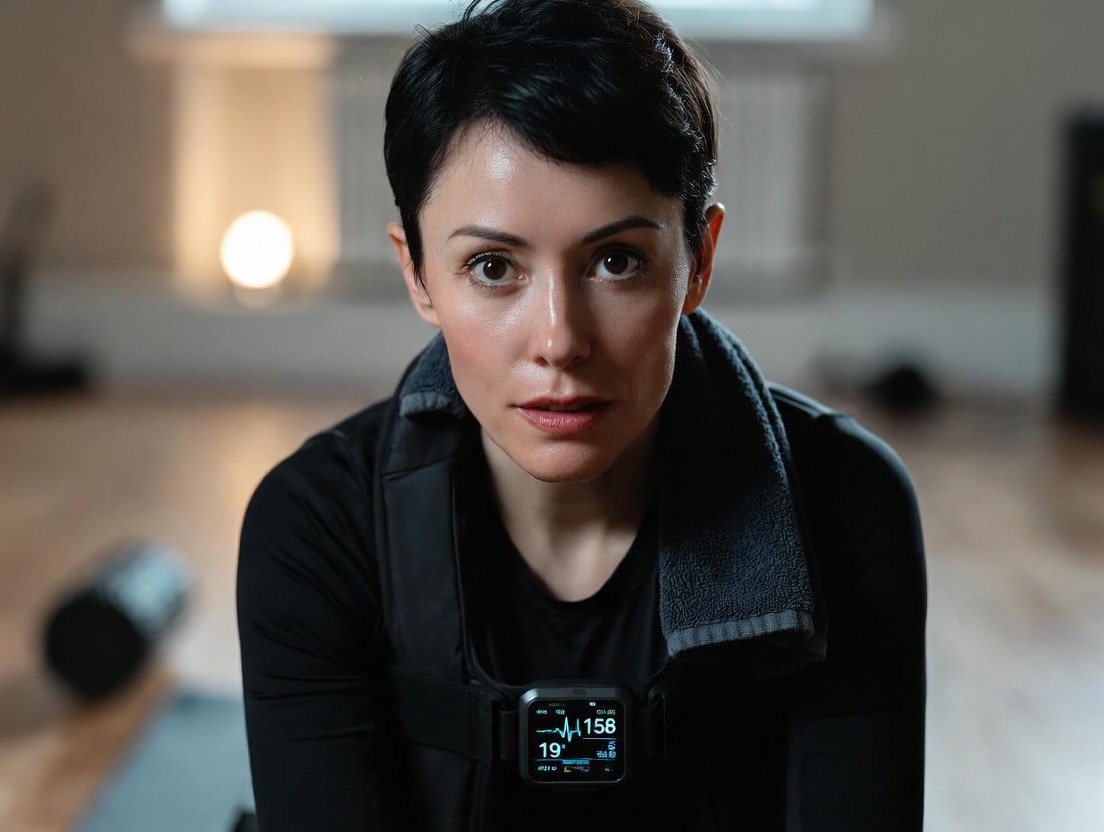
The ultimate goal of harnessing the health-productivity synergy is not a single personal best or a victorious season. It is sustainable excellence—the ability to perform at a high level, avoid major injury, and maintain passion for your sport over years and decades. This long-game perspective is where smart ring data delivers its most profound value.
Short-term, ego-driven training can yield fast results at a catastrophic cost: chronic inflammation, hormonal dysfunction, repetitive stress injuries, and burnout. The data-literate athlete, however, plays a different game. They understand that consistency, powered by intelligent recovery, is the most powerful performance enhancer of all.
Your ring’s longitudinal data becomes your career health record. Over years, you can observe:
This long-view approach requires a shift in identity: from being an athlete who trains to being an athlete who manages a complex, adaptive recovery system. Your metrics are the dashboard for that system. By prioritizing the health of the system over any single workout, you ensure that the engine remains powerful and reliable for the long journey. This is the true pinnacle of productivity: not what you achieve today, but your ability to show up, healthy and ready, for thousands of todays to come. This sustainable mindset is cultivated through the neuroplasticity of a calm mind, training yourself to rewire your stress response for long-term resilience.
While the morning readiness score provides a crucial daily decision point, the true wisdom of biometrics lies in the longitudinal trends. A single day of low HRV is a data point; a steady seven-day decline is a story. Moving beyond reactive daily checks to proactive trend analysis is what separates good data users from great ones.
Key Trend Analyses for the Advanced Athlete:
By learning to read the story told by these trend lines, you move from being a mechanic who fixes daily problems to a strategist who steers the entire ship, anticipating challenges and navigating towards sustained peaks of readiness.
The smart ring is the cornerstone of your biometric fortress, but it is not the entire castle. For a truly holistic picture, its data must be integrated with other streams of information. This data convergence creates a multi-dimensional model of your performance, where the ring’s internal state metrics explain the "why" behind the "what" captured by other devices.
Primary Integration Points:
The goal is not to become a full-time data analyst, but to use these integrated views to spot glaring, high-impact insights. Most modern platforms allow for this through Apple Health, Google Fit, or Strava. By creating these connections, you build a closed-loop system: Train (external load) -> Recover (ring data) -> Analyze (integration) -> Adapt (next training decision). This loop is the engine of intelligent, self-coached progress.
Theory is compelling, but practice is convincing. Let’s examine how this synergy plays out across different athletic disciplines, demonstrating the universal applicability of ring data.
The Endurance Runner (Marathon Training):
The Strength & Power Athlete (Weightlifter):
The Team-Sport Athlete (Soccer/ Basketball Player):
The Masters Athlete (Ages 40+):
In each case, the ring provides the objective, individualized feedback necessary to transcend generic programming and craft a sustainable, high-performance practice unique to the athlete’s sport, lifestyle, and physiology.
A common hurdle on this journey is data paralysis—the feeling of being overwhelmed by numbers, confused by contradictions, or anxious when the data doesn't match your expectations. Cultivating a healthy, productive relationship with your biometrics is essential.
Principles for Sustainable Data Use:
Trust is built when you act on the data and see positive results. When you take a rest day based on a low HRV and bounce back stronger two days later, you learn to trust the signal. This process builds a profound inner confidence, knowing you have an objective line of communication with your own physiology. It reduces guesswork and anxiety, replacing them with the calm assurance of informed action. For those prone to overthinking, this trust is itself a form of cultivating a calm mind in a chaotic world.

The current capabilities of smart rings are merely the foundation. The near future, powered by advanced sensor fusion and artificial intelligence, promises a revolution in personalized health and performance coaching.
Predictive Analytics and True Early Warning: Future algorithms will not just report yesterday’s recovery; they will predict tomorrow’s risk. By analyzing a confluence of data—a slight uptick in respiratory rate, a minor suppression of HRV, a change in sleep cycle timing—AI could alert you 48-72 hours before the onset of a common cold, allowing for proactive rest. It could predict your risk of a soft-tissue injury based on load trends and recovery metrics, suggesting pre-habilitation exercises.
Hyper-Personalized Nutritional and Supplement Guidance: Imagine your ring, integrated with a continuous glucose monitor (via non-invasive future tech) and your meal log, providing real-time feedback: *"Your glucose response to that pre-workout meal was suboptimal, leading to a 15% higher heart rate drift during your run. Try X alternative tomorrow."* Or: "Your nighttime HRV dip correlates with low magnesium intake. Consider increasing leafy greens or a targeted supplement."
Dynamic Mental State Coaching: Advanced PPG sensors may be able to detect finer markers of emotional arousal and focus. Coupled with AI, your ring could prompt you in real-time: "Your heart rate variability suggests rising frustration. Take 60 seconds for a breathing reset," or "Your biometrics indicate optimal focus. This is the ideal time to practice your free throws." This moves biofeedback from a deliberate practice to an integrated, ambient coach.
Seamless Ecosystem Integration: The ring will become the central authentication and health data hub for all your smart devices—adjusting your home thermostat for optimal sleep, dimming lights when it detects rising melatonin, or even prompting your car to play a calming playlist if it detects high stress post-competition.
For the athlete, this evolution means moving from self-coaching with data to having a 24/7 AI performance partner. This partner understands your unique physiology, learns from your responses, and provides nuanced recommendations to navigate the ever-complex puzzle of health, life, and peak performance. The goal remains the same: to deepen that critical synergy, making the path to your personal best more intelligent, more sustainable, and more attuned to the language of your body than ever before.
Your Trusted Sleep Advocate: Sleep Foundation — https://www.sleepfoundation.org
Discover a digital archive of scholarly articles: NIH — https://www.ncbi.nlm.nih.gov/
39 million citations for biomedical literature :PubMed — https://pubmed.ncbi.nlm.nih.gov/
Experts at Harvard Health Publishing covering a variety of health topics — https://www.health.harvard.edu/blog/
Every life deserves world class care :Cleveland Clinic - https://my.clevelandclinic.org/health
Wearable technology and the future of predictive health monitoring :MIT Technology Review — https://www.technologyreview.com/
Dedicated to the well-being of all people and guided by science :World Health Organization — https://www.who.int/news-room/
Psychological science and knowledge to benefit society and improve lives. :APA — https://www.apa.org/monitor/
Cutting-edge insights on human longevity and peak performance:
Lifespan Research — https://www.lifespan.io/
Global authority on exercise physiology, sports performance, and human recovery:
American College of Sports Medicine — https://www.acsm.org/
Neuroscience-driven guidance for better focus, sleep, and mental clarity:
Stanford Human Performance Lab — https://humanperformance.stanford.edu/
Evidence-based psychology and mind–body wellness resources:
Mayo Clinic — https://www.mayoclinic.org/healthy-lifestyle/
Data-backed research on emotional wellbeing, stress biology, and resilience:
American Institute of Stress — https://www.stress.org/


