


The Longevity Essentials That Reduce All-Cause Mortality
Essentials shown to reduce "all-cause mortality."
Essentials shown to reduce "all-cause mortality."
%402x.svg)
The quest to live a longer, healthier life is as old as humanity itself. But for the first time in history, we are no longer groping in the dark. A convergence of modern epidemiology, rigorous scientific trials, and advanced technology is illuminating a clear path—a set of actionable, evidence-based "essentials" that directly reduce your risk of dying from any cause. This is the science of all-cause mortality reduction, and it represents the most powerful framework for extending your healthspan and lifespan ever discovered.
For decades, health advice was fragmented and often contradictory. Eat carbs. Don't eat carbs. Run marathons. Lift heavy weights. The noise was overwhelming. But when researchers step back and look at the population-level data—tracking hundreds of thousands of people over decades—the signal emerges with stunning clarity. Specific, modifiable behaviors and biomarkers are overwhelmingly predictive of who lives a long, vibrant life and who succumbs prematurely to heart disease, cancer, neurodegenerative decline, or metabolic illness.
All-cause mortality is the ultimate metric. It doesn't care about the specific name on the death certificate; it measures your overall risk of death from anything. Reducing this risk is the definitive goal of true longevity. And the tools to measure, track, and optimize for it are no longer confined to research labs. They are now available on your finger, in the form of sophisticated wellness technology like the Oxyzen smart ring, which brings laboratory-grade physiological tracking into daily life. This technology, combined with the foundational knowledge of what truly moves the needle, empowers you to take control of your biological destiny.
This comprehensive guide synthesizes the most robust scientific findings into a cohesive longevity protocol. We will move beyond generic "healthy living" tips and delve into the specific, quantified essentials that peer-reviewed research links directly to a lower risk of death. We will explore not just the "what," but the "how" and "why," providing a roadmap you can personalize and implement, starting today. Your journey toward a longer, healthier life begins with understanding the non-negotiable pillars of human vitality.
Before we build our longevity protocol, we must fully understand the cornerstone metric: all-cause mortality. In simple terms, it is the risk of death from any and all causes over a defined period. When a scientific study reports that an intervention "reduces all-cause mortality by 20%," it means that the group following that intervention had 20% fewer deaths from every cause combined—heart attack, stroke, cancer, accidents, infections—compared to the control group.
This is a profoundly significant measure for several reasons. First, it is the hardest endpoint in medical research. Symptoms can be subjective, disease markers can fluctuate, but death is an unambiguous, final outcome. Second, it eliminates the statistical "whack-a-mole" problem. Sometimes, a treatment reduces deaths from one disease (like cardiovascular disease) but inadvertently increases deaths from another (like cancer), offering no net survival benefit. An intervention that lowers all-cause mortality provides a true, net gain in lifespan.
The Shift from Disease-Specific to Whole-System Health
The traditional medical model is disease-centric: we screen for specific illnesses and treat them when they appear. The longevity model, guided by all-cause mortality data, is systems-centric. It asks: "What foundational habits support the entire complex system of the human body in such a way that it becomes resilient against all threats?" The answers point to fundamentals that optimize metabolic health, reduce chronic inflammation, enhance immune function, and maintain cellular integrity.
For instance, consider physical activity. We know it's good for the heart. But its benefit isn't confined to cardiovascular disease. Regular activity improves insulin sensitivity (warding off diabetes), modulates hormones (reducing certain cancer risks), strengthens bones (preventing fatal falls), and enhances brain-derived neurotrophic factor (protecting against neurodegenerative diseases). Its effect is systemic, which is why it's so powerfully linked to lower all-cause mortality. You can dive deeper into how modern health tracking technology enables personalized wellness by adapting to your unique physiology on our dedicated blog.
How Do We Know What Works? The Power of Epidemiology
The evidence for the longevity essentials we will discuss comes from large-scale, long-term studies like the Framingham Heart Study, the Nurses' Health Study, and more recent biobank studies tracking millions of person-years of data. Researchers follow cohorts of people, meticulously recording their lifestyles, biomarkers, and health outcomes. By comparing those who develop disease or die early with those who don't, they can isolate the factors most strongly associated with survival.
This research has moved from correlations to causations through randomized controlled trials. We don't just observe that people who eat more vegetables live longer; we can test interventions where one group increases vegetable intake and measure the resulting changes in blood pressure, inflammation, and, in some cases, mortality rates. This body of evidence forms the bedrock of our understanding.
From Population Data to Personal Action: The Role of Technology
Population data gives us the "what," but applying it requires the "how for me." This is where the revolution in personal health technology becomes indispensable. A one-size-fits-all approach fails because our genetics, lifestyles, and physiological responses are unique. The modern solution is continuous, personalized biofeedback.
Imagine having a tool that not only tracks your sleep stages and resting heart rate but also detects subtle signs of physiological stress, recovery status, and metabolic efficiency. This is the promise of advanced wearable technology. A device like the Oxyzen smart ring acts as a personal 24/7 health observatory, providing the data needed to see how your body responds to specific foods, exercise routines, and sleep patterns. It closes the loop between population-level knowledge and individual implementation. For those ready to explore this frontier, our main storefront showcases the devices designed to provide this level of insight.
Understanding all-cause mortality reframes our entire approach to health. It’s not about avoiding one single killer; it’s about building a constitution so robust that it resists collapse from any direction. The following sections detail the eight evidence-backed essentials that form the architecture of that robust constitution.
The first and perhaps most non-negotiable essential is movement. The science is unequivocal: sedentary behavior is an independent risk factor for early death, while regular physical activity is one of the most potent longevity "drugs" we possess. But the modern understanding of this essential has evolved from "get 30 minutes of exercise" to a more nuanced and critical concept: reduce sedentary time and maximize all movement, especially non-exercise activity thermogenesis (NEAT).
The Deadly Cost of Sitting
Large meta-analyses have concluded that prolonged sitting increases the risk of all-cause mortality, even among people who exercise regularly. The mechanism is multifaceted: sitting reduces muscle contraction, which in turn slows metabolism, impairs blood sugar regulation, decreases blood flow, and promotes inflammation. It’s as if the body’s maintenance and repair systems go into standby mode. Breaking up sitting time with just 2-5 minutes of light movement every hour can dramatically improve glycemic control and vascular function.
The Hierarchy of Movement Benefits
Tracking Your Movement Ecology
Understanding your personal "movement ecology" is key. How many hours do you sit? How many steps do you take? What is your activity intensity distribution throughout the week? A wellness ring that provides continuous vs. periodic monitoring offers a profound advantage here. Unlike a phone or watch you might take off, a ring passively and continuously tracks your movement, giving a true picture of your sedentary periods, step count, and calorie expenditure from NEAT. It can nudge you to move after a period of inactivity and help you see if you're hitting your personalized activity targets, not just a generic step goal.
Storytelling: The Blue Zones Lesson
The longevity hotspots known as Blue Zones offer a masterclass in the movement imperative. In these regions, people don't necessarily go to the gym. Instead, movement is woven seamlessly into their daily lives. They garden, walk to visit neighbors, knead bread by hand, and use manual tools. Their environments are set up to "nudge" them into constant, low-level physical activity. This is NEAT in its most natural and sustainable form. Emulating this means creating a "pro-movement" environment: a standing desk, a walking meeting habit, parking farther away, taking the stairs. For practical ideas on building these habits, our article on how a wellness ring helps implement daily health tips offers actionable strategies.
The movement imperative is clear: move frequently, at varying intensities, throughout every day. It is the first essential because it primes every other system in the body for optimal function, creating a physiological environment where longevity can flourish.
If movement builds the resilient structure of longevity, nutrition provides the high-quality raw materials for its maintenance and repair. The goal shifts from mere calorie counting to nutrient density—maximizing the vitamins, minerals, antioxidants, phytochemicals, and fiber per calorie consumed. This approach directly targets the hallmarks of aging: reducing oxidative stress, modulating inflammation, and supporting cellular cleanup processes like autophagy.
The Pillars of a Longevity-Optimizing Diet
Research consistently points to dietary patterns, not single superfoods, as the drivers of mortality reduction. The Mediterranean diet, consistently ranked the best overall diet, is the archetype. Its principles form the core of a longevity-focused plate:
Foods to Minimize: The Mortality Multipliers
The flip side of nutrient density is the consumption of pro-inflammatory, metabolically damaging foods that accelerate aging:
Personalizing Nutrition: Beyond One-Size-Fits-All
The biggest leap forward in nutritional science is the understanding of individual variability. Two people can eat identical meals and have wildly different glucose and insulin responses based on their microbiome, genetics, and activity levels. This is where personalized tracking technology becomes revolutionary.
Imagine wearing a device that helps you identify your personal "food triggers." By correlating your meals with continuous physiological data—like continuous glucose trends, heart rate variability (a marker of stress/recovery), and even sleep quality—you can move from generic advice to a truly personalized diet. You might discover that supposedly "healthy" oatmeal spikes your glucose, while a sweet potato keeps you steady. This level of insight, detailed in our blog on how health tracking enables personalized wellness, is the future of nutrition.
Putting It Into Practice: The Longevity Plate
Visualize your plate at each meal: half filled with non-starchy vegetables of various colors, a quarter with a quality protein source, and a quarter with complex carbohydrates or starchy vegetables. Drizzle with healthy fats. This simple template ensures nutrient density. Couple this with a consistent 12-hour overnight fast, and you have activated the most powerful, evidence-based nutritional levers for extending your life.
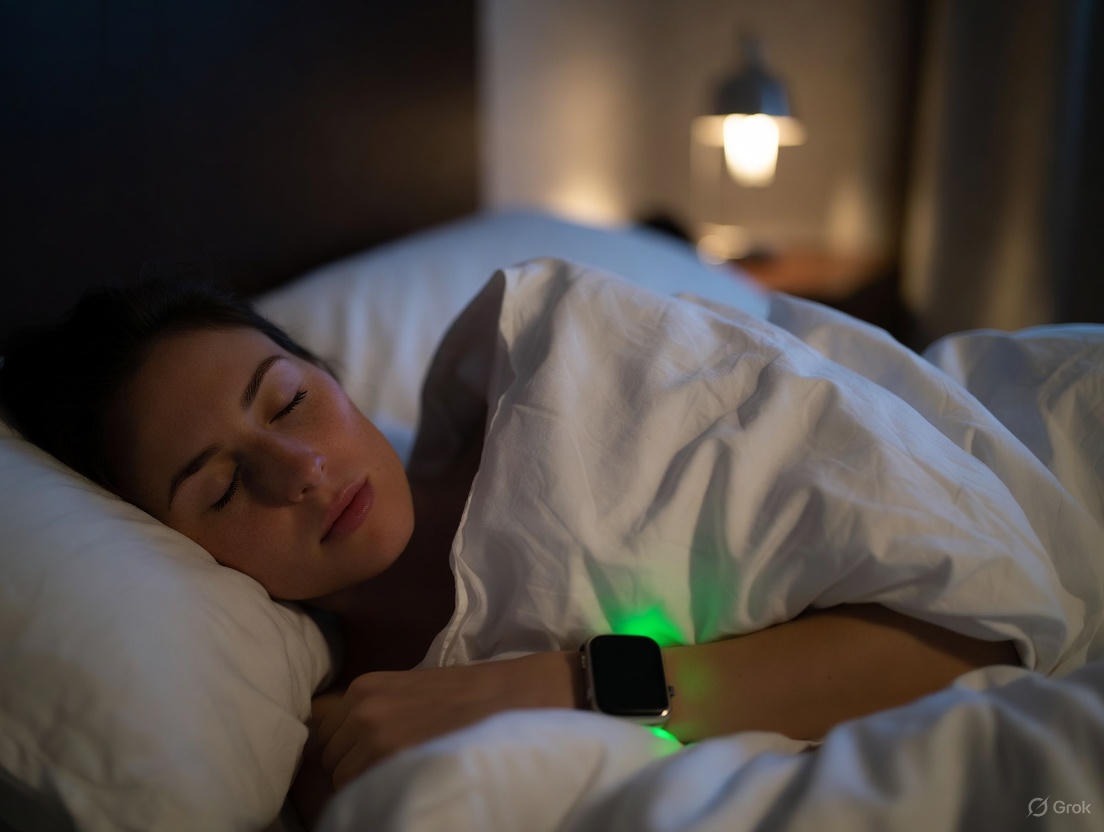
Sleep is often sacrificed on the altar of productivity, but from a longevity perspective, this is a catastrophic trade. Sleep is not downtime; it is an active, essential period of physiological restoration, metabolic regulation, and cognitive maintenance. Chronic sleep deprivation (less than 7 hours per night for most adults) and poor sleep quality are robustly linked to higher all-cause mortality, increasing risks for hypertension, obesity, diabetes, cardiovascular disease, and neurodegenerative disorders.
The Multisystem Repair Work of Sleep
During sleep, especially deep (slow-wave) sleep and REM sleep, the body engages in critical housekeeping:
Measuring Sleep: It's Not Just the Hours
The old adage of "8 hours" is a starting point, but quality is paramount. Key metrics include:
Technology as a Sleep Optimization Tool
Optimizing sleep requires objective data. Subjective feelings of being "well-rested" can be misleading. A wellness ring is arguably the ideal tool for sleep tracking because it is unobtrusive and can measure the key biomarkers (movement, heart rate, HRV, blood oxygen saturation) necessary to calculate sleep stages and quality accurately throughout the entire night.
By reviewing your sleep data, you can identify patterns. Does alcohol, even a single glass, destroy your deep sleep? Does a late, heavy meal increase your resting heart rate and reduce HRV? Does a stressful day lead to prolonged sleep latency? This biofeedback allows for precise, personalized sleep hygiene interventions. You can learn more about the science behind the sensors and algorithms that make this possible in our technical deep-dive.
Actionable Sleep Hygiene for Longevity
Treating sleep with the reverence it deserves is a direct investment in your cellular health and cognitive future. It is the foundation upon which all other longevity essentials are built.

At the core of many age-related diseases lies a failure of metabolic regulation. "Metabolic fitness" refers to the efficiency with which your body processes and utilizes fuel (primarily glucose and fats). The two master regulators of this system are glucose and insulin, and their dysregulation—manifesting as elevated fasting glucose, high insulin levels (hyperinsulinemia), and insulin resistance—is a primary driver of all-cause mortality.
Why Insulin Resistance is a "Gateway" to Chronic Disease
Insulin is the key that allows glucose to enter cells for energy. When cells are constantly exposed to high levels of glucose and insulin (from a diet high in refined carbs and sugars and a sedentary lifestyle), they become "resistant" to the signal. The pancreas then pumps out even more insulin to force glucose into cells. This creates a vicious cycle with devastating consequences:
The Gold Standard Metrics for Metabolic Health
Beyond standard fasting glucose, more revealing metrics include:
Personalizing Your Diet for Metabolic Stability
This is where the power of real-time tracking becomes undeniable. A CGM is the ultimate tool, but emerging technology in smart rings is beginning to incorporate proxy measures for metabolic strain through advanced photoplethysmography (PPG) sensors and algorithms that analyze heart rate and heart rate variability in response to meals and activity. By observing how your physiology responds, you can identify which foods cause disruptive glucose spikes and insulin surges for you.
You might learn that pairing carbohydrates with fiber, fat, and protein blunts the spike. Or that a 10-minute walk after a meal dramatically improves your glucose clearance. This process of self-experimentation, guided by data, is the fastest path to metabolic fitness. For a look at how this technology is evolving, explore our article on the future of wearable health tech in 2025.
Lifestyle Levers for Metabolic Mastery
Achieving metabolic fitness is not about a restrictive diet; it's about creating a stable internal environment where your energy systems run cleanly and efficiently, protecting you from the chronic diseases that claim most lives.
Longevity isn't just about the physical body; it's about the system that controls it: the autonomic nervous system (ANS). The ANS has two primary branches: the sympathetic ("fight or flight") and the parasympathetic ("rest and digest"). Longevity is associated with a strong, resilient parasympathetic tone, which allows the body to recover, repair, and maintain homeostasis. The primary biomarker for this balance is Heart Rate Variability (HRV).
HRV: The Window into Your Nervous System
HRV is the variation in time between successive heartbeats. It is not an arrhythmia; it is a sign of healthy, adaptive function. A higher HRV (greater variability) generally indicates strong parasympathetic activity and good cardiovascular fitness, resilience to stress, and overall health. A low, stagnant HRV is associated with chronic stress, inflammation, overtraining, and poor recovery, and is predictive of future cardiac events and all-cause mortality.
Why Chronic Stress is a Mortality Accelerant
Acute stress is adaptive. Chronic stress is destructive. When the sympathetic nervous system is perpetually activated:
Tracking and Training Your Resilience
The revolutionary aspect of modern wearables is the ability to track your ANS balance in real-time. A device that measures HRV provides an objective, daily readout of your recovery status and nervous system fitness. It answers critical questions:
This data moves stress management from a vague concept to a quantifiable practice. You can see the direct impact of a breathing exercise, a walk in nature, or a poor night's sleep on your HRV. To understand the technology that makes this possible, our blog explains the sensors and algorithms behind modern health tracking.
Practices to Elevate HRV and Build Resilience
By actively monitoring and training your nervous system, you build a buffer against the wear-and-tear of daily life. You enhance your capacity to handle stress without it becoming biologically embedded, a skill that pays dividends across every other essential of longevity.
Human beings are not meant to age in isolation. While we meticulously track steps and macros, we often neglect the profound impact of our social and psychological world on our physical health. Robust research indicates that strong social connections and a sense of purpose are not just "nice to have"—they are critical determinants of longevity, reducing all-cause mortality risk on par with quitting smoking.
The Mortality Risk of Loneliness
Chronic loneliness and social isolation activate the same neurobiological stress pathways as physical pain. They are associated with:
A seminal meta-analysis by Holt-Lunstad et al. concluded that the influence of social relationships on mortality risk is comparable to well-established risk factors like smoking and alcohol consumption and exceeds the influence of physical inactivity and obesity.
The Protective Power of Purpose
"Ikigai" in Japanese or "raison d'être" in French—the concept of having a reason to get up in the morning—is a potent life-extender. Studies, such as those from the Rush University Memory and Aging Project, show that individuals with a high sense of purpose have a significantly lower risk of death, cardiovascular events, and cognitive decline. Purpose provides a psychological buffer against stress, promotes healthier behaviors, and may confer direct biological benefits by modulating stress-responsive systems.
Quantifying the Qualitative: Can We Track Connection?
While you can't put a sensor on friendship, modern wellness technology can provide proxy data and supportive structure:
Cultivating Your Social and Purpose Portfolio
In the arithmetic of longevity, love, friendship, and meaning are not soft variables; they are hard, calculable inputs that directly influence our biology. Nurturing them is as essential as any diet or exercise regimen.
In a culture obsessed with optimization and "biohacking," a critical essential is often forgotten: strategic recovery. More is not always better. True longevity requires the wisdom to balance stress (exercise, work, mental challenge) with adequate recovery. Overtraining, chronic work stress without respite, and constant go-go-go without downtime create a state of persistent physiological alarm that erodes healthspan. The key is learning to listen to—and heed—your body's objective signals for rest.
The Signs of Inadequate Recovery
Ignoring recovery needs leads to a state of non-functional overreaching, which can progress to burnout or overtraining syndrome. Signs include:
Objective Biomarkers: Your Body's Dashboard
This is where data transforms recovery from guesswork to a science. Key biomarkers to monitor include:
By establishing your personal baselines for these metrics, you can make daily decisions based on your readiness, not just a pre-planned schedule. This concept, known as "autoregulation," is a cornerstone of elite athletic training and is equally applicable to managing the stresses of daily life for longevity.
Tools for Tracking Recovery
A wellness device that provides a synthesized "readiness" or "recovery" score by integrating RHR, HRV, sleep data, and sometimes body temperature, is an invaluable coach on your wrist or finger. It can alert you to take it easy before you consciously feel run down. For insights into how different devices compare in providing this holistic picture, our wellness ring comparison guide can be a helpful resource.
Active Recovery Practices
Recovery doesn't always mean complete inactivity. Active recovery strategies enhance the process:
By honoring your need for recovery as diligently as you honor your workout schedule, you create a sustainable rhythm. You allow adaptations to occur, strengthen your resilience, and avoid the burnout that derails long-term consistency—the very foundation of longevity.
Every cell in your body operates on a roughly 24-hour cycle known as the circadian rhythm. This internal clock, synchronized primarily by light and darkness, governs critical processes: hormone release (cortisol, melatonin, growth hormone), body temperature, digestion, cell repair, and gene expression. "Circadian disruption"—living out of sync with this natural rhythm—is an underappreciated but powerful driver of inflammation, metabolic disease, and all-cause mortality. Aligning your lifestyle with your circadian biology is a foundational longevity lever.
The Master Clock: Light as the Primary Zeitgeber
Light exposure, especially blue wavelength light, is the most potent signal for your brain's master clock in the suprachiasmatic nucleus (SCN). Morning sunlight viewing (without sunglasses when safe) sets the timing for the day: it suppresses melatonin, boosts cortisol (for healthy morning alertness), and starts a countdown for melatonin release roughly 12-14 hours later. Artificial light at night, particularly from screens, confuses this system, delaying melatonin and disrupting sleep architecture.
The Peripheral Clocks: Feeding and Activity Timing
While the SCN is the master, almost every organ has its own peripheral clock. These clocks are set by behaviors, chiefly eating and activity.
Tracking Your Circadian Health
How can you know if you're in sync? Certain biomarkers provide clues:
By observing these patterns, you can assess the impact of your schedule. Does a red-eye flight destroy your physiological rhythm for days? Does working night shifts show a clear degradation in your recovery metrics? This data reinforces the importance of routine.
Simple Rules for Circadian Alignment
Living in harmony with your circadian rhythm reduces systemic stress and allows your body's innate repair cycles to function optimally. It is the temporal architecture that supports all other longevity essentials.
Our bodies are in constant exchange with our environment. The final essential moves the focus from internal behaviors to external inputs: the air we breathe, the water we drink, the chemicals we are exposed to, and even the sounds we hear. While genetics load the gun, environment often pulls the trigger on chronic disease. Proactively optimizing your personal environment to reduce toxic burdens and enhance positive inputs is a critical, though often overlooked, component of a longevity strategy.
The Invisible Burden: Endocrine Disruptors and Chronic Toxins
We are surrounded by low levels of man-made chemicals that can interfere with hormonal systems (endocrine disruptors) and promote inflammation. While the dose makes the poison, chronic low-level exposure is a concern for long-term health.
Positive Inputs: What Your Environment Should Provide
Your body is in constant conversation with its surroundings. The final essential shifts the lens from the actions you take to the invisible factors acting upon you: the air in your lungs, the water you drink, the chemicals on your skin, and the very light and sound that bathe your nervous system. While genetics may load the gun, as the saying goes, environment often pulls the trigger on chronic disease. Proactively shaping your personal environment to reduce toxic burdens and amplify beneficial inputs is a critical, yet frequently underestimated, pillar of a longevity-first lifestyle. This is about creating a habitat that supports, rather than sabotages, your biological goals.
The Silent Saboteurs: Endocrine Disruptors and Chronic Inflammatory Toxins
We navigate a sea of synthetic chemicals never before encountered in human evolution. Many are endocrine-disrupting chemicals (EDCs)—molecules that mimic, block, or interfere with your body's hormones. The dose may be low in any single exposure, but the cumulative, chronic burden is a modern phenomenon linked to a host of age-related diseases.
Beyond Avoidance: Actively Curating a Health-Promoting Habitat
A longevity-optimized environment isn't just about subtracting bad things; it's about adding good ones. It's about designing your personal spaces to serve as daily sanctuaries for recovery and vitality.
Technology as an Environmental Sentinel
Your wellness tracker can be a powerful ally in quantifying your environmental exposures and their impact. By correlating your physiological data with your location and activities, you can gain profound insights:
This biofeedback makes the invisible visible. It turns abstract warnings about pollution into personal, actionable data. You can see the direct cost of a toxic environment on your body’s resilience and the tangible benefit of a clean one. This empowers you to make informed choices, from the route you drive to the air filter you buy. For those interested in the frontier of this kind of integrated health monitoring, our article on how health tracking technology is changing preventive medicine explores its broader implications.
Practical First Steps for Environmental Optimization
You don’t need to overhaul your life overnight. Start with high-impact, simple swaps:
By taking conscious control of your environmental inputs, you dramatically reduce the silent, chronic stressors that accelerate aging. You create an external world that is in harmony with the internal longevity you are building through movement, nutrition, sleep, and recovery. It is the final, essential layer of defense in your comprehensive strategy for a longer, healthier life.
This concludes the first portion of our deep dive into The Longevity Essentials That Reduce All-Cause Mortality. We have laid the foundational framework, exploring the nine core, evidence-based pillars that form the architecture of a long healthspan. From the dynamic imperative of movement to the subtle power of your environment, each essential is a actionable lever you can pull to build resilience.
In the next portion, we will move from understanding these essentials to mastering their implementation. We will explore:
Understanding the nine longevity essentials provides a powerful map. But a map is useless if you don’t know your starting location. This is the critical juncture where population-level science meets the individual: the creation of your Personalized Longevity Blueprint. The core principle is bio-individuality—the recognition that your genetic inheritance, microbiome, life history, and current physiology create a unique landscape. What works optimally for one person may be suboptimal for another. The goal is not to follow a generic checklist, but to conduct a series of disciplined self-experiments, using data to discover how each essential specifically works for you.
From Generic Guidelines to N=1 Experimentation
The old paradigm of health advice was prescriptive: "Eat six small meals a day," "Run three times a week." The new paradigm is inquisitive and iterative: "How does my body respond to two larger meals versus six smaller ones?" "Does running improve my HRV and sleep, or does strength training yield better recovery metrics?"
This shift is powered by the ability to measure previously invisible outputs. You are no longer guessing based on how you "feel" (which can be misleading); you are observing objective physiological responses. This turns you into the principal investigator in the most important study you’ll ever conduct: the study of your own longevity.
Establishing Your Baselines: The "Before" Snapshot
Before you can optimize, you must assess. Establishing baselines across key metrics provides your personal reference point. Key baselines include:
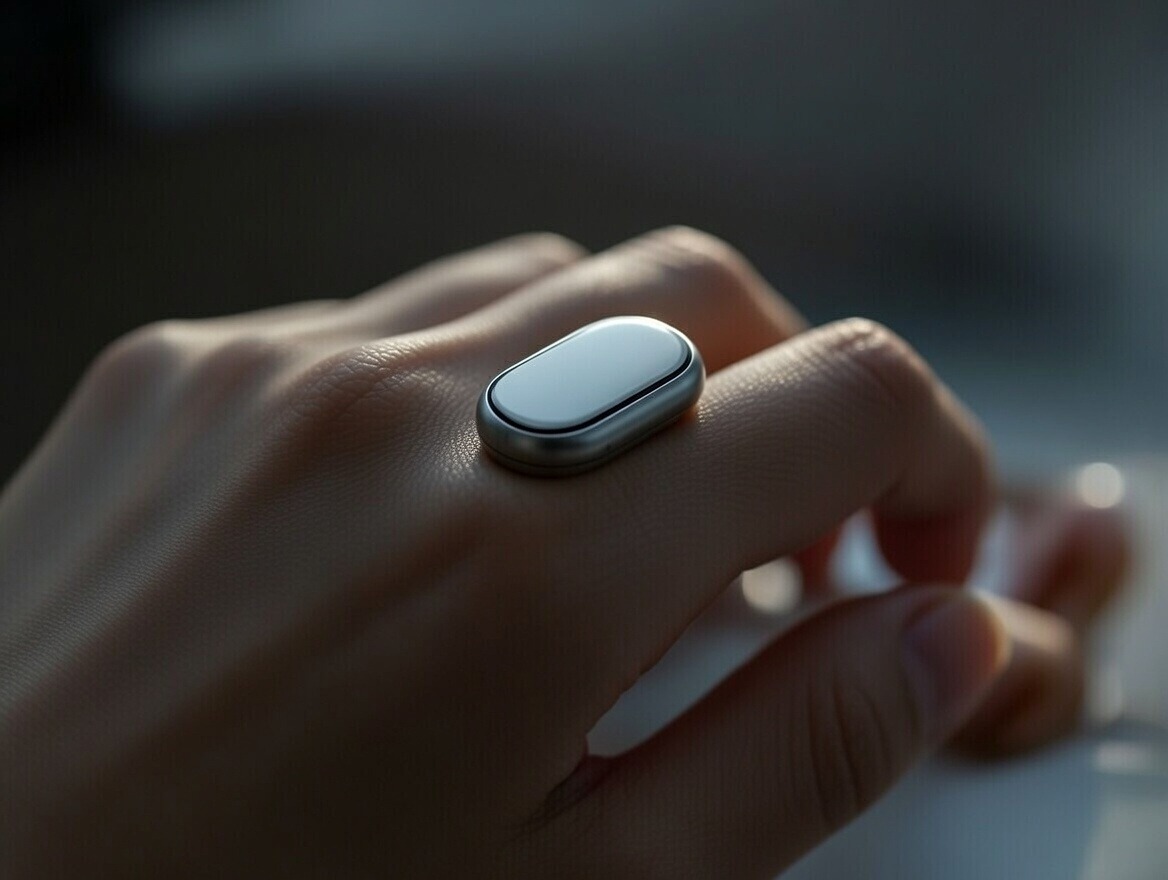
A device like a smart ring is invaluable for establishing continuous baselines for HRV, RHR, sleep architecture, and activity levels. This data creates a moving picture of your normal, against which you can measure the impact of any intervention. For a practical guide on how to use such a device from day one, see our resource on wellness ring mastery, from unboxing to expert user.
The Framework for Self-Experimentation
To integrate the essentials effectively, adopt a structured, patient approach:
Storytelling: The Case of the "Healthy" Oatmeal
Consider Alex, who aimed to improve metabolic fitness. He ate a breakfast of oatmeal with fruit, believing it to be healthy. Using a continuous wellness tracker, he noticed a pattern: a significant energy crash and brain fog 90 minutes after breakfast, followed by intense mid-morning hunger. His device also showed a subtle but consistent elevation in resting heart rate for hours after the meal—a sign of metabolic stress. He ran an experiment: for two weeks, he switched to a breakfast of eggs and vegetables with avocado. The post-meal crashes vanished, his morning energy stabilized, and his afternoon HRV readings improved. The data revealed that his body processed high-carbohydrate, low-fat-protein meals poorly in the morning. This personalized insight was far more valuable than any generic "eat oatmeal" advice.
Creating Your Own Integration Matrix
Your blueprint will be a living document that outlines how you uniquely implement each essential. For example:
This process of self-discovery is the essence of modern longevity practice. It empowers you with confidence, because your protocol is built on the irrefutable evidence of your own body’s responses. It transforms health from a dogma into a personal science.
Once you’ve established your personalized baselines and understand your general responses, you can explore advanced protocols. These are nuanced, higher-level strategies within each essential domain that can help you break through plateaus and achieve elite levels of healthspan optimization.
1. Advanced Movement: Training for Resilience and Power
2. Advanced Nutrition: Precision Fueling and Phytonutrient Synergy
3. Advanced Sleep & Recovery: Quantified Regeneration
4. Advanced Metabolic Fitness: The Postprandial Focus
5. Advanced Nervous System Training: Beyond Basic Meditation
These advanced protocols are not necessary for everyone. They are tools for those who have mastered the fundamentals and are seeking to refine their practice. The key is to introduce them one at a time, measure their impact against your baselines, and integrate only those that provide a clear "green light" benefit to your personalized blueprint.
The greatest longevity protocol in the world is useless if you cannot adhere to it. Knowledge and technology provide the "what" and the "how," but psychology determines the "why" and the "will." Lasting change is not about willpower; it’s about identity shift and intelligent system design. The most successful longevity practitioners aren't constantly fighting temptation; they have engineered their lives and self-concept so that healthy choices become the default, effortless path.
From Outcome-Based to Identity-Based Goals
Most people set outcome-based goals: "Lose 20 pounds," "Lower my cholesterol." These are fragile because they focus on a distant finish line. When progress stalls (and it will), motivation evaporates. Identity-based goals are far more powerful. They focus on who you wish to become.
The difference is profound. A person who sees themselves as a "runner" will naturally seek out runs, feel off on days they don't move, and find community with other runners. The action supports the identity, and the identity reinforces the action. Ask yourself: "Who is the healthiest, longest-lived version of me? What does that person believe? How does that person spend their mornings? How does that person handle stress?" Then, act in alignment with that person, one small decision at a time.
Habit Stacking and Environmental Design
Willpower is a finite resource that depletes with decision fatigue. The solution is to make desired behaviors automatic and undesired behaviors difficult.
Your wellness technology can be part of this environmental design. Setting up automatic sleep reminders, activity goals that feel achievable, and viewing your recovery score as a non-negotiable part of your morning routine all serve to wire healthy habits into your daily architecture. For ideas on building these daily systems, explore how a smart ring helps build healthy habits.
The Role of Self-Compassion and the "Fresh Start" Mentality
Perfection is the enemy of progress. A longevity lifestyle measured in decades will inevitably include holidays, vacations, sick days, and periods of stress where habits lapse. The critical skill is not avoiding these lapses, but recovering from them without self-flagellation.
Research shows that people who practice self-compassion after a setback are far more likely to get back on track than those who engage in harsh self-criticism. Treat yourself as you would a good friend. Instead of "I blew my diet, I have no willpower," try "That wasn't the choice that serves my goals. The next meal is an opportunity to nourish myself."
Leverage the psychological power of "fresh starts"—temporal landmarks like Mondays, the first of the month, or your birthday—to re-initiate commitment. But even more powerful is the realization that every moment is a fresh start. The next meal, the next hour, the next breath is a new opportunity to act in alignment with your identity as a healthy, long-lived person.
Community and Story: The Social Reinforcement of Identity
Your identity is reinforced by the people you surround yourself with and the stories you tell. Seek out communities, online or in-person, that share your longevity values. Share your journey, your data insights, your struggles. This provides accountability, normalizes the pursuit, and makes the identity feel more real. Reading the stories and testimonials of others on a similar path can be a powerful source of motivation and belonging.
By mastering the psychology of change, you move from "white-knuckling" your way to health to gracefully inhabiting it. The essentials stop being a checklist and start being a simple reflection of who you are.
A proactive longevity lifestyle exists in a vital partnership with traditional medicine, not in opposition to it. To be the effective CEO of your own health, you must learn to navigate the medical system strategically. This means moving from a passive patient who simply follows orders to an informed, data-empowered partner who drives collaborative conversations with healthcare providers.
Preparing for the Modern Doctor's Visit: From Vague to Quantified
The standard 15-minute appointment is ill-suited for complex preventative discussions. To make it effective, you must come prepared with organized data and clear questions.
Bridging the Gap Between Wearable Data and Clinical Practice
Many doctors are intrigued by patient-generated health data but may not know how to interpret it. Your role is to provide context. For example:
This demonstrates you are an engaged, sophisticated participant in your care. For more on how this integration is evolving, our article on how health tracking technology is being used in hospitals explores the cutting edge.
When to Seek Specialists: Building Your Longevity Team
Your primary care physician is your quarterback, but you may need specialists for depth:
Advocating for Prevention, Not Just Pathology
The traditional system is designed to treat sickness. You must advocate for prevention. If your standard labs are "normal," but you're operating sub-optimally (low energy, poor recovery, brain fog), press for deeper investigation. "Normal" lab ranges are often statistical aggregates of a sick population, not necessarily optimal ranges for longevity. For instance, an optimal fasting glucose is likely under 90 mg/dL, even though the "normal" range may go up to 99.
By bringing data, clarity, and a collaborative spirit to your medical relationships, you transform them. You help guide the focus toward optimizing function and preventing disease, which is the ultimate goal of both longevity science and good medicine.
We stand at the precipice of a revolution in how we manage human healthspan. The current generation of wellness trackers, which provide remarkable retrospective data, is merely the opening chapter. The near future promises a shift from descriptive analytics ("This is what happened to your sleep last night") to predictive and prescriptive intelligence ("Based on your current stress load and circadian rhythm, you have an 80% chance of catching a cold in 3 days. Here is a protocol to mitigate it.").
Beyond Tracking: Predictive Biomarkers and AI-Driven Insights
The next wave of devices will move from measuring common outputs to deriving deeper, predictive signals:
Integration with Multi-Omics for a Complete Picture
The ultimate personalization will come from integrating continuous wearable data with periodic "deep dive" biomarker testing from blood, saliva, and stool. Imagine an app that correlates your daily HRV trend with your quarterly gut microbiome analysis, suggesting specific probiotic or prebiotic foods when your "resilience score" dips. Or a system that adjusts your nutrient intake recommendations based on real-time activity data and your genetic SNPs related to vitamin metabolism. This is the world of phenotypic flexibility—dynamically adjusting your lifestyle based on your ever-changing physiological state.
The "Digital Twin" – A Virtual Model of You
A compelling frontier is the development of a "digital twin"—a highly accurate computer model of your physiology, fed by your continuous wearable data, genomics, and lab results. Doctors and AI could run simulations on this twin: "What is the projected 10-year impact of adding statin X versus lifestyle intervention Y on this individual's cardiovascular risk?" It would allow for truly personalized, risk-aware decision making. You can read about the foundational science making this possible in our piece on the accuracy revolution in health tracking technology.
Ethical Considerations and the Human Element
This brave new world comes with important questions. Data privacy and security will be paramount—who owns your predictive health data, and how is it used? There is also a risk of "quantification anxiety," where people become overly obsessed with scores and metrics, losing touch with subjective well-being.
The role of technology must be to augment human intuition, not replace it. The goal is to use predictive insights to create more space for what truly matters: presence, connection, joy, and purpose—the very psychosocial essentials we know are vital for longevity. The technology should fade into the background, providing gentle, intelligent nudges that support a life well-lived, not a life constantly measured.
This future is not distant. It is being built in labs and startups today. By adopting and understanding current technology, you are preparing yourself to seamlessly integrate these advances, using them to further refine your Personalized Longevity Blueprint for decades to come.
Your Trusted Sleep Advocate (Sleep Foundation — https://www.sleepfoundation.org/)
Discover a digital archive of scholarly articles (NIH — https://www.ncbi.nlm.nih.gov/
39 million citations for biomedical literature (PubMed — https://pubmed.ncbi.nlm.nih.gov/)
experts at Harvard Health Publishing covering a variety of health topics — https://www.health.harvard.edu/blog/)
Every life deserves world class care (Cleveland Clinic -
https://my.clevelandclinic.org/health)
Wearable technology and the future of predictive health monitoring. (MIT Technology Review — https://www.technologyreview.com/)
Dedicated to the well-being of all people and guided by science (World Health Organization — https://www.who.int/news-room/)
Psychological science and knowledge to benefit society and improve lives. (APA — https://www.apa.org/monitor/)
Cutting-edge insights on human longevity and peak performance
(Lifespan Research — https://www.lifespan.io/)
Global authority on exercise physiology, sports performance, and human recovery
(American College of Sports Medicine — https://www.acsm.org/)
Neuroscience-driven guidance for better focus, sleep, and mental clarity
(Stanford Human Performance Lab — https://humanperformance.stanford.edu/)
Evidence-based psychology and mind–body wellness resources
(Mayo Clinic — https://www.mayoclinic.org/healthy-lifestyle/)
Data-backed research on emotional wellbeing, stress biology, and resilience
(American Institute of Stress — https://www.stress.org/)


