


How Health Tracking Technology Enables Personalized Wellness
Shows how technology uses individual data to provide customized health recommendations and insights.
Shows how technology uses individual data to provide customized health recommendations and insights.
%402x.svg)
For centuries, the pursuit of health was guided by generalized advice, intuition, and retrospective analysis—often after a problem had already emerged. “Eat your vegetables.” “Get eight hours of sleep.” “Manage your stress.” While sound in principle, this one-size-fits-all approach failed to account for the beautiful, frustrating, and profound complexity of the individual human body. What is “restful sleep” for one person might be insufficient for another. The stressors that deplete your energy might be invigorating to someone else. We were navigating the vast ocean of our own well-being with outdated maps and foggy lenses.
Today, we stand at the precipice of a revolution in self-knowledge. Health tracking technology, evolving from basic step counters to sophisticated, AI-powered biometric systems, is providing those clear lenses and real-time maps. It is shifting the paradigm from reactive, population-based health to proactive, personalized wellness. This is not about obsessive self-quantification for its own sake, but about empowerment through insight. By transforming our subtle physiological signals—heart rate variability, skin temperature, blood oxygen, sleep architecture, and more—into intelligible data, these technologies offer a continuous, objective dialogue with our bodies.
This article delves deep into how this technological convergence—spanning wearable hardware, sophisticated algorithms, and behavioral science—is enabling a truly personalized wellness journey. We’ll move beyond the hype to explore the core physiological signals being measured, decode what they truly mean for your unique health, and examine how this data, when thoughtfully applied, can create a powerful feedback loop for sustainable lifestyle change. The promise is profound: a future where your wellness strategy is as unique as your fingerprint, dynamically adapting to your life’s rhythms, and empowering you to not just live longer, but to live better, with more energy, resilience, and vitality. This is the dawn of the era of the data-driven self.

The journey from the first pedometer to today’s advanced health wearables is a story of moving from simple measurement to complex interpretation. Early devices answered the “what” and “how much”—steps taken, calories burned, distance traveled. They were metric trackers, providing a blunt snapshot of activity. The modern era, however, is defined by context and causality. Today’s technology seeks to answer the “why” and “so what.” Why did I sleep poorly last night? Why do I feel drained after a certain type of work meeting? What is the impact of my 7 AM workout on my body’s readiness for the day?
This evolution has been powered by three simultaneous advancements. First, sensor miniaturization and sophistication. Photoplethysmography (PPG) sensors can now detect heart rate and its subtle beat-to-beat variations from your wrist or finger. Accelerometers and gyroscopes understand movement in three dimensions. Skin temperature and electrodermal activity sensors gauge stress and recovery states. These sensors have shrunk to fit seamlessly into devices like smart rings and slim watches, enabling 24/7 wear without intrusion.
Second, the explosion of artificial intelligence and machine learning. Raw sensor data is a river of numbers. AI acts as the master interpreter, identifying patterns invisible to the human eye. It learns your personal baselines—your normal resting heart rate, your typical sleep duration, your unique stress signature—and can then flag meaningful deviations. It connects disparate data points: linking that late-night meal to a dip in your deep sleep, or that intense workout to a elevated resting heart rate the next morning that signals positive adaptation.
Third, a growing integration with behavioral psychology. Data alone is inert. The true magic happens when data is translated into actionable, personalized insights that motivate change. This is where smart nudges, guided breathing sessions, and personalized recovery recommendations come in. The technology is becoming a coach, using your own body’s data to suggest the right intervention at the right time.
The result is a shift from generic health advice to a personalized guiding light. Instead of being told “meditate for 20 minutes a day,” you might receive a notification saying, “Your stress levels have been elevated for 90 minutes. A 5-minute breathing exercise now could help you recover.” This is the core of modern health tracking: it turns the guesswork of wellness into a data-informed journey, illuminating the path that is most effective for you.
To understand how personalized wellness works, we must first learn the language our bodies speak—a silent, continuous stream of biometric signals. Health trackers act as translators for this language. Let’s decode the key biomarkers that form the foundation of personalized insights.
Heart Rate (HR) & Heart Rate Variability (HRV): Your heart rate is more than just a speedometer. Its rhythm tells a complex story of autonomic nervous system balance. Heart Rate Variability, the subtle variation in time between each heartbeat, is a particularly powerful metric. High HRV generally indicates a resilient, adaptable nervous system—your body can easily switch from a stressed “fight-or-flight” (sympathetic) state to a relaxed “rest-and-digest” (parasympathetic) state. Low HRV can be a sign of chronic stress, overtraining, or poor recovery. By tracking HRV trends, you can see how your lifestyle, from exercise and diet to emotional stressors, impacts your nervous system’s resilience. A smart ring or watch tracking HRV overnight can provide a clean, consistent reading of your recovery status each morning.
Sleep Architecture: Sleep is not a monolithic state. It’s a dynamic cycle of light sleep, deep sleep, and REM (rapid eye movement) sleep. Each stage serves a vital function: physical repair and immune strengthening in deep sleep, memory consolidation and emotional processing in REM sleep. Modern sleep tracking uses movement, heart rate, and sometimes blood oxygen to estimate time spent in each stage. This moves us far beyond just “hours in bed.” You can learn if you’re getting sufficient restorative deep sleep, if your sleep is fragmented, or if you have irregular sleep cycles. Understanding your personal sleep score—a composite metric of duration, depth, and consistency—is fundamental to personalized recovery. For a deeper dive into what constitutes healthy sleep, you can explore what research says about sleep score standards.
Skin Temperature & Electrodermal Activity (EDA): Continuous skin temperature monitoring can reveal trends related to menstrual cycles, illness onset, and overall metabolic health. A sustained elevation in nighttime temperature, for instance, can signal that your body is fighting an infection or is under inflammatory stress. Electrodermal Activity, a measure of minute sweat gland activity, is a direct correlate of sympathetic nervous system arousal—essentially, a physical measure of stress response. Together, these metrics provide a window into your body’s internal state that is completely independent of how you “feel.”
Blood Oxygen Saturation (SpO2) & Respiratory Rate: While SpO2 is critical for monitoring serious conditions, even small, normal variations during sleep can be informative. Brief dips (desaturations) might indicate sleep-disordered breathing like mild apnea. Respiratory rate, the number of breaths per minute, is a vital sign that often changes before we notice anything else. An elevated resting respiratory rate can be an early sign of stress, anxiety, or even an impending illness.
By translating these silent signals into a coherent dashboard, health technology gives you an unprecedented view into the inner workings of your unique biology. It’s the essential first step in moving from generalized health to a truly personalized model.
This is perhaps the most critical, yet most overlooked, principle of personalized wellness: Your data is only meaningful in the context of your normal. The magic of modern health tech isn’t in comparing your 45 minutes of deep sleep to a population average; it’s in understanding what your optimal deep sleep looks like and noticing when you deviate from it.
Establishing a personal baseline requires consistent tracking over time—typically several weeks to a month. During this period, the AI isn’t just collecting data; it’s learning you. It’s learning that your resting heart rate naturally runs a few beats higher on Sundays after your long run. It’s learning that your HRV dips predictably during a stressful work project phase but recovers quickly on weekends. It’s mapping the unique rhythm of your menstrual cycle or your body’s response to different types of exercise.
This personalized baseline transforms data interpretation. For example:
This concept dismantles comparison culture in health. Fitness leaderboards and average step counts become less relevant. Instead, the focus turns inward: “Am I recovering better than I was last month?” “Is my body handling stress more resiliently now than during that difficult period last year?” Your baseline becomes your most important point of reference, making every insight, nudge, and recommendation hyper-relevant to your life. To see how this longitudinal tracking works in practice, consider the journey of tracking sleep improvement over months.
Data is passive; insight is active. The transformative power of health tracking lies in closing the feedback loop—taking raw biometric information and turning it into personalized guidance that inspires positive behavioral change. This loop consists of four key stages: Monitor, Analyze, Interpret, Act.
This closed loop is what fosters true self-experimentation and learning. You become a scientist of your own life. You can test hypotheses: “If I stop caffeine after 2 PM, does my deep sleep increase?” “Does my 20-minute meditation actually lower my daytime stress levels?” The technology provides the objective metrics to measure the outcome.
For instance, you might notice your readiness score is consistently lower on Monday mornings. Drilling down, you see your sleep scores are poor on Sunday nights. The insight might point to a combination of later weekend sleep schedules and Sunday night anxiety about the week ahead. The actionable guidance could be two-fold: practice a consistent sleep schedule all week, and establish a restful living evening ritual that prepares you for sleep every Sunday to calm the mind.
This continuous, personalized feedback loop is the engine of sustainable change. It moves you from following external, generic rules to developing an internal, data-informed wisdom about what your body needs to thrive.

If personalized wellness has a cornerstone, it is sleep. Sleep is not downtime; it is an intense period of biological activity essential for cognitive function, metabolic health, emotional regulation, and physical repair. Personalized health technology has revolutionized our understanding of sleep, shifting the focus from mere duration to sleep quality and its direct role in total body recovery.
A personalized sleep analysis doesn’t just tell you you slept for 7 hours. It reveals the architecture of those hours: how long it took you to fall asleep, how many times you woke up (even micro-awakenings you don’t remember), the proportion of deep and REM sleep you achieved, and the consistency of your sleep cycles. It correlates this with other nighttime biomarkers: were your heart rate and skin temperature elevated? Was your restlessness high? Was there any indication of breathing disturbances from SpO2 data?
This holistic view allows for targeted interventions. For example:
Your sleep score becomes a daily report card on your recovery, intricately linked to everything else. A high sleep score predicts a day of higher energy, better focus, and greater emotional balance. A low score serves as a warning to prioritize recovery. To understand this critical connection, explore how your sleep score reflects total body recovery.
Furthermore, personalized sleep tracking reveals your unique chronotype—your body’s natural inclination for sleep and wake times. Forcing an “early bird” schedule on a natural “night owl” creates a constant state of social jetlag, harming health. Seeing the data that confirms your best sleep happens between 1 AM and 9 AM can be liberating, allowing you to structure your work and life, when possible, to align with your biology rather than fight it. This is personalization at its most fundamental: honoring your body’s innate rhythm.
Stress is often called the “silent killer,” but with modern biometrics, it’s becoming much less silent. Personalized health tech is pioneering the objective measurement of stress, moving it from a subjective feeling (“I’m stressed”) to a quantifiable physiological state. This is a game-changer for mental and physical wellness.
The primary biometrics for stress are Heart Rate Variability (HRV) and Electrodermal Activity (EDA). A stressed state is characterized by a dominant sympathetic nervous system, which lowers HRV (making heartbeats more regimented) and increases sweat gland activity (raising EDA). Advanced devices can now detect these shifts in real-time throughout the day.
This capability enables several powerful applications:
By demystifying stress, the technology empowers you to manage it proactively. Instead of feeling overwhelmed by a general sense of anxiety at the end of the day, you can look at your data and see three distinct stress peaks, understand their triggers, and plan to mitigate them tomorrow. It fosters a practice of restful living—not the elimination of stress, but the cultivation of a nervous system that is robust and recovers quickly. For those in high-pressure roles, learning techniques for micro-recovery throughout the day can be transformative, turning moments of tension into opportunities for recentering.
The fitness world has long been dominated by external metrics: lift more, run faster, burn more calories. Personalized health tech introduces a crucial internal dimension: How is this workout affecting my body’s systems, and is it the right stimulus for me today?
This is the principle of individualized load management. By using morning biomarkers like resting heart rate, HRV, and sleep quality to generate a “Readiness” or “Recovery” score, the technology provides guidance on whether to push hard, go moderate, or prioritize rest. This prevents the common pitfalls of both under-training and overtraining.
Beyond daily readiness, personalized tracking provides deeper performance insights:
This approach fosters a harmonious, sustainable relationship with fitness. Exercise becomes a dialogue, not a dictatorship. You learn to respect your body’s signals, train smarter, and achieve better results with a lower risk of burnout or injury. It aligns perfectly with the philosophy of balancing productivity with true restoration.

While direct tracking of nutrients via wearables is still in its infancy (beyond rough calorie estimates), health technology is creating powerful indirect linkages between nutrition and biometric outcomes. This allows for highly personalized dietary experimentation.
The feedback loop works by monitoring how different nutritional choices impact key biomarkers, primarily sleep, recovery scores, and energy levels. For example:
This biofeedback turns nutrition into a personalized N-of-1 study. Instead of following a rigid diet based on population studies, you can adopt a framework (like Mediterranean or whole-foods-based) and then fine-tune it based on how your unique body responds. The goal becomes eating in a way that optimizes your recovery, your sleep, and your daily energy—a far more meaningful objective than any number on a scale. This mindful approach to consumption and its effects is a core component of a holistic, restful living mindset that shifts focus from constant doing to intentional being.
The profound connection between physical states and mental well-being is where personalized health tracking reveals its most holistic potential. By quantifying the physiological correlates of mental states, we can build a stronger bridge between mind and body, creating new tools for emotional regulation and resilience.
This application centers on two areas:
Seeing the direct, positive impact of a 10-minute meditation on your HRV graph is incredibly reinforcing. It transforms mindfulness from a vague “good for you” practice into a tangible, measurable skill for nervous system management. This builds emotional resilience, allowing you to navigate challenges with greater equilibrium. For those seeking to cultivate this calm, integrating simple daily habits for deeper calm can be a powerful starting point, made even more effective when you can see their biometric impact.
Perhaps the most futuristic—and impactful—aspect of personalized health technology is its potential to shift healthcare from a reactive, symptom-based model to a proactive, prediction-based one. This involves analyzing long-term trends in your biometric data to identify subtle, early deviations that may signal a shift in health status.
This isn’t about diagnosing disease (a task for medical professionals) but about providing early warning signs that warrant closer attention. For instance:
By establishing a rich, long-term dataset of your normal, you create a powerful reference point. Any deviation from that familiar pattern becomes a clear flag. This empowers you to be the first and most informed advocate for your health, bringing nuanced, longitudinal data to conversations with healthcare providers. It represents the ultimate goal of personalized wellness: using continuous self-knowledge to preserve health and prevent problems long before they escalate. To sustain this long-term journey, it helps to understand the science behind why intentional downtime matters for chronic disease prevention.
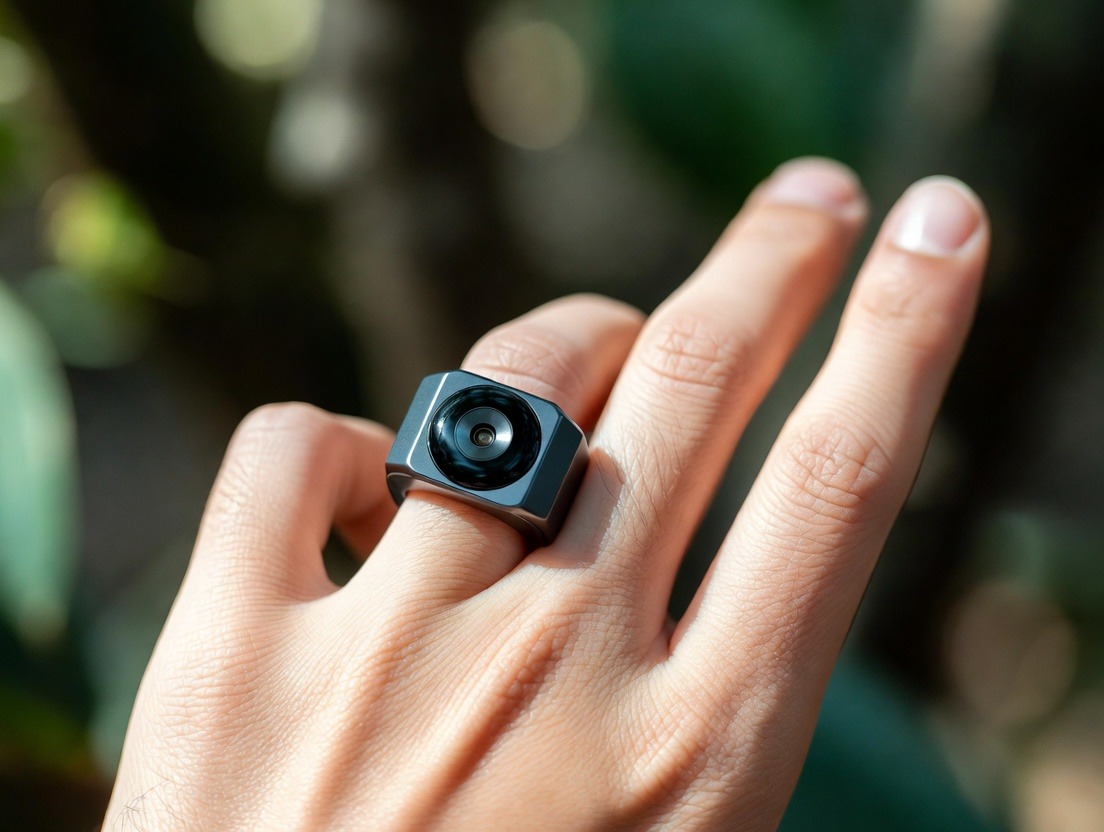
A profound insight is useless if the tool required to obtain it is a burden. The earliest health trackers often suffered from this flaw: bulky wristbands that irritated the skin, devices that needed daily charging, and form factors that clashed with personal style or professional settings. For technology to enable truly personalized, continuous wellness, it must integrate into our lives so seamlessly that we forget it's there—until we need its insight. This is the design philosophy driving the latest generation of health wearables, most notably the smart ring.
The wrist has been the dominant site for wearables, but it presents challenges. Watches and bands can be uncomfortable during sleep, get bumped during workouts, or may not be permitted in certain workplaces. The finger, however, offers a unique set of advantages for 24/7 biometric monitoring. It is home to dense vascular beds, providing a strong signal for PPG sensors to measure heart rate, HRV, and blood oxygen. Its relative lack of major tendons allows for comfortable, all-day wear. And a ring is psychologically and physically unobtrusive; it’s an item we’re already accustomed to wearing constantly.
This shift from the wrist to the finger represents more than just a change of location. It signifies a maturation of the technology’s ambition: to become a silent, always-on guardian of your well-being. A smart ring doesn’t light up with notifications (though it may vibrate for critical alerts). It doesn’t tempt you to scroll. Its purpose is singular: to listen to your body’s whispers with high fidelity, day and night. This continuous, uninterrupted data stream is the gold standard for establishing accurate baselines and detecting meaningful trends, particularly for sleep and recovery metrics which can be skewed by wrist movement.
The quest for seamless integration extends beyond form factor to user experience. The best systems employ a "glance-and-go" philosophy. The complex number-crunching happens in the background. What you see on your phone in the morning is a synthesized, intuitive insight: a single recovery score, a clear sleep analysis, a simple recommendation. The data is there for those who want to dive deep, but the daily value is delivered in a digestible, actionable format. This removes the friction of analysis paralysis and makes personalized wellness accessible, not overwhelming.
Furthermore, battery life and durability are critical to seamlessness. A device that needs a 90-minute charge every day creates a data gap and becomes a chore. Modern smart rings, with their smaller screens and optimized sensors, can often last a week or more on a single charge, and charging cases make topping up simple. They are designed to be worn through showers, workouts, and daily life, built with materials like titanium and coated with scratch-resistant finishes. The goal is for the technology to recede, allowing the personalized wellness insights it enables to take center stage in your life. This frictionless integration is the hardware foundation upon which the entire edifice of personalized wellness is built.
While personalized wellness is inherently individual, humans are inherently social. Our well-being is influenced by, and in turn influences, those around us. The next frontier for health technology is thoughtfully leveraging our social nature to enhance, rather than undermine, personal motivation and understanding.
This is not about public leaderboards or competitive step counts, which can often be demotivating or foster unhealthy comparison. Instead, it’s about opt-in, context-rich sharing that provides support, empathy, and shared discovery. Imagine a couple both using sleep trackers. By mutually opting to share their sleep data, they can gain insights into how their sleep cycles impact each other. One partner’s restlessness or snoring (detected via motion or sound) might correlate with the other’s poor sleep score. This data-driven insight can lead to collaborative solutions—trying different bedding, adjusting sleep schedules, or seeking professional advice—without it becoming a source of blame.
For families, this can be a tool for nurturing healthy habits in a positive way. Parents and teens could agree to share generalized wellness trends (not every detail) to open conversations about stress, sleep, and screen time, grounded in neutral data rather than nagging. Seeing that a teen’s sleep score plummets during exam week can prompt a supportive talk about study habits and stress management, rather than a frustrated comment about them looking tired.
In fitness, social integration shifts from competition to accountability and camaraderie. You could form a private group with friends where the shared metric isn’t "most miles run," but "consistency" or "collective recovery." The group’s focus could be on everyone hitting their personal sleep goals for the week, or all taking at least three stress-recovery breaks during the workday. This reframes social wellness as a collective uplift, where the success of one member encourages others, and the data provides a neutral, positive foundation for connection.
This social layer, when designed with privacy and intentionality at its core, adds a powerful dimension to personalized wellness. It reminds us that while our biometrics are unique, our journey toward health doesn’t have to be lonely. It can create a web of supportive accountability, helping us translate personal insights into sustainable lifestyle changes within the real-world context of our relationships. It also helps reinforce the idea that wellness is holistic, requiring us to design our living spaces for calm and restoration, as our environment profoundly affects those we share it with.
The power of personalized health data comes with a critical responsibility: we must wield it wisely to avoid its potential pitfalls. Unchecked, the pursuit of optimization can lead to orthosomnia (an unhealthy preoccupation with perfect sleep data), increased anxiety, and a disconnect from our innate bodily wisdom. Furthermore, the intimate nature of this data raises paramount questions about privacy and security.
The Risk of Data Anxiety: It’s easy to become a slave to the score. Watching your HRV dip can induce stress… which further lowers your HRV. A poor sleep score can make you anxious about being tired, guaranteeing you’ll have another poor night. This is the paradox of self-tracking. To avoid this, it’s essential to adopt a trend-based, not daily, mindset. A single data point is weather; the trend over weeks and months is climate. The technology’s purpose is to reveal your climate. Use the daily feedback as gentle guidance, not a definitive judgment. If seeing the numbers causes distress, it’s perfectly healthy to occasionally ignore them and simply listen to how you feel.
The Privacy Imperative: Your biometric data is the most personal data that exists. It can reveal your health status, stress levels, sleep habits, and even location patterns. When choosing a health technology platform, scrutinize its privacy policy. Key questions to ask: Is your raw biometric data sold to third parties? Is it anonymized and aggregated for research (which can be a positive if done ethically)? Is it encrypted both in transit and at rest? Who within the company has access? A trustworthy provider will be transparent, will give you clear control over your data, and will treat it not as an asset to monetize, but as a sacred trust. The processing should ideally occur on-device or in a highly secure, purpose-limited environment.
Balancing Tech with Intuition: The ultimate goal of personalized wellness technology is not to replace your intuition, but to refine and validate it. It’s a dialogue. You feel tired; the data shows your deep sleep was low. You feel energetic; the data shows a high recovery score. Over time, this calibrates your self-awareness. However, there will be times when you feel great despite a "low" score, or feel off despite a "high" score. In these moments, your lived experience is the ultimate data point. The technology is a tool, not an oracle. It should support a life well-lived, not become the purpose of living.
Cultivating this balanced relationship is key to sustainable wellness. It involves knowing when to lean on the data and when to set the device aside and just go for a walk because it feels good. It’s about using insights to inform your choices, not dictate them. For many, this balance is the essence of restful living—finding peace and health with less hustle. It’s a mindful approach that uses technology as an enabler of well-being, not another source of performance pressure.
The wearable device is merely the data-gathering sentinel. The true brain of the personalized wellness revolution resides in the software—the applications and artificial intelligence that synthesize, interpret, and contextualize the river of biometric information. We are moving beyond standalone fitness apps into a dynamic personalized wellness ecosystem. This ecosystem connects your wearable data with other digital health inputs, lifestyle logging, and even, with proper consent and safeguards, your electronic medical records, to create a holistic digital twin of your health.
At the core of this ecosystem is adaptive AI. Early AI in health tech was largely descriptive, telling you what happened. The next generation is prescriptive and predictive. It doesn’t just say, “Your sleep was poor.” It learns that for you, poor sleep is most strongly correlated with late caffeine, high afternoon stress, and a room temperature above 71°F. It then offers a personalized prescription: “To improve tonight’s sleep, consider skipping coffee after 2 PM, try a 10-minute meditation at 4 PM, and lower your thermostat to 69°F.” This AI becomes your personal health coach, learning your patterns, your triggers, and what interventions you actually respond to.
This ecosystem also thrives on integration. The most powerful platforms allow you to connect your wearable data with:
The culmination of this integrated, AI-driven approach is a shift toward true preventative health. By establishing a deeply personal baseline, the system can flag anomalies that are significant for you but might fall within “normal” population ranges. This longitudinal, multidimensional health data is a treasure trove for proactive care. Imagine visiting your doctor not with a vague complaint, but with a report showing a six-week trend of elevated resting heart rate and declining HRV, correlated with specific lifestyle factors. This transforms the patient-physician partnership, enabling more precise, efficient, and preventative conversations.
The future of this ecosystem points towards closed-loop systems. For those with chronic conditions like diabetes, we already see early examples: continuous glucose monitors (CGMs) talking to insulin pumps to automate dosing. In the wellness sphere, imagine a system where your smart ring detects rising stress (via EDA and HRV) and automatically dims your smart lights and initiates a calming soundscape on your speakers. Or where poor sleep data triggers a notification from your grocery app suggesting a shopping list rich in sleep-supportive nutrients. The ecosystem becomes an ambient, proactive partner in crafting a health-supportive environment. This vision aligns with the goal of creating a truly restful home environment that supports wellness room-by-room.
To move from theory to practice, let’s envision a detailed case study of how a sophisticated smart ring, like the Oxyzen, can facilitate personalized wellness for a specific individual. Meet Alex, a 38-year-old project manager and amateur triathlete.
Week 1-2: Establishing the Baseline
Alex wears the Oxyzen ring continuously. The AI quietly learns his patterns. It establishes that his baseline resting heart rate is 48 bpm, his HRV averages 65 ms, and he typically scores an 88 on sleep with 1.5 hours of deep sleep. It notes his workouts (imported from his cycling computer and running watch) and sees his recovery pattern: HRV dips 20% after a long Sunday bike ride but recovers by Tuesday.
A Typical Tuesday Morning:
Alex wakes up and checks his Oxyzen app. His Recovery Score is 92/100—excellent. The insight reads: “Fully recovered. Great sleep consistency this week. Ideal day for a high-intensity session.” He does a hard interval run before work.
A Stressful Thursday:
A major project deadline looms. Alex feels wired. Mid-afternoon, his phone vibrates gently. The Oxyzen app notification says: “Sustained stress detected for 75 minutes. Your breathing rate is elevated. Try a 3-minute calming breath now?” He does the guided session and feels his shoulders drop. That evening, he’s tempted to work late but remembers his commitment to balancing productivity with restful living. He closes his laptop.
Friday Night & Sleep Insights:
To celebrate the deadline, Alex has two glasses of wine with dinner. The next morning, his Recovery Score is a 62. Drilling down, he sees his Sleep Score was a 72. The breakdown shows his deep sleep was cut in half and his resting heart rate was 8 bpm higher than normal all night. The insight notes: “Alcohol consumption is strongly correlated with reduced sleep quality for you.” It’s not a judgment, but a clear, personal cause-and-effect.
Long-Term Trend & Adaptation:
Over three months, Alex uses these daily insights. He learns that for him, caffeine after 3 PM isn’t worth the sleep trade-off. He discovers that his strongest workouts follow days where he practices a restful living morning routine. He sees a gratifying upward trend in his average HRV and a decrease in his average resting heart rate—objective proof his fitness is improving. When he catches a cold, he sees his skin temperature rise and HRV plummet two days before symptoms appear, allowing him to rest preemptively.
For Alex, the Oxyzen ring isn’t a critic; it’s a compassionate, objective coach. It turns the nebulous concept of “wellness” into a series of manageable, personal experiments and clear feedback loops, enabling him to optimize his performance, manage his stress, and understand his body on a profoundly intimate level.
A critical challenge for the personalized wellness revolution is ensuring it doesn’t become a luxury for the few. True democratization means making these insights accessible, affordable, and relevant to diverse populations with varying health goals, not just athletes and biohackers.
Lowering Barriers to Entry: The cost of advanced sensors and computing power continues to fall. While premium devices like smart rings offer the highest fidelity and seamless design, more affordable wrist-based wearables are incorporating HRV, SpO2, and advanced sleep tracking. The proliferation of smartphones with built-in health sensors also plays a role. The goal is a tiered ecosystem where meaningful, personalized insights are available at multiple price points.
Cultural and Demographic Relevance: Personalization must be culturally competent. Wellness recommendations cannot be based solely on data gathered from homogeneous populations. An app suggesting a "lunchtime run" may not be feasible or culturally appropriate for everyone. The AI must adapt its suggestions to the user's life context. This means developing algorithms with diverse data sets and offering a wide range of actionable insights—from mindfulness and nutrition tweaks to simple zero-cost wellness tips that anyone can implement.
Focus on Chronic Conditions and Aging Populations: Perhaps the greatest potential for democratized impact lies in managing chronic diseases and supporting healthy aging. For the millions with hypertension, diabetes, or heart conditions, continuous, passive monitoring of relevant biomarkers (heart rate trends, sleep, activity) can provide invaluable feedback on how daily choices affect their condition. For older adults, features like fall detection, irregular heart rhythm notifications, and long-term trend analysis of mobility and sleep can support independence and provide early warnings to caregivers and clinicians. This shifts the model from episodic clinic visits to continuous, home-based management.
The Role of Employers and Insurance: Democratization is also being driven by institutional adoption. Forward-thinking companies are subsidizing wearable devices as part of corporate wellness programs, recognizing that healthier, less-stressed employees are more engaged and productive. Some health insurance providers are offering discounts or incentives for members who share wearable data, using it to promote preventative behaviors that reduce long-term costs. These models can bring advanced technology to people who might not otherwise invest in it.
The future of personalized health tech is not a single, expensive device, but an interoperable web of tools—from clinical-grade devices to smartphone sensors—that feed data into a personal, private health hub. The insights generated will range from high-performance optimization to fundamental support for managing illness and maintaining dignity and health throughout the lifespan. This is how technology transitions from a niche gadget to a foundational component of public health.
In our enthusiasm for data, we must maintain a humble reverence for the profound mysteries of human health and consciousness. There are essential dimensions of wellness that, as of now, elude even the most sophisticated sensors and algorithms. Acknowledging these limits is not a critique of the technology, but a necessary step for using it wisely.
Qualitative Experience: A device can measure the physiological correlates of joy, calm, or connection—a lowered heart rate, a smooth HRV waveform. But it cannot measure the quality of the experience itself. The deep sense of peace from watching a sunset, the belly-laugh with an old friend, the flow state of creative work—these are qualitative states that define a life well-lived. Data can suggest you are relaxed, but it cannot tell you if you are happy or fulfilled. These require inward reflection, not outward measurement.
Spiritual and Existential Well-being: The search for meaning, purpose, and connection to something greater than oneself is a core human driver of wellness. This spiritual dimension operates in a realm that biometrics cannot access. Technology might remind you to meditate, but it cannot guide you toward a personal philosophy or a sense of purpose. These are journeys that require introspection, community, and often, a conscious disconnection from the digital world to engage with the metaphysical.
The Complexity of Human Relationships: While we discussed social wellness, the full emotional and psychological impact of our relationships is immeasurably complex. The subtle support of a partner, the stress of a conflicted friendship, the healing power of empathy—these exchanges leave faint, if any, direct biometric traces that can be causally linked. Nurturing deep relationships requires emotional intelligence and time, skills that no device can teach, though it might free up the energy and stability to practice them by improving your baseline health.
The Unconscious and the Subconscious: A vast amount of our mental processing and even physical sensation happens below the level of conscious awareness. Recurring dreams, gut feelings, intuitions, and psychosomatic symptoms are communications from this deeper layer. A health tracker might register the elevated heart rate from a anxiety dream, but it cannot interpret its symbolism or root cause. Integrating these messages requires modalities like therapy, journaling, or somatic practices, not more data analysis.
Therefore, the most holistic approach to personalized wellness uses technology as a powerful tool for managing the physical and physiological substrate of our lives—optimizing sleep, modulating stress, fueling movement. This creates a stable, resilient foundation. Upon that foundation, we must then build the qualitative edifice of a meaningful life using the timeless tools of human experience: love, creativity, contemplation, and connection. The technology’s greatest gift may be in giving us the energy and clarity to do precisely that, by offloading the guesswork from our physical well-being. It allows us to stop obsessing over “how we slept” and instead focus on “how we live.” This is the ultimate integration, where data serves humanity, not the other way around. It helps us avoid the common restful living mistakes that keep us wired and tired even when the numbers look good, reminding us to listen to the whole self.
Embarking on a journey with personalized health technology can be exciting but overwhelming. The key is to start with curiosity, not obsession. Here is a practical, phase-based guide for your first month, designed to build sustainable habits and insightful self-knowledge.
Week 1: The Observer Phase
Week 2: The Noticing Phase
Week 3: The Experimentation Phase
Week 4: The Integration Phase
Pro Tips for Success:
By the end of 30 days, you will have moved from a passive wearer to an active participant in your health. You will have begun a lifelong conversation with your body, guided by evidence unique to you.
As personalized health technology weaves itself deeper into the fabric of society, it forces us to confront complex ethical questions that extend far beyond individual privacy. The stewardship of biometric data and the algorithms that interpret it will be one of the defining challenges of 21st-century healthcare.
Informed Consent and Data Ownership: The standard "I Agree" to a lengthy terms-of-service document is inadequate for biometric data. True informed consent should be granular, dynamic, and educational. Users should be able to choose: "I consent to my heart rate data being used to improve the sleep algorithm, but not for any third-party marketing." They should be able to easily change these settings and understand who has access. The principle of data sovereignty—that you are the ultimate owner of your biological information—must be enshrined in both technology design and policy.
Algorithmic Bias and Health Equity: AI is only as good as the data it's trained on. If the datasets used to build "normal" sleep, stress, or fitness models are primarily drawn from young, male, affluent, and specific ethnic populations, the algorithms will be biased. They may pathologize normal sleep patterns for women or older adults, or provide irrelevant recommendations for people from different cultural backgrounds. Combating this requires intentional diversity in training data, transparent algorithmic auditing, and a commitment to developing culturally adaptive models. Personalized technology should not perpetuate healthcare disparities; it should help dismantle them.
The Employer-Employee Power Dynamic: When employers provide or subsidize wearables, the potential for coercion is real. While wellness programs are well-intentioned, they must be strictly voluntary. Data should be anonymized and aggregated when used for organizational insights, and individuals should never face penalties (higher insurance premiums, missed promotions) for opting out or for having "poor" biometric data. The line between incentivizing health and penalizing biology must be brightly drawn.
The Psychological Impact of Constant Monitoring: As discussed, data anxiety is a real risk. Ethically designed systems should include features to promote digital wellness, such as "data vacations," simplified views that hide granular scores, and educational content that emphasizes trends over daily numbers. The technology should include safeguards to discourage obsessive or disordered behaviors related to fitness or body image.
The Future of Predictive Health and Insurance: As algorithms get better at predicting health risks, a troubling scenario emerges: Could life or health insurance become unaffordable for people based on their predicted biometric trajectories? This would be a dystopian outcome of personalized health tech. Robust legal frameworks, like the Genetic Information Nondiscrimination Act (GINA) but expanded to include biometric data, are needed to prevent discrimination. The focus must remain on using prediction for early, supportive intervention, not for exclusion or penalty.
Navigating this ethical horizon requires a collaborative effort from technologists, ethicists, clinicians, policymakers, and users. The goal must be to build a personalized wellness future that is not only smart and effective but also just, equitable, and fundamentally human-centered. It’s about ensuring the technology enhances autonomy and health for all, without creating new forms of surveillance or bias.
We have journeyed from the broad promise of personalized wellness to the granular details of biometrics, feedback loops, and real-world application. This first portion of our exploration has laid the essential foundation: personalized wellness technology empowers you by translating your body's unique language into actionable knowledge.
We've seen how it moves us from generic advice to individualized insight, from guessing about sleep to understanding its architecture, from feeling stressed to quantifying and managing its physiological footprint. We've acknowledged the power of establishing a personal baseline, the importance of the seamless wearable, and the critical need for a balanced, ethical approach that avoids data anxiety and protects our most private information.
The core takeaway is this: You are not an average. Your path to optimal well-being is as unique as your fingerprint. Health tracking technology, when used as a tool for curious self-discovery rather than a source of rigid judgment, provides the map and compass for that personal journey. It offloads the cognitive burden of guesswork, giving you the freedom to experiment, learn, and adapt your lifestyle based on what truly works for your body, in your life.
This is not about achieving a perfect score every day. It is about building resilience, understanding your patterns, and making informed choices that compound over time into greater energy, vitality, and healthspan. It’s about using data to create the physical and mental stability required to pursue a meaningful life—to have the energy for your passions, the calm for your relationships, and the resilience for life's inevitable challenges.
In the next portion of this deep dive, we will build upon this foundation. We will explore advanced topics: the intersection of personalized tech with specific health goals like weight management and cognitive performance; the emerging science of longevity and how wearables contribute; a deeper look at the comparative technology landscape; and expert interviews on the future of digital health. The journey toward a truly personalized, empowered, and data-informed well-being is just beginning.
The journey into personalized wellness extends powerfully into one of the most complex and individualized health domains: metabolism and weight management. For decades, this field has been dominated by one-size-fits-all calorie formulas and generic macro-nutrient splits. Personalized health technology is dismantling this model, introducing a nuanced, biofeedback-driven approach that acknowledges the vast metabolic diversity within the human population.
The old paradigm of "calories in, calories out" is not wrong, but it is woefully incomplete. It ignores the hormonal, neurological, and microbiome-mediated responses that determine how those calories are partitioned—stored as fat, used for immediate energy, or allocated to repair and building. This is where continuous biometric monitoring creates a revolution. Rather than relying solely on a weekly weigh-in (a lagging, often demoralizing indicator), you can track leading indicators of metabolic health in real-time.
Key Biometrics for Metabolic Insight:
The Personalized Feedback Loop for Nutrition:
This becomes a dynamic, N=1 experiment. You might test the following hypotheses with your data:
The goal shifts from blindly following a diet to metabolic flexibility—training your body to efficiently use different fuel sources. The data provides the feedback to find your personal formula for food timing, composition, and quantity that keeps your energy stable, your stress low, your sleep deep, and your recovery strong. This is sustainable weight management: not a temporary deficit, but a permanent metabolic upgrade. This process inherently reduces the chronic stress that often derails diets, aligning with the principles of how restful living reduces chronic stress and burnout.
Beyond the physical, personalized wellness technology is becoming an indispensable tool for optimizing the most valuable asset in the modern economy: cognitive performance. The link between physiological states and mental acuity—focus, memory, creativity, and emotional regulation—is direct and powerful. By managing the body’s state, we can directly hack the mind’s potential.
The Biometrics of Peak Cognition:
Cognitive performance is not a constant; it's a state that fluctuates with your biology. Key wearables metrics act as a dashboard for your brain's readiness:
Applications for Knowledge Workers and Creators:
By treating cognitive performance as a physiological state, personalized tech allows you to move from pushing through fatigue to strategically cultivating focus. It turns the abstract goal of "being productive" into a manageable process of aligning your most demanding mental work with your body's natural rhythms of energy and recovery.
The ultimate goal of personalized wellness is not merely to add years to life, but to add life to years—to extend healthspan, the period of life spent in good health. Cutting-edge health tracking is beginning to provide a window into the biological processes of aging itself, offering not just a chronological age, but insights into your biological age.
While no wearable can yet provide a definitive biological age (which requires epigenetic or complex blood biomarker analysis), it can track powerful proxies that are strongly correlated with aging and vitality:
1. Resting Heart Rate (RHR) Trend: A gradual, age-related increase in RHR is associated with decreased cardiovascular fitness and increased mortality risk. Maintaining a low, stable RHR through consistent exercise and good recovery is a key longevity marker. Your wearable provides the ongoing surveillance for this trend.
2. Heart Rate Variability (HRV) as a Vitality Metric: HRV naturally declines with age, but the rate of decline is highly variable and influenced by lifestyle. A higher HRV for your age group is a sign of a resilient, "younger" autonomic nervous system. Tracking your HRV trend over years is like tracking your vitality capital. Interventions that improve your HRV baseline (like VO2 max training, stress management, and optimal sleep) are directly investing in your healthspan.
3. VO2 Max – The Ultimate Fitness Biomarker: VO2 Max, a measure of your body's maximum oxygen utilization during exercise, is one of the strongest predictors of longevity and healthy aging. Many advanced wearables now provide a reliable estimate of VO2 Max. Seeing this number improve with training, or holding steady as you age, is one of the most concrete things you can do for your long-term health. A declining trend is a clear call to prioritize cardiovascular fitness.
4. Sleep Consistency and Deep Sleep Preservation: The fragmentation of sleep and the reduction of deep sleep (Slow-Wave Sleep) are hallmarks of aging. A personalized tracker allows you to fight this trend. By monitoring your deep sleep percentage and working to preserve it through sleep hygiene, timing of exercise, and temperature regulation, you are supporting critical nocturnal repair processes that combat cellular aging.
5. Recovery Speed: How quickly you return to baseline after a stressor—be it physical, mental, or immunological—is a hallmark of a robust system. Your wearable quantifies this. Do you rebound from a hard workout in 24 hours or 48? Does your HRV snap back after a stressful day? A shortening recovery time is a sign of improving biological resilience.
The Longevity Feedback Loop:
This transforms anti-aging from a vague future goal into a present-day practice. You can test longevity-oriented interventions:
The data provides the feedback, allowing you to build a personalized longevity lifestyle. It’s about compressing morbidity—staying healthy, active, and cognitively sharp for as long as possible. This long-term, preventative focus is the antithesis of quick fixes and aligns with the sustainable pace advocated in the art of restful living in a fast-paced world.
With a plethora of devices on the market, choosing the right tool is crucial for your personalized wellness journey. Each form factor has distinct strengths, weaknesses, and primary use cases. Understanding this landscape ensures you select a device that aligns with your goals and lifestyle.
Smart Rings (e.g., Oura, Oxyzen, Circular):
Smartwatches (e.g., Apple Watch, Garmin, Fitbit, Whoop):
Dedicated Fitness Trackers (e.g., Fitbit Charge, Garmin Vivosmart):
Medical Devices (e.g., Continuous Glucose Monitors, FDA-cleared ECG patches):
The Convergence Trend:
The lines are blurring. Smartwatches are adding more advanced sensors (temperature, EDA). Smart rings are incorporating more daytime activity features. The key is to identify your primary wellness goal. Is it optimizing sleep and recovery? A smart ring is unparalleled. Is it integrating fitness, navigation, and connectivity? A smartwatch wins. Is it managing a specific biomarker like glucose? A CGM is essential. For a holistic, personalized wellness foundation built on recovery, the discreet, continuous monitoring of a smart ring is increasingly seen as the optimal core device, potentially used in conjunction with other tools for specific needs.
Your Trusted Sleep Advocate: Sleep Foundation — https://www.sleepfoundation.org
Discover a digital archive of scholarly articles: NIH — https://www.ncbi.nlm.nih.gov/
39 million citations for biomedical literature :PubMed — https://pubmed.ncbi.nlm.nih.gov/
Experts at Harvard Health Publishing covering a variety of health topics — https://www.health.harvard.edu/blog/
Every life deserves world class care :Cleveland Clinic - https://my.clevelandclinic.org/health
Wearable technology and the future of predictive health monitoring :MIT Technology Review — https://www.technologyreview.com/
Dedicated to the well-being of all people and guided by science :World Health Organization — https://www.who.int/news-room/
Psychological science and knowledge to benefit society and improve lives. :APA — https://www.apa.org/monitor/
Cutting-edge insights on human longevity and peak performance:
Lifespan Research — https://www.lifespan.io/
Global authority on exercise physiology, sports performance, and human recovery:
American College of Sports Medicine — https://www.acsm.org/
Neuroscience-driven guidance for better focus, sleep, and mental clarity:
Stanford Human Performance Lab — https://humanperformance.stanford.edu/
Evidence-based psychology and mind–body wellness resources:
Mayo Clinic — https://www.mayoclinic.org/healthy-lifestyle/
Data-backed research on emotional wellbeing, stress biology, and resilience:
American Institute of Stress — https://www.stress.org/


