


Health Tracking Technology: Sensors, Algorithms, and AI Explained
Describes the interplay between physical sensors, data-processing algorithms, and artificial intelligence.
Describes the interplay between physical sensors, data-processing algorithms, and artificial intelligence.
%402x.svg)
In an age where data is often called the new oil, we’ve turned the most intimate resource of all—our own biology—into a constant stream of digital information. From the steps we take to the beats of our heart, the quality of our sleep to the subtle stress responses of our nervous system, a silent revolution is happening on our wrists, fingers, and in our pockets. Health tracking technology has evolved from simple pedometers to sophisticated systems that promise not just to count, but to comprehend; not just to monitor, but to mentor.
But have you ever stopped to wonder how a device, especially something as sleek and minimal as a modern smart ring or watch, can possibly know you slept poorly or that you’re on the verge of getting sick? The journey from raw biological signals to a meaningful insight on your smartphone screen is a marvel of modern engineering, a sophisticated dance of hardware, software, and intelligence. It involves tiny sensors collecting faint whispers from your body, complex algorithms interpreting chaotic data, and artificial intelligence finding patterns invisible to the human eye.
This article is your backstage pass. We will dismantle the black box of health tracking, moving beyond the glossy marketing to understand the core pillars that make it all work: the sensors that act as our digital senses, the algorithms that translate physics into physiology, and the artificial intelligence that personalizes and predicts. This knowledge is power. It allows you to discern genuine innovation from empty hype, understand the limitations of your data, and ultimately, use these tools to foster a more informed, proactive, and restful living philosophy that enhances your well-being, rather than adding to digital noise.
The promise is a future of personalized health—a shift from reactive medicine to proactive wellness. To realize that promise, we must first understand the language our devices speak. Let’s begin at the source: the sensors on the front lines of your biology.

Before an algorithm can analyze or AI can advise, something physical must interact with your body. This is the domain of biosensors—miniaturized marvels of engineering that convert biological phenomena into electrical signals. Think of them as the device's sensory organs. In a smart ring or wearable, these sensors are packed into an impossibly small space, working in concert to build a multi-dimensional picture of your state.
The most fundamental sensor is the photoplethysmogram (PPG). While the name is complex, the concept is elegant. A small LED light—typically green, but sometimes red or infrared—shines onto the skin, usually on the underside of a ring or watch. A photodetector then measures the amount of light that is not absorbed by your tissue and blood. Blood is a strong light absorber. With each heartbeat, a surge of blood volumizes your capillaries, absorbing more light. Between beats, less blood is present, so more light is reflected back. The detector sees this as a rhythmic, wavelike pattern of light intensity—the PPG waveform. This single stream of data is the Rosetta Stone of wearables. From its peaks and valleys, we can derive heart rate, observe heart rate variability (HRV), and even make inferences about blood oxygen levels (SpO2). It’s the workhorse of continuous, passive monitoring.
Working alongside the PPG is the accelerometer. This tiny micro-electromechanical system (MEMS) measures acceleration forces. In its simplest form, it counts steps by detecting the characteristic sway of a walk. But its role is far more profound. It provides context. Is the PPG signal showing an elevated heart rate because you’re running (high accelerometer activity) or because you’re anxious while sitting (low accelerometer activity)? This fusion of data is critical for accuracy. A gyroscope, often paired with the accelerometer, adds orientation and rotational data, enabling precise tracking of exercise form, sleep position changes, and more nuanced activity recognition.
For temperature, wearables employ a thermistor or infrared sensor. Skin temperature tracking is subtle but incredibly informative. A continuous baseline allows the device to detect a feverish spike. More subtly, it can track the natural dip in core body temperature that initiates sleep and the rise that precedes waking. Some advanced devices now include a galvanic skin response (GSR) sensor, which measures the minuscule electrical changes on your skin’s surface related to sweat gland activity—a key proxy for emotional arousal and stress.
The magic, however, isn't in any single sensor. It’s in sensor fusion. A modern wearable is a symphony, not a soloist. The algorithm (our next section’s star) is the conductor, taking the PPG’s heart rhythm, the accelerometer’s motion context, the temperature sensor’s thermal data, and blending them in real time. This fusion corrects for errors—like "motion artifact" where a bumpy car ride scrambles the PPG signal—and creates a composite biological narrative far richer than any sensor could tell alone. This hardware foundation is what makes continuous, 24/7 health monitoring a reality, setting the stage for the software to perform its interpretive magic.
Raw sensor data, by itself, is a chaotic, noisy, and largely meaningless electrical signal. The accelerometer outputs a constant jumble of G-forces; the PPG is a squiggly line vulnerable to every hand gesture and poor fit. The monumental task of turning this physics data into physiological insight falls to algorithms—rigorous, step-by-step computational procedures. This is the unsung, complex middle layer where data becomes information.
The first and most critical algorithmic challenge is noise reduction and signal processing. Imagine trying to hear a whisper in a windstorm. The body's true signals are the whisper; motion and poor sensor contact are the wind. Algorithms use sophisticated digital filters (like high-pass, low-pass, and band-pass filters) to isolate the frequency range of interest. For heart rate, the algorithm might look for a strong periodic signal in the 0.5 Hz to 5 Hz range (30 to 300 beats per minute). It then employs techniques like Fast Fourier Transform (FFT) to find the dominant frequency in that clean signal, which translates directly to heart rate. Motion artifact is often in a different frequency band and can be subtracted, especially with the accelerometer’s help pointing out exactly when the device was jostled.
Once a clean signal is established, feature extraction begins. The algorithm doesn’t just see a heartbeat; it dissects it. From the PPG waveform, it identifies specific points: the systolic peak (the main surge), the diastolic peak (a smaller reflection), and the dicrotic notch (a tiny dip between them). The timing between consecutive peaks gives the beat-to-beat interval, the basis for Heart Rate Variability. The amplitude and shape of the wave can hint at peripheral circulation and blood pressure changes. In sleep, the algorithm isn’t "seeing" you sleep; it’s analyzing hundreds of features per minute: heart rate trend, HRV amplitude, body movement magnitude and frequency, and temperature delta. It compares this multi-feature landscape against known physiological models of sleep stages.
This leads to state classification. Using the extracted features, the algorithm runs a classification model. Is this pattern most indicative of "Light Sleep," "Deep Sleep," "REM Sleep," or "Awake"? Early algorithms used simple rule-based systems (e.g., "low movement + low heart rate = deep sleep"). Modern systems use machine learning classifiers trained on thousands of hours of polysomnography (PSG) lab data, where wearable data is correlated with gold-standard brain wave measurements. The algorithm learns the complex feature combinations that define each state. The same process works for activity recognition: a specific pattern of accelerometer and gyroscope signals is classified as "Running," "Cycling," or "Elliptical."
Finally, there is baseline calculation and anomaly detection. Your normal is unique. So, algorithms continuously compute your personal baselines—your resting heart rate range, your typical sleep duration, your nightly HRV average. This is often done over a rolling 7- to 30-day window. Once a baseline is established, the system can flag meaningful deviations. An elevated nighttime heart rate coupled with a lower HRV and higher skin temperature might trigger a "potential illness" alert, as your body diverts energy to the immune system. This transformation from noisy signal to personalized health notification is the core achievement of the algorithmic engine. But as we'll see, this is just the prelude to an even more adaptive and intelligent layer.
If algorithms are the rule-following technicians, artificial intelligence (AI) and its subset, machine learning (ML), are the adaptive, pattern-recognizing analysts. AI doesn't just execute pre-programmed instructions; it learns from data to improve its own performance and offer hyper-personalized insights. This layer is what transforms a competent tracking device into a truly intelligent health companion.
At its core, machine learning for pattern recognition takes the feature extraction work of traditional algorithms and supercharges it. Instead of engineers manually defining which features matter most for sleep stage classification, an ML model can be fed raw(ish) sensor data alongside PSG-confirmed sleep stages. Through techniques like deep learning, the model itself discovers the most relevant patterns and hierarchies of features—some of which humans might not even think to look for. This leads to more accurate and robust classifications, especially in edge cases or for individuals with atypical physiology.
The most impactful application is in predictive analytics and trend forecasting. AI models can move beyond telling you what has happened to suggesting what might happen. By analyzing longitudinal data—weeks, months, or years of your sleep, activity, heart rate, and HRV—AI can identify slow-moving trends. It might notice that your baseline resting heart rate has been creeping up by a barely perceptible 0.3 beats per minute per week, or that your deep sleep has been gradually declining despite a stable bedtime. These micro-trends, invisible to the human eye scanning a weekly chart, can be early warning signs. The AI isn't diagnosing, but it is flagging a statistically significant deviation from your personal norm, prompting you to investigate lifestyle factors, stress, or consult a professional. For a deeper dive into how these long-term trends form a narrative, you can explore the sleep score journey and tracking improvement over months.
This leads to the frontier of wearables: personalized recommendations and causal inference. The holy grail is not just saying "your sleep was poor," but suggesting "your sleep score tends to be 15% higher on days you finish exercise before 7 PM." Advanced AI systems use techniques like causal graph modeling to attempt to untangle correlation from causation within your unique dataset. By modeling your lifestyle inputs (exercise timing, caffeine intake, alcohol consumption, daily stress) against your physiological outputs (sleep score, HRV, resting heart rate), the AI can learn your personal cause-and-effect relationships. The recommendation engine then surfaces actionable, tailored nudges: "Consider moving your workout earlier today," or "Based on your data, a 20-minute afternoon walk has the strongest correlation with higher deep sleep."
Finally, AI enables adaptive baselining. Your body changes with age, fitness, and season. A static baseline becomes obsolete. AI models can dynamically adjust what "normal" means for you, creating a moving window of personal health that reflects your current reality. This ensures that alerts remain relevant and don't cry wolf based on an outdated version of you. Together, these AI capabilities create a feedback loop: more data leads to better personalization, which leads to more effective user engagement and healthier behaviors, which in turn generates new, better data. The device evolves with you.
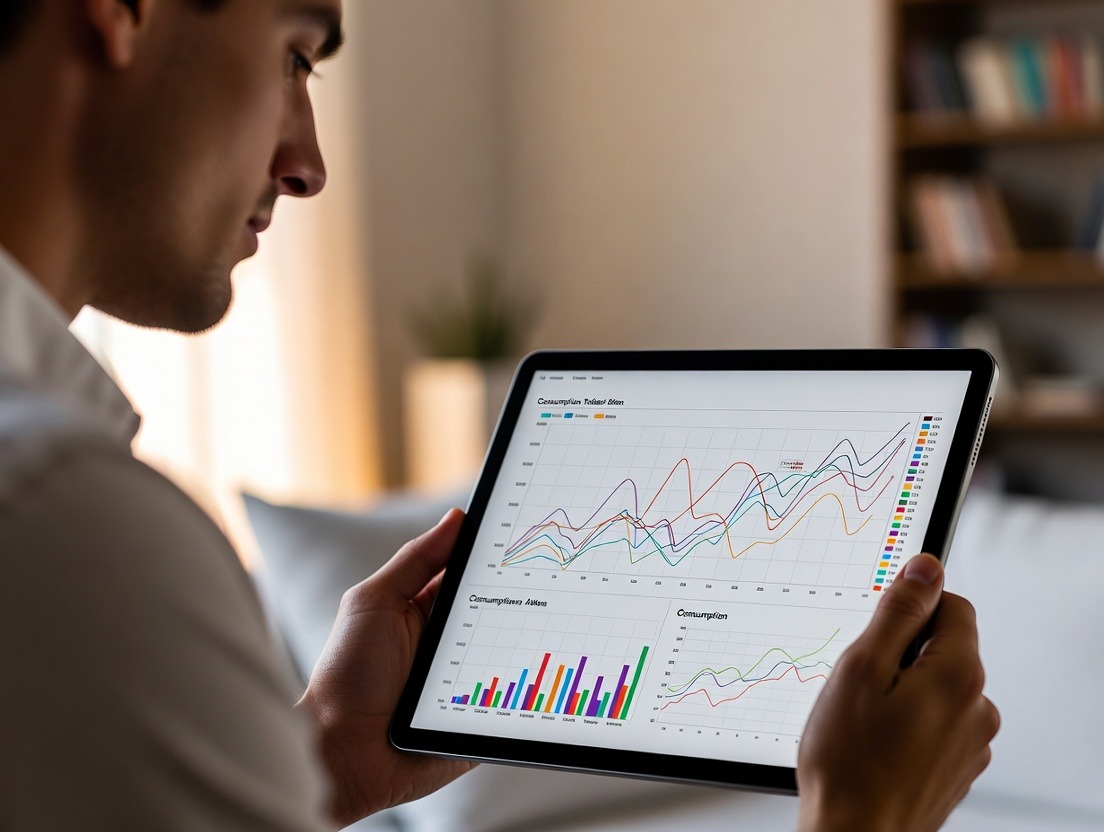
With an understanding of the technology stack, we can now demystify the key metrics flooding our wellness apps. These aren't just numbers; they are carefully derived physiological signals, each with a rich story and important caveats.
Heart Rate (HR) is the most familiar. Derived primarily from the PPG sensor, it represents the number of heart contractions per minute. Beyond the simple number, the trend is key. Resting Heart Rate (RHR), measured during periods of true rest (often during sleep), is a fundamental indicator of cardiovascular fitness and overall load on the body. A downward trend in RHR over months typically indicates improving fitness. A sudden, sustained increase can signal overtraining, insufficient recovery, dehydration, or the onset of illness.
Heart Rate Variability (HRV) has become a buzzword, and for good reason. It is the measure of the subtle variations in time between consecutive heartbeats, measured in milliseconds. Contrary to intuition, a higher HRV is generally better. It indicates a robust, responsive autonomic nervous system—specifically, strong parasympathetic ("rest-and-digest") tone. Your heart isn't a metronome; it's constantly being fine-tuned by your brain in response to breathing, stress, and thought. A low HRV suggests your system is under strain, dominated by the sympathetic ("fight-or-flight") nervous system. It’s a powerful, non-invasive window into your stress, recovery, and resilience. Tracking HRV trends is more valuable than any single reading.
Sleep Stages (Light, Deep, REM, Awake) are algorithmic estimates, not medical-grade measurements. They are inferred from the symphony of motion, heart rate, HRV, and sometimes breathing rate and temperature. Light Sleep is a transitional and restorative phase. Deep Sleep (Slow-Wave Sleep) is critical for physical recovery, hormonal regulation, and memory consolidation; this is when growth hormone is released. REM Sleep is essential for cognitive function, emotional processing, and creativity. A good wearable doesn't just give you durations; it shows you the architecture—the cyclical pattern of these stages throughout the night. Disruptions in this architecture can reveal issues unseen by total sleep time alone. To understand what healthy patterns look like, research-based insights can be found in our analysis of sleep score standards and what research says is healthy.
Blood Oxygen Saturation (SpO2) is the percentage of hemoglobin in your blood carrying oxygen. Wearables use a variant of PPG, often with red and infrared LEDs, to estimate this. While not as accurate as a medical pulse oximeter, trends can be informative. Notable overnight dips (nocturnal desaturation) can be a flag for sleep-disordered breathing, like sleep apnea. A sudden low reading during the day, if accurate, could indicate respiratory issues.
Breathing Rate is typically derived from the cyclical amplitude modulation of the PPG signal or the micro-movements detected by the accelerometer correlated with inhalation and exhalation. Resting breathing rate (especially during sleep) is a vital sign. An elevated baseline rate can be a subtle sign of chronic stress or poor cardiopulmonary fitness, while acute spikes may correlate with episodes of disturbed sleep.
Skin Temperature is just that—the temperature at the skin's surface. It’s influenced by core body temperature, blood flow to the extremities, and ambient conditions. The change from your personal baseline is what matters. A sustained elevated nighttime temperature can indicate inflammation, infection, or a disruptive sleep environment. The natural circadian dip is a key physiological driver for sleep onset, and tracking this can help you align your bedtime with your biology.
Understanding these metrics as estimates with context is crucial. They are powerful indicators of trends and relative changes, not absolute clinical diagnoses. Their true power is unlocked when synthesized together, which is exactly what the concept of a "score" attempts to do.
You’ve tracked a night of sleep: 7.5 hours in bed, 22 minutes awake, 2.1 hours of deep sleep, 1.8 hours of REM. What does it all mean? To simplify complex multi-metric data into an actionable insight, wellness platforms invented the composite score. The "Sleep Score" and "Readiness" or "Recovery" score are the most common. These are not arbitrary numbers; they are the culmination of the entire sensor-algorithm-AI pipeline, distilled into a single, digestible digit.
A Sleep Score is a weighted composite of several key sleep metrics. Different platforms use different formulas, but they generally include:
Each component is graded, weighted, and summed to produce a final score out of 100. The AI's role is to personalize these weightings over time. If the system learns that you are particularly sensitive to sleep timing, a late bedtime might carry a heavier penalty in your personal scoring model.
The Readiness or Recovery Score is even more sophisticated. It is a holistic assessment of your body's capacity to perform and handle stress for the coming day. It answers the question: "Based on how my body recovered last night and my recent strain, should I push hard or prioritize recovery today?" This score typically synthesizes data from three domains:
The AI doesn't just average these. It looks for conflicts. For example: you slept 9 hours with great architecture (positive), but your HRV is plummeting and RHR is spiking (negative). The score would be lowered, potentially flagging that despite long sleep, your body is fighting something—like an oncoming illness or dealing with intense emotional stress. This nuanced synthesis is what makes a readiness score valuable. It teaches you to listen to your body's signals, encouraging a balance between productivity and restful living rather than blindly following a rigid workout schedule.
These scores are powerful behavioral tools. They provide immediate feedback, create a gamified motivation for consistency, and, most importantly, educate users on the multi-faceted nature of recovery, which is about far more than just sleep hours. For a comprehensive look at how this score mirrors your physical state, consider reading about how your sleep score reflects total body recovery.
The standard sensor suite—PPG, accelerometer, temperature—is now table stakes. The next frontier of health wearables lies in emerging sensors that promise to unlock even deeper layers of physiological insight, pushing devices further toward becoming true clinical screening tools.
Electrodermal Activity (EDA) or Galvanic Skin Response (GSR) measures the continuous, subtle changes in the electrical conductivity of your skin. This conductivity increases when your sweat glands become more active, which is directly stimulated by your sympathetic nervous system ("fight-or-flight"). Therefore, EDA is a direct, objective metric for emotional arousal and stress response. It’s not a measure of the emotion itself (e.g., anxiety vs. excitement), but of the physiological activation accompanying it. Advanced wearables use EDA to track stress moments throughout the day and to measure your body's relaxation response during guided breathing sessions. It quantifies the previously unquantifiable: your nervous system's reaction to the world.
Continuous Core Body Temperature Estimation is a major leap forward. While skin temperature is useful, core temperature (the temperature of your internal organs) is a more stable and clinically significant metric. New techniques, such as using a combination of multiple skin temperature sensors, PPG data (blood flow affects heat dissipation), and advanced heat-flux models, allow some devices to estimate core temperature trends non-invasively. This is revolutionary for tracking the female menstrual cycle, as it can identify the subtle post-ovulatory temperature rise with greater convenience than manual basal body temperature tracking. It also provides a more reliable fever and illness alert system.
Pulse Arrival Time (PAT) and Blood Pressure Trends. While wearables cannot yet provide medically validated, absolute blood pressure readings, they are making strides in tracking relative changes. One method is Pulse Arrival Time—the time it takes for a pressure wave to travel from the heart to a peripheral point (like the wrist or finger). This time is inversely correlated with blood pressure; a shorter PAT suggests higher pressure. By tracking PAT continuously and calibrating it with occasional manual cuff readings, algorithms can learn your personal correlation and provide trend data, highlighting periods of sustained elevation. This is a promising area for hypertension management and understanding daily BP fluctuations.
Electrocardiogram (ECG/EKG) has moved from the clinic to the wrist. Unlike PPG, which measures blood flow waves, an ECG measures the heart's electrical activity directly via electrodes. On a smartwatch, this requires you to touch a crown or dedicated electrode with your opposite hand to create a single-lead reading. This allows for on-demand spot checks that can detect atrial fibrillation (AFib) and other significant arrhythmias with high accuracy. The future lies in moving from on-demand to continuous, single-lead ECG monitoring via novel electrode placements in rings or bands, offering unprecedented cardiac surveillance.
Bioimpedance Spectroscopy (BIS) sends a tiny, imperceptible electrical current through the body and measures the opposition (impedance) to that current. Different tissues (fat, muscle, water) impede the current differently. This allows for estimations of body composition (skeletal muscle mass, fat mass) and, more importantly for daily wellness, fluid dynamics. Tracking relative hydration levels and fluid shifts can provide insights into recovery status, inflammation, and menstrual cycle phases. It adds a compositional layer to the functional data provided by other sensors.
These emerging technologies illustrate a clear trajectory: wearables are evolving from general wellness indicators to targeted health monitoring systems capable of capturing a more complete digital twin of our physiology.
We’ve followed the data from the sensor through the algorithm and AI. But how does it physically get from the ring on your finger to the insights on your phone? This journey—the data pipeline—is a critical piece of the infrastructure, involving power management, wireless communication, and cloud computing, all designed to be seamless and invisible to you.
It begins with on-device processing and edge computing. To save battery and provide real-time feedback (like heart rate during a workout), a significant amount of initial processing happens on the wearable itself. The raw sensor signals are digitized by a small microcontroller (MCU). Basic, power-efficient algorithms run here to perform immediate noise filtering, calculate real-time heart rate, detect step events, and perform basic activity classification. This "smart" preprocessing means the device isn't just a dumb data pipe; it sends refined, compact data packets, not massive raw signal streams. This is "edge computing"—processing data as close to the source as possible.
Wireless transmission and protocols come next. When the device has processed data to send (often in batches to save power), it uses a low-energy wireless technology. Bluetooth Low Energy (BLE) is the universal standard for the final hop to your smartphone. It’s designed for frequent, small bursts of data with minimal battery impact. The smartphone acts as a gateway. Some advanced devices may also use other protocols like ANT+ or have built-in cellular (LTE) connectivity to operate independently of a phone, but this consumes significantly more power.
Once data reaches your phone via the companion app, it is usually encrypted and uploaded to the cloud. Your phone sends the data packets over Wi-Fi or cellular network to the company's secure servers. This cloud step is non-negotiable for several reasons. First, it enables data aggregation and long-term storage. Your years of sleep data live in the cloud, not on your phone. Second, it provides the computational horsepower needed for the heavier AI and machine learning models. The complex analysis that generates your sleep score, identifies long-term trends, and runs the personalized recommendation engine happens in the data center, not on your phone's processor. Third, it allows for cross-device synchronization. You can view your data on your phone, tablet, or computer because it's all pulling from the same central source.
In the cloud, the data undergoes batch processing and advanced analytics. While your app shows you last night's sleep score by morning, the cloud is continuously re-analyzing your entire historical dataset in light of new information. It might be recalculating your baselines, retraining personal models, or looking for new cross-correlations between your activity and recovery metrics over a 90-day period.
Finally, processed insights are served back to you via the app interface. The cloud sends down the finished product: your scores, graphs, trends, and personalized notifications. This entire pipeline—from the analog signals at your skin to the digital insights on your screen—executes repeatedly, 24/7, in a loop designed to be as efficient and seamless as possible. The sophistication of this pipeline directly impacts the responsiveness, depth, and reliability of your health insights.
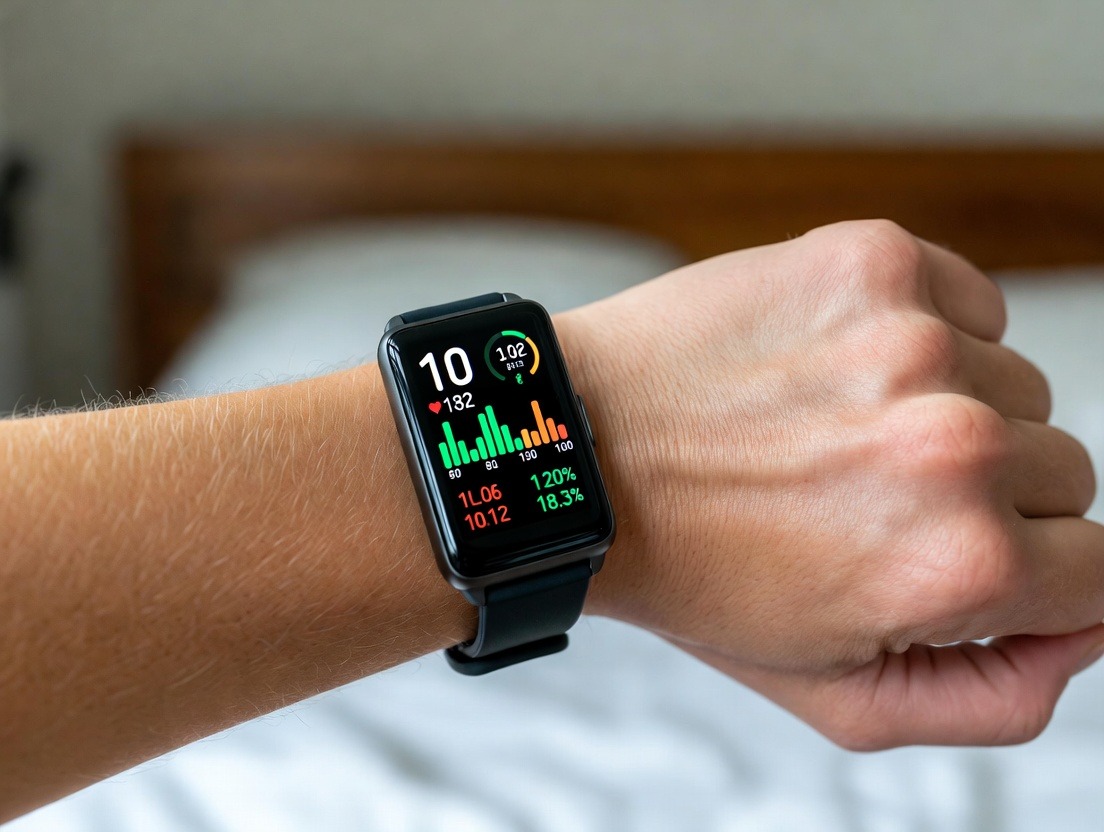
As powerful as this technology is, it is crucial to approach it with informed realism, not blind faith. Wearables are phenomenal trend-spotters and behavior-change tools, but they are not medical devices. Understanding their limitations is key to using them effectively without falling into anxiety or misinterpretation.
First, let's talk accuracy. Wearables are highly accurate at measuring some things, and estimates for others. They are excellent at measuring relative changes and trends for an individual. Your device is superb at telling you that your resting heart rate is 5 BPM higher today than your 30-day average. It is very good at showing the trend that your sleep duration has increased over the past month. This intra-individual consistency is their core strength. However, absolute accuracy varies. Step count and heart rate (during steady-state activities) are generally very good. Sleep stage classification is a good estimate but can have error rates of 10-20% compared to a PSG lab, especially in distinguishing between light sleep and quiet wakefulness. Blood oxygen (SpO2) readings can be influenced by skin pigmentation, sensor fit, and ambient temperature, and are best used for spotting significant drops, not for precise, clinical-grade values.
The Fit Factor is the single greatest source of error. All optical sensors (PPG, SpO2) require consistent, proper skin contact. A ring or watch that is too loose, worn on a bony wrist, or moves during sleep will introduce "motion artifact" and dropouts in the signal. This is why form factor matters immensely. A smart ring often has an advantage in sleep tracking due to the fleshy finger base providing consistent contact and less movement than a wrist during sleep.
Biological variability and individual differences present another challenge. Algorithms are often trained on large, diverse datasets, but human physiology is a spectrum. People with certain arrhythmias, very dark skin pigmentation (which can absorb more LED light), or unique vascular responses may experience reduced accuracy. No algorithm is perfect for 100% of the population 100% of the time.
What wearables cannot do is as important as what they can. They cannot diagnose. A low HRV score indicates systemic stress; it does not tell you if that stress is from overtraining, poor nutrition, an argument with your partner, or a thyroid condition. They cannot measure mental or emotional states directly. They infer stress from physiological arousal (HRV, EDA), but cannot distinguish between the stress of a deadline and the excitement of a first date. They have blind spots. They don't measure blood glucose, hormone levels, brain chemistry, or internal inflammation markers (though research is ongoing in these areas).
Therefore, the wisest approach is to use your wearable as a guide, not a guru. Focus on the longitudinal trends—the moving averages over weeks and months—not the day-to-day fluctuations, which can be noisy and misleading. Let the data prompt self-reflection, not self-judgment. If your readiness score is low, instead of ignoring it to push through a workout, use it as a signal to explore why. Maybe you need a restful living evening ritual to prepare for sleep or to examine your daily habits. The ultimate diagnostic tool is still you, in consultation with a healthcare professional, using the wearable's data as one piece of a much larger puzzle.
When you track your sleep, heart rate, and location, you are generating a continuous digital diary of your biological and behavioral life. This data is arguably more sensitive than your financial records or social media history—it can reveal your state of health, your daily routines, and even intimate details like sexual activity or menstrual cycles. Therefore, understanding the privacy and security landscape is a non-negotiable part of being a informed user.
First, data ownership and terms of service. When you sign up for a wearable service, you grant the company a license to use your data. It is critical to read the privacy policy. What are they allowed to do with your aggregated and anonymized data? Most reputable companies use this for internal research to improve algorithms, or they may share it with academic partners for health studies. This is generally benign and beneficial, as it fuels innovation. The red flag question is: do they sell your personal data to third-party advertisers? The best companies have a clear, emphatic "no" here. Their business model is based on selling you hardware and/or software subscriptions, not your data.
Security in transmission and storage is the technical bedrock. Data should be encrypted end-to-end: encrypted on the device, during transmission (via BLE and internet protocols like TLS), and while "at rest" on the company's servers. Look for companies that use industry-standard encryption (like AES-256) and undergo regular third-party security audits. The principle of data minimization is also key: the device and company should only collect the data necessary for the stated functions. A basic fitness tracker doesn't need access to your contacts.
Perhaps the most empowering feature is user control and transparency. A trustworthy platform will give you clear, accessible controls in the app. You should be able to:
The future of personal health data is moving toward user-centric models. Concepts like personal health vaults, where you own your data and grant temporary, specific access to apps, devices, or doctors, are gaining traction. Blockchain and other decentralized technologies are being explored for this purpose. The ideal future is one of sovereignty, where you are the custodian of your biological data, and companies act as stewards with transparent, revocable access.
As a user, your responsibility is to be proactive. Use strong, unique passwords and enable two-factor authentication on your wellness accounts. Be selective about which third-party apps you connect to your wearable data (like Strava or Apple Health). Each connection is a potential vulnerability. Treat your health data with the same seriousness you treat your medical records, because, in the digital age, that is precisely what they are becoming.
We are on the cusp of a paradigm shift, from descriptive health tracking ("what happened") to prescriptive and predictive health guidance ("what to do" and "what might happen"). The convergence of advanced sensors, ubiquitous AI, and massive biological datasets is steering wearable technology toward three defining frontiers.
The first is predictive health analytics and early detection. Future systems will move beyond spotting an oncoming cold 24 hours in advance. By analyzing vast, longitudinal datasets across populations, AI will identify subtle, pre-symptomatic biomarkers for chronic conditions. Imagine a system that notices a gradual, year-long shift in your nocturnal heart rate pattern, combined with micro-changes in vascular tone (from PPG waveform analysis) and sleep fragmentation, and flags a statistically elevated risk profile for hypertension or metabolic syndrome—years before a clinical diagnosis. This turns wearables into true early-warning systems, enabling preventative lifestyle interventions when they are most effective.
The second frontier is deep personalization through multi-omics integration. "Omics" refers to the comprehensive measurement of various biological layers: genomics (your DNA), metabolomics (your metabolic byproducts), proteomics (your proteins), and the gut microbiome. The future wearable won't operate in a vacuum. It will be part of an ecosystem. You might get a one-time genomic test that reveals your predisposition for low magnesium absorption. Your wearable, detecting physiological signs consistent with that deficiency, could then cross-reference that with your metabolomic data from a quarterly blood test and your daily activity logs to recommend a highly specific dietary adjustment. Health guidance becomes hyper-contextual: "Based on your unique biology and current physiological state, you need 15 minutes of sunlight now, followed by a meal containing spinach and almonds."
The third shift is toward passive, ambient, and truly effortless monitoring. The goal is to remove the "self" from "self-tracking." Future devices will be smaller, more power-efficient, and potentially embedded in everyday objects—earbuds that measure core temperature, a bathroom mirror that analyzes your facial blood flow for cardiovascular trends, or a bed sensor that tracks sleep and breathing without you wearing anything. The smart ring is a step in this direction, being unobtrusive enough to be worn 24/7. This ambient data collection will provide a seamless, background health monitor that never requires charging, syncing, or conscious engagement, feeding a constantly updated model of your health.
This future points to a world where health management is continuous, personalized, and predictive. It empowers a shift from a sick-care system to a genuine wellness culture, where technology helps us not just live longer, but live better, with more vitality and awareness. It is the ultimate fulfillment of the promise hidden within today's sensors, algorithms, and AI.
The ultimate test of any technology is not its sophistication, but its impact. A perfect sleep score or a beautifully charted HRV trend is meaningless if it sits in an app, disconnected from your lived experience. The final, and most human, challenge is translation: how do we turn this flood of data into sustainable, positive behavior change and genuine well-being? This is where the art of restful living meets the science of biometrics.
The first step is identifying your personal levers. Your wearable data reveals your unique physiological responses. Use it as a biofeedback tool. Over a month, experiment with single, controlled changes. For one week, institute a strict digital sunset at 9 PM. Observe the impact on your sleep depth and HRV. The next week, try a 20-minute afternoon walk. Does it lower your evening resting heart rate? The goal is to move from generic advice ("get more sleep") to personalized evidence ("for me, a 10-minute meditation before bed increases my deep sleep by 12%"). This process of self-experimentation turns you into the scientist of your own life.
This leads to building micro-habits, not monumental overhauls. Lasting change is built on consistency, not intensity. Instead of aiming for an impossible 8.5 hours of sleep every night, start by focusing on a consistent wake-up time, even on weekends. Use your wearable's alarm for a gentle, in-phase wake-up. Instead of vowing to meditate for an hour daily, start with a 5-minute breathing exercise guided by your wearable's stress alert, using its EDA sensor to show you the direct, calming effect on your physiology. These micro-habits, reinforced by positive data feedback, create compound interest for your health. For practical ways to weave these into a busy life, explore strategies for restful living for busy professionals through micro-recovery.
Crucially, we must avoid quantification burnout. It is possible to become a slave to the score, where a 78 instead of an 85 ruins your morning. This is counterproductive and increases stress—the opposite of the tool's purpose. Practice data-informed intuition. Check your data in the morning to understand your recovery state, then put the phone away. Let the score guide your intention ("I'll take it easier today"), not dictate your self-worth. Schedule regular "data vacations"—a weekend where you wear the device but don't look at the app, reconnecting with how you feel in your body. The device is there to augment your intuition, not replace it.
Finally, synthesize the data into a holistic narrative. Your sleep score, readiness, activity, and stress metrics are not isolated silos. They are chapters in a single story: your body's ongoing dialogue with the world. A poor sleep score after a high-strain day is not a failure; it's a logical, expected outcome. A high readiness score after a rest day is a success of recovery. View the data as a holistic dashboard, not a report card. This integrated view fosters a more compassionate, curious, and effective relationship with your own health, paving the way for the deep, systemic lifestyle integration we will explore next.
Data points in isolation are like individual instruments playing alone. Their true power emerges when they are orchestrated into a symphony—a holistic, self-reinforcing lifestyle system. Systemic integration is the process of using your wearable’s insights to intentionally design and adjust the foundational pillars of your daily life, creating positive feedback loops between behavior and biology.
The core concept is circadian rhythm optimization. Your body operates on a master 24-hour clock that governs sleep-wake cycles, hormone secretion (cortisol, melatonin), digestion, and cellular repair. Wearables provide the tools to see and honor this rhythm. Use your device’s sleep and wake time data to establish a consistent chronotype-aligned schedule. Notice the times of day your energy naturally dips and peaks (often visible in your body temperature and heart rate trends). Schedule demanding cognitive work during your biological peaks, and honor the dips with restorative breaks instead of fighting them with caffeine. By aligning your activities with your internal clock, you reduce systemic stress and improve the efficiency of every physiological process, from metabolism to memory consolidation. This alignment is a cornerstone of the restful living mindset: shifting from doing to being.
Next, use activity and recovery data to periodize your training. The old paradigm of pushing harder every day leads to plateaus and injury. The new paradigm, informed by wearables, is dynamic adaptation. Your readiness score is your daily guide. A high score suggests your body is primed for a high-intensity or high-volume session. A moderate score might indicate a focus on technique or moderate aerobic work. A low score is a non-negotiable signal for active recovery (gentle walking, mobility) or complete rest. Over weeks, you can observe how different training loads affect your HRV and sleep quality, allowing you to tailor not just daily workouts, but 4–6 week training blocks to maximize adaptation while minimizing overtraining risk. This turns exercise from a blunt instrument into a precision tool for building resilience.
Nutritional timing and response is another pillar. While wearables don’t directly measure macronutrients, they provide powerful proxy signals. Track how different meals and eating windows affect your physiological markers. Do late-night meals disrupt your sleep depth and elevate your overnight heart rate? Does a high-glycemic lunch lead to an afternoon energy crash correlated with a dip in heart rate variability? Use your device to experiment. Try finishing dinner 3 hours before bed for a week and note the change in your sleep score. Observe if consistent meal times help stabilize your daily energy levels. The goal is to move beyond generic diet rules to understanding how your unique metabolism responds to timing and food choices, using your body’s own signals as the ultimate feedback mechanism.
Finally, integrate stress management as a measurable practice. Instead of viewing stress as a vague feeling, use your wearable’s HRV and EDA data to make it tangible. Schedule short, deliberate recovery practices throughout the day—not just when you feel overwhelmed. After a stressful meeting, check your HRV log. Engage in a 5-minute guided breathing exercise using your wearable’s biofeedback mode and watch the real-time physiological shift. This practice of micro-recovery prevents stress from accumulating and becoming chronic. It transforms stress management from a reactive crisis activity into a proactive, daily health discipline, fundamentally supporting a restful living approach that reduces chronic stress and burnout.
This systemic view treats your lifestyle as an interconnected ecosystem. A change in one pillar (sleep) affects all others (stress resilience, workout performance, hunger cues). The wearable is the monitoring system that allows you to steward this ecosystem with awareness and intention, moving you from fragmented data points to a coherent strategy for sustained vitality.
While technology provides the data, human connection and expertise provide the context, accountability, and wisdom necessary for transformation. The most advanced algorithm cannot replace the nuanced guidance of a skilled coach or the motivational power of a supportive community. The future of health technology lies in a hybrid model that elegantly combines silicon and soul.
Data-enabled coaching represents a massive leap forward. Imagine sharing your wearable’s dashboard—with your permission—with a certified sleep coach, personal trainer, or nutritionist. Instead of relying on your subjective recall (“I sleep pretty well”), they see an objective, multi-week timeline of your sleep architecture, recovery metrics, and activity strain. This allows for profoundly personalized guidance. A trainer can see that your strength sessions are consistently degrading your HRV and adjust your programming in real time. A health coach can correlate periods of high stress (low HRV) with your food logs and suggest specific, timed nutrients to support adrenal function. The coach interprets the data story, provides expert hypothesis, and helps you design experiments, turning raw information into a actionable, collaborative health plan.
Beyond one-on-one coaching, social and community features leverage our innate drive for connection. Leaderboards for step challenges or sleep consistency can foster friendly accountability. More profoundly, sharing experiences within a community—discussing how others improved their deep sleep, or what they do when their readiness score is low—provides qualitative wisdom that complements quantitative data. Knowing you’re not alone in struggling with late-night screen time, and learning concrete tips from peers who overcame it, is a powerful motivator. However, this must be designed carefully to avoid toxic comparison; the focus should be on collective improvement and support, not competition that induces stress.
This leads to the critical role of healthcare professionals. The doctor-patient relationship is being transformed by wearable data. A patient arriving with a year of trended heart rate, sleep, and activity data is providing a richer health history than any recollection during a 15-minute appointment. For managing chronic conditions like hypertension, atrial fibrillation, or insomnia, continuous data is revolutionary. A cardiologist can review a month of heart rhythm data from an ECG-enabled device, looking for patterns an in-office EKG would never catch. A patient can show their psychiatrist objective sleep and stress data to fine-tune treatment plans. The wearable becomes a bridge between the episodic clinical encounter and the continuous reality of daily life, empowering more collaborative, preventative, and precise care. It shifts the patient’s role from passive recipient to active, data-empowered partner.
Ultimately, technology should facilitate, not replace, human wisdom. The data tells the “what”; coaches, communities, and clinicians help us understand the “why” and guide us on the “how.” This synergy creates a powerful support structure, ensuring the journey towards better health is informed, supported, and sustainable.
As health tracking technology becomes more powerful and pervasive, it carries with it a set of profound ethical responsibilities. The promise of personalized health must be weighed against the risks of exacerbating existing inequalities, embedding societal biases, and creating new forms of digital disparity. Building an equitable future requires proactive and thoughtful navigation of these challenges.
Algorithmic bias and representation is a primary concern. Machine learning models are only as good as the data they are trained on. If the datasets used to develop sleep stage algorithms, activity classifiers, or HRV norms are predominantly composed of young, male, able-bodied, and light-skinned individuals, the models will perform poorly for populations not represented in that data. For example, PPG sensor accuracy can vary with skin tone due to differences in light absorption, leading to less reliable heart rate and SpO2 data for people with darker skin. This isn't just an accuracy issue; it's an equity issue. It means the benefits of this technology are not distributed fairly. Addressing this requires a concerted effort from companies to build inclusive and representative training datasets from the outset and to transparently disclose the known limitations of their algorithms across demographics.
The digital divide and access extends beyond smartphones. Advanced health wearables with the latest sensors and AI insights are premium products. This creates a tiered system where the wealthy have access to predictive, preventative health insights, while lower-income individuals may be limited to basic tracking, or none at all. This could widen existing health disparities, giving a systemic advantage to those who can afford the technology. Solutions may include insurance or employer subsidization of validated health devices, the development of accurate, low-cost alternatives, and robust public health research into how to democratize the benefits of biometric monitoring without requiring expensive consumer hardware.
Perhaps the most subtle danger is the rise of healthism and data-driven anxiety. When every heartbeat and sleep minute is quantified, it can foster a neurotic relationship with the body, where self-worth becomes tied to numerical scores. This can lead to obsessive behaviors, orthosomnia (an unhealthy preoccupation with perfect sleep data), or the neglect of subjective well-being in favor of objective metrics. The technology must be designed to discourage this, perhaps by emphasizing trends over daily scores, incorporating subjective mood logging alongside biometrics, and even building in prompts for digital detox. The goal should be to foster a compassionate, curious relationship with one’s health, not a punitive, perfectionist one.
Finally, we must grapple with long-term data ownership and use. Who truly owns your 10-year health timeline? Could this data be used by employers to screen candidates, by insurers to adjust premiums, or by other entities in ways that harm you? Clear, strong regulations—like the GDPR’s classification of biometric data as “special category data”—are essential. The ethical model is one of stewardship, not ownership. Companies should act as stewards of user data with a fiduciary responsibility, providing users with transparent control, the right to delete, and clear boundaries on how data can be used to avoid discrimination and exploitation.
Navigating these ethical horizons is not optional; it is integral to building a future where health technology uplifts all of humanity, rather than creating a new class of digitally-enhanced health haves and have-nots. The conversation must evolve alongside the technology itself.

For all the engineering and algorithmic brilliance under the hood, a health wearable’s success ultimately hinges on a simple question: Do people use it, and does it help them feel better? This is the domain of user experience (UX) design and applied behavioral psychology. The most scientifically accurate device is a failure if it feels cumbersome, confusing, or demotivating. The best devices are those that nudge us gently toward better habits by understanding how humans think, feel, and behave.
The power of intuitive design and actionable feedback cannot be overstated. A user should not need a manual to understand their data. Clean, clear visualizations that highlight the most important insight of the day are crucial. Instead of showing 15 metrics equally, a well-designed app might have a single “Daily Readiness” screen that synthesizes the key takeaways: “You’re well recovered. Your sleep was efficient, and your HRV is high. It’s a great day for a challenging workout.” This reduces cognitive load and decision fatigue. Notifications should be timely, respectful, and helpful—a gentle reminder to wind down 60 minutes before your average bedtime, based on your own data, is more effective than a generic 10 PM alert.
Underpinning this are principles of behavioral science. The most effective platforms use techniques like:
These techniques help bridge the infamous "intention-action gap," turning a desire for better health into concrete, repeated behaviors.
Furthermore, the physical design of the device is a UX concern. A smart ring succeeds partly because it’s easy to forget you’re wearing it; it removes the friction of daily charging (with multi-day battery life) and doesn’t interfere with sleep or activity. A comfortable, aesthetically pleasing device you’re happy to wear 24/7 is fundamental to collecting the continuous data that makes everything else possible. This is why the concept of restful living spaces that design for calm and restoration extends to the technology we wear; it should feel like a seamless part of our lived environment, not a burdensome tool.
Ultimately, human-centered design recognizes that we are not robots optimizing for metrics. We are emotional, habit-driven, sometimes irrational beings. The technology that will change our lives meets us where we are, makes the healthy choice the easier choice, and guides us with a combination of empathy and evidence. It doesn’t just track our biology; it respects our psychology.
In our pursuit of personal well-being through technology, we must also consider the well-being of the planet. The proliferation of wearables—devices with relatively short lifespans, containing rare earth elements, and requiring constant charging—carries an environmental impact. A truly holistic view of wellness acknowledges this connection and looks toward sustainable innovation.
The lifecycle of a wearable begins with material sourcing and manufacturing. Sensors require minerals like lithium (for batteries), silicon, and often gold or other precious metals for circuitry and electrodes. Mining these materials has significant ecological and often human costs. The energy-intensive process of manufacturing and assembling these miniaturized components in clean rooms further adds to the carbon footprint. As consumers, supporting companies that prioritize recycled materials, responsible sourcing (e.g., adhering to standards like the Responsible Minerals Initiative), and energy-efficient manufacturing is a step toward reducing this upstream impact.
The use-phase energy consumption of billions of devices constantly sensing, processing, and transmitting data is a growing consideration. While an individual device uses minimal power, the aggregate network effect is substantial. Innovations in ultra-low-power chip design, like those using novel semiconductor materials or more efficient processing architectures (e.g., neuromorphic computing that mimics the brain’s efficiency), are critical to reducing this load. Furthermore, the cloud servers that process all this data run on electricity; powering these data centers with renewable energy is a major responsibility for tech companies.
The end-of-life stage presents the biggest challenge: e-waste and product longevity. Wearables are fashion-adjacent and tech-driven, leading to upgrade cycles that can be as short as 1-2 years. A device discarded after 24 months is an environmental failure. The industry must prioritize:
Finally, the most sustainable device is the one you already own. As users, we can adopt a mindset of conscious consumption. Do you truly need the latest model, or does your current device provide the core insights you rely on? Can you replace the battery instead of the whole unit? By choosing durability over novelty, we align our personal wellness journey with planetary health. This perspective invites us to consider how nature itself supports restful living, reminding us that our health is inextricably linked to the health of the natural environments we seek out for restoration. The most advanced health tracker cannot offset the wellness cost of a degraded planet.
The aggregate data from millions of wearable users forms a living, breathing dataset of unprecedented scale and granularity—a digital phenotype of humanity. This collective data pool, when anonymized and responsibly used, transcends personal insight and becomes a powerful engine for population-level health research and scientific discovery, offering clues to some of our most persistent public health challenges.
Large-scale epidemiological research is being transformed. Traditionally, health studies rely on intermittent surveys, clinic visits, or expensive, small-scale monitoring. Wearables provide continuous, objective, and passive data collection at population scale. Researchers can now investigate questions like: How do subtle, weekly changes in community-level sleep patterns correlate with seasonal flu outbreaks? Do city-wide stress levels (aggregated from HRV trends) spike predictably before or after major economic events? By analyzing the biometric data of hundreds of thousands of people across geographic and demographic lines, scientists can identify patterns and risk factors for mental health trends, cardiovascular events, and infectious disease spread with a precision never before possible.
This data is also key to validating and refining the algorithms themselves. When a user undergoes a sleep study in a lab, their simultaneous wearable data can be used to ground-truth the device’s estimates. At scale, this creates a virtuous cycle: real-world data makes the algorithms smarter and more inclusive, which in turn provides better tools for individuals and more reliable data for researchers. This is particularly important for understanding health across the lifespan, creating better normative ranges for metrics like HRV for different age groups, genders, and ethnicities.
Perhaps one of the most exciting prospects is the potential for digital clinical trials and remote patient monitoring (RPM). Clinical trials are notoriously expensive, slow, and geographically limited. Wearables enable decentralized trials where participants can be monitored from home, increasing diversity and reducing dropout rates. For chronic disease management (e.g., heart failure, COPD, diabetes), continuous wearable data allows clinicians to detect exacerbations early—like a steady increase in resting heart rate or a change in nocturnal breathing patterns—and intervene before a costly emergency room visit is necessary. This shifts healthcare from a reactive, hospital-centric model to a proactive, home-centric one.
Furthermore, this collective data can help map the social determinants of health in new ways. By anonymously correlating biometric trends with zip code-level data on pollution, access to green space, noise levels, and economic factors, public health officials can gain a dynamic, real-time understanding of how environments affect physiology. This can guide more effective and targeted public policy, urban planning, and community health interventions.
The responsibility here is immense. This research must be conducted with rigorous ethical oversight, robust anonymization, and informed consent. But the potential reward is a deeper, faster, and more democratic form of medical science, where everyday people contributing their data become active participants in building a healthier future for all.
At the furthest frontier of health tracking lies a provocative and complex question: Can we measure the immeasurable? As sensors probe deeper into our autonomic nervous system—the bridge between our conscious minds and our unconscious physiology—they begin to touch upon states traditionally associated with spirituality, mindfulness, and altered consciousness. This brings the quantified self movement into dialogue with ancient wisdom traditions, creating both fascinating possibilities and profound philosophical tensions.
Wearables are becoming tools for objective biofeedback in contemplative practice. Meditators have long reported on subjective experiences of calm, focus, or transcendence. Now, devices with HRV and EDA sensors can provide real-time, objective validation. During meditation, a practitioner can watch their HRV increase and their heart rate decrease, a direct physiological signature of the “relaxation response.” This biofeedback can accelerate learning, helping a novice meditator understand what mental techniques actually produce a physiological shift toward parasympathetic dominance. It demystifies the process, making the benefits of practices like mindfulness and breathwork tangible and data-verified. This creates a powerful bridge for the scientifically-minded to engage with practices that foster a restful living philosophy of less hustle and more health.
This leads to the exploration of flow states and peak performance. “Flow”—that state of total absorption and effortless action—has been described subjectively by athletes, artists, and thinkers. Now, researchers are using wearables to seek its biometric signature. Is it a specific pattern of heart rate coherence? A particular balance of sympathetic and parasympathetic tone? By monitoring individuals during activities known to induce flow, we may one day be able to identify its physiological prerequisites and even develop training protocols to help people enter this optimal state more reliably.
However, this territory is fraught with philosophical and existential tensions. Does quantifying a spiritual experience diminish it? Does turning awe into data risk commodifying the sacred? There is a valid concern that an over-reliance on metrics could lead to “checklist spirituality,” where the goal becomes optimizing a score rather than experiencing a state of being. The deepest forms of human experience—love, connection, awe, transcendence—may always resist full reduction to a PPG waveform or HRV reading.
Therefore, the wisest approach in this uncharted territory is one of humble toolmaking. The wearable can be a compass, not the territory. It can point toward practices and states that are beneficial, provide feedback on their physiological correlates, and help integrate these states into daily life. But it cannot replace the subjective, first-person experience itself. The data should serve as a guide back into the richness of lived experience, not a substitute for it. In this balance, technology supports a modern path to well-being that honors both the material reality of our biology and the mysterious depth of our consciousness.
Our journey through the layers of health tracking technology—from the silicon of sensors, through the logic of algorithms, to the learning of AI—reveals a tool of remarkable complexity and promise. We have seen how it personalizes, predicts, and prompts. We have examined its limitations, its ethical shadows, and its potential to reshape not just individual lives, but medicine and society itself.
The central thesis that emerges is one of augmented introspection. These devices are not oracles handing down health decrees. They are mirrors, reflecting back to us a quantified, continuous story of our own biology—a story we were largely blind to before. They externalize our internal rhythms, giving us a language to understand the dialogue between our lifestyle and our physiology. This is a profound form of self-knowledge.
With this knowledge comes a new form of agency and self-efficacy. We are no longer passive passengers in our bodies, subject to mysterious energy slumps, poor sleep, or unexplained stress. We are pilots with a detailed dashboard. We can run experiments: What happens if I drink caffeine after 2 PM? How does a 20-minute nature walk affect my stress levels? We become active participants in our well-being, making informed choices based on evidence from our own unique system. This empowers the shift from a model of “healthcare” done to us, to one of “health cultivation” done by us.
However, this agency must be tempered with wisdom and balance. The goal of all this tracking is not to create a perfectly optimized, sterile life lived in service of a score. The goal is to create more vitality, resilience, and presence so we can engage more fully with what makes life meaningful: relationships, creativity, contribution, and joy. The data should serve life, not the other way around. This requires knowing when to look at the dashboard and when to look out the windshield at the horizon. It means using the technology to establish simple daily habits for deeper calm, and then trusting those habits enough to occasionally disconnect.
The future we are building is one of symbiosis, not subjugation. It is a future where human intuition is informed by machine intelligence, where doctors are aided by continuous data, and where our innate drive for well-being is supported by ambient, thoughtful technology. The promise of health tracking is not a transhumanist fantasy of self-optimization, but a deeply humanist one: using our ingenuity to create tools that help us live more in tune with our own nature.
As we stand at this intersection of biology and technology, the most important metric may never be captured by a sensor. It is the quality of our attention, the depth of our connections, and our sense of purpose and peace. If our devices can guide us toward a life where those intangible qualities flourish, then they will have fulfilled their highest purpose. They will have helped us become not just healthier humans, but more fully human.
Your Trusted Sleep Advocate: Sleep Foundation — https://www.sleepfoundation.org
Discover a digital archive of scholarly articles: NIH — https://www.ncbi.nlm.nih.gov/
39 million citations for biomedical literature :PubMed — https://pubmed.ncbi.nlm.nih.gov/
Experts at Harvard Health Publishing covering a variety of health topics — https://www.health.harvard.edu/blog/
Every life deserves world class care :Cleveland Clinic - https://my.clevelandclinic.org/health
Wearable technology and the future of predictive health monitoring :MIT Technology Review — https://www.technologyreview.com/
Dedicated to the well-being of all people and guided by science :World Health Organization — https://www.who.int/news-room/
Psychological science and knowledge to benefit society and improve lives. :APA — https://www.apa.org/monitor/
Cutting-edge insights on human longevity and peak performance:
Lifespan Research — https://www.lifespan.io/
Global authority on exercise physiology, sports performance, and human recovery:
American College of Sports Medicine — https://www.acsm.org/
Neuroscience-driven guidance for better focus, sleep, and mental clarity:
Stanford Human Performance Lab — https://humanperformance.stanford.edu/
Evidence-based psychology and mind–body wellness resources:
Mayo Clinic — https://www.mayoclinic.org/healthy-lifestyle/
Data-backed research on emotional wellbeing, stress biology, and resilience:
American Institute of Stress — https://www.stress.org/


