


The Wellness Ring Basics Comparison Chart for Top Brands
A comparison table that lays out the key features and specifications of leading wellness ring brands side-by-side.
A comparison table that lays out the key features and specifications of leading wellness ring brands side-by-side.
%402x.svg)
Imagine a world where your most profound health insights don’t come from an annual doctor’s visit, but from a silent, elegant piece of jewelry you wear every day. A world where your sleep quality, stress levels, and readiness to perform are measured not in vague feelings, but in precise, actionable data. This is no longer science fiction. The wellness ring has arrived, and it’s transforming our relationship with our own bodies.
Gone are the days when health tracking meant clunky wristbands with distracting screens. The smart ring, sleek and unobtrusive, represents the next frontier in biometric wearables. It leverages the unique vascularity of your finger—a prime location for accurate sensor readings—to monitor your physiology 24/7. From elite athletes optimizing their training to busy parents managing stress, these diminutive devices are empowering millions with a continuous stream of personal health intelligence.
But with great innovation comes great complexity. The market is now brimming with options from pioneering brands like Oura, Ultrahuman, Circular, and newer entrants, each promising a unique path to wellness. How do you choose? What metrics truly matter? Is it about the most detailed sleep analysis, the most proactive stress alerts, or the most elegant design? This comprehensive guide is your answer. We will dissect the core components of every leading wellness ring, providing you with the foundational knowledge and comparative insights you need to make an informed decision. This is more than a product comparison; it’s a masterclass in understanding the technology that’s poised to become as essential as your smartphone.
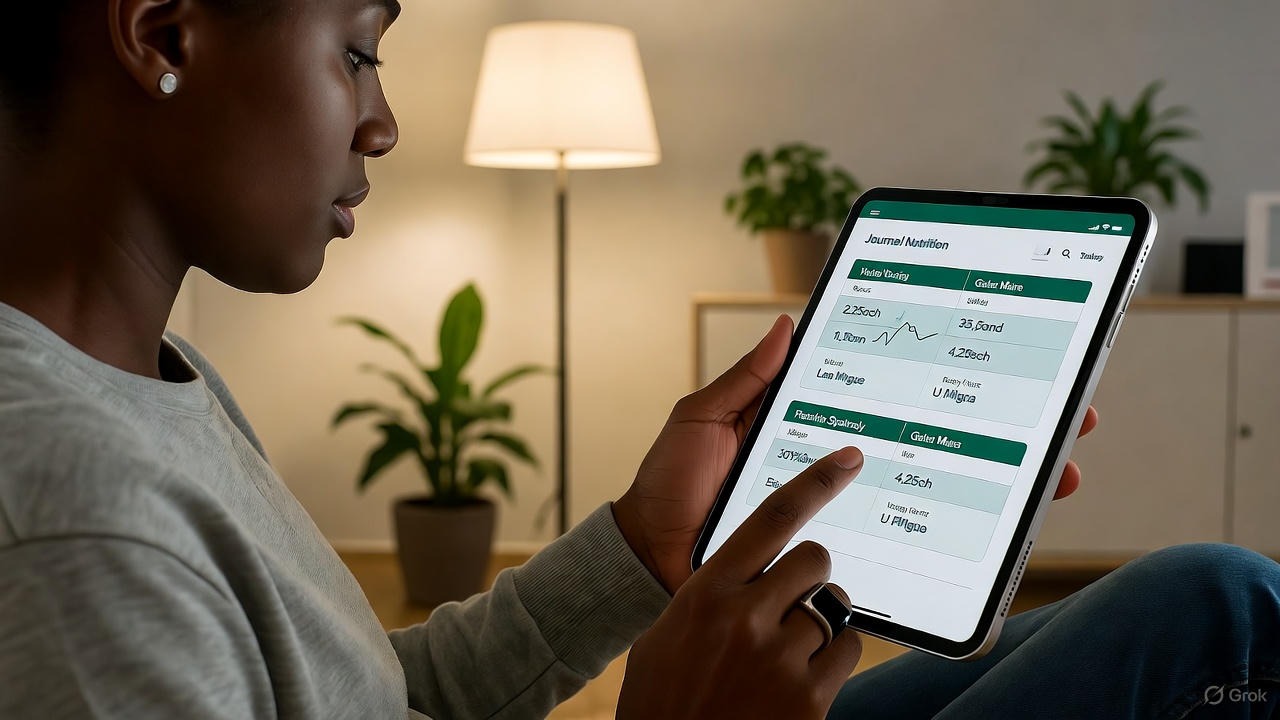
The journey from the first pedometer to today’s sophisticated wellness rings is a story of miniaturization, sensor evolution, and a fundamental shift in design philosophy. For years, the wrist was the default home for wearables. While smartwatches revolutionized fitness tracking, they introduced a paradox: a device meant to improve well-being could also be a source of constant distraction, glowing with notifications and demanding interaction. Furthermore, the wrist is not always the ideal location for certain biometrics, prone to movement artifacts that can skew data.
The shift to the finger was driven by a quest for accuracy and tranquility. The finger, rich in capillaries, allows for strong photoplethysmography (PPG) signals—the core technology for measuring heart rate and blood oxygen. This placement also naturally avoids the bone interference that can challenge wrist-based sensors. But the breakthrough was as much psychological as it was technological. A ring is jewelry first. It’s meant to be worn continuously, even during sleep and high-intensity activities where a watch might be cumbersome. This 24/7 wear is critical, as it unlocks the most valuable asset in health tracking: longitudinal data.
The true power of a wellness ring isn’t in telling you your heart rate at a single moment; it’s in revealing the subtle trends and patterns that unfold over weeks and months. It’s noticing that your resting heart rate dips lower after a month of consistent meditation, or that your sleep sleep score begins to correlate directly with your weekly workload The Sleep Score Journey: Tracking Improvement Over Months. This continuous, passive monitoring creates a digital twin of your physiology, a baseline of “you” against which every deviation can be measured. Early pioneers recognized that by moving off the wrist and into a form factor we’re already accustomed to wearing constantly, they could achieve a level of data fidelity and user compliance previously impossible. This established the foundation for the modern wellness ring ecosystem we are about to explore in detail.
At first glance, the dashboard of a wellness ring app can be overwhelming. A cascade of scores, graphs, and percentages—Sleep Score, Readiness Score, Activity Score, HRV, Resting Heart Rate, Respiratory Rate. To make an informed choice between brands, you must first understand what these metrics mean, why they’re important, and which ones are marketing fluff versus genuine health indicators.
Let’s start with the pillars of recovery: Sleep and Stress.
Sleep Tracking: This is the cornerstone feature of every major wellness ring. It goes far beyond simply counting hours. Advanced rings use a combination of accelerometry (movement), heart rate variability (HRV), heart rate, and body temperature to map your sleep architecture. They identify when you are in light, deep, and REM sleep cycles, noting disruptions and wake-ups. The culmination is often a Sleep Score. But not all sleep scores are created equal. A robust score is a weighted composite of duration, efficiency (time asleep vs. time in bed), timing (consistency of bedtime), and the balance of your sleep stages. To truly understand if your score is healthy, it’s vital to look beyond the number to what the research says about quality rest Sleep Score Standards: What Research Says Is Healthy.
Stress and Recovery Metrics: This is where rings truly differentiate themselves. The primary biomarker here is Heart Rate Variability (HRV). Unlike your heart rate (beats per minute), HRV measures the subtle, millisecond variations between each heartbeat. A higher, more variable HRV generally indicates a resilient, recovered nervous system, while a lowered HRV can signal stress, fatigue, or illness. Resting Heart Rate (RHR) is its more familiar counterpart; a lower RHR typically indicates better cardiovascular fitness. Nighttime averages of these metrics are considered gold-standard, as they are measured in a controlled, resting state. Together, they form the basis of “Readiness” or “Recovery” scores, which advise you on how hard to push yourself each day. Crucially, this data shows how your sleep score is a direct reflection of your total body recovery How Your Sleep Score Reflects Total Body Recovery, linking sleep quality directly to your physical capacity.
Other key metrics include Body Temperature, with some rings now offering continuous circadian temperature tracking to predict illness or, for women, map fertile windows. Blood Oxygen Saturation (SpO2) monitoring, especially during sleep, can help screen for issues like sleep apnea. Activity and Calories are also tracked, though often with less focus than dedicated fitness devices, as the ring’s philosophy leans more toward balancing activity with recovery.
Understanding this lexicon is your first step. Next, we’ll see how the top brands prioritize, interpret, and present this data to you, creating distinct philosophies of care.
A wellness ring can have the most advanced sensors in the world, but if it’s uncomfortable or aesthetically unappealing, it will end up in a drawer. Design and wearability are not secondary concerns; they are primary determinants of long-term success. This category breaks down into three key elements: form factor, comfort for 24/7 use, and battery life.
Form Factor and Aesthetics: The leading brands have taken divergent paths. Some prioritize a minimalist, uniform band that looks like a modern wedding ring, appealing for its subtlety. Others offer a slightly more tech-forward look with a discreet sensor bump on the inner curve, often accompanied by a touch-sensitive surface or a tiny LED indicator. Materials are paramount: aerospace-grade titanium is the industry standard for its strength, light weight, and hypoallergenic properties. Finishes range from brushed and matte to polished, with some brands offering optional gold or black coatings. Size and profile (how tall it sits on your finger) also vary. A thinner, lower-profile ring is less likely to catch on clothing but may house a smaller battery.
The 24/7 Comfort Test: This is non-negotiable. The ring must be comfortable enough to wear during weightlifting, typing, sleeping, and showering (if waterproof). The inner contour is critical—it should be rounded and smooth to prevent hot spots. Weight is also a factor; a heavier ring might feel more substantial but could become annoying. The sizing process is arguably more important than with a smartwatch. Brands typically send out physical or plastic sizing kits, and getting this right is essential. A ring that’s too tight will be uncomfortable and may affect circulation (and thus sensor accuracy), while one that’s too loose will spin and risk falling off.
Battery Life and Charging Ecosystem: Battery life is the silent engine of continuous tracking. Most top rings offer between 4 to 7 days on a single charge, a stark contrast to the daily charging required by many smartwatches. This longevity is what enables seamless overnight sleep tracking and multi-day trends. The charging solution is also part of the design. Some use elegant, compact charging pods that double as display stands, while others employ simple puck-style chargers. The ease of popping the ring on and off the charger becomes part of your weekly rhythm.
A ring that disappears on your hand—both physically and mentally—is the ultimate design goal. It must become a part of you to do its job effectively. This seamless integration is the bridge between raw biometric data and a lifestyle of restful living, where technology supports calm rather than disrupts it The Art of Restful Living in a Fast-Paced World.
Beneath the sleek exterior of a wellness ring lies a miniaturized laboratory. The accuracy and breadth of your health data are entirely dependent on the quality and sophistication of these sensors. While brands are often secretive about their exact configurations and algorithms, we can compare the core sensor suites and their proven applications.
The PPG Heart: At the center of it all is the Photoplethysmography (PPG) sensor. It works by shining LED light (typically green and red/infrared) into the skin and measuring the amount of light reflected back. As blood volume in the capillaries changes with each heartbeat, so does the light absorption. A superior PPG system uses multiple LEDs and photodiodes to capture a cleaner signal, fighting against the common enemy known as “motion artifact”—the noise created by hand movements. Some brands use accelerometers in tandem with advanced algorithms to filter out this noise, especially during sleep. The goal is a clinical-grade heart rate and HRV reading from a device on your finger.
The Temperature Revolution: While heart rate is standard, continuous body temperature sensing is a newer, game-changing feature. Early rings used a simple thermometer that took a single, spot-check reading each night. The latest generation employs negative temperature coefficient (NTC) sensors that take readings every minute, creating a detailed circadian rhythm chart. This allows the ring to detect a subtle fever onset before you feel symptoms, and for women, it provides a powerful tool for hormonal cycle tracking by identifying the basal body temperature shift that occurs after ovulation.
SpO2 and Beyond: Blood oxygen sensing uses red and infrared LEDs to measure the oxygen saturation in your blood. While continuous SpO2 monitoring is a battery drain, most rings use it in a targeted, overnight mode to check for potential breathing disturbances. Other sensors can include a 3D accelerometer for activity and sleep movement tracking, and some prototype rings are even experimenting with non-invasive glucose monitoring and ECG.
The Algorithmic Brain: Sensors collect raw data, but algorithms transform it into insight. This is where brands fiercely compete. Two rings with identical sensor hardware can deliver vastly different sleep stage breakdowns or recovery scores based on their proprietary data models. These algorithms are trained on massive datasets, often validated against polysomnography (the clinical gold standard for sleep studies) and other medical equipment. When evaluating accuracy, look for published validation studies or white papers. The best ring for you is one whose sensor suite aligns with your top priorities—be it sleep depth, stress resilience, or metabolic insights—and whose algorithmic interpretations you find actionable and trustworthy.
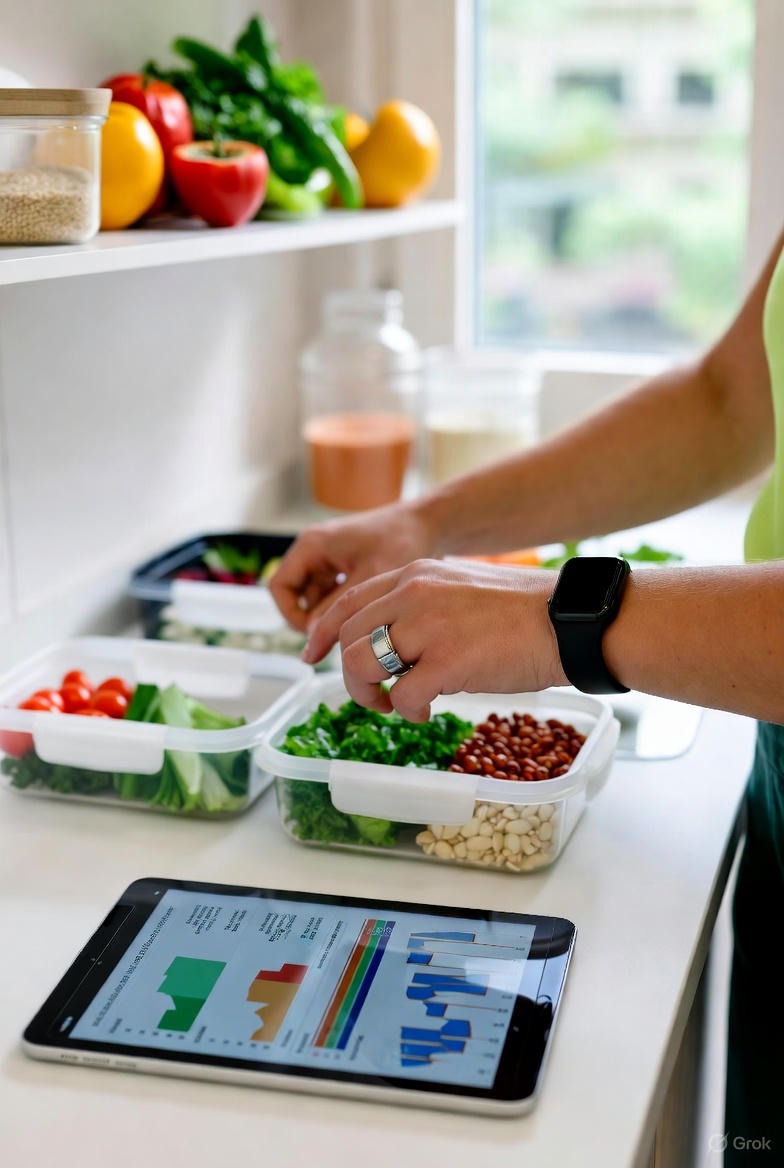
The ring is merely the data collector; the smartphone app is the portal to understanding. The user interface, dashboard layout, and philosophy of data presentation are where a brand’s personality shines and directly impacts user behavior. We can categorize app philosophies into two main camps: Score-Centric Simplicity and Data-Rich Exploration.
Score-Centric Simplicity (The Coach): This approach, pioneered by Oura, presents you with one or two primary scores each morning—typically a Sleep Score and a Readiness/Recovery Score. The interface is clean, almost sparse, with a clear number (like 85/100) and a brief, plain-language takeaway (“Good recovery. You’re ready for a challenging day.”). Drilling down reveals the contributing factors (HRV, RHR, sleep stages, etc.), but the initial experience is designed to prevent analysis paralysis. It tells you what to do, not just what happened. This is ideal for users who want guidance without getting lost in the weeds. It fosters a habit of checking in daily for a simple directive.
Data-Rich Exploration (The Lab): Brands like Ultrahuman and others lean into providing a vast array of graphs, timelines, and raw data points. Their dashboards can look like a scientist’s control panel, with real-time HRV charts, detailed sleep architecture maps, temperature curves, and live metabolic panels. This approach empowers the “quantified self” enthusiast who wants to experiment, correlate data with lifestyle choices (like seeing the effect of a late coffee on their sleep graph), and draw their own conclusions. It offers less hand-holding but more autonomy.
Actionability and Insights: Beyond the layout, the quality of the app is defined by its insights. Do you get generic tips (“consider going to bed earlier”) or personalized, context-aware suggestions based on your unique data trends? Some apps now offer guided content—meditations, breathing exercises, or workout suggestions—tailored to your recovery score. The best apps create a feedback loop: you take an action (e.g., a wind-down routine), see the positive impact on your data (improved deep sleep), and are thus reinforced to continue the healthy behavior. This journey from data to habit is the ultimate goal, turning the ring from a passive monitor into an active partner in building a more restful lifestyle through simple, daily habits Restful Living: Simple Daily Habits for Deeper Calm.
Here lies the most contentious topic in the wellness ring space: the subscription. The upfront cost of the ring hardware is significant, often ranging from $300 to $600. However, many leading brands have adopted a software-as-a-service (SaaS) model, where access to the full suite of data and insights requires an ongoing monthly or annual fee. Understanding this model is critical to calculating the true long-term cost.
The Rationale for Subscriptions: Brands argue that the subscription funds continuous development: new feature rollouts, algorithm improvements, app updates, and server costs for storing your lifetime of health data. It creates an ongoing relationship where you’re paying for software evolution, not just a static piece of hardware. This model allows them to avoid the “planned obsolescence” of annual hardware releases, as your ring can get smarter over time via software updates.
What’s Included (and What’s Locked): Typically, without a subscription, the ring will function as a basic activity tracker, showing steps, calories, and maybe last night’s sleep duration. The crown jewels—Sleep Scores, Readiness Scores, detailed sleep stage analysis, historical trend analysis, personalized insights, and advanced metrics like HRV and temperature trends—are locked behind the paywall. Some brands offer a one-time purchase with “lifetime” membership, but this is becoming rarer.
Evaluating the Value: When comparing rings, you must factor in the subscription cost over, say, a 2-3 year period. A ring with a lower upfront cost but a high monthly fee may ultimately be more expensive than a premium-priced ring with a more modest subscription or none at all. Ask yourself: Does the app provide enough ongoing, actionable value to justify a recurring fee? Does the company have a track record of delivering meaningful updates? Are there different subscription tiers? This financial model directly impacts which user base a brand attracts—from casual users wary of another monthly bill to dedicated biohackers who see the data as invaluable.
Beyond the subscription, consider the broader ecosystem. Does the ring sync with other apps like Apple Health, Google Fit, Strava, or training platforms? This interoperability can greatly enhance its utility, allowing your ring’s recovery data to inform your workout plans in a separate app, creating a holistic health-tech environment.

No discussion of wellness rings is complete without a deep analysis of Oura. As the brand that brought the category to mainstream consciousness, Oura Ring is the benchmark against which all others are measured. Its strategy is built on a triad of pillars: clinical validation, a human-centric design philosophy, and a rapidly expanding ecosystem.
The Oura Philosophy: Three Simple Scores. Oura’s genius was in simplification. Each morning, users are greeted with three scores: Sleep, Readiness, and later added, Activity. The Sleep Score (0-100) synthesizes duration, efficiency, timing, and sleep stages. The Readiness Score, perhaps its most famous feature, is a holistic measure of your body’s capacity to perform, derived from sleep, HRV, RHR, body temperature, and previous day’s activity. The Activity Score tracks movement and calories burned. This triad creates an intuitive feedback loop: Sleep affects Readiness, Readiness guides Activity, and Activity influences Sleep.
Design and Hardware Evolution: The Oura Ring (Generation 3) is a masterpiece of stealth technology. Its smooth, uniform titanium band hides its sensors completely, making it indistinguishable from fine jewelry. It’s lightweight, low-profile, and comes in multiple finishes. The latest generation added the crucial continuous temperature sensing and SpO2 monitoring, keeping it at the cutting edge. Its battery life remains best-in-class, often lasting a full week.
The Subscription and Oura’s Expanding World: Oura was a pioneer of the subscription model with its “Oura Membership.” This funds its ambitious software roadmap, which has included features like period prediction, workout heart rate tracking, and a new “Resilience” metric. More importantly, Oura has aggressively built partnerships, integrating with natural cycles for fertility, with telehealth providers, and even with sports leagues. It positions itself not just as a consumer device, but as a platform for restful living, offering content and tools to reduce chronic stress How Restful Living Reduces Chronic Stress and Burnout.
Critiques and Considerations: Oura’s primary critiques are its high upfront cost plus mandatory subscription, and its sometimes overly conservative or “nanny-ish” insights. Some power users desire more access to raw data. However, for the majority seeking a guided, elegant, and deeply validated entry into wellness tracking, Oura remains the default—and formidable—choice. It excels for those who want the data translated into clear, daily lifestyle advice without requiring a degree in physiology.
If Oura is the elegant, holistic life coach, Ultrahuman positions itself as the metabolic scientist and fitness optimizer. Born from a community of biohackers and athletes, the Ultrahuman Ring Air and its companion M1 continuous glucose monitor (CGM) platform represent a different, more aggressive approach to health data: one focused on energy utilization, metabolic health, and real-time fueling.
The Metabolic Focus: Ultrahuman’s core innovation is its “Ring Air” combined with its optional CGM sensor. While the ring tracks all standard metrics (sleep, HRV, etc.), its software is designed to interpret them through the lens of metabolic fitness. It introduces metrics like “Metabolic Score” and “Movement Score,” aiming to show how your lifestyle affects your body’s fuel efficiency. The ultimate integration comes when you use their M1 CGM (a separate purchase). The app then correlates your blood glucose responses with your ring’s biometrics, sleep, and activity, offering unique insights like which foods cause metabolic stress for you personally, or how poor sleep affects your next day’s glucose stability.
App Experience: The Control Panel: The Ultrahuman app is unapologetically for data lovers. It features a live, minute-by-minute graph of your HRV (a feature many enthusiasts crave), detailed sleep maps, and extensive trend analysis tools. It feels more like a research dashboard than a wellness magazine. This empowers users to run personal experiments—testing the impact of a cold shower, a new supplement, or a different meal timing protocol on their physiological markers.
Design and Business Model: The Ring Air has a distinct look with a subtle, raised sensor module on the inner curve. It’s lightweight and comfortable. Crucially, Ultrahuman has taken a strong stand against subscriptions. The purchase of the Ring Air includes all features and future updates—a major differentiator that appeals to users fatigued by recurring fees. Revenue is instead driven by hardware sales and their separate CGM subscription service.
Target Audience: Ultrahuman is not for everyone. It’s ideal for athletes, biohackers, diabetics or the metabolically curious, and anyone who wants to move beyond sleep/recovery into the frontier of personalized nutrition and energy optimization. It demands more engagement and interpretation from the user. For someone who sees their body as a system to be tuned and wants the deepest possible data wells to do so, Ultrahuman presents a compelling, subscription-free alternative that aligns with a mindset of experimentation and restoration in one’s personal environment How to Create a Restful Home Environment Room by Room.
Entering the ring as a sleek, feature-dense contender is the Circular Ring Slim. Hailing from France, Circular’s approach is to pack as much functionality and proactive guidance as possible into a very slim, stylish form factor, often at a slightly more accessible price point than the market leader.
The “Smart Alert” Philosophy: Circular distinguishes itself with proactive, real-time haptic notifications it calls “Smart Alerts.” The ring itself contains a tiny vibrating motor. Based on your live biometrics, it can vibrate to prompt you to: take a breathing exercise when stress is detected, move after prolonged inactivity, or even signal an ideal bedtime window based on your circadian rhythm. This turns the ring from a passive recorder into an active, on-body intervener. For those who need a gentle nudge to adopt healthier habits, this feature is a significant draw.
Comprehensive Tracking in a Slim Profile: The “Slim” in its name is a key selling point. It boasts one of the thinnest and lightest designs on the market, appealing to those who find other rings too bulky. Despite this, it doesn’t sacrifice the core sensor suite: PPG for heart rate/HRV, skin temperature, SpO2, and a 3D accelerometer. Its app provides the expected scores (Sleep, Readiness) but also includes features like a snore detector (using your phone’s microphone) and a “Kira” AI assistant that answers health data questions in natural language.
Subscription and Ecosystem: Circular employs a freemium model. The base app includes core metrics and Smart Alerts. A “Circular+’’ subscription unlocks advanced analytics, unlimited historical data, premium insights, and more customization for the Smart Alerts. This allows users to try the core experience before committing to a monthly fee.
Positioning in the Market: The Circular Ring Slim carves out a space for users who want a balance of design, proactive features, and comprehensive data without venturing into the extreme metabolic focus of Ultrahuman or the premium ecosystem of Oura. It’s the “smartest” ring in terms of direct user interaction. Its success hinges on the reliability and usefulness of its Smart Alerts—if they feel timely and helpful, not annoying, they can be a powerful tool for behavior change, especially for busy professionals looking for micro-recovery moments throughout a hectic day Restful Living for Busy Professionals: Micro-Recovery Throughout the Day.
The market is dynamic, with new innovators constantly challenging the established order. These emerging players often compete by targeting specific niches, introducing novel business models, or pushing technological boundaries. Keeping an eye on them is essential to understand the future of the category.
Dozee Ring (India Focus): A major player emerging from India, Dozee focuses on clinical-grade accuracy and has strong partnerships with hospitals for remote patient monitoring. Their consumer ring emphasizes affordability and robust health tracking, with a particular focus on the South Asian market. They represent the trend of wellness rings becoming tools for public health and preventative care in emerging economies.
RingConn & others (Value Proposition): Several brands, like RingConn, are entering the market with a clear value proposition: offer 90% of the core features (good sleep tracking, HRV, temperature, SpO2) at a lower upfront cost and, critically, with no subscription fee. They attract users who are skeptical of SaaS models and want a “buy it once, own it forever” experience. Their challenge is building brand trust, ensuring data privacy, and matching the algorithmic polish of more established players.
Niche Focus: Women’s Health & Fertility: While all major rings now include period prediction, some newer entrants are designing specifically for women, with apps centered entirely around the menstrual cycle, pregnancy, and menopause, using the ring’s temperature and heart rate data as a foundation. They compete by offering deeper, more specialized content and community features for this demographic.
The “Super-App” Integrators: Watch for companies that don’t just make a ring but aim to be the central hub for all your health data. They might develop a ring that seamlessly integrates with their own suite of scales, blood pressure monitors, and fitness equipment, creating a unified dashboard. This ecosystem lock-in can be powerful for users invested in a particular brand’s vision.
The takeaway is that the wellness ring space is far from settled. Competition is driving innovation in sensor tech, business models, and specialized applications. For the consumer, this means more choice and better value over time. The next wave may include rings with new sensing capabilities, like hydration levels or blood pressure trends, further blurring the line between consumer wellness and medical monitoring. Choosing a brand now involves not just evaluating its current offering, but considering its vision and potential to grow with you in your personal philosophy of balancing achievement with essential restoration The Restful Living Philosophy: Less Hustle, More Health.
Having explored the individual philosophies of leading brands, we now arrive at the critical battlefield: a direct, nuanced comparison of their core competencies. Sleep and recovery tracking are the raison d'être for most wellness ring users. But how do the algorithms of Oura, Ultrahuman, Circular, and others actually differ in practice? Understanding these distinctions is key to selecting the ring that will provide the most meaningful insights for your life.
Sleep Stage Detection: The Art of Interpretation: All top rings use a combination of movement, heart rate, and HRV to distinguish between light, deep, and REM sleep. However, validation against medical-grade polysomnography (PSG) reveals variations. Studies have shown that while consumer wearables are excellent at identifying sleep versus wake, the granular accuracy of sleep stage breakdown can vary. Oura has invested heavily in third-party validation studies, which lends credibility to its sleep stage claims. Ultrahuman, with its focus on raw data, often provides a more granular, minute-by-minute sleep graph that power users appreciate for spotting micro-awakenings. The difference often comes down to algorithmic smoothing. One brand might consolidate short wake periods into sleep for a cleaner, less anxiety-inducing graph, while another might display every tiny arousal, which can be more informative for diagnosing sleep issues but also more stressful to review.
The Philosophy of the "Score": The Sleep Score is a digestible summary, but its composition is telling. Compare the weighting:
This means the same night’s sleep could yield different scores from different platforms, each highlighting a different aspect of sleep health. The best score for you is the one that motivates positive behavioral change aligned with your goals.
Recovery/Readiness: The Predictive Element: This is perhaps the most sophisticated calculation. All systems use nighttime HRV and RHR as primary inputs. However, their treatment of body temperature is a major differentiator.
The "readiness" concept itself varies. Is it readiness for athletic performance, for cognitive work, or simply for getting through the day without stress? Oura’s score tends to be conservative, erring on the side of recommending rest. Ultrahuman’s "Recovery" metric is presented alongside your "Fitness Load," encouraging a more active balance. The right approach depends on your temperament; some need permission to rest, while others need guidance to optimize performance.
Ultimately, the most effective sleep and recovery system is the one you consistently engage with. It should provide insights that feel true to your lived experience and suggest actionable steps, whether that’s adjusting your evening ritual for better sleep preparation Restful Living Evening Rituals That Prepare You for Sleep or understanding the deeper science behind why rest is non-negotiable The Science Behind Restful Living: Why Downtime Matters.
While wellness rings are recovery-first devices, they are also capable activity trackers. However, their approach to movement is fundamentally different from that of a Garmin or Fitbit. Instead of focusing on crushing daily step goals or counting exercise minutes, rings contextualize activity within the framework of recovery. They ask: “Given how well you slept and recovered, what is the appropriate amount of strain for your body today?”
Passive Activity Monitoring: All rings automatically track daily steps, calories burned (using basal metabolic rate and activity), and active minutes. This data is collected passively throughout the day. The key insight comes not from hitting an arbitrary 10,000-step target, but from observing trends. Are you consistently more sedentary on workdays? Does a weekend hike lead to a noticeable dip in that night’s HRV? This cause-and-effect view is where rings shine.
Guided Workout Tracking: When you engage in a dedicated workout, you can manually start a session on the ring or its app. During this mode, the ring will track heart rate, calories, and duration. Post-workout, it will estimate the physiological impact of that session, often contributing to an “Activity Load” or “Exertion” metric. This is crucial for understanding how different types of exercise affect you. A long, slow run might have a different impact on your recovery score than a high-intensity interval training (HIIT) session, even if they burn similar calories. This helps you periodize your training effectively, aligning hard efforts with days of high readiness and scheduling rest or light movement when your body signals for it.
The Activity “Score” or “Balance”:
This nuanced approach to activity is a antidote to the “more is better” fitness culture. It aligns with the principle of intentional balance between doing and being The Restful Living Mindset: Shifting from Doing to Being. The ring becomes a coach that helps you harmonize exertion with restoration, ensuring your fitness journey is sustainable and effective, not a one-way path to burnout. For the busy professional, it validates that a day of back-to-back meetings is physiologically taxing, even without a gym visit, and that recovery is still warranted.
The magic of continuous health monitoring relies on one unglamorous factor: consistent power. Battery life and charging convenience are not mere specs; they are critical to user experience and compliance. A ring that needs charging every other day is a ring you’re likely to forget to wear, creating gaps in your precious longitudinal data.
Battery Life Benchmarks: Most premium rings have converged on a sweet spot of 4 to 7 days of battery life on a single charge. This assumes all sensors (including overnight SpO2 and temperature) are active. Factors that drain battery faster include:
Charging Solutions & Rituals: The charging design influences habit formation.
The best systems are frictionless. The ring should snap onto the charger easily and indicate charge status clearly. A full charge typically takes 60-90 minutes. This weekly pause is a subtle reminder of the device’s role—it’s a tool that occasionally needs its own rest, too.
Durability and Water Resistance: A device worn 24/7 must be tough. Key considerations:
A ring’s physical resilience ensures it can accompany you through all phases of life—from intense workouts to restorative moments in nature How Nature Supports Restful Living: Get Outside More—without becoming a fragile concern. This practical reliability is the foundation upon which all the advanced health insights are built.
When you strap a clinical-grade sensor to your body that collects your heart rate, sleep patterns, temperature, and activity 24/7, you are generating an incredibly intimate digital diary of your life. Who owns this data? Where is it stored? How is it used? These are not secondary questions; they are central to the ethics of wearable technology. Your choice of brand is also a choice of data steward.
Data Ownership and Terms of Service: The first stop is the company’s Privacy Policy and Terms of Service. In virtually all cases, while you “own” your raw data, you grant the company a broad license to use it. This license typically covers:
Security Standards: Inquire about security certifications. Do they comply with standards like HIPAA (in the U.S., for health data), GDPR (in the EU, for data protection), or SOC 2 (for information security)? HIPAA compliance, while not mandatory for consumer devices, is a strong signal that a company treats health data with the highest level of security rigor. Data should be encrypted both in transit (to/from the app) and at rest (on their servers).
The "De-Identification" Promise: True anonymization is harder than it seems. A detailed dataset of sleep, location, and heart rate can potentially be re-identified. Trustworthy companies are transparent about their de-identification processes and have clear data retention policies (e.g., you can request the permanent deletion of all your data if you stop using the service).
Local Processing vs. Cloud Dependence: Almost all complex algorithmic processing happens in the cloud, not on the ring itself. This means your data is transmitted to company servers. Some brands are beginning to explore on-device processing for basic metrics to enhance privacy, but full analysis remains cloud-based for now.
As a user, you must decide your comfort level. Using any connected health device involves a trade-off: you exchange some data for the service. The key is to choose a company whose transparency, security practices, and business model align with your values. A company that sells hardware and subscriptions has less incentive to monetize your data than a company that offers a "free" app. Your biometric data is the core of your personal journey towards a more restful life 15 Restful Living Habits That Transform Your Energy; ensuring it is handled with care is paramount.

Beyond the core metrics of sleep, readiness, and activity, brands differentiate themselves with unique features that cater to specific user needs. These specialized functions can be the deciding factor, transforming a ring from a general health monitor into a tailored tool for a particular lifestyle or goal.
Women’s Health & Cycle Tracking: This has become a must-have feature. By tracking basal body temperature (BBT) and resting heart rate trends, rings can predict menstrual cycles, ovulation, and periods with high accuracy. They often provide a cycle calendar, fertile window predictions, and insights into how sleep and recovery fluctuate across different hormonal phases. Some apps offer specific content for each phase. For anyone navigating hormonal health, fertility, perimenopause, or simply wanting to understand their body’s rhythm, this feature is invaluable and often more convenient than manual BBT tracking.
Live HRV & Stress Alerts: As mentioned, Circular’s “Smart Alerts” and similar features from other brands offer real-time biofeedback. If the ring detects a spike in heart rate and a drop in HRV indicative of acute stress, it can vibrate and prompt you to do a 60-second breathing exercise. This transforms the ring from a retrospective journal into an in-the-moment mindfulness coach. It’s a powerful tool for managing chronic stress by creating micro-moments of recovery How Restful Living Reduces Chronic Stress and Burnout.
Metabolic Integration (CGM): Ultrahuman’s platform integration with continuous glucose monitors is a standout USP for the metabolically curious. Seeing how your blood glucose responds to food, sleep, and stress—and correlating it with your ring’s other data—provides a level of dietary personalization previously available only to diabetics or researchers. It represents the cutting edge of proactive, personalized nutrition.
Illness Prediction & Temperature Baselines: The ability to flag a rising temperature trend before symptoms appear is a powerful health safeguard. Rings with robust continuous temperature sensing can send you an alert that you may be coming down with something, allowing you to prioritize rest, hydration, and perhaps avoid spreading an illness. This feature alone can justify the cost of the device for some users.
Snore & Sleep Environment Detection: Using your phone’s microphone (with permission) to detect snoring or ambient noise levels adds a valuable layer of context to sleep quality. It can help identify environmental disruptors, prompting you to create a more restful home environment How to Create a Restful Home Environment Room by Room.
Third-Party App Integrations: The value of a ring multiplies when it speaks to other apps. Deep integrations with Apple Health/Google Fit, Strava, TrainingPeaks, Natural Cycles, and others create a connected health ecosystem. Check if your favorite health, fitness, or wellness app is supported.
Choosing a ring often comes down to which unique feature resonates most deeply with your personal health narrative. Are you an athlete optimizing fuel? A woman understanding her cycle? Someone managing high stress? The right USP can make the ring feel like it was made just for you.
With a detailed understanding of features, philosophies, and specializations, we can now map these offerings to specific user profiles. No single ring is “the best”; there is only the “best for you.” This section serves as a guide to match your primary goals, personality, and lifestyle with the brand most likely to serve you effectively.
The Biohacker & Data-Driven Athlete:
The Wellness-Seeker & Mindfulness Beginner:
The Value-Conscious User & Subscription Skeptic:
The Design-Conscious & Discreet Professional:
The Woman Focusing on Hormonal & Reproductive Health:
The Parent or Caregiver:
By honestly assessing which profile you align with most closely, you can cut through the feature lists and marketing to find the tool that will become a genuine partner in your health journey.
The sticker price of a wellness ring is only the beginning. To make a financially sound decision, you must project the total cost of ownership over a typical device lifespan, which we can estimate at 3 years. This analysis lays bare the true investment and helps compare models with different business models on an equal footing.
The Cost Components:
3-Year Total Cost Comparison Scenarios:
Interpreting the Analysis:
The "Cost Per Insight" Framework: Instead of just looking at the total, consider what you’re buying. Is it data, or is it behavior change? A ring that costs $766 over three years but successfully guides you to better sleep, less stress, and avoided illness provides a phenomenal return on investment (ROI) in terms of quality of life and potentially reduced healthcare costs. A cheaper ring that you stop using after three months has an infinite cost per useful insight.
Think of this purchase not as buying a gadget, but as investing in a philosophy of health that prioritizes restoration without financial strain Restful Living on a Budget: Zero-Cost Wellness Tips. The right ring should feel like a worthwhile investment in yourself, regardless of the price tier, because its ultimate value is measured in the improved vitality it helps you achieve.
We have journeyed through the technological landscape, compared philosophies, dissected metrics, and crunched the numbers. Now, it is time to synthesize this information into a personal action plan. A decision matrix helps you weigh the factors that matter most to you, moving from analysis to a confident choice.
Step 1: Rank Your Primary Goals (Must-Haves vs. Nice-to-Haves)
Create a shortlist of your top 3 priorities. Be brutally honest. Examples:
Step 2: Align Goals with Brand Strengths
Map your ranked goals to the brands that excel in those areas, based on our analysis.
Step 3: Apply Practical Filters
Step 4: Acknowledge Your Behavioral Style
This is the most overlooked yet critical step. Are you:
Final Step: Embrace the Journey, Not Just the Device
Remember, the ring is a mirror, not a magician. It reflects your lifestyle choices. The ultimate goal is to use its feedback to cultivate a sustainable, healthier life. The data should inform habits that promote a restful living mindset, leading to better sleep naturally How Restful Living Improves Sleep Quality Naturally. Whether it’s a $300 ring or a $600 ring, its success is defined by the positive changes it inspires in you.
In the final portion of this guide, we will look forward to the future of this technology and provide a conclusive summary to cement your understanding and choice. The world of wellness rings is dynamic, but with this foundational knowledge, you are equipped not just to buy a product, but to select a partner for your long-term well-being.
The wellness ring market is not static; it is a crucible of rapid innovation. The devices we compare today represent just one frame in a moving picture. To make a future-proof decision—or simply to appreciate the trajectory of personal health tech—we must look at the emerging trends that will define the next 2-5 years. These advancements promise to deepen insights, expand utility, and further blur the line between consumer wellness and clinical care.
Non-Invasive Multimodal Sensing: The holy grail is adding more health markers without requiring blood draws or invasive patches. The next generation of rings will likely incorporate:
Advanced AI & Predictive Health: Current algorithms are descriptive (telling you what happened) and somewhat diagnostic (suggesting why). The future is predictive and prescriptive. Imagine your ring’s AI, trained on millions of anonymized data points, noticing a subtle, multi-day pattern in your temperature, HRV, and sleep that historically precedes a migraine or an autoimmune flare-up for you. It could then provide an early warning and suggest pre-emptive interventions. This moves the device from a health reporter to a health guardian.
Tighter Healthcare Integration & Remote Patient Monitoring (RPM): Wellness rings will increasingly become tools for proactive healthcare. We will see:
Enhanced Personalization & Contextual Awareness: Future devices will move beyond a one-size-fits-all algorithm. They will learn your personal patterns more deeply and incorporate external context.
These trends point toward a future where the wellness ring evolves into a true health companion, deeply integrated into both our personal philosophy of balanced living How to Balance Productivity with Restful Living and our formal healthcare systems. The ring you buy today is a gateway into this expanding universe of self-knowledge.
Having dissected every component, let’s now bring the leading contenders together for a final, holistic synthesis. This is not about declaring a single winner, but about crystallizing the key decision-making scenarios.
Scenario 1: The "I Want the Polished, Full-Service Experience" User
Scenario 2: The "Give Me the Data and Get Out of My Way" User
Scenario 3: The "Budget-Conscious but Serious" User
Scenario 4: The "Specialized Needs" User
In every scenario, the final step is to imagine your daily interaction. Which app dashboard feels motivating, not stressful? Which score philosophy makes sense to you? This intuitive fit is the ultimate decider.
We began this exploration by framing the wellness ring as a silent revolution—a shift from episodic health checks to continuous, intimate dialogue with our own physiology. Through thousands of words of analysis, we have equipped you to navigate this revolution not as a passive consumer, but as an informed participant.
The core truth that has emerged is that these devices are profound enablers of self-awareness. They translate the vague language of "feeling tired" or "stressed" into the precise dialect of lowered HRV, elevated resting heart rate, and disrupted deep sleep. This translation is powerful. It objectifies our well-being, removing guilt and guesswork. It shows us the direct impact of that late-night screen time, that extra glass of wine, or that restorative weekend in nature. It proves, with data, that the mindset of constant hustle is physiologically unsustainable The Restful Living Philosophy: Less Hustle, More Health.
Your choice of ring is, therefore, a choice about what kind of awareness you seek. Do you want a coach that synthesizes complexity into a simple daily directive? Or a lab that gives you the instruments to discover your own truths? Both paths are valid. Both lead toward the same destination: a more intentional, attuned, and healthier life.
As you move forward, remember that the ring is a compass, not the terrain. The real transformation happens in the choices you make in response to its feedback. It is in the commitment to a restful morning routine The Restful Living Morning Routine: Start Your Day Right after seeing a poor sleep score, or in designing spaces for calm and restoration Restful Living Spaces: Designing for Calm and Restoration when you understand your stress load.
The ultimate "Wellness Ring Basics Comparison Chart" is not printed here. It is written in the alignment between a device’s capabilities and your personal aspirations for vitality, balance, and peace. You now possess the knowledge to draw that chart for yourself.
Select your tool. Embrace the data. Listen to your body’s newfound voice. And embark on your own renaissance of well-being, guided by the subtle, intelligent companion on your finger.
Your Trusted Sleep Advocate: Sleep Foundation — https://www.sleepfoundation.org
Discover a digital archive of scholarly articles: NIH — https://www.ncbi.nlm.nih.gov/
39 million citations for biomedical literature :PubMed — https://pubmed.ncbi.nlm.nih.gov/
Experts at Harvard Health Publishing covering a variety of health topics — https://www.health.harvard.edu/blog/
Every life deserves world class care :Cleveland Clinic - https://my.clevelandclinic.org/health
Wearable technology and the future of predictive health monitoring :MIT Technology Review — https://www.technologyreview.com/
Dedicated to the well-being of all people and guided by science :World Health Organization — https://www.who.int/news-room/
Psychological science and knowledge to benefit society and improve lives. :APA — https://www.apa.org/monitor/
Cutting-edge insights on human longevity and peak performance:
Lifespan Research — https://www.lifespan.io/
Global authority on exercise physiology, sports performance, and human recovery:
American College of Sports Medicine — https://www.acsm.org/
Neuroscience-driven guidance for better focus, sleep, and mental clarity:
Stanford Human Performance Lab — https://humanperformance.stanford.edu/
Evidence-based psychology and mind–body wellness resources:
Mayo Clinic — https://www.mayoclinic.org/healthy-lifestyle/
Data-backed research on emotional wellbeing, stress biology, and resilience:
American Institute of Stress — https://www.stress.org/


