


How to Cultivate a Calm Mind in a Chaotic World (Practical Guide)
Cultivate calm by integrating small moments of mindfulness, sensory awareness, and acceptance into daily life, not by removing all chaos.
Cultivate calm by integrating small moments of mindfulness, sensory awareness, and acceptance into daily life, not by removing all chaos.
%402x.svg)
For the athlete, sleep is not merely rest. It is the unseen training session, the silent coach, and the ultimate legal performance enhancer. While hours spent in the gym, on the track, or in the pool are meticulously logged, the eight-hour window of nocturnal recovery is often left to chance. Yet, science is unequivocal: sleep is the cornerstone of athletic regeneration, cognitive function, and peak performance. It’s where muscles repair, memories consolidate, hormones balance, and the mind resets for the next day’s challenge. In the relentless pursuit of a personal best, ignoring sleep is like training with a weighted vest while your competitors fly free.
This article moves beyond the generic advice of "get eight hours." We dive deep into the physiology of sleep as it pertains to elite performance, offering a comprehensive, evidence-based playbook. We will dissect the symbiotic relationship between sleep cycles and physical recovery, explore the precise neurochemical restoration that occurs overnight, and provide actionable, personalized strategies used by top performers across sports. From leveraging cutting-edge technology like the Oxyzen smart ring to decode your personal sleep architecture, to mastering the timing of nutrition and light exposure, this guide is designed to transform your sleep from a passive state into an active component of your training regimen. Consider this your foundational text for building a recovery protocol that unlocks your fullest potential, night after night.

We begin by reframing the concept entirely. Sleep is not downtime; it is highly active, critically productive time. Every night, your body engages in a complex, non-negotiable series of processes that directly dictate your next day’s power, precision, and mental clarity.
The Physiology of Athletic Recovery During Sleep
During deep sleep (Slow-Wave Sleep or SWS), your pituitary gland releases a pulse of human growth hormone (HGH). This hormone is fundamental for muscle repair and growth, bone building, and fat metabolism. Without sufficient deep sleep, this natural anabolic cycle is disrupted. Simultaneously, your body dials down the production of cortisol, the stress hormone that can break down tissue and impair recovery. This hormonal shift—HGH up, cortisol down—creates the ideal internal environment for repairing the micro-tears in muscle fibers caused by intense training.
Furthermore, sleep is when the body replenishes glycogen stores in your muscles and liver. Glycogen is your primary fuel source during high-intensity exercise. Inadequate sleep can lead to suboptimal glycogen synthesis, leaving you feeling prematurely fatigued and "running on empty" during key sessions.
Cognitive and Neurological Benefits: The Mental Game
Athletic prowess is not purely physical. Reaction time, decision-making, pattern recognition, emotional regulation, and learning new skills—all are cognitive functions honed during sleep, particularly during REM (Rapid Eye Movement) sleep. This is when the brain processes and consolidates motor skills and procedural memories. The intricate neural pathways you forged while practicing a golf swing, a free-throw routine, or a complex soccer play are strengthened and solidified overnight. A study on basketball players at Stanford University demonstrated that extended sleep led to significant improvements in shooting accuracy, sprint times, and overall mood.
The High Cost of Sleep Debt
The inverse is stark. Accumulated sleep debt—even a modest nightly shortfall—acts as a performance tax. Research consistently shows that sleep restriction:
In essence, sacrificing sleep negates a significant portion of your hard work in training. It’s a deficit you cannot out-train or out-nutrition. For a deeper exploration of how technology can help you quantify this recovery, you can discover how Oxyzen works to track these vital physiological metrics.
To optimize something, you must first measure and understand it. "Sleep architecture" refers to the cyclical structure of your night—the predictable progression through different stages of sleep that repeats every 90-120 minutes.
The Four Stages of Sleep
An athlete’s night is a dance between these stages. Early in the night, cycles are dominated by deep sleep, as the body prioritizes physical repair. As the night progresses, REM sleep periods lengthen, focusing on cognitive recovery.
The Critical 90-Minute Cycle
Understanding this ~90-minute ultradian rhythm is a game-changer. Waking up at the end of a cycle, during light sleep, results in significantly better morning alertness than being jarred awake from deep sleep by an alarm. This is the science behind "sleep cycle" alarms. Consistency in sleep and wake times helps regulate these internal rhythms, making your architecture more robust and efficient.
Personal Baseline and Variability
Not all sleep is created equal. Your ideal architecture is influenced by genetics, training load, age, and lifestyle. Two athletes logging 8 hours in bed can have vastly different amounts of restorative deep and REM sleep. This is where passive, objective tracking becomes invaluable. A device like a smart ring, worn overnight, can move you from guessing to knowing. By monitoring heart rate, heart rate variability (HRV), respiratory rate, and movement, it provides a proxy for your sleep stages, helping you identify your personal patterns. To see how real users have leveraged this data, you can read through our customer testimonials for firsthand accounts.
The goal is not to achieve a theoretical "perfect" sleep score every night, but to establish your personal baseline and observe how different factors—a late-night game, a hard training day, dietary choices—positively or negatively impact your unique recovery landscape. This knowledge is power.

Your sleep quality is largely determined before you close your eyes. A deliberate, consistent pre-sleep ritual—a "performance wind-down"—signals to your nervous system that it’s time to shift from sympathetic (fight-or-flight) to parasympathetic (rest-and-digest) dominance.
The Light Factor: Managing Your Circadian Rhythm
Light is the most powerful regulator of your internal clock, the circadian rhythm. Exposure to blue-wavelength light from phones, tablets, and TVs in the evening suppresses melatonin production, the hormone that makes you sleepy.
Temperature Regulation: The Cool-Down
Core body temperature must drop to initiate and maintain sleep. A hot room or a high core temperature from late exercise can hinder this.
The Cognitive Wind-Down: Quieting the Athlete’s Mind
The mental stress of competition, performance anxiety, or replaying the day’s training can keep anyone awake.
Nutrition and Hydration Timing
A heavy meal too close to bed forces your digestive system to work, potentially causing discomfort and raising core temperature. Conversely, going to bed hungry can also disrupt sleep.
Consistency is key. Performing the same sequence of calming activities each night conditions your mind and body for sleep, turning it from a hoped-for event into a predictable, reliable process. For more tailored strategies on integrating technology into your wind-down, our blog offers a wealth of related articles.
The foundation for stellar sleep is laid from the moment you wake up. Your daytime choices create a cascade of biological events that culminate in either restful or restless sleep.
Strategic Training Timing
Intense exercise elevates core temperature, stimulates the release of energizing hormones like adrenaline and cortisol, and is generally arousing. For most people, finishing vigorous training at least 3-4 hours before bedtime allows these systems adequate time to return to baseline. However, this is highly individual. Some athletes may find that evening gentle movement like mobility work or walking can actually aid relaxation. The critical tool is self-awareness through tracking.
Morning Light Exposure: Setting Your Internal Clock
View morning sunlight (even on cloudy days) as a non-negotiable supplement. Just 10-15 minutes of outdoor light exposure within an hour of waking sends a powerful signal to your suprachiasmatic nucleus (SCN)—your brain’s master clock—that the day has begun. This sets in motion a timer for the evening release of melatonin, making it stronger and more precisely timed.
Caffeine and Stimulant Management
Caffeine has a half-life of 5-6 hours. A midday coffee means a significant amount is still in your system at bedtime, antagonizing adenosine (the sleep-pressure chemical) and fragmenting sleep architecture.
Daytime Nutrition’s Ripple Effect
A diet rich in whole foods provides the micronutrients (like magnesium, B vitamins) necessary for the biochemical pathways involved in sleep regulation. Erratic blood sugar levels during the day can lead to nighttime awakenings. Prioritizing balanced meals with protein, fiber, and healthy fats promotes stable energy and, by extension, more stable sleep.
The Power of the Power Nap
For athletes managing two-a-days or early morning sessions, a strategic nap can be a powerful tool to supplement nighttime sleep without impairing it.
Think of your 24-hour day as an integrated system. Daytime vigilance supports nighttime recovery, creating a virtuous cycle that amplifies your training adaptations. This holistic approach is central to the vision and values behind creating tools for total wellness.
In the modern athletic arsenal, data is king. Just as we use power meters, GPS watches, and heart rate monitors to optimize training, we can now use advanced biometric tracking to optimize recovery. This is where devices like the Oxyzen smart ring move from gadgets to essential tools.
Moving Beyond Simple Sleep Tracking
While many devices track "sleep," the key for athletes is in the nuanced biometrics:
Creating Your Personal Baseline
The true power lies not in a single night’s data, but in trends. By wearing a device like the Oxyzen ring consistently, you establish your personal biometric baseline for HRV, RHR, and sleep stages. From this baseline, you can observe meaningful deviations.
Actionable Insights for Training Adjustment
This is where data transforms into decisions. For example:
Validating Lifestyle Interventions
Technology allows you to become a scientist of your own sleep. Does your new magnesium supplement improve your deep sleep percentage? Does cutting off caffeine at noon increase your sleep efficiency? Does a 20-minute meditation before bed boost your nighttime HRV? With objective data, you move from anecdote to evidence, fine-tuning your protocol with precision. To understand the technology behind these insights, feel free to explore our FAQ for detailed explanations.
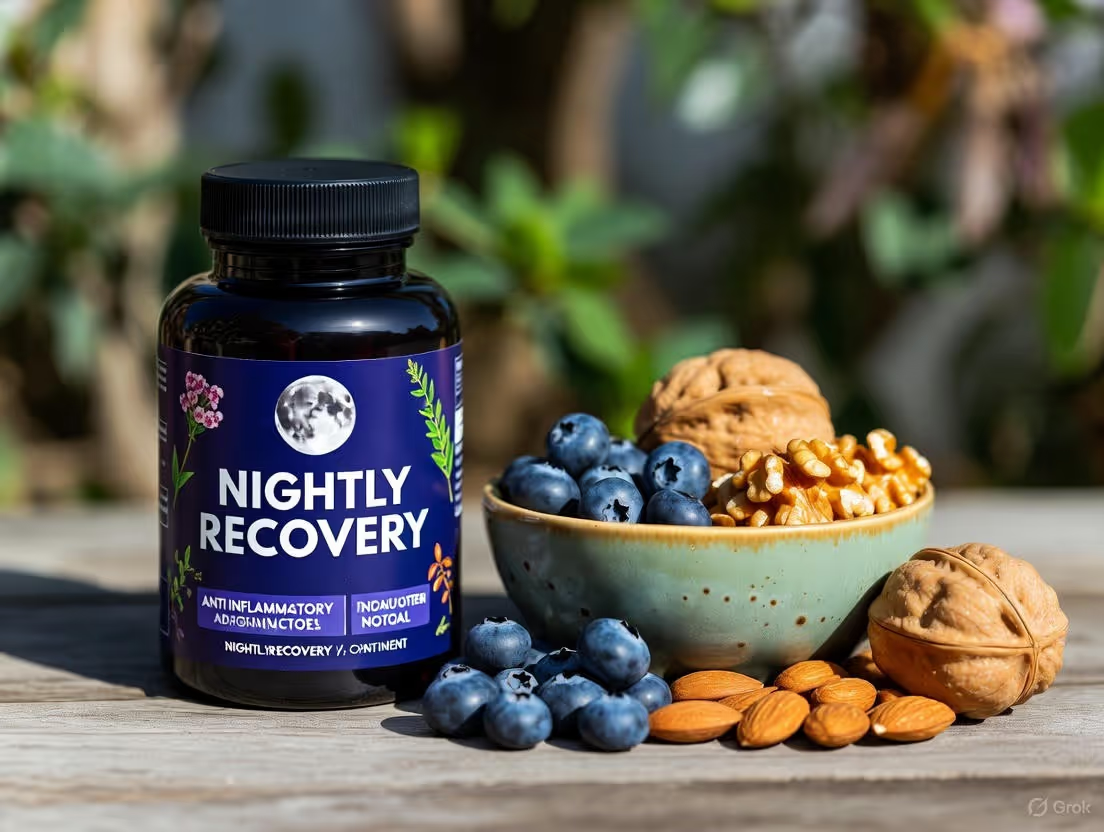
Food is more than fuel for training; it is the raw material for overnight repair and a direct modulator of sleep-regulating neurotransmitters and hormones.
Macronutrient Timing for Sleep Quality
Key Micronutrients for Sleep Biochemistry
Hydration and Electrolytes
Even mild dehydration can increase cortisol levels and disrupt sleep. However, timing is critical to avoid nocturia (nighttime urination). The strategy is front-loading hydration: consume the majority of your fluids earlier in the day and with meals, tapering off in the 2 hours before bed. Ensuring adequate electrolyte intake (sodium, potassium, magnesium) throughout the day helps optimize fluid balance.
Practical Application: The Athlete’s Evening Nutrition Protocol
Nutrition for sleep is highly individual. Tracking your food intake alongside your sleep biometrics can reveal powerful personal correlations, allowing you to craft the perfect nutritional support for your recovery. For more on the intersection of diet and recovery metrics, our blog is an excellent resource.
For the competitive athlete, the mind can be the biggest obstacle to sleep. Pre-competition nerves, the mental fatigue of overtraining, or the dysregulation of travel can all sabotage the very recovery needed to perform.
Pre-Competition Sleep: Managing the Anticipatory Arousal
It’s normal and even adaptive to have somewhat disrupted sleep the night before a big event. The key is not to panic about it. Research shows that the most critical sleep occurs in the nights leading up to the competition—the “sleep bank.” Focusing on excellent sleep for the 2-3 nights prior provides a buffer.
Sleep and the Overtraining Syndrome (OTS)
Overtraining creates a vicious cycle: intense physical stress disrupts sleep (often through elevated nighttime cortisol and lower HRV), and the resulting poor sleep impairs recovery, deepening the overtrained state. Sleep disturbances—especially frequent awakenings and non-restorative sleep—are a cardinal early sign of OTS.
The Athlete’s Travel Survival Guide
Travel, especially across time zones, decimates sleep architecture through circadian misalignment ("jet lag").
Mastering the mental component involves reframing sleep challenges as part of the athletic journey, using tools to monitor stress, and having a proactive plan for high-pressure situations. Understanding that the team at Oxyzen is composed of individuals passionate about solving these very problems can be reassuring; you can learn more about our mission here.
Your bedroom should be a sanctuary designed for one purpose: unparalleled recovery. Every element should be curated to support the physiology of sleep.
The Trinity of the Sleep Cave: Dark, Cool, and Quiet
The Bed: Your Recovery Platform
Your mattress and pillow are pieces of recovery equipment. They should support proper spinal alignment and be comfortable for your preferred sleep position. There’s no one "best" mattress, but athletes with muscle soreness may benefit from medium-firm options that provide pressure relief. Replace your mattress every 7-10 years.
Air Quality and Humidity
Clean, fresh air can improve sleep depth. Crack a window if possible, or use an air purifier, especially if you have allergies. Maintaining a humidity level around 50% can prevent dry airways (which can cause waking) and inhibit dust mites.
The Psychological Environment
Reserve your bed for sleep and intimacy only. This strengthens the mental association between bed and rest. Remove work materials, laptops, and other stress-inducing items from the bedroom. Make the space visually calming and clutter-free.
This isn’t about luxury; it’s about creating the optimal controlled conditions for a biological process. Just as a lab requires specific conditions for an experiment, your body requires specific conditions for peak restoration. By engineering your cave, you take control of the variables within your power.
The outdated notion that "early to bed, early to rise" is universally superior is detrimental to individual athletes. Your innate preference for sleep and wake times—your chronotype—is genetically influenced and impacts your ideal performance windows.
Understanding Chronotypes
Popularized by Dr. Michael Breus, chronotypes are often categorized as:
An athlete forced to train or compete far outside their natural chronotype is at a distinct disadvantage, fighting their own biology.
Synchronizing Training with Chronotype
Practical Application for the Athlete
Respecting your chronotype reduces the internal friction of your daily schedule, making high-quality sleep and peak performance more accessible. It’s about working with your nature, not against it.

For athletes juggling multiple sessions, academic demands, or travel, the strategic nap is a secret weapon. When executed correctly, it can boost alertness, improve motor skill learning, and supplement nighttime sleep without negative consequences.
The Different "Doses" of Nap and Their Effects
Optimal Timing for Athletic Performance
The post-lunch dip in circadian alertness (typically 1-3 PM) is the most natural and effective time for most people to nap. For athletes, a nap taken 1-2 hours before an evening competition or training session has been shown to improve performance metrics like reaction time and sprint speed.
Maximizing Nap Efficiency
Napping is a skill. It requires practice and individual experimentation to find the duration and timing that leaves you refreshed, not ragged. Used wisely, it’s a potent tool for managing the high demands of an athletic lifestyle.
The final step in mastering sleep is adopting a cyclical process of assessment and adjustment. Your sleep needs are not static; they fluctuate with training phases, life stress, and age. A set-and-forget approach will fail.
Establishing Your Biometric Baseline
Commit to wearing your sleep tracker (like the Oxyzen ring) consistently for at least two weeks during a period of normal training and good sleep habits. This establishes your personal norms for:
The Weekly Review: Connecting the Dots
Set aside time each week to review your data. Look for trends, not daily fluctuations. Ask key questions:
Implementing and Testing Interventions
Based on your observations, implement one change at a time. Examples:
This method turns you into an expert on your own body. You move from following generic advice to executing a personalized protocol that you know works for you because you have the data to prove it.
Knowing When to Seek Professional Help
Technology is a guide, not a diagnostician. Persistent, severe issues like chronic insomnia, loud snoring with gasps (potential sleep apnea), or extreme daytime fatigue despite adequate time in bed warrant consultation with a sleep specialist. A device can point you toward a problem, but a medical professional can provide a definitive diagnosis and treatment plan.
Your sleep playbook is a living document. It evolves as you do. By committing to this process of mindful tracking and intelligent adjustment, you ensure that your recovery engine is always fine-tuned to support your highest aspirations. For ongoing support and to see how others are navigating this journey, remember that our community and help resources are always available.
The athlete’s mindset often glorifies the "grind"—the pre-dawn sessions, the two-a-days, the relentless push. In this paradigm, sleep can be misperceived as unproductive time, a luxury to be minimized in favor of more volume. This is the Performance Paradox: the belief that doing more (training) requires doing less (sleep), when in fact, the physiological truth is the absolute opposite. Increased training load creates a greater demand for sleep, not a license to reduce it. Sleep is the process that converts the stimulus of training into actual adaptation; without it, you are merely accumulating fatigue and increasing injury risk.
Understanding the Adaptation Curve
Training provides the stimulus for improvement. You break down muscle fibers, deplete glycogen stores, and stress your nervous system. But the actual adaptation—the repair, the supercompensation, the strengthening—occurs during rest, primarily in deep sleep. This is when protein synthesis escalates, energy stores are replenished, and the brain encodes new motor patterns. More training means a greater amount of "raw material" (broken-down tissue, metabolic waste, neural fatigue) that needs to be processed. Attempting to cram in extra training at the expense of sleep is like a factory working triple shifts on the production line while shutting down the maintenance and shipping departments. Output grinds to a halt.
The Inflection Point of Diminishing Returns
Every athlete has a unique inflection point where additional training volume without commensurate recovery leads to a decline in performance. Sleep is the primary governor of this point. Research on swimmers at Stanford showed that when athletes extended their sleep to 10 hours per night, they experienced dramatic improvements in swim times, reaction speeds, and turn times. Their bodies were finally getting the recovery time needed to fully realize the benefits of their existing training. For many, optimizing sleep is a more powerful performance lever than adding another exhausting session to an already saturated schedule.
Sleep as the Foundation of Periodization
Just as training is periodized—cycles of load and deload—sleep should be viewed through the same lens. During high-volume or high-intensity training blocks, sleep must be prioritized and even increased. Viewing sleep as a flexible component of your periodization plan allows you to strategically support your hardest training. This might mean scheduling an extra 30-60 minutes in bed during a heavy block, or being militant about nap protocols during competition weeks. It’s a proactive approach that acknowledges sleep not as passive, but as an active and variable component of your periodized plan. To integrate this kind of holistic tracking into your regimen, exploring a tool like the Oxyzen smart ring can provide the data needed to make these periodization decisions with confidence.
The night is a hormonal concert, and sleep is the conductor. The precise timing and amplitude of hormone release during sleep directly dictate an athlete's anabolic (building) state, metabolic health, and ability to withstand training stress. Disrupting sleep is like silencing sections of the orchestra—the music falls apart.
Human Growth Hormone (HGH): The Master Restorer
The most critical pulse of HGH, responsible for tissue growth, cell repair, and metabolism, is secreted during deep sleep (SWS). This secretion is not a gentle trickle but a pronounced surge, particularly in the first half of the night when deep sleep dominates. Studies show that sleep deprivation, even for a single night, can blunt this essential pulse. For the athlete, this means slower repair of muscle micro-tears, impaired ligament and tendon recovery, and reduced ability to build lean mass from resistance training. Ensuring sufficient, uninterrupted deep sleep is literally how you access your body’s most powerful natural repair hormone.
Testosterone: The Anabolic Engine
Testosterone, crucial for muscle protein synthesis, bone density, and competitive drive, is also intimately tied to sleep. The majority of daily testosterone production occurs during sleep, with levels peaking during REM sleep. Research demonstrates that restricting sleep to 5 hours per night for just one week can cause a 10-15% drop in testosterone levels in healthy young men—a decrease equivalent to aging 10-15 years. For an athlete, this represents a direct erosion of their physiological capacity to recover and adapt. Furthermore, disrupted sleep increases cortisol, which can further suppress testosterone production, creating a catabolic (breaking-down) environment.
Cortisol: The Stress Hormone’s Nocturnal Dip
Cortisol follows a strong circadian rhythm, naturally highest in the morning to promote wakefulness and tapering to its lowest point around midnight. This nocturnal dip is essential. It allows the anabolic hormones like HGH and testosterone to dominate the recovery landscape. Poor sleep quality, characterized by frequent awakenings or insufficient deep sleep, can elevate nighttime cortisol levels. This creates a hormonal battleground where catabolic signals impede repair. Chronically elevated night cortisol is a hallmark of overtraining and is linked to increased inflammation, impaired immune function, and stubborn fat storage.
Insulin Sensitivity: The Metabolic Connection
Sleep profoundly affects metabolic hormones. A single night of poor sleep can induce a state of insulin resistance the following day. This means your cells are less efficient at taking up glucose from the bloodstream, which can impair glycogen replenishment and shift your body toward storing energy as fat rather than utilizing it for muscle repair and fuel. Over time, chronic sleep loss is a significant risk factor for weight gain and metabolic syndrome, directly impacting an athlete’s body composition and energy utilization.
Practical Implications: Protecting the Hormonal Night
The takeaway is clear: protect the sanctity of your sleep to protect your hormonal health. This goes beyond duration. Sleep continuity (uninterrupted cycles) is critical for allowing these hormonal symphonies to play out correctly. Fragmented sleep, even if it totals 8 hours, can severely disrupt these delicate processes. Creating a sleep-conducive environment and consistent schedule isn’t just about feeling rested; it’s about maintaining the endocrine foundation of performance. For a deeper understanding of how these biometric trends manifest, you can read real user experiences with tracking these physiological markers.
Injury is often the catastrophic endpoint of a cascade of smaller failures in recovery. Sleep sits at the very top of this cascade, influencing neurological, muscular, and psychological factors that collectively determine an athlete's resilience.
The Neuromuscular Connection: Reaction Time and Proprioception
Sleep deprivation has a demonstrable, dramatic effect on cognitive function and motor control. Studies show it can impair reaction time as much as legal levels of alcohol intoxication. For an athlete, a millisecond delay in reaction time can mean the difference between a clean landing and a twisted ankle, or a proper tackle and a dangerous collision. Furthermore, fatigue from poor sleep diminishes proprioception—your body’s innate sense of its position in space. This "body awareness" is critical for maintaining proper form under fatigue, adjusting to uneven surfaces, and executing complex movements safely. When proprioception is dulled, injury risk soars.
Tissue Repair and Inflammation Management
As outlined, deep sleep is when soft tissue repair—muscles, tendons, ligaments—kicks into high gear via HGH and other factors. Inadequate sleep slows this repair process, meaning micro-damage from training persists longer and can accumulate. Simultaneously, sleep deprivation promotes a systemic state of low-grade inflammation. Cytokines (inflammatory signaling molecules) are dysregulated, with increases in pro-inflammatory types. This inflammatory environment not only impedes recovery but can also exacerbate existing minor issues, turning a slight tendonitis into a chronic problem. Sleep is a potent anti-inflammatory.
Pain Tolerance and Perception
Sleep loss lowers pain tolerance. Research indicates that sleep-restricted individuals report higher pain ratings for the same stimulus. For an athlete, this means that minor aches and pains that might be easily managed with good sleep can become distracting and debilitating, potentially altering movement patterns in ways that predispose to further injury. It also affects the psychological capacity to train through discomfort safely.
The Decision-Making Risk
Fatigue from poor sleep impairs frontal lobe function, responsible for judgment, risk assessment, and impulse control. A tired athlete is more likely to make poor decisions: pushing for one more rep with compromised form, ignoring early warning signs of pain, or skipping a proper warm-up. This eroded judgment is a silent contributor to both acute and overuse injuries.
Building a Sleep-First Injury Prevention Protocol
Therefore, an injury prevention program is incomplete without a sleep protocol. Coaches and athletes should view sleep metrics with the same seriousness as training load metrics. A trend of declining sleep quality and quantity should trigger an automatic review of the training plan, potentially leading to a reduction in volume or intensity until recovery is re-established. In this context, sleep is not just recovery; it is prehabilitation. For more strategies on building a resilient system, our blog features numerous articles on recovery science.
Competition often demands travel, and travel is the arch-nemesis of consistent sleep. Jet lag, unfamiliar environments, and disrupted routines can leave an athlete feeling flat for days. A proactive, science-based approach is essential to minimize performance degradation.
Understanding Jet Lag: It’s a Circadian Mismatch
Jet lag isn’t just fatigue; it’s a state of desynchrony. Your body’s internal clock (entrained to your home time zone) is out of sync with the local light-dark cycle, meal times, and social schedules of your destination. This misalignment affects all circadian-regulated processes: hormone release, core body temperature, digestion, and sleep-wake timing. Eastward travel (losing time) is typically harder to adjust to than westward travel (gaining time), as it requires advancing your internal clock, which the body naturally resists.
The Pre-Travel Protocol (3-4 Days Out)
The Flight Strategy
Upon Arrival: The Rapid Reset Protocol
The Homecoming Reset
Don’t neglect the return trip. Apply the same principles in reverse to minimize the disruption to your home training schedule. The faster you can re-synchronize, the faster you can resume quality training. This meticulous approach to travel recovery is part of a professional mindset, something we deeply understand in our company mission to support peak performance in all conditions.
The market is flooded with sleep supplements, making bold claims. For the athlete, whose career may depend on passing drug tests, an evidence-based, cautious approach is paramount. Let’s dissect the most common aids, separating hype from help.
The Foundational Nutrients (Often Deficient)
Direct Sleep-Promoting Compounds
Herbal Supplements
Red Flags and Prohibited Substances
The Athlete’s Rule: Food and behavior first, foundational nutrients second, targeted aids last and with clear purpose. Never experiment with a new supplement close to a competition. The cornerstone of sleep must always be a solid behavioral protocol; supplements are only adjuncts to this foundation. For specific questions on how biometrics can interact with supplementation, our FAQ section provides detailed guidance.
A one-size-fits-all approach to sleep fails to account for the unique physiological and lifestyle challenges faced by different athletic populations. Personalization is key.
The Youth and Adolescent Athlete
This group faces a perfect storm of sleep challenges: early school start times (which conflict with their natural circadian shift toward later sleep/wake times in puberty), high academic and social demands, and intense training schedules.
The Female Athlete
Hormonal fluctuations across the menstrual cycle directly influence sleep architecture, core body temperature, and recovery needs.
The Masters Athlete (40+)
Aging brings natural changes to sleep architecture: a reduction in total sleep time, less deep (N3) sleep, more frequent nighttime awakenings, and an advanced circadian phase (feeling sleepier earlier in the evening and waking earlier).
Understanding these unique challenges allows for tailored interventions, ensuring every athlete can build a sleep strategy that works for their stage of life and biology. Exploring the journey of our brand reveals a commitment to serving diverse athletic populations with these nuanced needs in mind.
The frontier of athletic training lies in the real-time integration of subjective wellness, objective training load, and biometric recovery data. This holistic model moves beyond periodization based on the calendar to true biofeedback-based training.
The Triad of Monitoring: Load, Wellness, and Sleep
The Art of Interpretation: Connecting the Dots
The magic happens in the correlation. For example:
Autoregulation in Action
This data empowers autoregulation—adjusting daily training based on readiness, not a pre-written plan. A coach or athlete can use a simple traffic light system:
Long-Term Trend Analysis for Periodization
Over weeks and months, this data becomes invaluable for planning. It can help identify an athlete’s optimal volume thresholds, how they respond to different types of training stress, and when they are ready to peak. It turns coaching from an art based on intuition into a science informed by data.
The Human Element
Data is a guide, not a dictator. It must be interpreted in context by a knowledgeable coach or self-aware athlete. A single night of poor sleep doesn’t always warrant a missed session, but a clear trend does. The conversation between athlete and coach, informed by this data, is where optimal training decisions are made. This integrated, data-informed approach to holistic performance is exactly what we champion; you can learn more about our philosophy here.
Optimal athlete sleep cannot exist in a vacuum. It requires a supportive ecosystem. When coaches, trainers, and organizations prioritize and model good sleep habits, they create a culture where recovery is respected as a pillar of performance.
Education as the First Step
The team must speak the same language. Coaches should educate athletes on the why—the concrete performance benefits of sleep covered in this article. This shifts sleep from a personal choice to a professional responsibility. Invite a sleep specialist to give a team talk. Share relevant studies and data.
Scheduling with Sleep in Mind
This is where organizational policy has a direct impact.
Creating the Environment
Leading by Example
Coaches and staff who are visibly exhausted and burning the candle at both ends send a contradictory message. When leadership prioritizes their own recovery, it gives athletes permission to do the same without fear of being perceived as less dedicated.
Normalizing the Conversation
Make sleep a regular part of the performance dialogue. Instead of just asking "How do your legs feel?", include questions about sleep quality in morning check-ins. Review sleep and HRV data (with athlete consent) as part of training plan adjustments. This destigmatizes discussions of fatigue and makes intervention proactive rather than reactive.
A sleep-conscious culture is a high-performance culture. It acknowledges that athletes are human systems, not machines, and that sustainable success is built on a foundation of intelligent work and profound rest. This holistic support is part of the broader vision we share; you can explore our story to see how we embed this ethos in our approach.
We have traversed the extensive landscape of sleep for athletic performance—from the cellular mechanics of hormonal release to the practicalities of hotel room hacks. The evidence is overwhelming and unambiguous. If you are serious about your performance, you must be serious about your sleep.
Reframing Your Identity
Begin by internalizing this: You are not an athlete who sleeps. You are a sleeping athlete. Recovery is not what happens between training sessions; training is what happens between recovery sessions. This mental shift is fundamental. It places sleep at the center of your performance universe, not on the periphery.
Starting Small and Building Consistency
Overhauling your habits can be daunting. Start with one keystone habit. For most, this is consistent wake time. Waking at the same time every day (weekends included) is the single most powerful tool for anchoring your circadian rhythm. Once this is locked in, gradually add other elements: a digital curfew, a cooling strategy, a short wind-down routine.
Embracing the Long Game
Sleep optimization is not about a single perfect night before a race. It’s about the compound interest of nightly investment. A 1% improvement in recovery every night leads to monumental gains over a season. It’s about resilience, reducing injury risk, and extending your career. The athletes who last are often those who master recovery.
Your Personalized Playbook
Take the knowledge from this guide and use it to write your own playbook. Experiment. Track your data. Note what works for you. Your perfect sleep protocol will be as unique as your fingerprint or your training style. Use technology not as a crutch, but as a compass, guiding you toward a deeper understanding of your own physiology.
The pursuit of excellence is a holistic endeavor. You train your body, you fuel it precisely, you sharpen your mind—and you must also restore it completely. In the quiet dark of night, the real magic of adaptation happens. Honor that process. Protect it. Invest in it. The podium, the personal best, the sustained career—they are all built, in no small part, on the foundation of superb sleep. Your journey to peak performance is a 24-hour commitment. Make every hour count.
For continued learning and to stay updated on the latest in performance recovery science, be sure to explore our blog for more in-depth resources. Your next breakthrough might just be a good night's sleep away.
For the athlete who has mastered the fundamentals of a cool, dark room and consistent bedtime, advanced sleep hygiene represents the fine-tuning of environmental and behavioral factors that yield marginal gains—the 1% differences that compound into podium finishes.
Electromagnetic Field (EMF) and Geopathic Stress Considerations
While research is evolving, some high-performance coaches and biohackers advocate minimizing exposure to electromagnetic fields in the sleep environment. The theory posits that man-made EMFs from Wi-Fi routers, smart meters, and electronics may interfere with the body’s subtle electrical systems, including brainwave patterns during sleep.
Grounding (Earthing) for Sleep
The practice of grounding—making direct skin contact with the earth's surface or using grounding systems indoors—has preliminary research suggesting it may improve sleep, reduce cortisol, and decrease inflammation by neutralizing positive electrons (free radicals) and synchronizing circadian rhythms to the earth's natural electrical field.
Advanced Temperature Cycling
We know a cool room is essential. Taking this further involves understanding your personal temperature curve.
Biomimetic Lighting: From Blue Blockers to Red Lights
Advancing beyond "no blue light at night" involves actively using beneficial wavelengths.
The "Sleep Dentist" and Airway Optimization
Mouth breathing during sleep is detrimental: it dries airways, reduces nitric oxide uptake, and can lead to poorer sleep quality. Many athletes, due to nasal congestion from allergies or exertion, are habitual mouth breathers.
These advanced tactics are for those who have solidified their basic sleep foundation. They require more effort and investment but can be the differentiator in a field where everyone else is already doing the basics well. To explore how technological tools can help you experiment with and validate these advanced methods, discover how Oxyzen's detailed biometrics can provide feedback on their efficacy for you personally.
Owathing a sophisticated sleep tracker is one thing; knowing how to interpret its data to make informed training and lifestyle decisions is another. This is where true performance intelligence is born.
Heart Rate Variability (HRV): The North Star of Recovery
HRV is not just a number; it’s a story about your autonomic nervous system (ANS). A higher HRV indicates greater parasympathetic ("rest-and-digest") tone and resilience, while a lower HRV suggests sympathetic ("fight-or-flight") dominance and stress.
Resting Heart Rate (RHR): The Simple Sentinel
An elevated morning RHR (5-10+ BPM above your baseline) is a classic, simple indicator of physiological stress—be it from training, illness, or poor recovery.
Respiratory Rate: The Underrated Metric
Nighttime respiratory rate is remarkably stable in healthy individuals. Increases can be an early, sensitive marker of physiological strain.
Sleep Stage Data: Context is Everything
Don't obsess over nightly percentages of deep or REM sleep. These vary naturally. Instead, look for drastic deviations from your personal norms.
The Integration Dashboard
The power is in the confluence of signals. A perfect storm for a rest day looks like: Low HRV + High RHR + Elevated Respiratory Rate + Fragmented, Light Sleep. A tool that provides this integrated view, like the Oxyzen ecosystem, turns data into a dialogue with your body. You can read testimonials from athletes who have used this integrated data to break through plateaus and avoid overtraining.
For some athletes, the problem isn't the environment or schedule—it's the mind itself. Performance anxiety, rumination over mistakes, or the pressure to sleep well can create a vicious cycle of insomnia. This is where psychological tools are paramount.
Cognitive Behavioral Therapy for Insomnia (CBT-I): The Gold Standard
CBT-I is a structured, evidence-based program that addresses the thoughts and behaviors that perpetuate insomnia. It’s more effective long-term than sleep medication. Key components include:
Mindfulness and Meditation for Sleep
Mindfulness teaches present-moment awareness without judgment, reducing the "racing mind" that plagues athletes at night.
Managing "Sleep Performance Anxiety"
The irony of desperately trying to sleep is that effort is the enemy of sleep. This is performance anxiety transferred to the bedroom.
Pre-Sleep Gratitude and Visualization
Replace rumination with positive cognitive exercises.
Mastering the mental game of sleep may be the most profound skill an athlete can develop, as it pays dividends in both nighttime recovery and daytime performance under pressure. For more resources on mental performance and recovery, our blog features a range of supportive content.
We have journeyed from the fundamental biology of sleep as the athlete's primary recovery modality, through the practicalities of environment, nutrition, and technology, and into the advanced realms of psychology, synergy, and future science. The message that unifies all these chapters is one of profound opportunity.
In a sporting world where marginal gains are pursued with immense cost and effort—fancy equipment, exotic supplements, cutting-edge training techniques—sleep remains the most potent, least expensive, and most underutilized performance enhancer available. It is the foundation upon which all other adaptations are built. You cannot supplement, out-train, or out-will a lack of deep, restorative sleep.
Your commitment to sleep is a statement about the kind of athlete you are. It is a commitment to longevity over short-term gratification, to sustainability over burnout, and to intelligent preparation over sheer brute force. It is the acknowledgment that you are a biological system, not just a willful mind piloting a machine.
The Call to Action
Begin tonight. Not with an overwhelming overhaul, but with a single, decisive step. Choose your wake-up time. Get your morning light. Review one piece of data from your tracker. Make your room a degree cooler.
Build your sleep performance with the same dedication you build your strength, your speed, or your skill. Track it, measure it, and respect its feedback. Let your sleep data guide your training as surely as your coach's plan or your race schedule.
The podium of the future belongs to the best-rested athletes. The athletes who understand that the ultimate training happens not in the glare of the gym lights, but in the silent, restorative dark. They are the ones who will recover faster, think clearer, hurt less, and perform longer.
Make the decision now that sleep will be your non-negotiable advantage. Your future self—healthier, stronger, and standing atop your personal podium—will thank you for the investment you make, every single night.
For ongoing support, detailed guides, and a community focused on intelligent performance, remember that the journey continues at Oxyzen.ai. Your path to peak performance, powered by perfect recovery, starts here.
Your Trusted Sleep Advocate: Sleep Foundation — https://www.sleepfoundation.org
Discover a digital archive of scholarly articles: NIH — https://www.ncbi.nlm.nih.gov/
39 million citations for biomedical literature :PubMed — https://pubmed.ncbi.nlm.nih.gov/
Experts at Harvard Health Publishing covering a variety of health topics — https://www.health.harvard.edu/blog/
Every life deserves world class care :Cleveland Clinic - https://my.clevelandclinic.org/health
Wearable technology and the future of predictive health monitoring :MIT Technology Review — https://www.technologyreview.com/
Dedicated to the well-being of all people and guided by science :World Health Organization — https://www.who.int/news-room/
Psychological science and knowledge to benefit society and improve lives. :APA — https://www.apa.org/monitor/
Cutting-edge insights on human longevity and peak performance:
Lifespan Research — https://www.lifespan.io/
Global authority on exercise physiology, sports performance, and human recovery:
American College of Sports Medicine — https://www.acsm.org/
Neuroscience-driven guidance for better focus, sleep, and mental clarity:
Stanford Human Performance Lab — https://humanperformance.stanford.edu/
Evidence-based psychology and mind–body wellness resources:
Mayo Clinic — https://www.mayoclinic.org/healthy-lifestyle/
Data-backed research on emotional wellbeing, stress biology, and resilience:
American Institute of Stress — https://www.stress.org/


