


Productivity and Health Synergy: Using Your Smart Ring as Performance Coach
How to use your smart ring as a coach for achieving both health and high productivity.
How to use your smart ring as a coach for achieving both health and high productivity.
%402x.svg)
In the relentless pursuit of productivity, we’ve tried countless systems—from time-blocking and the Pomodoro Technique to complex digital task managers. Yet, a critical component has been conspicuously absent from our optimization algorithms: our own human biology. We’ve treated our brains and bodies like machines with limitless processing power and no need for maintenance, only to collide with the inevitable walls of burnout, brain fog, and chronic fatigue. What if the secret to peak performance wasn’t another app, but a deeper understanding of your body’s innate rhythms? What if your most powerful productivity tool wasn’t on your desk, but on your finger?
Enter the modern smart ring—a discreet, biometric powerhouse that shifts the paradigm from simply managing time to optimizing energy. This is the dawn of bio-informed productivity, where continuous, nuanced health data meets actionable insights. It’s the move from guessing when you’re at your best to knowing, with physiological certainty. Your smart ring is no longer just a sleep tracker; it is your silent, 24/7 performance coach, translating the language of your nervous system into a personalized blueprint for sustainable achievement. This article explores how to forge an unbreakable synergy between your health and your output, using the data from your finger to guide you to a state where feeling good and performing well are not at odds, but are inextricably linked.

We live in an age of unprecedented productivity potential, surrounded by tools designed to streamline, automate, and accelerate. Yet, rates of burnout, anxiety, and chronic illness are soaring. This is the modern productivity paradox: the harder we push on the gas pedal of output, the more our biological systems warn us to brake. Hustle culture, with its glorification of sleeplessness and constant busyness, operates on a fundamental flaw—it views the human body as separate from, and subordinate to, cognitive output.
The reality is that every thought, decision, and creative spark is a biological event. It requires energy (glucose), efficient cleanup (metabolic waste removal), and a balanced state of your autonomic nervous system. When you work through lunch, skip sleep to meet a deadline, or power through stress on caffeine and willpower alone, you aren’t being efficient. You are borrowing energy from your future self at a catastrophic interest rate. Your prefrontal cortex—the seat of executive function, decision-making, and focus—is exceptionally energy-hungry and neurologically fragile. It’s the first to go “offline” under stress, fatigue, or poor metabolic health, leaving you reactive, distracted, and unable to do your most valuable work.
This is where the smart ring becomes a revolutionary tool for truth-telling. It cuts through the narrative of “I’m fine” with objective data. You may feel you’re being productive during a 12-hour workday, but your Heart Rate Variability (HRV)—a key metric of nervous system resilience—may tell a story of chronic stress and depleted recovery capacity. Your sleep score might reveal that your “enough” hours of sleep were fragmented and physiologically poor, explaining the next day’s creative block. The paradox dissolves when you realize that true, sustainable productivity is not about time management, but energy and recovery management. Your smart ring provides the foundational metrics to make that shift, moving you from a culture of hustle to a science of sustainable performance, a concept deeply explored in resources like our Complete Guide to Biomarker-Based Stress Tracking for 2025.
To appreciate the smart ring’s role as a performance coach, it’s essential to understand its technological evolution. The journey began with basic activity tracking—counting steps and estimating calories, much like a pedometer on your wrist. The next wave introduced sleep staging, giving users a broad-strokes view of their night. Today’s advanced smart rings represent a third wave: comprehensive, clinical-grade biometric conductors, orchestrating a symphony of physiological data in real-time.
At the heart of this evolution are sophisticated sensors packed into a tiny, ergonomic form factor. Photoplethysmography (PPG) sensors use LED light to measure blood volume changes at your capillary level, providing continuous heart rate and, more importantly, heart rate variability (HRV). A 3-axis accelerometer tracks movement and sleep position. A skin temperature sensor provides a critical, often overlooked, data stream—nocturnal temperature deviations can indicate inflammation, the onset of illness, or poor metabolic recovery. Some rings now include blood oxygen saturation (SpO2) monitoring and even electrodermal activity (EDA) sensors to measure minute changes in sweat gland activity, a direct correlate of sympathetic nervous system arousal.
The magic, however, isn’t just in the raw data collection, but in the fusion and interpretation. Advanced algorithms process these parallel data streams to derive your Readiness Score, Sleep Score, and Stress Score. This is the shift from counting to contextualizing. It’s not just that your HRV was 45 ms last night; it’s that your HRV was 10% lower than your baseline, your skin temperature was elevated by 0.3°C, and your sleep was restless—together, these signals tell your performance coach (the ring’s app) that you are in a state of physiological strain and need a day focused on recovery, not intense cognitive work. This sophisticated data fusion is why many find that a smart ring can track stress more accurately than a smartwatch, due to its optimal placement on the finger’s vascular-rich capillaries and its avoidance of wrist-based motion noise.

Imagine getting into the driver’s seat of a high-performance vehicle with a dashboard showing only the speedometer. You’d have no insight into engine temperature, oil pressure, or fuel efficiency—and you’d likely break down. Your body is that high-performance vehicle, and your smart ring unlocks the full dashboard. Let’s decode the core metrics that form the language of your new performance coach.
Heart Rate Variability (HRV): The Queen Metric of Resilience. HRV is the nuanced time variation between your heartbeats. A higher, less variable HRV (e.g., a higher score) generally indicates a resilient, adaptable autonomic nervous system with strong parasympathetic (rest-and-digest) tone. A lower HRV suggests your sympathetic (fight-or-flight) system is dominant, often due to stress, overtraining, poor sleep, or illness. It is your single best proxy for recovery status and physiological stress. Tracking HRV trends is key to predicting burnout before you feel it. For a deep dive into what your numbers mean, our guide on HRV and Stress: Understanding Heart Rate Variability Numbers is an essential resource.
Resting Heart Rate (RHR): The Baseline of Demand. Your RHR upon waking is a straightforward but powerful indicator. A consistently elevated RHR can be a sign of dehydration, lingering illness, sustained stress, or inadequate recovery from training. As your fitness improves and nervous system balance is achieved, your RHR typically trends downward.
Sleep Score: The Foundation of Everything. Productivity without quality sleep is a house built on sand. The smart ring’s sleep analysis goes far beyond duration. It assesses continuity (how fragmented your sleep was), timing (alignment with circadian rhythm), and architecture (time spent in light, deep, and REM sleep). Deep sleep is crucial for physical repair and memory consolidation, while REM sleep is vital for emotional processing and creativity. A high sleep score means you’ve laid a solid biological foundation for the day’s cognitive and physical demands.
Body Temperature & Blood Oxygen: The Silent Alarms. Nocturnal deviations in skin temperature can signal metabolic stress, inflammation, or the onset of infection. Consistently low overnight SpO2 can indicate sleep-disordered breathing like sleep apnea, which catastrophically fragments sleep and starves the brain of oxygen. These metrics act as early-warning systems for issues that directly sabotage performance.
Stress Score: The Real-Time Barometer. Derived from a combination of HRV, heart rate, and sometimes EDA and temperature, this score estimates your autonomic nervous system state throughout the day. It answers the question: “Is my body in a state of calm focus (parasympathetic) or stressed arousal (sympathetic) right now?” Learning to correlate this score with your activities is the first step to conscious stress management. You can learn to use this data to move from being Reactive to Resilient on Your Neurological Journey.
In the world of biometrics, comparison is the thief of joy—and of useful insight. A friend’s HRV of 80 ms might be their low, while your HRV of 50 ms might be your personal best. The absolute number is far less important than the trend relative to your own baseline. Therefore, the first and most critical task with your new performance coach is to establish your personal biometric fingerprint over a period of at least two weeks, ideally a month, during a time of relative “normal” life—not on vacation, not during a major crisis, but during your typical routine.
This baseline period allows the algorithms to learn you. It will calculate your personal ranges for HRV, RHR, sleep duration, and temperature. It will note your typical sleep-wake times. This creates the reference point from which all future deviations are measured. For instance, after your baseline period, the app might flag that your HRV has dropped 25% below your 30-day rolling average for three consecutive nights—a strong objective indicator that you are not fully recovering, even if you subjectively feel okay.
To do this effectively, consistency is key. Wear your ring every night and as much as possible during the day. Use the app’s journaling feature (if available) to note simple tags: “hard workout,” “drank alcohol,” “late work dinner,” “big presentation,” “argument with partner.” This qualitative data, paired with the quantitative streams, allows you to perform powerful pattern recognition. You’ll move from “I feel tired” to “My data shows my sleep depth drops by 40% and my morning stress score is elevated on nights I have wine after 8 PM.” This process of creating a Personal Stress Baseline for Accurate Tracking is the cornerstone of personalized, data-driven health and productivity.
Gone are the days of groggily checking email and reactive task management. The bio-informed professional starts the day with a Readiness Ritual, consulting their performance coach before deciding how to attack the day. This 5-minute practice transforms your relationship with your own capacity.
Upon waking, open your smart ring app before you check any other notifications. Look at your key recovery metrics:
This ritual allows you to match your demand to your capacity. On a high-readiness day, you’d “spend” your biological capital on your most important, complex project (your “One Big Thing”). On a low-readiness day, you’d “invest” in recovery by tackling lower-stakes tasks, saying no to extra commitments, and doubling down on sleep, nutrition, and stress-reducing practices like the Micro Calm Practices for Finding Peace in Everyday Moments. This is the essence of strategic productivity—working with your biology, not against it.
With your morning readiness assessment complete, you can now architect your day in harmony with your natural energy rhythms, a practice we can call “bio-syncing.” The traditional workday is a flat line, assuming constant energy from 9 to 5. Our biology, however, operates in cycles—ultradian rhythms of roughly 90-120 minutes where we naturally move from high focus to a need for rest.
Your smart ring’s continuous stress/body battery metric provides a real-time map of these cycles. Here’s how to use it:
By checking in with your live stress score a few times a day, you learn to recognize the physical sensations that accompany an elevated score—perhaps shoulder tension, shallow breathing, or restlessness. This builds interoceptive awareness, allowing you to proactively take a bio-break before you crash or become irritable. This alignment turns the workday from a marathon of willpower into a rhythmic dance of sprint and recovery, maximizing output while minimizing wear and tear.
Burnout isn’t an event; it’s a creeping process of accumulated, unrecovered stress. The great advantage of a smart ring is its ability to make this invisible accumulation visible, allowing you to implement a Focus-Repletion Cycle at a micro-level throughout your day.
The cycle is simple: Focused Work Block → Physiological Signal (from ring) → Intentional Repletion → Repeat.
Here’s how it works in practice: You begin a 90-minute focused work session. As you approach the end of that natural ultradian cycle, you might feel your focus waning. Your smart ring provides the objective confirmation—you see your live stress score begin to tick upward, indicating sympathetic nervous system activation from the cognitive load. This is your cue to stop. Not when you’re exhausted, but when the data suggests depletion is beginning.
Now, you engage in a deliberate Repletion Activity for 10-20 minutes. Critically, not all breaks are equal. Scrolling social media is not repletive; it often increases cognitive load and stress. True repletion activities lower your physiological stress metrics. Your ring can help you identify what works best for you:
After your repletion break, check your stress score. Has it come down? Do you feel refreshed? This real-time feedback loop trains you to become an expert at managing your own energy. It prevents the deep troughs that take hours to recover from. Over time, this practice builds resilience, teaching your nervous system to recover more quickly. It’s the antidote to the always-on culture and a practical method for using data to Use Stress Tracking to Improve Time Management on a physiological level.
Your cognitive engine runs on the fuel you provide. Brain fog, afternoon slumps, and inconsistent energy are often direct results of nutritional missteps. While a smart ring won’t tell you the carb count of your lunch, its biometric responses provide powerful, indirect feedback on how your body is processing your fuel choices.
By tagging meals, caffeine, and alcohol in your app journal and observing the subsequent data, you move from generic diet advice to a personalized Performance Nutrition Protocol. You learn which foods make you feel and data-verify as energized and stable, and which ones trigger a physiological stress response that sabotages your cognitive clarity for hours. This exploration of the Relationship Between Sleep Data and Stress Levels often reveals the profound impact of evening nutrition choices.
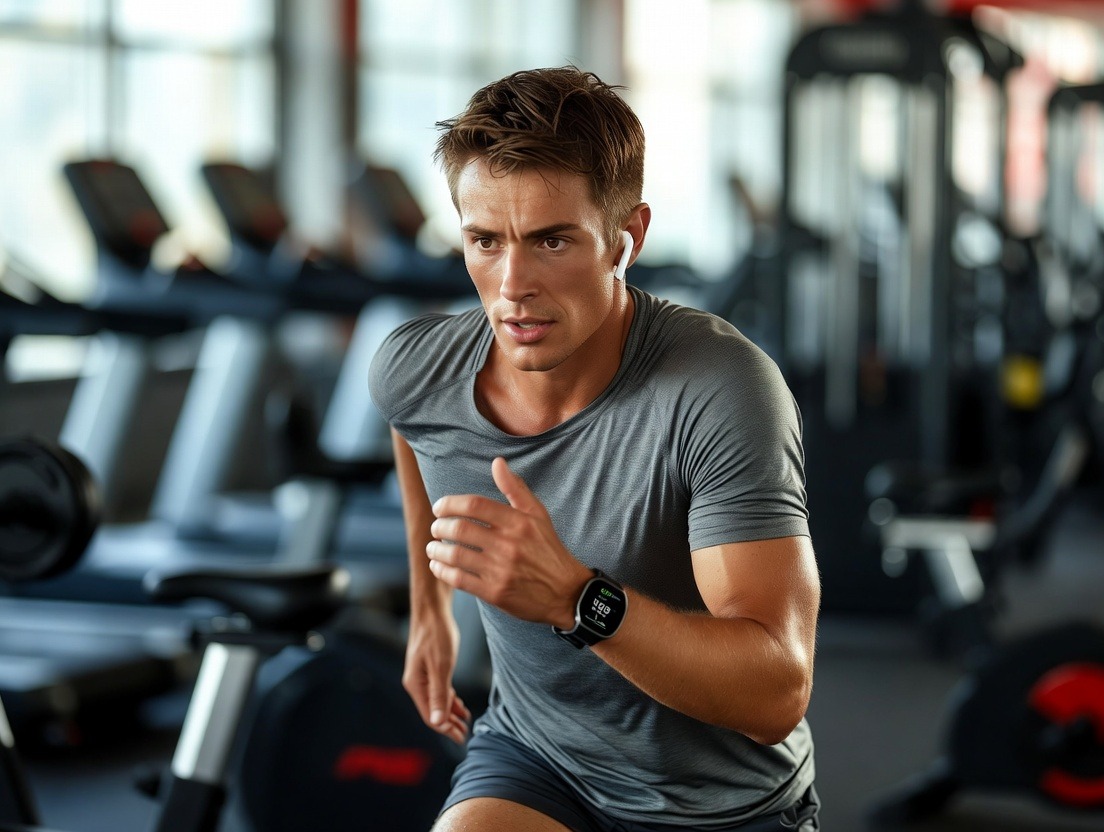
The old adage “just do something” for exercise is replaced with a smarter mantra: “Do the right thing, at the right time, for your current physiological state.” For the performance-driven individual, exercise is a strategic stressor—it should be applied in the correct dose to build resilience, not compound fatigue. Your smart ring is the essential tool for dosing your movement.
This approach transforms exercise from a calendar-driven obligation to a dynamic, conversation with your body. You are no longer “working out”; you are “training your resilience” with precision, ensuring your movement habits are net contributors to your overall performance portfolio, not detractors from it.
High performers know that sleep is their ultimate competitive advantage. The smart ring shifts sleep from a passive state you hope for to an active process you can engineer—the Wind-Down Protocol. This 60-90 minute pre-sleep ritual isn’t about luxury; it’s about systematically lowering physiological arousal to prime your nervous system for restorative sleep, directly impacting tomorrow’s productivity.
Your ring’s data provides the “why” behind every step of this protocol:
By following this protocol and reviewing your Sleep Score and breakdown each morning, you create a feedback loop. You see that on nights you skipped the wind-down, your sleep latency (time to fall asleep) increased and your deep sleep decreased. This tangible data reinforces the habit, turning the wind-down from a nice-to-have into a non-negotiable investment in the next day’s success.
In a culture that glorifies output, recovery is often mistaken for laziness. Your smart ring reframes recovery as the most strategic work you can do—it’s the process of rebuilding your biological capital. The data makes it undeniably clear: without deliberate recovery, performance is unsustainable. But recovery isn’t merely the absence of work; it’s an active, multi-faceted process that your ring can help you personalize and optimize.
Physiological vs. Psychological Recovery: Your smart ring primarily tracks physiological recovery through HRV, RHR, and sleep metrics. However, true renewal requires psychological detachment from work—the mental disengagement that allows cognitive resources to replenish. The ring can indirectly guide this: a high-stress score persisting into a weekend is a clear sign you haven’t psychologically detached. This prompts you to engage in activities that are genuinely absorbing and enjoyable—hobbies, time in nature, play—that fully capture your attention and allow work-related neural circuits to rest. This is the essence of moving from a state of chronic stress to one where you can effectively Track Chronic Stress vs. Acute Stress Episodes and intervene appropriately.
Active vs. Passive Recovery: Passive recovery (like lying on the couch) has its place, especially after extreme exertion. But for the knowledge worker, active recovery is often more effective at lowering sympathetic tone. A gentle walk, light cycling, or a yoga session can increase blood flow, aid in metabolic clearance, and often improve HRV more than complete stillness. Your ring’s stress score during and after these activities provides the feedback. Does a 30-minute walk in the park lower your score? Does a gentle yoga session improve your next-night’s sleep latency? This turns recovery from a guessing game into a science.
Macro and Micro Recovery: Recovery isn’t just for weekends. Your performance coach helps you integrate micro-recovery throughout the day (the Focus-Repletion cycles) and plan for macro-recovery throughout the year. By tracking your long-term HRV baseline and sleep score trends, you can anticipate when you’ll need a true “reset” period—a long weekend off the grid or a vacation where you prioritize sleep and nature over sightseeing. The data provides the justification to schedule these periods proactively, preventing the boom-bust cycle that leads to burnout. It teaches you to interpret your body’s signals for what they are: not weakness, but intelligent requests for maintenance, similar to how athletes use their Stress Recovery Score to Understand What it Means for Health.
By viewing recovery through this strategic lens, curated by your ring’s data, you stop seeing downtime as wasted time. You see it as the essential, non-negotiable phase in the cycle of performance where the actual adaptation and strengthening occur. You’re not resting from work; you are resting for the next level of work.
Our social and professional lives are a constant stream of engagements that have profound, yet often unmeasured, impacts on our nervous systems. The boardroom debate, the networking event, the family dinner, the difficult conversation—each carries a biometric signature. Your smart ring serves as an impartial observer, helping you navigate these interactions with newfound awareness and strategy.
The Biometric Cost of Social Dynamics: You may notice your live stress score spikes during certain types of meetings or after interactions with specific individuals. This isn’t about labeling people as “stressful,” but about recognizing the physiological impact of different social contexts. A meeting where you feel psychologically safe and heard may show a stable stress score, while one where you feel judged or defensive may trigger a sharp rise. This data is invaluable. It allows you to:
Alcohol and Socializing: This is where the ring provides brutal, honest feedback. The data will unequivocally show the impact of even one or two drinks on your sleep architecture (notably suppressing REM), nocturnal heart rate, and next-morning HRV. For a performance-oriented individual, this information is gold. It allows you to make a conscious cost-benefit analysis: “Is the social enjoyment of these drinks tonight worth a 30% reduction in my cognitive sharpness for tomorrow’s important presentation?” Sometimes the answer is yes, and that’s a valid, informed choice. Often, the data will lead you to opt for non-alcoholic alternatives to preserve your biological edge, a form of bio-hacking your social life for sustained performance.
Positive Social Connection as Recovery: Not all social engagement is draining. Positive, connective, laughter-filled time with loved ones or trusted colleagues can be profoundly recovery-enhancing. You might see your stress score drop during and after such interactions. Your ring helps you identify and prioritize these biometrically positive connections, making them a scheduled part of your recovery protocol.
The true power of the smart ring as a performance coach isn’t revealed in a single day’s data, but in the long-term trends that unfold over months and seasons. This macro-view transforms the device from a daily advisor into a strategic life-planning tool, capable of providing early warnings for burnout and guiding your annual rhythm.
Identifying Your Personal Seasons: By reviewing your monthly and aggregate yearly stress and recovery trend analysis (a feature in many advanced apps), you’ll likely see clear patterns. Perhaps your recovery metrics dip every quarter during financial closing, or every fall during a busy project cycle. These are your personal “performance seasons.” Forearmed with this knowledge, you can plan proactively. You can schedule lighter workloads, more recovery time, and better self-care rituals in anticipation of these known demanding periods, thereby flattening the crash.
The Early Warning System for Burnout: Burnout is a state of emotional, physical, and mental exhaustion caused by prolonged stress. Its onset is often insidious. Subjectively, you might explain away early signs as “just a rough patch.” Your biometrics, however, don’t lie. Key long-term markers of brewing burnout visible in your ring data include:
When you see these trends converging, it’s a clarion call to intervene decisively—not with a single spa day, but with a structural change. This might mean delegating more, taking a proper vacation, seeking professional coaching or therapy, or re-evaluating your commitments. The ring gives you the objective evidence to take these steps before you hit a crisis, allowing you to Use Stress Tracking Data to Predict Burnout and act preemptively.
Measuring Lifestyle Interventions: Deciding to start meditation, change your diet, or hire a coach is an investment. Your ring’s long-term trends provide the return-on-investment (ROI) report. After six months of a consistent mindfulness practice, is your average HRV higher? Is your sleep more stable? After working with a nutritionist, do you see fewer post-meal stress spikes and better recovery scores? This data validates what’s working, allowing you to double down on effective strategies and abandon those that don’t move the needle. It turns self-improvement from a faith-based endeavor into an evidence-based experiment.
Mindfulness—the practice of paying non-judgmental attention to the present moment—has long been touted for its stress-reduction benefits. However, for many, it can feel abstract or difficult to gauge progress. When paired with your smart ring’s biometric feedback, mindfulness transforms into a tangible, closed-loop biofeedback system. You don’t just hope you’re getting calmer; you can see it.
Real-Time Validation: Sit down for a 10-minute breathing meditation. Place your phone nearby with your live stress score visible. As you focus on slow, deep breaths, watch the score. In most cases, you will see it begin to drop within a minute or two. This immediate validation is incredibly powerful. It proves, in real-time, that your mental focus directly controls your physiological state. It turns an intangible practice into a concrete skill-building exercise with instant feedback. You can learn various techniques to do this effectively in our resource on how to Measure Progress in Your Calm Mind Practice.
From Reactive to Responsive: The goal of mindfulness in a performance context isn’t to eliminate stress, but to change your relationship with it. Your ring helps you build this capacity. Throughout the day, when you feel a flush of frustration or anxiety, you can check your stress score. That objective number creates a moment of pause—a “gap” between stimulus and reaction. In that gap, you can employ a micro-mindfulness technique: a single deep breath, a quick body scan, or a grounding observation. Then, watch the score. As it comes down, you experience a direct lesson in self-regulation. Over time, this trains your nervous system to return to baseline more quickly after a stressor, a key component of resilience. This journey is detailed in our article on moving from a Reactive to Resilient Neurological Journey.
Data-Informed Meditation Practice: Your long-term ring data can even inform what type of mindfulness practice you need. If your data shows consistently high stress scores during work hours, a focused-attention meditation (like breath focus) might be most beneficial to build cognitive control. If your data shows poor sleep and low overnight recovery, a body-scan or loving-kindness meditation before bed might be more effective at promoting parasympathetic activation. Your biometrics guide you to the right tool for your current physiological state.
This integration creates a powerful virtuous cycle: Mindfulness improves your biometrics (lower stress, higher HRV), and seeing those improvements motivates you to practice more consistently. It bridges the gap between the ancient wisdom of inner awareness and the modern science of quantitative self-tracking.
For the modern professional, travel is often a necessary part of life, yet it is one of the most brutal assaults on your circadian rhythm and performance biology. Jet lag, unfamiliar environments, disrupted routines, and poor sleep wreak havoc. Your smart ring becomes an indispensable travel companion, providing a stable source of self-knowledge amidst the chaos and guiding you to mitigate the damage.
Pre-Travel Preparation: In the days before a trip, especially one across time zones, pay extra attention to your Readiness Score and sleep data. Entering travel in a depleted state guarantees a harder adjustment. Use your protocol to ensure you are well-rested and recovered before you depart. Some advanced apps even have jet lag features that can suggest when to seek or avoid light based on your destination.
In-Transit Management: During travel, your ring’s stress score will likely be elevated—this is normal due to the cognitive load and physical discomfort of airports and planes. Use this as a cue to be extra diligent with hydration and to avoid compounding the stress with excessive caffeine or alcohol. If possible, short meditation or nap sessions (tracked by the ring) can help buffer the nervous system.
Circadian Realignment Strategy: Upon arrival, your primary goal is to anchor your body to the new local time as quickly as possible. Your ring’s sleep and temperature data are your guides.
Creating a Portable Sanctuary: Use your ring’s feedback to create a travel wind-down ritual. Pack items that signal “sleep” to your brain: a sleep mask, earplugs, a familiar podcast for relaxation. Monitor which of these interventions actually improves your sleep score in a strange hotel room. This turns every trip into a bio-hacking experiment, minimizing performance debt and accelerating your return to optimal function.
As you build this detailed biometric profile, important questions about privacy, data ownership, and ethical use arise. Your performance data is deeply personal. Navigating when, how, and with whom to share it is a critical skill in the era of quantified self.
Understanding Platform Privacy: Before you sync a single night of data, read the privacy policy of your smart ring’s app and cloud service. Know where your raw data is stored, how it is anonymized and aggregated for research, and what rights you have to delete it. Be aware of the Privacy Concerns of Stress Tracking: What You Should Know. Opt out of data sharing for marketing if that is a concern. Your biometrics are your property; treat them with the seriousness of financial data.
Sharing with Healthcare Providers: This can be one of the most powerful applications. A trend report showing chronically elevated stress, poor sleep, and low HRV provides your doctor with objective context far beyond “I feel tired.” It can guide conversations about anxiety, adrenal fatigue, sleep apnea, or metabolic health. To do this effectively, learn how to Share Stress Tracking Data With Your Doctor Effectively. This might mean preparing a one-page summary of key trends over the last 3-6 months rather than showing them the raw, overwhelming daily stream.
The Workplace Dilemma: Some forward-thinking companies are offering wearables as part of wellness programs. Extreme caution is advised. Understand if the data is aggregated and anonymized for group insights, or if it is visible to your employer. There is a significant risk of biometric surveillance, where recovery data could be misused to gauge “commitment” or predict burnout as a liability rather than a reason to offer support. It is crucial to Track Workplace Stress Without Employer Surveillance. In most cases, for performance coaching, it is safer and more ethical to use a personal device and share only general, self-curated insights (“My data shows I need to protect my morning for deep work”) rather than granting access to the dashboard.
Sharing with a Coach, Therapist, or Partner: With trusted individuals, sharing data can deepen support and accountability. A performance coach can use your readiness scores to tailor training plans. A therapist can use stress score patterns to identify triggers and measure the physiological impact of therapeutic techniques. Sharing trend data with a partner can foster empathy and collaborative problem-solving around lifestyle habits. The key is informed, voluntary consent and a clear understanding of how the data will be used to support you.
While the smart ring is a phenomenal coach, it is crucial to remember it is a tool, not an oracle. It provides a partial map of your terrain, not the full territory of your human experience. An over-reliance on data can lead to “quantification obsession,” where you become a slave to the scores, anxious if your HRV drops a point, and disconnected from your own subjective feelings.
Data as a Guide, Not a Gospel: Your Readiness Score is a suggestion, not a command. There will be days when your score is low, but you have a critical, non-negotiable presentation. You can still perform—you just now know the biological cost will be higher, and you can plan a more robust recovery afterward. Conversely, a high score doesn’t obligate you to grind; it’s equally valid to use a high-capacity day for a joyful, energizing adventure.
The Missing Metrics: The ring tracks physiological arousal, but it doesn’t measure meaning, joy, connection, or creativity directly. You might have a “perfect” biometric day while feeling emotionally flat. Or, you might have a slightly elevated stress score because you were laughing uncontrollably with friends—a profoundly healthy stress. Always cross-reference the data with your internal narrative. Ask: “Do I feel energized, purposeful, and engaged?” If the subjective feeling and objective data are in conflict, explore why. The numbers should inform your intuition, not replace it.
Scheduled Unplugging: To maintain this balance, deliberately schedule time where you don’t check the data. Perhaps one weekend day, you take off the ring or simply refrain from opening the app. This allows you to reconnect with the simple, unmeasured experience of being in your body. It prevents the tool from becoming a source of neurosis and preserves the spontaneous joy that is also a vital component of a high-performing life. This is a key principle in learning to Track Stress Without Becoming Obsessed With the Numbers.
The ultimate goal is synergy: using the ring’s objective insights to make smarter choices, while cultivating the wisdom to know when to trust your gut, embrace messiness, and prioritize unquantifiable human experiences that make the whole pursuit of performance worthwhile.

After exploring all these facets, the final step is synthesis: distilling the insights into a living, breathing Personalized Performance Protocol (PPP). This is your unique operating manual, co-authored by you and your biometric data. It’s not static; it evolves as you and your life change.
Step 1: The Audit (Weeks 1-4). This is your baseline period, as described earlier. Wear the ring consistently. Do not try to change your behavior. Simply observe and journal. The goal is to discover your current truth.
Step 2: Pattern Recognition (Month 2). Analyze your data for clear levers. What is your biggest performance inhibitor? Is it poor sleep continuity? Is it post-lunch cognitive crashes? Is it weekend overindulgence that ruins Monday readiness? Identify 1-2 primary areas for intervention.
Step 3: Targeted Intervention (Months 3-4). Choose one lever to pull. For example, if sleep is the issue, implement the Wind-Down Protocol with fidelity for 30 days. Do not change anything else. Use your ring to track the impact on your Sleep Score, morning Readiness, and daily stress stability.
Step 4: Evaluate and Integrate. After 30 days, review the trends. Did your sleep scores improve by 10% or more? Did your average morning readiness increase? If yes, this intervention becomes a permanent pillar of your PPP. If the change was negligible, it may not be the right lever for you, or the intervention needs tweaking.
Step 5: Iterate and Layer. Once a new habit is solidified (e.g., a consistent bedtime), move to the next lever. Perhaps now you tackle nutrition, using the ring to test how different breakfasts affect your morning stress score. Slowly, layer in bio-synced work blocks, strategic recovery, and mindfulness practice. Each new layer is informed by the data from the previous ones.
Step 6: Create Your Decision Matrix. Your final PPP might look like a simple set of rules:
This protocol turns insight into automatic action. It removes the daily guesswork and emotional decision-making from performance management. You have a pre-written game plan, authored by the most qualified expert on the planet: your own body, translated through data. For those ready to advance, this is how you begin to Deepen Your Calm Mind Practice After the First Year, integrating deeper layers of awareness and regulation.
We have now laid the comprehensive foundation for viewing your smart ring not as a gadget, but as a transformational partnership. We’ve moved from understanding the failing paradigm of hustle culture to establishing a personal baseline, from reading a daily readiness score to bio-syncing your workday, and from tracking workouts to engineering strategic recovery and sleep. We’ve explored how this data interacts with your social world, guides you through travel, and must be balanced with wisdom and joy.
This journey represents a fundamental shift from being a passenger in your own body to becoming its skilled pilot and compassionate steward. The smart ring provides the instrument panel, but you remain the conscious operator making the strategic decisions. The synergy between productivity and health is no longer a theoretical ideal; it is a practical, achievable reality driven by a continuous feedback loop between your actions and their biological consequences.
The path forward is one of curious experimentation and compassionate self-awareness. Start with your morning readiness ritual. Observe one pattern. Make one small change. Let the data guide you, but let your humanity lead. In doing so, you step into a new era of performance—one that is sustainable, resilient, and deeply aligned with the intelligent system you inhabit. This is not about optimizing yourself into a machine, but about honoring your biology so that you can bring your fullest, most vibrant human potential to everything you do.
Once you’ve mastered the basics of reading your biometric dashboard, the next frontier is active training. Your smart ring becomes a biofeedback device, allowing you to consciously influence your autonomic nervous system to enter states conducive to specific types of performance—be it deep focus, creative flow, or poised calm under pressure.
Deliberate Calibration for Task-Specific States: Different cognitive tasks require different physiological substrates. The goal is to learn to shift your state on demand.
This practice transforms your internal state from something that happens to you into something you can intentionally sculpt. It’s the difference between being at the mercy of your nerves and having a toolkit to regulate them, a principle explored in depth in resources on developing a Calm Mind and Decision Making: Clarity Through Stillness.
For roughly half the population, a critical layer of biological rhythm is the infradian cycle—the menstrual cycle. For others, circadian rhythms dominate daily hormonal fluctuations. Your smart ring’s temperature and recovery data provide unprecedented insight into these hormonal symphonies, allowing for cycle-synced productivity planning that is far more sophisticated than simple “good days and bad days.”
Mapping the Phases with Biomarkers: Basal Body Temperature (BBT) tracking has long been used for fertility awareness. A smart ring automates this with superior accuracy, measuring nocturnal skin temperature every minute. The sustained temperature shift post-ovulation is clearly visible in the data.
Productivity Syncing for All Genders: While most pronounced in those with menstrual cycles, everyone experiences hormonal fluctuations tied to circadian rhythms. Cortisol peaks in the morning (supporting alertness), testosterone is higher upon waking (supporting confidence and assertiveness), and melatonin rises at night. Your smart ring’s daily readiness and stress patterns reflect these underlying tides. The principle of cycle syncing is universal: align your task demands with your underlying biological capacity. Use high-capacity phases for outward, expansive work and lower-capacity phases for inward, reflective, and maintenance work. This eliminates the guilt of “not being on” every single day and replaces it with a strategic seasonal approach to your own productivity.
Emerging science has solidified the gut as our “second brain,” with the vagus nerve serving as a superhighway of communication between the gut microbiome and cognitive function. Anxiety, focus, and mental clarity are deeply influenced by digestive health. While your smart ring can’t analyze your microbiome, it provides powerful proxy signals for gut-brain axis distress or harmony.
Stress as a Digestive Disruptor: When your live stress score is elevated, it signals sympathetic nervous system dominance (“fight-or-flight”). This diverts blood flow away from the digestive tract, slows gut motility, and can alter the microbial environment. Chronic high stress, visible in your long-term HRV trends, is a primary contributor to leaky gut, inflammation, and dysbiosis. The ring provides the first clue: unresolved stress is likely harming your gut.
Gut Issues Reflected in Sleep & Recovery: Conversely, a troubled gut can sabotage sleep and recovery, which the ring captures exquisitely.
The Experimentation Feedback Loop: This is where the ring becomes invaluable for personalized nutrition. By tagging meals and tracking subsequent biometrics, you move beyond food diaries to physiological reaction diaries.
This creates a closed-loop system for understanding the Stress Tracking and Gut Health: Vagus Nerve Connection, allowing you to make dietary choices that support both cognitive performance and physical well-being.
Your performance is not isolated within your skin; it is in constant dialogue with your environment. Light, noise, air quality, and ergonomics all leave a biometric signature. Your smart ring can help you audit and engineer your workspace for minimal physiological cost and maximal cognitive flow.
The Light Audit: Light is the primary driver of your circadian rhythm. Poor light exposure during the day can lead to low energy and poor sleep at night.
Noise and Interruptions as Biometric Events: An unexpected noise or a distracting interruption isn’t just annoying; it’s a sympathetic nervous system trigger. You can see this as a sharp, momentary spike in your live heart rate or stress score. By reviewing your daily graph, you can identify the frequency and impact of these micro-stressors. This data provides the hard evidence to justify using noise-canceling headphones, implementing “focus hours” with your team, or rearranging your desk to face away high-traffic areas.
Thermal Comfort and Cognitive Function: Being too cold or too hot forces your body to expend energy on thermoregulation, energy that is then unavailable for your brain. Subtle thermal discomfort can manifest as restlessness, distractibility, and a gradually rising stress score over a work session. Your ring’s skin temperature trend (during the day, if available) can help you find your personal thermal sweet spot, informing your thermostat settings or clothing layers.
By treating your workspace as a laboratory and your ring as the measurement tool, you can incrementally design an environment that supports a calm, focused, and resilient physiology, turning your office or home setup into a true performance catalyst.
The quantified self need not be a solitary pursuit. When approached with clear ethics, consent, and purpose, sharing high-level biometric trends within trusted relationships—a romantic partnership, an athletic team, or a close-knit work team—can foster profound empathy, improve communication, and synchronize collective energy.
The Couple’s Biometric Sync: For partners, understanding each other’s physiological rhythms can reduce conflict and increase support.
The High-Performance Team Context: In a professional setting, this must be handled with extreme care to avoid coercion. The most ethical model is voluntary, anonymized aggregation.
The core principle is that data sharing must always be in the service of support, understanding, and collective optimization—never for judgment, surveillance, or competition.
While daily performance is the immediate goal, your smart ring is also building a long-term ledger of your health capital—your resilience against chronic disease. Two of the most significant proxies for this capital are inflammation and immune function, both of which leave clear marks in your biometric data.
Nocturnal Temperature as an Inflammation Gauge: A sustained, slight elevation in your sleeping skin temperature—especially when not linked to your menstrual cycle or an obvious illness—can be an early sign of systemic, low-grade inflammation. This inflammation can stem from chronic stress, poor diet, hidden infections, or autoimmune issues. It silently erodes recovery capacity and is a known risk factor for nearly every chronic disease. Tracking this trend over months gives you and your doctor a valuable longitudinal dataset far more useful than a single blood test. For a deeper analysis of this connection, consider reading about Stress Tracking and Inflammation: Understanding the Connection.
HRV as an Immune System Barometer: Your Heart Rate Variability is intimately linked to immune function. The autonomic nervous system directly controls inflammatory pathways. A chronically low HRV is associated with a pro-inflammatory state and reduced immune vigilance. When you feel you’re “fighting something off,” you’ll often see your HRV plummet 24-48 hours before symptoms appear. This makes it an incredible early warning system. A sudden, unexplained drop in HRV can be your cue to double down on sleep, hydration, and nutrition to potentially mitigate the severity or duration of an illness.
The Illness & Recovery Timeline: When you do get sick, your ring documents the entire arc:
By respecting this full biological timeline, you protect your long-term health capital. You learn that true recovery from any stressor—physical, mental, or immunological—is not complete until your biomarkers say it is.
Life’s major transitions—a career change, a move, a marriage, the birth of a child, a loss—are extreme performance environments for your nervous system. During these times, when subjective feelings are overwhelming and routines are shattered, your smart ring’s objective data serves as a stabilizing anchor and a compassionate guide.
Establishing a “New Normal” Baseline: During a stable period, you have a baseline. When a major life event hits, that old baseline is no longer relevant. The first step is to acknowledge this and allow your ring to establish a new temporary baseline during the transition. Your average HRV may be lower, your resting heart rate higher. This isn’t failure; it’s an accurate measurement of the increased allostatic load. This prevents you from panicking about “bad numbers” and instead lets you ask, “Given my current reality, what does optimal self-care look like?”
Identifying Resilient Practices Under Pressure: These periods are a stress-test for your wellness toolkit. Which practices actually move the needle when you’re under maximum pressure? Check your data:
The data collected during these high-stakes times is pure gold. It tells you what truly works for your nervous system when it matters most, separating effective resilience strategies from fair-weather habits. We explore strategies for these periods in our guide on how to Track Stress During Major Life Changes: Weddings, Moves, Jobs.
Preventing Transitional Burnout: Major positive events (like a promotion or a wedding) can be just as draining as negative ones. The ring provides the guardrails. If you see a downward HRV trend for three weeks straight during a happy-but-hectic time, it’s a non-negotiable signal to insert a recovery day, delegate tasks, or simply pause. It helps you celebrate and succeed without crashing on the other side.
The Post-Event Recovery Benchmark: After the event passes, your long-term trend view shows you the entire arc: the ramp-up of stress, the crisis/event peak, and the slow return to a new equilibrium. This visual narrative is powerfully validating. It shows you what you navigated and how far you’ve come, providing concrete evidence of your resilience.
The technology you wear today is just the beginning. The near future of smart rings and biometric integration points toward a world of predictive, personalized, and semi-autonomous health and performance coaching.
From Descriptive to Predictive Analytics: Current apps tell you what has happened. Next-generation platforms will use machine learning on your longitudinal data to predict what will happen.
Personalized AI Performance Coach: Imagine an AI that knows your calendar, your biometric baseline, and your goals. It could suggest: “You have a critical proposal due at 3 PM. Your data shows you are at peak readiness between 10 AM and 12 PM. I’ve automatically blocked your calendar for deep work then. Your stress score tends to rise after lunch, so I’ve scheduled a 20-minute walk for you at 1:30 PM.”
Closed-Loop Environmental Systems: Your ring could communicate with your smart environment.
This future is not about outsourcing your agency to machines, but about creating a seamless, supportive ecosystem that removes friction from healthy choices and provides insights so precise they feel like intuition. It represents the ultimate maturity of the partnership between human consciousness and biometric intelligence.
Adopting a smart ring as a performance coach is not a 30-day challenge; it’s the beginning of a lifelong dialogue with your body. The key to sustainability is avoiding data fatigue and maintaining a healthy, flexible relationship with the tool.
Embrace Seasons of Depth and Distance: It’s natural and healthy to cycle your engagement.
Focus on Trends, Not Daily Numbers: Train yourself to be less reactive to a single day’s red score and more curious about what a 3-week trend indicates. The daily number is a snapshot; the trend is the story. This mindset shift reduces daily anxiety and promotes strategic thinking.
Celebrate Behavioral Wins, Not Just Metric Wins: The goal is not a perfect HRV graph. The goal is a life well-lived, full of vitality and purpose. Celebrate when you use the data to make a better choice: choosing to walk away from your desk when stressed, going to bed early when tired, saying no to an extra commitment when your data shows you’re full. These are the real victories. The metrics are merely the feedback mechanism that enabled them.
Let the Data Answer Questions, Not Create Them: Approach your ring with specific, gentle questions, not a frantic need for constant validation. “Why did I sleep poorly last night?” “What happens to my energy when I eat breakfast vs. skip it?” “How does my body handle back-to-back meetings?” Let the curiosity drive the exploration, not the fear of “not optimizing.”
By weaving this practice into the fabric of your life with this kind of flexible, intentional approach, the smart ring ceases to be a gadget and becomes what it was always meant to be: a faithful, insightful companion on your unique journey toward a synergistic, high-performance, and deeply healthy life.
Your Trusted Sleep Advocate: Sleep Foundation — https://www.sleepfoundation.org
Discover a digital archive of scholarly articles: NIH — https://www.ncbi.nlm.nih.gov/
39 million citations for biomedical literature :PubMed — https://pubmed.ncbi.nlm.nih.gov/
Experts at Harvard Health Publishing covering a variety of health topics — https://www.health.harvard.edu/blog/
Every life deserves world class care :Cleveland Clinic - https://my.clevelandclinic.org/health
Wearable technology and the future of predictive health monitoring :MIT Technology Review — https://www.technologyreview.com/
Dedicated to the well-being of all people and guided by science :World Health Organization — https://www.who.int/news-room/
Psychological science and knowledge to benefit society and improve lives. :APA — https://www.apa.org/monitor/
Cutting-edge insights on human longevity and peak performance:
Lifespan Research — https://www.lifespan.io/
Global authority on exercise physiology, sports performance, and human recovery:
American College of Sports Medicine — https://www.acsm.org/
Neuroscience-driven guidance for better focus, sleep, and mental clarity:
Stanford Human Performance Lab — https://humanperformance.stanford.edu/
Evidence-based psychology and mind–body wellness resources:
Mayo Clinic — https://www.mayoclinic.org/healthy-lifestyle/
Data-backed research on emotional wellbeing, stress biology, and resilience:
American Institute of Stress — https://www.stress.org/


