Stress Tracking and Inflammation: Understanding the Connection
Chronic stress promotes inflammation; tracking inflammatory markers (via blood tests) alongside stress data can show this biological link.
Stress Tracking and Inflammation: Understanding the Connection
You wake up feeling exhausted, despite a full night's sleep. A dull headache pulses behind your eyes, and your joints feel stiff and achy. You chalk it up to a bad night's rest or maybe an oncoming cold. But what if these seemingly random symptoms—the fatigue, the brain fog, the persistent minor pains—were connected by a single, invisible thread? What if they were the outward whispers of a raging internal fire, one lit and stoked by an unseen modern epidemic: chronic stress?
For decades, medicine viewed stress and physical inflammation as separate domains—one psychological, the other physiological. But a revolutionary convergence of neuroscience, immunology, and endocrinology has shattered that divide. We now understand that the stress response and the inflammatory response are ancient, deeply intertwined survival systems. When activated briefly, they protect us. When left switched on by the unrelenting pressures of modern life, they become a vicious cycle, a biological feedback loop that silently corrodes our health from the inside out.
This is not just about feeling "stressed out." This is about a measurable, biological cascade. When your brain perceives a threat—be it a looming deadline, a financial worry, or a traffic jam—it triggers the release of cortisol and other stress hormones. These hormones, in turn, directly instruct your immune cells to produce inflammatory molecules called cytokines. This is useful if you're fighting an infection or healing a wound. But when the alarm never stops sounding, this inflammation becomes systemic, chronic, and destructive. It damages blood vessels, accelerates cellular aging, disrupts gut health, and taxes every organ in your body. It is the hidden link connecting prolonged stress to a staggering array of conditions: heart disease, diabetes, depression, autoimmune disorders, and cognitive decline.
Yet, for something so impactful, this stress-inflammation axis has remained largely invisible to us. We feel the anxiety, the tension, the overwhelm, but we cannot see the correlating rise in our C-reactive protein or interleukin-6 levels. We cannot feel our white blood cells becoming more reactive. Until now.
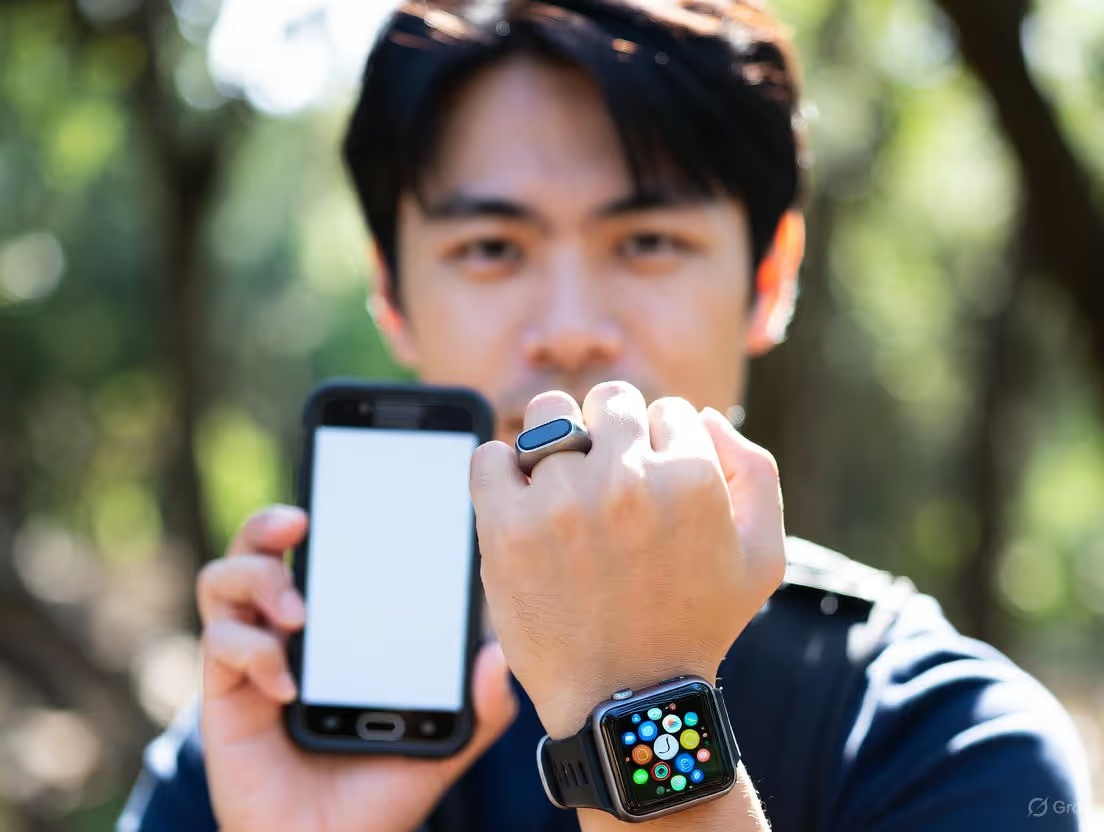
The emergence of sophisticated, wearable technology like advanced smart rings is changing the game. By continuously tracking physiological biomarkers of stress—such as heart rate variability (HRV), skin temperature, and sleep architecture—these devices provide a real-time, personalized window into your nervous system state. They translate the invisible into actionable data. They allow you to connect the dots between a difficult workweek and a measurable dip in your recovery metrics, offering not just insight, but a pathway to intervention.
In this exploration, we will dissect the profound biological connection between chronic stress and systemic inflammation. We will move from the foundational science to the practical tools that can help you monitor and manage this critical axis of your health. This is a journey into understanding the silent language of your body, a language we are now finally learning to decode.
The Biology of the Beast: Defining Stress and Inflammation at a Cellular Level
To understand the connection, we must first define the players. Stress and inflammation are not vague concepts; they are precise, evolved biological programs.
Stress, in purely biological terms, is the body's nonspecific response to any demand placed upon it. This response is orchestrated by the Hypothalamic-Pituitary-Adrenal (HPA) axis. The process is a marvel of evolutionary engineering:
Perception: The amygdala, your brain's threat radar, perceives a stressor (physical, emotional, or psychological).
Alarm: It signals the hypothalamus, which releases corticotropin-releasing hormone (CRH).
Activation: CRH prompts the pituitary gland to secrete adrenocorticotropic hormone (ACTH) into the bloodstream.
Execution: ACTH instructs the adrenal glands (perched atop your kidneys) to release a flood of stress hormones, primarily cortisol and adrenaline (epinephrine).
This "fight-or-flight" cascade produces immediate, dramatic changes: your heart rate and blood pressure spike, blood sugar rises for quick energy, digestion halts, and your senses sharpen. The goal is singular: survive the immediate threat.
Inflammation, on the other hand, is the immune system's coordinated response to injury or invasion. It’s the body’s repair crew and defense force. Acute inflammation is localized, protective, and short-lived. Think of the redness, heat, and swelling around a cut. This process is driven by immune cells (like macrophages) releasing signaling proteins called pro-inflammatory cytokines (e.g., interleukin-1, interleukin-6, tumor necrosis factor-alpha). These cytokines recruit more immune cells to the site, promote healing, and create an environment hostile to pathogens.
The critical insight of modern psychoneuroimmunology is this: the HPA axis and the immune system are in constant, bidirectional communication. They share a common chemical language. Your immune cells have receptors for cortisol, and your nervous system has receptors for cytokines.
Under acute, short-term conditions, this relationship is elegantly balanced. A brief stress response can actually enhance immune activity, priming you for potential injury. Conversely, the acute inflammatory response activates the HPA axis to produce more cortisol, which then, in a crucial feedback loop, helps dampen the inflammation once the threat is resolved. Cortisol is a potent anti-inflammatory.
The problem begins when "acute" becomes "chronic." When the psychological stressors of modern life—incessant emails, social pressures, economic uncertainty—keep the HPA axis engaged for weeks, months, or years, this finely tuned system breaks down. The once-protective flame becomes an uncontrolled fire.
When the Alarm Never Stops: Chronic Stress and HPA Axis Dysregulation
Imagine a car alarm that, once triggered, cannot be turned off. It blares incessantly, day and night, until the battery dies and the mechanism burns out. This is a fitting analogy for HPA axis dysregulation under chronic stress.
Initially, in the face of unrelenting demand, the adrenal glands work overtime, producing high levels of cortisol. This stage is sometimes called hypercortisolism. You might experience it as feeling "wired but tired"—anxious, irritable, with disrupted sleep and elevated blood pressure. The constant cortisol surge begins to disrupt its own regulatory feedback. The brain's receptors become desensitized to cortisol's signal, like a person going nose-blind to a strong smell. The hypothalamus and pituitary keep shouting for more, believing the body isn't responding.
Over time, this can lead to a state of exhaustion, often termed HPA axis fatigue or hypocortisolism. The adrenals, overworked and under-supported, can no longer meet the demand. Cortisol output plummets. This stage is characterized by profound fatigue, burnout, depression, poor immune function, and an inability to handle even minor stressors. You’ve hit biological burnout.
Throughout this dysregulation—whether in the high-cortisol or eventual low-cortisol phase—the relationship with inflammation is profoundly disrupted:
In the hypercortisol stage: While cortisol is anti-inflammatory, chronic high levels cause immune cells to become resistant to its "off" signal, much like cells become insulin resistant in Type 2 diabetes. Inflammation persists despite high cortisol.
In the hypocortisol stage: With the primary anti-inflammatory brake (cortisol) now failing, the inflammatory response is effectively "unchecked." Low cortisol can no longer properly regulate cytokine production, allowing inflammation to run rampant.
This dysregulated state creates a perfect storm. The body is simultaneously flooded with stress signals and inflammatory signals, each exacerbating the other. The brain, sensing inflammation via cytokines, perceives further threat and activates the HPA axis more, which further dysregulates the immune response. The vicious cycle is now self-perpetuating. To explore more on how modern technology can help identify these patterns of dysregulation, our blog offers deeper dives into physiological tracking.
Cytokines: The Chemical Messengers That Link Mind and Body
If cortisol and adrenaline are the hormones of stress, then cytokines are the hormones of inflammation. These small proteins are the indispensable messengers in the stress-inflammation dialogue, acting as the chemical vocabulary shared by your immune and nervous systems.
Pro-inflammatory cytokines like IL-1β, IL-6, and TNF-α are the primary actors. During an infection or injury, they are produced locally to coordinate defense and repair. However, under conditions of chronic stress, their production becomes systemic. Here’s how the connection works:
Direct Activation: Stress hormones can directly stimulate immune cells (macrophages, monocytes) to produce pro-inflammatory cytokines. Psychological stress alone has been shown in studies to elevate levels of IL-6 in the bloodstream.
The Vagus Nerve Highway: This major nerve is a superhighway of communication between the body and brain. Under normal conditions, it sends anti-inflammatory signals down to the body. Chronic stress inhibits vagal tone (the activity of the vagus nerve), removing this calming, anti-inflammatory influence and allowing cytokine production to increase.
Cytokines as "Sickness Behavior" Inducers: Ever wondered why you feel lethargic, foggy, and withdrawn when you have the flu? Those are not just side effects of the virus; they are direct commands from cytokines like IL-1 and TNF-α acting on your brain. They induce fatigue, social withdrawal, loss of appetite, and depressed mood to conserve energy for fighting illness. Chronic, low-grade inflammation means your body is perpetually inducing a muted version of "sickness behavior," contributing to the fatigue and low mood associated with long-term stress.
Brain Access: Cytokines can actively signal the brain by crossing through leaky parts of the blood-brain barrier, binding to nerve endings, or triggering local production within the brain itself. Once in the brain, they can alter neurotransmitter function (like serotonin and dopamine), directly influencing mood, cognition, and motivation.
This is the mechanistic heart of the mind-body connection. A stressful thought or experience doesn't just stay "in your head." It catalyzes a chemical (cytokine) cascade that physically alters your brain function and permeates your entire body. The persistent ache, the mental fog, the lack of motivation—these are not "all in your mind." They are, in a very real biochemical sense, in your immune system.
The Vicious Cycle: How Inflammation Feeds Stress and Anxiety
We have seen how stress begets inflammation. But the loop is closed when inflammation, in turn, fuels more stress and anxiety. This bidirectional relationship traps individuals in a self-reinforcing prison of poor health.
When pro-inflammatory cytokines reach the brain, they don't just cause fatigue; they directly stimulate key fear and anxiety centers:
The Amygdala: Cytokines increase activity in this brain region, heightening threat perception and emotional reactivity. The world feels more dangerous.
The Prefrontal Cortex: This area, responsible for executive function, rational thought, and emotional regulation, is impaired by inflammation. Its ability to calm the amygdala's alarm is weakened.
Neurotransmitter Disruption: Inflammation depletes tryptophan (a precursor for serotonin, the "feel-good" neurotransmitter) and can increase the production of neurotoxic compounds. It also disrupts dopamine signaling, affecting motivation and reward.
The result? An inflamed brain is an anxious, sensitive, and dysregulated brain. You become primed to interpret neutral events as threats (a terse email feels like a personal attack), your ability to reason through stressors diminishes, and your baseline anxiety rises. This heightened state of psychological distress is, of course, perceived by the HPA axis as a new threat, triggering another wave of cortisol and further immune activation.
It becomes a closed circuit: Stress → Inflammation → Anxious, Dysregulated Brain → Perceived Threat → More Stress.
Breaking this cycle requires an intervention that can address both sides of the equation. It requires tools that can not only track the physiological signs of stress but also provide insights into the lifestyle factors that drive inflammation. The journey of understanding this cycle is central to our mission, which you can read more about in our story.
Silent Damage: Long-Term Health Consequences of the Stress-Inflammation Axis
When the stress-inflammation cycle spins unchecked for years, the collateral damage is extensive and systemic. This is not merely about discomfort; it is about the acceleration of nearly every major age-related and chronic disease. The low-grade inflammatory fire becomes a primary agent of cellular aging and dysfunction.
Cardiovascular Disease: Chronic inflammation damages the endothelial lining of blood vessels, promoting the formation of atherosclerotic plaques. Cytokines like IL-6 are strong independent predictors of future heart attacks. Stress-induced high blood pressure and elevated blood sugar add further strain.
Metabolic Dysfunction and Type 2 Diabetes: Cortisol raises blood glucose. Chronic inflammation causes insulin resistance in muscle and fat cells. Together, they are a powerful driver of metabolic syndrome—a cluster of conditions including high blood pressure, high blood sugar, excess abdominal fat, and abnormal cholesterol levels.
Neurodegeneration and Cognitive Decline: Inflammatory cytokines are toxic to neurons and can impair the formation of new synaptic connections. Chronic brain inflammation (neuroinflammation) is a key contributor to the pathogenesis of Alzheimer's and Parkinson's diseases. It also underlies the "brain fog" and memory issues reported by those under long-term stress.
Mood Disorders: The link between inflammation and depression is now robustly established. A significant subset of depressed patients show elevated inflammatory markers. Inflammation can cause depressive symptoms by the mechanisms already described: altering neurotransmitters, inducing sickness behavior, and disrupting neural circuits.
Autoimmune Conditions: By over-activating the immune system and potentially breaking down mechanisms of self-tolerance, chronic stress and inflammation can trigger the onset or exacerbate the symptoms of autoimmune diseases like rheumatoid arthritis, lupus, and inflammatory bowel disease.
Cellular Aging and Telomere Shortening: Telomeres are the protective caps on the ends of chromosomes that shorten with each cell division, a marker of biological aging. Both chronic stress and chronic inflammation have been shown to accelerate telomere shortening. Elevated cortisol and pro-inflammatory cytokines are associated with prematurely aged cells.
This list underscores a paradigm shift: managing chronic inflammation, often ignited by stress, is one of the most powerful longevity and healthspan interventions available to us. The goal moves from simply "managing stress" to "quenching the inflammatory fire."
Beyond Cortisol: Key Biomarkers of Inflammation to Know
While cortisol is a central player, a comprehensive view of the stress-inflammation axis requires knowledge of key inflammatory biomarkers that can be measured, often through blood tests. Understanding these provides a clearer picture of your internal terrain.
High-Sensitivity C-Reactive Protein (hs-CRP): This is the most commonly used clinical marker for systemic inflammation. Produced by the liver in response to cytokines (especially IL-6), hs-CRP measures low-grade inflammation. Levels below 1.0 mg/L are considered low risk, 1.0-3.0 mg/L represent average risk, and above 3.0 mg/L indicate high risk for cardiovascular events and other inflammatory conditions.
Interleukin-6 (IL-6): A primary pro-inflammatory cytokine that directly stimulates the production of CRP. It's a more upstream marker than CRP and is strongly implicated in the stress response, metabolic disease, and depression.
Fibrinogen: Another liver-produced acute phase protein that increases with inflammation. It's crucial for blood clot formation, linking inflammation to a hypercoagulable (clot-prone) state.
Erythrocyte Sedimentation Rate (ESR): A non-specific test that measures how quickly red blood cells settle at the bottom of a test tube. Faster settling occurs in the presence of increased inflammatory proteins.
Tumor Necrosis Factor-Alpha (TNF-α): A potent cytokine involved in systemic inflammation, it plays a major role in autoimmune diseases like rheumatoid arthritis and inflammatory bowel disease.
Homocysteine: An amino acid that, at elevated levels, can damage blood vessel linings and promote inflammation and clotting. Levels are influenced by diet (especially B vitamin intake) and stress.
The power of tracking these biomarkers, where possible, is in creating objective baselines. You can see the direct impact of a prolonged stressful period or, conversely, the positive effect of a sustained stress-management practice. While you can't track hs-CRP from your wrist, you can track its physiological precursors—the state of your nervous system that drives its production.
The Modern Dashboard: How Wearables Like Smart Rings Track Stress Physiology
For decades, the only way to gauge this internal storm was through intermittent blood tests or subjective questionnaires. The advent of clinical-grade sensors miniaturized into comfortable, always-on wearables has democratized access to real-time physiological data. Devices like advanced smart rings act as a continuous, personal biofeedback dashboard.
The core metrics they track are powerful proxies for autonomic nervous system (ANS) balance and stress load, the primary drivers of the inflammatory cascade:
Heart Rate Variability (HRV): This is the single most important metric for tracking stress and recovery. HRV measures the subtle variations in time between each heartbeat. High HRV indicates a resilient, adaptable nervous system—one that can smoothly shift between stress (sympathetic) and rest (parasympathetic) modes. Low HRV indicates a stressed, fatigued, or inflexible nervous system stuck in "fight-or-flight." Chronically low HRV is a strong, non-invasive correlate of elevated inflammation and future health risk. A smart ring that tracks HRV throughout the day and night provides an unparalleled view of your nervous system's true state, beyond how you "feel."
Resting Heart Rate (RHR): Your heart rate when you are fully at rest. A creeping elevation in RHR over time can be a sign of systemic stress, overtraining, poor recovery, or underlying inflammation, as the body is in a metabolically heightened state.
Skin Temperature and Blood Flow: Continuous temperature monitoring can reveal patterns related to stress, illness onset, and inflammatory states. Stress responses and inflammation often alter peripheral blood flow and temperature.
Sleep Architecture: This is non-negotiable. Chronic stress devastates sleep, and poor sleep (especially loss of deep and REM sleep) profoundly increases inflammation and cortisol. Wearables track not just duration, but the quality and structure of sleep—showing how much restorative deep sleep and mentally critical REM sleep you get. Poor sleep metrics are both a cause and a consequence of a dysregulated stress-inflammation axis.
Respiratory Rate: Even subtle increases in resting respiratory rate can be an early sign of physical or psychological stress load.
By synthesizing these data points, a sophisticated wearable doesn't just tell you you're stressed because your heart is pounding during a meeting. It shows you that your baseline nervous system state is depleted (low overnight HRV), that your body is struggling to recover (elevated nighttime skin temperature), and that you are not getting the restorative sleep needed to lower inflammation (lack of deep sleep). This moves you from subjective guessing to objective knowing. For a detailed look at how one such device integrates this data, you can learn more about Oxyzen's holistic approach.
Decoding Your Data: Connecting HRV, Sleep, and Recovery to Inflammation Risk
Raw data is just numbers. The insight comes from interpretation and pattern recognition. Let's translate what your wearable's dashboard might be telling you about your stress-inflammation risk.
Scenario: The "Burning the Candle at Both Ends" Profile
Data Trend: Your nightly average HRV has been on a steady downward trend for three weeks. Your resting heart rate is 5-8 beats per minute higher than your personal baseline. Your deep sleep percentage has dropped below your target, and your sleep latency (time to fall asleep) has increased. You're waking up feeling "tired and wired."
Biological Interpretation: Your autonomic nervous system is losing its resilience. The consistent dip in HRV suggests dominant sympathetic (stress) drive and impaired parasympathetic (restorative) activity. The elevated RHR indicates a higher metabolic and cardiovascular load. The poor sleep, particularly lack of deep sleep, means your body is missing its prime time for repair, growth hormone release, and "washing" metabolic debris from the brain. This is the exact physiological milieu where cortisol dysregulation and pro-inflammatory cytokine production thrive.
Inflammation Risk: High and Rising. This pattern is a flashing warning light. Even without a blood test, the physiology indicates a system under siege, highly prone to systemic inflammation.
Scenario: The "Effective Recovery" Profile
Data Trend: Your HRV is stable or gradually rising within your normal range. Your RHR is at or near your personal baseline. You consistently meet your sleep duration and quality targets, with sufficient deep and REM sleep. You wake feeling rested.
Biological Interpretation: Your nervous system is resilient and adaptable. You are effectively cycling between stress and recovery. The robust sleep architecture ensures daily inflammatory processes are resolved, hormones are balanced, and tissues are repaired.
Inflammation Risk: Low and Managed. Your body is in a state where acute stressors are met with an appropriate response, followed by a return to homeostasis. Inflammation remains acute, localized, and beneficial, not chronic and systemic.
The power of this tracking is in its preventative nature. You no longer have to wait for a disease diagnosis or a major burnout. You can see the early-warning signs of a drifting biology and take corrective action before the damage becomes clinical. For answers to common questions on how to use this data effectively, our FAQ resource provides detailed guidance.
Lifestyle Levers: Diet, Sleep, and Movement to Cool the Fire
Armed with the knowledge of the connection and the data to see it in yourself, the next step is intervention. The goal is to use lifestyle as medicine to downregulate the HPA axis, enhance nervous system resilience, and directly combat inflammation. These are your most powerful levers.
1. The Anti-Inflammatory Plate: Nutrition directly modulates inflammation. An anti-inflammatory diet is not a fad; it's a foundational practice.
Emphasize: Omega-3 fatty acids (fatty fish, flaxseeds, walnuts) which are precursors to potent anti-inflammatory resolvins. Colorful phytonutrients from berries, leafy greens, and cruciferous vegetables. High-quality fiber to feed a healthy gut microbiome, as 70-80% of your immune system resides in your gut.
Minimize: Refined sugars and carbohydrates, which spike blood sugar and promote the production of pro-inflammatory AGEs (advanced glycation end products). Industrial seed oils high in omega-6s (soybean, corn oil) that skew the omega-3:omega-6 balance toward inflammation. Processed foods laden with additives.
2. Sleep as Non-Negotiable Repair: Sleep is the master regulator of the stress-inflammation axis. Deep sleep (N3) is when growth hormone is released for tissue repair, and the brain's glymphatic system clears inflammatory waste products like beta-amyloid.
Action: Use your wearable to protect your sleep schedule as sacred. Prioritize consistency (same bedtime/wake time). Create a wind-down ritual. Optimize your sleep environment (cool, dark, quiet). View sleep not as downtime, but as active, essential metabolic maintenance.
3. Intelligent Movement: Exercise is a double-edged sword. Acute exercise is a beneficial stress that trains resilience. Chronic, excessive exercise without recovery is a major inflammatory driver.
The Sweet Spot: Use HRV and RHR data to guide your training. A significant drop in HRV or spike in RHR may signal the need for a restorative day (light walking, yoga, rest) instead of high-intensity work. Balance intense efforts with low-level aerobic activity and strength training. Movement is anti-inflammatory, but overtraining is pro-inflammatory.
The Mind-Gut Axis: How Stress Ignites Inflammation in Your Digestive System
No discussion of stress and inflammation is complete without addressing the gut—the largest immune organ in the body. The gut-brain axis is a bidirectional communication network involving neural, endocrine, and immune pathways. Stress doesn't just give you "butterflies"; it physically alters your gut ecology and permeability.
Under acute stress, blood flow is shunted away from the gut to fuel muscles and the brain. Under chronic stress:
Altered Gut Motility: Leading to IBS-like symptoms (cramping, diarrhea, constipation).
Changed Gut Microbiota Composition: Stress hormones can favor the growth of less beneficial bacterial strains.
Increased Intestinal Permeability ("Leaky Gut"): Stress and cortisol can weaken the tight junctions between the cells lining your intestinal wall. This allows undigested food particles, bacteria, and bacterial endotoxins (like LPS) to leak into the bloodstream.
Immune Activation: The immune system detects these foreign molecules in the bloodstream and launches a systemic inflammatory attack. LPS is particularly potent at triggering the release of TNF-α, IL-1, and IL-6.
Thus, chronic stress can directly cause gut inflammation and increased systemic inflammatory load. This creates another vicious cycle: gut inflammation signals the brain via the vagus nerve and cytokines, contributing to anxiety and mood disorders, which then further stress the gut. Healing this axis often requires addressing both psychological stress and gut health simultaneously. The stories of individuals who have tackled this cycle are powerful, and you can read some of their experiences in our testimonials.
From Data to Action: Building a Personalized Stress-Resilience Protocol
The endpoint of all this knowledge and tracking is not to become obsessed with metrics, but to use them to build a personalized, sustainable lifestyle that fosters biological resilience. Your data is your guide.
Step 1: Establish Your Baselines. Wear your device consistently for at least 2-4 weeks during a period of "normal" life to understand your unique, personal baselines for HRV, RHR, and sleep.
Step 2: Identify Your Triggers and Buffers. Use the journaling feature (if available) or your own notes alongside your data. Did a conflict with a coworker precede a night of low HRV? Did a 90-minute hike in nature correlate with a superb sleep score? Did three nights of poor sleep precede a day of high resting heart rate? Look for cause and effect.
Step 3: Implement Targeted Interventions. Based on your patterns, choose one or two high-impact levers to pull:
If sleep is your weak link: Implement a strict digital sunset, use blackout curtains, or experiment with a slightly cooler bedroom temperature. Track the impact on your deep sleep scores.
If recovery is low (low HRV): Introduce 10 minutes of daily diaphragmatic breathing or a short mindfulness meditation. Schedule a restorative yoga session instead of a HIIT workout on days your data suggests you need it.
If stress spikes are frequent: Use your device's real-time stress alerts as a cue to take three deep, conscious breaths, disrupting the physiological cascade before it becomes entrenched.
Step 4: Practice and Refine. Resilience is a skill built over time. Your protocol is a living document. As your life changes, your needs will change. The goal is to develop an intuitive connection with your body, supported by objective data, so you can give it what it needs to stay in balance, quiet the inflammatory fire, and thrive.
This foundational understanding of the stress-inflammation connection—from its cellular mechanisms to its tangible health consequences and the modern tools to track it—empowers you to take the reins of your long-term well-being. It transforms an invisible process into a manageable one. In the continuation of this discussion, we will delve even deeper into advanced techniques for nervous system regulation, the role of community and environment, and the future of personalized, preventative health. The journey to mastering your internal environment begins with seeing it clearly, a mission we are deeply committed to, as outlined in our company's vision.
Mastering Your Internal Environment: Building Resilience and Quenching the Fire
Having laid the foundation of the stress-inflammation connection, we now move from understanding the problem to mastering the solution. The knowledge of this axis is not meant to incite fear, but to empower action. We possess an incredible capacity for neuroplasticity—the ability to rewire our brain's responses—and homeostatic resilience—the ability to return our physiology to balance. The goal is to move from a state of reaction to one of proactive regulation, using both ancient practices and modern technology to build a biology that is resistant to the flames of chronic inflammation.
Breath as the Remote Control: Techniques for Direct Nervous System Regulation
If chronic stress is akin to pressing the gas pedal of your nervous system indefinitely, then conscious breathing is the master key to applying the brake. The breath is the only autonomic function we can easily bring under voluntary control, making it a direct line to influencing heart rate, blood pressure, and, crucially, the inflammatory cascade.
The Physiological Shift: Slow, deep, diaphragmatic breathing stimulates the vagus nerve—the longest cranial nerve and the commander of your parasympathetic (rest-and-digest) nervous system. Vagus nerve stimulation (VNS) has been clinically shown to reduce the production of pro-inflammatory cytokines like TNF-α. It’s a built-in anti-inflammatory mechanism.
Actionable Techniques to Implement Today:
The 4-7-8 Method (Relaxing Breath):
How: Inhale quietly through your nose for a count of 4. Hold your breath for a count of 7. Exhale completely through your mouth, making a whoosh sound, for a count of 8. This is one breath cycle. Repeat for 4 cycles, twice daily.
When to use: Excellent for winding down before sleep, interrupting acute anxiety, or as a morning ritual. It’s a potent signal to the body that the "danger" has passed.
Box Breathing (Tactical Breathing):
How: Inhale for a count of 4. Hold the breath for 4. Exhale smoothly for 4. Hold the breath out for 4. Repeat for 5-10 minutes.
When to use: Ideal for regaining focus during a stressful work situation, before an important meeting, or when you feel emotionally overwhelmed. Its equal ratios promote balance and calm control.
Resonant or Coherent Breathing:
How: Breathe at a pace of 5 breaths per minute (inhale for 5 seconds, exhale for 5 seconds). This specific pace has been shown to maximize heart rate variability (HRV), creating optimal synchronization between heart rhythm, blood pressure, and respiration.
When to use: As a daily 10-20 minute practice to build baseline vagal tone. Use a simple app or metronome to guide the pace initially. This is foundational training for your nervous system's resilience.
The Data Connection: Use your smart ring to witness the direct impact. Perform a 5-minute breathing session and observe the real-time effect on your heart rate and HRV. Over time, note the correlation between a consistent breathing practice and improvements in your overnight HRV average and sleep scores. This turns an abstract practice into a validated, measurable tool.
The Power of Cold and Heat: Using Thermal Stress to Build Anti-Inflammatory Resilience
The principle of hormesis—whereby a mild, acute stressor makes an organism stronger—is brilliantly applied through intentional temperature exposure. Controlled thermal stress trains your nervous system, improves vascular health, and triggers powerful anti-inflammatory responses.
Cold Exposure (e.g., Cold Plunges, Cold Showers):
The Anti-Inflammatory Mechanism: Acute cold exposure causes a significant, transient increase in norepinephrine (up to 530%) and cortisol. This "shock" is followed by a powerful rebound effect. Studies show it can reduce circulating levels of pro-inflammatory cytokines. It also increases levels of adiponectin, a hormone from fat cells that has anti-inflammatory and insulin-sensitizing properties.
The Vagus Nerve Boost: The "cold shock" response, followed by the conscious calming of the breath, is a powerful workout for the vagus nerve, enhancing its tone and your ability to self-regulate.
Practical Start: End your regular shower with 30-90 seconds of cold water. Focus on steady diaphragmatic breathing throughout. Consistency (3-5 times per week) is far more important than extreme duration or temperature.
Heat Exposure (e.g., Sauna, Steam Bath):
The Anti-Inflammatory Mechanism: Heat stress induces a process called heat shock protein (HSP) expression. These proteins repair misfolded proteins within cells, reduce oxidative stress, and have a demonstrated anti-inflammatory effect. Regular sauna use is associated with reduced levels of CRP and IL-6. The cardiovascular adaptation (increased heart rate similar to moderate exercise) also improves endothelial function.
Practical Start: Aim for 2-3 sessions per week of 15-20 minutes in a sauna (or a hot bath if a sauna is unavailable), followed by a cool shower. Always hydrate well.
The Data Connection: Monitor your body's response. After a cold plunge, you might see a temporary spike in heart rate followed by a deeper drop later. Notice if regular sauna use correlates with lower resting heart rate or improved sleep depth. These practices are "stressors" on your system, so your recovery metrics (HRV) will tell you if you're implementing them at an appropriate frequency and intensity for your current resilience level.
Movement as Medicine: Finding the Sweet Spot Between Stress and Recovery
Exercise is the quintessential hormetic stressor. The right dose builds resilience; the wrong dose (too much, too intense, without recovery) fuels inflammation. The key is moving from generic guidelines to a personalized, data-informed movement practice.
Low-Intensity Steady State (LISS): Walking, hiking, easy cycling. This is the bedrock of an anti-inflammatory movement regimen. It promotes circulation, lymphatic drainage, and mitochondrial health without a significant cortisol spike. It actively supports recovery. Aim for the majority (70-80%) of your weekly movement to be in this gentle zone.
Strength Training: Building muscle mass is inherently anti-inflammatory. Muscle tissue acts as an endocrine organ, secreting myokines (like IL-6 in its beneficial, acute form) that improve metabolism and reduce systemic inflammation. It also improves insulin sensitivity. Aim for 2-3 full-body sessions per week.
High-Intensity Interval Training (HIIT): This is a potent but double-edged sword. It provides powerful metabolic and cardiovascular benefits but creates a significant inflammatory and oxidative stress burden that requires adequate recovery. Limit to 1-2 short sessions per week, and never on consecutive days.
The Data-Driven Approach: Listen to Your Biomarkers This is where wearables transform fitness from a guessing game into a science.
Use Morning HRV & RHR: Treat these as your daily "readiness" scores. If your HRV is significantly below your baseline or your RHR is elevated, your body is signaling a need for recovery. Opt for LISS, gentle yoga, or even complete rest instead of pushing through a planned intense workout.
The Workout Impact: Observe how different types of exercise affect your sleep and next-day recovery metrics. You might find that evening HIIT ruins your sleep depth, while morning strength training has a minimal negative impact.
Avoid Chronic Cardio: Long, moderate-to-high intensity sessions done too frequently are a prime driver of elevated cortisol and inflammation. Your data will reveal this pattern through stagnating or declining HRV and poor sleep.
The goal is to periodize your movement—cycling stress and recovery—to create an upward trend in resilience, not to chronically fatigue your system. For more insights on integrating data into your wellness routine, our blog is a continually updated resource.
Nutritional Psychiatry: Foods That Directly Influence Stress and Inflammation Pathways
The food we eat provides the raw materials for every neurotransmitter and immune molecule. The field of nutritional psychiatry explicitly studies how diet influences brain chemistry, mood, and inflammation. Here are key dietary allies in cooling the stress-inflammation fire:
Omega-3 Fatty Acids (EPA & DHA): Found in fatty fish (salmon, mackerel, sardines), algae, and to a lesser extent in walnuts and flaxseeds. EPA is particularly effective at competing with pro-inflammatory omega-6 fatty acids to produce less inflammatory eicosanoids. It also supports neuronal membrane fluidity and has been shown in clinical trials to reduce symptoms of depression, which is often linked to inflammation.
Polyphenols & Antioxidants: These plant compounds combat oxidative stress, a key partner of inflammation. Focus on diversity and color:
Berries: Rich in anthocyanins.
Dark Leafy Greens & Cruciferous Veggies: Provide sulforaphane (from broccoli sprouts) and lutein.
Turmeric (with Black Pepper): Curcumin is a potent modulator of NF-kB, a master switch for inflammation gene expression.
Green Tea: Contains L-theanine (promotes calm focus) and EGCG, a powerful antioxidant.
Fermented Foods & Prebiotic Fiber: To support the gut-brain axis. Sauerkraut, kimchi, kefir, and yogurt introduce beneficial probiotics. Artichokes, garlic, onions, and asparagus provide prebiotic fiber to feed them. A diverse gut microbiome is essential for producing short-chain fatty acids like butyrate, which has anti-inflammatory effects in the gut and brain.
Magnesium: This "relaxation mineral" is depleted by stress and is a cofactor in over 300 enzymatic reactions, including those regulating the HPA axis and neurotransmitter synthesis. Found in leafy greens, nuts, seeds, and dark chocolate.
What to Minimize Dramatically: The inflammatory trifecta: Refined Sugar, Processed Industrial Seed Oils (high in omega-6), and Ultra-Processed Foods. These directly fuel oxidative stress, disrupt gut integrity, and promote insulin resistance.
Mindfulness, Meditation, and the Science of Changing Your Brain's Stress Default
Mindfulness is the practice of paying attention to the present moment without judgment. Meditation is the formal training for this skill. Neuroscience shows these practices don't just feel good; they physically remodel the brain and alter gene expression related to inflammation.
Neuroplastic Changes: MRI studies show that consistent meditation increases gray matter density in the prefrontal cortex (improving executive control) and the hippocampus (involved in memory and emotion regulation), while decreasing the size and reactivity of the amygdala (the fear center). This literally changes your brain's default response from reactivity to thoughtful response.
Gene Expression: Pioneering work in the field of psychoneuroimmunology has shown that mindfulness-based interventions can downregulate the expression of pro-inflammatory genes (like those for IL-6 and COX-2) and reduce NF-kB activity. In one study, a meditation retreat led to reduced activity of inflammation-related genes and faster cortisol recovery after a social stress test.
Reducing Rumination: Chronic stress is often sustained by repetitive, negative thought patterns (rumination) that keep the threat perception active. Mindfulness breaks this cycle by creating space between a thought and your reaction to it.
Getting Started (Data-Informed):
Micro-Doses: Start with 5-10 minutes per day using an app like Headspace or Calm. Consistency is paramount.
Body Scan Meditation: This practice directly connects you to interoceptive awareness—feeling sensations in your body. This can help you recognize the early physical signs of stress (clenched jaw, tight shoulders) before they escalate.
Track the Impact: Don't take it on faith. Note your mood and energy after a session. Over weeks, look at your wearable data: has your resting heart rate trended down? Has your sleep latency decreased? Has your HRV shown a gradual improvement? This evidence turns meditation from a "nice-to-have" into a core, non-negotiable component of your health protocol, backed by your own biometrics.
The Social Immune System: How Connection and Community Buffer Against Inflammation
Loneliness and social isolation are not just psychological states; they are recognized as potent biological stressors with a direct inflammatory signature. Humans are a social species, and perceived social safety is a core component of our nervous system's regulation.
The Biology of Loneliness: Studies consistently show that individuals who report high levels of loneliness or low social support have elevated levels of pro-inflammatory markers like CRP, IL-6, and fibrinogen. The evolutionary theory posits that feeling socially isolated triggers a "danger" signal, priming the immune system for potential injury or attack (as isolation historically meant greater vulnerability).
Social Connection as a Buffer: Positive, supportive social interactions trigger the release of oxytocin, often called the "bonding hormone." Oxytocin has anxiolytic (anxiety-reducing) effects and can dampen HPA axis activity and sympathetic nervous system output. Laughter, touch, and feeling understood all contribute to a physiological state of safety.
Quality Over Quantity: It's the perceived quality and depth of connections that matter most. A few close, trustworthy relationships are more protective than a wide network of superficial acquaintances.
Actionable Steps:
Prioritize Rituals: Schedule regular calls, walks, or meals with people who leave you feeling energized and supported.
Seek Community: Join groups (in-person or online) aligned with your interests, whether it's a book club, fitness class, or volunteer organization. The shared purpose fosters connection.
Digital Hygiene: Be mindful that passive social media consumption often increases feelings of isolation and comparison (social threat). Actively use technology to enable real-world connection or meaningful conversations.
Building your "social immune system" is as critical as supporting your physical one. It’s a vital, often overlooked, lever in managing the stress-inflammation axis. The community of users who share their journeys often find extra motivation; you can see how others are applying these principles in their testimonials.
Environmental Stressors: The Hidden Inflammatory Load of Light, Noise, and Toxins
Our external environment constantly communicates with our biology. Beyond psychological stress, pervasive environmental factors place a low-grade, chronic burden on our systems, contributing to the overall inflammatory load.
Circadian Rhythm Disruption (Light): Exposure to blue light, especially from screens after sunset, suppresses melatonin production. Melatonin is not just a sleep hormone; it's a potent antioxidant and anti-inflammatory agent. Disrupted circadian rhythms dysregulate cortisol's natural diurnal pattern and increase inflammatory markers. Action: Use blue-light blocking glasses in the evening, adopt "night shift" modes on devices, and prioritize morning sunlight exposure to anchor your rhythm.
Noise Pollution: Chronic exposure to traffic, airport, or urban noise is a non-conscious stressor that activates the sympathetic nervous system and HPA axis, even during sleep. Studies link it to elevated cortisol, hypertension, and cardiovascular inflammation. Action: Use white noise machines or earplugs to create an acoustic buffer, especially for sleep.
Endocrine Disrupting Chemicals (EDCs): Found in plastics (BPA, phthalates), pesticides, and certain personal care products, these chemicals can mimic or interfere with hormones, including cortisol and sex hormones. This interference can promote metabolic dysfunction and inflammation. Action: Opt for glass or stainless-steel food/water containers, choose organic produce when possible (especially for the "Dirty Dozen"), and scrutinize product ingredients.
Indoor Air Quality: Volatile organic compounds (VOCs) from paints, furniture, and cleaning products, along with mold spores and dust mites, can trigger low-grade allergic and inflammatory responses. Action: Use HEPA air filters, increase ventilation, and incorporate houseplants known for air purification.
Managing these factors reduces the total "allostatic load" on your body, freeing up resources for resilience and repair. It’s about creating an external environment that supports, rather than sabotages, your internal one.
While wearables provide unparalleled continuous data, a comprehensive picture of your stress-inflammation status integrates multiple layers of feedback.
Leading Indicators: These metrics shift before you feel major symptoms or before blood markers change. They are your early-warning system and your guide for daily choices.
2. The Biochemical Layer (Blood Testing):
Consider Periodic Testing: Working with a functional medicine practitioner or informed doctor, you can measure key inflammatory markers to ground-truth your wearable data.
hs-CRP: Your baseline level of systemic inflammation.
Cortisol Salivary Test: A 4-point test (morning, noon, evening, night) can reveal your cortisol curve and HPA axis health, showing if you are in a hyper- or hypo-cortisol state.
Omega-3 Index: Measures the percentage of EPA and DHA in your red blood cells, indicating your anti-inflammatory fatty acid status.
Vitamin D: A potent immunomodulator; deficiency is linked to higher inflammation.
Frequency: Testing every 6-12 months can provide powerful objective validation of your lifestyle interventions.
3. The Subjective Layer (How You Feel):
Keep a Simple Journal: Note energy levels (1-10), mood, digestion, joint pain, and mental clarity.
Use Validated Questionnaires: Periodically take a free Perceived Stress Scale (PSS) or a PROMIS scale for fatigue. Track the scores over time.
The Integration: The true power lies in correlating these layers. Did a 3-month period of improved HRV and sleep coincide with a 20% reduction in your hs-CRP? Does a week of poor subjective energy match a dip in your deep sleep data? This holistic view confirms you're on the right path or signals where to adjust. For support in interpreting complex data, our FAQ section can be a helpful starting point.
When to Seek Professional Help: Red Flags and Integrative Approaches
While lifestyle is foundational, there are times when professional guidance is essential. The stress-inflammation cycle can become deeply entrenched, and skilled support can provide targeted interventions.
Red Flags That Warrant Professional Consultation:
Persistent, debilitating fatigue that doesn't improve with sleep and rest.
Significant changes in weight (unintended loss or gain) alongside stress.
Diagnosed autoimmune conditions (e.g., Hashimoto's, rheumatoid arthritis) that are flaring.
Symptoms of clinical depression or anxiety that interfere with daily life.
Severe gut issues like persistent pain, bloating, or irregular bowel movements.
Integrative Approaches Professionals May Employ:
Functional Medicine: Seeks to identify and treat the root causes of dysfunction, often using advanced testing (comprehensive stool analysis, organic acids, micronutrient panels) and personalized protocols involving diet, supplements, and stress management.
Mind-Body Therapies: Referral to skilled practitioners in Cognitive Behavioral Therapy (CBT), which is excellent for breaking stress-thought patterns, or Somatic Experiencing, which focuses on releasing stored physiological trauma.
Targeted Supplementation: While food is primary, supplements can be therapeutic tools. A professional might recommend:
Adaptogens: Like rhodiola, ashwagandha, or phosphatidylserine, which help modulate the HPA axis response.
High-dose EPA/DHA: For significant anti-inflammatory effect.
Curcumin: A highly bioavailable form for acute inflammation modulation.
Probiotics: Specific strains with researched psychobiotic (mind-affecting) properties.
Collaborative Care: The ideal approach often involves a team: your primary care physician, a therapist, and a nutritionist or health coach, all informed by the data from your wearable.
Remember, seeking help is a sign of proactive commitment to your health, not a failure of self-management. It’s about assembling the right tools and team for your unique journey.
The Future of Personalized Health: AI, Biomarkers, and Preventative Care
We stand at the frontier of a revolution in health management. The convergence of continuous biometric monitoring, advanced biomarker testing, and artificial intelligence is moving us from a reactive, disease-care model to a truly personalized, preventative health system.
AI-Powered Pattern Recognition: Future algorithms in devices like smart rings won't just show you data; they will interpret complex patterns across your sleep, activity, and stress metrics to predict potential downturns in recovery or inflammation risk days in advance. They could offer hyper-personalized suggestions: "Based on your declining HRV trend and elevated nighttime heart rate, consider a rest day and an earlier bedtime tonight."
Multi-Omics Integration: Imagine a future where your wearable data is seamlessly integrated with periodic "omic" profiles—genomic (DNA), metabolomic (blood metabolites), and microbiomic (gut bacteria)—to create a dynamic, living health blueprint. This could reveal your genetic predisposition to inflammatory responses or how your unique metabolism responds to different foods under stress.
Digital Therapeutics: Prescribed apps and device-based programs for managing conditions like anxiety, insomnia, or hypertension will become mainstream, offering clinically validated, non-pharmacological interventions that work in tandem with your physiology.
The Empowered Patient: You will become the CEO of your own health, equipped with a dashboard of your personal biology. Doctor visits will transform from symptom-based consultations to collaborative data reviews, focused on optimizing your biomarkers and extending your healthspan.
This is the profound promise of understanding the stress-inflammation axis: it gives us a clear target. By learning to measure and manage this fundamental pathway, we gain agency over our long-term vitality. The tools are evolving from crude instruments to precise, personal guides. It is an exciting time to take an active role in writing the story of your own well-being, a vision that drives innovation at the core of our company's mission.
The Practical Path Forward: Systems, Strategies, and Sustained Well-being
The journey through the science of stress and inflammation ultimately leads here: to the practical, daily integration of knowledge into a sustainable life. This final portion of our exploration is about building systems, not just relying on willpower. It's about moving from insight to ingrained habit, creating an environment and routine that naturally supports a resilient, low-inflammation biology. We will cover advanced recovery techniques, the art of digital detox, the power of nature, and how to craft a personalized protocol that endures.
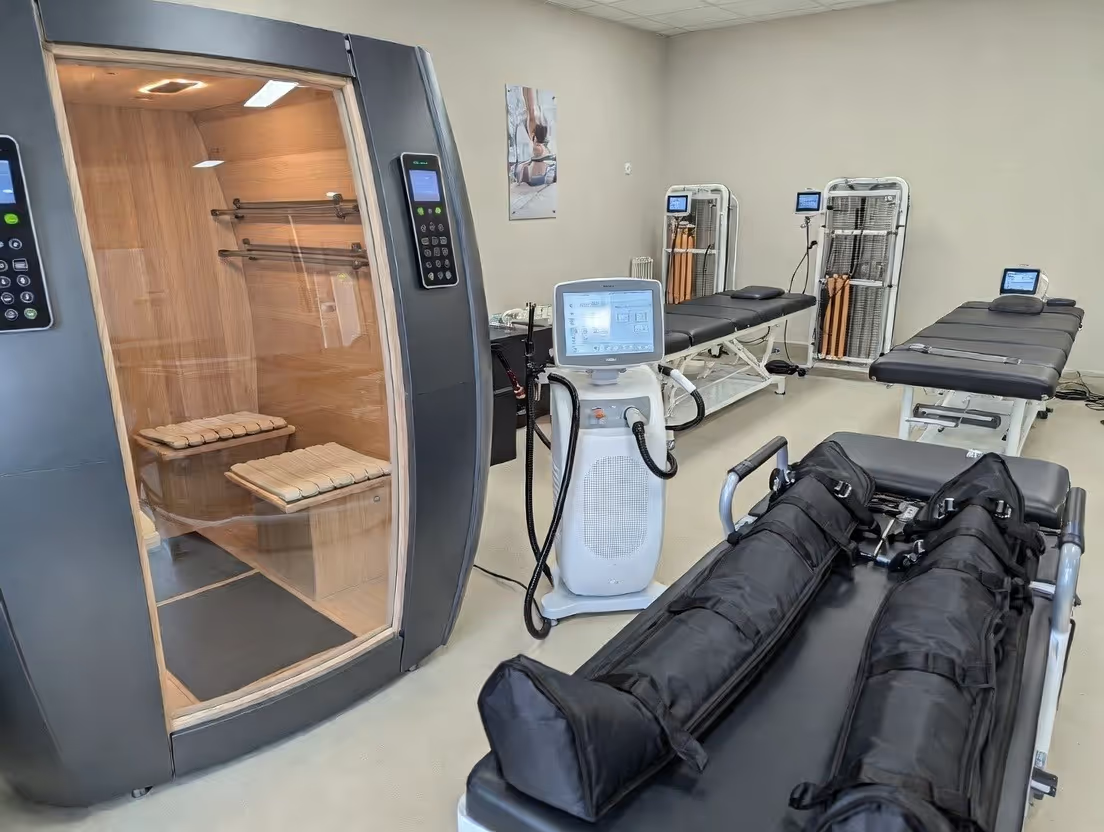
Advanced Recovery Protocols: From Sauna Cycles to Compression Therapy
Beyond foundational sleep and nutrition, several advanced modalities can accelerate recovery, enhance detoxification, and directly combat inflammation. These practices, once the domain of elite athletes, are now accessible tools for anyone seeking to optimize their physiological resilience.
Structured Sauna Protocols: Research from Finland, where sauna use is endemic, reveals a dose-response relationship. Those who frequent saunas 4-7 times per week show dramatically reduced risk of cardiovascular and neurodegenerative diseases compared to once-a-week users.
Optimal Protocol: Aim for 15-20 minutes at 175-195°F (80-90°C), followed by a 2-3 minute cool-down (cool shower or plunge). Repeat this cycle 2-3 times per session. This "heat shock" and "cold shock" combination maximizes HSP production and vascular training.
Hydration is Non-Negotiable: Replenish with water and electrolytes (sodium, potassium, magnesium) before, during, and after.
Data Integration: Track the effect on your sleep. Many find a late afternoon sauna session significantly deepens their slow-wave sleep. Monitor your overnight HRV—does it show enhanced recovery after regular use?
Compression Therapy: Dynamic compression devices (like sleeves for legs or arms) use pneumatic pressure to rhythmically massage limbs.
The Mechanism: It enhances lymphatic drainage—the system responsible for clearing inflammatory cytokines and metabolic waste from tissues. It also improves venous return and circulation, which can speed muscle recovery and reduce post-exercise soreness.
Practical Use: A 20-30 minute session post-intense workout or on a dedicated recovery day can be potent. It’s particularly useful for those with sedentary periods, as it counteracts the inflammatory effects of prolonged sitting.
Pulsed Electromagnetic Field (PEMF) Therapy: This technology uses low-frequency electromagnetic fields to stimulate cellular repair and reduce inflammation.
The Science: PEMF is thought to work by recharging the mitochondria (the cell's power plants) and improving cellular communication. Studies show benefits for pain reduction, sleep quality, and modulating the inflammatory response.
Application: Devices range from full-body mats to localized pads. Evening use can support the body’s natural repair cycles.
The key with advanced protocols is to introduce them gradually and monitor your body's response through data. They are adjuncts to, not replacements for, the fundamentals of sleep, nutrition, and mindful movement. For those curious about integrating technology into their recovery plan, exploring the full capabilities of modern wellness devices can be enlightening.
Digital Minimalism: Reducing the Cognitive Load That Fuels Inflammation
Our digital environment is a perpetual, low-grade stressor. The constant notifications, the endless scroll, the blue light emission, and the "compare and despair" of social media constitute a significant cognitive and psychological load. This digital stress directly activates the sympathetic nervous system and, over time, contributes to systemic inflammation.
The "Attention Economy" Stress Response: Each ping, buzz, or red notification badge is a micro-interruption, triggering a mini-dose of cortisol and dopamine as you check it. This keeps the nervous system in a state of heightened alert, fragmenting focus and preventing deep psychological rest.
Strategies for a Digital Detox That Lasts:
Declare "Sacred Spaces": Make your bedroom a phone-free zone. Use a traditional alarm clock. This single change protects your sleep sanctuary and circadian rhythm.
Schedule "Deep Work" Blocks: Use the Pomodoro Technique or calendar blocking to designate 90-120 minute periods where you close all non-essential tabs and apps, silencing notifications. This allows your brain to enter a focused, low-stress state, reducing cognitive friction.
Curate Your Inputs: Perform a ruthless audit of your social media follows and app notifications. Unfollow accounts that trigger anxiety, envy, or irritation. Turn off all non-essential notifications. You decide when to check email and social apps; don't let them decide for you.
Implement a "Digital Sunset": At least 60 minutes before bed, power down all screens. Replace this time with a real book, light stretching, conversation, or meditation. The reduction in cognitive stimulation and blue light will improve melatonin production and sleep quality.
Track the Benefit: After a week of stricter digital hygiene, review your wearable data. Have your sleep scores improved? Has your resting heart rate dropped? Has your subjective sense of mental clutter decreased? This data reinforces the positive change, making it easier to maintain.
Reducing digital clutter is not about abandoning technology; it's about using it intentionally so it serves you, rather than hijacks your nervous system. For more resources on creating a balanced, tech-aware wellness practice, our blog features ongoing discussions on this topic.
Forest Bathing and Grounding: The Anti-Inflammatory Power of Nature
The Japanese practice of Shinrin-yoku, or "forest bathing," is not simply a walk in the woods. It is the mindful, sensory immersion in a natural environment. A robust body of research demonstrates its profound physiological benefits, many tied directly to reducing inflammation.
Phytoncides and Immune Function: Trees release antimicrobial volatile organic compounds called phytoncides. Breathing these in during a forest walk has been shown to increase the activity and number of natural killer (NK) cells, a type of white blood cell that targets infected and cancerous cells. Studies show elevated NK cell activity and anti-cancer proteins can last for over a week after a multi-day forest trip. This reflects a modulated, more effective immune system.
Stress Hormone Reduction: Multiple studies show that forest bathing, compared to urban walks, significantly lowers salivary cortisol levels, pulse rate, and blood pressure while increasing parasympathetic (calming) nervous activity and reducing sympathetic (stress) activity.
The Grounding (Earthing) Hypothesis: Direct physical contact with the Earth's surface (walking barefoot on grass, sand, or soil) allows the transfer of free electrons from the ground into the body. Emerging research suggests this may have an antioxidant effect, neutralizing positively charged free radicals that drive inflammation and oxidative stress. While more research is needed, small studies have shown grounding can reduce pain, improve sleep, and lower cortisol.
Prescribing a Dose of Nature:
Frequency Over Duration: A regular 20-30 minute walk in a park is more beneficial than a single monthly hike. Aim for 2-3 times per week.
Engage All Senses: Leave your phone in your pocket. Listen to the wind, smell the soil and plants, notice the textures, watch the light filter through leaves. This mindful presence is key to unlocking the neurological benefits.
Make it Accessible: If you live in a city, seek out botanical gardens, arboretums, or the greenest park available. Even caring for houseplants can provide a micro-dose of this benefit.
Nature is not just a scenic backdrop; it is an active participant in our biological regulation. It is one of the most potent, accessible, and underutilized anti-inflammatory therapies available.
Crafting Your Personalized "Inflammation-Resilience" Protocol: A Step-by-Step Guide
Theory is essential, but implementation is everything. Here is a framework to build a protocol unique to your life, data, and goals.
Phase 1: The 30-Day Assessment & Baseline (Weeks 1-4)
Gather Tools: Commit to wearing your smart ring consistently. Secure a journal (digital or paper).
Observe, Don't Judge: For one month, live your normal life while tracking. Log daily:
Biometrics: Sleep score, HRV, RHR.
Subjective: Energy (1-10), mood, stress level, diet (note any processed foods, sugar), exercise.
Environmental: Sleep quality (noise, light), major daily stressors.
Identify Initial Patterns: At month's end, review. What days had the best/worst scores? What behaviors preceded them? This is your personal blueprint.
Phase 2: Targeted Intervention (Weeks 5-10)
Choose ONE Keystone Habit: Based on your assessment, pick the area with the biggest leverage. Is it sleep hygiene? Start a strict digital sunset and bedtime routine. Is it recovery? Introduce a daily 5-minute breathing practice. Is it diet? Eliminate added sugars for 30 days.
Implement & Measure: Apply your keystone habit with fidelity. Watch your data for a correlating shift. The goal is to see a tangible connection between action and result in your metrics.
Anchor the Habit: Once the data confirms the benefit (e.g., "My deep sleep increased by 15% after my digital sunset"), the habit becomes self-reinforcing.
Add a Second Layer: With your first habit solid, add another. If you fixed sleep, now address movement. Use your HRV to guide workout intensity.
Design Your Weekly Template: Create a loose schedule that incorporates your non-negotiables.
Example: Morning sunlight + 5-min breathwork (daily). LISS walks (M,W,F). Strength training (T, Th). Sauna (Saturday AM). Nature walk (Sunday).
Build in Flexibility: The protocol is a guide, not a prison. Your daily readiness metrics (HRV/RHR) are the final say. Low HRV? Swap strength for a walk or extra meditation.
Schedule Quarterly Check-Ins: Every 3 months, review your long-term data trends. Is your average HRV rising? Is your RHR trending down? Celebrate progress and adjust where progress has stalled.
This protocol is alive. It evolves as you do. The core principle is the feedback loop: Action → Data → Insight → Refined Action. For support and answers as you build your system, our FAQ section is designed to help.
The Long Game: Maintaining Motivation and Navigating Setbacks
Sustained change is a marathon, not a sprint. Motivation wanes, life gets chaotic, and setbacks are inevitable. The key is to design for resilience from the start.
Focus on Identity, Not Outcomes: Instead of "I need to lower my inflammation," adopt the identity of "I am someone who values recovery." This shifts your actions from chores to expressions of who you are. "A person like me takes a walk after dinner to unwind."
Embrace the 80/20 Rule: Perfection is the enemy of progress. Aim to adhere to your protocol 80% of the time. A weekend off, a missed workout, or a indulgent meal is part of the 20%. It’s the overall trend that matters. Your data will show that consistency over weeks, not daily perfection, drives biomarker improvement.
Use Data as a Compassionate Coach, Not a Critic: When you see a bad week of data, don't succumb to guilt. Get curious. "My HRV tanked this week. Was it the work deadline? Did I travel? Did I get less sleep?" Investigate, learn, and adjust. The data removes the shame and adds objectivity.
Create a "Reset Routine": Have a go-to, minimal protocol for when life falls apart—a sick child, a work crisis, travel. This could be as simple as: "On a bad day, I will do 2 minutes of breathing, avoid sugar, and get to bed on time no matter what." This prevents a bad day from becoming a bad month.
Find Your Community: Share your journey with a like-minded friend, an online community, or a coach. Accountability and shared experience are powerful motivators. Seeing others navigate similar challenges normalizes the process. Reading about others' journeys can provide both inspiration and solidarity.
The Ripple Effect: How Managing Your Stress-Inflammation Axis Benefits Everything
The work of building a resilient, low-inflammation biology does not exist in a vacuum. Its benefits ripple outward, touching every facet of your life in profound ways.
Enhanced Cognitive Performance: Reduced brain fog, improved memory, sharper focus, and greater creativity. A calm, non-inflamed brain is an optimized brain for problem-solving and innovation.
Emotional Equilibrium: Greater resilience in the face of daily annoyances, reduced anxiety, and a more stable, positive mood. You become less reactive and more responsive.
Improved Physical Performance: Faster recovery from exercise, better endurance, and reduced risk of injury. Your body becomes a more efficient, adaptable machine.
Deepened Relationships: When you are regulated and less reactive, you show up more patiently, empathetically, and present for the people in your life. You have more emotional bandwidth to give.
Professional Resilience: The ability to handle high-pressure situations with clarity, avoid burnout, and sustain productivity over the long term becomes a key professional advantage.
In essence, mastering this internal axis is the ultimate foundational skill. It is the bedrock upon which a high-performing, fulfilling, and healthy life is built. It turns your body from a source of potential symptoms into a reliable partner in your ambitions and joys.
A New Vision of Health: From Symptom Management to Vitality Optimization
We stand at the end of one understanding and the beginning of another. The old model of healthcare was passive and reactive: you feel bad, you get a diagnosis, you manage symptoms, often with pharmaceuticals that can have downstream effects.
The new model—powered by the understanding of systems like the stress-inflammation axis and the tools to measure it—is active, participatory, and preventative. It shifts the question from "How do I treat this disease?" to "How do I cultivate a biology that makes disease unlikely?" It moves the goalpost from the absence of illness to the presence of vitality—robust energy, mental clarity, emotional stability, and physical resilience.
This is not a rejection of modern medicine, but its necessary evolution. It integrates the best of science with the wisdom of lifestyle, using data as the guiding light. It places you, the individual, in the driver's seat of your own well-being, equipped with a dashboard and a map.
The connection between stress and inflammation is the central thread in this new tapestry. By learning to see it, measure it, and influence it, we claim unprecedented agency over our healthspan and the quality of our days. It is a journey of becoming an expert on your own unique biology, and in doing so, unlocking your fullest potential.
This journey of discovery, of turning cutting-edge science into daily practice, is at the very heart of our story and our ongoing mission. It is a journey we are honored to share with you.



%402x.svg)