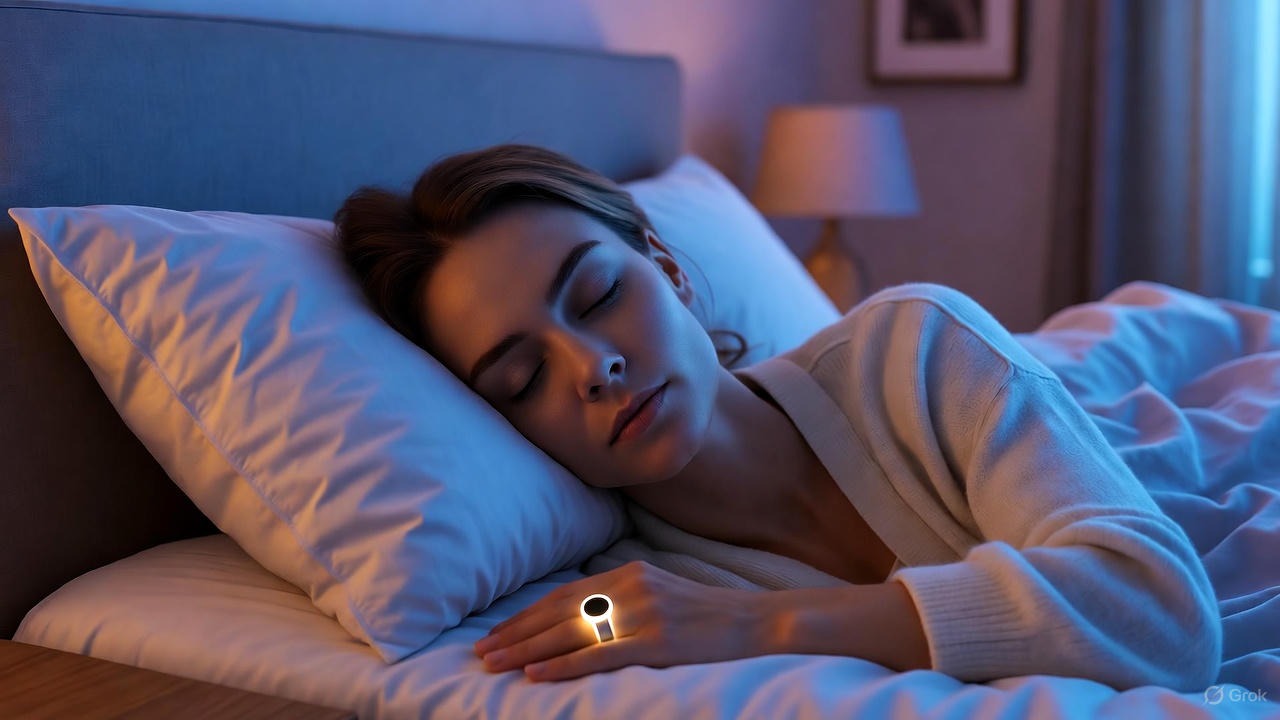
The Beginner-Friendly Guide to Health for Athletes: Smart Ring Performance Tracking
A beginner's guide for athletes on health and performance tracking with a smart ring.
The Beginner-Friendly Guide to Health for Athletes: Smart Ring Performance Tracking
For the modern athlete, the pursuit of performance is no longer just about logging miles, lifting heavier, or shaving seconds off a personal best. It's a sophisticated dance of stress and recovery, load and adaptation, fueled by data that whispers secrets about your body's inner workings. Yet, for all the technology in our shoes, on our wrists, and in our gyms, a critical piece has been missing: a continuous, unobtrusive, and deeply physiological window into our readiness to perform and our need to recover.
Enter the smart ring—the most personal performance coach you'll ever wear. This minimalist piece of wearable tech, nestled comfortably on your finger, is revolutionizing how athletes of all levels understand their bodies. It moves beyond counting steps and tracking workouts into the realm of autonomic nervous system balance, sleep quality analysis, and true physiological readiness. This guide is your gateway to that world. We will demystify the data, translate the metrics, and provide a clear, actionable roadmap for using a smart ring to elevate your training from guesswork to precision. Whether you're a weekend warrior aiming for your first 10K or a seasoned competitor chasing a podium, the power to optimize your health and unlock your potential is now, quite literally, at your fingertips.
From Steps to Stress: Why Athletes Need a New Kind of Data
For years, athletes have relied on wrist-worn devices that excel at capturing external output: pace, distance, heart rate during activity, and calories burned. This is activity data, and while valuable, it tells only half the story—the output side of the equation. The missing half is your body's internal input: its capacity to handle that stress, recover from it, and come back stronger.
Imagine driving a high-performance car with only a speedometer and odometer. You know how fast you're going and how far you've traveled, but you have no oil pressure gauge, no coolant temperature reading, and no check engine light. You’re pushing the engine hard without knowing if it's about to overheat or seize up. Traditional fitness trackers are your speedometer. A smart ring provides the full diagnostic dashboard.
The fundamental shift is from tracking activity to monitoring readiness. A smart ring's 24/7 wearability (uninterrupted by charging gaps during sleep) and its placement on the finger—a location rich with capillaries, providing a strong signal for photoplethysmography (PPG) sensors—allow it to capture subtle, continuous physiological markers. These markers, like Heart Rate Variability (HRV), resting heart rate (RHR), skin temperature, and blood oxygen saturation, are direct lines to your autonomic nervous system (ANS). Your ANS is the master regulator of your stress (sympathetic) and recovery (parasympathetic) states.
For an athlete, this is game-changing. That stubborn plateau in your training, that niggling injury that won't go away, or that unexpected day where you feel utterly drained despite a "good" night's sleep—these are often mysteries when viewed through activity data alone. A smart ring illuminates them. It can show you that your baseline stress (via lowered HRV) has been elevated for days due to work deadlines, that your body is fighting a mild infection (via elevated skin temperature), or that your "eight hours" of sleep were fragmented and low in restorative deep sleep.
This data empowers a proactive, rather than reactive, approach. Instead of pushing through fatigue and risking overtraining, you can see the objective signs that your body needs a lighter day or active recovery. You can validate that your tapering phase before a race is effectively lowering your systemic stress. You can connect lifestyle choices—like an evening glass of wine, a late meal, or even an emotionally charged argument—to tangible impacts on your recovery metrics and next-day readiness. It’s about building a comprehensive, data-informed narrative of your health, where your training is just one chapter. To understand how these small, daily choices compound, our article on how the wellness ring validates small daily habits over big occasional efforts provides a powerful perspective.
Beyond the Wrist: The Unique Advantages of a Ring for Athletes
You might wonder, "Why a ring? Can't my watch do this?" While wrist-based devices are incorporating more recovery metrics, the smart ring format offers distinct, practical advantages that are particularly compelling for athletes.
First, form factor and comfort. For 24/7 physiological monitoring to be effective, you must actually wear the device consistently. Many athletes find watches bulky to sleep in, and contact sports, weightlifting, gymnastics, or rock climbing often require a bare wrist for safety or performance. A sleek, low-profile ring faces none of these issues. It's unobtrusive during sleep, safe under gloves, and doesn't interfere with equipment or technique. Its constant presence means no data gaps, providing an uninterrupted stream of your body's signals.
Second, sensor placement and accuracy. The finger is an ideal site for optical heart rate and blood oxygen sensing. The vascular structures in the finger are dense and closer to the surface than the wrist, often yielding a stronger, cleaner PPG signal. This is especially crucial for capturing accurate HRV during sleep, the gold standard for establishing your baseline, as movement artifacts are minimized. For metrics that demand precision, like tracking the subtle dip in overnight HRV that indicates impending illness or strain, the ring's positioning gives it a technical edge.
Third, battery life and simplicity. Most smart rings boast a battery life of 5-7 days, far exceeding the daily or bi-daily charge cycle of advanced sports watches. This reliability means you're less likely to miss a night of crucial sleep data because you forgot to charge your device. The interaction model is also elegantly simple: you wear it, and it works. There's no bright screen to distract you, no notifications to manage—it's a purely passive data collector focused on your physiology, not your attention.
Finally, it provides a holistic, activity-agnostic view. A sports watch is inherently tied to your workouts; its interface and mental model are built around exercise. A smart ring takes a broader, more foundational perspective. It answers the question, "What is my body's current state?" regardless of whether you're a runner, a swimmer, a CrossFit athlete, or a yogi. This makes it an excellent companion device that fills the gaps your sports watch leaves wide open: the 22+ hours a day you're not formally exercising. By understanding your body's state outside of training, you can make smarter decisions for the training itself. This holistic view is key to achieving a balanced, sustainable athletic life, a topic explored in depth in our complete beginner-friendly guide to achieving balance using ring data.
Decoding Your Dashboard: A Beginner's Guide to Key Metrics
Stepping into the companion app of your smart ring can feel overwhelming at first. You’re greeted with graphs, scores, and terms that sound more at home in a medical journal than a training log. Let’s break down the essential metrics, translating them into practical, athletic intelligence.
Readiness/Recovery Score: This is your daily North Star. It’s a composite score (typically 0-100) that synthesizes your overnight data—like HRV, RHR, sleep, and temperature—to answer one question: "How prepared is my body to handle stress today?" A high score suggests your systems are recovered and primed for a challenging workout. A low score is a yellow flag, suggesting you may benefit from rest, gentle movement, or stress management. It’s your objective "listen to your body" signal.
Heart Rate Variability (HRV): This is arguably the most important metric for athletes. HRV is the millisecond variation in time between each heartbeat. Contrary to intuition, a higher HRV is generally better—it indicates a robust, adaptable autonomic nervous system with strong parasympathetic (rest-and-digest) tone. A downward trend in your nightly HRV baseline can indicate accumulating fatigue, poor recovery, or elevated stress. Tracking HRV helps you periodize your training naturally, pushing when your body is resilient and pulling back when it shows signs of strain. For a deeper dive into how meditation and other habits directly influence this critical metric, see our guide on tracking HRV improvements.
Resting Heart Rate (RHR): Your heart rate when you are truly at rest, best measured during deep sleep. A lower RHR typically indicates improved cardiovascular fitness. More importantly, a sudden increase in your RHR (by 5-7+ bpm above your baseline) overnight is a classic, reliable sign that your body is under extra stress—be it from an intense training load, dehydration, illness, or psychological stress.
Sleep Stages & Quality: It’s not just about duration. The ring breaks down your night into light, deep, and REM sleep. Deep sleep is critical for physical repair and hormone release, while REM is vital for cognitive recovery and memory consolidation. The ring provides a sleep score that evaluates not just time but also continuity, depth, and timing. You’ll learn how late training, caffeine, or evening screen time impacts your sleep architecture. Improving this score is a direct path to better recovery, as outlined in our resource on daily wellness habits for better sleep.
Body Temperature: Tracking your baseline skin temperature can reveal subtle shifts. A sustained elevation often precedes noticeable symptoms of illness, allowing you to rest preemptively. It can also reflect inflammation from a hard training block or menstrual cycle phase, providing context for other metric changes.
Activity & Calories: While not the primary focus, rings do track movement and estimate active and resting calorie expenditure. This helps complete the picture of your total daily energy output.
The power isn't in any single number, but in the trends and relationships between them. Seeing your HRV dip, your RHR rise, and your deep sleep decrease simultaneously creates an undeniable case for a recovery day. This objective feedback is what transforms intuition into insight.
The Foundation: How Sleep Data Drives Athletic Performance
We’ve all heard the adage: "Sleep is the best recovery tool." With a smart ring, you move from believing that mantra to measuring it. For athletes, sleep is non-negotiable performance enhancement. It’s when human growth hormone is released, when muscle tissue is repaired, when memories (including motor skill learning) are consolidated, and when the immune system recharges.
Your smart ring transforms sleep from a black box into a transparent, optimizable process. Here’s how to use the data:
First, establish your personal baseline. Wear the ring consistently for at least two weeks to understand your normal ranges for total sleep, deep/REM percentages, and wake events. Don't compare yourself to population averages; compare yourself to your own best.
Next, conduct experiments. The ring allows you to become a scientist of your own sleep.
Timing: Notice how a late evening workout affects your sleep latency (time to fall asleep) and deep sleep. Does a 10 p.m. session leave you too alert to wind down?
Nutrition: Observe the impact of a large meal or alcohol within 3 hours of bedtime. You’ll likely see elevated resting heart rate and suppressed REM sleep.
Routine: Test different pre-bed rituals. Does reading a book instead of scrolling through your phone increase sleep continuity? Does a warm bath lead to a faster drop in skin temperature (a natural sleep trigger)? For a structured approach to this, our complete beginner-friendly guide to pre-bed habits and ring sleep scores offers a perfect starting point.
Environment: Track how changes in room temperature, light exposure, or noise affect your sleep score.
Finally, correlate sleep with readiness. This is the most crucial step. Your morning routine should include a quick review: "How did I sleep, and what is my readiness score?" You will begin to see clear patterns. A night with ample deep sleep often leads to a high readiness score. A night fragmented with wake events, even if long in duration, may result in a middling score. This direct feedback loop makes prioritizing sleep tangible and rewarding.
By optimizing for sleep quality, you are directly investing in your next day’s performance, your injury resilience, and your long-term adaptation to training. It is the bedrock upon which all other athletic pursuits are built.
The Nervous System Barometer: HRV as Your Guide to Training Load
If sleep is the foundation, then Heart Rate Variability (HRV) is the most sensitive barometer of how well you're building upon it. Think of your HRV as a measure of your body's "buffer zone" against stress. A high, stable, or rising HRV suggests a wide buffer—you can handle training stress, life stress, and environmental stress while maintaining physiological balance. A low or dropping HRV indicates a narrowing buffer; you’re closer to the edge of overreaching.
For athletes, this is the cornerstone of intelligent training. The old model of rigid, pre-planned programs often ignores the body's daily fluctuations. An HRV-informed approach embraces them.
How to Use HRV for Daily Decisions:
Track Your Baseline: Your app will show a rolling average (often a 7-day or 30-day baseline). This is your neutral point.
Observe the Daily Reading: Each morning, you’ll get a reading relative to that baseline. Is it significantly higher, lower, or stable?
Make Informed Choices:
HRV Stable or Rising + High Readiness Score: This is a green light. Your body has absorbed previous stress and is ready for more. Proceed with your planned challenging session.
HRV Dropping (But Readiness Moderate): This is a yellow light. It’s an early warning sign of accumulating fatigue. Consider modifying the session—reduce volume or intensity, or switch to a technique-focused or active recovery day.
HRV Significantly Low + Low Readiness Score: This is a red light. Your buffer is depleted. A hard workout today would likely be counterproductive, digging a deeper recovery hole. This is a day for genuine rest, walking, stretching, or meditation. Learning to honor these signals is a skill, explored in our guide for taking rest days when your smart ring says stop.
Beyond Daily Decisions: Periodization & Tapering: Over weeks and months, HRV trends can validate your training cycle. A well-designed build phase might see a slight dip in HRV, followed by a supercompensation (a rise above baseline) during a recovery week. A successful taper before a competition should show a clear, positive trend in HRV as fatigue dissipates and freshness returns. If your HRV fails to rise during a taper, it could indicate you’re not resting enough or are under other non-training stresses.
HRV makes the invisible visible. It turns the art of "listening to your body" into a precise science, preventing burnout and guiding you to peak at the right time.
From Data to Decisions: How to Adjust Your Training in Real-Time
Armed with your sleep insights and HRV guidance, the next step is the most empowering: dynamically adapting your training plan. This is where you transition from being a passive follower of a program to an active manager of your own adaptation. Here’s a practical framework for making day-to-day decisions.
The Traffic Light System: Adopt a simple three-tier system based on your morning readiness score and HRV status.
Green Light (Go): Readiness > 75, HRV at or above baseline. Execute the planned session as written. Your body is signaling it can handle and benefit from the stress.
Yellow Light (Proceed with Caution): Readiness 50-75, HRV slightly below baseline. This calls for a modification. For example:
If a hard interval run is planned, reduce the number of intervals or the intensity.
If a heavy strength session is scheduled, reduce the weight or cut a few sets.
Alternatively, shift the focus to skill work, mobility, or a low-intensity aerobic session ("Zone 2" training) which can often be performed even in a sub-optimal state and may aid recovery.
Red Light (Stop/Rest): Readiness < 50, HRV significantly depressed. The plan is shelved. Today is for genuine recovery. This could mean complete rest, a gentle walk, yoga, foam rolling, or focus on hydration and nutrition. The goal is to reduce systemic stress, not add to it. Forcing a workout here is the fastest path to overtraining and injury.
Context is King: The traffic light is a guide, not an absolute ruler. Always layer in subjective feedback. How do you feel? Are muscles unusually sore? Are you mentally drained or irritable? Does a niggle feel more prominent? Your subjective experience, when combined with objective ring data, creates an incredibly robust decision-making matrix. This practice of contextual decision-making is a core component of building a sustainable performance strategy via ring tracking.
Weekly and Monthly Review: Set aside time each week to look at trends. Is your readiness chronically low on Mondays? Perhaps your weekend recovery isn't effective. Are you seeing a gradual decline in HRV over three weeks? That's a clear sign you need a planned recovery week, not just a single day. This macro-view prevents the slow creep of chronic fatigue. Our article on work-life balance red flags your smart ring identifies early can help you spot these trends in a broader life context.
Remember, the goal of training is to apply a stimulus, then recover and adapt to become stronger. The ring ensures you’re providing the optimal stimulus at the optimal time, maximizing gains while minimizing risk.
Fueling for the Finger: How Nutrition and Hydration Show Up in Your Metrics
You can't out-train a poor diet, and your smart ring will be the first to tell you. While it won't scan your meals, it provides profound indirect feedback on your fueling and hydration strategies through their physiological impact.
Nutrition's Nightly Signature: What you eat and drink in the hours before bed writes a clear signature on your overnight data.
Large, Late Meals: Digesting a heavy meal requires energy and raises core temperature, often leading to a higher resting heart rate, less deep sleep, and more frequent wake-ups.
Alcohol: It may help you fall asleep faster, but it notoriously suppresses REM sleep and fragments the second half of the night. Expect to see a spike in resting heart rate, a dip in HRV, and a lower sleep score—even from just one or two drinks.
High-Glycemic or Spicy Foods: These can cause blood sugar fluctuations or discomfort, disrupting sleep continuity.
Hydration Status: Dehydration thickens blood, making your heart work harder, which can elevate RHR. Conversely, chugging a large volume of water right before bed might lead to disruptive trips to the bathroom.
Using Data to Refine Fueling: Experiment and observe. Have your standard, athlete-friendly dinner 3 hours before bed for a week and note your average sleep and readiness scores. Then, try a lighter meal or shift the timing. The ring provides objective proof of what works for your body. This process of using data to find balance extends to other consumables, as detailed in our guide on caffeine habits and using your ring to find balance.
Recovery Nutrition Validation: After a particularly grueling workout, prioritize your post-exercise nutrition (protein and carbs) and observe your recovery metrics the following night. Do you bounce back faster with proper fueling compared to when you skip it? The data will show you.
Inflammation and Food Sensitivities: While not a diagnostic tool, long-term trends can offer clues. If you notice a pattern of elevated nighttime skin temperature or lower HRV after eating certain foods, it may be worth exploring with a nutritionist. The ring helps you connect dots you might otherwise miss.
In essence, your ring acts as a biofeedback loop for your diet. It answers the question, "Is what I'm eating supporting or hindering my recovery and readiness?" This turns nutrition from a theoretical exercise into a results-driven component of your performance plan.
The Silent Saboteur: Tracking and Managing Non-Training Stress
An athlete's stress bucket doesn't just fill up with miles in running shoes or weights on a bar. It gets filled by work deadlines, family responsibilities, financial worries, and the endless scroll of digital life. This "life stress" activates the same physiological stress response (sympathetic nervous system, cortisol release) as a hard interval session. Your body doesn't differentiate the source; it just knows it's under pressure.
This is a critical revelation for athletes. You can execute the perfect training plan, but if your life stress is maxing out your capacity, you have no room for athletic adaptation. Overtraining is often just "under-recovering" from total life stress.
Your smart ring is an unbiased auditor of your total stress load. Here’s how to use it:
Identify Your Stress Baselines: Notice what your typical readiness and HRV metrics are on a calm, low-stress week. This is your "resting" capacity.
Spot the Invisible Load: Did your readiness score plummet after a day of back-to-back meetings and a difficult commute, even though you didn't workout? That's the ring quantifying your mental and emotional stress. It’s showing you that your recovery capacity was spent on work, leaving little for physical repair. The connection between work demands and physiological metrics is clearly illustrated in our piece on how wellness rings stress metrics reveal work-life balance problems.
Implement Stress Buffers: Once you see the impact, you can create countermeasures.
Schedule Savvy: Don't schedule your hardest workout on the day of a major work presentation. Use the ring's readiness score to plan your intense sessions for days when your other stresses are low.
Active Recovery for the Mind: On high-stress life days, your "workout" might be a walk in nature, a short meditation session, or gentle yoga. These activities can lower sympathetic tone and aid recovery from mental stress. For techniques, our guide to work stress management via ring insights is an excellent resource.
Set Boundaries: If late-night emails consistently wreck your sleep score, the data gives you permission to set a digital curfew. You're not being lazy; you're protecting your performance. Learn the art of setting boundaries with evidence from your wellness ring.
By honoring the full picture of your stress, you protect your ability to train effectively. The ring helps you balance the equation, ensuring you have the capacity to absorb and grow from your athletic pursuits.
Building Your Personal Baseline: The First 30 Days with Your Ring
The first month with your smart ring is not about making drastic changes. It’s about discovery, observation, and establishing your unique, personal baseline. This phase is about collecting data without judgment to understand your body's normal rhythms.
Phase 1: Pure Observation (Weeks 1-2) Simply wear the ring consistently and live your normal life. Go through your regular training schedule, sleep habits, and diet. Avoid the temptation to "game" the scores. The goal is to capture an honest snapshot of your current state. During this time, focus on:
Consistency: Wear it every night and as much as possible during the day.
Note-Taking: Use the app's journal feature or your own notes to log subjective feelings, workout details, and any unusual life events.
Patience: Don't over-analyze daily fluctuations. Look for initial patterns. What's your average sleep score? What does a "good" readiness day look like for you?
Phase 2: Pattern Recognition (Weeks 3-4) Now, start connecting dots. Review your data weekly and ask questions:
How does my body typically respond 24-48 hours after a long run or heavy leg day? (Look for changes in HRV, RHR, sleep).
What does my data look like on a complete rest day versus an active recovery day?
How do weekends differ from weekdays?
Can I see the impact of my weekly hardest session?
This is where you start to build your personal guidebook. You’ll learn, for instance, that your HRV always dips on Tuesday after Monday's intensity session, but if it doesn't rebound by Thursday, you need to adjust. This foundational knowledge is what all future optimization is built upon. For a comprehensive approach to this foundational period, our complete beginner-friendly guide to building habits your ring measures provides a structured framework.
Key Baseline Metrics to Establish:
Average Sleep Score & Duration
7-day rolling average for HRV and RHR
Typical range for your Readiness Score
Your personal "green," "yellow," and "red" zones based on how you feel relative to the scores.
After 30 days, you are no longer a beginner. You are a data-informed athlete with a deep understanding of your starting point, ready to start the exciting work of optimization.
Creating Your Optimization Flywheel: Small Habits, Big Results
With a solid baseline established, you can now enter the optimization phase. This is not about monumental overhauls, but about creating a virtuous cycle—a flywheel—where small, sustainable habits compound to produce dramatic results in your performance and recovery metrics.
The smart ring excels here because it provides immediate, positive feedback. You make a change, and you see its impact on your scores within 24 hours. This reinforcement makes habit formation stick.
Implement a Tiny Habit: Make the change absurdly easy. Instead of "meditate for 20 minutes," try "do one minute of deep breathing before bed." Instead of "drink a gallon of water," try "drink one full glass first thing in the morning."
Observe the Data: Did that one minute of breathing improve your sleep latency? Did that glass of water lead to a slightly lower RHR? The ring will show you.
Celebrate and Iterate: The positive data is your reward. This reinforces the habit. Once it's automatic, add another tiny habit or scale up the first one (e.g., two minutes of breathing).
Example Flywheel in Action:
Habit: Stop phone use 60 minutes before bed (use a book instead).
Data Impact: Sees a 5-point increase in average sleep score over two weeks due to less blue light and mental stimulation.
New Capacity: With higher readiness, athlete performs better in key workouts.
Next Habit: Adds a post-workout protein shake to improve recovery from those harder sessions.
Data Impact: Observes faster HRV rebound after hard days.
This flywheel turns wellness from a chore into an engaging game of incremental progress. Each positive habit validated by data makes the next one easier to adopt. You are no longer just training; you are systematically engineering a higher-performance, more resilient version of yourself. To see how this applies to structuring your entire week, including crucial downtime, explore our guide on weekend wellness habits for recovery.
The Smart Ring Ecosystem: Integrating Your Data with Other Fitness Tech
For the modern athlete, no single device is an island. Your smart ring is the master of your internal, physiological state, but it works best when paired with the tools that capture your external output. This isn't about choosing one device over another; it’s about creating a powerful, synergistic ecosystem where the whole is greater than the sum of its parts. Think of your ring as the commander assessing the troops' readiness, and your sports watch or bike computer as the field general executing the mission.
The Power of Integration:
The most significant value comes from cross-referencing your ring’s readiness data with your workout data from platforms like Strava, TrainingPeaks, Garmin Connect, or Apple Health. Here’s what this synergy reveals:
Contextualizing Workout Results: You crushed your interval session. Was it because you're getting fitter, or simply because you were unusually rested that day? By viewing your workout file alongside a high morning readiness score, you can attribute the success to true fitness gains rather than a transient recovery peak.
Explaining Underperformance: Conversely, a terrible, sluggish workout is demoralizing. But if you see it occurred on a day with a 45 readiness score and depressed HRV, the mystery is solved. It wasn't a lack of willpower; it was your body saying it was not recovered. This reframes "failure" as intelligent data collection, preventing you from forcing a second poor workout to "make up for it."
Quantifying Training Load & Strain: Pair your ring’s data with an external training load metric like Training Stress Score (TSS) or load from your watch. A high-load day followed by a strong recovery (high readiness) suggests good resilience. The same high-load day followed by a multi-day slump in readiness indicates you're nearing your current capacity limit. This is the cornerstone of the art of managing workload based on ring-based decisions.
The Sleep-Performance Link Made Concrete: Export your ring’s sleep stage data and overlay it with your workout performance the next day. You may find a direct, personal correlation between your percentage of deep sleep and your power output on the bike, or your REM sleep and your mental focus during a complex technical session.
Practical Integration Steps:
Enable Syncing: Ensure your smart ring app is connected to your primary health platform (Apple Health/Google Fit) and your preferred fitness apps (Strava, TrainingPeaks).
Create a Unified Dashboard: Use a platform like TrainingPeaks or Today's Plan as your "source of truth." Here, your planned workouts, completed sessions (imported from your watch), and daily readiness scores (imported from your ring) all live side-by-side on one calendar.
Review in Tandem: Make it a habit. After a workout, don't just look at your pace and heart rate. Pull up your readiness score from that morning and your sleep score from the night before. This triage of data paints the complete picture.
This integrated approach transforms your fitness tech from disconnected gadgets into a cohesive coaching staff, providing a 360-degree view of your athletic health.
Advanced Metrics Deep Dive: Respiratory Rate, SPO2, and What They Mean for Athletes
Beyond the core metrics of HRV, RHR, and sleep, advanced smart rings track less-discussed but equally vital signs: Respiratory Rate (RR) and Blood Oxygen Saturation (SpO2). For athletes, these can be early-warning systems and fine-tuning tools of immense value.
Respiratory Rate (Breaths Per Minute): This is the number of breaths you take per minute, measured at rest (typically during sleep). While less variable than HRV, it holds key insights.
Baseline & Trends: A typical adult RR is 12-20 breaths per minute. As cardiovascular fitness improves, resting respiratory rate may slightly decrease, as the body becomes more efficient at oxygen exchange. More importantly, track your personal baseline.
The Stress & Illness Signal: A sustained increase of 1-3 breaths per minute above your personal baseline is a remarkably sensitive indicator of heightened stress or the onset of illness, sometimes appearing even before changes in HRV or RHR. If your RR is elevated for 2-3 nights in a row, it’s a strong cue to dial back training, prioritize sleep, and monitor for other symptoms.
Recovery Marker: During deep, restorative sleep, your respiratory rate should be at its lowest and most stable. Consistent nighttime RR is a sign of good sleep quality and autonomic nervous system balance.
Blood Oxygen Saturation (SpO2): This measures the percentage of hemoglobin in your blood that is carrying oxygen. At sea level, a normal reading is 95-100%.
Altitude Acclimation: For athletes training at or traveling to altitude, SpO2 is a direct, personal metric of acclimation. You can watch your nightly SpO2 drop upon arrival (as the air is thinner) and then gradually climb back toward your baseline as your body produces more red blood cells. This data can help pace the intensity of your initial workouts at altitude.
Sleep Apnea & Breathing Disruption: Recurrent, significant dips in SpO2 during sleep (below 90%) can indicate sleep-disordered breathing, like apnea. Even for fit athletes, airway issues can fragment sleep and impair recovery. While a ring is not a medical device, persistent low SpO2 trends are worth discussing with a doctor. It may explain unrefreshing sleep and stalled performance.
Illness Indicator: Respiratory illnesses (like colds or COVID-19) can affect lung function, leading to lower-than-normal SpO2 readings, even during the day.
Using Them Together: The real power emerges when you view these metrics in concert. For example:
Scenario: You feel a bit "off." Your readiness is borderline, HRV is slightly down. You check your trends and see your Respiratory Rate has been creeping up for two nights, and your SpO2 has a few more dips than usual.
Interpretation: This combined picture strongly suggests your body is fighting something. This is not the day for a threshold workout. It's a day for rest, hydration, and supporting your immune system. This nuanced read allows you to act preemptively, potentially heading off a full-blown illness that could sideline you for a week. This kind of early detection is a key benefit of the holistic tracking discussed in our guide on how a wellness ring helps identify your most important daily habits.
Sport-Specific Applications: From Runners to Lifters to Endurance Athletes
While the core principles of readiness and recovery apply universally, how you apply smart ring data can be tailored to your sport's unique demands. Let’s explore how different athletes can specialize their approach.
For the Runner (Road & Trail): Runners subject their bodies to high repetitive impact stress. The ring is invaluable for managing this chronic load.
Inflammation & Impact: Monitor skin temperature trends alongside HRV. A gradual rise in temperature coupled with a drop in HRV may indicate systemic inflammation from high mileage, signaling a need for a cutback week before a stress fracture or tendonitis develops.
Sleep & Running Economy: Deep sleep is when tissues repair. Correlate your deep sleep percentage with perceived muscle soreness and joint niggles. Poor deep sleep often precedes feelings of "heavy legs."
Taper Perfection: Use the readiness score trend during your taper. A successful 2-week taper should show a steady climb in readiness. If it plateaus or drops, you may be too active or stressed. Our guide on scheduling based on wellness ring readiness is key here.
Ultra-Running & Multi-Day Events: For events longer than a marathon, the ring's data on overnight recovery during the event itself (if you can sleep) is gold. It can inform race-day strategy for subsequent stages.
For the Strength & Power Athlete (Weightlifting, CrossFit, Powerlifting): These athletes deal with acute neuromuscular and hormonal stress from high-intensity, lower-volume sessions.
Neuromuscular Fatigue: While HRV is important, strength athletes should pay extra attention to Resting Heart Rate (RHR). A significant spike after a max-effort or high-volume heavy day is a clear sign of profound systemic fatigue. Don't plan another CNS-intensive session until it normalizes.
The Anabolic Window (Sleep): Muscle protein synthesis is driven by hormones released in deep sleep. For strength athletes, deep sleep is literally where gains are made. Prioritizing habits that increase deep sleep is non-negotiable. Track how different training variables (exercise selection, time of day) affect your deep sleep score.
Managing Soreness (DOMS): Correlate your readiness score with levels of delayed onset muscle soreness. You'll learn that a moderate readiness score with high soreness might be fine for a light mobility or active recovery day, but not for another heavy squat session.
Peaking for a Meet: Similar to runners, watch your readiness and HRV rise during your deload week before a competition. This is your objective confirmation that you are peaking.
For the Endurance Cyclist & Triathlete: These athletes face extreme volume and the complex interplay of multiple disciplines.
Aerobic Base Monitoring: During long, steady Zone 2 base-building phases, your HRV should remain relatively stable or gradually improve, indicating positive aerobic adaptation without excessive strain. A decline suggests the volume is too high or other life stress is interfering.
Brick Session Recovery: After a bike-to-run brick workout, your overnight data will show a pronounced stress response. Use this to determine how many days you truly need to recover before another key session.
Heat & Hydration: Endurance athletes often train in heat. Monitor how hot-weather sessions affect your overnight skin temperature and RHR, giving you direct feedback on your hydration and cooling strategies.
Race Week Execution: For a triathlon or long bike race, use the entire week's data to guide your final preparations. Ensure your readiness is trending upward by minimizing all non-training stress. This meticulous approach is what leads to sustainable success via ring monitoring.
Regardless of your sport, the smart ring provides the common language of your body's state, allowing you to tailor its messages to your specific athletic dialect.
The Mental Game: Correlating Cognitive Metrics with Performance
Athletic performance is not purely physical. Mental clarity, focus, reaction time, and emotional resilience are the invisible muscles that win races and hit personal records. While a smart ring doesn't measure thoughts, it provides powerful proxies for cognitive readiness through your physiological state.
The Brain-Body Connection: Your cognitive function is inextricably linked to your autonomic nervous system. A balanced, recovered state (high parasympathetic tone, indicated by good HRV) is the foundation for clear thinking, emotional stability, and quick decision-making. A stressed, fatigued state (high sympathetic tone, low HRV) leads to brain fog, irritability, and impaired judgment.
Using Ring Data to Gauge Mental Readiness:
Sleep Architecture & Mental Recovery: REM sleep is critical for processing emotions, consolidating memories, and fostering creativity. A night rich in REM sleep sets you up for better mental agility and tactical thinking. If your ring shows poor REM sleep, be aware that your mental game might be off, even if your legs feel fresh. This is crucial for sports requiring strategy, like cycling, tennis, or team sports.
HRV as a Focus Indicator: Studies show a correlation between higher HRV and better executive function—the brain's ability to plan, focus, and inhibit impulses. A high morning HRV doesn't just mean your body is ready; it suggests your mind is primed for focused, technical work. A low HRV might indicate it's a better day for autopilot endurance work than for learning a new, complex skill.
The Emotional Impact of Stress: Non-training stress that shows up in your metrics (elevated RHR, low readiness) doesn't just hurt your body; it drains your mental and emotional reserves. You may have less patience, more negative self-talk, and poorer motivation. Recognizing this through data allows you to proactively manage your mindset or adjust expectations for the day. This is a core component of using your ring for managing multiple roles and finding balance.
Practical Applications for the Mental Game:
Pre-Competition: In the days leading up to a race, prioritize sleep and stress management not just for physical freshness, but to ensure your mind is calm, focused, and resilient to pre-race nerves. Track your readiness as a measure of your overall composure.
Technical Training Days: Schedule sessions that require high skill acquisition (like rock climbing drills, swim technique work, or complex gymnastics) for days when your sleep and readiness scores are high. Your brain will be more plastic and able to learn.
Managing Slumps & Burnout: A prolonged period of low HRV and poor sleep isn't just an injury risk; it's a burnout risk. The data provides an objective reason to incorporate mental recovery practices—like meditation, nature time, or digital detox—with the same seriousness as foam rolling. For structured guidance here, our beginner-friendly guide to meditation habits for HRV is a perfect start.
Post-Concussion or Mental Fatigue: For athletes recovering from concussion or experiencing mental burnout, the ring can help guide a return. Improving sleep scores and HRV can be tangible milestones of cognitive recovery before returning to full training.
By viewing your ring data as a dashboard for both body and mind, you cultivate the holistic resilience required for peak performance.
Long-Term Trend Analysis: Spotting Patterns, Preventing Overtraining, and Planning Your Season
The daily and weekly view of your ring data is for tactical decisions. The monthly and seasonal view is for strategic planning. This is where you ascend from being an athlete who trains to being an athlete who architects their own long-term development and health. Long-term trend analysis is your safeguard against chronic overtraining and your blueprint for periodization.
Building Your Personal Season Calendar:
Export and Visualize: Most ring apps allow you to export data or view long-term charts. Create a simple spreadsheet or document where you can note key phases alongside your metric trends.
Identify Your Cycles: Overlay your training blocks (Base, Build, Peak, Race) on top of graphs of your 7-day average HRV and readiness. A well-executed block should show:
Build Phase: HRV may dip modestly and fluctuate as you accumulate fatigue, but should not crash. Readiness scores will have more variability.
Recovery Week/Taper: A clear, upward trend in both HRV and readiness as you unload. This is the "supercompensation" you’re aiming for.
Race/Peak Phase: Metrics should be at or near their highest levels, indicating freshness.
Off-Season: Metrics should stabilize at a healthy baseline, showing full systemic recovery.
The Overtraining Syndrome (OTS) Early-Warning System: Overtraining isn't an event; it's a gradual process of imbalance between stress and recovery. Your ring provides the earliest possible warnings:
Stage 1: Functional Overreaching: Short-term performance decline with quick (days) recovery. Your metrics will dip after a hard block but bounce back quickly in a recovery week. This is normal and desirable.
Stage 2: Non-Functional Overreaching: Performance decline with prolonged (weeks) recovery needed. Key Ring Signs: Your HRV fails to recover during a planned deload week. Your RHR remains elevated. Your sleep becomes consistently disturbed. Readiness scores stay stubbornly low. This is a critical junction—pushing further leads to OTS.
Stage 3: Overtraining Syndrome: A long-term (months) performance decrement with physiological and psychological symptoms. Key Ring Signs: Chronically suppressed HRV, elevated RHR, poor sleep scores, and low readiness persist for months despite rest. This is what we must prevent.
Using Trends to Auto-Regulate Your Plan: Instead of rigidly following a 16-week plan, use your trends to guide its evolution.
If your HRV is struggling to recover after three weeks of a four-week build, end the build phase early and insert a recovery week.
If you're in a base phase and your metrics are consistently strong and improving, you might be able to extend the phase or add slightly more volume than planned.
At the end of a season, don't just stop. Use the data to determine how long it actually takes for your nervous system (HRV) to return to its true off-season baseline. This tells you how much rest you really need. This process of learning your body's true recovery needs is outlined in our guide on using smart rings to wisely manage recovery time.
This long-view turns your ring into a personal sports scientist, helping you craft seasons that lead to progressive improvement without the cost of burnout or injury.
The Social Athlete: How Shared Data Can Enhance Team Dynamics and Coaching
While personal insight is powerful, the value of smart ring data multiplies in a social or coached environment. For team athletes, training groups, or anyone working with a coach, shared, objective physiological data can revolutionize communication, prevent group overtraining, and optimize team performance.
For the Coached Athlete:
Transcending "Feel": Instead of emailing your coach, "I feel tired," you can share: "My readiness is 42, my HRV is 15% below baseline, and my sleep score was 68 last night." This objective data allows your coach to make precise, confident adjustments to your plan.
Building Trust & Accountability: The data creates a transparent foundation for the coach-athlete relationship. It removes guesswork and builds mutual trust. It also holds both parties accountable—the athlete to their recovery habits, and the coach to prescribing appropriate loads.
Remote Coaching Excellence: For online coaching, this data stream is invaluable. It provides the "in-person" insight a remote coach lacks, allowing for truly personalized programming that responds to your body's daily state.
For the Team or Training Group:
Managing Group Fatigue: A team coach can anonymously aggregate readiness scores (with athlete permission) to gauge the overall fatigue level of the squad. If the team average is low, it might be a day for a light, fun practice rather than a grueling session, preventing collective burnout.
Individualizing Within the Team: Even in a team setting, athletes have different capacities. A player with chronically low readiness scores might need an individualized recovery protocol, while one with high scores could handle extra reps. Data helps coaches tailor their approach within the team framework.
Preventing Illness Spread: If several athletes show elevated respiratory rates or skin temperature simultaneously, it could signal a bug going through the team, prompting proactive health measures.
For the Mastermind or Accountability Group:
Shared Goals, Shared Data: A group of athletes training for the same event can share trends (not intimate details) to motivate each other. Seeing a friend's readiness climb during a successful taper can be inspiring.
Habit Challenges: Use the data to run group challenges focused on recovery metrics. "Whose team can achieve the highest average sleep score this month?" This focuses the competitive spirit on positive, health-building behaviors. This social component of wellness is further explored in our article on social wellness habits your ring indirectly tracks.
Important Ethical Note: Data sharing must always be voluntary, consensual, and with clear boundaries. The focus should be on using data to empower and support, never to punish or shame. It’s about creating a culture of shared intelligence for collective improvement.
Navigating Setbacks: Using Ring Data Through Injury, Illness, and Life Events
The path of an athlete is not linear. Setbacks—injuries, illnesses, unavoidable life stresses—are inevitable. Ironically, this is when a smart ring shifts from a "performance optimization" tool to an indispensable "health navigation" tool. It provides the objective map and compass to guide you safely through the fog of frustration and back to full health.
During Injury (When You Can't Train):
Quantifying the Stress of Injury: An injury is a massive physiological and psychological stressor. Your metrics will likely reflect this: HRV may drop, RHR may rise, and sleep may suffer due to pain or worry. This is normal. Acknowledging it via data helps you accept that your body needs energy for healing, not feeling guilty for not training.
Tracking Systemic Recovery: Even if your ankle is in a boot, you can track your body's overall recovery. As the acute inflammation subsides and pain decreases, you should see your metrics begin to normalize. This tells you your system is stabilizing, even before the local tissue is fully healed.
Guiding Safe Return: As you begin rehab, use your readiness score. On days with higher readiness, you might push the rehab exercises a bit more. On low-readiness days, stick to gentler mobility. It prevents you from overdoing it out of eagerness. The ring ensures you're recovering from your rehab sessions themselves.
Maintaining Positive Habits: An injury is a prime time to double down on the recovery pillars you can control: nutrition, hydration, and especially sleep. Use the ring to gamify these areas, giving you a sense of progress and control when your primary athletic identity is paused.
During Illness (Cold, Flu, Infection):
The Early Detection System: As discussed, rising RHR, respiratory rate, and skin temperature can signal an oncoming illness before you feel symptoms. This allows you to rest immediately, potentially shortening the illness's duration and severity.
The "Return to Play" Gold Standard: The biggest mistake athletes make is returning to training too soon after illness, risking relapse or myocarditis. Your ring provides the objective all-clear. Do not return to full training until: Your RHR has returned to baseline, your HRV has recovered, your temperature is normal, and your readiness score is consistently back in your "green" zone for at least 24-48 hours. This data-driven patience is a non-negotiable safety protocol.
During Major Life Events (Travel, Work Crises, Family Demands):
Managing Expectations: A big work project, a family wedding, or international travel will tank your metrics. This isn't failure; it's data. Accept that your training capacity during this time is near zero. Plan for maintenance, not progress. Use the ring to protect the bare minimum—sleep—amid the chaos.
Tracking the Rebound: After the stressful event passes, watch how your metrics recover. How many nights of good sleep does it take for your readiness to bounce back? This teaches you your personal resilience timeline, valuable for future planning. For those in high-demand careers, our article on daily wellness habits for professionals maintaining health despite work demands is particularly relevant here.
In setbacks, the ring becomes less about achieving more and more about preserving and rebuilding. It provides the calm, objective voice that tells you, "This is what's happening in your body. Here's how to navigate it wisely." This mindset is essential for preventing burnout through ring monitoring.
Beyond the Individual: The Bigger Picture of Athletic Longevity and Health Span
Ultimately, the goal of training is not just to set a personal record this season, but to enjoy a lifetime of movement, health, and vitality. This is the concept of "health span"—the number of years we live in good health. The smart ring, with its focus on foundational physiology and balance, is uniquely positioned to be a lifelong companion in this pursuit, shifting the mindset from peak performance to sustainable performance.
From Performance Metrics to Longevity Biomarkers: The very metrics that guide your training—HRV, RHR, sleep quality—are also established biomarkers of aging and long-term health risk.
HRV: Higher HRV is associated with better cardiovascular health, stress resilience, and even longevity. The practice of training and recovering in a way that supports high HRV is a direct investment in your future health.
Sleep Quality: Consistently poor sleep is a major risk factor for chronic diseases, including Alzheimer's, cardiovascular disease, and diabetes. Optimizing sleep via your ring's feedback isn't just for recovery; it's a core longevity practice.
Resting Heart Rate: A lower RHR is a marker of cardiorespiratory fitness, one of the single strongest predictors of mortality.
Building a Sustainable Athletic Identity: The ring helps you avoid the boom-and-bust cycles that plague many athletes—periods of intense training followed by burnout, injury, or complete inactivity. By teaching you to respect your body's signals, it fosters a consistent, moderate, and joyful engagement with movement that can last for decades.
Avoiding the "Hero Cycle": Data keeps ego in check. It's hard to justify grinding yourself into the ground when your readiness score is screaming for rest. This protects you from the catastrophic injuries that end athletic pursuits prematurely.
Embracing Consistency Over Intensity: The ring validates the power of showing up consistently at 80% rather than sporadically at 110%. This is the rhythm of a lifelong athlete. Our piece on how the wellness ring validates small daily habits speaks directly to this philosophy.
The Transition Through Life Stages: As you age, your priorities and capacities will change. The ring provides an honest, adapting benchmark. It can help you gracefully adjust your training from competitive pursuits to health-maintenance and joyful movement, always based on what your body is actually capable of, not what it used to be. This adaptability is crucial, as discussed in our guide for building habits during different life stages.
The Ultimate Goal: Autonomy and Self-Knowledge: The greatest gift of a smart ring is not the data itself, but the deepened self-knowledge it fosters. Over time, you internalize its lessons. You begin to feel when your HRV is low. You sense the connection between a poor night's sleep and your next-day energy without needing to check the score. The ring becomes a teacher, and you become the master—an athlete who is exquisitely attuned to their body, capable of making wise choices for both today's workout and for a lifetime of health.
This long-term, longevity-focused perspective is the final, and perhaps most important, piece of the puzzle. It ensures that the pursuit of performance enriches your life rather than consumes it, creating a virtuous cycle where athleticism and well-being are forever intertwined.
Choosing Your Digital Training Partner: A Buyer's Guide to Smart Rings for Athletes
With the smart ring market expanding, selecting the right device can feel as nuanced as choosing a new pair of running shoes. The perfect ring should be an extension of your athletic identity—durable, accurate, and purpose-built for the demands of an active life. This guide moves beyond marketing specs to the key considerations every athlete must weigh.
The Non-Negotiables: Accuracy, Comfort, and Battery Life
Before any feature-specific analysis, three pillars must stand firm:
Sensor Accuracy & Consistency: This is paramount. A ring with inferior sensors generates garbage data, which is worse than no data at all. Look for rings that:
Use multi-path PPG sensors (multiple LEDs and photodiodes) for robust heart rate and HRV capture.
Have published validations or studies comparing their metrics (especially HRV and SpO2) to clinical-grade equipment.
Receive consistent praise in third-party athlete reviews for data reliability, not just design.
24/7 Wearability & Comfort: If it’s not comfortable, you won’t wear it. Period.
Material: Titanium is the gold standard—lightweight, hypoallergenic, and extremely durable. Avoid cheaper alloys if you have sensitive skin.
Fit: The fit must be snug but not constricting. Most companies send a sizing kit; use it diligently over a full day, noting how your finger size changes with temperature, hydration, and post-workout swelling.
Profile: A low, smooth profile is essential. It should not catch on clothing, gloves, or equipment. Test the sizing kit with your sport-specific movements (gripping a barbell, holding climbing rope, pulling on a wetsuit).
Battery Life & Charging: Athletes need reliability.
Minimum 5+ Days: Anything less becomes a chore and risks missing data.
Efficient Charging: A charging case is a major plus, allowing for top-ups on the go without leaving the ring dead overnight. Simple dock chargers are fine if the battery life is truly 6-7 days.
Feature Analysis: What Athletes Actually Need vs. Nice-to-Haves
Core Metrics (Need): HRV, RHR, Sleep Stages, Skin Temperature, Readiness/Recovery Score. Ensure these are tracked and presented clearly.
Advanced Health Sensors (High-Value): SpO2 (for altitude/sleep insights) and Respiratory Rate (for illness/stress early warning) are incredibly valuable for athletes.
Activity Tracking (Contextual): Built-in activity recognition and calorie estimation are useful for total daily energy expenditure (TDEE) calculations but are secondary to the physiological metrics. GPS is not in rings (and shouldn't be)—that’s your watch’s job.
App Ecosystem & Integration (Critical): The hardware is only half the product. The app must be intuitive and allow easy data export and integration. Check if it syncs seamlessly with Apple Health, Google Fit, Strava, and TrainingPeaks. A ring with a beautiful app but a walled-garden data approach is of limited use to a serious athlete.
Durability & Water Resistance (Need): IP68 or equivalent is mandatory. It must survive sweat, rain, showers, and likely the occasional swim. Scratch-resistant coating is a major bonus.
Subscription Model (Be Aware): Some rings lock advanced analytics or historical data behind a monthly fee. Determine if the core features you need are free, or factor the subscription into the total cost of ownership.
Leading Contenders & Their Athletic Bent:
Oura Ring: The pioneer. Strengths: Strong sleep and recovery algorithm reputation, sleek design, strong research partnerships. Considerations: Subscription required for full insights, historically less sport-focused (though improving).
Ultrahuman Ring Air: Built with metabolic health and athletes in mind. Strengths: Excellent app with clear "Workout Readiness" focus, glucose zone insights (via connection to CGMs like Libre), no subscription for core features. Considerations: Newer player, sizing can be tricky.
Circular Ring Slim: Focus on smart alerts and coaching. Strengths: Vibrating alerts for inactivity/stress, "Kira" AI coach, solar charging option. Considerations: May be more feature-focused than pure physiological accuracy-focused.
Others (Whoop Strap 4.0 / soon-to-be Whoop Ring): While a strap, Whoop is the Oura’s direct competitor in the recovery space. Its upcoming ring is highly anticipated and may shift the landscape, given its strong existing algorithm and athlete community.
The Final Decision Matrix:
Ask yourself:
What is my primary goal? (Precision recovery data vs. general wellness vs. habit coaching?)
What ecosystem am I in? (Do I need it to talk to my Garmin/Apple/TP ecosystem flawlessly?)
What is my budget, including any recurring fees?
Does it fit my finger and my life, literally and figuratively?
Take your time. The right ring will become an indispensable part of your routine, a true investment in your athletic future. For a deeper look at how consistent tracking validates this investment, see our article on daily wellness habits that make a wellness ring investment worth it.
Troubleshooting Your Data: Common Issues and How to Solve Them
Even with the best device, you’ll encounter head-scratching data days. A weird spike, a perplexing low score, or missing data can erode trust. Before you dismiss the metrics, work through these common issues. Most have simple explanations and solutions.
Issue 1: "My readiness score is low, but I feel great!" (The Feel-Good/Low-Score Paradox)
Possible Causes:
Delayed Onset Fatigue: Your body hasn't yet registered the fatigue from a hard effort 2-3 days prior. The data is predictive; the feeling is current.
Subclinical Stress: You're managing work/kids/life stress well mentally, but your autonomic nervous system is still carrying the load. The ring detects the physiological tax your mind is ignoring.
Metric Lag: Some scores, especially composite readiness scores, can be heavily influenced by the previous night's sleep. A great morning after two poor nights might still yield a middling score.
Sensor Error: Less likely, but possible.
Troubleshooting Steps:
Check Individual Metrics: Don't just look at the score. Is your HRV depressed? Is your RHR elevated? Is your skin temperature up? The score is a summary; the raw data tells the story.
Review the Last 72 Hours: Look at training load, sleep, and life events from two days ago. The culprit is often there.
Proceed with Cautious Optimism: Use the "Yellow Light" framework. Do your planned workout but be prepared to dial back intensity at the first sign of struggle. The ring is giving you a warning, not an absolute verdict.
Issue 2: "My sleep data is missing or looks chaotic."
Possible Causes:
Poor Fit: The number one cause. A loose ring will lose contact with your skin, creating data gaps. A too-tight ring can impair blood flow and create odd signals.
Sleeping Position: Sleeping with your hand under your pillow or head can create pressure that temporarily affects blood flow, causing gaps or odd heart rate readings.
Cold Hands: Reduced peripheral circulation in cold rooms can weaken the PPG signal.
Low Battery: The ring died mid-night.
Troubleshooting Steps:
Re-evaluate Fit: Use the sizing kit again. Your finger size may have changed with season or fitness level.
Switch Fingers: Try your non-dominant hand's index or middle finger. These often have better blood flow and less nighttime movement.
Warm Up: Wear light gloves to bed if your room is cold.
Establish a Charging Ritual: Charge your ring at a consistent, predictable time (e.g., during your morning shower) to ensure it's always >50% at bedtime.
Issue 3: "My HRV is suddenly all over the place."
Possible Causes:
Alcohol: Even one drink can suppress HRV dramatically. This is normal and expected.
Illness Onset: As discussed, HRV is very sensitive.
Extreme Fatigue or Overreaching: A sign of system strain.
Major Life Event: Emotional stress is real stress.
Menstrual Cycle: HRV can naturally fluctuate across the cycle for many women.
Troubleshooting Steps:
Look for the Obvious Culprit: Review your journal for alcohol, intense training, or stress.
Check Other Metrics: Is RHR up? Is temperature up? A constellation of changes points to a systemic issue.
Focus on the Trend, Not the Daily Number: Single-day HRV is noisy. Look at your 7-day rolling average. Is the trend down, or is it just a noisy but stable baseline?
Issue 4: "The data doesn't match my other device (watch, chest strap)."
Crucial Understanding: They are not measuring the same thing at the same time.
Chest Strap (ECG): Measures the heart's electrical activity. Gold standard for active heart rate during exercise.
Smart Ring/ Optical Wrist (PPG): Measures blood flow changes via light. Excellent for resting/continuous monitoring, can lag during rapid heart rate changes.
Different Algorithms: Each company uses its own proprietary algorithm to calculate HRV (RMSSD, SDNN, etc.) and derive scores. They will never match exactly.
Troubleshooting Steps:
Compare Apples to Apples: Only compare resting/nighttime values. Do not compare your ring's overnight HRV average to your watch's 5-minute seated morning reading.
Look for Correlation, Not Identity: Do they move in the same direction? If your ring says readiness is low and your Garmin "Body Battery" is also low, that's meaningful agreement, even if the numbers differ.
Trust Consistency Over Absolute Value: Pick one device as your primary source for a given metric (e.g., ring for recovery, chest strap for workout HR) and track its trends consistently.
When in doubt, default to the principle of consilience: when your subjective feeling, your ring data, and your workout performance all tell the same story, you have a high-confidence picture of your state. For more on interpreting your body's complex signals, our guide on how a smart ring shows when daily habits need adjustment is invaluable.
The Habit-Stacking Revolution: Building an Unbreakable Athletic Routine
You’ve got the data. You understand the metrics. Now, how do you turn this insight into automatic, life-changing behavior? The answer lies not in monumental willpower, but in the elegant science of habit-stacking—and your smart ring is the perfect feedback loop to make it stick.
What is Habit-Stacking? It’s the practice of anchoring a new, desired habit to an existing, automatic one. The formula is simple: "After/Before [CURRENT HABIT], I will [NEW HABIT]." This leverages the existing neural pathway of the old habit to build the new one.
How Your Ring Supercharges Habit-Stacking: Traditional habit-stacking relies on your subjective memory and feeling. The ring adds a layer of immediate, objective, and rewarding feedback. You perform the stacked habit, and you see its positive impact on your sleep score, your HRV, or your morning readiness. This positive reinforcement closes the habit loop powerfully.
Athlete-Specific Habit Stacks to Implement:
Morning Stack (Setting the Day's Foundation):
After my alarm goes off, I will drink a large glass of water (aids hydration, lowers RHR).
After I drink my water, I will spend 2 minutes doing diaphragmatic breathing (primes parasympathetic system, positively influences HRV trend).
After I check my phone for the time, I will first open my ring app and note my readiness score (data-informed decision making).
Pre-Training Stack (Optimizing for the Session):
Before I put on my workout clothes, I will check my readiness score and briefly review my planned session (allows for intelligent modulation).
After I finish my workout, I will consume my recovery shake within 30 minutes (signals recovery, improves metric rebound).
Evening Wind-Down Stack (The Most Important for Recovery):
After I finish my last meal, I will not eat anything else (protects sleep quality).
When the clock strikes 9:00 PM, I will put my phone on "Do Not Disturb" and place it in another room (reduces blue light and cognitive arousal).
After I put my phone away, I will do 5 minutes of light stretching or read a physical book (promotes physical relaxation and mental disengagement).
Before I get into bed, I will set out my clothes and gear for the next day (reduces morning decision fatigue, lowering stress).
The ring validates each link in this chain. Did skipping the late snack improve your deep sleep? Did the phone curfew increase your sleep continuity score? This evidence transforms the stack from a hopeful routine into a proven protocol. For a comprehensive system, explore our complete beginner-friendly guide to building habits during high-stress periods, which uses these same principles.
Making It Unbreakable:
Start Insanely Small: "One minute of breathing." "One page of a book." Small wins build momentum.
Use Your Ring's Journal: Log when you complete your stack. Create a visual streak.
Review Weekly: Look at your weekly report. Correlate weeks where you nailed your evening stack with your average readiness score. Let the data be your motivation.
This systematic approach builds the routines that high performers rely on, not through grit, but through intelligent design and positive reinforcement.
The Ethics of the Quantified Self: Privacy, Data Ownership, and Mental Balance
As we invite these devices deeper into our lives, capturing our most intimate physiological rhythms, critical questions arise. Who owns this data? How is it used? And perhaps most importantly, when does the quest for optimization become a source of anxiety itself? The responsible athlete must navigate these waters with intention.
Data Privacy and Ownership: The Fine Print
Read the Privacy Policy: Understand what data the company collects, how it's stored (anonymized or not), and who it might be shared with (e.g., for "research purposes"). Does the company sell aggregated, anonymized data to third parties?
Control Your Data: Use the app's privacy settings. Opt out of data sharing for marketing or research if it concerns you. Ensure you can download all your raw data (via GDPR/CCPA requests if needed). Your data should be portable.
The Employer/Team Dilemma: If a team or employer provides rings, establish clear, written guidelines on data access and usage. Is it for aggregate wellness only? Will individual data be used in roster or performance decisions? Consent must be informed and voluntary.
Avoiding Data Obsession and Orthosomnia
Orthosomnia: A clinically recognized condition where the pursuit of perfect sleep data via trackers causes sleep anxiety and insomnia. You become so anxious about achieving a high sleep score that you can't sleep, creating a vicious cycle.
Warning Signs:
Feeling stressed or like a "failure" when you see a low score.
Spending excessive time analyzing graphs instead of living your life.
Making yourself go to bed when you're not tired, or lying rigidly in bed to "optimize" your score.
Ignoring how you feel in favor of what the data says.
The Antidote: Use Data as a Guide, Not a Gospel.
Practice Data Detoxes: Once your habits are established, try a weekend without checking your scores. Just live. See how you feel.
Embrace the "Good Enough": Not every night will be a 90+ sleep score. Fluctuation is normal and human. Focus on the overall trend, not the daily perfect score.
Reconnect with Sensation: Regularly ask, "How do I feel?" before you check the app. Keep your subjective experience as the primary metric.
Maintaining the Joy of Sport The ultimate risk of hyper-optimization is sucking the spontaneous joy out of movement. Sport is play, community, and expression—not just a series of biological inputs and outputs.
Schedule "Data-Blind" Sessions: Go for a run with no watch, no ring-checking afterward. Ride your bike on a new trail just for the view. Play a game just for fun.
Remember the "Why": You got into sport for a reason—challenge, health, friendship, nature. Let the ring serve that "why," not become the "why" itself.
Balancing quantification with qualitative experience is the mark of a mature, healthy athlete. It’s about using technology to enhance your human experience, not replace it. This balanced philosophy is at the heart of achieving true work-life balance as a high achiever, which the smart ring can teach.
The Future on Your Finger: Where Smart Ring Technology is Headed
The current capabilities of smart rings are impressive, but they represent just the first chapter. The convergence of sensor miniaturization, AI, and personalized medicine is pointing toward a future where your ring becomes a true health guardian and performance co-pilot. Here’s a glimpse of what’s on the horizon for athletes.
Non-Invasive Blood Biomarker Tracking: The holy grail. Research is advancing rapidly on using PPG and spectroscopy to estimate biomarkers from blood plasma through the skin. Future rings may provide insights into:
Glucose Trends: Already possible with devices like the Ultrahuman Ring linked to a CGM, future iterations may estimate this directly, revolutionizing nutrition timing for endurance athletes.
Lactate Threshold: Real-time, non-invasive lactate monitoring during exercise would allow for perfectly calibrated training zones without finger-prick tests.
Hydration & Electrolyte Status: Detecting changes in blood plasma volume or specific markers could provide precise hydration alerts.
Hormone Levels (Cortisol, Testosterone): Tracking diurnal cortisol rhythms or markers of anabolic/catabolic balance would provide unparalleled insight into recovery and overtraining.
Advanced Environmental Sensing: A ring could incorporate tiny sensors to measure:
UV Exposure: For outdoor athletes, tracking cumulative sun exposure for skin health.
Core Temperature Estimation: More accurate than skin temperature, critical for preventing heat illness in endurance sports.
AI-Powered Predictive Coaching & Diagnostics: With enough longitudinal data, AI models could move from describing your state to predicting it and prescribing actions.
Injury Prediction: Analyzing trends in asymmetry (from paired rings?), load, and recovery to flag a high risk for a specific tendonitis or stress fracture before pain starts.
Illness Forecasting: Predicting the likelihood of catching a community-spread illness based on your immune system metrics (HRV, RHR, temp) and exposure.
Fully Dynamic Training Plans: An AI coach that dynamically rewrites your weekly training plan each morning based on your readiness, long-term goals, and past performance data.
Enhanced Integration & the "Digital Twin": Your ring will become the central biometric node in a seamless web of devices:
Smart Clothing & Equipment: Communicating with smart shoes (for gait/impact), bikes (for power), and weights (for volume) to create a holistic strain score.
The "Digital Twin": A comprehensive, AI-driven model of your physiology. You could simulate the impact of a planned training block, a diet change, or a sleep adjustment on your digital twin before implementing it in real life.
The Democratization of Elite Insights: These technologies, once the sole province of professional sports teams with million-dollar labs, will be available to every dedicated amateur. The future smart ring won’t just track; it will understand, predict, and guide. It will be less of a dashboard and more of an oracle for your own body, helping you craft a longer, healthier, and more successful athletic journey. To stay ahead of these trends and understand the science behind habit formation with your device, our beginner-friendly guide to habit formation science using a smart ring is essential reading.



%402x.svg)