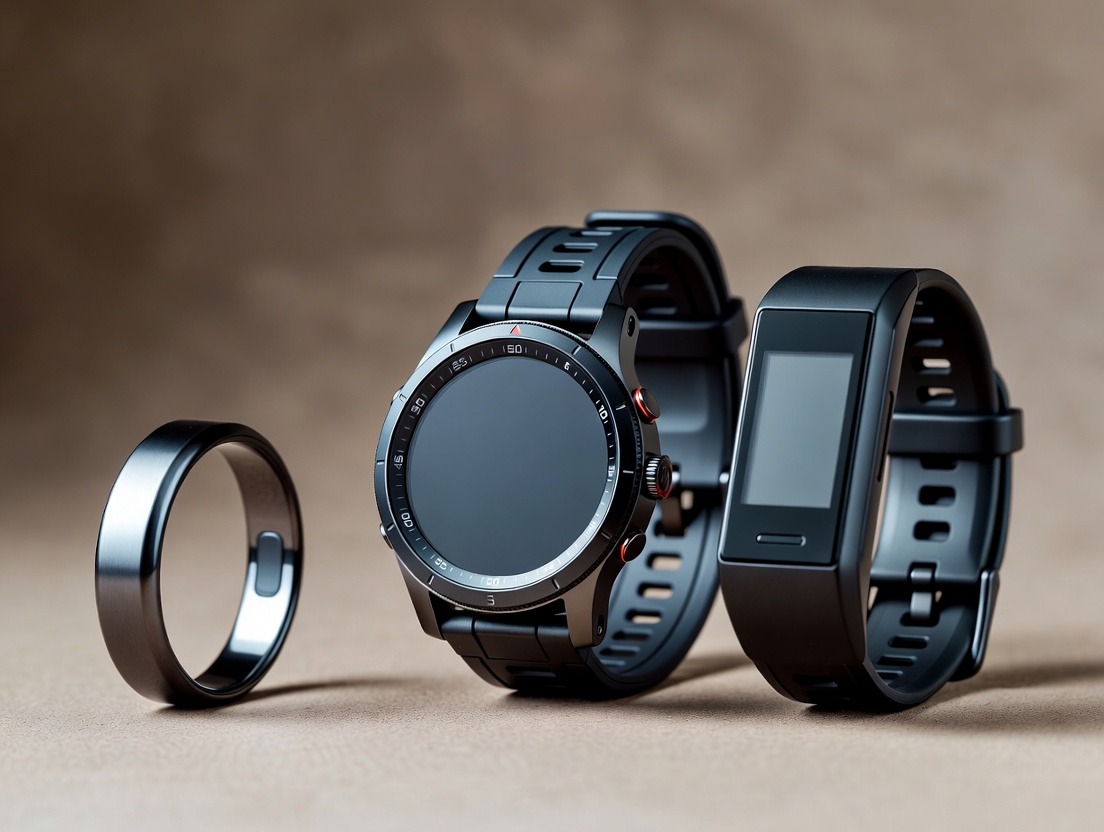
The Complete Beginner-Friendly Guide to Sustainable Performance via Ring Tracking
A complete beginner's guide to maintaining high performance without burnout, using ring data.
The Complete Beginner-Friendly Guide to Sustainable Performance via Ring Tracking
Imagine a tool that whispers the secrets of your body's inner workings—a silent, elegant guardian that tracks the biological rhythms governing your energy, focus, and resilience. Not a bulky watch, not a phone you ignore, but a sleek band of titanium or ceramic worn on your finger. This is the modern smart ring, and it’s revolutionizing how ordinary people achieve extraordinary, sustainable performance.
For decades, high performance was a game of pushing harder, sleeping less, and grinding through fatigue. We glorified burnout as a badge of honor. But a revolution in human science has revealed a different truth: true, lasting excellence isn't about ignoring your body's signals. It's about understanding and aligning with them. Sustainable performance is the art of achieving high output not through sheer force, but through intelligent harmony with your physiology. It means having energy for your morning workout, focus for your critical afternoon meeting, and genuine recovery for your body and mind at night—day after day, year after year, without crashing.
This is where the science of biometrics and the elegance of wearable technology converge. A smart ring is more than a piece of tech; it's a personal performance lab. By continuously tracking metrics like heart rate, heart rate variability (HRV), skin temperature, respiratory rate, and blood oxygen saturation—all from the richly vascularized finger—it provides an unparalleled window into your autonomic nervous system. This is the system that controls your stress response (sympathetic, "fight or flight") and your recovery state (parasympathetic, "rest and digest"). Your smart ring translates these subtle biological whispers into a clear, actionable language.
This guide is your master key to that language. We will move from theory to practice, from data to wisdom. You will learn not just what the numbers mean, but how to weave them into the fabric of your daily life to build unshakeable energy, resilience, and focus. This is not a quick fix. It's the beginning of a lifelong conversation with the most important system you'll ever manage: yourself. Let's begin.
What is Sustainable Performance, and Why is It the Ultimate Goal?
We live in a culture that often mistakes activity for achievement and busyness for productivity. We run on caffeine, sacrifice sleep, and wear exhaustion as a twisted trophy. This "grind mindset" has a predictable, physiological endpoint: burnout. It’s characterized by emotional exhaustion, cynicism, and a profound sense of reduced accomplishment. Burnout isn't just feeling tired; it's a systemic breakdown where your body's stress systems are chronically overloaded, and your recovery systems are functionally offline.
Sustainable performance is the powerful, evidence-based antithesis to this cycle. It is defined as the consistent ability to maintain high levels of physical, cognitive, and emotional output over the long term by strategically balancing stress (the stimulus for growth) with recovery (the process of adaptation and repair). Think of it not as a straight, high-output line, but as a rhythmic, sine-wave pattern of productive effort followed by intentional rest.
The foundational science behind this concept rests on two key pillars: allostasis and hormesis.
Allostasis is your body's brilliant, dynamic process of achieving stability through change. When you face a stressor—a hard workout, a tight deadline, an emotional conflict—your body doesn't just "get stressed." It actively mobilizes a cascade of resources (like cortisol and adrenaline) to meet the challenge. This is healthy and necessary. The problem, known as allostatic load, occurs when the stressors are too frequent, too intense, or last too long without sufficient recovery periods. The system never gets to stand down. The "load" accumulates, leading to wear and tear on the brain and body. This is the biological root of burnout, chronic fatigue, and a host of other issues.
Hormesis, on the other hand, is the "what doesn't kill you makes you stronger" principle at a cellular level. It's the beneficial, adaptive response your body has to a mild, intermittent stressor. Lifting weights creates micro-tears in muscle fibers (a stressor), and with recovery, they rebuild stronger. A brief cold shower (a stressor) can boost circulation and resilience. The key differentiator between destructive allostatic load and beneficial hormesis is dose and recovery.
This is precisely where a smart ring transforms from a tracker to a coach. It quantifies your allostatic load and your recovery capacity in real-time. It answers the critical questions: Is today's workout pushing me into a healthy, adaptive zone, or am I digging a deeper recovery hole? Was that stressful meeting a manageable spike, or did it tank my nervous system for the rest of the day?
By moving from guessing to knowing, you can intentionally design your life for hormetic, growth-inducing stress while vigilantly guarding against toxic allostatic load. You stop "pushing through" blindly and start "training with intelligence." The ultimate goal is no longer to see how much you can withstand, but to see how brilliantly you can perform—consistently, joyfully, and for the long run.
The Smart Ring Revolution: Why Your Finger is the Perfect Window to Your Health
The wearable technology landscape is crowded: watches on our wrists, clips on our clothes, patches on our skin. Yet, the smart ring is emerging as the premier tool for serious health and performance enthusiasts. The reason is both elegantly simple and scientifically profound: location matters. The vascular structures in your finger provide a uniquely advantageous site for continuous, medical-grade biometric monitoring.
Unlike the wrist, which is dominated by large bones (radius and ulna) and tendons, the finger pad is rich with capillary beds—tiny, dense networks of blood vessels close to the surface of the skin. This allows sensors in a ring to get a stronger, cleaner signal for key metrics. Let's break down the core biometrics a modern ring tracks and why they are the fundamental language of sustainable performance:
Resting Heart Rate (RHR): Your heart's idle speed. A lower RHR generally indicates better cardiovascular fitness and a more efficient heart. An elevated RHR over time can be a sign of stress, illness, insufficient recovery, or dehydration. Your ring tracks this every night, establishing a highly accurate, sleep-based baseline.
Heart Rate Variability (HRV): The crown jewel of recovery metrics. HRV is the subtle, millisecond variation in the time interval between your heartbeats. Contrary to what you might think, a higher HRV is better. It indicates a resilient, flexible autonomic nervous system—one that can swiftly ramp up to meet a challenge (high sympathetic tone) and then powerfully dial back down into recovery mode (high parasympathetic tone). A low or declining HRV is a strong, data-driven flag that your system is under strain and needs more rest. This metric is so critical to understanding readiness that it forms the backbone of most ring's "Readiness" or "Recovery" scores.
Sleep Stages & Architecture: This goes far beyond just "hours in bed." A quality ring uses heart rate and movement data to estimate time spent in Light, Deep, and REM (Rapid Eye Movement) sleep. Each stage has a vital function: Deep sleep is for physical restoration and immune function, while REM sleep is crucial for memory consolidation and emotional processing. Tracking your sleep patterns over time—not just duration, but quality and consistency—reveals the foundation of your daily performance. For a deep dive into interpreting this data, our guide to sleep pattern analysis is an essential resource.
Respiratory Rate: The number of breaths you take per minute, measured during sleep for utmost accuracy. Changes in your baseline respiratory rate can be an early, subtle sign of emerging illness, respiratory issues, or heightened stress.
Skin Temperature: Your ring tracks your peripheral temperature trends overnight. A significant deviation from your personal baseline (usually an elevation) is one of the most reliable early indicators of illness, infection, or, for women, ovulation.
Blood Oxygen Saturation (SpO2): A measure of how much oxygen your red blood cells are carrying. While typically stable in healthy individuals, monitoring overnight SpO2 can help identify issues like sleep apnea, where breathing repeatedly stops and starts.
The magic is not in any single metric, but in their synergy. By combining these data points, a smart ring builds a holistic, multi-day picture of your strain and recovery balance. It connects the dots: "Your HRV dropped 15% last night, your deep sleep was 30 minutes below your average, and your skin temp is slightly elevated. Your body is fighting something. Today is not the day for a personal record in the gym." This is the shift from generic data to personalized intelligence, all made possible by the ring's privileged vantage point on your finger.
Decoding Your Body's Dashboard: A Beginner's Guide to Key Metrics
Now that you know what your ring is tracking, the next step is learning what these numbers are actually telling you. Think of this as learning to read your body's dashboard. You don't need to become a data scientist, but understanding a few core principles will transform confusing graphs into a clear narrative about your day.
Heart Rate Variability (HRV): Your North Star for Recovery
As mentioned, HRV is your most important metric for gauging internal balance. But how do you interpret it?
Look at the Trend, Not the Daily Number: A single day's HRV is almost meaningless. The power is in the trend over weeks and months. Is your baseline slowly climbing? That's a sign of improving fitness and resilience. Is it on a steady decline? That suggests chronic strain. Your ring's app will typically show you a rolling average or a baseline.
Context is King: Your HRV is exquisitely sensitive. It will be lowered by hard training, emotional stress, poor sleep, alcohol consumption, illness, and even digesting a large meal. The goal isn't to have a high HRV every single day; it's to understand why it fluctuates.
The Morning Reading: The most valuable HRV reading is usually taken during a specific period of deep sleep or first thing in the morning. This gives you a "readiness" score for the day ahead.
Actionable Insight: If your HRV is significantly below your baseline for 2-3 days in a row, it’s a strong signal from your body to prioritize recovery. This means opting for a walk instead of a HIIT class, saying no to an extra commitment, focusing on sleep hygiene, and nourishing your body with whole foods.
Sleep Data: Beyond Just "8 Hours"
Your ring's sleep analysis is a treasure trove of information. Focus on these elements:
Sleep Consistency: Going to bed and waking up at roughly the same time every day (yes, even on weekends) is arguably more important for circadian health than the exact number of hours. Erratic sleep timing is a primary driver of what's known as social jet lag, which can wreck your energy and metabolism.
Sleep Efficiency: This is the percentage of time you're actually asleep while in bed. Aim for 85% or higher. A low score often indicates trouble falling asleep, frequent awakenings, or lying awake in the morning.
Deep & REM Sleep: These are the quality benchmarks. You can be in bed for 9 hours but get minimal deep sleep, leaving you unrefreshed. Track the minutes, not just the percentage. Notice what behaviors boost your deep sleep (e.g., afternoon exercise, avoiding late meals) and what hurts it (e.g., alcohol, late-night screen time).
Understanding your unique sleep architecture is the first step to improving it. To discover the sleep schedule that might be most natural for your biology, consider exploring our chronotype quiz.
Resting Heart Rate (RHR) and Respiratory Rate: The Steady Signals
RHR: A sudden, sustained increase in your RHR (e.g., 5-10 beats above your normal average) is a classic, early sign that your body is under physiological stress, often fighting off an illness before you feel any symptoms.
Respiratory Rate: This is a remarkably stable metric. A consistent upward creep can indicate increased stress load or a brewing respiratory infection.
Pro-Tip: Don't get lost in the minutiae. For the first 30 days, simply observe. Wear your ring consistently, and let it establish your personal baselines. Notice the natural fluctuations. The goal isn't to "optimize" every number to a green zone every day—that's impossible. The goal is to build a relationship with your data so you can make smarter, more sustainable choices.
Setting Up for Success: Your First 30 Days with a Smart Ring
The arrival of your new smart ring is exciting. It's tempting to strap it on and immediately start dissecting every data point. Resist that urge. The first month is not about optimization; it's about calibration and observation. You are teaching the device about you, and more importantly, you are learning to see your own life through an objective, biological lens. Follow this phased approach to build a rock-solid foundation.
Phase 1: The Baseline Week (Days 1-7)
Your only job this week is consistency. Wear the ring 24/7 (removing it only for charging, which is typically a quick 60-90 minutes every 4-7 days). Go about your normal life—your existing workout routine, your typical sleep schedule, your usual diet. Do not try to change anything. The objective is to capture a true, unvarnished snapshot of your current biological normal. This data set becomes the critical benchmark against which all future changes are measured. At the end of this week, note your averages: What is your baseline sleep score? What's your typical HRV range? What's your resting heart rate?
Phase 2: The Noticing Phase (Days 8-21)
Now, start gently connecting the dots between your life and your data. Look at the previous night's data each morning. Ask simple, non-judgmental questions:
"I had two glasses of wine last night. How did my deep sleep and HRV look this morning?"
"I did a really intense workout yesterday afternoon. Is my resting heart rate elevated today?"
"I went to bed 90 minutes later than usual. What was my sleep efficiency score?"
"I had a massive argument with my partner before bed. What does my sleep graph look like?"
This phase is about building intuition. You are collecting personal evidence on how your body responds to different stimuli. You might be surprised to find that your body is more sensitive to certain stressors (like late caffeine) than you thought, or that certain activities (like a gentle yoga session) boost your recovery scores. For insights on how various lifestyle factors can alter your body's signals, you can explore articles like how caffeine timing affects your sleep pattern.
Phase 3: The First Intentional Experiment (Days 22-30)
Armed with two weeks of observations, choose one small, manageable lever to pull. Based on your data, pick an area that seems promising. For example:
If sleep consistency is low: Experiment with going to bed and waking up at the exact same time for 7 days straight, even on the weekend.
If HRV is consistently low: Introduce a 10-minute guided breathing or meditation practice before bed for a week.
If resting heart rate is high post-workout: Experiment with a 15-minute cool-down walk after your next few intense training sessions.
The key is to change only one variable at a time and observe the effect in your data over 5-7 days. Did your sleep score improve? Did your morning HRV bump up? This creates a powerful feedback loop: action → measurable result. It turns abstract "wellness advice" into personalized, proven strategy.
Common Pitfall to Avoid: Data anxiety. It's easy to become obsessed with "bad" scores. Remember, the data is not a judgment; it's information. A low recovery score isn't a failure—it's an invitation to be kind to yourself that day. The ring is a tool for self-compassion, not self-criticism.
Building Your Personal Baseline: What's "Normal" for YOU
This is the most critical mental shift you will make on this journey: You must divorce yourself from comparing your numbers to anyone else's. There is no "perfect" HRV of 70, or a "gold standard" resting heart rate of 50. These numbers are as unique as your fingerprint, influenced by age, genetics, fitness level, and even your inherited sleep patterns.
Your friend who runs ultramarathons will have a vastly different baseline than your friend who is a new parent. Neither is "better." The only comparison that matters is you vs. you.
So, how do you establish your normal?
Define Your "Green Zone": After your first 30 days, look at your data ranges. For HRV, calculate your average and note your typical high and low. Your "green zone" might be an HRV between 45 and 65. Days you land in that range are likely days your system is in balance.
Identify Your "Red Flags": Similarly, determine what constitutes a significant deviation for you. Is a 20% drop in HRV from your baseline a red flag? Is a resting heart rate 8 bpm above your average for two mornings in a row a signal to take it easy? These are your personal, early-warning signs.
Understand Your Cycles: If you are someone who menstruates, your biometrics will follow a predictable pattern through your cycle. You will likely see higher resting heart rates and lower HRV in the luteal phase (after ovulation) compared to the follicular phase. This is normal! Tracking this can help you plan your training and workload accordingly—scheduling intense projects or workouts for your high-energy follicular phase, and prioritizing recovery and administrative tasks during your luteal phase.
Accept the Noise: Life happens. A single bad night of sleep, a stressful day, or a celebratory dinner will cause fluctuations. Don't over-interpret a single data point. Always look for trends over 3-5 days.
By building a deep understanding of your personal baseline, you move from a state of reaction ("My score is low today, I must be doing something wrong!") to a state of empowered observation ("My score is low today. Let's look at the past 72 hours. I had two hard workouts, a work deadline, and less sleep. My body is asking for a gentler day. I'll listen."). This is the essence of sustainable self-management.
The Science of Sleep: Leveraging Your Ring for Optimal Recovery
Sleep is the non-negotiable foundation of sustainable performance. It is when 90% of your physical and cognitive repair occurs. Your smart ring provides the most honest audit of your sleep you've ever had. Moving beyond just tracking, let's explore how to actively use this data to engineer better sleep, which in turn fuels better days.
How to Analyze Your Sleep Report
Each morning, don't just glance at a score. Spend two minutes reading the story:
Time to Fall Asleep: Consistently taking more than 20 minutes to fall asleep suggests your pre-bed routine or timing may be off. Your circadian rhythm might be out of sync.
Awake Time: Frequent or long awakenings can point to environmental issues (noise, temperature, a restless partner), digestive discomfort, or stress.
Sleep Stage Distribution: Are you getting enough Deep and REM? Deep sleep typically dominates the first half of the night, while REM increases in the second half. If you're consistently short on deep sleep, you may need an earlier bedtime or better sleep hygiene. If REM is low, it can be linked to high stress or alcohol consumption, which suppresses REM early in the night. For a comprehensive look at different sleep architectures, our explainer on monophasic, biphasic, and polyphasic patterns offers valuable context.
Sleep Regularity: This is your superpower. The single most effective thing you can do for your sleep—and thus your energy and health—is to wake up at the same time every single day, even on weekends. This anchors your circadian rhythm more powerfully than anything else.
Actionable Strategies Based on Your Data
If you have low sleep efficiency: Focus on your sleep environment and routine. Implement a "power-down hour" with no screens, use blackout curtains, ensure a cool room temperature (65-68°F or 18-20°C is ideal), and consider a white noise machine.
If you lack deep sleep: Prioritize physical exertion and timing. Schedule vigorous exercise earlier in the day (not within 3 hours of bedtime). Ensure your room is pitch black and completely quiet. Avoid alcohol, as it severely fragments sleep architecture.
If you lack REM sleep: Focus on stress management and sleep extension. REM sleep is often "stolen" by chronic stress and anxiety. Practices like journaling, meditation, or therapy can help. Also, since REM cycles get longer later in the night, simply sleeping longer can increase your REM duration.
If your timing is erratic: Declare war on social jet lag. Commit to a fixed wake-up time. Use morning sunlight exposure to reinforce this rhythm.
Your sleep data is the ultimate feedback mechanism. Making a change? The proof will be in your sleep score the next morning. This turns the abstract goal of "better sleep" into a tangible, daily experiment in self-improvement.
From Stress to Strength: Using HRV to Manage Your Nervous System
We've established that Heart Rate Variability is your premier metric for nervous system balance. But how do you move from passive tracking to active management? How do you use your HRV data not just as a report card, but as a steering wheel? This is where you learn to train your nervous system like a muscle.
Interpreting HRV in Context: The Strain/Recovery Cycle
A healthy, sustainable performance rhythm looks like this: Apply a stressor (training, work project) → See a dip in HRV (your body responds) → Allow for recovery (rest, sleep, nutrition) → See HRV rebound to or above baseline (adaptation occurs). This is the supercompensation cycle.
Problems arise in two scenarios:
The No-Dip Scenario: You train hard but see no HRV dip. This could mean the workout wasn't challenging enough to be a stimulus, or your nervous system is so fried it can't even mount a proper stress response (a sign of potential overtraining).
The No-Rebound Scenario: Your HRV dips and stays down for days. This is the red flag. It means the stressor was too great, recovery is insufficient, or other life stressors are piling on, preventing adaptation. This is the path to burnout.
Practical HRV-Based Protocols
1. The Daily Check-In: Each morning, view your HRV and Recovery Score. Use this framework:
Green/High Recovery (HRV at or above baseline): This is a "Go" Day. Your body is primed for challenge. Schedule your hardest workout, your most important creative work, or your toughest meetings. Your system is resilient and ready to perform.
Yellow/Medium Recovery (HRV slightly below baseline): This is a "Proceed with Caution" Day. You can train, but maybe dial intensity back to 80%. Focus on skill work, moderate cardio, or lower-weight strength training. At work, tackle important but not mission-critical tasks.
Red/Low Recovery (HRV significantly depressed): This is a "Rest" Day. This is non-negotiable for sustainability. Your body is screaming for repair. Do not train intensely. Prioritize walking, gentle yoga, mobility work, naps, and hydration. It’s a day for administrative tasks, not deep work. Forcing a hard day here digs a deeper recovery hole that can take days to climb out of.
2. The HRV-Boosting Toolkit: When your HRV is low, or you want to proactively boost resilience, employ these evidence-based practices:
Coherent Breathing: Inhale for 5 seconds, exhale for 5 seconds (5:5 ratio) for 10-20 minutes. This is one of the fastest ways to stimulate the vagus nerve and shift into a parasympathetic (rest-and-digest) state.
Cold Exposure: A 1-3 minute cold shower at the end of your normal shower can create a powerful hormetic stress that, with practice, trains nervous system resilience and boosts HRV over time.
Nature Immersion ("Forest Bathing"): Spending quiet time in nature, away from digital devices, has been shown to lower cortisol and improve HRV.
Social Connection & Laughter: Positive social interactions and genuine laughter are potent parasympathetic activators.
By actively responding to your HRV data, you stop fighting your biology and start cooperating with it. You learn to push when you're resilient and rest when you're fragile. This dynamic, responsive approach is the cornerstone of avoiding burnout and building performance that lasts. For more on how chronic stress disrupts this delicate balance, see our analysis of how stress alters sleep patterns and recovery.
Fueling Performance: How Biometrics Can Guide Nutrition & Hydration
You are not just what you eat; you are how and when you eat, and your body provides real-time feedback on your choices. While a smart ring doesn't track macros or calories, its biometrics are profoundly affected by your nutritional habits, offering a unique, physiological report card on your fueling strategy.
The Hydration Signal
Dehydration has an immediate and dramatic effect on your cardiovascular system. Your blood volume decreases, forcing your heart to work harder to circulate blood and oxygen. This shows up clearly in your ring data:
Elevated Resting Heart Rate: One of the earliest signs of mild dehydration is a rise in your overnight or morning RHR.
Reduced HRV: Dehydration increases sympathetic nervous system activity, which can lower your HRV.
Poorer Sleep Quality: Dehydration can lead to nocturnal leg cramps, dry mouth, and generally more fragmented sleep.
Actionable Insight: If you see an unexplained bump in your RHR paired with a lower HRV, before assuming you're sick or overtrained, ask yourself: "Did I drink enough water yesterday?" Try increasing your water intake (especially with electrolytes if you sweat a lot) and see if your metrics normalize within 24-48 hours.
The Food as Information Dashboard
The timing, quality, and quantity of your meals send direct signals to your autonomic nervous system.
The Large, Late-Night Meal Effect: Digesting a big meal, particularly one high in fat and protein, is metabolically demanding work. Doing this right before bed forces your body to prioritize digestion over deep restoration. The result? Often, a reduction in deep sleep, more restless sleep, and a lower HRV the next morning. Your ring will show you this connection clearly.
Alcohol's Double-Edged Sword: Alcohol is a potent sedative, so it may help you fall asleep faster. However, it is a disaster for sleep architecture. It suppresses REM sleep early in the night and leads to sleep disruption as your body metabolizes it, often causing awakenings in the second half of the night. The ring data is unambiguous: even one or two drinks typically result in a lower sleep score, less REM sleep, and a depressed HRV. It's a major recovery disruptor.
Inflammation and Sensitivity: For some individuals, inflammatory foods (like processed sugars, certain vegetable oils, or gluten/dairy if sensitive) can cause a low-grade systemic inflammation. This chronic stress on the body can manifest as a gradually declining HRV baseline or elevated resting heart rate over time.
Using Your Ring for Nutritional Experimentation
This is where you become a scientist of your own body. Conduct a simple experiment:
Choose a Variable: For one week, change one dietary habit. Examples: Stop eating within 3 hours of bedtime. Eliminate alcohol on weeknights. Increase vegetable intake to 8 servings per day. Drink an extra liter of water.
Measure the Outcome: Don't just go by "feel." Look at the objective data. Did your average sleep score improve? Did your morning HRV trend upward? Did your RHR come down?
Draw a Conclusion: You've now gathered personal evidence. If the data shows a positive shift, you've found a lever that works for your biology.
By linking dietary choices to physiological outcomes, you move away from fad diets and generic rules. You build a personalized, sustainable nutrition framework based on what actually makes your body feel—and perform—at its best. The data provides the neutral, unbiased feedback that "how you feel" alone sometimes obscures.
Movement & Training: Optimizing Workouts with Real-Time Readiness
This is where the promise of sustainable performance becomes most tangible. For decades, athletes and fitness enthusiasts have followed pre-written programs, often ignoring their body's daily state. This leads to training in a fog—sometimes pushing too hard on a depleted day, sometimes not pushing hard enough on a day of peak readiness. Your smart ring cuts through the fog, enabling autoregulated training: adjusting your workout plan based on your daily physiological readiness.
How to Use Recovery Scores for Training Decisions
Forget rigid Monday=Leg Day schedules. Embrace a fluid, responsive approach.
High Readiness Score (Green Zone): This is your signal for high-intensity or high-volume work. Schedule your strength training PR attempts, your interval sprints, your longest run, or your most technical skill session. Your body is primed to handle the stress, adapt to it, and grow stronger.
Moderate Readiness Score (Yellow Zone): This calls for moderate, skill-focused, or maintenance work. This is a perfect day for moderate-weight strength training, steady-state cardio, technique drills, or mobility flows. The goal is to get a beneficial stimulus without digging a recovery hole. You might do the same workout as a "Green" day, but at 70-80% of the intensity or volume.
Low Readiness Score (Red Zone): This is a mandatory active recovery or complete rest day. Training hard today is counterproductive and risky. It dramatically increases your chance of injury and prolongs your recovery timeline. Opt for a leisurely walk, gentle stretching, foam rolling, or restorative yoga. The goal is purely parasympathetic: to promote circulation, reduce muscle tension, and aid repair. As the old coaching adage goes, "When in doubt, rest it out." Your ring removes the doubt.
Tracking the Impact of Training
Your ring is also invaluable for monitoring how your body responds to different types of workouts.
The Acute Response: Check your HRV and RHR the morning after a hard session. A moderate dip in HRV and a slight elevation in RHR is normal and expected—it's the "stress signal." This is good.
The Adaptation Signal: Over the following 24-72 hours, with good recovery, your metrics should rebound to baseline. This rebound signifies successful adaptation—you've gotten stronger/fitter.
The Overtraining Warning: If your HRV and RHR don't recover after 2-3 days, or if they trend downward over several weeks despite adequate rest, it's a classic sign of overtraining syndrome. Your ring provides the early warning system to pull back before you crash with fatigue, illness, or injury.
Case Study: The Endurance Athlete
A runner training for a marathon uses her ring data to plan her week. After a long Sunday run, her Monday morning HRV is low (Red). She takes a complete rest day. Tuesday, HRV is back in the Yellow. She does a light, easy jog. Wednesday, HRV is solidly Green. She nails her key interval workout. By responding to her body, she avoids injury, stays motivated, and peaks perfectly for race day.
This data-informed approach turns training from a guessing game into a dialogue. You learn the unique language of your body's recovery, allowing you to train smarter, not just harder, for a lifetime of progress.
Lifestyle Integration: Work, Social Life, and Long-Term Balance
Sustainable performance isn't confined to the gym or the bedroom. It's the seamless integration of intelligent habits into every facet of your life—your career, your relationships, and your leisure. Your smart ring becomes the objective mirror, revealing how your daily choices, big and small, either contribute to or detract from your long-term energy and resilience.
Work & Cognitive Performance
Your biometrics directly reflect your cognitive load and work stress.
Identifying Peak Cognitive Windows: By correlating your daily energy and focus with your biometric trends, you can pinpoint your natural peak performance hours. Many people find their focus is sharpest when their HRV is high, often in the late morning. Schedule your most demanding, creative, or strategic work during these "green zone" cognitive periods. Save administrative tasks, meetings, and email for your lower-energy periods. For more on this, explore how sleep patterns affect productivity and peak hours.
The Meeting Stress Effect: Have you ever felt drained after a series of back-to-back video calls? Your ring can quantify it. A stressful meeting can trigger a fight-or-flight response, elevating your heart rate and lowering HRV. Notice which types of interactions are most draining. This data empowers you to schedule breaks between intense meetings, practice brief breathing exercises to reset your nervous system, or even reassess the necessity of certain recurring meetings.
The Digital Detox Dividend: Constant notifications and screen time keep your nervous system in a state of low-grade alertness. Try an experiment: implement a "no screens" policy for the last 60 minutes before bed. Observe the impact on your sleep data (particularly time to fall asleep and sleep efficiency). The results are often so compelling they inspire broader digital boundaries.
Social Life & Relationships
Your social interactions are a powerful modulator of your nervous system.
Positive Connection as Recovery: Joyful, supportive social time is a potent parasympathetic activator. You might notice that after a great evening with close friends, your sleep is deeper and your morning HRV is slightly elevated. It's tangible proof that connection is a form of recovery.
Navigating Different Rhythms: Relationships often involve navigating different energy patterns and chronotypes. If you're a morning person partnered with a night owl, conflict can arise from mismatched rhythms. Using ring data can depersonalize this. You can have a conversation grounded in biology: "My data shows I'm literally in shutdown mode by 9:30 PM. Can we have quality time earlier in the evening?" Understanding each other's sleep patterns as a couple can foster empathy and smarter scheduling.
The Alcohol & Late-Nights Trade-off: The ring provides honest feedback on the recovery cost of social choices. You can make informed trade-offs: "I know that going to that concert on a Wednesday will trash my sleep and readiness for Thursday. Is it worth it? Maybe I'll go, but I'll proactively block my Thursday calendar for lighter work." This is conscious living, not deprivation.
Advanced Data Synthesis: Connecting the Dots for a Holistic Picture
You’ve mastered the individual metrics. You know what a dipping HRV means and how to interpret a night of poor sleep. Now, we enter the realm of true biometric intelligence: synthesis. This is the art of looking at the constellation of data points over time to discern the overarching narrative of your health and performance, rather than reacting to individual stars. It’s where your ring transitions from a reporter to a strategist.
The Interconnected Web of Biometrics
No metric exists in a vacuum. They are all threads in the same tapestry. Understanding their relationships is key:
Sleep & HRV: This is the most fundamental link. Poor sleep (short duration, low efficiency, lacking deep sleep) almost invariably leads to a lower HRV the following morning. Conversely, a high HRV can sometimes predict better sleep quality that night, as a relaxed nervous system settles into rest more easily.
RHR, HRV, and Illness: The combination is telling. A sustained elevated RHR paired with a sustained depressed HRV and a higher nighttime skin temperature is the classic biometric signature of your body fighting an infection, often before symptoms appear.
Activity Strain & Recovery: Your daytime heart rate data (often summarized as a “Strain” or “Activity” score) should have an inverse relationship with your overnight recovery metrics. A high strain day should be followed by a focused recovery effort. If you stack high-strain days without seeing corresponding dips in readiness, you may not be training hard enough. If every strain day crashes your readiness for 48 hours, your recovery protocols are insufficient.
Identifying Your Personal Levers and Limiters
Through longitudinal tracking (3-6 months), you will discover what most powerfully moves the needle for you. These are your personal performance levers. For one person, the lever might be sleep consistency; moving their bedtime by just 30 minutes improves all other metrics dramatically. For another, it might be hydration or midday movement. Your data will reveal this.
Similarly, you’ll identify your primary limiters—the factors that most quickly degrade your state. For many, it’s alcohol. For others, it might be late-day caffeine, high-conflict social interactions, or prolonged sitting.
Actionable Synthesis Exercise: At the end of each month, spend 20 minutes reviewing your trends. Don’t look at daily graphs; look at weekly averages. Ask:
What was my highest readiness week? What did that week have in common? (e.g., consistent 8-hour sleep blocks, no alcohol, workouts before 5 PM).
What was my lowest readiness week? What were the common disruptors? (e.g., work travel, poor diet, family stress).
Is there a recurring pattern? (e.g., readiness always dips mid-week, suggesting a workload issue).
This monthly audit allows you to shift from tactical, day-to-day adjustments to strategic, lifestyle-level changes. It helps you design your weeks proactively, not just reactively. To understand how your natural rhythms play into this, consider taking a sleep pattern test to discover your ideal schedule.
Navigating Life Transitions, Travel, and Illness
A sustainable performance practice isn’t for when life is perfect; it’s your anchor when life is chaotic. Your ring becomes an indispensable tool for managing major disruptions with grace and intelligence, minimizing their impact on your long-term health.
Mastering Jet Lag and Time Zone Changes
Travel is a brutal assault on your circadian rhythm. Your ring provides a real-time map of the damage and a guide for repair.
Pre-Travel Preparation: In the days before an eastward trip, try to shift your sleep and wake times 30-60 minutes earlier each day. Use morning light exposure to help anchor this shift.
The Flight Strategy: Hydrate aggressively. Avoid alcohol on the plane. Use the flight to rest, even if you don’t sleep (eye mask, earplugs, calming music).
Upon Arrival – The Golden Rule: Get sunlight exposure at the local morning time, no matter how you feel. This is the single most powerful signal to reset your master clock. If it’s nighttime at your destination when you land, avoid bright light.
Using Your Ring to Gauge Adaptation: Your sleep data will be a mess for days. Focus on the trend. Are your sleep start times slowly aligning with local time? Is your sleep efficiency improving? Use your HRV as your guide for activity. It will likely be crushed. Don’t schedule important meetings or workouts for the first 1-2 days. Be patient. For a dedicated protocol, our guide on managing sleep patterns during travel offers a step-by-step approach.
Listening to Your Body During Illness
When you get sick, your biometrics provide clear directives, taking the guesswork out of “Should I push through?”
The Early Warning: Often, your RHR will rise and HRV will drop 24-48 hours before you feel symptoms. Heed this warning. Immediately dial back, prioritize sleep, and hydrate.
The Acute Phase: During active illness, let go of all performance metrics. Your only metrics now are rest and recovery. Seeing terrible scores is normal and expected. This is not failure; it’s biology.
The Return-to-Activity Guide: The most common error is returning to full activity too soon, leading to relapse. Use your data. Don’t resume training until your RHR has returned to its normal baseline and your HRV has stabilized for at least 2-3 days. Even then, start at 50% intensity and duration. Your ring tells you when your immune system is no longer on high alert.
Managing Hormonal and Lifecycle Changes
For women, tracking biomarkers across the menstrual cycle is transformative. The cyclical pattern of estrogen and progesterone creates distinct physiological phases:
Follicular Phase (Post-Period to Ovulation): Typically characterized by rising energy, better stress resilience, higher pain tolerance, and more efficient temperature regulation. This is often a “Green Zone” window for high-intensity training and demanding cognitive work.
Luteal Phase (Post-Ovulation to Period): Progesterone rises, core temperature increases, and the body is more catabolic. Energy may wane, HRV may trend lower, and RHR may be 3-8 BPM higher. This is a natural “Yellow Zone” period. It’s an ideal time for strength maintenance, moderate cardio, technique work, and recovery focus.
By syncing your cycle in your ring’s app, you can view your biometrics through this lens. It normalizes the fluctuations, allowing you to plan your month strategically instead of fighting your physiology. For other major life stages, such as understanding how sleep patterns change from infancy to senior years, the data can provide similar context and reassurance.
Combining Your Ring with Other Tools for a 360° View
While a smart ring provides a stunningly complete physiological picture, it doesn’t capture everything. Sustainable performance exists at the intersection of physiology, psychology, and behavior. Integrating your ring data with other tools creates a truly holistic, 360-degree view.
The Psychological Layer: Mood & Stress Tracking
Your biometrics show the physiological manifestation of stress, but not always the cause. Pairing your ring with a simple daily mood or stress log (using an app like Daylio or even a notes app) is powerful.
Correlation Discovery: You may notice that your HRV plummets every Tuesday. Your mood log reveals that’s the day of your weekly, high-pressure meeting with your manager. The data connection makes the stress source explicit and actionable.
Meditation & Mindfulness Feedback: Use your ring to measure the physiological impact of your mental training. Do a 10-minute meditation session and check your heart rate trend during it. Does your HRV improve on days you meditate? This creates a powerful feedback loop, reinforcing the value of the practice.
The Nutritional Layer: Food Logging (Temporarily)
While not for everyone, a short-term (1-2 week) period of detailed food logging with an app like Cronometer or MyFitnessPal, combined with ring data, can be illuminating.
Spotting Sensitivities: Look for patterns. Do your resting heart rate and sleep disturbances increase on days you consume dairy? Does a high-sugar lunch lead to an afternoon energy crash visible in your activity data?
Macro & Timing Effects: Do you sleep better on days with a higher complex carb intake at dinner? Do you have more sustained energy on days with balanced protein at breakfast? The ring provides the objective “how you performed” data to pair with the “what you ate” log.
The Performance Layer: Fitness Devices & Journals
Fitness Trackers & GPS Watches: Sync your ring’s recovery score with your workout device. Many platforms now allow this integration, suggesting daily workout ranges based on readiness. This is autoregulation in action.
Old-School Training Journal: Sometimes, qualitative data is key. Note how a weightlifting set felt (e.g., “Bar speed was slow today”). Next to that, write down your readiness score. Over time, you’ll learn that a score below 70 often correlates with “slow bar speed,” giving you even more confidence to trust the data.
The goal of integration is not to create a burdensome data-entry life. It’s to conduct short, focused experiments to answer specific questions. Once you’ve found the connections, you can drop the extra logging and simply let your ring guide you, armed with the deeper understanding you’ve gained.
Building Your Personalized, Sustainable Performance Protocol
After months of observation, experimentation, and synthesis, you are ready to graduate from reacting to data to proactively designing your life around it. This is the creation of your Personalized Sustainable Performance Protocol—a living, breathing set of guidelines, routines, and rules of thumb that keep you in your optimal zone.
The Pillars of Your Protocol
Your protocol should be built on the non-negotiable foundations that your data has proven are critical for you. A typical protocol has 3-5 core pillars. For example:
Sleep Sanctuary: Bed by 10:30 PM, wake at 6:30 AM (no snooze). No screens after 9:30 PM. Bedroom at 67°F, blackout curtains. This is non-negotiable for recovery.
Fuel Strategy: No food within 3 hours of sleep. Prioritize 30g of protein at breakfast. Limit alcohol to 2 drinks, only on weekends, and never past 8 PM.
Movement Rhythm: Follow ring readiness for training intensity. Mandatory 10-minute walk after lunch. 5 minutes of mobility work every morning.
Stress Reset: 5-minute breathing exercise when daily stress score exceeds 7. No work emails after 7 PM.
Dynamic Scheduling Based on Readiness
Your weekly schedule becomes fluid. Instead of a fixed plan, you have a menu of options:
Green Day Menu: High-intensity interval training (HIIT), heavy strength session, important client presentation, strategic planning work.
Yellow Day Menu: Moderate cycling, yoga flow, skill practice, focused administrative blocks, team meetings.
Red Day Menu: 30-minute nature walk, gentle stretching, meal prep, reading, low-stress creative hobbies.
Each morning, you consult your readiness score and select from the appropriate menu. This removes decision fatigue and ensures you are always aligned with your physiology.
The Rule of Three and the 80/20 Principle
To avoid rigidity, build in flexibility:
The Rule of Three: Your protocol is your compass, not a prison. Allow yourself three “off-ramps” per month—occasions where you consciously choose to deviate for a social event, travel, or celebration, knowing it will impact your data. This is sustainable balance.
The 80/20 Principle: Aim to hit your protocol pillars 80% of the time. The 20% margin of error prevents all-or-nothing thinking and makes the system resilient. If you achieve 80% consistency on sleep and nutrition, your metrics will show a strong, positive trend.
Your Personalized Protocol is your ultimate tool for agency. It turns the flood of modern wellness advice into a curated, personal blueprint for living well. It is informed by science, refined by your data, and flexible enough to last a lifetime. For inspiration on structuring your day around your natural energy, learn about matching your sleep pattern to your lifestyle.
The Long Game: Preventing Plateaus and Maintaining Motivation
The journey of sustainable performance is a marathon, not a sprint. After the initial “new toy” excitement of the ring wears off and the low-hanging fruit of better sleep and hydration has been picked, you may face two challenges: physiological plateaus and motivational dips. This is normal. Here’s how to use your data to navigate them.
Breaking Through Performance Plateaus
If your HRV, fitness, or energy levels have stagnated for months, it’s time for a strategic change, informed by your historical data.
Review Your Strain/Recovery Balance: Have you been playing it too safe in the “Green Zone”? A sustainable plateau may mean you need a planned, progressive overload phase—2-3 weeks of intentionally higher training volume or life stress (a new project), followed by a dedicated deload week where you slash intensity by 50%. Your ring will confirm the need for the deload (dropping scores), and its rebound will signal a new, higher level of adaptation.
Change the Stimulus: Your body adapts to repeated stress. If you always run, try cycling. If you always lift in the 8-12 rep range, try a month in the 3-5 rep or 15-20 rep range. Look for a corresponding shift in your biometric response.
Check for Hidden Stressors: A plateau can also be a sign of a creeping, low-grade stressor you’ve normalized—a problematic relationship, a job you’ve outgrown, or a dietary sensitivity. Look at your long-term trend graphs. Did the plateau begin around a specific life event? Your data can point to non-fitness levers to pull.
Maintaining Engagement with Your Data
To avoid “tracker fatigue,” shift your relationship with the data from daily judge to long-term historian.
Set Quarterly, Non-Scale Goals: Instead of “raise my HRV,” set goals like: “Complete a 10K trail run feeling strong,” or “Get through my busy Q3 at work without a single sick day.” Use your ring data as the supporting system to achieve those goals, making the data a means to an end, not the end itself.
Celebrate Consistency, Not Perfection: At the end of each month, celebrate your consistency score. How many nights did you hit your sleep target? How many days did you align your activity with your readiness? This rewards the process, which is what truly matters.
Take Occasional Breaks: If you feel the data is causing anxiety, take the ring off for a weekend. Reconnect with how you feel intuitively. Often, you’ll find your intuition has become highly educated by months of data, and you’ll miss the feedback. This can renew your appreciation for the tool.
Remember, the ultimate goal of all this tracking is embodied awareness—to know how you feel without needing to check the app. The ring is the training wheels. Over time, you internalize the patterns. You’ll wake up and know it’s a Green Day. You’ll feel your heart racing after a conflict and know you need to breathe. The data externalizes your inner state until you learn to read it yourself. For a deeper understanding of the biological principles that make this possible, our exploration of the science of sleep patterns and what research reveals provides fascinating context.
Conclusion of Part One: Your New Foundation for Intelligent Living
You have now journeyed from understanding the why of sustainable performance to mastering the how with your smart ring as your guide. You are no longer guessing. You are equipped with a dynamic, responsive system for managing your most precious resource: your energy.
You have learned to:
Interpret the core biometrics that form your body’s language.
Establish your personal, non-comparable baselines.
Respond intelligently to daily readiness scores.
Synthesize data to see the bigger picture of your health.
Navigate life’s disruptions with data-informed grace.
Integrate this knowledge to build a personalized, flexible protocol for living.
This is not the end. It is a powerful beginning. You have laid the foundation for a lifetime of sustainable high performance, resilience, and well-being. In the next portion of this guide, we will build upon this foundation, exploring advanced concepts, community and coaching, the future of biometric technology, and how to become a true architect of your own potential.
Remember, the data is not the master; you are. The ring is a mirror, a compass, and a confidant. Use it to cultivate curiosity over criticism, compassion over judgment, and a profound respect for the intelligent, resilient system that is you. Your journey toward sustainable performance has officially begun.
Beyond the Self: The Role of Community, Coaching, and Shared Data
The journey of sustainable performance is profoundly personal, but it need not be solitary. While your biometric data is uniquely yours, the insights, accountability, and support found in community and coaching can exponentially accelerate your progress and deepen your understanding. This section explores how to responsibly and effectively extend your data beyond your own devices.
The Power of Shared Biometric Trends (Without Sharing Every Detail)
Modern smart ring platforms often include features for connecting with others in a secure, privacy-focused way. This isn't about sharing your raw sleep graph with everyone; it's about leveraging shared trends for mutual benefit.
Partner/Spouse Syncing: Connecting with a partner can be revolutionary. You can see each other's general readiness scores or sleep duration. This depersonalizes conflicts about energy. "I see your recovery is in the red today, let me handle the kids' bedtime," becomes a data-supported act of care, not a guessing game. It fosters empathy and allows for smarter household planning. For partners with different natural rhythms, this can be especially helpful in finding harmony, as discussed in our guide on managing different sleep patterns in couples.
Fitness & Training Groups: Joining a group of friends or teammates on a fitness platform where you can share weekly strain/recovery trends creates positive peer accountability. Seeing others consistently prioritize sleep can motivate you to do the same. It also provides context; if your entire training group's HRV dips after a particularly grueling week, it validates the collective need for a deload.
Working with a Coach: From Data to Expert Interpretation
A qualified coach (health, fitness, or performance) equipped with your biometric data can provide a level of insight that is difficult to achieve alone. They act as an external brain to interpret your patterns.
Objective Accountability: Reporting your readiness score to a coach removes subjective excuses. "I'm tired" is met with "What does your HRV say?" This fosters honest conversations about recovery.
Pattern Recognition: A skilled coach can spot subtle, long-term trends you might miss—like a gradual creep in resting heart rate over six months that could indicate chronic endurance fatigue or the need for dietary tweaks. They can correlate your performance outcomes (strength numbers, race times) with your recovery metrics to fine-tune your training cycles.
Programming Personalization: This is the pinnacle. A coach can dynamically adjust your weekly training plan based on your shared recovery data. They can prescribe an intense session on a confirmed Green Day and swap it for active recovery if you wake up in the Red. This creates a truly bespoke, living program.
Navigating Privacy and Setting Boundaries
Sharing biometric data requires clear boundaries. Establish rules:
What is Shared: Agree on the level of detail (e.g., readiness score and sleep duration only, not detailed heart rate graphs).
The Purpose: Define the intent. Is it for support, accountability, or coaching? This dictates the level of sharing.
Permission: Never share or compare someone else's data without explicit permission. Biometrics are intimate; treat them with respect.
Used wisely, sharing your journey creates a ecosystem of support that makes the path to sustainable performance more engaging, insightful, and ultimately, more successful.
The Future-Proof Athlete: Adapting Your Protocol Through the Decades
Your body is not a static machine. Its needs, capacities, and recovery pathways evolve from your 20s to your 30s, 40s, 50s, and beyond. A protocol built at 25 will not serve you at 45. The smart ring is your constant companion through these changes, providing the real-time feedback necessary to adapt gracefully, avoiding injury and burnout while extending your performance prime. For a broader view of how sleep needs shift, our article on optimal sleep patterns for your age group offers valuable insights.
Your 20s & 30s: Building the Foundation
Characteristics: High physiological resilience, rapid recovery, often coupled with erratic lifestyles, poor sleep hygiene, and high social stress.
Ring Data Patterns: You may bounce back quickly from poor sleep or alcohol, but the data will still show the cost. HRV may be volatile.
Protocol Focus: Use the ring to establish discipline. The goal is to build the foundational habits—sleep consistency, nutrition, and stress management—that will pay dividends for decades. Learn how your body responds to different training modalities. The data from this era becomes your priceless baseline for future comparison.
Your 40s: The Great Pivot
Characteristics: Metabolic and hormonal shifts begin. Recovery slows noticeably. The cost of poor habits (bad sleep, alcohol, skipped recovery) becomes exponentially higher and longer-lasting.
Ring Data Patterns: You’ll see it clearly: a night of poor sleep may depress your HRV for two days instead of one. Your resting heart rate may be more sensitive to dehydration. The need for consistency becomes non-negotiable in the data.
Protocol Focus: Shift from intensity to consistency and quality. Your ring becomes essential for autoregulation. You can no longer afford to train hard on a Red Day. Prioritize sleep quality over late nights. Use data to manage perimenopausal symptoms (like temperature fluctuations) intelligently. This is the decade to become a master of recovery.
Your 50s and Beyond: Sustainable Mastery
Characteristics: Wisdom peaks, but physiological resilience requires more careful management. Joint health, muscle retention (sarcopenia), and deep sleep maintenance are key priorities.
Ring Data Patterns: Baseline HRV and deep sleep percentages may naturally trend lower. This makes consistency and avoiding major disruptions even more critical. The signal of overreaching becomes clearer and requires quicker response.
Protocol Focus: Embrace precision and prevention. Use your ring to finely dose your activity. Focus on resistance training to combat sarcopenia, using readiness scores to determine optimal load. Prioritize protein timing and sleep hygiene to support muscle protein synthesis. The ring acts as an early warning system for illness or imbalance, allowing for proactive care. Performance is redefined not as personal records, but as consistent energy, mobility, and vitality.
Across all decades, the constant is your ring’s feedback. It allows you to age not by arbitrary rules, but in a continuous conversation with your changing biology, ensuring you are always working with your body, not against it.
Troubleshooting Common Data Dilemmas and Plateaus
Even with the best tools and intentions, you will encounter confusing data, frustrating plateaus, and periods where the metrics seem to contradict how you feel. This is not a sign of failure; it's a sign of complexity. Here’s how to troubleshoot like a pro.
Scenario 1: "I Feel Great, But My Scores Are Terrible."
This dissonance is common and can have several causes:
Adrenal Overdrive: You may be in a state of chronic sympathetic dominance, where your body is running on stress hormones (cortisol, adrenaline). This can create a feeling of "wired" energy, but your HRV will be low, indicating an underlying lack of resilience. It’s a false energy, often preceding a crash.
Metric Lag: Physiological recovery can sometimes lag behind perceived recovery by 24-48 hours. You might feel fine the day after a marathon, but your body is still in massive repair mode (low HRV, high RHR).
Action: Trust the data over the feeling in this scenario. The data is measuring systemic strain you may not be consciously perceiving. Use the low scores as a mandate for deliberate rest, even if it feels counterintuitive. You are likely preventing a future crash.
Scenario 2: "I Feel Terrible, But My Scores Are Great."
This is less common but happens.
Psychological vs. Physiological Stress: Your ring tracks physiological stress. You may be experiencing high psychological or emotional stress (anxiety, sadness) that hasn't yet translated into a major cardiovascular burden. Your heart may be steady, but your mind is not.
Early Incubation of Illness: Sometimes, the subjective feeling of "coming down with something" precedes the objective biometric markers by a few hours.
Action: Honor your subjective feeling. The ring doesn't capture everything. Use the good scores as permission to engage in gentle, mood-boosting activity (a walk in nature, light socializing) rather than intense training, while tending to your mental state.
Scenario 3: The Dreaded "Flatline" – No Progress in Key Metrics
If your HRV, sleep scores, or RHR haven't improved in 3+ months, consider:
Check Your Stress Bucket: Are non-training stressors (work, family, financial) maxed out? Your body has one stress response system. If it's dealing with chronic life stress, it has no capacity to adapt to fitness stress. Your ring will show a stagnant or declining baseline. The solution may be life management, not more training.
Are You Training Hard Enough? Paradoxically, a plateau can come from under-stimulation. If you always stay in the comfortable "Yellow Zone," you never provide a strong enough stimulus for adaptation. Plan a 3-week progressive overload block and watch your data respond.
The Hidden Recovery Saboteur: Do a deep audit. Is it a subclinical food sensitivity? Consistently poor sleep environment (partner's snoring, room temperature)? Low-grade chronic infection? Your long-term data trends can help you pinpoint the timing of the plateau’s onset to identify the culprit.
The "N of 1" Mindset
Always remember: you are a scientific experiment with a sample size of one (N=1). General guidelines are starting points, but your data is the truth for you. When in doubt, design a clean, single-variable experiment (e.g., "For two weeks, I will be in bed by 10 PM") and let your ring’s data deliver the verdict. This empowers you to move beyond generic advice and internet dogma, straight into what works for your unique biology.
The Ethical and Mindful Use of Biometric Data
As we immerse ourselves in self-quantification, it’s crucial to pause and consider the philosophical and ethical dimensions. Data is a tool, and like any powerful tool, its value is determined by the wisdom of the user. The goal is enhancement, not obsession; self-knowledge, not self-judgment.
Avoiding Data Anxiety and Orthosomnia
A significant risk in biometric tracking is the development of "orthosomnia" – a coined term for an unhealthy preoccupation with achieving perfect sleep data. Similarly, one can become anxious over a "low" HRV score.
The Signs: Feeling stressed about going to bed because you're worried about your sleep score. Training when you feel good because your readiness score is low, or skipping training when you feel fine because the score is high, against all intuition. Checking your app incessantly throughout the day.
The Antidote – Periodic Detox: Schedule regular breaks from the data. Take the ring off for a weekend every quarter. Reconnect with innate body wisdom. Often, you'll return to find your intuition has been honed by the data, and you can use the tool with less dependency.
Reframe the Purpose: Remind yourself: The data is there to serve you, not to judge you. A low score is not a failing grade; it's useful information to guide a kinder, more intelligent choice.
Data Privacy and Long-Term Security
You are generating deeply personal health information. Be a conscious consumer:
Read the Privacy Policy: Understand what data the company collects, how it is anonymized and aggregated for research, and who it might be shared with.
Ownership: Know that you own your raw data. Use platforms that allow you to export it so you have a personal archive, independent of any single company's future.
Sharing Mindfully: Be extremely cautious about sharing detailed biometric data on public forums or with apps that don't have clear privacy standards.
The Bigger Picture: Data as a Path to Presence
This is the ultimate goal: to use the data to become so attuned to your body that you need the data less. The ring teaches you the physical sensations of high HRV (calm, focused energy) and low HRV (jittery or drained fatigue). It teaches you how good sleep feels in your cells.
The data is a bridge back to embodied living. It’s a technological means to a deeply human end: to live with more vitality, resilience, and presence in each moment. When used mindfully, it doesn’t separate you from your body with numbers; it deepens your connection to its silent, intelligent language.
Integrating Ring Data with Broader Health Ecosystems
Your smart ring is a powerhouse, but it exists within a broader landscape of healthcare and wellness. Learning how to make your data actionable within this ecosystem empowers you to be a proactive partner in your own health.
Having a Productive Conversation with Your Doctor
Walking into your physician's office with months of trended biometric data can transform a vague appointment ("I'm tired all the time") into a targeted, evidence-based consultation.
Prepare a Summary, Not a Data Dump: Don't show your doctor 90 days of granular graphs. Create a one-page summary highlighting trends: "Over the past three months, my resting heart rate has averaged 10 BPM higher than my previous baseline, and my deep sleep has decreased by 30%. This started in mid-May."
Focus on Deviations from Your Normal: This is key. Saying "My HRV is 40" is meaningless. Saying "My HRV, which is normally between 55-70, has been between 30-45 for six weeks" is clinically significant. It shows a change in your status.
Use It for Medication & Treatment Monitoring: If you begin a new medication (e.g., for blood pressure, thyroid, or anxiety), track its impact. Does your sleep architecture improve? Does your RHR normalize? This objective feedback is invaluable for you and your doctor to assess efficacy and side effects.
Combining with Medical Tests for a Complete Picture
Ring data provides continuous, real-world context for snapshot medical tests.
Blood Work Context: If your blood test shows elevated inflammation markers (like CRP), you can look at your ring data from the preceding weeks. Was there a period of chronic low recovery, poor sleep, or high strain that might explain it?
Sleep Study Companion: If you suspect sleep apnea, your ring’s nightly SpO2 and resting heart rate data can be a compelling reason to request a formal sleep study. It can show repeated, cyclical drops in blood oxygen that a doctor can review.
Fertility and Hormonal Health: For women, the basal body temperature (BBT) tracking from a ring (using skin temp) is far more convenient and accurate than oral thermometers. This data, combined with HRV and RHR trends, can provide a rich picture of cycle health for discussions with a gynecologist or endocrinologist.
The Future: Interoperability and the "Digital Health Twin"
The frontier of personal health is interoperability—the seamless flow of your data between your devices, apps, and healthcare providers with your consent. Imagine a future where your ring data automatically populates a section of your electronic health record, giving your care team a longitudinal view of your health outside the 15-minute annual visit. We are moving toward the concept of a "digital health twin," a dynamic, data-driven model of your physiology. Your smart ring will be a primary sensor feeding this twin, enabling truly personalized, predictive healthcare.
By understanding how your ring data fits into the bigger picture, you elevate it from a fitness gadget to a cornerstone of your lifelong health intelligence system.
Conclusion: Becoming the Architect of Your Sustainable Performance
You have now journeyed through the principles, practices, and philosophy of using a smart ring to build a life of sustainable performance. This is more than a guide to a device; it is a guide to a new relationship with yourself.
Let’s revisit the core transformation:
You have moved from guessing to knowing.
You have shifted from pushing through to training with intelligence.
You have traded a rigid schedule for a dynamic, responsive protocol.
You have replaced external comparison with deep self-knowledge.
You have evolved from ignoring signals to engaging in a continuous, compassionate dialogue with your body.
Your smart ring is the tool that made this possible. It is the translator of your body's subtle language, the mirror reflecting the impact of your choices, and the compass guiding you toward your potential without leading you over a cliff.
The path of sustainable performance is not linear. There will be weeks of perfect green scores and weeks of frustrating reds. There will be breakthroughs and plateaus. This is the human experience, beautifully quantified. The key is to use the data not as a whip, but as a window—a window into the incredible, adaptive, resilient organism you are.
Your work now is to become the architect. Use the data as your blueprint. Build your days with intention, your weeks with rhythm, and your years with a vision of vitality that extends far into the future. Listen, adapt, and respect the profound intelligence that wears the ring.



%402x.svg)