


The Beginner-Friendly Guide to Social Wellness Habits Your Ring Indirectly Tracks
A beginner's guide to social and relational wellness habits that indirectly affect ring metrics like stress and sleep.
A beginner's guide to social and relational wellness habits that indirectly affect ring metrics like stress and sleep.
%402x.svg)
Have you ever felt lonely in a room full of notifications? Or drained after a day of back-to-back virtual meetings that felt more like monologues than conversations? In our hyper-connected digital age, we have more "friends" and "followers" than ever, yet studies show epidemic levels of social isolation and plummeting rates of meaningful connection. We’re tracking our steps, monitoring our heart rate, and optimizing our sleep, but we’ve overlooked a fundamental pillar of human health: our social wellness.
Enter your smart ring. You likely bought it to decode the mysteries of your sleep or to nudge you toward 10,000 steps. But nestled within its sleek, unassuming design lies a powerful, untapped potential: the ability to become a silent guardian of your relational health. It doesn’t track friendships or log conversations, but it reads the profound biological signature of your social world. Your nervous system keeps a perfect, unfiltered record of every interaction, every moment of belonging, and every pang of loneliness—and your ring is learning to read that ledger.
This guide isn’t about adding more social obligations to your calendar. It’s about understanding how the quality of your connections—from a deep, laughing catch-up with an old friend to a tense work exchange—literally rewires your biology, and how your wearable technology is uniquely positioned to reveal these patterns. We’ll move beyond the obvious metrics and dive into the subtle, indirect signals your ring captures: the sleep that improves after a day of positive interactions, the stress resilience that builds from consistent support, the heart rate variability that speaks of psychological safety.
Welcome to a new lens on wellness, where your most advanced piece of tech helps you master the most ancient human need: true connection. Let’s begin.
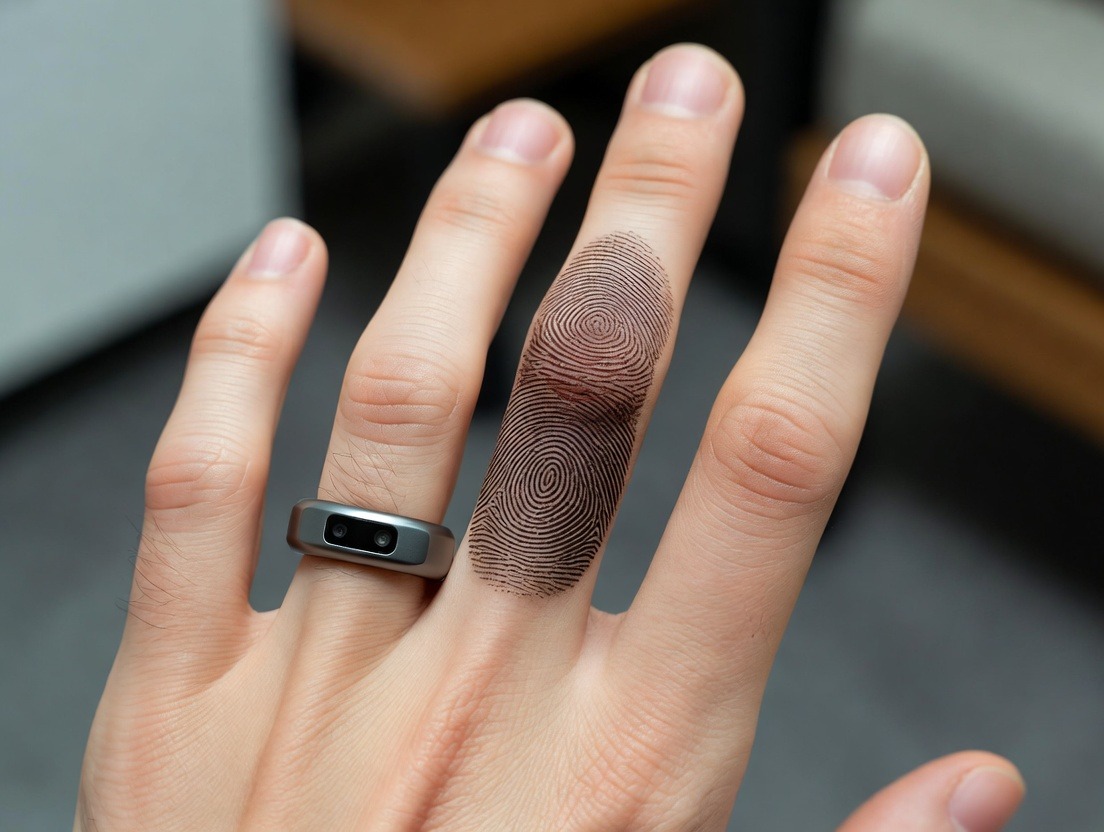
We think of social wellness in abstract terms—feeling supported, having fun, belonging. Your smart ring, however, translates these abstractions into a concrete, physiological language. It doesn’t see your dinner party, but it measures the biological aftermath. This is the cornerstone of understanding its power: your body is the ultimate biofeedback device for your social world.
Every social interaction, from a warm hug to a heated argument, triggers a cascade of hormonal and neurological responses. A positive, connecting conversation can boost oxytocin (the "bonding hormone"), lower cortisol (the primary stress hormone), and calm your sympathetic nervous system (your "fight or flight" mode). Conversely, a socially threatening or lonely experience does the opposite: cortisol spikes, heart rate may increase, and your body enters a state of heightened alert. Over time, these patterns etch themselves into your long-term health, influencing everything from your immune function to your risk of chronic disease.
So, what is your ring actually tracking that relates to this?
First, and most directly, stress and recovery metrics. Advanced photoplethysmography (PPG) sensors in your ring measure heart rate variability (HRV)—the tiny variations in time between each heartbeat. A higher, more variable HRV generally indicates a more resilient, adaptable nervous system, one that can recover smoothly from stress. Consistent, quality social connection is a proven booster of HRV. When your ring shows a trend of improved overnight HRV, it’s often reflecting a life where you feel socially safe and supported.
Second, sleep architecture. This is where the social connection becomes blatantly obvious. A day marked by conflict, loneliness, or social anxiety often manifests as fragmented sleep, less restorative deep sleep, or difficulty falling asleep. Your ring tracks sleep stages, restlessness, and overall sleep score. A pattern of poor sleep following socially taxing days isn’t a coincidence; it’s a direct correlation. As explored in our deep dive on how poor sleep health shows up in your daily life, your social and emotional experiences are primary drivers of sleep quality.
Third, activity and daily readiness. Social wellness isn't passive. It often involves movement: walking with a friend, playing with kids, or even the simple act of getting out of the house to meet someone. A sedentary day can sometimes be a proxy for social isolation. Furthermore, your ring’s "readiness" or "recovery" score amalgamates sleep, HRV, and activity data to suggest how prepared your body is for the day. A chronically low readiness score might have a hidden social component—your body is struggling to recover not from a hard workout, but from a lack of nourishing connection.
The magic lies in the correlation. By learning to cross-reference these physiological data points with your daily journaling (a simple note like "coffee with Sarah" or "tense team meeting"), you begin to see a detailed map of how your social ecosystem truly affects you. Your ring provides the objective, biological truth, helping you move from "I feel drained" to "My HRV dropped 15% and my deep sleep was halved after that interaction. My body is telling me something important."
Now that we understand the physiological link, let's get practical. What specific patterns in your ring's data should you, as a beginner, start to observe? Think of this as learning a new dialect of your own body’s language.
1. The Recovery Paradox: You might notice a day where you were physically inactive (low step count) but your body shows poor recovery (low HRV, high resting heart rate). The classic assumption is "I must be getting sick." But ask the social question: Was yesterday emotionally or socially taxing? A draining conversation, a day spent feeling isolated while working from home, or absorbing negative news can demand a significant "recovery" cost from your nervous system, mirroring the cost of physical exertion. Your ring is highlighting a need for emotional and social recovery, not just physical rest.
2. Sleep as a Social Barometer: Look beyond the simple "sleep score." Dive into the timeline. Do you see frequent awakenings or long periods of restlessness after specific types of days? For instance, an evening of negative social media scrolling might not spike your stress in the moment, but it can significantly disrupt your sleep architecture. Conversely, a day filled with genuine laughter and positive interaction often leads to more consolidated, deep sleep. This is a core principle of the foundation of good sleep health, where emotional regulation is a key pillar.
3. Activity Patterns with a Social Twist: Your step graph tells a story. A flatline of inactivity on a weekend might indicate rest, or it might indicate isolation. A spontaneous spike in steps in the evening could be a dog walk… or a walking talk with a neighbor. The context is key. The goal isn't to judge, but to become curious. Is your physical activity often socially integrated? Research shows that "social exercise" like team sports or buddy walks provides significantly greater mental health benefits than solo workouts. Your ring can help you identify opportunities to merge social and physical wellness.
4. The Trend is Your Friend: A single data point is a snapshot; a trend is the documentary. Don't panic over one night of poor sleep after a difficult day. Instead, look for two-week or monthly trends. Is your average resting heart rate creeping up over a period where work has become more isolating? Is your weekly HRV average declining during a time you’ve been neglecting your close friendships? These long-term trends are your ring’s most powerful warning system, signaling that your lifestyle—potentially your social lifestyle—is moving in a direction that is biologically costly.
By learning to ask these questions, you transform your smart ring from a simple sleep and step tracker into a Social Biofeedback Tool. It stops telling you just what happened and starts helping you understand why it might have happened, opening the door to intentional change.
Your social wellness isn't something that switches on when you meet a friend for lunch. It begins from the moment you open your eyes. The state of your nervous system upon waking—largely dictated by your sleep and measured meticulously by your ring—profoundly influences your capacity for connection all day long.
Think of your morning self as setting the "connection bandwidth" for the day. A fragmented, poor night's sleep, marked by low deep sleep and high restlessness on your ring's dashboard, often leaves you with a shorter emotional fuse, less empathy, and a higher propensity for social withdrawal. You're biologically primed for threat detection, not open-hearted connection. This is why prioritizing sleep is the non-negotiable first step to social wellness, a concept thoroughly unpacked in our Sleep Health 101 guide for beginners.
So, how can you use your ring’s data to craft a socially intelligent morning?
Start with the Readiness Score. Before you check the news or social media, check your ring's app. Your readiness or recovery score is a direct message about your social capacity. A high score suggests your body and nervous system are resilient. It’s a green light to engage, to be proactive in reaching out, to handle potential social complexities with grace. A low score is not a failure; it’s crucial information. It’s a yellow or red light, suggesting you need a gentler, more protected social day. This might mean:
The 60-Minute Buffer. If your sleep data was poor, institute a "social buffer" for the first hour of your day. Avoid reactive social inputs: contentious news, argumentative social media threads, or even work emails that feel demanding. Instead, use this time for a routine that grounds you. A short walk (which your ring will thank you for with activity points), some mindful breathing, or a quiet breakfast. This buffer allows your nervous system to calibrate from a state of night-time vigilance to one of daytime calm, making your first real interaction of the day more likely to be positive.
Your First Interaction is Key. Make your first live social exchange of the day a warm, low-stakes one. A genuine "good morning" to a housemate, a kind text to a family member, or even a friendly greeting to a barista. This positive, micro-interaction reinforces safety and connection, setting a positive social trajectory. Your ring won't log this text, but the resulting mild oxytocin boost contributes to a lower stress profile that it will track later.
By marrying your ring’s objective morning data with intentional social choices, you stop being a passive recipient of your social day and become its architect. You learn to match your social energy expenditure with your biological energy budget.
As your day unfolds, your smart ring continues its silent narration through two powerful, indirectly social metrics: daytime heart rate variability (HRV) and the "body battery" or energy score featured on many devices. These aren't just numbers; they're a real-time commentary on how your social environment is interacting with your biology.
Daytime HRV: Your Moment-to-Moment Social Stress Gauge. While nighttime HRV is a great measure of overall recovery, spot-checking your HRV during or immediately after social situations can be revelatory. Imagine you’re in a long meeting. You feel fine, maybe a little bored. But you glance at your ring's data and see your HRV has been suppressed and your heart rate elevated for the past 45 minutes. This is objective data that the situation, perhaps due to a subconscious sense of constraint, conflict, or monotony, is registering in your body as a stressor. Conversely, a relaxing lunch with a supportive friend might correspond with a gentle rise in your HRV.
This isn't about diagnosing every interaction but about building awareness. You might discover that certain types of work calls consistently drain your "body battery," while a creative brainstorming session with colleagues actually boosts it. This data empowers you to:
Body Battery: Your Social Energy Budget. Think of this score as your available capital for social, emotional, and cognitive expenditure. A full "battery" after good sleep and a calm morning means you have plenty to give—to be patient, listen deeply, and engage creatively. A depleted battery means you're running on reserves; you're more likely to be short-tempered, misinterpret cues, or seek isolation.
The social wellness hack here is proactive energy management. If you have an important dinner with friends or a family event in the evening, use your ring's daytime data to consciously conserve energy. This might mean declining an extra, non-essential call in the afternoon, taking a proper lunch break away from your desk, or doing a short meditation. You are strategically allocating your biological resources to the social connection you value most.
By learning this language, you move from being a passenger in your social life to being its skilled pilot. You can navigate toward interactions that nourish you and away from, or better prepare for, those that deplete you, using your wearable tech as an honest co-pilot.
The hours before bed are not just about preparing for sleep; they are about preparing for social and emotional repair. The quality of your sleep is the single most important factor in your ability to connect healthily tomorrow, and your evening habits directly determine that quality. Your ring’s sleep data is the report card for your pre-bed social behavior.
Modern evenings are often a minefield for the socially weary brain. Endless group chats, doomscrolling through polarized social media, binge-watching intense dramas, or even having heavy, unresolved conversations right before bed—these all signal to your nervous system that the world is a threatening, overwhelming place. Your ring will likely record this as delayed sleep onset, reduced deep sleep, and frequent awakenings. For a comprehensive plan to fix this, our quick start guide to better sleep health offers actionable steps.
Let's build a socially intelligent evening routine using your ring’s feedback loop.
1. The Digital Social Curfew: This is the most impactful habit. Set a firm time (60-90 minutes before bed) to stop all reactive digital social activity. This means closing group chats, putting away social media, and silencing work communication apps. Why? Digital socializing is often asynchronous, context-poor, and laced with comparison and conflict. It keeps your brain in a state of social evaluation and defensive alertness, directly opposing the state of trust and safety required for restorative sleep. Your ring will thank you with a higher sleep score.
2. Audit Your Pre-Sleep Content: What you consume is who you become… at least neurologically. A thriller that puts you on edge or a news program filled with conflict activates the same threat-response pathways as a real social threat. Opt for content that is neutral or positive. Better yet, replace some screen time with analog, low-stakes social connection: a gentle conversation with a housemate, reading a physical book, or even listening to a soothing podcast. The goal is to guide your nervous system toward a state of safety.
3. The Gratitude Log vs. The Grievance Reel: Humans have a negativity bias; our brains naturally ruminate on social slights and anxieties as we try to fall asleep. Actively counter this with a 5-minute gratitude journal. Specifically, note one or two positive social moments from your day—a kind word, a shared laugh, a moment of feeling understood. This simple act shifts your brain's focus from social threat to social safety, a state conducive to the high HRV and calm that precedes great sleep. You can track the efficacy of this practice by correlating it with your "time to fall asleep" metric on your ring.
4. The Physical Environment of Connection: Your bedroom environment should signal "safe harbor." Is it a place of calm, or is your phone buzzing with social demands on the nightstand? Make your bedroom a sanctuary for recovery, not a command center for social engagement. This environmental cue powerfully tells your primal brain that it’s time to switch from social participant to internal restorer.
By treating your evening as a sacred transition into social recovery, you use your ring’s data not as a judgment, but as a guide. A week of improved sleep data after implementing a digital curfew is a powerful, positive reinforcement, proving that protecting your social mind at night is one of the best investments you can make in your tomorrow’s social wellness.

For many, the weekly rhythm creates a stark contrast: five days of structured, often obligatory social interaction (work, chores, logistics) followed by two days of potential freedom. Your smart ring’s data across this weekend bridge is a treasure trove of insight into your chosen social life—the one that truly nourishes or depletes you.
Observe the patterns. Does your ring show a consistent, positive "weekend effect"?
The Positive Weekend Signature:
This ideal pattern reveals that your weekends are effectively recharging your social and emotional batteries. You are engaging in activities and interactions that promote biological repair.
The Negative or Absent Weekend Effect: What if your data looks largely the same, or even worse, on the weekends?
Your mission is to engineer a positive weekend effect. Use your ring as a benchmark.
By analyzing the weekend effect, you move beyond optimizing your work week and start optimizing your life for genuine social restoration. Your ring provides the hard evidence of what truly recharges you.
You’ve heard of jet lag from crossing time zones, but "social jet lag" is a stealthier, more common disruptor of wellness. It occurs when your social rhythm—the timing of your meals, interactions, activities, and bedtime—is wildly inconsistent between your work week and your free days. Your body's internal clock (circadian rhythm) thrives on predictability. When your social demands constantly shift that clock, it creates a state of internal misalignment that your smart ring detects with surprising clarity.
Think about it. On weekdays, you might wake at 6:30 AM for a commute, eat lunch at your desk at noon, have dinner at 7 PM after getting home, and be in bed by 10:30 PM. On weekends, you might sleep in until 10 AM, skip breakfast, have a large brunch at 11, socialize over late dinners ending at 10 PM, and go to bed after midnight. This isn't just a schedule change; it's a shock to your biological systems that govern digestion, hormone release, and cellular repair—all of which are influenced by social patterns.
How Your Ring Spots Social Jet Lag:
The social wellness cost is high. Social jet lag leaves you perpetually slightly out of sync, feeling groggy and irritable. It undermines your capacity for patient, present connection because your fundamental physiology is stressed. You’re trying to connect while your body is confused about what time it even is.
Strategies to Minimize Social Jet Lag (Using Your Ring as Proof):
By reducing social jet lag, you aren't making your life boring; you're building a stable, reliable biological platform so you can truly enjoy and be present for the social spontaneity that life offers, without paying a steep physiological tax.
Here lies a critical distinction that your smart ring can help you navigate: the difference between solitude (chosen, restorative alone time) and loneliness (unwanted, distressing isolation). Both might look the same on your calendar—a blank space—but they feel worlds apart in your body, and therefore, in your data.
Solitude (The Positive Signal): This is when you consciously disconnect to recharge. It’s the introvert’s haven, the artist’s sanctuary, the thinker’s retreat. Physiologically, well-timed solitude should look like recovery. After a period of chosen alone time, you might see:
Your ring validates that this time was not wasted but was an investment in your nervous system’s equilibrium. It's the "rest" between the "social reps."
Loneliness (The Distress Signal): This is the painful gap between your desired social connection and your actual experience. It’s not defined by being alone, but by feeling alone. Chronic loneliness is a severe biological stressor. In your ring’s data, prolonged periods of unwanted isolation might manifest as:
Your ring can be the objective witness that prompts self-compionate inquiry. If you see a week of low-recovery data and realize it corresponds to a period where you’ve been feeling disconnected, that data is a crucial signal to act—not a life sentence.
How to Use Your Data to Cultivate Solitude and Combat Loneliness:
By learning this distinction, you empower yourself to seek out the alone time that heals you and to courageously address the isolation that harms you, guided by the honest feedback from your own body.
Knowledge is power, but applied knowledge is transformation. It’s time to move from observation to experimentation. This section is your practical guide to conducting your own "Social Fitness Tests"—short, intentional experiments where you change one social variable and use your ring’s data to observe the biological outcome.
Think of it like a fitness test for your connection muscles. Just as you'd track your heart rate during different exercise intensities, you'll track your recovery metrics during different social intensities.
How to Run a Basic Social Fitness Test:
Example Findings & Actions:
This process turns vague wellness advice into personalized, data-driven truth. You are no longer following a generic rule to "avoid screens before bed"; you are adhering to a personal law you discovered: "My sleep suffers when I use social media after 9 PM." This level of personal evidence is incredibly motivating and turns social wellness from a soft concept into a tangible, optimizable system. For more on building systems from foundational principles, our guide on the sleep health pyramid offers a useful framework.
In the world of data, context is everything. A resting heart rate of 55 might be excellent for a marathon runner but concerning for someone else. The same is true for your social wellness metrics. Before you can identify problems or celebrate victories, you must define your personal social baseline—what your body looks like when your social life is in a sustainable, healthy rhythm for you.
This is not about comparing yourself to population averages or your most extroverted friend. It’s about discovering your unique physiological signature of social wellness.
How to Establish Your Social Baseline (A 30-Day Discovery Project):
These averages constitute your baseline. This is your body’s report on what happens under your current "normal" social conditions.
Why This Baseline is Your Superpower:
Your baseline is your compass. In a world filled with noise about how you "should" socialize, it keeps you oriented toward what actually makes you function and feel at your best. It turns your smart ring from a gadget into a guardian of your personal equilibrium. As you continue your journey, you can build on this foundation using strategies from resources like your first 30 days of sleep health, applying the same consistent, observant approach to your social patterns.

Tracking your social wellness isn't about daily micromanagement; it's about observing the slow, powerful currents that shape your health over time. Your smart ring excels at this longitudinal analysis. Where a mood journal can be subjective and spotty, your physiological data provides an objective, unbroken timeline. Learning to read these long-term trends is where you transition from a hobbyist to an expert in your own well-being.
Seasonal Social Rhythms: Your body is exquisitely tuned to the natural world. It's common to see social and physiological patterns shift with the seasons, and your ring will chart this story.
Life Transition Tracking: Are you starting a new remote job, moving to a new city, or becoming a parent? These monumental social shifts create a clear "before and after" line in your data.
By reviewing your data quarterly, you move from a reactive to a predictive stance. You learn that, for you, February is always a low point, so you pre-schedule a weekend with friends in January. You see that summer travel disrupts your sleep for a month, so you plan a "recovery week" in September. This is proactive social wellness, engineered with data.
Our closest relationships aren't just emotional attachments; they are biological regulators. A supportive partner, a toxic friend, a demanding boss—each person in your life leaves a distinct fingerprint on your nervous system. Your smart ring can help you map this interpersonal landscape, not to assign blame, but to cultivate awareness and empower choice.
The Supportive Connection Signature: Interactions with people who make you feel safe, seen, and accepted should, over time, correlate with positive physiological markers. Think of a partner, a best friend, or a trusted mentor. After time spent with them, you might notice:
This is your body's way of saying, "This person is a resource." They help your system discharge stress and return to a state of equilibrium. Our guide on how sleep health affects every aspect of your life details how these positive relational cycles enhance overall resilience.
The Draining or "Costly" Connection Signature: Conversely, interactions with people who are consistently critical, unpredictable, or emotionally demanding can show a different pattern. This isn't about one difficult conversation, but a recurring trend. After engaging with them, you might see:
The Ambivalent or Unpredictable Connection: Some relationships are mixed bags—a family member you love but who also triggers you. Here, your ring’s data can be incredibly clarifying. Journal the interaction and then check the metrics. Does a call with them always spike a stress alert, even if you intellectually feel "fine"? Does seeing them in person, despite the hassle, lead to better recovery data than a stressful text exchange? The body doesn't lie about the net effect.
How to Use This Insight Constructively:
By viewing your relationships through this lens, you take responsibility for your social ecosystem. You learn to balance your social portfolio for optimal biological return, investing time and energy in the connections that help you thrive and managing your exposure to those that deplete your reserves.
Armed with the knowledge of how social interactions affect you biologically, you can transform how you communicate. This isn't about showing someone your HRV graph mid-argument (please don't). It's about using your internal data to guide you toward more regulated, effective, and connecting dialogue.
The Pre-Conversation Check: Before entering an important or potentially difficult conversation, take a 60-second pause to check in with your body via your ring's current data or a quick mindful scan.
The During-Conversation Barometer: While you can't stare at your ring during a talk, you can learn to notice the physiological signs it tracks.
The Post-Conversation Recovery Ritual: This is where your ring's data is gold. After a challenging dialogue, implement a short, non-negotiable recovery ritual. It could be 5 minutes of quiet breathing, a walk around the block, or even just organizing your desk. Then, check your ring's stress graph later. Did the ritual help your physiology settle more quickly? This positive reinforcement makes the ritual stick. You're not just "calming down"; you're actively improving your next sleep score and readiness for tomorrow.
Using Data for "I" Statements: Your ring's objectivity can help you frame concerns more effectively. Instead of a blaming "You make me so stressed," which comes from a vague feeling, you can use a data-informed, accountable "I" statement:
This approach is fact-based, non-blaming, and focuses on solutions. It turns a emotional complaint into a collaborative problem-solving session, grounded in your shared interest in your well-being and performance.
By letting your body's data guide your communication style, you become a more present, regulated, and effective communicator. You protect your own biological well-being while fostering healthier, more resilient relationships.
Our social worlds now exist in two parallel realms: the analog and the digital. Where your smart ring excels is in revealing that to your nervous system, this distinction is often meaningless. A stressful comment thread, the comparison spiral of Instagram, or the incessant pings of a group chat can trigger the same biological stress response as a real-world confrontation. This section is about using your ring to audit the hidden physiological tax of your digital social habits.
Passive Consumption vs. Active Connection: The data will show a stark difference.
The Notification Stress Cycle: Each ping, buzz, or badge is a micro-interruption that, studies show, can spike cortisol. Your ring’s "stress" or "momentary heart rate" feature can prove this to you. Try this experiment: for one work morning, leave all social and messaging app notifications on. Note any stress alerts or visible heart rate spikes around those times. The next morning, turn all non-essential notifications off. Compare the two stress graphs. The difference is your quantifiable "notification tax"—the biological cost of being perpetually on-call to your digital social sphere.
The "Doomscroll" Signature: This is a specific, pernicious pattern. It often happens in the evening, hijacking your crucial wind-down period. You'll see it in the data as a period of very low physical activity (you're stationary) but with a heart rate that is elevated or variable, and a stress score that is active. The subsequent sleep data often shows delayed sleep onset and reduced deep sleep. Your ring can help you break this cycle by serving as an accountability partner. Seeing the direct line from 9:30 PM Twitter scrolling to a 2:00 AM stress alert and a 64 sleep score is a powerful motivator to institute a digital curfew.
Actionable Digital Social Hygiene (Powered by Your Data):
By quantifying the cost of digital socializing, you reclaim power over it. Your ring provides the indisputable evidence that these habits are not free, enabling you to design a digital social life that serves you, rather than drains you.

Beyond one-on-one friendships lies a profound layer of social wellness: the sense of belonging to a group or community. This could be a book club, a sports team, a faith group, a volunteer organization, or even a tight-knit neighborhood. The psychological safety and shared identity of a group have unique, measurable effects on your biology, and your smart ring can help you identify and nurture these vital connections.
The Physiology of Belonging: Being part of a group where you feel accepted and valued satisfies a deep evolutionary need for tribal safety. The consistent biological correlates of this are:
Identifying Your "True" Communities via Data: You may belong to many groups nominally, but which ones function as real biological buffers? Your ring helps you find out.
Cultivating the Community Effect:
In an age of individualism, deliberately building community is a radical act of biological wisdom. Your smart ring can move it from a "nice-to-have" to a core component of your visible wellness strategy, showing you the tangible, physical benefits of belonging.
Conflict is an inevitable part of any meaningful relationship. Avoiding it isn't the goal of social wellness; learning to navigate it in a way that minimizes long-term biological cost is. Unresolved conflict is one of the most potent disruptors of sleep and recovery. Your smart ring becomes an essential tool for managing this process—not to avoid conflict, but to engage in it more productively and to ensure repair happens.
The Signature of Unresolved Conflict: This is one of the clearest patterns you'll see.
The "Good Fight" vs. The "Toxic Spiral": Not all conflict data looks the same.
Using Your Data for Healthier Conflict Navigation:
By understanding the physiological footprint of conflict and repair, you can transform discord from a health-destroying monster into a manageable, and even relationship-strengthening, process. Your ring provides the objective feedback that repair isn't just "making up"—it's a critical wellness behavior.
The concepts of introversion and extroversion describe where you draw energy from. Extroverts tend to be energized by social interaction, while introverts are energized by quiet and solitude, though social interaction can be enjoyable but draining. This isn't a personality quiz label; it's a description of your social energy metabolism. Your smart ring provides the ultimate objective measure of this metabolism, helping you move beyond stereotypes and into personalized, sustainable social planning.
Finding Your Unique Social "Dosage":
An introvert might enjoy a lively party but their ring data will show the cost: a significant drain on their "body battery," a lower HRV that night, and potentially a need for extra recovery sleep. An extrovert might leave the same party with a stable or even slightly boosted readiness score. The key is to stop guessing and start measuring.
The Ambivert's Reality: Most people are somewhere in the middle. Your ring will show you the nuanced truth. You might thrive on one-on-one dinners (data-positive) but be drained by networking events (data-negative). You might need two social events a week, but three is too many. Your personal "Goldilocks Zone" of social interaction is revealed in the trends of your recovery metrics.
Designing Your Social Life with Data:
Honoring your social battery isn't selfish; it's the foundation of sustainable social wellness. Your smart ring cuts through societal pressure and personal guilt, giving you the permission slip you need, written in the undeniable language of your own physiology, to design a social life that truly fuels you.
Your Trusted Sleep Advocate: Sleep Foundation — https://www.sleepfoundation.org
Discover a digital archive of scholarly articles: NIH — https://www.ncbi.nlm.nih.gov/
39 million citations for biomedical literature :PubMed — https://pubmed.ncbi.nlm.nih.gov/
Experts at Harvard Health Publishing covering a variety of health topics — https://www.health.harvard.edu/blog/
Every life deserves world class care :Cleveland Clinic - https://my.clevelandclinic.org/health
Wearable technology and the future of predictive health monitoring :MIT Technology Review — https://www.technologyreview.com/
Dedicated to the well-being of all people and guided by science :World Health Organization — https://www.who.int/news-room/
Psychological science and knowledge to benefit society and improve lives. :APA — https://www.apa.org/monitor/
Cutting-edge insights on human longevity and peak performance:
Lifespan Research — https://www.lifespan.io/
Global authority on exercise physiology, sports performance, and human recovery:
American College of Sports Medicine — https://www.acsm.org/
Neuroscience-driven guidance for better focus, sleep, and mental clarity:
Stanford Human Performance Lab — https://humanperformance.stanford.edu/
Evidence-based psychology and mind–body wellness resources:
Mayo Clinic — https://www.mayoclinic.org/healthy-lifestyle/
Data-backed research on emotional wellbeing, stress biology, and resilience:
American Institute of Stress — https://www.stress.org/


