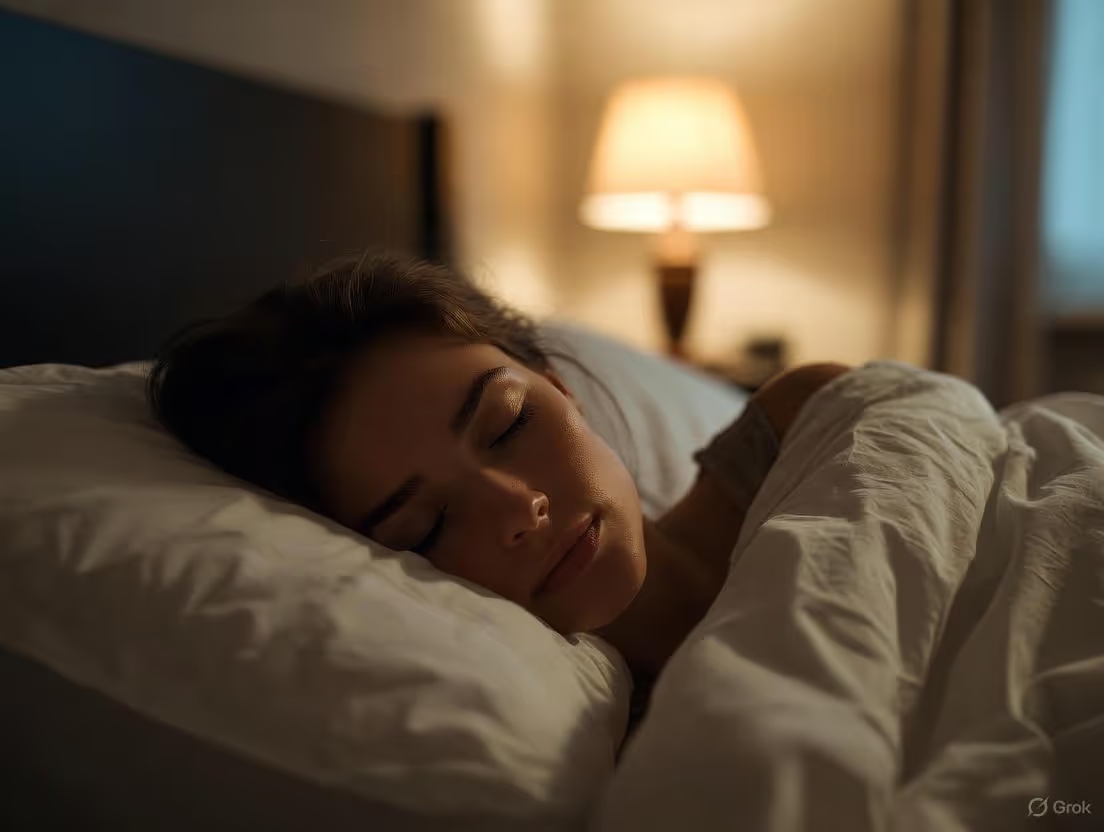
This guide suggests immediate actions: set a fixed wake time, get morning sunlight, and make your bedroom dark.
The Quick Start Guide to Better Sleep Health
You know the feeling all too well. The groggy, heavy-headed awakening after a night spent tossing and turning. The desperate reach for a third cup of coffee before noon. The mental fog that turns simple tasks into monumental challenges. It’s the universal hangover of poor sleep, and it’s quietly eroding your health, happiness, and performance.
But what if this wasn’t your inevitable default? What if you could transform your sleep from a source of frustration into your greatest superpower? Welcome to The Quick Start Guide to Better Sleep Health—your definitive roadmap to reclaiming restorative rest. This isn’t about fleeting sleep hacks or quick fixes. It’s about a foundational shift in understanding and action. We’ll dismantle sleep myths, delve into the powerful science of circadian rhythms, and provide a clear, actionable framework backed by data. Forget vague advice. We’re building a personalized, measurable sleep strategy, and in the modern age, that means leveraging technology like a smart wellness ring, such as those offered by Oxyzen, to move from guessing to knowing.
Your journey to becoming the most well-rested, energized, and resilient version of yourself begins right here.
Sleep Is Not a Luxury: It’s Your Biological Foundation
We’ve been culturally conditioned to view sleep as the weak cousin to productivity—a passive state to be minimized or even gloriously conquered. “I’ll sleep when I’m dead,” boasts the entrepreneur. We wear sleep deprivation like a badge of honor, a symbol of our dedication. This mindset isn’t just wrong; it’s biologically catastrophic. Sleep is an active, complex, and non-negotiable physiological process. It’s the time when your brain and body perform their most critical maintenance work.
Think of your body as a sophisticated city. Your waking hours are the bustling daytime: construction, commerce, traffic, and activity. Sleep is the night shift. This is when the street cleaners come out, the infrastructure gets repaired, the waste management systems run at full capacity, and the planning department files away the day’s blueprints and prepares for tomorrow. If you cancel the night shift permanently, the city collapses. It’s not a question of if, but when.
The High Cost of Sleep Neglect
The consequences of chronic poor sleep extend far beyond yawning. They infiltrate every system in your body:
Cognitive Sabotage: Sleep is essential for memory consolidation—transferring short-term memories to long-term storage. Without it, learning is nearly impossible. Reaction times slow, equivalent to being legally drunk. Decision-making, creativity, and emotional regulation plummet.
Metabolic Chaos: Sleep deprivation throws your hormones into disarray. Leptin (the “I’m full” hormone) drops, while ghrelin (the “I’m hungry” hormone) skyrockets, driving cravings for high-calorie, sugary foods. Insulin sensitivity decreases, paving a direct path toward weight gain and type 2 diabetes.
Immute System Compromise: During deep sleep, your body produces cytokines, proteins that target infection and inflammation. Skimping on sleep makes you more susceptible to common viruses and can impair your body’s ability to mount an effective immune response.
Cardiovascular Strain: Consistent sleep helps regulate blood pressure and repair heart and blood vessels. Chronic sleep deficiency is linked to an increased risk of heart disease, high blood pressure, and stroke.
The message is unequivocal: optimizing your sleep is the single most effective thing you can do for your overall health. It’s the bedrock upon which nutrition, fitness, and mental well-being are built. To start this journey, it’s helpful to understand exactly what’s happening in your own bedroom. For a deeper dive into how technology can illuminate these hidden patterns, our blog features ongoing research into sleep science and personal tracking.
From Folklore to Firm Data: A New Era of Sleep Understanding
For generations, our understanding of personal sleep was limited to subjective feeling: “I slept like a rock” or “I had a terrible night.” This lack of objective data kept us in the dark. Today, we stand at the intersection of neuroscience and wearable technology. Devices like the Oxyzen smart ring represent a paradigm shift. Worn comfortably on your finger, it tracks biometrics like heart rate, heart rate variability (HRV), skin temperature, and blood oxygen levels throughout the night—providing an unprecedentedly clear picture of your sleep architecture (light, deep, and REM stages) and overall sleep quality.
This moves you from anecdote to analytics. You’re no longer guessing; you’re observing. You can see the direct impact of that late-night espresso, the stress of a difficult workday, or the positive effect of a new wind-down routine. This guide will teach you how to interpret that data and, more importantly, how to act on it to build unshakeable sleep hygiene. For those curious about the technology making this possible, you can learn more about how Oxyzen works and its specific tracking capabilities.
Your Internal Clock: Mastering the Science of Circadian Rhythm
Your quest for perfect sleep begins not when your head hits the pillow, but with the rising sun. At the core of your sleep-wake cycle is your circadian rhythm—a master 24-hour internal clock housed in a tiny region of your brain called the suprachiasmatic nucleus (SCN). This biological conductor’s baton synchronizes everything from hormone release and body temperature to digestion and, of course, sleep propensity.
The most powerful cue for your circadian rhythm is light. Specifically, bright blue-wavelength light. When light hits photoreceptors in your eyes, it signals to your SCN that it’s daytime. The SCN tells your pineal gland to suppress the production of melatonin, the “darkness hormone” that makes you sleepy. As daylight fades, the signal stops, melatonin floods your system, and your body prepares for sleep.
The Modern World Is Hijacking Your Rhythm
Our ancestors’ rhythms were perfectly synced with the solar cycle. Our modern environment is a minefield of circadian disruptors:
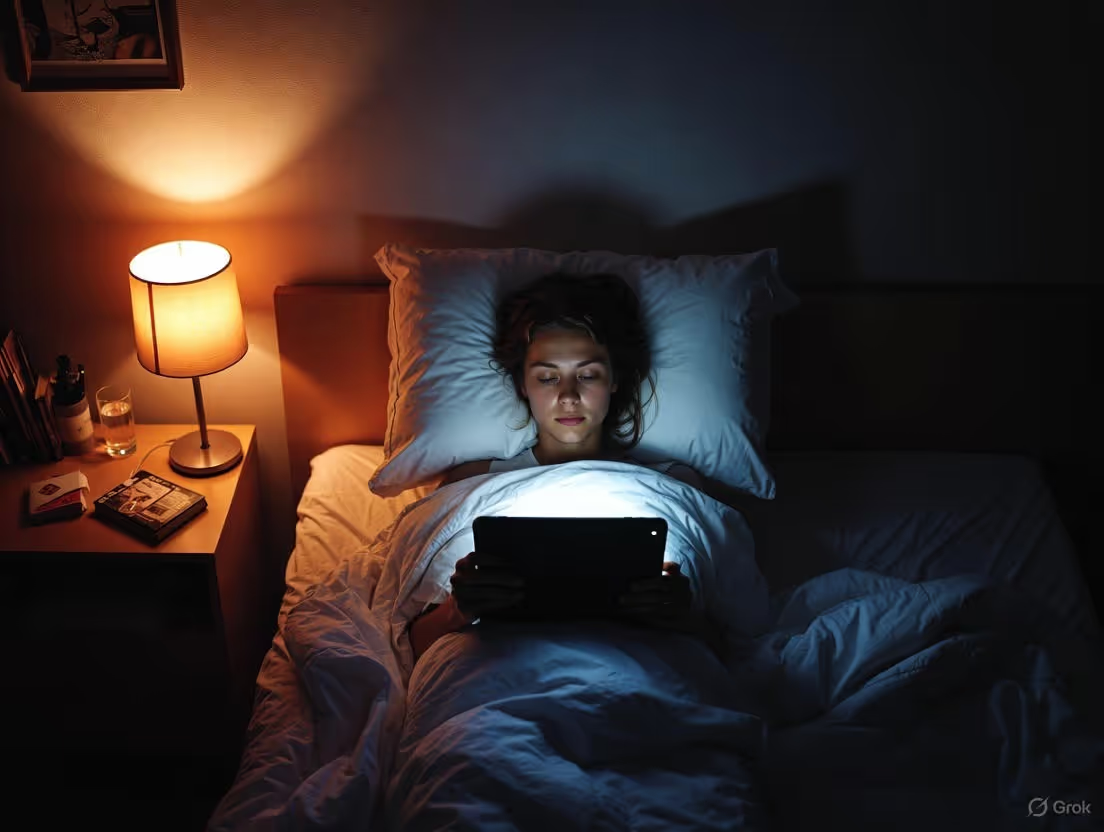
Blue Light Bombardment: The screens of our phones, laptops, and TVs emit potent blue light, tricking our brains into believing it’s perpetual afternoon. This delays melatonin release, pushing back our natural sleep window.
Erratic Schedules: Shift work, social jet lag (staying up late and sleeping in on weekends), and inconsistent meal times send conflicting signals to the SCN, throwing the entire orchestral system out of tune.
Dim, Artificial Days & Bright, Artificial Nights: We spend our days in relatively dim indoor lighting and our evenings in bright, artificially lit homes, effectively inverting the natural light-dark signal.
The result is a chronically misaligned clock, leading to difficulty falling asleep, non-restorative sleep, and daytime fatigue.
How to Become the Conductor of Your Own Rhythm
Realigning your circadian rhythm is the most powerful long-term sleep intervention. Here’s your action plan:
Seek Morning Sunlight: Within 30-60 minutes of waking, get outside for at least 10-15 minutes of natural light viewing (without sunglasses if safe). This is a hard “ON” switch for your circadian clock, boosting cortisol (in a healthy, alerting way) and setting a precise timer for melatonin release roughly 14-16 hours later. No sunshine? A bright light therapy lamp can be a good substitute.
Embrace Daylight: Throughout the day, maximize your exposure to natural light. Take walking meetings, eat lunch outside, or position your desk near a window. Consistent daytime light exposure strengthens the rhythm.
Dim the Lights at Dusk: As the sun sets, start lowering the intensity of your home lighting. Use lamps instead of overhead lights. This mimics the natural progression into darkness.
Become a Blue Light Strategist: 90 minutes before your target bedtime, eliminate screen use. This is the gold standard. If that’s impossible, employ heavy-duty tactics:
Enable “Night Shift” or “Blue Light Filter” modes on all devices at sunset.
Wear blue-light-blocking glasses.
Use software like f.lux to dramatically warm your computer’s screen color temperature.
By managing light with intention, you stop fighting your biology and start working with it. The goal is a robust, predictable wave of energy and sleepiness that aligns with your life. This foundational practice is just the start. For more personalized strategies on syncing your life with your rhythm, explore our blog for case studies and user experiences.
Crafting Your Sleep Sanctuary: The Environmental Audit
You’ve begun to harmonize your internal clock. Now, let’s optimize the external kingdom where sleep happens: your bedroom. This space should have one primary, non-negotiable function: sleep (and intimacy). It is not a home office, entertainment center, or dining room. Your goal is to engineer an environment that is cool, dark, quiet, and clutter-free—a cave perfectly suited for biological restoration.
The Holy Trinity of the Sleep Environment
1. Darkness: The Non-Negotiable Even small amounts of light, especially blue or green wavelengths, can penetrate closed eyelids and disrupt melatonin production and sleep architecture.
Action: Invest in blackout curtains or a high-quality sleep mask. Cover or remove all electronic LED indicators (alarm clocks, chargers, TVs). Consider blackout blinds if street lights are an issue. The room should be so dark you cannot see your hand in front of your face.
2. Coolness: The Thermal Trigger for Sleep Your core body temperature needs to drop by about 1-2 degrees Fahrenheit to initiate and maintain sleep. A room that’s too warm prevents this drop.
Action: The science-backed sweet spot is between 60-67°F (15.5-19.5°C). Experiment within this range. Use a thermostat, a fan (which also provides white noise), or a climate-controlled mattress pad if needed. Wear breathable, moisture-wicking pajamas (or none at all).
3. Quiet: The Sound of Silence Unexpected noises—a snoring partner, traffic, a creaking house—can cause micro-arousals, pulling you out of deep sleep stages without you even remembering.
Action: Use earplugs or a white noise machine. White noise (or pink/brown noise) creates a consistent auditory blanket that masks disruptive sounds. Apps or simple machines work well. A fan often doubles as a white noise generator.
The Psychology of Space
Beyond the sensory inputs, the psychology of your bedroom matters. Clutter represents unfinished tasks and generates low-grade anxiety, which is antithetical to relaxation.
Action: Make your bed each morning. Keep surfaces clear. Remove work-related items, laptops, and exercise equipment. Let your brain associate this space solely with rest and recovery. The story behind our own focus on creating harmony between technology and environment is part of our story at Oxyzen, where we believe your sanctuary is sacred.
Your Bed: The Worthiest Investment
You spend roughly one-third of your life in bed. Skimping here is a profound false economy. Your mattress and pillow should provide proper spinal alignment and comfort.
Mattress: There is no single “best” mattress. It’s highly personal. Do you sleep on your back, side, or stomach? Do you need pressure relief for your hips and shoulders? Test them if possible and look for reputable brands with trial periods.
Pillows: Your pillow should keep your head and neck in a neutral position, aligned with your spine. Side sleepers generally need a thicker, firmer pillow than back or stomach sleepers.
An environmental audit isn’t a one-time event. It’s an ongoing process of refinement. Use your sleep data from a tracker to see the impact of changes. Did lowering the room temperature by two degrees increase your deep sleep? Did blackout curtains help you fall asleep faster? This is the power of marrying environment with insight. For common questions on how tracking integrates with these environmental factors, our FAQ page provides detailed answers.
The Pre-Sleep Ritual: Wind Down to Win Sleep
You can’t sprint headlong into sleep. Attempting to go from a state of high stimulation (scrolling through social media, watching an intense thriller, answering work emails) directly to “lights out” is like slamming a car going 80 mph into reverse. The engine—your nervous system—will scream in protest.
Your body and mind need a buffer zone, a dedicated period to transition from the sympathetic “fight or flight” state to the parasympathetic “rest and digest” state. This is your wind-down ritual. It should last 60-90 minutes and act as a series of gentle cues, signaling to your brain, “The day is over. It is now safe to restore.”
Deconstructing the Perfect Wind-Down
A powerful ritual is personalized, consistent, and sensory. It systematically lowers physiological arousal. Here’s a toolkit to build your own:
The Digital Sunset: This is the keystone habit. At a fixed time 60-90 minutes before bed, all screens go off—phones, tablets, TVs, laptops. Put them in another room to charge. If you use your phone as an alarm, buy a dedicated alarm clock. This single act removes the greatest source of sleep disruption: blue light and psychological stimulation.
Embrace Dimmable, Warm Light: After your digital sunset, use the dimmest possible light. Salt lamps, candlelight (safely), or smart bulbs set to a warm, amber hue are perfect. This supports your circadian rhythm’s expectation of darkness.
The Relaxation Response: Actively engage in calming activities.
Gentle Reading: Fiction (not work-related material) under soft light.
Light Stretching or Yoga Nidra: Focus on gentle, static stretches or guided body-scan meditations. No vigorous exercise.
Listening: To calming music, an audiobook, or a podcast (pre-set to turn off automatically).
Gratitude Journaling: Write down 3-5 things you were grateful for that day. This practice shifts focus from anxiety to appreciation.
Aromatherapy: Scents like lavender, chamomile, and cedarwood have evidence-based calming properties. Use a diffuser or a linen spray.
The Temperature Drop: Take a warm (not hot) bath or shower about 60-90 minutes before bed. As you exit, your dilated blood vessels release heat, causing your core temperature to drop, mimicking the natural sleep-onset drop.
What to Banish from Your Ritual
Stressful Conversations: Avoid arguments or heavy discussions about finances or work.
Complex Problem-Solving: This is not the time to plan tomorrow’s big project.
Alcohol: While it may make you feel drowsy, it dramatically fragments sleep architecture, suppressing REM sleep and leading to early morning awakenings.
Large Meals & Excessive Fluids: Digesting a heavy meal keeps your body working, and a full bladder will interrupt sleep.
Consistency is king. By performing the same sequence of calming activities in the same order each night, you create a powerful Pavlovian response. Your brain learns the pattern: “Lavendar scent + soft reading + dim light = sleep is coming soon.” This dramatically reduces the time it takes to fall asleep (sleep latency). Hearing how others have transformed their nights with consistent rituals can be inspiring; you can find these real-life accounts on our testimonials page.
Fueling for Sleep: The Nightly Nutrition Strategy
You are, quite literally, what you eat—and when you eat has a profound impact on how you sleep. Your evening nutrition can either be a potent sleep aid or a silent saboteur, influencing everything from your ability to fall asleep to the quality of your deep sleep cycles.
The goal isn’t to go to bed hungry or overly full, but to provide your body with the right nutrients at the right time to support stable blood sugar, hormone production, and muscle repair throughout the night.
The Macronutrient Guide for Sleep
Complex Carbohydrates: Consumed in moderation at dinner, carbs can help tryptophan (a sleep-promoting amino acid) cross the blood-brain barrier. Opt for whole-food sources like sweet potatoes, quinoa, or oats earlier in the evening, not right before bed.
Protein: Contains tryptophan. A serving of lean protein (chicken, fish, tofu, Greek yogurt) at dinner supports overnight muscle repair without overburdening digestion. Avoid very high-fat, heavy protein meals (like a large steak) close to bedtime.
Fats: Healthy fats are essential for hormone production, including melatonin. Include sources like avocado, olive oil, or nuts earlier in your evening meal. High-fat meals right before bed can delay stomach emptying and disrupt sleep.
The Sleep-Supportive Nutrients & Foods
Certain foods contain compounds that directly promote relaxation and sleep:
Tryptophan-Rich Foods: Turkey, chicken, eggs, nuts, seeds, and dairy. Tryptophan is a precursor to serotonin and melatonin.
Magnesium: Known as “nature’s relaxant,” it helps quiet the nervous system and muscles. Found in leafy greens, pumpkin seeds, almonds, and avocados.
Melatonin-Containing Foods: Tart cherries (and tart cherry juice), grapes, tomatoes, and peppers contain small amounts of melatonin.
Glycine: An amino acid shown to improve sleep quality. Found in bone broth, collagen protein, and skin-on chicken.
A Perfect Pre-Sleep Snack (if needed): If you’re genuinely hungry 60-90 minutes before bed, a small, balanced snack is better than going to bed hungry and risking a blood sugar crash at 3 a.m. Good options include: a small bowl of tart cherries, a banana with a tablespoon of almond butter, a few ounces of Greek yogurt, or a handful of walnuts.
The Major Dietary Sleep Disruptors
Caffeine: It has a half-life of 5-6 hours. That means if you have a cup of coffee at 3 p.m., half the caffeine is still in your system at 8 or 9 p.m. Establish a hard caffeine curfew of at least 8-10 hours before bedtime. Remember, caffeine is in coffee, tea (black/green), soda, energy drinks, and even dark chocolate.
Alcohol: It’s a sedative, not a sleep aid. It suppresses REM sleep (the critical stage for memory and emotional processing), leads to fragmented sleep in the second half of the night, and worsens snoring/sleep apnea. Limit consumption and avoid it within 3 hours of bed.
High-Sugar & Refined Carb Foods: These cause rapid spikes and crashes in blood sugar, which can trigger cortisol release and wake you up. Avoid cookies, candy, and sugary cereals in the hours before bed.
Spicy & Acidic Foods: Can cause heartburn or indigestion when lying down, making it difficult to fall or stay asleep.
Excessive Fluids: Stop drinking large amounts of any fluid 60-90 minutes before bed to minimize nighttime bathroom trips (nocturia).
Track your food intake and correlate it with your sleep scores using your wellness ring. You might discover that a late afternoon coffee consistently lowers your deep sleep percentage, or that a light, magnesium-rich snack helps you sleep more soundly. This is biofeedback at its most practical. For more resources on nutrition and sleep synergy, our blog is regularly updated with the latest research.
Movement as Medicine: How Exercise Orchestrates Sleep
Physical activity is one of the most effective, evidence-based prescriptions for improving sleep quality and duration. But like any powerful medicine, the dose, timing, and type matter immensely. The right movement pattern can deepen your sleep, while the wrong one can leave you staring at the ceiling.
The Science of Sweat and Slumber
Exercise improves sleep through multiple physiological pathways:
Temperature Regulation: Vigorous exercise raises your core body temperature significantly. The subsequent drop over the following hours amplifies the natural sleep-onset temperature decline, promoting faster sleep initiation.
Anxiety & Stress Reduction: Exercise is a proven anxiolytic. It burns off stress hormones like cortisol and adrenaline while stimulating the production of endorphins and endocannabinoids, which improve mood and promote relaxation.
Circadian Rhythm Reinforcement: Morning or afternoon outdoor exercise, in particular, exposes you to bright light, strengthening your circadian signal.
Sleep Pressure: Exercise increases the build-up of adenosine, a chemical that accumulates in the brain throughout the day and creates “sleep pressure,” making you feel tired.
The Exercise Timing Matrix
This is the crucial element most people get wrong.
Morning (Within 1-3 Hours of Waking): The Gold Standard for Sleep. Morning exercise, especially outdoors, capitalizes on natural light to firmly set your circadian clock. It energizes you for the day, allows ample time for the stress-reduction benefits to permeate, and ensures the alerting effects are long gone by bedtime.
Afternoon/Early Evening (Ending 3-4 Hours Before Bed): Generally Excellent. Your body temperature and hormone levels are often optimal for performance. Finishing a workout by 6 or 7 p.m. (for a 10 p.m. bedtime) allows for the core temperature to rise and fall appropriately, aiding sleep.
Late Evening (Within 2-3 Hours of Bed): Proceed with Caution. For most people, high-intensity exercise (HIIT, heavy weightlifting, competitive sports) too close to bed can be overstimulating, raising cortisol and core temperature too late in the cycle. However, gentle, restorative movement like yoga, stretching, or a leisurely walk during your wind-down period can be highly beneficial.
The Rule: Listen to your body and your data. If you consistently find that an evening spin class leads to a high resting heart rate at night and poor sleep scores, shift it earlier. Your wellness ring is the perfect tool to detect these patterns.
The Best Types of Exercise for Sleep
Aerobic Exercise: Consistent cardio (brisk walking, running, cycling, swimming) is strongly linked to increased slow-wave (deep) sleep, the most physically restorative stage. Aim for at least 150 minutes of moderate-intensity cardio per week.
Resistance Training: Strength training improves overall health and can enhance sleep quality, particularly when combined with cardio.
Mind-Body Practices: Yoga, Tai Chi, and Qigong are exceptional for sleep. They combine gentle movement with breathwork and mindfulness, directly activating the parasympathetic nervous system and reducing pre-sleep anxiety.
The key is consistency. Regular exercise builds a more resilient, fatigue-ready body and a calmer mind, both of which are prerequisites for deep, uninterrupted sleep. Don’t let perfection be the enemy of the good. A 20-minute walk is infinitely better than no movement at all. The mission at Oxyzen is rooted in empowering this kind of consistent, data-informed action for holistic health.
Taming the Mind: Stress, Anxiety, and the Art of Mental Detox
You’ve optimized your environment and your body. Now for the most common sleep thief of all: your own mind. The moment the lights go out and the external noise fades, the internal noise can become deafening. A replay of the day’s conflicts, a to-do list for tomorrow, or a spiral of “what if” anxieties can hijack your nervous system, locking it in a state of hyperarousal that is utterly incompatible with sleep.
This isn’t a character flaw; it’s a modern human condition. The goal isn’t to never have a thought, but to develop tools to manage your mental state and actively induce a state of relaxation.
Pre-Bed Cognitive Strategies
The Brain Dump: 60-90 minutes before bed, take 10-15 minutes to do a complete download of your mind onto paper. Write down everything you need to do tomorrow, every worry, every idea. The act of externalizing these thoughts gets them out of your cyclical mental workspace. Close the notebook and literally tell yourself, “It’s on the paper. I don’t need to hold it in my head anymore.”
Gratitude Reframing: Immediately after your brain dump, write down three specific things you were grateful for that day. This actively shifts your cognitive focus from threat (anxiety) to safety (appreciation), signaling to your limbic system that the world is okay and it’s safe to rest.
Schedule “Worry Time”: If you’re a chronic worrier, give your worry a designated time slot earlier in the day (e.g., 5:00 p.m. for 15 minutes). When worries pop up at night, gently remind yourself, “I’ve already addressed that during my worry time, and I will revisit it tomorrow if needed.”
In-Bed Relaxation Techniques
When you’re already in bed and your mind is racing, you need tools that don’t require getting up.
4-7-8 Breathing (The Relaxing Breath): This is a potent neurological circuit breaker. Place the tip of your tongue behind your upper front teeth. Exhale completely through your mouth. Close your mouth and inhale quietly through your nose for a count of 4. Hold your breath for a count of 7. Exhale completely through your mouth, making a whoosh sound, for a count of 8. Repeat this cycle 3-4 times. This technique rapidly increases parasympathetic tone.
Progressive Muscle Relaxation (PMR): Starting with your toes, tense the muscles as tightly as you can for 5 seconds, then completely release for 30 seconds, noticing the sensation of relaxation. Work your way systematically up your body: feet, calves, thighs, glutes, abdomen, chest, hands, arms, shoulders, neck, and face. This teaches you to recognize and release physical tension.
Body Scan Meditation: Similar to PMR but without the tensing. Simply bring your gentle awareness to each part of your body in sequence, from toes to head, noticing any sensations without judgment and inviting that area to soften and relax.
Guided Imagery: Visualize yourself in a perfectly calm, safe place—a quiet beach, a forest path, a cozy cabin. Engage all five senses in the visualization. What do you see, hear, smell, feel, and even taste? This distracts the mind from worry and induces calm.
The “Can’t Sleep” Protocol
If, after 20 minutes in bed, you are not asleep (or falling back asleep after a wake-up), get out of bed. This is critical. You must break the association between your bed and anxiety/frustration. Go to another dimly lit room and do a quiet, boring, non-screen activity (read a dull book, listen to soft music, do a puzzle). Only return to bed when you feel sleepy again. Repeat as necessary. This reinforces that the bed is for sleep, not for stressful rumination.
Mastering your mental landscape is a skill that improves with practice. It is the final, critical piece in creating the internal conditions necessary for sleep to occur naturally. Many users find that tracking their HRV (Heart Rate Variability) with a device like Oxyzen provides a fascinating window into their nervous system state, showing how these mental practices physically lower stress over time. To see how real people have applied these techniques, have a look at our testimonials page.
The Data-Driven Sleeper: Tracking and Interpreting Your Sleep Metrics
In the journey to optimal sleep, intuition and feeling are important, but data is transformative. Moving from “I feel tired” to “My sleep latency was 45 minutes, my deep sleep was 12% lower than my baseline, and my nighttime HRV dropped by 30%” is a quantum leap in understanding. This is the power of becoming a data-driven sleeper using a wearable like a smart wellness ring.
These devices track key biometrics throughout the night, providing objective feedback on the impact of your lifestyle choices. Let’s decode the most critical metrics and what they mean for your sleep health.
Key Sleep Metrics and Their Meaning
Sleep Stages (Architecture):
Light Sleep (N1 & N2): Makes up about 50-60% of the night. It’s transitional and important for memory and learning. More fragmented light sleep can indicate disruptions.
Deep Sleep (N3 or Slow-Wave Sleep): The physically restorative stage. This is when tissue repair, immune function, and growth hormone release peak. It’s front-loaded in the night. Aiming for 15-25% of your total sleep in deep sleep is a good target for adults. Stress, alcohol, and late exercise can suppress it.
REM Sleep: The mentally restorative stage, crucial for memory consolidation, emotional processing, and creativity. It occurs in longer cycles later in the night. It should constitute about 20-25% of total sleep. Suppressed REM is linked to anxiety and poor cognitive function.
Sleep Latency: The time it takes you to fall asleep. Ideally, this is between 10-20 minutes. Consistently under 5 minutes may indicate significant sleep deprivation. Consistently over 30 minutes indicates difficulty initiating sleep, often linked to circadian misalignment, anxiety, or poor sleep hygiene.
Sleep Efficiency: The percentage of time in bed you are actually asleep. (Total Sleep Time / Time in Bed) x 100. A score above 85% is considered good, above 90% is excellent. A low score indicates you’re spending too much time awake in bed, which can weaken the bed-sleep association.
Resting Heart Rate (RHR): Your heart rate at its lowest point during sleep. A lower RHR generally indicates better cardiovascular fitness and recovery. Tracking the trend is key—a sudden, unexplained spike can indicate illness, overtraining, or high stress.
Heart Rate Variability (HRV): This is arguably the most insightful metric. It measures the subtle variation in time between each heartbeat. A higher HRV indicates a more resilient, adaptable autonomic nervous system (strong parasympathetic “rest and digest” tone). A lower HRV indicates your body is under stress—from training, work, illness, or poor sleep. Seeing your HRV trend up over weeks is a powerful sign your lifestyle interventions are working.
Respiratory Rate & Blood Oxygen (SpO2): The number of breaths per minute and the oxygen saturation of your blood. Significant, sustained drops in SpO2 can be an indicator of sleep apnea, a serious condition requiring medical attention.
How to Use Your Data: The Feedback Loop
Establish a Baseline: Wear your tracker consistently for 1-2 weeks without making major changes. This shows you your “normal.”
Run Experiments: Make one single change at a time. Example: “This week, I will have a strict 2 p.m. caffeine curfew.” Observe the data over 3-7 nights.
Correlate & Interpret: Did your sleep latency decrease? Did your deep sleep percentage or HRV increase? If yes, the experiment was a success. If not, try a different variable.
Focus on Trends, Not Single Nights: One bad night is noise. Look for patterns over weeks and months. Is your average HRV trending upward? Is your sleep efficiency consistently improving?
This process turns guesswork into a personalized science experiment. You become the expert on your own sleep. For a comprehensive look at how this technology fits into a holistic wellness journey, you can discover more about Oxyzen.
Navigating Common Sleep Disruptors: Travel, Shift Work, and Partners
Life is messy, and even the most perfect sleep routine will face challenges. Two of the most potent are travel (especially across time zones) and non-standard work schedules. Furthermore, sharing a bed with a partner who snores, moves, or has a different schedule can be a major hurdle. Let’s build strategies for these real-world scenarios.
Conquering Jet Lag: A Proactive Plan
Jet lag is acute circadian misalignment. Your internal clock is in one time zone, but you’ve physically moved to another.
Before You Go (3-4 Days Prior): If traveling east, start going to bed and waking up 15-30 minutes earlier each day. If traveling west, shift later. This gently nudges your clock in the right direction.
On the Plane:
Hydrate, Hydrate, Hydrate. Cabin air is extremely dehydrating. Avoid alcohol and excessive caffeine.
Set Your Watch: Immediately set your watch/phone to your destination time zone and try to eat and sleep (if it’s nighttime there) accordingly.
Use Light Strategically: Use an eye mask to block light if you need to sleep when it’s light out. Use bright light (or get sunlight) when it’s morning at your destination.
Upon Arrival:
Get Immediate Sunlight: Get outside during the morning/daylight hours at your destination. This is the fastest way to reset your clock.
Eat on Local Time: Meal times are a secondary circadian cue.
Consider Melatonin (Short-Term): For eastward travel, taking 0.5-3 mg of melatonin 30-60 minutes before destination bedtime for the first few nights can help pull your clock earlier. Consult a doctor first.
Surviving and Thriving with Shift Work
Shift work, especially night shifts, forces you to live against your biology. The goal is damage control and strategic support.
Light is Your Lever: During your “night” (work shift), seek BRIGHT light. Use bright light therapy lamps at your station to promote alertness and trick your clock into thinking it’s day.
Absolute Darkness for Day Sleep: Your sleep environment must be fortress-like. Use blackout curtains, a sleep mask, and white noise. Tell household members you are not to be disturbed.
Consistency is Critical: Even on your days off, try to maintain a similar sleep-wake schedule. Flip-flopping schedules is devastating to your circadian rhythm.
Nap Strategically: A short 20-30 minute nap before your night shift can help boost alertness.
The Shared Bed Solution
Sleeping with a partner requires compromise and sometimes, creative solutions.
Address Snoring Seriously: Snoring can be a sign of sleep apnea. Encourage a partner who snores loudly to see a doctor. Solutions can range from positional therapy (side-sleeping) to CPAP machines.
Consider a Larger Bed: A king-size bed provides more space to move without disturbance.
The Two-Bedroom/Two-Bed Strategy: Separate sleeping arrangements are not a relationship failure; they can be a relationship saver if sleep disruption is causing resentment and chronic fatigue. You can still have intimacy, then retire to separate spaces for actual sleep.
Invest in Independence: Dual-zone electric blankets, white noise machines for each side of the bed, and even adjustable beds that move independently can make a huge difference.
The principle is simple: protect your sleep need as a non-negotiable component of your health, even when life gets complicated. Practical solutions exist for every challenge. For more community-driven tips and shared experiences on managing these disruptions, our blog community often discusses these very topics.
When to Seek Help: Recognizing Sleep Disorders
Despite your best efforts with sleep hygiene, environment, and routine, you may still struggle. It’s crucial to know when your symptoms cross the line from poor sleep habits into a potential medical sleep disorder. These are common, treatable, and ignoring them can have severe health consequences.
Red Flags That Warrant a Doctor’s Visit
Chronic, Loud Snoring, especially if punctuated by gasping, choking, or silent pauses in breathing (this is the hallmark of Sleep Apnea).
Persistent Daytime Sleepiness that causes you to fall asleep in inappropriate situations (e.g., in meetings, while driving).
An Uncontrollable Urge to Move Your Legs, often accompanied by uncomfortable sensations, when at rest in the evening (Restless Legs Syndrome).
Acting Out Dreams—physically shouting, punching, or kicking during REM sleep (REM Sleep Behavior Disorder).
Chronic Insomnia that persists for more than three months despite consistent good sleep practices.
Waking up with headaches, dry mouth, or a sore throat regularly.
Extreme difficulty waking up, morning confusion, or sleep paralysis.
Overview of Common Sleep Disorders
Obstructive Sleep Apnea (OSA): The airway repeatedly collapses during sleep, blocking airflow. This causes oxygen drops and micro-awakenings, fragmenting sleep. It’s a major risk factor for hypertension, heart disease, and stroke. Treatment: CPAP machine, oral appliances, or surgery.
Insomnia: Difficulty falling or staying asleep, despite the opportunity to sleep. It can be triggered by stress but can become a self-sustaining cycle of anxiety about sleep itself. Treatment: Cognitive Behavioral Therapy for Insomnia (CBT-I) is the gold-standard, first-line treatment, often more effective than medication long-term.
Restless Legs Syndrome (RLS): An irresistible need to move the legs, usually worse at night. Treatment: Lifestyle changes, iron supplementation (if deficient), and medication.
Circadian Rhythm Disorders: When your internal clock is permanently out of sync with the 24-hour day (e.g., Delayed Sleep Phase Disorder—naturally falling asleep very late and waking very late). Treatment: Chronotherapy, timed light/melatonin, and strict scheduling.
The Path to Diagnosis: What to Expect
Start with Your Primary Care Physician: Describe your symptoms and bring your sleep data if you have it. A wellness ring’s SpO2 and movement data can provide useful clues.
Sleep Study (Polysomnography): The definitive test for many disorders. It can be done in a lab or at home with a simplified device. It records brain waves, oxygen levels, heart rate, breathing, and eye/leg movements.
See a Sleep Specialist: A doctor board-certified in sleep medicine can provide the most accurate diagnosis and treatment plan.
Seeking help is a sign of strength and self-care, not weakness. Effective treatment for a sleep disorder can be life-changing. If you have questions about how consumer wearable data relates to clinical sleep studies, our FAQ page touches on the distinctions and purposes of each.
Building Your Personalized Sleep Protocol: The 30-Day Action Plan
Knowledge is only potential power. Execution is everything. It’s time to synthesize everything you’ve learned into a simple, sustainable, and personalized 30-day action plan. The goal is not perfection, but consistent progress and the establishment of rock-solid habits.
Attempting to overhaul your entire life on Day 1 is a recipe for failure. We will use the concept of “habit stacking”—attaching a new, small behavior to an existing habit.
Your 30-Day Sleep Transformation Framework
Week 1-2: Foundation & Environment (The Non-Negotiables)
Habit 1 (Day 1-7): Morning Sunlight. After you brush your teeth, go outside for 10 minutes. No sunglasses. Look toward the sky (not directly at the sun). Stack: After I brush my teeth, I will step outside.
Habit 2 (Day 3-14): Digital Sunset. Set an alarm for 90 minutes before your target bedtime. When it goes off, all screens go off and out of the bedroom. Stack: When my “Wind Down” alarm sounds, I will plug my phone in to charge in the kitchen.
Action (Weekend 1): Perform your Environmental Audit. Install blackout curtains, set your thermostat to 65°F, and set up a white noise machine or fan.
Week 3-4: Ritual & Refinement (The Behaviors)
Habit 3 (Day 15-21): The 60-Minute Wind-Down. Using your new screen-free time, create a 3-step ritual. Example: Dim lights > Read fiction book > 4-7-8 breathing in bed.
Habit 4 (Day 22-30): Caffeine & Alcohol Curfew. Enforce a 2 p.m. caffeine curfew and a “no alcohol within 3 hours of bed” rule. Use your tracker to observe changes in sleep depth and HRV.
Action (Week 4): Run One Experiment. Based on your data, pick one variable to test. “Does a 10-minute PMR session before bed improve my deep sleep score?”
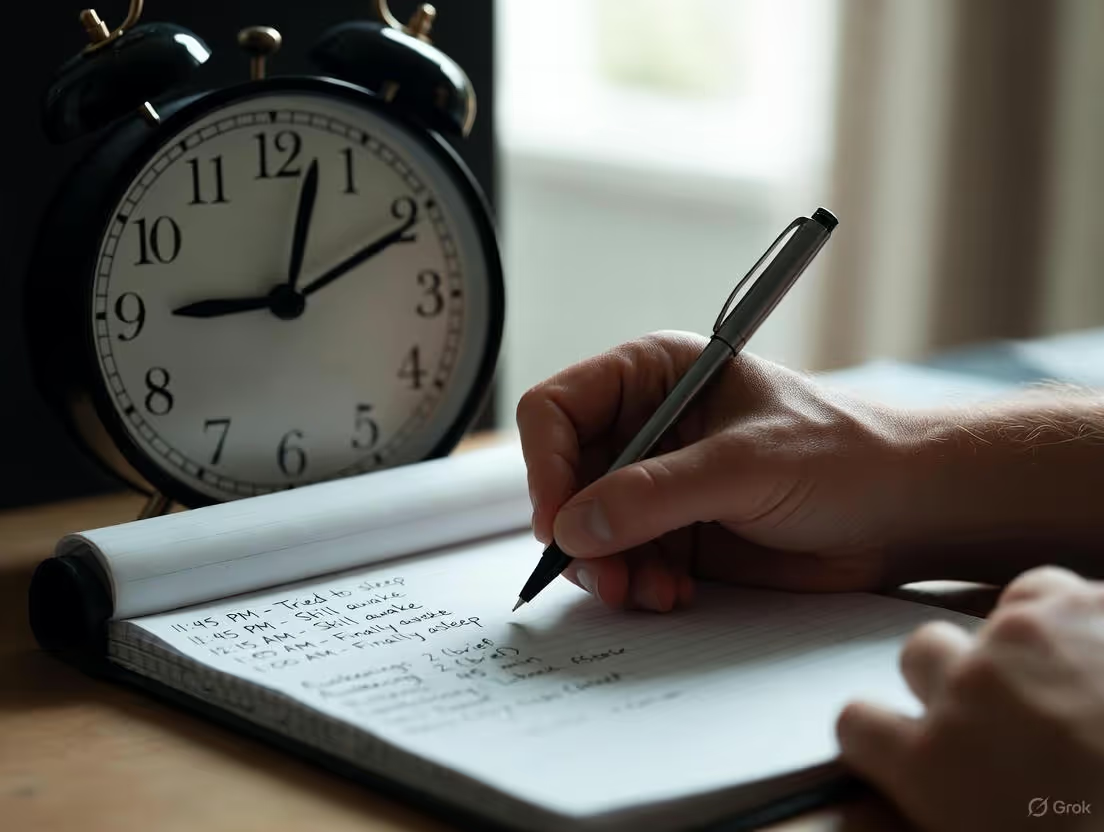
Tracking Your Progress: The Sleep Journal
Pair your wearable data with a simple nightly notes section in your phone or a notebook. Each morning, quickly log:
Bedtime / Wake Time
Pre-Bed Ritual: (e.g., “Read for 30 min, no screens”)
Factors: (e.g., “Coffee at 4 p.m.”, “Stressed about work”, “30-min walk at 6 p.m.”)
Subjective Score: How you feel out of 10.
After 30 days, review your wearable data trends alongside your journal. Look for the connections. The story the data tells will be your most powerful motivator to continue. This journey of building a protocol is deeply personal, much like the journey shared in the Oxyzen story, where a focus on personalized, data-driven health was born.
Finding Your Chronotype: Are You a Lion, Wolf, Bear, or Dolphin?
You’ve mastered the universal principles of sleep hygiene. Now, it’s time to personalize your approach on a deeper level by discovering your chronotype. A chronotype is your body’s natural predisposition for sleep and wakefulness—your inherent biological rhythm that dictates when you feel most alert, energetic, and sleepy. It’s why some people are invincible at 5 a.m., while others don’t hit their stride until 10 p.m.
While the classic “morning lark” and “night owl” distinction is familiar, sleep specialist Dr. Michael Breus’s model offers a more nuanced and actionable framework using four animal archetypes: Lion, Bear, Wolf, and Dolphin. Understanding your chronotype isn’t about labeling yourself; it’s about aligning your life with your biology to minimize friction and maximize performance in every domain.
The Four Chronotypes Decoded
The Lion (The Early Riser)
Sleep/Wake Pattern: Naturally wakes early (5:30-6:30 a.m.) and feels most alert, focused, and productive in the morning. Energy peaks before noon and begins a gradual decline. By evening, they are often tired and prefer an early bedtime (9:30-10:30 p.m.).
Strengths: Proactive, optimistic, disciplined. Excellent at starting projects and morning leadership.
Sleep Challenge: Can crash in the late afternoon. May struggle with social events in the evening.
Optimization Strategy: Schedule your most demanding cognitive work before noon. Use afternoons for meetings, administrative tasks, and light exercise. Protect your evening wind-down fiercely. Lions benefit from a small, protein-rich mid-afternoon snack to combat the slump without disrupting sleep.
The Bear (The Synchronized Sleeper)
Sleep/Wake Pattern: Follows the sun. Bears feel sleepy shortly after dark and wake naturally around 7 a.m. They have steady energy throughout the day with a mild dip in the early afternoon (the classic post-lunch slump). This is the most common chronotype, aligning with the standard 9-to-5 work schedule.
Strengths: Team players, consistent, easy-going. Good stamina throughout the day.
Sleep Challenge: Can over-schedule and become sleep-deprived by trying to please everyone. Prone to the afternoon slump.
Optimization Strategy: Structure your day around the solar cycle. Get morning light, schedule important work before lunch, and use the post-lunch dip for less demanding tasks or a short walk outside. Bears do well with a consistent, no-fuss sleep schedule.
The Wolf (The Night Owl)
Sleep/Wake Pattern: Struggles to wake early, hitting snooze repeatedly. Truly wakes up around 10 a.m. Energy surges in the late afternoon and peaks in the evening. They feel most creative and alive at night, often not feeling sleepy until midnight or later.
Strengths: Creative, impulsive, intellectually intense during their peak hours. Excellent at brainstorming and innovation.
Sleep Challenge: Mornings are a battle. Society’s standard schedule is often misaligned, leading to chronic sleep debt. May rely on stimulants to get going.
Optimization Strategy: Fight for a delayed schedule if possible. Schedule creative work and deep thinking for late afternoon and evening. Protect morning sleep ruthlessly—use blackout curtains and white noise. Exposure to bright light immediately upon waking (even if it’s 9 a.m.) is critical to start shifting their clock. Evening light restriction is non-negotiable.
The Dolphin (The Light, Anxious Sleeper)
Sleep/Wake Pattern: Named for the unihemispheric sleep of actual dolphins (where one brain hemisphere sleeps at a time). Dolphins are light sleepers with low sleep drive. They often have insomnia, waking frequently, and may feel perpetually tired. They are most alert in spurts, often mid-morning and late evening.
Strengths: Intelligent, perfectionistic, detail-oriented. Often high achievers.
Sleep Challenge: Anxiety and hyper-vigilance sabotage sleep. They are easily woken by noise or light and struggle to “turn off” their brain.
Optimization Strategy: Focus on stress management and sleep environment above all. A flawless, cave-like bedroom is essential. The brain dump and worry-time techniques are critical. Dolphins benefit greatly from a consistent, long wind-down ritual and should avoid caffeine entirely. Exercise should be finished by early afternoon.
How to Determine and Work With Your Chronotype
Take a validated quiz, like the one from Dr. Breus, and cross-reference it with your own lived experience and data from your smart ring. Look at your natural sleep tendencies on days you don’t have an alarm. Do you see a pattern in when your HRV is highest or when you feel most focused?
The goal is strategic alignment, not rigid conformity. You may not be able to change your job to fit your Wolf chronotype perfectly, but you can:
Stop scheduling important meetings at 8 a.m. if you’re a Wolf.
Stop trying to be creatively brilliant at 7 a.m. if you’re a Lion.
Honor your Bear’s need for a consistent lunch and afternoon walk.
Build the fortress of solitude your Dolphin brain requires.
By living in closer harmony with your chronotype, you reduce the daily friction between your biology and your obligations, which lowers stress, improves mood, and—crucially—makes it easier to fall and stay asleep. For more personalized insights and discussions on aligning lifestyle with biology, our community shares their experiences on the Oxyzen blog.
Sleep for Peak Performance: Athletes, Executives, and Creatives
Sleep is the ultimate legal performance enhancer. Whether your arena is the boardroom, the gym, or the studio, optimizing sleep provides a competitive edge that no supplement, training hack, or productivity app can match. Let’s break down the specific, evidence-based sleep needs for different high-performance domains.
The Athlete’s Recovery Engine
For athletes, sleep isn’t rest—it’s active repair. It’s when the adaptations from training actually occur.
Muscle Repair & Growth: During deep sleep, the body releases Human Growth Hormone (HGH), which is essential for muscle tissue repair and growth. Without sufficient deep sleep, you are literally undermining your training efforts.
Glycogen Restoration: Sleep is critical for replenishing muscle glycogen stores, the primary fuel for high-intensity exercise. Poor sleep can lead to premature fatigue and “heavy legs.”
Injury Prevention: Fatigue from sleep loss impairs coordination, reaction time, and judgment, increasing the risk of acute injury. Chronically, poor sleep elevates inflammation, which can contribute to overuse injuries.
Cognitive & Motor Learning: Skill acquisition—a perfect golf swing, a new play, a complex movement pattern—is consolidated during REM and slow-wave sleep. Practice doesn’t make perfect; practice plus sleep makes perfect.
The Data-Driven Edge: Elite athletes use HRV and resting heart rate (RHR) trends from devices like the Oxyzen ring as daily readiness markers. A suppressed HRV or elevated RHR indicates incomplete recovery, signaling the need for a lighter training day or extra focus on sleep and nutrition.
The Athletic Sleep Protocol: Aim for 8-10 hours of sleep. Prioritize consistency above all. Implement a 90-minute wind-down that includes mobility work or foam rolling. Time protein intake before bed (e.g., casein protein or Greek yogurt) to provide a slow-release of amino acids for overnight repair.
The Executive’s Cognitive Fortress
For leaders and knowledge workers, sleep is the bedrock of cognitive function, emotional intelligence, and decision-making.
Strategic Thinking & Innovation: REM sleep, often called the “creative” sleep stage, facilitates novel connections between disparate ideas. A complex problem often looks different—and solvable—after a good night’s sleep.
Emotional Regulation & Leadership: Sleep deprivation amplifies activity in the amygdala (the brain’s fear center) and weakens its connection to the prefrontal cortex (the rational regulator). This leads to heightened emotional reactivity, poor impulse control, and reduced empathy—a toxic combination for leadership.
Decision-Making Under Uncertainty: Studies show that sleep-deprived individuals make riskier decisions and have impaired moral judgment. A well-rested leader has the cognitive clarity to weigh complex variables and make ethical, strategic calls.
Memory & Learning: Every presentation, report, and piece of market data is processed and filed during sleep. Without it, critical information is forgotten or misfiled.
The Executive Sleep Protocol: Treat sleep as a critical business strategy. Schedule it like your most important meeting. Use the pre-bed brain dump to offload work anxiety. Never make a major people or financial decision after a night of poor sleep. Leverage your chronotype: if you’re a Lion, do your strategic planning first thing; if you’re a Wolf, reserve deep-thinking work for your peak evening hours. Understanding this data-driven approach to performance is core to the Oxyzen mission.
The Creative’s Muse
For artists, writers, and innovators, sleep is the silent collaborator.
Incubation & Insight: The brain continues to work on problems during sleep, often leading to “aha!” moments upon waking. The surreal, associative nature of dreams can also spark original ideas.
Divergent Thinking: Sleep, particularly REM sleep, enhances the ability to think laterally and generate a wide range of creative solutions.
Emotional Depth: Access to nuanced emotions is crucial for authentic art. The emotional processing that occurs during REM sleep can deepen creative work.
The Creative Sleep Protocol: Embrace the odd hours if they fit your chronotype, but protect your total sleep time. Keep a notebook by your bed to capture dream fragments or morning insights. Understand that periods of intense creative output may require more sleep for integration. Avoid using stimulants to push through creative blocks; often, the solution is to step away and sleep on it. Many in our creative community share how tracking recovery has improved their process, which you can read about in Oxyzen testimonials.
Across all domains, the principle is the same: high performance is unsustainable without high-quality recovery. Sleep is not downtime; it is the upgrade.
The Long Game: Sleep Maintenance and Habit Resilience
You’ve completed your 30-day protocol. You’re sleeping better, feeling more energetic, and seeing the positive data. Now comes the real challenge: maintenance. How do you make these practices resilient against the pull of old habits, life’s inevitable disruptions, and sheer boredom? This phase is about building a sustainable sleep lifestyle, not just a temporary fix.
The Four Pillars of Habit Resilience
Identity Reinforcement: The most powerful habit shift occurs when you change your self-perception. Stop saying, “I’m trying to sleep better.” Start saying, “I am a person who prioritizes sleep.” This identity makes choices automatic. When offered a late-night event, the thought isn’t “I shouldn’t,” but “That’s not what a well-rested person like me does on a Tuesday.”
The 80/20 Rule (The Sleep Pareto Principle): Perfection is the enemy of consistency. Aim to follow your ideal protocol 80% of the time. This allows for 20% of life—a special celebration, a cross-country flight, an emergency work project—without triggering an “I failed, I might as well give up” mentality. One bad night is a deviation, not a relapse. Get back on track with the next sleep opportunity.
Seasonal Adjustments: Your sleep needs and patterns aren’t static. They change with seasons (less sunlight in winter, more heat in summer), life phases (new parents, career changes), and age. Be a scientist of your own life. In winter, you may need a light therapy lamp. During a stressful project, you may need to double down on your wind-down ritual. Regularly check in with your data and adjust.
Community & Accountability: Share your sleep goals with a partner or a friend. Use the social features on your wellness app, if available. Seeing others prioritize sleep normalizes the behavior and provides encouragement. Our blog community is a place where many share their maintenance journeys and tips.
Troubleshooting the Inevitable Slip
You will have setbacks. A week of poor sleep due to illness, travel, or stress can make it feel like you’re back at square one. Here’s your reboot protocol:
Diagnose, Don’t Dramatize: Look at your data and journal. What changed? Was it a specific stressor? A change in schedule? Identify the cause without self-judgment.
Return to Foundation: Don’t try to fix everything at once. Return to the absolute non-negotiables for one week: Morning sunlight. Digital sunset. A cool, dark room. Nail these three, and the rest will follow more easily.
Practice Sleep Restriction (Cautiously): If you’ve developed significant insomnia again (lying awake for long periods), you can use a technique from CBT-I. Temporarily restrict your time in bed to only the hours you are actually sleeping (e.g., if you’re sleeping 6 hours from 12 a.m. to 6 a.m., only go to bed at 12 and get up at 6). This builds strong sleep pressure and re-establishes the bed-sleep connection. Then, gradually expand your window by 15 minutes every few nights as sleep efficiency improves. Note: Consult a doctor or sleep specialist before attempting this rigorously.
The Lifelong Upgrade
View sleep optimization not as a project with an end date, but as a cornerstone of your evolving health philosophy. As you age, sleep becomes even more critical for cognitive health and physical resilience. The habits you build now are an investment in your future self.
Stay curious. New research emerges constantly. The technology, like the smart ring you wear, will continue to provide deeper insights. The journey of understanding your own body’s signals is a lifelong, fascinating pursuit. To stay updated on the latest in sleep science and tracking technology, you can always learn more at Oxyzen.
Beyond the Night: Daytime Habits for Nocturnal Success
The quality of your night is forged during the day. While the pre-bed ritual is crucial, a cascade of smart choices from the moment you wake sets the stage for effortless sleep later. Think of it as building “sleep pressure” and circadian stability through deliberate action.
The Morning Anchor
Your first waking hour is disproportionately powerful. It sets the tone for your circadian rhythm and hormonal cascade.
View Sunlight (Again, Because It’s That Important): This cannot be overstated. It’s your master clock’s primary setter. It cues cortisol (healthy morning spike), suppresses lingering melatonin, and boosts mood.
Hydrate Strategically: Drink a large glass of water. You’ve gone 7-9 hours without fluids. Rehydrating kickstarts metabolism and cognitive function.
Move Your Body (Even a Little): A short walk, some gentle stretching, or a few minutes of exercise further reinforces the wake-up signal to your body and can improve sleep depth later. For many, a more substantial morning workout is ideal (see Exercise section).
The Afternoon Sustain
This is about managing energy to prevent an evening crash that can sometimes morph into a “second wind” of inappropriate evening alertness.
Manage the Post-Lunch Dip: Instead of fighting it with caffeine, lean into it. If possible, take a 10-20 minute walk outside. The combination of light, gentle movement, and a break will clear mental fog more effectively and sustainably than a stimulant.
Strategic Caffeine Use: If you consume caffeine, your 2 p.m. curfew stands. Consider switching to green tea in the afternoon, which has L-theanine—an amino acid that promotes calm alertness and can mitigate the jittery effects of caffeine.
Hydration Checkpoint: By mid-afternoon, ensure you’re well-hydrated, but start to taper fluid intake about 2-3 hours before bed to minimize nocturia.
The Evening Transition
The bridge from day to night should be intentional, not accidental.
Stop Working: Define a clear end to your workday, both physically and mentally. Shut down the computer, tidy your workspace, and perform a mental closure ritual (like the brain dump).
Evening Nutrition: Eat dinner at a consistent time, ideally 3-4 hours before bed. This allows for substantial digestion to occur before you lie down. Make it a balanced meal with protein, fiber, and healthy fats for sustained satiety.
Digital Sunset Commences: This is the trigger for your entire wind-down sequence. When the screens go off, your nervous system should start receiving the consistent message that the day is ending.
By crafting a day that rhythmically supports your biology, you eliminate the need to “force” sleep at night. Sleep becomes a natural, welcomed conclusion to a well-structured day, not a struggle against a hyper-aroused system. For a deeper library of daytime routines that support nocturnal rest, explore our blog for articles on holistic habit stacking.
Advanced Biohacking: Temperature, Light, and Supplements
Once the foundational habits are solid, you can explore advanced, precision techniques to further optimize sleep quality and recovery. These “biohacks” are not substitutes for the basics but can be powerful amplifiers.
Thermal Regulation 2.0
We know a cool room is essential. But you can actively manipulate your body temperature for better sleep onset and depth.
The Hot-Cold Contrast: The warm bath/shower 90 minutes before bed is a classic because it works. For a more intense protocol, some use contrast therapy: a warm soak followed by a brief (30-60 second) cold shower. This causes a more dramatic temperature drop afterward and may boost resilience.
Targeted Bedding Technology: Consider a cooling mattress pad, pillow, or weighted blanket designed with breathable, temperature-wicking materials. These can help maintain the optimal thermal microenvironment around your body throughout the night.
Feet Out: A simple, free hack. If you’re too warm, sticking one or both feet out from under the covers can help dissipate heat quickly, as your feet are excellent thermoregulators.
Precision Light Management
Beyond blue-light glasses, you can fine-tune your light exposure for circadian excellence.
Daytime Light Dose: Use a light meter app on your phone to measure lux (light intensity). Aim for at least 1,000 lux for your morning viewing. Overcast day? It’s ~10,000 lux. Your office? Maybe only 200 lux. This explains why indoor light is often insufficient. Seek brighter environments or consider a light therapy lamp for morning use, especially in winter.
Red Light at Night: Red light has the least power to suppress melatonin. Using red-light bulbs in lamps, a red-light nightlight for bathroom trips, or even a red-light face mask can provide illumination without circadian disruption if you need light at night.
Sunset Simulation: Some smart lights can be programmed to gradually dim and shift to red/amber hues in the evening, perfectly mimicking a natural sunset and providing a powerful environmental cue.
The Supplement Landscape (Proceed with Caution)
Supplements should be the last layer added, not the first. Always consult with a healthcare professional before starting any new regimen.
Magnesium Glycinate or L-Threonate: Highly bioavailable forms of magnesium that cross the blood-brain barrier. They can promote muscle relaxation and calm the nervous system. A dose of 200-400 mg about 60 minutes before bed is common.
Melatonin (Micro-Dose): Best used as a circadian reset tool (for jet lag, shift work) or occasionally for sleep onset issues. The key is micro-dosing (0.3-1 mg), as studies show this is often as effective as higher doses (3-10 mg) without the risk of grogginess or downregulation of your own production. Take 30-60 minutes before bed.
L-Theanine: An amino acid from green tea that promotes alpha brain waves (relaxed alertness) and can reduce anxiety. It can be helpful for those whose minds race at bedtime. Dose: 100-400 mg.
Apigenin: A flavonoid found in chamomile. It acts as a mild sedative by binding to GABA receptors. It’s the active ingredient in many “sleepy time” teas.
What to Avoid: Be wary of supplements with long, proprietary blends of herbs and high-dose melatonin. The evidence for many herbal sleep aids (valerian, passionflower) is mixed, and quality can vary dramatically.
The Golden Rule of Biohacking: Introduce one change at a time and track the effect for at least 3-7 nights using your sleep and HRV data. Did adding magnesium glycinate increase your deep sleep percentage or morning HRV? If not, it might not be worth the cost or effort for you. This empirical, personal approach is what separates sophisticated self-experimentation from guesswork. For common questions on integrating these methods with wearable data, our FAQ page offers guidance.
The Social Sleeper: Navigating Relationships and Social Life
Prioritizing sleep can feel isolating in a culture that glorifies busyness and late-night socializing. You may face pressure from friends, family, or even your own internal voice telling you you’re being “boring.” Navigating this social landscape with grace and conviction is a critical skill for long-term sleep success.
Reframing Your Priority
First, shift your mindset. You are not “missing out” on late nights; you are “opting in” to energized, present, and healthy days. You are choosing performance, mood, and longevity over fleeting nighttime stimulation. This isn’t a restriction; it’s an empowerment. When you explain it this way—“Sleep is how I show up as my best self for my work, my family, and you”—it reframes the choice as a positive commitment.
Practical Strategies for Social Harmony
The “Anchor Sleep” Principle: If you have a late social event, protect your wake-up time. It’s better to get slightly less sleep one night by going to bed late but waking at your usual time, than to sleep in drastically. Sleeping in confuses your circadian clock far more. Take a short (20-minute) nap the day of the event if needed, but not after 3 p.m.
Be the Planner, Not the Reactor: Instead of always reacting to late-night invites, proactively schedule social gatherings at sleep-friendly times. Host a brunch, a weekend afternoon hike, an early dinner, or a game night with a defined end time (e.g., “Come over from 6-9 p.m.”).
Master the Graceful Exit: Have polite, pre-prepared exit lines. You don’t need to lecture on sleep science.
“I’ve had a wonderful time, but I have an early commitment tomorrow. I’m going to head out.”
“I’m on a early morning routine—thanks so much for having me!”
(For hosts) “We’re wrapping things up at 10 so everyone can get their beauty sleep!”
Create a Shared Sleep Culture: If you live with a partner or family, involve them in the mission. Explain why it’s important to you. Maybe they’ll want to join you in improving their sleep. At the very least, ask for their support in respecting your wind-down time and sleep environment. The story of how families integrate wellness tracking into their shared lives is part of the community story at Oxyzen.
Compromise Selectively: Use your 80/20 rule. The Friday night concert with your favorite band? Go, enjoy it fully, use your strategies (maybe wear blue-light glasses if there are strobes, avoid alcohol), and get back on track Saturday. The random Tuesday night bar crawl? That’s an easy “no, thank you.”



%402x.svg)