


Health for Athletes: How Your Wellness Ring Detects Training Sweet Spots
How your ring detects the optimal "sweet spot" in training.
How your ring detects the optimal "sweet spot" in training.
%402x.svg)
For the modern athlete, progress is no longer a linear path paved with sheer grit. It’s a dynamic, ever-shifting landscape of stress, adaptation, and recovery. For generations, training has been guided by the clock, the predetermined plan, and the often-misleading metric of “how you feel.” We’ve all been there: pushing through a scheduled high-intensity session when our body whispers (or shouts) for rest, or skipping a workout due to perceived fatigue when our physiological data screams we’re primed for a personal best. This disconnect between plan and physiology is where progress stalls, injuries brew, and burnout takes root.
Enter the era of the wellness smart ring—a silent, continuous guardian of your body’s inner world. This unassuming piece of wearable technology is revolutionizing athletic training by moving us from guessing to knowing. It transforms subjective feelings into objective, actionable data, illuminating the delicate balance between effective training stress and productive recovery. It’s about finding your unique, daily “sweet spot”—that perfect intersection of load and capacity where adaptation flourishes.
This article is your deep dive into how a wellness ring becomes your most trusted training partner. We’ll move beyond simple step counting and explore the profound physiological metrics it captures while you sleep and train. We’ll decode the signals your body is constantly sending, learn how to interpret readiness scores, and ultimately, craft a training philosophy that is dynamically responsive to your body’s true state. This is the future of personalized performance: not just training harder, but training smarter.
For decades, the cornerstone of athletic intuition was the perceived exertion scale—a subjective, internal gauge of effort. While valuable, it’s inherently flawed, colored by motivation, mood, sleep quality, and stress. The elite athlete’s edge has now evolved from this internal guesswork to biometric intelligence: the real-time, objective understanding of your autonomic nervous system (ANS) state, recoveredness, and physiological readiness.
A wellness ring provides this sixth sense. Unlike a wrist-worn device that can be affected by hand movement and sits on a bony part of the body, a ring on your finger provides a superior arterial blood flow signal. This allows for medical-grade, continuous monitoring of key biomarkers, even during sleep, which is when your body does its most honest reporting.
The core paradigm shift is this: Instead of asking, “What does my training plan say today?” you learn to ask, “What is my body capable of today?” The ring answers this question through a symphony of data:
By synthesizing these metrics into a single, easy-to-understand Readiness or Recovery Score, the ring provides your daily starting point. It’s the ultimate answer to the question, “Should I push or should I rest?” This objective baseline replaces guesswork, allowing you to align your training intensity with your body’s actual capacity, a principle we explore in depth for all high-performers in our complete beginner-friendly guide to sustainable high performance.
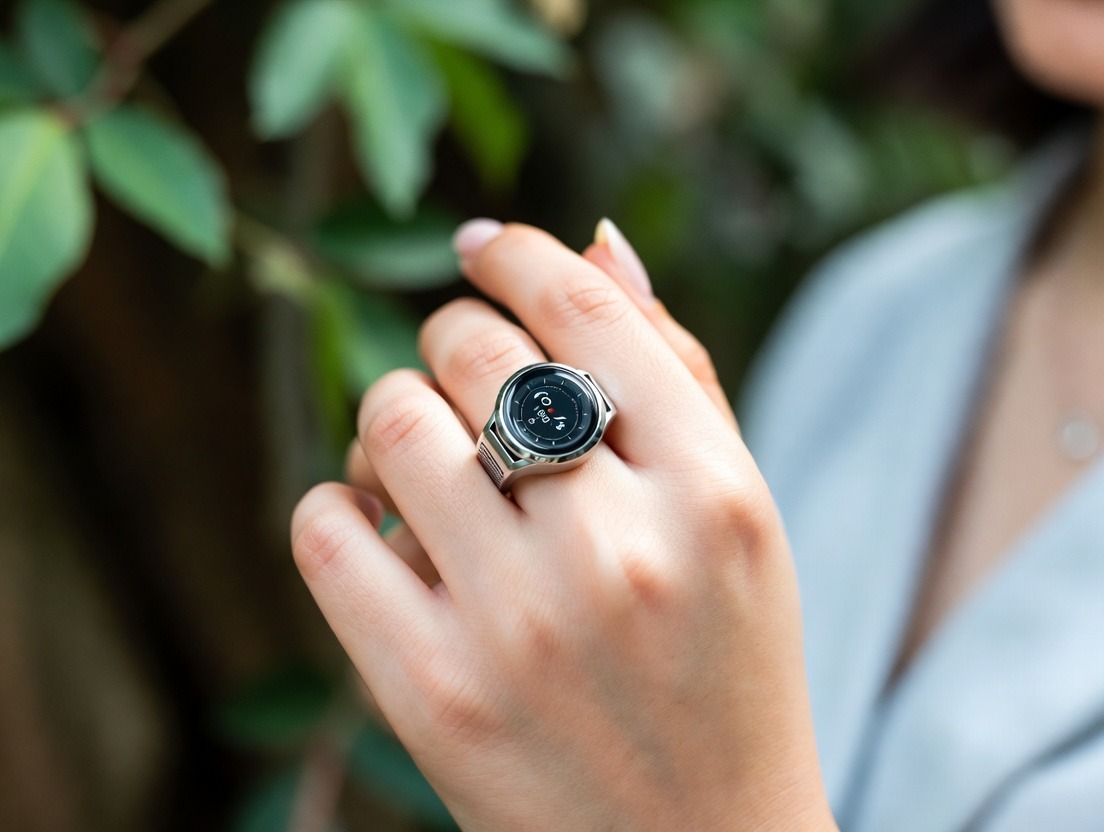
Your first interaction with your ring data should be a quiet, mindful moment with your morning coffee. This is when you review your body’s “debrief” from the past 24 hours. Think of it as a confidential report card on how well you managed stress, fueled recovery, and prepared for the day ahead.
A high Readiness Score (often combining HRV, RHR, and sleep quality) is a green light. It tells you your nervous system is resilient, your energy stores are replenished, and you are physiologically prepared to impose a new training stress. This is the day to attack that interval session, attempt a heavy lift, or engage in high-skill practice. Your body is asking for a challenge.
A low Readiness Score is not a failure; it’s crucial information. It’s your body’s request for resources. Perhaps your HRV is depressed, your RHR is elevated by 5-10 beats per minute, and your sleep was restless. This signals that your system is still dealing with the residual stress from previous training, life demands, or a nascent immune threat. Ignoring this red light and pushing through a hard workout is the fast track to overreaching, injury, or illness. This day calls for active recovery, mobility work, or complete rest.
The profound power lies in the trend. A single low score might be a random fluctuation, but a three-day downward trend in your readiness metrics is a glaring siren you cannot afford to ignore. This longitudinal view is what separates smart training from dumb training. It allows you to see the cumulative fatigue building before it manifests as an injury or a performance plateau. Learning to interpret this daily report is the first step toward a truly symbiotic relationship with your training, a skill that benefits anyone, as detailed in our beginner-friendly guide to productivity and health using a smart ring.
To truly harness your ring’s power, you must understand its most sensitive metric: Heart Rate Variability. HRV is not your heart rate; it’s the variability in the time interval between consecutive heartbeats, measured in milliseconds. This variability is controlled by your autonomic nervous system (ANS).
A high HRV indicates a strong, adaptable ANS. Your heart can rapidly adjust to demands—slowing down efficiently during rest and accelerating powerfully during exertion. It’s a sign of good recovery, fitness, and resilience. In athletic terms, a high HRV suggests you have the “bandwidth” to adapt positively to a training stimulus.
A low HRV indicates a stressed, fatigued, or overwhelmed ANS. Your heart is “metronome-like,” losing its dynamic range. This is associated with overtraining, insufficient recovery, dehydration, psychological stress, or illness. A low HRV is a clear signal that your body is struggling to cope with current demands and lacks the capacity for further productive stress.
How the Ring Uses HRV:
Your ring tracks your nightly average HRV, establishing a personalized baseline over several weeks. The key is not to chase an absolute number, but to watch the relative changes from your own baseline. A significant drop (often 10-20% or more below your rolling average) is a powerful, individualized indicator that you need to pull back. Conversely, a rising or stable HRV against the backdrop of increased training load is a fantastic sign of positive adaptation.
This makes HRV your daily guide for autoregulation. Instead of following a rigid “Week 3, Day 2” plan, you can prescribe intensity based on your HRV trend:
This responsive approach ensures you train at the right intensity for your body’s current state, maximizing gains while minimizing risk. The principles of listening to this deep physiological data extend beyond the track or gym, directly impacting cognitive performance, as discussed in our complete beginner-friendly guide to cognitive performance through health.
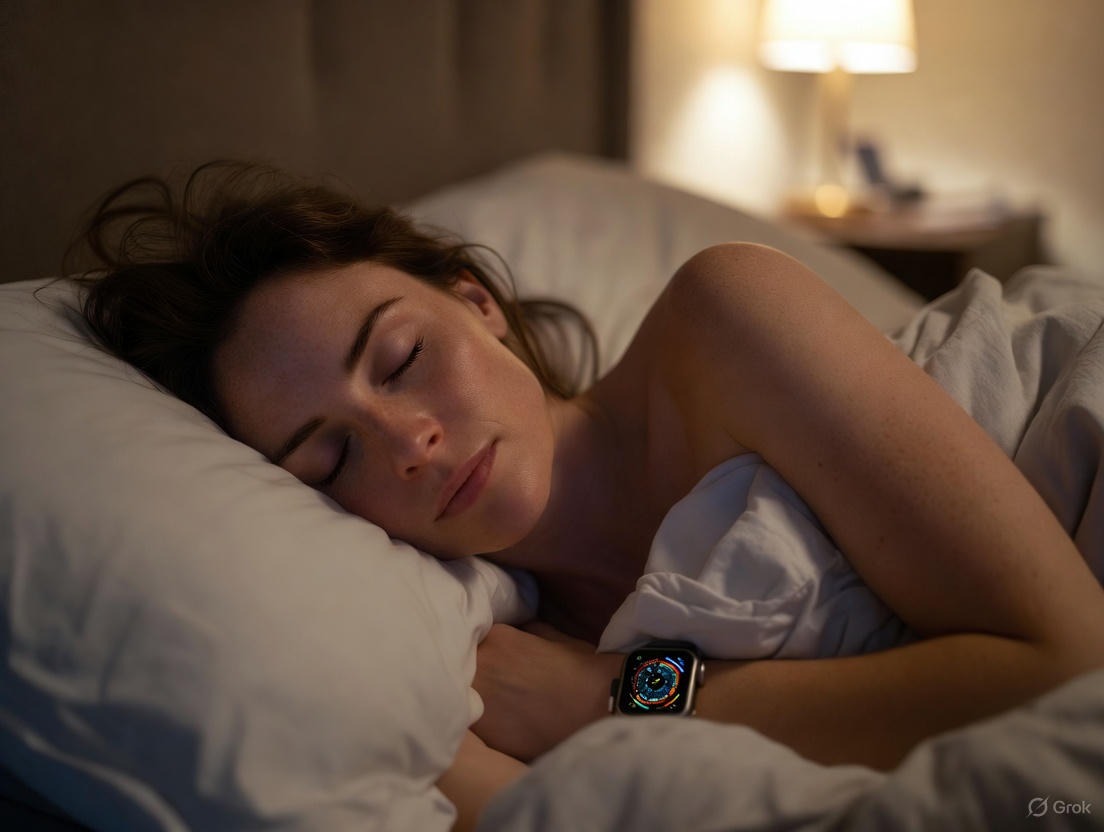
Elite athletes don’t just train; they recover. And the pinnacle of recovery is sleep. It’s during deep, uninterrupted sleep that Human Growth Hormone (HGH) is released, driving tissue repair and muscle growth. It’s when memories (including motor skill learning) are consolidated in REM sleep. A wellness ring transforms sleep from a passive state into a rich dataset, proving that not all sleep is created equal.
Your ring analyzes several critical dimensions of sleep that directly impact your training sweet spot:
Connecting Sleep to the Training Sweet Spot:
A night of poor, fragmented sleep will crater your morning Readiness Score. It will suppress your HRV, elevate your RHR, and leave you with a high sleep debt. Attempting a high-intensity training session in this state is futile and dangerous. The sweet spot for that day has radically shifted toward recovery.
Conversely, after a night of long, efficient, deep-sleep-rich slumber, your body is awash in recovery hormones. Your readiness will be high. This is the day your body is asking to be stressed—the perfect day to find your limit in the weight room or on the track. The ring makes this connection undeniable, teaching you that the workout is only the stimulus; the adaptation happens during quality sleep. This lesson in strategic recovery is universal, as explored for professionals in our article on productivity health synergy for remote workers with ring-optimized schedules.
The true magic of continuous wear is that the ring doesn’t stop collecting data when you start your workout. By monitoring your heart rate and movement during activity, it provides immediate feedback on the acute impact of your session, filling in the other half of the stress-recovery equation.
Real-Time Exertion & Zone Training:
While not a replacement for a chest-strap heart rate monitor for ultra-precise, second-by-second interval data, the ring is exceptionally effective for monitoring sustained aerobic efforts. You can see if your easy run truly stayed in Zone 2 (building aerobic base) or accidentally crept into Zone 3 (creating unnecessary fatigue). This ensures your training has the intended physiological effect.
Post-Exercise Heart Rate Recovery (HRR):
This is a powerful, ring-measured metric of cardiovascular fitness and autonomic nervous system function. After a strenuous bout of exercise, how quickly does your heart rate drop? A fast drop (e.g., a decrease of 20+ beats in the first minute) indicates good fitness and parasympathetic reactivation. A sluggish HRR can be a sign of fatigue or overtraining. By noting your HRR after similar workouts over time, you can track improvements in your fitness and recovery speed.
The “Whoop” Effect – Strain/Exertion Scores:
Many ring platforms synthesize your activity data, heart rate during activity, and duration into a daily Strain or Exertion Score. This quantifies the total physiological stress load of your day, from both training and non-training activities (e.g., a stressful workday, long travel). The sweet spot theory hinges on the balance between this Strain Score and your Recovery/Readiness Score.
The goal is to periodize your strain: apply a high strain when your readiness is high, and allow a low-strain day when your readiness is low. The ring’s dashboard makes this balance visually clear, preventing you from chronically overreaching. This concept of balancing output with recovery capacity is critical for sustained achievement in any field, a topic covered in our guide to complete beginner-friendly guide to sustainable achievement through health.
Overtraining Syndrome (OTS) is the athlete’s nightmare—a deep pit of fatigue, performance decline, and hormonal disruption that can take months to climb out of. It’s not caused by a single hard workout, but by a chronic imbalance where training stress consistently outpaces recovery. The wellness ring is an early-warning system, detecting the subtle signs of under-recovery long before they blossom into full-blown Overtraining Syndrome.
The Ring’s Red Flags for Impending Overtraining:
The Sweet Spot vs. The Danger Zone:
Training in your sweet spot means applying stress when your readiness data is positive, leading to adaptation (supercompensation). The danger zone is ignoring low readiness data and applying more stress. This leads to a downward spiral: stress → poor recovery → lower readiness → more stress → eventual breakdown.
The ring empowers you to practice “prehab” instead of rehab. By taking a deload week or focusing on active recovery the moment you see a cluster of these red flags, you can avoid a 3-month setback. It teaches the discipline of strategic rest, which is the hallmark of a truly intelligent athlete. This principle of proactive recovery is just as vital for mental performance, as shown in our resource on how the wellness ring shows when to push hard and when to recover.
Your training output is only as good as your metabolic input. Nutrition and hydration are not just about calories and macros; they’re about how your body responds to what you put in it. Your wellness ring provides indirect, but highly valuable, feedback on your nutritional and hydration strategies through their impact on your core biomarkers.
Hydration Status:
Dehydration has a direct and immediate effect on cardiovascular function. Even mild dehydration can:
Nutritional Timing and Quality:
While a ring won’t tell you your blood glucose levels, it can show you the systemic stress response to poor nutritional choices.
This biofeedback loop turns nutrition from a theoretical practice into an experiential one. You learn which foods and timings make you feel and perform better, as validated by your own physiology. Optimizing these inputs is a cornerstone of managing energy, a topic explored in our beginner-friendly guide to energy management with smart ring productivity insights.
Traditional periodization involves pre-planned cycles of loading (mesocycles) and deloading. While this structure is sound, it’s static. It assumes your life stress, sleep, and immune challenges will align perfectly with the plan. They rarely do. Dynamic Periodization, powered by wellness ring data, is the next evolution: a flexible framework that adjusts the planned intensity based on your daily readiness.
How to Implement Dynamic Periodization with Your Ring:
This method ensures you are always training at the optimal dose for your current state. It maximizes the return on investment for every session and dramatically reduces injury risk. It turns your annual plan from a brittle spreadsheet into a resilient, living document that breathes with you. This adaptive approach is key to longevity in any performance domain, a concept detailed in our complete beginner-friendly guide to performance longevity through health.
Physical training is only one source of stress. Psychological stress—from work, relationships, finances—activates the same physiological pathways: it elevates cortisol, stimulates the sympathetic nervous system, lowers HRV, and hinders recovery. An athlete can be perfectly rested from training but utterly drained from life stress, destroying their performance sweet spot. The ring doesn’t differentiate; it measures the total load.
The Ring as a Stress Barometer:
Your physiological data is a mirror to your mental state. A brutally stressful work deadline, an argument, or anxiety will often manifest as:
Implications for the Training Sweet Spot:
On a day where your ring shows low readiness due to high life stress, pushing through a hard workout is counterproductive. You are adding physical stress to a system already overwhelmed by psychological stress. The sweet spot for that day is almost certainly a stress-reducing activity: meditation, a walk in nature, or gentle yoga—anything that promotes parasympathetic (“rest and digest”) activation.
Conversely, the ring can show you the positive impact of stress-management techniques. Consistent meditation, breathwork, or mindfulness practices often lead to measurable improvements in HRV and sleep scores over time. This creates a positive feedback loop: managing mental stress improves physiological readiness, which allows for better training, which further improves mental well-being. The synergy between mental health and physical output is profound, as discussed in our article on the smart ring revealing the true relationship between health and output.
Let’s make this practical. Imagine Sarah, a marathoner. Her traditional 3-week taper often left her feeling flat, anxious, and unsure if she was resting “correctly.” She starts using a wellness ring.
Pre-Taper (High Load): Her strain scores are high, her HRV is at her personal baseline, and her sleep is good but not exceptional. She’s managing the load.
Week 1 of Taper (Reduced Volume): She cuts mileage by 20%. Her ring shows a slight increase in HRV and a small dip in RHR almost immediately. Her sleep scores begin to improve. Her readiness scores climb. This is positive early feedback—her body is responding to the reduced load.
Week 2 of Taper (Significantly Reduced Volume): She cuts another 30% of volume, but keeps some light intensity. Her HRV climbs further, hitting personal highs. Her RHR drops to yearly lows. Her deep sleep percentage increases dramatically. Her readiness score is consistently 90%+. The data objectively confirms she is recovering deeply and supercompensating.
Race Week: Two days before the race, work stress causes a poor night’s sleep. Her readiness score drops to 75%. Instead of panicking, Sarah trusts the process. She knows one night won’t undo weeks of adaptation. She focuses on hydration, easy movement, and relaxation. The next night, she sleeps well, and her readiness bounces back to 90%.
Race Day: Sarah starts the marathon with the objective confidence that her body is in its optimal, recovered state. She has moved from anxious guesswork to data-backed assurance. She runs a personal best, fueled by perfect pacing and the knowledge that she found her true sweet spot on the start line.
This case study illustrates the transformative power of moving from a time-based plan to a physiology-guided preparation. The ring provided the proof that the taper was working, managed last-minute stress, and delivered ultimate confidence.
The wellness ring is not meant to replace your coach, your training log, or your favorite fitness apps. It is meant to inform them, creating a richer, more complete picture. The key is integration.
With Your Coach: Share your readiness trends. A good coach can use this data to dynamically adjust your weekly plan. Instead of “How do you feel?” the conversation starts with, “Your HRV has been trending down for three days. Let’s swap Thursday’s intervals for a zone 2 run.” This collaborative, data-informed approach elevates the coaching relationship.
With Your Training Journal/App: Don’t just log miles and sets. Log your daily readiness score and note any significant deviations in HRV or RHR. Over time, you’ll see powerful patterns: which workout types disrupt your sleep the most, how travel affects your metrics, how you respond to different deload strategies.
With Other Wearables: Use the ring for its unparalleled 24/7 recovery and sleep data. Use your GPS watch or chest strap for precise workout tracking. The combination is unbeatable: the ring tells you if and how hard you can train today, and the watch helps you execute the session perfectly.
The goal is a centralized dashboard of your athletic health. The ring provides the foundational layer of readiness and recovery upon which all your training activity is built. This holistic, integrated view is the essence of modern athlete management, blending the art of coaching with the science of biometrics. For those beginning this journey of integration, our beginner-friendly guide to peak performance using ring data offers a perfect starting point.

For athletes whose performance is measured in watts, kilos, and pounds—weightlifters, powerlifters, CrossFit athletes, sprinters—the training sweet spot is razor-thin. The margin between a PR and a missed lift or a pulled muscle is minuscule. The neurological and muscular demands of high-force, high-velocity output are immense. For this group, the wellness ring transitions from a helpful tool to a non-negotiable piece of safety equipment. It answers the critical question: Is my central nervous system (CNS) primed to handle maximal or near-maximal loads today?
The CNS Connection:
Heavy lifting places enormous demand not just on muscles, but on the neural pathways that recruit them. This neural fatigue is deeply intertwined with your autonomic nervous system state, which is precisely what your ring measures via HRV and RHR. A fatigued CNS will manifest as:
Attempting a 1-rep max or high-volume strength session under these conditions is a recipe for failure at best and injury at worst. You simply won’t have the neural drive to generate peak force, and your technique will break down under load.
The Power Athlete's Daily Ring Protocol:
Real-World Example: A competitive weightlifter notices her HRV has been trending down for 4 days, and her morning readiness score is 68%. She was scheduled for heavy snatch doubles at 90%. Instead, using ring data, she and her coach pivot the session to power snatches and clean pulls at 80%, focusing on speed and posture. She leaves the gym feeling energized, not wiped out. Two days later, her HRV rebounds to a new high, and she crushes her planned heavy session. The ring enabled a strategic pull-back to enable a bigger leap forward. This principle of responsive adjustment is key for any high-stakes performance, similar to how wellness rings guide morning routines for athletes before training.
For marathoners, cyclists, triathletes, and other endurance athletes, the training sweet spot is about managing chronic load. The goal is to build a massive aerobic engine without cracking the chassis (immune system, musculoskeletal health, hormonal balance). Overtraining in endurance sports is often a slow, insidious creep, masked by the addictive nature of endorphins and mileage totals. The wellness ring provides the objective truth, separating productive fatigue from destructive fatigue.
The Endurance Athlete’s Key Metrics & Pitfalls:
Endurance training, particularly long, slow distance (LSD), can be deceptive. It may not leave you feeling "pumped" or sore, but it creates profound systemic stress through glycogen depletion, muscle damage, and hormonal shifts.
The Endurance Athlete's Weekly Ring Audit:
The ring teaches the endurance athlete the art of minimum effective dose. It answers: “What is the least amount of stress I need to apply to keep improving?” This prevents junk miles and promotes a more sustainable, resilient approach to a sport known for its high burnout rate. Learning to manage this kind of cumulative energy expenditure is a universal skill, explored in our guide on energy management for peak productivity.
For soccer, basketball, hockey, and rugby players, the challenge is unique. Training load is often controlled by a coach, games are on a fixed schedule, and the physical demands are a chaotic mix of endurance, power, and agility. The athlete has little autonomy over the “what” and “when.” Here, the ring’s value shifts from planning to communication, recovery optimization, and injury prevention.
How the Team Athlete Uses the Ring:
An athlete’s environment is a constant, silent partner in training. Heat, humidity, altitude, and travel don’t just change how a workout feels; they change the fundamental physiological stress it imposes. Your wellness ring is your guide through these environmental stressors, helping you adjust effort and expectations in real time.
Heat Acclimation & Hydration:
Training in the heat significantly increases cardiovascular strain, core temperature, and fluid loss. Your ring provides clear signatures of heat stress and adaptation:
Altitude Training & Hypoxic Stress:
Whether you’re training at altitude or using hypoxic tents, the reduced oxygen availability is a major stressor.
Travel and Jet Lag:
Travel disrupts circadian rhythms, dehydrates, and stresses the body. The ring maps this disruption with precision.
While daily decisions are crucial, the ultimate power of the wellness ring lies in its ability to reveal long-term trends. Zooming out from the day-to-day noise provides a macro view of your athletic health, fitness progression, and overall resilience. This is where you move from reactive adjustments to strategic, proactive planning.
What to Analyze Over 3-6 Month Periods:
This longitudinal analysis turns your ring data into a personal biography of your physiology. It answers big-picture questions: “Is my training lifestyle sustainable? Am I getting more resilient? What is the true cost of my competitive season?” This macro perspective is essential for career longevity and is a core theme in our resource on performance longevity through health optimization.
The recovery industry is full of gadgets and protocols: cryotherapy, infrared saunas, pneumatic compression boots, hyperbaric chambers, and a dozen different supplements. Do they work? For you, specifically? Your wellness ring cuts through the marketing hype by providing direct, personalized biofeedback. It allows you to become a scientist of your own body, running n=1 experiments.
How to Use Your Ring to Test Recovery Modalities:
Example Tests:
This evidence-based approach is empowering. It moves you from following trends to following your own data. You learn which levers have the biggest impact on your recovery, allowing you to build a personalized, highly effective recovery toolkit. This empirical approach to self-optimization is a hallmark of modern high performers, whether athletes or professionals, as seen in strategies for using a smart ring as a performance coach.
We’ve focused heavily on the physiological, but the ring also opens a window into the psychological component of performance. Stress, anxiety, focus, and motivation are not just ethereal concepts; they have a biometric signature. By correlating how you feel with what the data says, you build a more integrated sense of self-awareness.
Bridging the Gap Between Feeling and Data:
This feedback loop cultivates detached awareness. You learn to observe your feelings and your data without being blindly ruled by either. You become the coach who interprets both inputs to make the best decision. This level of self-knowledge is the pinnacle of athletic maturity, where technology enhances intuition rather than replaces it. Developing this kind of awareness is beneficial for managing stress in any high-pressure context, a topic covered in our beginner-friendly guide to stress management for better performance.
This journey culminates not in mere data consumption, but in the creation of your own Personal Performance Algorithm. This is a set of simple, clear, “if-then” rules you develop based on your unique physiological responses and goals. The ring provides the inputs; your algorithm dictates the outputs (your training actions).
A Sample Personal Algorithm for a Masters Endurance Athlete:
A Sample Personal Algorithm for a Strength Athlete in a Building Phase:
This algorithm turns you from a passive follower of a plan into the active CEO of your own performance. It is dynamic, personalized, and responsive. It is the ultimate expression of training intelligence, powered by the continuous stream of insight from your wellness ring.
The future of athletic training is not in more grueling hours, but in more precise moments. It’s about finding that sweet spot—day after day, week after week—where stress and recovery dance in perfect balance, leading to relentless, sustainable progress. Your wellness ring is the spotlight that illuminates that dance, allowing you to step in time with the true rhythm of your body.
In the traditional model, the coach-athlete relationship often hinges on subjective feedback: "How did that feel?" "Are you sore?" "Do you feel recovered?" While valuable, this dialogue is fraught with misinterpretation, athlete bravado, and the inherent inaccuracy of perceived exertion. The wellness ring introduces an objective, third-party data stream into this relationship, transforming it from a hierarchical directive into a collaborative, data-informed partnership. It builds a bridge of transparent, unambiguous communication.
For the Athlete: Empowering Your Voice with Evidence
Athletes, especially younger or less experienced ones, can struggle to advocate for themselves. Saying "I need a day off" can feel like admitting weakness. Presenting a coach with a week-long trend of declining HRV, elevated RHR, and poor sleep scores changes the conversation. It's no longer about feelings or toughness; it's about quantifiable, physiological risk. The athlete can approach the coach with a statement like: "My data shows I'm in a significant recovery deficit. Can we modify today's session to focus on technique rather than intensity to mitigate injury risk?" This frames the request as intelligent self-management, not laziness.
For the Coach: From Prescription to Precision
For a coach, managing a team or group of athletes is a constant puzzle of individual variability. The ring data provides the missing pieces.
Building the Protocol:
The most successful integrations establish clear protocols:
This collaborative model, powered by shared data, represents the pinnacle of modern coaching. It replaces guesswork with guided partnership. This principle of using data to facilitate better collaboration and outcomes is equally transformative in professional settings, as discussed in our guide to productivity health data using smart ring for strategic planning.
As we embrace this powerful stream of intimate physiological data, we must also navigate its ethical implications and psychological pitfalls. Data is a tool, not a tyrant. Without mindfulness, the quest for optimization can spiral into obsession, anxiety, and a dysfunctional relationship with one's own body.
The Pitfalls of Biometric Obsession:
Principles for Ethical, Mindful Use:
The goal is to achieve a state of informed intuition, where the data subtly guides your awareness without dominating your consciousness. You check it, learn from it, and then step away to live and train. This balanced approach is essential for maintaining a healthy relationship with any performance-tracking tool, a concept we explore for a wider audience in productivity health balance: what the smart ring teaches about rest.
The current capabilities of wellness rings are impressive, but they represent just the beginning. The convergence of advanced sensors, machine learning, and personalized medicine is poised to make this technology even more predictive, prescriptive, and integrated into the athlete's ecosystem.
Near-Future Advancements on the Horizon:
The Long-Term Vision: The Autonomous Health Coach
The endpoint is a device that doesn't just monitor, but actively coaches. It would synthesize all data streams to provide personalized, real-time advice:
This future turns the smart ring from a dashboard into a co-pilot for your health and performance journey. Staying informed about these evolving capabilities is part of becoming a savvy user, much like understanding how to leverage current data for achieving elite productivity through health optimization.
Embarking on this data-informed journey can feel overwhelming. This step-by-step, 30-day plan is designed to systematically integrate your wellness ring into your athletic life without causing paralysis or obsession.
Days 1-7: The Observation Phase
Days 8-14: The Correlation Phase
Days 15-21: The Single Intervention Phase
Days 22-30: The First Strategic Adjustment
By day 30, the ring will have transitioned from a novel gadget to an integrated source of insight. You'll have begun the journey toward your personal performance algorithm. This methodical start-up approach is recommended for anyone, as outlined in our complete beginner-friendly guide to peak performance using ring data.
Q: How accurate is the data from a ring compared to medical devices?
A: For resting metrics like HRV and RHR, studies show high-fidelity rings provide accuracy comparable to chest-strap ECG monitors during sleep and rest, which is when these recovery metrics are most meaningful. For heart rate during high-intensity, dynamic movement (like interval training or sports), a chest strap is still the gold standard for precision. The ring is excellent for continuous monitoring and trends.
Q: I wear a smartwatch. Why do I need a ring?
A: It's about optimal form factor for recovery data. A ring is less obtrusive, more likely to be worn 24/7 (especially during sleep), and its finger location provides a stronger, less movement-prone blood flow signal than the wrist. Watches excel at GPS, phone notifications, and workout tracking. Rings excel at passive, continuous biometric monitoring. They are highly complementary.
Q: What if my data is always "bad"?
A: First, ensure you've worn it consistently for 3-4 weeks to establish a true baseline. Your "bad" might be your normal. Second, focus on trends, not absolute numbers. If your scores are consistently low but stable, and you're performing well and feeling healthy, that's your profile. The concern is a sharp change from your personal norm. Third, consistently low scores across the board (HRV, RHR, sleep) could indicate an underlying health issue, overtraining, or chronic lifestyle stress worth discussing with a healthcare professional.
Q: Can I "cheat" or game the system to get a better score?
A: You can manipulate behaviors in the short term (e.g., taking a sleeping pill might increase sleep duration but wreck sleep architecture; excessive alcohol one night will give a deceptively high HRV as your heart is paralyzed, followed by a crash). But the system is designed to track medium and long-term trends, which are far harder to fake. The goal is to improve your actual health, not a number.
Q: How do I handle conflicting data? (Feel good, data bad, or vice versa)
A: This is where wisdom comes in. Feel good, data bad: Proceed with caution. You may be in a state of sympathetic override. Do a thorough warm-up and be prepared to dial back intensity if performance falters. Feel bad, data good: Trust the data enough to start your warm-up. Often, movement improves perception. If you still feel terrible after 15 minutes, listen to your body and adjust. The data is one input, not the sole decider.
Q: Is this technology only for elite athletes?
A: Absolutely not. While elites use it for marginal gains, recreational athletes and fitness enthusiasts benefit tremendously. It provides guardrails to prevent overuse injuries, helps optimize limited training time, and teaches foundational recovery principles that improve health and enjoyment of the sport. Anyone from a weekend warrior to a beginner can learn invaluable lessons about their body. This inclusive perspective is central to all our beginner-friendly guides.
The pursuit of the training sweet spot, guided by the subtle intelligence of a wellness ring, ultimately transcends sport. It becomes a paradigm for living. It teaches us to listen to our body's nuanced language—not just its screams of pain or fatigue, but its whispers of readiness and resilience.
This journey moves us from being brute-force laborers of our own physiology to becoming skilled artisans of our performance. We learn that progress is not linear, but rhythmic. That discipline is not just about the courage to push, but also the wisdom to hold back. That the body is not a machine to be driven, but an ecosystem to be nurtured.
The ring is the tool that makes this subtle dialogue audible. It translates the silent processes of repair, adaptation, and stress into a language we can understand and act upon. It empowers us to align our ambitions with our actual capacity, day after day.
In the end, finding your sweet spot isn't just about unlocking faster times, bigger lifts, or more agile plays. It's about cultivating a sustainable, joyful, and long-lasting relationship with movement and your own physical potential. It's about training in a way that makes you not only a better athlete but a more attuned human being. The sweet spot, it turns out, is where performance and well-being become one and the same.
Your Trusted Sleep Advocate: Sleep Foundation — https://www.sleepfoundation.org
Discover a digital archive of scholarly articles: NIH — https://www.ncbi.nlm.nih.gov/
39 million citations for biomedical literature :PubMed — https://pubmed.ncbi.nlm.nih.gov/
Experts at Harvard Health Publishing covering a variety of health topics — https://www.health.harvard.edu/blog/
Every life deserves world class care :Cleveland Clinic - https://my.clevelandclinic.org/health
Wearable technology and the future of predictive health monitoring :MIT Technology Review — https://www.technologyreview.com/
Dedicated to the well-being of all people and guided by science :World Health Organization — https://www.who.int/news-room/
Psychological science and knowledge to benefit society and improve lives. :APA — https://www.apa.org/monitor/
Cutting-edge insights on human longevity and peak performance:
Lifespan Research — https://www.lifespan.io/
Global authority on exercise physiology, sports performance, and human recovery:
American College of Sports Medicine — https://www.acsm.org/
Neuroscience-driven guidance for better focus, sleep, and mental clarity:
Stanford Human Performance Lab — https://humanperformance.stanford.edu/
Evidence-based psychology and mind–body wellness resources:
Mayo Clinic — https://www.mayoclinic.org/healthy-lifestyle/
Data-backed research on emotional wellbeing, stress biology, and resilience:
American Institute of Stress — https://www.stress.org/


