


Productivity and Health Balance: What Your Smart Ring Teaches About Rest
Lessons on the necessary balance between productive effort and restorative rest, as taught by your ring.
Lessons on the necessary balance between productive effort and restorative rest, as taught by your ring.
%402x.svg)
The modern cult of productivity is failing us. We chase efficiency with military precision, optimize our mornings, hack our diets, and track our outputs, all in service of doing more. Yet, for all our effort, we find ourselves paradoxically less effective, perpetually drained, and haunted by a low-grade anxiety that we’re still not doing enough. We’ve weaponized our lives against the very thing that fuels sustainable success: rest.
But what if the secret to true, lasting productivity wasn’t found in another time-management app or a stricter regimen, but in the quiet, biological wisdom of our own bodies? What if our relentless pursuit of output is actually eroding our capacity for it?
Enter the smart ring—an unassuming piece of wearable technology that is fundamentally changing this conversation. Unlike the screens that bombard us with notifications, the smart ring operates silently, gathering data not from our conscious choices, but from our autonomic nervous system. It listens to the whispers of our physiology: the steady drum of our heart, the rhythm of our breath during sleep, the subtle shifts in our skin temperature. It is a biometric confessional, revealing truths we’ve learned to ignore.
This article isn't about using technology to push harder. It's about using data, for the first time, to learn how to rest, recover, and recharge with the same intentionality we apply to work. We will explore the profound lessons embedded in your biometric data, translating the cold language of heart rate variability, resting heart rate, and sleep stages into a practical, personalized blueprint for balancing productivity and health. The smart ring doesn't just track your sleep; it teaches you the language of restoration. It doesn't just measure stress; it reveals your unique recovery signature.
We stand at the intersection of quantified self and ancient wisdom. The data is new, but the principle is timeless: you cannot burn the candle at both ends. Your smart ring is simply the mirror, showing you the flame’s true length. Let’s learn how to read it.
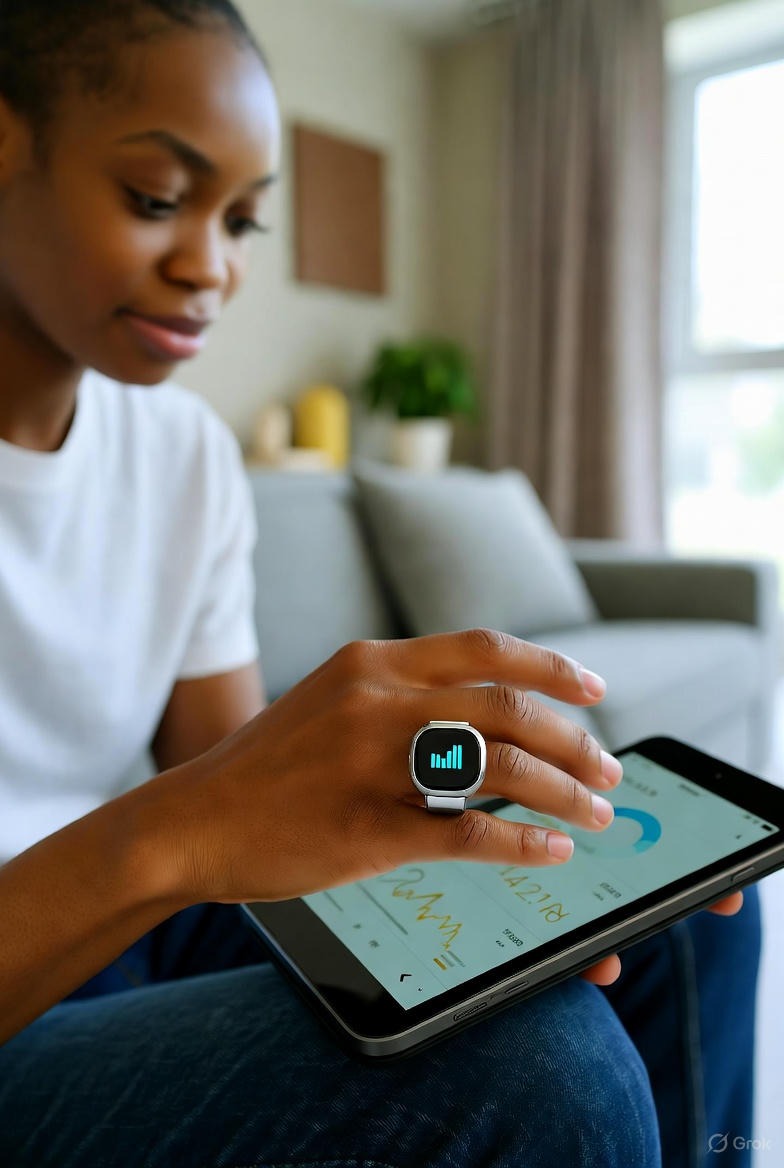
We live in the age of the "hustle porn" glorification. The narrative is seductive: wake at 4 AM, crush a workout, meditate, inbox zero by 7 AM, and produce monumental output until you collapse, only to repeat the cycle. This model frames rest as the enemy of progress—a necessary evil to be minimized, optimized, or, better yet, eliminated with the right combination of supplements and discipline.
But neuroscience and physiology tell a starkly different story. The brain is not a machine that runs constantly. It is an organic system that requires cycles of focused attention and diffused-mode rest to function optimally. During periods of what looks like idleness—daydreaming, walking, sleeping—the brain is actively consolidating memories, forging creative connections, and solving complex problems in the background. The "aha!" moment rarely happens at the desk; it happens in the shower, on a walk, or upon waking.
The trap of constant hustle leads to a state of chronic, low-grade sympathetic nervous system activation—a perpetual "fight-or-flight" mode. In this state, the body prioritizes immediate survival over long-term health and cognitive function. Cortisol remains elevated, disrupting sleep architecture. Heart rate variability (HRV), a key metric of resilience and recovery, plummets. The prefrontal cortex, responsible for executive function, decision-making, and creativity, becomes impaired. We become reactive, short-tempered, and cognitively rigid. We are busy, but we are not productive. We are moving, but we are not progressing.
Your smart ring captures this trap in stark, objective data. It’s not judging your ambition; it’s reporting your body’s state. A steadily climbing resting heart rate over weeks is not a badge of honor; it’s a sign of cumulative strain. Consistently low HRV isn't proof of your dedication; it's a biomarker of an overtaxed system. The ring shows you that the body keeps a score that your to-do list ignores. It reveals that the very behaviors we believe are driving us forward are, in fact, undermining our foundation. To escape the trap, we must first see it clearly. The biometric data from your wearable provides that crucial, unbiased visibility, acting as a grounding counterpoint to the subjective feeling of being "productive."
To listen to your body, you must first understand its dialect. Your smart ring translates your physiology into three primary, interwoven metrics: Heart Rate Variability (HRV), Resting Heart Rate (RHR), and Sleep Architecture. Together, they form a holistic picture of your recovery and readiness.
Heart Rate Variability (HRV): The Master Metric of Resilience
Contrary to what you might assume, a healthy heart does not beat with the monotonous regularity of a metronome. The tiny, millisecond variations in time between each heartbeat are what we call HRV. A higher HRV generally indicates a robust, adaptable autonomic nervous system. Your body can smoothly toggle between sympathetic (action, stress) and parasympathetic (rest, digest) states. A lower HRV suggests your system is stuck on "high alert," struggling to recover. Think of HRV as your body's bandwidth for handling stress. A high bandwidth means you can download a large file (a tough workout, a stressful meeting) and recover quickly. A low bandwidth means even a small file causes a system crash. Tracking HRV trends—particularly your baseline and morning readings—offers a daily "readiness" score that predicts your capacity for stress, both physical and mental, far more accurately than how you feel subjectively.
Resting Heart Rate (RHR): The Barometer of Systemic Strain
Your RHR is the number of times your heart beats per minute while you are completely at rest. For most adults, a lower RHR (typically 60-100 bpm, with fit individuals often in the 50s or 40s) indicates more efficient heart function and better cardiovascular fitness. But the trend is king. A sudden, sustained increase in your RHR (by 5-10 bpm over your baseline) is one of the clearest early-warning signs your smart ring can provide. It signals that your body is under systemic strain—fighting an oncoming illness, grappling with dehydration, or, most commonly, drowning in unmanaged physiological stress and inadequate recovery. It’s your body’s internal alarm bell, often ringing long before you consciously feel unwell.
Sleep Architecture: The Blueprint of Restoration
Sleep is not a binary state of "on" or "off." It’s a meticulously orchestrated cycle of stages: Light Sleep, Deep Sleep (slow-wave sleep), and REM (Rapid Eye Movement) sleep. Each plays a non-negotiable role. Deep sleep is prime time for physical repair, immune strengthening, and cellular cleanup. REM sleep is essential for memory consolidation, emotional processing, and creativity. Your smart ring tracks the duration and proportion of these stages. Consistently short or fragmented deep sleep, even with 8 hours in bed, leaves you physically unrefreshed. Suppressed REM, often caused by alcohol or late-night screen time, leaves you emotionally ragged and mentally fuzzy. The data moves you beyond chasing a single "sleep score" and into the nuanced understanding of sleep quality—the true engine of recovery.
By learning to read this triad of data, you move from guessing about your state to knowing it. You begin to see patterns, connect cause and effect, and understand that a poor night's sleep isn't just about feeling tired; it’s about a measurably lowered resilience for the entire next day. This is the foundational literacy for everything that follows.
The greatest misconception about rest is that it is merely the absence of work. In reality, strategic recovery is an active, neurobiological process that is as critical to performance as the work itself. When we shift from "doing" to "resting," we are not powering down; we are engaging a different, equally vital suite of biological functions.
During focused work, our brain operates primarily in a high-beta wave state—alert, analytical, and linear. This is essential for execution but metabolically expensive and, if sustained indefinitely, leads to cognitive fatigue. True recovery involves shifting brainwave states. Alpha waves, associated with relaxed wakefulness (like daydreaming or a gentle walk), allow for mental consolidation and creative incubation. Theta waves, present in deep meditation and the threshold of sleep, are where profound insight and emotional processing often occur. Delta waves, dominant in deep sleep, are when the brain's glymphatic system activates, flushing out metabolic waste products like beta-amyloid (linked to cognitive decline) that accumulate during the day.
Furthermore, strategic rest practices actively strengthen the prefrontal cortex and enhance the connectivity of the default mode network (DMN). The DMN, once thought to be merely the brain's "idle" state, is now understood to be crucial for self-referential thought, autobiographical planning, and moral reasoning. It’s where we integrate experiences and construct our sense of self. Constant task-oriented focus suppresses the DMN, leading to a sense of fragmentation and burnout. Intentional rest, therefore, is not a luxury; it’s a necessary recalibration of our cognitive and emotional center.
This is where the data from your smart ring becomes actionable. It helps you identify not just if you need to rest, but what kind of rest you need. A low HRV and elevated RHR after several intense cognitive workdays might indicate a need for active recovery—a nature walk, light yoga, or a social connection that isn't work-related. Consistently poor deep sleep data might point to a need for more parasympathetic activation before bed, such as a body scan practice for complete physical and mental calm. The ring moves you from a generic concept of "chilling out" to a targeted, neurobiologically-informed recovery protocol. It teaches you that to rebuild your capacity for focused work, you must first invest in the quality of your disengagement.
For decades, "8 hours" has been enshrined as the universal gold standard for sleep. But your smart ring data is likely to shatter this one-size-fits-all myth. Sleep need is as individual as your fingerprint, influenced by genetics, age, lifestyle, and current stress load. The real goal is not an arbitrary number, but sleep satiety—waking up naturally, feeling restored, and having the biometric data to prove your systems are recharged.
Your ring provides a personal laboratory for discovering your true sleep requirement. By tracking your sleep duration alongside your daytime HRV and RHR, you can identify your personal "sweet spot." You might find that 7 hours of high-quality, uninterrupted sleep with ample deep and REM cycles leaves you with a higher HRV and lower RHR than 8.5 hours of fragmented, restless sleep. The data objectifies your subjective feeling.
More importantly, the ring illuminates the critical concept of sleep consistency. Going to bed and waking up at wildly different times each day (a phenomenon known as "social jetlag") is as disruptive to your circadian rhythm as crossing time zones. It confuses your internal clock, leading to poorer sleep quality, lower daytime energy, and depressed HRV. Your ring’s sleep timeline visualization makes this inconsistency impossible to ignore. It shows you that a 2 AM bedtime on Saturday, even if you "sleep in," creates a ripple effect of poor data into Sunday and Monday.
This personalized data empowers you to move beyond cultural guilt about not hitting 8 hours. It replaces dogma with self-knowledge. You learn that six 90-minute cycles (9 hours) might be your ideal during a period of intense physical training, while five cycles (7.5 hours) might suffice during a less demanding week. You learn that for you, an earlier bedtime is non-negotiable for securing deep sleep, or that even a single glass of wine in the evening—visible in your elevated nighttime heart rate and reduced REM—is a trade-off you can now quantify. This is the end of guessing about your most fundamental biological need.
If sleep is the major overnight renovation project, then micro-recovery is the ongoing maintenance that prevents the system from breaking down during the day. Your smart ring’s continuous heart rate monitoring reveals your unique daytime stress signature—the physiological cost of your daily life, moment by moment.
You’ll start to see patterns: the predictable spike during your morning commute, the sustained elevation during back-to-back video calls, the calming dip during your lunch walk. This isn't about eliminating stress—productive stress (eustress) is necessary for growth—but about managing its accumulation and punctuating it with deliberate recovery.
This is where the revolutionary practice of micro-recovery comes in. A micro-recovery is a brief, intentional pause (60-120 seconds) designed to trigger a parasympathetic response and lower your physiological arousal. Your ring provides the perfect feedback loop for this. You can literally test which techniques work best for your nervous system.
For instance, try a 60-second emergency technique for accessing mental calm after a stressful meeting and watch your live heart rate graph. Does it drop? How quickly? You might experiment with a single minute of 4-7-8 breathing to apply ancient calm for modern application between tasks. The data provides immediate, objective validation.
These micro-moments of recovery are not time wasted. They are investments that prevent the cognitive fatigue, emotional reactivity, and errors that come from sustained sympathetic drive. By using your ring to identify your high-stress periods and proactively schedule micro-recoveries, you can flatten your stress curve. You’re no longer a passive passenger on your own physiological rollercoaster; you have a manual override switch, validated in real-time by your biometrics.
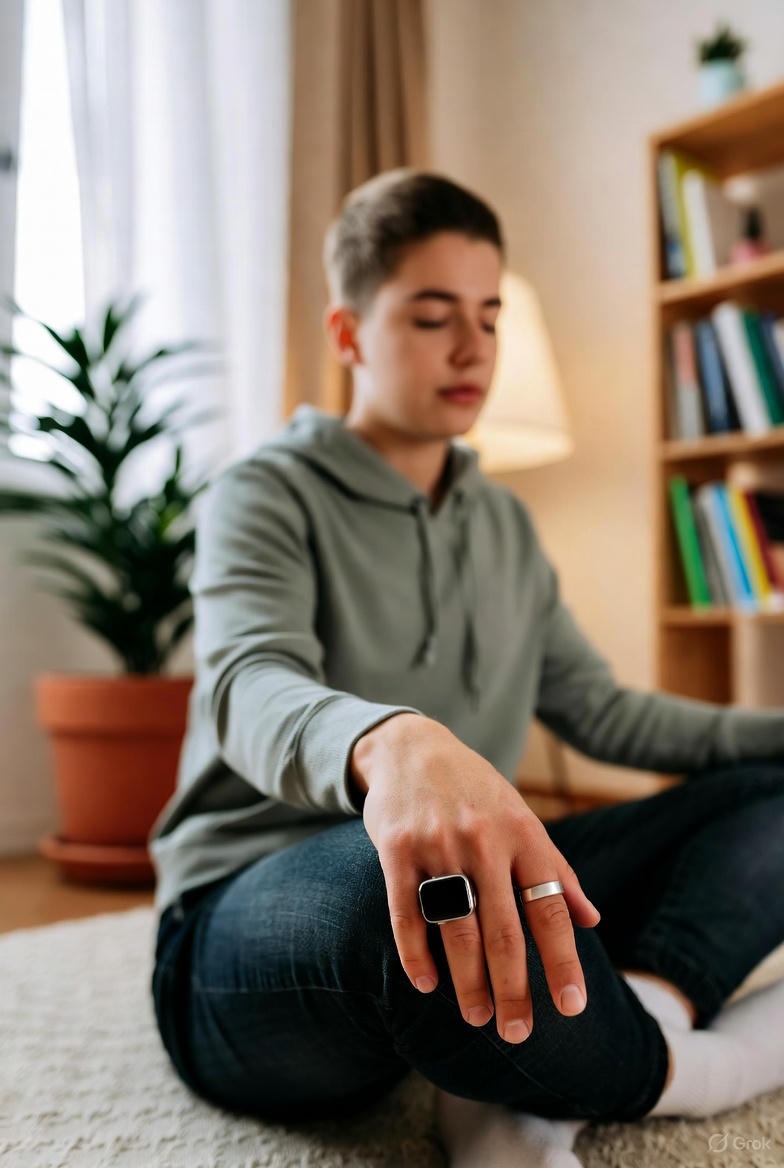
In our quest for health, it is dangerously easy to cross the line from productive training into counterproductive strain. This is the overtraining paradox: the very activities we engage in to become stronger—intense exercise, restrictive dieting, aggressive fasting—can become chronic stressors that degrade our overall health and productivity if not balanced with adequate recovery.
Your smart ring is an essential guardrail against this paradox. It provides objective metrics that scream "enough!" when your motivated mind wants to push for more.
Fitness as a Stressor: A hard workout is a controlled dose of stress. The benefits come during the subsequent recovery period, when your body adapts and grows stronger. If you train again before full recovery, you dig a deeper hole. Your ring’s readiness score (largely based on HRV and RHR) is your best guide. A significantly depressed HRV and elevated RHR the morning after a workout are clear signals that your body is still in repair mode. Ignoring this data and pushing through with another intense session is an invitation to injury, illness, and burnout. The ring teaches you that discipline is not just about the will to train, but the wisdom to rest.
Nutrition and Metabolic Stress: Extreme calorie deficits, very low-carb diets, or prolonged fasting can be perceived by the body as a threat, elevating cortisol and sympathetic tone. You might see this reflected in poor sleep data (especially reduced deep sleep, as the body conserves energy) and a lower HRV. The ring helps you experiment. Try a more moderate approach for a week—ensuring you’re fueled adequately, especially around workouts—and observe if your recovery metrics improve alongside your energy and performance.
The Cognitive Workout: Mental exertion is just as taxing as physical labor. A day filled with deep-focus work, complex problem-solving, and emotional labor creates a "cognitive load" that elevates cortisol and depletes neurotransmitters. Your ring may show an elevated resting heart rate and lower HRV after a mentally grueling day, even if you sat at a desk the whole time. This data validates the very real physiological cost of mental work and underscores why calm mind practices are crucial for high performance in athletes and knowledge workers alike.
By revealing the full spectrum of your stress load—physical, nutritional, cognitive, emotional—the smart ring fosters a holistic view of recovery. It prevents you from compartmentalizing your life and shows that stress is stress, regardless of the source. Balancing productivity and health means respecting the total recovery budget revealed by your data.
Your body operates on a roughly 24-hour internal clock known as your circadian rhythm. This rhythm governs not just sleep and wakefulness, but also fluctuations in hormone levels, core body temperature, cognitive function, and even your sensitivity to stress. Fighting your circadian rhythm is like swimming against a powerful current; aligning with it is like catching a tailwind.
Your smart ring data, particularly skin temperature variation and sleep/wake consistency, provides profound insights into your personal circadian rhythm. You can identify your own chronotype—your natural predisposition for being a morning lark, a night owl, or something in between—not by a quiz, but by your physiology.
The data reveals your biological prime times:
Your ring teaches you to stop scheduling your most important work based on external demands or arbitrary calendars, and instead, to schedule your work around your energy. If your data shows you are clearly a night owl (with later natural sleep onset and better focus in the evening), forcing yourself to do deep work at 7 AM is an exercise in frustration and low output. Conversely, a morning lark should protect their pristine morning hours at all costs.
Furthermore, understanding your circadian rhythm of stress is key. Research shows our stress response is more robust in the morning. Learning to manage stress according to your body's natural timing can have a maximum effect. By aligning challenging tasks with your peak and scheduling recovery practices during your troughs, you work with your biology, not against it. The result is higher-quality output in less time, with less perceived effort.
Not all stress is created equal, and not all recovery is either. A key concept in performance physiology is the "recovery window"—the critical period following a stressor (a workout, a big presentation, a family conflict) when your body is most receptive to interventions that will determine whether you adapt positively or slide into negative strain.
Your smart ring is the ultimate tool for identifying and optimizing this window. It moves recovery from a vague "I should relax" to a precise, time-sensitive protocol.
Identifying the Window: After a significant stress event, watch your live heart rate and later, your HRV. The speed at which your heart rate drops back to baseline after the stressor ends is a powerful indicator of your current fitness and recovery capacity (known as Heart Rate Recovery, or HRR). A fast drop is good. A slow, sluggish decline suggests your system is overwhelmed. The subsequent impact on your overnight HRV and sleep data defines the window's duration. A major stressor that tanks your HRV for two days has a 48-hour recovery window.
Optimizing the Window: Once you've identified that you're in a recovery window, you can deploy targeted practices. This is not the time for additional sympathetic load. It is the time for deliberate parasympathetic activation.
By using your ring to spot these windows, you learn that recovery is not a passive state you fall into, but an active skill you practice. You become a master of your own bounce-back rate, turning setbacks into setups for greater resilience.
Data is meaningless without interpretation and action. The final step in this journey is translating the streams of numbers from your smart ring into a sustainable, personalized lifestyle—a set of rituals that proactively support your recovery rather than constantly reacting to its absence.
This is the process of building biometric-informed habits. Start by identifying one or two key leverage points from your data. Is your most glaring issue consistently low morning HRV? Focus on your evening wind-down. Is it fragmented sleep? Target sleep consistency and pre-bed technology use. Is it a daytime stress graph that looks like a jagged mountain range? Institute a protocol of scheduled micro-breaks for powerful stress management in 60 seconds.
Sample Rituals Informed by Data:
The goal is to create a positive feedback loop: You implement a ritual → Your ring data shows improvement (better sleep, higher HRV) → This positive reinforcement motivates you to continue. Over time, these rituals become ingrained, non-negotiable components of your day. You are no longer chasing productivity through force; you are cultivating it through intelligent recovery, guided by the unflinching honesty of your own physiology.
You’ve seen the numbers. The downward trend in your Heart Rate Variability (HRV) over the past three weeks is unmistakable. Your Resting Heart Rate (RHR) chart looks like a slow-mounting climb. The sleep data shows you’re getting plenty of time in bed, but the deep sleep percentage is painted in disappointing red. Yet, you press on. The deadline looms. The inbox is full. The expectation is to perform. This is the critical juncture where modern life divorces us from our biology—the moment we choose to ignore the data and override the signals. But this override comes at a profound cost, creating a vicious and self-perpetuating cycle: the Feedback Loop of Frustration.
Ignoring your biometric data doesn't just mean you’re tired. It initiates a cascade of physiological and psychological consequences that actively degrade your capacity for everything you’re trying to achieve. Here’s how the loop spins:
This loop is the antithesis of productivity. It’s a treadmill where you run faster and faster just to stay in place, burning your physiological capital to pay for today’s output, and taking out a high-interest loan from tomorrow’s health. Your smart ring, when viewed through this lens, is not a nag but a fiduciary. It’s showing you the balance sheet of your personal energy account, and it’s telling you point-blank when you’re about to go bankrupt.
Breaking this loop requires a radical shift: treating the recovery metrics with the same seriousness as a financial budget. If your readiness score is low, you must “spend” conservatively. You schedule the hard cognitive work for your peak circadian window, you insert more deliberate micro-breaks to manage stress when you have no time, and you protect your sleep with militant fervor. You move from being a slave to external demands to being the steward of your internal resources. The data is your dashboard, and ignoring the “check engine” light guarantees a eventual, and far more costly, breakdown.
If the Feedback Loop of Frustration is the disease, then Productive Detachment is the cure. This is the conscious, scheduled, and non-negotiable act of disengaging from goal-oriented activity to allow for subconscious integration, creative incubation, and nervous system reset. It is the deliberate application of the “Diffuse Mode” of thinking. It’s not procrastination; it’s strategic incubation. It’s not laziness; it’s a high-leverage cognitive strategy.
The modern knowledge worker’s biggest error is believing that the solution to a complex problem is more focused effort. Often, the solution lies in stepping away. History is littered with breakthroughs that happened during detachment: Archimedes in his bath, Newton under the apple tree, Kekulé dreaming of the benzene ring. Your smart ring provides the framework to institutionalize this genius.
How to Practice Data-Informed Detachment:
Productive detachment reframes rest as a skill, not a sign of weakness. It is the strategic pause between notes that creates the music, not the silence of inactivity. Your smart ring data validates this practice not as a luxury for the enlightened few, but as a non-negotiable discipline for anyone seeking sustainable, high-level output. It teaches you that to engage deeply, you must first detach completely.
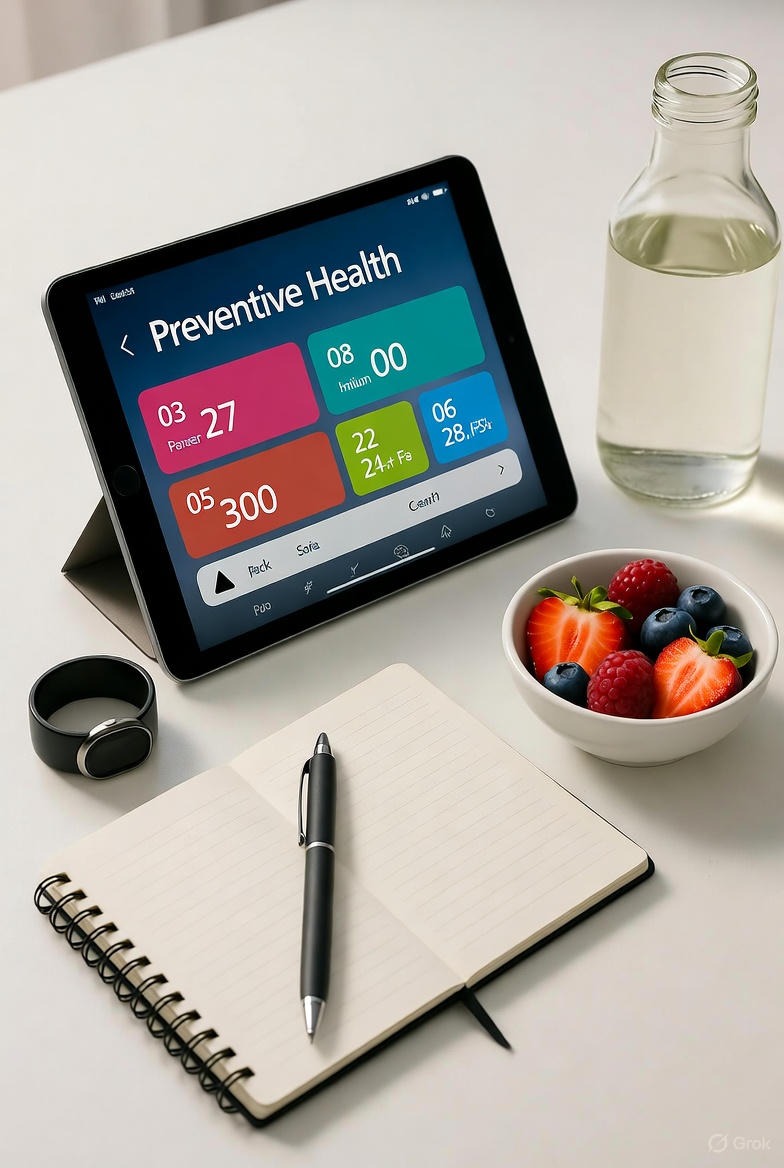
We are what we eat, and your smart ring is a brutally honest witness to that statement. While it doesn’t track calories or macros, it measures the downstream effects of your nutritional choices on your nervous system, inflammation levels, and sleep quality. The connection between your dinner and your deep sleep, between your afternoon snack and your heart rate variability, is direct and measurable. This turns nutrition from a game of weight management into one of nervous system management.
The Inflammation-Sleep-Stress Triad: Highly processed foods, excessive sugar, and certain industrial seed oils can promote systemic inflammation. Inflammation is a physiological stressor. Your body perceives it as a threat, activating the immune system and raising cortisol levels. This inflammatory signal can directly disrupt sleep architecture, particularly by reducing restorative deep sleep. You may see this on your ring as a higher-than-normal nighttime heart rate, more restlessness (increased movements), and a lower sleep score, even if you went to bed early. Conversely, a meal rich in antioxidants, healthy fats, and fiber can have an anti-inflammatory effect, supporting a calmer nervous system and better sleep.
Glucose Variability & Energy Crashes: While smart rings don’t yet measure glucose directly (though that frontier is coming), the effects of blood sugar spikes and crashes are visible. A large, high-glycemic meal can trigger a sympathetic response (the “stress” of digestion and insulin release) and lead to an energy crash a few hours later. This crash often coincides with the circadian trough, amplifying fatigue and brain fog. You might see this as a mid-afternoon slump in your activity level and a correlating dip in your cognitive sharpness. Using your ring data, you can experiment with meal timing and composition—like having a balanced lunch with protein, fat, and complex carbs—and observe if your afternoon energy and focus stabilize.
Caffeine & Alcohol: The Quantifiable Trade-Offs:
The Recovery Meal: Post-physical or intense mental stress, your body needs specific nutrients to repair. Inadequate post-stress nutrition prolongs the recovery window. If you see your HRV staying depressed for 48 hours after a hard effort, look at your post-activity fuel. Did you get enough protein for repair? Enough carbohydrates to replenish glycogen and support serotonin production? Enough electrolytes and water for rehydration? Your ring’s recovery metrics provide the feedback to optimize your nutritional recovery strategy.
By viewing your nutrition through the lens of biometric feedback, you move beyond dogmatic diets. You become a scientist in your own life, using data to discover which foods truly fuel your energy, stabilize your mood, and support the deep, restorative sleep that is the foundation of all health and productivity. It’s about eating for a calm nervous system, which your ring can help you achieve.
Your recovery doesn’t happen in a vacuum. It occurs within an environment—your bedroom, your office, your home—that is constantly sending signals to your nervous system. These environmental cues, from light to sound to clutter, have a direct and measurable impact on your stress levels and sleep quality. Your smart ring, by tracking the outcome (your physiological state), allows you to reverse-engineer and optimize the inputs (your environment).
Light: The Master Circadian Cue: Light is the primary regulator of your circadian rhythm. Blue-wavelength light, abundant in sunlight and LED screens, suppresses melatonin production and signals “daytime” to your brain. Your ring’s sleep data is exquisitely sensitive to light exposure.
Temperature & Thermoregulation: Your core body temperature must drop by about 1-2 degrees Fahrenheit to initiate and maintain sleep. A hot, stuffy bedroom prevents this drop, leading to restless sleep. Many smart rings track skin temperature, and you’ll often see a natural dip as you fall asleep. Optimizing your bedroom temperature (typically 65-68°F or 18-20°C) and using breathable bedding can facilitate this drop. An elevated nighttime skin temperature reading correlated with poor sleep is a clear sign your room is too warm.
Noise & Sound Pollution: Even if you don’t fully wake up, sudden noises (a siren, a snoring partner, a house creak) can trigger micro-arousals, shifting you from deep or REM sleep into lighter stages. This fragments your sleep architecture without you being consciously aware. The result on your ring? High restlessness, low deep/REM sleep percentages, and a low sleep score despite adequate time in bed. Solutions like white noise machines, earplugs, or soundproofing can create an auditory blanket, and your ring data will show the improvement in sleep continuity.
Clutter & Visual Chaos: While harder for a ring to measure directly, a cluttered, chaotic environment is a constant, low-grade cognitive stressor. It bombards your brain with unfinished tasks (“I should organize that”) and visual noise, keeping your sympathetic nervous system subtly engaged. The act of tidying your workspace or bedroom can be a profound parasympathetic practice. The resulting sense of order and control can translate into a calmer physiological state, potentially reflected in a lower resting heart rate during work hours and easier relaxation at night.
The Biophilic Connection: Exposure to nature—even in small doses like houseplants, natural materials (wood, stone), or the sound of water—has been shown to lower cortisol, blood pressure, and sympathetic nervous system activity. Your smart ring can help you test this. After a stressful period, spend 20 minutes in a park versus 20 minutes scrolling in a cafe. Check your live heart rate or your subsequent HRV. The data often validates the profound calming power of nature, reinforcing the importance of integrating nature exposure into your calm mind practices.
By treating your environment as an extension of your recovery protocol, you use your smart ring data to create a sanctuary that supports, rather than sabotages, your health and productivity. Every optimization—a darker room, a cooler temperature, a quieter space—is an investment paid back in higher-quality sleep and greater daytime resilience.
Human beings are social animals, wired for connection. Yet our interactions are a double-edged sword, capable of being our greatest source of joy and resilience or our most potent, lingering stressor. Your smart ring, by measuring your autonomic nervous system response, provides an unfiltered look at the physiological impact of your social world. It quantifies the warmth of a supportive conversation and the chill of a conflict, revealing that social stress is not just "in your head"—it’s in your heart rate, your HRV, and your sleep.
The Physiology of Positive Connection: Positive, attuned social interaction—a deep talk with a close friend, shared laughter, a hug from a loved one—stimulates the release of oxytocin. This "bonding hormone" has a direct calming effect on the amygdala (the brain’s fear center) and promotes parasympathetic activity. You can often see this in real-time on your ring’s heart rate graph: a gentle decline during a pleasant coffee chat, or a stable, low rate during a relaxing family dinner. Over time, strong social bonds are correlated with higher baseline HRV, acting as a buffer against life’s stressors. Your ring data can help you identify which relationships and activities are true social recovery, filling your tank rather than depleting it.
The Contagion of Stress: Stress is socially contagious. Working with a frantic colleague, living with an anxious partner, or even absorbing the tense atmosphere of a crowded, high-pressure environment can trigger a mirroring response in your own nervous system. This phenomenon, sometimes called "stress contagion" or "empathic stress," elevates cortisol and heart rate. Your smart ring is the canary in this coal mine. You might notice your heart rate creeping up during a meeting with a dysregulated manager, or see a depressed HRV the morning after an evening spent with a friend who unloaded their anxieties onto you. Recognizing this data is the first step in managing the stress contagion effect and setting healthy boundaries.
Conflict and Rumination: A direct conflict or a painful social interaction is a massive sympathetic stressor. The acute spike in heart rate is obvious. More insidious is the aftermath: rumination. The brain’s threat detection system remains activated, replaying the event, scripting different outcomes, and keeping cortisol elevated for hours or even days. This is where your sleep data becomes the smoking gun. A stressful social interaction during the day often manifests as poor sleep quality that night—difficulty falling asleep due to a racing mind, frequent awakenings, and crucially, suppressed REM sleep (the stage for emotional processing). Your ring shows you the true cost of an unresolved argument, making a compelling case for repair rituals, calm mind journaling to write your way to inner peace, or constructive communication to close the stress loop.
Loneliness as a Physiological Stressor: Conversely, a lack of positive social connection—chronic loneliness—is itself a profound and chronic stressor. It activates the same neural pathways as physical pain and keeps the body in a heightened state of alert and defense. Biometrically, chronic loneliness can look identical to chronic work overstress: elevated resting heart rate, low HRV, and poor sleep. Your smart ring data, in the absence of obvious work stress, can be a powerful prompt to examine the quality and quantity of your social nourishment. It may encourage you to prioritize connection, not as a soft luxury, but as a hard requirement for physiological regulation.
Using Data to Navigate Your Social World:
Your smart ring teaches you that your social ecosystem is a core component of your recovery environment. It moves relationship management from the realm of drama and guesswork into the realm of practical health strategy. By paying attention to how your connections register in your body, you can curate a social life that genuinely supports your well-being and productivity.
Our digital devices are extensions of our minds, but they are too often hijackers of our nervous systems. Every ping, buzz, and scroll delivers a micro-shot of information—and uncertainty—that the brain is evolutionarily primed to treat as a potential threat. The result is a state of chronic, low-grade hypervigilance that your smart ring measures with perfect clarity. Understanding this "digital dilemma" is essential for anyone using a wellness wearable, as the very technology on your finger is designed to help you manage the stress caused by the technology in your pocket.
The Notification Stress Cycle: A notification is an interruption and an unresolved promise. It triggers a tiny cortisol spike and a hit of dopamine (the "what is it?" reward chemical). This pulls your focus from your current task (incurring a cognitive "switching cost") and keeps your autonomic nervous system in a reactive, slightly elevated state. Even if you don’t check the notification immediately, the awareness of it creates "attention residue," fragmenting your focus. Over a day, this creates a jagged, high-variability heart rate graph on your ring, reflecting a system constantly being pulled out of calm, focused flow. This state is the enemy of deep work and deep recovery.
Doomscrolling & the Sympathetic Spiral: Passive, endless scrolling through social media or news feeds is often a search for relaxation that backfires spectacularly. The content is frequently curated for emotional engagement—outrage, envy, anxiety. This content directly stimulates the sympathetic nervous system. You might be physically still on the couch, but your ring will show an elevated heart rate and higher heart rate variability (in a bad way, indicating stress, not resilience). This pre-bed scrolling is particularly destructive, as it floods the brain with stimulating light and emotion right as it needs to wind down, directly sabotaging your sleep data.
The Blue Light Blight Revisited: Beyond content, the mere light from screens is a direct circadian disruptor. As covered in the environment section, blue light suppresses melatonin. Your ring’s sleep data—specifically a long "time to fall asleep" and reduced deep sleep after evening screen use—provides irrefutable personal evidence of this biological fact. It turns a public health recommendation into a personal data point you cannot ignore.
Building Digital Boundaries with Biometric Feedback:
Your smart ring provides the motivation and the metric for change. Here’s how to use it:
By using your smart ring to expose the true physiological cost of uncontrolled digital consumption, you reclaim your attention and your nervous system. You learn that digital hygiene is not about productivity hacks; it’s about protecting your biological capacity for focus and calm. It allows you to engage with technology intentionally, making it a tool you use rather than a environment you live inside of. For a deeper dive into this balance, explore our guide on the effect of technology and managing digital stress in daily life.
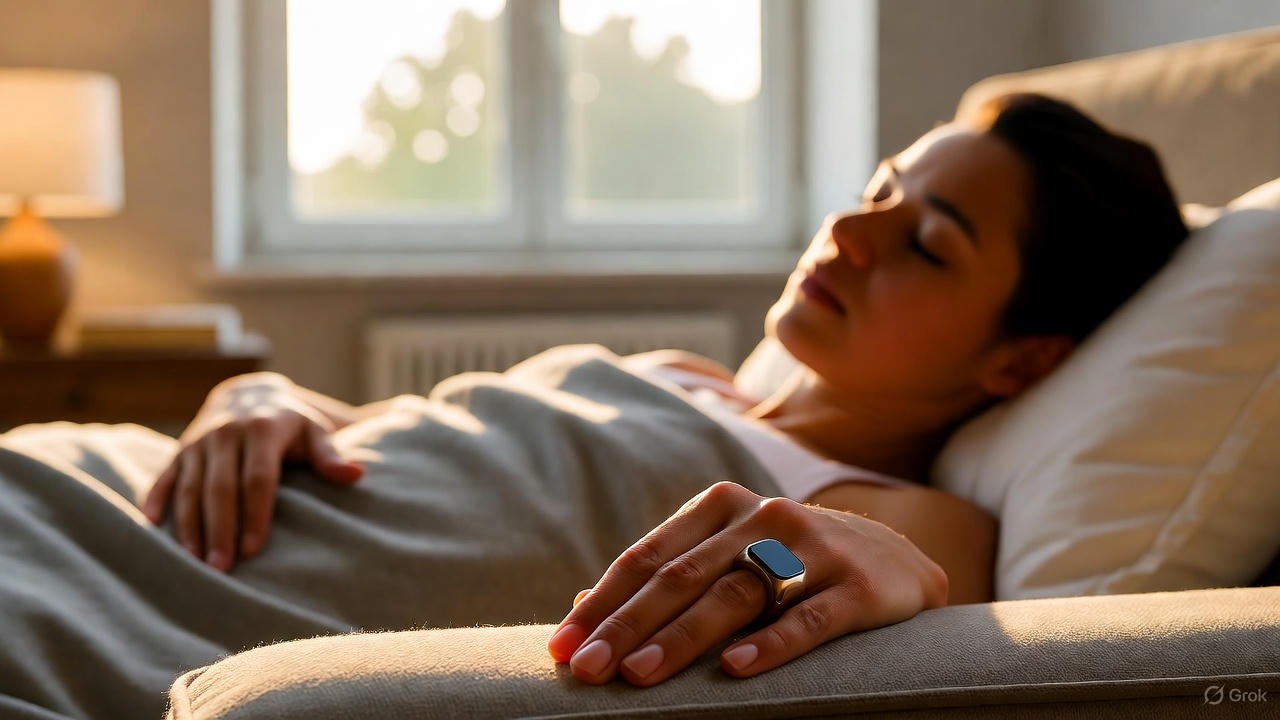
Your thoughts are not ephemeral wisps; they are electrochemical events that trigger cascades of hormones and neurotransmitters. This means your perception of a situation—whether you see it as a threatening challenge or an manageable opportunity—directly shapes your body’s physiological response. Two people can face the same deadline; one experiences it as motivating "eustress" with a sharp, recoverable heart rate spike, while the other experiences it as debilitating "distress" with a sustained, grinding elevation that tanks their HRV for days. Your smart ring measures the output of your mindset. This creates a powerful feedback loop for cultivating what we might call "biometric resilience."
The Expectation Effect: If you wake up and think, "Today is going to be a horrible, stressful day," you prime your nervous system to be on high alert. You become hyper-vigilant to stressors, interpreting neutral events as threats, which in turn creates the very physiological stress you predicted. Your ring will likely show a higher resting heart rate and more volatility throughout that day. Conversely, setting an intention for calm and focus can buffer the stress response. This isn't positive thinking; it's strategic priming of your neuroendocrine system.
Catastrophizing vs. Contextualizing: The habit of catastrophic thinking—blowing a small setback into a life-ruining event—is a surefire way to initiate a prolonged stress response. The body can’t distinguish between a real physical threat and a vividly imagined one. A thought like "I messed up that email; my client will fire me, I'll lose my job…" triggers the same cortisol release as facing a predator. Your ring will capture this as an unnecessary, extended period of elevated heart rate and sympathetic activation. Learning to contextualize ("It was one email. I'll clarify and move on.") short-circuits this cycle. Practices like cognitive reframing and calm mind techniques for anxious thinkers are directly trainable skills that will show up in your biometric data as faster recovery from setbacks.
The Role of Self-Compassion: Being harshly self-critical is a chronic internal stressor. The shame and anxiety it generates keep the body in a mild but persistent fight-or-flight state. Research shows that self-compassion—treating yourself with the kindness you’d offer a friend—activates the caregiving system, linked to oxytocin release and parasympathetic calm. You can use your ring to explore this. On a day you make a mistake, try a self-compassionate narrative ("Everyone makes mistakes. What can I learn?") versus a critical one ("I'm so stupid."). Notice if there's a difference in your subsequent heart rate recovery or your ability to focus. Techniques like loving-kindness meditation are direct training for this mindset.
Using the Ring as a Mindfulness Bell: Your smart ring can serve as an objective "mindfulness bell." A sudden, unexplained spike in your heart rate while you're working at your desk is a cue to check in: "What am I thinking about right now? What emotion am I feeling?" Often, you'll discover you were ruminating on a future worry or a past conflict without even realizing it. This instant biofeedback allows you to course-correct in real-time with a 60-second emergency calm technique.
Cultivating a Challenge Response: The ultimate goal is to train your mindset to interpret stressors as "challenges" rather than "threats." A challenge response still involves a sympathetic surge, but it’s coupled with the release of DHEA (an anabolic, anti-stress hormone) and is characterized by a feeling of focused excitement, not fearful anxiety. The physiological signature is a strong, sharp heart rate increase that recovers quickly once the event is over. You can foster this by focusing on your resources ("I have the skills to handle this"), viewing the stressor as an opportunity to learn/grow, and by using pre-performance routines (like focused breathing). Your ring will show you when you’re successful: the stressor leaves a smaller, shorter footprint on your daily data.
By marrying mindset work with biometric feedback, you create a powerful virtuous cycle. A calmer mindset leads to better physiological data (higher HRV, lower RHR). Seeing that positive data reinforces the efficacy of your mindset practices, encouraging you to continue. You learn that managing your mind is the most direct way to manage your body’s stress response, and your smart ring is the unwavering proof.
The daily readiness score. The sleep number. The stress graph. It’s easy to become myopically focused on these daily metrics, celebrating a green score and despairing over a red one. But the true, transformative power of your smart ring lies not in the daily snapshot, but in the longitudinal panorama—the trends, patterns, and correlations that emerge over weeks, months, and seasons. This long-view turns your device from a daily judge into a lifelong coach, revealing the story of your resilience and the impact of your lifestyle choices.
From Points to Patterns: A single day of low HRV is noise. A consistent downward trend over two weeks is a signal. The longitudinal view helps you distinguish between temporary fluctuations (a hard workout, a bad night's sleep due to travel) and systemic issues (chronic overwork, poor sleep hygiene, an unhealthy relationship). By looking at your monthly HRV average, you can see if your overall resilience is improving, stable, or declining. This is your true "fitness" metric—not just cardiovascular, but autonomic fitness.
Correlation & Causation Discovery: The magic happens when you overlay different data streams and life events.
Lifecycle and Transition Tracking: Your body’s needs are not static. They change through life transitions: starting a new job, becoming a parent, entering menopause, training for an event, recovering from illness. Your longitudinal ring data becomes an invaluable companion through these chapters. It can:
Building Your Personal Baseline: Over time, you establish your unique, personal baseline ranges. You learn that your optimal sleeping temperature might be 66°F, not 68°. You learn that your HRV naturally dips during the luteal phase of your menstrual cycle. You learn that you need two full recovery days after a marathon work sprint, not one. This self-knowledge is empowering and liberating. It frees you from comparing your scores to others and allows you to optimize for your unique physiology.
The Metric of Consistency: Perhaps the most important longitudinal insight is the value of consistency. The graph of a person with moderate but extremely consistent sleep, exercise, and stress management will often show higher and more stable resilience metrics than someone with heroic but sporadic habits punctuated by crashes. The ring shows that showing up consistently for your recovery—even in small ways—compounds over time. It’s the bedrock of building daily stress management habits that last for years.
By regularly reviewing your data in weekly and monthly aggregates, you shift from reactive management ("My score is bad today, I must fix it") to proactive stewardship ("I see a declining trend; let's adjust my routines this week"). The longitudinal view teaches patience, reveals your personal rhythms, and ultimately, helps you write a healthier, more sustainable story for your life, one data point at a time.
Your Trusted Sleep Advocate: Sleep Foundation — https://www.sleepfoundation.org
Discover a digital archive of scholarly articles: NIH — https://www.ncbi.nlm.nih.gov/
39 million citations for biomedical literature :PubMed — https://pubmed.ncbi.nlm.nih.gov/
Experts at Harvard Health Publishing covering a variety of health topics — https://www.health.harvard.edu/blog/
Every life deserves world class care :Cleveland Clinic - https://my.clevelandclinic.org/health
Wearable technology and the future of predictive health monitoring :MIT Technology Review — https://www.technologyreview.com/
Dedicated to the well-being of all people and guided by science :World Health Organization — https://www.who.int/news-room/
Psychological science and knowledge to benefit society and improve lives. :APA — https://www.apa.org/monitor/
Cutting-edge insights on human longevity and peak performance:
Lifespan Research — https://www.lifespan.io/
Global authority on exercise physiology, sports performance, and human recovery:
American College of Sports Medicine — https://www.acsm.org/
Neuroscience-driven guidance for better focus, sleep, and mental clarity:
Stanford Human Performance Lab — https://humanperformance.stanford.edu/
Evidence-based psychology and mind–body wellness resources:
Mayo Clinic — https://www.mayoclinic.org/healthy-lifestyle/
Data-backed research on emotional wellbeing, stress biology, and resilience:
American Institute of Stress — https://www.stress.org/


