


Longevity Essentials: The Power of Consistent Daily Routines
The power of consistent daily routines for extending lifespan.
The power of consistent daily routines for extending lifespan.
%402x.svg)
Imagine two individuals of the same age, with similar genetics and backgrounds. One feels constantly depleted, battling brain fog and minor ailments, viewing aging as a slow decline. The other radiates vitality, maintains sharp mental clarity, and engages with life with energy and resilience. What separates them often isn’t a single, monumental secret or a radical, unsustainable diet. The chasm between merely aging and aging well is frequently bridged by the smallest, most consistent actions—the daily routines performed almost without thought.
In our pursuit of longevity, we are seduced by breakthroughs: the latest superfood, a groundbreaking supplement, or a revolutionary fitness trend. Yet, decades of research from the world’s longevity hotspots—the Blue Zones—and leading biogerontologists point to a quieter, more profound truth. True resilience and extended healthspan are not forged in sporadic acts of heroism but in the humble, daily rhythm of positive habits. It is the compounding effect of these routines—the daily aligning of sleep, movement, nutrition, stress management, and connection—that recalibrates our biology from the inside out, building a robust defense against the wear and tear of time.
This journey into the essentials of longevity is not about adding more to your already-full plate. It is about intentional subtraction and intelligent repetition. It’s about designing a daily architecture so supportive that healthy choices become the default, not the struggle. And in this modern age, we are no longer navigating in the dark. Wearable technology, particularly the sophisticated class of devices known as smart rings, has emerged as a pivotal tool for making the invisible visible. By providing continuous, personalized feedback on the very physiological metrics these daily routines influence—sleep quality, recovery readiness, stress nervous system activity—they transform guesswork into guided action.
This article is your deep dive into the science and strategy of building a longevity-centric daily life. We will move beyond theory into practical, actionable frameworks, exploring how the synergy of timeless habit wisdom and modern biometric insight can empower you to craft not just a longer life, but a fuller, more vibrant one. Welcome to the foundational layer of lifelong vitality.
We often underestimate the power of small, consistent actions, chasing after silver bullets while the true gold lies in our daily grind. The secret to understanding longevity lies not in linear addition, but in the mathematics of compounding—a concept familiar from finance, but devastatingly powerful when applied to human biology. Just as a modest, regular investment grows exponentially over decades, a simple, positive daily habit compounds into a significant health dividend over a lifetime.
Consider the physiological compounding effect. A single night of poor sleep elevates cortisol, impairs glucose metabolism, and weakens immune response. One night is recoverable. But make that a chronic pattern, and the compounded effect is a heightened risk for hypertension, type 2 diabetes, and accelerated cellular aging. Conversely, a consistent 30-minute daily walk seems trivial. Yet, compounded over a year, it’s over 180 hours of movement that improves cardiovascular function, bolsters bone density, enhances mood through endorphin release, and stimulates brain-derived neurotrophic factor (BDNF), crucial for cognitive health. The body is not keeping score day-by-day; it is integrating the pattern of your life into its very operating system—your gene expression, hormone regulation, and cellular repair processes.
This is where the concept of allostatic load becomes critical. It’s the cumulative “wear and tear” on the body from chronic stress and inefficient habit patterns. High allostatic load accelerates aging. The antidote? Allostatic balance—achieved through routines that promote recovery and resilience. Your daily habits are either deposits into or withdrawals from your allostatic reserve. A routine of mindful breathing, quality sleep, and nutrient-dense food makes deposits. A routine of chronic stress, processed foods, and sedentary behavior makes relentless withdrawals.
Modern tools now allow us to measure this balance with astonishing precision. A smart ring, worn continuously, tracks the subtle biomarkers of your habit’s impact: Heart Rate Variability (HRV), a key metric of nervous system resilience and recovery; resting heart rate; sleep architecture; and body temperature trends. It translates the compounding effect into a daily report card. You don’t have to wonder if your new meditation practice is working; you can see your nocturnal HRV begin to climb, a direct signal of improved allostatic balance. This feedback loop is transformative, turning the abstract science of longevity into a personal, actionable narrative. For those beginning this journey, understanding the basics of how this technology enables personalized wellness is the first step toward leveraging its full potential.
Ultimately, the goal is habit automatization. When a positive behavior becomes a true routine—a non-negotiable part of your day executed with minimal cognitive effort—it frees up mental energy and willpower for other pursuits. The compounding benefits accrue silently in the background, building the physiological foundation for a longer, healthier life. It’s the ultimate investment strategy, where the principal is your daily action and the interest is paid out in years of vibrant health.
If our daily habits are the instruments of longevity, then our circadian rhythm is the conductor, orchestrating every physiological process in a 24-hour symphony. This innate biological clock, centered in the brain's suprachiasmatic nucleus (SCN), governs not just sleep and wakefulness, but also hormone secretion, digestion, cellular repair, immune function, and even gene expression. To ignore this rhythm is to create internal discord, a state known as circadian misalignment, which is linked to a host of issues from metabolic syndrome and mood disorders to impaired cognitive function and accelerated aging.
The master clock in your brain takes its primary cue from light. Morning sunlight, rich in blue wavelengths, signals the SCN to suppress melatonin (the sleep hormone) and ramp up cortisol (for alertness), setting your body into “day” mode. As daylight fades, the reduction in blue light allows melatonin to rise, priming you for sleep. However, our modern environment—flooded with artificial light at all hours, irregular eating times, and erratic sleep schedules—constantly muffles these natural cues. We live in a state of perpetual jet lag, and our health pays the price.
Aligning with your circadian rhythm is perhaps the most powerful high-level routine you can adopt. It’s about chrono-hygiene—the practice of keeping your biological time clean and consistent. Key pillars include:
The remarkable promise of wearable technology is its ability to make your unique circadian rhythm visible. A sophisticated wellness ring tracks the downstream outputs of your clock: the timing and quality of your sleep, your nocturnal heart rate dip, and your morning waking body temperature. By analyzing trends, it can help you identify your personal chronotype (are you a natural early bird or night owl?) and pinpoint where your daily habits may be causing misalignment. For instance, you might see that on nights you eat after 9 PM, your sleep graph shows more restlessness and a higher average nighttime heart rate.
This data-driven insight allows you to move from generic advice to personalized circadian optimization. It answers the question: “What does my body’s rhythm actually look like, and how can I better support it?” This alignment is not about restriction, but about harmony. When you live in sync with your internal clock, energy becomes stable, digestion improves, sleep deepens, and cellular repair processes function optimally. It is the foundational tempo for the entire longevity symphony, and tuning into it is your first, most critical daily act. To see how this plays out in practical daily life, our guide on 50 healthy aging tips a smart ring helps implement daily offers a wealth of actionable strategies rooted in circadian principles.

Within the framework of circadian-aligned living, sleep stands as the undisputed cornerstone of longevity. It is far more than mere rest; it is a state of intense biological activity and repair essential for every system in the body. During deep (slow-wave) sleep, growth hormone secretion peaks, facilitating tissue repair and muscle growth. The brain’s glymphatic system, a waste-clearance network, becomes exponentially more active, flushing out metabolic debris like beta-amyloid proteins, which are associated with neurodegenerative decline. Sleep is when memories are consolidated, the immune system is recalibrated, and metabolic homeostasis is restored.
Prioritizing sleep, therefore, is not a luxury—it is a non-negotiable maintenance protocol for long-term health. The goal is not just duration, but quality and consistency. Achieving this requires moving beyond counting hours to architecting an environment and routine—a sleep sanctuary—that invites restorative slumber.
Crafting Your Sleep Sanctuary: An Environmental Audit
Your bedroom environment should signal one thing to your brain and body: safety and sleep.
The Pre-Sleep Ritual: The 60-Minute Wind-Down
A abrupt transition from high stimulation to trying to sleep is a recipe for failure. A consistent wind-down ritual acts as a neurological ramp, gently guiding your system into rest mode.
This is where a tool like a smart ring transitions from a passive tracker to an active sleep coach. It provides objective, nuanced feedback on your efforts. You can move past subjective feelings of “I slept okay” to see the architecture of your night: how long it took you to fall asleep, the proportion of light, deep, and REM sleep you achieved, and how many times you were disturbed (sleep latency, efficiency, and awakenings). More advanced metrics like HRV during sleep and resting heart rate offer a window into your nervous system’s recovery state.
By tracking these metrics, you can conduct personal experiments. Does your 10-minute meditation before bed correlate with an increase in deep sleep? Does that late afternoon coffee show up as more restless sleep? This feedback loop is invaluable for refining your sanctuary and ritual, turning sleep from a mystery into a mastered skill. For those curious about the specifics of what these devices monitor through the night, our deep dive into the science behind modern health tracking technology provides a clear explanation.
Mastering sleep is the single most effective daily routine for reducing allostatic load and enhancing every other aspect of health. It is the bedrock upon which daily energy, mood stability, cognitive function, and metabolic health are built. Investing in sleep is investing directly in the quality and length of your life.
The prescription for longevity is not found in sporadic, high-intensity punishment, but in the consistent, thoughtful integration of movement into the fabric of your day. The goal shifts from “exercising” to “being physically active” in a variety of ways that serve different physiological purposes. Think of it as a Movement Diet, requiring a balance of different “macronutrients” of activity: low-intensity steady-state (LISS), strength, stability, and mobility.
Our ancestors didn’t have “workout hours”; they moved frequently at varying intensities throughout the day—walking, lifting, carrying, squatting, and climbing. Modern sedentary life is a profound mismatch for our biology, contributing to chronic inflammation, insulin resistance, and muscular atrophy. The antidote is to reclaim this pattern of non-exercise activity thermogenesis (NEAT)—the energy expended for everything that is not sleeping, eating, or sports-like exercise. It is the foundation of the movement diet.
The Four Pillars of a Longevity Movement Diet:
A smart ring elegantly supports this multifaceted approach. While it may not track reps or weight lifted, it excels at monitoring the foundational metric of daily movement: your step count and general activity levels. More importantly, it tracks the outcome of your movement diet: recovery. Your readiness score—often derived from HRV, resting heart rate, and sleep data—tells you if your body has adequately recovered from yesterday’s activities. This is critical for intelligent training. A low readiness score might suggest you need a gentle walk or mobility day instead of a heavy strength session, preventing overtraining and injury. This data empowers you to listen to your body’s signals at a deeper level, fostering a sustainable, adaptive relationship with movement that serves you for decades. For a foundational look at how activity tracking works on these devices, see our guide on wellness ring basics for activity and movement tracking.
The ultimate aim is to make movement a joyful, integrated part of life, not a chore. It’s about taking the stairs, parking farther away, having walking meetings, playing with kids or pets, gardening, and dedicating time to strengthen and care for your body. This diverse, daily movement diet builds a resilient, capable physiology that can withstand the test of time.
In the quest for longevity, we have been obsessively focused on what to eat—keto, paleo, vegan, Mediterranean. While food quality is paramount, emerging science suggests when and how we eat may be equally powerful levers for healthspan. Nutritional rhythm involves aligning your eating patterns with your circadian biology and creating habits that promote metabolic flexibility, gut health, and cellular repair.
The modern pattern of constant grazing—eating across a 12-15 hour window—keeps our digestive system perpetually active and our insulin levels frequently elevated. This can contribute to insulin resistance, inflammation, and impede the body’s natural housekeeping processes, like autophagy (cellular recycling). Structuring your eating can provide powerful biological benefits.
Key Principles of a Longevity-Focused Nutritional Rhythm:
Navigating nutritional rhythms can feel highly personal. What works for one person may not work for another due to genetics, activity levels, and individual metabolic health. This is another domain where biometric feedback becomes invaluable. A smart ring can help you observe the secondary effects of your eating patterns on your physiology. You might notice:
This objective data helps you move beyond dietary dogma and become the expert on your own body. It turns nutrition from a ideological battleground into a personal science experiment, where you can adjust one variable—like your eating window or meal timing—and observe the impact on your recovery and readiness metrics. For a deeper understanding of how this tracking supports holistic health goals, explore our article on how wellness rings can support different health goals.
The goal of a nutritional rhythm is not to create more food anxiety, but to create a calm, consistent, and intentional relationship with eating that supports stable energy, a healthy metabolism, and long-term cellular health.

If sleep, movement, and nutrition are the pillars of longevity, chronic, unmanaged stress is the termite silently eating away at their foundation. Stress is not inherently bad; acute stress (eustress) is a necessary biological response for growth, performance, and survival. The problem for modern longevity is chronic psychological stress—the persistent, low-grade activation of the sympathetic nervous system (the “fight-or-flight” response) due to work pressures, digital overload, financial worries, and social friction.
When the stress response is constantly engaged, cortisol remains elevated. Chronically high cortisol disrupts sleep, promotes fat storage (particularly visceral fat), impairs immune function, increases blood pressure, and can even shrink key brain regions like the hippocampus, which is vital for memory. It directly accelerates cellular aging by shortening telomeres, the protective caps on our chromosomes. Therefore, managing stress is not a “soft” wellness practice; it is a critical, non-negotiable component of a longevity protocol.
The antidote lies in actively cultivating the parasympathetic nervous system (PNS)—the “rest-and-digest” state. This is the state of recovery, repair, and growth. The daily routine of longevity must include deliberate PNS activation.
Practical Routines for Nervous System Regulation:
The transformative power of a smart ring in stress management is its ability to quantify the previously unquantifiable: your nervous system state. By continuously measuring Heart Rate Variability (HRV), it provides a direct, objective readout of your autonomic balance. A higher HRV generally indicates a more resilient, adaptable nervous system with strong parasympathetic tone. A lower or dropping HRV can be a sign of accumulated stress, poor recovery, or impending illness.
Seeing your HRV score each morning offers a powerful moment of self-awareness. It answers: “How well did my body handle yesterday?” This feedback makes the abstract concept of “stress” tangible. You can directly observe how a stressful meeting, a poor night’s sleep, or conversely, a meditation session, affects your physiology. This empowers you to take proactive, data-informed steps—perhaps choosing a calming activity over an intense workout on a low-HRV day. It turns stress management from a vague concept into a precise, daily practice of self-regulation, which is the very essence of emotional resilience for the long haul.
In the journey toward a longevity-optimized life, intuition is valuable, but it is often flawed. We might feel fine while running a deep sleep deficit, or we might think we’re recovered when our nervous system is signaling otherwise. This is where the paradigm shifts with modern wearable technology. By providing a continuous stream of objective biometric data, it moves us from guessing about our health to knowing with precision. It empowers us to make daily choices informed not by trends or generic advice, but by the unique, real-time language of our own bodies.
Understanding a few key metrics turns a smart ring from a simple step tracker into a personal health dashboard for longevity. Let’s demystify the most important ones:
The magic is not in any single data point, but in the trends and correlations. Your wellness ring’s app synthesizes these metrics into simple, actionable scores like a Sleep Score and a Readiness or Recovery Score. These composite scores answer the two most important questions for your daily decisions: “How well did I recover last night?” and “How prepared is my body for today’s demands?”
This transforms your decision-making process:
This is bio-informed living. It closes the loop between action and outcome, creating a powerful positive feedback cycle. You try a new wind-down routine and see your deep sleep percentage increase. You practice daily meditation and watch your HRV baseline slowly climb over weeks. This tangible proof reinforces positive habits, making them stick. For a comprehensive look at how these sensors and algorithms work together, our explainer on health tracking technology sensors, algorithms, and AI breaks down the science in an accessible way.
By learning the language of these metrics, you become the chief scientist of your own longevity experiment, equipped with data to design a life that truly supports your long-term vitality.
With an understanding of the core pillars—circadian alignment, sleep, movement, nutrition, and stress mastery—and the tools to measure their impact, the final step is synthesis. How do you weave these elements into the unique tapestry of your daily life without feeling overwhelmed? The answer lies in a strategic, compassionate, and iterative approach to habit design. The goal is not a perfect, rigid schedule, but a flexible, resilient Personal Longevity Protocol that enhances your life rather than constricting it.
Step 1: The Audit & Baseline (Observe)
Before adding anything new, spend a week simply observing your current state with curiosity, not judgment. Use your smart ring to establish baselines for your key metrics: average sleep duration and score, resting heart rate, HRV, and activity levels. Journal briefly about your current energy, mood, and habits. This provides a clear, honest starting point. For guidance on setting up your device for this phase, our beginner's guide to wellness rings is an excellent resource.
Step 2: The Keystone Habit (Start Small)
Don’t attempt to overhaul everything at once. Identify one keystone habit—a small, manageable change that will have ripple effects. For many, this is consistent sleep/wake times. For others, it might be a daily 10-minute morning walk or committing to a digital sunset. Use your ring to track the impact of this single change on your recovery scores. Success with one habit builds confidence and momentum.
Step 3: Habit Stacking & Environmental Design (Automate)
Once your keystone habit feels automatic, use habit stacking to build upon it. Attach a new, desired behavior to an existing one. Example: “After I pour my morning coffee (existing habit), I will do 2 minutes of deep breathing (new habit).” Simultaneously, design your environment for success. Want to read before bed? Place a book on your pillow in the morning. Want to drink more water? Keep a full bottle on your desk. Make the healthy choice the easy choice.
Step 4: The Biofeedback Loop (Refine)
This is where your biometric data becomes your guide. Your ring’s daily Readiness Score is your cue for flexible planning.
Step 5: Weekly Review & Iteration (Adapt)
Once a week, spend 15 minutes reviewing your data trends and reflecting. What routines correlated with your best sleep scores? What caused a dip in HRV? Use this insight to tweak and adapt your protocol. Perhaps you need to move your workout earlier, or you discover you’re more sensitive to caffeine than you thought. Your protocol is a living document, not a stone tablet.
Embracing Imperfection & The 80/20 Rule
A longevity routine is built for decades, not days. Aim for consistency, not perfection. The 80/20 Rule applies beautifully: if you adhere to your positive routines 80% of the time, the 20% for spontaneity, travel, celebration, and life’s unpredictability will not derail your progress. The resilience built by your consistent 80% will buffer the occasional 20%. This flexible, data-informed, and compassionate framework turns the grand goal of longevity into a series of manageable, daily wins, creating a sustainable path to a healthier, longer life.
Crafting a daily routine is an act of engineering. But sustaining it for a lifetime requires something deeper: a fundamental shift in mindset. The difference between someone who successfully adheres to a longevity protocol for years and someone who burns out after three months often comes down to this internal narrative. Are you forcing yourself to do healthy things, or have these actions become a natural expression of who you are?
This transition—from being goal-oriented to identity-oriented—is the psychological cornerstone of lasting change. A goal is something you achieve (“I want to lower my resting heart rate”). An identity is something you embody (“I am a person who prioritizes recovery and listens to my body”). When your behaviors are in service of a goal, motivation is finite and willpower depletes. When your behaviors are an expression of your identity, they become self-reinforcing. The action itself is the reward because it confirms who you are.
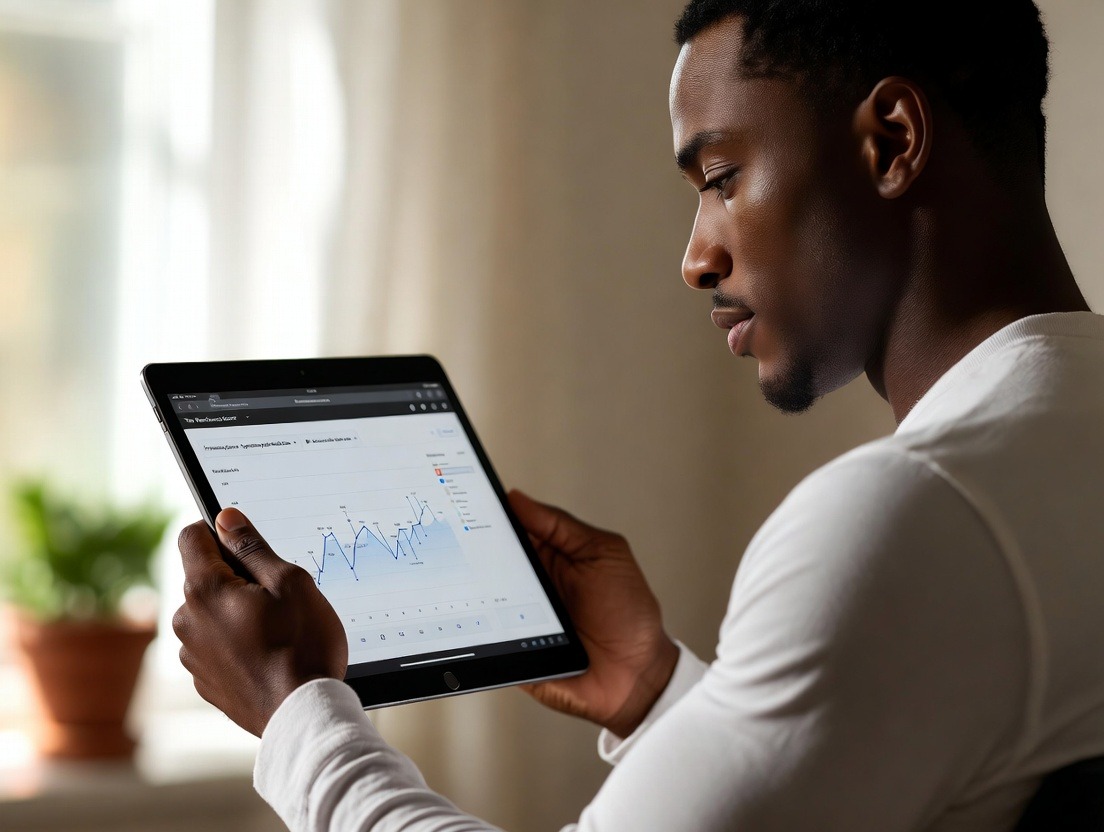
The data from your wellness journey can actively facilitate this shift. Seeing your biometric trends improve isn’t just feedback on a goal; it’s evidence for your new identity. “My HRV is trending up” becomes proof that “I am a resilient person.” “My sleep score is consistently high” reinforces “I am someone who values and protects my rest.” This evidentiary loop is powerful. Each positive data point from your ring is a brick in the foundation of your new self-concept. It moves you from hoping you’re healthy to knowing you are building health, one day at a time.
Cultivating a longevity mindset also involves embracing process over outcome. The outcome—living to 100 in good health—is a distant, abstract horizon. The process is the daily, tangible practice: the morning walk, the mindful meal, the conscious breath before bed. By falling in love with the process itself—the feeling of vitality it brings today, not just the promise of tomorrow—you build a sustainable engine for change. The wearable’s role shifts from a stern coach measuring outputs to a compassionate companion celebrating the consistency of your inputs. It helps you see that showing up for the process, day after day, is the victory.
Human beings are not designed for solitary longevity. The groundbreaking Harvard Study of Adult Development, one of the longest-running studies on human life, delivers a clear, decades-spanning conclusion: the quality of our relationships is a more powerful predictor of long-term health, happiness, and longevity than social class, IQ, or even genetics. Positive social connections act as a buffer against stress, reduce inflammation, and are linked to stronger immune function. Conversely, loneliness and social isolation carry a mortality risk comparable to smoking 15 cigarettes a day.
Therefore, a truly holistic longevity routine must extend beyond the individual’s sleep, diet, and exercise to intentionally nurture social fitness. Just as we train our bodies, we must proactively exercise our capacity for connection. This isn’t about having hundreds of acquaintances; it’s about the depth and quality of a few key relationships and a sense of belonging to a community.
Strategies for Building Social Fitness into Your Routine:
Intriguingly, your biometric data can offer subtle clues about the impact of your social world. You might notice a pattern: your sleep scores are higher and your morning HRV is elevated after an evening spent with close friends, filled with laughter and meaningful conversation. Conversely, you might see a dip in recovery metrics after a conflict-ridden interaction or a day spent in isolation. This isn’t about judging every social event, but about recognizing the profound physiological truth that we are wired for connection. Nurturing positive relationships isn’t just good for the soul; it’s a measurable, data-supported longevity strategy. For stories of how others have integrated wellness technology into a shared journey, you can find inspiration in our collection of real customer reviews and user experiences.
Ultimately, building a longevity-focused community creates a powerful system of mutual accountability and support. Sharing goals, celebrating wins, and navigating challenges with others who share your values makes the path more enjoyable and the commitment more resilient. Your health is not an island; it is part of an ecosystem, and tending to your social garden is essential for its long-term flourishing.
Our willpower is a finite resource, easily depleted by a thousand small decisions. The most elegant and effective longevity strategy, therefore, is to design environments—both physical and digital—that make the healthy choice the automatic choice. By proactively shaping the spaces we inhabit, we offload the cognitive burden from our fatigable conscious mind to our consistent, subconscious surroundings. This is the art of choice architecture applied to lifelong health.
Your Physical Environment: Cues for Health
Every object in your home and workspace sends a cue. The goal is to make cues for positive habits obvious and enticing, while making cues for negative habits invisible or inconvenient.
Your Digital Environment: Designing for Focus and Calm
Our digital devices are perhaps the most potent environments we interact with daily, engineered to hijack our attention and spike our stress. Taking control of this space is non-negoticious.
Your smart ring can serve as the ultimate bio-feedback monitor for your environmental design experiments. After reorganizing your digital space, do you see a reduction in your average resting heart rate during evening hours? After placing your walking shoes by the door, do you see a consistent uptick in your daily step count? The data validates what works, turning environmental tweaks from guesses into proven strategies. For more on how to personalize your device to support this kind of intentional living, our guide on personalizing your wellness ring for your body offers helpful tips.
By becoming the architect of your surroundings, you build a world that consistently, silently pulls you toward your longevity goals. You conserve willpower for life’s true challenges and create a backdrop against which healthy living feels effortless and natural.
In a culture obsessed with weight, it’s easy to default to the scale as the primary measure of health progress. But for longevity, the scale is a notoriously poor and often misleading metric. It tells you nothing about your body composition (muscle vs. fat), your metabolic health, your nervous system resilience, or your cellular vitality. Chasing a single number can lead to disordered habits and mask underlying health issues. To truly gauge the effectiveness of your daily routines, you must look to a more sophisticated dashboard of biomarkers—a dashboard that modern wearables are uniquely equipped to provide.
The Longevity Dashboard: Key Trends to Watch
Instead of daily weight, focus on these trendlines over weeks and months:
The Power of the Quarterly Review
While daily and weekly check-ins are for habit tuning, a Quarterly Review is for strategic assessment. Every three months, block out an hour to:
This review turns data into a meaningful narrative of progress. It helps you celebrate non-scale victories that actually matter for longevity: “My average HRV has increased by 5 points, and I feel noticeably calmer under pressure.” This is profoundly motivating. It also helps you course-correct. If a metric is stagnating or declining, you can brainstorm small, targeted adjustments for the next quarter.
This approach fosters self-efficacy—the belief in your own ability to influence your health outcomes. Each positive trend you identify reinforces that your daily actions are powerful. You move from being a passive passenger in your health journey to being a skilled navigator, guided by a reliable compass of your own physiological data. For anyone wondering about the accuracy and evolution of these tools, our article on the accuracy revolution in health tracking technology provides compelling context.
By shifting your focus to this richer, more nuanced dashboard, you align your measurement with your true objective: not just a lighter body, but a stronger, more resilient, and more vibrant system capable of thriving for decades to come.
No longevity journey is a linear, upward trajectory. Life is punctuated by travel, illness, work deadlines, family obligations, and sheer exhaustion. There will be weeks where your sleep scores plummet, your HRV takes a dive, and your best-laid routines fall apart. There will also be plateaus—periods where, despite consistent effort, your key metrics seem to stall. How you respond to these inevitable phases determines whether your protocol is resilient or fragile. The goal is not to avoid setbacks, but to develop a skillful, compassionate strategy for navigating them.
Reframing the “Setback” as Data
The first step is a cognitive reframe. A week of poor data is not a failure; it is rich information. It is your body communicating. Instead of spiraling into self-criticism, get curious.
Your wearable data provides the “what,” and your mindful reflection provides the “why.” This detective work transforms a discouraging period into a valuable learning opportunity about your personal stress thresholds and recovery needs.
When you hit a true low or are recovering from an illness or a period of extreme stress, implement a deliberate Reset Protocol for 3-7 days. This is not about pushing harder; it’s about pulling back to fundamentals with extreme kindness.
During this reset, ignore performance metrics. Do not worry about steps or calories burned. Your sole metric of success is adherence to the restful protocol itself. You are giving your body the unconditional space it needs to recover its baseline.
Breaking Through Plateaus
If you’ve been consistent for months but your metrics have flatlined, it may be time for a strategic shake-up, not a rest. The principle of hormesis—the beneficial response to a mild, intermittent stressor—applies here. Your body adapts to consistent stimuli; to provoke new adaptation, you need a novel challenge.
Throughout both setbacks and plateaus, your wellness ring is your anchor. It provides the objective reality check to prevent emotional overreaction. A low score is just data, not destiny. It also gives you the green light to end your reset—when your readiness score climbs back to your personal baseline, you know you’re ready to gradually re-engage. This dynamic, responsive relationship with your own physiology, guided by data and self-compassion, is the hallmark of a truly sustainable longevity practice. When questions arise during these phases, a resource like our FAQ with common questions answered can provide quick, reliable guidance.
To fully leverage a tool, it helps to understand its capabilities and its limitations. A modern smart ring represents a convergence of miniaturized sensor technology, advanced algorithms, and human-centric design, all with the goal of providing a continuous, unobtrusive stream of personal health data. Unlike a smartphone or a wrist-worn device that you remove frequently, a ring’s form factor allows it to capture data from the unique vascular bed of the finger, which can be ideal for certain metrics, especially during sleep.
The Sensor Suite: What’s Inside and What It Measures
At its core, a high-quality wellness ring contains a sophisticated array of sensors:
The raw sensor data is just a stream of numbers. The magic happens in the algorithms. This is where advanced signal processing and machine learning come in:
Understanding the Ring’s Role: A Partner, Not a Doctor
It is imperative to understand what a consumer wellness ring is and is not. It is a powerful tool for health promotion and prevention, designed to give you insights into your trends and the impact of your lifestyle. It empowers you with knowledge.
When used with this understanding, a smart ring becomes an unparalleled partner in your longevity journey. It provides the objective, continuous feedback needed to move from a generic, one-size-fits-all health plan to a truly personalized, dynamic, and responsive protocol for living well, longer. For a visionary look at where this technology is headed, explore our thoughts on the future of wearable health tech.
The era of wearable technology has ushered in a new paradigm: the democratization of personal health data. No longer is a snapshot of your vital signs confined to the 10 minutes you spend in a doctor's office each year. Now, you possess a continuous, rich narrative of your physiology—your sleep patterns, stress resilience, activity levels, and recovery cycles. The true frontier of longevity lies not in keeping this data siloed, but in strategically integrating it into a collaborative healthcare model. This creates a powerful partnership between you, the expert on your daily lived experience, and your healthcare provider, the expert on clinical medicine.
This shift is transforming the patient-provider dynamic from a reactive, symptom-focused conversation to a proactive, data-informed dialogue. Imagine walking into your annual physical not just with a list of complaints, but with a 90-day wellness report generated from your wearable data. You can show your doctor tangible trends: "As you can see, my resting heart rate has been trending downward over the past year, but I’ve noticed this pattern of sleep disruption that coincides with my elevated stress at work." This provides context that subjective recollection ("I've been tired lately") simply cannot.
How to Prepare and Present Your Data Effectively:
For healthcare providers, this data is a goldmine. It moves them beyond the limitations of episodic care. It can help:
Of course, this integration requires mindful navigation. Data is not a diagnosis. It’s crucial to choose a healthcare provider who is open to this collaborative model and to understand the device's limits. The goal is not to self-diagnose from your ring's data but to use it to have a richer, more productive conversation that leads to professional clinical guidance. This synergy is where preventive medicine truly excels, catching subtle deviations from your personal baseline long before they manifest as disease. To understand how this technology is changing the medical landscape, our article on how health tracking technology has changed preventive medicine explores this shift in depth.
While HRV, RHR, and sleep are foundational, the horizon of personal biometrics is expanding rapidly. The next wave of longevity tracking looks toward more advanced biomarkers that provide an even earlier and more precise window into cellular health and systemic aging. These are metrics that have traditionally been accessible only through specialized lab tests but are gradually making their way into the consumer consciousness—and potentially, future wearable devices.
Understanding these concepts allows you to think more deeply about the "why" behind your daily routines and prepares you for the next generation of health technology.
The Concept of "Biological Age" vs. Chronological Age:
This is the culmination of advanced biomarker tracking. Your chronological age is the number of years you've lived. Your biological age is an estimate of how old your body functions at a cellular and systemic level, based on a composite of biomarkers. It can be influenced by DNA methylation (epigenetic clocks), organ function, and the metrics discussed above.
The profound promise of a longevity lifestyle is that you can have a biological age significantly lower than your chronological age. Your daily routines are the tools to achieve this deceleration. While a single wearable cannot yet calculate a comprehensive biological age, the trends in your data—improving HRV, lowering RHR, optimizing sleep—are all moving the needle in the right direction. They are the actionable levers you pull today to influence the complex algorithms of tomorrow that will define your physiological youth.
Engaging with these concepts fosters a forward-looking mindset. It prepares you to adopt new tools, like CGMs for metabolic insight, and to understand the deeper "why" behind maintaining stable glucose or a robust circadian rhythm. It positions you not as a passive consumer of health trends, but as an informed participant at the forefront of proactive, personalized longevity science. For a glimpse at what the near future holds, consider reading our exploration of what's possible in health tracking technology by 2025.
Moving beyond the basic rhythms of when to eat, a longevity-focused approach must also consider the nuanced what—the specific nutrients and compounds that support cellular repair, reduce inflammation, and protect against the molecular hallmarks of aging. This is where strategic nutrition and evidence-based supplementation can act as powerful adjuvants to your foundational daily routines. The key word is strategic; this is not about taking a cupboard full of pills, but about identifying targeted support based on your unique needs, diet, and biomarker data.
Nutritional Priorities: Food as Information
Every meal is an opportunity to send signals of repair or stress to your cells. Prioritize foods that are:
The Strategic Supplement Landscape
Supplements should fill gaps, not replace a poor diet. They are tools in the toolbox. Before starting any regimen, consult with a healthcare professional, and consider using your wearable data as a feedback loop.
The Data-Driven Feedback Loop
This is where your daily routine, your nutrition, and your technology intersect powerfully. Your smart ring provides the physiological report card for your dietary and supplemental experiments.
Remember, no supplement can outrun a poor lifestyle. They are called "supplements" for a reason—they supplement a strong foundation of sleep, movement, whole-foods nutrition, and stress management. When used wisely and measured against your biometric data, they can help fine-tune your system for optimal, long-term function. For more on building the foundational habits that make any supplementation effective, our guide on how wellness rings help build healthy habits is a great companion resource.
A longevity protocol is not a static document you write at 35 and follow robotically until 95. The needs of your body, mind, and social world evolve dramatically across decades. What fuels a high-performance 40-year-old executive is not the same as what supports a vibrant 70-year-old retiree. The essence of a sustainable practice is its adaptability. It’s about understanding the core principles—circadian alignment, recovery, movement, connection—and skillfully applying them to each chapter of life.
The 30s & 40s: Building the Foundation Amidst Demand
This is often the era of peak career and family-building demands. Stress and time poverty are the primary challenges.
The 50s & 60s: The Metabolic Shift and Proactive Prevention
Hormonal changes (menopause, andropause) and a natural decline in metabolic rate become central factors.
The 70s and Beyond: Prioritizing Function, Connection, and Joy
The goal shifts from performance optimization to maintaining functional independence, cognitive health, and rich social engagement.
Throughout all stages, the constant is listening to your body, a skill honed by years of correlating how you feel with your biometric data. The tools and tactics may change, but the philosophy remains: use daily routines to support the life you want to live, at every age. This lifelong adaptability is the true art of longevity. For a perspective on how this technology serves users at different stages, see what doctors find most useful about these devices for their diverse patient populations.
Longevity, at its most meaningful, is not a solitary pursuit. Its ripple effects extend to your family, your community, and the environment you help shape. When you commit to a vitality-focused life, you inevitably become a role model and a catalyst, creating a legacy that transcends your own lifespan. This isn't about proselytizing or enforcing strict rules; it's about the subtle, powerful influence of embodied practice and a thoughtfully curated environment.
The Power of Modeling: Health as a Lived Value
Children, partners, and friends learn far more from what they see than what they hear. When you consistently prioritize a morning walk, sit down to a colorful meal, or choose to disconnect from devices to engage in conversation, you are silently communicating values. You make healthy living visible, tangible, and—most importantly—normal. This is especially powerful for children; growing up in a home where movement is fun, real food is delicious, and sleep is respected installs a healthy operating system for their entire lives. You're not just building your own healthspan; you're extending theirs.
Cultivating Shared Rituals
Transform individual routines into connecting traditions. This builds social fitness and makes healthy habits more enjoyable.
Your influence can extend beyond your home into your workplace and community.
Your journey, supported by data and deliberate practice, also makes you a valuable resource. When a friend asks how you have so much energy or how you manage stress, you can share not just a tip, but a framework. You can point them to the science of circadian rhythms or the importance of HRV. You might even show them how your wearable has helped you connect dots, demystifying the process. In doing so, you become a node in a growing network of people taking empowered, intelligent charge of their well-being. To learn more about the philosophy driving this kind of proactive health movement, you can explore our story and mission.
Ultimately, creating a legacy of health is about recognizing that your personal wellness is part of a larger ecosystem. By living your values, creating shared rituals, and advocating for healthier spaces, you contribute to a culture where longevity is not just an individual achievement, but a shared possibility. The data on your ring tells the story of your personal commitment; the life you build around you becomes the story of your impact.
Your Trusted Sleep Advocate (Sleep Foundation — https://www.sleepfoundation.org/)
Discover a digital archive of scholarly articles (NIH — https://www.ncbi.nlm.nih.gov/
39 million citations for biomedical literature (PubMed — https://pubmed.ncbi.nlm.nih.gov/)
experts at Harvard Health Publishing covering a variety of health topics — https://www.health.harvard.edu/blog/)
Every life deserves world class care (Cleveland Clinic -
https://my.clevelandclinic.org/health)
Wearable technology and the future of predictive health monitoring. (MIT Technology Review — https://www.technologyreview.com/)
Dedicated to the well-being of all people and guided by science (World Health Organization — https://www.who.int/news-room/)
Psychological science and knowledge to benefit society and improve lives. (APA — https://www.apa.org/monitor/)
Cutting-edge insights on human longevity and peak performance
(Lifespan Research — https://www.lifespan.io/)
Global authority on exercise physiology, sports performance, and human recovery
(American College of Sports Medicine — https://www.acsm.org/)
Neuroscience-driven guidance for better focus, sleep, and mental clarity
(Stanford Human Performance Lab — https://humanperformance.stanford.edu/)
Evidence-based psychology and mind–body wellness resources
(Mayo Clinic — https://www.mayoclinic.org/healthy-lifestyle/)
Data-backed research on emotional wellbeing, stress biology, and resilience
(American Institute of Stress — https://www.stress.org/)


