


The Wellness Ring Basics of Activity and Movement Tracking
Details how the ring uses accelerometers to track steps, movement intensity, and estimate calorie burn.
Details how the ring uses accelerometers to track steps, movement intensity, and estimate calorie burn.
%402x.svg)
In a world where we quantify everything from social media likes to daily screen time, the most important metrics—the ones that define our vitality, healthspan, and daily well-being—often go unmeasured. For decades, the fitness tracker has been a wrist-bound companion, counting steps and estimating calories with a detachment that often feels more like a digital nag than a personal coach. But what if the most profound insights into your physical health weren't on your wrist at all, but on your finger?
Welcome to the era of the wellness ring. This discreet, intelligent piece of wearable technology is revolutionizing how we understand activity and movement. It moves beyond the simplistic step count to provide a nuanced, 24/7 picture of your body in motion and at rest. By harnessing the unique vascular access of the finger, a wellness ring captures data of unparalleled accuracy, transforming raw movement into actionable intelligence about your energy expenditure, exercise quality, recovery needs, and overall physical resilience.
This is not just another gadget; it’s a paradigm shift. This guide dives deep into the foundational science and practical application of activity and movement tracking through the lens of a wellness ring. We’ll explore how it works, why its data is uniquely reliable, and how you can use its insights to move smarter, recover fully, and build a lifestyle that balances activity with essential restoration. This is the beginning of a journey toward a more informed, intentional, and harmonious relationship with your own body’s movement.

At first glance, a wellness ring might look like a sleek piece of modern jewelry. But beneath its minimalist exterior lies a dense array of sophisticated sensors and computing power designed for one purpose: to understand the intimate story of your physiology. Unlike a smartwatch, which prioritizes notifications and broad functionality, a wellness ring is a specialized device dedicated to holistic health metrics. Its core mission is to gather continuous, medical-grade data to paint a complete picture of your well-being, with activity and movement forming a critical piece of that puzzle.
So, what sets it apart? The magic lies in its form factor and focus. Worn on the finger, it taps into the rich, dense vascular beds found there. This allows photoplethysmography (PPG) sensors—which use light to measure blood volume changes—to operate with exceptional precision. The result is highly accurate readings for heart rate, heart rate variability (HRV), and blood oxygen saturation, all of which are foundational for interpreting the true impact of your activity. Coupled with a precise 3-axis accelerometer and gyroscope, the ring doesn't just know if you're moving; it understands the intensity, pattern, and physiological cost of that movement.
This represents a fundamental evolution from basic activity tracking. Early pedometers and basic fitness bands gave us the step—a useful but crude unit of measurement. A wellness ring contextualizes those steps. Was that 10,000-step day a leisurely walk in the park or a stressful, rushed series of errands that spiked your cortisol? The ring can help you discern the difference by correlating movement with stress and recovery metrics. It shifts the question from "How much did I move?" to "How did that movement serve my body?" This distinction is the cornerstone of modern, personalized wellness, moving us from arbitrary targets to intelligent, adaptive goals that align with our body's daily readiness.
Furthermore, its continuous, unobtrusive wear is key. You sleep with it, work with it, and exercise with it, creating an unbroken data stream. This 24/7 wearability eliminates the common problem of "non-wear time" that plagues wrist-worn devices, ensuring your activity profile is complete, not just a snapshot of when you remembered to put on your tracker. It seamlessly integrates into your life, making holistic tracking not a chore, but a passive, empowering background process.
The intelligence of a wellness ring is born from a miniaturized symphony of sensors, each playing a specific part in interpreting your movement narrative. To appreciate the depth of data you receive, it's essential to understand the key instruments in this orchestra.
The Accelerometer and Gyroscope: The Motion Maestros
These are the primary sensors for detecting physical movement. The accelerometer measures linear acceleration—the force of movement in any direction (up/down, left/right, forward/back). It’s what detects a step, a jump, or a shift in your chair. The gyroscope measures orientation and rotational velocity. It understands whether you’re rotating your hand, doing a bicep curl, or performing a yoga pose. Together, they create a detailed, three-dimensional map of your body’s motion. Advanced algorithms then classify this raw motion data into specific activities: walking, running, cycling, swimming (for water-resistant models), and even non-exercise activities like typing or cooking. This classification is the first step in moving beyond simple step counts to Activity Recognition.
The Photoplethysmogram (PPG) Sensor: The Pulse of the Matter
This is the ring's secret weapon. By emitting green and/or infrared LED light into the skin of your finger and measuring how much light is absorbed by your blood vessels, the PPG sensor calculates your heart rate in real-time. More importantly, it detects the subtle variations in the time intervals between each heartbeat—your Heart Rate Variability (HRV). During activity, the PPG provides your workout heart rate, essential for measuring intensity. At rest, HRV becomes a powerful indicator of your autonomic nervous system balance and recovery status. This sensor is why the ring can tell you not just that you exercised, but how hard it was on your system and what recovery resources you might need afterward.
The Temperature Sensor: The Metabolic Whisperer
A subtle but critical sensor, the skin temperature thermometer tracks fluctuations in your peripheral body temperature. Temperature is a lagging indicator of metabolic activity, inflammation, and even ovulation in women. After a bout of intense movement, your body temperature may remain elevated as it works to repair muscle tissue and restore homeostasis. By monitoring these trends, the ring adds another layer of context to your activity, helping to differentiate between a healthy, energizing workout and one that may be contributing to systemic stress or the onset of illness.
This sensor fusion—combining motion, cardiovascular, and thermal data—is what creates a multidimensional view of activity. It’s the difference between seeing a flat photograph and experiencing a 3D movie of your physical well-being. The algorithms synthesize this data to provide metrics like Active Calories, Metabolic Equivalent of Task (METs), and ultimately, a nuanced picture of your Energy Expenditure throughout the day and night, which is intrinsically linked to your overall total body recovery.
Sensors collect data, but algorithms transform that data into wisdom. The raw signals from the accelerometer and PPG are just streams of numbers. The real magic happens in the sophisticated machine-learning models that interpret these signals, a process that turns electrical noise into actionable health insights.
Activity Classification Algorithms:
These algorithms are trained on massive datasets of human movement. They analyze the unique frequency, pattern, and intensity of the motion signals to label your activity. For instance, the repetitive, cyclical motion of running has a distinct signature different from the stop-start motion of weight training. Modern algorithms can distinguish between dozens of activity types with surprising accuracy, automatically logging your workouts without you ever pressing a button. This passive logging is crucial for capturing Non-Exercise Activity Thermogenesis (NEAT)—the calories you burn from fidgeting, standing, and daily chores—which is a major component of total daily energy expenditure.
Heart Rate and HRV Processing:
Extracting a clean heart rate signal from a moving finger is a significant computational challenge—a problem known as "motion artifact." Advanced algorithms use adaptive filtering and pattern recognition to separate the true cardiac signal from the noise created by hand movements. For HRV, which requires millisecond precision, the algorithms identify each heartbeat peak (the R-spike in an ECG) from the PPG waveform to calculate the time intervals (RR intervals). This allows the ring to provide not just exercise heart rate, but also resting heart rate and HRV, which are gold-standard metrics for cardiovascular fitness and autonomic nervous system health.
Caloric Expenditure Modeling:
This is where multiple data streams converge. The ring doesn't have a direct calorie counter. Instead, it uses a predictive model. By combining your movement data (type, duration, intensity from the accelerometer/gyroscope), your physiological response (heart rate from PPG), and your personal biometric profile (age, weight, height, gender, and historical baselines), it estimates energy expenditure. The use of heart rate makes this estimate far more personalized and accurate than wrist-based devices that rely primarily on motion. It understands that the same 30-minute run will have a different caloric cost for two different people, or even for the same person on a well-rested day versus a fatigued one.
These algorithms are continuously refined through firmware updates, learning from aggregate, anonymized user data to become more precise. They are the invisible brain of your wellness ring, working tirelessly to translate the complex language of your body into a clear dashboard of metrics you can use to guide your daily choices toward a more restful living philosophy.
The step count is the universal currency of activity, but with a wellness ring, it's been upgraded from a simple coin to a smart, interconnected token of your health. The ring's placement on the finger offers unique advantages for step counting accuracy. Unlike a wrist-worn device, which can count arm movements (like gesturing while talking or brushing your teeth) as steps, the ring on your finger is more closely coupled with the actual locomotion of your body. Its algorithms are better at filtering out "false steps," providing a cleaner, more reliable count of actual ambulatory movement.
But the modern wellness perspective asks: Are all steps created equal? The ring helps you answer that by enriching the step data with context.
Intensity Matters:
The ring categorizes your steps by the intensity of the movement. Were they casual, slow steps during a work call? Or were they brisk, purposeful steps that elevated your heart rate? Many platforms will break down your steps into "slow," "medium," and "fast" or "active" minutes, giving you credit for the steps that truly contribute to cardiovascular health. This encourages you to focus not just on volume, but on quality.
The 10,000-Step Myth and Personalized Targets:
The arbitrary 10,000-step goal originated from a Japanese marketing campaign in the 1960s, not from clinical research. A wellness ring empowers you to move beyond this one-size-fits-all target. By analyzing your personal trends, recovery data, and heart rate response, the ring or its accompanying app can suggest adaptive daily goals. On a day when your sleep score is high and your readiness metrics are optimal, it might nudge you to aim for 12,000 steps with some intensity. On a day of high stress or poor recovery, it might recommend a gentler 7,000-step goal focused on restorative movement like walking, which is a cornerstone habit of restful living for busy professionals.
Steps as a Component of NEAT:
Your daily step count is the most accessible proxy for your Non-Exercise Activity Thermogenesis (NEAT). Increasing NEAT is one of the most sustainable ways to manage weight and improve metabolic health. The ring makes you aware of your baseline and helps you find simple opportunities to "step up": taking the stairs, pacing during phone calls, or opting for a walking meeting. By framing steps as foundational metabolic activity rather than just exercise, the ring integrates movement seamlessly into the fabric of your life, supporting a balanced approach that values both activity and essential downtime.
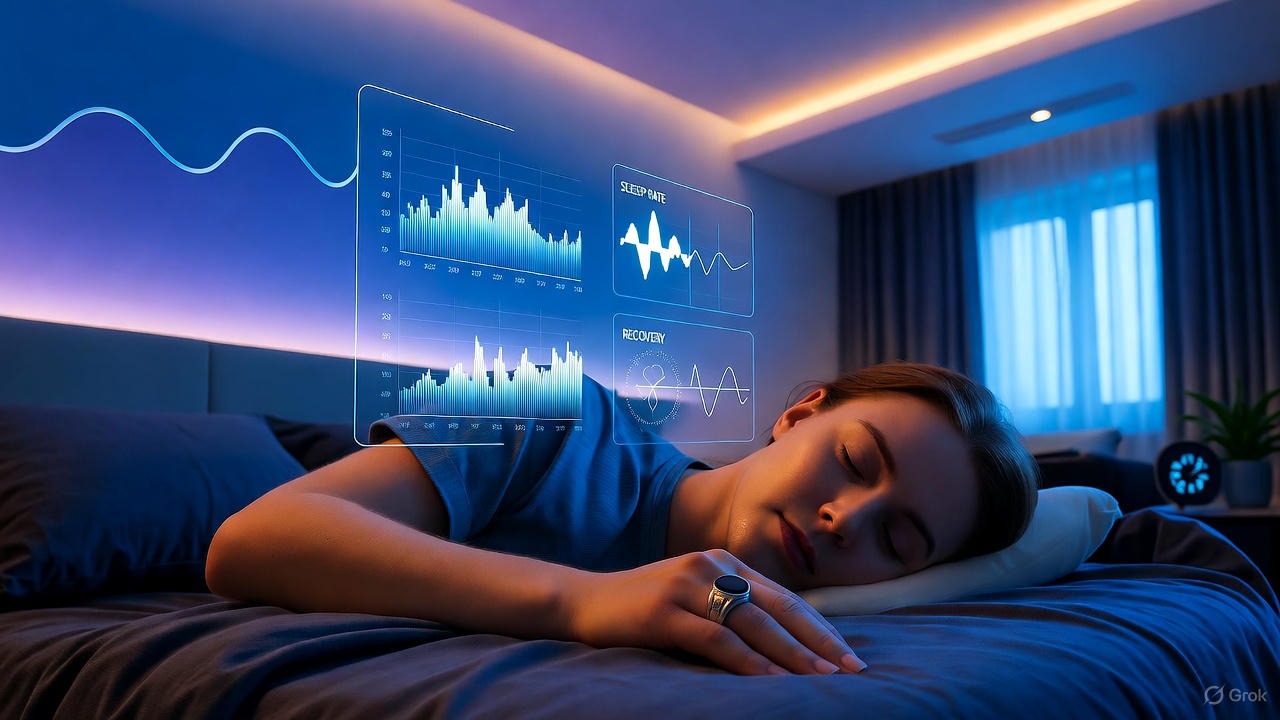
When we think of calories burned through exercise, we often imagine a straightforward math equation. In reality, energy expenditure is a dynamic, personalized process. This is where the wellness ring's calculations of Active Calories and Metabolic Equivalents of Task (METs) provide a far richer understanding than a simple step-to-calorie conversion.
Active Calories vs. Total Calories:
Your ring typically reports two figures: Active Calories and Total Calories. Total Calories is an estimate of your Basal Metabolic Rate (BMR—the calories you burn just to stay alive) plus all activity. Active Calories, however, are the extra calories you burned specifically through physical movement above your resting state. This is the metric that matters most when assessing the impact of your workout or daily activity. It’s a pure measure of the extra work your body performed. The ring calculates this by first establishing a personalized resting metabolic rate baseline and then adding the energy cost of your tracked movements and elevated heart rate throughout the day.
The Role of METs (Metabolic Equivalents of Task):
METs are a standardized way to express the intensity of physical activities. One MET is defined as the rate of energy expenditure while at rest. Sitting quietly is about 1 MET. An activity rated at 4 METs means you're expending four times the energy you would at rest. Your wellness ring uses your movement patterns and heart rate data to assign MET values to your activities in real-time. This is incredibly powerful because:
By focusing on Active Calories and METs, you shift from a mindset of "burning calories" to one of "investing energy." You learn which activities give you the greatest return on your time and effort, and how to balance high-intensity investments with periods of necessary conservation, a practice deeply aligned with learning how to balance productivity with restful living.
One of the most user-friendly yet technologically impressive features of a modern wellness ring is automatic exercise detection. This feature eliminates the friction of starting and stopping a workout log, ensuring you never miss crediting your body for its work. It turns your ring into a perpetual fitness journal that writes itself.
How It Works:
The ring's algorithms are always running in the background. When the sensors detect a sustained pattern of movement and elevated heart rate that matches a known exercise signature (e.g., the rhythmic impact of running, the circular cadence of cycling, the consistent stroke of swimming), it triggers a detection event. After a few minutes of confirmed activity, you'll typically receive a notification asking if you're exercising. A simple tap confirms, and the ring begins a detailed, minute-by-minute log of that session. If you forget to confirm, it will often save the session anyway, allowing you to label it later.
The Depth of the Log:
Once detected, the ring doesn't just note the duration. It creates a rich dataset for that workout, including:
The Power of Passivity:
This automatic logging is transformative for three reasons:
This constant, gentle observation encourages an identity shift. You're not just "working out" at scheduled times; you are "an active person" throughout your day, whose movements are all recognized and valued. This aligns perfectly with the concept of integrating activity into a lifestyle that also prioritizes restoration, helping to prevent the restful living mistakes that keep you wired and tired from obsessive, unbalanced exercise.
Heart rate is the most direct, real-time feedback your body gives you during activity. Your wellness ring, with its precise PPG sensor, turns this feedback into a structured framework for intelligent training through heart rate zones. Training by zones moves you away from subjective feel ("that was hard") to objective intensity ("I spent 15 minutes at 85% of my max HR").
What Are Heart Rate Zones?
Zones are percentages of your maximum heart rate (HRmax), which is often estimated using formulas like 220 minus your age, or more accurately, refined by your ring's own observed data during peak efforts. The five common zones are:
How the Ring Uses Zones:
During any tracked activity, your ring analyzes your live heart rate and calculates the percentage of time you spent in each zone. This breakdown is far more informative than just an average heart rate. It tells the story of your workout:
The Strategic Advantage:
By reviewing your zone data, you can align your workouts with specific goals. Want to improve fat adaptation and recovery? Prioritize Zone 2. Preparing for a race and need speed? Incorporate Zone 4 and 5 intervals. This prevents the common pitfall of "gray zone" training—always working out at a moderate, hard-but-not-hard pace (Zone 3), which yields less efficient fitness gains and can lead to overtraining without adequate downtime, which science shows is crucial. Your ring becomes a personal coach on your finger, ensuring your effort is purposeful and periodized, harmonizing intense activity with the body's inherent need for cyclical recovery.
This is where a wellness ring transcends being a mere fitness tracker and becomes a true health guardian. The most advanced rings synthesize your activity data with your recovery metrics to produce two powerful, holistic scores: Activity Readiness (or Recovery Score) and Daily Strain (or Exertion Score).
Activity Readiness: Should You Push or Pull Back?
Each morning, your ring analyzes the night's physiological data—including sleep quality, HRV, resting heart rate, and skin temperature—to generate a Readiness Score. This score answers a critical question: Based on how well you recovered last night, how prepared is your body to handle physical and mental stress today?
This score empowers you to make dynamic, informed decisions. It turns a rigid training plan into an adaptive, responsive dialogue with your body.
Daily Strain: Quantifying Your Total Load
While Readiness looks at your body's input capacity, Strain measures the output. Throughout the day, your ring tracks all physical (and sometimes cognitive/emotional) stress. It combines the duration and intensity of your workouts, your daily step count, heart rate elevation, and even heart rate variability dips to calculate a composite Strain Score.
The Critical Balance: Readiness vs. Strain
The ultimate goal is to see a positive correlation between your readiness and your strain over time. Ideally, on high-readiness days, you take on higher strain (pushing your fitness forward). On low-readiness days, you consciously choose lower strain (promoting recovery and preventing burnout). Ignoring low readiness and consistently imposing high strain is a direct path to overtraining, injury, and fatigue.
By providing these two scores, the ring teaches you the rhythm of stress and recovery. It visualizes the fundamental law of adaptation: fitness is built not during the workout, but during the recovery that follows. This fosters a profound respect for the restorative side of the equation, encouraging you to value those days of deliberate rest as much as the days of intense effort, understanding that both are essential for a restful living mindset: shifting from doing to being.
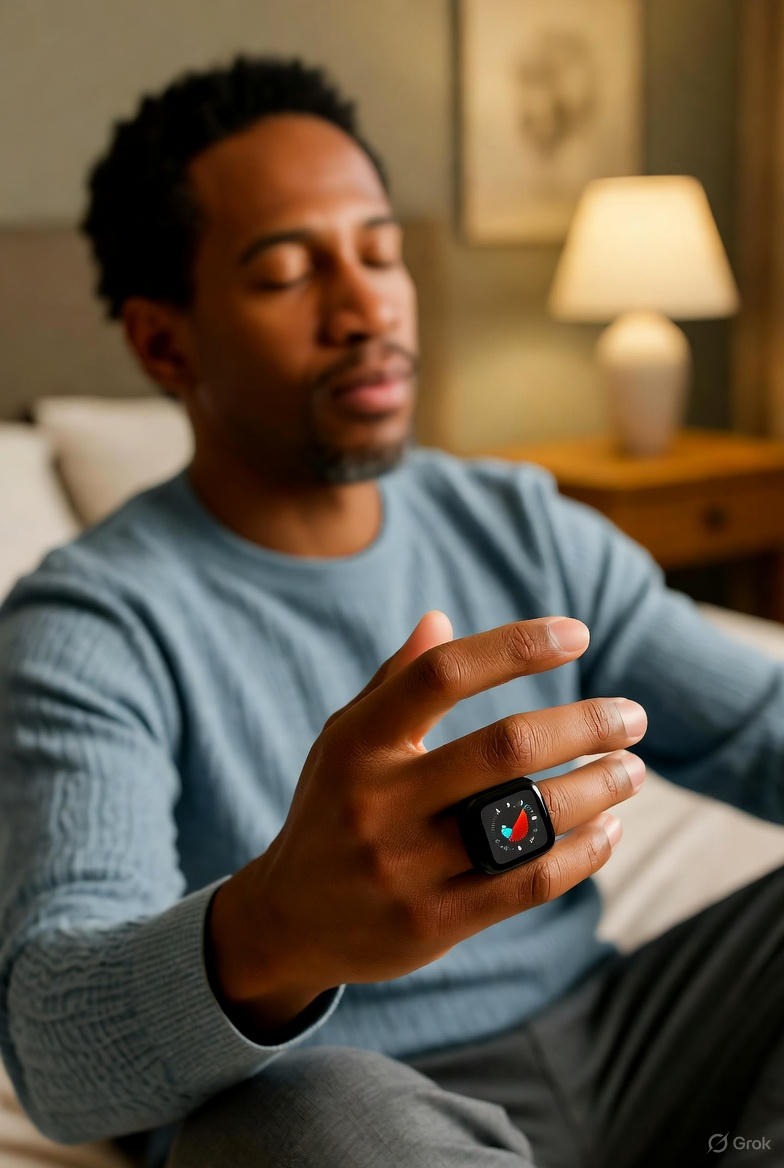
While workouts get all the glory, the calories you burn outside the gym—through all incidental movement—often have a greater impact on your long-term metabolic health and weight management. This is called Non-Exercise Activity Thermogenesis (NEAT), and your wellness ring is the perfect tool to measure and optimize it.
What Constitutes NEAT?
NEAT encompasses every calorie burned for everything that is not sleeping, eating, or sports-like exercise. It includes:
Research indicates that NEAT can vary by up to 2,000 calories per day between two similarly sized individuals with different lifestyles. It is the body's primary lever for adjusting total energy expenditure in response to diet and exercise.
How the Ring Tracks and Encourages NEAT:
Your ring is uniquely positioned to capture NEAT because it's always on. It logs the steps, the standing time, the minor hand movements, and the associated heart rate bumps throughout your entire day.
Harnessing NEAT for Sustainable Health:
Increasing your NEAT is one of the most painless and sustainable ways to improve health. It doesn't require extra time, gym memberships, or workout clothes. The ring makes you aware of opportunities: take the stairs, pace during phone calls, walk to a colleague's desk instead of emailing, do a five-minute tidy-up every hour. These micro-movements accumulate into a significant metabolic boost. This approach is inherently low-stress and integrates seamlessly into a balanced life, preventing exercise from becoming another stressful obligation and instead fostering a naturally active lifestyle that coexists with principles of restful living on a budget.
The final, and perhaps most profound, insight a wellness ring provides is the seamless integration of your activity data with your sleep and recovery metrics. In isolation, a great workout or a high step count is just a data point. In context, it becomes part of your body's ongoing story of stress, adaptation, and renewal.
The Feedback Loop: Activity → Sleep → Recovery → Activity
Your ring reveals the dynamic relationships:
Visualizing the Cycle:
Modern wellness platforms provide dashboards that place your daily strain score alongside your sleep score and readiness score. This trio of metrics tells the complete daily chapter of your health:
This integrated view dissolves the artificial barrier between "fitness" and "health." It demonstrates that true fitness is not built in the hour at the gym, but in the 23 other hours of the day—through quality sleep, nutrient-dense food, stress management, and mindful movement. The ring becomes the lens through which you see your life as a holistic system, where every action has a reaction, and where balance is the ultimate goal. It guides you in creating not just a more active life, but a more sustainable, resilient, and restful living environment for your whole being.
Moving with intention requires goals, but the era of rigid, punishing fitness targets is over. A wellness ring enables a dynamic, responsive approach to goal-setting that aligns with your body’s fluctuating readiness and your life’s changing rhythms. This is the shift from static, external benchmarks to intelligent, internal guidance.
From Fixed to Fluid Targets:
Traditional goals—“run 30 miles this week” or “burn 3,000 active calories daily”—ignore a critical variable: your current physiological state. A wellness ring introduces the concept of adaptive goal ranges. Instead of a single number, you work within a spectrum. For example, your app might suggest a daily step range of 8,000–12,000, with the lower end recommended on low-readiness days and the upper end encouraged when your recovery metrics are optimal. This flexibility removes the guilt of “missing” a target and replaces it with the empowerment of “meeting your body where it’s at.”
The Role of Readiness in Planning:
Your morning Readiness Score should be the first input in your daily activity plan. It acts as a prescriptive guide:
Periodization Made Personal:
The ring’s long-term trend data allows you to practice micro-periodization. You can observe natural cycles in your energy and recovery, perhaps linked to your work schedule, menstrual cycle, or seasonal changes. You can then plan “loading” weeks (sequencing several higher-strain days when readiness is consistently good) followed by “deloading” or recovery weeks (consciously reducing strain to allow for supercompensation). This mirrors athletic training principles but applies them to your holistic life activity, preventing the chronic, low-grade fatigue that plagues many high-performers and is a common theme in discussions about how restful living reduces chronic stress and burnout.
Process-Oriented vs. Outcome-Oriented Goals:
While outcome goals (e.g., “lose 10 pounds”) are important for direction, process goals driven by ring data create sustainable change. Examples include:
These goals are measurable, controllable, and directly linked to positive health behaviors. They keep you engaged with the daily actions that lead to long-term outcomes, fostering a sense of agency and progress.
In a culture that glorifies hustle, the most radical act of health can be deliberate stillness. A wellness ring provides the irrefutable data that validates this truth, transforming rest from a guilty pleasure into a non-negotiable pillar of fitness. It quantifies the unproductive to make it productive.
Active Recovery vs. Complete Rest:
Your ring helps you distinguish between these two essential forms of restoration. Active Recovery involves very low-intensity movement that promotes blood flow, aiding in the clearance of metabolic waste from muscles without imposing new stress. A ring-tracked walk, gentle cycling, or a yoga session that keeps your heart rate firmly in Zone 1 are perfect examples. Complete Rest is true inactivity: reading, meditating, or napping. The ring’s data guides the choice: after a brutally high-strain day, complete rest with a very low heart rate may be what your plummeting HRV is asking for. After a day of sedentary work, active recovery might be the optimal way to find peace in the chaos of a busy life and improve sleep quality.
Recovery Metrics as Your Guide:
Three key metrics on your ring dashboard are your recovery compass:
Scheduled Rest Days:
Your ring data makes the case for planning rest days with the same seriousness as workout days. A scheduled rest day is not a “day off”; it’s a “day for adaptation.” On these days, the goal is to keep strain low while maximizing recovery metrics. This might mean focusing on designing spaces for calm and restoration or engaging in a restful living morning routine to start your day right that prioritizes calm. Seeing your HRV rise and your RHR fall on a well-executed rest day provides positive reinforcement, proving that by doing less, you are truly building more.
Pushing limits is inherent to fitness, but crossing the line into overtraining syndrome (OTS) leads to regression, not progression. OTS is characterized by a prolonged performance plateau or decline, persistent fatigue, mood disturbances, and increased injury risk. A wellness ring serves as a critical early warning system, helping you recognize the subtle signs long before they become debilitating.
The Subtle Signs Your Ring Can Detect:
Overtraining isn’t just about sore muscles; it’s a systemic nervous system and hormonal imbalance. Your ring detects its harbingers:
Strain vs. Recovery Imbalance:
The most straightforward visual cue of impending overtraining is the consistent mismatching of your Daily Strain and Activity Readiness scores. If you see a pattern of low readiness scores repeatedly followed by high strain scores, you are digging a recovery debt hole. The ring’s weekly summary often highlights this imbalance, urging you to intervene.
Listening and Adapting:
The prescription for overtraining is not simply “rest,” but “strategic de-loading.” This involves a significant reduction in training volume and intensity (often by 40-60%) for a period of days or weeks, focusing on the fundamentals of restful living: nutrition, hydration, sleep, and stress management. The ring guides this process objectively. You continue to track, and the return of positive metrics—a lowering RHR, a rising HRV, an improving sleep score—becomes your sign that it’s safe to gradually reintroduce strain. This data-driven approach cultivates body literacy, teaching you to respect the signals of fatigue as much as you relish the feeling of exertion.
A wellness ring is a versatile tool that can be tailored to support a wide range of fitness goals, from weight management to marathon training. The key is knowing which metrics to prioritize and how to interpret them within your specific context.
For Weight Management and Metabolic Health:
For Endurance and Cardiovascular Training (Running, Cycling, Swimming):
For Strength and Hypertrophy Training:
For General Wellness and Stress Resilience:
The relationship between movement and stress is bidirectional and deeply physiological. Exercise is a controlled, voluntary stressor that, when applied correctly, trains your body to handle involuntary, psychological stress more effectively. Your wellness ring illuminates this fascinating dialogue in real-time.
Movement as a Stressor (The Strain):
Any physical activity triggers a sympathetic nervous system (“fight-or-flight”) response: heart rate rises, cortisol is released, and resources are mobilized. This is the “strain” your ring measures. A high-intensity workout creates a large, acute stress spike.
Movement as a Stress Regulator (The Adaptation):
The magic happens in the recovery phase. A well-timed, well-dosed bout of exercise followed by adequate rest strengthens your autonomic nervous system’s resilience. It improves your body’s ability to ramp up the sympathetic response efficiently when needed and, more importantly, to swiftly and robustly activate the parasympathetic (“rest-and-digest”) response afterward to restore calm. This is reflected in two key ring metrics:
Finding the Right Dose:
This is where the ring is indispensable. The wrong dose of movement—too much, too intense, or at the wrong time—becomes a chronic stressor, keeping your sympathetic system dominant. This manifests as a low, stagnant HRV and an elevated resting heart rate. The ring helps you find your Goldilocks Zone for movement: enough to provoke a positive adaptive stress, but not so much that it overwhelms your recovery capacity. On a high-stress mental workday, a calming Zone 2 walk may be more beneficial than a crushing HIIT session, as it provides movement without adding excessive systemic strain, aligning with the goal of reducing chronic stress and burnout.
The Timing of Movement for Stress Management:
Your ring data can reveal personal patterns. For some, morning exercise sets a calm, focused tone for the day and improves sleep that night. For others, evening exercise may be too stimulating. By tracking your sleep score after evening workouts, you can determine your personal cutoff time. The ring empowers you to use movement not just for fitness, but as a precise tool for nervous system regulation, turning a daily walk or workout into a powerful practice of somatic self-care that complements other restful living habits that transform your energy.
The frontier of wellness ring technology lies in the sophisticated integration of multiple biometric streams to generate composite scores and predictive insights. These advanced features move from describing your present state to anticipating your future needs.
The Physiological Stress Score:
Some platforms combine your heart rate, HRV, skin temperature, and movement data into a continuous Stress Score throughout the day. This isn't just emotional stress; it's a measure of total physiological activation. You can see in real-time how meetings, caffeine, intense focus, or conflicts cause measurable spikes. The powerful lesson is observing how different types of movement affect this score: a walk in the park lowers it, while a frantic commute raises it. This teaches you to use movement strategically as a stress buffer.
The Temperature Trend and Metabolic Insight:
While single temperature readings are noisy, the long-term trend is profoundly insightful. For women, it can help confirm ovulation (a sustained temperature rise). For everyone, a creeping upward trend in baseline temperature can indicate chronic low-grade inflammation, potential overreaching in training, or the onset of illness. Conversely, a lower baseline can sometimes indicate metabolic slowdown or thyroid issues. Noticing a deviation from your personal norm can prompt proactive rest or a check-in with your healthcare provider.
Blood Oxygen (SpO2) During Activity and Sleep:
While SpO2 is most famously used for sleep apnea detection, its role in activity is growing. During intense exercise at altitude or for athletes pushing extreme limits, seeing SpO2 levels can inform performance and safety. More commonly, a consistently lower-than-expected SpO2 during sleep, correlated with a high resting heart rate and low sleep score, can be a piece of the puzzle pointing toward sleep-disordered breathing, which severely impacts recovery and daytime energy.
Respiratory Rate:
Your breathing rate, derived from the subtle heart rate oscillations caused by inhalation and exhalation, is a stable but telling metric. An elevated resting respiratory rate (typically >16-20 breaths per minute) can be a sign of physical or psychological stress, anxiety, or respiratory inefficiency. Seeing this metric rise on a rest day might prompt you to engage in breathwork or meditation to actively stimulate the parasympathetic system.
These advanced metrics weave a richer tapestry of understanding. They transform the ring from an activity and sleep tracker into a comprehensive personal health observatory. By correlating, for example, a high physiological stress day with a subsequent drop in HRV and poor sleep, the ring vividly illustrates the domino effect of modern life on the body. It provides the hard data needed to make soft skill changes, proving the necessity of integrating deliberate calm and creating a lifestyle that supports deep restoration and total body recovery.
The ultimate power of a wellness ring is not in any single metric, but in the interconnected story they tell over time. This creates a closed-loop personal health system: you take an action, the ring measures your body’s response, you learn from the data, and you adjust your behavior for a better outcome. This iterative process cultivates profound body literacy and turns abstract health concepts into tangible, personal cause-and-effect relationships.
Connecting the Dots: A Real-World Example
Imagine you have a big presentation. The day before, your ring shows a slightly elevated resting heart rate and a dip in HRV—signs of anticipatory stress. On presentation day, you skip your usual intense workout (heeding a lower readiness score) and instead take a 20-minute Zone 2 walk. The ring shows your physiological stress score decreases after the walk. That night, despite the mental exertion, your sleep score remains decent because you didn’t add excessive physical strain to your already taxed system. The next morning, your readiness score has bounced back. This feedback loop teaches you that strategic reduction of physical strain during times of mental stress preserves overall recovery. Without the data, you might have pushed through a hard workout, further depleting yourself and harming your sleep.
Identifying Personal Triggers and Optimizers:
Over weeks and months, you’ll uncover your unique patterns. You may discover:
This is personalized science. You become the principal investigator in your own n-of-1 study, using the ring’s data to identify what truly works for your biology. This empowers you to move beyond generic advice and build a lifestyle protocol tailored to your unique physiology, optimizing for both performance and a state of restful living.
The Long-Term Trend: Your Health Narrative
While daily scores are tactical, the long-term trend view is strategic. This is where you see the narrative of your health unfold. In your app’s trend view (often a 90-day or yearly chart), you’re not looking for daily spikes and dips, but for the slope of the line.
These macro-trends provide the motivation that daily fluctuations cannot. They prove that the cumulative effect of small, consistent, data-informed choices—choosing the walk, prioritizing sleep, managing strain—adds up to measurable, transformative change in your biological age and vitality. It visually reinforces the journey of tracking improvement over months.
Technology is only as useful as its integration into daily life. For the wellness ring to transform from a novel gadget to an indispensable health partner, it must fit seamlessly into your routines. Here’s how to operationalize its insights.
The Morning Check-In (5 Minutes):
Make reviewing your readiness score, sleep score, and resting heart rate part of your morning ritual, alongside your coffee or tea. This isn’t about judgment; it’s about information. Ask: “What is my body capable of today?” Let this data point inform your daily plan. A high readiness day might mean scheduling that long run. A low readiness day prompts you to block out time for a lunchtime walk and an early evening wind-down, perhaps implementing a restful living evening ritual. This practice cultivates a responsive rather than rigid approach to your day.
The Activity Session: From Passive to Active Engagement.
During a workout, use the ring’s live heart rate zones not to obsess over every second, but to stay in the intended “lane” for that session. If the goal is a Zone 2 run, glance periodically to ensure you’re in the green, not drifting into the orange of Zone 3. This trains internal awareness—you start to learn what Zone 2 feels like in your body. Post-workout, take 30 seconds to label the activity if it wasn’t auto-detected, and glance at the summary: duration, average heart rate, calories. This brief acknowledgment completes the feedback loop for that effort.
The NEAT Nudges: Turning Data into Micro-Actions.
Enable movement reminders if your lifestyle is sedentary. When the ring or app nudges you to stand or move, see it not as an interruption, but as a valuable health intervention. Use it as a cue for a two-minute stretch, a walk to refill your water glass, or simply standing and taking five deep breaths. These micro-movements are the building blocks of metabolic health and counteract the postural and circulatory downsides of prolonged sitting. They are the essence of micro-recovery throughout the day.
The Evening Wind-Down: Preparing for Recovery.
Your evening routine is the launchpad for next day’s readiness. An hour before bed, put your phone in another room, but first, check your ring’s app for your daily strain score. This provides closure. “Today, my strain was a 12. My body worked. Now, it’s time to restore.” Let that number validate your need for rest. Engage in a screen-free, calming activity. The knowledge that you are actively investing in tomorrow’s readiness score and sleep score makes relaxation feel productive, not lazy.
Weekly Review (20 Minutes):
Once a week, perhaps on a Sunday evening, do a slightly deeper dive. Look at your weekly averages: average sleep score, average readiness, total active minutes, weekly strain trend. Did your readiness drop mid-week? What happened the day before? Did a great sleep night follow a day of high NEAT? This weekly audit is where you connect patterns and plan adjustments for the week ahead, ensuring you balance your drive for achievement with your need for less hustle and more health.
While the physical benefits of movement are well-documented, the wellness ring provides concrete evidence of its profound impact on your mental and emotional state. The data bridges the gap between the subjective feeling of “clearing your head” with a walk and the objective physiological changes that create it.
The Neurochemical Shift, Measured:
Aerobic exercise increases blood flow to the brain and stimulates the release of neurotransmitters like serotonin, dopamine, and norepinephrine, which regulate mood, focus, and motivation. While the ring can’t measure these directly, it captures the cardiovascular correlate. A steady, moderate heart rate elevation (Zone 2) for 20-30 minutes is the engine for this neurochemical cascade. Post-exercise, you can often see a drop in your physiological stress score and a stabilization of your heart rate, indicating a calmer, more focused state. This provides a data-backed reason to use movement as a tool for mental reboot, not just physical conditioning.
Movement as a Moving Meditation:
Rhythmic, repetitive activities like walking, running, or cycling can induce a meditative, flow-like state. The ring can show you when you achieve this: your heart rate finds a steady, sustainable zone, and your movement pattern becomes regular. This state lowers cortisol and allows the default mode network of the brain (responsible for self-referential thought and worry) to quiet down. By tracking these sessions, you learn which activities and durations most reliably produce this mental clearing effect for you, making it a repeatable strategy for managing anxiety or creative blocks.
The Impact on Resilience:
Chronic stress shrinks the prefrontal cortex (the brain’s executive control center) and amplifies the amygdala (the fear center). Regular, moderate exercise has the opposite effect: it strengthens the prefrontal cortex and dampens amygdala reactivity. Over time, this builds emotional resilience. Your ring’s HRV trend is a key proxy for this. A rising HRV indicates a nervous system that can handle emotional stressors without going into prolonged fight-or-flight, allowing you to respond rather than react. This creates a positive cycle: you use movement to build a more resilient brain, and that resilient brain helps you maintain consistent healthy habits, even under stress.
This holistic view redefines fitness. The goal isn’t just a faster mile or a leaner physique; it’s a clearer mind, a more stable mood, and a resilient emotional core. The ring validates that the time invested in movement pays a dividend that extends far beyond the physical, supporting a comprehensive approach to well-being that understands the deep interconnection between a active body and a calm, restful mind.
With several compelling options on the market, selecting the right wellness ring is a personal decision that should align with your primary goals, lifestyle, and aesthetic preferences. While core tracking features are similar, key differences exist in form, function, and analytical depth.
Key Decision Factors:
The Best Ring is the One You Wear:
Ultimately, the most accurate ring is worthless if you don’t wear it consistently. Choose a device that feels comfortable, fits your style, and provides insights in a way that motivates rather than overwhelms you. The goal is to form a lasting partnership with a tool that quietly supports your journey toward a more informed, balanced, and healthy life.
The evolution of the wellness ring is moving toward greater predictive power, personalization, and seamless integration with our digital and physical environments. The future lies not just in better sensors, but in smarter, more anticipatory algorithms and a more holistic understanding of “movement” itself.
Predictive Health and Early Intervention:
Future algorithms will move from describing your current state to predicting future states. By analyzing long-term trends in movement patterns, heart rate dynamics, and recovery metrics, rings could provide personalized early warnings. For example, a sustained, subtle decline in daily step count coupled with a rising RHR might predict an increased susceptibility to illness days before symptoms appear, prompting you to prioritize rest and hydration. This shifts healthcare from reactive to proactive and preventive.
Contextual Awareness and Environmental Integration:
Next-generation rings will incorporate more contextual data. Imagine your ring syncing with your calendar. Seeing a block of back-to-back meetings, it could suggest a 5-minute “mobility break” beforehand. Or, using location data (with user permission), it could recognize when you’re at the gym and automatically launch a more detailed workout tracking mode. Integration with smart home devices could trigger a “wind-down” lighting scene when your physiological data indicates you’re entering a natural recovery phase in the evening.
Movement Quality and Biomechanics:
While current rings excel at measuring quantity and systemic impact, the future may include rudimentary movement quality analysis. Through advanced motion sensor fusion and machine learning, a ring might be able to identify asymmetries in your arm swing while running (suggesting a potential imbalance) or detect the repetitive strain pattern of poor typing posture. This would bring basic biomechanical insight to the consumer, bridging the gap between general activity tracking and physical therapy.
Emotional and Cognitive State Inference:
Research is exploring how cardiovascular and electrodermal patterns correlate with specific cognitive and emotional states. Future devices might, with high uncertainty and clear ethical boundaries, offer insights like: “Your physiological patterns suggest heightened cognitive load. Consider a movement break to restore focus,” or “Your data indicates a calm, focused state—an ideal time for deep work.” This would further blur the lines between physical and mental well-being tracking.
The Unchanging Core: The Human in the Loop:
Despite these advancements, the fundamental principle will remain: technology is a tool for enhancing human awareness and choice. The most sophisticated algorithm cannot replace the wisdom of listening to your own body. The future wellness ring will be a more intuitive, insightful, and integrated companion, but the ultimate authority—the power to decide to rest, to push, to change—will always reside with you. The goal is not to outsource your health to a device, but to use it to cultivate a deeper, more responsive, and more compassionate relationship with your own physical being, fully embracing both its capacity for activity and its fundamental need for restoration and peace.
Your Trusted Sleep Advocate: Sleep Foundation — https://www.sleepfoundation.org
Discover a digital archive of scholarly articles: NIH — https://www.ncbi.nlm.nih.gov/
39 million citations for biomedical literature :PubMed — https://pubmed.ncbi.nlm.nih.gov/
Experts at Harvard Health Publishing covering a variety of health topics — https://www.health.harvard.edu/blog/
Every life deserves world class care :Cleveland Clinic - https://my.clevelandclinic.org/health
Wearable technology and the future of predictive health monitoring :MIT Technology Review — https://www.technologyreview.com/
Dedicated to the well-being of all people and guided by science :World Health Organization — https://www.who.int/news-room/
Psychological science and knowledge to benefit society and improve lives. :APA — https://www.apa.org/monitor/
Cutting-edge insights on human longevity and peak performance:
Lifespan Research — https://www.lifespan.io/
Global authority on exercise physiology, sports performance, and human recovery:
American College of Sports Medicine — https://www.acsm.org/
Neuroscience-driven guidance for better focus, sleep, and mental clarity:
Stanford Human Performance Lab — https://humanperformance.stanford.edu/
Evidence-based psychology and mind–body wellness resources:
Mayo Clinic — https://www.mayoclinic.org/healthy-lifestyle/
Data-backed research on emotional wellbeing, stress biology, and resilience:
American Institute of Stress — https://www.stress.org/


