
The Wellness Ring Basics That Make Them Perfect for Beginners

In a world obsessed with quantification, we’ve strapped monitors to our wrists, worn clips on our fingers, and even slept on sensor-filled mats—all in the pursuit of better health data. But what if the most powerful wellness tool was also the simplest, most discreet, and most comfortable piece of wearable technology you could own? Enter the wellness ring: a minimalist, intelligent device that’s quietly revolutionizing personal health tracking.

For beginners overwhelmed by complex gadgets, intimidating data dashboards, and the sheer commitment of yet another wearable, the wellness ring is a revelation. It strips away the noise and focuses on the fundamental signals your body is sending 24/7. This isn’t just another gadget; it’s a personal health companion designed for seamless integration into your life. By measuring what matters from the unique vantage point of your finger—where blood flow is rich and motion is less erratic—wellness rings provide profound insights into your sleep, recovery, stress, and overall vitality.

This guide is your starting point. We’ll demystify the technology, explore the core metrics that truly matter for beginners, and show you how this unassuming piece of jewelry can become the cornerstone of a more intentional, healthier lifestyle. Forget the learning curve. Your journey to understanding your body’s inner language begins here.

What Exactly Is a Wellness Ring? Demystifying the Technology

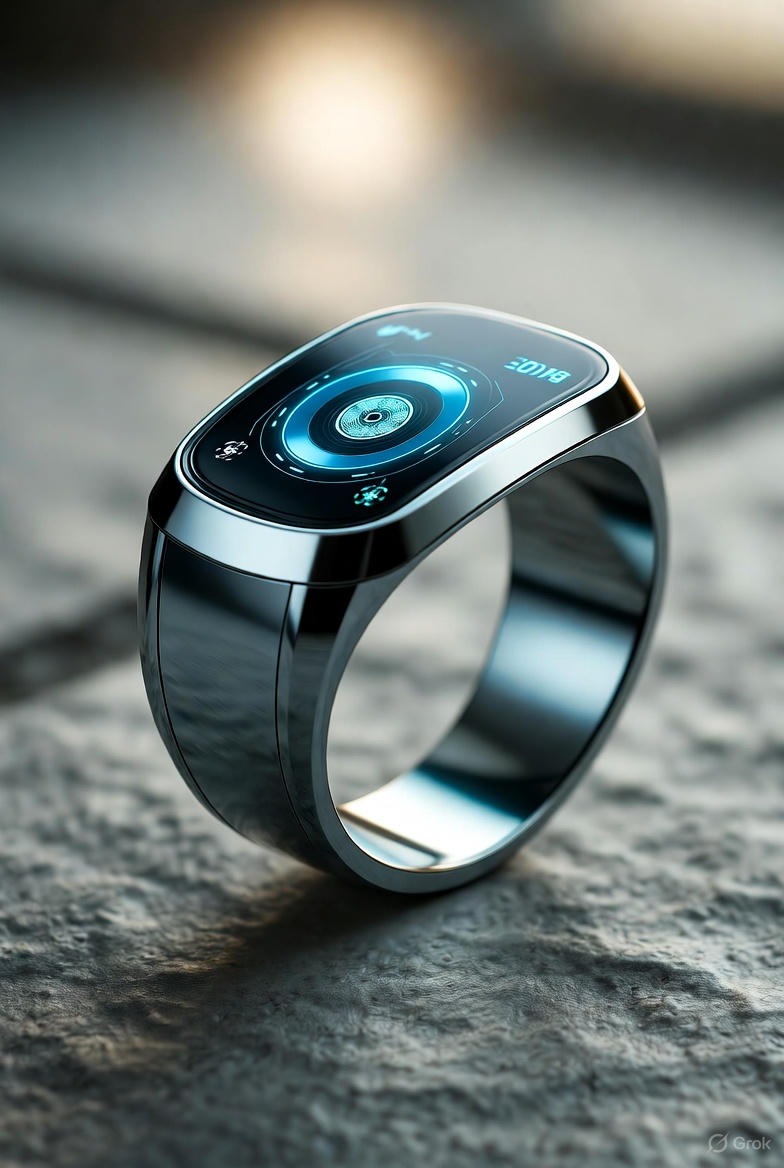
At first glance, a wellness ring looks like a sleek piece of modern jewelry—a smooth band of titanium, ceramic, or composite material. But nestled discreetly on its inner curve is a sophisticated array of micro-sensors, turning this minimalist accessory into a clinical-grade bio-tracking powerhouse.

Unlike smartwatches, which are designed for constant interaction and notification management, a wellness ring operates on a philosophy of passive, uninterrupted observation. Its primary job is not to distract you, but to listen to your body. It achieves this through a suite of sensors commonly including:

  • Photoplethysmography (PPG) Sensors: These are the heart of the ring (pun intended). By emitting tiny LED lights onto the skin of your finger, these sensors detect subtle changes in blood volume with each heartbeat. This allows the ring to measure your heart rate, heart rate variability (HRV)—a critical marker of your nervous system state—and blood oxygen saturation (SpO2).
  • A 3-Axis Accelerometer: This tracks your body movement and can distinguish between different types of motion, such as walking, running, and, most importantly, the micro-movements of different sleep stages.
  • Skin Temperature Sensor: It continuously monitors the subtle fluctuations in your peripheral body temperature, which can indicate the onset of illness, stress, or, for women, track fertile windows and menstrual cycles.
  • Bioimpedance Sensors: Some advanced rings use tiny electrodes to send a harmless, imperceptible electrical signal through the skin to measure metrics like respiratory rate and even estimate stress levels through electrodermal activity.

The magic happens when all this raw data is synthesized through proprietary algorithms. The ring isn’t just collecting numbers; it’s interpreting a story. For instance, by combining motion data (from the accelerometer) with heart rate and HRV data (from the PPG), the ring can accurately determine when you fall asleep, how long you spend in light, deep, and REM sleep, and how many times you wake up during the night. This holistic view is far more accurate than a standalone movement tracker.

For the beginner, the beauty lies in its simplicity. You don’t need to understand the science of PPG to benefit from it. You wear the ring, live your life, and the insights flow effortlessly to your smartphone app. It’s a set-and-forget tool that works in the background, making it the most frictionless entry point into the world of quantified health. As you start to see patterns in your sleep score and overall recovery, the value of this passive data collection becomes immediately clear.

Why a Ring? The Unique Advantages Over Watches & Wristbands

The wearable market is dominated by the smartwatch, a powerful but often intrusive device. For someone beginning their wellness tracking journey, the choice of form factor is crucial. The wellness ring offers distinct, beginner-friendly advantages that make it a superior choice for focused health insight.

1. Unparalleled Comfort and Forgetability: A well-fitted ring disappears on your finger. There’s no bulky screen digging into your wrist while you type, no strap causing skin irritation, and no need to take it off for activities like washing your hands or working out (most are fully waterproof). This 24/7 wearability is key. Health metrics like resting heart rate and HRV are most accurate when measured during consistent, undisturbed periods like sleep. A device you can comfortably wear all day and night provides a complete, unbroken dataset.

2. Sleep Tracking Supremacy: For actionable wellness data, sleep is ground zero. A clunky watch can be uncomfortable to wear in bed, leading users to remove it and miss critical data. A ring is imperceptible during sleep. Furthermore, the finger is an ideal location for nocturnal measurements. The vascularity provides a strong PPG signal, and the lack of major tendons and bones (compared to the wrist) reduces motion noise, leading to more accurate heart rate and HRV readings throughout the night.

3. The Power of Passive Insight (No "Screen Time"): Smartwatches are designed for engagement—they buzz with notifications, encourage you to check your stats constantly, and often become sources of digital stress. A wellness ring flips this model. It collects data passively without demanding your attention. You check the app once or twice a day for a curated summary, not a live stream of alerts. This fosters a healthier, more reflective relationship with your data, encouraging you to think about daily habits rather than momentary metrics.

4. Discreet and Stylish: Not everyone wants a tech gadget on display. A wellness ring looks like contemporary jewelry. It fits seamlessly into professional settings, social events, and doesn’t scream "I'm tracking my biometrics." This low-profile design reduces social friction and makes consistent, long-term use more likely.

5. Extended Battery Life: Without a power-hungry display and constant connectivity features, rings can often last 5-7 days on a single charge. This means you’re not adding a daily charging task to your routine, reducing the chance of missing data due to a dead battery.

For the beginner, these advantages translate to one thing: sustained adherence. The biggest hurdle in health tracking isn’t starting—it’s sticking with it. The ring’s comfort, simplicity, and non-intrusive nature remove the common pain points, making it effortless to integrate into your life permanently, turning sporadic checking into a consistent practice of restful living and mindful awareness.

The 5 Core Metrics Beginners Should Understand First

Diving into a wellness app for the first time can feel like reading a foreign language. BPM, HRV, SpO2, sleep latency—the acronyms and terms are numerous. Don't panic. As a beginner, you only need to focus on five foundational metrics. Mastering these will give you 80% of the actionable insight you need to start making positive changes.

1. Resting Heart Rate (RHR): This is your heart’s beats per minute (BPM) when you are fully at rest, typically measured during sleep. It’s a fundamental indicator of cardiovascular fitness and overall health. A lower RHR generally suggests a more efficient heart muscle and better fitness. For beginners, tracking the trend is more important than the absolute number. Notice if it creeps up over several days, which can be an early sign of illness, dehydration, excessive stress, or insufficient recovery.

2. Heart Rate Variability (HRV): This is arguably the most important—and most misunderstood—metric for modern wellness. HRV measures the subtle variations in time between each heartbeat. Contrary to intuition, a higher HRV is better. It indicates a resilient, adaptable nervous system that can smoothly shift between stress ("fight or flight") and recovery ("rest and digest") modes. A consistently low or dropping HRV is your body’s clearest flag that it is under strain from stress, poor sleep, overtraining, or illness. It’s your ultimate "listen to your body" metric.

3. Sleep Score & Stages: Rather than obsessing over a single number of "hours slept," a good wellness ring synthesizes multiple data points into a single, comprehensive Sleep Score. This score considers not just duration, but also:
* Sleep Latency: How long it took you to fall asleep.
* Sleep Efficiency: The percentage of time in bed you were actually asleep.
* Sleep Stages: The balance of Light, Deep, and REM sleep.
* Restlessness: How many times you woke up or moved significantly.
Understanding your personal sleep architecture is the first step to improving it. You can learn more about what constitutes a healthy pattern by exploring sleep score standards based on current research.

4. Respiratory Rate: The number of breaths you take per minute, typically measured at rest. It’s a stable metric for most people, but a significant and sustained increase (especially during sleep) can be an early indicator of respiratory issues, anxiety, or cardiac stress. It’s a quiet but powerful vital sign your ring monitors effortlessly.

5. Body Temperature (Trend): Your ring tracks your skin temperature relative to your own baseline. A pronounced upward trend over several nights is one of the most reliable early warnings of an oncoming infection or, for women, a shift in hormonal cycles.

As a beginner, start by simply observing these five metrics each morning. Don’t judge, just notice. How do they relate to how you feel? Did a low Sleep Score and dipping HRV coincide with a day you felt exhausted? Did a high HRV follow a particularly relaxed weekend? This connection between data and feeling is the cornerstone of body literacy, a skill the wellness ring is uniquely positioned to teach. Over time, tracking these metrics will reveal your personal patterns of improvement and recovery over the long term.

Setting Up for Success: Your First Week with a Wellness Ring

The unboxing experience of a wellness ring is a moment of promise. To ensure your first week translates that promise into meaningful insight, a little strategic setup goes a long way. Follow this beginner’s roadmap to start strong.

Day 1: The Perfect Fit is Everything. Most rings come with a sizing kit. This isn’t a suggestion—it’s a requirement. The sensors need consistent, snug contact with your skin without impairing circulation. Try the sizers on different fingers (the index, middle, and ring fingers of your non-dominant hand are often ideal) at different times of day. Your fingers swell slightly when warm or after exercise. The ring should feel secure but removable with a gentle, twisting pull. A poor fit leads to inaccurate data and frustration.

Day 1-3: Baseline Collection – The "Do Nothing" Phase. Resist the urge to immediately change your habits. Your primary goal for the first 72 hours is to let the ring learn your normal. Wear it continuously (even in the shower if it’s waterproof). Go about your typical routine—your usual sleep, coffee, workouts, and stress. This establishes your personal biometric baseline, the crucial reference point against which all future changes will be measured. Without this, you won’t know what "good" or "bad" looks like for you.

Day 4-7: Morning Check-In Ritual. Start each morning by opening the companion app before you check email or social media. Spend just 2-3 minutes reviewing your core metrics from the night before. Look at your Sleep Score, RHR, and HRV. The app will often provide a simple "Readiness" or "Recovery" score summarizing this data. Don’t just note the numbers; use the journal feature (if available) to tag how you feel—"Rested," "Fatigued," "Stressed." This begins to build the mind-body-data connection.

Beginner Pro-Tips for Week One:

  • Charge Strategically: Find a downtime ritual—like your Sunday evening planning session—where you place the ring on its charger. A 60-90 minute charge every 5-6 days is easier to remember than a daily task.
  • Ignore the Absolute, Watch the Trend: On Day 2, your HRV might be 45ms. Don’t Google "Is 45 a good HRV?" Instead, on Day 5, see if it’s 42 or 48 relative to your baseline. The trend is your truth.
  • Connect One Habit: Pick one gentle habit to experiment with. For example: "If my Sleep Score is below 80, I will turn off screens 30 minutes earlier tonight." This turns data into immediate, small action.

This first week isn’t about optimization; it’s about observation and building a consistent ritual. You are laying the groundwork for a sustainable practice of using data to inform your daily choices for calm and restoration.

Interpreting Your Daily Readiness Score: What Your Body is Telling You

After a week of baseline collection, your ring’s app will likely present you with a headline number each morning: your Readiness Score (sometimes called Recovery or Energy Score). This is the North Star for beginners—a single, synthesized metric designed to answer the fundamental question: "How capable is my body of handling stress and effort today?"

Think of it not as a grade, but as a recommendation from your own physiology. It’s calculated by weighing your key recovery metrics—like last night’s sleep data, your overnight HRV trend, resting heart rate, and temperature—against your personal baseline.

How to Decode the Message:

  • High Readiness Score (e.g., 80-100): Your body is signaling a green light. Your nervous system is resilient, you’re well-recovered, and you have strong adaptive capacity. This is an ideal day for challenging workouts, important mental work, or tackling demanding projects. Your body has the resources to handle stress and grow stronger from it.
  • Moderate Readiness Score (e.g., 50-79): This is a yellow light, a suggestion for caution and mindfulness. Your body is in a balanced but not optimal state. Perhaps your sleep was a bit short, your HRV dipped slightly, or your RHR is elevated. The recommendation here is to proceed with your planned day but listen closely to your body. You might opt for a moderate workout instead of a high-intensity one, prioritize good nutrition, and be mindful of stacking stressors. It’s a perfect day to incorporate micro-recovery practices throughout your busy schedule.
  • Low Readiness Score (e.g., Below 50): This is a clear red light, a signal for restorative priority. Your body is indicating significant strain. This could be due to poor sleep, an oncoming illness, intense training load, or high life stress. The message is not to push through, but to pull back. Prioritize rest, gentle movement like walking, hydration, nutritious food, and stress-management techniques. Forcing a hard workout or a mentally exhausting day on a low Readiness Score can dig a deeper recovery hole and increase injury or burnout risk.

The Beginner’s Mindset Shift: The most common mistake is seeing a low score as a "failure." Reframe it. A low Readiness Score is the ring’s greatest gift—it’s an early warning system. It’s your body communicating its need for care before you crash, get sick, or injure yourself. It empowers you to make proactive, intelligent decisions. Instead of wondering why you’re so tired, you have a data-backed reason to schedule an easy day.

By learning to trust and act on your Readiness Score, you move from ignoring your body’s signals to partnering with them. This fosters a sustainable, responsive approach to health that prevents burnout and promotes long-term vitality, aligning perfectly with a philosophy of intentional balance over relentless hustle.

Sleep Tracking Decoded: From Data to Better Sleep Hygiene

Your wellness ring’s most transformative feature is its ability to demystify your sleep. For beginners, moving from knowing you "slept badly" to understanding why is revolutionary. Let’s translate the sleep dashboard into actionable insights.

Beyond the Hours: The Components of Your Sleep Score.
A 7-hour sleep isn’t just a 7-hour sleep. Your ring breaks it down:

  • Sleep Latency: The 10-20 minute window to fall asleep is ideal. Consistently taking over 30 minutes can point to evening hyper-arousal—perhaps from screens, caffeine, or an overactive mind.
  • Sleep Efficiency: Aim for >90%. This means you’re awake for less than 10% of the time you’re in bed. Low efficiency often means a disruptive sleep environment or mismatched sleep drive.
  • Deep Sleep: The physical restoration phase. It’s typically front-loaded in the night. Stress, alcohol, and sleeping in a hot room can crush deep sleep.
  • REM Sleep: The mental and emotional processing phase. It dominates the later cycles of the night. Sleep deprivation, certain medications, and irregular schedules can rob you of REM.
  • Restlessness & Awakenings: Brief awakenings are normal, but frequent or long ones fragment sleep’s restorative power. They can be caused by environmental factors (noise, light, partner movement) or internal ones (stress, digestion, sleep apnea).

Turning Insight into Action: Beginner-Friendly Sleep Hygiene.
Your ring’s data is useless without action. Here’s how to connect the dots:

  • Problem: High Sleep Latency / Low Score.
  • Problem: Low Sleep Efficiency / Frequent Awakenings.
    • Data-Driven Fix: Audit your sleep sanctuary. Is it cool (65-68°F), dark (blackout curtains), and quiet? Is your mattress comfortable? Optimizing your bedroom environment for calm and restoration is a direct lever for improving sleep continuity.
  • Problem: Lack of Deep Sleep.
    • Data-Driven Fix: Prioritize daytime physical activity, but avoid vigorous exercise too close to bedtime. Manage stress through daytime practices, as cortisol at night blocks deep sleep. Avoid alcohol—it may help you fall asleep but it severely disrupts deep sleep later in the night.
  • Problem: Low REM Sleep.
    • Data-Driven Fix: Protect your total sleep time. REM is sacrificed first when you cut sleep short. Maintain a consistent sleep schedule, even on weekends, to stabilize your sleep architecture.

For the beginner, the goal isn’t perfection. It’s about identifying one leverage point. Use a week of sleep data to pick your weakest link (e.g., "I’m always restless"), implement one change (e.g., "I’ll lower my bedroom thermostat"), and observe the result in your next week’s scores. This empirical, self-experimentation approach makes improving sleep an engaging, personalized science project with you as the subject and beneficiary.

Understanding Stress & Recovery: The HRV Deep Dive

If Resting Heart Rate is the volume of your heart’s activity, Heart Rate Variability (HRV) is its nuanced rhythm. It is the single most direct window into your autonomic nervous system (ANS)—the automatic control center that regulates stress, recovery, digestion, and immunity.

The Science, Simplified: Your heart doesn’t tick like a metronome. The time between beats varies by milliseconds. When you inhale, your heart rate speeds up slightly (activating the sympathetic "stress" side). When you exhale, it slows down (engaging the parasympathetic "rest" side). This oscillation is health. High HRV means your ANS is flexible, like a skilled dancer easily moving between activity and rest. Low HRV indicates a rigid, stuck system—often stuck in a stressed "fight-or-flight" state.

How Your Ring Measures It: Your ring calculates HRV during stable periods, typically during deep sleep, to get the cleanest signal. It often uses a measurement called rMSSD (root mean square of successive differences), reported in milliseconds.

A Beginner’s Guide to Interpreting Your HRV:

  1. Forget Comparing: Your HRV is personal. Genetics, age, and fitness play a role. A number that’s low for someone else might be high for you. Only compare your HRV to your own baseline.
  2. Watch the Trend: This is everything. A gradual upward trend over weeks/months is a golden sign of improving fitness and resilience. A sharp, sustained drop is a major red flag. Common causes include:
    • Overtraining (too much exercise without rest)
    • Emotional or psychological stress
    • Poor sleep quality or quantity
    • Dehydration or poor nutrition
    • The onset of illness
  3. See the Big Picture: Your daily HRV is a lagging indicator. It reflects the total stress/recovery balance of the previous 24-48 hours. Don’t panic over a single low reading. Look for patterns over 3-7 days.

Using HRV to Guide Your Life (Not Dictate It):

  • For Training: If your HRV is significantly below baseline, consider it a sign to take an easy day or rest day. Pushing hard on a low HRV can lead to injury and burnout.
  • For Life Stress: A dropping HRV trend despite normal sleep and exercise is a powerful cue to examine your mental load. It’s validation that your stress is "real" on a physiological level, prompting you to address chronic stress before it leads to burnout.
  • For Recovery Practices: Use your HRV to see what works. After starting meditation, better hydration, or a digital curfew, does your HRV trend improve? This positive feedback loop is incredibly motivating.

For the beginner, HRV transforms abstract concepts of "feeling stressed" or "run down" into a tangible, measurable signal. It teaches you that recovery is not passive, but an active state your body must achieve. By learning its language, you gain a powerful tool for navigating modern life, helping you shift from a state of constant doing to a more sustainable state of being and recovery.

Activity Tracking Reimagined: Movement Without the Obsession

Wellness rings take a radically different, and often healthier, approach to activity than step-counting smartwatches. The goal shifts from "closing rings" and hitting arbitrary targets to movement that supports recovery and overall vitality. For beginners tired of gamified fitness pressure, this is a breath of fresh air.

The Philosophy: Balance, Not Burnout. Your ring’s primary focus is ensuring you are recovering well from activity, not just accumulating it. It understands that more is not always better. Its data contextually informs your activity choices rather than dictating them.

Key Activity Metrics for Beginners:

  • Active Calories & Movement Time: Most rings will still track your general daily expenditure and periods of moderate activity. This gives you a baseline sense of your non-exercise activity thermogenesis (NEAT)—the calories you burn from walking, chores, fidgeting, etc.
  • Activity Readiness Integration: This is the killer feature. Your morning Readiness Score should directly influence your workout plan. A high score? Go for that run or intense session. A moderate or low score? Opt for gentle movement like walking, yoga, or mobility work. This is called "autoregulation"—letting your body’s daily state guide your training intensity. It prevents overtraining and aligns perfectly with the concept of restful living, where activity serves recovery, not depletes it.
  • Recovery Focus Post-Workout: Instead of just celebrating a completed workout, your ring will show you its impact. Expect to see elevated resting heart rate and a dip in HRV the night after a hard session—this is normal acute stress. The ring helps you watch for these metrics to return to baseline, signaling you’ve recovered and are ready for another challenge. If they don’t bounce back, you know you need more rest.

Practical Tips for the Beginner:

  1. Decouple Steps from Self-Worth: Ignore the 10,000-step myth if you must. Focus instead on breaking up prolonged sitting. Many rings can remind you to move gently every hour, which is far more beneficial for metabolic health than a single daily step marathon.
  2. Embrace "Low and Slow": On low-readiness days, celebrate a 30-minute walk in nature. This kind of movement reduces stress (lowering cortisol), promotes circulation, and aids recovery without adding systemic strain. In fact, spending time in nature is a profound form of restful living.
  3. Listen to the Feedback Loop: Did a evening workout trash your sleep score? Maybe you’re too energized afterwards. Try moving that workout to the morning. Did a day of gardening and walking give you a great sleep and higher HRV? That’s valuable data that low-stress movement is key for you.

By reimagining activity through the lens of balance, the wellness ring helps beginners develop a sustainable, intuitive relationship with movement. It’s about moving in a way that makes you feel better tomorrow, not just more tired today.

Navigating the App: Turning Data into Simple, Actionable Insights

The companion app is your dashboard to your inner world. A well-designed app for beginners doesn’t drown you in data; it curates insights and offers clear next steps. Here’s how to navigate it without feeling overwhelmed.

The Daily Check-In: Your Morning Report. Make this a 2-minute ritual. A good app will present a clear, visual summary including:

  • Your Readiness/Recovery Score: The headline takeaway.
  • Sleep Score & Key Highlights: "You had excellent Deep Sleep," or "Your restlessness was higher than usual."
  • HRV & RHR Status: Often shown with simple up/down arrows relative to your baseline.
  • "What This Means" Section: A short, plain-English interpretation. E.g., "Your body is well-recovered. It’s a good day for challenging tasks."

The Trends & Patterns View: Where the Magic Happens. This is your most powerful tool. Switch from "Daily" to "Weekly" or "Monthly" view. You’re no longer looking at weather; you’re looking at climate.

  • Spot Correlations: Do your Sleep Scores consistently dip on Sundays? Maybe Sunday night anxiety is a pattern. Does your HRV peak on Fridays? Perhaps your workweek stress takes a tangible toll. Seeing these lines on a graph makes invisible patterns undeniably visible.
  • Tagging and Journaling: Use this feature! Tag days with "Drank Alcohol," "Hard Workout," "High Stress Day," "Ate Late." Over time, you can filter your data to see the direct impact of these behaviors on your scores. This turns guesswork into knowledge.

Actionable Insights & Gentle Nudges: Look for an app that provides micro-suggestions, not rigid commands.

  • Good: "Your latency was high last night. Consider trying a 10-minute wind-down routine tonight."
  • Bad: "You failed at sleep."

Setting Realistic Goals: Avoid setting goals like "Achieve an 85 Sleep Score every night." This leads to frustration. Instead, set process-oriented goals based on your data:

  • "On nights my Readiness is below 70, I will prioritize a 20-minute evening walk and no screens after 9 PM."
  • "I will aim for a consistent bedtime within a 30-minute window on weeknights."
  • "I will use my weekly trend view every Sunday to reflect on one habit I can adjust for the coming week."

The app is not a judge; it’s a mirror and a guide. Its purpose is to foster awareness and agency. By learning to navigate it with curiosity rather than anxiety, you transform raw data into a personalized roadmap for well-being, helping you design a lifestyle that naturally supports deep, restorative sleep and daily calm.

Avoiding Common Beginner Pitfalls & Maximizing Accuracy

Even with the most intuitive technology, new users can stumble. Being aware of these common pitfalls will save you time, prevent frustration, and ensure the data you’re relying on is trustworthy.

Pitfall 1: The Fit Fiasco. An improperly sized ring is the #1 source of bad data. It can cause gaps in sensor contact, leading to missed heart rate readings or incorrect sleep detection.

  • The Fix: Use the sizing kit meticulously. When in doubt between two sizes, choose the slightly snugger one that is still comfortable to put on and remove. The ring should not spin freely or feel loose.

Pitfall 2: Chasing Perfect Scores. Obsessing over a "100" Sleep Score or a constantly rising HRV is a recipe for neuroticism and disappointment. Biology is variable, not robotic.

  • The Fix: Embrace the 80/20 rule. Aim for consistency in your habits (sleep time, stress management) 80% of the time, and allow 20% for life’s spontaneity. Look at weekly averages, not daily absolutes. Remember, the goal is trending wellness, not daily perfection.

Pitfall 3: Misinterpreting Acute Dips. A single night of poor sleep or a low HRV after a celebration is normal. It’s an acute response. The problem is a chronic downward trend.

  • The Fix: Don’t panic over a one-off. Use the weekly view in your app. Is this bad day part of a pattern, or an isolated blip? Context is key.

Pitfall 4: Ignoring the "Why" Behind the Data. Data without context is just numbers. If you don’t connect your scores to your lived experience, you miss the learning opportunity.

  • The Fix: Journal! Use the app’s tagging feature or a physical notebook. Note down obvious factors: "Stressed about work presentation," "Ate a heavy meal at 9 PM," "Drank two glasses of wine," "Had a fantastic relaxing day outdoors." This builds your personal guidebook for what helps and harms your physiology.

Pitfall 5: Forgetting to Charge & Sync. A dead ring on your nightstand collects no sleep data. An unsynced ring provides no insights.

  • The Fix: Attach charging to an existing habit. Charge it while you shower every morning, or while you have your weekly planning session. Make opening the app part of your morning coffee ritual to ensure it syncs.

Pitfall 6: Expecting Immediate, Dramatic Changes. Wellness is a marathon, not a sprint. Your body’s baseline shifts slowly over weeks and months of consistent habit change.

By sidestepping these common traps, you position yourself to use the wellness ring as it was intended: as a compassionate, accurate tool for self-discovery and sustainable growth, not as another source of performance anxiety.

Creating Your Personal Baseline: The First 30 Days of Discovery

The initial month with your wellness ring is a dedicated period of non-judgmental observation. This isn’t about fixing yourself; it’s about meeting yourself where you are, with curiosity and compassion. Establishing a reliable personal baseline is the critical foundation for all future insight. Without it, you’re navigating without a map.

Weeks 1 & 2: Pure Data Collection. Continue the "do nothing" phase from your first week. Wear the ring consistently and go about your normal life. The goal is to capture a full picture of your unique physiology across different contexts: workdays, weekends, high-stress periods, and relaxed ones. Pay particular attention to capturing data across a full menstrual cycle if you have one, as hormonal fluctuations create a powerful and predictable baseline rhythm for many metrics.

Weeks 3 & 4: The Art of Gentle Experimentation. Now, introduce single, small changes—one per week—to see their measurable impact.

  • Experiment A (Hydration): Commit to drinking a target amount of water (e.g., half your body weight in ounces) every day for a week. Observe any shifts in resting heart rate, skin temperature consistency, or sleep quality.
  • Experiment B (Digital Sunset): Implement a screen curfew 60 minutes before your target bedtime for a week. Use the time for reading, light stretching, or conversation. Watch for changes in your sleep latency and sleep score.
  • Experiment C (Morning Light): Spend 10-15 minutes outside within an hour of waking (without sunglasses, safely). Note any effects on your daytime energy and, subsequently, your sleep depth.

Analyzing Your 30-Day Baseline Report: At the end of the month, step back. Look at your weekly trend graphs and answer these questions:

  1. What is my "normal" range? For HRV, what’s the typical low and high? For sleep score, what’s my average on a good night vs. a poor night?
  2. What are my clear patterns? Do I reliably see a dip in recovery every Wednesday during a stressful weekly meeting? Does my sleep improve dramatically on Fridays when the workweek pressure lifts?
  3. What was my most impactful experiment? Which small change yielded the most positive shift in my data and how I felt?

This baseline isn’t a prison; it’s your home base. It tells you what "rested you" looks like, so you can recognize when you’ve strayed too far. It provides the empirical evidence needed to move from generic wellness advice ("get more sleep") to personalized protocol ("when I get at least 7.5 hours with 90+ minutes of deep sleep, my readiness score consistently breaks 85"). This self-knowledge is the first, crucial step toward designing a lifestyle that systematically supports calm and restoration.

How to Use Your Ring for Habit Stacking & Sustainable Change

Armed with your personal baseline, you can now use your ring not just as a monitor, but as a catalyst for habit formation. The key for beginners is to avoid overwhelming overhauls. Instead, leverage the powerful concept of "habit stacking"—attaching a new, desired behavior to an existing, automatic one—using your ring’s data as both the trigger and the reward.

The Feedback Loop Framework: Your ring creates a perfect behavioral feedback loop: Action → Measurement → Insight → Adjusted Action.

Beginner-Friendly Habit Stacking Strategies:

  • Stacking onto Your Morning Ring Check:
    • Existing Habit: You open the app with your morning coffee.
    • New Stacked Habit: Based on your Readiness Score, you choose one intentional action for the day.
      • If score is High: "I will stack a 20-minute focused work session onto my morning coffee."
      • If score is Moderate/Low: "I will stack 5 minutes of box breathing or a short walk outside onto my morning coffee before starting work."
        This turns a passive data review into an active decision-making ritual.
  • Stacking onto Evening Wind-Down:
    • Existing Habit: You charge your phone away from your bed.
    • New Stacked Habit: You place your phone to charge, then immediately put on blue-light blocking glasses or dim the house lights for the rest of the evening. The next morning, your ring’s improved sleep latency metric provides the positive reinforcement.
  • Stacking onto Meal Times:
    • Existing Habit: You eat lunch.
    • New Stacked Habit: After eating, you take a 10-minute walk (aiding digestion and reducing post-meal energy crashes). Over time, watch for this habit’s impact on your afternoon energy dip and evening recovery scores.

Using Data as a Reward, Not a Whip: The psychology here is vital. Don’t use a low score to berate yourself ("I failed"). Use it as a neutral, informative trigger ("My body is asking for support today"). The reward comes when you see a positive data shift after consistently practicing the new stacked habit. That positive feedback—seeing your nightly HRV climb after a week of post-dinner walks—is incredibly motivating and makes the habit self-reinforcing.

Start Microscopically: For a beginner, the best stacked habit is one so small it’s impossible to refuse. "After I check my ring data, I will take three deep breaths." That’s it. Consistency with a micro-habit builds the neural pathway for change far more effectively than sporadic attempts at grand gestures. These tiny, consistent actions are the very essence of building a restful living philosophy into a busy, modern life.

The Beginner's Guide to Restful Living, Powered by Data

"Restful Living" is more than just getting eight hours of sleep. It’s a holistic philosophy that prioritizes deep recovery and nervous system regulation throughout your entire day. For the beginner, this can feel abstract. Your wellness ring serves as the perfect translator, turning the principles of restful living into concrete, measurable practices.

From Philosophy to Metric: Your ring quantifies the core tenets of restful living.

  • Principle: Balance activity with restoration.
    • Ring Metric: The relationship between your daily activity strain and your subsequent Sleep Score/HRV recovery.
  • Principle: Manage stress proactively.
    • Ring Metric: Your daytime HRV trends and nighttime resting heart rate.
  • Principle: Honor your body’s natural rhythms.
    • Ring Metric: Consistency in your sleep/wake times reflected in sleep efficiency scores.

Data-Informed Restful Living Routines:

  • The Morning Anchor: Instead of jolting awake to a blaring alarm, use your ring’s smart alarm feature (if available) to wake you during a period of light sleep within a set window. Follow this with a morning ritual that doesn’t spike cortisol: 5 minutes of daylight viewing, hydration, and light movement. Your ring will show the payoff in more stable daytime heart rate and energy.
  • The Strategic Pause: Schedule deliberate breaks based on your body’s signals, not just the clock. If you notice yourself feeling frazzled mid-morning, check your app’s stress metric or simply note your mental state. Use that as a trigger for a 3-minute breathing break. Over time, you’ll see these pauses prevent the cumulative stress that tanks your evening HRV.
  • The Intentional Evening: Let your ring’s sleep data guide your wind-down. If you see consistently low deep sleep, your evening focus should be on calming the nervous system: a hot bath, reading fiction, gentle yoga. If you see low REM sleep, focus on protecting a longer sleep duration and consistency. Explore evening rituals scientifically designed to prepare your mind for deep sleep.

Creating a Restful Environment: Your ring can even help you optimize your spaces. Sleep in a cooler room and watch your deep sleep graph respond. Reduce nighttime light pollution and observe your sleep efficiency improve. This turns your home into a sanctuary for recovery, aligning with the principles of designing your physical space for calm and restoration.

For the beginner, restful living powered by a wellness ring is the antidote to hustle culture. It provides the hard data that proves slowing down, breathing, and prioritizing recovery isn’t laziness—it’s the foundation of sustainable high performance and well-being. It teaches you that the most productive thing you can do is often to rest.
Navigating Social Life, Travel, and "Off Days" with Your Ring

Life isn't a controlled experiment. There will be weddings, late-night flights, stressful deadlines, and sick days. A beginner might worry these events will "ruin" their data or make the ring useless. In reality, this is when your ring becomes most valuable as a resilient, non-judgmental tool.

The Social Calendar Strategy:

  • Before the Event: Check your readiness score that morning. If it’s already low, know that your body’s resilience bank is low. This isn’t a command to cancel plans, but to go in with strategy. Hydrate thoroughly during the day, eat a nutritious meal beforehand, and set a gentle intention ("I’ll enjoy two drinks and be home by 11").
  • During the Event: You don’t need to check your app. Just wear the ring. Its job is to document, not interfere.
  • After the Event: Practice data curiosity, not guilt. The next morning, observe the impact dispassionately. "Fascinating. My resting heart rate is 10 BPM higher and my HRV dropped 20%. That was the physiological cost of that fun night." Then, use your low readiness score as your permission slip for a true recovery day: gentle nutrition, hydration, walking, and early sleep. The ring helps you rebound intelligently.

The Travel Companion:

  • Jet Lag & Time Zones: Your ring is an objective jet lag tracker. It will clearly show your body’s struggle to align with the new schedule—disrupted sleep stages, elevated nighttime heart rate. Use this data to be kinder to yourself. Don’t expect peak performance on day one. Use the ring’s cues to guide your adaptation: seek daylight at local morning times, eat on the new schedule, and allow for naps if your data shows severe sleep debt.
  • The "Hotel Sleep" Experiment: Use your ring to test sleep in a new environment. Is the room too warm? Too noisy? Your sleep score and restlessness graph will tell you. This information is empowering for future trips.

Sickness and Recovery: This is one of the ring’s most powerful use cases.

  • Early Detection: A sustained elevation in skin temperature and resting heart rate, coupled with a drop in HRV, can signal an oncoming illness before you feel symptoms. This is your cue to preemptively rest, hydrate, and reduce stress.
  • Tracking Convalescence: Don’t judge your data while sick. Use it to know when you’re truly recovered. Just because your fever breaks doesn’t mean your body is ready for the gym. Your HRV and RHR will tell you when your nervous system has regained its resilience. Pushing before these metrics normalize is a classic way to prolong illness or cause a relapse.

The goal is resilience, not rigidity. Your ring teaches you that wellness is a dynamic balance. It shows you the cost of life’s pleasures and stressors, not to forbid them, but to allow you to engage consciously and recover deliberately. This flexible, compassionate approach is key to preventing the chronic stress and burnout that comes from an all-or-nothing mindset.

Beyond Sleep & HRV: Exploring Your Ring's Secondary Metrics

Once you’re comfortable with the core five metrics (RHR, HRV, Sleep, Respiration, Temperature), your wellness ring opens up a deeper layer of insight through secondary metrics. For the curious beginner, exploring these can provide a more nuanced picture of your health.

1. Blood Oxygen (SpO2) During Sleep: This measures the percentage of oxygen-saturated hemoglobin in your blood. For most healthy individuals, it stays in a tight, normal range (95-100%). The ring monitors for nocturnal dips (desaturations). While occasional minor dips can be normal, frequent or significant drops can be a flag for sleep-disordered breathing, like sleep apnea. If your ring consistently reports low nighttime SpO2 averages or frequent dips, it’s a valuable data point to discuss with a healthcare provider.

2. Breathing Rate (Respiratory Rate): We touched on this as a core metric, but its patterns are insightful. A resting breath rate of 12-20 breaths per minute is typical. Beyond significant increases, look for:
* Variability: Some healthy variability is good. Excessive regularity can sometimes indicate system stress.
* Connection to Stress: Notice if your daytime breathing rate (often estimated during periods of rest) increases during mentally stressful tasks. This is a direct biofeedback cue to pause and take some deliberate, slow breaths.

3. Skin Temperature (Trend Analysis): The absolute temperature matters less than the deviation from your personal baseline.
* For Women: This is a powerful, non-invasive tool for cycle tracking. A sustained rise in basal body temperature (BBT) of about 0.5-1.0°F after ovulation is clear in the temperature trend graph. This can help identify fertile windows and confirm ovulation, providing insights into hormonal health.
* For Everyone: A multi-night upward trend remains one of the best early indicators of immune system activation (fighting a virus or infection).

4. Activity & Calorie Expenditure (With a Grain of Salt): Rings estimate active calories and metabolic burn. It’s crucial for beginners to understand these are estimates, not clinical measurements. Their true value is in showing relative change. Did you burn 30% more active calories on a hiking day than a desk day? That trend is meaningful. Using the absolute number for precise diet planning is not recommended.

How to Integrate Secondary Metrics: Don’t monitor these daily with the same intensity as your HRV or Sleep Score. Instead, review them weekly or when you’re investigating a specific question ("Why have I felt off this week?"). They provide corroborating evidence. For example, a week of poor sleep scores, elevated temperature, and slightly lower SpO2 paints a clearer picture of your body fighting something than any one metric alone.

By gradually incorporating an understanding of these secondary metrics, you move from a basic understanding of recovery to a more sophisticated awareness of your body’s complex systems, all contributing to a comprehensive picture of total body recovery and readiness.

Integrating with Other Apps & Your Broader Wellness Ecosystem

Your wellness ring doesn’t have to be an island of data. For the tech-savvy beginner, integrating it with other apps you already use can create a powerful, centralized wellness command center, providing context that makes your ring’s data even more actionable.

The Power of Integration:

  • Fitness & Workout Apps (Strava, Apple Health, Google Fit): Syncing your ring with these platforms allows you to see the complete story. Your ring provides the internal response (how your heart and nervous system reacted), while your workout app provides the external load (duration, intensity, GPS route). Seeing that a specific type of workout consistently crashes your HRV for two days is invaluable feedback for optimizing your training plan.
  • Nutrition & Meal Logging Apps (MyFitnessPal, Cronometer): By comparing your nutrition logs with your biometric data, you can start to identify personal food sensitivities or positive effects. Do nights after a high-sugar dinner correlate with restless sleep and low deep sleep? Does a day of high vegetable intake correlate with a higher next-morning HRV? This is personalized nutrition science at your fingertips.
  • Menstrual Cycle Trackers (Clue, Flo): For women, this is a game-changing integration. Syncing your cycle phase with your biometric trends (temperature, HRV, RHR) validates the profound physiological impact of your hormones. You’ll see clearly why you feel stronger in your follicular phase (often higher HRV) and need more rest in your luteal phase (often lower HRV, higher RHR). This knowledge fosters self-compassion and cycle-synced living.
  • Mindfulness & Meditation Apps (Calm, Headspace): Link your meditation practice to your physiology. Tag your meditation sessions in your ring’s journal or see if a week of consistent practice moves your baseline HRV upward. This turns the subjective feeling of calm into an objective, measurable outcome, reinforcing the habit.

A Beginner’s Integration Strategy: Start with one integration to avoid overwhelm.

  1. Choose Your Priority: Are you most focused on fitness, stress, or nutrition?
  2. Enable One Sync: In your ring’s app settings, authorize the connection to your chosen third-party app (e.g., Strava).
  3. Observe for Two Weeks: Don’t actively change anything. Just watch how the data from the two sources interact on a shared timeline.
  4. Derive One Insight: At the end of two weeks, ask: "What is one clear connection I see?" (e.g., "My afternoon meditation sessions are followed by a 5% higher average sleep score.")

This connected ecosystem turns your wellness ring into the central hub of your self-quantification practice. It stops being a single instrument and becomes the conductor of your personal health orchestra, helping you understand the symphony of inputs that create your overall state of well-being and guiding you toward a more balanced and intentional lifestyle.

Troubleshooting 101: When the Data Seems Wrong or Confusing

As a beginner, there will be mornings when your ring’s data seems to completely contradict how you feel. You might feel fantastic but see a low readiness score, or feel exhausted with a high score. Before dismissing the technology, it’s important to become a savvy detective of your own data. Here’s a troubleshooting guide for common confusing scenarios.

Scenario 1: "I feel great, but my Readiness Score is low."

  • Potential Causes & Checks:
    • Delayed Reaction: Remember, HRV and RHR are lagging indicators of stress from the last 24-48 hours. You might be feeling the relief today from a stressor that ended yesterday, but your body is still showing the recovery deficit.
    • Invisible Stress: Your nervous system registers stressors you might cognitively dismiss—like a difficult conversation, financial worry, or even intense cognitive work.
    • Physical Strain: A hard workout from two days ago can still be suppressing your HRV even though muscle soreness is gone.
    • Fit/Data Gap: Check for a data gap in your sleep graph. A poor fit can cause missed data, making the algorithm think you had less deep sleep or more wakefulness than you did.

Scenario 2: "I feel terrible, but my Readiness Score is high."

  • Potential Causes & Checks:
    • Mental vs. Physical State: Your readiness score reflects physical recovery capacity. You can be physically recovered (good sleep, low inflammation) but mentally or emotionally drained from psychological stress, which isn't fully captured by HRV alone.
    • Onset of Illness (Very Early): You may be in the very early prodromal stage of an illness where you feel "off" but your body hasn’t yet mounted the full immune response that elevates temperature and heart rate.
    • Dehydration or Low Blood Sugar: These can cause acute fatigue but may not immediately impact nocturnal metrics.

Scenario 3: "My sleep score was high, but I don't feel rested."

  • Potential Causes & Checks:
    • Sleep Architecture vs. Quality: You may have had good "quantitative" sleep (duration, stages) but poor "qualitative" sleep due to undetected environmental disruptions (noise, partner movement) or sleep disorders like UARS (Upper Airway Resistance Syndrome) that cause micro-arousals without major oxygen dips.
    • The "Sleep Drunkenness" Effect: Sometimes, waking from a very deep sleep stage can cause temporary grogginess (sleep inertia), which fades after 15-30 minutes.

General Troubleshooting Steps:

  1. Always Check the Fit First. A loose ring is the most common culprit for anomalous data, especially erratic heart rate or "awake" periods during confirmed sleep.
  2. Review the Raw Graphs. Don’t just look at the scores. Look at the heart rate graph throughout the night. Is it smooth or jagged? Look at the sleep stages. Does the pattern make sense?
  3. Consult Your Journal. What did you tag? Late alcohol, a new medication, an unusual meal? Context explains anomalies.
  4. Trust the Trend, Not the Day. A single day of conflicting data is noise. Does this conflict happen often? If you consistently feel bad with good scores, it may point to a psychological component needing attention. If you often feel good with bad scores, you may have a higher natural resilience than the algorithm assumes.

Ultimately, your felt experience is paramount. The ring’s data is a advisor, not an oracle. Use contradictions as prompts for deeper inquiry, not as sources of frustration. This investigative process itself deepens your body literacy and mindful awareness.

Building a Supportive Community & Sharing Insights (Safely)

The wellness journey can feel solitary, but it doesn’t have to be. One of the unexpected benefits of wearable technology is the potential for community. For beginners, finding your tribe—people who understand the language of HRV and sleep stages—can provide motivation, accountability, and shared learning. However, it’s crucial to navigate this sharing with intentionality and safety.

The Benefits of a Data-Savvy Community:

  • Normalization: Seeing that others also have nights of terrible sleep or weeks where stress tanks their HRV can be incredibly reassuring. It normalizes the biological ups and downs of being human.
  • Idea Exchange: Communities are breeding grounds for practical tips. You might learn about a new wind-down technique, a way to interpret a specific metric, or how someone else navigates shift work.
  • Accountability & Motivation: Sharing a goal ("I want to improve my average sleep score by 5 points this month") with a supportive group can increase your commitment. Celebrating each other’s data victories reinforces positive behavior.

How to Find Your Community:

  • Brand-Specific Forums & Groups: Many wellness ring companies host official user communities on their websites or platforms like Discord. These are goldmines for product-specific tips and feature discussions.
  • Social Media Niche Groups: Look for private Facebook groups or Reddit communities (like r/Biohacking or r/QuantifiedSelf) focused on health tracking, sleep optimization, or specific ring brands.
  • Real-Life "Biohacker" Friends: You might be surprised who in your existing network uses a similar device. A casual conversation can open a door to a valuable one-on-one data buddy.

Critical Guidelines for Safe & Healthy Sharing:

  1. Protect Your Privacy: Never share screenshots containing personally identifiable information. Blur out your name, exact dates, or any other private details. Your biometric data is intimate.
  2. Avoid Competitive Comparison: This is the cardinal sin. Your HRV of 35 is not "worse" than someone else’s 85. Share to learn and connect, not to rank. The goal is intra-personal improvement (beating your own baseline), not inter-personal competition.
  3. Focus on Behaviors, Not Just Numbers: When sharing a success, frame it around the habit change. Instead of "My HRV hit 70!" try "After a month of consistent 10pm screen curfews, my HRV has trended up from an average of 50 to 70." This is helpful and educational.
  4. Beware of Dogma: Communities can sometimes develop rigid orthodoxies ("You MUST cold plunge every morning!"). Use your ring’s data to test community suggestions for yourself. If a recommended habit doesn’t move your personal metrics in a positive direction, it may not be right for your unique biology.

Sharing your journey can transform the sometimes-clinical world of data into a human, connected experience. It reminds you that the pursuit of wellness, with all its trials and errors, is a shared human endeavor. It can provide the social support that makes integrating new, restful habits into a busy life not just feasible, but enjoyable.

The Long-Term Mindset: From Tracking to Transformation

The first few months with a wellness ring are often marked by a "honeymoon period" of intense engagement and rapid learning. But what happens after that? The true challenge—and the ultimate goal—is to transition from being a passive tracker to an empowered individual who has internalized the lessons, using the ring as a periodic check-in tool rather than a daily crutch. This is the long-term mindset shift from quantification to transformation.

The Evolution of Your Relationship with Data:

  • Phase 1: The Student (Months 1-3): You are learning the language. Daily check-ins are essential. You’re connecting cause and effect, running small experiments, and building your personal guidebook.
  • Phase 2: The Practitioner (Months 4-12): The habits start to become automatic. You don’t need the data to tell you to wind down; you feel the impulse because you’ve trained your routine. You check the app less for instruction and more for verification and fine-tuning. The data validates your felt experience.
  • Phase 3: The Master (Year 1+): The ring becomes a sophisticated monitoring system running quietly in the background. You might check your scores only a few times a week, using them as an early-warning radar for deviations from your healthy norm. Your primary source of guidance is your own honed bodily awareness—the ring simply confirms it.

Cultivating Internal Awareness (Interoception): The ring’s highest purpose is to sharpen your innate ability to sense your internal state. Use it as a training tool. Before you check your morning score, pause and ask: "How do I feel? Rested? Stressed?" Then, see how well your assessment matches the data. Over time, this practice will make you startlingly accurate. You’ll know your HRV is low because you feel "wire-y and tired," not because you saw a number.

Preventing Data Anxiety & Burnout: To avoid becoming a slave to the scores, institute periodic "data holidays." Once your habits are solid, choose a weekend or a vacation week where you wear the ring but forbid yourself from opening the app. Live purely by feel. This breaks any obsessive patterns and reaffirms that you are in control. The data serves you, not the other way around.

The Ultimate Goal: Informed Intuition. The end state is not a person glued to an app, but a person who moves through the world with informed intuition. You intuitively choose the salad because you know how sugar disrupts your sleep. You intuitively take a walking meeting because you know sitting spikes your stress. You intuitively go to bed early because you feel the subtle signs of accumulated strain. The ring provided the education; now you live it.

This journey mirrors the broader philosophy of moving from constant doing to sustainable being. It’s about building a life where healthy choices are the default, not the struggle. Your ring is the compassionate coach that helped you get there, proving that the path to well-being is found not in more hustle, but in more insightful, restful living.

Advanced Sleep Optimization: Tailoring Your Habits for Deeper Restoration

You understand your sleep stages and scores. Now, let’s use your ring’s granular data to solve specific sleep challenges and move from "good" sleep to truly restorative, strategic sleep. This is where you become the architect of your nightly recovery.

Targeted Interventions Based on Your Sleep Stage Data:

  • If Your Deep Sleep is Deficient:
    • The Data Signal: Consistently low duration of deep sleep (typically less than 15-20% of total sleep time for most adults).
    • The Physiology: Deep sleep (N3) is for physical repair, immune function, and memory consolidation. It’s prioritized in the first half of the night and is highly sensitive to stress and stimulants.
    • Advanced Fixes:
      1. Pre-Sleep Protein: A small serving of casein protein (like Greek yogurt) or a few grams of glycine 30-60 minutes before bed can provide amino acids that support physical repair during this phase.
      2. Temperature Prime: Take a hot bath or shower 1-2 hours before bed. The subsequent rapid cooldown as you leave the bathroom mimics the body’s natural temperature drop necessary for deep sleep onset. Your ring’s temperature graph will show you the effect.
      3. Strategic Exercise Timing: Intense exercise too close to bedtime can elevate core temperature and cortisol, sabotaging deep sleep. Use your ring to find your personal cutoff time—perhaps 4+ hours before bed is optimal for you.
      4. Alcohol Elimination: Alcohol is a deep sleep assassin. It may help you fall asleep, but it dramatically suppresses deep sleep in the latter half of the night. Observe the stark difference in your deep sleep graph on sober vs. alcohol nights.
  • If Your REM Sleep is Lacking:
    • The Data Signal: Low REM sleep (less than 20-25% of total sleep), often accompanied by feeling emotionally frazzled or creatively blocked.
    • The Physiology: REM is for emotional processing, creativity, and neural connectivity. It dominates the later sleep cycles.
    • Advanced Fixes:
      1. Protect Your Sleep Duration: REM sleep is disproportionately represented in the final hours of sleep. Cutting your night short by even an hour can slash your REM. Prioritizing a consistent, longer sleep window is the single best REM boost.
      2. Mindful Morning Light: Viewing bright, natural light within 30-60 minutes of waking helps stabilize your circadian clock, which in turn improves the timing and quality of REM later that night.
      3. Certain Supplements: Some find supplements like low-dose melatonin (0.3-1mg) or Omega-3 fatty acids support REM architecture. Always consult a healthcare provider first, and use your ring to track the impact.

Leveraging Your Ring for Chronotype Alignment: Your genetic propensity to be a morning lark or night owl isn’t just preference. Your ring can help you find your true “chronotype” by analyzing when your body naturally wants to sleep and when your heart rate is lowest at rest. Instead of fighting it, you can gradually shift your schedule or advocate for more flexible work hours based on this biological data. Living in sync with your chronotype is a profound form of restful living that respects your innate design.
Using Your Ring to Navigate Hormonal Health & Cycle Syncing (For All Genders)

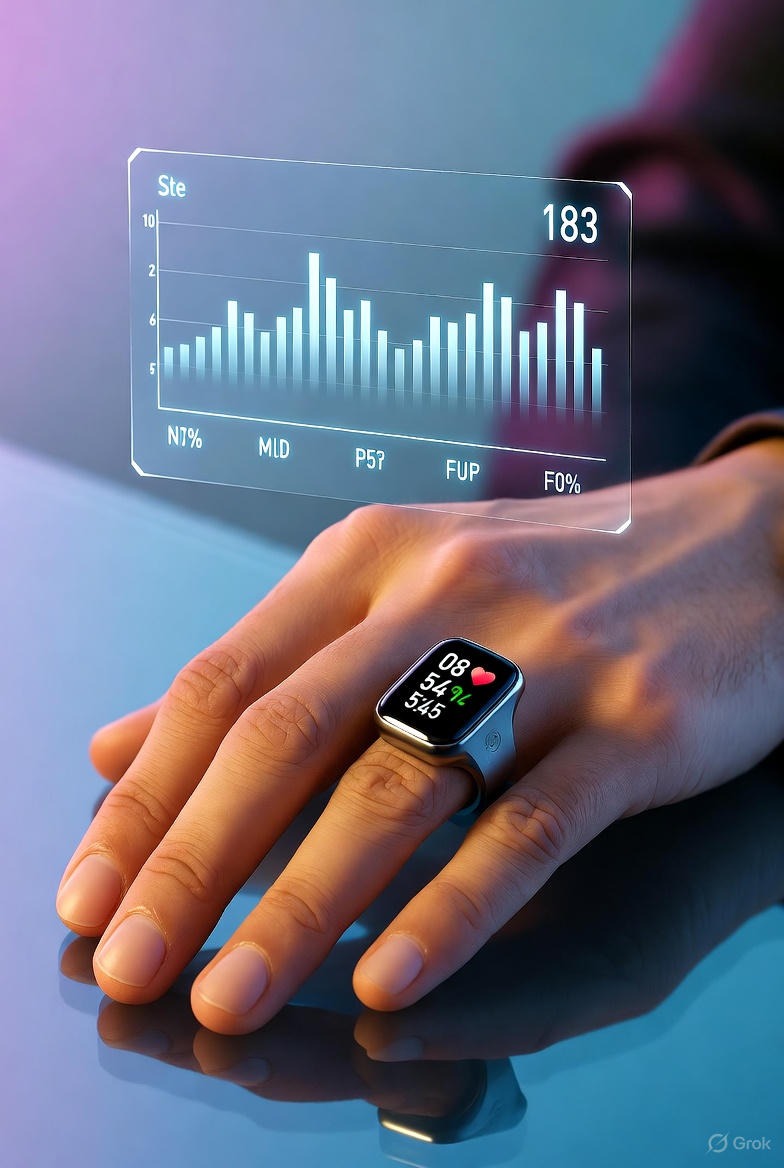
While deeply impactful for those with menstrual cycles, the principles of hormonal awareness apply to everyone. Your ring provides an objective, physiological dashboard for your hormonal rhythms, moving beyond symptom tracking to system tracking.

For Menstrual Cycle Tracking:

  • Confirming Ovulation & Mapping Phases: The biphasic pattern of your basal body temperature (BBT) is clearly visible in your ring’s temperature trend. The post-ovulatory rise (sustained for 10+ days) confirms ovulation. This allows you to accurately map your follicular (pre-ovulation) and luteal (post-ovulation) phases. This is more reliable than app predictions alone.
  • Phase-Specific Baseline Adjustment: This is crucial. Your “normal” changes throughout the month.
    • Follicular Phase: HRV often rises, RHR drops. This is a period of higher energy and resilience.
    • Luteal Phase: HRV typically declines, RHR elevates by 3-5 BPM, and core temperature is higher. This is a built-in period of lower physiological resilience.
  • Data-Driven Cycle Syncing: Use these shifting baselines to plan your life intelligently.
    • Follicular Phase (Green Light): Schedule intense workouts, important presentations, and social events. Your body is primed for stress and performance.
    • Luteal Phase (Yellow/Red Light): Prioritize strength maintenance over PRs, schedule more restorative yoga, plan for more downtime, and be extra diligent with sleep and nutrition. Your ring’s lower readiness scores during this phase aren’t a failure; they’re a biological directive to be kinder to yourself. This is the ultimate practice in finding peace and adjusting expectations within natural cycles of chaos and demand.

For Men & Non-Cycling Individuals: Hormonal rhythms still exist in the form of infradian rhythms (longer than 24 hours) and ultradian rhythms (shorter than 24 hours). Your ring can help you identify:

  • Stress-Induced Hormonal Dips: Chronic low HRV and elevated RHR can suppress healthy testosterone and thyroid function. Your ring data provides the evidence needed to address lifestyle factors before clinical symptoms appear.
  • Ultradian Rest Cycles: The 90-120 minute cycles of alertness and fatigue throughout the day are visible in heart rate variability dips. Use these natural lulls as cues for a 5-minute break instead of pushing through on caffeine.

Understanding your hormonal landscape through data fosters radical self-compassion and strategic living. It turns what feels like unpredictable moods and energy swings into a predictable, manageable rhythm you can plan around and support.

The Fitness Connection: From Workout Tracking to True Performance Readiness

Moving beyond simple calorie counting, your wellness ring transforms into a personal sports scientist. It helps you answer the critical questions: Did that workout make me stronger, or just more tired? Am I recovered enough to perform my best today?

The Readiness-to-Performance Model:

  1. Pre-Workout: The Go/No-Go Decision. Your morning readiness score is your first filter. Combine it with subjective feel (a concept called Rate of Perceived Excretion, or RPE).
    • High Readiness + Low RPE = Green Light: Ideal for high-intensity interval training (HIIT), heavy strength sessions, or skill work.
    • Low Readiness + High RPE = Red Light: Time for rest, gentle movement (walking, mobility), or a complete recovery day.
    • Mixed Signals = Yellow Light: Proceed with caution. Consider a moderate-intensity, “feel-based” session where you listen closely to your body and are willing to cut it short.
  2. During Workout: Understanding Strain. Some rings provide a live “strain” score or track your heart rate zones. Pay attention to how quickly your heart rate elevates and recovers between sets. A heart rate that spikes abnormally high for a given effort or fails to drop during rest intervals can be a sign of under-recovery.
  3. Post-Workout: Measuring the Impact. This is where the ring shines. The true cost of a workout is revealed overnight.
    • Ideal Response: A slight, acute dip in HRV and a slight elevation in RHR on the first night, with a quick return to baseline by night two. This shows you applied a positive stressor and recovered well.
    • Problematic Response: A large, sustained drop in HRV over 2-3 nights, a significantly elevated RHR, and poor sleep scores. This indicates excessive strain, suggesting you need more rest, better nutrition, or a lower training volume.

Using Data to Periodize Your Training: For the fitness enthusiast, this allows for intuitive, autoregulated periodization.

  • Build Phases: Push when readiness is consistently high, watching for a gradual, manageable decline in baseline HRV over a few weeks.
  • Deload Weeks: Schedule a deliberate rest week when your HRV trend plateaus or dips significantly, or when life stress is high. Use the week for light activity, prioritizing sleep, and watching your metrics rebound.
  • Peaking: Before a race or competition, you can taper while monitoring your HRV and RHR. A rising HRV and falling RHR during a taper are strong indicators you are peaking at the right time.

This approach prevents overtraining syndrome, reduces injury risk, and ensures your training is always serving your health, not undermining it. It’s the embodiment of training smarter, not just harder, using your body’s own signals as the ultimate guide. This intelligent balance is a core tenet of a sustainable, high-performance lifestyle rooted in restful principles.

Stress Resilience Training: Using HRV Biofeedback & Daily Metrics

Your ring does more than just report stress; it can be the core tool in a proactive stress resilience training program. By using HRV as both a metric and a guide for practice, you can actively strengthen your nervous system’s flexibility.

HRV Biofeedback 101: The core principle is simple: You can consciously influence your HRV through breathing. Slower, diaphragmatic breathing (typically at a rate of 4.5-7 breaths per minute) stimulates the vagus nerve and increases HRV, shifting you into a parasympathetic (rest-and-digest) state.

A Beginner’s Biofeedback Protocol with Your Ring:

  1. Find Your Resonance Frequency: This is the breathing rate that maximizes your HRV. While advanced devices can pinpoint it, a great start is to use a breathing app (like Paced Breathing) set to 5.5 or 6 breaths per minute (e.g., inhale for 5 seconds, exhale for 5 seconds).
  2. The Practice: Sit quietly for 5 minutes, following the guided breath. Do this 1-2 times per day, ideally not right after a meal or intense exercise.
  3. The Measurement: Use your ring’s HRV trend graph from a period of daytime rest (if it provides one) or simply note how you feel. Even better, some ring apps have a guided breathing session that measures your HRV in real-time, giving you immediate feedback.
  4. Track the Long-Term Trend: The goal isn’t to spike HRV during the session. The goal is to see your resting, nocturnal HRV baseline gradually rise over weeks and months of consistent practice. This indicates a more resilient nervous system.

Applying Daily Stress Metrics Proactively: Beyond formal biofeedback, use your ring’s daily data for micro-interventions.

  • The Midday Check: If you feel wired, check your app’s stress score or simply note your mental state. Use that as a trigger for a “90-second reset”: three deliberate, slow breaths, a sip of water, and a gaze out the window. This can prevent stress from accumulating.
  • The Evening Wind-Down Cue: If your daytime heart rate has been elevated, make your evening wind-down longer and more deliberate. Your data is telling you your system needs extra help to downshift.
  • Identify Stressors: Use journal tags to identify what tanks your HRV. Is it difficult meetings? Family logistics? Financial planning? Seeing the direct physiological impact of specific stressors can motivate you to set boundaries or seek support.

This proactive approach moves you from being a victim of stress to being an active steward of your nervous system. You’re not just managing symptoms; you’re building a more robust, adaptable system. This is the scientific backbone of creating a life that feels less frantic and more calm, focused, and sustainable.

Nutrition Insights: Connecting Food, Glucose Trends, & Recovery

While wellness rings don’t (yet) measure blood glucose directly, they provide powerful proxy data that can reveal how your nutrition supports or hinders your recovery. By correlating your meal logs with your biometrics, you become a nutrition detective.

The Delayed Feedback Loop: The effects of food choices are often seen most clearly in your overnight and next-morning data.

What to Look For:

  • Late/Eating & Sleep Disruption: A meal within 2-3 hours of bedtime, especially one high in fat or sugar, often leads to:
    • Elevated resting heart rate throughout the night.
    • Reduced deep sleep and increased restlessness.
    • A lower sleep score and potentially lower next-morning HRV.
  • Inflammatory Responses: Meals that trigger individual inflammation (which could be gluten, dairy, high processed oils, or even healthy foods you’re sensitive to) may cause:
    • A noticeable rise in your skin temperature trend overnight.
    • An elevated RHR and lowered HRV that persists into the next day.
    • Feelings of puffiness or fatigue that align with the data.
  • Nutrient Timing for Recovery: Observe how different post-workout meals affect your recovery metrics. Does a meal with protein and complex carbs after a hard session lead to better sleep and HRV rebound than a skipped meal or a sugary snack?

Conducting a Food & Data Audit:

  1. Keep a Simple Log: For one week, diligently note what and when you eat your last meal/snack.
  2. Correlate: Each morning, compare your previous night’s food log with your sleep score, RHR, and HRV.
  3. Identify Patterns (Not Single Events): Look for trends. Do all late-eating nights correlate with poor sleep? Does a high vegetable intake day precede a higher HRV?
  4. Run an N=1 Experiment: Based on a pattern, test a change. Example: “For one week, I will finish eating by 7 PM and avoid sugar after lunch.” Observe the aggregate effect on your weekly average scores.

The Caffeine & Alcohol Correlation: These are two of the most potent substances you can track.

  • Caffeine: Note the time of your last coffee. Does caffeine after 2 PM disrupt your sleep latency or reduce deep sleep? Your ring will show you your personal cutoff time.
  • Alcohol: It’s invaluable to see the objective impact. Even one or two drinks reliably suppresses deep sleep, increases nighttime heart rate, and lowers HRV. This data can empower more mindful consumption.

This process isn’t about creating a restrictive diet. It’s about empowerment through information. You learn which foods make you feel and recover like a champion, and which ones leave you feeling depleted—all according to your own body’s data, not a generic diet book. This is a cornerstone of crafting a personalized, energizing, and rest-supportive lifestyle.

Longevity & Healthspan: Tracking Biomarkers of Aging & Vitality

Your wellness ring isn’t just about today’s workout or tonight’s sleep; it’s a long-term dashboard for your healthspan—the period of life spent in good health. Several key metrics it tracks are considered valuable biomarkers of aging and systemic vitality.

The Vital Biomarkers Your Ring Tracks:

  1. Resting Heart Rate (RHR) Trend: A gradual, age-related increase in RHR is common, but a sharp or significant rise over time can indicate declining cardiovascular fitness or increased systemic inflammation. Maintaining a low, stable RHR is a key longevity goal.
  2. Heart Rate Variability (HRV) Trend: This is perhaps the single most important biomarker your ring provides. HRV has a strong correlation with overall vitality and resilience. A declining HRV trend over years is associated with increased all-cause mortality and reduced functional capacity. Conversely, maintaining or improving your HRV baseline is a powerful indicator of a robust autonomic nervous system and healthy aging.
  3. Sleep Consistency & Quality: The maintenance of deep sleep (N3) is crucial. A significant decline in deep sleep percentage as you age is not inevitable and is linked to cognitive decline and metabolic issues. Using your ring to defend your deep sleep is a proactive longevity strategy.
  4. Nocturnal Respiratory Rate & SpO2: Stable, healthy breathing patterns during sleep are essential. Increases in respiratory rate or decreases in SpO2 over time can be early indicators of declining cardiopulmonary health.

Creating Your Long-Term Healthspan Dashboard:

  • Establish Your Baselines: Know your averages in your 30s, 40s, 50s, etc. This is your personal reference frame.
  • Set Annual, Not Daily, Goals: Instead of “get HRV to 60,” think “maintain my average HRV within 10% of my baseline over the next five years.”
  • Focus on Defending Metrics: Your strategy shifts from improvement to defense. Your interventions (exercise, stress management, diet) are chosen specifically because your data shows they help maintain your key biomarkers.
  • Use Data for Preventative Conversations: Long-term trends from your ring are incredibly valuable to share with a functional or preventative medicine doctor. Saying, “My average nocturnal resting heart rate has increased by 8 BPM over the last two years,” is more actionable than saying, “I feel more tired.”

The wellness ring becomes a longitudinal study of one: you. It provides the objective feedback needed to see if your lifestyle is truly adding life to your years. This long-view perspective is the ultimate application of the device, moving beyond daily optimization to a lifelong commitment to vitality, perfectly aligning with a philosophy of sustainable well-being over short-term fixes.

The Mind-Body Bridge: Correlating Mental Health with Physiological Data

One of the most profound uses of a wellness ring is to build an undeniable bridge between your mental/emotional state and your physical body. For those dealing with anxiety, mood fluctuations, or periods of depression, this data can be validating, illuminating, and empowering.

Making the Invisible, Visible: Mental states are often subjective and hard to quantify. Your ring provides the objective, physiological correlates.

Key Correlations to Observe:

  • Anxiety & HRV/RHR: Periods of high anxiety or rumination are almost always mirrored by a lower daytime and nighttime HRV and an elevated resting heart rate. Seeing this can help depersonalize the experience—it’s not “you being weak,” it’s your nervous system in a stressed state.
  • Low Mood & Sleep Architecture: Depression and low mood are strongly linked to disrupted sleep, particularly reduced deep sleep and altered REM sleep. Your ring can show the specific sleep deficits, providing a target for intervention (e.g., using behavioral strategies to improve deep sleep).
  • Psychosocial Stress & Recovery: A difficult conversation, a work deadline, or family conflict will show up in your data. The key is the recovery trajectory. A resilient system will see a dip and bounce back quickly. A taxed system may stay depressed for days.

How to Use This Data Therapeutically:

  1. For Validation: On a hard day, checking your data and seeing a low HRV can be a form of validation. It confirms that what you’re experiencing is “real” and has a physiological basis. This can reduce secondary suffering (the anxiety about being anxious).
  2. As a Non-Judgmental Feedback Tool: Use the data to test coping mechanisms. Does a 10-minute meditation practice lift your HRV? Does a walk in nature after a stressful call improve your recovery metrics that night? This turns self-care from an abstract concept into an evidence-based practice.
  3. To Identify Triggers: By journaling mood alongside data, you can start to identify specific triggers that have an outsized physiological impact. This awareness is the first step in managing or avoiding those triggers.
  4. To Track Treatment Efficacy: If you are engaging in therapy, medication, or other mental health treatments, your ring’s longitudinal data (HRV trend, sleep scores) can provide objective markers of progress alongside your subjective feeling.

A Crucial Caveat: The ring is a tool for insight and self-management, not a diagnostic device or a replacement for professional mental healthcare. If your data shows persistent, severe disturbances and you are struggling, it should be used as information to share with a doctor or therapist.

By building this mind-body bridge, you cultivate a more integrated sense of self. You learn that caring for your body (sleep, nutrition, movement) is mental healthcare, and caring for your mind (therapy, meditation, boundaries) is physical healthcare. This holistic approach is the essence of true, integrated well-being and recovery.

Customizing Goals & Alerts: Making Your Ring Work for Your Unique Life

The default settings of your ring and its app are designed for the average user. As you evolve from beginner to advanced user, customizing these settings ensures the device serves your specific priorities and lifestyle, not the other way around.

Tailoring Your Goal Metrics:
Most apps let you choose what appears on your main dashboard. Curate this based on your current focus.

  • Focus: Stress Management: Prioritize HRV, Resting Heart Rate, and Breathing Rate on your home screen.
  • Focus: Athletic Performance: Prioritize Readiness Score, HRV, and Sleep Score.
  • Focus: General Longevity: Prioritize Sleep Score, HRV Trend (weekly view), and Resting Heart Rate.
  • Focus: Women’s Health: Prioritize Temperature Trend, Sleep Score, and HRV.

Setting Intelligent, Personalized Alerts:
Alerts can be powerful, but only if they are helpful, not annoying. Disable generic “move” alerts if they cause stress. Instead, consider enabling or setting reminders for:

  • Bedtime Reminder: Set this based on your own data. If you know you need 8 hours and want to wake at 6 AM, set a bedtime reminder for 9:45 PM to start your wind-down.
  • Recovery Alert (if available): Some apps can alert you if your metrics indicate you may be getting sick (sustained temperature rise + HRV drop).
  • High Stress Notification: If the app detects a prolonged period of high stress (via heart rate/HRV), a gentle notification can remind you to take a breathing break.

Creating Your Own “If/Then” Rules: This is the pinnacle of personalization. Write down simple rules for yourself based on your data.

  • “IF my Sleep Score is < 75, THEN I will prioritize a 20-minute walk in nature and an 8 PM screen curfew today.”
  • “IF my HRV is >10% above my baseline, THEN I will schedule my most challenging workout for today.”
  • “IF my readiness score is < 50, THEN I will cancel my evening plans and do a yoga Nidra session instead.”

Optimizing for Your Chronotype & Schedule: Adjust the app’s “day start” time to match when you actually wake up. If you’re a shift worker, see if the app has a setting for non-24-hour schedules. The goal is to make the software conform to your life’s reality.

This level of customization ensures the technology remains a fluid, responsive part of your life. It stops giving you irrelevant information and starts providing a streamlined feed of exactly what you need to know to make decisions that support your version of a restful, purposeful, and energized life.

Citations:

Your Trusted Sleep Advocate: Sleep Foundation — https://www.sleepfoundation.org

Discover a digital archive of scholarly articles: NIH — https://www.ncbi.nlm.nih.gov/

39 million citations for biomedical literature :PubMed — https://pubmed.ncbi.nlm.nih.gov/

Experts at Harvard Health Publishing covering a variety of health topics — https://www.health.harvard.edu/blog/  

Every life deserves world class care :Cleveland Clinic - https://my.clevelandclinic.org/health

Wearable technology and the future of predictive health monitoring :MIT Technology Review — https://www.technologyreview.com/

Dedicated to the well-being of all people and guided by science :World Health Organization — https://www.who.int/news-room/

Psychological science and knowledge to benefit society and improve lives. :APA — https://www.apa.org/monitor/

Cutting-edge insights on human longevity and peak performance:

 Lifespan Research — https://www.lifespan.io/

Global authority on exercise physiology, sports performance, and human recovery:

 American College of Sports Medicine — https://www.acsm.org/

Neuroscience-driven guidance for better focus, sleep, and mental clarity:

 Stanford Human Performance Lab — https://humanperformance.stanford.edu/

Evidence-based psychology and mind–body wellness resources:

 Mayo Clinic — https://www.mayoclinic.org/healthy-lifestyle/

Data-backed research on emotional wellbeing, stress biology, and resilience:

 American Institute of Stress — https://www.stress.org/
