


Daily Activity Insights for Parents: Movement While Managing Kids
For parents, it provides insights into staying active while managing the demands of childcare.
For parents, it provides insights into staying active while managing the demands of childcare.
%402x.svg)
Let’s be honest. The phrase “parental fitness” often conjures images of pre-dawn gym sessions, meticulously tracked macros, and quiet yoga at sunset—scenes that feel about as realistic as a toddler napping on command. For the modern parent, fitness isn’t a separate block on the calendar. It’s the aggregate of a thousand micro-movements: the squat-lift of a tantruming three-year-old, the speed-walk through the grocery store, the endless pacing with a fussy infant, and the Herculean effort of assembling a toy with instructions written in hieroglyphics. This isn't just activity; it’s a full-body, cognitive, and emotional marathon performed daily without a finish line in sight.
Yet, this relentless physical output often goes unseen, unmeasured, and, crucially, unoptimized. We collapse at the end of the day feeling utterly drained, but with no tangible data to show for our efforts or guide our recovery. What if you could make this invisible marathon visible? What if you could understand not just your steps, but the quality of your movement, the balance of your activity and rest, and the profound impact your daily chaos has on your body’s readiness to handle it all again tomorrow?
This is where the paradigm of wellness tracking shifts from the athlete to the archetype of the modern parent. By harnessing precise, personalized data from advanced wearable technology like a smart ring, you can transform the erratic, exhausting patterns of parenting into a strategic approach to sustainable health. This isn’t about adding more to your plate; it’s about gaining profound insights from the plate you’re already spinning—so you can spin it better, for longer, and with more energy. Welcome to a new understanding of movement, where managing kids isn’t a barrier to wellness, but the very context in which it is most critically measured and mastered.
The traditional fitness scorecard—steps, active minutes, calories burned—fails spectacularly when applied to parenthood. A parent might "only" log 5,000 steps but have a higher heart-rate variability strain than a marathon runner, thanks to the acute psychological and physical stressors of managing sibling conflicts, cooking dinner while wearing a baby, and the sleep-deprived system underlying it all. To optimize wellness, we must first redefine what we’re measuring.
A parent’s movement exists in a multidimensional matrix. There’s the Physical Dimension: the lifting, carrying, bending, and chasing. The Cognitive Dimension: the constant planning, multitasking, and emotional labor that drives nervous system arousal. The Temporal Dimension: the fragmented, unpredictable bursts of activity, devoid of routine. And the Recovery Dimension: the poor, interrupted sleep that fails to restore the body from the other three.
This complexity means that a single metric like a step count is not just inadequate; it’s misleading. It can create a false deficit (“I didn’t hit my 10,000 steps, so I failed”) while completely overlooking the intense, non-step-based exertion that truly depleted your energy reserves. A smart ring, worn continuously, moves beyond this simplistic view. By monitoring physiological signals like heart rate, heart rate variability (HRV), skin temperature, and sleep architecture, it begins to map your unique matrix. It answers the critical question: What was the true cost of my day to my body, and did my sleep and rest adequately repay that cost?
For instance, a calm, 30-minute focused walk might register as "good activity." Conversely, a 30-minute period of managing a child’s meltdown might involve minimal steps but cause a sustained spike in heart rate and a dip in HRV, signaling significant stress—a different kind of "workout" entirely. Recognizing this distinction is the first step toward managing your energy, not just your activity. As we explore on our blog in pieces like The Science of Deep Sleep: What Happens to Your Body, recovery is where the body processes the stress of the day, making its measurement non-negotiable for parental sustainability.
Consider a standard parental Saturday: The morning starts with a burst of getting everyone dressed and fed (high-intensity interval training, domestic style). This is followed by a trip to the playground (active supervision, micro-lifts onto swings, sudden sprints to prevent face-plants). Then, there’s the grocery haul (isometric carrying of bags while corralling children, a true core workout). Later, household chores—loading the dishwasher in a bent-over posture, folding laundry while seated in a compromised position, hurried cleaning before guests arrive.
None of these activities would qualify in a fitness app’s "workout" mode. Yet, cumulatively, they create a significant physiological load. This load is often "silent" because it’s not accompanied by the endorphin rush of a good run or the muscle burn of a strength session. Instead, it manifests as a low-grade, persistent fatigue, irritability, and a feeling of being perpetually "on."
This silent strain has tangible biomarkers. Elevated Resting Heart Rate (RHR): A body under constant low-grade physical and emotional stress may show a creeping increase in its resting heart rate over time. Suppressed Heart Rate Variability (HRV): HRV, the measure of variation between heartbeats, is a key indicator of your autonomic nervous system's resilience. Chronic, unmanaged stress from chaotic days lowers HRV, leaving you less adaptable to new stressors. Poor Sleep Efficiency: The physical exhaustion from the day doesn’t always translate to deep, restorative sleep. Often, it leads to a fatigued but wired state, where you’re too tired to function but too stressed to sleep soundly, trapping you in a cycle of depletion.
The danger lies in normalization. Parents become so accustomed to this baseline of tiredness that they accept it as an inevitable condition of the role. They push through, relying on caffeine and willpower, unaware that their physiological data is flashing warning signs. Making this strain visible is the ultimate act of self-care. By tracking these biomarkers with a discreet device like the Oxyzen ring, you can connect the dots between a particularly chaotic day and a plummeting HRV score, or between poor sleep and your body’s inability to handle toddler frustrations the next morning. This awareness is power—the power to intervene before burnout sets in. For strategies on breaking this cycle, our guide on How to Get More Deep Sleep Tonight: 7 Proven Strategies offers a data-informed starting point.
So, you’re wearing a smart ring. Your app is populated with graphs and numbers: Sleep Score, Readiness Score, Activity Strain, HRV, Respiratory Rate. To the uninitiated, it can feel like another complex thing to manage. The magic happens not in the collection, but in the translation. How does this data become actionable wisdom for a parent?
Let’s decode the key metrics through a parental lens:
The wisdom comes from pattern recognition over time. You might notice that your Readiness Score plummets every Thursday night. Looking back, you see that Wednesday is your most intense day of chauffeuring and activities. The insight? Build in more deliberate recovery on Wednesday evenings. This is how data moves from abstract to practical, transforming your approach to the weekly routine. To dive deeper into interpreting your nightly data, our resource on Deep Sleep Tracking: What Your Numbers Should Look Like provides essential context.
The dream of an uninterrupted hour at the gym is, for many parents, a fantasy. The solution is to abandon the dream and embrace the reality: your life is already full of opportunities for functional strength and cardiovascular conditioning. The goal shifts from "finding time to work out" to "optimizing the workout already embedded in your day." This is the micro-workout philosophy, and data can help you execute it intentionally.
Here’s how to reframe common parenting tasks:
The role of your smart ring here is to validate and guide. After a day of consciously engaging in these micro-workouts, check your Activity Strain. You may be pleasantly surprised. More importantly, track how this intentional movement affects your sleep. Often, this functional, varied movement leads to better deep sleep, as the body has received the physical signal it needs for restorative repair. This creates a positive, self-reinforcing cycle: mindful movement leads to better sleep, which leads to a higher readiness for more mindful movement. For parents, understanding How Age Affects Deep Sleep and How to Compensate can further tailor this cycle to your life stage.

For parents, especially of young children, sleep is not a passive state of rest. It’s an active, fragile achievement, constantly negotiated and interrupted. You might be "in bed" for 8 hours, but what matters is what happens during those hours. This is where advanced tracking moves from a luxury to a necessity. Understanding your sleep architecture—the cyclical journey through light, deep, and REM stages—is the key to mitigating the impact of inevitable disruptions.
A smart ring tracking sleep provides a nuanced picture that a simple hours-logged approach never could:
The insight allows for strategic countermeasures. If your data shows you’re chronically short on deep sleep, you can employ tactics to enhance its quality, not just its quantity. This might mean using the early part of the night (your prime deep sleep window) more effectively by ensuring the room is cool, dark, and quiet immediately. It validates the need for a power nap when possible, as naps can sometimes contribute to deep sleep. Most importantly, it fosters self-compassion. On days you feel foggy and irritable, you can check your sleep data and see a clear reason—multiple night wakings, low deep sleep—and understand it’s a physiological state, not a personal failing. This is explored in depth in our article Is Sleep Tracking Worth It? Honest Pros and Cons for 2025.
Parents are often advised to "sleep when the baby sleeps," a well-intentioned but often impractical tip. A more sophisticated and data-informed strategy is energy banking. This is the practice of using physiological feedback to pace your day, making strategic deposits into your energy reserves to avoid bankruptcy.
Your daily Readiness Score is your opening balance. Here’s how to "spend" and "save" wisely:
This approach turns wellness from a rigid program into a responsive dance with your own body’s signals. It validates the need for a slow day without guilt, framing it as a necessary financial decision for your biological economy. By checking in with your data—perhaps from a device you discovered through Oxyzen's main shop—you move from being a passive victim of your energy levels to an active, informed manager of them.
Parental wellness is rarely a solo journey. The dynamics between partners—whether romantic, co-parenting, or familial—profoundly impact each individual's strain and recovery. When one parent is depleted, the load often shifts, creating a ripple effect. Smart data can move this dynamic from a reactive, often resentful trade-off to a proactive, synchronized strategy.
Imagine a household where both partners wear tracking devices and understand each other’s metrics. The insights become powerful tools for teamwork:
This paradigm transforms data from a self-focused tool into a language of care for the entire family system. It depersonalizes fatigue and frames recovery as a collective resource that needs to be managed, like food or money. It encourages compassionate negotiation: "You handled the tough night last night, and your data shows it. Let me ensure you get to bed early tonight." This collaborative approach, supported by objective insights, can be a cornerstone of not just personal wellness, but family harmony. Learning about the technology that makes this possible can deepen this practice; our explanation of How Sleep Trackers Actually Work: The Technology Explained demystifies the process.
The physical load of parenting is inextricably linked to its mental and emotional load. Anxiety about a child’s well-being, the cognitive burden of scheduling and planning, the emotional labor of managing tantrums and big feelings—all of these create physiological stress responses that a sophisticated tracker can detect. This is the mind-body loop: psychological stress manifests in physical biomarkers, and physical depletion lowers the threshold for psychological stress.
Your smart ring acts as a mirror to this loop:
By making the invisible stress visible, you gain agency over it. You learn which activities are depleting you not just physically, but neurologically. You can start to identify patterns: "Every time we have a rushed morning, my stress metrics stay elevated for hours." This insight empowers you to change the routine, not just suffer through it. It bridges the gap between feeling overwhelmed and understanding the specific, measurable physiological reasons why, allowing for targeted, effective coping strategies.
The ultimate goal of integrating movement and wellness insights into parenting isn’t to achieve a perfect score every day. That’s an impossible standard that leads to frustration. The goal is sustainability—the ability to show up with energy, patience, and presence for the long, beautiful, and demanding journey of raising humans. This requires a shift from short-term fixes to long-term trend management.
Consistent tracking over months and years provides the most valuable data of all: your personal baseline and your trajectory. This long-view perspective helps you:
This journey is deeply personal, and having a reliable companion in the form of precise, comfortable technology makes it possible. A device designed for 24/7 wear, like those explored at Oxyzen's homepage, ensures you capture the full picture of your life, not just the curated moments. It turns the invisible marathon of parenting into a mapped, manageable, and ultimately rewarding journey of sustained health and vitality.
Gathering data is one thing; transforming it into a personalized, actionable health protocol is where true transformation occurs. For the parent entrenched in the daily whirlwind, this process moves wellness from an abstract concept to a concrete, daily operating system. A smart ring provides the raw inputs, but the protocol is built by you, through intentional observation and experimentation. It’s about becoming the expert on your own body within the unique context of your family life.
Start with the 30-Day Observation Phase. For one month, simply wear your ring and live your normal life. The goal is not to change anything, but to establish your true, unfiltered baseline. At the end of each week, review the trends. Don’t focus on daily spikes or dips, but ask broader questions: What does my average sleep duration actually look like, not what I wish it was? How does my Resting Heart Rate on weekends compare to weekdays? What activity patterns correlate with my highest and lowest Readiness Scores? This phase removes judgment and installs curiosity. You are an anthropologist studying the fascinating, complex creature that is You, The Parent.
Next, move to the Single-Variable Experimentation Phase. Based on your observations, choose one small, manageable lever to pull. For example, if you consistently see poor sleep efficiency (lots of wakefulness after falling asleep), your experiment might be: "Implement a 30-minute no-screen buffer before bed for one week." The key is to change only this one thing while keeping everything else as consistent as possible. Observe the data. Did your sleep efficiency improve? Did your deep sleep percentage increase? Did your morning Readiness Score respond? This methodical approach isolates what works for you, cutting through the noise of generic wellness advice. Our FAQ section often addresses how to best structure these personal experiments with your device.
Finally, you synthesize this into your Personal Parental Protocol. This is a living set of guidelines, informed by your data, that dictates your non-negotiables and your flexibility zones. Your protocol might state:
This protocol is not a rigid prison; it’s a compassionate framework. It’s the system you build so you don’t have to make exhausted, willpower-depleted decisions in the moment. Your data has given you the cheat codes to your own well-being, and your protocol is the playbook. For inspiration on what to include, exploring the experiences of others in our testimonials can show how different parents have built their unique systems.

For new parents, particularly the person who has given birth, the concept of "activity" undergoes a seismic shift. The societal pressure to "bounce back" collides violently with the biological reality of a body that has performed a monumental feat and needs dedicated, intelligent recovery. Here, generic fitness trackers can be dangerously misleading, encouraging a premature return to intense activity based on steps or calories. A smart ring, tracking the deeper biomarkers of recovery and strain, becomes an essential medical-adjacent tool for the postnatal rebuild.
This period is not about burning calories; it’s about monitoring systemic load and healing. Key metrics take on new, critical meaning:
Using this data, activity can be reintroduced not by calendar weeks, but by physiological readiness. A simple walk around the block is no longer just a walk; it’s a "load test" for your recovering system. The smart move is to take a short, gentle walk, then check the data afterward and the next morning. Did it cause a prolonged elevation in resting heart rate? Did it suppress your HRV or impact your next sleep cycle? If the answer is yes, it was too much, too soon. The data provides permission to rest without guilt and a clear signal for when gentle progress is being made. This patient, data-informed approach aligns with the principles of diastasis recti and pelvic floor recovery, where internal healing is invisible but paramount. For more on the critical role of sleep in physical repair, our article on Deep Sleep Optimization for Athletes: Recovery While You Rest offers relevant parallels for the postnatal parent, who is in a profound state of physical rebuilding.
Parents often operate under the assumption that to have more energy for their kids, they must conserve energy—to rest whenever possible. While rest is vital, this can lead to the Stamina Paradox: the less you do, the less you can do. A sedentary lifestyle, even one filled with caregiving tasks, leads to deconditioning. Your cardiovascular capacity shrinks, your muscles atrophy, and your energy systems become inefficient. The result is that the normal demands of parenting feel exhausting because your physiological "engine" has grown too small for the load.
The counterintuitive solution is Graded Exposure: using small, consistent doses of intentional movement to systematically build a bigger engine. This isn't about finding time for hardcore workouts; it's about strategically layering in "energy-building" activity that expands your capacity, making the obligatory "energy-spending" tasks of parenting feel easier.
Your smart ring data is the perfect guide for this graded exposure, ensuring you build without breaking. Here’s how the cycle works:
This process builds parental stamina—the resilience to handle back-to-back days of high demand without complete depletion. It teaches your body that stress (the good kind of physical stress) is manageable and can be followed by supercompensation (better fitness, better energy). The ring prevents you from overstepping by flagging when your HRV is dropping or your sleep is suffering, signaling a need to pull back and consolidate gains. It turns your daily life into a perfectly calibrated training program for parenthood itself. Discovering a tool that facilitates this subtle balancing act can begin at our main shopfront, where design meets this precise functionality.
Chaos may be the hallmark of life with young children, but the human body craves rhythm. Our circadian system—the internal 24-hour clock governing sleep, hormone release, body temperature, and metabolism—is a fundamental pillar of health. For parents, whose schedules are often at the mercy of tiny, erratic bosses, disregarding circadian biology is a direct path to burnout. The goal is not rigid scheduling, but creating a "circadian anchor"—a few consistent time-based cues that help synchronize the entire family’s biology, leading to better mood, energy, and sleep for everyone.
Your smart ring provides direct insight into your personal circadian rhythm through metrics like nocturnal core body temperature drop (a key signal for sleep onset) and the timing of your deep and REM sleep. You can use this data to identify your natural tendencies and build anchors around them.
Practical Circadian Anchors for Families:
By viewing your family schedule through a circadian lens, you reframe routines not as rigid constraints, but as health-promoting rhythms. When your child’s sleep is more regular, yours improves. When your meal times are steady, your energy levels stabilize. The smart ring validates this: as you implement anchors, you’ll likely see improvements in sleep latency (falling asleep faster), sleep efficiency, and overall Readiness. It proves that working with your biology, not against it in the chaos, is the ultimate hack for parental energy management. For a deeper exploration of the timing element, our piece on the Deep Sleep Formula: Temperature, Timing, and Habits delves into this critical connection.
The "mental load" of parenting—the invisible labor of planning, organizing, anticipating, and remembering—is often discussed in psychological terms. But it has a direct, measurable physiological footprint. This cognitive and emotional labor activates the sympathetic nervous system (the "fight or flight" response) just as surely as a physical threat does, releasing stress hormones like cortisol and adrenaline. A smart ring, by tracking heart rate and HRV, can make this invisible load starkly visible, allowing you to manage it as the real health factor it is.
You can begin to identify your unique Stress Signatures:
Acknowledging these signatures is the first step toward Cognitive Recovery. Just as you wouldn’t run intervals back-to-back without rest, you cannot chain cognitive stressors without a recovery period. Data empowers you to schedule that recovery. If you know a heavy planning session stresses your system, you can block 10 minutes afterward for a breathing exercise or a quiet walk to downregulate. You can see that a day full of logistical errands, while not physically strenuous, may require a lighter evening to compensate for the cognitive strain.
This approach legitimizes the mental load as a true contributor to parental burnout and provides a framework for addressing it. It moves the conversation from "I'm so stressed" to "My nervous system is showing a stress response from that activity; I need to implement a recovery protocol." This is a profound shift from emotional suffering to practical management. For parents, learning to spot the signs of chronic strain is key, as outlined in our resource on Deep Sleep Deprivation: Silent Signs You're Not Getting Enough, which often has roots in unmanaged daily stress.
Parenthood is a masterclass in disruption. Just as you find a rhythm, a virus tears through the household, travel upends all routines, or a work project creates unexpected chaos. During these times, rigid wellness goals implode. The skill of Adaptive Resilience—the ability to bend without breaking and guide your family back to balance—becomes paramount. Your wellness data shifts from being a report card to being a real-time navigation system during the storm.
Scenario 1: The Family Plague. When sickness hits, throw your normal activity and sleep targets out the window. Your new metrics are:
Scenario 2: Travel & Time Zone Changes. Jet lag with kids is a special kind of torture. Data can help you manage it strategically.
Scenario 3: Periods of High Stress (Work Deadlines, Family Visits). In these times, the goal is not to maintain perfect health, but to minimize the damage and facilitate faster recovery.
By learning to read your data in these disrupted states, you develop resilience. You learn that a bad week of numbers isn’t a failure; it’s a map of the storm. And the map shows you the clearest path back to calmer waters. This adaptive skill, supported by objective feedback, is perhaps the greatest gift of data-informed parenting. For long-haul strategies on maintaining core health through life’s changes, our exploration of The Deep Sleep Sweet Spot: Ideal Duration by Age provides a foundational benchmark to return to after any disruption.
Parental isolation is a silent epidemic, and its effects are not merely emotional—they are physiological. Strong social connections buffer against stress, lower inflammation, and even improve immune function. Conversely, loneliness and lack of support create a chronic stress state that directly undermines recovery, sleep, and energy. Therefore, cultivating your Community Quotient—the quality and frequency of supportive social interaction—is not a luxury; it's a core component of your wellness protocol, and its benefits can be reflected in your biometric data.
Consider two contrasting scenarios tracked through your smart ring:
The mechanism is clear: positive social interaction triggers the release of oxytocin and endorphins, which counteract stress hormones and promote a state of safety and relaxation in the nervous system. This state is the ideal precursor to deep, restorative sleep.
Therefore, scheduling social connection is as important as scheduling a workout. It’s Recovery Through Relationship. Your data can motivate you to prioritize it. If you see a pattern of poor recovery after stringing together too many isolated days, let that be the catalyst to text a friend, join a parent group, or simply have a long, connective chat with your partner. This isn’t about adding another obligation; it’s about reframing social time as a direct investment in your physiological resilience. The brand vision behind tools that support this holistic view is captured in Oxyzen's Our Story page, which emphasizes wellness as an integrated, human-centric journey.
Furthermore, sharing your wellness journey with a trusted friend or partner can amplify the benefits. Having a "data buddy" to discuss trends, challenges, and wins creates accountability, normalizes the struggle, and turns personal insight into shared wisdom. This builds a micro-community centered not on competition, but on collective support—a powerful antidote to the loneliness of modern parenting.
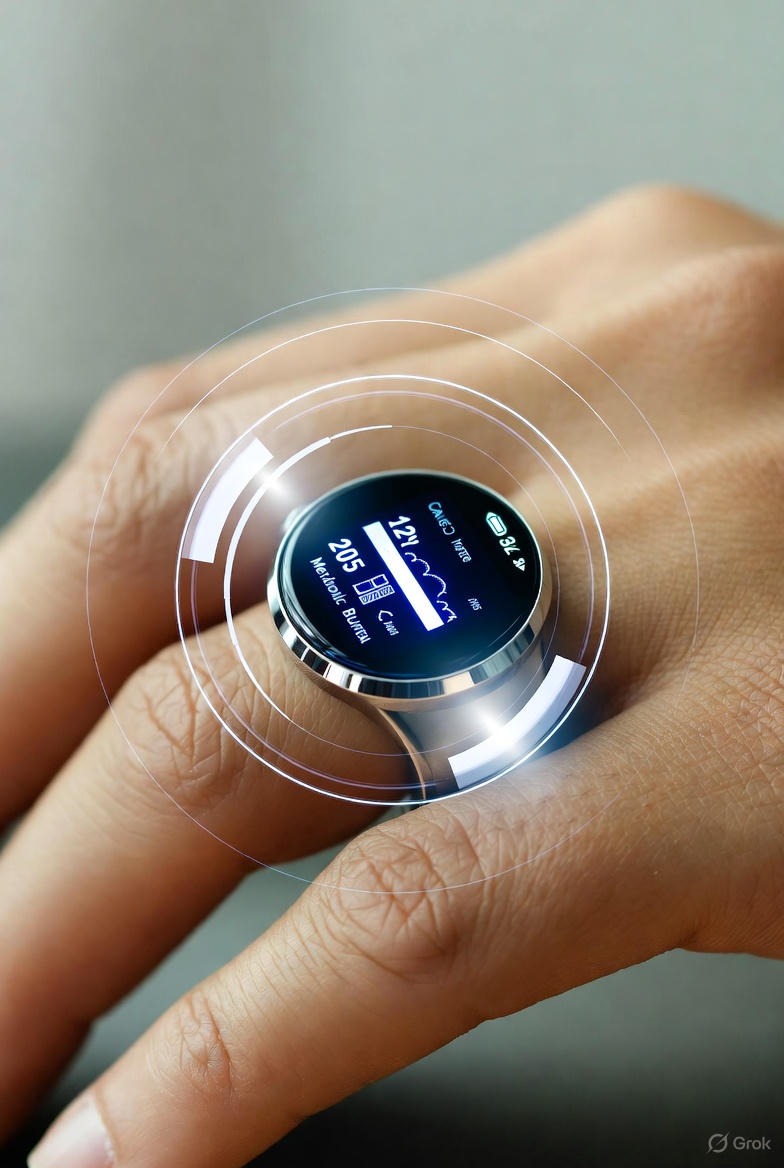
Embracing daily activity and wellness insights is not a short-term fix for tiredness. It is the cultivation of a long-term philosophy: moving from merely surviving the demands of parenthood to actively thriving within them. This thriving state is characterized not by the absence of stress or fatigue, but by a high degree of resilience, the presence of steady energy, and the capacity for joy amidst the chaos. Data is the compass that guides this decades-long journey.
The long-term vision unfolds across the stages of parenthood:
Throughout all these stages, consistent tracking provides a priceless gift: a longitudinal health record of your life as a parent. You can look back and see not just how you survived a challenging phase, but what specific habits pulled you through. You have evidence of your resilience. This record allows you to age not with a sense of decline from "giving all to your kids," but with a sense of empowered stewardship over your own vitality.
Ultimately, the goal is to reach the end of your active parenting years not burned out and depleted, but vibrant and full of energy for the next chapter of your life. You will have used the intense physicality and emotionality of raising a family not as an excuse to neglect yourself, but as the very catalyst that forced you to understand, honor, and optimize your human body in the most profound way. The invisible marathon becomes a visible journey of growth, with every step, every heartbeat, and every night of sleep woven into a narrative of sustained strength and love. To continue building this narrative with the latest insights and strategies, we invite you to regularly explore our blog for more wellness tips.
While a smart ring doesn't directly measure your macronutrient intake, its biometric feedback provides an undeniable report card on how your nutrition fuels—or fails—your movement and recovery. For parents, meals are often frantic, last-minute, and kid-centric. This can lead to a pattern of grazing on leftovers, relying on quick sugars for energy, and eating late at night once the house is quiet. Each of these patterns leaves a distinct signature in your physiological data. By learning to read these signatures, you can make small, powerful nutritional pivots that dramatically increase your daily energy availability.
The Blood Sugar Rollercoaster and Parental Patience: A breakfast of toast and jam or a lunch of leftover mac and cheese causes a rapid spike and subsequent crash in blood glucose. This crash isn't just about feeling hungry; it triggers a stress response, releasing cortisol to mobilize energy. Your ring may capture this as a mid-morning or afternoon rise in resting heart rate and a dip in HRV. You feel irritable, foggy, and lack the steady energy for patient, engaged parenting. Conversely, a breakfast with protein, healthy fats, and complex carbs (e.g., eggs with avocado and whole-grain toast) provides a steady fuel burn. The data often shows more stable heart rate patterns and a higher, steadier HRV, correlating with calmer, more resilient energy.
The Late-Night Eating Trap: After the kids are in bed, you finally have time to eat a proper meal or indulge in a snack. However, consuming calories, especially heavy or sugary ones, within 2-3 hours of bedtime forces your digestive system to work when it should be powering down. This can raise core body temperature and disrupt the natural cooling process essential for deep sleep initiation. Your sleep data will often reveal this as prolonged sleep latency (trouble falling asleep), reduced deep sleep in the first half of the night, and more frequent wake-ups. As noted in our guide to Foods That Increase Deep Sleep Naturally, what you eat and when you eat it are direct levers for sleep quality.
Hydration: The Invisible Catalyst: Dehydration is a silent energy thief for busy parents who forget to drink water. Even mild dehydration increases cardiac strain (raising resting heart rate), reduces blood volume, and can impair cognitive function and mood. Your ring can serve as a hydration proxy. An unexplained, gradual creep in your daytime resting heart rate, especially coupled with a headache or fatigue, is your body’s data-driven plea for water. Prioritizing hydration is a zero-cost, high-impact way to improve your Activity Strain scores and your patience threshold.
Actionable Nutritional Insight from Your Data:
This isn't about dieting; it's about strategic fueling. You are the chief energy officer for your family, and that starts with fueling your own engine efficiently so you can run smoothly all day. Making these connections turns nutrition from a chore into a fascinating experiment in performance optimization.
Parenting posture is a series of compromised positions held for too long: the forward hunch while nursing or bottle-feeding, the rounded shoulders while leaning over a crib, the twisted spine while buckling a car seat, the collapsed slump on the couch after everyone is finally asleep. Unlike a single heavy lift, these sustained postures create a different kind of damage—a creeping, cumulative strain that leads to nagging pain, tension headaches, and reduced mobility. This "posture penalty" silently increases your physiological load, and a smart ring can help you connect the dots between poor mechanics and poor recovery.
The science is clear: poor posture isn't just an aesthetic issue. Chronic forward head posture, for example, can impinge nerves, restrict breathing (which can affect HRV), and lead to overactive upper trapezius muscles, which keeps the sympathetic nervous system in a low-grade "alert" state. This means your body is expending energy on tension, not recovery. You may finish a day of relatively low activity strain but with a high heart rate and a feeling of being "wired and tired" because your musculoskeletal system is in a constant state of stress.
Common Parenting Postures and Their Data-Driven Corrections:
Your smart ring helps you see the impact. After a day of being mindful about posture, you might see a lower resting heart rate in the evening and better sleep efficiency. The reduction in muscular tension allows your nervous system to fully downshift. Furthermore, less pain means fewer unconscious awakenings at night. By treating your posture as a key component of your daily activity insights, you reduce invisible strain and free up energy for what matters. For more on how the body's recovery systems function during sleep, see Deep Sleep and Memory: The Brain-Boosting Connection, a process hindered by pain and poor circulation.
A smart ring is a powerful, personal device, but its insights reach their full potential when thoughtfully integrated into your family's broader digital ecosystem. This isn't about creating more screen time; it's about creating intelligent bridges between your biometric data and the tools you already use to manage family life. This synergy turns isolated data points into a cohesive, actionable family wellness strategy.
Synergy 1: Calendar Integration for Predictive Pacing. Sync your wellness app's Readiness Score or sleep data with your digital calendar (Google, Apple, Outlook). You can use this for predictive pacing. For example, automatically block "Focus Time" or "Recovery Blocks" on mornings when your projected Readiness is low. Conversely, schedule demanding family outings or important meetings on days when your data suggests you'll be at peak resilience. Some advanced systems even allow you to share a simple "Status" (🟢 High Energy, 🟡 Moderate, 🔘 Need Rest) with a partner's calendar, facilitating seamless teamwork without a long discussion.
Synergy 2: Habit Tracking Apps for Behavioral Chains. Use a simple habit tracker (like Habitica, Streaks, or even your notes app) alongside your ring data. Create "If-Then" behavioral chains. *"IF my sleep score is below 80, THEN my habit for the day is a 20-minute afternoon quiet time with no screens."* Or, *"IF my Activity Strain exceeds X, THEN my habit is a 10-minute evening stretching routine."* The ring provides the objective "if," and the habit tracker helps you execute the "then," building powerful, data-triggered routines.
Synergy 3: Shared Family Notes for Symptom Tracking. When illness strikes, create a shared note for the sick child (or yourself) that combines subjective symptoms with objective data. *"Day 1: Fever 101°, restless night. Mom's Data: RHR +8 bpm, HRV -15%. Day 2: Fever broke, sleeping more. Mom's Data: RHR dropping, HRV improving."* This creates a valuable health log that can inform pediatrician visits and help you see the clear correlation between a child's illness and your own physiological strain, validating your need for recovery.
Synergy 4: Smart Home Triggers for Environmental Optimization. If you have a smart home ecosystem, you can use IFTTT (If This Then That) or similar platforms to create health-promoting triggers. "IF my ring detects I've entered deep sleep, THEN gradually lower the smart thermostat by 2 degrees." Or, *"IF my wake-up time is within 30 minutes, THEN slowly raise the smart lights to simulate sunrise."* These automated adjustments enhance the recovery environment your data says you need.
By weaving your ring's insights into the digital fabric of your family management, you move from passive observation to active, automated optimization. The technology works for you, reducing decision fatigue and creating an environment that supports the wellness your data is guiding you toward. To explore the full potential of the technology behind such insights, a visit to our main discovery page can show how hardware and software unite.
The most profound long-term impact of your journey with wellness data may not be on your own health, but on your children's lifelong relationship with their bodies. In an era where kids are increasingly exposed to external metrics of worth (likes, grades, athletic performance), teaching them biomarker awareness—an internal, curious, and non-judgmental focus on how their body feels and functions—is a countercultural gift. You are modeling how to use technology not for escapism or validation, but for self-understanding and empowerment.
This modeling happens in age-appropriate ways:
This process does three critical things:
By letting them see you engage with your data with curiosity rather than obsession, you normalize a healthy, balanced relationship with biofeedback technology. You are raising a generation that knows how to listen to the subtle signals of their own biology, a skill that will serve them far better than any diet or workout trend ever could. This philosophy is core to our mission, which you can learn more about on our About Us page.
Parental culture is rife with perfectionism: the perfect playroom, the perfect balanced meal, the perfect educational activity, the perfect response to a tantrum. This insidious drive often extends to personal health, creating a cycle of "all-or-nothing" thinking. ("I missed my workout, so the day is ruined." "I only got 6 hours of sleep, I'm a failure.") A smart ring, with its constant stream of data, could theoretically fuel this fire. However, when used wisely, it becomes the ultimate tool for defining and embracing "The Threshold of Enough."
The Threshold of Enough is the data-informed line between sustainable effort and destructive overreach. It’s the point where additional effort yields diminishing returns or negative consequences for your recovery. Your biometrics help you define this line with stunning clarity.
This framework is profoundly anti-perfectionist. It celebrates "Adequate and Sustainable" over "Optimal and Unsustainable." On days when you’re sick, enough might be getting from the bed to the couch. On days when you’re thriving, enough might be a family hike. The data doesn't judge; it simply reports, allowing you to release the guilt of not doing "all the things" and instead take pride in doing precisely what your body needed. This is the cornerstone of preventing burnout. For support in interpreting what your unique "enough" looks like, our comprehensive FAQ can provide guidance on setting realistic, personalized benchmarks.
A parent’s life is not lived in a consistent, week-to-week vacuum. It is lived in seasons: the structured rhythm of the school year, the loose chaos of summer, the heightened social and emotional demands of the holidays, the quiet introspection of winter. Each season places different demands on your physical, cognitive, and emotional energy. A static wellness plan will fail. Instead, you must learn to seasonally pivot your expectations and strategies, using your data as a guide to navigate these natural transitions successfully.
The School Year Sprint (September-May): This season is characterized by rigid timetables, packed extracurriculars, and high cognitive load (homework, forms, communications).
The Summer Swirl (June-August): Structure dissolves. Days are longer, bedtimes slip, and the activity shifts to outdoor play, travel, and constant supervision.
The Holiday Hustle (November-December): This is a pressure cooker of social obligations, financial stress, emotional expectations, rich food, and disrupted routines.
By anticipating these seasonal shifts and interpreting your data through their unique lenses, you move from feeling victimized by the calendar to navigating it with skill and grace. You give yourself permission to have different definitions of "success" in February than you do in July, all guided by the honest feedback from your body. This long-term, adaptive view is what the journey of our story is all about—evolving with your life’s seasons.
In the final analysis, the daily activity insights gathered through the lens of parenthood tell a story far richer than steps or calories. They document the development of a profound and specific form of strength: Functional Mastery. This is the strength to lift a child safely for a decade, the endurance to weather emotional storms while regulating your own nervous system, the mobility to get up and down from the floor a thousand times without injury, and the resilience to recover from relentless, unpredictable demands.
Your biometric data is the manuscript of this mastery. That spike in heart rate during a child’s medical emergency? A record of your body mobilizing to be a rock. The gradual improvement in your HRV baseline over years of parenting? A testament to your nervous system learning to find calm in the storm. The deep sleep you snatch despite interruptions? Evidence of your body’s remarkable ability to prioritize the most restorative repair under suboptimal conditions.
This reframing is vital. Society often dismisses the physicality of parenting as "not real exercise," or frames parental tiredness as a punchline. Your data allows you to reclaim that narrative with authority. You are not "just a mom who’s tired." You are an individual operating at a high level of functional output, and you have the physiological logs to prove it.
This perspective fosters deep self-respect. It allows you to look at your data after a hard day and say, "No wonder my readiness is low. Look at what I handled." It helps you advocate for your own needs with partners, family, and employers from a position of objective fact, not subjective complaint.
Ultimately, this journey of tracking and insight ensures that the story written by your years of parenting is not one of depletion and sacrifice, but of adaptation, growth, and fortified strength. The invisible marathon becomes a visible, data-validated triumph of the human body and spirit in its most nurturing role. You move from chasing arbitrary fitness goals to honoring the exquisite, demanding, and ultimately empowering fitness that parenthood itself provides. To continue learning and refining this mastery, the library of knowledge available on our blog is an ever-growing resource for your journey.
Your Trusted Sleep Advocate (Sleep Foundation — https://www.sleepfoundation.org/)
Discover a digital archive of scholarly articles (NIH — https://www.ncbi.nlm.nih.gov/
39 million citations for biomedical literature (PubMed — https://pubmed.ncbi.nlm.nih.gov/)
experts at Harvard Health Publishing covering a variety of health topics — https://www.health.harvard.edu/blog/)
Every life deserves world class care (Cleveland Clinic -
https://my.clevelandclinic.org/health)
Wearable technology and the future of predictive health monitoring. (MIT Technology Review — https://www.technologyreview.com/)
Dedicated to the well-being of all people and guided by science (World Health Organization — https://www.who.int/news-room/)
Psychological science and knowledge to benefit society and improve lives. (APA — https://www.apa.org/monitor/)
Cutting-edge insights on human longevity and peak performance
(Lifespan Research — https://www.lifespan.io/)
Global authority on exercise physiology, sports performance, and human recovery
(American College of Sports Medicine — https://www.acsm.org/)
Neuroscience-driven guidance for better focus, sleep, and mental clarity
(Stanford Human Performance Lab — https://humanperformance.stanford.edu/)
Evidence-based psychology and mind–body wellness resources
(Mayo Clinic — https://www.mayoclinic.org/healthy-lifestyle/)
Data-backed research on emotional wellbeing, stress biology, and resilience
(American Institute of Stress — https://www.stress.org/)


