


Wellness Ring Basics: The Future of Wearable Health Tech
Speculates on upcoming advancements and trends in wearable ring technology.
Speculates on upcoming advancements and trends in wearable ring technology.
%402x.svg)
Imagine a device so discreet it looks like a simple piece of jewelry, yet so powerful it holds a 24/7 window into the fundamental rhythms of your body—your heart’s subtle whispers, your nervous system’s state of calm or alarm, and the quality of your restoration each night. This is not science fiction; this is the present reality of the wellness ring. Moving beyond the wrist, the next generation of wearable health technology is shrinking in size but expanding in ambition, promising a future of hyper-personalized, proactive, and invisible health management.
For years, smartwatches have dominated the wearable landscape, acting as our fitness coaches, notification hubs, and digital companions. However, a quiet revolution is underway. The wellness ring represents a paradigm shift—from overt, screen-based technology to subtle, sensor-based insight. It prioritizes deep physiological data over distracting digital noise, focusing on what your body is experiencing rather than what your phone is telling you.
This article is your comprehensive guide to this transformative technology. We will delve into the engineering marvels packed into these tiny bands, decode the powerful health metrics they provide, and explore how this continuous stream of data is redefining our approach to sleep, stress, recovery, and overall well-being. This is the beginning of a journey toward understanding not just how wellness rings work, but how they can fundamentally work for you, empowering a life of informed balance and sustained vitality.
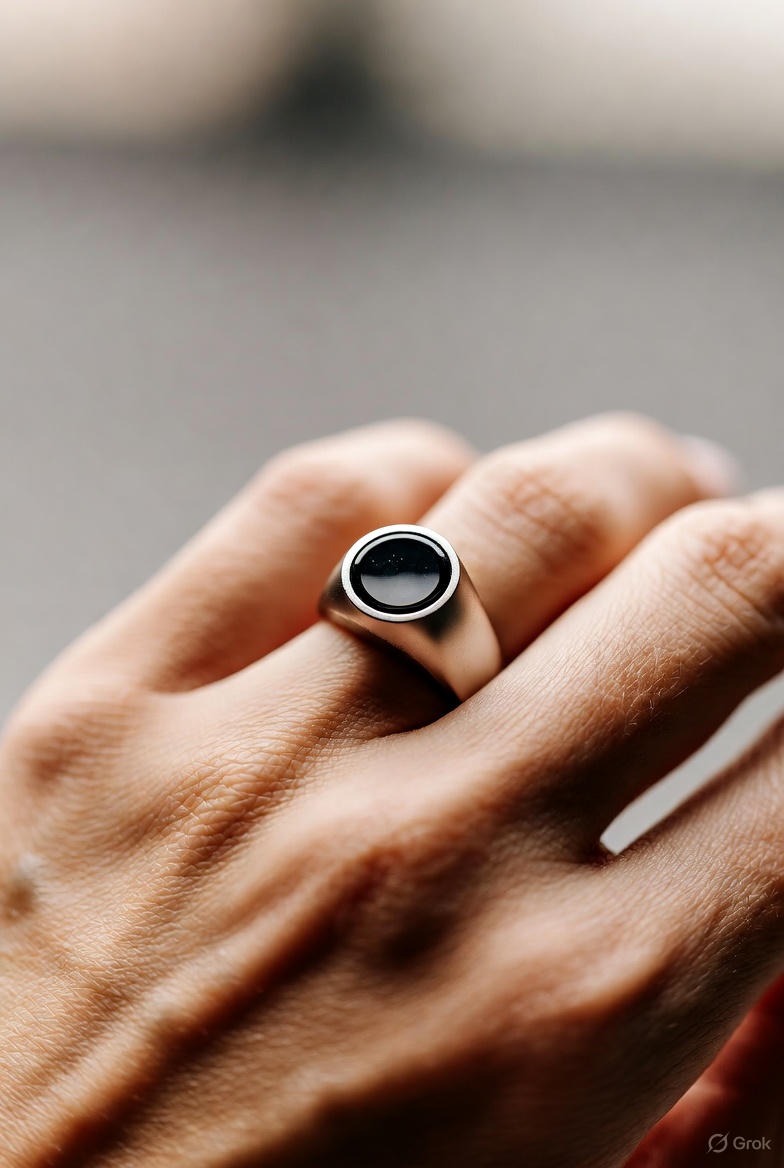
The wearable tech market exploded with the advent of the smartwatch, a device that brilliantly merged fitness tracking with smartphone connectivity. But as these wrist-worn computers became more powerful, they also became more intrusive—buzzing with calls, drowning us in notifications, and often prioritizing connectivity over core health metrics. The wellness ring emerges as a direct response to this digital fatigue, championing a philosophy of “less screen, more seen”—seeing the deeper truths of our physiology.
This shift from wrist to finger is more than just aesthetic; it’s profoundly practical. The finger, specifically the base of the finger, offers a unique vascular advantage. It houses a rich network of capillaries and blood vessels close to the skin’s surface, providing an optimal site for photoplethysmography (PPG) sensors—the technology that reads blood flow to measure heart rate, heart rate variability (HRV), and blood oxygen saturation (SpO2). This location can sometimes yield cleaner, more consistent signals than the wrist, especially during sleep when wrist movement is less predictable.
But the revolution is not just in placement; it’s in purpose. The core mission of a wellness ring is unobtrusive, 24/7 health sensing. It is designed to be worn day and night, creating a seamless, uninterrupted data stream. This continuous monitoring is the key to its power. Unlike a watch you might take off to charge or during certain activities, a ring’s constant presence builds a comprehensive baseline of your normal. It can detect nuanced patterns and deviations that sporadic checks would never reveal, such as how your resting heart rate gradually increases in the days leading up to an illness, or how your HRV dips after a stressful work period.
The design ethos is minimalist and intentional. Without a screen, the ring removes the temptation for constant interaction, reframing the device from a source of information consumption to a source of physiological insight. The data is accessed via a companion app, creating a deliberate moment for reflection rather than a continuous distraction. This design inherently supports the principles of restful living in a fast-paced world, encouraging users to engage with their data mindfully instead of reactively.
Ultimately, this quiet revolution marks a maturation of wearable tech. It’s a move away from generalized activity counting toward personalized health listening. The ring doesn’t just track your steps; it listens to your heartbeat. It doesn’t just log sleep; it analyzes the architecture of your restoration. By being both invisible and insightful, the wellness ring is poised to become the most intimate and informative health tool we’ve ever worn.
To comprehend the capabilities of a wellness ring, one must appreciate the feat of engineering contained within its compact form. These devices are dense with micro-sensors and sophisticated algorithms, transforming a band of titanium or ceramic into a clinical-grade health observatory. It’s a symphony of hardware and software working in concert to interpret the language of your body.
At the heart of most wellness rings are three primary sensor systems:
1. Photoplethysmography (PPG) Sensors: This is the foundational technology. Tiny LED lights (usually green and red/infrared) shine into the skin on the palm-side of your finger. A photodetector then measures the amount of light reflected back. As your heart beats, blood volume in the capillaries changes slightly, altering the light absorption. These minute fluctuations are captured thousands of times per minute to calculate your heart rate, heart rate variability (the time variation between beats), and blood oxygen levels. The use of multiple LED colors allows for deeper insights, with red/infrared LEDs being better for SpO2 measurement as they penetrate tissue more effectively.
2. A 3-Axis Accelerometer: This micro-electromechanical system (MEMS) detects motion and orientation in three-dimensional space. It’s crucial for activity tracking, workout recognition, and, most importantly, sleep staging. By analyzing movement patterns throughout the night, the accelerometer helps the ring’s algorithms distinguish between wakefulness, light sleep, deep sleep, and REM sleep. It also enables features like period tracking through subtle, cyclical changes in nocturnal body temperature and resting heart rate.
3. A Skin Temperature Sensor: A precision thermistor constantly monitors the temperature at the surface of your skin. While not a direct measure of core body temperature, it tracks changes from your personal baseline. A sustained elevation can indicate the onset of illness, inflammation, or ovulation, while a lower temperature might signal poor circulation or metabolic shifts. This longitudinal tracking is far more valuable than a single-point measurement.
The raw data from these sensors is immense and noisy. This is where the true magic happens: on-board and cloud-based algorithms. Advanced machine learning models sift through the sensor data, filtering out motion artifacts (like tossing and turning) and extracting meaningful physiological signals. These algorithms are trained on vast datasets to recognize patterns—correlating a specific HRV signature with deep sleep, or linking a particular combination of elevated heart rate and temperature with stress.
This miniaturization represents a monumental leap. What once required a hospital room full of equipment can now be captured continuously by a device you forget you’re wearing. The ring becomes a personal biostatistical hub, gathering the data necessary to move from generic health advice to truly personalized, actionable insights, such as understanding how your sleep score reflects total body recovery.
If smartwatches popularized the step count, wellness rings are pioneering a deeper, more nuanced vocabulary of health. They move beyond output-based metrics (how much you did) to input-based metrics (how well your body is functioning and recovering). This shift provides a holistic dashboard of your autonomic nervous system (ANS) and overall readiness. Let’s decode the key metrics that form the language of these devices.
Resting Heart Rate (RHR): This is your heart’s idle speed, measured most accurately during sleep or periods of deep calm. A lower RHR typically indicates better cardiovascular fitness and efficient heart function. Your ring tracks its nightly dip and long-term trends, noting when it creeps higher—a potential sign of overtraining, dehydration, stress, or illness.
Heart Rate Variability (HRV): Arguably the most critical metric offered, HRV measures the subtle variations in time between each heartbeat. Contrary to intuition, higher HRV is better. It indicates a resilient, adaptable autonomic nervous system—one that can smoothly shift between the stress-response (sympathetic) mode and the rest-and-digest (parasympathetic) mode. A downward trend in your HRV is a powerful, objective flag from your body signaling accumulated stress, inadequate recovery, or impending sickness. Monitoring HRV is central to the philosophy of balancing productivity with restful living, as it quantifies your need for downtime.
Sleep Stages & Architecture: Wellness rings don’t just track how long you sleep, but how well you cycle through the vital stages. Using motion and heart rate data, they estimate time spent in Light, Deep, and REM sleep. Deep sleep is crucial for physical restoration and immune function, while REM sleep supports memory consolidation and mood regulation. The ring provides a nightly “architecture” report, showing the proportion and timing of each stage, helping you understand if your sleep is truly restorative or just long. This data is foundational for understanding your personal sleep score standards and what research says is healthy.
Respiratory Rate: The number of breaths you take per minute, typically measured during sleep. This is a vital sign that often goes unnoticed. An elevated nighttime respiratory rate can be an early indicator of respiratory issues, anxiety, or cardiovascular strain.
Blood Oxygen Saturation (SpO2): The percentage of oxygen-carrying hemoglobin in your blood. While consistently low SpO2 requires medical attention, a ring can track normal variations and identify episodes of significant dips during sleep, which may be related to sleep apnea or environmental factors like high altitude.
Skin Temperature Trends: As mentioned, the ring tracks deviations from your personal baseline. A multi-night elevation is a strong physiological signal, often preceding noticeable symptoms of infection or indicating hormonal changes like ovulation.
Together, these metrics form an interconnected web. A poor night’s sleep (low deep sleep) leads to a higher morning RHR and lower HRV. That low HRV then predicts a poorer stress response and potentially worse sleep the following night, creating a negative cycle. The ring’s power lies in making these invisible cycles visible, allowing you to intervene with targeted recovery strategies.
Sleep is the single most important recovery tool we have, and wellness rings have transformed it from a mystery into a measurable, improvable pillar of health. By providing objective data on what happens after you close your eyes, these devices empower you to move beyond feeling “well-rested” to knowing, empirically, if your body and brain achieved the restoration they need.
A wellness ring analyzes sleep across multiple dimensions, synthesizing them into a comprehensive picture. First, it uses accelerometer data to determine Sleep Onset Latency—how long it takes you to fall asleep. Consistently long latencies can point to circadian rhythm issues, evening anxiety, or poor sleep hygiene. Next, it calculates Sleep Efficiency: the percentage of time in bed you are actually asleep. This metric ruthlessly exposes restless, fragmented sleep that leaves you tired despite adequate “time in bed.”
The core of the analysis, however, is sleep staging. By combining heart rate, HRV, and movement, the ring’s algorithms make an educated estimate of your sleep architecture. Each stage has a distinct physiological signature:
A healthy sleep cycle oscillates between these stages every 90 minutes or so. Your ring shows you the proportion of each stage and how they are distributed through the night. Are you getting sufficient deep sleep in the first half of the night? Is your REM sleep block in the early morning truncated by an alarm? This data is invaluable.
Furthermore, rings track sleep disturbances—periods of wakefulness you may not even recall. They can also monitor potential sleep apnea indicators through patterns of SpO2 dips and breathing interruptions. This objective data can be a critical conversation starter with a healthcare provider.
By aggregating this nightly data, the ring doesn’t just give you a snapshot; it reveals trends. You can embark on the sleep score journey of tracking improvement over months, observing how changes in your evening routine, diet, or stress management directly translate into more deep sleep or higher sleep efficiency. It turns the abstract goal of “better sleep” into a data-driven, personalized experiment in self-optimization, closely tied to adopting restful living evening rituals that prepare you for sleep.
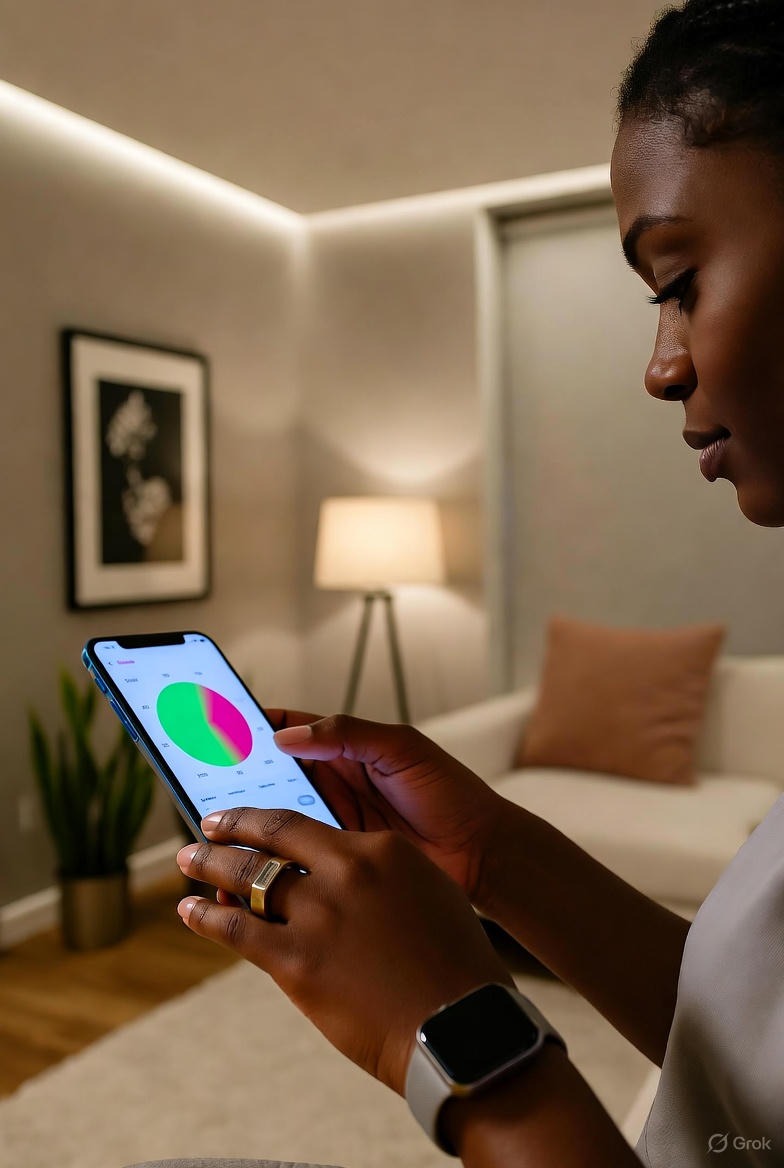
In our always-on culture, stress has become a chronic background hum. The problem is, we’re often terrible at gauging its true physiological toll until we hit a wall of burnout or illness. Wellness rings cut through this subjective fog by providing an objective, real-time measure of your nervous system’s state, primarily through Heart Rate Variability (HRV) and the composite “Readiness” or “Recovery” scores derived from it.
Let’s demystify HRV further. Imagine your heart doesn’t beat with the monotonous regularity of a metronome. The time between beats is constantly varying by milliseconds. When you inhale, your heart rate slightly increases (shortening the interval); when you exhale, it decreases (lengthening the interval). This is a sign of a healthy, responsive system called respiratory sinus arrhythmia, driven by your parasympathetic (“rest and digest”) nervous system. High HRV indicates this system is dominant, meaning your body is in a state conducive to recovery, repair, and resilience. When you are stressed, tired, or sick, the sympathetic (“fight or flight”) system takes over, creating a more rigid, predictable heartbeat and lowering HRV.
Your wellness ring measures HRV most accurately during sleep, providing a nightly average that reflects your system’s recovery state. It then establishes a personalized baseline. The daily magic is in the deviation from this baseline. A higher-than-normal HRV suggests superb recovery and readiness to take on physical or mental challenges. A lower-than-normal HRV is a clear, quantifiable red flag: your body is under strain and needs more rest.
This is where the Readiness Score comes in. To make this data instantly actionable, ring manufacturers combine HRV with other metrics like RHR, sleep quality, and temperature into a single, easy-to-grasp score (often out of 100). This score answers the fundamental question: “Based on how my body recovered last night, how prepared am I for today?”
A high readiness score is a green light. It suggests you’re primed for a tough workout, an important meeting, or a demanding day. A low score is not a failure; it’s crucial intelligence. It advises you to prioritize recovery—to choose a gentle walk over HIIT, to meditate, to hydrate well, and to get to bed early. It’s a tool for practicing proactive self-care, helping you avoid the boom-and-bust cycles that lead to chronic stress and burnout.
By internalizing this feedback, you learn to listen to your body’s subtle signals before they become shouts. You begin to understand how different stressors—an intense workout, a difficult conversation, a poor meal, or even a celebratory night out—affect your system. This awareness is the cornerstone of building sustainable habits for a restful living philosophy of less hustle and more health.
While wellness rings excel in monitoring internal states, they are also capable fitness companions. However, their approach to activity tracking is fundamentally different from a GPS-enabled sports watch. It’s less about mapping every kilometer and more about understanding the physiological impact of movement on your body, and ensuring that activity contributes to, rather than detracts from, overall balance.
Most rings automatically detect and classify daily movement—walking, running, cycling, swimming (for water-resistant models), and even weight training. Using the accelerometer, they estimate steps, calculate active minutes, and burn calories. While the absolute calorie count should be taken as an estimate, the trends are highly valuable. The goal is often presented as maintaining a healthy level of Non-Exercise Activity Thermogenesis (NEAT)—the calories burned through all movement outside of dedicated workouts, which is a major contributor to metabolic health.
Where rings truly shine is in their post-exercise recovery analysis. After a logged workout, the ring’s app doesn’t just show your max heart rate or duration; it shows you the aftermath. How much did your resting heart rate elevate overnight? How significantly did your HRV dip? How did the activity affect your sleep architecture? This provides immediate feedback on the intensity of the session relative to your current recovery capacity. A brutal workout that tanks your HRV for two days might indicate you overreached, while a session that leaves your metrics stable or even improved suggests it was appropriately challenging.
This creates a virtuous feedback loop between exertion and recovery. Instead of blindly following a pre-set workout plan, you can adapt it based on your body’s daily readiness. On a low-readiness day, the ring’s data might nudge you toward restorative movement like yoga or a walk in nature, which are powerful supports for restful living and getting outside more. On a high-readiness day, you can confidently push for a personal best.
Furthermore, rings track all-day activity without the need for user interaction. They can remind you to move after periods of prolonged inactivity, supporting metabolic health and combating the negative effects of sedentary lifestyles. The absence of a screen during the activity itself can also be a benefit, encouraging you to be present in your workout, listening to your body’s cues rather than constantly checking your pace. This fosters a more intuitive and mindful relationship with exercise, where the primary goal is not just performance, but sustainable health and vitality.
One of the most critical concepts in using a wellness ring effectively is understanding the primacy of your personal baseline. In the world of quantified self, comparing your absolute numbers to others’ or to generic “ideal” ranges is not just unhelpful—it can be misleading and counterproductive. Your ring’s greatest value lies in its ability to define your normal, so it can intelligently detect when you deviate from it.
When you first put on a wellness ring and wear it consistently for several weeks, it is engaged in a process of baseline establishment. It’s learning the unique rhythms of your body: What is your typical resting heart rate? What is your normal HRV range? How does your skin temperature fluctuate across your menstrual cycle (if applicable)? How much deep sleep do you usually get?
These personalized baselines are the reference point for all insights. A resting heart rate of 65 might be high for a conditioned athlete but perfectly normal for someone else. An HRV of 40 ms might be low for one person but a personal best for another. The ring’s algorithms are designed to spot meaningful changes relative to you.
For example, if your baseline RHR is 58 and it jumps to 65 for three consecutive nights, that’s a statistically and physiologically significant shift, even though 65 is within a “healthy” population range. This deviation could be your body’s earliest signal of an oncoming cold, dehydration, or excessive stress. Similarly, a woman might see her temperature baseline shift post-ovulation; the ring learns this pattern, so a temperature spike outside of that expected pattern can carry different meaning.
This personalized approach is what enables predictive and preventive health insights. By tracking deviations from baseline, the ring can often alert you to issues before you feel symptomatic. It transforms the device from a simple recorder of the past into a guardian of your future well-being.
Embracing this concept also reduces performance anxiety. You’re not competing against anyone else’s metrics. You are on a personal journey of observation and optimization. The goal is not to achieve a mythical “perfect” score every day, but to understand the causes behind your fluctuations. Why did my readiness drop today? Was it that late dinner? The intense argument? The extra glass of wine? This detective work, grounded in your personal baseline, is the path to true self-knowledge and forms the scientific backbone of why intentional downtime matters for health.
A wellness ring generates a torrent of data—heartbeats, movements, temperatures—millions of data points every day. The crucial step, where the true transformation occurs, is in moving from this raw data to actionable wisdom. The companion app is the bridge across this gap, but the user must become an active interpreter. This process involves understanding trends, recognizing patterns, and connecting dots between your lifestyle and your physiology.
The first rule is to focus on trends, not daily absolutes. A single night of poor sleep or low HRV is not a crisis; it’s noise. Life happens. Look at your data over weeks and months. Is your sleep score gradually improving? Is your average RHR trending downward as you get fitter? Is there a predictable dip in your readiness every Monday morning after a busy weekend? These longitudinal trends tell the real story of your health trajectory.
Second, look for correlations, not just numbers. The most powerful use of your ring is as a biofeedback tool for lifestyle experiments. Use the journaling feature in your app (or keep your own notes) to log potential influencers:
Over time, these correlations reveal your personal laws of health. You might discover that yoga nidra in the afternoon significantly boosts your nocturnal HRV, or that screen time after 10 PM reliably chops 20 minutes off your deep sleep. These are your unique, data-driven insights.
Third, understand the balance between strain and recovery. Your ring’s readiness or recovery score is the ultimate synthesis. It’s the verdict on whether your recent activities (physical, mental, emotional) are being adequately processed. A period of intense strain (a work project, marathon training) is acceptable and even desirable—if it is followed by a period of intentional recovery. The wisdom lies in honoring a low readiness score by dialing back, thus preventing a downward spiral. This is the practice of integrating micro-recovery throughout the day for busy professionals.
Finally, don’t let perfect be the enemy of good. The goal is not to maximize every metric every day, which is impossible and stressful in itself. The goal is to build awareness, make incremental, sustainable improvements, and use the data as a compassionate guide rather than a punitive judge. The wisdom is in knowing when to push and when to rest, and your ring provides the evidence to make that call with confidence.
For technology to be truly transformative, it must integrate seamlessly into the rhythm of daily life, not disrupt it. The wellness ring, by its very design, excels at this. Its passive, continuous monitoring requires no daily charging rituals (most last 5-7 days on a charge) and no conscious effort to “start a tracking session.” However, to extract its full value, a few mindful integration practices can turn data into lasting behavior change.
Wear Consistency is Key: The most important habit is simply to wear it consistently, especially during sleep. The data story breaks down with gaps. Find a finger that provides a snug but comfortable fit (usually the index, middle, or ring finger) and make putting it on part of your daily routine, like brushing your teeth.
Create a Daily Check-in Ritual: Instead of obsessively checking the app, establish a purposeful, brief daily ritual. For many, the morning is ideal. Spend 2-3 minutes reviewing your sleep score and readiness/recovery score. This isn’t about judgment; it’s about assessment. Let this data inform the tone of your day. A low score? Prioritize gentleness, hydration, and an early bedtime. A high score? Lean into your challenging tasks or planned workout. This ritual can become part of a broader restful living morning routine to start your day right.
Use Insights, Not Just Numbers: When you see a metric out of line, ask “why” before you ask “how to fix it.” Investigate like a detective. Was yesterday unusually stressful? Did you try a new food? Did you skip your walk? This reflective practice builds self-awareness far beyond the numbers.
Sync with Your Cycle (For Women): For those who menstruate, the ring is a revolutionary tool for cycle syncing. By tracking temperature and RHR trends, it can predict ovulation and map the phases of your cycle with high accuracy. This allows you to plan your life in harmony with your biology—scheduling demanding projects during your follicular phase (when energy and resilience are often higher) and prioritizing rest and recovery during your luteal phase.
Navigate Social & Professional Settings Gracefully: A ring is subtle, but you may get questions. View this as an opportunity to share the philosophy of proactive health. It’s also durable enough for most activities, but you might choose to remove it for heavy weightlifting (to avoid scratching) or activities with extreme impact risk.
Pair with a Holistic Health Framework: The ring is a sensor, not a savior. Its data is most powerful when integrated into a holistic view of well-being that includes nutrition, mindfulness, relationships, and purpose. Let the ring validate what works—for instance, showing you how adopting restful living habits directly improves your sleep quality. The ultimate goal is to internalize the lessons the ring teaches, so you eventually understand your body’s signals even without it.
Perhaps the most profound promise of the continuous, baseline-aware monitoring of a wellness ring is its potential to act as an invisible guardian—a system that can detect anomalies and provide early warnings of health disturbances long before overt symptoms appear. This shifts the healthcare paradigm from reactive to predictive and preventive.
The principle is simple yet powerful: Your body talks in physiology long before it speaks in symptoms. An infection, for instance, initiates an immune response that elevates your heart rate, increases your skin temperature, and alters your HRV often a full 24-48 hours before you feel a sore throat or fatigue. A wellness ring, tracking these vitals continuously, can detect this state of “physiological perturbation.” Some apps will even deliver a notification suggesting you may be getting sick, advising you to rest, hydrate, and take it easy. This early warning can be the difference between powering through and triggering a full-blown illness, or between a quick recovery and a prolonged one.
This predictive capability extends beyond infectious illness. Consider these potential applications:
It is crucial to state clearly: A wellness ring is not a medical device. It does not diagnose disease. Its warnings are probabilistic nudges, not certainties. A temperature spike could be from illness, but it could also be from ovulation, a hot room, or a vigorous workout the day before. This is why context and trend analysis are vital.
The true role of the ring in predictive health is empowerment through awareness. It gives you a fighting chance to intervene early. It provides objective data to bring to a healthcare professional, moving conversations from “I feel unwell” to “My physiological data has been showing these deviations for three days.” It turns you from a passive patient into an informed partner in your own health journey, actively working to maintain the delicate balance that the ring so diligently monitors.

The unadorned ring on your finger is a sophisticated data collector, but it is the companion smartphone app where this data blossoms into understanding, insight, and action. This ecosystem transforms raw biometrics into a cohesive narrative about your health, acting as both a dashboard for observation and a coach for improvement. The design and intelligence of this app are what separate a mere tracking device from a true wellness partner.
A best-in-class wellness ring app is built on three pillars: Clarity, Context, and Coaching.
Clarity is achieved through intuitive, clean data visualization. Upon opening the app, you should be greeted with a high-level overview—your daily readiness or recovery score, your previous night’s sleep score, and perhaps a daily activity goal. With a tap, you can drill down into each metric. Sleep data is presented not just as a duration, but as a timeline showing your sleep stages in a visually intuitive graph. HRV is shown as a trend line against your personal baseline. The goal is to make complex physiological data comprehensible at a glance.
Context is the layer that gives data meaning. This is where the app correlates your biometrics with your life. Features like in-app journaling are critical. You can log workouts, meals, caffeine and alcohol intake, stress levels, menstrual cycle details, and even subjective mood. Over time, the app’s algorithms can surface correlations: “On days you logged ‘High Stress,’ your HRV was 15% lower on average,” or “Your sleep efficiency tends to be lower on nights you consume alcohol after 8 PM.” Some apps offer a “Labs” or “Experiments” section, guiding you through structured 1-2 week tests (like cutting caffeine or introducing a meditation practice) to see the direct impact on your metrics. This contextual learning is the heart of behavior change, helping you identify which of your daily habits for deeper calm are most effective for your unique physiology.
Coaching is the proactive layer. Beyond showing you what happened, a great app suggests what to do next. Based on a low readiness score, it might recommend a restorative yoga session instead of your planned high-intensity workout, or an earlier bedtime. It might nudge you to take a breathing break when it detects signs of daytime stress through elevated heart rate. Sleep coaching features analyze your nightly patterns and provide personalized advice, such as suggesting a slightly cooler bedroom temperature if your data shows frequent nighttime awakenings. This guidance helps you implement the principles of restful living directly, turning insight into action.
Furthermore, the app serves as a longitudinal health record. It stores months or years of data, allowing you to see macro-trends. How has your resting heart rate changed since you started regular cardio? How does your sleep architecture shift with the seasons? This historical view is invaluable for tracking long-term progress and understanding your body’s rhythms on a grand scale.
The ecosystem often extends beyond a single app through integration with other health platforms. The ability to sync data with Apple Health, Google Fit, or Strava creates a unified health profile. This means your ring’s recovery data can inform your training plan in a fitness app, or your sleep data can be reviewed alongside nutrition logs in a holistic health platform. By serving as a central, rich source of physiological data, the wellness ring app becomes the command center for your entire digital health strategy, empowering you to design a lifestyle that consistently supports restoration and resilience.
While the journey to better health is deeply personal, human beings are inherently social creatures motivated by connection, shared purpose, and friendly encouragement. Recognizing this, the leading wellness ring platforms are evolving beyond solitary data silos to incorporate features that foster community, friendly competition, and shared accountability. This social layer adds a powerful dimension of motivation and support to the quantitative foundation.
The most common social feature is private groups or circles. You can create a group with family members, close friends, or teammates. Within this safe space, you can choose to share specific metrics—perhaps your daily sleep scores, activity minutes, or readiness scores. The purpose isn’t about comparison or judgment, but about shared awareness and support. Seeing your partner’s low readiness score might prompt you to take on more household duties that evening. Noticing your friend’s consistent high sleep scores could lead to a conversation about their effective wind-down routine, where you might pick up tips on designing spaces for calm and restoration. For remote teams, it can build empathy, as seeing a colleague’s poor recovery data can contextualize their need for a lighter meeting load.
Another engaging element is community challenges. These are opt-in, time-bound goals set by the app or created within private groups. Examples include a “30-Day Step Challenge,” a “Sleep Consistency Week,” or a “Stress Resilience Month” focused on mindfulness minutes. Participants can see a leaderboard (often anonymized or using aliases) and cheer each other on. The psychology here is powerful: it leverages gamification to make healthy behaviors fun and engaging. Completing a 10,000-step daily challenge for a week feels more rewarding when you’re contributing to a team goal or climbing a ranked list.
These features also combat the loneliness that can sometimes accompany behavior change. When you’re trying to improve your sleep, it’s easy to feel like you’re the only one missing out on late-night social events. Being in a community where others are prioritizing rest normalizes these choices. You can share struggles and victories, ask for advice, and celebrate each other’s progress. This taps into the motivational power of accountability. Knowing your workout buddies can see your activity ring might be the nudge you need to go for that evening walk.
However, the most sophisticated platforms implement these features with a crucial caveat: personal baselines remain sacred. The focus is on improving your own scores, not on beating someone else’s absolute numbers. A challenge might rank participants by percentage improvement over their personal baseline, not by total steps. This ensures the social element supports individual growth without encouraging dangerous overexertion or unhealthy comparison.
Ultimately, this social dimension transforms the wellness ring from a personal biofeedback device into a tool for building healthier cultures—in families, friend groups, and workplaces. It reminds us that well-being is not a solitary pursuit, but a shared human endeavor, where community can be one of the most powerful wellness tools of all, especially when navigating the shared challenge of finding peace in the chaos of parenting.
The wearable health tech landscape is rich and varied, with each device category offering a distinct blend of features, form factors, and philosophies. Choosing the right tool requires understanding your primary goals. Is it comprehensive fitness tracking, smartphone connectivity, or deep, unobtrusive physiological insight? Let’s delineate the core strengths and trade-offs of wellness rings against their main competitors: smartwatches and other specialized wearables.
Wellness Rings: The Specialists in Recovery & Autonomic Health
Smartwatches (e.g., Apple Watch, Garmin, Fitbit): The Connected All-Rounders
Other Specialized Wearables (Chest Straps, WHOOP, Oura)
The Synergy Potential: For the ultimate health tech enthusiast, these devices are not mutually exclusive. A common powerful combination is a wellness ring for 24/7 recovery and sleep data paired with a smartwatch or chest strap for high-fidelity workout tracking. The ring informs whether and how hard to train based on recovery, while the watch provides the detailed performance data during the session. This integrated approach allows you to leverage the strengths of each device, creating a holistic picture of your health that respects both performance and the essential need for deep restoration.
Entering the wellness ring market can feel overwhelming, with several compelling options each boasting unique features, designs, and subscription models. Your perfect ring depends on your priorities: Is it ultimate accuracy, sleek design, app intelligence, or cost? This guide breaks down the key decision factors and provides a snapshot of the leading contenders to help you navigate your choice.
Critical Decision Factors:
Snapshot of Leading Brands (As of Late 2023/Early 2024):
The Final Word: There is no single "best" ring for everyone. Your choice should align with your "Why." If your primary goal is to fix your sleep and manage stress, prioritize sleep algorithm accuracy and recovery insights. If you’re a data enthusiast wanting to run experiments, look for deep app analytics. And remember, the most expensive or popular ring is only the best if you wear it consistently. Choose the one whose design and feel will become a seamless, forgotten part of your body, quietly gathering the data you need to live a more balanced life, free from the common mistakes that keep you wired and tired.
The current capabilities of wellness rings are impressive, but they represent just the first chapter. Rapid advancements in sensor miniaturization, non-invasive biomarker detection, and AI are poised to unlock features that sound like science fiction. The next generation of rings will move beyond monitoring known metrics to discovering new ones, transforming from health trackers into true health guardians with expanded diagnostic and preventative capabilities.
1. Non-Invasive Blood Glucose Monitoring (NIBGM): This is the holy grail for wearable tech. Several major companies (including Apple and Samsung) are investing billions in developing optical sensors that can estimate blood glucose levels without breaking the skin. While not yet available in a consumer ring, progress is swift. Success here would revolutionize metabolic health management for millions, providing continuous glucose data without the need for finger pricks or implantable sensors.
2. Continuous Blood Pressure Monitoring: Research into estimating blood pressure via PPG signals is advancing. The concept involves using pulse wave analysis—studying the shape and speed of the blood pressure wave captured by the optical sensor. While current wrist-based attempts have faced accuracy challenges, the finger’s vascular advantages might make it a more viable site. A ring that could track blood pressure trends throughout the day and night would be a monumental public health tool.
3. Advanced Electrolyte & Hydration Sensing: Using bioimpedance spectroscopy (sending a tiny, imperceptible electrical current through the tissue), future rings could estimate fluid levels and electrolyte balance. This would provide direct, real-time feedback on hydration status, far more useful than simply reminding you to drink eight glasses of water a day.
4. Alcohol and Lactate Detection: Research into spectroscopic sensors that can identify specific molecules in interstitial fluid is ongoing. This could lead to rings that estimate blood alcohol concentration or track lactate levels (a marker of muscular fatigue), providing immediate feedback on recovery needs after exertion or the physiological impact of alcohol consumption.
5. Enhanced Women’s Health & Pregnancy Insights: With improved temperature accuracy and the addition of new sensors, rings will provide even more precise ovulation prediction and menstrual cycle insights. Furthermore, the ability to track long-term physiological trends could offer supportive data during pregnancy and the postpartum period, monitoring changes in resting physiology, sleep patterns, and recovery needs.
6. On-Device AI & Proactive Health AI: Instead of just displaying data, future rings will host more powerful processors capable of running sophisticated AI models directly on the device. This would enable real-time, context-aware alerts and coaching without needing a phone connection. Imagine your ring feeling unusually warm and detecting an elevated heart rate; its on-board AI could cross-reference this with your calendar, see you have a big presentation in an hour, and prompt you with a tailored breathing exercise to manage pre-performance anxiety, directly supporting zero-cost wellness tips for stress management.
These advancements will not happen overnight, and each will require rigorous clinical validation. However, the trajectory is clear: the wellness ring is evolving into a multi-lens observatory of human health, sitting at the convergence of wearables, digital medicine, and personalized preventative care. Its future lies not just in telling us more about our bodies, but in helping us care for them with unprecedented precision and foresight.
Technology is only as valuable as the human change it enables. Beyond the specs and algorithms, the true power of wellness rings is revealed in the stories of individuals whose lives have been tangibly improved by the insights they provide. These are not tales of biohacking for marginal gains, but of people regaining control over their sleep, managing chronic conditions, and preventing burnout. Here are a few archetypal user transformations.
The Restless Sleeper: Sarah, 42, Marketing Director. For years, Sarah believed she was a "bad sleeper." She’d spend 8 hours in bed but wake exhausted. Her ring revealed the truth: her sleep efficiency was only 78%, with frequent, prolonged awakenings she didn’t remember. The data showed a strong correlation between late-evening screen time and reduced deep sleep. Using the ring’s insights, she instituted a strict digital curfew and experimented with creating a restful home environment in her bedroom. Within a month, her sleep efficiency climbed to 92%, her deep sleep increased by 25 minutes per night, and her daytime energy was transformed. The data gave her the evidence and motivation to make lasting changes.
The Overtrained Athlete: David, 35, Amateur Triathlete. David followed his training plan religiously but found his performance plateauing and his mood irritable. His ring’s readiness score was consistently low, and his HRV trend was in a steady decline—classic signs of overreaching. Despite feeling "fine," the data told a different story. He used the low scores to justify scheduling a deload week, something he would have previously skipped. After a week of lighter activity, his HRV rebounded to a new personal best, and he returned to training smashing his previous benchmarks. The ring taught him that recovery is not the absence of training, but an essential, productive phase of it.
The Stress Unaware Professional: Anika, 38, Startup Founder. Anika thrived on pressure, believing stress was the fuel of success. A gift of a wellness ring revealed a different narrative: her resting heart rate was chronically elevated, and her HRV was among the lowest percentiles. The "Stress" feature in the app highlighted persistent daytime sympathetic activation. Seeing her physiology graphically mapped was a wake-up call. She began using the ring’s guided breathing sessions when alerts fired and learned to recognize the physical precursors to her anxiety spikes. This biofeedback helped her implement a restful living mindset, fundamentally changing her relationship with her work and her health.
The Person with a Mystery Illness: James, 50, Teacher. James experienced bouts of extreme fatigue but standard blood tests came back normal. His ring data, however, showed a clear pattern: his nighttime heart rate was significantly elevated and his temperature was up every time he felt unwell. He brought months of trend data to his doctor. This objective, longitudinal evidence helped his physician look beyond standard tests and eventually diagnose an underlying autoimmune condition that was causing low-grade, episodic inflammation. The ring provided the crucial data trail that led to answers and a treatment plan.
These stories underscore a common theme: objective data creates agency. It cuts through denial, guesswork, and subjective feelings, providing a concrete foundation for change. Whether it’s improving sleep, optimizing fitness, managing stress, or aiding a medical dialogue, the wellness ring acts as a translator between the body and the mind, empowering individuals to become the foremost experts on their own well-being.
In an era where data is often called "the new oil," the information collected by a wellness ring is among the most personal and sensitive possible. It is a digital diary of your body’s most intimate functions: your heart’s rhythm as you sleep, your stress levels at work, the patterns of your reproductive cycle. Therefore, a critical, non-negotiable aspect of adopting this technology is a thorough understanding of how your data is stored, used, and protected. Ignoring this is to ignore the core of your digital self.
What Data is Collected, and How Is It Used?
A reputable company will be transparent about its data practices. The data falls into categories:
The primary use should be to provide your personal insights and improve the product’s algorithms (using anonymized, aggregated data). The vital questions to ask are:
Data Security: How Is My Data Protected?
Look for companies that employ end-to-end encryption. This means your data is encrypted on the ring, in transit to the servers, and at rest on the servers. It should be inaccessible to anyone without the encryption keys, including the company itself in an ideal security model. Also, check for compliance with frameworks like GDPR (General Data Protection Regulation) or HIPAA (if making medical claims), which enforce strict data handling standards.
Data Ownership and Portability: Can I Take My Data With Me?
You should own your raw biomarker data. A key feature to look for is data export functionality. Can you download a CSV or JSON file containing all your historical readings? This ensures you are not locked into a single ecosystem. It allows you to use third-party analysis tools, share it with your healthcare provider in a format they can use, or simply keep a personal archive. Ownership means you control the lifespan and destiny of your digital twin.
The Subscription Model Dilemma: Many rings operate on a hardware-plus-subscription model. It’s crucial to understand what happens to your data and access if you stop paying the subscription. Do you lose access to all historical insights? Can you still view your raw data? This is a significant consideration for long-term use.
Practical Steps for the Conscious User:
Adopting a wellness ring is an act of trust. By choosing a company that prioritizes privacy, champions security, and grants you true ownership, you ensure that this powerful tool for self-knowledge doesn’t come at the cost of your personal sovereignty. Your body’s data belongs to you—full stop.
The ultimate validation of consumer health technology comes when it bridges the gap between self-care and professional care. Wellness rings are increasingly crossing this bridge, moving from the realm of quantified-self enthusiasts into the toolkits of forward-thinking physicians, therapists, and health coaches. They are not replacing professionals but empowering them with continuous, objective data that fills the vast gaps between sporadic check-ups, creating a more collaborative and effective healthcare model.
From Subjective Recall to Objective Reality:
A patient’s description of their sleep as "poor" or their stress as "high" is subjective and vague. A wellness ring provides an objective, quantified report. A doctor can review months of sleep architecture, nocturnal heart rate trends, and HRV data before a consultation. This transforms the conversation from "How have you been sleeping?" to "I can see your deep sleep has decreased by 30% over the last two months, and your resting heart rate is trending up. Let’s explore what’s changed." This data-driven approach can lead to faster, more accurate hypotheses about underlying issues, from sleep apnea and anxiety to hormonal imbalances or overtraining.
Enhancing Chronic Disease Management:
For conditions like hypertension, insomnia, or anxiety disorders, continuous monitoring is invaluable. A patient can track how a new medication affects their sleep HRV or nighttime blood pressure (as this tech evolves). They can see the physiological impact of a cognitive behavioral therapy for insomnia (CBT-I) intervention in real-time, providing motivation and proof of progress. For cardiology patients, trends in resting heart rate and HRV can be supportive data points in assessing overall cardiac autonomic function.
The Role of Health Coaches and Therapists:
Coaches use ring data as a foundational biofeedback tool. A stress management coach can have a client track how different mindfulness practices directly affect their real-time HRV. A nutritionist can correlate dietary journal entries with sleep quality and recovery scores. An athletic trainer can precisely periodize an athlete’s training based on daily readiness scores, preventing injury and maximizing adaptation. The ring provides the evidence that a recommended intervention is working on a physiological level, which reinforces adherence.
Challenges and the Path Forward:
For this integration to become mainstream, hurdles remain:
The most progressive healthcare providers are already pioneering this model. They “prescribe” the use of a wellness ring to gather baseline data, just as they might order lab work. They then review the trends collaboratively with the patient, using it to tailor treatment plans and monitor adherence. This partnership, powered by continuous data, represents a shift from episodic, reactive medicine to participatory, preventative health—a future where the patient and provider are aligned by a shared, data-informed understanding of the body’s story. For the individual, this means walking into a doctor’s office not just with symptoms, but with evidence, ready to have a far more productive conversation about their health.
Your Trusted Sleep Advocate: Sleep Foundation — https://www.sleepfoundation.org
Discover a digital archive of scholarly articles: NIH — https://www.ncbi.nlm.nih.gov/
39 million citations for biomedical literature :PubMed — https://pubmed.ncbi.nlm.nih.gov/
Experts at Harvard Health Publishing covering a variety of health topics — https://www.health.harvard.edu/blog/
Every life deserves world class care :Cleveland Clinic - https://my.clevelandclinic.org/health
Wearable technology and the future of predictive health monitoring :MIT Technology Review — https://www.technologyreview.com/
Dedicated to the well-being of all people and guided by science :World Health Organization — https://www.who.int/news-room/
Psychological science and knowledge to benefit society and improve lives. :APA — https://www.apa.org/monitor/
Cutting-edge insights on human longevity and peak performance:
Lifespan Research — https://www.lifespan.io/
Global authority on exercise physiology, sports performance, and human recovery:
American College of Sports Medicine — https://www.acsm.org/
Neuroscience-driven guidance for better focus, sleep, and mental clarity:
Stanford Human Performance Lab — https://humanperformance.stanford.edu/
Evidence-based psychology and mind–body wellness resources:
Mayo Clinic — https://www.mayoclinic.org/healthy-lifestyle/
Data-backed research on emotional wellbeing, stress biology, and resilience:
American Institute of Stress — https://www.stress.org/


