Answers frequently asked questions from new and potential users about wellness ring functionality and use.
Wellness Ring Basics: Common Questions Answered
In an era where data is king and self-knowledge is the ultimate form of empowerment, a quiet revolution is happening right on our fingers. Gone are the days when wellness tracking meant clunky wristbands or sporadic journaling. Today, the future of personalized health is discreet, intelligent, and always-on, thanks to the emergence of the modern wellness ring. But what exactly are these sleek pieces of technology? How do they transform raw biometric data into meaningful insights about your sleep, stress, and recovery? And are they truly worth the investment?
If you’ve found yourself curious but overwhelmed by the technical jargon, marketing claims, and sheer variety of options, you’re in the right place. This comprehensive guide is designed to cut through the noise and provide clear, authoritative answers to the most common questions about wellness rings. We’ll explore how they work, what they measure, who they’re for, and how to integrate their insights into a truly restful, healthier life. Think of this not just as a product guide, but as a primer on the art and science of understanding your own body’s subtle language.
From decoding your sleep score to navigating the principles of restful living, we’re beginning a deep dive into the tools and philosophies that can help you move from simply being busy to being truly well. Let’s start by demystifying the core technology that makes all of this possible.
What Exactly Is a Wellness Ring?
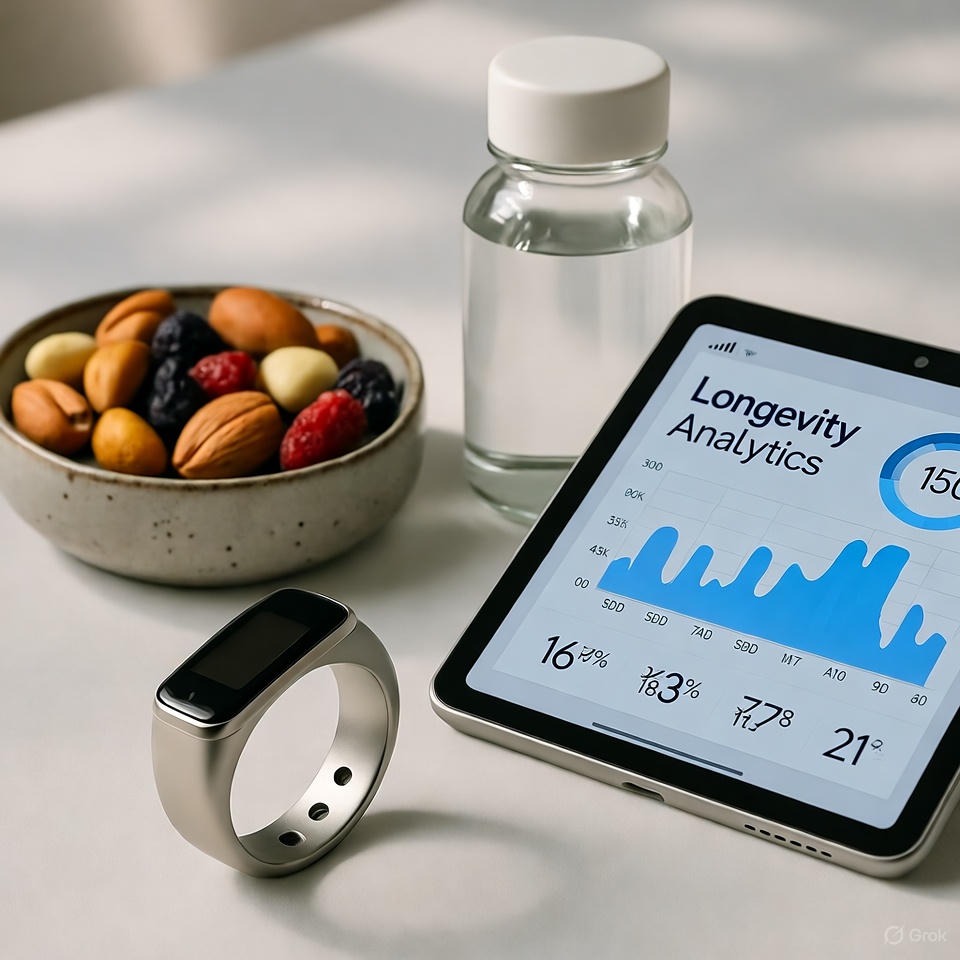
A wellness ring is a small, wearable electronic device, typically worn on a finger, that continuously collects and analyzes a suite of physiological data to provide insights into your health, fitness, recovery, and overall well-being. It’s a compact fusion of advanced sensors, sophisticated algorithms, and user-friendly software, all designed to operate unobtrusively 24/7.
Unlike a traditional piece of jewelry or a smartwatch focused on notifications and calls, the primary mission of a wellness ring is inward-looking: to be a personal health guardian. It’s built on the premise that the most profound health insights come not from single-point measurements at a doctor’s office, but from understanding the subtle, continuous rhythms of your body in your daily life—during sleep, work, exercise, and rest.
At its core, a wellness ring functions through a combination of key components:
Miniaturized Sensors: These are the ring’s data-gathering workhorses. The most common is a photoplethysmography (PPG) sensor, which uses tiny LED lights to measure blood flow changes in the capillaries of your finger. This single sensor is astonishingly versatile, allowing the device to track heart rate, heart rate variability (HRV), blood oxygen saturation (SpO2), and even skin temperature. An accelerometer is also standard, tracking movement and sleep phases.
Onboard Processing & Battery: A small microprocessor inside the ring handles initial data processing. A compact, rechargeable battery powers the device, with most modern rings offering between 4 to 7 days of life on a single charge.
Connectivity: The ring uses low-energy Bluetooth to sync its collected data securely to a companion smartphone application.
The Companion App: This is where the magic of interpretation happens. The raw data is transformed into accessible scores, trends, and actionable insights through proprietary algorithms. The app acts as your dashboard, coach, and health journal all in one.
The fundamental difference between a wellness ring and other wearables like fitness bands or smartwatches is one of focus and form factor. Wrist-worn devices often prioritize fitness metrics (steps, active minutes) and smart features. A wellness ring, by design, prioritizes recovery and readiness metrics. Its finger location is also clinically advantageous; the finger has a denser network of capillaries than the wrist, which can lead to more reliable and consistent readings for metrics like HRV and SpO2, especially during sleep.
Furthermore, the ring form factor offers unparalleled convenience for 24/7 wear. It’s small, lightweight, waterproof, and doesn’t interfere with daily activities, sleep, or other jewelry. You’re more likely to wear it consistently, and consistency is the absolute key to generating meaningful, long-term health trends. It’s not a device you take off to charge every night; you charge it briefly while showering or at your desk, ensuring an almost unbroken data stream.
In essence, a wellness ring shifts the paradigm from reactive health monitoring to proactive well-being management. It gives you a daily, data-driven check-in with your body’s most vital systems, empowering you to make informed decisions about your sleep, stress management, training, and overall lifestyle for sustained vitality.
How Do Wellness Rings Track Your Health Data?
Peeling back the sleek exterior of a wellness ring reveals a miniature laboratory of biomedical engineering. The process of transforming the faintest pulses of blood and smallest movements into a coherent health narrative is both complex and elegant. Understanding this process demystifies the results and builds trust in the insights you receive.
The journey of your data follows a clear path: from your body’s signals, to raw sensor data, to processed metrics, and finally to interpreted insights.
1. Data Collection: The Sensor Suite The ring’s sensors are in constant, passive dialogue with your body.
PPG (Photoplethysmography): This is the cornerstone sensor. It emits green or red/infrared LED light into the skin of your finger. As your heart beats, blood volume in the capillaries changes. These changes affect how much light is absorbed versus reflected back to the sensor’s photodetector. By analyzing these light absorption patterns thousands of times per minute, the ring can pinpoint the timing of each heartbeat (for heart rate) and the subtle variations between beats (for Heart Rate Variability). Red/infrared light is also used to measure blood oxygen saturation (SpO2) by comparing absorption of different light wavelengths.
3-Axis Accelerometer: This sensor measures movement and orientation in three-dimensional space. It’s crucial for distinguishing between wakefulness, light sleep, deep sleep, and REM sleep by detecting body movement. It also tracks general physical activity levels and can identify specific periods of exercise or prolonged inactivity.
Skin Temperature Sensor: A tiny thermistor measures the skin temperature at your finger. While not identical to core body temperature, it provides a highly sensitive and consistent proxy. Nocturnal skin temperature is a powerful biomarker, with a natural dip signaling the onset of sleep and variations potentially indicating menstrual cycle phases, the onset of illness, or metabolic changes.
2. From Raw Data to Processed Metrics The raw light and motion signals are processed on the ring’s chip using specialized algorithms to filter out "noise" (like motion artifacts from hand gestures) and extract clean signals.
Heart Rate (HR): Calculated as beats per minute (BPM) from the intervals between heartbeats detected by the PPG.
Heart Rate Variability (HRV): This is not your heart rate, but the variation in time between successive heartbeats, measured in milliseconds. It’s a key indicator of your autonomic nervous system (ANS) balance. A higher HRV (greater variability) typically indicates a dominant "rest-and-digest" (parasympathetic) state, signaling good recovery and resilience. A lower HRV can indicate "fight-or-flight" (sympathetic) dominance due to stress, fatigue, or illness. The ring calculates this by analyzing the sequence of heartbeat intervals, often reporting a time-domain metric like rMSSD.
Respiratory Rate: Advanced algorithms can extract your breathing rate (breaths per minute) from either the subtle, cyclical patterns in the heart rate data or the PPG signal itself, all without a dedicated breath sensor.
Blood Oxygen (SpO2): Expressed as a percentage, it represents the saturation of oxygen in your blood. The ring measures this, typically during sleep, by comparing how much red and infrared light is absorbed by oxygenated vs. deoxygenated hemoglobin.
3. From Metrics to Insight: The App Algorithms This is where data becomes knowledge. The app’s backend algorithms synthesize all the processed metrics into easy-to-understand scores and trends.
Sleep Scoring: The app combines movement data (from the accelerometer) with heart rate, HRV, and breathing data to classify each minute of the night into sleep stages: awake, light, deep, and REM. From this, it generates an overall Sleep Score, a composite metric of sleep duration, quality, timing, and restoration. For a deeper look at how these scores are calibrated, you can explore the research behind what constitutes a healthy sleep score.
Readiness/Recovery Score: This is the ring’s daily recommendation engine. By analyzing last night’s sleep data, your morning HRV, resting heart rate, skin temperature, and recent activity, it produces a score that suggests how prepared your body is for physical or mental stress. A high score suggests you’re well-recovered and can push hard; a lower score advises prioritizing rest, lighter activity, and recovery. This score directly connects to the concept of how your sleep score reflects total body recovery.
Activity Monitoring: While not its primary focus, the ring tracks active calories, metabolic equivalent of task (MET) minutes, and movement periods, providing a rounded view of your daily energy expenditure.
The true power lies not in a single day’s data, but in the longitudinal trends. Over weeks and months, the app highlights patterns: how your HRV trends with your training load, how your sleep score dips before you feel a cold, or how your resting heart rate gradually decreases with improved fitness. This trend analysis is the foundation of personalized insight, allowing you to see the impact of your lifestyle choices in near real-time and make adjustments that support a philosophy of restful living for busy professionals through micro-recovery throughout the day.
What Metrics Do Wellness Rings Measure and What Do They Mean?
The dashboard of a wellness ring app can seem like a cockpit of unfamiliar terms and numbers. But each metric is a vital signpost, pointing toward the state of your internal systems. Let’s translate these biomarkers into plain language and understand their significance for your daily life.
Core Physiological Metrics:
Resting Heart Rate (RHR): Your heart rate at complete rest, best measured during sleep or upon waking. A lower RHR generally indicates better cardiovascular fitness and efficient heart function. Why it matters: Sudden or sustained increases in your RHR trend can be an early warning sign of overtraining, dehydration, stress, or illness.
Heart Rate Variability (HRV): The variation in milliseconds between heartbeats. It’s your body’s "biometric feedback loop" for nervous system balance. Why it matters: HRV is arguably the most sensitive non-invasive metric for recovery and stress. A higher HRV trend suggests good adaptability and resilience. A significant drop often signals that your body is under strain—from physical training, psychological stress, or immune system activity. It’s a direct cue to prioritize rest.
Sleep Stages (Light, Deep, REM): Each stage serves a distinct purpose. Light sleep is a transition phase. Deep sleep is critical for physical restoration, tissue repair, and immune function. REM sleep is essential for memory consolidation, learning, and emotional processing. Why they matter: The balance and adequate amount of each stage are crucial. Consistently low deep sleep can hinder physical recovery, while insufficient REM can affect mood and cognition. Tracking these stages helps you understand the quality of your sleep, not just the quantity.
Blood Oxygen (SpO2): The percentage of oxygen-saturated hemoglobin in your blood. Normal levels are typically 95-100%. Why it matters: Significant, sustained dips below normal during sleep (nocturnal desaturation) can be an indicator of sleep-disordered breathing, like sleep apnea. Monitoring this trend provides valuable information to discuss with a healthcare provider.
Respiratory Rate: The number of breaths you take per minute. At rest, it’s typically 12-20 for adults. Why it matters: An elevated resting respiratory rate, especially during sleep, can be a subtle sign of stress, anxiety, or respiratory issues. It’s another piece of the puzzle in assessing your autonomic nervous system state.
Skin Temperature: The temperature at the surface of your skin. Why it matters: It follows a circadian rhythm. A failure of your skin temperature to drop at night can correlate with poor sleep onset. Tracking the trend is key: a sustained elevation from your personal baseline can be one of the earliest signs of oncoming illness, inflammation, or, for women, a shift in menstrual cycle phase.
Composite Insight Scores:
Sleep Score: A single number (often out of 100) that synthesizes multiple sleep factors: duration, efficiency (time asleep vs. time in bed), timing (consistency of bedtime), stages (amount of deep & REM), and restoration (nighttime HRV/RHR). Why it matters: It gives you a quick, holistic view of your night. More importantly, tracking this score over time, following your sleep score journey over months, reveals what behaviors (evening routines, meal timing, stress management) truly move the needle for your sleep quality.
Readiness/Recovery Score: This score integrates last night’s sleep data with current physiological markers (like morning HRV and RHR) to assess your body’s preparedness for the day. Why it matters: It moves you from guesswork to guided action. A low readiness score isn’t a failure; it’s valuable intel. It tells you today is a day for walking instead of HIIT, for focused work instead of multitasking, and for prioritizing simple daily habits for deeper calm. It’s a tool for sustainable performance, preventing burnout by listening to your body’s signals.
Understanding these metrics transforms the ring from a simple tracker into a dialogue partner. A dip in HRV combined with a rising skin temperature trend is your body whispering it’s fighting something off. A high sleep score with a soaring readiness score is your body cheering you on. By learning this language, you gain unprecedented agency over your health, enabling you to align your daily actions with the restful living philosophy of less hustle and more health.
Are Wellness Rings Accurate Compared to Medical Devices?
This is the million-dollar question for anyone serious about using data for health. The short answer is: Wellness rings provide high-quality, clinically-validated trend data that is exceptionally useful for personal health monitoring, but they are not—and are not intended to be—diagnostic medical devices.
It’s critical to understand the distinction between clinical accuracy and consumer trend accuracy.
Clinical Accuracy refers to the level of precision required for a physician to make a diagnosis. This is the domain of FDA-cleared or CE-marked medical devices like hospital pulse oximeters, ECG machines, and polysomnography (PSG) sleep lab equipment. These devices undergo rigorous, controlled trials to meet strict regulatory standards.
Consumer Trend Accuracy refers to the reliability of a device to track changes and patterns in your biometrics over time in a real-world setting. The absolute number is less important than the consistency and direction of the trend relative to your personal baseline.
How Wellness Rings Stack Up:
Heart Rate & HRV: Multiple independent studies have shown that high-quality PPG sensors on the finger, especially during rest and sleep, can provide heart rate and HRV data that is highly correlated with medical-grade chest strap monitors (like Polar H10) and even ECG. The finger is a superior location to the wrist for optical heart rate sensing due to better blood perfusion. For tracking your nightly trends in RHR and HRV—which is where the real insight lies—a well-made wellness ring is an extremely reliable tool.
Sleep Staging: No consumer wearable can match the gold-standard accuracy of a polysomnogram (PSG) in a sleep lab, which uses brain wave (EEG), eye movement (EOG), and muscle activity (EMG) sensors. However, studies show that advanced algorithms combining accelerometer and heart rate/HRV data (a method known as actigraphy + PPG) can achieve around 80-90% agreement with PSG in distinguishing sleep from wake and have good accuracy in classifying light vs. deep/REM sleep. This is more than sufficient for identifying personal patterns, such as how late caffeine affects your deep sleep or how alcohol fragments your sleep.
Blood Oxygen (SpO2): Consumer devices, including rings, are not as accurate as FDA-cleared fingertip pulse oximeters used in clinical settings, especially at the critical lower saturation ranges. However, for tracking general overnight trends and noting significant, persistent dips from your own normal baseline, they provide a useful screening indicator that can prompt a conversation with a doctor.
Skin Temperature: The ring measures skin temperature, not core body temperature. Its value is not in giving you a precise fever reading, but in detecting a deviation from your own established baseline. A sustained elevation of 0.5-1°C above your personal norm is a remarkably sensitive indicator of physiological change, often appearing before you feel any symptoms.
The Verdict: Trust the Trend, Not a Single Datapoint.
Think of your wellness ring as a highly sensitive weather station for your internal climate. A single barometric reading might have a small margin of error, but watching the pressure drop steadily over 24 hours gives you a very reliable prediction of an incoming storm. Similarly, your ring’s power is in showing you that your HRV has been trending down for three days, your resting heart rate is up 5 BPM from baseline, and your sleep score is falling—all strong indicators you need to prioritize recovery.
For managing chronic conditions, diagnosing sleep apnea, or monitoring critical health issues, always rely on physician-prescribed medical devices. But for the proactive, daily management of sleep, stress, recovery, and overall well-being—for gaining an objective view of how your lifestyle impacts your physiology—a modern wellness ring is an accurate and powerful tool. Its data empowers you to take preventive action, often long before a minor imbalance becomes a major problem. This proactive approach is a cornerstone of the science behind restful living and why intentional downtime matters.
Who Can Benefit Most from Using a Wellness Ring?
Wellness rings are not a niche gadget for elite athletes or biohackers alone. Their fundamental value—providing personalized, actionable feedback on your body’s state—resonates with a wide spectrum of individuals seeking to optimize their health and performance in a data-driven way. While almost anyone can gain insights, certain groups may find the return on investment particularly profound.
1. The Performance-Oriented Athlete & Fitness Enthusiast For anyone who trains with purpose, a wellness ring is a game-changer. It replaces guesswork with science in managing the delicate balance between stress and recovery—the core principle of athletic improvement.
Benefit: Prevents overtraining and under-recovery by using the Readiness Score to guide daily training intensity. An athlete can learn that a high-intensity workout on a low-readiness day leads to poor performance and increased injury risk, while taking a rest day or doing light active recovery when the data suggests it can lead to better gains long-term. It quantifies the impact of training load, travel, and competition stress.
2. The High-Achieving Professional Prone to Burnout In a culture that glorifies busyness, burnout is a silent epidemic. Professionals often ignore their body’s signals until they crash. A wellness ring acts as an objective early-warning system.
Benefit: It makes invisible stress visible. Seeing a plummeting HRV and rising resting heart rate after a series of 14-hour workdays provides undeniable data that the body is in a state of distress. This concrete feedback can be the catalyst needed to enforce boundaries, balance productivity with true restful living, and adopt micro-recovery habits. It transforms the vague feeling of being "wired and tired" into a specific, actionable health metric.
3. The Sleep-Optimizer & Insomnia Sufferer For the one-third of adults who struggle with sleep, subjective feelings can be misleading. A wellness ring provides objective data on what’s actually happening at night.
Benefit: It helps identify patterns and triggers. You might feel you slept poorly, but the data shows you got ample deep sleep—revealing a mood issue rather than a sleep one. Conversely, you might feel "fine" but see consistently low REM sleep, explaining brain fog. It allows for targeted experimentation: tracking how a dedicated evening ritual prepares you for better sleep, how screen time before bed impacts sleep latency, or how alcohol destroys sleep quality, even if it helps with initial onset.
4. The Health-Conscious Individual Managing Chronic Stress or Anxiety For those dealing with stress-related issues, the ring offers a tool for biofeedback and connection between mind and body.
Benefit: It provides tangible evidence of the physiological cost of stress (low HRV, high RHR) and, more importantly, shows the measurable benefits of stress-management techniques. Seeing your HRV improve after a 10-minute meditation session or a walk in nature reinforces positive behaviors. It empowers individuals to reduce chronic stress and burnout through validated lifestyle adjustments.
5. The Biohacker & Quantified-Self Advocate This group is driven by curiosity and the desire to experiment on their own biology. The ring is their primary data-logging tool.
Benefit: It enables rigorous n-of-1 self-experimentation. Want to know the impact of a new supplement, a cold shower, an intermittent fasting protocol, or a blue-light blocking regimen? The ring provides the multi-metric data (sleep, HRV, temperature) to measure the effect objectively, moving beyond anecdote to personal evidence.
6. Women Tracking Hormonal & Menstrual Health The female body undergoes complex cyclical changes that profoundly affect physiology. Wellness rings are becoming invaluable tools for cycle syncing.
Benefit: Basal skin temperature and resting heart rate trends are excellent, passive indicators of ovulation and menstrual cycle phases. Women can use this data to understand their unique patterns, anticipate energy fluctuations, and tailor their training, nutrition, and self-care to their cycle for better performance and well-being throughout the month.
7. Anyone on a Journey of Preventive Health & Longevity At its heart, a wellness ring is a tool for prevention. It fosters a deeper awareness of the body, encouraging proactive habits before problems arise.
Benefit: It cultivates a mindset of listening and responding. By establishing a personal health baseline, you become attuned to deviations. This long-term tracking supports the ultimate goal of healthspan extension—not just living longer, but living with vitality and resilience for more of your life. It’s a practical tool for embracing the restful living mindset of shifting from constant doing to mindful being.
In essence, if you are curious about the cause-and-effect relationship between your lifestyle and your body, and you value objective data to inform better daily choices, you are an ideal candidate for a wellness ring. It’s for the person who wants to be the CEO of their own health, with a dashboard to guide them.
How to Choose the Right Wellness Ring for Your Needs
With several compelling options on the market—from Oura Ring and Circular Ring to newer entrants—selecting the right one can feel daunting. The "best" ring isn’t a universal answer; it’s the one that best aligns with your primary goals, lifestyle, and budget. Use this decision framework to cut through the marketing and find your perfect match.
Step 1: Define Your "Why" and Primary Use Case Before looking at specs, get clear on your main objective. Ask yourself:
Is my primary goal to fix my sleep and understand my insomnia?
Am I an athlete focused on optimizing training and preventing overtraining?
Am I a stressed professional seeking to manage burnout and improve daily resilience?
Am I a woman wanting detailed insights into my menstrual cycle and hormonal health?
Am I a general wellness enthusiast wanting an overall picture of my health trends?
Your answer will weight the importance of different features. An athlete will prioritize a robust, accurate Readiness Score and workout heart rate tracking. Someone focused on sleep will want the most detailed sleep staging and SpO2 insights.
Step 2: Evaluate the Core Feature Set & Data Accuracy This is about the quality of the insights, not just the quantity of sensors.
Sensor Suite: Ensure it has the essentials: PPG (for HR/HRV/SpO2), accelerometer, and a skin temperature sensor. Some now include an NFC chip for contactless payments, which is a lifestyle add-on, not a health feature.
Metrics & Scores: All will offer sleep and activity tracking. Dig deeper:
Sleep Staging: How detailed is the breakdown? Does it show time in Light, Deep, and REM?
Recovery Metric: What is it called (Readiness, Recovery Score, etc.) and what inputs does it use? The best scores integrate sleep, HRV, RHR, temperature, and activity balance.
Unique Insights: Some rings offer guided breathing sessions, period prediction, medication effect tracking, or voice-based journaling. Decide which, if any, resonate with you.
App Experience & Intelligence: The hardware is only half the product. The app is your interface. Look for:
Actionable Insights: Does it just show data, or does it offer clear, contextual suggestions? (e.g., "Your HRV is low today, consider a lighter workout.")
Trend Analysis: Can you easily see weekly, monthly, and yearly trends? Long-term trend views are critical.
Step 3: Consider Design, Comfort & Battery Life You must be willing to wear this device 24/7 for it to work.
Design & Fit: Rings come in different finishes (titanium, ceramic, etc.) and styles. More importantly, they require a precise fit—snug but not tight—for sensor accuracy. Most companies send a free sizing kit. Consider if you want a discreet, jewelry-like look or a more tech-forward aesthetic.
Comfort: It should be lightweight and have a smooth, rounded interior. You should forget you’re wearing it during sleep and daily tasks.
Battery Life & Charging: Expect 4-7 days. Consider the charging mechanism: a small dock, a case, or a cable. Simpler is often better. A short charging time (like 20-80 minutes) makes it easy to top up during a shower.
Step 4: Scrutinize the Cost Model: Upfront vs. Subscription This is a major differentiator in the market.
One-Time Purchase (No Subscription): You pay a higher upfront price for the hardware, and all core features are unlocked forever. Your long-term cost is fixed.
Lower Upfront + Mandatory Subscription: A lower initial price point, but a monthly or annual fee is required to access the very insights that make the ring valuable (like your Sleep Score or Readiness Score). Calculate the 2-3 year total cost of ownership. This model can become more expensive over time.
Freemium Models: Some offer basic data for free and charge for advanced insights or coaching.
Ask yourself: Do I prefer a higher initial investment for simplicity, or a lower barrier to entry with an ongoing fee? Be wary of rings that feel cheap upfront but lock essential features behind a paywall.
Step 5: Research Ecosystem & Future-Proofing
Platform Compatibility: Ensure the companion app works seamlessly with your phone’s OS (iOS/Android).
Third-Party Integrations: If you use other apps like Apple Health, Google Fit, Strava, or TrainingPeaks, check for integration. This allows your ring data to enrich your other health and fitness ecosystems.
Company Track Record & Updates: Is the company established? Do they regularly release firmware and app updates that add new features and improve algorithms? You’re buying into a platform, not just a piece of hardware.
Final Recommendation: Read in-depth, unbiased reviews from long-term users. Pay attention to complaints about customer service, durability, and app stability. Your ideal ring is the one whose features match your "why," feels comfortable enough to become a part of you, and delivers its insights through an app you’ll actually enjoy opening every morning. It should feel less like a gadget and more like a trusted partner in your journey toward a more restful and energized life.
How to Get Started: Setting Up and Wearing Your Ring for Optimal Data
You’ve unboxed your sleek new wellness ring—now what? The first days and weeks are a critical calibration period. Proper setup and consistent wearing habits are the foundation for generating accurate, meaningful data. Follow this guide to ensure you start off on the right foot.
Phase 1: Unboxing, Sizing, and Initial Setup
Use the Sizing Kit (If Provided): This is non-negotiable. Do not guess your size. Wear the plastic sizing rings for a full 24-hour cycle, including during sleep and a workout. The ring should fit snugly on your finger—you should feel slight resistance when removing it over your knuckle, but it should never feel tight, leave an imprint, or cause discomfort. A proper fit ensures consistent sensor contact without impairing circulation. Pro Tip: Fingers can swell slightly at night or after salty meals, so a fit that’s perfect in the morning should not become too tight.
Choose Your Finger: Most manufacturers recommend your index, middle, or ring finger. These fingers typically have better blood flow for the PPG sensor. Avoid the thumb and pinky. Choose the finger on your non-dominant hand if possible, as it generally experiences less movement and impact during the day, which can improve daytime heart rate data quality. Consistency is key—pick a finger and stick with it.
Charge Fully & Install the App: Before first use, charge the ring to 100%. While it charges, download the official companion app from the App Store or Google Play and create your account.
Pair and Personalize: Follow the in-app instructions to pair the ring via Bluetooth. You’ll then set up your profile: age, sex, height, weight, and primary goals (e.g., improve sleep, manage stress, optimize training). This information helps the algorithms personalize your baseline.
Phase 2: Establishing Your Personal Baseline (The First 2-4 Weeks)
Do not obsess over daily scores during this period. The ring’s primary job right now is to learn you.
Wear Consistently: Aim for 24/7 wear. The only times you should remove it are:
When charging (typically 20-80 minutes every 4-7 days).
During high-impact activities where you fear damaging the ring (e.g., heavy weightlifting with metal bars, rock climbing). For most workouts, it’s fine.
If applying lotion, sunscreen, or insect repellent to your hands, as chemicals can damage the sensors. Let products dry completely before putting the ring back on.
Live Your Normal Life: Don’t try to "perform" for the ring. Go about your usual routine—your workouts, your social habits, your sleep schedule. This allows the algorithm to establish a true baseline for your HRV, resting heart rate, skin temperature, and sleep patterns.
Engage with the App, But Don’t Over-Analyze: Open the app daily to sync data. Look at the trends beginning to form, but resist the urge to interpret a single night’s low sleep score as a failure. The power is in the multi-week view.
Phase 3: Optimizing Data Quality in Daily Life
A few simple habits can ensure cleaner signals:
For Sleep Data: This is where the ring shines brightest. Ensure the ring sits comfortably at the base of your chosen finger. Avoid wearing other rings on adjacent fingers that might press against it and cause discomfort.
For Daytime HRV/Readiness Scores: For the most accurate morning readiness reading, try to be still for the final few minutes of sleep and upon waking. The app typically captures your "moment of wake." Fidgeting or checking your phone immediately can skew the reading.
Keep it Clean: Gently clean the ring’s sensors and interior with a soft, slightly damp cloth every few days to remove skin oils and lotion residue, which can interfere with the optical sensors.
What to Expect in the First Month: By the end of the first few weeks, you’ll have established your personal baseline. Now, the insights become actionable. You’ll start to see:
Your average Sleep Score and what contributes to it.
Your normal range for HRV and resting heart rate.
How your Readiness Score fluctuates with your lifestyle.
The beginnings of patterns, like how poor sleep affects your next-day readiness, or how a stressful work project shows up in your physiology.
This baseline period is the essential first step in using the ring not as a judge, but as a guide. It transitions the device from a novelty to a mirror, reflecting your body’s unique rhythms and responses. With this foundation, you can begin the real work: experimenting with changes and observing their effects, turning data into a transformative journey of restful living and sustained improvement.
Understanding Your Daily Scores: Sleep, Readiness, and Activity
Your wellness ring app’s home screen is dominated by three key scores: Sleep, Readiness (or Recovery), and Activity. These are not just arbitrary numbers; they are carefully calculated composites designed to summarize complex data into simple, actionable takeaways. Let’s decode what goes into each score and, more importantly, how to use them as a daily guide.
The Sleep Score: Your Nightly Report Card
Think of your Sleep Score as a holistic grade for your night’s rest. It’s typically out of 100 and is composed of several weighted contributors:
Total Sleep Time: The most straightforward factor. The app has an ideal range (often 7-9 hours for adults), and you score higher for hitting that target.
Sleep Efficiency: This is the percentage of time you were actually asleep while in bed. Spending 9 hours in bed with 7 hours of sleep gives an efficiency of ~78%. High efficiency (closer to 90%) is a sign of good sleep hygiene.
Sleep Timing & Consistency: Going to bed and waking up at consistent times, aligned with your circadian rhythm, boosts your score. Erratic schedules, even with sufficient hours, can lower it.
Sleep Stages (Deep & REM): You get points for achieving sufficient amounts of restorative deep sleep and cognitive/emotional REM sleep, based on your age and personal patterns.
Restoration (HRV & Restlessness): This assesses how physically restorative your sleep was, often using your nighttime HRV and the amount of time you spent tossing and turning.
How to Use It: Don’t chase a perfect 100 every night. Instead, use the score breakdown. If your score is low, tap into the details. Was it due to short duration, frequent awakenings (low efficiency), or a lack of deep sleep? This tells you where to focus your improvements. For instance, a low score from poor efficiency points you toward creating a restful home environment conducive to sleep, while a lack of deep sleep might suggest looking at evening exercise timing or caffeine intake. Tracking this score over time, as part of a long-term sleep score journey, reveals the true impact of your habits.
The Readiness/Recovery Score: Your Daily Action Plan
This is arguably the ring’s most powerful feature. It answers the question: "Based on how my body recovered last night and my recent strain, how prepared am I for today’s challenges?" It integrates:
Previous Night’s Sleep Score: A major input. Poor sleep usually lowers readiness.
Sleep Balance: Are you carrying a sleep debt from previous nights?
Recent Activity: Have you been accumulating physical strain without adequate recovery?
HRV Balance: How does your current HRV compare to your personal baseline? This is a direct read on your autonomic nervous system.
Resting Heart Rate: Is your RHR elevated from your norm, indicating stress or fatigue?
Body Temperature: Is your skin temperature deviating from baseline, suggesting physiological strain?
A high readiness score (e.g., 80-100) is a green light. Your body is well-recovered, resilient, and primed for physical or mental exertion. It’s a great day for a hard workout, an important meeting, or tackling complex projects.
A medium score (e.g., 50-79) is a yellow light. Proceed with awareness. Your body is in a moderate state. Consider a moderate-intensity workout, like steady-state cardio or strength training at normal weights. Be mindful of stress and prioritize good recovery habits.
A low score (e.g., below 50) is a red light. This is not a punishment, but a protective insight. Your body is signaling significant strain and a need for recovery. This is the day to truly listen. Swap the workout for gentle yoga, a walk in nature (which supports restful living), or complete rest. Focus on hydration, nutrition, stress management, and an early bedtime. Honoring a low readiness score is the single best way to prevent burnout and illness.
The Activity Score: Balancing Movement and Strain
While not the ring’s primary focus, the Activity Score ensures a balanced picture. It’s not just about steps; it’s about productive strain. It often considers:
Active Calories Burned
MET (Metabolic Equivalent of Task) Minutes: A better measure of exercise intensity than steps.
Movement and Inactivity Alerts
Training Frequency and Recovery Time
How to Use It: The goal is to achieve a harmonious balance between your Activity Score and your Readiness Score. A high Activity Score paired with a declining Readiness Score is the classic signature of overreaching. The ring’s ecosystem encourages you to see activity as one part of a cycle: strain must be followed by sufficient recovery to create a positive adaptation. This balanced approach is at the heart of the restful living philosophy that leads to sustainable health.
In practice, your daily ritual should be: 1) Check your Readiness Score to plan your day’s intensity. 2) Review your Sleep Score breakdown to understand why you got that readiness. 3) Let your Activity be informed by both. This trio of scores transforms your decision-making from guesswork to guided, evidence-based self-care.
Common Myths and Misconceptions About Wellness Rings
As with any emerging technology, misconceptions abound. Clearing these up is essential for setting realistic expectations and getting the most value from your device.
Myth 1: "It’s Just a Sleep Tracker for Your Finger." Reality: While sleep tracking is a flagship feature, it’s a profound oversimplification. A modern wellness ring is a 24/7 recovery and readiness monitoring system. Sleep is a critical input, but the ring’s true power lies in synthesizing sleep data with daytime physiology (HRV, RHR, temperature) to give you a real-time assessment of your body’s capacity. It’s as much about guiding your waking hours as it is about analyzing your nights.
Myth 2: "The Absolute Numbers Are Medically Precise." Reality: As discussed, wellness rings are optimized for trend accuracy, not diagnostic precision. Your ring’s SpO2 reading of 94% might be 1-2% off from a medical device. However, if your personal baseline is 97-98% and you see a sustained trend reading 93-94% every night for a week, that trend is clinically meaningful information to discuss with a doctor. Trust the direction and persistence of the change, not the absolute value in isolation.
Myth 3: "A High Score Means I’m ‘Healthy,’ and a Low Score Means I’m ‘Unhealthy.’" Reality: This is a dangerous oversimplification. The scores are contextual indicators of strain and recovery, not definitive health labels.
A low Sleep Score after pulling an all-nighter to care for a sick child is an expected, appropriate physiological response, not a mark of poor health.
A low Readiness Score after an intentionally hard week of training is the desired signal to deload and super-compensate—this is how fitness improves. The ring measures state, not trait. It tells you about your current load, not your inherent worth or overall health status. It’s a tool for managing process, not for judging outcomes.
Myth 4: "I Have to Blindly Obey the Scores Every Day." Reality: The ring is a advisor, not an autopilot. Its data is one critical input into your decision-making, but not the only one. There will be days when your Readiness Score is low, but you have a marathon you’ve trained for—you’ll run it anyway. The value is in knowing that you are doing it in a depleted state, so you can manage your expectations and prioritize extraordinary recovery afterward. Use the scores to inform your choices, not dictate them absolutely. It’s about cultivating body awareness, not outsourcing it.
Myth 5: "More Data Always Leads to Better Health." Reality: Data is useless without interpretation and action. There’s a risk of "analysis paralysis" or even orthosomnia—an unhealthy preoccupation with achieving perfect sleep data. The goal is not to optimize your scores for their own sake, but to use them as feedback to support sustainable, healthy behaviors. If checking your app induces anxiety, you’re using it wrong. The ring should ultimately lead to less obsessive thinking about health, as you develop trust in the habits it reinforces. Its purpose is to guide you toward simple, sustainable habits that transform your energy, not to become another source of stress.
Myth 6: "It’s Only for Young, Tech-Savvy Athletes." Reality: The user base is incredibly diverse. The core need—understanding one’s own body—is universal. Seniors use them for passive health trend monitoring. Perimenopausal women use them to track temperature and sleep disturbances. Busy parents use them to gauge their resilience amidst chaos (finding peace in the chaos through restful living principles). The interface of leading apps is designed to be simple and educational, making the insights accessible to anyone willing to learn a few basic concepts.
Myth 7: "If I Feel Good, I Don’t Need the Data." Reality: Subjective feeling is important, but it can be misleading. You can feel "wired" from stress hormones (cortisol, adrenaline) and mistake that for energy, while your HRV is crashing, indicating unsustainable strain. Conversely, you might feel sluggish on a morning after a great night of deep sleep, which is often just sleep inertia. The ring provides objective ground truth, helping you calibrate your subjective feelings. It often reveals disconnects that are the key to preventing burnout or identifying underlying issues before they become symptomatic.
By dispelling these myths, you can approach your wellness ring with a balanced, empowered mindset. It’s a sophisticated tool for self-knowledge, designed to augment your intuition with data, not replace your common sense or medical care. When used wisely, it becomes a catalyst for a more attuned and restful way of living.
Integrating Ring Data into a Holistic Wellness Routine
Collecting data is the first step; integrating it into your life is where transformation happens. The goal is to move from passive observation to active experimentation and, ultimately, to embodied habit. Here’s a framework for turning insights from your ring into a sustainable, holistic wellness practice.
Step 1: Establish Your Baseline & Observe (Weeks 1-4) As outlined earlier, wear the ring consistently without making major changes. Use this time to learn the app’s interface and notice natural patterns. When is your Sleep Score typically highest? What does a "normal" Readiness Score look like for you? This phase is about curiosity, not judgment.
Step 2: Identify One Key Area for Experimentation Based on your initial observations and your primary goal, choose one lever to pull. Trying to change everything at once is overwhelming and makes it impossible to attribute cause and effect. Examples:
If sleep is your focus: Experiment with a consistent bedtime, a 60-minute digital curfew, or a specific evening ritual.
If stress is your focus: Introduce a daily 10-minute meditation or a 20-minute afternoon walk.
If training is your focus: Use your Readiness Score to decide between a high-intensity or recovery-day workout for one week.
Step 3: Implement, Track, and Analyze Run your experiment for a minimum of 2-3 weeks. This allows your body time to adjust and accounts for natural daily variability.
Maintain a Simple Journal Note: In the app’s note feature or a physical journal, jot down your experiment. "Week of March 10: Implemented no caffeine after 2 PM."
Watch the Trends: Don’t check for daily score improvements. Instead, at the end of the 2-3 weeks, look at your weekly averages for your key metrics. Did your average Sleep Score improve? Did your average nightly HRV increase? Did you have fewer "low readiness" days?
Step 4: Refine and Add Another Layer Based on the results, decide: Did this change help? If yes, solidify it as a habit. If no, try a different variable. Once the first habit feels stable, you can carefully introduce a second experiment. This iterative, data-informed process is the core of personalized wellness.
Building a Ring-Informed Daily Routine:
Morning: Check your Readiness Score. Let it set the tone. A high score? Plan your challenging task for the day. A low score? Schedule meetings that require less creativity and block time for a walk or rest. Review your Sleep Score breakdown to understand the "why" behind your readiness.
Daytime: Let your activity be guided by your morning readiness. Use inactivity alerts as a prompt to move. If you feel a wave of stress, notice if it corresponds with a dip in your daytime HRV (if your ring provides spot checks)—this can be a powerful biofeedback moment to pause and breathe.
Evening: Wind down proactively. If your Sleep Score has been suffering, let that be your motivation to start your restful living evening ritual. Use the objective data as a kind, non-judgmental nudge to put away your phone and relax.
Weekly Review: Once a week, spend 5 minutes looking at your weekly trend view. What was your highest Sleep Score night? What did you do differently? How did your readiness fluctuate with your social or work calendar? This macro view is where the deepest insights live, revealing the mistakes that keep you wired and tired and the habits that truly restore you.
Integrating with Other Practices:
Mindfulness & Meditation: Use a low HRV trend as a signal to deepen your meditation practice. Observe how a meditation session can directly impact your next HRV reading.
Nutrition: Experiment with meal timing. Do late dinners affect your deep sleep? Does hydration status show up in your skin temperature or resting heart rate?
Fitness Training: This is the most direct application. Structure training blocks where you push when readiness is high, and you actively rest when it’s low. This is known as "autoregulated training" and is far more effective than a rigid, pre-written plan.
The ring is the feedback mechanism in your personal wellness loop. You take an action (behavior) → The ring measures the outcome (physiological response) → You interpret the data (insight) → You adjust your next action (informed behavior). This creates a virtuous cycle of learning and improvement. The ultimate success is when the data leads you to habits so ingrained that you no longer need the ring to tell you to honor your rest—you simply feel it and know. The device becomes a periodic check-in tool, and the wisdom it helped you cultivate becomes your default state of restful living.
Troubleshooting: What to Do When Your Data Seems "Off"
Even with a perfectly fitted ring and good habits, you’ll encounter days when the data seems confusing or contradictory to how you feel. Before dismissing an insight, it’s important to methodically troubleshoot. Here’s a guide to common data discrepancies and how to resolve them.
Scenario 1: "I feel like I slept great, but my Sleep Score is low."
Potential Causes & Checks:
Check the Breakdown: Did you get enough total hours? Was your sleep efficiency low due to long periods of lying awake? Did you get sufficient deep and REM sleep? The breakdown pinpoints the culprit.
Subjective vs. Objective Feeling: Sometimes we feel "great" because we’re running on stress hormones after a poor night. The data provides the ground truth of physiological restoration.
Recent Life Events: A single fantastic night after a week of terrible sleep might feel amazing, but your body is still in a recovery deficit, which the score may reflect.
Sensor Issue: Was the ring loose on your finger? Did you wear it on a different finger? Was the sensor dirty? Inconsistent wear is the #1 cause of anomalous data.
Scenario 2: "I feel exhausted, but my Readiness Score is high."
Potential Causes & Checks:
Sleep Inertia: It can take 60-90 minutes after waking for sleep inertia to fully dissipate. Give yourself time before judging your energy.
Mental vs. Physical Fatigue: The Readiness Score is heavily based on physical recovery metrics (HRV, RHR). You can be physically recovered but mentally drained from cognitive work or emotional stress. The score might not capture this directly.
Dehydration or Nutrition: Low energy can stem from factors not directly measured by the ring, like blood sugar levels or hydration status.
An Upcoming Illness: Sometimes, in the very early prodromal phase of an illness, physiological markers can be volatile. You might feel "off" before the data crystallizes into a clear low-readiness trend.
Scenario 3: "My HRV is suddenly much lower/higher than usual with no obvious reason."
Potential Causes & Checks:
Acute Stress: An intense argument, a work deadline, or even excited anticipation for a big event can cause a sharp, temporary dip or spike.
Alcohol: Even one drink can significantly suppress HRV for the night and into the next day.
Digestion: A large, heavy, or late meal can divert resources to digestion, lowering nighttime HRV.
Exercise Timing: A very intense workout too close to bedtime can keep your sympathetic nervous system activated, lowering HRV.
Device Error: Ensure a good fit. A very loose ring or one worn during an intense hand workout can produce motion artifacts that the algorithm misreads as low HRV.
Scenario 4: "The ring didn’t track my sleep (or activity) at all."
Troubleshooting Steps:
Check Battery: Was the ring dead?
Check Fit: Was it so loose it rotated, putting the sensors off your skin?
Check Sync: Open the app and manually pull down to sync. Sometimes a Bluetooth glitch prevents auto-sync.
Reboot: Restart the ring (usually via a setting in the app) and restart your phone’s Bluetooth.
App Update: Ensure your app is updated to the latest version.
General Best Practices for Data Integrity:
The Golden Rule: Consistency. Wear the ring on the same finger, in the same position, every night. This is the single biggest factor in reliable trend data.
Charge Proactively: Don’t let the battery die. Establish a routine, like charging it while you shower and get ready in the morning.
Clean the Sensors Weekly: Use a soft, lint-free cloth slightly dampened with water. Dry thoroughly.
Understand the Lag: Some insights, like period predictions or long-term adaptation, are based on multi-week trends. Don’t expect immediate score changes from a single good habit.
When in Doubt, Use the Note Feature: Most apps let you tag days with notes like "sick," "drank alcohol," "late work night," "new workout program." This contextualizes your data beautifully. Seeing a week of low scores tagged "flu" makes perfect sense and prevents unnecessary worry.
When to Contact Support: If you have persistent, unexplained data issues after checking fit, battery, and cleanliness, reach out to the manufacturer’s customer support. There could be a firmware issue or, rarely, a hardware fault.
Remember, the ring is a tool for generating hypotheses, not delivering absolute truth. A strange data point is an invitation to reflect, not to panic. It asks, "What was different?" This reflective process itself—of connecting action to outcome—is where the deepest learning occurs. It trains you to become a detective of your own well-being, moving beyond common restful living mistakes and toward a lifestyle that consistently supports your energy and health. The data is a guidepost, not the destination.
How Lifestyle Factors Like Diet, Stress, and Exercise Show Up in Your Ring Data
Your wellness ring is a master translator, converting the silent language of your lifestyle choices into the visible dialect of physiological data. It reveals the direct, often immediate, cause-and-effect relationships between what you do and how your body responds. Understanding these connections is the key to using your ring not just as a tracker, but as a powerful biofeedback tool for behavioral change.
The Dietary Dialogue: What and when you eat sends clear signals to your ring’s sensors.
Late-Night Meals: Consuming a large, heavy, or high-fat meal within 2-3 hours of bedtime is one of the most reliable ways to depress your Sleep Score. Your body must divert energy to digestion, raising core temperature and reducing the blood flow available for cellular repair and brain detoxification during sleep. This often shows up as reduced deep sleep, more restless awakenings, and a lowered nighttime HRV. The ring provides objective proof of the adage "eat breakfast like a king, dinner like a pauper."
Alcohol: Alcohol is a sedative, not a sleep aid. The data is unequivocal. It may help you fall asleep faster, but it severely fragments the second half of your night, suppressing crucial REM sleep and often causing a spike in resting heart rate. Your ring will likely show a decent sleep onset, followed by a dramatic increase in wakefulness after the alcohol metabolizes. Your morning Readiness Score will often be disproportionately low compared to your subjective feeling, a phenomenon known as "sleep drunkenness."
Hydration: Chronic mild dehydration can manifest as a subtle but persistent elevation in resting heart rate and a less responsive HRV. Conversely, proper hydration supports optimal blood volume and circulation, contributing to better physiological resilience, which your ring interprets as a higher recovery potential.
Caffeine Timing: The half-life of caffeine is 5-6 hours. Consuming it in the afternoon can delay your circadian rhythm, making it harder to fall asleep (increased "time to fall asleep" metric) and reducing overall sleep efficiency. Your ring quantifies this impact, helping you find your personal caffeine curfew.
The Stress Signature: Stress is not a vague feeling; it’s a measurable physiological state dominated by the sympathetic nervous system.
Acute Stress: A stressful work presentation, an argument, or even intense excitement will trigger a sharp, temporary drop in HRV and a rise in resting heart rate, visible in your daytime readings or your sleep data if the event was near bedtime.
Chronic Stress: This is where the ring becomes an essential early-warning system. Sustained stress without adequate recovery leads to a downward trend in your HRV baseline and an upward creep in your resting heart rate baseline. Your Sleep Scores may become more volatile, with less deep sleep. The ring makes the invisible toll of chronic stress visible, providing the impetus to adopt practices from a restful living morning routine to start your day with calm.
The Recovery Response: The beautiful corollary is that stress-management techniques show up just as clearly. A 20-minute meditation, a walk in nature, or a few minutes of deep breathing can often produce a noticeable, measurable rebound in HRV within an hour. This positive feedback loop reinforces the value of micro-recovery throughout a busy day.
The Exercise Equation: Exercise is a controlled dose of stress meant to stimulate positive adaptation. Your ring tells you if you’re getting the dose right.
Appropriate Strain: A challenging workout will naturally lower your HRV and raise your RHR that night. This is a normal, desired response. If followed by adequate recovery (sleep, nutrition), your baseline metrics should recover to or surpass previous levels within 1-2 days—a sign of positive adaptation (supercompensation).
Overtraining/Under-Recovering: The danger zone is when strain chronically outpaces recovery. Your ring will show a persistently suppressed HRV trend, elevated RHR trend, and struggling Sleep Scores despite fatigue. Your Readiness Score will languish in the low or moderate range. This is the classic data signature of overreaching, and heeding it is crucial to prevent injury, illness, and burnout. It’s the data-driven argument for balancing drive with the art of restful living in a fast-paced world.
Workout Timing: Evening high-intensity exercise can raise body temperature and stimulate the nervous system too close to bedtime, leading to difficulty falling asleep and reduced deep sleep. Your ring helps you experiment to find the optimal cutoff time for your body.
By observing these patterns, you graduate from following generic health advice to practicing personalized lifestyle medicine. You learn that your body is uniquely sensitive to late caffeine, that yoga improves your HRV more than running does, or that you need two full nights of sleep to recover from a heavy leg day. This self-knowledge is the ultimate empowerment, guiding you toward a lifestyle that is not just healthy in theory, but healthy for you in practice—a lifestyle that embodies the philosophy of less hustle and more true health.
Wellness Rings vs. Smartwatches: Which Is Right for You?
The wearable market offers two primary paths: the multi-functional smartwatch on your wrist and the specialized wellness ring on your finger. The choice isn't about which is universally better, but which is better for your specific goals. Understanding their core design philosophies is key to making the right investment.
Design Philosophy & Primary Focus:
Wellness Ring: Inward-focused on health and recovery. Its raison d'être is to be a passive, always-on biomonitor. It’s designed to be forgotten, collecting data with minimal interaction. Its strengths are sleep tracking, recovery metrics (HRV, readiness), and long-term trend analysis of your physiology. It’s a health guardian first and foremost.
Smartwatch: Outward-focused on connectivity and fitness. It’s an interactive extension of your phone, designed for notifications, calls, apps, and GPS-based fitness tracking. Its health features are often a subset of its functionality, with strengths in real-time workout metrics (pace, distance, heart rate zones), ECG for atrial fibrillation detection, and fall detection.
The Critical Comparison:
Aspect
Wellness Ring
Smartwatch
Core Purpose
Recovery, Sleep, Readiness
Connectivity, Fitness, Notifications
Form Factor
Discreet, jewelry-like, 24/7 comfort
Larger, more noticeable, can interfere with sleep/some activities
Battery Life
4-7 days (charges quickly)
1-3 days (often requires overnight charging)
Sleep Tracking
Superior. Unobtrusive, superior finger PPG, focuses on detailed staging & restoration.
Good, but can be uncomfortable, wrist PPG less reliable, often less detailed.
Recovery Metrics
Central. HRV, Readiness/Recovery Scores are the headline features.
Often secondary or limited. HRV may be a buried metric, no integrated readiness score.
Fitness Tracking
Good for heart rate trends & activity level. Lacks GPS, detailed workout screens.
Extensive. Notifications, calls, apps, music control.
Data Presentation
Holistic & Curated. Focuses on long-term trends and actionable insights (scores).
Granular & Real-time. Lots of raw data points and instant feedback during activities.
Sensor Accuracy & Placement: This is a pivotal technical difference. The finger provides a superior location for optical heart rate sensing compared to the wrist.
The finger has a denser capillary network and less connective tissue, allowing for a stronger, cleaner PPG signal. This translates to more reliable and consistent data for resting heart rate, HRV, and SpO2, especially during sleep when movement is minimal. For metrics critical to recovery, the ring often has an edge.
The wrist is more susceptible to motion artifacts (the "wrist jerk" effect) which can skew heart rate data during certain activities, though modern watches have improved significantly.
Who Should Choose a Wellness Ring? You are an ideal candidate for a ring if:
Your top priority is improving sleep quality and understanding recovery.
You want detailed, long-term health trends without daily interaction.
You find smartwatches uncomfortable to sleep in or aesthetically unappealing.
You want to minimize digital distractions (no notifications).
You are an athlete or active person who needs guidance on training load vs. recovery.
Who Should Choose a Smartwatch? A smartwatch is likely better if:
You want smartphone connectivity (calls, texts, apps) on your wrist.
Detailed, real-time fitness tracking (with GPS) is your main goal.
You need specific health features like on-demand ECG or fall detection.
You prefer a touchscreen interface for interactive tasks.
The Synergistic Potential: For the ultimate quantified-self enthusiast, using both devices together can be powerful. Wear the smartwatch during the day for workouts and connectivity, and the ring 24/7 for unparalleled sleep and recovery data. Many platforms allow data from both to sync to a centralized hub like Apple Health or Google Fit, creating a comprehensive picture.
Ultimately, the choice hinges on your primary "why." If you seek a quiet, insightful coach focused on your internal state to help you balance productivity with essential rest, the ring is your tool. If you want an active, connected training partner and digital assistant, the watch is the choice. Increasingly, people are choosing the ring for its singular focus on what matters most: the foundational pillars of sleep and recovery that underpin all performance and health.
The Role of AI and Personalization in Modern Wellness Rings
The hardware—the sensors and the ring itself—is only the data-gathering vessel. The true intelligence, the "wellness" in the wellness ring, resides in the software, powered increasingly by sophisticated artificial intelligence and machine learning. This is what transforms a stream of numbers into a personalized health narrative.
From Generic Algorithms to "Your" Algorithm: Early wearables applied one-size-fits-all models. For example, sleep staging might have used age-based averages to classify deep sleep. Modern AI changes this. It uses your own continuous data stream to build a personalized baseline model.
The system learns your normal range for HRV, your typical skin temperature rhythm, your unique sleep architecture. It doesn't just compare you to population averages; it compares you to yourself. This is critical because individual variation is enormous. An HRV of 40 ms might be low for one person and high for another. AI recognizes this.
This personalization allows the ring to detect meaningful deviations. A 0.3°C rise in skin temperature is insignificant on a population chart but could be highly significant if it’s a sustained shift from your established norm, potentially indicating the onset of illness or a menstrual cycle shift.
Predictive Insights and Proactive Coaching: Beyond describing the past, AI is being used to gently predict and guide the future.
Illness Prediction: By analyzing subtle changes in a combination of metrics—a slight uptick in resting heart rate, a dip in HRV, a rise in skin temperature, and a drop in sleep quality—advanced algorithms can identify patterns that often precede symptomatic illness. The ring might not say "you will get a cold tomorrow," but it can flag an elevated "sickness probability" or a "body temperature elevated" tag, prompting you to prioritize rest, hydration, and self-care. This is preventive health in action.
Personalized Habit Recommendations: Static advice like "get 8 hours of sleep" is being replaced by dynamic, context-aware suggestions. The AI might notice that on days you log a mindfulness session in the app, your subsequent sleep HRV is 12% higher. It can then gently prompt you: "Based on your data, a 10-minute breathing exercise this evening may improve your sleep quality." Or, if it sees your Readiness Score is low after consecutive days of high activity, it might suggest: "Consider a recovery walk today instead of your planned run." This moves the device from a reporter to a coach, helping you discover simple daily habits for deeper calm that are proven to work for you.
The "N-of-1" Experimentation Platform: AI empowers you to become a scientist of your own life. By tagging days with notes ("started new supplement," "drank alcohol," "extra stressful meeting"), you create labeled data sets. Over time, the system can help you analyze correlations. You might request a report: "Show me how my average Sleep Score compares on days I meditate versus days I don't." This ability to run personal, data-informed experiments is the ultimate in personalized wellness, allowing you to cut through the noise of generic advice and find what truly works for your unique biology.
The Evolution of Scores: The Sleep and Readiness Scores are themselves AI products. They are not simple averages but weighted composites where the algorithm determines which factors are most impactful for the prediction they represent. A Readiness Score algorithm is trained on vast datasets to weight morning HRV more heavily if it's a stronger predictor of workout performance for most people, while also allowing for personal calibration over time.
The Future: Truly Adaptive Systems The next frontier is closed-loop systems. Imagine your ring not only suggesting a rest day but automatically adjusting the intensity target on your connected smart bike or treadmill. Or syncing with your smart home to gradually dim the lights as your wind-down time approaches, based on your declining heart rate and rising readiness for sleep, supporting your journey toward designing a home environment for calm and restoration.
The integration of AI means your wellness ring gets smarter the longer you wear it. It evolves from a generic tracker into a truly personal health companion, offering insights that are not just accurate, but profoundly relevant to your life. This deep personalization is what makes the technology a catalyst for lasting change, guiding you not toward a theoretical ideal of health, but toward the optimized, vibrant version of your own life.
Privacy and Data Security: What Happens to Your Health Data?
When you wear a device that collects your heart rate, sleep patterns, temperature, and activity 24/7, you are entrusting it with profoundly intimate information. This data isn't just personal; it's potentially identifiable and sensitive. Therefore, a critical question for any potential user is: How is my data protected, and who has access to it? Responsible companies are transparent about their policies, and informed consumers should prioritize this aspect as much as sensor quality.
Data Ownership and Control: First, the fundamental principle: You own your data. A reputable company will state this clearly in its privacy policy. You are licensing them the right to process and store it to provide you with services, but the data itself belongs to you. You should have the ability to access all your raw data, export it, and, if you choose, delete it permanently from their servers.
Data Anonymization and Aggregation: Companies use aggregated, anonymized data for two primary purposes:
Improving Algorithms: To make their sleep staging, readiness scores, and illness prediction features more accurate, companies analyze patterns across millions of anonymous data points. For example, to better identify the PPG signature of REM sleep, they need vast datasets of sleep from which all personally identifiable information (name, email, etc.) has been stripped. This is standard and beneficial, as it improves the product for all users.
Scientific Research: Many companies partner with research institutions (like universities or hospitals) to conduct large-scale health studies. This research has the potential to yield groundbreaking insights into sleep disorders, chronic disease, and population health. Your data should only be included in such research with your explicit, opt-in consent, and even then, it must be fully anonymized.
Key Security Measures to Look For: When evaluating a wellness ring company, look for evidence of robust security practices:
End-to-End Encryption (E2EE): This is the gold standard. It means your data is encrypted on the ring, during transmission to the company’s servers, and while at rest on those servers. Even if a breach occurred, encrypted data is essentially useless without the unique decryption keys.
Data Minimization: The company should only collect the data necessary to provide its service. Be wary of apps that request excessive permissions (like access to your contacts or photo library) unrelated to the ring’s function.
Transparent Privacy Policy: Read it. A good policy is written in clear language (not just legalese) and explicitly answers: What data do we collect? How do we use it? Who do we share it with? How can you control it? How long do we keep it?
Third-Party Audits & Certifications: Look for companies that undergo independent security audits (like SOC 2 Type II) and comply with rigorous frameworks like GDPR (General Data Protection Regulation) in Europe or HIPAA for certain health data in the U.S. This demonstrates a proactive commitment to data stewardship.
Sharing with Third Parties: This is the most sensitive area. A company’s policy should be crystal clear:
Never for Marketing Without Consent: Your raw, individual health data should never be sold to advertisers or data brokers.
Integrations You Control: You may choose to share your data with third-party apps like Apple Health, Google Fit, or Strava for a unified health view. This should be a clear opt-in choice you control within the app’s settings. You should be able to revoke this access at any time.
For Research, With Explicit Consent: As mentioned, participation in research studies should be a separate, granular opt-in, not buried in the terms of service.
Practical Steps for Users:
Use Strong Credentials: Protect your account with a unique, strong password and enable two-factor authentication (2FA) if offered.
Review App Permissions: Only grant the app permissions it genuinely needs (like Bluetooth and notifications).
Understand Your Settings: Explore the privacy settings in your ring’s app. Know where to turn off data sharing for research or disable integrations.
Ask Questions: If a company’s privacy policy is vague, contact their support and ask for clarification. Your comfort level is paramount.
Your health data is a digital extension of your physical self. Choosing a wellness ring from a company that treats this data with the utmost respect and security is non-negotiable. The goal is to gain insights without compromising your privacy. A trustworthy device empowers you with knowledge while safeguarding your information, allowing you to focus on what matters: using that knowledge to build a more restful and resilient life.
The Future of Wellness Rings: Emerging Trends and Technologies
The wellness ring market is evolving at a breathtaking pace. What we see today is merely the first generation. Driven by advances in sensor miniaturization, battery technology, and AI, the next five years will see these devices become even more powerful, predictive, and integrated into our healthcare ecosystem. Here are the key trends shaping the future of what will be on our fingers.
1. Multi-Sensor Fusion and New Biomarkers: Future rings will move beyond the standard PPG-accelerometer-temperature triad.
Electrodermal Activity (EDA) or Galvanic Skin Response (GSR): This sensor measures tiny changes in the skin’s electrical conductivity, which correlate with sweat gland activity and are a direct indicator of sympathetic nervous system arousal (stress/excitement). This would allow rings to detect and log acute stress responses throughout the day with high precision, offering deeper insight into emotional well-being.
Continuous Glucose Monitoring (CGM) Integration: While not likely inside the ring itself due to current technological constraints, future rings may seamlessly integrate with minimally invasive or non-invasive glucose monitors (e.g., via a skin patch). The ring would then correlate glucose spikes and dips with sleep, activity, and HRV data, providing a holistic view of metabolic health.
Advanced Biometric Sensing: Research is ongoing into sensors that could measure blood pressure through pulse wave analysis, detect alcohol or lactate levels in sweat, or even analyze biomarkers in interstitial fluid.
2. Advanced AI and Hyper-Personalization: AI will move from descriptive and predictive to prescriptive and adaptive.
True Digital Twin Technology: The ring’s AI will build a sophisticated, dynamic model of your physiology—a "digital twin." This model could simulate how you might respond to a new medication, a different time zone, or a change in diet, allowing for personalized recommendations with incredible specificity.
Context-Aware AI: The system will understand context beyond physiology. By integrating (with permission) calendar data, location, and even weather, it could provide nuanced advice. "You have a big presentation at 3 PM. Your stress biomarkers are elevated. Consider a 5-minute breathing exercise now to optimize your cognitive performance for the meeting."
Longitudinal Health Forecasting: Instead of just predicting illness days in advance, AI could identify long-term risk trends for conditions like hypertension, metabolic syndrome, or anxiety disorders based on subtle, early-warning shifts in your biometric patterns over years.
3. Deeper Integration with Healthcare and Telemedicine: Wellness rings will bridge the gap between daily lifestyle tracking and formal medical care.
Remote Patient Monitoring (RPM): Doctors will prescribe rings to patients with conditions like hypertension, heart failure, or sleep apnea. Continuous, passive data collection at home is far richer than occasional check-ups. The ring could alert both patient and clinician to dangerous trends, enabling early intervention.
Pre-Surgical and Post-Surgical Optimization: Surgeons could use ring data to ensure a patient is in an optimal recovery state (high HRV, good sleep) before a procedure and then monitor their recovery trajectory closely afterward, identifying complications like infections early through temperature and heart rate trends.
The "Bring-Your-Own-Data" Clinic Visit: Patients will arrive at appointments with months of trend data, transforming consultations from a snapshot to a movie. This empowers more collaborative, data-informed decision-making between patient and provider.
4. Form Factor and Material Innovations: The ring itself will become more versatile and durable.
Flexible and Stretchable Electronics: New materials will allow rings to conform better to fingers of all shapes and maintain perfect sensor contact without pressure points.
Advanced, Sustainable Materials: Use of titanium, ceramics, and even sustainable composites will increase for durability and hypoallergenic properties.
Modular or Upgradable Designs: Instead of buying a whole new ring every few years, you might upgrade a sensor module or the internal chip, reducing electronic waste.
5. Ecosystem and Ambient Intelligence Integration: The ring will become the central biometric input for a "health-aware" environment.
Smart Home/Building Integration: As you walk into your home, your ring data could adjust the lighting (color temperature based on your circadian state), temperature, and even play calming music if it detects elevated stress markers, actively supporting the creation of a restful home environment.
Vehicle Integration: In cars, the ring could monitor driver alertness and stress, prompting breaks or activating safety features if fatigue or high stress is detected.
The future wellness ring will be less of a "tracker" and more of an always-on health partner. It will be invisible in its operation, profound in its insights, and seamlessly woven into the fabric of our lives and our healthcare. It represents a fundamental shift toward a future where health is managed proactively, personally, and preventively, guided by continuous, intelligent feedback. This evolution supports the ultimate goal: not just living longer, but living with greater vitality and resilience, fully embodying a state of restful living that transforms energy and well-being.



%402x.svg)