


Daily Activity Insights: Why Your Ring Counts More Than Just Exercise
The data proves why the movement you do all day matters more than a single workout.
The data proves why the movement you do all day matters more than a single workout.
%402x.svg)
In the modern pursuit of wellness, we’ve become fixated on the crescendos—the 45-minute HIIT session, the 10K run, the triumphant closing of all three activity rings. For years, wearable tech has gamified these peaks of exertion, turning fitness into a daily scorecard. But what about the symphony of movement that happens in between? The subtle, constant rhythm of our daily lives—the pacing while on a phone call, the trip to the mailbox, the casual stroll with a colleague, the simple act of standing instead of sitting—holds a profound and often ignored power over our long-term health.
This is the silent, all-day metric that your smart ring whispers about, a narrative far richer than step counts or exercise minutes alone. Emerging research is painting a clear picture: non-exercise activity thermogenesis (NEAT)—the energy expended for everything we do that is not sleeping, eating, or sports-like exercise—is a colossal determinant of metabolic health, longevity, and vitality. It’s the caloric burn of living, and for most people, it dwarfs the contribution of a dedicated workout.
The evolution from basic fitness trackers to sophisticated smart rings like those from Oxyzen represents a fundamental shift in perspective. It’s a move from tracking workouts to understanding living. By residing on the finger—a location rich with vascular data—a smart ring can passively and continuously capture the nuanced story of your 24-hour activity cycle, sleep, and recovery, creating a holistic picture no wrist-based device can match.
This article is your deep dive into the unsung hero of health: your daily activity signature. We’ll move beyond the sweat-centric model and explore why the micro-movements you accumulate from dawn to dusk, measured effortlessly by the ring on your finger, may be the most significant health data you’re not yet prioritizing. This is not a dismissal of exercise, but a revelation of its essential partner. The future of wellness tracking isn’t just about how hard you train; it’s about how well you live in the spaces between.
We live in the age of the "workout offset." It’s a seductive, almost transactional mindset: crush a soul-cycle class, then reward yourself with a sprawling afternoon on the couch. Log 10,000 steps in the morning, then consider the movement portion of the day complete. Our wearables have, until recently, reinforced this binary view—celebrating the explicit "exercise" while ignoring the vast landscape of non-exercise activity.
This fallacy is rooted in a critical misunderstanding of human physiology. The human body is not designed for bursts of exertion punctuated by prolonged stillness; it is engineered for near-constant, low-grade movement. Our ancestors didn’t have "gym time"; they had life—foraging, building, tending, walking. The metabolic systems that govern our health—insulin sensitivity, lipid metabolism, cardiovascular function—thrive on this steady trickle of activity, not just a periodic flood.
Consider the math, often called the "1 vs. 23 Problem." Even if you engage in a vigorous, hour-long workout (an admirable feat), that still leaves 23 other hours in the day. If 15 of those are spent sedentary—slumped at a desk, commuting, lounging—the metabolic benefits of that single hour are dramatically undermined. Research, including landmark studies published in the Annals of Internal Medicine, has conclusively linked prolonged sitting to increased risks of heart disease, type 2 diabetes, cancer, and premature mortality, independent of exercise levels.
A smart ring’s genius lies in its ability to shine a light on this 23-hour blind spot. Unlike a watch you might take off when not "working out," a ring is a constant companion. It passively quantifies the reality: the post-lunch walk you didn’t log, the fidgeting during a tense meeting, the decision to take the stairs. It reveals your baseline activity tempo. This data moves us from a fitness model focused on performance to a health model focused on patterns. It asks not "Did you work out?" but "How did you live today?"
As the team at Oxyzen emphasizes in their company mission, true wellness technology should illuminate the entirety of your health journey, not just the highlight reel. By exposing the modern fitness fallacy, we can begin to appreciate the profound cumulative impact of the small choices that fill our day, the very choices a smart ring is uniquely positioned to track.
The step count is a legacy metric, a holdover from the pedometer era that reduces the complex poetry of human movement to a single, simplistic number. Ten thousand steps of slow, shuffling grocery shopping are metabolically different from 10,000 steps of brisk, arm-swinging walking. And neither metric captures the health value of a yoga session, a weightlifting routine, or simply standing at a height-adjustable desk.
Modern sensor technology, especially the advanced photoplethysmography (PPG) and accelerometers packed into devices like the Oxyzen smart ring, allows us to move far beyond steps. We can now decode a richer, more informative movement language that tells the true story of your body’s daily exertions. This language includes several key dialects:
By learning to read this 24-hour movement language, you gain actionable intelligence. You’re no longer just collecting data; you’re understanding the narrative of your metabolism. For a deeper exploration of how this sensor technology translates raw data into health insights, the Oxyzen blog offers a clear breakdown of the underlying principles that power these daily activity insights.
We’ve acknowledged the "1 vs. 23" problem, but it’s time to meet its main antagonist: prolonged sedentary behavior. Sitting is not merely the absence of movement; it is an active, and harmful, physiological state. Dubbing it the "silent saboteur" is apt—its effects are incremental, symptomless in the short term, and devastatingly effective at derailing long-term wellness.
When you sit for extended periods, particularly in a slumped posture, a cascade of negative biological events is triggered:
The most insidious part? As covered in our exploration of the fitness fallacy, your daily workout does not grant you immunity from these effects. You cannot "out-exercise" prolonged sitting. A person who runs for an hour but sits for the other 10 waking hours may still be at significant risk—a phenomenon researchers call the "active couch potato."
This is where the contextual awareness of a smart ring becomes a game-changing defense. It doesn’t just track your sit-a-thon; it helps you break it. By providing inactivity alerts and giving you credit for those small breaks, it reframes "non-exercise" as "essential maintenance." It turns the fight against sedentariness into a winnable, daily game of interruptions. Every alert from your ring is a chance to reset your posture, stimulate circulation, clear blood sugar, and tell your metabolism to stay awake. It’s a tool to disarm the saboteur, one standing break at a time.
If sitting is the saboteur, then Non-Exercise Activity Thermogenesis (NEAT) is its heroic counterpart. NEAT encompasses all the energy expended for everything we do that is not sleeping, eating, or structured exercise. It’s the calories burned by pacing, gardening, typing energetically, tapping your foot, standing in line, cooking dinner, and even maintaining good posture. For the average person, NEAT is the most variable component of daily energy expenditure and, consequently, a massive lever for metabolic health and weight management.
The power of NEAT lies in its cumulative, 24/7 nature. While a 300-calorie burn from a workout is a discrete event, NEAT operates in the background, constantly. Studies, including those by Dr. James Levine who coined the term, have shown that individuals with high NEAT can burn up to 2,000 more calories per day than their sedentary counterparts, even with similar formal exercise routines. This difference is often the defining factor between maintaining a healthy weight and slow, creeping weight gain.
Increasing your NEAT isn't about adding more to your to-do list; it’s about mindfully weaving movement into the fabric of your existing life. It’s the art of the "movement snack." Here’s where a smart ring transitions from tracker to coach:
In essence, optimizing NEAT is about reclaiming the movement our modern world has engineered out. It’s a return to a more natural, dynamic state of being. As explored in resources like the Oxyzen blog's wellness articles, understanding and harnessing this all-day energy expenditure is a foundational pillar of modern, sustainable health. By focusing on NEAT, you stop fighting your metabolism and start working with it, all day long.
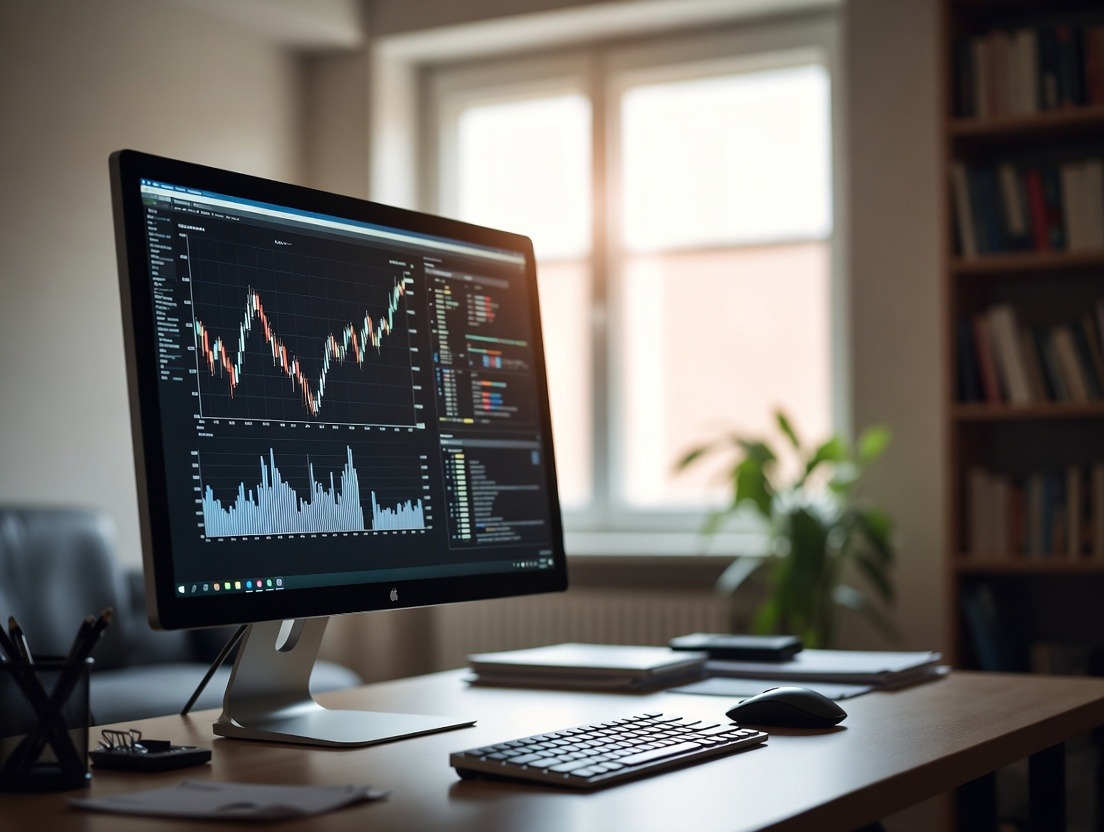
Data is inert. A spreadsheet of your weekly activity zones is just information. The transformative magic happens when that data is delivered in the right context, at the right time, and in the right way to inspire immediate action. This is the leap from passive tracking to active behavior change—a leap that modern smart rings are uniquely designed to facilitate.
The traditional model of fitness tracking is retrospective: you look at your day or week in review. "Oh, I only had 4,000 steps yesterday." The opportunity for change has already passed. Real-time, contextual awareness flips this model on its head, creating what behavioral scientists call "just-in-time" interventions. Here’s how a device like the Oxyzen ring turns data into daily transformation:
The outcome of this real-time interaction is profound: the technology becomes less of a tracker and more of a partner in your health journey. It’s a constant, gentle presence reminding you of the person you want to be—more active, more vibrant, less stagnant. This seamless integration of insight and action is what separates a sophisticated wellness tool from a simple data logger. For those curious about how different tracking approaches stack up, the Oxyzen FAQ page delves into the practicalities of how this technology fits into everyday life.
We often compartmentalize our health: activity belongs to the day, and sleep belongs to the night. This is a critical mistake. Your daytime movement patterns are inextricably linked to the quality of your nightly restoration. They are two sides of the same physiological coin, engaged in a continuous dialogue that a 24/7 wearable like a smart ring is perfectly positioned to interpret.
Think of your body’s need for sleep as a pressure that builds throughout the day. One of the key drivers of this "sleep pressure" is adenosine, a neurotransmitter that accumulates in your brain the longer you are awake. Physical activity accelerates this accumulation. By engaging your muscles and cardiovascular system, you burn energy, create cellular byproducts, and increase adenosine levels, effectively strengthening your body’s call for deep, restorative sleep at night.
However, the relationship is nuanced, and it’s about more than just tiring yourself out:
A smart ring closes this critical feedback loop. It doesn’t just show you that you slept poorly; it can help you see why. You can correlate a day of unusually low activity and high sedentariness with a night of restless, light sleep. Conversely, you can see how a day rich in NEAT and a brisk walk leads to a faster sleep onset and higher deep sleep score. This creates a powerful incentive: moving well today is an investment in sleeping well tonight, and sleeping well tonight is the foundation for moving well tomorrow. For a comprehensive look at optimizing this cycle, our guide on how to get more deep sleep tonight offers practical steps rooted in this very connection.
Isolating any single health metric is like trying to understand a symphony by listening to only the violin section. The true power of a 24/7 wearable lies in sensor fusion—the intelligent integration of multiple data streams to create a holistic and actionable picture of your wellbeing. Your daily activity doesn’t exist in a vacuum; it is in constant conversation with your sleep quality, your cardiovascular system, and your body’s overall readiness for stress.
A smart ring, with its continuous heart rate and heart rate variability (HRV) monitoring from the finger, is the ideal conductor for this physiological orchestra. Let’s explore the critical connections:
This synergy transforms the device from an activity tracker into a personal health dashboard. It provides context that stops you from misinterpreting data. Feeling sluggish and seeing low activity? The ring might show your poor sleep is the cause. Eager to hit a personal record in a workout? Check your readiness score first to see if your body is truly prepared. This integrated intelligence empowers you to make decisions that align with your body’s actual state, not just your ambition. To dive deeper into how these sleep metrics are tracked and interpreted, our article on sleep tracking accuracy provides essential context for understanding this synergy.
The era of one-size-fits-all health advice is over. The 10,000-step goal is a perfect example of a generic benchmark that may be irrelevant, or even discouraging, for many. A 75-year-old retiree, a 30-year-old office worker, a construction manager, and a new mother all have radically different movement capacities, opportunities, and needs. The true value of a sophisticated tracker lies in its ability to help you discover and optimize your personal movement profile—your unique fingerprint of activity, constraints, and goals.
This is where moving beyond steps and embracing a multi-metric view becomes deeply personal. Your smart ring becomes a mirror reflecting your specific life, not a report card comparing you to a population average. Here’s how personalization manifests:
This personalized narrative is what turns data into sustained motivation. You’re not chasing a disembodied ideal; you’re writing your own health story, chapter by chapter, day by day. Seeing your personal trends—like a steady increase in your daily average HRV or a decrease in your sedentary time over three months—is profoundly more meaningful than any badge for a generic achievement. It’s the story of your life, told through the language of your physiology. For inspiration from others on their personalized journeys, you can explore real-world experiences in the Oxyzen testimonials.
Knowledge is only potential power. The real transformation begins when you seamlessly integrate these insights into the unchangeable scaffolding of your daily life—without adding more stress, time, or "shoulds" to your plate. The goal is effortless enhancement, not exhausting overhaul.
Here is a practical, tiered approach to weaving your smart ring’s daily activity intelligence into your existing routines, making a more vibrant lifestyle the natural byproduct.
Tier 1: The Foundation (Zero Extra Time)
This level is about hacking your current habits. It requires no additional blocked-out time.
Tier 2: The Habit Stack (Minimal Time Investment)
Attach new movement habits to existing, well-established ones.
Tier 3: The Environment Optimization (Setting Yourself Up for Success)
Redesign your surroundings to make the healthy choice the easy choice.
Leveraging Your Ring as Your Coach:
The ultimate aim is for these practices to become so ingrained that you barely notice them—and for the ring on your finger to become less of a monitor and more of a silent partner in a more active, conscious life. It’s not about adding another thing to track; it’s about using data to make the life you’re already living a little bit healthier, one insight at a time. For more ideas on creating a holistic wellness system, a wealth of additional strategies can be found on the Oxyzen blog.
The quest for longevity has evolved from a mystical pursuit to a data-driven science. We now understand that lifespan is not just about the number of years, but the quality of those years—often termed "healthspan." While genetics play a role, the overwhelming consensus is that lifestyle is the master conductor of the aging process. At the heart of this lifestyle orchestra is a deceptively simple factor: our daily patterns of movement and rest. The emerging science of gerokinesiology reveals that how we distribute activity across our waking hours is a powerful predictor of how well we age, influencing everything from cellular integrity to cognitive function.
Telomeres, the protective caps on the ends of our chromosomes, are a primary biological clock. Each time a cell divides, these telomeres shorten. When they become too short, the cell can no longer divide and becomes senescent or dies—a key mechanism of aging. Research, including studies from the University of California, San Diego, has found a striking connection between sedentary behavior and accelerated telomere shortening. Conversely, regular physical activity is associated with longer telomeres. Crucially, this isn't just about vigorous exercise. The constant, low-grade oxidative stress and inflammation driven by prolonged sitting appear to directly damage telomeric DNA. Therefore, the daily habit of breaking up sedentary time may be a direct intervention in slowing cellular aging.
Beyond the cellular level, daily activity preserves the functional systems we rely on for vitality. Sarcopenia, the age-related loss of muscle mass and strength, begins as early as our 30s. While resistance training is critical to combat it, the stimulus of daily walking, standing, and moving provides a constant, anabolic signal to muscles, telling them they are needed. This "use it or lose it" principle applies equally to our cardiovascular system, bone density, joint mobility, and even brain plasticity. A day filled with movement is a day spent sending "survive and thrive" signals to every system in the body. A smart ring’s tracking of all-day activity provides a proxy for this vital signaling. Watching your daily activity volume (not just exercise) become a metric for investing in your future physical capital.
The implications for brain health and cognitive longevity are equally profound. Physical activity increases blood flow to the brain, delivers oxygen and nutrients, and stimulates the release of brain-derived neurotrophic factor (BDNF)—a protein essential for neuron growth and synaptic plasticity. A study published in JAMA Neurology found that every additional hour of light-intensity physical activity per day was associated with higher brain volume, equivalent to approximately 1.1 years less brain aging. This isn't about marathon training; it's about vacuuming, gardening, and puttering around the house. By ensuring a steady flow of activity, we are literally bathing our brains in a nourishing, protective elixir, potentially staving off cognitive decline. For a deeper understanding of how sleep—the other half of this cycle—protects the brain, our article on deep sleep and memory explores this critical relationship.
In essence, the data from your smart ring is more than a daily scorecard; it’s a long-term logbook of your biological age. A consistent pattern of balanced activity, frequent sedentary breaks, and good recovery is one of the most potent "fountains of youth" at our disposal. It’s a slow, steady investment that pays dividends in resilience, independence, and vibrancy decades down the line.
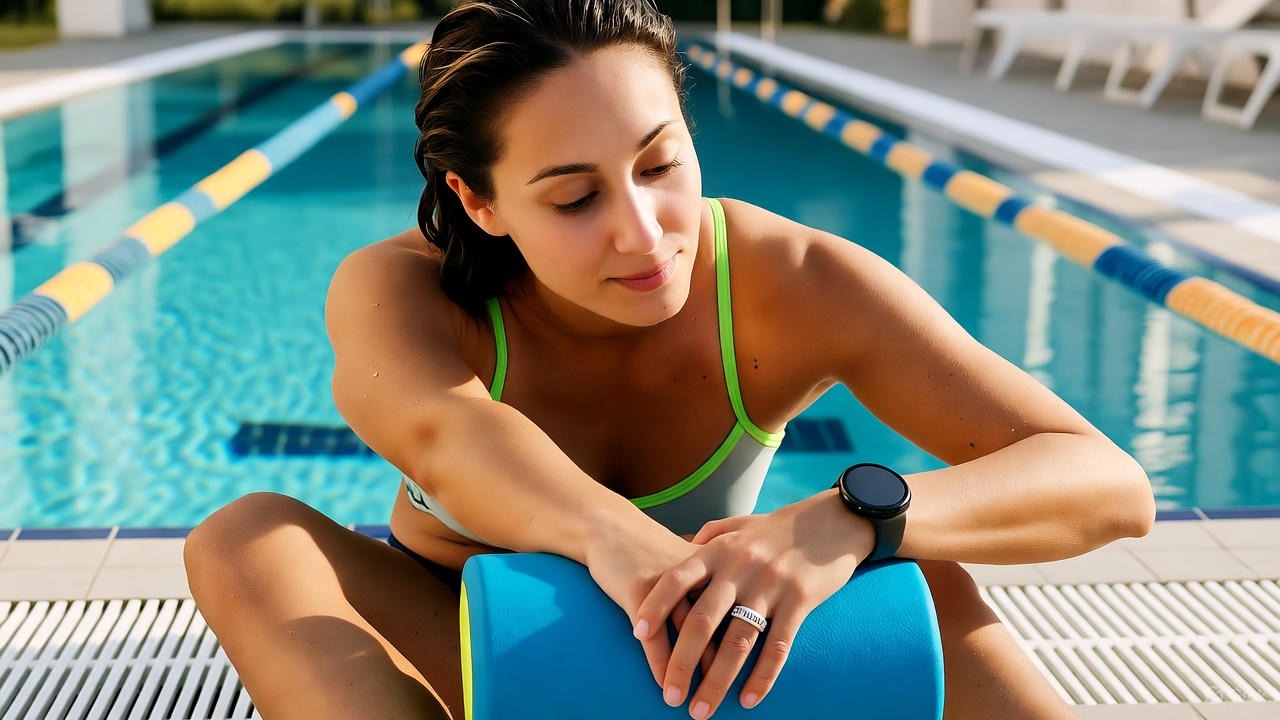
In a world obsessed with daily metrics, we risk becoming data neurotics, celebrating a "perfect" day and despairing over a "bad" one. This myopic view misses the forest for the trees. The human body is not a machine that performs identically each day; it is a complex, adaptive system influenced by stress, hormones, immune activity, and life's unpredictability. The true wisdom in wearable data lies not in the absolute number on any given Tuesday, but in the trend lines over weeks and months. Learning to interpret these trends is the key to moving from reactive tracking to intuitive, responsive self-care.
Your smart ring provides a symphony of data points: resting heart rate (RHR), heart rate variability (HRV), activity levels, sleep scores, and more. A single high RHR reading could mean you're fighting off a virus, had one too many cups of coffee, or are emotionally stressed. In isolation, it's noise. But when viewed as part of a trend, it becomes a signal.
This is where the integrative "Readiness" or "Recovery" score from a device like the Oxyzen ring becomes invaluable. It performs this trend analysis for you, synthesizing sleep, HRV, RHR, and recent activity load into a single, personalized recommendation for the day. A low readiness score isn't a failure; it’s vital intelligence. It’s your body saying, "Today, let’s focus on repair." Honoring that signal by choosing a walk over a weight session is a sign of sophisticated training, not weakness.
Learning to listen to these trends fosters a deeper body awareness. You start to notice how a poor night's sleep feels in your body the next day, confirmed by your data. You recognize how a stressful work project manifests as a tightened shoulder and a depressed HRV trend. The ring becomes a tool for calibrating your internal sensations with external data, teaching you to trust your intuition. You move from being a slave to daily goals to being a student of your own physiological language. For those new to interpreting this data, resources like the Oxyzen FAQ page can help demystify what these trends mean and how to respond appropriately.
Our movement patterns are not created in a vacuum. They are choreographed by a powerful, often invisible, set of directors: our physical environment, social circles, and cultural norms. You may be deeply motivated to move more, but if you live in a car-dependent suburb with no sidewalks, work in a high-rise with slow elevators and a culture of long meetings, and have friends who socialize solely over meals, your environment is set to "sedentary." A smart ring reveals the symptom (low NEAT), but addressing the cause requires auditing and creatively hacking these external layers.
The Built Environment Audit:
Take a data-informed look at your daily geography. Use your ring’s activity log to identify "dead zones."
The Social Sphere Influence:
We are profoundly influenced by the health behaviors of those around us—a phenomenon known as "social contagion."
By consciously designing your environment and social interactions to support movement, you reduce the reliance on willpower. The healthy choice becomes the path of least resistance. Your smart ring’s data then becomes a measure of how successfully you've engineered your world for vitality, not just a report on your personal discipline. It shifts the responsibility from the individual fighting a sedentary tide to a co-creative process between you and your surroundings.
The conversation around daily activity is too often hijacked by a single, transactional metric: the calorie burn. While energy balance is important, focusing solely on calories sells short the profound, systemic benefits of consistent movement. The real magic happens in the hormonal and neurochemical shifts that occur when we transition from a sedentary to an active state throughout the day—benefits that no calorie count can adequately capture.
The Hormonal Symphony:
Every time you stand up and move, you trigger a cascade of hormonal adjustments that optimize your body's function.
The Mental Health Reservoir:
The impact on the mind is immediate and cumulative.
In this light, the data from your smart ring is a window into your metabolic and mental harmony. A day with a healthy pattern of activity breaks is a day you've likely managed blood sugar efficiently, regulated stress hormones, and bathed your brain in nourishing neurochemicals. You may burn a few extra calories, but you've built something far more valuable: metabolic flexibility and mental clarity. For a deeper look at how this daytime activity harmony supports nighttime restoration, our article on the deep sleep formula connects these daily rhythms to nightly repair.
The leap from counting steps to assessing activity intensity, metabolic effort, and sedentary behavior requires a significant technological evolution. While wrist-worn devices have dominated, the finger presents a unique and powerful vantage point for physiological sensing. Understanding how a smart ring like Oxyzen captures your 24/7 movement story demystifies the data and builds trust in the insights it provides.
The Sensor Suite: More Than a Pedometer
At its core, the ring employs a sophisticated fusion of inertial measurement and optical sensing.
The Advantage of the Finger:
Why is the finger superior to the wrist for this 24/7 mission?
From Raw Data to Insight: The Algorithmic Layer
The sensors collect raw signals. The magic is in the proprietary algorithms that interpret them. This software layer:
This technological pipeline—from precise sensing on an optimal body location to intelligent interpretation—is what enables a small ring to deliver profound insights into your non-exercise life. It’s the engineering that makes the invisible, visible. For a more detailed explanation of the science behind this tracking, you can explore our blog on how sleep trackers actually work, which covers the foundational sensor technology that also powers activity monitoring.
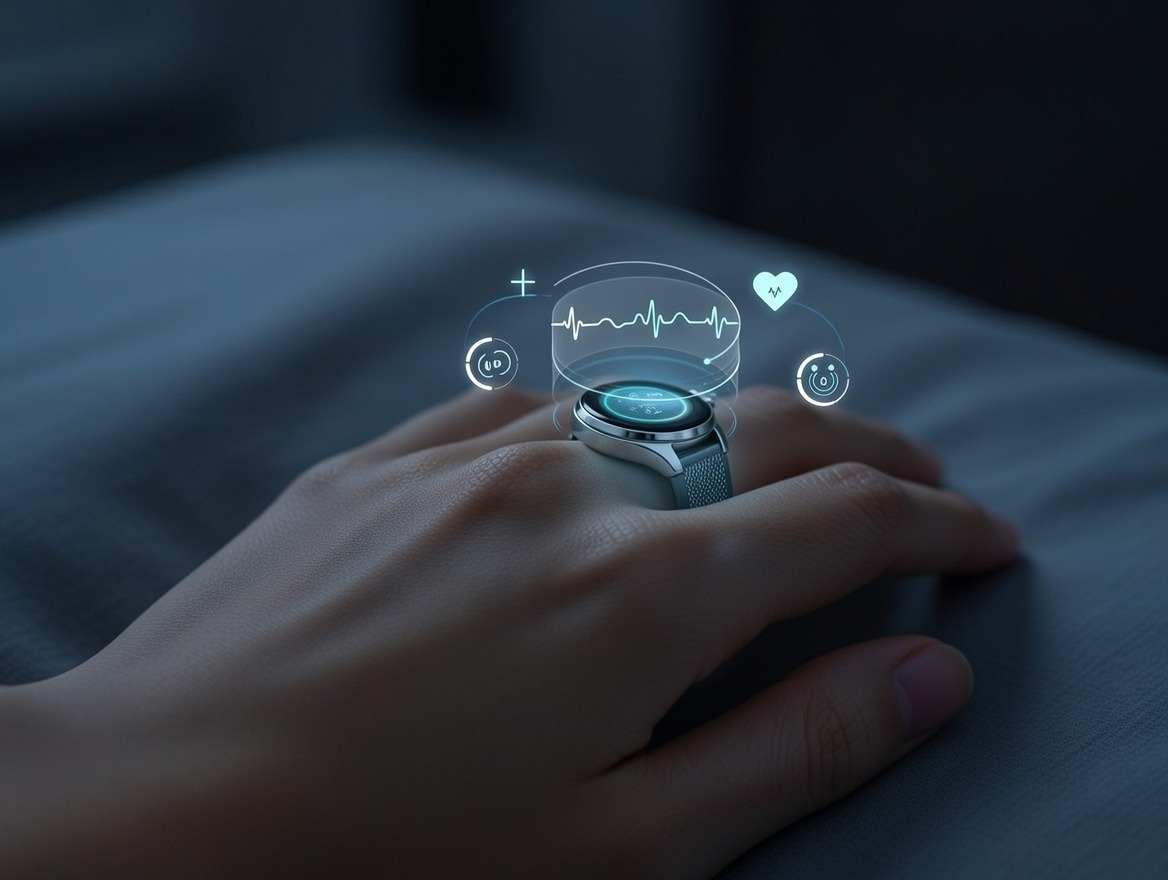
To move from theory to tangible understanding, let's visualize the power of daily activity patterns by contrasting two hypothetical individuals over a typical week. Both are 40-year-old office workers who complete three 45-minute gym sessions (a mix of cardio and weights). Their deliberate exercise is identical. But their daily living, as revealed by their smart ring data, tells two completely different health stories.
Person A: The "Active Living" Profile
Person B: The "Exercise-Only" Profile
Analysis & Health Implications:
While both get the same "exercise," their 23 other hours paint divergent long-term health trajectories. Person A benefits from:
Person B, despite their gym efforts, is likely experiencing:
This case study illustrates the core thesis: Exercise is a potent supplement, but daily movement is the essential foundation. The ring’s data doesn't just show this difference; it provides Person B with a clear, actionable map for change: start by targeting those long sedentary bouts. The Oxyzen testimonials page shares real stories from users who have made this very transition, using their data to bridge the gap between exercise and all-day vitality.
Armed with the science, the technology understanding, and the contrasting case studies, the final step is actionable creation. It’s time to move from insight to architecture and build your Personalized Daily Activity Blueprint. This isn't a rigid, punitive plan, but a flexible set of guidelines and hacks designed around your life, informed by your data, targeting your goals. Use the following framework, alongside the trends from your smart ring, to construct it.
Step 1: The Data-Informed Audit (Week 1)
Step 2: The "Minimum Effective Dose" Goal Setting
Start small. Sustainability beats ambition.
Step 3: Environmental & Social Engineering
Based on your audit, make one change to your surroundings or interactions.
Step 4: The Recovery Integration
Intentionally link your activity to your rest.
Step 5: The Iterative Review (Monthly)
Every month, spend 15 minutes reviewing your trend lines.
Your Personalized Blueprint is a living document, co-authored by you and your data. The Oxyzen smart ring is the scribe, faithfully recording the story of your days. By using it not as a critic but as a compass, you can systematically, gently, and permanently redesign your life for more embedded movement, better recovery, and sustained vitality. It’s the process of becoming, day by data-informed day, the most vibrant version of yourself. For continued learning and new strategies to enrich your blueprint, the comprehensive library of wellness content on the Oxyzen blog is an ever-growing resource.
The journey from a sedentary to an active lifestyle is often envisioned as a monumental leap requiring Herculean willpower. This perception is the primary reason most resolutions fail. The true engine of lasting transformation is not a single grand gesture, but the subtle, self-reinforcing power of psychological momentum—and your smart ring is uniquely positioned to be its catalyst.
Behavioral science shows that success breeds success. Each time you respond to an inactivity alert, choose the stairs, or complete a post-dinner walk, you register a "small win." These wins are neurologically potent. They trigger a release of dopamine, the neurotransmitter associated with motivation, reward, and pleasure. More importantly, they build what psychologists call "self-efficacy"—the deep-seated belief that you are the kind of person who makes healthy choices. This identity shift is the holy grail of habit formation. You're no longer "forcing yourself" to move; you're simply acting in alignment with who you are.
A smart ring operationalizes this process. It turns the abstract concept of "moving more" into a series of concrete, achievable tasks. The gentle buzz on your finger isn't a scold; it's an opportunity for a win. The act of standing up for two minutes becomes a victory logged in your data. Seeing your "active minutes" increment or your "sedentary time" graph dip provides immediate visual reinforcement. This closed-loop system—cue, action, reward—is the fundamental architecture of habit.
Furthermore, the ring helps reframe setbacks. A day with low activity isn't a "failure"; it's a data point. The weekly trend view decouples your self-worth from any single day's performance, preventing the "what-the-hell effect" (where one bad day leads to total abandonment). You learn to see the rhythm of life in your data—stressful weeks, travel, illness—and respond with compassion and adjustment, not guilt. This builds resilience, a key component of maintaining momentum through life's inevitable disruptions.
By making the invisible visible and the intangible tangible, the ring transforms the murky goal of "health" into a daily game of incremental victories. Each win, no matter how small, deposits confidence into your psychological bank account, creating a compounding interest of motivation that makes the next healthy choice easier, and the one after that easier still.
In our quest for quantified self-improvement, a perilous shadow lurks: the potential to turn empowerment into obsession, and optimization into a source of stress. This is the dark side of wearables—when the tool designed to enhance well-being becomes a tyrant demanding perfect metrics, leading to burnout, orthorexia (an unhealthy obsession with healthy eating, now extendable to "data"), and anxiety. Navigating this requires a conscious philosophy of use.
Data Anxiety & The Tyranny of the Perfect Score:
It starts innocently. You aim for a sleep score of 85. One night you get an 84, so you fret over the missed point. You become so fixated on achieving a perfect "Readiness" score that you avoid any spontaneous activity that might "ruin" it. The ring, meant to be a guide, becomes a source of daily judgment. This anxiety directly counteracts the health benefits you seek, elevating cortisol and undermining the very recovery you're tracking.
Movement Paranoia & Compulsive Behavior:
The goal of "breaking up sedentary time" can morph into an inability to sit and relax without guilt. You might interrupt deep work, valuable relaxation, or meaningful connection just to "close your stand ring." This fragments focus and prevents the psychological benefits of true downtime. The drive for constant, low-grade movement becomes a compulsion, not a liberation.
Mitigating the Risks: Cultivating a Healthy Relationship with Data
To prevent this, adopt these mindful practices:
The Oxyzen philosophy, as explored on their About Us page, centers on harmony, not hustle. The technology should foster a kinder conversation with yourself, not a louder critic. By recognizing that the data is a servant to your well-being—not its master—you can harness its power without falling prey to its potential pitfalls. The ultimate metric of success is not a number in an app, but a felt sense of energy, resilience, and joy in your daily life.
The smart ring on your finger today represents just the beginning of a profound shift in healthcare and personal wellness: the move toward ambient, context-aware sensing that disappears into the background of life while providing ever-deeper insights. The future of daily activity tracking is not about more obtrusive metrics, but about smarter, more predictive, and seamlessly integrated intelligence.
Hyper-Personalized Biomarker Discovery:
Future devices will move beyond generic algorithms to models trained on your unique physiology. By analyzing years of your continuous data—activity, heart rate, HRV, sleep, temperature—advanced AI will be able to identify your personal early warning signs. It might detect that a specific pattern of restless sleep combined with a slight elevation in afternoon resting heart rate has, for you, preceded a migraine or a common cold for the last three years. This shifts tracking from descriptive ("you were sedentary") to predictive ("your data suggests you're fighting something; prioritize rest").
Contextual Intelligence & Environment Integration:
Your ring will no longer be an isolated sensor. It will communicate with your smart home, car, and office. Imagine:
Advanced Metabolic Insight (Glucose & Beyond):
The holy grail of metabolic health is continuous glucose monitoring (CGM). Non-invasive optical sensing for glucose is a major frontier. Future wearables may be able to estimate glucose trends through advanced multi-wavelength PPG or other optical methods, showing you in real-time how your daily activity choices—that post-lunch walk versus sitting—directly impact your blood sugar stability. This would make the benefits of NEAT viscerally immediate.
Emotional & Cognitive State Inference:
By analyzing micromovements, gait patterns (via precise accelerometry), and heart rate dynamics, future algorithms may infer states of anxiety, focus, or cognitive fatigue. Your ring could suggest a movement break not just because you've been sitting, but because your physiological signature indicates rising stress or declining focus, offering a "cognitive reset" walk tailored to your mental state.
The Invisible form Factor:
The technology will become even more seamless. We're moving toward subdermal implants, smart fabrics, and jewelry-grade wearables that are indistinguishable from ordinary accessories. The goal is zero friction—the ultimate ambient companion that provides insights without ever demanding your attention.
This future, led by innovators in the space, points toward a paradigm where health is managed proactively and preemptively within the flow of life. The data from your wearable won't be a separate chore to review; it will be an integrated layer of intelligence that gently guides you toward better choices, helping you build a life that naturally supports activity, resilience, and longevity. For those fascinated by the technological trajectory of this field, the Oxyzen blog's technical deep dives offer a window into the ongoing evolution of these sensing capabilities.

As daily activity tracking gains prominence, so do misconceptions that can lead to frustration or misuse of technology. Let's dismantle some of the most pervasive myths to ensure you're getting the most accurate and beneficial understanding from your device.
Myth 1: "10,000 Steps is a Magic Number for Health."
The Truth: The 10,000-step goal has no basis in rigorous science; it originated as a marketing tool for a Japanese pedometer in the 1960s. While it's a useful motivational target for many, it's not a universal threshold for health. Research shows significant mortality benefits start at as low as 4,000-5,000 steps per day for some populations, with incremental benefits leveling off around 7,000-9,000 for older adults. For younger individuals, intensity and reducing sedentary time may be more important than the raw step count. Your ring's focus on active minutes and intensity zones is a far more scientifically grounded approach.
Myth 2: "If My Ring Says I Burned X Calories, I Can Eat That Much."
The Truth: Calorie burn estimates from any consumer wearable, including rings, are just that—estimates. They have a margin of error (typically 10-25%) because they use generalized algorithms that can't account for individual variations in metabolism, body composition, and exercise efficiency. These estimates are excellent for observing relative trends (e.g., "I burned more today than yesterday") but should never be used as an absolute prescription for caloric intake. Relying on them for precise dietary decisions is a recipe for frustration.
Myth 3: "Standing All Day is Just as Good as Moving."
The Truth: While standing is metabolically superior to sitting—burning roughly 20-50 more calories per hour—static standing for prolonged periods comes with its own risks, including varicose veins, back pain, and cardiovascular strain. The goal is not to replace sitting with standing, but to replace stillness with movement. The ideal pattern is dynamic: a cycle of sitting, standing, and walking. Your ring's inactivity alerts are meant to prompt a postural change and light movement, not necessarily to make you stand statue-still for an hour.
Myth 4: "My Weekend Activity Makes Up for a Sedentary Week."
The Truth: This is the "Weekend Warrior" fallacy, and physiology doesn't work on a weekly averaging system. The acute harms of prolonged sitting—impaired vascular function, spiked blood sugar, suppressed fat metabolism—occur in real-time during those sedentary bouts. A long run on Saturday doesn't erase the endothelial damage incurred from sitting 10 hours straight on Tuesday. Consistency is key. Daily dispersal of movement is what trains your metabolic systems to be flexible and resilient.
Myth 5: "A More Expensive Device is Always More Accurate."
The Truth: Price often correlates with better build quality, more sensors, and more refined algorithms, but there are diminishing returns. The sensor placement (finger vs. wrist) can be a greater determinant of accuracy for certain metrics (like heart rate during movement) than price alone. A well-designed ring at a mid-range price point may provide more reliable 24/7 data than a high-end wrist device that you remove frequently. Focus on the form factor that fits your life and the company's transparency about data validation, like the information provided on Oxyzen's FAQ page.
By grounding your practice in evidence and understanding the limitations of the technology, you empower yourself to use your smart ring as an effective guide rather than an unquestioned oracle, avoiding common pitfalls and focusing on what truly moves the needle for your health.
The highest purpose of any tracking tool is to eventually make itself obsolete. The goal is not lifelong dependency on a device, but to use it as a teacher that helps you internalize its lessons, so you develop your own intuitive, embodied wisdom. Your smart ring is a bridge back to your body's innate intelligence—a catalyst for reawakening the sensory awareness that modern, sedentary life has dulled.
The Calibration Phase: Data as a Translation Guide
Initially, your ring's data is a foreign language. You feel tired, and the data shows low HRV and poor sleep. You feel energetic after a day of gardening, and the data shows high NEAT and a strong readiness score. Over weeks and months, you begin to calibrate your internal feelings with the external metrics. You start to recognize the subtle bodily sensation that correlates with a dipping HRV trend—perhaps a slight tightness in the chest or a feeling of being "wired but tired." You notice how the post-meal sluggishness you used to ignore is minimized on days you take a short walk, as reflected in stable heart rate data.
The Experimentation Phase: Playing with the Variables
With this calibrated awareness, you can move from passive tracking to active experimentation. Use the data to test hypotheses:
Your ring provides the objective feedback. This turns health into a personal science project, fostering curiosity and engagement.
The Integration Phase: Trusting the Felt Sense
Eventually, the need to check the app diminishes. You've learned the patterns. You can feel when you've been too still for too long—a sense of stiffness and mental fog cues you to stand and stretch without needing a buzz. You know, intuitively, that a day of high stress and screen time will require a different, more restorative evening than a day spent outdoors. The data has trained your interoception—your perception of the internal state of your body.
The Ring as a Periodic Check-Up, Not a Crutch:
At this stage, the ring transitions from a daily manager to a quarterly auditor. You wear it consistently, but you might only check in on the trend data every few weeks to ensure you're not drifting into old patterns or to investigate a new, unexplained bodily sensation. It becomes a tool for course-correction, not micromanagement.
This journey—from data dependency to embodied wisdom—is the most profound benefit a wearable can offer. It returns agency to you. The ring from Oxyzen isn't just selling sensors and algorithms; it's offering a curriculum in self-awareness. By following this curriculum, you graduate from being a patient interpreting lab results to being the expert on your own vitality, with the data serving as a trusted consultant rather than a constant supervisor.
Human beings are social creatures, and our health behaviors are profoundly contagious. While your smart ring provides personal feedback, coupling that data with social connection can exponentially amplify motivation, consistency, and enjoyment. The journey from sedentary to active living need not be a solitary grind; it can be a shared adventure, transforming a personal chore into a community ritual.
The Power of Shared Data (With Consent):
Many wellness platforms offer secure, opt-in sharing features. This allows you to form a small "circle" with friends, family, or like-minded colleagues. The dynamic changes dramatically:
Virtual and Local Movement Communities:
Beyond your immediate circle, broader communities exist:
The Role of Coaching and Expert Guidance:
For those seeking more structured support, the data from your ring is a powerful tool for remote health coaching. Instead of relying on vague self-reports ("I move a bit"), a coach can view your trend data (with your permission) and provide hyper-personalized advice. "I see your sleep suffers on days you have back-to-back meetings. Let's strategize on incorporating movement into those days." This merges human expertise with objective data for unparalleled guidance.
Accountability Through Storytelling:
Finally, sharing your story is powerful. Posting about a milestone you achieved by focusing on daily activity—not exercise—on social media (e.g., "Used my ring's alerts to break my sitting habit and just got my best bloodwork in years!") inspires others and solidifies your own identity as a person of action. Your data provides the credible backbone for your narrative.
By weaving your personal data into a social fabric, you create a ecosystem of accountability that is supportive, not punitive. The ring becomes a shared language, a way to connect with others on a similar path, transforming the pursuit of health from a solo endurance test into a collaborative journey. For inspiration from others walking this path, the stories shared in Oxyzen testimonials provide a powerful sense of shared experience and possibility.
We have journeyed through the foundational science and practice of daily activity, moving far beyond the narrow lens of exercise. We've explored how the silent saboteur of sedentariness undermines our health, how the heroism of NEAT operates in the background, and how the synergy of movement, recovery, and sleep forms the bedrock of vitality. We've demystified the technology in your smart ring and provided a blueprint for personalizing its insights, while cautioning against the pitfalls of optimization obsession.
This first portion of our exploration establishes a critical paradigm shift: Your health is not built in the hour at the gym; it is built, or eroded, in the other twenty-three. The ring on your finger is the most sophisticated tool yet devised to illuminate that vast and crucial landscape of your life.
The data it provides—the trend of your resting heart rate, the rhythm of your activity bursts, the quality of your sleep—is not merely information. It is a conversation. It is your body's physiological language, translated into graphs and numbers. Learning this language allows you to respond with intelligence and compassion, to work with your biology rather than against it.
As you move forward, let this knowledge settle. Begin with observation. Use your ring not as a taskmaster, but as a curious explorer mapping the terrain of your own days. Identify one small, sustainable change—perhaps honoring that first inactivity alert of the day, or taking a five-minute "thinking walk" each afternoon. Watch how that small shift ripples through your other metrics, perhaps leading to better sleep or a calmer nervous system.
Remember, the ultimate goal is not a perfect score, but a harmonious rhythm—a life where movement is woven seamlessly into your work, your social connections, and your moments of solitude; where activity and rest exist in a graceful dance that supports your energy, your focus, and your long-term vitality.
This is just the beginning. In the next portion of this comprehensive guide, we will dive even deeper into specialized applications of this 24/7 activity intelligence. We will explore its critical role for athletes seeking optimized performance and recovery, examining how strategic daily movement complements training. We'll investigate the unique challenges and solutions for remote and knowledge workers, for whom the battle against sedentariness is a daily frontline. We'll look at the importance of life-stage adjustments, providing tailored blueprints for students, new parents, and older adults. Finally, we'll examine the powerful intersection of daily activity with nutrition and hydration, completing the holistic picture of how what you do all day interacts with what you fuel yourself with.
The journey from data to wisdom continues. The first step is to simply pay attention, with curiosity and kindness, to the story your life—and your ring—is already telling.
Your Trusted Sleep Advocate (Sleep Foundation — https://www.sleepfoundation.org/)
Discover a digital archive of scholarly articles (NIH — https://www.ncbi.nlm.nih.gov/
39 million citations for biomedical literature (PubMed — https://pubmed.ncbi.nlm.nih.gov/)
experts at Harvard Health Publishing covering a variety of health topics — https://www.health.harvard.edu/blog/)
Every life deserves world class care (Cleveland Clinic -
https://my.clevelandclinic.org/health)
Wearable technology and the future of predictive health monitoring. (MIT Technology Review — https://www.technologyreview.com/)
Dedicated to the well-being of all people and guided by science (World Health Organization — https://www.who.int/news-room/)
Psychological science and knowledge to benefit society and improve lives. (APA — https://www.apa.org/monitor/)
Cutting-edge insights on human longevity and peak performance
(Lifespan Research — https://www.lifespan.io/)
Global authority on exercise physiology, sports performance, and human recovery
(American College of Sports Medicine — https://www.acsm.org/)
Neuroscience-driven guidance for better focus, sleep, and mental clarity
(Stanford Human Performance Lab — https://humanperformance.stanford.edu/)
Evidence-based psychology and mind–body wellness resources
(Mayo Clinic — https://www.mayoclinic.org/healthy-lifestyle/)
Data-backed research on emotional wellbeing, stress biology, and resilience
(American Institute of Stress — https://www.stress.org/)


