Deep Sleep Secrets: How to Increase Your Most Restorative Sleep
Deep sleep secrets reveal proven methods to increase your most restorative sleep naturally. This optimization guide shares evidence-based strategies including temperature manipulation, timing adjustments, lifestyle modifications, and environmental changes that significantly boost deep sleep duration and quality for better recovery.
Deep Sleep Secrets: How to Increase Your Most Restorative Sleep
You spend approximately one-third of your life asleep, but not all of that time is created equal. Within those nightly hours lies a hidden, golden phase that holds the true key to feeling restored, resilient, and sharp the next day. This is deep sleep, the most physically restorative stage of your sleep cycle.
Imagine waking up feeling genuinely refreshed. The mental fog has lifted, your body feels strong, and your mood is steady. This isn't a fantasy—it's the direct result of optimizing your deep sleep. Yet, for many, this vital stage remains elusive, cut short by modern life's constant noise, screens, and stress.
The consequences of a deep sleep deficit are profound, affecting everything from your ability to learn and remember to your immune system's strength and your emotional balance . The good news is that you have more power over your sleep architecture than you might think.
This comprehensive guide will take you on a deep dive into the science of slow-wave sleep. You will learn not only what it is and why it's indispensable but also discover a complete, actionable system for cultivating more of it. We'll explore how to measure your progress with modern technology, like the discreet Oxyzen smart ring, and provide evidence-based strategies to transform your nights and, by extension, your days.
The Foundation: Understanding Sleep Architecture
To master deep sleep, you must first understand the elegant, cyclical architecture of a normal night's rest. Sleep is not a monolithic state of unconsciousness but a dynamic journey through distinct stages, each with its own unique brain wave patterns and physiological purpose.
The Four-Stage Sleep Cycle
A full sleep cycle lasts about 90 to 110 minutes, and a well-rested adult will complete four to six of these cycles each night . The stages progress in a specific order:
Stage 1 (N1): Light Sleep. This is the brief transition period (1-5 minutes) from wakefulness to sleep. Your body begins to relax, your brain produces slower theta waves, and you can be easily awakened. Think of it as the "dozing off" phase .
Stage 2 (N2): Deeper Light Sleep. Your body continues to slow down. Your heart rate drops, your body temperature decreases, and your brain activity is marked by specific patterns called sleep spindles and K-complexes. These are believed to be crucial for memory consolidation and synaptic plasticity—essentially, your brain filing away the day's learnings and maintaining its neural networks . You spend nearly half of your total sleep time in this stage .
Stage 3 (N3): Deep Sleep or Slow-Wave Sleep (SWS). This is the star of our show. Your brain emits slow, high-amplitude delta waves. Your breathing and heart rate reach their lowest, most regular levels, and your muscles are profoundly relaxed. It is very difficult to wake someone from this stage. If you are awoken, you'll likely experience sleep inertia—a period of mental fogginess and impaired performance . This is the prime time for physical repair and restoration.
Stage 4: REM (Rapid Eye Movement) Sleep. Following deep sleep, you enter REM. Your brain becomes highly active, similar to when you're awake, which is why this is the primary stage for vivid dreaming. Interestingly, your skeletal muscles become temporarily paralyzed (a state known as atonia), likely to prevent you from acting out your dreams. REM is critical for emotional processing, memory integration, and brain development .
The proportion of each stage is not static throughout the night. In the first half, you experience longer periods of deep, restorative N3 sleep. As the night progresses, REM sleep periods become longer, dominating the final cycles before you wake . This pattern underscores why getting a full, uninterrupted night of sleep is non-negotiable for a balanced restorative experience.
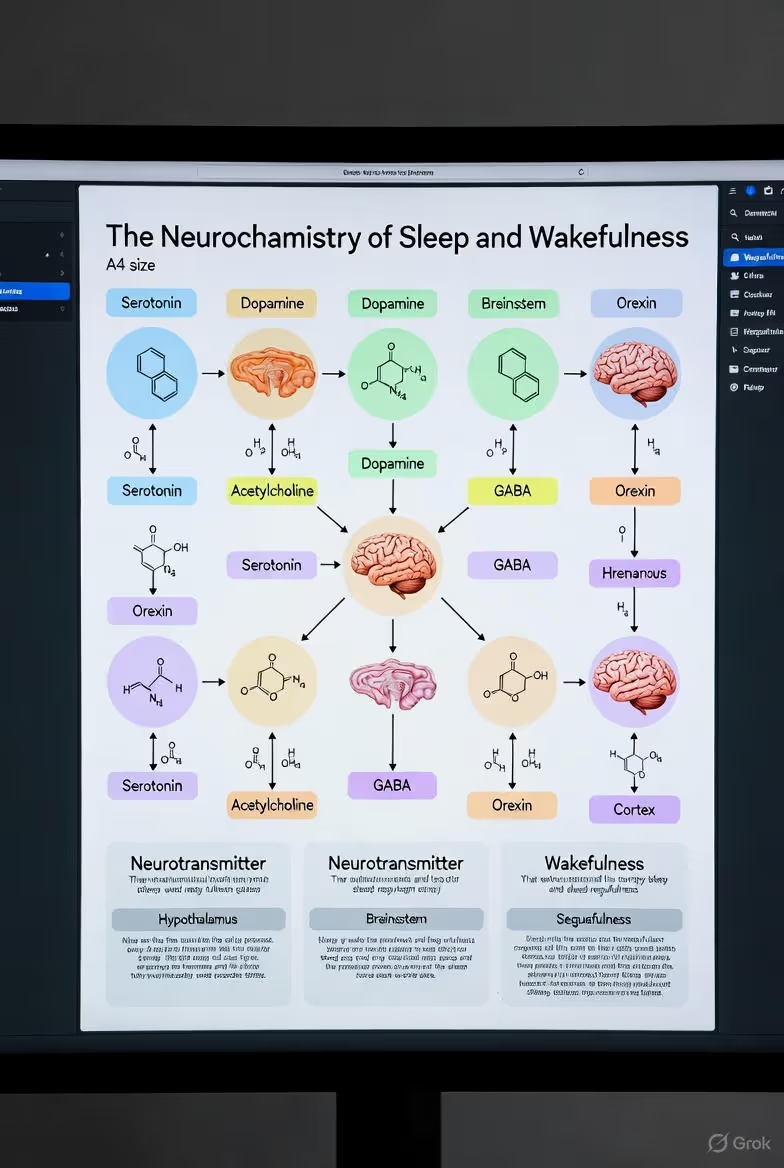
The Neurochemistry of Sleep and Wakefulness
Behind this ballet of stages is a complex neurochemical switch. Two primary systems are in constant opposition:
The Sleep-Promoting System: Driven by the buildup of adenosine (a byproduct of daily brain activity) and the action of the neurotransmitter GABA, this system inhibits wake-promoting regions of the brain. The onset of darkness triggers the pineal gland to release melatonin, the "hormone of darkness," which reinforces this signal and prepares your body for sleep .
The Wake-Promoting System: This involves a chorus of neurotransmitters including histamine, norepinephrine, serotonin, and orexin. These chemicals promote alertness, attention, and energy. Exposure to light, especially blue light, suppresses melatonin and boosts this system .
A healthy sleep-wake cycle depends on the precise timing of these opposing forces. When they fall out of sync—due to irregular schedules, light exposure at night, or stimulants—both the quantity and quality of your sleep, particularly deep sleep, suffer.
What Exactly Is Deep Sleep? The Physiology of Restoration
Deep sleep, or Slow-Wave Sleep (SWS), is the third stage of non-REM sleep. It's not merely "being really asleep"; it's a state of profound physiological transformation where critical restoration occurs.
During deep sleep, your body and brain enter a unique mode of operation:
Brain Wave Activity: Electroencephalogram (EEG) readings show high-amplitude, low-frequency delta waves. This synchronized, slow firing is a stark contrast to the fast, chaotic beta waves of wakefulness or the dreaming brainwaves of REM sleep .
Physical State: Your sympathetic nervous system (fight-or-flight) activity decreases, while parasympathetic (rest-and-digest) activity dominates. This leads to a significant drop in heart rate, blood pressure, and breathing rate. Energy consumption in the brain is redirected from external processing to internal maintenance .
Hormonal Surges: The body releases a pulse of human growth hormone (HGH), which is essential for tissue repair, muscle growth, and bone building. This is one reason why athletes often have a higher proportion of deep sleep and why sleep is critical for recovery from injury or exercise .
The "Deep Clean" Theory: Glymphatic System Activation
One of the most exciting discoveries in modern sleep science is the role of deep sleep in brain maintenance. Researchers propose that the synchronized slow waves of deep sleep may facilitate the clearance of metabolic waste from the brain via the glymphatic system.
Think of it as your brain's overnight janitorial service. During the day, neurons produce waste products, including proteins like beta-amyloid and tau, which are associated with neurodegenerative diseases like Alzheimer's. The slow, rhythmic pulses of cerebrospinal fluid (CSF) during SWS are thought to "wash" through brain tissue more efficiently, flushing these toxins out .
This theory provides a powerful physiological link between chronic deep sleep deprivation and long-term cognitive decline, highlighting that deep sleep isn't just about feeling good tomorrow—it's an investment in your brain's health for decades to come.
The Irreplaceable Benefits: Why Your Body Craves Deep Sleep
Understanding the mechanics of deep sleep is fascinating, but its true value lies in the tangible benefits it delivers to every aspect of your health. When you prioritize deep sleep, you're not just avoiding tiredness; you're actively building a stronger, sharper, and more resilient version of yourself.
Cognitive Reboot: Memory and Learning
Deep sleep is your brain's master organizer. The process, known as active system consolidation, involves a beautiful neural dialogue. The hippocampus (your brain's short-term memory center) "replays" the day's events to the neocortex (the long-term storage site). This transfer is guided by the coordinated activity of delta waves, sleep spindles (from Stage 2), and sharp-wave ripples .
Fact: Studies show that people who sleep after learning a new task perform significantly better on recall tests than those who stay awake. Deep sleep strengthens the neural connections that form memories, moving them from fragile to permanent .
Consequence: Without sufficient deep sleep, this consolidation process is disrupted. Memories remain fuzzy, learning feels like an uphill battle, and your brain's capacity to take in new information the next day is diminished.
Physical Restoration: Repair and Immune Defense
While your conscious mind is offline, your body is in a state of high productivity.
Tissue Repair and Growth: The surge of growth hormone released during SWS stimulates protein synthesis, repairs micro-tears in muscles (from exercise or daily wear), and aids in cell regeneration. It's your body's prime time for healing .
Immune System Fortification: Deep sleep boosts the production of cytokines, proteins that act as messengers for the immune system. These cytokines help regulate inflammation and are crucial for mounting an effective attack against infections. Consistently skimping on deep sleep can leave you more vulnerable to common illnesses like colds and the flu .
Metabolic and Emotional Regulation
The benefits extend to your metabolism and mood.
Blood Sugar and Appetite: Deep sleep helps regulate hormones like insulin and cortisol. Poor SWS is linked to impaired glucose metabolism and increased insulin resistance, raising the risk for type 2 diabetes. It also disrupts the balance of leptin (which signals fullness) and ghrelin (which signals hunger), potentially leading to increased appetite and weight gain .
Emotional Resilience: By processing and integrating emotional memories from the day, deep sleep helps prevent emotional reactivity. A lack of it is associated with a higher susceptibility to stress, anxiety, and irritability .
The takeaway is clear: Deep sleep is not a luxury. It's a biological imperative for optimal functioning. As you explore our blog for more on holistic wellness, you'll see how these pillars of health are deeply interconnected .
How Much Deep Sleep Do You Really Need?
There's no universal, magic number of minutes, but science provides a clear range. For most healthy adults, deep sleep constitutes about 13-23% of total sleep time .
Let's break that down:
If you sleep 7 hours (420 minutes), you likely need between 55 and 97 minutes of deep sleep.
If you sleep 8 hours (480 minutes), aim for 62 to 110 minutes of deep sleep.
It's important to note that these needs are not static. They are influenced by several key factors:
Age: This is the most significant factor. Children and adolescents, whose brains and bodies are developing rapidly, require the highest proportion of deep sleep. Unfortunately, deep sleep duration begins a gradual but steady decline in early adulthood. By middle age, the amount of time spent in SWS is noticeably less, and this trend continues into older age .
Physical Activity: Individuals engaged in intense regular training or physical labor often see an increase in deep sleep. The body seeks more SWS to repair muscle tissue and restore energy systems, highlighting the bi-directional relationship between activity and restorative sleep .
Sleep Debt and Recovery: Your brain self-regulates. After a period of sleep deprivation or poor sleep, you will experience a "rebound" effect in your next full sleep opportunity, spending a greater percentage of time in deep sleep to catch up on the missed restoration .
Individual Variability: Genetics, overall health, and even gender play a role. Some research suggests women may maintain higher levels of deep sleep for longer compared to men and may experience a more intense rebound after deprivation .
The Gold Standard: How Do You Measure It?
The only way to get a definitive, medical-grade measurement of your sleep stages is through a polysomnogram (PSG) conducted in a sleep lab. This test uses EEG electrodes on the scalp to directly measure brain waves.
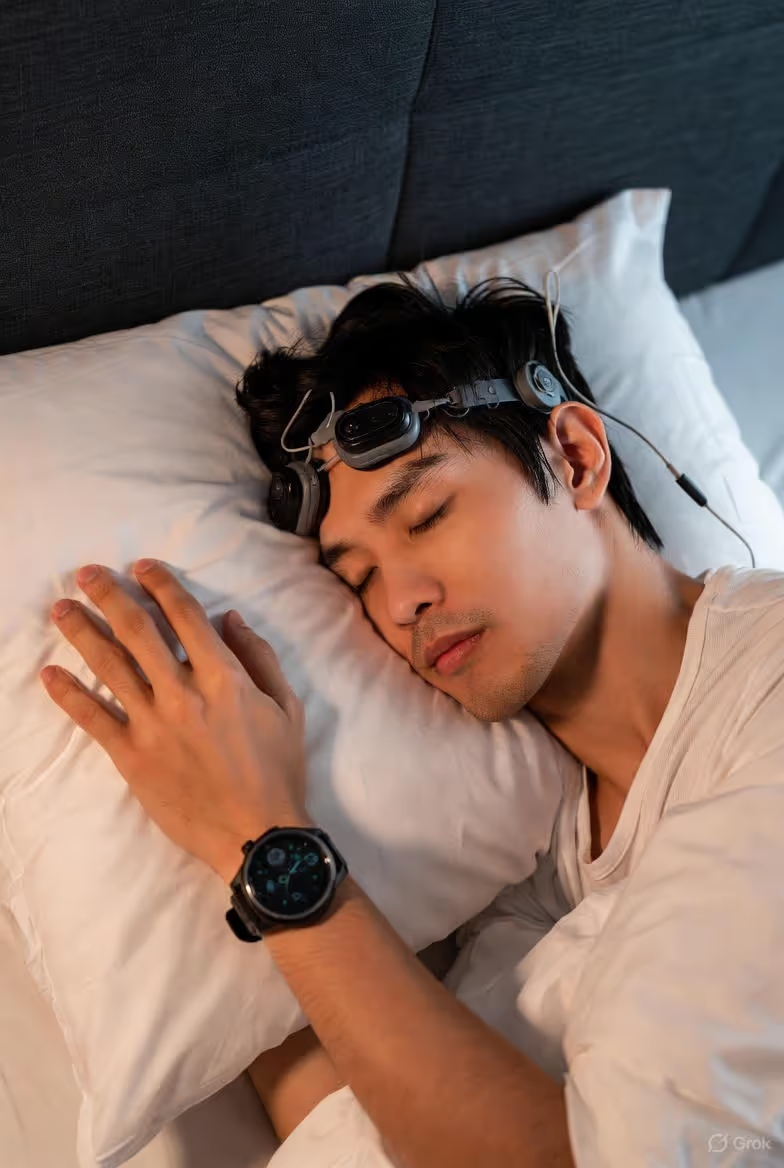
For daily tracking and trend analysis, consumer sleep trackers have become invaluable tools. Devices like the Oxyzen smart ring use sensors such as photoplethysmography (PPG) to measure heart rate and heart rate variability (HRV), along with an accelerometer to detect movement. Advanced algorithms then estimate time spent in different sleep stages based on these physiological signals .
While not as precise as a PSG, a high-quality tracker is excellent for observing trends over time. You can see how your deep sleep percentage changes when you adjust your bedtime, avoid evening alcohol, or introduce a new relaxation ritual. This data turns guesswork into actionable insight. You can discover how this technology works in detail on the Oxyzen website .
The most important metric, however, remains your subjective feeling. Do you wake up feeling refreshed most days? Do you maintain stable energy and focus throughout the afternoon? Your body's signals are powerful indicators of whether you're meeting your personal deep sleep needs.
The Modern Deep Sleep Thieves: What's Sabotaging Your Rest?
In our 24/7, always-on world, numerous forces conspire to steal our deep sleep. Recognizing these thieves is the first step toward reclaiming your rest.
Light and Technology: The Blue Light Assault
This is public enemy number one for your circadian rhythm. The blue wavelength light emitted by smartphones, tablets, computers, and LED lights is uniquely effective at suppressing melatonin production . When you scroll in bed, you're essentially signaling to your brain that it's midday, delaying sleep onset and disrupting the architecture of your early sleep cycles, where deep sleep is most abundant.
Stress and a Racing Mind
Chronic stress keeps your sympathetic nervous system engaged, flooding your body with cortisol and adrenaline—hormones designed for alertness, not rest. This makes it difficult to transition into the deep, slow-wave state. The anxiety of "trying" to fall asleep can create a vicious cycle of performance anxiety that further delays sleep .
Lifestyle and Dietary Choices
Caffeine and Alcohol: Caffeine is an adenosine receptor antagonist—it blocks the very chemical that makes you feel sleepy. Consuming it even 6 hours before bed can significantly reduce sleep quality . Alcohol, while initially sedating, is a deep sleep disruptor. It metabolizes into compounds that fragment sleep in the second half of the night, severely curtailing both REM and deep sleep .
Irregular Schedules: Inconsistent bedtimes and wake-up times, even on weekends, confuse your internal clock. This "social jet lag" weakens the circadian signal for deep sleep, making it less predictable and robust .
Evening Exercise and Meals: Vigorous exercise too close to bedtime raises your core body temperature and stimulates your nervous system, making it harder to wind down. Similarly, a large, heavy meal requires digestive effort that can interfere with the body's transition into rest mode .
The Sleep Environment
Your bedroom itself may be working against you. The ideal temperature for sleep is cool, between 60-67°F (15-19°C). A room that's too warm prevents the natural dip in core body temperature needed for sleep initiation . Noise pollution—from traffic, partners, or appliances—can cause micro-arousals that pull you out of deeper stages of sleep without you even becoming consciously aware .
Understanding these thieves empowers you to fight back. In the following sections, we'll build a comprehensive defense—a personalized protocol to not only reclaim your deep sleep but to consistently cultivate more of it. This journey is at the heart of the Oxyzen mission to make advanced health tracking accessible and actionable for everyone .
The Pre-Sleep Protocol: Engineering the Perfect Wind-Down
You cannot sprint into deep sleep. Transitioning from the alertness of the day to the profound restoration of slow-wave sleep requires a deliberate, consistent wind-down ritual. This protocol, practiced over time, trains your nervous system that sleep is imminent.
Step 1: The Digital Sunset (60-90 Minutes Before Bed)
This is your non-negotiable starting point. Institute a strict cutoff time for all screens—phones, TVs, laptops, and tablets.
Action: Use device settings to activate "Night Shift" or "Blue Light Filter" modes in the evening, but ideally, put them away entirely.
Alternative Activities: This reclaimed time is for true relaxation. Read a physical book under warm, dim light. Listen to calming music or a podcast (using a device with the screen covered). Engage in quiet conversation, gentle stretching, or reflection.
Step 2: Craft Your Personal Relaxation Ritual (30-45 Minutes Before Bed)
This is where you actively dial down your physiological arousal. Choose one or two techniques that resonate with you:
The 4-7-8 Breathing Method: Developed by Dr. Andrew Weil, this technique is a natural tranquilizer for the nervous system .
Exhale completely through your mouth.
Inhale quietly through your nose for a mental count of 4.
Hold your breath for a count of 7.
Exhale forcefully through your mouth, making a "whoosh" sound, for a count of 8.
Repeat this cycle 3-4 times.
Progressive Muscle Relaxation (PMR): This method systematically releases physical tension. Lying in bed, tense a specific muscle group (e.g., your forehead) for 5 seconds, then release completely for 10-30 seconds, noticing the sensation of relaxation. Work your way from your face down to your toes .
Guided Imagery or Meditation: Use a pre-recorded audio guide (from a meditation app) to lead your mind to a calm, peaceful scene. The goal is to engage your senses in imagination, crowding out the day's worries .
Step 3: Optimize Your Sleep Environment
As you begin your ritual, ensure your bedroom is primed for success:
Temperature: Set your thermostat to the cool range. Consider using lighter blankets if needed.
Light: Make it pitch black. Use blackout curtains, cover or remove electronic lights, and consider a comfortable sleep mask.
Sound: Create a buffer against disruptive noises. Use a white noise machine, a fan, or earplugs. Soothing, consistent sound can mask unpredictable disturbances .
This pre-sleep protocol isn't about perfection every single night; it's about creating a consistent, positive trend. For more ideas on building sustainable wellness routines, you can explore related articles on the Oxyzen blog .
Mastering the Mind: Techniques to Fall Asleep Faster
Even with a perfect wind-down, sometimes your mind refuses to switch off. When you find yourself staring at the ceiling, these evidence-based techniques can help you cross the bridge from wakefulness to sleep more quickly, preserving precious minutes for deep sleep later in the cycle.
The Military Method: For Systematic Relaxation
Reportedly used by the U.S. Navy to help pilots fall asleep under stress, this method focuses on systematic physical release .
Relax the muscles in your face, including your tongue, jaw, and around your eyes.
Drop your shoulders as low as they can go. Let your hands fall to your sides.
Exhale and relax your chest.
Relax your legs, from your thighs down to your feet.
Now, clear your mind for 10 seconds. Visualize one of the following:
A relaxing scene (e.g., lying in a canoe on a calm lake).
The words "don't think" repeated slowly in your mind.
Paradoxical Intention: For Performance Anxiety
If "trying" to sleep is causing anxiety, this counterintuitive method can relieve the pressure. Instead of trying to fall asleep, get into bed and try to stay awake. Keep your eyes open and give yourself permission to be awake. By removing the effort and the associated anxiety, you often allow natural sleepiness to take over .
Acupressure for Sleep: A Tactical Approach
Applying gentle pressure to specific points on the body may promote relaxation. One effective point is the "Spirit Gate" (HT7).
Location: On the inner wrist, in the small hollow space just below the crease of your wrist, in line with your pinky finger.
Method: Apply firm but gentle pressure with your thumb in a circular or up-and-down motion for 2-3 minutes on each wrist. Breathe deeply as you do this .
The key with any of these methods is gentle persistence. Don't switch tactics every 30 seconds. Choose one, commit to it for 10-15 minutes, and trust the process. If sleep still feels distant after a sincere attempt, it's better to follow the "20-Minute Rule": get out of bed, go to another dimly lit room, and do a quiet, non-stimulating activity (like reading) until you feel drowsy again. This preserves the mental association between your bed and sleep .
The Daytime Foundation: How Your Waking Hours Build Better Sleep
The quest for deep sleep doesn't begin at bedtime. Your actions throughout the day lay the foundation for the quality of your night. Think of it as building sleep pressure—the healthy, adenosine-driven urge to sleep—and reinforcing your circadian rhythm.
Harnessing Light: Your #1 Circadian Tool
Light exposure is the most powerful regulator of your internal clock.
Morning Light: Get bright, natural light exposure within 30-60 minutes of waking up. Go outside without sunglasses for 10-15 minutes. This signals to your SCN (your brain's master clock) that the day has begun, setting in motion a timer for melatonin release roughly 12-14 hours later .
Daytime Brightness: Seek plenty of light during the day. This strengthens the circadian signal and boosts daytime alertness.
Evening Dimness: As bedtime approaches, dim overhead lights and avoid bright screens. Use warm, low-wattage lamps. This supports the natural rise in melatonin.
Strategic Movement and Nutrition
Exercise Timing: Regular exercise is one of the best proven ways to improve deep sleep. However, timing matters. Finish moderate-to-vigorous workouts at least 3 hours before bedtime. Morning or afternoon exercise is ideal. Gentle movement like yoga or walking in the evening is usually fine .
Caffeine Curfew: Establish a personal cutoff time. For most people, this should be no later than 2 PM. Remember, caffeine has a half-life of 5-6 hours, meaning half of it is still in your system long after your last sip .
Alcohol and Heavy Meals: Be mindful of alcohol's disruptive effect on sleep architecture. If you choose to drink, do so earlier in the evening and in moderation. Finish large meals at least 3 hours before bed to allow for digestion .
Stress Management: Don't Carry the Day to Bed
Chronic, unmanaged stress elevates cortisol at night, which directly antagonizes deep sleep.
Daily Practice: Incorporate small stress-resilience practices into your day. This could be a 5-minute mindfulness meditation, a walk in nature, or journaling to "download" worries from your mind onto paper before they can haunt you at night .
By building these pillars into your daily life, you create a robust physiological expectation for sleep. You're not just waiting for tiredness to hit; you're actively constructing the conditions for it to arrive on schedule and in depth. This holistic approach to well-being reflects the integrated vision you can learn more about on the Oxyzen "About Us" page .
Tracking Your Progress: Using Data to Optimize Deep Sleep
In the journey to better sleep, subjective feeling is crucial, but objective data is transformative. Tracking your sleep provides the feedback loop necessary to move from guessing to knowing what truly works for your unique biology.
What Can a Modern Sleep Tracker Measure?
Advanced wearables, like the Oxyzen smart ring, move far beyond simple movement detection. They use a combination of sensors to provide a detailed picture of your night:
Photoplethysmography (PPG): A small green LED light measures blood flow changes at your skin's surface to calculate heart rate and heart rate variability (HRV). A lower, steady heart rate and a higher HRV during sleep are strong indicators of parasympathetic (rest-and-digest) dominance and deeper, more restorative sleep.
Accelerometer: Detects movement and body position, helping to distinguish between periods of wakefulness and sleep and identifying restlessness.
Temperature Sensor: Some devices, including the Oxyzen ring, track skin temperature. A natural dip in core body temperature (reflected in skin temperature) is a key signal for sleep onset, and disruptions in this pattern can be informative .
From this raw data, sophisticated algorithms generate estimates for:
Time in Each Sleep Stage: (Light, Deep, REM)
Sleep Latency: How long it took you to fall asleep.
Sleep Efficiency: The percentage of time in bed actually spent sleeping.
Nighttime Awakenings: Frequency and duration.
How to Use Your Data Wisely
Focus on Trends, Not Absolute Numbers: Don't obsess over a single night's "low" deep sleep score. Instead, look at your weekly average. Is it improving? Consumer trackers are best at showing you directional changes over time.
Run Personal Experiments: Use the data to test hypotheses.
Experiment: "If I stop caffeine after 12 PM this week, does my deep sleep % increase compared to last week?"
Experiment: "If I meditate for 10 minutes before bed, does my sleep latency decrease?"
Experiment: "Does my sleep efficiency drop on nights I have a glass of wine with dinner?"
Correlate with How You Feel: The most important metric is your subjective Morning Feeling (MF). Rate it on a scale of 1-5. Over time, you'll see which tracked metrics (e.g., high HRV, long deep sleep duration) most strongly correlate with your best MF scores.
This data-driven approach empowers you to become the expert on your own sleep. It turns abstract advice into personalized, verified strategy. For common questions on how to get the most from this technology, the Oxyzen FAQ is an excellent resource .
Advanced Strategies: Next-Level Deep Sleep Optimization
Once you've mastered the fundamentals of sleep hygiene and tracking, you can explore more advanced techniques to further enhance the quality and quantity of your slow-wave sleep.
Temperature Manipulation
The body's need to drop its core temperature is a primary sleep signal. You can leverage this:
A Warm Bath Before Bed: This might seem counterintuitive, but a warm bath (or shower) 60-90 minutes before bed is highly effective. As you get out, your dilated blood vessels release heat into the environment, causing a rapid drop in core body temperature that mimics the natural pre-sleep dip and can promote deeper sleep onset .
Cooling Technology: Consider using cooling mattress pads, pillows, or bedding designed to regulate temperature throughout the night, preventing awakenings due to overheating.
Nutritional Supplements (Consult Your Doctor First)
Certain supplements have evidence for supporting sleep quality, but they are not substitutes for good habits.
Magnesium Glycinate: Magnesium plays a role in regulating neurotransmitters and melatonin. The glycinate form is known for its calming properties and may improve sleep quality, especially in those with a deficiency.
Glycine: This amino acid has been shown to lower core body temperature and improve subjective sleep quality and next-day alertness in some studies.
Melatonin: Best used as a short-term tool for circadian rhythm reset (e.g., jet lag), not a nightly sleep aid. It helps signal "sleep time" but does not directly induce deep sleep.
Sound and Sensory Stimulation
Emerging research is exploring "closed-loop" auditory stimulation.
Pink Noise: Unlike white noise (equal power across all frequencies), pink noise has more power in lower frequencies, sounding deeper and smoother (like steady rain or wind). Some small studies suggest that playing pulsed pink noise in sync with a person's existing slow brain waves can enhance and prolong deep sleep periods . While at-home devices aren't yet medical-grade, experimenting with pink noise apps or machines is low-risk and may be beneficial for some.
Consistency is King: The Power of the Schedule
The most advanced strategy is also the simplest in theory but hardest in practice: brutal consistency. Going to bed and waking up at the same time every single day—weekends included—is perhaps the single most powerful signal you can give your circadian rhythm. It builds a powerful, predictable rhythm that optimizes every stage of sleep, night after night.
Implementing these strategies is a journey of self-discovery, much like the journey detailed in Oxyzen's story of creating technology that fits seamlessly into life . What works for one person may not work for another, which is why tracking your data and listening to your body is paramount.
When to Seek Help: Recognizing Sleep Disorders
Despite your best efforts with sleep hygiene, relaxation, and tracking, you may still struggle with unrefreshing sleep. It's crucial to recognize when the issue might be more than just poor habits and could indicate an underlying sleep disorder.
Common Disorders That Steal Deep Sleep
Obstructive Sleep Apnea (OSA): This is characterized by repeated pauses in breathing during sleep due to a collapsed airway. Each pause (apnea) triggers a micro-arousal to restart breathing, fragmenting sleep and making sustained deep sleep nearly impossible. Key signs include: loud, chronic snoring, gasping or choking sounds at night, and excessive daytime sleepiness despite adequate time in bed. A bed partner often notices these signs first .
Insomnia: Difficulty falling asleep, staying asleep, or waking too early. The chronic anxiety and hyperarousal associated with insomnia directly block the relaxed state needed for deep sleep .
Restless Legs Syndrome (RLS): An irresistible urge to move the legs, often accompanied by uncomfortable sensations, that worsens in the evening and at rest. This can severely delay sleep onset .
Circadian Rhythm Disorders: When your internal clock is fundamentally out of sync with the day-night cycle (e.g., Delayed Sleep Phase Disorder—being a extreme "night owl"), it can prevent you from sleeping during the time your body is primed for deep sleep.
Red Flags: Time to See a Professional
Consult a healthcare provider or a sleep specialist if you consistently experience:
Taking more than 30 minutes to fall asleep most nights.
Waking up multiple times per night and having trouble returning to sleep.
Loud snoring, pauses in breathing, or gasping reported by a partner.
Persistent, crippling daytime fatigue, sleepiness, or irritability.
Needing caffeine to function throughout the day.
Your sleep tracker consistently shows very low deep sleep and high restlessness, and lifestyle changes have made no impact.
The Path to Diagnosis: The Sleep Study
A doctor may recommend a polysomnogram (in-lab sleep study) or a home sleep apnea test. These are the gold standards for diagnosing disorders like sleep apnea. Treating an underlying disorder is often the most significant leap you can take toward reclaiming your deep sleep.
Remember, optimizing sleep is a partnership between your own diligent habits and professional medical insight when needed. Hearing how others have navigated their health journeys can be inspiring; you can read some of these experiences in Oxyzen customer testimonials .
The Aging Paradox: Why Deep Sleep Declines and How to Fight Back
As we journey through life, our sleep patterns undergo a profound transformation. The most significant casualty of this change is deep sleep. Understanding this biological shift is not an exercise in resignation, but rather the first step in a strategic defense to preserve one of our most vital health resources.
The Science of Decline: From Robust Waves to Gentle Ripples
The decrease in Slow-Wave Sleep (SWS) with age is one of the most well-documented phenomena in sleep science. Research indicates that by middle age, many individuals have lost 60-70% of the deep sleep they enjoyed as teenagers. By the time we reach our 70s and 80s, the robust delta waves of youth may be barely detectable on an EEG, appearing only as brief, shallow bursts rather than long, dominant periods .
This decline is driven by several interconnected factors:
Brain Structure Changes: The prefrontal cortex, a brain region critical for generating slow waves, experiences age-related thinning and reduced metabolic activity. Furthermore, the loss of gray matter and changes in white matter connectivity can disrupt the synchronized neural firing needed for deep sleep .
Circadian Rhythm Weakening: The master clock in the suprachiasmatic nucleus (SCN) becomes less responsive to environmental time cues like light. The amplitude of the circadian rhythm flattens, leading to a weaker sleep-wake signal. This often manifests as earlier bedtimes and wake times, more fragmented sleep, and a reduced drive for consolidated deep sleep .
Health and Medication: Age-related health conditions like chronic pain, arthritis, heart disease, and an increased need to urinate at night (nocturia) lead to frequent awakenings, shattering sleep continuity. Many common medications, including some for blood pressure, asthma, and depression, can also suppress REM or deep sleep as a side effect .
Consequences of the Deep Sleep Drought in Aging
The impact of losing this restorative phase extends far beyond daytime sleepiness. It creates a vicious cycle that can accelerate aspects of the aging process itself:
Cognitive Vulnerability: With less deep sleep to facilitate the glymphatic system's nightly clean-up, the brain becomes less efficient at clearing beta-amyloid and tau proteins. This impaired clearance is a significant risk factor for cognitive decline and neurodegenerative diseases like Alzheimer's . The reduced memory consolidation also makes learning new skills and recalling information more challenging.
Metabolic and Physical Health: The diminished release of growth hormone affects muscle maintenance, bone density, and tissue repair, contributing to sarcopenia (age-related muscle loss) and frailty. Impaired glucose regulation during sleep can exacerbate insulin resistance .
Immune Senescence: A compromised immune system is a hallmark of aging, and poor sleep quality is a direct contributor. Less deep sleep means fewer resources devoted to immune memory and inflammation regulation .
The Fight-Back Protocol: Preserving and Recapturing Deep Sleep
While the decline is natural, surrender is not optional. Proactive strategies can help maximize the deep sleep you are still capable of generating.
Double Down on Light Hygiene: With a naturally weakening circadian rhythm, consistent, bright light exposure in the morning becomes non-negotiable. Aim for at least 30 minutes of outdoor light or 10,000 lux light therapy upon waking to strengthen the daily signal .
Prioritize Sleep Continuity: Since fragmentation is the enemy, focus on creating an uninterrupted sleep block. Address nocturia by limiting fluids 2 hours before bed, manage chronic pain with your doctor, and ensure your bedroom is optimized for minimal disturbances.
Emphasize Strength and Balance Training: Regular resistance exercise is a powerful countermeasure. It not only promotes physical health but has been shown to increase slow-wave sleep duration in older adults . Activities like weight training, yoga, or tai chi improve sleep quality and architecture.
Mind Your Medications: Have an annual "medication review" with your doctor or pharmacist. Discuss your sleep patterns and ask if any of your prescriptions could be affecting sleep architecture. Sometimes, adjusting the timing or type of medication can make a significant difference.
Consider Strategic Supplementation: Under a doctor's guidance, supplements like magnesium glycinate or low-dose melatonin (which can help strengthen circadian signals in older adults who produce less naturally) may be beneficial. The focus should be on supporting the body's natural processes, not replacing them.
The message is empowering: while the architecture of sleep changes with age, its foundational importance does not. By adopting a targeted, age-aware approach, you can defend your deep sleep and, in doing so, defend your long-term health. This commitment to lifelong wellness is central to the vision shared in Oxyzen's founding story .
The Gender Sleep Gap: How Hormones Shape Restorative Sleep
Men and women do not sleep the same. From biology to societal roles, a complex interplay of factors creates distinct sleep challenges and architectures. Understanding this "gender sleep gap" is crucial for applying the right solutions.
The Hormonal Landscape: Estrogen, Progesterone, and Testosterone
Hormones are powerful regulators of sleep, and their fluctuating levels create unique patterns across a woman's lifespan.
The Menstrual Cycle: During the follicular phase (after menstruation), rising estrogen improves REM sleep. After ovulation, the surge in progesterone, a soporific (sleep-promoting) hormone, increases sleepiness and can deepen non-REM sleep. In the days before menstruation, the rapid drop in both hormones can trigger premenstrual insomnia, lighter sleep, and more frequent awakenings .
Pregnancy: The first trimester brings a progesterone surge and increased fatigue. The third trimester is often marked by severe sleep disruption due to physical discomfort, frequent urination, and restless legs syndrome. Importantly, pregnancy is a high-risk period for developing sleep-disordered breathing, which can fragment deep sleep .
Perimenopause and Menopause: This transition is a major turning point for women's sleep. The decline in estrogen and progesterone leads to vasomotor symptoms (hot flashes and night sweats), which are infamous for causing nighttime awakenings. The loss of progesterone's calming effect and estrogen's role in regulating body temperature and serotonin can make falling and staying asleep significantly harder, drastically reducing sleep quality and deep sleep opportunity .
For men, while testosterone levels naturally decline with age, the primary hormonal sleep disruptor is often low testosterone itself, which is associated with increased sleep fragmentation and reduced sleep efficiency.
Structural and Sociological Factors
Biology is only part of the story.
Sleep Disorders Prevalence: Men are two to three times more likely to have obstructive sleep apnea (OSA), especially before age 50, largely due to differences in fat distribution and airway anatomy . Women's risk increases after menopause, catching up to men. Conversely, women are about 40% more likely to suffer from insomnia and are diagnosed with restless legs syndrome twice as often as men .
The "Mental Load" and Caregiving: Women disproportionately shoulder the cognitive and emotional labor of household management and are more likely to be primary caregivers for children and aging parents. This constant state of alertness and responsibility can heighten pre-sleep cognitive arousal, making it difficult to transition into the state of detached relaxation required for deep sleep.
Actionable Strategies for Better Sleep Across Genders
For Women (Especially During Menopausal Transition):
Temperature Control is Critical: Use moisture-wicking bedding, a cooling mattress pad, and keep the bedroom cool. Consider a bedside fan.
Explore Hormone Therapy (HT): For eligible women, menopausal hormone therapy under a doctor's guidance can be very effective at reducing vasomotor symptoms and improving sleep quality.
Mind-Body Practices: Cognitive Behavioral Therapy for Insomnia (CBT-I) is highly effective. Yoga and mindfulness meditation can also help manage stress and improve sleep continuity.
For Men (With a Focus on Sleep Apnea Awareness):
Take Snoring Seriously: Do not dismiss loud, chronic snoring or daytime fatigue as normal. Seek a sleep apnea evaluation, as treatment with CPAP is the most direct way to restore deep sleep fragmented by breathing pauses.
Manage Weight and Neck Circumference: These are key modifiable risk factors for OSA.
Limit Evening Alcohol: Alcohol severely relaxes upper airway muscles, worsening apnea events and further disrupting deep sleep.
Both genders benefit from recognizing their unique vulnerabilities and seeking tailored solutions. For men concerned about sleep apnea or women navigating menopausal sleep changes, the Oxyzen FAQ can be a starting point for understanding how tracking can illuminate these patterns.
The Dream Weaver: Unlocking the Connection Between REM and Deep Sleep
While deep sleep handles physical restoration, REM (Rapid Eye Movement) sleep is the realm of the mind—a time for emotional processing, memory integration, and creativity. These two stages exist in a delicate, symbiotic balance throughout the night.
The REM-Dep Sleep Tango
Your sleep architecture follows a predictable rhythm: you typically descend into deep sleep in the first half of the night and enjoy longer periods of REM in the later cycles. This isn't a coincidence; it's a functional partnership.
The Sequential Processing Theory: One leading hypothesis suggests that memories undergo a two-step process. First, in deep sleep, factual, declarative memories (like what you learned in a meeting) are reactivated and stabilized in the hippocampus. Then, in REM sleep, these memories are integrated with older memories and emotional contexts in the neocortex, weaving them into your existing knowledge and emotional tapestry . Essentially, deep sleep "files" the data, and REM sleep "makes sense of it" by connecting it to your lived experience.
Emotional Regulation: REM sleep appears to strip away the sharp, emotional edges from the previous day's experiences. During REM, stress-related neurotransmitters like norepinephrine are suppressed in the brain, allowing memories to be revisited in a safer, low-stress chemical environment. This process is crucial for emotional resilience and is why sleep deprivation after a traumatic event can contribute to PTSD, while REM sleep can have a therapeutic effect .
Creativity and Problem-Solving: The hyper-associative, narrative-driven state of REM is a wellspring of creativity. By connecting disparate ideas, REM sleep fosters insight and novel solutions. The famous chemist Dmitri Mendeleev reportedly conceived the periodic table in a dream, a classic example of REM-sleep-fueled insight.
What Happens When the Balance is Disrupted?
Sacrificing sleep duration or quality disrupts this intricate dance, with specific consequences:
REM Rebound: After a period of REM deprivation (often caused by alcohol, certain medications, or acute sleep loss), the brain prioritizes REM sleep in the next opportunity. You may experience more intense, vivid dreams and a longer proportion of REM, sometimes at the expense of deep sleep in the early cycles.
Deep Sleep Rebound: Conversely, after physical exertion or sleep deprivation, the brain prioritizes deep sleep to address the body's repair needs, which can temporarily suppress REM.
Long-Term Imbalance: Chronic disruption, where neither stage gets adequate time, can contribute to a foggy brain (poor deep sleep) combined with emotional volatility and poor memory integration (poor REM sleep).
Cultivating Healthy REM Sleep
To nurture this vital stage:
Protect Total Sleep Time: Since REM periods lengthen in the later cycles, consistently cutting your sleep short robs you predominantly of REM. Aim for 7-9 hours to complete all cycles.
Be Wary of Alcohol and Medications: Alcohol and many common sleep aids and antidepressants (like SSRIs) are potent REM suppressants. Their use can significantly alter your sleep architecture.
Practice Reality Checking for Lucid Dreams: While not for everyone, cultivating lucid dreaming (knowing you're dreaming while in a dream) often starts with daytime habits. Frequently asking yourself, "Am I dreaming?" and checking your environment (e.g., reading text, looking at a clock, then looking away and back) can carry over into REM sleep, offering a unique window into this fascinating state.
Honoring both the deep physical restoration of SWS and the mental/emotional integration of REM is the key to holistic sleep health. For deeper dives into the science of sleep stages and personal experiments, resources on the Oxyzen blog can provide further reading.
The Athlete's Edge: How Deep Sleep Fuels Peak Performance
For anyone dedicated to physical performance—from professional athletes to weekend warriors—deep sleep isn't just about recovery; it's a critical part of the training regimen itself. It's when the actual physiological adaptation to exercise occurs.
Deep Sleep: The Ultimate Recovery Tool
The anabolic (building) state of deep sleep directly translates to athletic improvement:
Muscle Repair and Growth: The pulse of human growth hormone (HGH) released during SWS stimulates protein synthesis, repairing the micro-tears in muscle fibers caused by intense training. This is how muscles rebuild stronger. Without adequate deep sleep, this process is impaired, leading to prolonged soreness, stalled progress, and increased injury risk .
Energy Restoration: Deep sleep is when the body replenishes glycogen stores in the muscles and liver. Glycogen is the primary fuel for high-intensity exercise. Poor sleep can leave an athlete feeling fatigued and "running on empty" during their next session .
Motor Memory Consolidation: Athletic skill is a form of procedural memory. The neural pathways forged during practice are strengthened and made more efficient during deep sleep. This is why a skill practiced in the evening is often performed better the next day—a phenomenon known as "sleep-dependent memory consolidation" .
The Vicious Cycle: Overtraining and Sleep Disruption
Intense training, especially without proper recovery, can backfire on sleep. Overtraining syndrome elevates cortisol and sympathetic nervous system activity at night, making it harder to fall asleep and reducing deep sleep quality. This creates a destructive loop: poor sleep impedes recovery, leading to worse performance, which prompts more intense training, further degrading sleep.
The Athlete's Sleep Optimization Plan
Prioritize Consistency Over Everything: An athlete's sleep schedule should be as disciplined as their training schedule. Consistent bed and wake times anchor the circadian rhythm and maximize hormonal optimization.
Time Nutrition Strategically: Post-workout protein consumption supports muscle repair, which deep sleep then activates. Avoid large, heavy meals close to bedtime, as digestion can interfere with sleep onset.
Embrace Napping Strategically: A short nap of 20-30 minutes can help reduce sleep debt and boost afternoon performance without causing sleep inertia or affecting nighttime sleep. Longer naps (90 minutes) that include a full sleep cycle can be beneficial during periods of intense twice-a-day training but should be used cautiously.
Use Cold Therapy Intelligently: An ice bath or cold shower after evening training can reduce inflammation and core body temperature, potentially aiding the natural temperature drop needed for sleep. However, for some, the invigorating effect may be too stimulating right before bed; experiment with timing.
Track and Correlate: Athletes benefit immensely from tracking. Using a device like the Oxyzen smart ring to monitor deep sleep duration and heart rate variability (HRV) provides objective data. A low HRV score or consistently low deep sleep can be an early warning sign of insufficient recovery, signaling the need for a rest day or lighter training.
The evidence is clear: for an athlete, sleep is a performance-enhancing substance with no side effects. Investing in deep sleep is as important as investing in proper nutrition or a good coach. The stories of high performers who prioritize sleep, from LeBron James to Roger Federer, are not anecdotes; they are case studies in applied sports science. You can read about how everyday active individuals use tracking to optimize their recovery in Oxyzen customer testimonials .
The Modern Family: Cultivating Deep Sleep from Crib to College
Deep sleep is the bedrock of development for children and the linchpin of sanity for their parents. Creating a household that values and protects sleep is a gift to every family member's health, mood, and cognitive function.
The Developing Brain: Deep Sleep's Critical Role in Childhood
For infants, children, and adolescents, deep sleep is not just restorative—it is fundamentally constructive.
Infants & Toddlers: Up to 50% of a baby's sleep is in the deep, slow-wave stage. This massive allocation supports explosive brain development, synaptic pruning, and the consolidation of massive amounts of new learning (motor skills, language) .
School-Age Children: Deep sleep remains crucial for academic performance. It directly enhances the consolidation of learned material. Studies show that the quantity of deep sleep a child gets can predict improvement in problem-solving tasks the next day. It also supports healthy growth and immune function .
Teenagers: Biological changes delay the circadian rhythm, making teens naturally inclined to stay up and sleep in. However, the need for deep sleep remains high. Chronic sleep deprivation in adolescence, often fueled by early school start times, social media, and academic pressure, is linked to increased risks of depression, anxiety, and poor impulse control .
The Parental Sleep Crisis: Reclaiming Rest
Parents, especially of young children, operate under severe and chronic sleep restriction. This "sleep fragmentation" destroys sleep architecture, making deep sleep rare and precious.
The Impact: Parental sleep deprivation impairs emotional regulation, decision-making, and patience. It increases the risk of postpartum depression and relationship strain.
The Mindset Shift: Parents must move from seeing sleep as a luxury to viewing it as a core component of their ability to care for their family effectively. It is not selfish; it is sustainable parenting.
Building a Sleep-Supportive Family Culture
Lead by Example: Children mimic what they see. Let them see you prioritizing your own wind-down routine and respecting sleep times.
Create Consistent, Calming Family Routines: A predictable sequence before bed (e.g., bath, book, cuddle, lights out) signals to every brain in the house that it's time to shift gears. For teens, this might evolve into a "digital curfew" where phones charge outside the bedroom.
Optimize the Sleep Environment for All: Ensure each bedroom is cool, dark, and quiet. Use white noise machines to mask household sounds that could disrupt a light sleeper (parent or child).
Parental Tag-Teaming: If possible, share nighttime duties with a partner to allow for longer, uninterrupted sleep blocks for each adult. Even one 4-5 hour core sleep block is more restorative than fragmented sleep all night.
Teach Sleep Autonomy: As children grow, teach them the why behind good sleep habits and empower them to manage their own routines. This builds lifelong skills.
Protecting family sleep in a hyper-stimulated world is a challenge, but it is one of the highest-yield investments a family can make in its collective well-being and harmony. It's about building a home environment where rest is respected, which aligns with creating a holistic wellness lifestyle as discussed on the Oxyzen about page .
The Food and Sleep Connection: Eating for Optimal Slow-Wave Sleep
You are not just what you eat; you sleep how you eat. The timing, composition, and quantity of your food and drink have a direct and measurable impact on your sleep architecture, particularly your journey into and through deep sleep.
Macronutrients: The Building Blocks of Sleep Chemistry
Different nutrients influence neurotransmitters and hormones involved in sleep regulation:
Complex Carbohydrates: Consuming carbs can increase the availability of tryptophan in the brain by stimulating insulin release, which clears competing amino acids from the bloodstream. Tryptophan is a precursor to serotonin and melatonin. A small, carb-based snack (e.g., a few whole-grain crackers) 60-90 minutes before bed may aid sleep onset for some .
Protein: Provides the tryptophan and other amino acids needed to synthesize sleep-regulating neurotransmitters. However, a very high-protein meal too close to bed can be taxing to digest and may delay sleep. Distributing protein intake throughout the day is ideal.
Fats: Healthy fats support overall brain health and the production of hormones. A diet too high in saturated fat, however, has been linked to lighter, less restorative sleep and more arousals .
The Micronutrient Power Players
Deficiencies in key minerals can directly hinder sleep quality:
Magnesium: Acts as a natural NMDA receptor blocker and GABA agonist, promoting relaxation. Deficiency is linked to insomnia and restless sleep. Food sources: leafy greens, nuts, seeds, legumes.
Zinc: Plays a role in melatonin production. Low levels are associated with poor sleep quality. Food sources: shellfish, meat, pumpkin seeds, lentils.
Iron: Iron deficiency (even without anemia) is a leading cause of Restless Legs Syndrome, which severely disrupts sleep onset and continuity. Food sources: red meat, spinach, lentils.
Strategic Timing: The When Matters as Much as the What
The Last Meal: Finish large meals at least 3 hours before bedtime. Digestion raises metabolism and core body temperature, working against the body's natural pre-sleep cooling process.
The Bedtime Snack: If needed, choose a snack that combines a complex carbohydrate with a bit of protein or healthy fat (e.g., banana with almond butter, a small bowl of oatmeal, Greek yogurt with berries). This can stabilize blood sugar overnight without overloading digestion.
The Caffeine Cutoff: Caffeine has a half-life of 5-6 hours. For most, this means a strict cutoff by 2:00 PM to avoid interfering with sleep onset. Be mindful of hidden sources like chocolate, some medications, and green tea.
The Alcohol Illusion: Alcohol is a sedative, not a sleep aid. It suppresses REM sleep in the first half of the night and leads to rebound arousal and fragmentation in the second half, decimating deep sleep continuity. If consuming, finish at least 3 hours before bed.
Hydration: A Delicate Balance
Dehydration can cause nighttime leg cramps and dry mouth, leading to awakenings. However, drinking large volumes of fluid before bed guarantees nocturia (nighttime urination). The strategy is to front-load hydration during the day and taper off in the evening, taking only small sips if needed after dinner.
By viewing your diet as part of your sleep protocol, you can make choices that actively support, rather than sabotage, your journey into deep, restorative sleep. For more insights on how daily habits interconnect with nighttime metrics, exploring the Oxyzen blog can offer valuable perspectives.
Your Personal Deep Sleep Action Plan: A 4-Week Protocol
Knowledge is only power when applied. This step-by-step, four-week protocol is designed to systematically transform your sleep hygiene and habits, with each week building on the last to compound your results. Use a journal or your sleep tracker to note your progress.
Week 1: Foundation & Observation
Goal: Establish consistency and gather baseline data.
Action 1: Fix your wake-up time. Set an alarm and get up at the same time every single day, weekend included. This is the anchor for your entire circadian rhythm.
Action 2: Get 10-15 minutes of bright morning light exposure immediately upon waking (outside without sunglasses is ideal).
Action 3: No electronics in bed. The bed is for sleep and intimacy only. If you read, use a physical book or an e-ink reader without a backlight.
Observation: Use a tracker or journal to note your natural sleepiness time. Don't force an early bedtime yet; just observe when you naturally feel tired.
Week 2: Optimize Environment & Routine
Goal: Engineer your surroundings for sleep success.
Action 1: Based on last week's observation, set a target bedtime that allows for 7+ hours in bed. Begin winding down 60 minutes prior.
Action 2: Implement a "Digital Sunset"—no screens in the 60 minutes before your target bedtime.
Action 3: Optimize your bedroom: ensure it is pitch black (use an eye mask if needed), cool (65-68°F), and quiet (use earplugs or white noise).
Action 4: Introduce a 5-minute breathing or gentle stretching routine right before bed.
Week 3: Refine Daytime Habits
Goal: Address the daily inputs that affect nighttime output.
Action 1: Enforce a caffeine cutoff time (e.g., 2:00 PM).
Action 2: Move your last large meal to at least 3 hours before bed.
Action 3: Incorporate at least 30 minutes of moderate exercise, but finish it at least 3 hours before bedtime.
Action 4: Practice a 10-minute "worry download" journaling session in the early evening—write down anything on your mind to clear your mental cache.
Week 4: Advanced Integration & Personalization
Goal: Fine-tune based on your data and feelings.
Action 1: Analyze your tracker data or journal notes from the past three weeks. What improved? What challenges remain?
Action 2: Run a personal experiment. For example: "Does a warm bath 90 minutes before bed increase my deep sleep % compared to last week?"
Action 3: Refine your wind-down routine. Try a new relaxation technique from this guide (e.g., PMR, guided imagery).
Action 4: Celebrate your consistency. Notice improvements in daytime mood, energy, or focus, not just the numbers on your tracker.
This protocol is a framework, not a rigid doctrine. The key is systematic, patient implementation. Lasting change in sleep is a gradual rewiring of habits and physiology. For support and to see how others have successfully navigated this journey, the stories shared in Oxyzen's community testimonials can be a great source of motivation.
Conclusion of this Installment: The Journey to Mastery
You have now journeyed through the foundational science of sleep architecture, confronted the modern thieves of your rest, and built a comprehensive toolkit—from pre-sleep rituals and daytime habits to advanced optimization strategies and personalized protocols. You understand the unique challenges posed by age, gender, and lifestyle, and you have a clear action plan to move forward.
Mastering deep sleep is not about achieving a perfect score every single night. It is about cultivating a profound respect for this non-negotiable biological process and becoming an active participant in it. It is about moving from being a passive victim of fatigue to an architect of your own restoration.
The true measure of success is not just a higher percentage on a sleep tracker graph—though that is a satisfying indicator. It is waking up feeling genuinely refreshed. It is the stable energy that carries you through your afternoon. It is the mental clarity that allows you to focus deeply and the emotional resilience that helps you navigate stress. It is the long-term investment you are making in your cognitive health, your physical vitality, and your overall quality of life.
In the final portion of this definitive guide, we will look beyond the individual to the future. We will explore the cutting edge of sleep science, from emerging technologies that promise even deeper insights to societal changes aimed at creating a more sleep-friendly world. We will also provide a master troubleshooting guide for persistent sleep challenges and solidify the principles for maintaining exemplary sleep hygiene for life. The journey to mastering your most restorative sleep continues, and the benefits awaiting you are profound.



%402x.svg)