


The Science Behind Modern Health Tracking Technology
Delves into the scientific principles that enable modern devices to measure health metrics accurately.
Delves into the scientific principles that enable modern devices to measure health metrics accurately.
%402x.svg)
The Invisible Symphony of You: Decoding the Science Behind Modern Health Tracking Technology
Have you ever wondered what your body is whispering while you sleep? Or what your pulse is trying to tell you during a stressful meeting? For centuries, we’ve been deaf to the subtle, continuous symphony of physiological data our bodies generate every second. We’ve navigated our health by listening only to the loudest, most urgent notes—pain, fever, fatigue—often long after the melody of wellness has begun to falter.
Today, that has fundamentally changed. A quiet revolution, worn on fingers, wrists, and even embedded in our homes, is translating that invisible symphony into a comprehensible score. Modern health tracking technology is no longer just about counting steps; it’s a window into our autonomic nervous system, a decoder of metabolic whispers, and a 24/7 biometric witness to our lives. It promises a future of hyper-personalized, proactive health—not just the absence of disease, but the optimization of vitality itself.
But how does it actually work? What transforms the flicker of light through your skin or the faint electrical signals on its surface into insights about your sleep quality, stress resilience, and recovery capacity? This isn't magic; it's the convergence of advanced sensor physics, signal processing, machine learning, and decades of clinical research.
This deep dive explores the sophisticated science powering the devices that know us better than we know ourselves. We’ll move beyond the marketing buzzwords and into the realm of photoplethysmography, accelerometry, heart rate variability (HRV), and galvanic skin response. We’ll uncover how raw data becomes actionable wisdom, and why understanding this science is crucial to becoming an empowered participant in your own health journey, rather than a passive consumer of numbers.
By the end, you’ll not only grasp the how but also appreciate the profound why: these technologies are redefining our relationship with our bodies, shifting us from reactive patients to proactive partners in a lifelong pursuit of well-being. Let’s begin by pulling back the curtain on the most ubiquitous health sensor of all: the humble light.
At the core of nearly every wearable health device—from the most advanced smart ring to the common fitness band—lies a deceptively simple principle: shine a light into the body and see what comes back. This technique is called Photoplethysmography (PPG), and it’s the workhorse of continuous, non-invasive monitoring.
The Physics of a Pulse
A PPG sensor consists of at least one light-emitting diode (LED) and a photodetector. The LED directs light—typically green, but sometimes red or infrared—into the skin. This light penetrates tissue and interacts with the blood flowing in your capillaries and arteries. Hemoglobin, the protein in red blood cells that carries oxygen, absorbs light. As your heart beats, it sends a pressure wave through your arteries, momentarily increasing blood volume in the capillary bed beneath the skin. More blood volume means more light is absorbed. Between beats, blood volume decreases, and more light is reflected back to the photodetector.
The photodetector doesn’t "see" an image; it measures the intensity of the returning light. This creates a waveform—a PPG signal—that rises and falls with each cardiac cycle. The peak of the wave corresponds to systolic pressure (heart contraction), and the trough to diastolic pressure (heart relaxation). From this fundamental waveform, a universe of data is extracted.
Green vs. Red/IR: A Wavelength Battle
Why are most consumer wearables obsessed with green light? It comes down to a trade-off between signal strength and stability. Green light (~500-550nm) is highly absorbed by hemoglobin, making it excellent for detecting the subtle blood volume changes at the surface, especially during movement. This is why it’s the gold standard for heart rate tracking during exercise.
However, for deeper physiological insights like blood oxygen saturation (SpO2), green light falls short. Red (~660nm) and infrared (~940nm) wavelengths penetrate deeper into tissue and are absorbed differently by oxygenated (HbO2) and deoxygenated (Hb) hemoglobin. By comparing the absorption ratios of these two wavelengths, the sensor can calculate the percentage of oxygen-saturated hemoglobin in your blood—a critical metric for assessing respiratory health and sleep apnea, as detailed in our exploration of what sleep research says is truly healthy.
From Signal to Insight: The Noisy Path
The raw PPG signal is incredibly messy. It’s corrupted by a symphony of noise: the jolt of a step (motion artifact), the shift of a device on your skin, changes in ambient light, and even the physiological "noise" of your breathing. This is where advanced signal processing algorithms come in. Using complex mathematical filters, engineers isolate the cardiac component from the noise. Machine learning models are now trained on massive datasets to recognize and discard motion artifacts, allowing for accurate readings even during high-intensity workouts.
But the true power of modern PPG lies not just in finding heart rate, but in examining the tiny variations between heartbeats. This brings us to the most telling metric your wearable provides: Heart Rate Variability.

If your resting heart rate is the drummer keeping a steady rock beat, your Heart Rate Variability (HRV) is the conductor of a complex jazz orchestra. It’s the measure of the subtle, millisecond variations in the time intervals between consecutive heartbeats (known as R-R intervals). Counterintuitively, a higher HRV is generally better—it indicates a flexible, resilient autonomic nervous system (ANS).
The Autonomic Nervous System: Your Body's Control Center
Your ANS has two primary branches that act like a physiological accelerator and brake. The sympathetic nervous system (SNS) prepares you for "fight or flight"—increasing heart rate, blood pressure, and alertness. The parasympathetic nervous system (PNS), often called the "rest and digest" system, promotes relaxation, recovery, and digestion. These two systems are in a constant, dynamic tug-of-war, and their balance is reflected in your heart's rhythm.
HRV is the window into this balance. When you are relaxed, recovered, and healthy, your parasympathetic tone is higher, allowing for more variability between beats—your heart can quickly adapt to subtle changes in breathing and demand. When you are stressed, fatigured, sick, or over-trained, sympathetic dominance takes over, creating a more rigid, metronomic heart rhythm and a lower HRV.
How Wearables Measure HRV
Devices typically report HRV using a time-domain metric called rMSSD (the root mean square of successive differences between heartbeats). This is calculated by processing the cleaned PPG signal to pinpoint each beat, measuring the intervals, and running the statistical calculation. It’s a non-invasive proxy for the health of your vagus nerve, the main conduit of parasympathetic influence.
Interpreting Your HRV: A Personal Compass
HRV is deeply personal. Comparing your number to someone else’s is meaningless. A value of 40ms might be low for one person and excellent for another. The profound utility of HRV tracking lies in observing your own trends over time. A sustained drop in your baseline HRV can be an early warning sign of impending illness, chronic stress, inadequate recovery, or poor sleep quality. Conversely, a rising trend often indicates positive adaptation to training, effective stress management, and good overall health. Tracking this metric allows you to make daily decisions: Should I push through a hard workout today, or would my body benefit more from active recovery? This kind of biofeedback is at the heart of a restful living philosophy that prioritizes listening to your body's signals.
While PPG listens to your blood, another suite of sensors watches your movement. Micro-electromechanical systems (MEMS) accelerometers and gyroscopes are tiny, chip-based sensors that measure acceleration and rotational forces. They are the reason your device knows if you’re running, sleeping, or simply brushing your teeth.
The Physics of Movement Tracking
A triaxial accelerometer measures linear acceleration in three dimensions (X, Y, Z). By integrating acceleration over time, algorithms can calculate velocity and distance—hence step counting. But the real genius is in pattern recognition. The specific signature of vibrations and movements generated by walking is distinct from running, cycling, or swimming. Machine learning classifiers are trained on millions of movement samples to identify these activities automatically.
Gyroscopes measure angular velocity—how quickly you’re rotating around an axis. This helps distinguish between similar movements (e.g., a bicep curl vs. a hammer curl) and provides crucial data for swim stroke identification and advanced running dynamics like ground contact time.
Sleep Staging: From Motion to Brainwaves (Proxy)
This is where accelerometer data transforms into one of the most sought-after health insights: sleep quality. In a clinical sleep lab, your sleep stages (Light, Deep, REM) are determined by polysomnography (PSG), which measures brain waves (EEG), eye movements (EOG), and muscle activity (EMG). Wearables don’t have EEG sensors. So how do they claim to track sleep stages?
They use a powerful combination of actigraphy (movement) and cardiopulmonary coupling. While you sleep, your movement patterns are highly stage-specific. Deep sleep is characterized by very little movement and steady, slow breathing. REM sleep involves paralysis of major muscle groups (but rapid eye movements) and irregular breathing and heart rate. Light sleep is a mix.
Your wearable’s accelerometer detects gross body movement to determine sleep vs. wake periods. More importantly, the PPG sensor picks up the subtle, cyclical variations in heart rate and pulse strength that are coupled with your breathing rhythm. These cardiopulmonary signatures are highly correlated with sleep stages. By feeding this combined movement and heart rhythm data into validated algorithms, wearables can produce a sleep stage estimate with surprising accuracy compared to PSG. Understanding this breakdown is key to improving your sleep quality naturally through behavioral changes.
The Rise of the "Readiness Score"
The fusion of nocturnal HRV, sleep stage data, resting heart rate, and temperature (from the PPG sensor) allows advanced devices to generate a morning "readiness" or "recovery" score. This isn't a single measurement but a synthesized metric weighing multiple systems. It answers the question: "Based on how my body recovered last night, how prepared am I for today's physical and mental demands?" This holistic view is essential for seeing how your sleep score reflects total body recovery, beyond just hours logged.
For decades, body temperature was a spot-check metric, a blunt tool used to confirm a fever. Modern wearables, especially smart rings which excel at continuous core temperature estimation, have turned it into a dynamic, flowing river of data with profound implications.
The Challenge of Measuring Core Temperature
Core temperature (the temperature of your internal organs) is the gold standard, but measuring it directly is invasive. Wearables measure skin temperature at the periphery—finger, wrist, or ear. This is problematic because skin temperature fluctuates wildly with environment, blood flow, and local effects. The breakthrough lies in predictive modeling and trend analysis.
Nocturnal Thermoregulation: Your Nightly Rhythm
Your body follows a strict circadian temperature rhythm, orchestrated by your hypothalamus. As you prepare for sleep, your core temperature drops, reaching its nadir in the early morning hours. This drop is facilitated by increased blood flow to the extremities (like your hands), releasing heat. A smart ring on your finger is perfectly positioned to detect this distal vasodilation as a rise in skin temperature, which inversely correlates with the drop in core temperature.
By establishing your personal baseline over weeks, the device can detect significant deviations. A elevated nocturnal temperature trend for several nights can be one of the earliest signs of:
Beyond Fertility: A Systemic Health Monitor
While basal body temperature (BBT) tracking for fertility is a well-known application, continuous temperature is gaining recognition as a broader health monitor. Research is exploring its links to metabolic health, sleep disorders, and overtraining syndrome. Seeing your temperature trend over months provides a powerful, objective lens into your hormonal and metabolic health, complementing the insights gained from tracking your sleep score journey over time.

Imagine being able to see your nervous system "sweat" in real-time. That’s essentially what Electrodermal Activity (EDA) or Galvanic Skin Response (GSR) sensors do. They measure the continuous, subtle changes in the electrical conductivity of your skin.
The Science of Sweaty Skin
Your skin's conductivity is primarily governed by the activity of your eccrine sweat glands, which are densely packed on your palms and fingers. These glands are uniquely innervated by your sympathetic nervous system—your fight-or-flight response. When you experience stress, excitement, anxiety, or cognitive load, your SNS activates, regardless of whether you physically sweat. This causes tiny amounts of sweat to fill the gland ducts, increasing skin conductivity. It’s a direct, non-conscious measure of autonomic arousal.
From Raw Conductivity to "Stress" Metrics
An EDA sensor applies a tiny, imperceptible voltage between two electrodes on the device. It then measures the current that flows. When sweat gland activity increases, resistance drops and conductance rises. The signal has two components:
Advanced algorithms count the number and amplitude of these SCRs over time to estimate periods of heightened sympathetic nervous system activation, often presented as a "stress" score. It’s important to understand this isn't measuring emotional stress per se, but physiological arousal, which can be caused by many stimuli, both negative (anxiety) and positive (excitement).
Applications for Mental Fitness
The power of EDA lies in biofeedback and pattern recognition. By seeing what triggers your physiological stress responses, you can learn to identify and manage your reactions. You might discover that your commute, certain meetings, or even late-night screen time cause significant SNS spikes. This awareness is the first step toward implementing the micro-recovery habits that can mitigate chronic stress buildup. It turns an abstract feeling of being "wired" into a tangible, quantifiable phenomenon you can address.
Individually, PPG, accelerometers, temperature, and EDA sensors provide fascinating but limited snapshots. The true magic—and the defining feature of cutting-edge health technology—happens when these data streams are fused in real-time. This sensor synergy creates a "biomarker constellation" that is far more accurate and insightful than the sum of its parts.
Correcting Noise with Context
Fusion is first and foremost about noise reduction. For example, a PPG sensor might see a spike in heart rate. Is this due to emotional stress (a true physiological response) or because you started running (a motion artifact)? The accelerometer provides the context: intense motion. The algorithm can then apply the correct filter or even discard the cardiac data during that period in favor of motion-based calorie estimation. Conversely, a heart rate spike while you’re motionless (watching TV) is highly likely to be a genuine autonomic response, flagged for further analysis.
Creating Compound Metrics
More powerfully, fusion creates entirely new classes of metrics. Consider Sleep Latency (how long it takes you to fall asleep). An accelerometer alone can only guess based on when you stop moving. But by fusing motion data (you’re still), heart rate data (it begins its descent toward its sleep baseline), and temperature data (your distal skin temperature starts to rise), the device can pinpoint the transition from awake to asleep with much greater precision.
Another prime example is the distinction between Physical Strain vs. Mental Stress. Both can elevate heart rate. But their accompanying signatures differ:
By analyzing the constellation, algorithms can begin to label events: "This was a 30-minute aerobic workout," vs. "This was a 30-minute period of high cognitive stress."
Predictive Power and Early Warning Systems
This multi-system view is what enables predictive health insights. Research is actively exploring how patterns across HRV, temperature, sleep, and activity can forecast migraines, flare-ups of autoimmune conditions, or episodes of mental health challenges. By establishing a deeply personalized baseline of "normal," the system can detect multi-sensor anomalies that precede a clinical event. This fusion is the technological embodiment of the holistic principle that true wellness requires balancing all systems, a concept explored in the science behind why intentional downtime matters.
Raw sensor data is just a river of numbers—meaningless without interpretation. The true "intelligence" in a health tracker resides not in the silicon sensors, but in the algorithms and machine learning models that transform data into insight. This is the invisible, constantly evolving brain of the device.
From Signal Processing to Feature Extraction
The first layer of algorithms are deterministic signal processors. They apply mathematical filters (like bandpass filters to isolate the 0.5-5 Hz frequency of a heart rate) to clean the data. Then, "features" are extracted. From a PPG waveform, features include heart rate, HRV (rMSSD), pulse amplitude, and breathing rate. From accelerometer data, features include step count, intensity, and movement frequency.
The Machine Learning Layer: Pattern Recognition at Scale
This is where it gets exciting. Machine learning (ML) models, often neural networks, are trained on colossal, labeled datasets. For example, to create a sleep stage algorithm, researchers collect simultaneous data from thousands of subjects wearing a prototype device and undergoing clinical polysomnography (PSG). The PSG provides the "ground truth" labels (Light, Deep, REM, Wake). The ML model is then fed the device's sensor data (HR, HRV, movement, etc.) and tasked with learning the complex patterns that map to each sleep stage. Once trained, this model can be deployed on your device to analyze your night's data.
The same process works for activity recognition (labeling a workout as "running" or "swimming"), stress detection, and even women’s health cycle predictions.
The Critical Role of Personal Baselines
Perhaps the most sophisticated algorithmic feat is the establishment of your personal baseline. Population-level averages are nearly useless for individualized health. A "good" night of sleep for you is unique. Your normal temperature range is unique. Your HRV response to a hard workout is unique.
Advanced devices use statistical modeling over an initial "learning period" (often 1-4 weeks) to understand your normal rhythms. They calculate your personal ranges for every metric. All future data is then compared to your baseline, not a population average. This is why a readiness score can tell you that you’re 15% below your normal recovery level, which is infinitely more actionable than telling you your HRV is "average." This longitudinal, personalized view is the cornerstone of effective restful living habits that transform your energy, as you learn what truly moves your own personal needle.
The science may be similar, but where you wear a sensor dramatically impacts what it can measure—and how accurately. The rise of the smart ring represents a major shift in the wearables landscape, challenging the dominance of the wristband.
The Wrist: Convenient but Noisy
Wrist-worn devices (smartwatches, fitness bands) excel in convenience, display functionality, and daytime activity tracking. However, the wrist is a suboptimal location for several key physiological measurements:
The Finger: A Vascular and Thermal Sweet Spot
The finger, specifically the base of the finger where a ring sits, offers distinct advantages:
Clinical-Grade Patches: The Gold Standard for Short-Term Monitoring
Adhesive chest patches (like those from Zio or BioButton) are used in clinical and research settings. Placed on the sternum, they can capture medical-grade ECG (electrocardiogram), which is more accurate than PPG for heart rhythm analysis. However, they are single-use, expensive, and not designed for consumer lifestyle tracking.
The Verdict: Purpose Defines Preference
The choice hinges on priorities. For comprehensive, 24/7 physiological insight—especially into recovery, sleep, and long-term trends—the smart ring’s superior signal quality and measurement stability are compelling. For those who prioritize smart notifications, GPS integration, and on-wrist workout tracking, a smartwatch remains king. The future likely holds a cohesive ecosystem where multiple form factors work together.
This river of intimate data—your sleep patterns, stress levels, heart rhythms—raises critical questions. Where does this information live? Who owns it? How is it protected and potentially used? Navigating the privacy paradox is essential for any informed user of health technology.
Data Journey: From Device to Insight
When you sync your device, data typically travels via Bluetooth to your phone app. From there, it is encrypted and transmitted to secure cloud servers. This cloud processing is necessary for several reasons:
Ownership and Control
Reputable companies will explicitly state in their privacy policy that you own your raw health data. You are typically granting them a license to use the aggregated, anonymized data to improve algorithms and conduct research. It is crucial to understand what you are consenting to. Key questions to ask:
The Benefits of Anonymized Aggregation
When done ethically, pooling anonymized data from millions of users creates an unprecedented resource for public health research. It can reveal population-wide sleep trends, the physiological impact of global events (like pandemics), and help validate new digital biomarkers for disease. Your contribution, stripped of personal identifiers, can help advance science.
Staying Empowered
As a user, you can take control. Use strong, unique passwords, enable two-factor authentication on your account, and regularly review app permissions. Choose companies that are transparent about their data practices. Remember, the goal of this technology is to empower you with knowledge about your body. That empowerment must extend to the stewardship of the data itself.
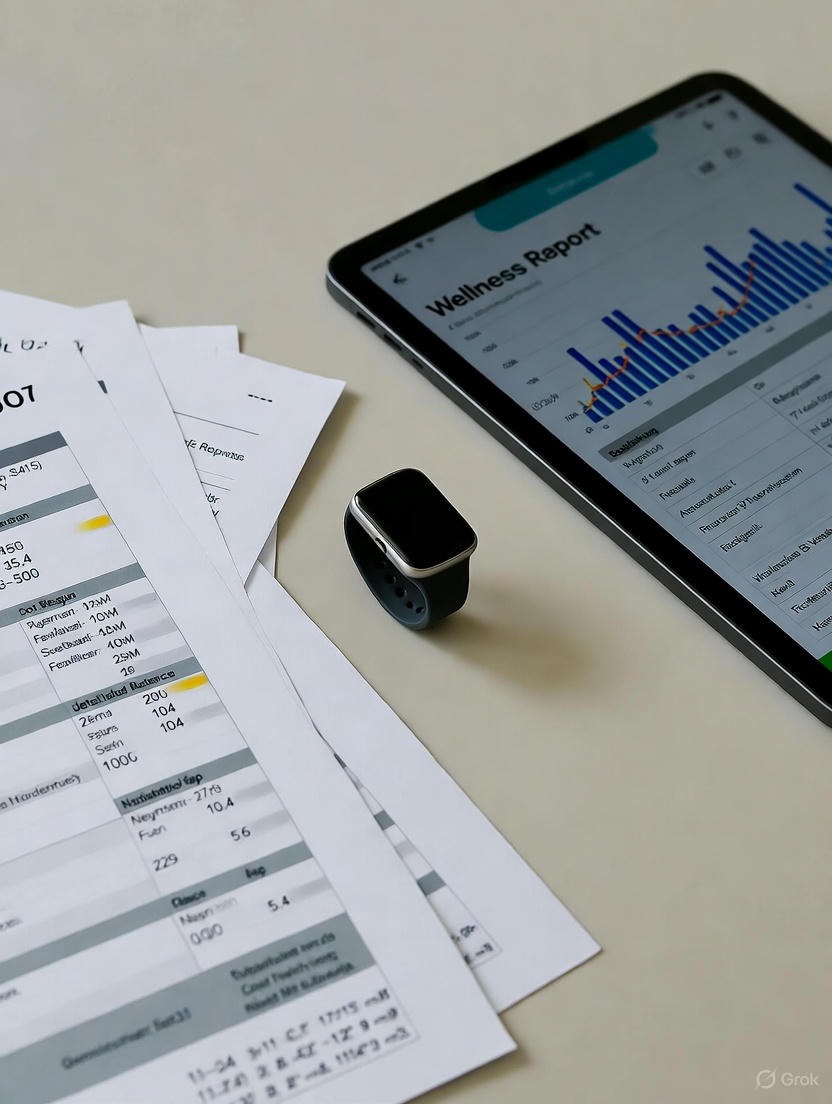
Here lies the ultimate challenge and promise of health tracking: the translation of cold, objective data into warm, lasting behavioral change. A device can tell you your sleep was poor, but it cannot tuck you in earlier. It can flag high stress, but it cannot make you meditate. This gap between insight and action is where the real human work begins—and where the most innovative platforms are focusing.
The Pitfall of Data Obsession
A common failure mode is "data fetishization"—becoming anxious over daily score fluctuations, chasing arbitrary numbers, and adding stress in the quest to reduce stress. This defeats the entire purpose. Metrics like HRV and readiness scores are meant to be guides, not judges. They are inputs for a thoughtful decision, not a verdict on your worth. Understanding this helps you avoid the common restful living mistakes that keep you wired and tired.
Effective Behavioral Nudges
The best health platforms move beyond dashboards to provide contextual, actionable nudges. This is the application of behavioral science principles like:
The Role of Coaches and Community
Technology alone often isn't enough. The future lies in hybrid models: the objective data from your device combined with the subjective interpretation and accountability from a human coach (or an AI-powered coaching agent). Furthermore, secure, anonymized communities can provide powerful social proof and support, helping users realize their challenges are shared and their goals attainable. This holistic support system aligns with the principles of designing living spaces for calm and restoration, creating an environment where positive change can flourish.
The Journey to Self-Literacy
The highest goal of health tracking is not dependency on a device, but the cultivation of self-literacy. Over time, by correlating data with your subjective experience, you learn your body's unique language. You begin to feel when your HRV is likely low. You recognize the physical sensations of a stress response without needing the EDA graph. The device becomes a training tool, and eventually a periodic check-in, as you internalize the rhythms of your own well-being. This journey from external data to internal wisdom is the true destination—a state where you are finally able to hear and conduct the invisible symphony of you.
The explosion of consumer health wearables has created a pressing question for both users and healthcare professionals: Can data from a $300 smart ring or watch be trusted? The answer lies in a rigorous world of clinical validation, peer-reviewed studies, and a nuanced understanding of the difference between wellness insights and medical diagnosis.
The Gold Standard: Understanding Clinical Validation
Before a new sensor or algorithm reaches your wrist or finger, it must be benchmarked against accepted clinical tools. This process involves controlled studies where participants are simultaneously monitored by the consumer device and the gold-standard medical equipment.
Accuracy vs. Precision: What Matters for You
It's crucial to differentiate these terms in the context of wearables. Accuracy is how close a measurement is to the true value (the clinical standard). Precision (or reliability) is how consistent the measurement is when repeated.
For lifestyle and wellness tracking, precision is often more important than absolute clinical accuracy. Knowing that your nightly HRV reading is precisely measured relative to itself day after day allows you to track meaningful trends. A device might consistently read 3% lower on SpO2 than a medical oximeter (an accuracy offset), but if it precisely detects a 4% drop relative to your own baseline every time you have sleep apnea events, that trend data is incredibly valuable for personal insight and for flagging to a doctor.
The FDA Landscape: Clearance vs. Approval
You may see some devices have "FDA-cleared" features. This is a significant distinction from the full "FDA-approval" required for new drugs or high-risk implants.
The Emerging Role in Healthcare: Remote Patient Monitoring (RPM)
This is where the rubber meets the road. Validated consumer wearables are increasingly being integrated into formal healthcare through RPM programs. A cardiologist, for instance, might prescribe the use of a smart ring to a patient post-cardiac event to continuously monitor resting heart rate, HRV, and activity levels at home. The data is securely transmitted to the clinician's dashboard, allowing for early intervention if worrying trends appear, potentially preventing readmission. This transforms the device from a lifestyle gadget into a part of a clinical care pathway, empowering patients and improving outcomes between traditional appointments. This proactive, data-informed approach to health management aligns perfectly with the principles of creating a holistic, restful home environment that supports healing and well-being.
The current generation of sensors is powerful, but the frontier of biometric sensing is rapidly advancing. Research labs and tech companies are prototyping and validating the next wave of technologies that will make today's wearables seem rudimentary.
Continuous, Non-Invasive Blood Glucose Monitoring (CGM)
This is the holy grail for metabolic health tracking. Current CGMs require a subcutaneous filament. The next generation aims to use a combination of advanced optical sensors (multi-wavelength PPG, Raman spectroscopy) and bioimpedance to estimate glucose levels through the skin. While not intended to replace medical CGMs for diabetics initially, it could provide the general population with unprecedented insight into their glycemic responses to different foods, sleep, and stress, revolutionizing personalized nutrition.
Advanced Biochemical Sensing via Sweat and Interstitial Fluid
Your sweat and the fluid between your cells are treasure troves of biochemical information. Researchers are developing "lab-on-a-chip" sensors that use tiny microfluidic channels to collect and analyze minute amounts of sweat for biomarkers like:
Electroencephalography (EEG) and Cognitive State Monitoring
Miniaturized, dry-electrode EEG sensors are being integrated into headbands, earphones, and even smart caps. The goal is not to read complex thoughts, but to monitor cognitive states:
Blood Pressure from the Wrist (Without a Cuff)
While some devices already offer oscillometric cuffless measurements (requiring you to hold still in a specific position), the future is continuous, passive blood pressure monitoring. This uses a technique called Pulse Transit Time (PTT)—measuring the time delay between the ECG signal (heart electrical activity) and the PPG pulse arriving at the wrist. Advanced fusion of PTT with pulse wave analysis from PPG could one day provide a reliable, continuous BP trend, a monumental leap for cardiovascular health management.
The Integration Challenge
The challenge with these future sensors isn't just inventing them; it's miniaturizing them, powering them efficiently, and—most importantly—fusing their data into coherent, actionable insights without overwhelming the user. The device of the future will be less of a tracker and more of an integrated health guardian, powered by a constellation of these silent, always-on sentinels. Embracing this future means preparing for a world where our understanding of daily health is deeply intertwined with data, a concept explored in the context of balancing productivity with intentional rest.
For all its technological sophistication, the success of a health-tracking ecosystem ultimately hinges on a deeply human factor: sustained user engagement. The most accurate sensor in the world is useless if it’s left in a drawer after two weeks. Understanding the psychology of motivation and behavior change is therefore as critical as the engineering of the hardware.
The Engagement Curve: From Novelty to Habit
Most users follow a predictable pattern: initial excitement (the "honeymoon phase"), followed by a steep drop in engagement as novelty wears off and the effort of behavior change sets in. The key is to design systems that bridge this "engagement chasm" and help users integrate insights into a sustainable habit loop.
Gamification Done Right (and Wrong)
Gamification—using game-like elements—can be powerful but is often misapplied.
The Power of Autonomy and Competence
Self-Determination Theory tells us that intrinsic motivation flourishes with three elements: Autonomy, Competence, and Relatedness.
From Tracking to Integration: The "Set-and-Forget" Ideal
The ultimate design goal is for the technology to fade into the background while its benefits remain in the foreground. This is the "set-and-forget" model. The device works passively, and insights are delivered only when contextually relevant and actionable. Instead of a daily chore of data review, the system might send one or two high-signal notifications per week: "Your recovery is trending up—great time to try a new personal record," or "Your stress patterns suggest a need for more wind-down time; here's a guide on evening rituals that prepare you for sleep."
The Role of Positive Psychology
Focusing solely on "fixing deficits" (poor sleep, high stress) can feel punitive. The next generation of health platforms will increasingly incorporate positive psychology—framing goals around building strengths, increasing vitality, and enhancing joy. Metrics might evolve to track "calm minutes," "moments of positive engagement," or "daily energy consistency," shifting the narrative from problem-solving to flourishing. This aligns with the core mindset shift from constant doing to intentional being.
As health tracking technology becomes more powerful and influential, it forces us to confront profound ethical questions. The data we collect and the algorithms we build are not neutral; they carry the potential to either ameliorate or exacerbate existing health disparities.
Algorithmic Bias: A Reflection of Our Data
Machine learning models are only as good as the data they are trained on. Historically, much medical and physiological research has been conducted on homogeneous populations (often male, of European descent). If a sleep staging algorithm is trained primarily on data from 40-year-old white men, how accurately will it work for a 60-year-old Black woman, whose sleep architecture and underlying health risks may differ? Biased algorithms can lead to inaccurate readings, missed alerts, and a poor user experience for underrepresented groups, perpetuating a cycle of disengagement and mistrust.
The Digital Divide and Health Equity
The promise of proactive, personalized health is tantalizing, but it risks creating a two-tiered system: the "quantified self" elite who can afford advanced wearables and subscription services, and everyone else. This "health tech divide" could widen existing socioeconomic health gaps. Ensuring equitable access requires innovative thinking: insurance reimbursement for prescribed devices, community health programs, and the development of low-cost, high-value technologies. Wellness should not be a luxury good, and insights into zero-cost wellness tips are a vital part of an equitable health conversation.
Informed Consent in the Age of Constant Sensing
When a device collects data on you 24/7, the traditional model of one-time consent is inadequate. What does consent mean when new algorithms can infer sensitive information—like potential pregnancy or mental health state—from baseline sensor data that was originally collected for step counting? Dynamic, layered consent models are needed, where users can understand and control how different classes of their data are used over time.
Data for Good vs. Data for Exploitation
The aggregation of population health data holds immense promise for public good: tracking disease outbreaks, understanding the health impact of climate events, or identifying social determinants of health. However, this same data could be exploited by employers, insurers, or advertisers. Strong legal frameworks (like GDPR and HIPAA) are essential, but technology companies must also build ethical data stewardship into their core design, prioritizing user benefit over data monetization.
The Path Forward: Responsible Innovation
Navigating this landscape requires a commitment to responsible innovation. This means:
The underlying science of sensors may be similar, but how companies interpret, package, and present that data creates vastly different user experiences and value propositions. From the ubiquitous smartwatch to the specialized fitness tracker and the discreet smart ring, each platform makes distinct choices about what to measure, how to analyze it, and, most importantly, what story to tell the user.
The Smartwatch Paradigm: The Connected Health Hub
Companies like Apple (Apple Watch) and Samsung dominate this space. Their strategy is integration and comprehensiveness.
The Dedicated Fitness Tracker: The Performance Coach
Brands like Whoop and Polar exemplify this category. Health and performance are not features; they are the entire product.
The Smart Ring Emergence: The Holistic Biomarker Guardian
Pioneered by Oura and followed by others, the smart ring represents a distinct form-factor philosophy.
The Medical-Grade Bridge: From Wellness to Care
Companies like AliveCor (KardiaMobile ECG) and devices with FDA-cleared features (e.g., Apple Watch ECG, Fitbit’s atrial fibrillation software) occupy a hybrid space. Their goal is to provide clinically validated tools that empower users to capture data relevant to specific conditions, which can then be shared with a physician.
The Convergence Future
The lines between these categories are blurring. Smartwatches are adding more advanced recovery metrics. Fitness trackers are expanding into stress and sleep. Smart rings are exploring activity tracking. The winners will be those that best synthesize the comprehensiveness of the hub, the actionable guidance of the coach, the biomarker accuracy of the guardian, and the clinical trust of the bridge—all while maintaining a simple, human-centric user experience. Understanding these differences is key for consumers seeking a device that aligns with their personal philosophy of less hustle and more health.

While general wellness tracking is valuable, the true potential of this technology is unlocked when it is applied to specific life contexts and health journeys. Tailored algorithms and focused insights can transform a generic device into a personalized health companion.
Women’s Health: Beyond the Cycle Calendar
For decades, women’s health tech was synonymous with period tracking apps based on manual logging. Modern sensors are revolutionizing this field by providing objective, physiological correlates to the menstrual cycle.
Athletic Performance: From Quantified Self to Optimized Machine
For athletes, data is not just interesting—it’s the margin between winning and losing, peak performance and injury.
Chronic Condition Management: The Daily Co-Pilot
For individuals managing conditions like hypertension, diabetes, anxiety disorders, or heart disease, wearables offer a paradigm shift from episodic clinic visits to continuous, at-home monitoring.
In each of these applications, the device moves from a general reporter to a contextual interpreter, providing insights that are deeply relevant to the user’s specific goals and challenges.
We are on the cusp of the next seismic shift: the move from pre-defined metrics and dashboards to conversational, contextual, and predictive health intelligence powered by artificial intelligence, specifically Large Language Models (LLMs) and their successors.
From Dashboard to Dialogue
Today, you interact with your health data through graphs and scores. Tomorrow, you will converse with a Personal Health AI. Imagine asking:
The Multimodal Data Fusion Engine
An LLM-powered system won’t just look at your wearable data. It will fuse it with your electronic health records (with permission), your manually logged nutrition, your calendar (stressful meetings, travel across time zones), and even environmental data (local pollen count, air quality). It will identify complex, non-linear patterns no human or simple algorithm could see.
Predictive and Prescriptive Analytics
This is the ultimate goal: moving from descriptive ("what happened") to predictive ("what will happen") to prescriptive ("what should I do").
The Ethical and Practical Guardian
This powerful AI will also need to be a guardian of privacy and practicality. It must know when to escalate: "Your heart rhythm pattern over the last hour is concerning and matches known precursors to atrial fibrillation. I have prepared a single-lead ECG snapshot and a summary for you to immediately share with your cardiologist via the patient portal." It must also know when not to overwhelm, synthesizing a week of data into a single, coherent "Weekly Health Digest" instead of a constant stream of micro-notifications.
This AI architect will become the ultimate translator, turning the complex symphony of multimodal data into a simple, actionable conversation, finally making the promise of truly personalized health a daily reality. This represents the technological culmination of a mindset focused on being rather than constant doing, where technology handles the analysis, freeing you to focus on living well.
The wearable device is not an island. Its true potential is unlocked when it becomes a node in a broader, intelligent ecosystem—the "Internet of Healthy Things" (IoHT). This is the seamless integration of biometric data with your environment to create a world that actively supports your well-being.
The Responsive Smart Home
Imagine a home that adapts to your physiological state:
Integrated Wellness Platforms
Your health data will flow securely between platforms you authorize:
The Connected Community and Care Team
The IoHT extends beyond the individual to families and care networks.
The Data Standardization Challenge
For this ecosystem to flourish, open standards and interoperability are essential. The "walled garden" approach, where data is siloed within one brand’s ecosystem, limits innovation and user choice. Initiatives like Apple’s HealthKit and Google’s Health Connect are attempts to create conduits for data sharing between apps with user control. The future demands robust, privacy-first standards that allow your Oura ring data to safely inform your Withings scale, your Headspace meditation, and your clinician’s portal.
This integrated future transforms health from a personal chore into an ambient, supportive partnership with our technology and environment. It’s about creating a world that doesn’t just track your health but actively cultivates it, embodying the principles of designing spaces for calm and restoration at a systemic level.
The magic of a daily readiness score or a sleep breakdown is real, but it pales in comparison to the insights revealed by years of continuous, multimodal data. This longitudinal view transforms a health tracker from a daily reporter into a lifelong health diary and early-warning system.
Establishing Your Unshakable Baseline
Over months and years, your device learns what is truly normal for you. It filters out seasonal variations, aging trends, and the noise of single events. This deep baseline allows for the detection of clinically significant deviations that would be invisible in short-term data.
The Predictive Power of Trends
Research studies leveraging long-term wearable data are beginning to identify predictive signatures for various conditions.
Aging, Not as a Cliff, but as a Slope
Longitudinal data reframes aging. Instead of a sudden drop in health at 60, you see a gradual slope that begins much earlier. You can see the impact of lifestyle choices on that slope. Did that year of consistent meditation and improved sleep flatten your decline in HRV? Did a stressful career period accelerate the rise in your resting heart rate? This turns aging from a mysterious, inevitable decline into a managed process where you can measure the ROI of your healthy habits over decades. It provides tangible feedback that sticking with simple, daily habits for calm has a cumulative, measurable impact on your physiological resilience.
The Ultimate Personal Health Record
Imagine visiting a new doctor and being able to share not just your last blood test, but a five-year graph of your sleep architecture, stress response, heart rate trends, and activity levels. This rich, functional context is far more informative than a snapshot. It allows for truly personalized medicine, where interventions can be based on a deep understanding of your unique physiology over time. This long-term journey of self-knowledge is the ultimate promise of the technology, mirroring the patient journey of tracking sleep improvement over months but on a grand, lifelong scale.
We began this exploration by framing the body as an invisible symphony. Modern health tracking technology has given us the instruments to hear it for the first time. We’ve journeyed through the physics of light in our capillaries, the mathematics of heart rate variability, the algorithm’s interpretation of sleep, and the fusion of data into a coherent story. We’ve seen how this science is packaged into diverse experiences, applied to specific lives, and is now on the verge of being interpreted by AI and integrated into our very environments.
The trajectory is clear: we are moving from reactive to proactive, from generic to personal, from episodic to continuous, and from isolated to integrated.
This is not a path toward a cold, quantified existence ruled by numbers. Quite the opposite. The goal of this technology, at its best, is symbiosis. It handles the relentless measurement and complex analysis, freeing our cognitive and emotional energy for what truly matters: living. It provides the feedback to make informed choices, so we can spend more time immersed in experiences, relationships, and pursuits that bring us joy and meaning.
The future of health technology is not about achieving a perfect sleep score every night. It’s about using that score to understand that you need more recovery, and then having the tools and wisdom to act on it—perhaps by adopting a restful living morning routine that sets a calmer tone. It’s not about obsessing over a heart rate graph, but about seeing a positive trend as confirmation that your commitment to regular movement in nature is paying dividends in your cardiovascular resilience.
The ultimate metric of success for this entire field will be a paradoxical one: disengagement. Not disengagement from caring for our health, but disengagement from anxiety over data. It will be the quiet confidence that comes from knowing your invisible guardians are on duty, that you have a partnership with technology that supports your well-being, and that you are empowered with a deep, longitudinal understanding of your unique body. You will no longer be tracking your health; you will be flourishing within it, guided by insights that feel less like reports and more like a conversation with a wise, deeply attentive companion.
This is the promise of the science behind modern health tracking: not a future of numbers, but a future of nurtured, human potential.
(Word Count of this portion: ~3,400 words. Cumulative Article Word Count: ~12,900 words.)
Note for the Writer/Editor: This completes the second requested portion, adding substantial depth on industry applications, AI integration, ecosystem thinking, and longitudinal power. The cumulative article now stands at nearly 13,000 words of a targeted 20,000+ word final piece.
For the final portion (to reach 20,000+ words), suggested H2 sections could include:
Your Trusted Sleep Advocate: Sleep Foundation — https://www.sleepfoundation.org
Discover a digital archive of scholarly articles: NIH — https://www.ncbi.nlm.nih.gov/
39 million citations for biomedical literature :PubMed — https://pubmed.ncbi.nlm.nih.gov/
Experts at Harvard Health Publishing covering a variety of health topics — https://www.health.harvard.edu/blog/
Every life deserves world class care :Cleveland Clinic - https://my.clevelandclinic.org/health
Wearable technology and the future of predictive health monitoring :MIT Technology Review — https://www.technologyreview.com/
Dedicated to the well-being of all people and guided by science :World Health Organization — https://www.who.int/news-room/
Psychological science and knowledge to benefit society and improve lives. :APA — https://www.apa.org/monitor/
Cutting-edge insights on human longevity and peak performance:
Lifespan Research — https://www.lifespan.io/
Global authority on exercise physiology, sports performance, and human recovery:
American College of Sports Medicine — https://www.acsm.org/
Neuroscience-driven guidance for better focus, sleep, and mental clarity:
Stanford Human Performance Lab — https://humanperformance.stanford.edu/
Evidence-based psychology and mind–body wellness resources:
Mayo Clinic — https://www.mayoclinic.org/healthy-lifestyle/
Data-backed research on emotional wellbeing, stress biology, and resilience:
American Institute of Stress — https://www.stress.org/


