


The Wellness Ring Basics That Doctors Find Most Useful
Identifies which tracked metrics and features healthcare professionals find most valuable for patient insights.
Identifies which tracked metrics and features healthcare professionals find most valuable for patient insights.
%402x.svg)
In the ever-evolving landscape of personal health technology, a quiet revolution is unfolding right on our fingers. Wellness rings—sleek, unassuming pieces of wearable tech—are moving from speculative fiction to clinical conversations. But beyond the buzz and the sleek marketing lies a critical question: What do the actual medical professionals think? Which features are they finding genuinely useful for patient care, preventative health, and fostering a deeper dialogue about well-being?
For years, doctors have relied on episodic data: a blood pressure reading in the clinic, a patient’s recall of their sleep last week, a stress level described as "high." Wellness rings promise a shift from this snapshot to a continuous, flowing narrative of the body’s inner workings, measured 24/7 in the context of real life. The most useful devices aren’t those that simply collect the most data, but those that translate raw biometrics into actionable, clinically-relevant insights.
This deep-dive exploration uncovers the wellness ring fundamentals that are earning nods of approval from physicians across specialties. From cardiologists to sleep specialists, from endocrinologists to primary care providers, we’ll examine the metrics that matter, the tracking that translates, and the patient engagement strategies that truly work. This is not about replacing a doctor’s expertise but about enhancing it with a stream of objective, personal data. It's about empowering individuals with knowledge and providing healthcare professionals with a richer, more complete picture of health outside the clinic walls.
Prepare to look beyond the step count and discover how continuous heart rate variability, detailed sleep architecture analysis, and nuanced recovery metrics are becoming the new vital signs for the modern age. This is the frontier of proactive health, and it starts with understanding the basics that form a solid foundation for meaningful, doctor-approved wellness tracking.

For generations, the classic vital signs—temperature, pulse, respiration rate, and blood pressure—have formed the cornerstone of a clinical assessment. They are quick, non-invasive indicators of a body’s immediate state. However, they are profoundly limited: they are single points in time, captured in an often-stressful environment (the doctor’s office), and tell us nothing about what happens during the other 99% of a patient’s life. This is where the paradigm is shifting, and wellness rings are at the forefront.
Doctors are finding immense utility in what we can now term the "Continuous Vital Signs." These are biometrics measured not once, but thousands of times a day, creating a dynamic baseline unique to each individual. The most insightful of these is Heart Rate Variability (HRV). While a standard pulse check measures average beats per minute, HRV measures the subtle, millisecond variations between each heartbeat. A higher, more variable HRV generally indicates a robust, resilient autonomic nervous system—the body’s stress-response engine. A consistently depressed HRV can be a powerful early warning signal of chronic stress, overtraining, impending illness, or poor recovery.
"A patient can tell me they're 'stressed,' but seeing a trend of declining HRV over weeks provides an objective, quantifiable measure of that strain," explains a functional medicine physician. "It moves the conversation from subjective feelings to objective data, allowing us to correlate with lifestyle factors like work deadlines, poor sleep, or dietary changes with pinpoint accuracy."
This continuous data stream transforms the patient-doctor dialogue. Instead of "How have you been sleeping?" which often garners a vague "Okay, I guess," a physician can now review granular sleep data and ask, "I see your deep sleep has been fragmented for the past two weeks, and your resting heart rate is elevated. What’s changed?" This data-driven approach leads to more productive, specific conversations and personalized interventions. It helps distinguish between perceived and actual sleep quality, a discrepancy that is common but rarely verifiable without such technology.
The clinical value lies not in diagnosing disease from this data (these are wellness devices, not medical devices), but in trend identification and behavioral nudging. By establishing a personal baseline, both doctor and patient can see deviations that warrant attention long before they manifest as symptoms. It’s a powerful tool for preventive medicine, turning abstract health advice into a personalized, responsive health narrative. To understand how one of the most critical markers of recovery is tracked, delve deeper into our analysis on how your sleep score reflects total body recovery.
The old adage of "getting your 8 hours" is, in the eyes of sleep science, hopelessly outdated. Duration is just one piece of the puzzle—and often not the most important one. What truly matters for cognitive function, hormonal balance, immune health, and tissue repair is sleep architecture: the cyclical journey through light sleep, deep sleep (Slow-Wave Sleep), and REM (Rapid Eye Movement) sleep each night. This is the metric that has sleep specialists and forward-thinking general practitioners most excited about wellness ring technology.
Wrist-based trackers have historically struggled to accurately distinguish between sleep stages without bulky, clinical-grade equipment. Advanced wellness rings, using sensors like photoplethysmography (PPG) and accelerometers at the finger—a vasculature-rich location—can provide a much more reliable proxy for these stages by tracking heart rate, heart rate variability, and movement with high precision throughout the night.
Why does this architecture matter so much to doctors?
A cardiologist notes, "I’m now looking at patients' sleep stage data alongside their nocturnal heart rate. Seeing elevated heart rates during deep sleep phases can be an early, subtle sign of autonomic dysfunction or other underlying issues we need to explore. It’s a layer of insight we simply never had access to before."
This granular view allows for interventions far more sophisticated than "sleep more." A doctor might use this data to:
For a comprehensive look at what constitutes healthy sleep from a data perspective, our review of sleep score standards and what research says is healthy provides an essential framework.

If sleep architecture is the report card on nighttime recovery, then Heart Rate Variability (HRV) and Resting Heart Rate (RHR) form the live dashboard for daily stress and systemic load. While popular fitness culture often reduces these to simple "recovery scores," doctors are leveraging them as dynamic, interpretative tools to understand a patient’s allostatic load—the cumulative burden of chronic stress and life events on the body.
Resting Heart Rate (RHR) is more than just a number for cardio fitness. When tracked continuously, its trends are profoundly informative. A creeping elevation in RHR over days or weeks can be an early signal of:
"An elevated RHR is one of the body's most fundamental alarm signals," says a sports medicine doctor. "In a clinical setting, we get one data point. With a ring, I can see if a patient's RHR spiked after a stressful event, or has been trending up subtly for a month. It tells a story."
Heart Rate Variability (HRV), however, is the more nuanced counterpart. Think of it as the body's "buffer" against stress. A high HRV indicates a flexible, adaptable system that can efficiently switch between stress (sympathetic) and relaxation (parasympathetic) modes. A low HRV suggests a system that is stuck in "fight-or-flight" or is simply drained and lacks resilience.
For physicians, the power of HRV lies in its reactivity and its trends:
This stress dashboard enables a move from reactive to proactive care. Instead of waiting for a patient to present with burnout symptoms, a doctor can note a worrying HRV trend and initiate a supportive conversation earlier. It also empowers patients, giving them a direct, visceral readout of how their lifestyle is impacting their biology, making the case for restful living habits that transform your energy more compelling than ever.
The fitness world has long been obsessed with the 10,000-step goal—a round number born from a 1960s Japanese marketing campaign, not clinical science. While general movement is beneficial, doctors find the blanket step count to be a crude and often misleading metric. The wellness ring basics that are proving more useful involve a sophisticated blend of Activity Strain, Metabolic Equivalents (METs), and most importantly, Readiness Scores that balance activity with recovery.
The modern approach is about movement quality and contextual appropriateness, not just quantity. A construction worker hitting 15,000 steps is in a very different physiological state than a sedentary office worker forcing the same count. The latter might be creating excessive strain without adequate recovery, potentially doing more harm than good.
This is where Readiness or Recovery Scores come in. Synthesizing data from sleep, HRV, RHR, and previous day’s activity, these scores provide a daily recommendation on how much to push or pull back. For physicians, especially those working with athletes, chronic pain patients, or individuals returning from injury, this is a game-changer.
"A generic 'exercise more' prescription is ineffective and sometimes dangerous," states a physiatrist specializing in musculoskeletal health. "A patient with chronic fatigue or fibromyalgia needs to stay within their energy envelope. A ring’s readiness score, based on their own physiological data, can guide them to take a gentle walk on a 'green' day and prioritize rest on a 'red' day. It teaches them to listen to their bodies with data as a guide, preventing the debilitating push-crash cycles."
Key activity metrics doctors find valuable include:
This personalized approach fosters a sustainable, attuned relationship with exercise. It helps prevent overtraining syndrome, supports rehabilitation, and makes fitness accessible to those managing chronic conditions by honoring their daily physiological state. This philosophy is deeply connected to the broader principle of balancing productivity with restful living.
While a single temperature reading tells you if you have a fever, continuous core body temperature trends reveal the subtle, circadian rhythm of your metabolism—and this is where wellness rings are unlocking one of their most unique and clinically promising features. By measuring peripheral temperature at the finger throughout the day and night, advanced algorithms can identify the delicate dip and rise that signifies healthy circadian function and, for those who menstruate, pinpoint the hormonal shifts of the menstrual cycle with remarkable precision.
For women’s health specialists and endocrinologists, this is revolutionary. The basal body temperature (BBT) method of cycle tracking, long used by women trying to conceive or understand their cycles, has been fraught with challenges: it requires taking a temperature at the exact same time every morning, before any movement or speech, and is easily disrupted by poor sleep, alcohol, or illness. A wellness ring automates this perfectly, taking thousands of measurements overnight to identify the subtle post-ovulatory temperature rise of about 0.3–0.5°C (0.5–1.0°F).
Doctors are using this data to:
Beyond reproductive health, nocturnal temperature trends are a powerful biomarker for overall metabolic and circadian health. A clear, predictable temperature rhythm—dropping at sleep onset and rising towards morning—is a sign of a robust circadian clock. A flat, erratic temperature curve can signal circadian disruption, often seen in shift workers, those with poor sleep hygiene, or individuals under significant metabolic stress.
"A blunted nighttime temperature drop is strongly correlated with poor sleep initiation and maintenance," explains a sleep researcher. "We’re starting to see it as a key piece of the puzzle for insomnia patients. It also gives us a target for interventions like cooling the bedroom, timing meals earlier, or using evening light management—all aimed at steepening that natural temperature decline for better sleep." Creating an environment conducive to this natural process is a cornerstone of designing restful living spaces for calm and restoration.
Breathing is our most fundamental rhythm, yet outside of a clinical setting or a mindfulness session, we are almost completely unaware of it. Wellness rings, by analyzing the subtle variations in heart rate associated with inhalation and exhalation (a phenomenon known as respiratory sinus arrhythmia), can accurately derive Respiratory Rate (RR)—particularly during sleep. This passive, continuous measurement is providing doctors with an unexpectedly rich stream of data.
Sleep Respiratory Rate is emerging as a vital sign for nocturnal health. While not a diagnostic tool for sleep apnea, significant trends and anomalies can be highly suggestive and warrant further investigation.
What doctors are looking for:
"Patients often dismiss light, disrupted sleep or daytime fatigue as 'normal stress,'" says a pulmonologist. "Seeing an elevated and jagged respiratory rate trace on their wellness ring data can be the objective evidence needed to take their symptoms seriously and pursue a sleep apnea evaluation. It breaks through the perception barrier."
Furthermore, for patients with known conditions like asthma or chronic anxiety, tracking nocturnal respiratory rate can provide feedback on how well their condition is managed. A calming, steady rate after starting a new medication or meditation practice provides positive reinforcement. This insight into the body's most basic rhythm is a powerful argument for incorporating practices from the restful living evening rituals that prepare you for sleep.
This is perhaps the most critical principle that doctors emphasize: Absolute numbers are far less important than personal trends and deviations from your own baseline. A resting heart rate of 65 might be healthy for one person but a concerning elevation for someone whose normal baseline is 48. This is why the first week or two of wearing a wellness ring is a calibration period—it’s learning your normal.
The clinical utility explodes when you have established this personal baseline. Now, a doctor isn't comparing you to population averages; they are looking for meaningful changes in you. This personalized framework allows for:
A primary care physician illustrates: "I had a patient who was a self-proclaimed 'poor sleeper' but her sleep duration data was average. However, her personal HRV baseline was in the lowest quartile of her potential. We worked on stress management, and as her HRV climbed, her subjective sleep quality improved dramatically—even though her 'sleep score' didn't change much. The ring showed us the real issue wasn't sleep architecture, but nervous system dysregulation."
This focus on the individual journey is what makes long-term tracking so valuable. Observing the sleep score journey and tracking improvement over months reveals patterns and progress that daily fluctuations obscure, turning data into a story of personal health evolution.
The ultimate value of any health technology lies not in the data it collects, but in the action it inspires. The most useful wellness ring basics are those that serve as a catalyst for a richer, more collaborative conversation between a patient and their healthcare provider. This transforms a traditional, paternalistic model ("Here's what you should do") into a data-informed partnership ("Let's look at what your body is telling us and decide together").
Doctors who effectively integrate this data into their practice often use it as a visual conversation starter. A simple graph showing a patient's sleep depth declining as their work travel increased is more powerful than any admonition to "get more rest." It creates a shared point of reference and a clear cause-and-effect narrative.
"I now ask patients to bring their data trends to our appointments," says an integrative medicine doctor. "We look at the screens together. We might see that their recovery scores tank every Thursday night. 'What happens on Thursdays?' I'll ask. Often, it's a late work call, or a stressful family commitment. Suddenly, we're problem-solving a real-life pattern, not talking abstractly about 'stress management.' It leads to practical, sustainable solutions."
This process also enhances patient accountability and engagement. When a patient can see the direct impact of a poor night's sleep on their next-day readiness score, or the positive effect of a daily walk on their mood and HRV, they become active participants in their health. The ring provides immediate biofeedback, reinforcing positive behaviors and gently discouraging detrimental ones.
Furthermore, it allows for remote monitoring and support between visits. A doctor can’t be with a patient every day, but a continuous data stream can highlight when someone is struggling with adherence to a new routine or experiencing a setback. This enables timely, supportive check-ins via messaging, preventing small issues from becoming major derailments. This ongoing support is a key component of the restful living philosophy of less hustle and more health.
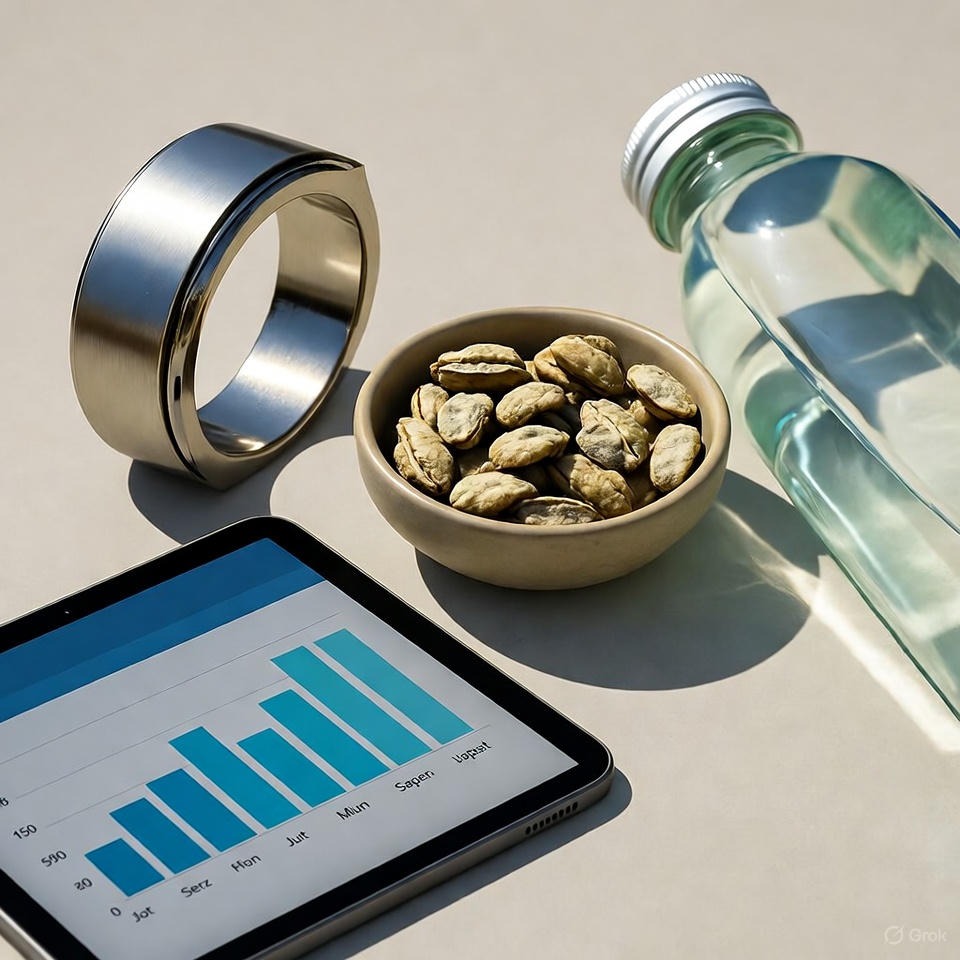
Amidst the enthusiasm, responsible physicians are quick to establish crucial boundaries. A wellness ring is a powerful informational and motivational tool, but it is not a diagnostic or medical device. Understanding this distinction is paramount for safe and effective use. Doctors emphasize several key caveats:
"The goal is to use the ring as a guide to build self-awareness, not as a judge that creates anxiety," clarifies a psychiatrist. "I work with patients to set boundaries with the data—maybe only checking the morning readiness score and the weekly review, rather than the app constantly throughout the day." This mindful approach to technology is itself a practice in restful living in a fast-paced world.
With a growing market of options, how does one choose a device that will provide the clinically useful basics? Doctors suggest looking beyond aesthetics and brand hype to focus on sensor quality, metric validity, and data presentation. The most useful tools are those that provide accurate, actionable insights without overwhelming the user.
Here are the key features medical professionals highlight:
Choosing a device with these features ensures the data you collect is reliable, interpretable, and ultimately, useful for fostering better health conversations and choices. It’s an investment in a tool that supports the long-term science behind restful living and why downtime matters.
Ultimately, the most profound impact of wellness ring data may be its ability to legitimize and quantify the necessity of rest and recovery in a culture that glorifies busyness. Doctors are increasingly using this objective data to "prescribe" rest with the same authority they prescribe medication or exercise.
When a patient sees their own HRV crash after consecutive late nights, or their deep sleep evaporate during a high-stress project, the argument for prioritizing recovery ceases to be philosophical—it becomes biological. Doctors are leveraging this to:
This shift represents a holistic understanding of health, where recovery is not the absence of work, but an active, essential physiological process. The ring becomes a coach for this process, providing the feedback needed to find peace in the chaos of modern life and sustainably manage energy. It teaches us that health is not just what we do in the gym or the clinic, but how we live, rest, and recover in all the moments in between.
The most forward-thinking medical practices are no longer viewing patient-generated health data from wearables as a curiosity or a nuisance. Instead, they are creating structured frameworks to integrate it seamlessly into the care continuum. This integration represents a fundamental shift from episodic, reactive care to continuous, collaborative health management. The wellness ring, with its rich, passive data stream, is becoming a cornerstone of this new model, acting as a remote monitoring tool that operates 24/7 in the patient’s natural environment.
Doctors are developing protocols for how to use this data effectively. The first step is establishing clinically relevant review periods. Instead of being overwhelmed by daily data streams, a physician might focus on weekly trend summaries before a scheduled appointment or ask a patient to flag significant, sustained deviations (e.g., "if your readiness score is low for three consecutive days, send me a message through the portal"). This makes the data manageable and actionable within existing clinical workflows.
Specialists are finding particular value in this integration. Cardiologists use long-term trends in resting heart rate and heart rate variability to assess the effectiveness of new beta-blockers or to monitor a patient’s autonomic nervous system function after a cardiac event. "Seeing a patient's nocturnal heart rate gradually decline and their HRV rise after starting a medication for hypertension is incredibly affirming," one cardiologist notes. "It's real-world evidence of efficacy, and it motivates the patient to continue with their treatment plan."
Similarly, endocrinologists and functional medicine doctors correlate temperature trends, sleep data, and HRV with dietary logs, menstrual cycles, and energy levels to build a more complete picture of metabolic and hormonal health. A flat temperature rhythm paired with poor deep sleep can direct an investigation into thyroid function or adrenal health far more precisely than symptoms alone.
This collaborative framework also empowers health coaches and physical therapists working under a physician's guidance. With patient consent, they can monitor activity and recovery data to tailor exercise programs in real-time, ensuring a client is working within their optimal recovery zone to prevent injury and promote adaptation. This team-based approach, centered on shared, objective data, creates a powerful support system for the patient, moving them from a passive recipient of care to the central, informed member of their own health team. This holistic support is essential for long-term success and embodies the principle of shifting from a mindset of constant doing to one of balanced being.
While today’s wellness rings excel at showing current state and recent trends, the next frontier—already being explored in clinical research—is predictive health analytics. By applying machine learning to vast, longitudinal datasets of continuous biometrics, the goal is to move from describing "what is" or "what was" to suggesting "what might be coming." For doctors, this predictive potential is the most exciting and promising aspect of the technology, promising a new era of truly preventive medicine.
The concept is based on pattern recognition. The human body often shows subtle, subclinical signs of disturbance days before a full-blown illness or a significant health event manifests. A wellness ring, acting as an always-on biosensor, is uniquely positioned to detect these early whispers.
Early Infection Detection: Several studies have demonstrated that devices tracking resting heart rate, heart rate variability, and respiratory rate can signal the onset of illnesses like the common cold or influenza 24-48 hours before symptom awareness. A consistent, unexplained elevation in resting heart rate coupled with a drop in HRV and a rise in respiratory rate forms a telltale signature. For vulnerable populations—the elderly, immunocompromised individuals, or even busy professionals who can't afford downtime—this early warning could prompt proactive rest, hydration, and monitoring, potentially mitigating severity.
Mental Health Flare-up Indicators: Researchers are investigating correlations between biometric patterns and episodes of anxiety or depression. A period of chronically suppressed HRV, increasingly fragmented sleep, and elevated nocturnal heart rate may precede a subjective feeling of a "low" period or heightened anxiety. While not diagnostic, this data could serve as a checkpoint for a patient and their therapist, prompting the use of pre-established coping skills or scheduling a supportive check-in.
Metabolic & Cardiovascular Insights: Long-term trends in recovery metrics and sleep quality may one day help identify individuals at greater risk for metabolic syndrome or who are not responding optimally to lifestyle interventions. For instance, a patient adhering to a diet and exercise plan but showing no improvement in deep sleep or HRV might need a different, more personalized approach.
Doctors caution that we are in the early stages, and predictive algorithms must be rigorously validated. However, the direction is clear: the future of these devices lies not just in tracking, but in intelligent foresight, providing a crucial window for early, low-cost, high-impact interventions. This aligns perfectly with the goal of using daily habits to build resilience, as explored in our guide to simple daily habits for deeper calm.
To ground the theory in reality, let's examine a few anonymized scenarios where wellness ring data provided a pivotal insight, changing the course of a patient's care. These stories illustrate the practical, human impact of this technology when used as an adjunct to clinical expertise.
Case 1: The "Fine" Executive with Hidden Burnout
A 45-year-old senior executive came for his annual physical, reporting he was "fine, just tired, but who isn't?" Standard bloodwork was unremarkable. His physician, aware the patient wore a wellness ring, asked to see his trends. The data revealed a six-month gradual decline in HRV to the bottom of his personal range, a 10% creep in his resting heart rate, and a significant reduction in deep sleep. The graphs clearly showed the downturn coincided with a major corporate merger. The data provided an undeniable, objective picture of escalating allostatic load. "This wasn't just being tired; this was a physiologic march toward burnout," his doctor recalled. "The data allowed us to intervene with authority—negotiating a temporary reduction in travel, implementing strict sleep hygiene, and starting mindfulness training—before he reached a crisis point of exhaustion or illness."
Case 2: The Mystery of Unrefreshing Sleep
A patient complained of chronic fatigue despite "sleeping 8 hours every night." A wrist-based tracker showed adequate sleep duration. However, her wellness ring data told a different story. While she was in bed for 8 hours, her deep sleep was consistently minimal, and her sleep graph showed frequent, brief awakenings her wrist tracker had missed. Most tellingly, her nocturnal respiratory rate was high and variable. The ring data provided the key evidence to justify a referral for a sleep study, which diagnosed mild but impactful sleep apnea. With treatment, her deep sleep increased, her respiratory rate stabilized, and her fatigue resolved. This case highlights the limitation of duration-only tracking and the value of more granular data.
Case 3: Optimizing Athletic Performance and Injury Prevention
A collegiate runner was frustrated by plateauing times and niggling injuries. Her coach and team doctor reviewed her ring data and discovered her readiness scores were perpetually in the "low recovery" zone, and her HRV was on a downward trend. The data showed she was never fully recovering between intense training sessions. Instead of pushing harder, they prescribed a "rest week" based on the data. Her HRV rebounded, and she returned to training with a higher baseline readiness. More importantly, they used her personal HRV and RHR baselines to dynamically adjust her training load week-to-week, leading to improved performance without injury. This is a prime example of moving from a fixed, rigid training schedule to an adaptive, biologically-informed one.
These cases demonstrate that the ring's value is in uncovering the stories hidden beneath subjective feelings and normal lab results, enabling precise, personalized medicine. It often starts the journey toward better health by revealing the need for a more restful home environment, room by room.
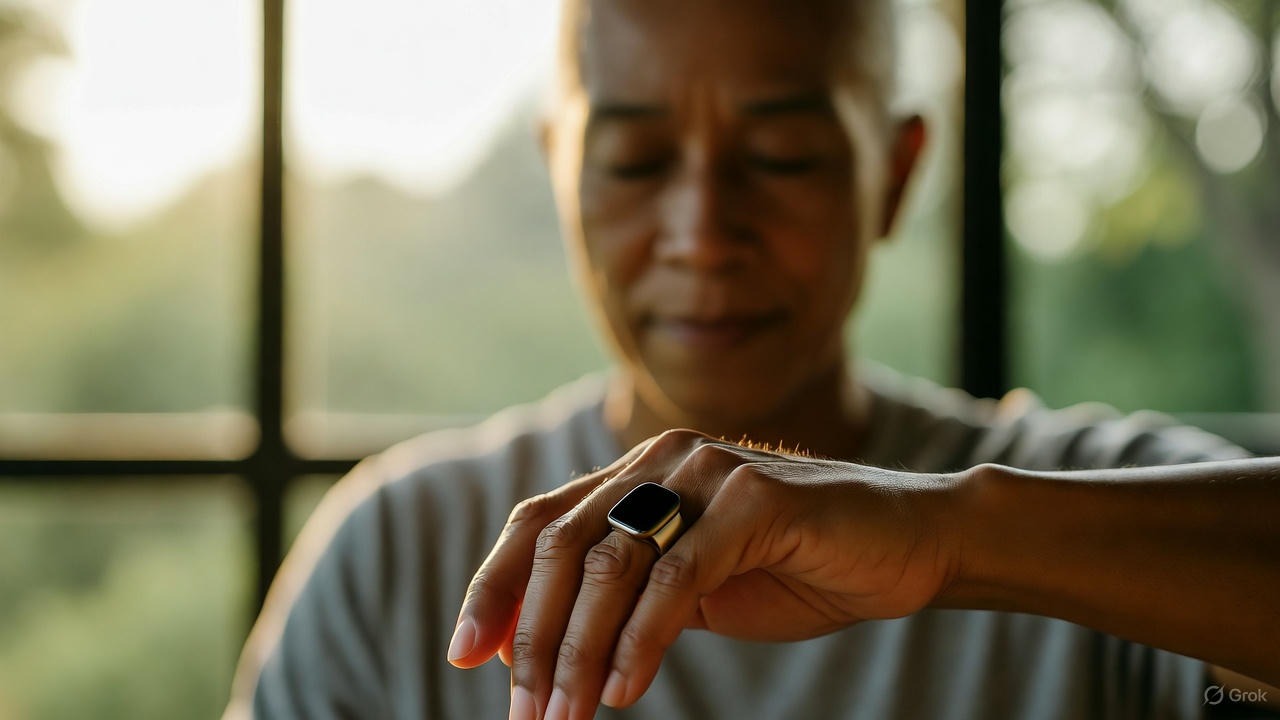
As wellness rings collect an intimate portrait of our physiology—our sleep, our stress, our rhythms—they generate what is arguably some of the most sensitive personal data possible. Doctors are acutely aware of this and emphasize that robust data privacy, security, and clear ethical use policies are non-negotiable features for any device they would recommend. The utility of the tool must be balanced with a paramount commitment to user sovereignty over their own information.
When evaluating a ring, doctors advise patients to scrutinize the company’s data governance policies:
The ethical considerations extend to the clinical relationship. A doctor must obtain informed consent before reviewing a patient's wearable data, clarifying how it will be used in their care. They must also be prepared to help patients interpret the data without causing undue anxiety. The goal is empowerment, not surveillance.
"Patients must trust that this data is for their benefit alone, used to empower their choices in partnership with their care team," stresses a physician specializing in medical ethics. "The moment this data feels like it could be used against them—for insurance premiums or job performance—the trust and the therapeutic value evaporate." This foundational trust is what allows individuals to fully engage with the process of micro-recovery throughout a busy day without fear.
For all their promise, significant barriers prevent the widespread, equitable clinical adoption of wellness ring data. Doctors identify these hurdles not as dead ends, but as challenges to be solved by better technology design, education, and systemic support.
1. The Interoperability Challenge: The healthcare system runs on Electronic Health Records (EHRs). For wearable data to be truly integrated, it must be able to flow seamlessly into these systems in a structured, useful format. Currently, most data exists in separate, consumer-facing apps, creating a silo. The solution lies in developing standardized data formats and secure APIs that allow patients to permission their data to be imported into their medical record, populating a "Patient-Generated Health Data" section that the doctor can easily review.
2. The Time and Reimbursement Dilemma: In a typical 15-minute appointment, a physician does not have time to log into a separate app, interpret complex graphs, and explain them to a patient. For this to become standard practice, healthcare systems need to recognize the value of this data interpretation by creating new billing codes for "remote physiologic monitoring" and "health data interpretation," compensating doctors for this cognitive work. Alternatively, the role of a "data navigator"—a nurse or health coach who can pre-interpret trends for the physician—could emerge.
3. The Digital Literacy and Equity Gap: Not everyone is comfortable with smartphone apps or understands how to interpret biometric data. Furthermore, the cost of these devices can be prohibitive. To be a tool for public health and not just a luxury for the wealthy, we need initiatives for device subsidization for high-risk populations, coupled with simple, intuitive user interfaces and community-based education programs.
4. Clinician Education: Most medical schools do not yet train doctors in how to interpret consumer-grade continuous biometric data. Professional development courses and clinical guidelines are needed to build this competency across the profession.
Overcoming these barriers is essential to democratize the benefits of this technology. The goal is a future where personalized, continuous health data is a standard part of a holistic health record, accessible to and actionable by every individual and their care team, regardless of tech-savviness or income. This vision is rooted in the inclusive idea of restful living on a budget with zero-cost wellness tips.
A wellness ring provides the what—objective biometric outcomes. But to understand the why, it must be paired with the subjective context of a person's life. This is where the practice of lifestyle logging or tagging becomes exponentially powerful. Doctors find that patients who actively correlate their data with daily logs get the deepest insights and make the most sustainable changes.
The most effective logs are simple and focused. Patients might note:
With this context, patterns emerge with crystal clarity. A patient can see that on days they have a glass of wine, their deep sleep percentage plummets. They can confirm that their afternoon coffee indeed delays their sleep onset by 30 minutes. They might discover that a high-intensity workout improves their sleep quality, while a late-night work session destroys it.
"This synthesis is where true self-awareness is built," explains a lifestyle medicine physician. "The ring gives the unbiased feedback, and the log provides the cause. Together, they create a personalized guidebook for what optimal living looks like for that individual. It removes the guesswork from wellness."
For example, a patient trying to manage IBS might tag days with digestive discomfort and discover they are correlated with low HRV and poor sleep from two nights prior, highlighting the gut-brain-sleep axis. Another might see that days spent hiking in nature are consistently followed by high readiness scores, making a compelling case for how nature supports restful living.
This iterative process of action (lifestyle), measurement (ring data), and reflection (logging) creates a powerful feedback loop for behavior change, grounded in personal, undeniable evidence.
While the primary focus is on individual wellness, the aggregated, anonymized data from millions of wellness rings holds transformative potential for public health research and epidemiology. With proper ethical safeguards, this vast dataset of real-world, continuous physiology could answer questions previously impossible to study at scale.
Sleep Research at Scale: Instead of relying on self-reported surveys or expensive, small-scale lab studies, researchers could analyze anonymized sleep architecture data from hundreds of thousands of people across different geographies, professions, and age groups. How does deep sleep naturally change with age? What is the real-world impact of shift work on REM sleep across a global population? This data could inform public policy on work hours, school start times, and community lighting.
Stress and Society: By looking at aggregate HRV and resting heart rate trends across cities, researchers could identify periods of collective stress—during heatwaves, economic downturns, or even major sporting events. This could help quantify the societal cost of chronic stress and measure the population-level impact of community wellness initiatives.
Circadian Rhythm Diversity: Large-scale temperature and activity data could map the true diversity of human chronotypes (early birds vs. night owls) and how well societal structures (like standard 9-5 workdays) align with natural biology, providing evidence for more flexible work arrangements.
Drug and Intervention Development: In clinical trials for new medications or behavioral interventions (e.g., a new sleep therapy app), continuous biometric data from rings could serve as a rich, objective secondary endpoint, showing how a treatment affects real-world sleep quality, stress physiology, and activity patterns, not just lab results or patient questionnaires.
Doctors involved in research are enthusiastic but cautious. "The potential is staggering," says an epidemiologist, "but it hinges on two things: rigorous, privacy-preserving anonymization techniques, and a clear understanding of the data's limitations. This is a sample of people who choose to buy and wear these rings, which introduces bias. But for studying trends within this population over time, it's an unprecedented lens into human physiology in the wild." This macro-level understanding complements the micro-level practices that reduce chronic stress and burnout on an individual level.
As we stand at the intersection of biotechnology and daily living, the final and most important insight from doctors is a philosophical one. The ultimate goal of using a wellness ring is not to become a slave to the data, anxiously chasing perfect scores. Nor is it to outsource your intuition to an algorithm. The goal is to cultivate a data-informed life—one where objective feedback deepens self-awareness, validates efforts, and guides choices, while still honoring the subjective, unquantifiable experience of being human.
This means learning to use the ring as a compassionate guide, not a harsh judge. It's about recognizing that a "red" recovery day isn't a failure; it's valuable information prompting you to be kind to yourself. It's about celebrating a rising HRV trend as a sign of growing resilience, not just fixating on today's number. It's about using the data to build rituals and environments that support your biology, as outlined in the restful living morning routine to start your day right.
Doctors advise periodic "data holidays"—taking the ring off for a weekend or a vacation—to reconnect with how you feel without the metric. This prevents the tool from becoming a source of stress itself, one of the common restful living mistakes that keep you wired and tired.
The most useful wellness ring basics, therefore, are those that teach you to listen to your body's language. The numbers are just a translation. Over time, the hope is that you internalize the lessons: you learn what true rest feels like, you recognize the physical sensation of rising stress before the ring flags it, and you naturally gravitate toward activities that leave you feeling replenished. The ring accelerates this learning process, but the wisdom it fosters becomes your own.
In this journey, the doctor's role evolves. They become a co-interpreter of your life's data, a validator of your experiences, and a partner in designing a lifestyle that allows your unique physiology to thrive. The ring is the tool that makes this deeply personalized, proactive, and collaborative form of healthcare not just possible, but practical and powerful. It marks the beginning of a new era where we are no longer passive passengers in our health, but informed, empowered pilots, with continuous feedback to help us navigate toward lifelong well-being.
With a device that collects data every second, the temptation to constantly refresh the app can be overwhelming. However, doctors and behavioral psychologists agree: how you interact with your data is just as important as the data itself. Establishing a healthy, sustainable ritual for data review is crucial for reaping the benefits without falling into anxiety or compulsive checking.
The recommended practice is structured, mindful review. This means designating specific, limited times to look at your data with purpose, rather than glancing at notifications or scores reactively throughout the day. The most effective ritual involves two key check-ins:
The Morning Review (5 Minutes Max):
This is your planning session. Upon waking, check your Readiness/Recovery Score and the primary metrics behind it—sleep, HRV, RHR. Don't just note the number; absorb the narrative. Did your body recover well? If your score is high, it’s a green light to engage fully with your day, tackle challenging tasks, or have a vigorous workout. If it’s low, view it not as a failure, but as a recommendation from your body to prioritize recovery. This might mean choosing a walking meeting over a high-stakes presentation, opting for a gentle yoga session instead of heavy lifting, or committing to an early bedtime. This morning ritual is the cornerstone of a restful living morning routine that starts your day right.
The Evening Reflection (3 Minutes Max):
This is your closing ceremony. Before beginning your wind-down routine, briefly log any relevant tags for the day (stress, alcohol, intense exercise, etc.). Then, set your intention for sleep. The evening review is not for analyzing or judging the day’s activity score, but for consciously transitioning from doing to being. This primes your nervous system for rest and closes the feedback loop, helping you connect daytime behaviors with nighttime outcomes.
Doctors strongly advise against reactive checking. Turning to the app after a stressful meeting to see if your HRV dropped, or in the middle of the night when you can’t sleep, only fuels anxiety and breaks your natural rhythms. The data is retrospective and trend-based; it cannot help you in a single moment, and checking it disrupts the very state (calm, presence) you’re likely seeking.
"The ring teaches you to trust the process, not the point," says a health psychologist. "A single data point is noise. The trend is the signal. By reviewing mindfully once or twice a day, you learn to respond to your body's needs with wisdom, not react to numbers with fear." This disciplined approach is key to balancing productivity with restful living.
The dashboards of wellness apps can feel like a cockpit of unfamiliar acronyms and scores. Understanding what these terms actually mean from a physiological perspective is essential for using them wisely. Here is a clinician's plain-language glossary of the most common wellness ring metrics.
Heart Rate Variability (HRV): This is not your heart rate. It is a measure of the tiny, millisecond variations in time between each heartbeat. Think of it as your nervous system's flexibility score. A higher HRV generally indicates a healthy balance between your "gas pedal" (sympathetic nervous system) and "brake" (parasympathetic nervous system), meaning you can respond effectively to stress and then recover smoothly. It is highly personal; compare yours only to your own baseline.
Resting Heart Rate (RHR): Your average heartbeats per minute when you are truly at rest, best measured during sleep. It’s a metabolic and fitness indicator. A lower RHR typically suggests better cardiovascular fitness and efficient heart function. An acute rise can signal dehydration, stress, or illness; a chronic creep can indicate overtraining or systemic inflammation.
Sleep Stages (Light, Deep, REM):
Respiratory Rate (RR): The number of breaths you take per minute, usually measured during sleep. It’s a vital sign of effortless rest. A stable, low rate (12-18 bpm for most adults) suggests efficient respiration and a relaxed state. A high or variable rate can indicate stress, respiratory issues, or metabolic effort.
Readiness/Recovery Score: This is a synthesized recommendation, not a grade. It is an algorithm's best guess at your body's capacity to handle stress (physical, mental, emotional) for the day ahead. It weights factors like sleep quality, HRV, RHR, and recent activity. A low score is not "bad"; it's crucial information to pace yourself.
Body Temperature (Trend): The focus is on the 24-hour rhythm, not a single reading. A healthy circadian rhythm shows a distinct drop at bedtime and a rise before waking. A flat line suggests circadian disruption. For women, the subtle upward shift post-ovulation is key for cycle tracking.
Understanding these terms empowers you to have an informed conversation with your own data and your healthcare provider, moving beyond chasing scores to understanding the underlying biology. This knowledge is foundational for leveraging data to enhance your practice of restful living for deeper calm.
Wellness rings don't exist in a vacuum. They are part of a broader ecosystem of wearables, including smartwatches, chest-strap HR monitors, and continuous glucose monitors (CGMs). Doctors often get asked: "Which one do I need?" The answer lies in understanding the unique strengths and optimal use cases for each device.
Smartwatches: The Broad-Stroke Generalists
Watches excel at activity tracking, notifications, and on-demand spot checks. They are fantastic for counting steps, GPS mapping runs, displaying texts, and taking an ECG on the spot if you feel palpitations. However, for 24/7 physiological monitoring, they have limitations. Their wrist-based optical heart rate sensors can be less accurate during sleep or high-intensity movement (the "wrist flip" problem). Their size and screen often necessitate charging daily, leading to gaps in nighttime data. Watches are ideal for those who want a multifunctional device focused on fitness and connectivity.
Chest Strap Monitors: The Athletic Gold Standard
For maximal accuracy during exercise, nothing beats a chest strap. It uses electrical signals (ECG) to measure each heartbeat directly, making it the most reliable tool for tracking heart rate zones during intense training. However, they are uncomfortable for all-day wear and provide no data on sleep, recovery, or metrics like temperature or respiratory rate. They are a niche tool for serious athletes during workouts only.
Continuous Glucose Monitors (CGMs): The Metabolic Specialists
CGMs provide a real-time view of blood glucose levels, offering profound insights into how diet, sleep, and stress uniquely affect your metabolism. They are unparalleled for managing diabetes, identifying food sensitivities, or optimizing metabolic health. However, they are invasive (a small sensor under the skin), require a prescription for non-diabetic use in many regions, and focus exclusively on one biomarker.
Wellness Rings: The Continuous, Passive Biomonitors
This is where rings carve their niche. They are optimized for seamless, 24/7 wear and passive data collection, particularly on recovery and sleep. The finger is a vasculature-rich location that often provides more stable optical heart rate readings during sleep than the wrist. Their small form factor and week-long battery life enable truly continuous tracking without gaps. They focus less on daytime notifications and activity GPS, and more on providing a holistic, uninterrupted story of your sleep, recovery, and stress physiology. As one sports medicine doctor puts it: "The watch tells me how my workout was. The ring tells me if I should work out at all tomorrow, and how hard."
For a comprehensive health picture, some patients use a complementary stack: a ring for 24/7 recovery and sleep, a chest strap for intense workout accuracy, and a CGM for a month to understand metabolic patterns. For most people seeking doctor-useful basics on sleep, stress, and recovery, the ring provides the most relevant, frictionless data stream. This holistic data supports a lifestyle that avoids the common mistakes that keep you wired and tired.
Data without action is merely trivia. The true power of a wellness ring is its ability to guide specific, small adjustments that yield significant improvements. Doctors emphasize that these are not drastic overhauls, but targeted "micro-interventions" based on what your unique data is telling you.
If Your Sleep Score is Low & Deep Sleep is Lacking:
If Your HRV is Chronically Low or Declining:
If Your Readiness Score is Consistently Low on Weekdays:
If Your Temperature Rhythm is Flat:
If Your Respiratory Rate is High at Night:
The key is to implement one change at a time and observe the data's response over 1-2 weeks. This turns your ring into a biofeedback lab, confirming what works for you and fostering a sense of agency over your health. This experimental, curious approach is the essence of the restful living philosophy of less hustle, more health.
The initial weeks with a wellness ring are often marked by rapid discovery and novelty. But the most profound benefits—and the ones doctors value most—are revealed in the longitudinal view. Lasting health change is not a sprint; it's a marathon of consistent, small choices. The ring's ability to show progress over months and years is its ultimate superpower for sustained motivation and health maintenance.
Seeing Seasonal Patterns: You may discover your HRV naturally dips in the dark winter months (a potential sign of Seasonal Affective Disorder influence) and peaks in the summer, prompting you to prioritize light therapy or winter getaways. You might see sleep quality decline during allergy season, leading to more proactive management.
Validating Lifestyle Investments: Did that meditation app subscription you started six months ago move the needle? The long-term HRV and sleep stability graphs will show you. Did shifting to a job with a shorter commute improve your recovery metrics? The data provides objective proof of the life upgrade, reinforcing positive decisions.
Catching Slow Drifts: Some health changes are glacially slow. A gradual, months-long rise in resting heart rate could be the nudge needed to revisit cardio fitness. A slow erosion of deep sleep percentage as you enter your 50s might prompt a conversation about hormone health or the need for more strength training to preserve sleep quality.
The "Maintenance" Mindset: Once initial health goals are met, the ring shifts from a "fixer" to a "guardian." It provides an early warning system against backsliding. A former insomniac can maintain good sleep hygiene, confident that the data will alert them if old patterns creep back. Someone who has recovered from burnout can protect their hard-won resilience by respecting low readiness scores.
To leverage the long game, doctors recommend a monthly review session. Once a month, spend 15 minutes looking at your 90-day trend graphs. Look for the story: Are the lines moving in the desired direction? What was happening in your life during peaks and troughs? This macro view is incredibly motivating, as it smooths out daily noise and reveals the powerful trajectory of your choices. It’s the practice of observing the sleep score journey of improvement over months applied to your entire physiological profile.
This longitudinal partnership with your own data fosters a deep, intuitive understanding of your body, making you the expert on your own health with evidence to back it up. It’s the culmination of a journey toward a truly restful living mindset, shifting from doing to being.
Your Trusted Sleep Advocate: Sleep Foundation — https://www.sleepfoundation.org
Discover a digital archive of scholarly articles: NIH — https://www.ncbi.nlm.nih.gov/
39 million citations for biomedical literature :PubMed — https://pubmed.ncbi.nlm.nih.gov/
Experts at Harvard Health Publishing covering a variety of health topics — https://www.health.harvard.edu/blog/
Every life deserves world class care :Cleveland Clinic - https://my.clevelandclinic.org/health
Wearable technology and the future of predictive health monitoring :MIT Technology Review — https://www.technologyreview.com/
Dedicated to the well-being of all people and guided by science :World Health Organization — https://www.who.int/news-room/
Psychological science and knowledge to benefit society and improve lives. :APA — https://www.apa.org/monitor/
Cutting-edge insights on human longevity and peak performance:
Lifespan Research — https://www.lifespan.io/
Global authority on exercise physiology, sports performance, and human recovery:
American College of Sports Medicine — https://www.acsm.org/
Neuroscience-driven guidance for better focus, sleep, and mental clarity:
Stanford Human Performance Lab — https://humanperformance.stanford.edu/
Evidence-based psychology and mind–body wellness resources:
Mayo Clinic — https://www.mayoclinic.org/healthy-lifestyle/
Data-backed research on emotional wellbeing, stress biology, and resilience:
American Institute of Stress — https://www.stress.org/


