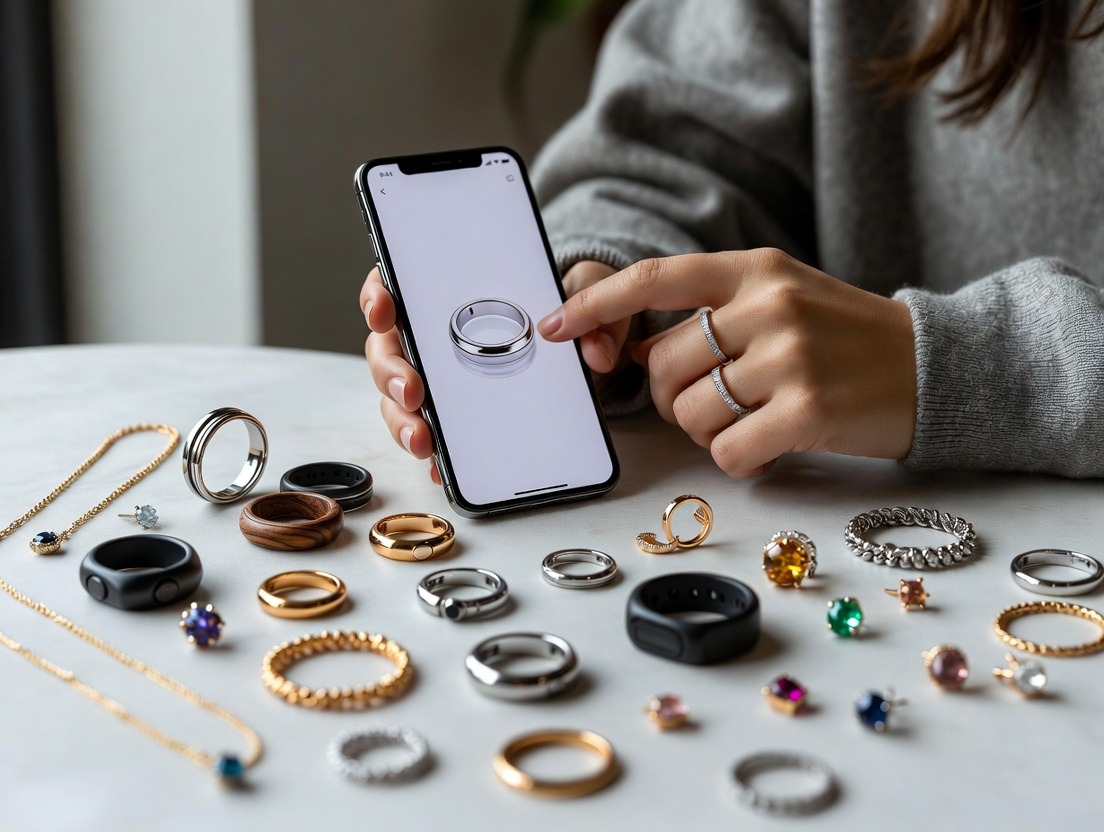
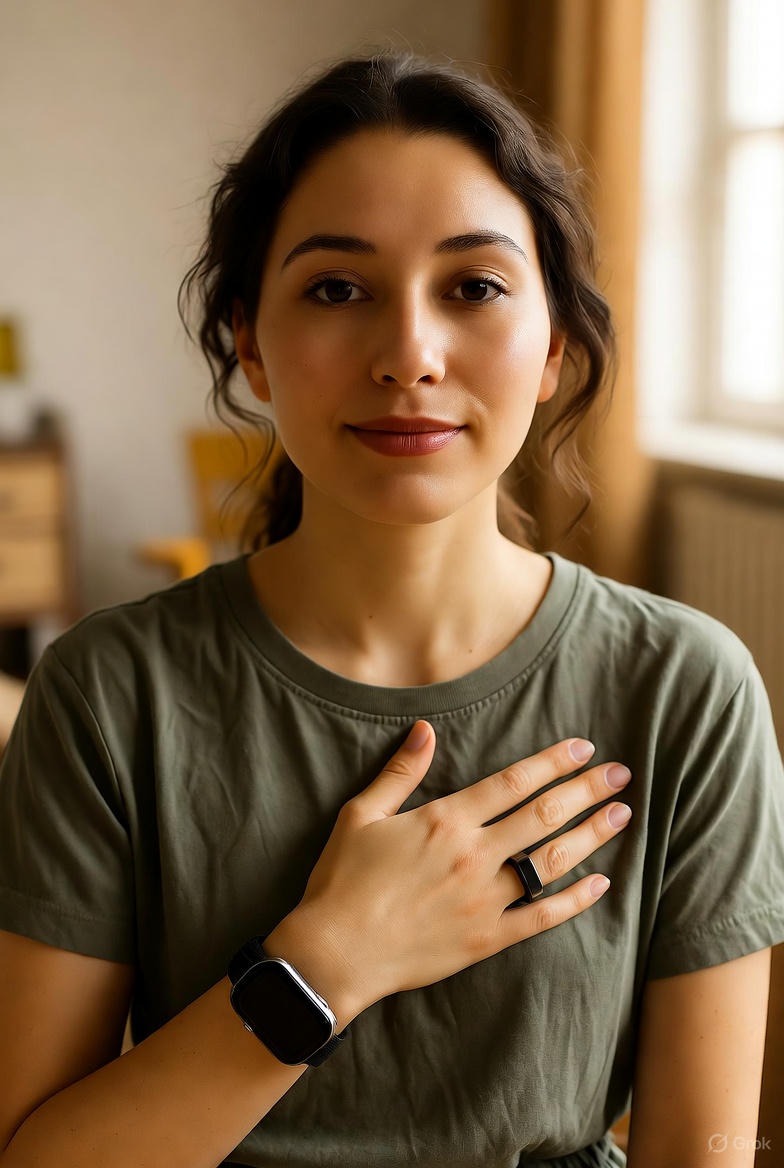
The Real Impact of Daily Activity on Mental Health (Ring Research)
Ring-based research demonstrates the real, measurable impact of daily activity on mental health.
The Real Impact of Daily Activity on Mental Health: A Data-Driven Exploration from Your Finger
Have you ever finished a brisk walk feeling clearer-headed, or noticed your anxiety soften after a morning workout? That post-movement glow isn’t just a fleeting mood boost—it’s neuroscience, physiology, and psychology in perfect, actionable harmony. For decades, we’ve accepted "exercise is good for you" as a vague truism. But how good? In what precise, measurable ways does the rhythm of our daily steps, heartbeats, and exertion directly sculpt our mental landscape? Until recently, these answers were locked in lab studies and self-reported surveys, giving us the what but rarely the personal, continuous when and how much.
Enter the era of the smart ring. Discreet, wearable sensors now offer an unprecedented, 24/7 window into our physiological narrative. Devices like the Oxyzen ring move beyond counting steps; they decode the intimate language of your autonomic nervous system—heart rate variability, skin temperature, blood oxygen, and movement patterns—to reveal how your daily activity weaves into the fabric of your mental well-being. This isn’t just fitness tracking; it’s a continuous dialogue with your body’s stress response, recovery state, and emotional baseline.
This article presents a groundbreaking synthesis: the convergence of established mental health research with new, granular data from wearable technology. We’ll move beyond platitudes and dive into the exact mechanisms, the quantified thresholds, and the personalized insights that can transform your understanding of the mind-body connection. We’re not just discussing exercise. We’re exploring daily activity in its full spectrum—from non-exercise movement and step counts to structured workouts and the critical, often-overlooked pillar of recovery. The data from your finger is revealing that mental health is not a static state, but a dynamic rhythm. And you have the power to conduct it.
The Mind-Body Loop: Why Your Ring Knows What Your Brain Feels
We often think of our mind and body as separate entities—one dealing with thoughts and emotions, the other with movement and physiology. This is a fundamental misunderstanding. Your brain is not a passive passenger in your body; it is its chief executive, constantly receiving and interpreting a flood of signals from your muscles, heart, lungs, and skin. Every action you take sends a report back to headquarters, and the state of your body directly alters the chemistry and function of your brain.
At the core of this dialogue is the autonomic nervous system (ANS), the automatic control center for your heart rate, digestion, respiration, and stress response. The ANS has two primary branches: the sympathetic ("fight-or-flight") and the parasympathetic ("rest-and-digest"). Mental states like anxiety, rumination, and overwhelm are often accompanied by sympathetic dominance—a heightened state of alert. Conversely, calm, focus, and resilience are associated with a strong, adaptable parasympathetic influence.
This is where your smart ring becomes a revolutionary tool. By measuring Heart Rate Variability (HRV)—the subtle variations in time between each heartbeat—a device like Oxyzen provides a direct, non-invasive readout of your autonomic balance. A higher, more resilient HRV typically indicates a robust parasympathetic tone and a nervous system that can adapt efficiently to stress. A consistently low HRV can be a flag for chronic stress, poor recovery, or mental fatigue.
When you engage in physical activity, you initiate a profound conversation with this system. Movement sends signals that:
Release a cascade of neurochemicals (endorphins, endocannabinoids, dopamine, serotonin).
Increase brain-derived neurotrophic factor (BDNF), a protein that acts like fertilizer for brain cells, promoting neuroplasticity—the brain's ability to form new connections.
Directly modulate the ANS, training it to switch more effectively between sympathetic arousal and parasympathetic recovery.
Your ring tracks the physiological outcomes of this conversation in real-time and overnight. It doesn't just see the workout; it sees the aftermath. How quickly does your heart rate recover post-exercise? How does your nighttime HRV respond to today’s activity load? Does a day of sedentary behavior correlate with restless sleep and a elevated resting heart rate the next morning? This continuous feedback loop turns abstract concepts like "stress" and "resilience" into tangible, daily metrics. By connecting the dots between your activity and your body’s core signals, you stop guessing about what works for your mental health and start knowing. For a deeper dive into how this tracking technology captures such nuanced data, our article on how sleep trackers actually work provides a clear explanation.
Understanding this loop is the first step. The next is decoding the specific languages spoken by different types of movement.
Step Counts vs. State of Mind: The Surprising Truth Behind 10,000 Steps
The 10,000-step goal is arguably the world’s most famous fitness metric. But where did it come from? Surprisingly, not from rigorous science, but from a 1960s Japanese pedometer marketing campaign. The round number was catchy, not clinical. So, what does modern ring data and psychological research actually say about steps and mental well-being?
The emerging truth is more nuanced and empowering: The relationship between steps and mood is not linear, but curvilinear, with diminishing returns and a powerful baseline effect. While aiming for 10,000 steps is a fine goal for general cardiovascular health, the most significant mental health benefits often occur when moving from a highly sedentary state (e.g., < 3,000 steps) to a moderately active one (e.g., 5,000-7,000 steps).
Data aggregated from thousands of smart ring users shows a strong correlation between consistent, moderate daily movement and key mental wellness indicators:
Reduced Daily Anxiety: Low activity days frequently correlate with higher self-reported stress and physiological signs of nervous system agitation (lower daytime HRV). Simply achieving a baseline of 5,000-7,000 steps creates a stabilizing rhythm for the body and mind.
Improved Sleep Quality: There is a clear, dose-dependent relationship between daytime step counts and sleep metrics like deep sleep duration and sleep continuity. Movement builds sleep pressure—the body’s natural need for rest. However, the data also shows that excessive late-day activity can be counterproductive, highlighting the need for balance.
Enhanced Cognitive Function: Regular walking, a form of rhythmic, low-impact movement, is linked to improved creativity, problem-solving, and memory consolidation. It’s believed this is due to increased blood flow to the brain and the "default mode network" activation that occurs during steady-state activity.
But the step count is only part of the story. The ring data reveals a critical insight: Fragmentation matters as much as totality. Ten thousand steps accumulated in a frantic, stressful day where you’re constantly rushing but never truly active may have less positive impact on your nervous system than 7,000 steps achieved with a couple of purposeful, mindful walks. The former may keep your sympathetic system subtly engaged, while the latter promotes parasympathetic activation.
The takeaway is to liberate yourself from the tyranny of 10,000. Use your ring to find your baseline. If you’re averaging 2,500 steps, aim for 4,500. Notice the correlation with your stress metrics and sleep scores on your Oxyzen dashboard. The goal is consistent, mindful accumulation that soothes your nervous system, not a punishing target that becomes another source of stress. This foundational, non-exercise activity thermogenesis (NEAT) sets the stage for your mind to function optimally, preparing it for the more intense biochemical shifts that come from elevated heart rate zones.
Beyond the Burn: How Different Exercise Intensities Unlock Unique Mental Benefits
If daily steps are the steady bassline of your mental health rhythm, then targeted exercise is the melody. Not all workouts are created equal, and different intensity zones elicit distinct neurochemical and physiological responses. Your smart ring, by tracking heart rate zones, heart rate recovery, and post-exercise physiological changes, acts as a translator, showing you exactly what kind of mental boost you’re generating.
Let’s break down the three primary intensity zones and their specific impacts:
1. The Calming Rhythm: Low-Intensity Steady State (LISS)
Heart Rate Zone: Typically 50-70% of your maximum.
Mental Benefit: Anxiety Reduction & Mindfulness. LISS is a powerful parasympathetic nervous system activator. The rhythmic, repetitive motion can be meditative, helping to quiet the "monkey mind." It elevates mood-stabilizing neurotransmitters like serotonin without the significant stress response of higher-intensity work. Ring data often shows a pronounced calming effect after LISS: a quicker return to baseline heart rate, a more significant uptick in nighttime HRV, and lower skin temperature variability—a sign of reduced stress. It’s the physiological equivalent of a deep breath for your entire system.
2. The Resiliency Builder: Moderate-Intensity Training
Examples: Jogging, power walking, cycling, dancing, moderate weight circuits.
Heart Rate Zone: 70-85% of your maximum.
Mental Benefit: Enhanced Stress Resilience & Cognitive Clarity. This zone is the sweet spot for consistently training your body’s stress response systems in a manageable way. It significantly boosts BDNF (that brain fertilizer), promoting learning and memory. It also trains your cardiovascular system to be more efficient, which improves your heart rate recovery—a key metric your ring tracks that is strongly linked to overall stress resilience. People who regularly engage in moderate exercise often report better emotional regulation and an "afterglow" of focus that can last for hours.
3. The Cathartic Release: High-Intensity Interval Training (HIIT) & Vigorous Exercise
Examples: Sprints, HIIT circuits, heavy lifting, competitive sports.
Heart Rate Zone: 85-100% of your maximum.
Mental Benefit: Emotional Catharsis & Breakthrough. HIIT creates a deliberate, acute stressor. Your sympathetic nervous system fires fully. The potent mental benefit comes from the recovery phase. The powerful parasympathetic rebound that follows a HIIT session can be profoundly calming. It floods the system with endorphins and endocannabinoids, creating the famed "runner's high." This cycle—intense stress followed by controlled recovery—can help "reset" a chronically agitated nervous system and provide a powerful outlet for pent-up emotional energy. However, ring data is crucial here: without adequate recovery (visible in poor sleep scores and low HRV), this can become a source of chronic strain.
By reviewing your ring’s daily report, you can move from guessing to strategic planning. Did a LISS walk yesterday lead to your highest sleep score this week? Does HIIT on Tuesday leave you feeling wired and impair your deep sleep, or does it catalyze a superb recovery the next night? This personalized feedback allows you to tailor your exercise intensity to your current mental state and recovery capacity, optimizing not just for physical fitness, but for mental harmony.
The Silent Partner: How Non-Exercise Activity Thermogenesis (NEAT) Steadies Your Nerves
While we glorify the workout, the silent, unseen movement that fills the rest of our day—Non-Exercise Activity Thermogenesis (NEAT)—may be the unsung hero of daily mental stability. NEAT encompasses all the energy expended for everything that is not sleeping, eating, or sports-like exercise. It’s the pacing, fidgeting, gardening, taking the stairs, standing while talking, cooking, and puttering.
From a mental health perspective, NEAT is a constant, low-grade regulator of your nervous system. A day rich in NEAT is a day of rhythmic, subconscious movement that prevents the stagnation that can fuel rumination and anxiety. Conversely, a highly sedentary day—sitting for hours with minimal movement—can create a physiological state of lethargy that often mirrors or exacerbates feelings of depression and low motivation.
Smart ring data provides fascinating insights into NEAT’s role:
Circadian Rhythm Anchor: Small bursts of movement throughout the day, like a short walk after meals or a 5-minute stretch every hour, reinforce your body’s natural circadian rhythms. This helps regulate cortisol (your primary stress hormone) patterns, leading to more stable energy and mood throughout the day.
Rumination Breaker: Physical movement, even minor, disrupts the cognitive loops of worry and negative thinking. It’s a form of behavioral activation, a core component of Cognitive Behavioral Therapy (CBT). Your ring can show you how a day with frequent, small movement breaks correlates with a lower self-reported stress score compared to a day of prolonged stillness.
The Sedentary Stress Signal: Many Oxyzen ring users notice a telling pattern: on days with long, uninterrupted sitting (e.g., back-to-back video calls), their daytime heart rate is often slightly but noticeably higher, and their heart rate variability is lower. This is a sign of subtle, chronic sympathetic nervous system activation. Breaking up this stillness with NEAT is a direct intervention to downshift your nervous system.
Optimizing for NEAT isn’t about adding another workout; it’s about weaving resilience into the fabric of your day. Use your ring’s inactivity alerts or simply review your activity timeline. Was there a 3-hour block of near-zero movement? That’s a potential risk zone for mental drift and physiological stress. The goal is to create a "movement-rich" environment. This steady, low-level activity acts as a ballast, keeping your mental ship steady even when emotional storms arise, and primes your body for more restorative sleep, which we’ll explore next.
Recovery is Not Passive: How Sleep and Rest Complete the Mental Health Equation
Our culture often celebrates busyness and output, treating rest as an inconvenient necessity. This is a catastrophic error for mental health. From a physiological standpoint, recovery is an active, non-negotiable process where the mental benefits of activity are actually cemented. You don’t get stronger during the workout; you get stronger during the repair that follows. The same is true for your brain.
This is where the synergy between your daily activity and your smart ring’s sleep and recovery metrics becomes non-negotiable. Exercise creates a beneficial "stress" on the system, breaking down tissues and expending energy. Sleep, particularly deep sleep, is when the reparative magic happens:
Metabolic and Neural Detoxification: The glymphatic system, the brain's waste-clearance system, kicks into high gear during deep sleep, clearing out neurotoxins like beta-amyloid that are associated with stress and cognitive decline.
Memory and Emotional Processing: Deep sleep (slow-wave sleep) is crucial for consolidating memories and stripping away the emotional charge from the day's experiences. REM sleep, which often follows deep sleep cycles, is where this emotional processing and creativity flourish.
Nervous System Restoration: Nighttime is when your parasympathetic nervous system should be fully dominant. This is reflected in a high, stable nighttime HRV—a metric your ring tracks meticulously. High overnight HRV is one of the single best indicators of your body’s (and mind’s) recovery capacity.
Without adequate quality sleep, the positive stress of exercise can tip into negative, chronic stress. You’ll see this in your data: a hard workout followed by a night of poor sleep (short deep sleep duration, frequent awakenings, low HRV) often leads to a higher resting heart rate the next morning and a flatter, more fatigued mood. The activity has not been "banked."
Your ring turns recovery from an abstract concept into a daily scorecard. It answers critical questions: Did my activity today promote or hinder my sleep? How is my weekly training load reflecting in my trending HRV? Am I giving my mind the quiet, restorative time it needs to integrate the benefits of my active life? True mental fitness is a balance of stress and recovery. By honoring rest as actively as you honor movement, you build a sustainable foundation for resilience. Discover more about this critical balance in our guide on the pros and cons of sleep tracking.
The Data Doesn't Lie: Correlating Ring Metrics with Self-Reported Mood
The ultimate validation of any wellness tool is its alignment with your lived experience. The powerful aspect of advanced wearables like the Oxyzen ring is their ability to move beyond generic averages and create a personalized biometric signature that often predicts your mood before you consciously recognize it.
By correlating objective ring data with simple, daily self-reported mood or stress scores (a feature in many companion apps), powerful and often surprising patterns emerge. This is where you move from population-level science to personalized insight.
The HRV Forecaster: Many users notice that a declining trend in their morning HRV over 2-3 days often precedes a day of higher irritability, brain fog, or emotional fragility. It’s a leading indicator that their nervous system reservoir is depleted, prompting them to prioritize gentle movement, mindfulness, or an earlier bedtime.
Resting Heart Rate (RHR) and Anxiety: A resting heart rate that trends 5-10 beats per minute above your personal baseline can be a strong physiological correlate of elevated anxiety or lingering inflammation from poor recovery. Seeing this data can encourage proactive stress-management techniques.
Activity "Sweet Spot" Identification: By reviewing past data, you can identify patterns. For example, you might see that on days you hit between 8,000-10,000 steps with a 30-minute moderate workout, your evening "calm" rating is consistently high and your sleep latency (time to fall asleep) is low. Conversely, you might find that days exceeding 12,000 steps with high stress lead to fragmented sleep. This defines your unique activity "zone" for optimal mental well-being.
Sleep Consistency as a Mood Stabilizer: The data frequently shows that consistency in sleep and wake times is as important as total duration for mood stability. Erratic sleep schedules, even with adequate total hours, correlate with higher daytime heart rate and lower subjective energy.
This process of correlation turns your ring into a coach. It provides unbiased feedback, helping you connect invisible physiological states to tangible feelings. It removes the guilt or confusion from "bad mood days" by sometimes revealing a clear physiological precursor (e.g., three nights of poor recovery sleep). This empowers you with agency. Instead of feeling at the mercy of your mood, you can look to your data for clues and take a data-informed action, like choosing a restorative walk over a high-intensity workout. To see how real people have used this data to transform their routines, explore our collection of user testimonials.
Movement as Medicine: Practical Protocols for Anxiety, Stress, and Low Mood
Armed with the science and the personal data, we can now build targeted, practical "movement prescriptions." These are not one-size-fits-all workouts, but principle-based protocols that leverage different activity types to address specific mental states. Always consult with a healthcare professional for clinical conditions, but consider these data-informed strategies for everyday challenges.
For Acute Anxiety or Overwhelm:
Protocol: The Parasympathetic Primer.
Action: Engage in 10-20 minutes of Low-Intensity Steady State (LISS) movement. A brisk walk outside in nature is ideal. Focus on syncing your breath with your steps (e.g., inhale for 4 steps, exhale for 6). Do not wear headphones; instead, practice tuning into your surroundings.
The Ring Data: Watch for a quick post-walk heart rate recovery. The goal is to see a calming signal: a slight rise in HRV during or immediately after the activity, and a lower resting heart rate in the hours that follow. This protocol is about downregulation, not fitness.
** For Chronic Stress and Burnout:**
Protocol: Rhythmic Restoration.
Action: Prioritize consistency over intensity. Aim for a daily step count baseline (e.g., 6,000) achieved through broken-up walking breaks. Incorporate 2-3 days of gentle, mindful movement like yoga, tai chi, or leisurely cycling. Vigorously protect your sleep and rest days. The focus is on rebuilding nervous system capacity.
The Ring Data: The primary success metric here is a trending increase in your average nighttime HRV and a decrease in your baseline resting heart rate over 3-4 weeks. Improved deep sleep scores are also a key indicator. Avoid spikes in activity that cause subsequent crashes in recovery metrics.
For Low Mood and Lethargy (The "Blahs"):
Protocol: Behavioral Activation Boost.
Action: Use movement to create momentum. Start small—a 5-minute dance break to your favorite song, 10 minutes of stretching in the sunlight. The key is to initiate action, not optimize it. Progress to moderate-intensity activities that you enjoy (a fun dance class, a social sport, hiking with a friend). The social component can amplify the mood-lifting effect.
The Ring Data: Look for a correlation between getting your heart rate into the moderate zone (70-85% max) and an improved subjective mood rating later that day. Also, notice if consistent activity over a week leads to more stable energy levels (reflected in fewer drastic dips in your daytime heart rate chart).
For Improving Focus and Cognitive Function:
Protocol: The Pre-Task Prime.
Action: Before a mentally demanding task (writing, studying, strategic work), perform 15-20 minutes of moderate cardio or even a short, brisk walk. Research shows this can improve cognitive performance for up to 2 hours afterward by increasing blood flow and BDNF.
The Ring Data: Note your heart rate during the activity and its smooth return to baseline. A successful prime should leave you feeling alert, not exhausted. Track if this practice correlates with a more productive and focused work session.
These protocols emphasize that "movement as medicine" requires the right dose, timing, and type for the desired outcome. Your ring provides the lab results to refine your prescription.
Avoiding the Pitfall: When Activity Becomes Another Stressor
In our quest to feel better, it’s tragically easy to turn wellness into a new source of performance anxiety. The very tools meant to empower us—step goals, calorie burns, workout streaks—can become digital taskmasters. This phenomenon, sometimes called "orthosomnia" (an unhealthy preoccupation with perfect sleep data) or more broadly "wearable-induced anxiety," is a real pitfall. The key is to use your smart ring as a compass, not a scorekeeper.
How do you know if your pursuit of activity is crossing into counterproductive territory? Watch for these signs in your behavior and data:
Ignoring Body Signals for Data Goals: You feel exhausted but force a workout because your weekly exercise "ring" isn't closed. You prioritize a high step count over listening to your body's need for rest.
Obsessive Data Checking: Feeling anxiety if you can’t check your stats, or your mood becomes overly tied to daily scores (e.g., feeling like a "failure" over a low sleep score).
The Overtraining Signature in Your Data: Your ring isn't just showing a bad night’s sleep; it’s showing a trend. Consistently elevated resting heart rate, a persistent and significant drop in HRV, increased wakefulness at night despite fatigue, and poor heart rate recovery after exercise. These are your body’s biometrically verified cries for rest.
Activity Eliminates Other Joys: You skip social events, creative hobbies, or simple relaxation because you "have to" get your activity in.
The remedy is a shift in mindset:
Embrace Trends, Not Dailies: A single day’s data is a weather report. The 30-day trend is the climate. Look for patterns over time, and don’t overreact to a single red number.
Let Recovery Metrics Guide You: Make your resting heart rate and HRV your primary guides, not your calorie burn. If your recovery metrics are low, choose gentle movement or true rest, even if it "breaks" your streak. A device like Oxyzen is designed to highlight this need for balance; you can learn more about its holistic approach.
Practice Data Detoxes: Periodically, use the ring solely for its passive tracking function. Don’t open the app for a day or two. Reconnect with your innate sense of energy and mood without the numerical filter.
Ask "How Do I Feel?" Before "What Does My Data Say?" Use the data to explain and inform, not to define, your experience.
The ultimate goal is to cultivate a intuitive, sustainable relationship with movement. The ring’s data should help you trust your body more, not less. It should illuminate paths to feeling better, not become a source of guilt. If you find yourself struggling with this balance, our FAQ section offers guidance on getting the most from your device without the stress.
Building Your Personal Activity Blueprint: A 7-Day Data-Driven Experiment
Theory and protocols are meaningless without personal application. The final step is to turn this knowledge into self-knowledge. Let’s embark on a 7-day observational experiment. The goal is not to achieve perfect scores, but to become a compassionate scientist of your own mind-body connection.
The Setup:
Wear Your Ring Consistently: Night and day, for the full 7 days.
Simple Journaling: Each evening, note 1-3 words for your overall mood (e.g., "calm," "anxious," "energetic," "drained") and your stress level on a scale of 1-5.
Varied Activity: Intentionally vary your activity types across the week. Plan for example: 1 rest day, 2 LISS days, 2 moderate activity days, 1 HIIT/vigorous day, and 1 "NEAT-focused" day.
The Daily Review & Questions: Each morning, review your previous day’s ring data alongside your journal note. Ask:
After a LISS Day: Did my sleep score improve? Did I see a higher HRV last night? How did I rate my stress in the evening?
After a Moderate Day: How was my heart rate recovery post-exercise? Did I experience an "afterglow" of focus? What was my energy level like before bed?
After a HIIT/Vigorous Day: What was the impact on my sleep architecture? Did my deep sleep increase or decrease? What is my resting heart rate this morning? (Check out our analysis on deep sleep optimization for athletes for related insights).
After a High-NEAT Day: How stable was my daytime heart rate? Did I feel less "stuck" in my head?
After a Rest Day: Did my body use the day for repair? (Look for a potentially higher HRV and lower RHR). Or was I restless? (Which might suggest you needed very light movement instead of complete stillness).
The Synthesis: At the end of 7 days, look for your personal correlations. You are searching for your formula. You might discover that your optimal mental state comes from 8,000 steps with a 45-minute yoga session, but that running makes you feel amazing only if you get 8+ hours of sleep. You might find that your mood is most stable when you take a 10-minute walk after lunch every single day.
This blueprint becomes your foundation. It is dynamic, changing with life stress, seasons, and age. The power lies in having a method—a combination of subjective feeling and objective data—to continually adapt and optimize your daily activity for the ultimate goal: a resilient, clear, and balanced mind. This journey of discovery is at the heart of the Oxyzen story, and it continues with every new insight your data reveals.
With the foundational insights from our seven-day blueprint in hand, we move from observation to integration. The true power of understanding the activity-mental health connection lies in weaving these principles into the complex tapestry of your life—across different age groups, professions, and even alongside traditional therapeutic practices. This portion of our exploration delves deeper into the nuanced applications and long-term implications of a life in rhythm, guided by the continuous feedback of technology on your finger.
From Blueprint to Lifestyle: Integrating Activity Insights into Work, Family, and Aging
Creating a perfect activity blueprint in a vacuum is one thing. Implementing it amidst deadlines, family responsibilities, and the natural changes of aging is the real challenge. The data from your smart ring becomes most valuable here, not as a judge, but as an adaptive guide that helps you tailor the principles of movement to your unique life circumstances.
For the Knowledge Worker (The Sedentary Professional): The modern desk-based lifestyle is a perfect storm for mental health challenges: prolonged sitting, cognitive fatigue, and digital overload. Ring data from this group often reveals a "flatline" physiological profile during work hours—low heart rate variability and minimal movement—followed by a frantic spike of evening activity that fails to properly downregulate the nervous system before bed.
Integration Strategy: Micro-movements and circadian timing. Use your ring’s inactivity alerts or simply schedule "movement snacks" every 45-60 minutes. A two-minute walk, five air squats, or gentle stretching is enough to break the sympathetic stagnation. Schedule a 15-20 minute walk outside in the early afternoon. This serves a triple purpose: it boosts NEAT, exposes you to natural light (reinforcing circadian rhythm), and provides a cognitive reset. The data will likely show improved afternoon focus and a smoother transition into evening recovery. For this audience, the goal is to fragment sedentary time and anchor the day with purposeful, low-grade movement. Discover more strategies for professionals in our blog resources.
For Parents and Caregivers (The Time-Poor): This group often experiences "invisible activity"—constant motion that is not structured, rarely reaches moderate intensity, and is perpetually interrupted. The mental load is high, and dedicated "me time" for exercise can feel like a fantasy. Their ring data may show high step counts but poor heart rate recovery and chronically low deep sleep due to irregular schedules.
Integration Strategy: Redefine "workout" and embrace co-activity. A "workout" can be a 15-minute bodyweight circuit while the kids play nearby, or a brisk walk with the stroller aiming to keep your heart rate in a moderate zone for 20 minutes. The key is intentionality within the chaos. Use your ring to identify even small windows for a focused movement. Furthermore, co-activity—playing tag, dancing in the living room, going for a family hike—counts profoundly. The social-bonding aspect releases oxytocin, amplifying the mental health benefits of the movement itself. The data goal here is not perfection, but trends toward stability: gradually improving sleep consistency and noticing a correlation between days with intentional co-activity and your subjective sense of patience and joy.
For the Aging Body and Mind: As we age, physiological changes—decreased hormone production, slower metabolism, natural declines in muscle mass and cardiovascular efficiency—directly impact mental health. Anxiety and depression risk can increase, while cognitive resilience can wane. Ring data becomes crucial for working smarter, not harder. The focus shifts from intensity and peak performance to consistency, recovery quality, and mobility preservation.
Integration Strategy: Prioritize strength and stability. Muscle is not just for metabolism; it’s an endocrine organ that releases myokines with anti-depressant effects. Data will show that resistance training, even light, has a significant positive impact on sleep architecture and daytime mood. Emphasize LISS for joint health and anxiety management (e.g., swimming, walking). Crucially, listen to recovery metrics like morning resting heart rate and HRV with heightened attention. The recovery window lengthens with age. Your ring will provide undeniable feedback that you may need two recovery days after a vigorous activity instead of one. This isn’t a limitation; it’s personalized intelligence. For a deeper understanding of how sleep needs evolve, our article on how age affects deep sleep offers valuable context. The lifestyle integration here is about respecting your body’s signals to build sustainable mental resilience for decades to come.
The Synergy of Sweat and Therapy: Augmenting Mental Health Treatment with Data
For those navigating formal mental health treatment—such as therapy for anxiety, depression, or PTSD—daily activity is not an alternative, but a powerful adjunctive treatment. Emerging frameworks, often called "lifestyle psychiatry" or "exercise psychiatry," position physical activity alongside medication and psychotherapy as a core component of care. Your smart ring provides the objective bridge between the therapist's office and your daily life, offering tangible evidence of progress and illuminating areas for focus.
Providing Objective Baselines and Progress Markers: In therapy, self-reporting can be subjective and influenced by current mood. Ring data offers objective metrics. A therapist and client can together observe that as cognitive behavioral therapy (CBT) skills are practiced, the client’s average resting heart rate over four weeks trends downward, or their nighttime HRV variability decreases, indicating a calmer nervous system. This external validation can be incredibly motivating, showing that the internal work is creating physiological change.
Identifying Triggers and Warning Signs: Data can reveal subconscious physiological reactions to stressors. A client might report a "fine" day, but their ring shows a spike in resting heart rate and a drop in HRV every Tuesday afternoon. This data point can lead to a therapeutic discovery of a recurring, anxiety-provoking meeting or commute they had minimized. It turns vague unease into a targetable pattern.
Behavioral Activation with Feedback: Behavioral Activation (BA) is a core component of treating depression, focusing on scheduling rewarding activities to counteract inertia. Activity tracking supercharges BA. A client can set a small, achievable activity goal (e.g., a 10-minute walk). The ring doesn’t just log completion; it shows the consequence: "On the three days I took that walk, my sleep score averaged 85. On the days I didn’t, it averaged 72." This tightens the feedback loop between action and reward, reinforcing the behavior neurologically and psychologically.
Managing Medication Side Effects: Some psychiatric medications can affect weight, energy, and sleep. Activity and sleep data can help a prescriber and patient collaboratively manage these side effects. For instance, if a medication is causing daytime sedation, the ring can help identify the best time of day for a short, energizing walk to combat it. If weight gain is a concern, NEAT becomes a critical, non-negotiable focus, with the ring providing accountability.
The ring facilitates a collaborative triangle: You - Your Therapist - Your Data. It empowers you to be an active, informed participant in your healing, moving beyond talking about change to visibly creating it in your body’s own language. It transforms the concept of "homework" from a chore into a fascinating experiment in self-discovery. For those considering this integrated path, reading about real user experiences can provide inspiration and context.
The Long-Term View: How Consistent Daily Movement Builds Cognitive Reserve and Emotional Resilience
The acute benefits of a good walk or workout are compelling, but the truly transformative impact of daily activity is cumulative. It operates on a longer timeline, building what neuroscientists call cognitive reserve and psychologists term emotional resilience. Think of it as constructing a fortified levee against the eventual floods of stress, aging, and life’s challenges. Your smart ring, by tracking trends over months and years, provides a unique window into this fortification process.
Cognitive Reserve: The Brain's Buffer Cognitive reserve is the brain's ability to improvise and find alternative ways of getting a job done. It explains why some individuals show fewer clinical symptoms of Alzheimer's disease despite having brains that, upon autopsy, show significant physical signs of the condition. Their "reserve" allowed them to compensate.
The Activity Link: Consistent cardiovascular exercise is one of the most potent, evidence-based builders of cognitive reserve. It does this by:
Increasing Brain Volume: Especially in the hippocampus (critical for memory) and prefrontal cortex (executive function).
Promoting Neuroplasticity: Through sustained increases in BDNF, it helps the brain maintain its ability to rewire and form new connections throughout life.
Improving Cerebrovascular Health: Ensuring optimal blood flow delivers oxygen and nutrients while clearing waste.
The Ring's Long-Term Narrative: Over a year of wearing a ring like Oxyzen, you’re not just seeing sleep scores. You’re compiling a longitudinal dataset on your nervous system’s health—the primary infrastructure for your brain. A long-term trend of stable or improving resting heart rate and HRV is a proxy for good autonomic and vascular health, which underpin cognitive reserve. You might notice that after a year of consistent, moderate activity, your physiological recovery from a stressful event is faster and more complete—a real-time measure of your growing buffer.
Emotional Resilience: The Bounce-Back Factor Resilience isn’t the absence of stress; it’s the speed and efficiency with which your nervous system returns to baseline after a stressor. This is literally measurable in Heart Rate Recovery (HRR)—how many beats per minute your heart rate drops in the first minute after peak exercise—and in the stability of your daily HRV.
The Training Effect: Just as you train a muscle, you train your nervous system’s resilience through repeated cycles of stress + recovery. A consistent, well-balanced activity regimen provides these healthy, controlled cycles. You expose your system to the sympathetic stress of exertion, then practice the parasympathetic skill of recovery. Over time, this system becomes more robust and adaptable.
Data as the Resilience Dashboard: Your ring provides the dashboard for this training. After six months of mindful training, you might see that your HRR after a standard workout has improved from 20 beats per minute to 30. You might see that a work crisis that once would have tanked your sleep data for three nights now only affects one. These are quantifiable metrics of growing emotional resilience. Your body is learning, through movement, to navigate turbulence with greater grace. This long-term fortification is perhaps the most significant mental health gift of a physically active life, and it’s a story that unfolds quietly in your trend lines, not in your daily scores.
Beyond the Individual: Social Movement and Community's Role in Mental Wellbeing
Human beings are inherently social creatures, and our mental health is deeply intertwined with our sense of connection and belonging. While your smart ring is a personal device, the data it collects can powerfully illuminate the profound impact of social movement—physical activity performed with others. This moves the benefits from the purely biochemical to the psychosocial, creating a compound effect on well-being.
The Synchronization Effect: Studies show that people who move together—rowing in a crew, marching in time, dancing in a group—experience increases in pain tolerance, social bonding, and feelings of trust. This is linked to the release of endorphins and endocannabinoids in a shared, synchronous context. Your ring might capture this as a particularly smooth, efficient heart rate pattern during a group activity, followed by a significant parasympathetic rebound and excellent sleep.
Accountability and Motivation (The Data-Backed Kind): It’s easier to skip a solo run than a running club date. Social accountability gets you out the door. But beyond that, sharing progress within a community (e.g., a hiking group, a fitness class, or even a digital challenge with friends) can be motivating. When you see that your consistent activity is not only boosting your own deep sleep and memory but also keeping pace with a peer group, it reinforces identity and commitment.
Reducing Loneliness and Rumination: Loneliness is a potent mental health stressor. A group walk or a team sport provides structured social interaction combined with the mood-lifting effects of movement. It pulls you out of the internal, ruminative loop and into the external, shared present moment. Ring data from individuals prone to rumination often shows that social activity days have a more pronounced positive effect on lowering resting heart rate in the evening compared to solitary activity of the same intensity.
The Ring as a Social Bridge: Some advanced platforms allow for anonymized, opt-in community benchmarking. Seeing how your recovery metrics or activity patterns compare to a healthy, like-minded cohort can normalize experiences ("Oh, everyone’s HRV dips on Mondays!") and provide gentle, non-competitive encouragement. It fosters a sense of being part of a collective journey toward wellness, which in itself is a mental health protective factor. Exploring the Oxyzen community can be a first step into this connected approach.
Integrating social movement means recognizing that a tennis match isn't just a workout; it’s a session of strategic play, laughter, and connection. A weekly hiking club isn't just cardio; it’s nature immersion combined with camaraderie. Your ring captures the holistic physiological outcome of this potent mix, often showing that the mental benefits of such activities far exceed the sum of their physical parts.
Navigating Plateaus and Setbacks: Using Data to Maintain Motivation for Life
The journey of integrating activity for mental health is not a straight line ascending a mountain. It is a path through rolling hills, with exhilarating peaks, frustrating plateaus, and occasional valleys of setback due to illness, injury, or life stress. This is where a fixation on daily scores leads to discouragement, but a focus on trends and contextual understanding—facilitated by your ring’s historical data—builds lasting resilience and motivation.
The Plateau: When Progress Stalls You’ve been consistent for months. Your mood is better, sleep is solid. Then, the metrics stall. Your HRV isn’t improving, your resting heart rate is static. This is normal.
Data-Driven Response: First, zoom out. Look at the 90-day or 180-day trend. Has the "plateau" actually been a new, higher baseline of stability compared to where you started? That’s success. If progress has genuinely stalled, your data holds clues.
Check for Overtraining: Are your recovery metrics starting to decline? Maybe you need to introduce more variety or a deload week.
The Adaptation Signal: Your body has adapted to your current routine. The plateau is a request for a new stimulus. Use your data to experiment: swap a running day for cycling, introduce a new strength routine, or focus on improving the quality of your sleep for two weeks. The ring will show you which change reignites positive trends.
The Setback: Illness, Injury, and Life Crisis A flu, a sprained ankle, a period of intense grief or work crisis—these events will disrupt your routine and your data. The key is to not view this as "ruining your streak" but as a necessary chapter in your body’s story.
Data as a Compassionate Guide:
During Illness: Your ring will show elevated resting heart rate, low HRV, and disturbed sleep—clear biometric signals to REST. Pushing activity here is harmful. The goal shifts to "supporting recovery." Watching your metrics slowly return to baseline becomes your new, patient form of progress.
During Injury: If your leg is injured, what can your arms and core do? What about focused breathwork and meditation to maintain parasympathetic tone? Your ring can still track HRV and resting heart rate, showing you that even while immobilized, you can actively work on nervous system resilience. This maintains a sense of agency.
During Emotional Crisis: The data will likely be chaotic. This is not failure; it’s a measurement of your stress load. The goal during this time is not to hit targets, but to use activity as a regulatory tool, not a performance metric. A gentle walk when you feel able, solely for the purpose of calming your nervous system. The ring’s value is in showing you, even in small ways, that action can still influence your physiology toward calm.
Maintaining Lifelong Motivation: The ultimate goal is to divorce motivation from daily achievement and attach it to self-understanding and care. Your ring transforms from a coach yelling "Faster! Higher!" into a wise companion whispering, "Here’s what your body is saying today. How can you best support it?" This reframe is sustainable. Some days, supporting it means a vigorous run. Other days, it means a nap. The data validates both as essential, intelligent choices. This lifelong, compassionate dialogue, informed by continuous feedback, is the true secret to lasting mental well-being through movement. For support in navigating these nuances, our FAQ section is an ever-present resource.
The Future of Personalized Mental Fitness: Where Ring Data and AI Are Heading
We are standing at the frontier of a revolution in personalized mental healthcare. The current capabilities of smart rings—tracking sleep, activity, HRV, and temperature—are just the foundation. The convergence of this continuous biometric data with advanced artificial intelligence (AI) and machine learning promises a future where your wearable doesn’t just report on your mental state; it anticipates, personalizes, and guides with unprecedented precision.
Predictive Analytics for Mood and Mental State: Future algorithms will analyze your multi-year dataset—activity patterns, sleep architecture, HRV trends, temperature fluctuations—alongside external factors like weather, calendar stress (e.g., meeting density), and even anonymized population-level data. The AI could identify your unique pre-cursors to a low mood or an anxiety spike. For example, it might learn that for you, three consecutive nights with reduced REM sleep, combined with a drop in daytime step variance, predicts a 70% likelihood of heightened irritability in two days. It could then nudge you proactively: "Based on your patterns, a social walk in nature tomorrow afternoon would be strongly beneficial for your outlook this weekend."
Hyper-Personalized "Nudges" and Micro-Interventions: Beyond generic reminders to "move," AI could generate context-aware suggestions:
"Your heart rate recovery after yesterday's workout was slower than usual, and your skin temperature is elevated. Consider today an active recovery day: try 30 minutes of gentle yoga instead of your planned run."
*"Your data shows you're entering your luteal phase. Historically, your sleep is more sensitive to late-day exercise during this time. We recommend scheduling your workout before 4 PM this week."*
*"You have a high-stakes presentation at 2 PM. Based on your optimal focus window, a 12-minute brisk walk at 1:15 PM would prime your cognitive performance."*
Integration with Digital Therapeutics and Telehealth: Your anonymized, aggregated ring data could securely integrate with digital Cognitive Behavioral Therapy (CBT) platforms or your therapist’s portal. The app could suggest a specific CBT module when it detects physiological signs of rumination. Before a telehealth session, your therapist could review the week’s trends, noting, "I see your sleep was fragmented every night after 10 PM. Let's talk about what's happening in your evenings." This creates a seamless, data-informed continuum of care.
The Role of Advanced Biomarkers: Future rings may incorporate additional sensors—for electrodermal activity (a direct measure of sympathetic arousal), more advanced blood oxygen sensing, or even biomarkers in sweat. This would paint an even richer picture of the stress response and recovery cycle, making insights even more granular and actionable.
The ethical considerations of this deeply personal data are paramount and must be addressed with robust privacy frameworks. However, the potential is staggering: a future where mental fitness is managed with the same precision, personalization, and proactive care as physical fitness is becoming. This isn't about outsourcing your intuition to a machine; it's about augmenting your self-awareness with a depth of insight previously impossible. This vision of empowered, personalized wellness is central to the ongoing Oxyzen story.
Conclusion of This Exploration: Your Journey to a More Resilient Mind Begins with a Single Step (and a Ring)
We have traversed a comprehensive landscape, from the fundamental neurobiology of the mind-body loop to the futuristic potential of AI-driven mental fitness. The core message, grounded in both classic research and cutting-edge ring data, is unequivocal: Your daily activity is a potent, accessible, and precise dial you can turn to tune your mental health.
It is not about becoming an athlete. It is about becoming an astute observer and a compassionate curator of your own physiological rhythm. The smart ring is the tool that makes this inner world visible, translating the whispers of your autonomic nervous system into a language you can understand and act upon.
The Key Takeaways for Your Journey:
It's a Dialogue, Not a Monologue: Movement speaks to your brain, changing its chemistry and structure. Your brain's state, reflected in stress and recovery metrics, speaks back, telling you what kind of movement it needs today.
Consistency Trumps Intensity: The steady drumbeat of daily steps and non-exercise movement builds the foundation of mental stability. It's the bedrock upon which the peaks of more intense exercise can safely and effectively stand.
Recovery is Where the Magic Happens: The mental benefits of activity are consolidated during sleep and rest. Honoring recovery is not lazy; it is the essential, active process of integration and strengthening.
Your Data is Your Story: Your personal correlations are what matter most. The 10,000-step goal is irrelevant if your data shows you get your best sleep and mood at 7,000 steps with afternoon yoga.
You Are Building a Reserve: Every day of mindful movement is a brick in your levee of cognitive reserve and emotional resilience. This long-term project is your best defense against future stress and cognitive decline.
This exploration is merely the beginning. The true article—the one written in the data of your days and nights—is yours to author. Start with curiosity, not judgment. Use your Oxyzen ring not as a judge, but as a mirror and a guide. Notice, experiment, and correlate.
Take that first mindful walk. Observe the data after a rest day. Discover your personal formula for calm, for focus, for joy. In the ongoing, beautiful pursuit of mental well-being, you are no longer walking in the dark. You have a light on your finger, illuminating the path between what you do and how you feel. The journey to a more resilient mind is the most important one you will ever take. Let it begin with awareness, continue with compassion, and be guided by the intelligent rhythm of your own moving, resting, thriving body.
Building on our foundational understanding, we now delve into the nuanced interplay between activity, our internal rhythms, and the very environment we inhabit. The data from your finger doesn't exist in a vacuum; it's a dynamic record of your interaction with time, place, and your own genetic and behavioral predispositions. This portion of our exploration investigates these critical dimensions, offering a roadmap for harmonizing your movement with the deeper tides of your biology and the world around you.
Chrono-Activity: Aligning Movement with Your Circadian Rhythm for Optimal Mental Clarity
The human body operates on a master 24-hour clock known as the circadian rhythm, governed by a tiny region in the brain called the suprachiasmatic nucleus (SCN). This rhythm dictates the ebb and flow of hormones like cortisol (for alertness) and melatonin (for sleep), core body temperature, and even the responsiveness of different bodily systems. Ignoring this rhythm with ill-timed activity can undermine mental benefits and induce stress. However, aligning your movement with it—a practice we can call Chrono-Activity—can amplify cognitive function, mood stabilization, and metabolic health. Your smart ring, by tracking circadian proxies like skin temperature and resting heart rate rhythms, becomes your personal chrono-biology coach.
The Morning Anchor: Cortisol and Light-Exposure Movement Upon waking, your cortisol levels naturally peak (the Cortisol Awakening Response), preparing your body and mind for the day. Morning light exposure is the primary signal that reinforces this rhythm.
Optimal Activity: Light to moderate cardio performed outdoors (e.g., a brisk walk, light jog, or cycle) within the first 90 minutes of waking. This combines bright light exposure with movement, providing a powerful, synergistic signal to your SCN. It sharpens the cortisol peak, leading to improved daytime alertness and focus, and promotes an earlier, more robust melatonin release in the evening.
Ring Data Insight: Individuals who consistently practice morning outdoor activity often see a more pronounced daytime dip in resting heart rate (indicating good cardiovascular efficiency) and a steeper, more reliable decline in core body temperature at bedtime, which is critical for initiating sleep. This practice can directly combat symptoms of depression and anxiety linked to circadian disruption.
The Afternoon Power Zone: Leveraging the Temperature Maximum Core body temperature naturally rises throughout the day, peaking in the late afternoon (typically between 2-6 PM). This corresponds with a natural peak in reaction time, muscle strength, and cardiovascular efficiency.
Optimal Activity: This is the ideal window for high-intensity training (HIIT), heavy strength training, or skill-based workouts. Your body is physiologically primed for peak performance, which can lead to more effective sessions and potentially lower perceived exertion. The mental benefit here is one of efficacy and mastery—performing at your best can boost confidence and provide a powerful catharsis.
Ring Data Insight: Workouts in this window should show excellent heart rate recovery metrics. However, it's crucial to monitor your ring’s data post-session: if late-afternoon vigorous exercise consistently pushes your nighttime heart rate too high or delays your temperature drop, you may need to finish at least 3 hours before bedtime. The data personalizes the cutoff time.
The Evening Wind-Down: The Parasympathetic Priming Period As evening approaches, the body begins its shift toward rest. Cortisol drops, and melatonin production starts in response to dimming light.
Optimal Activity: This period is reserved for parasympathetic-nervous-system-focused movement. Think gentle yoga, tai chi, slow stretching, or a leisurely stroll. The goal is not to elevate heart rate significantly, but to promote relaxation, muscle recovery, and mental decompression. This aids the natural wind-down process, reducing sleep latency (time to fall asleep).
Ring Data Insight: Successful evening wind-down activity should be visible in your sleep onset data. You may see a quicker transition into deep sleep in the first sleep cycle and higher overall sleep stability. Conversely, if your ring shows elevated heart rate for hours after an evening workout, it’s a clear signal that the timing or intensity is disrupting your essential recovery phase. For a deeper understanding of this critical transition, explore our guide on the deep sleep formula involving temperature and timing.
By reviewing your daily and weekly ring charts, you can experiment and discover your personal chrono-activity sweet spot. Does a 7 AM walk lead to better subjective focus scores than an 11 AM walk? Does a 5 PM HIIT session wreck your sleep, while a 4 PM session does not? This rhythm-aware approach transforms activity from a mere calorie-burning task into a strategic tool for harmonizing your entire biology.
Nature's Prescription: The Quantifiable Mental Health Benefits of "Green Exercise"
While any movement is beneficial, a compelling body of research points to a significant amplification of mental health benefits when that activity occurs in natural environments—a concept termed "Green Exercise." This isn't merely poetic; it's a measurable physiological and psychological phenomenon that your smart ring can help validate.
The Biophilic Response: More Than Just "Fresh Air" Humans have an innate affinity for nature (biophilia). Exercising in green spaces engages this instinct, leading to unique effects:
Stress Hormone Reduction: Studies consistently show that activities in nature lead to greater reductions in cortisol levels and lower sympathetic nervous system activity (as indicated by heart rate and blood pressure) compared to identical activities in urban or indoor environments.
Rumination Reduction: Natural settings are characterized by "soft fascination"—engaging but not overwhelming stimuli (e.g., clouds moving, leaves rustling). This allows the brain's prefrontal cortex, often fatigued by the "directed attention" required in modern life, to rest. This break is powerfully therapeutic for breaking cycles of anxious or depressive rumination.
Increased Vitality and Positive Affect: Exposure to nature consistently boosts subjective feelings of vitality, energy, and positive mood, often beyond what is explained by the exercise alone.
Ring Data in the Woods: What to Look For When you sync your ring after a hike, a trail run, or a walk in the park, look for these potential signatures of a potent "Green Exercise" session:
Superior Heart Rate Recovery: Despite a potentially higher heart rate during the activity (due to terrain), you may see a faster and more complete drop back to baseline afterward. This indicates an efficient nervous system transition out of stress mode.
Enhanced Sleep Architecture: Nature exposure, especially in daylight, strengthens circadian signals. You might notice an increase in deep sleep percentage or a higher sleep consistency score following a day rich in outdoor activity. The combination of movement and nature acts as a powerful circadian anchor.
Lowered Physiological Stress Markers: Compare the "stress" or "readiness" score your ring assigns to a day with an indoor gym workout versus a day with a nature-based workout of similar intensity and duration. Often, the nature day will show a lower physiological stress load, reflected in more stable heart rate patterns and higher heart rate variability during non-exercise periods.
Prescribing a Dose of Nature: The data suggests that even micro-doses are effective. A 20-minute walk in a park during a lunch break can reset cognitive fatigue and lower afternoon stress markers. The goal is to make nature a regular co-ingredient in your activity regimen, not just a weekend luxury. Use your ring to track the compound effect: does a week with three outdoor sessions show a better trending HRV than a week of five indoor ones? This personalized feedback can motivate you to seek out the trail over the treadmill, knowing the payoff is quantifiable not just in steps, but in tangible mental restoration. For those looking to optimize this restorative process, our article on how to get more deep sleep tonight offers complementary strategies.
The Gender and Hormonal Lens: How Activity Needs Shift Across the Menstrual Cycle and Life Stages
The "average" human body in activity research has historically been male. We now know that the female physiology, with its complex hormonal cycles, interacts with exercise and recovery in unique and dynamic ways. Ignoring these rhythms can lead to frustration, injury, and burnout. Conversely, cycle-syncing activity—using the data from your ring to guide movement choices across your menstrual cycle—can optimize mental health, performance, and hormonal balance.
Mapping the Cycle to Metrics: A smart ring that tracks nocturnal skin temperature and resting heart rate is exceptionally well-suited for this, as both metrics are sensitive to hormonal fluctuations.
Follicular Phase (Post-Period to Ovulation): Estrogen rises. This hormone is associated with increased insulin sensitivity, greater use of carbohydrates for fuel, and enhanced muscle repair. It’s also a neuroprotective, mood-boosting hormone.
Activity Prescription: This is the time to build and intensify. Focus on high-intensity interval training (HIIT), heavy strength training, and trying new, challenging workouts. The body is primed for performance and adaptation. Mentally, this phase often corresponds with increased energy, confidence, and motivation—ride that wave.
Ring Data Cues: Look for strong recovery metrics (good HRV, quick HR recovery). Your body is resilient here.
Luteal Phase (Post-Ovulation to Period): Progesterone dominates, causing a rise in basal body temperature (clearly visible in your ring’s temperature trend). Progesterone increases core temperature, can promote fluid retention, and shifts the body toward fat utilization. It also has a calming, GABA-like effect on the brain but can also contribute to mood swings and anxiety in some.
Activity Prescription: This is the time to maintain and soothe. Shift focus to moderate-intensity steady-state cardio (LISS), pilates, yoga, and strength training with lighter weights and higher reps. The goal is to support metabolism and mood without adding excessive systemic stress. Prioritize recovery. The mental focus should be on consistency and self-care, not personal records.
Ring Data Cues: Your resting heart rate may be elevated by 3-8 BPM, and your HRV may naturally be lower. This is normal. Don’t interpret it as "poor fitness." It’s a sign to adjust your expectations. Pushing for high intensity in this phase often leads to disproportionately poor recovery data and increased injury risk.
Menstruation: Hormones are at their lowest.
Activity Prescription: Listen and restore. Gentle movement like walking, stretching, or restorative yoga can alleviate cramps and boost mood via endorphins. However, true rest is also a valid and intelligent choice. The mental benefit comes from honoring your body’s need rather than fighting it.
Ring Data Cues: Metrics may begin to normalize toward the end of this phase. Use the data to confirm when your body is signaling readiness to ramp up again.
Beyond the Monthly Cycle: Perimenopause and Menopause This life stage is characterized by declining and erratic estrogen and progesterone, leading to symptoms like sleep disruption, hot flashes, anxiety, and changed body composition. Ring data becomes indispensable for navigating this transition.
The Role of Activity: Strength training becomes non-negotiable for preserving muscle mass, bone density, and metabolic rate. It’s also potent for managing anxiety and depression. Cardio remains crucial for cardiovascular and cognitive health.
Data-Driven Adaptation: The concept of cycle-syncing evolves into symptom-syncing. Your ring’s sleep data (disturbed by night sweats) and recovery metrics (HRV) will tell you which days you have the capacity for intensity and which days require gentleness. The fluctuating symptoms make consistency challenging, but the data provides an objective anchor, helping you differentiate between a "low motivation" day and a "physiologically depleted" day. Learning about how age affects deep sleep is particularly relevant here.
By observing your unique hormonal signature in your biometric data, you can move from a war with your cycle to a collaborative partnership, using activity as a tool to support, rather than fight, your innate biology. This fosters profound mental well-being through self-knowledge and bodily respect.
The Gut-Brain-Axis on the Move: How Activity Influences Your Second Brain and Mood
One of the most exciting frontiers in neuroscience is the understanding of the gut-brain axis—a bidirectional communication superhighway linking your enteric nervous system (the "second brain" in your gut) with your central nervous system. This communication happens via the vagus nerve, hormones, and immune system molecules. The state of your gut microbiome directly influences inflammation, neurotransmitter production (like serotonin, 95% of which is made in the gut), and stress responsiveness. Crucially, daily activity is a powerful modulator of this axis, and the effects are reflected in mental health outcomes your ring can track.
How Movement Supports a Healthy Gut-Brain Dialogue:
Diversifying the Microbiome: Regular physical activity increases the diversity of beneficial gut bacteria. A more diverse microbiome is associated with lower systemic inflammation and better resilience to stress and mood disorders.
Enhancing Gut Motility: Exercise helps regulate the rhythmic contractions of the digestive tract, promoting regularity and a healthier gut environment.
Stimulating the Vagus Nerve: Moderate aerobic exercise and activities like deep, rhythmic breathing (common in yoga or cooldowns) are potent vagus nerve stimulators. The vagus nerve is the primary channel for parasympathetic "rest-and-digest" signals and sends anti-inflammatory signals from the brain to the gut.
Reducing Gut Permeability ("Leaky Gut"): Chronic stress can increase intestinal permeability, allowing inflammatory molecules into the bloodstream, which can affect the brain. Regular exercise helps regulate the stress response and may help maintain gut barrier integrity.
Connecting Gut Health to Ring Metrics and Mental State: While a smart ring can’t directly assay your microbiome, it tracks key downstream effects of gut-brain axis health:
Systemic Inflammation: Chronic, low-grade inflammation is a known contributor to depression and anxiety. While not a direct measure, certain patterns—like a persistently elevated resting heart rate and very low HRV that don’t align with training load—can sometimes hint at an inflammatory state.
Sleep Quality: Gut health profoundly affects sleep. Microbes help regulate sleep-wake cycles through neurotransmitter production. An imbalanced gut can contribute to insomnia or poor sleep quality. Therefore, when you use activity to improve your microbiome, you should see improved sleep metrics—less nighttime wakefulness, more stable sleep stages, and higher sleep scores. This is a secondary, but powerful, data point.
Stress Resilience: A healthy gut-brain axis improves your body’s ability to handle stress. This should manifest in your ring data as better heart rate recovery after stress (both exercise and psychological) and a more stable HRV throughout the day and night.
Actionable Steps for the Gut-Brain-Movement Loop:
Post-Activity Nutrition: What you eat after movement matters for your gut. Pairing protein with fibrous carbohydrates (like a smoothie with protein powder and berries) feeds beneficial bacteria.
Mindful Movement Over Extreme Stress: Chronically excessive, high-intensity exercise without recovery can increase gut permeability and inflammation, harming the axis. Your ring’s recovery data is your guardrail.
Incorporate "Vagal Toning" Activities: Post-workout, add 5 minutes of deep, diaphragmatic breathing or humming. This directly stimulates the vagus nerve, enhancing the gut-brain connection and solidifying the calming effects of your activity.
By viewing your daily activity as a therapy for your entire gut-brain ecosystem, you add a powerful dimension to its mental health benefits. The goal is to move in ways that not only build muscle and stamina but also cultivate a thriving internal garden that supports a calm, clear, and resilient mind. For a deeper look at how nutrition interacts with this system, explore our guide on foods that increase deep sleep naturally.
The Digital Environment: How Screen Time and Activity Interact to Shape Mental Health
Our modern environment is dominated by a non-physical, yet profoundly impactful, element: the digital screen. The relationship between screen time, physical activity, and mental health is not a simple equation of "screens bad, movement good." It's a complex interaction where one can exacerbate or mitigate the effects of the other. Your smart ring, tracking both activity and the physiological fallout of screen exposure (via stress and sleep metrics), helps you navigate this modern dilemma.
The Cognitive and Physiological Cost of Excessive Screen Time:
Mental Hyper-Stimulation & Blue Light: Prolonged screen exposure, especially to social media and fast-paced content, can lead to cognitive overload, attention fragmentation, and increased anxiety. The blue light emitted suppresses melatonin, delaying sleep onset and degrading sleep quality.
The Sedentary Bundle: Screen time is often, though not always, sedentary. This creates a double whammy: the mental stress of digital engagement coupled with the physiological stress of inactivity.
Ring Data Evidence: A day of high screen time/low activity will often show: a flatter, less variable heart rate pattern (indicating physical stagnation), potentially higher subjective stress scores, and—critically—poorer sleep data that night, including longer sleep latency and reduced deep sleep.
Activity as an Antidote and a Strategic Replacement: Physical movement is a powerful counterbalance to digital overload.
Cognitive Reset: A walk outside without your phone provides the brain with the "soft fascination" of nature and a complete break from directed attention, reducing mental fatigue.
Physiological Rebalancing: Movement burns off stress hormones like cortisol and adrenaline that can be stimulated by digital conflict or overwork.
Improving Sleep Drive: Daytime activity builds homeostatic sleep pressure, making you sleepier at night, which can help overcome the melatonin-suppressing effects of earlier screen exposure.
Data-Driven Strategies for a Healthy Digital-Movement Balance:
The Movement-Triggered Digital Break: Use your ring’s inactivity alert as a cue not just to move, but to look away from the screen. Make the movement break a true sensory shift—look out a window, walk to get water, stretch.
Analyze the "Swap" Effect: Use your ring’s journal feature to tag days where you consciously replaced 30 minutes of evening screen time with 30 minutes of gentle activity (e.g., yoga, walking, tidying). Compare the sleep scores and next-morning readiness scores on those days versus typical evenings. The data often reveals a stark, motivating difference.
Protect the Pre-Sleep Buffer: This is paramount. Your ring’s sleep onset and deep sleep data will be the ultimate judge. Establish a non-negotiable screen curfew 60-90 minutes before bed. Replace that time with very light activity (stretching, preparing for the next day) or relaxation. Watch how this single change can improve your deep sleep duration and quality.
Make Activity the Default Social Option: Instead of a video call with a friend, suggest a "walk-and-talk" phone call. Use your ring to track these social activity sessions; you’ll likely find they offer superior mood benefits compared to stationary digital socialization.
Your ring exposes the tangible cost of passive digital consumption on your nervous system and the equally tangible benefit of replacing some of that time with intentional movement. It shifts the framing from "I should use my phone less" to "When I choose a walk over scrolling, my body rewards me with better sleep and lower stress." This positive reinforcement loop, backed by your own data, is the key to sustainable change in our digitally saturated world.
The Psychology of Habit Formation: Using Ring Data to Build and Sustain an Active Life
Understanding why activity helps is only half the battle. The other half is the how—how to make it a consistent, automatic part of your life, especially when motivation wanes. This is the domain of behavioral psychology and habit science. Your smart ring is not just a biometric device; it's a potent habit-formation engine when used strategically. It leverages core psychological principles like immediate feedback, reinforcement, and identity shaping.
The Habit Loop and the Ring's Role: Every habit consists of a Cue > Routine > Reward loop. The ring supercharges this cycle.
Cue: This can be an external trigger from the ring itself (an inactivity notification, a morning alert to check your readiness score) or an internal one you link to the ring ("When I feel that 3 PM slump, I'll check my step count and take a 5-minute walk").
Routine: The activity itself—the walk, the workout, the stretch.
Reward: This is where the ring is transformative. The reward is immediate, personalized, and data-backed. It's not a vague "I feel good." It's seeing your stress score drop 5 points post-walk. It's hitting your "activity completion" ring. It's observing a direct correlation on your weekly graph between active days and higher sleep scores. This tangible, visual reward is far more reinforcing than distant, abstract goals.
Key Psychological Principles in Action:
The Power of Small Wins (Micro-Quotas): Don't start with "exercise 5 days a week." Start with "get 250 steps every hour between 9 AM and 5 PM." The ring provides perfect feedback for these tiny wins. Each completed micro-goal releases dopamine, building momentum and making the next step easier. This is how you rebuild an identity as "someone who moves regularly" from the ground up.
Tracking Progress and the Endowed Progress Effect: Simply tracking a behavior increases the likelihood of doing it. The visual of your ring's daily activity graph or weekly summary is a powerful commitment device. Furthermore, the "endowed progress effect" suggests that people are more motivated to finish a goal when they feel they've already made progress. Seeing your ring 50% complete by midday motivates you to finish it.
Gamification and Social Accountability: Many ring apps use gamified elements (points, streaks, achievements). These tap into our innate love of games and achievement. Opting into friendly, non-competitive challenges with friends or the community (see what the Oxyzen community is about) adds a layer of social accountability, which is a powerful habit-sustainer.
Identity-Based Habits: The ultimate goal is to shift from "I need to work out" to "I am an active person." Your ring provides the evidence for this new identity. You don't feel like an active person today? Look at your 30-day step average—the data proves you are. This evidence helps you act in alignment with that identity even on low-motivation days.
Using Your Ring to Break the Inertia Cycle: On days when the habit feels fragile, use the ring's data diagnostically:
Low Readiness Score? Don't scrap activity; modify it. Let the data give you permission for a gentle, restorative session instead of a punishing one. This protects the habit of consistency.
Missed a day? The ring’s trend view is your salvation. One red day in a sea of green is meaningless. The habit is the trend, not the single data point. This prevents the "what-the-hell" effect where one miss leads to total abandonment.
By mindfully engaging with your ring's feedback—celebrating the small wins, observing the correlations, and letting the data shape your self-perception—you engineer an environment where an active lifestyle becomes the default, not the struggle. The ring provides the continuous, positive reinforcement needed to make the mental health benefits of daily activity a permanent feature of your life, not a temporary phase. For ongoing support and ideas, our blog is a constant source of fresh strategies and insights.



%402x.svg)