


How Wellness Ring Basics Personalize to Your Body
Explains how rings establish a personal baseline for each user and tailor insights accordingly.
Explains how rings establish a personal baseline for each user and tailor insights accordingly.
%402x.svg)
For decades, health advice was a one-size-fits-all broadcast. We were told to get 8 hours of sleep, walk 10,000 steps, and drink eight glasses of water. It was generic, well-intentioned, but fundamentally flawed. It ignored the most critical variable in the equation of well-being: you. Your unique biology, your personal rhythms, your individual stressors, and your specific recovery needs. The advent of wearable technology promised a shift, but many devices remained glorified step-counters, offering data points without depth, numbers without nuance.
Enter the modern wellness ring. This unassuming piece of wearable tech represents a quantum leap in personal health technology. It’s not just a sensor on your finger; it’s a personal biometrical interpreter, a 24/7 guardian of your physiological truth. The core promise—and its revolutionary power—lies not in the data it collects, but in how it learns, adapts, and translates that data specifically for your body. This is the move from generalized wellness to personalized well-being. It’s the difference between reading a map of a continent and having a real-time GPS tuned to your exact location, terrain, and destination.
This article is your deep dive into that personalization engine. We will unpack the fundamental "basics" of a wellness ring and illuminate how each one—from the sensors to the algorithms—is meticulously designed to calibrate itself to you. We’ll explore how it discovers your personal baseline, decodes your body’s subtle signals, and transforms raw biometrics into actionable, intimate insights. This isn't about tracking; it's about understanding. It’s about finally having a tool that speaks your body's language.

At first glance, a wellness ring is a minimalist marvel. But beneath its sleek exterior lies a condensed laboratory of advanced technology. Understanding this anatomy is crucial to appreciating how personalization is engineered from the ground up.
The Sensor Suite: Your Body's New Conversation Partner
Unlike a smartwatch that faces outward, interacting with the world, a wellness ring faces inward, in constant, intimate contact with the vessels of your finger. This positioning is strategic, granting access to a rich stream of physiological data.
The Invisible Engine: On-Device Processing & Algorithms
The raw data from these sensors is a torrent of numbers. The true magic happens in two places. First, preliminary processing happens on the ring itself, filtering out motion noise (like typing) to get cleaner signals. Then, the data is synthesized in the companion app by proprietary algorithms. These are not static formulas; they are adaptive learning models. They don’t just calculate; they compare—constantly measuring your current state against your own historical data to spot trends, anomalies, and patterns that are uniquely yours. This is where data transforms into personalized insight.
When you first put on a wellness ring and sync it to the app, you are not immediately given a definitive judgment on your health. Instead, you embark on a critical foundational phase: the baseline establishment period. This is the ring’s "listening" phase, where it gathers the initial chapters of your body’s story. Rushing to conclusions here would be like diagnosing a novel based on its first page.
Why a Baseline is Everything
Medical diagnosis relies on reference ranges, but optimal wellness relies on personal ranges. A "normal" sleeping heart rate of 50 BPM might be excellent for a trained athlete but concerning for someone else. The ring’s primary job in the first week or two is to answer one question: What does "normal" look like for you? It collects data on:
The Learning Curve: From Average to Individual
During this period, it’s essential to live your normal life. Don’t try to "perform" wellness. The goal is to capture your authentic starting point, with all its imperfections. The ring is learning the unique cadence of your physiology. After this calibration, every new day’s data is interpreted in the context of your normal. A dip in your HRV is meaningful because the ring knows your typical high. A higher nighttime temperature is flagged because it knows your usual low. This transforms the data from abstract numbers into a personalized narrative of your system's state. It’s the indispensable first step in a journey of self-understanding, much like tracking your sleep score improvement over months provides a powerful longitudinal view of your progress.
Sleep is not a monolithic state of unconsciousness. It’s a dynamic, architecturally complex process vital for physical repair, memory consolidation, and emotional regulation. A wellness ring moves far beyond duration, offering a personalized audit of your sleep quality.
Beyond "Time Asleep": The Stages & Your Signature
Using motion data and pulse waveform analysis, the ring estimates your time in Light, Deep, and REM sleep. But personalization means it learns your individual patterns. Are you a "deep sleep front-loader," getting most of your restorative sleep in the first half of the night? Or do you have longer REM periods towards morning, indicative of intense cognitive processing? The ring maps this nightly. Seeing your own unique sleep architecture graphed over time allows you to connect lifestyle factors—like evening caffeine, late meals, or stress—to disruptions in your personal pattern.
The Symphony of Nightly Metrics
A personalized sleep score is a composite of several factors weighed against your baselines:
By synthesizing this data, the ring doesn't just tell you how long you slept; it tells you how well you recovered, according to your body’s own standards. This personalized feedback is the first step toward making changes that truly impact your rest, a core principle of restful living for better sleep quality.
If you learn only one acronym from the world of biometrics, let it be HRV: Heart Rate Variability. It is arguably the most powerful and personalized metric a wellness ring provides. Contrary to intuition, a healthy heart is not a metronome; it has subtle, millisecond variations between beats. Higher HRV (greater variability) generally indicates a robust, resilient nervous system with strong parasympathetic tone—your body is ready to adapt to stress. Lower HRV suggests your sympathetic nervous system is dominant, indicating stress, fatigue, or illness.
HRV is Deeply Personal
There is no "good" or "bad" universal HRV number. A value of 60 ms might be excellent for one person and low for another. Genetics, age, and fitness level all influence your baseline. This is where personalization is non-negotiable. Your ring tracks your HRV trends over time, establishing what is normal for you. It looks for significant deviations from that personal baseline.
How the Ring Uses Your HRV
By treating HRV as a personal compass rather than a report card, the ring provides an intimate readout of your nervous system’s state, empowering you to align your daily actions with your body’s actual capacity.
Skin temperature, measured continuously at the finger, is a deceptively simple metric with profound personalized implications. Its absolute value is less important than its trend relative to you.
Establishing Your Thermal Rhythm
Your body temperature naturally fluctuates in a circadian rhythm, typically lowest during late sleep and rising during the day. Your ring learns the amplitude and timing of your personal daily cycle. Women may see clear patterns corresponding to menstrual cycle phases, with a post-ovulation rise and pre-menstruation drop.
Personalized Insights from Deviations
This continuous thermal monitoring acts as a silent, personalized early-warning system, highlighting physiological shifts that you might otherwise miss until they become more pronounced.
Wellness rings reframe the concept of activity tracking. It’s not about arbitrary burn counts; it’s about balancing strain and recovery in the context of your personal energy budget.
From Steps to Personal Movement Patterns
While steps are counted, the advanced motion analysis classifies activity type and intensity. It learns what a brisk walk, a cycling session, or a weightlifting workout looks like on your body. This allows for a more nuanced view of your active metabolic burn than steps alone can provide.
The Readiness Score: A Personalized Daily Prescription
This is where personalization synthesizes into direct guidance. A Readiness Score (or similarly named metric) is a composite algorithm that factors in your previous day’s strain, your sleep quality (compared to your own need), your overnight HRV (vs. your baseline), and your temperature trends. It answers the question: "Based on how my body recovered last night and the stress it's under, what is it capable of today?"
This dynamic feedback loop encourages you to listen to your body’s signals, promoting a sustainable approach to fitness and productivity. It embodies the philosophy of balancing productivity with restful living, ensuring output doesn’t come at the expense of health.
The ring is the data collector, but the smartphone app is the translator, turning complex biometrics into a coherent, personalized story. This interface is where the "so what?" of the data is answered.
The Dashboard: Your Health at a Glance
A well-designed app dashboard presents your key personalized metrics—Readiness, Sleep Score, Activity, and HRV—clearly, showing current values in the context of your historical ranges. Color coding (green, yellow, red) is always based on your baselines, not population averages.
Trend Analysis & Correlations
The true power lies in the trend views. Seeing your HRV dip over a week, correlated with poor sleep scores and a rising RHR, paints a clear picture of accumulating stress. The app allows you to add personal tags (like "stressful work day," "drank alcohol," "hard workout," "meditated") to your daily log. Over time, you can see the personalized impact of these behaviors on your metrics. You might discover that one glass of wine disrupts your deep sleep by 20%, or that a 20-minute meditation practice reliably boosts your afternoon HRV.
Actionable Insights, Not Just Alerts
Instead of just displaying numbers, advanced apps provide contextual insights. "Your resting heart rate is 5 BPM higher than your 7-day average, and your temperature is elevated. Consider taking it easy today—your body may be fighting something." Or, "Your sleep HRV was excellent last night, indicating great recovery. You're ready for a challenging workout." These are personalized recommendations based on your body's language.
The personalization we’ve described is powered by sophisticated, adaptive algorithms. These are mathematical models that continuously refine their understanding of you.
Machine Learning on an Individual Level
At its core, the system uses machine learning techniques trained on vast, anonymized datasets to recognize general patterns (e.g., what sleep stage data "looks like"). However, once on your finger, it applies personalized modeling. It learns the relationships between your activities, your sleep, and your physiological responses. It builds a unique model of your cardiovascular system, your circadian rhythms, and your stress-recovery cycles.
Dynamic Baseline Updating
Your baseline is not set in stone after the first week. As you get fitter, manage stress better, or change lifestyle habits, your physiology improves. A good system will periodically and cautiously update your baselines to reflect your new "normal." This ensures the feedback remains relevant and challenging, always pushing you toward a better version of your own health, not a generic ideal. It’s the technological embodiment of a growth mindset for your biology.
The ultimate value of a personalized wellness ring is its ability to inform real-world decisions, creating a closed feedback loop between your body and your behavior.
Morning Routine Guidance
Your morning check-in with the app sets the tone for the day. Based on your Readiness Score and sleep data, you can personalize your morning:
Real-Time Stress & Recovery Nudges
Some rings offer momentary relaxation assessments or breathing guides. By taking a short reading, the ring can gauge your current stress level (via HRV and heart rate) and guide you through a personalized breathing exercise to help shift your nervous system back toward balance. It’s a biofeedback tool in your pocket.
Evening Wind-Down Personalization
Seeing your daytime stress data can motivate an effective wind-down. If the ring shows a day of high strain, you might prioritize a longer restful living evening ritual to prepare for sleep, knowing your body needs extra support to recover. The ring provides the "why" behind the habit.
Collecting such intimate, 24/7 biometric data necessitates an uncompromising approach to privacy. Trust is the bedrock of this personalized relationship.
On-Device Processing & Encryption
Leading rings process and anonymize data locally on the device before encrypted transmission. Your raw physiological waveforms should never leave your ring or phone without being stripped of directly identifiable markers.
Clear Data Use Policies
Reputable companies are transparent about how data is used (to improve algorithms) and, more importantly, how it is not used (e.g., not sold to third parties, not used for insurance purposes). You should have clear controls over data sharing and deletion.
Your Data, Your Insights
The paradigm shift is that this data belongs to you. It is your personal physiological journal. The company provides the tools to interpret it, but the insights—the correlations between your habits and your metrics—are your private property. This ownership is essential for feeling safe enough to engage deeply with the profoundly personal journey of optimization.
As powerful as this technology is, it is crucial to understand its boundaries. A wellness ring is a guide, not a god. Acknowledging its limits is part of using it wisely.
It's a Trend Spotter, Not a Medical Device
Wellness rings are designed for "well" individuals seeking optimization, not for diagnosing, monitoring, or treating medical conditions. They are not FDA-cleared as medical devices for conditions like sleep apnea or atrial fibrillation (though some may have features that inform discussions with a doctor). They spot trends relative to you that may be worth investigating, but they do not provide medical diagnoses.
The "Why" Requires Your Input
The ring can tell you that your HRV is low and your temperature is high. It cannot tell you why. Are you fighting a virus, emotionally stressed, dehydrated, or over-caffeinated? The ring provides the objective physiological signal; you must provide the subjective context. This partnership is where true insight is born.
Behavior Change is Still Your Responsibility
The ring is a mirror, reflecting the consequences of your choices. It provides motivation and evidence, but it cannot execute the change for you. The hard work of adjusting sleep hygiene, managing stress, and exercising appropriately remains a human endeavor. The ring simply makes the feedback loop faster, clearer, and undeniably personal.
As you move past the initial months of baseline establishment, the relationship with your wellness ring deepens. It transitions from a fascinating new gadget to an integrated life coach, offering nuanced, advanced personalization that impacts everyday decisions. This stage is where the true ROI on self-awareness is realized, as subtle biometric cues begin to inform micro-choices that compound into significant life improvements.
Contextual Awareness and Habit Stacking
Advanced personalization emerges when the ring’s data learns the context of your life. By consistently logging tags (like “work deadline,” “social event,” “long drive,” “yoga class”), you train the algorithm to understand how different types of activities affect you. Over time, it can start to predict outcomes. For instance, it might learn that back-to-back meetings on your calendar typically suppress your HRV for two hours afterward, giving you the insight to schedule a five-minute breathing break between them. This allows for “habit stacking”—pairing a known stressor with a personalized recovery habit. It’s the science of reducing chronic stress and burnout through data-informed intervention.
Personalized Strain and Recovery “Zones”
Just as athletes use heart rate zones, personalized wellness creates daily strain and recovery zones based on your unique physiology. Your ring defines what a “low,” “moderate,” and “high” strain day looks like for you, not based on calorie burn but on cardiovascular load, HRV impact, and sleep disruption. Similarly, it identifies what truly constitutes recovery: Is it complete inactivity, or is it active recovery like light walking that actually improves your next-day readiness? This personal definition prevents you from either over-resting or under-recovering, optimizing your energy balance.
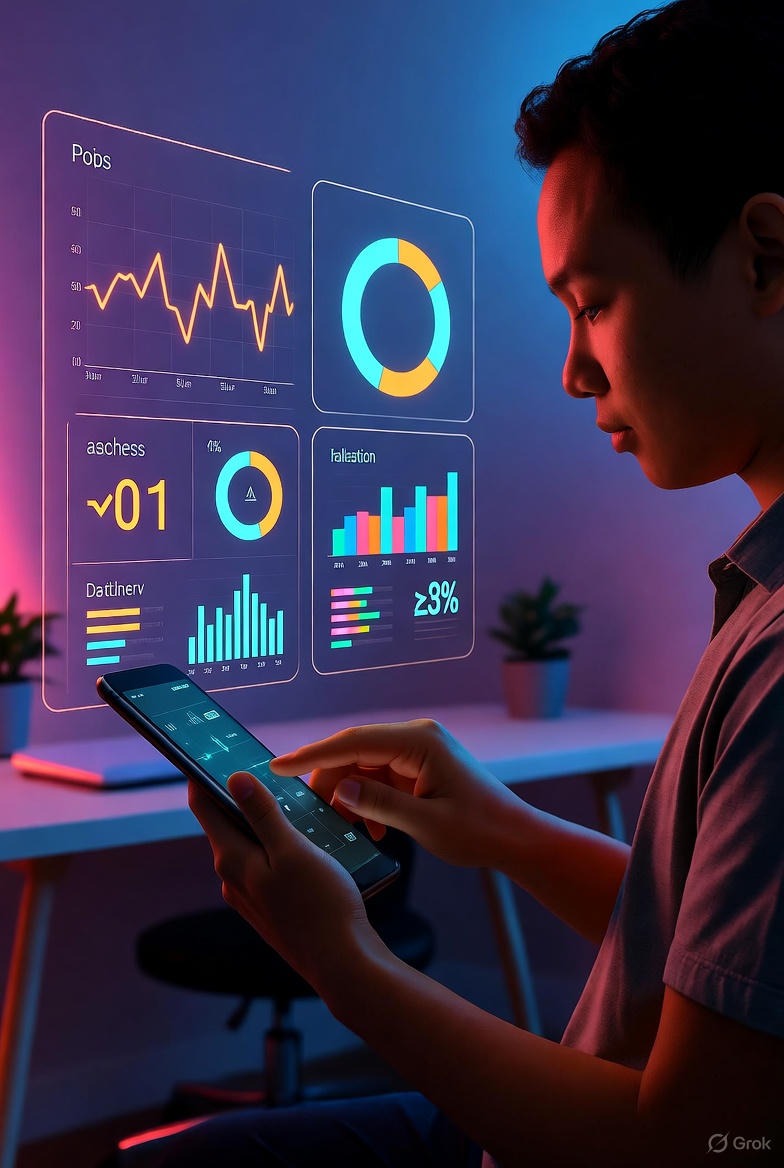
The most profound insights from a wellness ring are not found in daily scores, but in the macro-trends visible over quarters and years. This longitudinal view reveals how your body responds to life’s larger chapters, turning the ring into a personal biographer of your health.
Seasonal Rhythms and Your Body
You may discover you have a personal “season” for peak performance. Perhaps your HRV and readiness consistently peak in the fall, while your sleep is deepest in winter. You might see a predictable dip in recovery every spring (allergies?) or summer (heat and humidity?). Recognizing these annual patterns allows you to plan your year strategically—scheduling challenging projects during your peak resilience phases and building in more buffer during your vulnerable periods. It’s a masterclass in living in sync with your personal chronobiology.
Navigating Life Transitions
Major life events—a career change, moving houses, starting a family, entering menopause—leave clear fingerprints in your biometric data. A wellness ring objectively quantifies the physiological impact of these transitions. You can see the stress of a move reflected in months of elevated resting heart rate, or the gradual adaptation to a new, healthier routine in a rising HRV baseline. For women, tracking skin temperature and resting heart rate trends provides an unparalleled, objective view of perimenopause and menopause, helping to distinguish between hormonal shifts and other health issues. This data turns a potentially confusing time into a mapped journey, offering validation and clarity.
The Power of the “Before and After”
When you embark on a significant lifestyle change—adopting a new training program, changing your diet, starting meditation, or prioritizing sleep—the long-term trend data is your most powerful motivator. Seeing a line graph of your average sleep score climb steadily over six months of consistent restful living habits that transform your energy provides irrefutable proof of progress. It moves wellness from a feeling to a measurable fact, reinforcing positive change through concrete evidence.
A wellness ring’s data becomes exponentially more powerful when it is not in a silo. The future of personalized health lies in integration—connecting your biometric stream with other facets of your life to create a holistic, unified picture.
Syncing with Nutrition and Fitness Apps
Imagine if your ring’s readiness score could automatically adjust your daily calorie target in your nutrition app, suggesting more fuel on high-readiness days and a maintenance focus on low-readiness days. Or if your workout app could receive your morning HRV and dynamically suggest a high-intensity workout or a restorative yoga flow. This level of interoperability is the cutting edge, creating a seamless, automated health ecosystem that responds in real-time to your body’s needs. While not fully universal yet, savvy users can manually correlate data, checking how a high-protein day or a new supplement affects their overnight recovery metrics.
The Quantified Self and Professional Insight
For those working with health professionals, ring data becomes a goldmine. You can share longitudinal reports with:
This turns subjective complaints (“I’m always tired”) into objective dialogues (“My deep sleep has been below my personal baseline for two weeks, and my resting heart rate is elevated”).
Building a Personalized “Owner’s Manual”
The ultimate integration is cognitive: you, synthesizing all this information. Over time, you compile your own personal “owner’s manual.” You learn that for you:
This manual, written in the language of your own biometrics, is the pinnacle of personalized wellness. It moves you from following generic rules to authoring your own protocol for thriving, guided by the philosophy of shifting from doing to being.
To fully grasp the personalization of metrics like HRV and readiness, a deeper understanding of your autonomic nervous system (ANS) is essential. The wellness ring is, in many ways, an ANS dashboard.
Sympathetic vs. Parasympathetic: The Personal Balance
Your ANS has two primary branches:
Health is not the absence of SNS activity; it’s the dynamic, flexible balance between the two, known as autonomic tone. High HRV indicates good tone—your system can rev up effectively when needed and brake deeply to recover.
How the Ring Measures ANS Activity
Through continuous heart rate and HRV analysis, the ring infers the state of this balance. A sudden spike in heart rate and drop in HRV indicates a strong SNS activation (stress, excitement, exertion). A low, steady heart rate with high, smooth HRV indicates PNS dominance (deep relaxation, meditation, quality sleep). The ring learns your unique patterns of arousal and recovery, identifying what constitutes a healthy stress response and what looks like chronic, dysregulated strain for you.
Personalized Resilience Building
By observing how quickly your HRV recovers after a stressor, the ring provides insight into your resilience—your system’s ability to bounce back. You can use this data to actively build resilience. For example, regular exposure to controlled stressors (like cold therapy or high-intensity interval training) followed by intentional recovery (like deliberate breathing or sauna) can train your ANS to become more flexible. The ring shows you, in your own data, whether these practices are improving your recovery speed over time.
The personalization journey with a wellness ring is not purely physiological; it catalyzes significant psychological and behavioral change. This forms a powerful positive feedback loop.
Objective Validation and Reduced Health Anxiety
For many, internal sensations are vague and anxiety-inducing. “Am I tired because I’m lazy or because I’m unwell?” “Is this just stress, or is something wrong?” The ring provides objective data that validates or contextualizes feelings. Seeing that your poor sleep score aligns with feeling groggy removes guilt and replaces it with understanding. Seeing a normal HRV and temperature when you feel vaguely “off” can alleviate health anxiety. This validation is a cornerstone of finding peace in the chaos of modern life.
Gamification of Self-Care
Humans respond to feedback. When self-care (sleep, meditation, recovery) is tied to a tangible, improving score, it transforms from a chore into a rewarding game. The desire to “keep the streak” of good sleep scores or to improve your average weekly readiness becomes a powerful motivator. This gamification leverages our natural psychology to build healthier habits that stick.
Enhanced Interoceptive Awareness
Interoception is your sense of the internal state of your body—your ability to feel your heartbeat, your breath, your tension. Ironically, constant external data can heighten this internal sense. Over time, users often report that they can now “feel” when their HRV is likely low or when their body is entering a recovery state. The ring trains you to become more attuned to your body’s subtle signals, eventually allowing you to rely less on the device and more on your own honed intuition. It’s a tool that aims to make itself less necessary as you internalize its lessons.
Theory is compelling, but real-world examples bring personalization to life. Here are anonymized vignettes of how individuals have used their wellness rings to solve specific, personal challenges.
Case 1: The “Always Tired” Executive
Case 2: The Overtraining Athlete
Case 3: The Perimenopausal Professional
The current capabilities of wellness rings are impressive, but they represent just the beginning. The future points toward even more seamless, predictive, and integrated personalization.
Predictive Analytics and Early Warning Systems
Future algorithms will move from describing your current state to predicting your future state. By analyzing multi-day trends in HRV, temperature, and sleep, rings may be able to give a 24-48 hour “likelihood of illness” alert, suggesting you prioritize rest and hydration. They might predict an impending burnout phase weeks in advance, allowing for proactive lifestyle adjustments.
Continuous Glucose Monitoring (CGM) Integration
The next frontier is metabolic personalization. Some pioneers are already correlating ring data (HRV, activity) with CGM data. The synergy is powerful: seeing how specific foods affect not just your glucose but also your inflammation (via temperature) and stress (via HRV) provides a complete picture of metabolic health. The ring could eventually use its sensors to infer metabolic stress without a separate CGM.
Advanced Non-Invasive Biomarkers
Research is ongoing into using the optical PPG sensors to non-invasively estimate other biomarkers, like blood oxygen saturation (SpO2), respiratory rate, and even signs of hydration or electrolyte balance. Each new measurable parameter would be integrated into the personal baseline model, creating an ever-richer portrait of your health.
Ambient Intelligence and The “Smart” Environment
The ring will become a remote control for your environment. Imagine your ring detecting that you’ve entered deep sleep and signaling your smart thermostat to lower the temperature by one degree. Or, sensing a stress response during work, it could cue your smart lights to adopt a calmer hue. This creates a world that actively adapts to support your personal well-being, a key element of designing spaces for calm and restoration.
With several excellent devices on the market, choosing the right one is itself an act of personalization. Your selection should be guided by your primary wellness intentions.
Identifying Your “North Star” Metric
What do you most want to improve?
The Ecosystem and Usability Factor
Consider the app experience. Is it intuitive and educational, or just a data dump? Does the company have a strong track record of using data ethically? Is the ring comfortable for 24/7 wear and sleep? The best personalization engine is useless if you don’t enjoy engaging with it daily.
The Cost of Personalization
Wellness rings are an investment in self-knowledge. Weigh the upfront cost against the potential long-term savings from avoiding burnout, improving health outcomes, and optimizing performance. Often, the insight gained provides value far beyond the price tag.
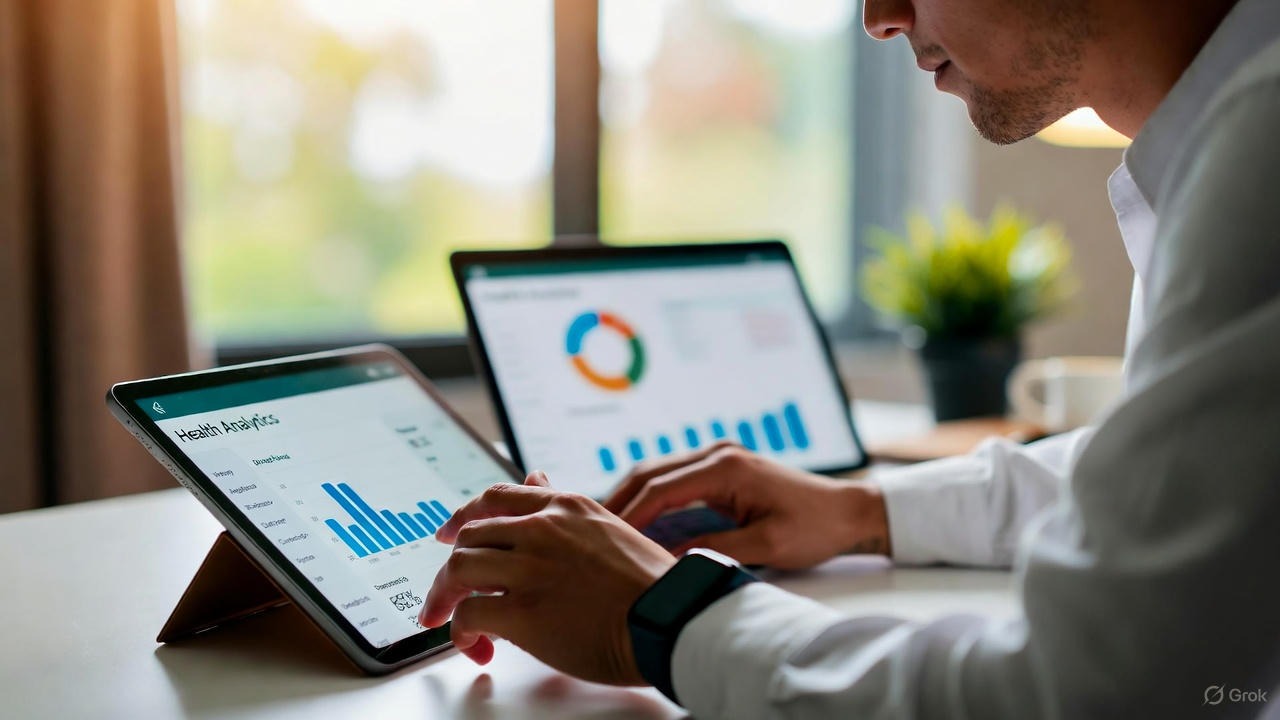
You have your ring. Now what? The first 90 days are critical for building a sustainable, insightful relationship with your data. Follow this personalized onboarding protocol.
Days 1-14: The Observation Phase
Days 15-45: The Correlation Phase
Days 46-90: The Experimentation Phase
By the end of 90 days, the ring is no longer a tracker; it’s your partner in a continuous, lifelong conversation with the most complex system you’ll ever manage: your own body. You have begun the journey from generic health advice to a truly personalized, data-empowered path to well-being.
The journey with a wellness ring begins with curiosity about data, moves through the phase of actionable insight, and, if sustained, culminates in something far more profound: a fundamental shift in self-relationship. This final evolution is less about the ring and more about you. It’s where personalized data matures into personalized wisdom—an intuitive, compassionate, and resilient way of inhabiting your body and navigating the world.
This is the philosophy of the Personalized Self. It’s an understanding that your body is not a machine to be optimized with rigid protocols, but a complex, adaptive system with its own unique language. The ring’s ultimate gift is teaching you to become fluent in that language. It moves you from chasing external metrics (more steps, lower weight) to honoring internal signals (true recovery, sustainable energy). This embodies the core of the restful living philosophy: less hustle, more health. It’s a shift from doing what you think you should do, to knowing what you actually need.
When you internalize the rhythms of your HRV, the meaning behind your temperature shifts, and the story your sleep tells, you develop what can be called biometric empathy. You stop berating yourself for feeling tired and instead inquire, “What has my data been showing? Have I been ignoring a need for recovery?” This empathy transforms self-care from a chore into a responsive dialogue, a natural extension of self-awareness.
The danger of any new technology is novelty wear-off. After the first six months of fascination, how do you integrate this tool into a sustainable, lifelong practice without becoming obsessed or dismissive? The key is moving from daily scrutiny to periodic check-ins and trend-based living.
From Daily Score Anxiety to Weekly Trend Review
In the beginning, checking your sleep score and readiness every morning is novel and instructive. Long-term, however, fixating on daily fluctuations can create unnecessary stress. The sustainable practice involves shifting your primary focus to weekly and monthly trends. Instead of asking, “Why was my score 72 today?” ask, “What is the trend of my average weekly sleep score over the last quarter?” This broader view smooths out the noise of daily life (a bad night due to a neighbor’s party) and highlights the true signal (a gradual improvement in sleep efficiency since you started your wind-down routine). It’s about managing the forest, not agonizing over every tree. This approach naturally combats restful living mistakes that keep you wired and tired, like hyper-fixation on imperfect metrics.
Seasonal Recalibration and Intentional Breaks
Just as you have seasonal rhythms, your engagement with the data can have seasons. There may be periods—a vacation, a busy family time—where you consciously decide to wear the ring but not check the app daily, simply letting it gather data in the background for later review. You might also take a short, intentional break from wearing it altogether, perhaps for a week, to re-acquaint yourself with your intrinsic sense of well-being without external validation. These practices prevent the tool from becoming a source of psychological dependency and ensure it remains a servant to your wellness, not its master.
The Ring as a Periodic Audit Tool
In the long term, the most valuable use of a wellness ring may be as a periodic audit system. You can enter a 30-day “audit phase” a few times a year—for instance, at the change of seasons or before/after starting a new job or fitness regimen. During this phase, you wear the ring diligently, log habits meticulously, and analyze the correlations with fresh eyes. This provides objective feedback on how your current lifestyle is truly serving your physiology, allowing for intelligent course corrections. It turns the ring into a strategic consultant you bring in quarterly, rather than a micromanaging boss you report to daily.
As with any powerful tool, the path of biometric personalization has potential pitfalls. Recognizing and navigating these is essential for a healthy relationship with your data.
Analysis Paralysis and Data Obsession
It is possible to drown in the data. Constantly checking live heart rate, stressing over a single low HRV reading, or trying to attribute every minor score change to a specific behavior leads to anxiety, not insight. Antidote: Remember the 90/10 rule. Let the ring gather data 90% of the time, and spend 10% of your time in thoughtful review. Trust the algorithms to do their job of detecting meaningful trends and flagging significant deviations. Your job is to live your life, not to curate perfect data.
Misinterpreting the “Why” and Self-Diagnosis
As previously stated, the ring shows the what, not the why. A common pitfall is leaping to conclusions. A week of poor sleep scores could be due to stress, diet, an oncoming illness, a change in medication, or simply a random cluster of bad nights. Assuming it’s one thing without evidence can lead you down unproductive or even harmful paths. Antidote: Use the data to form hypotheses, not diagnoses. “My sleep has been poor and my temperature is up. Let me experiment with better hydration and an earlier bedtime this week and see if it changes.” And always, for persistent concerns, consult a healthcare professional with your data in hand.
Comparing Your Baselines to Others
This is the death of personalization. Nothing undermines the journey faster than comparing your HRV of 45 ms to a friend’s 80 ms, or your 6.5 hours of sleep to someone who claims they need 9. Antidote: Radical ownership of your own ranges. Your baseline is your truth. The entire purpose of the technology is to optimize you relative to yourself. The only valid comparison is you-last-month to you-this-month. Celebrate improvements in your own metrics, not their absolute value relative to an arbitrary standard.
Ignoring Subjective Feeling for Objective Data
Sometimes, the data and your feeling can conflict. You may feel fantastic, but your readiness score is low. Or you may feel tired, but all your metrics are green. Which do you trust? Antidote: Practice synthesis. The data is one input; your subjective feeling is another. If you feel great but the data says you’re strained, perhaps you are in a temporarily euphoric state masking underlying fatigue—proceed with cautious optimism. If you feel tired but the data looks good, consider non-physiological factors like mental or emotional fatigue. The goal is to create a marriage between objective data and subjective wisdom, not have one tyrannize the other.
The deepest level of personalization occurs when the insights from your ring inform not just daily choices, but the very architecture of your lifestyle—your schedule, your environment, your relationships. This is biohacking at its most elegant and sustainable.
Designing Your Chronorhythm
You learn whether you are a definitive morning person, evening person, or have a biphasic rhythm. With this knowledge, you can design your ideal day:
Creating a Supportive Physical Environment
Your biometric data makes you an expert on what your body needs to thrive. You can then engineer your environments to meet those needs:
Curating Your Social and Nutritional Inputs
Over time, you’ll see data on how different social interactions and foods affect you.
So, what is the endgame of this deeply personalized journey? Is it a perfect sleep score every night? A perpetually high HRV? No. These are metrics, not the mission.
The ultimate goal is embodied freedom. It is the state where you have internalized the lessons to such a degree that the external device becomes secondary. You develop a confident, trusting relationship with your body’s signals. You know when to push and when to rest. You can sense rising stress and have a toolkit to address it. You honor your need for sleep without guilt. You move through the world with an intuitive understanding of your own energy budget.
The ring, in this mature phase, becomes a gentle guide and a periodic validator. It’s the flight simulator that trained you to fly by feel. You may wear it less frequently, or you may continue to wear it constantly, not out of need, but as a silent partner in an ongoing conversation. Its value shifts from providing answers to asking insightful questions through your data: “You’ve been in a high-strain pattern for three weeks. Are you sure you don’t need a down day?”
This journey reflects a broader cultural shift from obsessive optimization to intelligent attunement. It’s not about squeezing more productivity out of your biology, but about creating a life that allows your unique biology to flourish. It is, in the truest sense, the art of becoming more fully, resiliently, and peacefully yourself.
We have traversed the journey from data collection to embodied wisdom, but the horizon of personalization stretches even further. The cutting edge of wellness technology is not just about understanding your current state or past patterns; it's about anticipating your future needs. This is the shift from reactive personalization ("Your sleep was poor last night, so rest today") to predictive personalization ("Based on your current stress load and recovery trajectory, you are at high risk for burnout in 10-14 days"). This frontier transforms the wellness ring from a historian and interpreter into a visionary guide.
This predictive capacity is built on the foundation of longitudinal data. The ring's algorithms, having observed you for months or years, understand your personal "stress signature," your unique recovery velocity, and how different life domains (work, social, physical) interact to drain or fill your reserves. By analyzing multi-day trends in composite metrics like HRV, sleep quality, and resting heart rate, advanced systems can begin to forecast periods of vulnerability or windows of peak potential.
Imagine receiving a notification: "Trend Alert: Your recovery metrics have been declining for 5 days despite adequate sleep. Your projected resilience is low for the upcoming weekend. Consider prioritizing decompression over social commitments." This isn't a chastisement; it's a personalized, data-driven forecast, allowing you to proactively adjust your plans to safeguard your well-being. It enables a strategic approach to health, much like a meteorologist allows you to prepare for a storm. This predictive layer is the ultimate culmination of the journey, where technology helps you not just live in your body, but skillfully navigate its future.
As personalization deepens, entering the predictive realm and encompassing more of our intimate biology, it raises profound ethical questions. The very feature that makes these devices so valuable—their collection of profoundly personal data—also creates a "personalization paradox." The more tailored the insight, the greater the potential risk if that intimate knowledge is misused. Navigating this paradox is essential for any user seeking not just wellness, but autonomy.
Data Sovereignty and Informed Consent
The principle of data sovereignty—the idea that you are the true owner of your biometric data—must be non-negotiable. This goes beyond privacy policies. It means having clear, granular control over what data is collected, how it is processed on-device versus in the cloud, who it is shared with (including for research), and the ability to delete it entirely. True personalization companies operate on a model of stewardship, not ownership, of your data. They are temporary custodians of your information, tasked with protecting it and using it solely for your benefit.
The Risk of Behavioral Paternalism
There's a fine line between a helpful suggestion and a coercive nudge. As algorithms become more sophisticated, there's a risk of them steering behavior in ways that align more with corporate wellness ideologies or insurance incentives than with your personal values. For example, could a system eventually "penalize" your readiness score for staying up late to care for a loved one or to engage in a meaningful creative pursuit, because it only sees the sleep deprivation, not the human context? Antidote: The human must remain the ultimate arbiter. The ring’s insights should be framed as information, not commands. The user's ability to input context and override algorithmic suggestions is crucial to maintaining agency in a personalized world.
The Digital Divide in Health
Advanced personalization technology comes at a cost, potentially exacerbating health inequities. If access to deep, predictive insights about one's own body becomes a luxury good, it could create a new kind of health disparity: the data-empowered versus the data-deprived. The industry's long-term ethical challenge will be to make the benefits of this deep personalization accessible, perhaps through public health partnerships or scaled-down, essential-feature models, ensuring this powerful tool for self-knowledge does not become another determinant of unequal outcomes.
The personalized data from a wellness ring does not exist in a vacuum, nor is it meant to replace professional medical care. Its most powerful future application may be as a bridge between daily life and clinical practice, creating a collaborative care model. This transforms the patient from a passive reporter of symptoms ("I feel tired") into an active partner with quantitative data ("Here is a 90-day trend showing my declining sleep efficiency and elevated resting heart rate, which correlated with starting this new medication").
Enhancing the Diagnostic Dialogue
For physicians, this longitudinal data is a treasure trove. It moves the clinical conversation from a single snapshot (blood pressure in the office) to a continuous movie of a patient's physiology. Patterns of nocturnal hypertension, sleep apnea indicators (like repeated oxygen saturation dips), or circadian rhythm disorders can be objectively demonstrated, leading to faster, more accurate referrals and diagnoses. The ring provides the "what happens at home" data that is often missing from episodic care.
Personalizing Treatment Efficacy
Beyond diagnosis, this data can personalize treatment. For a patient starting medication for anxiety or hypertension, the ring can objectively track side effects on sleep architecture and HRV, or show the positive impact on nighttime recovery. For someone in physical therapy, readiness scores can help tailor daily exercise intensity to avoid overdoing it. This creates a feedback loop where both patient and provider can see if an intervention is working on a physiological level, not just a symptomatic one.
The Empowered Patient
This model fundamentally empowers the individual. Walking into a doctor's appointment with charts and trends fosters a partnership based on evidence. It allows patients to advocate for themselves more effectively and engages them as the primary managers of their chronic conditions, guided by both their subjective experience and their objective, personalized data stream.
In our deep dive into the power of personalization, it is vital to pause and acknowledge its boundaries. The map is not the territory, and the biometric data is not the totality of your well-being. A life perfectly optimized for high HRV and perfect sleep scores could, paradoxically, be an impoverished one if it means avoiding meaningful experiences that cause healthy, productive stress—like the profound joy and sleepless nights of a newborn, the intense focus of finishing a meaningful project, or the vulnerable connection of deep conversation late into the night.
Well-being Beyond Waves and Graphs
Human flourishing encompasses dimensions that no ring can measure: the warmth of connection, the spark of creativity, the sense of purpose, the peace of spiritual practice. These are the nutrients of the soul, and they exist outside the spectrum of LED lights and accelerometers. The data from your ring should be a lens on one aspect of your health—the physiological substrate—not the sole definition of your wellness.
The Danger of the "Quantified Perfect Self"
There is a latent danger in this technology: the creation of an internalized, "quantified perfect self." This is the phantom version of you that always has a readiness score of 90+, sleeps 8.5 hours with 2 hours of deep sleep, and never misses a recovery day. Comparing your messy, human reality to this data-driven ideal can be a source of shame and anxiety. Antidote: Practice data-informed self-compassion. Use the data to understand your limits and needs, not to judge your humanity. Remember that the goal is to support a full, vibrant life, not to make your life a slave to the perfect graph.
The Role of intuition
Finally, we must preserve a space for unmediated intuition. Sometimes, the body's wisdom speaks in whispers that precede measurable changes. A gut feeling, a sense of longing for rest or movement, a spontaneous joy—these are also valid guides. The most personalized life is one that skillfully blends the objective insights from technology with the subjective wisdom of lived experience. It knows when to consult the data and when to turn it off and simply feel the sun on your skin or listen to the need for a nap.

Wellness is often perceived as a solitary pursuit, but personalization can paradoxically foster deeper community connection. When we understand our own unique rhythms, we can better understand and respect the rhythms of others. This moves group activities—from family life to team sports to workplace collaboration—from a forced, one-size-fits-all model to a symphony of coordinated individuality.
Family Wellness with Personalized Respect
In a family, a wellness ring can illuminate the different biological needs of each member. One parent might be a morning person, the other an evening person. A teenager has a biologically delayed circadian rhythm. Recognizing these as hardwired differences, not moral failings (the "lazy" teen), reduces conflict and allows for a home schedule that respects each person's chronotype. It enables restful living for parents finding peace in the chaos by replacing judgment with biological empathy.
Team Performance and Group Resilience
In a workplace or sports team, aggregated, anonymized data can reveal group-level stress patterns—like a team-wide dip in recovery during a brutal product launch cycle. This allows leaders to make structural changes, like instituting mandatory "no-meeting days" or bringing in recovery resources, to protect collective well-being and sustain performance. On a sports team, personalizing training loads based on individual readiness scores prevents overtraining and injuries while maximizing the potential of each athlete, strengthening the team as a whole.
The End of Comparison, The Start of Collaboration
When everyone is on their own personalized path, comparison falls away. You are not trying to match your coworker's step count; you are trying to achieve your own optimal activity level for today based on your recovery. This fosters a culture of collaboration over competition, where the goal is for each person to be at their best, in their own way, so the entire group can thrive.
By this stage, you are no longer a passive user of technology but the architect of your own Personalized Protocol. This is not a rigid set of rules, but a living document—a playbook for your well-being that evolves as you do. It is written in the language of your own data and lived experience.
What Goes Into Your Protocol?
Your protocol contains the non-negotiable truths you've discovered about your body:
How to Use and Update Your Protocol
This document is your reference. You review it seasonally, during your "audit phases," and update it as you age, as your lifestyle changes, and as you experiment with new habits. It becomes the foundational wisdom you pass on to yourself. It is the ultimate personalization—a system of health designed by you, for you, informed by the most intimate collaboration between your conscious mind and your physiological truth.
Looking further ahead, the physical ring itself may become obsolete. The future of personalization is integrated and invisible. Biometric sensors will be woven into the fabrics we wear, embedded in the earrings we put on, or even placed in discreet patches on the skin. The concept of a separate "device" will fade, and continuous, multimodal biometric monitoring will become an ambient feature of our environment.
In this future, your car seat might sense an elevated stress response in your physiology and automatically adjust the cabin lighting and climate, while suggesting a calmer route. Your office lighting could dynamically shift spectrum to support your circadian rhythm. Your personal AI health assistant, powered by a lifetime of your biometric data, could provide hyper-contextual advice: "You’re about to enter a stressful negotiation. Your baseline data shows a 10-minute priming meditation lowers your stress response by 40%. Would you like to begin one now?"
This is not science fiction; it is the logical endpoint of the personalization journey that begins with today's wellness ring. It is a world where technology recedes into the background, and personalized well-being flows seamlessly into the fabric of everyday life.
The story of the modern wellness ring is the story of technology finally turning inward. For centuries, tools extended our reach into the world. Now, this tool extends our reach into ourselves. It democratizes access to the kind of deep physiological self-knowledge that was once the province of elite athletes and research labs.
We began this exploration with the basics—the sensors, the baselines, the sleep, and HRV. We dove into the advanced personalization of daily life, long-term trends, and integrated ecosystems. We’ve now arrived at the philosophical core: that this data, when engaged with wisely, fosters a new kind of self-literacy.
“How Wellness Ring Basics Personalize to Your Body” is not a technical manual. It is an invitation to a new relationship. It’s an invitation to trade generic health headlines for your body’s personal narrative. To swap shoulds for signals. To exchange anxiety for understanding.
The ring is simply the translator. The story it tells is yours alone. It is a story written in the language of your heartbeat, your breath, your rhythms of activity and rest. By learning to read this story, you are not just tracking your health—you are actively authoring it. You are moving from being a passenger in your own body to becoming its most attentive, compassionate, and knowledgeable steward. And in a world of constant external noise, there is no more valuable knowledge than the quiet, personalized truth of your own well-being.
Your Trusted Sleep Advocate: Sleep Foundation — https://www.sleepfoundation.org
Discover a digital archive of scholarly articles: NIH — https://www.ncbi.nlm.nih.gov/
39 million citations for biomedical literature :PubMed — https://pubmed.ncbi.nlm.nih.gov/
Experts at Harvard Health Publishing covering a variety of health topics — https://www.health.harvard.edu/blog/
Every life deserves world class care :Cleveland Clinic - https://my.clevelandclinic.org/health
Wearable technology and the future of predictive health monitoring :MIT Technology Review — https://www.technologyreview.com/
Dedicated to the well-being of all people and guided by science :World Health Organization — https://www.who.int/news-room/
Psychological science and knowledge to benefit society and improve lives. :APA — https://www.apa.org/monitor/
Cutting-edge insights on human longevity and peak performance:
Lifespan Research — https://www.lifespan.io/
Global authority on exercise physiology, sports performance, and human recovery:
American College of Sports Medicine — https://www.acsm.org/
Neuroscience-driven guidance for better focus, sleep, and mental clarity:
Stanford Human Performance Lab — https://humanperformance.stanford.edu/
Evidence-based psychology and mind–body wellness resources:
Mayo Clinic — https://www.mayoclinic.org/healthy-lifestyle/
Data-backed research on emotional wellbeing, stress biology, and resilience:
American Institute of Stress — https://www.stress.org/


