


The Relationship Between Sleep Patterns and Longevity
Maintaining a consistent, healthy sleep pattern throughout life is strongly associated with increased longevity and reduced risk of chronic disease.
Maintaining a consistent, healthy sleep pattern throughout life is strongly associated with increased longevity and reduced risk of chronic disease.
%402x.svg)
It is the one-third of life we often resent, the nightly tax we must pay to function. We scroll through tips to “hack” it, medicate to induce it, and proudly boast of surviving without it. Yet, sleep is no passive state of absence. It is an active, intricate, and vital physiological process—a silent symphony conducted within the brain and body that plays the most profound tune of all: the melody of our lifespan.
For centuries, sleep was a biological mystery. Today, cutting-edge science reveals it as the single most potent, underrated lever for long-term health and longevity. It is during these quiet hours that your brain cleanses itself of neurotoxic waste, your memories consolidate, your hormones rebalance, and your cells undergo repair. The architecture of your sleep—the deep, rhythmic patterns of light, deep, and REM stages—acts as a nightly referendum on your body’s resilience. Disrupt this rhythm, and you don’t just wake up groggy; you subtly erode the foundational pillars of your health, accelerating cellular aging and opening the door to chronic disease.
This article is not another generic list of sleep tips. It is a deep exploration into the fundamental, biological relationship between how you sleep and how long—and how well—you live. We will journey into the neuroscience of sleep cycles, decode the language of your nightly biometrics, and uncover how modern technology, like advanced wellness smart rings, is granting us unprecedented access to this hidden world. The goal is to move from seeing sleep as lost time to recognizing it as your most critical longevity investment. Your future self is being built tonight, in the quiet dark. Let’s learn to listen to its blueprint.
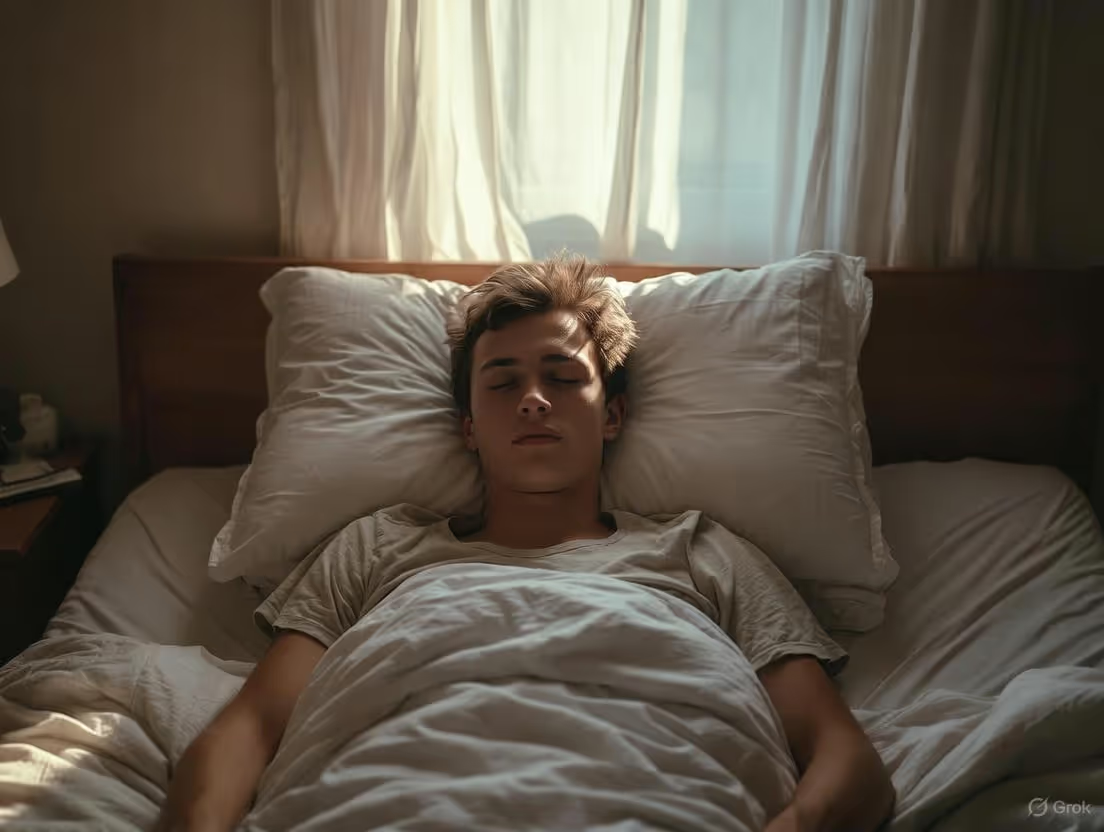
To understand sleep's role in longevity, we must first understand its structure. Sleep is not a monolithic block of unconsciousness. It is a highly organized, cyclical architecture composed of distinct stages, each with a unique physiological purpose. This nightly pattern, typically repeating every 90 minutes, is what we call sleep architecture, and its integrity is paramount.
We begin with Non-Rapid Eye Movement (NREM) Sleep, which progresses through three stages:
Following NREM, we enter Rapid Eye Movement (REM) Sleep. Characterized by rapid eye movements, increased brain activity (similar to wakefulness), and vivid dreams, this stage is a neurological powerhouse. Your body enters a state of temporary muscle paralysis (atonia), likely to prevent you from acting out your dreams. REM sleep is essential for emotional processing, memory integration, and cognitive function. It’s where the brain connects disparate ideas, fostering creativity and problem-solving.
A full sleep cycle—progressing from N1 to N2 to N3, then back to N2 before entering REM—lasts about 90-110 minutes. Across an ideal 7-9 hour night, you’ll experience 4-6 of these cycles. Crucially, the proportion of each stage shifts. The first half of the night is rich in deep N3 sleep, while REM periods become longer and more dominant in the second half. This intricate dance is not random; it is a precisely timed program of biological maintenance. Disrupting this program—through short sleep duration, frequent awakenings, or disorders like sleep apnea—means critical repair tasks are left incomplete, creating a cumulative deficit that manifests as accelerated aging.
While you lie unaware, your body engages in a flurry of essential repair work. Think of sleep as the mandated night shift for your internal maintenance crew, a period when resources can be diverted from conscious action to deep restoration.
The most dramatic restoration occurs in the brain. The glymphatic system, a recently discovered waste-clearance network, becomes up to 10 times more active during deep sleep. It functions like a cerebral carwash, flushing out metabolic debris, including toxic proteins like beta-amyloid, which is associated with Alzheimer's disease. Without sufficient deep sleep, this detox process is impaired, allowing neurotoxic waste to accumulate.
Simultaneously, the cardiovascular system gets a reprieve. Heart rate and blood pressure dip significantly during NREM sleep, a phenomenon known as nocturnal dipping. This provides a crucial period of rest for the heart and blood vessels. Consistently missing this dip—a pattern seen in poor sleepers—is a known risk factor for hypertension and cardiovascular disease.
The endocrine system also recalibrates. As mentioned, deep sleep triggers a pulse of human growth hormone, essential for cell repair and regeneration. Sleep regulates key hormones like cortisol (the stress hormone), which should reach its lowest point around midnight, and leptin and ghrelin, which control hunger and satiety. Poor sleep disrupts this balance, increasing cravings for high-calorie foods and impairing glucose metabolism, paving a direct path toward weight gain and insulin resistance.
Finally, the immune system is fortified. During sleep, the production of cytokines—proteins that target infection and inflammation—is boosted. This is why when you’re sick, your body demands more sleep; it’s mobilizing its defenses. Chronic sleep deprivation leads to systemic inflammation, a key driver of nearly every age-related disease, from arthritis to heart disease to cognitive decline. In essence, a single night of poor sleep isn't just about fatigue; it's a night where your brain’s trash wasn't taken out, your heart didn't get its full break, your repair hormones were muted, and your inflammatory signals were dialed up. The compounding effect of these missed night shifts is a direct assault on longevity.
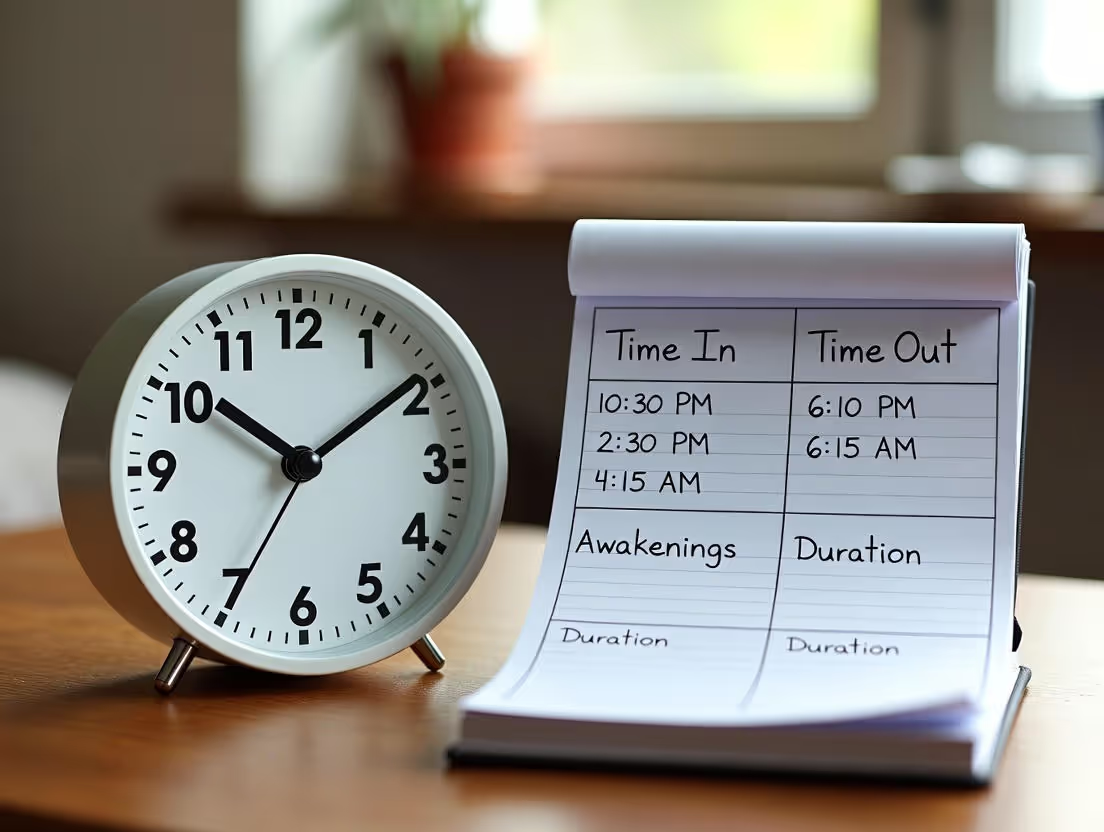
Sleep does not exist in a vacuum. It is the most prominent expression of your body's internal timekeeping system: your circadian rhythm. This roughly 24-hour biological clock, governed by a master pacemaker in the brain called the suprachiasmatic nucleus (SCN), regulates not just sleep-wake cycles, but also body temperature, hormone release, digestion, and cellular function.
The SCN aligns itself with the external world primarily through exposure to light, especially blue-wavelength light from the sun. Morning light signals the SCN to suppress melatonin (the sleep hormone) and promote alertness. As darkness falls, the SCN triggers melatonin release, preparing the body for sleep. This elegant system ensures our physiology is optimally synchronized with the Earth's rotation.
However, modern life constantly disrupts this ancient rhythm. Circadian misalignment occurs when our internal clock is out of sync with our behavior. This is caused by:
The longevity cost of chronic circadian disruption is severe. It is linked to an increased risk of metabolic syndrome, type 2 diabetes, depression, and certain cancers. Shift workers, for example, have a notably higher incidence of cardiovascular disease. This is because every organ and cell has its own peripheral circadian clock. When the central command (the SCN) sends mixed signals, it creates internal chaos—liver enzymes may be primed for activity when you're trying to sleep, or digestive processes may be sluggish when you eat. This internal desynchrony generates systemic stress and inflammation, accelerating the aging process. Therefore, protecting your circadian rhythm is not just about sleep hygiene; it's about aligning your daily habits with your fundamental biology to promote systemic harmony and long-term health.
For generations, our understanding of sleep was subjective—a vague sense of feeling rested or not. Today, biometric technology allows us to translate the silent symphony of sleep into objective, actionable data. By tracking key metrics, we can move beyond guesswork and see the direct correlations between sleep patterns and health risks.
Key sleep metrics that serve as longevity indicators include:
Large-scale epidemiological studies consistently link poor performance in these metrics to dire outcomes. For instance, research has shown that individuals with low sleep efficiency have a higher risk of fatal cardiovascular events, independent of sleep duration. Another study found that disrupted sleep, characterized by frequent night-time arousals, was associated with a significantly increased risk of mortality from all causes. This data paints a clear picture: your sleep metrics are not just numbers; they are vital signs for your future health. By learning to track and interpret them, you gain a powerful early-warning system for longevity risks.
Our ancestors contended with predators and the elements. Our sleep is besieged by a different, more insidious set of adversaries that relentlessly attack its quantity and quality. Identifying these modern sleep thieves is the first step toward reclaiming restorative rest.
Digital Intrusion is perhaps the most pervasive thief. The blue light emitted by screens suppresses melatonin production, delaying sleep onset. But the impact is more than photonic; the content itself—stressful news, work emails, social media comparisons—activates the brain’s stress and reward pathways, making it psychologically difficult to wind down. The constant ping of notifications conditions us for interruption, fragmenting our attention and our sleep.
Chronic Stress and Psychological Rumination form another major barrier. When the mind is caught in a loop of worry, the body remains in a state of hyperarousal, with elevated cortisol and a vigilant sympathetic nervous system (“fight-or-flight”). This state is biologically antithetical to the parasympathetic-dominant (“rest-and-digest”) state required for sleep initiation and maintenance.
Environmental Pollutants to our sleep include:
Dietary and Substance Factors play a direct role. Caffeine, with a half-life of 5-6 hours, can linger in your system long after your last cup. Alcohol, while sedating initially, is a potent REM sleep suppressant and leads to fragmented sleep in the second half of the night. Large, late meals can trigger digestion that interferes with the body’s wind-down process.
These thieves don’t work in isolation. A typical scenario: you stress about work all day (psychological), have a late coffee to cope (dietary), scroll through work emails in bed (digital and psychological), in a room with a glowing power strip (light pollution) and street noise (noise pollution). This multi-front assault guarantees that the symphony of sleep will be disrupted before it even begins. Recognizing these interconnected disruptors is crucial for designing an effective defense. For more on creating a holistic sleep sanctuary, you can explore our blog for deeper dives on environmental optimization.
With so much information (and misinformation) available, it’s essential to define the target. What does the science suggest is the “gold standard” of sleep for maximizing healthspan and lifespan? It’s a combination of quantity, quality, timing, and consistency.
1. Duration: The 7-9 Hour Sweet Spot.
The consensus from organizations like the National Sleep Foundation and a vast body of research points to 7-9 hours per night for adults aged 18-64 as the optimal range for most people. This is not arbitrary; it’s the time needed to complete the necessary 4-6 full sleep cycles. Consistently falling outside this range is associated with measurable health deficits. It’s important to note that needs are individual—some may thrive at 7, others at 8.5—but very few adults are truly healthy on less than 7.
2. Quality: Uninterrupted and Architecturally Sound.
Optimal sleep is efficient (over 90% time asleep in bed), with minimal awakenings. It features robust periods of deep (N3) and REM sleep. You should cycle smoothly through stages without abrupt disruptions. Waking up feeling refreshed and maintaining stable energy throughout the day are the ultimate subjective markers of quality.
3. Timing: Aligned with Chronotype and Circadian Rhythm.
“When” you sleep matters as much as “how long.” Optimal sleep is aligned with your natural chronotype (whether you’re an innate early bird, night owl, or in-between) and the external light-dark cycle. For most, this means sleeping primarily during dark hours. A consistent bedtime and wake time—even on weekends, varying by no more than an hour—is a hallmark of circadian health and a key predictor of sleep quality.
4. Consistency: The Unsung Hero.
Regularity may be the most underrated pillar. A 2023 study highlighted that individuals with irregular sleep patterns had a significantly higher risk of premature death, regardless of their average sleep duration. Your circadian clock thrives on predictability. Consistent sleep and wake times solidify the rhythm, making sleep onset easier and the architecture more stable.
Achieving this gold standard is the holistic goal. It’s not just about forcing yourself into bed earlier; it’s about creating a lifestyle and environment that naturally fosters all four pillars. This is where passive, objective tracking becomes invaluable, as subjective feeling can be misleading. You might feel you slept 8 hours, but tracking could reveal it was 6.5 with low efficiency and minimal deep sleep. This data-driven feedback is key to moving from guesswork to genuine optimization.
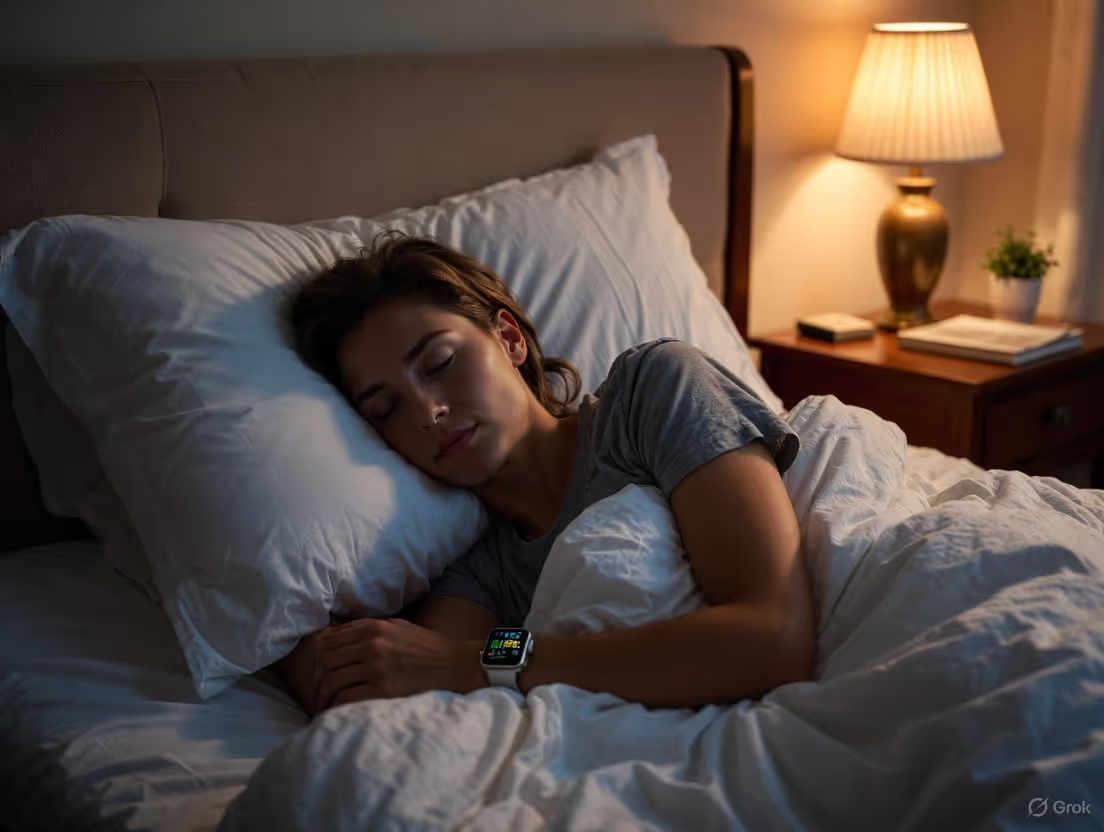
The consequences of sleep—good or bad—extend far beyond the bedroom, creating ripple effects that touch every aspect of your waking life and compound over decades. This is the link between nightly patterns and lifelong vitality.
Cognitive & Emotional Repercussions:
After just one night of poor sleep, the prefrontal cortex—the brain’s CEO, responsible for decision-making, impulse control, and emotional regulation—is impaired. You become more reactive, less focused, and prone to poor judgment. Chronic sleep deprivation accelerates cognitive decline and is a major modifiable risk factor for dementia. Emotionally, it erodes resilience, increases anxiety and irritability, and is strongly linked to depression. Your ability to learn and form memories is directly tied to the quality of your REM and N2 sleep.
Metabolic & Physical Performance Impact:
Sleep is a master regulator of metabolism. As noted, it balances ghrelin and leptin. When sleep suffers, you crave sugary, high-carb foods for quick energy, while your body becomes less sensitive to insulin. This can lead to weight gain and increased diabetes risk over time. Physically, muscle repair, coordination, and athletic performance are hamstrung by a lack of deep sleep. Reaction times slow, and injury risk rises.
The Immune System and "Inflamm-aging":
Perhaps the most profound ripple effect is on systemic inflammation. Sleep loss activates inflammatory pathways, leading to higher levels of C-reactive protein and pro-inflammatory cytokines. Chronic, low-grade inflammation, often called "inflamm-aging," is a primary mechanism behind the aging process itself, damaging tissues and DNA. By promoting inflammation and impairing immune vigilance, poor sleep directly fuels the engine of cellular aging and increases susceptibility to infections and chronic diseases.
The Cumulative Toll:
Imagine these effects not as isolated bad days, but as a continuous drip of physiological stress. Night after night of fragmented sleep means your brain never fully detoxifies, your hormones remain slightly off-kilter, your inflammation stays elevated, and your cells miss their regular repair windows. Over years and decades, this drip erodes your health reserves. It’s the difference between a well-maintained machine that runs smoothly for decades and one that is neglected, rusting from the inside out. The beautiful—and daunting—truth is that every night presents a choice: are you contributing to the erosion or the restoration of your biological capital?
For most of human history, sleep was a black box. We went in, we (hopefully) came out rested, and the in-between was a mystery. The rise of the “quantified-self” movement and consumer wearable technology has revolutionized our access to this hidden domain, transforming sleep from an intuitive feeling into a data-rich biomarker.
Early wearables like basic fitness trackers used simple accelerometers to detect movement, inferring “sleep” from stillness. While a start, this method was notoriously inaccurate, unable to distinguish lying still in bed from actual sleep, and completely blind to sleep stages.
The modern evolution is led by advanced wellness rings and clinical-grade wearables. Devices like the Oura Ring, Whoop Strap, and next-generation smart rings employ a suite of sensors:
By fusing this multi-modal data with sophisticated algorithms (often validated against polysomnography, the clinical sleep study gold standard), these devices provide an astonishingly detailed sleep report: duration, efficiency, time spent in each sleep stage, sleep latency, nightly HRV/RHR, and even insights into respiratory rate and potential disturbances.
This is a paradigm shift. Instead of wondering why you’re tired, you can see that you had only 12 minutes of deep sleep due to a late meal and elevated room temperature. You can observe how your REM sleep increases after a day of intense learning. You can track how consistent bedtimes slowly improve your sleep efficiency scores over weeks. This objective feedback loop is powerful; it makes the invisible visible and turns abstract health concepts into tangible, personal data. It empowers you to become an active participant in your own longevity journey, experimenting with lifestyle changes and seeing their direct impact on your physiological restoration. To understand how this technology integrates into a holistic health system, you can learn more about the philosophy behind Oxyzen's approach to biometric tracking.
Collecting data is only the first step. The true value lies in intelligent interpretation—transforming raw numbers into personalized wisdom about your unique biology. This is where context and pattern recognition become critical.
Avoiding the "One-Night" Trap: No single night’s data is definitive. A poor score could be due to stress, illness, or a single late workout. The power lies in the trend. Look at your data over weeks and months. What is your baseline? Is your deep sleep percentage gradually declining? Is your resting heart rate trending upward? These longitudinal trends are far more meaningful than daily fluctuations and can signal changes in overall health, training load, or stress.
Contextualizing the Numbers: The best wearables encourage you to add tags or diary entries. Did you have alcohol? Were you under unusual stress? Did you travel across time zones? By correlating your lifestyle choices (input) with your sleep data (output), you build a personal blueprint. You might discover that even one glass of wine reduces your REM sleep by 20%, or that a 90-minute yoga session increases your deep sleep that night. This is personalized science.
Key Metrics to Watch and Understand:
The goal is not to chase perfect scores every night—that itself induces sleep performance anxiety (“orthosomnia”). The goal is to understand your body’s language, identify your personal disruptors and enhancers, and use the data to make informed, sustainable lifestyle adjustments. This journey from raw data to personal wisdom is what turns a tracking device into a true longevity tool. For common questions on making sense of this data, our comprehensive FAQ resource can provide further guidance.

Our physiology is only half the story. The psychological bridge to sleep is built through behavior, ritual, and mindset. Cultivating a positive mind-sleep connection is essential, especially in a world that glorifies burnout.
Cognitive Behavioral Therapy for Insomnia (CBT-I) is the gold-standard psychological treatment for chronic sleep problems, and its principles are valuable for everyone. Key tenets include:
The Power of the Wind-Down Routine: Your brain and body need a transition period—a “buffer zone”—between the alertness of the day and the quiet of sleep. An effective wind-down routine, performed 60-90 minutes before bed, signals the safety to relax. This could include dimming lights, reading a physical book, taking a warm bath (the subsequent drop in body temperature promotes sleepiness), gentle stretching, meditation, or journaling to “download” worries from your mind onto paper.
Sleep Hygiene: The Foundation Practices. These are the non-negotiable environmental and behavioral foundations:
The psychological aspect is crucial because anxiety about sleep is one of the fastest ways to prevent it. By focusing on the process (a calm, consistent routine) rather than the outcome (forcing sleep), you reduce performance pressure and allow sleep to arrive naturally. It’s about creating conditions so favorable for sleep that it becomes the inevitable, easy result.
While lifestyle adjustments can solve many sleep issues, it is critical to recognize when a problem may be a clinical sleep disorder. Ignoring these can have severe consequences for longevity and requires professional intervention.
Sleep Apnea: A disorder characterized by repeated pauses in breathing during sleep, often accompanied by loud snoring and gasping. Each apnea event causes a micro-arousal, fragmenting sleep and starving the brain and body of oxygen. It is a major driver of hypertension, heart disease, stroke, and type 2 diabetes. Warning signs: Loud snoring, witnessed breathing pauses, excessive daytime sleepiness, waking with a dry mouth or headache. It is vastly underdiagnosed and requires a sleep study for diagnosis.
Insomnia: Difficulty falling or staying asleep, despite adequate opportunity, causing daytime impairment. When chronic (occurring at least 3 nights per week for 3 months), it requires treatment, typically with CBT-I as a first-line approach.
Restless Legs Syndrome (RLS): An irresistible urge to move the legs, usually accompanied by uncomfortable sensations, that occurs in the evening and at rest. It can severely delay sleep onset.
Circadian Rhythm Disorders: Such as Delayed Sleep Phase Disorder (extreme “night owl” tendencies) or Advanced Sleep Phase Disorder (extreme “early bird” tendencies), where one’s internal clock is significantly misaligned with social demands.
When to Seek Help:
A sleep specialist can conduct a proper evaluation, which may include an overnight polysomnogram (sleep study) or a home sleep apnea test. Treatment—such as CPAP therapy for apnea, targeted medication, or specialized light therapy for circadian disorders—can be life-changing and profoundly reduce long-term health risks. Using a wellness ring can provide valuable preliminary data to bring to a doctor, showing trends in sleep disruption, elevated night-time heart rate, or low blood oxygen levels, but it is not a diagnostic tool. Your journey to better sleep is a partnership between your own diligent tracking and the expertise of healthcare professionals when needed. For real-world experiences of how individuals have used data to inform their health conversations, you can read testimonials from others on their wellness journeys.
Sleep does not operate in a biological vacuum. It is in constant, dynamic conversation with your metabolic system and nutritional intake. This trio forms a synergistic triad: each one profoundly influences the other two, creating either a virtuous cycle of health or a vicious cycle of dysfunction.
How Sleep Dictates Dietary Choices:
Sleep deprivation directly sabotages your willpower and hormonal balance, leading to poor nutritional decisions. As discussed, it increases ghrelin (the hunger hormone) and decreases leptin (the satiety hormone). But the impact goes deeper. Brain imaging studies show that after poor sleep, the amygdala—the brain’s reward center—lights up more intensely in response to images of junk food, while the prefrontal cortex’s ability to exert control is diminished. This creates a perfect storm: you crave high-calorie, sugary, and fatty foods more intensely and lack the cognitive restraint to resist them. Furthermore, tiredness often leads to seeking quick energy hits from caffeine and simple carbs, perpetuating a cycle of energy spikes and crashes.
How Nutrition Influences Sleep Architecture:
What you eat, and when you eat it, directly programs your night. Key mechanisms include:
The Vicious Cycle of Sleep and Metabolic Dysfunction:
This is where the long-term longevity risk crystallizes. Poor sleep → increased appetite and poor food choices → weight gain and insulin resistance. This metabolic dysfunction, in turn, can lead to disorders like sleep apnea and further fragment sleep. The resulting chronic inflammation and oxidative stress from both poor sleep and poor nutrition accelerate cellular aging. Breaking this cycle is paramount. The first step is awareness: recognizing that a night of poor sleep requires extra nutritional discipline the next day, and that a heavy late meal will likely compromise the restorative sleep you need. It’s about managing the entire 24-hour cycle, not compartmentalizing food and sleep. For practical recipes and meal-timing guides designed to support circadian health, our blog offers a wealth of actionable resources.
The relationship between physical activity and sleep is one of the most powerful reciprocal partnerships in human physiology. Each one elevates the other, but the timing, type, and intensity of exercise are crucial nuances in this dance.
Exercise as a Sleep Enhancer:
Regular moderate-to-vigorous exercise is one of the most effective, drug-free prescriptions for improving sleep. Its benefits are multi-faceted:
The Critical Role of Timing and Intensity:
While exercise is broadly beneficial, its proximity to bedtime matters. Moderate aerobic exercise (like a brisk 30-minute walk) even 1-2 hours before bed is generally fine or even helpful for many people. However, high-intensity exercise (like HIIT, heavy weightlifting, or competitive sports) within 1-2 hours of bedtime can be problematic for some. It elevates core body temperature, stimulates the release of stimulants like epinephrine and cortisol, and increases heart rate—all states counter to winding down.
How Sleep Dictates Exercise Performance and Recovery:
This is the other side of the coin. Sleep is non-negotiable for athletic recovery and performance. During deep sleep, the pulse of human growth hormone facilitates muscle repair. Without adequate deep sleep, you recover more slowly, performance plateaus or declines, and injury risk rises. Furthermore, the cognitive impairment and reduced motivation from poor sleep make it harder to muster the willpower for a workout, creating another vicious cycle: too tired to exercise, then sleeping worse due to lack of activity.
Creating the Virtuous Cycle:
The optimal strategy is to use exercise to fuel sleep and sleep to fuel recovery from exercise. This might look like:
The symphony of sleep is not performed with the same intensity throughout our lives. From the cacophony of newborn sleep to the sometimes fragmented melodies of older age, our sleep architecture undergoes a profound and predictable evolution. Understanding these changes allows us to set realistic expectations and adapt our strategies for optimal health at every age.
Infancy and Childhood: This is the period of massive neural development, and sleep reflects that. Newborns sleep 14-17 hours a day, with about 50% of that in REM sleep, which is thought to be crucial for brain maturation and synaptic formation. Deep sleep is also abundant, supporting physical growth. As children age, total sleep time decreases, but the need for deep, restorative sleep remains critically high to support learning, memory consolidation, and physical development.
Adolescence: A period of dramatic circadian shift. Biological changes push the teen’s internal clock forward, making it natural for them to feel alert later at night and want to sleep later in the morning—a pattern often at odds with early school start times. This chronic social jet lag can contribute to mood issues, poor academic performance, and increased risk-taking behavior. Their sleep need (8-10 hours) remains high but is often the most severely neglected.
Adulthood (20s-50s): Sleep architecture stabilizes but begins a very gradual decline. The percentage of deep sleep starts to slowly decrease. Lifestyle factors—career stress, parenting, social obligations—become the primary disruptors of sleep quantity and quality. This is the crucial decades-long window where protecting sleep has the greatest cumulative impact on midlife and late-life health, staving off the onset of chronic diseases.
Older Adulthood (60+): Several key changes occur, often misinterpreted as simply "needing less sleep":
The longevity imperative at every stage is to maximize sleep quality within the framework of age-normal changes. For older adults, this might mean embracing a biphasic sleep pattern (night sleep plus a short afternoon nap) while fiercely protecting circadian cues and sleep hygiene. The goal isn’t to reclaim the sleep of a 20-year-old, but to optimize the sleep you are biologically capable of at your current age.
For those who have mastered sleep hygiene and seek to fine-tune their restoration, a world of advanced optimization and "biohacking" exists. These are evidence-informed strategies that go beyond the fundamentals to address specific edges of performance and recovery.
Temperature Manipulation: Since the core body temperature drop is a key sleep signal, manipulating temperature can be powerful.
Light Exposure Engineering: Deliberate light exposure is one of the most potent circadian tools.
Nutritional Supplementation & Nootropics: Certain supplements have credible research supporting sleep benefits, though they should not replace foundational habits.
The Critical Caveat:
Biohacking is not a substitute for the basics. A cooling pad won’t fix the sleep disruption caused by untreated apnea. Apigenin won’t overcome the circadian chaos of all-night screen use. These are advanced tools for a foundation that is already solid. They also highlight the importance of personalization—what works for one person may not for another. This is where continuous biometric tracking becomes essential, allowing you to test one intervention at a time and observe its objective impact on your sleep stages, HRV, and RHR. To understand the philosophy behind using technology for such personalized experimentation, you can delve deeper into Oxyzen's mission of empowering individualized health insights.
In the quest for better sleep, many turn to external aids. While these can be useful in specific, short-term situations, understanding their mechanisms, trade-offs, and risks is vital for making informed decisions that support, rather than undermine, long-term sleep health and longevity.
Prescription Sleep Medications (e.g., Z-drugs like zolpidem, benzodiazepines):
Over-the-Counter (OTC) Aids:
Melatonin Supplements:
The Natural Path and Professional Guidance:
The first line of defense should always be behavioral: CBT-I and sleep hygiene. If considering aids:
The goal is to cultivate your body’s innate ability to generate sleep, not to outsource it to a substance. Relying on external sedatives is like using a sledgehammer to silence an orchestra; the music stops, but the instruments are damaged. True longevity sleep is about tuning the orchestra to play harmoniously on its own. For a balanced look at common questions on sleep aids and natural alternatives, our FAQ section provides further clarity.
The frontier of sleep science is rapidly expanding, revealing even deeper connections to longevity and pioneering new technologies for intervention. This future points towards hyper-personalized sleep medicine and a deeper integration of sleep optimization into daily life.
Genetic Insights into Sleep and Chronotype: Research into "clock genes" is unraveling why some people are naturally early risers and others night owls. Studies are identifying genetic variants associated with sleep duration needs, susceptibility to shift work disorder, and even the risk of neurodegenerative diseases linked to poor sleep. In the future, genetic profiling could inform highly personalized sleep schedules and preventive health strategies.
The Gut-Sleep Axis: The microbiome is emerging as a key player in regulating sleep. Gut bacteria produce neurotransmitters like serotonin (a melatonin precursor) and GABA. An imbalance in gut flora (dysbiosis) can disrupt this production and increase inflammatory cytokines that interfere with sleep. Conversely, poor sleep can negatively alter the microbiome. This bidirectional relationship opens the door for probiotic and prebiotic interventions targeted at improving sleep architecture.
Advanced Wearables and Biomarker Integration: The next generation of wearables will move beyond tracking to predicting and influencing. Imagine a device that:
Closed-Loop Sleep Environments: The concept of the "smart bedroom" will evolve. Your bed, lighting, and climate control will be integrated with your biometric data in real-time. The room could gradually cool as you enter deep sleep, introduce soothing soundscapes during light sleep phases to prevent premature awakening, or simulate a gradual sunrise at the optimal point in your sleep cycle to wake you feeling refreshed.
Brain Stimulation for Enhancement: Non-invasive techniques like transcranial direct current stimulation (tDCS) and acoustic stimulation are being studied to enhance slow-wave deep sleep. By delivering gentle sound pulses in sync with a person’s existing brain waves, studies have shown an increase in deep sleep duration and associated memory benefits. This technology could one day be used therapeutically for older adults or those with deep sleep deficits.
These advancements underscore a fundamental shift: sleep care is becoming proactive, predictive, and deeply personalized. The future lies not in simply reporting how you slept, but in creating an ecosystem that actively cultivates the sleep your unique biology needs for a long and vibrant life. To stay abreast of these evolving technologies and the science behind them, our blog is regularly updated with the latest insights.
We have journeyed through the science, the disruptors, and the future. Now, we arrive at the synthesis: a step-by-step, actionable framework to build your own personalized protocol. This is not a rigid set of rules, but a flexible blueprint you can adapt.
Phase 1: The Assessment (Weeks 1-2)
Phase 2: Foundational Fortification (Weeks 3-6)
Tackle the non-negotiable basics, one at a time, observing their impact on your data.
Phase 3: Nutritional & Behavioral Syncing (Weeks 7-10)
Integrate sleep-supportive habits into your daily flow.
Phase 4: Refinement and Personalization (Ongoing)
Use your stabilized data to fine-tune.
This protocol is a cycle, not a linear path. You continuously assess, adjust, and learn. The most powerful tool is the feedback loop between your conscious choices and your objective biometric data. It transforms sleep from a passive state into an active, mastered pillar of your longevity empire.
As we reach the end of this exploration, a central, unequivocal truth stands clear: sleep is the irreplaceable cornerstone of human health and longevity. It is not a luxury or a passive interval, but an active, non-negotiable physiological process that underpins cognitive function, emotional resilience, metabolic health, immune competence, and cellular repair.
The relationship between sleep patterns and longevity is not merely correlational; it is causal and mechanistic. Disrupted sleep architecture accelerates the hallmarks of aging—genomic instability, telomere attrition, mitochondrial dysfunction, and chronic inflammation. It silently erodes the very foundations of your biology. Conversely, protected, high-quality sleep acts as a nightly tune-up, a reset button that mitigates damage, enhances repair, and builds resilience against the inevitable stresses of life.
The modern tragedy is that in a world obsessed with wellness—with superfoods, cutting-edge workouts, and the latest supplements—the most powerful, freely available longevity "technology" is often neglected, sacrificed at the altar of productivity and hyper-connectivity. We must reframe sleep not as time lost, but as the highest-return investment we can make in our future selves. Every hour of prioritized, quality sleep compounds interest in the bank of your healthspan.
This journey requires moving from awareness to action, and from generic advice to personalized practice. By understanding your unique sleep architecture through advanced tracking, fortifying your circadian rhythms, and synergizing your sleep with intelligent nutrition and exercise, you take the reins of your biological destiny. You become the conductor of your own silent symphony.
The path forward is one of curiosity and commitment. It involves listening to the data your body provides each night, respecting the non-negotiable need for restoration, and creating a lifestyle where excellent sleep is the expected outcome, not the occasional gift. It is about building a lasting partnership with this one-third of your life, so that the other two-thirds can be lived with more vitality, clarity, and years.
Mastery comes from having the right tools and knowing when to use them. This toolkit is organized into daily, pre-sleep, and weekly practices, along with targeted solutions for common sleep challenges.
The Daily Anchors (To be performed every day):
The Pre-Sleep Ritual (The 60-Minute Wind-Down):
Think of this as a descending staircase from wakefulness to sleep.
Weekly Review & Adjustment (Sunday Evening):
Troubleshooting Common Scenarios:
Knowledge creates change, but only systems create longevity. The greatest challenge isn't starting a new sleep routine; it's maintaining it amidst the relentless pull of modern life. Here’s how to embed sleep into your identity.
The Identity Shift: From "I need to get more sleep" to "I am a person who prioritizes recovery." Language matters. Frame your sleep choices as affirmations of who you are, not as deprivations. You’re not missing out by leaving a party early; you are choosing to invest in your next day’s performance and long-term health.
Social Accountability and Communication: Be transparent with friends, family, and colleagues. "I have an early morning routine I'm committed to," or "I need to protect my sleep for my health, so I'll be heading out." You’ll often find others respect this boundary and may even be inspired. Consider a "sleep accountability" partner where you share weekly consistency scores.
Anticipate and Plan for Disruptions:
Celebrate the Process, Not Just the Outcome: Don't just celebrate sleeping 8 hours. Celebrate sticking to your wind-down routine for 5 nights in a row. Celebrate seeing your HRV trend upward over a month. Celebrate the feeling of clarity you have on a well-slept morning. This reinforces the daily behaviors that lead to the long-term result.
Leverage Technology as a Coach, Not a Critic: Let your wearable data motivate you. A ring that shows a "Readiness" or "Recovery" score each morning provides objective feedback. A low score isn't a failure; it's valuable information saying, "Today is a day for more rest, not more stress." This external, neutral feedback can override our often-poor subjective sense of our own recovery needs.
Our sleep crisis is not merely an individual failing; it is a systemic, cultural one. To truly unlock the longevity benefits of sleep on a population level, we must address the societal structures and norms that glorify sleeplessness.
The "Hustle Culture" Myth: For decades, burning the midnight oil has been worn as a badge of honor, equated with dedication and ambition. This is a pernicious lie. Science is clear: chronic sleep deprivation impairs decision-making, creativity, and productivity—the very traits needed for meaningful success. It’s time to reframe prioritizing sleep as the ultimate performance hack for high achievers, not a sign of laziness.
Economic and Policy Implications:
Architectural and Urban Design: Our built environment is often at war with our biology. We need:
The Role of Employers and Leaders: Leaders have a profound responsibility. When a manager sends emails at midnight, it implicitly demands a culture of constant availability. Conversely, when leaders openly discuss their own sleep routines, take vacation time, and respect boundaries, they set a new tone. Productivity should be measured by output and innovation, not by visible hours logged at the expense of health.
Creating a sleep-supportive society is a monumental task, but it begins with individual choices that ripple outward. By valuing our own sleep, we vote with our actions for a world that recognizes rest not as a luxury, but as a fundamental human right and a cornerstone of a thriving, healthy, and long-lived civilization.
Let’s distill everything into a single, cohesive action plan. Use this as your living document.
Step 1: Establish Your Baseline (Week 1)
Step 2: Implement the "Big Three" Non-Negotiables (Weeks 2-4)
Step 3: Integrate Synergistic Habits (Weeks 5-8)
Step 4: Analyze, Personalize, and Refine (Ongoing)
Step 5: Advocate and Integrate (Long-Term)
The Ultimate Metric of Success:
Success is not a perfect sleep score every night. It is a rising trendline in your sleep consistency and quality metrics. It is waking up more often feeling refreshed. It is experiencing greater emotional resilience, sharper mental clarity, and more stable energy throughout your days. It is knowing that you are actively investing in the quality and length of your life, one restful night at a time.
Sleep is the great unifier in the quest for longevity. It is the common pathway through which nutrition, exercise, stress management, and genetics express their ultimate impact on our healthspan. It is the silent, restorative space where our bodies and minds integrate the experiences of the day and prepare for the challenges of the next.
The relationship between sleep patterns and longevity is no longer a mystery; it is a well-mapped landscape of cause and effect. We now know that the slow waves of deep sleep cleanse the brain, that the vivid narratives of REM sleep integrate our emotions, and that the steadfast rhythm of our circadian clock orchestrates our metabolic health. To ignore this knowledge is to sail a ship with a powerful engine but a broken rudder—you may move forward, but without direction or stability, and at great risk of running aground.
This journey we have undertaken is, at its heart, an invitation to reclaim agency. In a world filled with factors outside our control, how we sleep remains profoundly within our influence. It is a daily practice of self-respect and a long-term strategy of self-preservation. By tuning into the silent symphony of your own biology—by tracking its rhythms, protecting its cycles, and honoring its needs—you do more than improve your sleep. You compose the foundational movement of a longer, healthier, and more vibrant life symphony.
Let your journey begin not with anxiety over past sleep debt, but with curiosity about tonight’s potential. Start with one change. Observe its effect. Build from there. Your future self, enjoying clarity, vitality, and health in the decades to come, will thank the you of today for listening to the quiet, powerful call of rest.
Your Trusted Sleep Advocate: Sleep Foundation — https://www.sleepfoundation.org
Discover a digital archive of scholarly articles: NIH — https://www.ncbi.nlm.nih.gov/
39 million citations for biomedical literature :PubMed — https://pubmed.ncbi.nlm.nih.gov/
Experts at Harvard Health Publishing covering a variety of health topics — https://www.health.harvard.edu/blog/
Every life deserves world class care :Cleveland Clinic - https://my.clevelandclinic.org/health
Wearable technology and the future of predictive health monitoring :MIT Technology Review — https://www.technologyreview.com/
Dedicated to the well-being of all people and guided by science :World Health Organization — https://www.who.int/news-room/
Psychological science and knowledge to benefit society and improve lives. :APA — https://www.apa.org/monitor/
Cutting-edge insights on human longevity and peak performance:
Lifespan Research — https://www.lifespan.io/
Global authority on exercise physiology, sports performance, and human recovery:
American College of Sports Medicine — https://www.acsm.org/
Neuroscience-driven guidance for better focus, sleep, and mental clarity:
Stanford Human Performance Lab — https://humanperformance.stanford.edu/
Evidence-based psychology and mind–body wellness resources:
Mayo Clinic — https://www.mayoclinic.org/healthy-lifestyle/
Data-backed research on emotional wellbeing, stress biology, and resilience:
American Institute of Stress — https://www.stress.org/


