


Health for Athletes: What Your Smart Ring Reveals About Overtraining
What your smart ring reveals about overtraining.
What your smart ring reveals about overtraining.
%402x.svg)
The relentless pursuit of a personal best. The addictive rush of a new training block. The quiet satisfaction of pushing your body further than you thought possible. For athletes—from weekend warriors to elite competitors—this drive is the engine of achievement. But what happens when the engine starts to overheat? When the line between peak performance and physical breakdown becomes dangerously thin? For generations, athletes have navigated this precipice largely by feel, relying on intuition, soreness, and sometimes, stubborn denial.
That era is over. We have entered the age of the quantified self, where data from our own bodies provides an objective truth we can no longer ignore. At the forefront of this revolution is a deceptively simple device: the smart ring. Unobtrusive, worn 24/7, it is a silent guardian, continuously gathering the most intimate biometric signals of your readiness and recovery. It doesn’t just count steps; it listens to the whispers of your autonomic nervous system, decodes the story written in your sleep, and measures the cost of every workout in a currency of stress and strain.
Overtraining Syndrome (OTS) is not simply being tired after a hard session. It is a systemic breakdown—a cascade of physiological, neurological, and hormonal dysregulation that can sideline an athlete for months or even years. Its early signs are notoriously subtle, often masquerading as simple fatigue or a temporary plateau. By the time you feel “overtrained,” you are often already deep in its grip. This is where your smart ring transforms from a fitness tracker into an essential early-warning system.
This article is your deep dive into the invisible world of athletic stress and recovery, illuminated by the data from your finger. We will move beyond the basics of heart rate and sleep scores to explore the nuanced biomarkers that signal impending trouble. We’ll decode the complex conversation between your training load and your body’s ability to adapt, teaching you to listen to what your ring is telling you before your performance plummets or injury strikes. This is not about training less; it’s about training smarter, using objective data to build resilience, optimize adaptation, and unlock sustainable, long-term performance. Your journey to understanding the true story of your athletic health begins here.
The foundation of athletic improvement is a simple biological principle: stress + recovery = adaptation. You apply a training stimulus (stress), your body breaks down slightly, and during the rest period (recovery), it rebuilds itself stronger than before (adaptation). This is the supercompensation cycle, the sacred equation of sports science. The athlete’s drive, however, often fixates on only the first variable: more stress. We believe that if we can just add one more mile, one more set, one more intense session, we will force a greater adaptation. This is the paradox: beyond a critical threshold, more stress doesn’t lead to more adaptation; it leads to breakdown.
Overtraining occurs when the scale is perpetually tipped. The cumulative stress—from workouts, but also from life’s other demands like work, poor sleep, nutritional deficits, and emotional strain—overwhelms the body’s recovery capacity. The system, designed for cyclical breakdown and repair, gets stuck in a state of chronic alarm. The sympathetic “fight-or-flight” nervous system becomes dominant, cortisol (the primary stress hormone) remains elevated, and the anabolic, repair-focused processes are suppressed. You are digging a deeper hole, but you’ve lost the tools to climb out.
Traditionally, identifying this imbalance was an art form plagued with guesswork. Coaches used training logs, athletes reported on “perceived exertion,” and everyone watched for the glaring red flags: persistent heavy legs, irritability, insomnia, and a decline in performance. But by the time these symptoms are obvious, significant damage is done. The modern smart ring shifts this paradigm from reactive to proactive. It quantifies the “recovery” side of the equation in real-time, giving you a daily, objective measure of your systemic stress load and readiness to perform. It answers the critical question not just of what you did, but of how it affected you.
For instance, two athletes could complete the identical interval workout. Athlete A, well-rested and nourished, might see a sharp spike in heart rate during the effort and a rapid, steady decline in resting heart rate (RHR) overnight—a sign of positive cardiovascular adaptation. Athlete B, who is on the edge of overreaching, might show a blunted heart rate response during the workout (an early warning sign of fatigue) and a higher RHR the following night, indicating their body is still in a stressed state, struggling to repair. The external work is the same; the internal cost is profoundly different. Your smart ring makes this invisible cost visible, allowing you to navigate the delicate edge of peak performance without falling over it. Understanding this balance is the first step toward sustainable achievement, a concept deeply explored in our guide on achieving sustainable performance via ring tracking.

The genius of the smart ring lies in its continuity. Unlike a chest strap you wear for an hour or a watch you might take off to charge, the ring is designed to be forgotten—collecting data while you work, sleep, eat, and relax. This provides a holistic picture of your total stress load, because recovery isn’t something that happens only after you finish your cool-down. It is a constant physiological process that your lifestyle either supports or sabotages.
The Central Governor: Your Autonomic Nervous System (ANS)
Think of your ANS as the central governor of your recovery engine. It has two main branches:
Overtraining is characterized by a SNS dominance—your foot is stuck on the gas, even at rest. Your smart ring’s most powerful metric for assessing this balance is Heart Rate Variability (HRV).
Heart Rate Variability: The Master Metric of Readiness
Contrary to what you might assume, a healthy heart does not beat with the monotonous regularity of a metronome. The tiny, millisecond variations in time between each heartbeat are a sign of a resilient, responsive nervous system. High HRV (within your personal baseline range) generally indicates strong PNS activity and good recovery capacity—your body is ready to handle stress. Low HRV indicates SNS dominance and systemic stress—your resources are depleted.
Your smart ring tracks your nightly HRV, providing a clean, consistent reading free from the noise of daily movement. A sustained downward trend in your HRV baseline is one of the earliest and most reliable biometric signals that you are accumulating excessive fatigue and veering toward overtraining. It’s your body’s whisper, via data, saying “please, ease up.”
The Sleep Revelation: Where Recovery Actually Happens
Sleep is non-negotiable for athletic performance. It’s when human growth hormone is released, tissues are repaired, and memories (including muscle memory) are consolidated. Overtraining brutally disrupts sleep, often creating a vicious cycle: training stress causes poor sleep, and poor sleep hampers recovery, leading to more perceived stress from subsequent training.
Your smart ring moves far beyond simply counting hours. It analyzes:
An athlete on the brink will often see a telltale pattern: difficulty falling asleep, frequent awakenings, reduced deep sleep, and low sleep quality scores—even if they are in bed for 8+ hours. The ring validates what you might feel but can’t quantify: that your “sleep” wasn’t restorative. For a deeper understanding of this critical connection, see how daily wellness habits lead to better sleep, as evidenced by smart ring data.
Resting Heart Rate: The Classic Sign, Refined
A elevated morning resting heart rate (RHR) is a classic marker of fatigue or illness. Your ring automates this, giving you a precise, daily RHR reading. More insightful than a single spike is the trend. A creeping upward trend over several days, especially when paired with a declining HRV, is a powerful dual-signal that your body is under persistent strain.
By integrating these 24/7 signals—ANS balance (HRV), sleep architecture, and cardiovascular strain (RHR)—your smart ring paints a comprehensive picture of your recovery status that no single workout metric can provide. It tells the true story of what’s happening inside when you’re not actively pushing your limits.
Now that we understand the physiological systems being monitored, let’s translate the raw data into an actionable language. Your smart ring dashboard isn’t just a collection of numbers; it’s a narrative of your body’s state. Here are the key metrics to watch and the specific patterns that signal you may be crossing the line from productive training into the danger zone of overtraining.
1. The HRV Nosedive: Your Resilience Score Plummets
2. The Rebellious Resting Heart Rate
3. The Sleep Architecture Collapse
4. The "Readiness" or "Recovery" Score That Won’t Rebound
5. The Body Temperature Tell (On Advanced Rings)
The Power of Correlation:
The most compelling evidence of overtraining isn’t one metric in isolation, but the correlation of multiple metrics. Seeing a low HRV, a high RHR, and poor sleep on the same day—and seeing that pattern repeat—is a far stronger signal than any one piece of data. It’s the difference between a single cloud and a gathering storm front. Your ring’s dashboard is designed to show you these correlations, turning isolated data points into a coherent, urgent message about your need to recover. To build the daily habits that support positive metrics, explore these 8 daily wellness habits that raise your wellness ring readiness score.
Athletes often make the critical mistake of viewing training stress in a vacuum. They meticulously log miles and lifts but ignore the other massive draws on their body’s finite recovery resources. Your smart ring doesn’t make this distinction—it measures total load. This is its second superpower: revealing how life stress silently contributes to your athletic fatigue.
1. Cognitive & Emotional Load: The Invisible Weight
A demanding job, financial worries, relationship tension, or even excessive planning and worrying about your own training—all of this cognitive and emotional work activates the same sympathetic nervous system and HPA axis (the body’s central stress response system) as a hard workout. It elevates cortisol, diverts energy, and hampers recovery.
2. Poor Nutritional Habits: Fueling the Breakdown
Under-fueling (not eating enough calories, especially carbohydrates) for your activity level is a direct shortcut to overtraining. So is poor nutrient timing and hydration.
3. Travel and Disruption: The Circadian Assassin
Jet lag, irregular sleep schedules, and time zone changes wreak havoc on your circadian rhythm, which governs hormone release (including cortisol and melatonin), core body temperature, and sleep-wake cycles.
4. Covert Illness and Inflammation
Sometimes, your body is fighting a low-grade infection or dealing with an inflammatory issue (like a nagging tendon) before you feel overtly sick.
The Integrated Load Score:
By revealing the impact of these “hidden” stressors, your smart ring forces a more holistic view of your capacity. It answers the question: “Given everything my body is dealing with today—work, sleep, travel, life—do I have the capacity to execute my planned training effectively and safely?” Learning to schedule based on this integrated readiness is the key to sustainable performance. A beginner-friendly guide to scheduling based on your wellness ring readiness can help you master this skill.
Collecting data is pointless without action. The true value of your smart ring emerges when you learn to let its insights guide your daily training decisions. This is a shift from a rigid, pre-written plan to a dynamic, responsive approach to athletic development. Here’s a framework for turning red and yellow metrics into intelligent adjustments.
The Traffic Light System: A Simple Decision Framework
Advanced Adjustments Based on Specific Metrics:
The Mindset Shift: From “Missing a Workout” to “Optimizing the Plan”
This is the hardest part for driven athletes. Skipping or modifying a planned session can feel like failure. Your smart ring provides the objective evidence to reframe this. You are not “skipping”; you are making a data-informed optimization. Training on a “red” day does not make you tough; it makes you inefficient and prone to injury. Resting on that day is the smart, strategic move that will allow you to perform better when your body is truly ready.
By creating this feedback loop—train → measure recovery → adjust next session—you create a personalized, adaptive training plan that respects your body’s reality. This is how you build fitness sustainably, avoiding the boom-and-bust cycles that plague so many athletes. For a comprehensive system on using data this way, explore the complete beginner-friendly guide to building habits your ring measures.
Let’s ground these concepts in a real-world narrative. Meet Elena, a 38-year-old amateur marathoner with a 3:10 personal best, aiming to break 3 hours. Her previous training cycle ended in disaster: a stress fracture 6 weeks out from the race after months of relentless high mileage. Determined to learn, she began her next cycle using a smart ring.
The Old Pattern (Pre-Ring):
Elena followed a high-volume plan rigidly. She trained through fatigue, believing “more miles is always better.” Her sleep suffered as she got up at 5 AM for runs, and her work as a project manager was intense. She ignored nagging soreness and increasing irritability. The stress fracture was the catastrophic end point of months of accumulated, unmeasured strain.
The New Approach (With Ring):
Elena started her new 18-week plan with the ring. For the first 8 weeks, she built a baseline. Her average nightly HRV settled at 65ms, RHR at 48 bpm, and her sleep score averaged 85.
The Outcome: Elena runs a 2:58:32, a huge PR and a Boston Qualifier. More importantly, she finishes healthy and energized. The ring’s data gave her the permission to rest when needed and the confidence to push when ready. It broke her cycle of obsessive overreaching and taught her that the smartest training happens in partnership with her body’s signals. Her journey underscores the principle that wellness rings validate small daily habits over big occasional efforts.
Preventing overtraining isn’t just about taking rest days; it’s about actively building a lifestyle that maximizes recovery capacity. Your smart ring becomes the ultimate accountability partner and validation tool for these habits, showing you in hard data what works for your unique physiology.
1. Sleep Hygiene as Non-Negotiable Practice
2. Strategic Nutrition & Hydration
3. Stress Management & Nervous System Down-Training
4. Life Stressor Management
5. Active Recovery Done Right
By tracking these habits alongside your biometrics, you move from guessing to knowing. You build a personalized recovery protocol that your own data confirms is effective. For a broad list of foundational habits, consider these 20 daily wellness habits successful smart ring users track consistently.
One of the most profound challenges an athlete faces is the disconnect between subjective feeling and objective data. You might feel “great” and bursting with adrenaline-fueled energy on a day your ring shows a crashed HRV and poor sleep. Conversely, you might feel “sluggish” on a morning when your data indicates full recovery. This dissonance is a critical juncture.
Understanding "Feel vs. Real"
Cognitive Biases at Play:
The Rule: When in Doubt, Trust the Trend.
A single data point can be an outlier. A trend is truth. If your HRV has been trending down for four days and your sleep scores are poor, your body is communicating a clear state of strain, regardless of your momentary enthusiasm. The smart ring provides the objective truth that cuts through emotional bias and flawed perception. Learning to defer to this data is a mark of a mature, intelligent athlete who plays the long game. It’s a core component of learning energy management and smart ring optimization.

Periodization—the planned variation of training intensity and volume over time—is the cornerstone of intelligent athletic planning. Traditionally, it’s based on calendars, theoretical models, and past experience. With a smart ring, periodization becomes dynamic and personalized. You can structure your macrocycles (annual plan), mesocycles (monthly blocks), and microcycles (weekly plans) around your body’s actual response.
Informing the Microcycle (Weekly Planning):
This is the most immediate application. Instead of a fixed 7-day schedule (e.g., hard day, easy day, hard day, etc.), you can adopt a flexible microcycle.
Guiding the Mesocycle (3-6 Week Training Block):
A classic block involves 3 weeks of progressive overload followed by a 1-week “deload” for recovery. But what if you’re exhausted in Week 2? Or still fresh in Week 3?
Planning the Macrocycle (Seasonal/Annual Plan):
At the end of a season, your ring data can inform your true off-season length.
This approach transforms periodization from a pre-written script into an interactive dialogue with your body. You have a coach on your finger, providing real-time feedback on whether your plan is working or needs adjustment. It’s the ultimate application of data for sustainable success via ring monitoring.
While a smart ring is a revolutionary tool, it is not an oracle. Wise athletes understand its limitations and use it as one critical piece of the performance puzzle, not the sole determinant.
1. It Measures Systemic Load, Not Localized Strain.
Your ring knows your heart and nervous system are stressed, but it doesn’t know why. It can’t differentiate between fatigue from a brutal leg day and fatigue from an emotional crisis. It also can’t detect a specific, localized overuse injury in its earliest stages (e.g., a budding case of Achilles tendinopathy). You still need body awareness, regular self-assessments, and the input of a good physiotherapist or coach.
2. It’s a Guide, Not a Gospel.
A low readiness score is a strong suggestion to rest, not an absolute command. There may be rare, strategic occasions where you need to train through moderate fatigue (e.g., simulating race conditions on tired legs). The key is that this becomes a conscious, informed choice—not a default habit. The ring provides the information; you provide the context and judgment.
3. Data Without Context is Noise.
The ring doesn’t know you had three glasses of wine last night, started a new medication, or are menstruating. These contextual factors are crucial for interpretation. A sudden HRV drop could be due to alcohol, not overtraining. This is why pairing ring data with a simple daily note in your app (“dinner out, drank wine,” “started new project at work,” “felt a bit off”) is essential for accurate long-term analysis.
4. It Can’t Replace Coaching or Medical Expertise.
The ring is a powerful adjunct to a good coach’s eye and a doctor’s diagnosis. It cannot design a periodized training plan from scratch, correct your running form, or diagnose an illness. It provides signals that should prompt conversations with professionals: “My HRV has been low for two weeks despite cutting volume—what could be going on?”
5. The Risk of Data Obsession (Orthosomnia).
Some users can become anxious or obsessed with their scores, checking the app constantly and stressing over every dip. This anxiety itself can lower HRV! It’s vital to use the data as a helpful guide, not a source of daily self-judgment. The goal is to develop an intuitive sense aligned with the data, not to be enslaved by it.
The smart ring is the most powerful recovery monitor ever available to the everyday athlete. But it works best when integrated with self-awareness, sound training principles, and professional support. It is the flashlight in the dark room of recovery, not the architect of the house itself. Balancing its insights with holistic self-care is the final step in mastering its use, a theme explored in guides like using wellness rings for daily insights to build unbreakable habits.
The journey from training stress to positive adaptation runs on fuel. You can have the most perfectly periodized plan and the most accurate recovery data, but if you fail to provide your body with the raw materials for repair, you will stall—or worse, slide backward into overtraining. Your smart ring, surprisingly, becomes a powerful tool for biofeedback on your nutritional and hydration strategies. It connects the dots between what you consume and how well you recover, moving nutrition from a theoretical practice to a data-driven science.
Nutritional Timing and the Recovery Window
Post-exercise nutrition is critical for replenishing glycogen stores and initiating muscle protein synthesis. The classic "anabolic window" is now understood to be wider than once thought, but timely fueling remains important, especially for athletes training multiple times a day.
The Hydration-Heart Rate Connection
Even mild dehydration (a loss of 1-2% of body weight) increases cardiovascular strain. Your heart has to work harder to maintain blood pressure and cooling, leading to an elevated heart rate.
Macronutrient Balance and Nervous System Function
Your diet’s composition can influence your autonomic nervous system. For example, extremely low-carbohydrate diets can be stressful for some athletes, elevating cortisol and impacting HRV. Inadequate protein can hinder tissue repair, reflected in prolonged recovery times.
Caffeine and Alcohol: The Data Doesn't Lie
These two common substances have profound, measurable effects on recovery metrics.
By treating your smart ring as a nutritional biofeedback device, you move beyond generic guidelines. You learn exactly how your unique metabolism responds to different fueling strategies, allowing you to personalize your diet for optimal recovery and performance. This turns daily habits into a scientific experiment where you are both the researcher and the subject.
An athlete can be doing everything right in their training plan—perfect periodization, impeccable nutrition, dedicated sleep hygiene—and still see their recovery metrics plummet. The culprit is often the silent, systemic stress from life outside the gym or track. Your smart ring is uniquely positioned to expose this, because it doesn't compartmentalize "training stress" from "life stress." To your nervous system, stress is stress. A looming work deadline, a difficult conversation, financial anxiety, or constant digital distraction all activate the same hypothalamic-pituitary-adrenal (HPA) axis and sympathetic nervous system as a hill repeat session.
The Physiology of "Allostatic Load"
Allostatic load is the cumulative wear and tear on the body from chronic stress. When work, family, and social obligations create a constant, low-grade alarm state, your recovery capacity from training is dramatically reduced. You are trying to fill a bucket (recover) while someone else has punched holes in the bottom (life stress).
How Your Ring Detects Life Stress:
Case in Point: The Work-Life Imbalance
Consider a corporate athlete who trains early in the morning. A major project launches at work. Their training volume stays the same, but their ring data over the next two weeks shows:
Actionable Steps from the Data:
When your ring points to life stress as the primary recovery blocker:
By recognizing life stress in your biometric data, you can address the true root cause of your fatigue. This transforms the smart ring from a fitness device into a holistic wellness guardian, helping you achieve not just athletic balance, but life balance. For strategies on this, explore 10 work-life balance strategies smart ring data validates.
While overtraining can affect any athlete, female athletes face a unique and dangerous syndrome that smart ring data is exceptionally well-suited to help monitor and prevent: the Female Athlete Triad and its broader counterpart, Relative Energy Deficiency in Sport (RED-S).
Understanding the Syndrome:
The Triad is the interrelationship of low energy availability (with or without an eating disorder), menstrual dysfunction, and decreased bone mineral density. RED-S expands this concept, recognizing that low energy availability (taking in fewer calories than you expend through both training and basic physiological function) has systemic effects on metabolic rate, immunity, protein synthesis, and cardiovascular and psychological health.
Why Smart Rings Are a Game-Changer:
For decades, monitoring for the Triad/RED-S relied on athlete self-reporting (often unreliable due to stigma or lack of awareness) and infrequent medical tests. A smart ring provides continuous, passive, and private physiological data that can serve as early-warning signals.
Key Metrics and Warning Patterns:
The Menstrual Cycle Connection:
For menstruating athletes, the ring’s data becomes even more powerful when synced with their cycle-tracking app.
Empowerment Through Data:
For coaches, parents, and practitioners, the ring offers a respectful, objective tool to start a conversation. Instead of suspicion or confrontation, they can point to data: "I've noticed your HRV has been very erratic and your RHR is dropping, which can sometimes be related to nutrition. How are you feeling about your energy levels?" For the athlete, it provides private, undeniable feedback that their body is struggling, potentially motivating them to seek help or adjust their fueling before a serious injury (like a stress fracture) occurs.
Using a smart ring with an awareness of RED-S turns it into a potentially life-saving monitoring device, promoting a culture of health-first athleticism. It underscores that performance is built on a foundation of adequate energy, a principle highlighted in resources on daily wellness habits for professionals maintaining health despite demands.

In the quest for peak performance, some degree of fatigue is not just inevitable; it’s sometimes intentional. This is the critical distinction between Functional Overreaching (FOR) and Non-Functional Overreaching (NFOR), which can slide into Overtraining Syndrome (OTS). Your smart ring is the essential tool for navigating this gray area, ensuring you strategically dip into fatigue to supercompensate, without getting stuck there.
Defining the Spectrum:
How Your Ring Guides the FOR Process:
How Your Ring Warns of NFOR/OTS:
Strategic Data-Driven Decisions:
By using your ring to monitor the response to recovery, you turn overreaching from a risky gamble into a precise scientific tool. You learn your personal tolerance for accumulated fatigue and your unique rebound signature. This is the essence of truly personalized, autoregulated training. It’s a practical application of the principles in the complete beginner-friendly guide to work-rest cycles your ring monitors.
The undeniable truth of athleticism is that the body’s capacity for stress and speed of recovery evolve over time. A 20-year-old can often bounce back from a brutal training week with a single night of good sleep. A 40-year-old might need three days of meticulous recovery habits to achieve the same reset. Your smart ring doesn’t just track daily readiness; over years, it becomes a longitudinal diary of your changing physiology, teaching you to adapt your training intelligently as you age.
How Recovery Physiology Shifts:
What Your Ring Data Shows You as You Age:
Adapting Your Training with Data:
The smart ring empowers the mature athlete to train smarter, not just harder. It removes guesswork and ego, providing the honest feedback needed to adjust expectations and methods. This allows for a long, healthy, and competitive athletic lifespan, where progress is measured in sustainable health and personal bests for your age, not just absolute numbers. For more on adapting habits through life stages, see the beginner-friendly guide to building habits for different life stages.
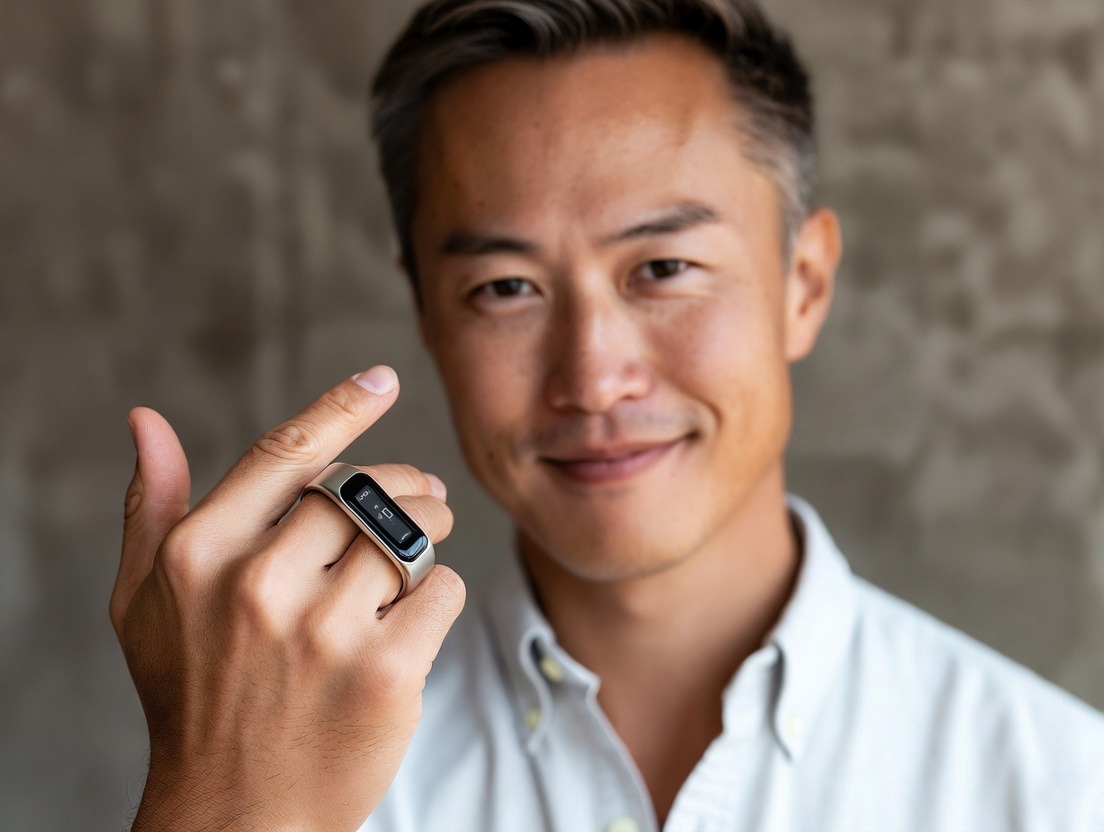
The smart ring is a powerhouse of autonomic and recovery data, but it is not the only tool in the modern athlete’s arsenal. Its true potential is unlocked when it is integrated with other technologies, creating a holistic, multi-layered dashboard of your performance and health. This synergy turns data into wisdom.
1. The Training Load Companion: GPS Watches & Power Meters
2. The Nutritional Log: Apps like MyFitnessPal or Cronometer
3. The Menstrual Cycle Tracker: Apps like Clue or Natural Cycles
4. The Subjective Feedback Hub: Daily Journaling Apps or Notes
5. The Blood Biomarker Services (e.g., InsideTracker)
Creating Your Personal Dashboard:
The goal is not to be overwhelmed by data, but to create a streamlined view. Many platforms allow for integration via Apple Health, Google Fit, or Strava. Aim to review three key things weekly:
When these streams converge, you have an almost clinical understanding of your athletic health, enabling preemptive adjustments that keep you on the path of progress and away from overtraining. This integrated approach is the pinnacle of using technology for sustainable performance via ring tracking.
Perhaps the greatest barrier to heeding your smart ring’s recovery advice is a deep-seated psychological fear: detraining. The anxiety that a single rest day—let alone a week of modified training—will cause a catastrophic loss of hard-earned fitness, strength, and momentum. This fear is what drives athletes to train through fatigue, ignore signals, and ultimately crash. Your smart ring, coupled with sports science, provides the intellectual armor to defeat this fear.
The Science of Fitness Retention:
What Actually Happens During Intelligent Rest:
You are not "losing" fitness; you are consolidating it. Adaptation doesn’t occur during the workout; it occurs during the recovery period afterward. When you take a day or week of modified training based on low readiness scores, you are:
How Your Ring Proves This:
The data provides tangible evidence that rest is working.
Reframing the Narrative:
Instead of viewing a low-readiness day as a "lost training day," reframe it as an "investment in recovery" day. It is a strategic deposit into your physiological bank account that yields interest in the form of future performance gains and consistent health. The ring gives you the confidence to make this investment, because you are following objective data, not "weakness."
Embracing this data-driven rest is the hallmark of a mature, intelligent athlete. It requires trusting the process more than the panic, and the ring is the perfect tool to build that trust. It aligns with the philosophy that true progress is built through sustainable success via ring monitoring, not through relentless, unsustainable grinding.
Your Trusted Sleep Advocate: Sleep Foundation — https://www.sleepfoundation.org
Discover a digital archive of scholarly articles: NIH — https://www.ncbi.nlm.nih.gov/
39 million citations for biomedical literature :PubMed — https://pubmed.ncbi.nlm.nih.gov/
Experts at Harvard Health Publishing covering a variety of health topics — https://www.health.harvard.edu/blog/
Every life deserves world class care :Cleveland Clinic - https://my.clevelandclinic.org/health
Wearable technology and the future of predictive health monitoring :MIT Technology Review — https://www.technologyreview.com/
Dedicated to the well-being of all people and guided by science :World Health Organization — https://www.who.int/news-room/
Psychological science and knowledge to benefit society and improve lives. :APA — https://www.apa.org/monitor/
Cutting-edge insights on human longevity and peak performance:
Lifespan Research — https://www.lifespan.io/
Global authority on exercise physiology, sports performance, and human recovery:
American College of Sports Medicine — https://www.acsm.org/
Neuroscience-driven guidance for better focus, sleep, and mental clarity:
Stanford Human Performance Lab — https://humanperformance.stanford.edu/
Evidence-based psychology and mind–body wellness resources:
Mayo Clinic — https://www.mayoclinic.org/healthy-lifestyle/
Data-backed research on emotional wellbeing, stress biology, and resilience:
American Institute of Stress — https://www.stress.org/


