


10 Work-Life Balance Strategies Your Smart Ring Data Validates
Ten strategies for improving work-life balance that are supported by improvements in your ring's data.
Ten strategies for improving work-life balance that are supported by improvements in your ring's data.
%402x.svg)
In the ceaseless hum of modern life, the line between "on" and "off" has blurred into obscurity. We chase productivity with one hand while grasping for well-being with the other, often left with the sinking feeling that we’re failing at both. Work-life balance isn’t just a trendy phrase; it’s the fundamental architecture of a sustainable, healthy, and fulfilling life. But for years, it’s been a concept guided by guesswork and generic advice. "Get more sleep." "Take breaks." "Manage your stress." We nod in agreement, but without a mirror to show us our own biological truth, we’re left wondering: Am I actually doing it?
Enter the smart ring—a silent, elegant sentinel on your finger, tuned to the rhythms of your body. This isn't just another gadget; it's a personal bio-feedback lab. It moves beyond the superficial metrics of step counts, diving deep into your autonomic nervous system, measuring heart rate variability (HRV), resting heart rate, skin temperature, and sleep architecture. It translates the whispers of your physiology into a clear language: your readiness, your stress load, your recovery.
This article is not about theory. It’s about validation. We will explore ten powerful work-life balance strategies, but with a crucial twist: we will demonstrate how the objective data from your smart ring—from brands like Oura, Ultrahuman, RingConn, and others—proves they are working or signals when they are not. This is about moving from intention to evidence, from hoping you’re balanced to knowing you are.
Your body keeps the score, and your smart ring is learning to read it. Let’s decode that data together and build a balanced life, one validated insight at a time.

Before we can build strategies for balance, we must first understand the tangible, physiological price of imbalance. Your smart ring doesn't measure "stress" as a feeling; it measures it as a biological event. Chronic work-life imbalance manifests in your data long before it becomes a crisis in your life.
The most telling metric is Heart Rate Variability (HRV). In simple terms, HRV is the variation in time between each heartbeat. A higher, stable HRV indicates a resilient, adaptable nervous system—one that can smoothly transition from focused work (sympathetic "fight or flight" engagement) to deep recovery (parasympathetic "rest and digest" mode). This is the cornerstone of balance. When life becomes a relentless grind, your HRV trend line tells the story. You’ll see it dip and stay low, signaling that your body is stuck in a state of high allostatic load—the cumulative wear and tear from chronic stress.
Alongside a suppressed HRV, you’ll witness an elevation in your resting heart rate (RHR). A body under constant pressure must work harder, even at rest. Your sleep data becomes a casualty: reduced deep sleep (the physical restoration phase) and REM sleep (the mental and emotional processing phase), frequent awakenings, and a stubbornly high skin temperature as your body struggles to cool down for optimal sleep. You may be logging 8 hours in bed, but your ring reports a "Readiness" score in the red, declaring you unprepared for the day ahead.
This physiological triad—low HRV, high RHR, and poor sleep—is your body's undeniable audit report. It confirms that the cost of imbalance is not abstract. It's metabolic, cognitive, and emotional. It erodes your ability to think creatively, connect empathetically, and sustain energy. The goal of the following strategies, therefore, is not just to create a nicer schedule, but to reverse these biological markers. When your HRV climbs, your RHR settles, and your sleep solidifies, your ring isn't just showing better numbers; it's validating that you are truly, physiologically, in balance.
We’ve been taught to power through. The four-hour deep work block, the back-to-back meetings, the "lunch al desko." This approach ignores one of the most fundamental human biological rhythms: the ultradian rhythm. Roughly every 90 minutes, our bodies naturally cycle from a peak of high alertness down into a physiological trough, signaling a need for rest. Pushing through this dip requires a surge of stress hormones (cortisol and adrenaline), which, over time, deplete our cognitive reserves and strain our nervous system.
The Strategy: Instead of fighting your biology, align with it. Structure your focused work in ~90-minute sprints, followed by a mandatory 15-20 minute recovery break. This is not a coffee-and-email break. This is a deliberate reset: step away from all screens, move your body (a short walk is ideal), hydrate, gaze at something distant, or practice deep breathing.
How Your Smart Ring Validates It:
This is where your data becomes fascinating. Initially, implementing this rhythm might feel disruptive. But within days, your ring’s data will begin to reflect a more harmonious state.
The data validates a profound truth: sustainable productivity isn’t about duration; it’s about rhythm. By working with your 90-minute cycles, you’re not losing time; you’re investing in the quality of every minute and safeguarding your physiological health for the long term. For a deeper dive into how foundational habits compound to protect your wellness, explore our guide on how sleep health supports your bigger wellness goals.
The blue light emitted by our phones, laptops, and tablets is a well-known sleep disruptor, suppressing melatonin production and shifting our circadian rhythm. But the harm of nighttime screen use is more than photonic. It’s cognitive and emotional. Scrolling through work emails activates task-oriented stress. Social media can trigger comparison and anxiety. The endless information stream keeps our brains in "input mode," directly opposing the "release and restore" mode required for sleep.
The Strategy: Implement a strict 60-90 minute digital sunset before your target bedtime. This is a non-negotible buffer zone where all screens are powered down or put in another room. Replace this time with activities that cue your body for rest: reading a physical book (preferably not work-related), light stretching, taking a warm bath, listening to calming music or a podcast, or having a screen-free conversation.
How Your Smart Ring Validates It:
The impact of a digital sunset is often one of the most immediate and dramatic you’ll see in your sleep data.
Your ring’s sleep report becomes a weekly testament to the power of this single habit. It moves the digital sunset from a "nice idea" to an essential, non-negotiable pillar of your daily routine, proven by the most important judge: your own body's recovery metrics. If you're struggling with where to start, our piece on sleep health quick wins: easy changes with big impact offers practical steps to build this habit.
The classic advice is "exercise more," but for the overworked, a grueling 60-minute gym session can feel like another stressful demand on depleted resources. It can even backfire, adding to the physical strain and keeping cortisol elevated. The key is not just more movement, but the right kind of movement at the right time.
The Strategy: Integrate short, frequent "movement snacks" throughout your day. These are 5-10 minute bursts of low-to-moderate intensity activity: a brisk walk around the block, a few sets of bodyweight squats and stretches, some mindful yoga flows, or even dancing to a song. The goal is not fitness performance, but nervous system regulation. Schedule one between work blocks, one after lunch to combat the post-meal slump, and one as a work-to-home transition ritual.
How Your Smart Ring Validates It:
Your smart ring excels at showing the immediate and cumulative effects of this subtle strategy.
The data validates that managing stress and energy isn't about one heroic workout. It's about the consistent, gentle rhythm of movement that punctuates your day, keeping stress from accumulating and cementing in your body. This approach to activity is a cornerstone of building sleep health habits that last, as it aligns daily movement with nocturnal recovery.
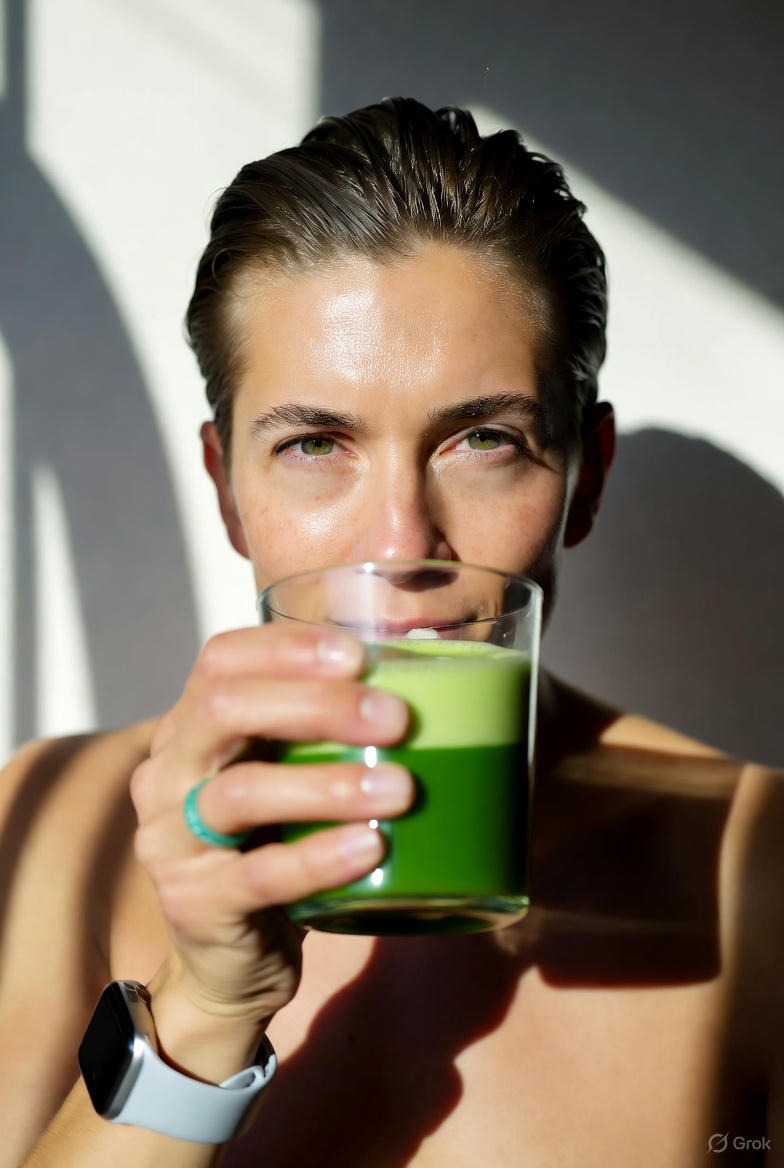
We often reach for a third coffee when we hit an afternoon wall, overlooking the most fundamental performance enhancer: water. Dehydration, even at mild levels (as little as 1-2% of body weight), impairs cognitive function, concentration, and mood. It also forces your cardiovascular system to work harder, raising your heart rate—a direct signal your smart ring can detect.
The Strategy: Proactive, scheduled hydration, not reactive drinking when thirsty. Aim to consume the majority of your daily water intake before the late afternoon. A simple framework: 16-20 oz upon waking, a large bottle finished by lunch, and another finished by mid-afternoon. Taper off in the evening to avoid sleep-disrupting bathroom trips. Use herbal teas and water-rich foods (cucumber, watermelon, berries) to supplement.
How Your Smart Ring Validates It:
While rings don’t measure water intake directly, they measure the profound physiological effects of hydration status.
Your ring data reframes hydration from a vague wellness goal to a direct lever for cardiovascular efficiency and metabolic function. A lower, stable RHR and better exercise heart rate response are clear data points that your cells are properly bathed and functioning optimally, giving you a tangible, measured reason to keep that water bottle close.
For millions, the physical commute has vanished, but the need for a psychological one remains. Slamming the laptop shut at 6 PM and immediately demanding your brain to be "present" with family or hobbies is an unrealistic ask. The stress hormones and cognitive patterns of the workday need a deliberate off-ramp.
The Strategy: Design a 15-30 minute "Transition Ritual" that marks the definitive end of your workday and the beginning of your personal time. This ritual must be sensory and distinct from work. Examples: A dedicated walk around the neighborhood, a short meditation or breathing exercise, changing out of work clothes, playing with a pet, listening to a specific playlist, or brewing a non-caffeinated tea while reviewing three non-work things you’re grateful for.
How Your Smart Ring Validates It:
The success of your transition ritual is written in the language of your nervous system in the critical hours between work and sleep.
This data transforms your transition ritual from a "nice evening activity" into a critical bio-hack. It proves you are actively, measurably severing the tether of work stress, gifting your body hours of extra recovery time, and directly investing in the quality of your tomorrow. For those whose work stress feels overwhelming, learning how to troubleshoot common sleep health problems often starts with mastering this evening transition.
Caffeine is the world's most popular performance-enhancing drug. It works by blocking adenosine, the neurotransmitter that makes us feel tired. However, caffeine has a half-life of 5-6 hours, meaning at 5 PM, half the caffeine from a 2:30 PM coffee is still active in your system, competing with the natural build-up of adenosine that should be making you sleepy.
The Strategy: Establish a strict caffeine curfew—at least 8-10 hours before your target bedtime. For a 10 PM bedtime, your last coffee, black tea, or energy drink should be consumed by 12-2 PM at the latest. Switch to water, herbal tea, or decaf for the afternoon. Also, be mindful of "hidden" caffeine in dark chocolate, some medications, and even decaf coffee (which contains small amounts).
How Your Smart Ring Validates It:
The impact of caffeine timing is one of the most individualized yet clearly visible in sleep data. By experimenting with your curfew, you can find your personal optimal cutoff.
Your smart ring removes the subjectivity. You can run a self-experiment: maintain a 2 PM curfew for a week, then a 4 PM curfew the next, and compare the average sleep and readiness data. The numbers will provide a personal, irrefutable guideline, moving caffeine from a habit to a strategically timed tool. Understanding this is part of seeing how technology helps and hurts sleep health, where even our consumption habits act as a form of "biotech" we must learn to manage.
When stress mounts during the day, our breathing becomes shallow and rapid, anchored in the chest. This directly stimulates the sympathetic nervous system, perpetuating the stress cycle. Conversely, slow, diaphragmatic breathing is a direct line to the parasympathetic "rest and digest" system. It’s a lever you can pull at any moment to change your physiological state.
The Strategy: Integrate 1-3 minute "breathing pauses" at predetermined triggers. Use a timer or a habit-stacking cue: after sending an email, before starting a meeting, when you feel a surge of frustration. Techniques like 4-7-8 breathing (inhale 4, hold 7, exhale 8) or box breathing (inhale 4, hold 4, exhale 4, hold 4) are highly effective. The goal is to shift breathing from the chest to the belly.
How Your Smart Ring Validates It:
This is biofeedback in its purest form. You perform an action (conscious breathing) and can immediately observe the effect on your autonomic nervous system.
The validation here is empowering and instantaneous. Your smart ring becomes a mirror for your breath, showing you that you are not at the mercy of your stress response. You have a tool, and the data proves it works. This mastery over your internal state is a key component of developing the sleep health mindset: why belief matters, where you move from passive victim to active participant in your well-being.
In our pursuit of productivity, socializing is often the first thing we cancel. We view it as discretionary or draining. However, positive social connection is a profound recovery modality. Laughter, shared stories, and feelings of belonging release oxytocin and endorphins, buffer the effects of cortisol, and provide a sense of safety that directly signals the nervous system to relax.
The Strategy: Proactively schedule and protect social time with people who leave you feeling energized, not depleted. This doesn't have to be a four-hour dinner; it can be a 20-minute video call with a friend, a coffee walk with a colleague, or playing a board game with family. The key is presence—putting devices away and being fully engaged.
How Your Smart Ring Validates It:
While your ring can't measure laughter, it can measure the physiological aftermath of genuine connection versus isolation or negative interaction.
Your ring data elevates social connection from a "soft" lifestyle factor to a "hard" recovery strategy. It provides biological evidence that time with loved ones is not time wasted; it's an active investment in your nervous system's resilience and your body's ability to recover fully. This holistic view is essential for anyone creating your personal sleep health plan, which must include social and emotional well-being, not just darkness and temperature.
Our environment is a constant, silent dialogue with our nervous system. Harsh lighting, clutter, noise pollution, and poor ergonomics create low-grade, chronic stress that drains our adaptive energy without us even realizing it. We adapt to these irritants, but our physiology does not.
The Strategy: Conduct a sensory audit of your primary work and rest spaces.
How Your Smart Ring Validates It:
The effects of environment are often seen in the granular details of your data, particularly around transitions and sleep.
The validation here turns home and office tweaks from interior decorating into neurobiology. Your ring data confirms that your surroundings are not a passive backdrop but an active participant in your stress or recovery, giving you clear cause-and-effect reasons to invest in a calming space. This principle is thoroughly explored in resources like the beginners guide to sleep health research, which emphasizes the science behind environment-sleep connections.

In fitness, a rest day is planned to allow muscles to repair and grow stronger. For our brains and nervous systems, the concept is identical, yet we rarely schedule cognitive and emotional rest days. We wait until we are fried—sick, exhausted, emotionally brittle—to rest. By then, the recovery hole is deep, and digging out takes days.
The Strategy: Use your smart ring’s Readiness or Recovery Score as a primary guide for planning your day’s intensity. Don't just ignore a low score and push through on caffeine and willpower. Instead, design a "Low-Readiness Day Protocol." This includes: prioritizing administrative over deep creative work, scheduling fewer meetings, lengthening your break intervals, opting for gentle movement like stretching over intense exercise, being extra strict with your digital sunset, and perhaps even allowing a short, early-afternoon nap if possible.
How Your Smart Ring Validates It:
This strategy is the ultimate synergy between human intuition and biometric data. It’s about proactive cooperation with your body.
This is the pinnacle of work-life balance through technology: using objective data to override the cultural programming of "always on." Your ring isn't judging you with a low score; it's offering a compassionate, early-warning system. Heeding it is the ultimate act of self-care and sustainable performance, ensuring you are playing the long game with your most important asset: your health. To understand the full trajectory of this approach, read about the long-term benefits of investing in sleep health.
One of the most profound oversights in modern work culture is the insistence on a uniform 9-to-5 schedule, ignoring the genetic diversity of human chronotypes. Your chronotype is your body's natural predisposition for sleep and wake times—are you a morning lark, a night owl, or somewhere in between? Fighting your chronotype is like swimming against a powerful current; it expends immense energy for marginal progress.
The Strategy: Use your smart ring data to identify your natural chronotype, then ruthlessly align your most demanding tasks with your biological prime time. Your ring provides objective clues: your natural sleep onset and wake-up times on days without alarms, the timing of your peak body temperature (which correlates with alertness), and even when your HRV tends to be highest and most stable during the day.
How Your Smart Ring Validates It:
Alignment feels effortless, and your data will show it.
Your smart ring data allows you to move beyond labels like "not a morning person" and into a precise, personalized schedule. It validates that timing is not just everything; it's the foundational layer upon which effective work-life balance is built. If you’re curious about how these needs shift over a lifetime, our article on sleep health for different age groups: what changes explores the evolution of circadian rhythms.
We often think about food in terms of energy for the day ahead. But from a recovery and balance perspective, when and what you eat in the evening can be just as critical as your total intake. A large, heavy, or high-sugar meal too close to bedtime forces your digestive system into overdrive during a time when your body wants to focus on cellular repair, toxin clearance, and memory consolidation. This creates internal competition for resources, disrupting sleep and impairing overnight recovery.
The Strategy: Establish a "Nutritional Recovery Window." Aim to finish your last substantial meal at least 3-4 hours before bedtime. This allows for the bulk of digestion to occur before you sleep. Focus your evening meal on foods that support sleep and recovery: complex carbohydrates (sweet potato, oats) to help tryptophan cross the blood-brain barrier, lean proteins for muscle repair, healthy fats, and magnesium-rich foods (leafy greens, nuts, seeds). Drastically reduce processed sugars and heavy, greasy foods in the evening.
How Your Smart Ring Validates It:
The impact of late eating is often starkly visible in your overnight biometrics.
Your ring transforms nutrition from a vague "eat healthy" mantra into a precise recovery protocol. It provides undeniable, personal evidence that your dinner time and composition are not just dietary choices but critical levers for overnight repair and next-day readiness. For those starting this journey, managing information is key, so consider sleep health for beginners: avoiding information overload as you integrate new habits.
Work-life imbalance isn't just about hours worked; it's about the cognitive and emotional weight of those hours. "Cognitive load" refers to the total amount of mental effort being used in your working memory. A day filled with context-switching, complex problem-solving, and emotional labor carries a far higher load than a day of routine tasks, even if both are 8 hours long. Unmanaged cognitive load is the silent killer of evening relaxation and sleep.
The Strategy: Use your smart ring data as a proxy for cognitive load. Begin to correlate specific types of work with physiological responses. Then, actively manage your load:
How Your Smart Ring Validates It:
Your autonomic nervous system doesn't distinguish between physical, cognitive, or emotional stress—it's all "load." Your ring measures the sum total.
By validating the physiological cost of mental work, your smart ring empowers you to manage your cognitive budget with the same rigor as your financial budget. It proves that a "light" day isn't about being lazy; it's about strategic recovery to preserve your most valuable asset: your focused mind. This connection is a key part of understanding how sleep health impacts productivity and performance at a fundamental level.

Alcohol is deeply embedded in social and work culture as a relaxant and bonding tool. However, from a physiological recovery standpoint, it is a potent disruptor. While it may induce sleep onset, it severely degrades sleep quality. It's a sedative, not a sleep aid. For those seeking true balance, understanding the data-backed impact is non-negotiable.
The Strategy: Adopt a data-informed approach to alcohol. This doesn't necessarily mean elimination, but intentional consumption. Key rules: 1) Observe a strict cutoff—no alcohol within 3-4 hours of bedtime. 2) Hydrate aggressively—for every alcoholic drink, consume a full glass of water. 3) Conduct self-experiments: Have a "dry" week and an "equivalent social" week without alcohol, comparing your average sleep and readiness scores. Let the data guide your decisions.
How Your Smart Ring Validates It:
The effects of alcohol are so pronounced that they are unmistakable in the biometric data, providing a sobering (pun intended) reality check.
Your ring data removes all debate. It clearly shows that alcohol, especially near bedtime, is a direct trade-off: short-term relaxation for long-term recovery debt. This validation allows you to make conscious, empowered choices, perhaps opting for a non-alcoholic drink during the week and saving a glass of wine for a Friday night when the next-day impact is less critical. Recognizing this as a sleep health red flag is essential, as detailed in our guide on sleep health red flags beginners should watch for.
Our bodies evolved in sync with the natural world, regulated by the rising and setting of the sun. Modern indoor life severs this connection, wreaking havoc on our circadian rhythms and stress systems. Getting bright light exposure, particularly in the morning, and spending time in nature ("green time") are not optional wellness luxuries; they are essential, non-negotiable inputs for a balanced nervous system.
The Strategy:
How Your Smart Ring Validates It:
These practices work on a foundational level, and their benefits permeate your daily and nightly data.
Your smart ring validates that these aren't just "feel-good" activities. They are core operating system updates for your human hardware. The data proves that a walk in the park is as important as a meeting, and morning sunlight is a more effective productivity tool than a second cup of coffee. This foundational principle is part of the simple sleep health formula everyone can follow, which always starts with light.
The goal of balance is not a stress-free life—that's impossible and undesirable. Stress is a stimulus for growth. The goal is to increase your stress resilience: your ability to encounter a stressor, mount an effective response, and then return to baseline quickly. We can proactively train this system, much like building a muscle, through controlled, acute stress followed by deliberate recovery.
The Strategy: Intentionally introduce short, acute stressors in a safe context, followed by a dedicated recovery period. This "inoculates" your nervous system. Prime examples:
How Your Smart Ring Validates It:
This is advanced biohacking, and your ring is the perfect tool to ensure you're in the sweet spot—stressing to grow, not to break.
Your smart ring transforms you from a passive recipient of life's stresses to an active architect of your resilience. It provides the real-time feedback necessary to walk the fine line between productive hormesis (good stress) and destructive overload. Learning this balance is a journey, and it's important to embrace the sleep health learning curve: be patient with yourself.
Society glorifies sleeping less, framing it as a badge of productivity. But chronic sleep restriction—routinely getting less than your body needs—is a massive, hidden source of work-life imbalance. It impairs every cognitive function, amplifies emotional reactivity, increases cravings for unhealthy food, and cripples your stress resilience. You cannot supplement, caffeine, or biohack your way out of a sleep debt.
The Strategy: Conduct a Sleep Extension Experiment. For two weeks, prioritize sleep above all else. Move your bedtime 60-90 minutes earlier than your current average. Eliminate all sleep-disrupting factors (late caffeine, screens, alcohol). Do not use an alarm on weekends; let your body wake naturally. The goal is to discover your true, natural sleep requirement without restriction.
How Your Smart Ring Validates It:
The results of a proper sleep extension experiment can be life-changing and are vividly clear in your data.
This experiment provides the ultimate evidence that sleep is the single most powerful work-life balance and performance enhancer in existence. Your ring data makes the return on investment (ROI) of sleep undeniable, shifting it from the first thing you sacrifice to the last thing you compromise. To understand the full scope of this impact, read about the connection between sleep health and mental wellness.
Work-life balance is not a "set it and forget it" achievement. It's a dynamic equilibrium that requires constant, slight adjustments. Life changes, projects intensify, seasons shift. Without periodic review, you can slowly drift back into imbalanced patterns without realizing it until you crash.
The Strategy: Every quarter, schedule a 60-minute "Life Audit" using your smart ring's long-term trend data. Look beyond daily scores and examine 90-day trends for your key metrics: Average HRV, Average RHR, Average Sleep Score, and Average Readiness Score. Correlate these trends with your calendar and personal notes. Ask: Did my metrics dip during a specific project? Did they improve after a vacation or implementing a new habit? Use this objective data to make informed adjustments for the next quarter.
How Your Smart Ring Validates It:
The long-term trend view is where your ring transitions from a daily guide to a strategic life-planning tool.
This quarterly audit transforms you from a passenger reacting to life's storms into the captain navigating by a sophisticated biometric dashboard. It ensures your balance strategies are evolving with your life, making your pursuit of wellness proactive, strategic, and deeply personal. This kind of review is the next step after creating your personal sleep health plan.

The final frontier of work-life balance is internal. Your physiology doesn't just respond to external events; it responds to your perception of those events. A harsh, self-critical inner monologue—"I'm failing," "I'm not good enough," "This is a disaster"—triggers the same stress cascade as a physical threat. Cultivating compassionate, objective self-talk is not "soft"; it's a critical stress-management technology.
The Strategy: Practice noticing and reframing your inner dialogue, especially during setbacks or high pressure. When you catch a critical thought, pause. Acknowledge the feeling ("I'm feeling overwhelmed"), then reframe with curiosity and compassion ("This is challenging, and it's okay to feel this way. What's one small step I can take?"). Techniques like mindfulness meditation train this "observer" muscle.
How Your Smart Ring Validates It:
Your thoughts have a physiology, and your ring can detect it.
Your smart ring offers profound validation that your thoughts are real, biological events. It shows that treating yourself with kindness is not just a moral virtue but a physiological imperative for resilience and balance. Developing this mindset is arguably the most important factor for long-term success, which is why we emphasize the sleep health mindset: why belief matters.
This is the culmination. After weeks and months of observation, experimentation, and validation, you are no longer following generic advice. You are the expert on your own biology. You have a unique dataset that reveals your optimal sleep window, your productive prime time, your most restorative activities, and your personal stress triggers. The final strategy is to synthesize this into a Personal Balance Protocol (PBP)—a flexible but non-negotiable set of rules and routines designed by you, for you, and validated by your own data.
The Strategy: Create a one-page document—your PBP. It should include:
How Your Smart Ring Validates It:
Your PBP is a hypothesis. Your ring data continuously tests and validates it, allowing for iterative refinement.
Your smart ring and your Personal Balance Protocol form a closed-loop system for lifelong well-being. The ring provides the feedback; the protocol provides the action. Together, they empower you to build not just a balanced week, but a resilient, vibrant, and sustainable life.
Your Trusted Sleep Advocate: Sleep Foundation — https://www.sleepfoundation.org
Discover a digital archive of scholarly articles: NIH — https://www.ncbi.nlm.nih.gov/
39 million citations for biomedical literature :PubMed — https://pubmed.ncbi.nlm.nih.gov/
Experts at Harvard Health Publishing covering a variety of health topics — https://www.health.harvard.edu/blog/
Every life deserves world class care :Cleveland Clinic - https://my.clevelandclinic.org/health
Wearable technology and the future of predictive health monitoring :MIT Technology Review — https://www.technologyreview.com/
Dedicated to the well-being of all people and guided by science :World Health Organization — https://www.who.int/news-room/
Psychological science and knowledge to benefit society and improve lives. :APA — https://www.apa.org/monitor/
Cutting-edge insights on human longevity and peak performance:
Lifespan Research — https://www.lifespan.io/
Global authority on exercise physiology, sports performance, and human recovery:
American College of Sports Medicine — https://www.acsm.org/
Neuroscience-driven guidance for better focus, sleep, and mental clarity:
Stanford Human Performance Lab — https://humanperformance.stanford.edu/
Evidence-based psychology and mind–body wellness resources:
Mayo Clinic — https://www.mayoclinic.org/healthy-lifestyle/
Data-backed research on emotional wellbeing, stress biology, and resilience:
American Institute of Stress — https://www.stress.org/


