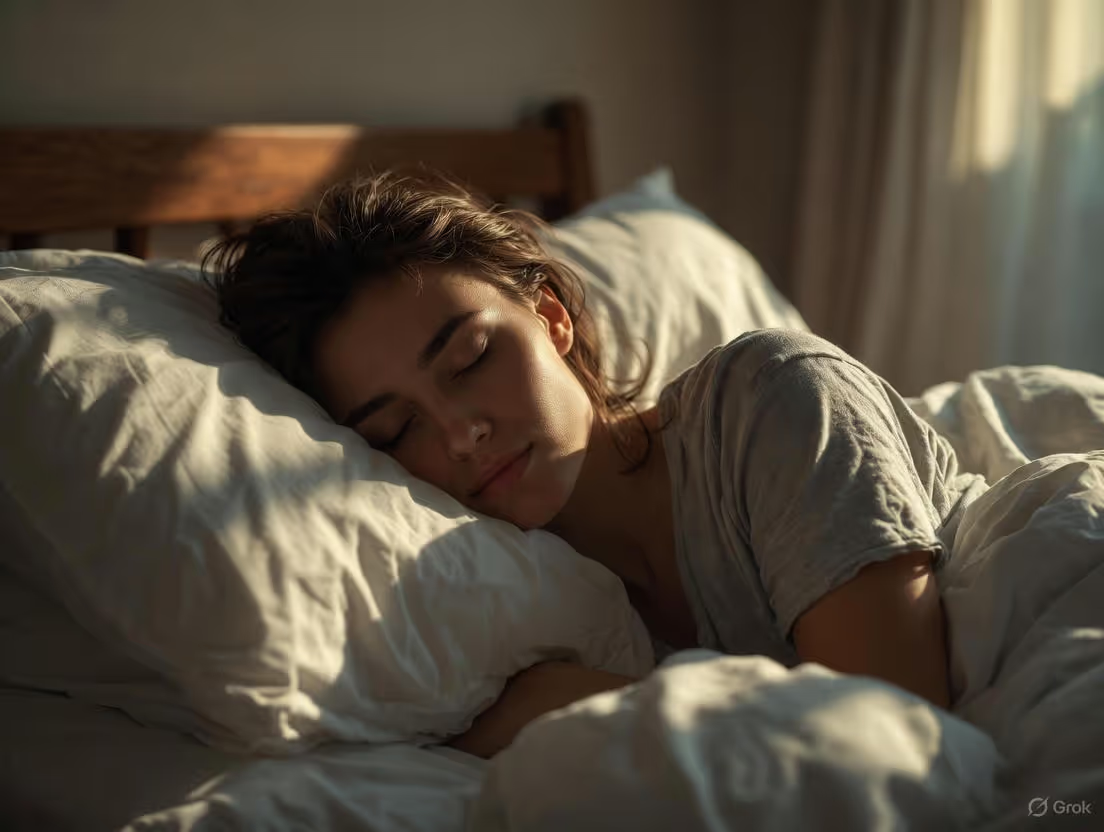
Sleep Health for Beginners: Creating Your Personal Plan
A personal plan involves assessing your current habits, setting specific goals, and tracking your progress.
Sleep Health for Beginners: Creating Your Personal Plan
You’ve had another night of tossing and turning. The alarm clock’s glow reads 2:47 AM, and your mind is racing—a chaotic replay of the day’s worries and tomorrow’s to-do list. You wake up feeling groggy, reaching for a third coffee before noon, promising yourself, “Tonight, I’ll sleep better.” But when night falls, the cycle repeats. You’re not alone. In our always-on, high-stress world, quality sleep has become a rare commodity, not a guaranteed foundation.
But what if we’ve been thinking about sleep all wrong? It’s not merely a passive state of unconsciousness to be squeezed in after everything else is done. Sleep is the single most powerful performance enhancer, healer, and cognitive regulator we have at our disposal—and it’s entirely free. The science is unequivocal: consistent, high-quality sleep strengthens your immune system, balances hormones, sharpens memory, regulates mood, and even helps manage weight. It is the non-negotiable bedrock of physical health and mental clarity.
This guide is your definitive roadmap out of chronic fatigue and into a life powered by restorative sleep. We’re moving beyond vague advice like “sleep more.” Instead, we will build a personalized, sustainable sleep architecture tailored to your unique biology, lifestyle, and goals. This is not a one-size-fits-all solution but a co-created plan. And in this modern age, we have a powerful ally: precise, personal data. By understanding your body’s unique sleep signatures—something tools like the Oura Ring or the comprehensive system offered by Oxyzen.ai can illuminate—you move from guessing to knowing. This is the future of sleep health: personalized, proactive, and empowered.
Let’s begin the journey to reclaim your nights and transform your days.
Why Sleep Is Your Superpower (And Why You’re Not Getting It)
We often admire the habits of high achievers—their morning routines, diets, and workout regimens. Yet, we frequently overlook the one habit that makes all others possible: their commitment to sleep. Legends like LeBron James and Jeff Bezos famously prioritize 8-9 hours per night, not as a luxury, but as a strategic imperative. They understand that sleep is where the magic happens—where effort becomes embedded as skill, where recovery happens, and where creativity is sparked.
Physiologically, sleep is a period of intense activity. During deep sleep (Slow-Wave Sleep), your brain waves slow into a rhythmic pulse, and your body releases a surge of human growth hormone. This is prime time for physical repair: tissue growth and repair, muscle building, and bone restoration. Meanwhile, your brain’s glymphatic system, a waste-clearance network, kicks into high gear, flushing out metabolic toxins like beta-amyloid, which is linked to Alzheimer’s disease.
Sleep is also the master regulator of your hormones. It balances ghrelin and leptin (the hunger hormones), which is why after a poor night’s sleep, you crave sugary, high-carb foods. It manages cortisol (the stress hormone) and optimizes insulin sensitivity. Furthermore, during REM (Rapid Eye Movement) sleep, your brain processes emotional experiences, consolidates memories, and makes creative connections. It’s essentially your brain’s offline processing and filing time.
So, with all these incredible benefits, why is sleep so elusive for so many? The barriers are a perfect storm of modern life:
The Blue Light Assault: Our screens—phones, laptops, TVs—emit blue light that powerfully suppresses melatonin, the hormone that signals it’s time for sleep.
The Productivity Trap: We wear “I only need 5 hours of sleep” as a badge of honor, equating busyness with worth. This creates a cultural stigma around needing adequate rest.
Constant Connectivity: Notifications, the pressure to be always available, and the anxiety of the 24/7 news cycle keep our nervous systems in a perpetual state of low-grade alert.
Schedule Chaos: Irregular work hours, social commitments, and the blurring of work-life boundaries destroy any consistent sleep-wake rhythm.
Environmental Neglect: We invest in ergonomic chairs and gym memberships but often ignore our sleep environment: a too-warm room, a lumpy mattress, or street light bleeding through the curtains.
The first step to better sleep is a mindset shift: stop viewing it as downtime and start recognizing it as your most critical uptime. It’s the foundation upon which health, happiness, and performance are built. To truly optimize this foundation, you need insight. This is where moving from general advice to personal data becomes revolutionary. Understanding your own sleep patterns, not population averages, is the key. For a deeper dive into how technology is personalizing wellness, explore the blog at Oxyzen for articles on biometric tracking and sleep science.
The Science of Sleep Cycles: More Than Just Closing Your Eyes
To master your sleep, you must first understand its architecture. Sleep isn’t a monolithic block of unconsciousness; it’s a finely choreographed series of cycles, each with a distinct purpose. A full sleep cycle lasts about 90 minutes and repeats 4-6 times per night. Within each cycle, we progress through four stages.
Stage 1 (N1): The Gateway to Sleep. Lasting just 1-5 minutes, this is the light, drowsy transition from wakefulness to sleep. Your muscles begin to relax, and you can be easily awakened. Think of it as the “dozing off” stage during a boring meeting.
Stage 2 (N2): Light Sleep. This stage comprises about 50% of your total sleep time. Your heart rate slows, body temperature drops, and brain waves show distinctive “sleep spindles” and “K-complexes”—thought to be crucial for memory consolidation and protecting sleep from external disturbances. This is where you spend a significant portion of the night.
Stage 3 (N3): Deep Sleep (Slow-Wave Sleep). This is the most physically restorative phase. It’s hardest to be awakened from, and if you are, you’ll feel disoriented and groggy. During N3, tissue repair and growth occur, energy is restored, and the immune system is strengthened. Deep sleep is prioritized in the first half of the night. As we age, we naturally get less of it, making its quality even more precious.
Stage 4: REM Sleep. Typically occurring about 90 minutes after falling asleep, REM is where dreaming is most vivid. Your brain is highly active—almost as active as when you’re awake—but your voluntary muscles are temporarily paralyzed (a state called atonia). This stage is essential for emotional processing, learning, memory consolidation, and creativity. REM periods lengthen with each successive cycle, meaning you get most of your REM sleep in the latter half of the night.
The balance of these stages is critical. You need ample deep sleep for cellular repair and sufficient REM for cognitive and emotional health. Disrupting this cycle—with alcohol, an erratic schedule, or sleep apnea—skews the balance. For instance, alcohol may help you fall asleep faster, but it dramatically suppresses REM sleep early in the night, leading to less restorative sleep overall.
This is why simply tracking “time in bed” is woefully inadequate. Waking up after 8 hours in bed but in the middle of a deep sleep cycle can leave you feeling shattered, while waking after 7.5 hours at the end of a REM cycle can feel refreshing. This concept, known as “sleep cycle timing,” is a cornerstone of personalized sleep hygiene. Tracking devices that monitor heart rate variability and movement can provide educated estimates of these cycles, helping you align your wake time with the lightest sleep phase. To understand how one company is approaching this holistic tracking, you can learn more about Oxyzen's mission and their focus on integrated health data.
Listen to Your Body: Identifying Your Personal Sleep Signatures
Before you can fix your sleep, you need to diagnose it. And your subjective feelings—while important—are often unreliable. You might feel you slept poorly after a night of vivid dreams (which often indicates good REM sleep), or you might think you slept soundly but still wake up fatigued. This is where objective data becomes your most trusted advisor.
Your body broadcasts a wealth of signals every night that reveal the true quality of your sleep. The key is learning to measure and interpret them. Here are the core biometrics that paint a full picture:
Sleep Duration & Consistency: This is the baseline. Are you giving yourself a consistent 7-9 hour opportunity for sleep? More importantly, are you going to bed and waking up at roughly the same time every day, even on weekends? Consistency reinforces your circadian rhythm, your body’s internal 24-hour clock.
Resting Heart Rate (RHR): Your heart rate during sleep is a profound indicator of recovery and autonomic nervous system balance. A lower RHR generally indicates better cardiovascular fitness and a body in “rest and digest” (parasympathetic) mode. A elevated or fluctuating nighttime RHR can signal stress, illness, or poor recovery.
Heart Rate Variability (HRV): This is the gold standard metric for measuring your body’s readiness and resilience. HRV is the slight variation in time between each heartbeat. A higher HRV indicates a healthy, adaptable nervous system that can smoothly transition between stress and relaxation. A low HRV suggests your body is under strain—from physical overtraining, mental stress, or illness. Tracking your HRV trend over time can tell you if your lifestyle is sustainable or leading to burnout.
Respiratory Rate: The number of breaths you take per minute during sleep. It should be slow and steady. Significant deviations can be a flag for issues like sleep apnea or respiratory problems.
Body Temperature: Your core temperature naturally dips at night to initiate and maintain sleep. Tracking your nocturnal temperature trend can help identify your personal circadian rhythm and even predict illness, as fevers often begin at night.
For the beginner, manually tracking all of this is impossible. This is the precise problem that modern wellness technology solves. A smart ring, worn continuously, can seamlessly collect this data without intrusive gadgets. By reviewing your data each morning, you move from asking “How did I sleep?” to knowing precisely how and why. You can see the direct impact of that late-night glass of wine (suppressed REM, elevated heart rate), the evening workout (improved deep sleep, or perhaps disrupted sleep if it was too close to bedtime), or a stressful work day (lower HRV, restless sleep).
This feedback loop is transformative. It turns sleep from a mysterious black box into a manageable, improvable system. For those curious about the practical experiences people have with this kind of data-driven approach, browsing real user testimonials can be incredibly insightful.
Crafting Your Ideal Sleep Sanctuary: Environment Is Everything
You can have perfect sleep hygiene habits, but if your bedroom environment is working against you, you’re fighting a losing battle. Your sleep space should be a sanctuary—a cave designed for one purpose only: supreme rest. Let’s engineer that cave.
The Non-Negotiables:
Pitch Darkness: Light is the primary regulator of your circadian rhythm. Even tiny amounts of ambient light from a streetlamp, digital clock, or power strip can seep through your eyelids and disrupt melatonin production. Solution: Blackout curtains are your best investment. Cover or remove all electronic LEDs. Consider a comfortable sleep mask if complete darkness isn’t possible.
Cool Temperature: The science is clear: a cool room (around 65°F or 18.3°C) is optimal for initiating and maintaining sleep. Your body needs to drop its core temperature by about 1-2 degrees to fall asleep. A room that’s too warm prevents this drop. Use fans, air conditioning, or cooling mattress pads to find your ideal chill.
Silence & Sound: Sudden, intermittent noises (a car alarm, a snoring partner) are sleep killers. If you can’t control the noise, mask it. A white noise machine or a fan creates a consistent auditory blanket that drowns out disruptions. Some find pink noise (softer, like steady rain) or brown noise (deeper, like a waterfall) even more soothing.
Your Bed is for Sleep (and Sex Only): This is a critical psychological rule. Do not work, watch thrilling movies, or scroll social media in bed. You must strengthen the mental association between your bed and sleep. If you can’t fall asleep after 20 minutes, get up, go to another room, and do something quiet and boring in dim light until you feel sleepy.
The Upgradeables:
Your Mattress & Pillow: There is no “best” mattress; there’s only the best mattress for you. Consider your sleep position (side, back, stomach), body weight, and personal preference for firmness. The same goes for your pillow—it should keep your neck aligned with your spine. Don’t underestimate this investment.
Air Quality: Stale, dry air can lead to congestion and disrupted breathing. A high-quality air purifier can remove allergens and dust, while a humidifier can add moisture to dry air, especially in winter, promoting clearer breathing.
Aromatherapy: Scents like lavender, chamomile, and sandalwood have been shown in studies to promote relaxation and improve sleep quality. Use a diffuser with essential oils or a linen spray 30 minutes before bed.
Creating this sanctuary isn’t about expensive gadgets; it’s about intentional design. Every element should whisper “rest” to your nervous system. For more ideas on optimizing your environment and other wellness habits, a wealth of resources can be found by exploring our blog for more wellness tips.
The Wind-Down Ritual: Hacking Your Biology for Sleep
In our hyper-connected world, we can’t just sprint through our day and then expect to slam on the brakes and fall instantly asleep. Sleep is a gradual descent, not a free fall. You need a runway—a consistent, calming 60-90 minute pre-sleep ritual to signal to your brain and body that it’s time to shift from “doing” to “being.”
This ritual isn’t a luxury; it’s a biological necessity. It’s about lowering cortisol, raising melatonin, and activating the parasympathetic nervous system. Here’s how to build yours:
Phase 1: The Digital Sunset (60 mins before bed). This is the most important and most difficult step for many. The blue light from screens is a potent melatonin blocker. Set a firm time to turn off all phones, tablets, laptops, and TVs. Put your phone on Do Not Disturb and place it in another room to charge. If you must use a device, enable night shift/blue light filters at maximum strength, but ideally, just put it away.
Phase 2: Lower the Lights (45 mins before bed). After the digital sunset, dim the overhead lights in your home. Use lamps with warm, amber bulbs. This mimics the natural setting sun and further encourages melatonin production. Candles (safely monitored) can be a wonderful addition.
Phase 3: Engage in Calming Activities (30-60 mins before bed). Choose from a menu of relaxing options. The goal is to quiet the mind.
Gentle Reading: Fiction is often better than stimulating non-fiction. Avoid thrillers or work-related material.
Listening: Calm music, an audiobook, or a guided sleep meditation.
Light Stretching or Yoga Nidra: Focus on gentle, relaxing poses that release tension, not a workout.
Gratitude Journaling: Write down 3 things you were grateful for that day. This practice shifts focus from anxiety to positivity.
Planning for Tomorrow: Write a quick, simple list of your top 3 priorities for the next day. This “brain dump” can prevent anxious rumination in bed.
Phase 4: The Final Senses (15-30 mins before bed). This is about preparing the physical body.
A Warm Bath or Shower: The rise and subsequent drop in core body temperature after you get out is a powerful sleep signal.
Herbal Tea: Sip a caffeine-free tea like chamomile, passionflower, or valerian root.
Breathing Exercises: Practice the 4-7-8 technique (inhale for 4, hold for 7, exhale for 8) to immediately calm the nervous system.
Your wind-down ritual should feel like a gift, not a chore. Experiment to find the sequence that makes you feel genuinely drowsy. Remember, consistency is key. Performing the same sequence of calming activities each night trains your brain to anticipate sleep.
Fueling for Sleep: The Nighttime Nutrition Guide
What you eat and drink in the hours before bed can be the difference between a night of restorative cycles and one of restlessness and wakefulness. Food is information that directly affects your hormones, digestion, and nervous system.
What to Avoid (The Sleep Saboteurs):
Caffeine: This is obvious but critical. Caffeine has a half-life of 5-6 hours. That means if you have a coffee at 4 PM, half of that caffeine is still in your system at 10 PM. For most, a strict cutoff by 2 PM is wise. Remember, caffeine is also in tea (green and black), chocolate, soda, and some medications.
Alcohol: The great deceiver. Alcohol is a sedative, not a sleep aid. It may help you fall asleep faster, but it fragments sleep architecture—severely suppressing REM in the first half of the night and often causing a rebound of lighter, more anxious sleep and awakenings in the second half.
Heavy, Fatty, or Spicy Meals: A large meal right before bed forces your digestive system to work overtime, which can cause discomfort, acid reflux, and an elevated core temperature—all enemies of sleep. Finish large meals at least 3 hours before bedtime.
Excessive Fluids: Hydration is crucial, but guzzling water right before bed will guarantee disruptive trips to the bathroom. Taper fluid intake in the last 90 minutes.
What to Embrace (The Sleep Supporters):
A Light, Sleep-Promoting Snack (if needed): If you’re genuinely hungry, a small snack combining complex carbohydrates and a bit of protein or healthy fat can stabilize blood sugar and provide tryptophan, a precursor to melatonin and serotonin.
Examples: A small bowl of oatmeal with almonds, a banana with a tablespoon of almond butter, a few whole-grain crackers with cheese, or a handful of cherries (a natural source of melatonin).
Key Nutrients: Magnesium (found in leafy greens, nuts, seeds) is known as the “relaxation mineral” and can help calm the nervous system. Foods rich in potassium (like bananas) can also prevent nighttime leg cramps.
Herbal Allies: As mentioned, herbal teas like chamomile, valerian root, or lemon balm can be a soothing part of your ritual.
Timing and composition are everything. Listen to your body’s hunger cues, but plan your last meal or snack to be a gentle ally, not a disruptive guest, in your night. For a deeper exploration of how daily habits interconnect with sleep data, you might find answers to common questions in the comprehensive FAQ at Oxyzen.
Daytime Habits That Build Better Sleep
A common misconception is that sleep is solely managed at night. In reality, your sleep quality is largely determined by what you do during the day. Building “sleep pressure” (the homeostatic drive to sleep) and reinforcing your circadian rhythm are daytime tasks.
1. Morning Light Viewing: Within 30-60 minutes of waking, get 5-15 minutes of natural sunlight in your eyes (without sunglasses, but never look directly at the sun). This is the most powerful signal to your suprachiasmatic nucleus (your brain’s master clock) that the day has begun. It sets off a cascade of hormonal events that will culminate in the timely release of melatonin about 14-16 hours later.
2. Move Your Body (But Time It Right): Regular exercise is one of the best evidence-based ways to improve sleep quality and duration. It increases deep sleep, reduces stress, and helps regulate your circadian rhythm. However, timing matters. For most people, vigorous exercise too close to bedtime (within 2-3 hours) can be overly stimulating due to the release of endorphins and a rise in core body temperature. Morning or afternoon workouts are ideal. Gentle movement like yoga or walking in the evening, however, can be beneficial.
3. Manage Caffeine & Naps Strategically: We covered caffeine cutoff. Regarding naps: if you must nap, make it a “power nap” of 20 minutes or less, before 3 PM. Longer naps or naps later in the day can reduce sleep pressure and make it harder to fall asleep at night.
4. Stress Management: Unmanaged daytime stress leads to elevated cortisol at night, which directly opposes melatonin. Integrating mini stress-resets throughout your day—like a 5-minute meditation, a walk outside, or some deep breathing—prevents stress from accumulating into a tidal wave at bedtime. Techniques like mindfulness have been shown to objectively improve sleep metrics.
5. Food & Hydration Timing: Spread your hydration throughout the day so you’re not playing catch-up at night. Eating consistent meals at regular times also helps anchor your circadian rhythm.
Think of your day as a series of deposits into your “sleep bank.” Morning light, exercise, and managed stress are high-value deposits. Poor habits are withdrawals. You want to go to bed with your account in the positive. The fascinating journey of how holistic health tracking came to be is part of the Oxyzen story, which emphasizes this interconnected view of wellness.
Tracking and Interpreting Your Sleep Data
Collecting data is only the first step. The power lies in intelligent interpretation and, most importantly, taking action. Waking up and looking at a sleep score is a start, but the real gold is in the trends and correlations.
How to Read Your Morning Readout:
Look Beyond the Score: A single number is a summary. Dive into the components. Did you get enough total sleep? What was your deep sleep and REM sleep percentage? Was your sleep consistent? Did your heart rate stay low and stable?
Check Your HRV Trend: Don’t fixate on a single day’s HRV. Look at the weekly or monthly trend. Is it going up, down, or staying stable? A rising trend suggests you’re adapting well to your lifestyle. A declining trend is a red flag that you may be overreaching and need more rest or recovery.
Note Your Resting Heart Rate: Similar to HRV, look at the trend. A sudden spike in RHR can be an early indicator of illness, dehydration, or excessive stress.
The Art of the Correlation: This is where you become a sleep detective. Use the journal feature in your app (or a physical notebook) to log potential influencers.
Last night I: Drank two glasses of wine / had a late work dinner / did a 7 PM HIIT workout / meditated for 20 minutes before bed.
This morning my data shows: Low REM / high resting heart rate / elevated sleep latency / high HRV.
Over time, patterns emerge that are unique to you. You might discover that yoga nidra before bed correlates with a 10% increase in your deep sleep. Or that eating after 9 PM consistently lowers your HRV. This process turns abstract health advice into concrete, personal law.
Creating Feedback Loops: Use these insights to make micro-adjustments to your plan. If late caffeine is a problem, move your cutoff earlier. If alcohol disrupts your sleep, limit it to weekends or reduce quantity. If morning light improves your sleep consistency, make it a non-negotiable habit.
This data-informed approach removes the guilt and shame from sleep struggles. It’s not about willpower; it’s about systems and biology. You are experimenting and optimizing, not failing. For support and answers on making the most of your data, remember that resources like the Oxyzen FAQ are designed to help.
Troubleshooting Common Sleep Disruptors
Even with a perfect plan, life happens. Here’s how to navigate common sleep challenges with a beginner-friendly, practical approach.
When You Can’t Fall Asleep (Sleep Onset Insomnia):
The 20-Minute Rule: If you’ve been in bed for 20 minutes and are wide awake, get up. Go to another dimly lit room and do something boring (read a physical book, listen to calm music, do some light stretching). Do not check your phone. Return to bed only when you feel drowsy. Repeat as needed. This preserves the bed-sleep connection.
The Paradox of Effort: Trying to force sleep creates anxiety, which releases adrenaline and cortisol—the exact opposite of what you need. Shift your goal from “I must sleep” to “I will just rest my body.” This reduction in performance pressure can be liberating.
When You Wake Up in the Middle of the Night:
Stay Calm & Don’t Check the Clock: Clock-watching creates anxiety about how much time you have left. Turn your clock away from you.
Employ a Mental Strategy: If your mind is racing, try the “alphabet game” (name animals for each letter: Aardvark, Bear, Cat…). It engages the brain just enough to distract from worries but is boring enough to induce sleep. Alternatively, practice a breathing technique like 4-7-8.
If It Persists, Get Up: Apply the same 20-minute rule. It’s better to have 30 minutes of quiet reading and then 5 hours of solid sleep than 5.5 hours of fragmented, anxious sleep.
Dealing with External Disruptors (Partner Snoring, Noise, etc.):
Proactive Solutions: Have an open conversation with your partner about snoring—it could be a sign of sleep apnea. For noise, use white noise or earplugs (like soft silicone ones designed for sleep). For light, double down on blackout measures.
Managing Shift Work or Jet Lag:
For Shift Work: Use light to your advantage. If you need to be alert at night, expose yourself to bright light during your “day.” When you need to sleep during the day, make your bedroom an impenetrable cave of darkness. Melatonin supplements, used strategically, can be discussed with a doctor.
For Jet Lag: Gradually shift your sleep schedule by an hour or two in the direction of travel before you leave. Upon arrival, immediately seek bright light exposure during the local morning to reset your clock.
The key is to have a toolkit of strategies so you don’t feel helpless when sleep is elusive. These are skills to be practiced. Hearing how others have navigated similar challenges can provide reassurance and ideas; you can find such stories in customer reviews and experiences.
Building Your Personalized Sleep Plan: A Step-by-Step Framework
Now, we synthesize everything into a living, breathing plan that belongs to you. This isn’t a rigid set of rules, but a flexible framework for experimentation.
Step 1: The Baseline Assessment (Week 1-2).
Goal: Observe, don’t judge. Use a tracker or even a simple notebook.
Action: Go about your normal routine, but log your data and notes. What is your average sleep duration? What’s your subjective energy level? Note your pre-bed habits.
Step 2: Implement One Keystone Habit (Week 3).
Goal: Start with the highest-impact, lowest-effort change.
Action: Choose ONE from: a) Enforcing a Digital Sunset, b) Getting 10 mins of morning sunlight, or c) Cooling & darkening your bedroom. Implement it flawlessly for one week. Note any changes in your data and how you feel.
Step 3: Layer in Rituals & Daytime Habits (Week 4-5).
Goal: Build your wind-down routine and strengthen daytime signals.
Action: Based on your baseline, design a 60-minute wind-down ritual. Choose 2-3 calming activities. Simultaneously, pick one daytime habit to improve, like moving your caffeine cutoff or adding a 10-minute walk.
Step 4: Analyze, Correlate, and Adjust (Ongoing).
Goal: Refine your plan based on personal data.
Action: Each weekend, review your week’s data. Look for one positive correlation (e.g., “on nights I didn’t drink, my HRV was higher”) and one challenge (e.g., “late work calls pushed my bedtime back”). Make one small adjustment for the following week.
Step 5: Embrace Consistency & Self-Compassion.
Goal: Make your plan sustainable.
Action: Aim for 80% consistency, not 100%. Life is variable. If you have a bad night, don’t abandon the plan. Simply return to your habits the next day. Your long-term rhythm is what matters most.
Your personalized plan is a document that evolves with you. It should feel empowering, not restrictive. It’s your blueprint for building the foundation of a healthier, more energized life.
Advanced Sleep Architecture: Optimizing Each Phase for Performance
You’ve built the foundation. Your sanctuary is prepared, your wind-down ritual is sacred, and you’re starting to see the data tell a story of improvement. But now, we move from defense to offense. It’s time to shift from merely getting sleep to strategically engineering it. This is about moving the needle on the specific sleep stages—deep and REM—that power physical restoration and cognitive brilliance.
Think of your sleep not as a flat line, but as a landscape with valleys (deep sleep) and peaks (REM). Your goal is to deepen the valleys and heighten the peaks, ensuring you get the right type of recovery at the right time. This requires a more nuanced understanding of the levers you can pull.
Targeting Deep Sleep (Slow-Wave Sleep): This is your body’s repair shop. To enhance deep sleep:
Strategic Exercise: Consistent, moderate to vigorous physical activity is one of the most reliable boosters of deep sleep. The key is allowing sufficient recovery time; the body repairs itself during sleep, so the stimulus of exercise creates a greater demand for deep sleep. Resistance training, in particular, has been strongly linked to increased slow-wave activity.
Pre-Sleep Protein: Emerging research suggests that a small serving of casein protein (a slow-digesting protein found in Greek yogurt or cottage cheese) about 30 minutes before bed may provide amino acids throughout the night that support overnight muscle repair and may positively influence sleep stability.
Temperature Precision: We’ve discussed a cool room, but you can go further. The drop in core body temperature is a direct signal for deep sleep. A hot bath 1-2 hours before bed works because the dramatic cooling down afterward amplifies this signal. Cooling mattress pads or weighted blankets designed for temperature regulation can provide more direct, all-night support.
Glycogen Depletion: This sounds complex, but it’s simple: using your muscles and brain depletes glycogen stores. The brain’s need to replenish these stores during sleep is a driver of deep sleep. A physically and mentally engaged day creates a greater pull toward deep, restorative sleep.
Cultivating REM Sleep: This is your mind’s therapy and innovation session. To foster rich REM sleep:
Protect Your Sleep Duration: REM cycles lengthen as the night progresses. Cutting your sleep short by even 60 minutes can rob you of a disproportionate amount of REM. Prioritizing a full 7-9 hour window is the single biggest thing you can do for REM.
Mind Your Substances: Alcohol is the arch-nemesis of REM. Caffeine and nicotine can also suppress it. For optimal REM, be mindful of these, especially in the latter part of the day.
Emotional & Cognitive Engagement: A day filled with learning, novel experiences, and social connection provides the “raw material” that the brain processes during REM. Conversely, chronic stress and anxiety can lead to an overabundance of emotionally charged REM (hence, stressful dreams). Daytime mindfulness practices can help create the emotional balance needed for restorative REM.
Light & Rhythm: A stable circadian rhythm, anchored by morning light, ensures that your REM sleep is appropriately timed and structured within the later sleep cycles.
The interplay between these stages is delicate. Focus first on the fundamentals of duration, timing, and environment—these create the canvas. Then, use the targeted strategies above to fine-tune the painting. Tracking with a device that estimates sleep stages can help you see the impact of these interventions, turning guesswork into a science. For a deeper exploration of the tech behind this, you can learn more about smart ring technology and its capabilities.
Sleep Syncing: Aligning Rest with Your Menstrual Cycle, Chronotype, and Age
The myth of the universal “8 hours” is finally crumbling. Your ideal sleep is not static; it’s a dynamic need that shifts with your hormonal landscape, innate wiring, and life stage. Personalization means syncing with these rhythms, not fighting them.
Sleep and the Menstrual Cycle: For individuals who menstruate, sleep needs and quality can fluctuate dramatically.
Follicular Phase (Post-Period to Ovulation): Often, this is a window of easier sleep and more consistent energy. Body temperature is lower, and you may find you need slightly less sleep.
Luteal Phase (Post-Ovulation to Period): Here, sleep challenges often arise. Rising progesterone increases core body temperature, which can directly interfere with the cooling needed for sleep onset and deep sleep. PMDD or PMS symptoms like anxiety, bloating, and discomfort can compound this. Adaptations: During this phase, double down on cooling strategies (light bedding, cool room). You may benefit from slightly more sleep. Magnesium supplementation (consult a doctor) can help with relaxation and muscle cramps. Tracking your sleep data alongside your cycle can reveal your personal pattern, allowing for proactive adjustments.
Respecting Your Chronotype: Are you a wolf, bear, lion, or dolphin? Chronotype is your genetic predisposition for sleep/wake timing.
Lions (Early Risers): Naturally wake early, peak in the morning. Struggle to stay up late.
Bears (Follow the Sun): Align with the solar cycle, peak mid-day. Need a solid 8 hours.
Wolves (Night Owls): Naturally wake later, peak in the evening. Struggle with traditional morning schedules.
Dolphins (Light Sleepers): Often have irregular sleep, are light sleepers, and may have anxiety around sleep.
The Takeaway: Fighting your chronotype is a recipe for chronic sleep deprivation. While you can nudge your schedule (wolves can seek morning light, lions can avoid evening light), the goal is to work with it, not against it. Schedule demanding cognitive work during your peak hours and respect your body’s natural energy valleys. A wolf forcing a 5 AM workout will pay for it in sleep debt.
Sleep Across the Lifespan: Your sleep architecture evolves.
Young Adulthood (20s-30s): Deep sleep is still plentiful, but lifestyle (social schedules, work stress, young children) often disrupts consistency.
Middle Age (40s-60s): Deep sleep begins to naturally decrease. Hormonal changes (perimenopause, andropause) can cause significant disruptions like night sweats and increased awakenings. The need for sleep hygiene becomes non-negotiable.
Older Adulthood (65+): Sleep becomes more fragmented with more awakenings. The circadian rhythm often shifts earlier (“phase advance”), leading to early morning waking. The focus shifts to sleep quality and consistency over duration, and napping can become a useful tool to supplement nighttime sleep.
The empowering message here is that there is no “wrong” way to sleep within these frameworks. By observing your own patterns—whether through cycle tracking, noting your natural energy peaks, or simply acknowledging age-related changes—you can craft a sleep plan that is compassionate and effective for you, right now. Discover more about this personalized approach to health by reading about Oxyzen’s vision & values.
Beyond the Ring: Holistic Practices for Nervous System Regulation
Technology provides the map, but you are the traveler. The deepest level of sleep optimization happens through practices that directly calm your central command: the autonomic nervous system (ANS). When your ANS is balanced, with a strong parasympathetic (rest-and-digest) tone, sleep becomes a natural, effortless descent.
Breath as a Direct Lever: You can literally breathe your way into a state conducive to sleep by influencing your vagus nerve, the main conduit of the parasympathetic system.
The Physiological Sigh: Popularized by Dr. Andrew Huberman, this is a rapid, in-the-moment stress reducer. Inhale deeply through the nose, then take one more short “sip” of air to fully inflate the lungs, then exhale slowly and completely through the mouth. Do this 1-3 times.
Box Breathing (4-4-4-4): Inhale for 4 counts, hold for 4, exhale for 4, hold for 4. This creates rhythmic, predictable breathing that calms the heart rate and mind.
Extended Exhale Breathing: Practices like the 4-7-8 method work because the extended exhale is more powerful at stimulating the vagus nerve than the inhale. This should be a cornerstone of your pre-sleep ritual.
The Power of Body Scanning & Progressive Muscle Relaxation (PMR): Anxiety is often held in the body. These practices bring awareness and release.
Body Scan: Lying in bed, slowly bring your attention to each part of your body, from toes to head, simply noticing sensations without judgment. The goal is awareness, not change.
PMR: Systematically tense (for 5 seconds) and then completely release (for 30 seconds) each muscle group. This teaches the body the profound contrast between tension and deep relaxation, a feeling you can learn to invoke at will.
Grounding & Nature Connection: Also known as “earthing,” the simple act of placing your bare feet on natural ground (grass, soil, sand) may have a subtle calming effect by connecting with the Earth’s natural electrical charge. More broadly, time in nature without digital interference—”forest bathing”—lowers cortisol and reduces sympathetic nervous system arousal, building a reservoir of calm that lasts into the night.
Mindfulness & Non-Attachment: A racing mind is the enemy of sleep. Mindfulness meditation practice, even 10 minutes a day, trains you to observe thoughts without getting entangled in them. This skill is invaluable at 2 AM. When a worry arises, you can note, “Ah, there’s the work worry,” and let it pass like a cloud, rather than spiraling into a narrative that releases cortisol.
Integrate one or two of these practices into your daily life, not just at bedtime. A nervous system that is regularly soothed throughout the day doesn’t require a heroic effort to calm down at night. For further resources on integrating these practices, explore our blog for guides on meditation and stress management.
Navigating Sleep Disorders: When to Seek Professional Help
Despite your best efforts, sometimes sleep remains elusive. It’s crucial to recognize when your struggles may cross the line from poor sleep hygiene into a clinical sleep disorder. Self-help has its limits, and professional intervention can be life-changing.
Red Flags That Warrant a Doctor’s Visit:
Chronic, Debilitating Insomnia: Difficulty falling or staying asleep most nights for more than three months, despite good sleep hygiene.
Loud, Chronic Snoring Gasping, or Choking Sounds: Especially if reported by a partner. This is the hallmark of Sleep Apnea, a disorder where breathing repeatedly stops and starts. It fragments sleep and deprives the brain of oxygen, leading to daytime fatigue, high blood pressure, and increased cardiovascular risk.
Uncontrollable Daytime Sleepiness: Falling asleep in inappropriate situations (meetings, while driving). This could indicate Narcolepsy or severe sleep apnea.
An Overwhelming Urge to Move Your Legs: An uncomfortable, “crawling” sensation in the legs at rest, relieved only by movement. This is characteristic of Restless Legs Syndrome (RLS).
Acting Out Dreams: Physically punching, kicking, or yelling out during dream sleep. This could be REM Sleep Behavior Disorder, which requires neurological evaluation.
What to Expect: The Sleep Study (Polysomnography) If a disorder is suspected, your doctor may refer you for a sleep study. Don’t be intimidated. It’s the ultimate diagnostic tool. You’ll spend a night in a sleep lab (or use a home testing kit) hooked up to sensors that monitor:
Brain waves (EEG) to stage your sleep
Eye movements (for REM)
Muscle activity
Heart rhythm (EKG)
Breathing effort and airflow
Blood oxygen levels
The result is a detailed report of your sleep architecture and any disruptions, providing a clear path for treatment, which for conditions like sleep apnea, often involves a CPAP machine that is now quieter and more comfortable than ever.
Cognitive Behavioral Therapy for Insomnia (CBT-I): For chronic insomnia, CBT-I is the gold-standard, first-line treatment, often more effective long-term than medication. A trained therapist helps you:
Restructure unhelpful beliefs about sleep (“I’ll never sleep”).
Implement stimulus control (the 20-minute rule) and sleep restriction (temporarily limiting time in bed to consolidate sleep).
Develop sustainable relaxation techniques.
Seeking help is a sign of strength and proactive self-care, not failure. Your sleep data from a tracking device can be a valuable conversation starter with your healthcare provider, offering objective evidence of your struggles. For support on your journey, remember that Oxyzen's FAQ may address common questions about data and health.
Sleep and Specific Health Goals: Weight, Fitness, and Mental Performance
Sleep is not a siloed wellness category; it is the linchpin that determines the success or failure of your other health pursuits. Let’s connect the dots between your pillow and your performance.
Sleep for Metabolic Health & Weight Management: The equation is simple: poor sleep makes it nearly impossible to lose weight and easy to gain it.
The Hormone Hijack: Sleep deprivation increases ghrelin (the “hunger hormone”) and decreases leptin (the “satiety hormone”). This creates a biological drive to consume more calories, especially from high-carb, high-fat comfort foods.
Insulin Resistance: Just one night of poor sleep can induce temporary insulin resistance, meaning your body struggles to process sugars effectively, promoting fat storage.
Willpower Erosion: A tired brain has a weakened prefrontal cortex—the area responsible for decision-making and impulse control. That late-night snack or skipped workout becomes much harder to resist.
The Optimization Takeaway: If your weight management efforts are stalled, audit your sleep before you slash another calorie. Prioritizing 7-9 hours of quality sleep is as important as your diet and exercise plan.
Sleep for Athletic Recovery & Performance: For anyone who trains, sleep is your most potent legal performance-enhancing drug.
Physiological Repair: Deep sleep is when human growth hormone (HGH) peaks, driving muscle repair, bone building, and tissue growth from the day’s training stimulus.
Motor Memory Consolidation: The neural pathways for skill acquisition (a golf swing, a tennis serve, a complex lift) are solidified during sleep, particularly REM and Stage 2 sleep.
Injury Prevention: Chronic sleep deprivation slows reaction time, impairs judgment, and increases perceived effort, all of which elevate injury risk.
The Optimization Takeaway: Track your sleep data alongside your training log. A sudden dip in HRV or a spike in resting heart rate is a clear signal from your body to prioritize recovery—perhaps with a rest day or a deload—over another intense workout.
Sleep for Cognitive Function & Creativity: Your brain’s “to-do” list gets handled overnight.
Memory Integration: During sleep, especially REM, the brain transfers short-term memories from the hippocampus to the long-term storage of the neocortex, making learning “stick.”
Synaptic Pruning & Brain Detox: Sleep clears out unnecessary neural connections, making room for new learning. The glymphatic system’s waste clearance is vital for long-term brain health.
Creative Insight: The brain makes novel connections between disparate ideas during REM sleep. “Sleeping on a problem” is a real phenomenon, often leading to innovative solutions.
The Optimization Takeaway: Before an important presentation, exam, or creative project, do not sacrifice sleep for last-minute cramming or work. The consolidation and insight you gain during sleep will far outweigh the extra hour of conscious effort.
When you view sleep as the core support system for every aspect of your health, it becomes non-negotiable. It’s the force multiplier for everything else you do. To see how others have leveraged this connection, browse real user experiences with wellness tracking.
The Long Game: Maintaining Sleep Health Through Life’s Seasons
Your sleep plan is not a one-time project to be completed and forgotten. It is a lifelong practice of adaptation and self-compassion. Life will throw curveballs: a new baby, a demanding career phase, travel, illness, menopause, grief. The goal is not perfect sleep every single night, but resilience—the ability to return to your foundation when life settles.
Building Sleep Resilience:
Anchor Habits: Identify 1-3 non-negotiable habits that you will protect above all else. For most, this is a consistent wake-up time (even on weekends) and a dark, cool room. These anchors will keep your circadian rhythm stable even when other parts of your routine crumble.
The 80/20 Rule: Aim to follow your plan 80% of the time. The 20% allows for life—social events, travel, the occasional bad night. This prevents an all-or-nothing mindset that leads to abandonment after a few slip-ups.
Practice Radical Acceptance: Some seasons are simply sleepless (new parents, this is for you). In these times, shift your goal from “optimal sleep” to “opportunistic rest.” Can you nap when the baby naps? Can you prioritize 4 hours of solid, protected sleep while a partner takes a shift? Can you let go of guilt and know this is temporary? Fighting reality creates more stress than the sleep loss itself.
Adapting to Major Transitions:
Parenthood: This redefines sleep. Embrace tag-teaming with a partner, outsource what you can, and lower all non-essential expectations. Your sleep will return in phases.
Menopause/Andropause: The hormonal upheaval is real. Work with a knowledgeable healthcare provider. Re-evaluate your environment (temperature control becomes critical) and consider targeted supplements or therapies.
Stressful Periods: During acute stress (a job loss, a loss in the family), your sleep will suffer. This is normal. Double down on nervous system regulation (breathing, gentle nature walks) and seek support. Don’t compound the stress by worrying about your sleep data; temporarily put the tracker away if it causes anxiety.
Aging: Accept the changing architecture. Focus on sleep quality and ritual. Embrace strategic napping if it doesn’t disrupt nighttime sleep. Keep moving—physical activity remains one of the best promoters of deep sleep at any age.
The long game is about viewing sleep as a relationship, not a performance metric. It’s about listening, adapting, and returning to care with kindness. This philosophy of sustainable, compassionate health is at the heart of Oxyzen's mission.
Conclusion of This Portion: Your Empowered Path Forward
You began this journey perhaps feeling at the mercy of your poor sleep. You now possess something far more powerful: agency. You understand that sleep is a complex, beautiful system that you can observe, understand, and positively influence.
You have the foundational knowledge:
The transformative biology of sleep cycles.
The critical importance of your sleep sanctuary.
The structure of a wind-down ritual.
The impact of food and daytime habits.
The revolutionary power of personal data from tools like those explored at Oxyzen.ai.
And you now have advanced strategies: 6. How to target specific sleep stages. 7. How to sync with your unique biology (cycle, chronotype, age). 8. How to directly regulate your nervous system. 9. When and how to seek professional help. 10. How sleep directly fuels weight management, fitness, and cognition. 11. The mindset for maintaining sleep health for life.
The Future of Sleep: Technology, Supplements, and a Resource Library
You have the knowledge, the personalized plan, and the agency. Now, let's look at the horizon. The science of sleep is accelerating, and with it comes a new wave of tools, insights, and possibilities that move us from reactive management to proactive optimization. This final portion of our guide equips you with an understanding of what’s next, a responsible look at supplementation, and a comprehensive toolkit to become a true steward of your sleep health.
The Cutting Edge of Sleep Tech: From Tracking to Intervention
The first generation of sleep tech was about passive observation: telling you what happened. The next generation is moving toward active intervention: helping you influence what happens. This is the shift from data to guidance.
Advanced Biometric Monitoring: Future wearables and nearables (bedside devices) will move beyond heart rate and movement. We’re seeing the emergence of:
Core Body Temperature Rings: Continuous, clinically accurate core temperature tracking is a game-changer. It provides the most direct window into circadian rhythm timing, can predict illness onset, and offers precise feedback on environmental and behavioral interventions.
EEG Headbands & Patches: Consumer-grade, comfortable devices that measure brain waves are becoming more accessible. This allows for true sleep staging (not just estimates) and can enable applications like targeted audio stimulation to enhance deep sleep.
Contactless Radar & Sonar Sensors: Devices like the Withings Sleep Analyzer or advanced baby monitors use subtle radar to detect heart rate, respiration, and even sleep stages from under the mattress or from a bedside unit, offering a no-wearable option.
The Rise of the Responsive Sleep Environment: Your bedroom itself is becoming intelligent and adaptive.
Smart Temperature Regulation: Beds like the ChiliPad or Eight Sleep Pod don’t just cool or heat; they can dynamically adjust throughout the night based on your sleep stage or a pre-programmed schedule, facilitating the natural temperature drop and rise.
Dynamic Light & Sound: Smart lighting systems can simulate sunrise and sunset with incredible precision. Advanced sound machines can not only play white noise but also use real-time biometric feedback to deliver soundscapes or binaural beats designed to entrain brain waves toward deeper sleep.
Smart Alarm & Wake-Up Systems: Moving beyond loud, jarring alarms, systems now use biometric data (like movement in a light sleep stage) or gentle, gradually intensifying light and sound to wake you at the optimal point in your sleep cycle, reducing morning grogginess.
Digital Therapeutics & CBT-I Apps: Prescription-grade digital solutions are emerging. Apps like Sleepio and Somryst are FDA-cleared digital Cognitive Behavioral Therapy for Insomnia (CBT-I) programs. They provide structured, personalized therapy with interactive lessons and sleep diary tracking, making effective, non-drug treatment more accessible than ever.
The key is integration. The future lies not in a single gadget, but in an ecosystem where your ring talks to your bed, which talks to your lights, all orchestrated by an AI that learns your patterns and creates the perfect confluence of conditions for your sleep. To stay informed on these evolving technologies, explore our blog at Oxyzen for ongoing reviews and insights.
A Responsible Guide to Sleep Supplements and Aids
The supplement aisle for sleep is vast, confusing, and often fueled by hyperbolic marketing. Let’s apply a data-driven, safety-first lens. Supplements are adjuncts, not replacements, for the behavioral and environmental foundations we’ve built. Always consult with a healthcare provider before starting any new supplement, especially if you are on medication.
Tier 1: The Well-Established, Generally Safe Supports These have the most robust research backing for safety and mild-to-moderate efficacy.
Magnesium: Often called the “relaxation mineral.” Magnesium Glycinate or L-Threonate are popular forms for sleep, as they are well-absorbed and have calming properties. It helps regulate neurotransmitters and muscle relaxation. Dose: 200-400mg about 30-60 minutes before bed.
Melatonin: This is your body’s own sleep-onset hormone. Supplementation is most effective for circadian rhythm resetting (jet lag, shift work) or addressing delayed sleep phase disorder. It is not a general “sleeping pill.” Use the lowest effective dose (0.3mg – 1mg) 30-60 minutes before target bedtime. Higher doses (3mg-10mg) are often overkill and can cause morning grogginess.
L-Theanine: An amino acid found in green tea. It promotes relaxation and reduces anxiety by supporting alpha brain waves (associated with calm alertness) without sedation. It’s excellent for easing a racing mind. Dose: 100-400mg before bed.
Tier 2: The Traditional Herbs (Use with More Caution) These have historical use and some supportive research, but interactions and variability in product quality are greater.
Chamomile: A gentle nervine, typically consumed as a tea. Its effects are mild but can be a wonderful part of a ritual. Apigenin, a compound in chamomile, may have mild sedative effects.
Valerian Root: Often used for insomnia. The evidence is mixed, and it can have a “dirty sock” odor. It may help with sleep latency for some but can cause vivid dreams or morning drowsiness in others. Important: Do not combine with alcohol or sedative medications.
Ashwagandha: An adaptogenic herb known for lowering cortisol and stress. By reducing overall daytime and evening stress levels, it can indirectly improve sleep quality over time. Look for a KSM-66 or Sensoril extract. Dose: 300-600mg daily, often taken in the afternoon or early evening.
Tier 3: The Pharmacological Last Resort
Over-the-Counter (OTC) Antihistamines: Drugs like diphenhydramine (Benadryl, ZzzQuil) or doxylamine (Unisom). The Reality: They are anticholinergic, meaning they block a key neurotransmitter. They induce a “knocked-out” feeling but severely degrade sleep architecture, nearly eliminating deep and REM sleep. They also cause tolerance quickly, lead to next-day grogginess, and are linked to long-term cognitive risks. Verdict: Avoid for regular use. An emergency-only option, perhaps 2-3 times a year.
The Golden Rule: Start with one supplement at a time, at the lowest dose, and track its effect on your subjective feeling and your objective data (sleep scores, HRV, resting heart rate) for at least a week. Your body is your best laboratory. For more detailed explorations of specific supplements and their mechanisms, you’ll find expanding resources by visiting the Oxyzen blog.
Sleep Optimization for Shift Workers and Frequent Travelers
For those whose lives defy the solar cycle, standard sleep hygiene can feel like a cruel joke. This section is your specialized manual. The goal is not perfection, but strategic damage control and rhythm management.
The Shift Worker’s Survival Guide: Your guiding principle is light manipulation. You must become a master of telling your brain what time it should be.
For the Night Shift (Working while it’s dark, sleeping while it’s light):
During Your Shift: Seek BRIGHT LIGHT exposure. Use a light therapy lamp (10,000 lux) at your workstation. This simulates “day” for your brain.
The Commute Home: This is critical. Wear blue-light blocking glasses (amber lenses) immediately after your shift to block morning sunlight, which would tell your brain to wake up.
Pre-Sleep Routine: Go straight to your pre-sleep ritual. Your bedroom must be a fortress of darkness. Use blackout curtains, an eye mask, and white noise.
Upon Waking: If you wake in the late afternoon/evening, get bright light exposure again to reinforce your “awake” period.
Consistency is King: Even on your days off, try to maintain a similar sleep schedule. Shifting back to a “normal” schedule every weekend creates perpetual jet lag, known as “social jet lag,” which is devastating to long-term health.
Strategic Melatonin: A small dose (0.5mg) taken at the end of your shift, before your daytime sleep, can help signal to your brain that it’s now “night.”
The Frequent Flyer’s Jet Lag Protocol: Jet lag is a mismatch between your internal clock and the external light/dark cycle. You must aggressively reset your clock.
Pre-Flight (3 Days Before): Gradually shift your sleep and meal times by 1-2 hours toward your destination’s time zone.
On the Plane:
Hydrate, Hydrate, Hydrate. Cabin air is brutally dry. Avoid alcohol and excessive caffeine.
Set Your Watch: Immediately switch to your destination’s time and behave accordingly.
Light Strategy: Use it like a drug. If it’s nighttime at your destination and you need to sleep, use an eye mask and blue-light blockers. If it’s daytime at your destination and you need to stay awake, seek light (open the window shade, use a light therapy device if you have one).
Upon Arrival:
Get Outside: The single most powerful reset is natural light. Spend significant time outdoors in the morning if you need to shift earlier, or in the late afternoon if you need to shift later.
Melatonin for Eastward Travel: Traveling east is harder. Taking 0.5-1mg of melatonin at local bedtime for the first 3-4 nights can help pull your rhythm earlier.
Eat on Local Time: Meal times are a secondary cue for your circadian clock. Force yourself to eat breakfast, lunch, and dinner on the new schedule.
These strategies require discipline but can cut jet lag recovery time in half. It’s a game of relentless environmental management. For support and community tips from others who manage these challenges, consider checking the Oxyzen FAQ and community resources.
Building Your Sleep Health Resource Library
Empowerment comes from knowledge. Here is a curated list of essential resources—books, podcasts, apps, and organizations—to deepen your understanding and stay current.
Essential Books:
Why We Sleep by Matthew Walker, Ph.D. The modern bible of sleep science. A comprehensive, engaging, and persuasive look at the vital importance of sleep.
The Sleep Solution by W. Chris Winter, M.D. A practical, no-nonsense, and often humorous guide from a neurologist and sleep specialist, focusing on solving specific sleep problems.
The Circadian Code by Satchin Panda, Ph.D. A deep dive into the science of circadian rhythms, extending beyond sleep to meal timing and daily routines for optimal health.
Podcasts & Experts to Follow:
The Huberman Lab Podcast (Dr. Andrew Huberman): Search for his sleep episodes. He provides incredibly detailed, science-based protocols for sleep optimization, light exposure, and supplementation.
The Peter Attia Drive (Dr. Peter Attia): His interviews with sleep researchers like Matthew Walker and Chris Winter are deep, nuanced, and focused on longevity.
*The Sleep Foundation Website & Blog: A reliable, science-backed online resource for articles on every sleep topic imaginable.
Recommended Apps (Beyond Core Tracking):
For CBT-I & Sleep Training: Sleepio (if available/covered), CBT-i Coach (a free app from the VA, useful for everyone).
For Meditation & Wind-Down: Calm, Headspace, Insight Timer. The latter has thousands of free sleep meditations and yoga nidra sessions.
For Soundscapes: myNoise (incredibly customizable sound generators), White Noise Pro.
For Light: f.lux (for computer screens), and the built-in Night Shift/Sunset modes on phones.
Professional Organizations:
American Academy of Sleep Medicine (AASM): The leading professional society. Their website has a "Find a Sleep Center" locator.
Society of Behavioral Sleep Medicine (SBSM): The best resource for finding a clinician specializing in CBT-I.
This library is your ongoing education. The field evolves, and these sources will keep you at the forefront. As you continue your journey, remember that the team at Oxyzen is committed to this mission of education and empowerment, providing tools and insights to support your path.
Your Personal Sleep Health Pledge
We have covered an immense landscape—from the microscopic workings of your brain during REM to the macro-strategies for a lifetime of good sleep. This journey culminates not in a finish line, but in a commitment. Let’s formalize your intent.
Take this pledge, adapt it, and make it your own:
My Sleep Health Pledge
I recognize that sleep is the non-negotiable foundation of my physical health, mental clarity, and emotional resilience. It is not wasted time, but invested time.
I commit to:
Honoring My Need for Rest: I will prioritize 7-9 hours of sleep opportunity and release any guilt or stigma associated with this need.
Protecting My Sanctuary: I will maintain a cool, dark, and quiet sleep environment and reserve my bed for sleep and intimacy only.
Respecting My Rhythm: I will cultivate a consistent wind-down ritual and wake-up time, listening to my chronotype and life stage.
Becoming a Student of My Data: I will observe my sleep patterns with curiosity, not judgment, using insights to make informed, personalized adjustments.
Seeking Help When Needed: I will view consulting a sleep specialist not as a failure, but as a proactive step toward my well-being.
Practicing Compassion: I will meet sleepless nights with kindness, knowing that resilience is my ability to return to my practices, not to be perfect.
This pledge is a gift to my future self. By honoring my sleep, I honor my capacity to live fully, love deeply, and perform at my best.
A Final Word: Embracing the Journey
You began this guide perhaps feeling frustrated, tired, and out of options. You now hold a map, a toolkit, and a community of knowledge. The path to better sleep is a journey of self-discovery. It’s about learning the unique language of your body and responding with care.
Remember, the goal is not a perfect sleep score every single night. Life is rich, variable, and sometimes messy. The goal is sleep literacy and sleep resilience. It’s the knowledge of why sleep matters and the skills to nurture it through all seasons of life.
You are now equipped not as a beginner, but as an informed practitioner of your own sleep health. You have the power to transform your nights, and in doing so, you will fundamentally transform your days. Take this knowledge, build your personal plan, sign your pledge, and step forward into a more rested, vibrant, and empowered life.
We are here to support you on that journey. For continued learning, community, and the tools to bring your plan to life, we invite you to explore what Oxyzen offers and to read the stories of others who have walked this path before you. Here’s to your deep, restorative sleep, tonight and every night.



%402x.svg)